## I. INTRODUCTION
A robust, sustainable, and effective framework, the Envisage International Business and Global Marketing model is the result of two decades of intensive market research, market intelligence, and the development of Envisage Strategic Corporate Strategies. The model is built upon an integrated, futuristic socialist base, utilitarian in the middle, and purely capitalist at the top - defining the future of international business, supply chain systems, and strategic human resource policies (Kotabe & Helsen, 2022).
It encapsulates Envisage Synergy, Envisage Outsourcing, Envisage Strategic Collaborations, Envisage Joint Ventures, and Envisage Public Relation
Strategies as interconnected pillars. It also integrates concepts such as the Envisage Product Cycle, Envisage Integrated Marketing, Strategic Cost-Effective Product Innovation, and Strategically Designed Product Line. The model further employs Envisage 7P's Strategies, 7C's Marketing Mix, and Revenue-Generating Marketing Collateral to ensure effective implementation across industries (Czinkota & Ronkainen, 2023).
At its core, the Envisage Infinitive framework incorporates Envisage Communication Strategies, Envisage Revenue-Generating Strategies, and Envisage Policy Interventions that advocate the creation of favourable trade laws and consumer-driven markets. The model highlights unexplored benefits of social corporate responsibility and explores how global issues influence corporate sustainability and marketing strategy (Porter & Kramer, 2019).
The Envisage BTL Marketing Plan and Envisage Integrated Corporate and Marketing Plan are central operational tools designed to merge cost-effectiveness with impact. Through the application of the Envisage Boston System of Matrix, FDI, Subsidiary Alliances, and Futuristic Cluster Marketing, organisations can achieve cost-effective, incremental, and product innovation (Hill & Hult, 2022). Localisation, sponsorships, and Envisage Approaches to Unexplored or Underrated Segments are encouraged to promote radical innovation and sustained market penetration (Peng, 2021).
The model also draws upon the Theory of Cognition Affecting Purchase and Brand Perusal, enabling firms to create brand loyalists even before market entry. By strategically addressing social issues and incorporating integrated corporate strategies, trade, and business associations, Envisage Infinitive creates a holistic ecosystem that encompasses both Envisage BTL and Envisage ATL Plans, supported by the Role and Scope of Digital Marketing (Kotler et al., 2022). This comprehensive approach provides organisations with a sustainable competitive advantage, elevating both the company and its products into the "Star Category" of the Boston Consulting Matrix, ensuring high profitability and enduring relevance.
The Envisage Infinitive Model directly addresses critical global issues such as geopolitical fragmentation, sustainability, trade wars, radical innovation, and incremental development, ensuring businesses are future-ready and resilient in a volatile global environment.
## II. METHODOLOGY
### 1. Quantitative Methodology
The Envisage Infinitive model is grounded in the analysis of data derived from research papers, articles, authentic organisational reports, and business news, supported by extensive surveys and statistical interpretation (Saunders et al., 2019).
#### 2. Qualitative Methodology
The qualitative dimension is inspired by a quest to find practical solutions to prevailing global business challenges. This approach is rooted in creative marketing insights accumulated through one and a half decades of professional observation, industry practice, and analysis of international trade laws, global associations, and business case studies.
Empirical references include diverse multinational and domestic case studies such as Honda in India, Kawasaki, Mahindra Jawa, Hyundai, Toyota, Mercedes, Suzuki, Harley-Davidson, General Motors India Venture, Marks & Spencer, Benton, Microsoft, Facebook, Tata Tetley, Tata Vistara, Kingfisher Airlines, Rayon Airlines, Pepsi, Coca-Cola, Volvo, Google, TikTok, eBay in India, American Apparel, Siemens India, Opel India, Shopee, Zepto, Big Basket, Carrefour, Danone, Blinkit, Walmart India, Tesco, Morrisons, Lidl, Londis, Spar, Keystore, Sainsbury's, LinkedIn, Domino's India, Pizza Hut, Starbucks, Costa, McDonald's India, Subway India, Tata Jaguar, Big Bazaar, Alibaba, and Morris Garage.
These organisations represent varying degrees of success and failure across global market penetration, localisation strategies, and consumer behaviour. The case analyses offer crucial insights into global challenges that can either catalyse or jeopardise trade, branding, and market positioning.
Accordingly, this research adopts a mixed-methods approach, synthesising both quantitative and qualitative perspectives to form a comprehensive, data-backed understanding of global business realities. This methodology underpins the development of the Envisage Infinitive Model, which focuses on identifying and overcoming challenges in the contemporary international business landscape (Bryman & Bell, 2022).
Existing Contemporary International Business Models & Global Marketing Strategies
The Following Strategies are Currently Adopted Globally:
- Standardised marketing plan.
- Standard marketing communication plan.
- Standardised brand-building strategies.
- Localisation of communication plan.
- Combination of standard and localised marketing plans.
- Standardising international global communication.
- Standardised modes of entry (export, licensing, franchising, adaptation to local markets,
Glocalisation, use of FDI, trade treaties, and the 4P's framework in local contexts).
- Holistic product innovation according to national market demands.
- Multi-domestic marketing approaches.
- Standard digital marketing strategies such as subscription, SaaS, and platform creation (Kotler et al., 2022).
### a) Envisage Qualitative and Quantitative Research Findings
The Envisage Infinitive model is rooted in disruptive, out-of-the-box concepts that are poised to agitate global markets and render contemporary marketing frameworks obsolete. It provides objective-based, tailor-made solutions that generate immediate sales impact- achieving instant cash flow without additional capital investment, particularly valuable in a global economy facing instability, recessionary pressures, and mounting corporate liabilities (Kotler et al., 2019; Cavusgil et al., 2020). The model addresses critical challenges such as debt management, asset liquidation, fund leverage, rebranding, repositioning, cluster marketing, and enhancing public relations to increase market share, establish brand status, and sustain brand synergy (Keller, 2013; Hollensen, 2020).
Through Envisage's strategic approach, companies can effectively encash brand equity while ensuring long-term global growth and stability. In contrast to outdated approaches such as blockchain hype cycles, organic and greenhouse farming trends, or overly generalised segmentation frameworks, the Envisage model proposes an ethically feasible, integrative methodology that challenges conventional business-to-business (B2B), business-to-consumer (B2C), and consumer-to-consumer (C2C) paradigms (Porter, 2008; Kotler & Keller, 2016).
The Envisage framework introduces radical and incremental innovations within integrated marketing once confined merely to marketing communications (MarCom)- by identifying why consumers have grown desensitised to traditional marketing efforts. It proposes a revolutionary approach through denomination marketing, incremental marketing, and strategically adaptive innovation. Although governments and corporations, especially in the United States and Europe, have injected trillions of dollars to revive postrecession economies, these conventional strategies have failed to create sustainable impact (Christensen, 2016).
In response, the Envisage model, built upon incrementally innovative qualitative and quantitative research, incorporates the Envisage SWOT and Envisage PESTEL analyses to produce an entirely new global marketing architecture. It advocates for the creation of incrementally innovative tangible and intangible products, underpinned by a futuristic
Envisage business plan and marketing strategy that redefines marketing and supply chain operations worldwide. This redefinition ensures cost efficiency, ecological balance, and harmonious coexistence between nature and modernisation, while fostering a global synergy (Prahalad & Ramaswamy, 2004).
Furthermore, the model demonstrates universal applicability across industries, sectors, associations, organisations, and demographic contexts without dismantling the existing global hierarchy or eliminating competition. Its implementation yields a cost-effective, transparent, and robust futuristic system capable of enduring indefinitely, with adaptability for natural or organisational disruptions. Embedded within this is Envisage Research and Development (R&D), a dynamic force for invention aimed at liberating humanity while preserving every natural element essential to life.
- Empirical research and extensive case studies indicate that contemporary international business and global marketing models fail to facilitate genuine entry into new international markets, even for corporations establishing subsidiaries abroad. Several high-profile cases, such as Ford's and General Motors' ventures in India, Volkswagen's limited success, and the market struggles of Bugatti and Jaguar UK, exemplify this inadequacy (Hitt et al., 2020; Hill, 2021). Harley-Davidson's withdrawal from India further underscores the structural flaws in current internationalisation models and reinforces the necessity for the Envisage Infinitive framework as a sustainable alternative.
b) Global Trade War and Contemporary Differentiation in Envisage Infinitive Model
Global Trade War
The current trade tensions among major economies such as the United States, China, and India have significantly influenced the dynamics of international trade (Evenett & Fritz, 2023). The United States, under its recent administrations, has imposed heavy tariffs on Indian and Chinese goods, removing both nations from the Generalised System of Preferences (GSP). India, in response, increased import duties on American products, initiating a cycle of retaliatory measures that has disrupted global trade stability (Bown, 2022).
These restrictions have extended beyond tariff adjustments, influencing the operation of multinational corporations and their global supply chains (OECD, 2023). Negotiations between the U.S.A. and India to permit selective low-tariff imports highlight the fragility of bilateral trade relations within a wider global context. This issue is no longer confined to these two nations but symbolises a broader global scenario where protectionist policies reshape trade relations, economic interdependence, and investment patterns (UNCTAD, 2023).
### c) Stringent Laws of the International Market
Stringent international laws and fluctuating tariff regimes have placed several American companies with subsidiary R&D and production units in China in a precarious position. National initiatives such as "Make in America" (Trump Administration) and "Make in India" (Modi Government) have intensified localisation pressures (Kerr, 2022).
These initiatives aim to strengthen domestic industries but simultaneously hinder international trade by limiting market access for foreign subsidiaries. For instance, when American dairy exports were restricted by Indian policies, the U. S. A. retaliated by removing India from the GSP, thereby jeopardising multinational strategies to relocate production bases for cost efficiency (Gupta & Sengupta, 2022).
Such geopolitical trade dynamics extend beyond bilateral disputes - allied nations and trade associations often emulate their partners' protectionist measures. For example, as part of interlinked trade retaliation, a hypothetical U. S. embargo on U. K. imports in response to European Union decisions illustrates the cascading effects of fragmented trade diplomacy (Bown, 2022). The continuously evolving laws, tariffs, and export conditions create uncertainty, reducing companies' ability to rely on exports as a stable revenue stream (World Bank, 2024).
### d) Contemporary Differentiation and Radical Innovation
Radical innovation involves a fundamental change in process or strategy that disrupts conventional business models (Christensen, 2013). For instance, courier companies such as FedEx, DHL, and UPS diversified their operations to become direct distributors of products - a classic example of radical innovation in logistics. Similarly, Chevrolet and General Motors, through their subsidiaries in India, adopted innovative differentiation strategies to reduce production costs and access the world's largest emerging market (Hill & Hult, 2022).
However, both companies eventually wound up their operations in India, unable to compete effectively with domestic players such as Maruti Suzuki and other international manufacturers. This underlines the limitations of contemporary international business models, which fail to ensure sustainability amidst changing trade laws and consumer behaviours (Kotler & Keller, 2023).
The Envisage Infinitive International Model addresses these shortcomings by providing a sustainable and integrative framework capable of anticipating market shifts, aligning trade strategies, and generating brand loyalty even before product launch. Unlike conventional models, it responds to socioeconomic challenges through adaptive trade alignment, incremental innovation, and pre-emptive brand positioning, thereby fostering resilience and profitability in turbulent global environments.
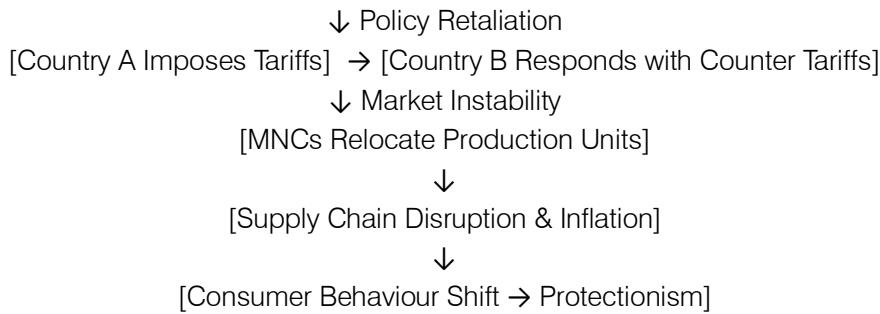 Figure 2: Envisage Differentiation vs Radical Innovation Framework Figure 2. Comparative framework of Contemporary Differentiation and Envisage Radical Innovation demonstrating strategic evolution from incremental to integrative market innovation (adapted from Christensen, 2013; Hill & Hult, 2022; Kotler & Keller, 2023).
Figure 1: Global Trade Conflict Flow Diagram
Figure 1. Global Trade Conflict Flow Diagram illustrating the cyclical impact of retaliatory trade policies on multinational operations and global supply chains (adapted from Bown, 2022; OECD, 2023; UNCTAD, 2023).
<table><tr><td>Dimension</td><td>Contemporary Differentiation</td><td>Envisage Radical Innovation</td></tr><tr><td>Strategic Focus</td><td>Market Segmentation</td><td>Global Cognitive Market Mapping</td></tr><tr><td>Innovation Type</td><td>Incremental Adaptation</td><td>Disruptive Integration (Cross-Sectoral)</td></tr><tr><td>Risk & Sustainability</td><td>Moderate–High Risk, Short-term Focus</td><td>Low–Balanced Risk, Long-term Sustainable Impact</td></tr><tr><td>Value Creation</td><td>Product/Brand Differentiation</td><td>Systemic Synergy, Value Chain Integration</td></tr><tr><td>Consumer Relationship</td><td>Reactive Engagement</td><td>Pre-emptive Brand Loyalty Creation</td></tr><tr><td>Market Penetration Approach</td><td>Traditional 4Ps and 7Ps</td><td>Envisage Integrated 7Ps + 7Cs Hybrid Framework</td></tr></table>
e) Choosing the Wrong Contemporary and Radically Innovative Business Plans
- Selecting an inappropriate contemporary incremental or radically innovative business plan can jeopardise even the most promising venture. When a company develops a niche or high-end product but applies a misaligned radically innovative marketing plan or chooses an unsuitable market, the result can be commercial failure. A notable example is Bugatti's venture in India, which illustrates the repercussions of strategic misalignment between innovation and market selection (Johnson, 2023).
f) Denomination Marketing and Targeting Emerging Segments
Envisage Infinitive's research has identified new and previously unexplored market segments through the concept of Denomination Marketing. This approach enables marketers and international business strategists to implement cost-effective Envisage BTL plans targeting specific segments across developing and developed global markets (Kotler & Keller, 2023).
The model assists in creating brand prosumers and loyal customers long before the company enters new international markets. Unlike conventional international marketing strategies that rely heavily on standardised global or corporate communication plans, the Envisage Infinitive Integrated Marketing Framework ensures brand loyalty formation through Envisage R&D, extended product life cycles, and proactive corporate social responsibility (CSR) engagement (Czinkota & Ronkainen, 2023).
Moreover, the model embodies a federalist business ideology, inspired by flexible federalism - a system promoting interdependence and global collaboration - thus forming the foundation for a Radically Envisage Integrated Federal Business Model advocating for "One World" (Stiglitz, 2021).
### g) Competition from Local and Existing International Companies
In line with Porter's Five Forces framework, competition within industries is intensifying, particularly in emerging markets such as India and China (Porter, 2008). Local incumbents and established international brands present formidable barriers to entry. Examples such as Chevrolet and General Motors in India underscore the complexity of international expansion even for globally successful firms (Hill & Hult, 2022).
Here, Envisage Infinitive offers a robust solution for companies targeting these lucrative markets - especially for their cash cow and star products (Boston Consulting Group, 2022). The model capitalises on the high awareness and aspirational consumption behaviour of upper-middle-class consumers in these demographics.
### h) Cost, Pricing, and Segment Identification
Cost and pricing remain key determinants of international business success. Selecting the right price point and market segment can mean the difference between brand penetration and market rejection.
Bugatti's failure in India, for instance, resulted from mispricing and misidentifying target demographics (Johnson, 2023).
Envisage Infinitive provides a structured solution through its Envisage Strategic Pricing Framework, ensuring sustainable profitability via balance between consumer perception, affordability, and premium brand positioning (Kotler & Keller, 2023).
## III. ENVISAGE RESEARCH AND CLUSTER-BASED MARKET APPROACH
The Envisage Infinitive model advances beyond conventional market research by promoting cluster and sub-cluster market segmentation. Traditional locali sation, typically focused on metropolitan areas, fails to capture the complexity of regional diversity. Hence, Envisage proposes cluster-specific research encompassing local socio-economic issues, demographics, and cultural drivers (Prahalad & Hart, 2002).
This localised research strategy aligns brand development with community engagement - addressing issues like unemployment, clean water, women's empowerment, and healthcare - while embedding CSR directly within the marketing process. By integrating CSR activities such as educational quizzes, branded giveaways, and micro employment for surveyors within communities, companies cultivate early positive brand perception, trust, and advocacy (Kotabe & Helsen, 2022).
The result is a hybrid online-offline research ecosystem, enabling Envisage-driven brands to identify and nurture undervalued or unidentified market segments well before market entry.
Figure 3: Envisage Strategic Failure Analysis Framework
<table><tr><td>Failure Dimension</td><td>Cause of Failure</td><td>Envisage Infinitive Countermeasure</td></tr><tr><td>Market Misalignment</td><td>Wrong target market selection</td><td>Envisage Denomination Marketing with targeted BTL strategy</td></tr><tr><td>Pricing Strategy Failure</td><td>Inadequate cost-positioning analysis</td><td>Envisage Strategic Pricing Framework</td></tr><tr><td>Product Lifecycle Neglect</td><td>Lack of sustained innovation</td><td>Envisage R&D Integration + CSR-driven lifecycle management</td></tr><tr><td>Lack of Local Insight</td><td>Over-standardisation of global plan</td><td>Cluster & Sub-cluster Research Approach</td></tr><tr><td>Weak Brand Engagement
Pre-Launch</td><td>Late-stage marketing activation</td><td>Envisage Pre-Launch Brand Loyalty Programme (CSR + BTL Integration)</td></tr></table>
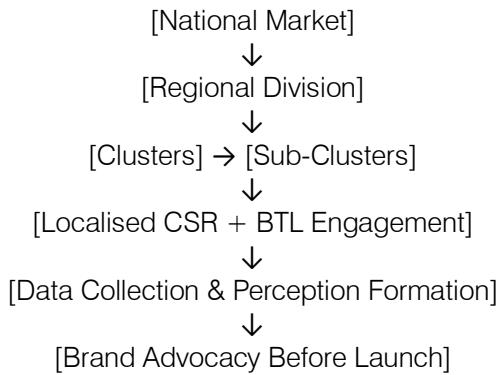 Figure 3. Strategic Failure Analysis Framework contrasting contemporary pitfalls with Envisage Infinitive's integrated counterstrategies (adapted from Porter, 2008; Kotler & Keller, 2023; Johnson, 2023). Figure 4: Envisage Cluster and Sub-Cluster Market Research Model Figure 4. Envisage Cluster & Sub-Cluster Market Research Model illustrating integration of CSR activities, local insights, and BTL engagement for pre-launch brand advocacy (adapted from Prahalad & Hart, 2002; Kotabe & Helsen, 2022).
### a) Identifying New Segments
Envisage research has identified new segments based on variables extending beyond traditional demographics such as profession and income group. These include segmentation by faith, denominational affiliations, companies of employment, clubs, organi sations, and associations within specific clusters and sub-clusters where the product is positioned. This approach transcends conventional segmentation limited to religion or belief systems by recognising the multiplicity of social identities influencing consumer behaviour (Kotler et al., 2022).
The model proposes identifying underestimated and previously overlooked denominations and microcommunities within these clusters, such as educational institutions-ranging from primary and secondary schools to universities-and professional groups (e.g. doctors, engineers, and lawyers). This targeted approach allows marketers to connect with highly specific consumer ecosystems, enhancing precision and engagement (Hollensen, 2020).
### b) Selection of International Market
When selecting an international market for penetration, Envisage Infinitive advocates a futuristic, strategically selected approach. For instance, while the collaboration between Tesla and Tata Electronics aimed to produce Tesla cars in India, Envisage analysis indicates that an alternative strategic alliance with Indonesian manufacturers could yield superior scalability, lower production costs, and enhanced trade access through ASEAN-India and RCEP agreements (UNCTAD, 2023).
Indonesia's favourable FDI policies, competitive labour costs, and extensive regional trade treaties make it a more profitable and sustainable option than India for manufacturing ventures targeting Asia-Pacific, Europe, and North America (World Bank, 2024). This strategy exemplifies Envisage Infinitive's focus on maximising cost efficiency, policy compatibility, and global synergy.
Furthermore, Ghana is identified as a secondary strategic hub due to its youthful, technically qualified labour force and its geographic advantage in accessing African, European, and American markets. By establishing operations in such regions, firms can simultaneously achieve diversification, lower operational risk, and broaden global market outreach (Porter, 1986; Rugman & Verbeke, 2008).
### c) Penetrating International Markets with Maximum Global Market Outreach
Envisage Infinitive proposes innovative methods of market penetration designed not only to secure entry into a domestic market but also to ensure access to interconnected global markets. The Envisage Marketing Plan commences with the early deployment of Public Relations specialists within the targeted market-eschewing overreliance on secondary research and external feasibility studies (Doole & Lowe, 2019).
For example, while conventional quantitative reports once suggested limited feasibility for Mercedes-Benz in India, Envisage underscores the importance of combining quantitative and qualitative research to capture latent market potential (Cavusgil et al., 2021).
This plan further advocates segment-specific engagement through sub-clusters: schools, universities, retirees' associations, professional networks, and community organisations. Activities such as interneighbourhood sports, academic quizzes, and creative contests should be integrated with below-the-line (BTL) marketing tactics-including the distribution of brand-collateral items and future discount cards-to build brand pros and brand loyalists even before product launch.
Digital integration, such as interactive social-media campaigns and QR-based discount mechanisms, further strengthens the brand-community relationship (Kotabe & Helsen, 2021).
### d) Targeting Educational and Professional Segments
Targeting younger consumers within school, college, and university environments ensures long-term brand affinity. Scholarships, sponsorships, and andragogy (adult learning) initiatives promote both goodwill and emotional connection, fostering a future consumer base loyal to the brand (Solberg, 2015).
Professional universities and colleges form a critical sub-cluster, representing the bridge between educational and corporate markets. Envisage Infinitive proposes talent-engagement initiatives such as competitive quizzes, workshops, and employment assurance certificates for selected high-performing students, integrating talent acquisition with market development.
### e) Denomination Segment
This segment refers to religious practitioners such as pastors, gurus, monks, and priests-and their followers. It involves subdividing the population into micro-groups based on faith, profession, and social engagement levels. Marketers should engage with these groups through targeted Envisage MarCom BTL plans, product showcases, discount programmes, and community donations to establish deep social trust and brand advocacy (Arnould et al., 2019).
Installing branded vending machines, offering lifetime membership benefits, and sponsoring community events form part of Envisage's federal synergy model-linking commerce, culture, and community under one global identity.
### f) Targeting Organisational and Corporate Segments
Engaging company employees directly through HR and board-approved programmes allows distribution of discount vouchers, scholarships, sponsorship, and andragogy workshops. The Envisage plan encourages forming alliances with local trainers and creative educators to deliver development sessions in clusters, creating a two-way brand dialogue while promoting employee empowerment and brand equity (Kotler & Keller, 2022).
### g) Envisage Integrated Marketing Communication Plan
Historically, integrated marketing communication (MarCom) planning was confined to the communication activities of individual firms. However, Envisage Infinitive redefines this concept as a collective communication ecosystem, where both individual and cooperative MarCom plans converge to serve a unified international cluster (Kotler & Keller, 2022).
Under this model, commonly accepted gift vouchers function across participating companies within a cluster-covering both new entrants and existing firms. This approach not only builds collective brand synergy, but also enhances cost efficiency and consumer inclusivity across diverse demographics. Such collective sponsorships and scholarships represent a break through concept in cluster-based international marketing, fostering a shared ecosystem of loyalty and value creation (Hollensen, 2020).
Moreover, for products where above-the-line (ATL) advertising is restricted by government or regulatory authorities (e.g. tobacco, alcohol), Envisage Infinitive provides a compliant BTL-led communication framework under which promotional ethics and policy adherence are maintained (Doole & Lowe, 2019).
### h) Envisage Product Innovation
Envisage Infinitive proposes a dual-purpose integrated marketing collateral strategy where promotional items-garments, stationery, accessories, and apparel featuring both the manufacturer's and sponsor's logos-serve initially as free promotional gifts and later evolve into independent revenue-generating product lines. This approach transforms traditional marketing collateral into brandable micro-products that reinforce identity and generate cash flow simultaneously (Kotabe & Helsen, 2021).
A notable illustration of this principle is the Royal Enfield "Thunderbird", which leveraged holistic product design and cultural resonance to outperform international competitors such as Harley-Davidson in India. This demonstrates the Envisage principle of cost-effective innovation that integrates product design, communication, and localisation to establish sustainable market dominance (Porter, 1986).
### i) Envisage Integrated Marketing Plan
Competition within international markets increasingly necessitates cross-industry collaboration. Envisage recommends that associations of similar or related sectors develop integrated international marketing plans which promote shared causes (e.g., sustainability, education, or infrastructure development). By aligning cause marketing with federal synergy (the model's foundational theory of collaborative global federalism), companies collectively strengthen their position within the targeted markets and enhance regulatory goodwill (Arnould et al., 2019).
### j) Envisage Infinitive Social Responsibility
Envisage Infinitive expands Corporate Social Responsibility (CSR) into a Collective Social Corporate Responsibility (CSCR) framework. Participating firms jointly invest in infrastructure-roads, sanitation, clean water, and smart city initiatives-thereby achieving twofold outcomes: generating revenue through local development projects and cultivating political and public goodwill (UNCTAD, 2023).
Such collective CSR strategies lower individual costs, build positive public perception, and ensure inclusion within governmental planning frameworks (World Bank, 2024). By aligning business objectives with local social development, firms achieve durable market positioning while earning societal trust.
# k) This Model and Artificial Intelligence
The Envisage Infinitive Model employs AI-based systems for staff training, market targeting, and consumer interaction. Machine learning algorithms tailor offers and services to consumer profiles, aligning with data ethics and consumer protection norms. Real-world parallels include Amazon, Swiggy India, Zepto India, and Blinkit, which utilise adaptive algorithms to overcome delivery and consumer engagement barriers (Brynjolfsson & McAfee, 2017).
By combining AI with cognitive marketing theory, Envisage Infinitive leverages consumer cognition theory-where perception and brand association precede purchase intent (Solberg, 2015). Its social responsibility and sub-cluster marketing strategies ensure that consumers' cognition develops positive brand cognates before the actual product launch, maximising psychological readiness for adoption.
### i) Envisage Market Selection for FDI and Subsidiary Alliances (United States Example)
For American corporations seeking international expansion, Envisage Infinitive identifies Indonesia and Ghana as key FDI destinations due to their geographical advantage, demographic youthfulness, and favourable trade treaties. By assembling or packaging in Indonesia, U.S. firms can access Asian, European, and Indian markets under GSP privileges (World Trade Organization, 2023).
Similarly, Indian companies can reach the U.S. market by establishing subsidiary alliances in Sri Lanka, benefitting from GSP export provisions while reducing exposure to U.S.-India tariff disputes. This approach underlines Envisage's commitment to building multinodal global trade bridges rather than relying on bilateral policy negotiations.
## IV. ENVISAGE HUMAN RESOURCE STRATEGIES AND POLICIES
Envisage Infinitive introduces a cluster-based HR recruitment model. American, Indian, and Indonesian subsidiaries can recruit local talent through sub-cluster talent hunts in universities, vocational institutions, and professional networks. Additionally, hiring experienced professionals from India for deployment in subsidiaries across Sri Lanka, Ghana, and Indonesia fosters knowledge transfer and cultural adaptability (Cavusgil et al., 2021).
This cross-national HR mobility not only reduces recruitment costs but also mitigates domestic unemployment pressures by creating hybrid employment ecosystems-local and international.
### a) Regional Applications of the Envisage Infinitive Model
For British Companies:
The model recommends joint ventures with firms in Brazil, the U.S., and Canada to gain access to tacit manufacturing and technological knowledge. British firms can then establish subsidiary manufacturing units in Indonesia, achieving global outreach via cost-efficient production and favourable trade terms. Partnerships with Russian manufacturers, post-conflict, could further enhance technological competitiveness (OECD, 2023).
For Japanese Companies:
By implementing Envisage Infinitive, Japanese corporations can establish subsidiaries in Indonesia to capitalise on GSP access and lower production costs, enhancing their global market presence.
For Chinese Companies:
Chinese corporations seeking access to the U.S. and EU markets can establish assembly and packaging units in Pakistan, Indonesia, and Bangladesh. These bases, operating under GSP and GSP+ schemes, enable duty-free exports while retaining Chinese R&D leadership. Training local staff while transferring knowledge from Chinese engineers ensures scalability and compliance with global standards.
For Indian Companies:
Indian corporations should identify high-demand products within the U.S. market and establish assembly or packaging subsidiaries in Sri Lanka or Indonesia. By registering products under local subsidiaries, they can leverage GSP privileges to penetrate U.S. markets, bypassing existing tariff constraints.
## CHAPTER 4 - STRATEGIC IMPLEMENTATION AND SUSTAINABILITY OF ENVISAGE INFINITIVE
### a) Envisage Supply Chain
The Envisage Infinitive model proposes a highly adaptive and interconnected supply chain structure. It recommends sourcing inward raw materials, components, and ancillaries from cost-effective nations such as India and China, while establishing the manufacturing or assembly of finished branded products in Indonesia. This ensures efficiency, cost reduction, and strategic access to regional markets.
Once the products are ready, they may initially be launched within one cluster market in the United States or Europe, before expanding to other clusters and sub-clusters through collaborations with major global distributors such as Lidl, Tesco, Morrisons, Giant and sub-clusters through collaborations with major global distributors such as Lidl, Tesco, Morrisons, Giant Eagle, Costco, and Walmart. The model also highlights the utility of e-commerce platforms such as Amazon and Alibaba as key distribution and marketing channels, ensuring global outreach and scalability.
(See Figure 4.1: Envisage Global Supply Chain Framework).
### b) Digital Marketing and Artificial Intelligence
Digital marketing under Envisage Infinitive is powered by advanced AI-driven targeting systems, employing local influencers, interactive campaigns, and online gamification to achieve deep market penetration. Techniques such as AI-enabled consumer analytics, personalised brand engagement, and behavioural data modelling allow companies to reach both existing and potential customers with remarkable precision (Kapoor, 2025).
For example, social influencers may unbox products online or demonstrate product utility through interactive digital programmes and quizzes. The approach extends beyond cosmetics to include consumer durables, FMCG, and high-tech goods, blending online visibility with emotional consumer connectivity.
(See Figure 4.2: Envisage AI-Digital Marketing Integration Model).
### c) Standard Global Marketing Plan
The Envisage Infinitive model transcends conventional international marketing strategies by creating globally adaptive yet locally sensitive plans. AI tools are utilised not only to train corporate staff but also to segment and target consumers dynamically. The approach integrates real-time adaptability - as demonstrated by e-commerce models such as Amazon, Swiggy, and Zepto - to sustain market presence through smart automation and consumer cognition enhancement.
### d) Envisage Research and Development (R&D) Plan
The Envisage Infinitive R&D component emphasises the reinforcement of innovation cycles within multinational corporations. A portion of profits derived from applying the model should be reinvested into incremental product innovation and new product development. Companies from industrial economies such as Germany, France, and the United States are advised to replicate the Envisage approach domestically to strengthen their technological pipelines, thereby maintaining competitiveness and innovation continuity.
(See Figure 4.3: Envisage Innovation & Feedback Loop).
### e) Training and Development Framework
The Envisage Infinitive Training and Development Programme advocates the creation of industry-specific, ready-to-recruit talent through structured training pathways. These programmes aim to reskill and redeploy redundant employees affected by contemporary globalisation, thereby alleviating unemployment pressures in advanced economies (Kotler & Keller, 2023).
Through structured learning systems, partnerships with universities, and vocational linkages within sub-clusters, the model enhances productivity while contributing to global employment sustainability.
### f) Sustainability and Global Synergy
Envisage Infinitive ensures the sustainability of employees, products, and companies across their product life cycles. It promotes balanced profitability and ecological responsibility, fostering a sustainable competitive advantage while encouraging ethical and socially responsible practices (Porter & Kramer, 2011).
The model's implementation across nations facilitates not only economic growth but also cross-national cooperation, ensuring a global synergy that strengthens both developed and developing economies.
(See Figure 4.4: Envisage Global Sustainability Cycle).
### g) Sales Targets and Organisational Performance
By implementing the Envisage Infinitive framework, companies can expect measurable improvement in corporate sales, brand loyalty, and market share expansion. Regular innovation in both products and marketing strategies is a central component to ensuring sustained success.
The model also emphasises performance monitoring, setting quantifiable sales targets supported by AI-based analytics to forecast trends, evaluate cluster performance, and identify opportunities for long-term growth.
#### CHAPTER 5 - SUMMARY AND CONCLUSION
### a) Summary
The Envisage Infinitive International Business Model introduces a futuristic paradigm that redefines international business and global marketing through multi-cluster, socially responsible, and technologically integrated approaches. It provides a strategic roadmap for multinational corporations and emerging firms seeking sustainable global expansion.
#### Key Highlights Include:
- Adoption of futuristic utilitarian, socialist, and capitalist frameworks that balance profitability and social responsibility.
- Development of entry-level strategies for cost-effective and successful market penetration.
- Identification of new consumer segments, including educational institutions, professional clusters, and denominational groups.
- Integration of cognitive behavioural theory to strengthen consumer-brand perception.
- Support for cross-border social development, employment generation, and reduction of global trade frictions.
- Encouragement of R&D-driven innovation and retraining of redundant employees.
- Contribution to global GDP growth and the establishment of a positive global synergy.
### b) Conclusion
The Envisage Infinitive model represents a transformative blueprint for global economic cooperation. By fostering socially inclusive growth, technological innovation, and collaborative trade strategies, it provides solutions to some of the major challenges faced by international businesses today.
The model's adaptability enables it to be implemented across nations with diverse economic structures, encouraging flexible federalism and futuristic capitalism. By promoting equitable trade, sustainable practices, and skill-based employment, it offers a pathway towards collective global prosperity.
Ultimately, Envisage Infinitive reimagines international business as a harmonious and mutually beneficial system that merges commerce, technology, and humanity under a single, sustainable global vision Dedication
This work is dedicated to all visionaries, innovators, and global thinkers who dare to reimagine the boundaries of international business and sustainable growth.
To the educators, researchers, and strategists who continue to challenge convention and inspire new paradigms in global commerce.
And most importantly, to those entrepreneurs and future leaders who believe that profitability and sustainability are not opposites, but partners in shaping a resilient and inclusive world economy.
Generating HTML Viewer...
References
66 Cites in Article
A Bryman,E Bell (2022). Business Research Methods.
M Czinkota,I Ronkainen (2023). International Marketing.
J Daniels,L Radebaugh,D Sullivan (2021). International Business: Environments and Operations.
C Hill,G Hult (2022). Global Business Today.
M Kotabe,K Helsen (2022). Global Marketing Management.
P Kotler,K Keller,F Ancarani,M Costabile (2022). Marketing Management.
M Peng (2021). Global Business.
M Porter,M Kramer (2019). Creating Shared Value.
M Saunders,P Lewis,A Thornhill (2019). Research Methods for Business Students.
S Cavusgil,G Knight,J Riesenberger (2020). International Business: The New Realities.
C Christensen (2016). The Innovator's Dilemma: When New Technologies Cause Great Firms to Fail.
C Hill (2021). International Business: Competing in the Global Marketplace.
M Hitt,R Ireland,R Hoskisson (2020). Strategic Management: Concepts and Cases: Competitiveness and Globalization.
S Hollensen (2020). Global Marketing.
K Keller (2013). Strategic Brand Management: Building, Measuring, and Managing Brand Equity.
P Kotler,K Keller (2016). Marketing Management.
P Kotler,H Kartajaya,I Setiawan (2019). Marketing 4.0: Moving from Traditional to Digital.
Michael Porter (2008). How Competitive Forces Shape Strategy.
C Prahalad,V Ramaswamy (2004). The Future of Competition: Co-Creating Unique Value with Customers.
C Bown (2022). the US-China Trade War and Global Economic Policy.
C Christensen (2013). The Innovator's Dilemma.
Michael Czinkota,Ilkka Ronkainen (2023). An International Marketing Manifesto.
Shiny Gupta,Dipankar Sengupta (2022). India-Africa Trade Diversification: Analyzing the Shift from Traditional to Non-traditional Partners (2013-2017).
C Hill,G Hult (2022). Global Business Today.
W Kerr (2022). The Global Talent War: Make in America vs Make in India.
P Kotler,K Keller (2023). Marketing Management. 16th edn.
(2023). World Investment Report 2020.
(2024). World Economic Outlook 2024: Global Trade Fragmentation and Resilience.
(2022). Growth-Share Matrix Revisited: Strategy for a Dynamic Market.
M Czinkota,I Ronkainen (2023). International Marketing.
C Hill,G Hult (2022). Global Business Today.
K Johnson (2023). Strategic Misalignment and Brand Failure: Lessons from Bugatti India.
M Kotabe,K Helsen (2022). Global Marketing Management.
P Kotler,K Keller (2023). Marketing Management.
M Porter (2008). the Five Competitive Forces That Shape Strategy.
Coimbatore Prahalad,Stuart Hart (2002). The fortune at the bottom of the pyramid.
J Stiglitz (2021). Globalisation and Its Discontents Revisited.
E Arnould,L Price,G Zinkhan (2019). Consumers.
Tamer Cavusgil,Gary Knight,John Riesenberger,Attila Yaprak (2021). Conducting Market Research for International Business.
No ethics committee approval was required for this article type.
Data Availability
Not applicable for this article.
How to Cite This Article
Amit Kapoor. 2026. \u201cEnvisageInfinitive an International Business & Global Marketing Model\u201d. Global Journal of Management and Business Research - E: Marketing GJMBR-E Volume 25 (GJMBR Volume 25 Issue E2): .
Explore published articles in an immersive Augmented Reality environment. Our platform converts research papers into interactive 3D books, allowing readers to view and interact with content using AR and VR compatible devices.
Your published article is automatically converted into a realistic 3D book. Flip through pages and read research papers in a more engaging and interactive format.
Our website is actively being updated, and changes may occur frequently. Please clear your browser cache if needed. For feedback or error reporting, please email [email protected]
Thank you for connecting with us. We will respond to you shortly.