INTRODUCTION
Chronic kidney disease (CKD) is a progressive, irreversible condition characterized by a gradual decline in kidney function, ultimately leading to end-stage renal failure (ESRD), which requires renal replacement therapies such as hemodialysis (HD) or kidney transplantation for survival (Cao, Chen, Liu, Wu, & Gao, 2025). CKD has emerged as a major global public health challenge, with prevalence rising due to aging populations, lifestyle changes, and increasing rates of diabetes and hypertension (Cao et al., 2025). In Bangladesh, CKD incidence is particularly concerning, with many patients affected by comorbidities and limited access to specialized care (Kar & Islam, 2023; Fatemaa et al., 2025). For most ESRD patients in low- and middle-income countries, hemodialysis remains the most accessible and life-sustaining treatment (Kar & Islam, 2023).
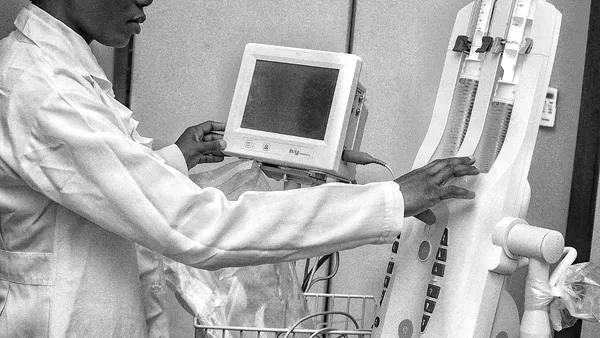
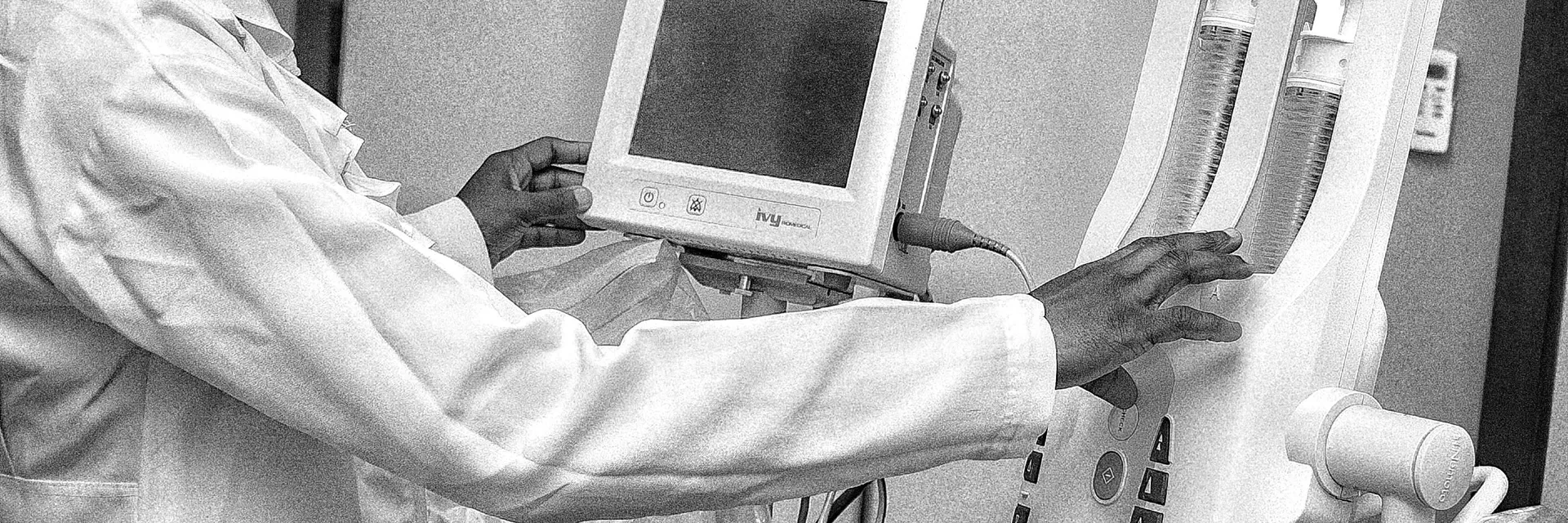
Hemodialysis is the most commonly used treatment for kidney failure. It is a procedure in which a dialysis machine and a special filter—also known as an artificial kidney or dialyzer—are used to remove waste products and excess fluids from the blood when kidney function is impaired. The number of individuals undergoing hemodialysis is increasing each year. This time-intensive and expensive therapy imposes both physical and psychosocial stress, creating a significant burden on patients and their families (George, Zaidi, & Kazmi, 2022). Hemodialysis is often considered a “family illness,” with family caregivers serving as essential partners in the therapeutic process. Caregivers frequently prioritize the needs of patients over their own, spending less time on health-promoting activities, which adversely affects their own health and disrupts their daily routines (Ebadi, Sajadi, Moradian, & et al., 2021).
While life-saving, hemodialysis imposes substantial physical and psychological demands on patients. Common physiological challenges include fatigue, anemia, vascular access complications, and cardiovascular comorbidities (Hejazi, Hosseini, Ebadi, & et al., 2021). Patients must also adhere to strict dietary and fluid restrictions, frequent hospital visits, and lengthy dialysis sessions multiple times per week (George, Zaidi, & Kazmi, 2022). These challenges extend to family members, who act as informal caregivers and bear significant responsibility in ensuring treatment adherence, monitoring complications, and providing emotional and practical support (Ebadi, Sajadi, Moradian, & et al., 2021).
Family caregivers play a pivotal role in ESRD management, yet caregiving is often associated with high levels of stress and reduced quality of life (QoL) (Akbari, Farsi, & Sajadi, 2023; Pio, Prihanto, Jahan, Hirose, Kazawa, & Moriyama, 2022). In South Asia, family caregiving is strongly influenced by cultural expectations, with emotional bonds and familial obligations promoting close involvement in patient care (Khouban-Shargh, Mirhosseini, Ghasempour, & et al., 2024). While this involvement can improve patient outcomes, it frequently leads to psychological and social burdens, including anxiety, depression, and social isolation, adversely affecting both caregiver well-being and the quality of care provided (Akbari et al., 2023; George et al., 2022; Pio et al., 2022).
Caregiver burden encompasses both objective and subjective dimensions. Objective burden refers to tangible disruptions such as time constraints, reduced social interactions, and physical strain, while subjective burden involves emotional and psychological responses, including stress, frustration, and feelings of inadequacy (Ebadi et al., 2021). Evidence indicates that caregiver stress intensifies as patients’ disease progresses or as treatment complexity increases, potentially leading to burnout and reduced caregiving capacity (Khouban-Shargh et al., 2024; Al Maqbali, Al Omari, Abu Sharour, & et al., 2025). In Bangladesh, financial challenges, limited access to renal replacement therapy, and inadequate healthcare infrastructure exacerbate caregiver stress, creating a unique burden for family members (Fatemaa et al., 2025; Kar & Islam, 2023).
Perceived stress reflects a caregiver’s appraisal of their ability to manage caregiving demands. High levels of perceived stress are associated with anxiety, depression, and decreased QoL (Khouban-Shargh et al., 2024; Al Maqbali et al., 2025; George et al., 2022). Stress often has reciprocal effects: as patients experience physical or emotional distress, caregiver stress increases, which can negatively impact patient care and outcomes (Ebadi et al., 2021; Hejazi et al., 2021). Studies in Indonesia and Iran report that family caregivers of hemodialysis patients commonly experience moderate to high levels of stress, highlighting the global relevance of this issue (Pio et al., 2022; Khouban-Shargh et al., 2024).
Stress management and social support are key factors in mitigating caregiver stress. Structured programs that focus on adaptive coping strategies, problem-solving, relaxation techniques, and emotional regulation can significantly reduce perceived stress and enhance QoL and caregiving effectiveness (Khouban-Shargh et al., 2024; Al Maqbali et al., 2025). Social support from family, friends, or community networks reduces perceived stress, improves coping, and strengthens caregivers’ ability to provide effective patient care (George et al., 2022; Pio et al., 2022).
Despite growing awareness of caregiver stress, research specifically focusing on family caregivers in low- and middle-income countries, including Bangladesh, remains limited. Local evidence suggests caregivers face unique challenges due to insufficient healthcare resources, financial constraints, and social pressures (Kar & Islam, 2023; Fatemaa et al., 2025). Understanding the prevalence and determinants of stress among caregivers is therefore essential for designing culturally appropriate interventions that enhance both caregiver well-being and patient outcomes.
ESRD and hemodialysis impose considerable psychological and social demands on family caregivers. High levels of stress among caregivers negatively affect QoL and caregiving capacity (Akbari et al., 2023; Khouban-Shargh et al., 2024; George et al., 2022; Pio et al., 2022). Addressing caregiver stress through structured interventions and strong social support networks is crucial for holistic ESRD management, particularly in resource-limited settings like Bangladesh. This study aims to assess the level of stress among family caregivers of patients undergoing hemodialysis and identify contributing factors to guide interventions that improve caregiver and patient outcomes.
MATERIALS AND METHODS
Research Approach
A quantitative research approach was adopted to systematically examine the stress levels experienced by family members of patients with end-stage renal failure undergoing hemodialysis. This approach facilitated the collection of numerical data that could be statistically analyzed, allowing for objective measurement and reliable conclusions regarding caregivers’ stress.
Research Design
A descriptive cross-sectional design was employed to provide a snapshot of the stress levels and coping mechanisms among family members at a specific point in time. This design enabled the study to explore and describe the experiences and challenges of patients in the hemodialysis unit.
Sample
The study population comprised family members of patients undergoing hemodialysis at a selected Hospital in Gazipur, Dhaka. The accessible population included family members present during the data collection period who consented to participate. Using a non-probability convenience sampling technique, a total of 120 participants were selected.
Criteria for Sample Selection
Inclusion Criteria: The study included family members who accompanied patients during hemodialysis and provided essential support. Participants were required to be present during the data collection period and be aged 25 years or older.
Exclusion Criteria: Family members who were not directly related to the patient, such as friends or extended relatives, were excluded. Additionally, those who were unwilling to participate, unable to read or write in Bangla, absent during the data collection period, or younger than 25 years were not considered for the study.
Tool for Data Collection
Data were collected using a structured questionnaire consisting of two sections. Section A gathered socio-demographic information, including age, gender, education, occupation, relationship to the patient, and other relevant characteristics. Section B employed the Kingston Caregiver Stress Scale (KCSS), a standardized 10-item instrument designed to assess caregiver stress. Each item was rated on a 5-point Likert scale, where 1 indicated "No Stress" and 5 indicated "Extreme Stress." Total scores ranged from 10 to 50 and were categorized as Low Stress (10–20), Moderate Stress (21–30), High Stress (31–40), and Extreme Stress (41–50). The KCSS was validated and culturally adapted into Bangla for use in this study to ensure clarity and appropriateness for participants (Sadak et al., 2017; García-Martínez et al., 2021).
Data Collection Procedure
After obtaining ethical approval and hospital permission, participants were approached in the waiting area of the hemodialysis unit. The researcher explained the study purpose, obtained informed consent, and provided the structured questionnaire. Participants completed the self-administered questionnaire in 15–20 minutes, with clarification provided as needed.
Data Processing and Analysis
Data were coded and analyzed using descriptive statistics (frequency, percentage, mean, standard deviation) for demographic variables. Inferential statistics, specifically the Chi-square test, were employed to assess associations between stress levels and selected socio-demographic variables. Study findings were presented in tables and graphs (bar charts and pie charts).
Ethical Considerations
The study adhered to the principles of the Declaration of Helsinki and received ethical clearance from the Institutional Ethical Review Board (IERB) of selected institution (Approval No: EMC/IERB/2024/10-17, October 29, 2024). Participants were provided with detailed information sheets and consent forms indicating the purpose, methods, and voluntary nature of the study. The participation was risk-free to the participants, and confidentiality and anonymity were guaranteed at all stages of the study. In addition, institutional clearance was also obtained from the study site prior to data collection.
RESULTS
Table [tab:demographics] reveals that most family members accompanying patients with end-stage renal failure undergoing hemodialysis were aged 20–30 years (31.7%), followed by those aged 41–50 years (27.5%) and 31–40 years (24.2%), with 16.7% aged 51 years and above. Slightly more than half were male (53.3%), and the majority were married (65.8%) and Muslim (81.7%). High school education was most common (31.7%), and housewives formed the largest occupational group (28.3%), followed by private employees (16.7%) and government employees and farmers (12.5% each). Most participants belonged to joint families (59.2%) and were spouses of the patients (45.0%). Family income was fairly distributed, with 31.7% earning above BDT 20,001. Participants predominantly resided in rural areas (42.5%), followed by semi-urban (37.5%) and urban areas (20.0%). The majority were always present with the patient (41.7%), and most patients’ conditions were of moderate severity (60.0%).
Table [tab:stress-levels] reveals that the majority of family members of patients with end-stage renal failure undergoing hemodialysis experienced severe stress, accounting for 74.2% of the sample. A smaller proportion reported moderate stress (25.0%), while only 0.8% of participants experienced low stress. This indicates that most family members face a high level of psychological burden while caring for patients undergoing hemodialysis.
Table [tab:association] reveals that stress levels among family members of patients undergoing hemodialysis were significantly associated with age, gender, and occupation. Severe stress was most prevalent across all age groups, particularly among participants aged 31–40 years (24.2%) and 20–30 years (22.5%). Gender differences were also evident, with a higher proportion of males (45.8%) experiencing severe stress compared to females (28.3%), while moderate stress was slightly higher among females (17.5%) than males (7.5%). Occupation showed a significant association with stress, with severe stress being more common among private employees (14.2%) and government employees (5.8%), whereas moderate stress was observed mainly among government employees (6.7%). These findings indicate that age, gender, and occupation are important factors influencing the psychological burden of family members caring for patients undergoing hemodialysis.
Table [tab:comparison] reveals that mean stress scores among family members of patients undergoing hemodialysis differed significantly across several selected variables. Age was significantly associated with stress (), with the highest mean stress observed in the 31–40 years group () and the lowest in those aged 51+ years (). Gender also showed a significant difference (), with males () having slightly higher stress than females (). Family type influenced stress levels significantly (), with participants from nuclear families () experiencing higher stress than those from joint families ().
| Demographic Variable | Category | n | % |
|---|---|---|---|
| Age (years) | 20–30 | 38 | 31.7 |
| 31–40 | 29 | 24.2 | |
| 41–50 | 33 | 27.5 | |
| 51 and above | 20 | 16.7 | |
| Gender | Male | 64 | 53.3 |
| Female | 56 | 46.7 | |
| Marital Status | Unmarried | 38 | 31.7 |
| Married | 79 | 65.8 | |
| Others | 3 | 2.5 | |
| Religion | Islam | 98 | 81.7 |
| Hindu | 17 | 14.2 | |
| Christian | 4 | 3.3 | |
| Buddhist | 1 | 0.8 | |
| Level of Education | No formal education | 19 | 15.8 |
| Primary school | 30 | 25.0 | |
| High school | 38 | 31.7 | |
| Collegiate | 33 | 27.5 | |
| Occupation | Government employee | 15 | 12.5 |
| Private employee | 20 | 16.7 | |
| Retired | 9 | 7.5 | |
| Farmer | 15 | 12.5 | |
| Daily worker | 8 | 6.7 | |
| Student | 12 | 10.0 | |
| Businessperson | 7 | 5.8 | |
| Housewife | 34 | 28.3 |
Table . Distribution of Stress Levels among Family Members (N = 120)
| Level of Stress | n | % |
|---|---|---|
| Low | 1 | 0.8 |
| Moderate | 30 | 25.0 |
| Severe | 89 | 74.2 |
Table . Association between Stress Levels and Socio-Demographic Variables
| Demographic Variable | Low Stress n (%) | Moderate Stress n (%) | Severe Stress n (%) | p-value | |
|---|---|---|---|---|---|
| Age (years) | 19.1 | <0.01 | |||
| 20–30 | 1 (0.8) | 10 (8.3) | 27 (22.5) | ||
| 31–40 | 0 | 0 | 29 (24.2) | ||
| 41–50 | 0 | 10 (8.3) | 23 (19.2) | ||
| 51+ | 0 | 10 (8.3) | 10 (8.3) | ||
| Gender | 10.79 | <0.01 | |||
| Male | 0 | 9 (7.5) | 55 (45.8) | ||
| Female | 1 (0.8) | 21 (17.5) | 34 (28.3) | ||
| Occupation | 24.41 | 0.04 | |||
| Govt. Employee | 0 | 8 (6.7) | 7 (5.8) | ||
| Private Employee | 1 (0.8) | 2 (1.7) | 17 (14.2) | ||
| Others | — | — | — |
Table . Comparison of Stress Levels by Selected Variables
| Variable | Category | Mean Stress Score | SD | df | F/t | p-value | CI |
|---|---|---|---|---|---|---|---|
| Age | 20–30 | 33.36 | 5.45 | 3 | 9.69 | <0.01 | — |
| 31–40 | 36.89 | 3.00 | |||||
| 41–50 | 32.81 | 3.82 | |||||
| 51+ | 30.55 | 3.73 | |||||
| Gender | Male | 34.60 | 5.45 | — | 2.51 | 0.01 | 0.45–3.87 |
| Female | 34.44 | 3.00 | |||||
| Family Type | Nuclear | 36.12 | 3.58 | — | 5.46 | <0.01 | 2.71–5.80 |
| Joint | 31.85 | 4.58 | |||||
| Marital Status | Married | 32.73 | 4.54 | 2 | 6.55 | <0.01 | — |
| Unmarried | 35.68 | 4.44 | |||||
| Others | 30.00 | 1.73 | |||||
| Monthly Income | 5001–10000 | 34.28 | 4.09 | 3 | 5.23 | <0.01 | — |
| 10001–15000 | 36.21 | 3.45 | |||||
| 15001–20000 | 31.51 | 5.77 | |||||
| Above 20001 | 33.32 | 3.97 | |||||
| Area of Residence | Rural | 32.66 | 4.82 | 2 | 5.66 | <0.01 | — |
| Semi-Urban | 35.37 | 4.31 | |||||
| Urban | 32.25 | 4.15 | |||||
| Patient Condition | Mild | 31.72 | 6.33 | 2 | 13.59 | <0.01 | — |
| Moderate | 32.62 | 3.95 | |||||
| Severe | 37.06 | 3.35 |
DISCUSSION
The findings of this study provide a comprehensive understanding of the demographic characteristics, stress levels, and associated factors among family caregivers of patients undergoing hemodialysis. As shown in Table [tab:demographics], the majority of caregivers were young adults aged 20–30 years (31.7%), followed by those aged 41–50 years (27.5%) and 31–40 years (24.2%). This predominance of younger caregivers aligns with international evidence indicating that adult children and spouses commonly assume caregiving responsibilities, particularly in contexts where institutional support for chronic illness is limited (Ebadi et al., 2021; Al Maqbali et al., 2025). The slightly higher proportion of male caregivers (53.3%) contrasts with studies reporting a predominance of female caregivers (Tudayan-Espiritu, 2024; Shukri et al., 2020), suggesting context-specific socio-cultural dynamics may influence caregiving roles, such as male participation in hospital accompaniment and family decision-making. Most participants were married (65.8%) and identified as spouses of the patients (45.0%), emphasizing the central role of familial relationships in caregiving and supporting Tao et al.’s (2023) dyadic framework, which recognizes the interdependent health outcomes of patients and their caregivers.
Educational attainment and occupational status emerged as key factors influencing caregiver stress. High school education was most common (31.7%), while housewives constituted the largest occupational group (28.3%), followed by private (16.7%) and government employees (12.5%). Prior studies have indicated that lower educational attainment may limit health literacy and coping strategies, thereby exacerbating stress (Padekar et al., 2024; Surani et al., 2021). However, the observed stress among employed caregivers highlights the additional burden imposed by work responsibilities, supporting the assertion that professional demands interact with caregiving duties to heighten psychological strain (Intas et al., 2020). Furthermore, most participants lived in joint family systems (59.2%) and rural areas (42.5%), factors previously identified as moderating stress through enhanced social support and shared caregiving responsibilities (Tao et al., 2023; Sułkowski et al., 2024).
Table [tab:stress-levels] demonstrates that an overwhelming 74.2% of caregivers experienced severe stress, with only 0.8% reporting low stress. These findings are consistent with existing literature showing high prevalence of psychological distress—including anxiety, depression, and sleep disturbances—among caregivers of hemodialysis patients (Gerogianni et al., 2021; Shukri et al., 2020; Intas et al., 2020). The severity of stress reflects the complex and enduring nature of caregiving, which often requires managing patients’ medical needs, emotional support, and coordination with healthcare systems, potentially leading to significant psychosocial strain (Ebadi et al., 2021).
The associations between stress and caregiver characteristics (Tables [tab:association] and [tab:comparison]) further elucidate the determinants of psychological burden. Younger caregivers, particularly those aged 20–40 years, reported the highest stress levels, possibly due to competing personal, occupational, and familial responsibilities (Al Maqbali et al., 2025). Gender differences were also notable, with males exhibiting slightly higher mean stress scores than females. This finding diverges from prior studies emphasizing higher female stress, suggesting that contextual factors—such as economic responsibilities, primary decision-making roles, or the nature of patient accompaniment—may amplify stress among male caregivers in this setting (Tudayan-Espiritu, 2024).
Occupational status and income were significantly associated with stress levels, with caregivers in the 10,001—15,000 BDT range experiencing the highest stress. This underscores the role of financial strain in exacerbating caregiver burden, in line with prior evidence linking economic hardship to psychological distress (Al Maqbali et al., 2025; Padekar et al., 2024). Additionally, semi-urban residents reported higher stress levels, possibly reflecting the challenges of limited healthcare infrastructure, travel requirements for treatment, and competing work obligations. Family structure also influenced stress: participants from nuclear families experienced higher stress than those from joint families, highlighting the buffering role of extended family support in mitigating caregiver burden (Tao et al., 2023; Surani et al., 2021).
Crucially, patient-related factors, particularly the severity of illness, were strongly associated with caregiver stress. Caregivers attending to patients in severe condition reported the highest stress levels (), indicating that caregiving demands escalate as patient health deteriorates. This finding corroborates the dyadic illness management theory, which emphasizes the interconnectedness of patient and caregiver well-being (Tao et al., 2023). It also suggests that interventions must consider both patient clinical status and caregiver psychosocial needs to effectively reduce stress and improve overall outcomes.
While these results are broadly consistent with the literature, several critical considerations warrant attention. First, the predominance of severe stress among caregivers may reflect the study’s hospital-based sampling, which could overrepresent caregivers of more critically ill patients. Second, the reliance on self-reported measures may introduce response bias, potentially inflating perceived stress levels. Third, socio-cultural and economic contexts may limit the generalizability of findings to other populations or healthcare settings. Despite these limitations, the study provides valuable insights into the factors influencing caregiver stress and highlights the urgent need for targeted interventions.
Practical implications are clear. Structured family-based interventions, including educational programs, counseling, respite services, and financial guidance, have demonstrated effectiveness in reducing caregiver burden and improving quality of life (Surani et al., 2021; Intas et al., 2020). Moreover, early identification of high-risk caregivers based on demographic and patient-related factors—such as age, family type, income, and patient illness severity—can enable proactive psychosocial support. Policy initiatives should integrate caregiver support into routine hemodialysis care, including stress management programs, social support enhancement, and training to improve coping strategies. Such interventions may not only enhance caregiver well-being but also indirectly improve patient adherence and clinical outcomes.
CONCLUSION
Caregivers of hemodialysis patients experience substantial psychological burden, with stress levels influenced by demographic, socio-economic, familial, and patient-related factors. Younger caregivers, males, those from nuclear families, and individuals with lower income or caring for patients in severe conditions are particularly vulnerable to elevated stress. These findings highlight the urgent need for support strategies that address both the practical and emotional challenges of caregiving. Interventions such as counseling, educational programs, respite services, and enhanced social support can reduce stress, improve quality of life, and promote more effective caregiving. Integrating caregiver-focused initiatives into routine hemodialysis care is essential not only to safeguard caregiver well-being but also to improve patient outcomes, ensuring a holistic and sustainable approach to chronic kidney disease management.