Aircraft attendants are at a high risk of occupational injuries and illnesses, leading to substantial compensation costs and staff shortages in the aviation industry. To address this issue, this study introduces an innovative virtual reality technique and advanced motion tracking system integrated with ergonomics tools to effectively evaluate the risk of musculoskeletal disorders (MSDs) among aircraft attendants during their routine tasks. The study involved twentytwo participants who performed two common tasks: opening/closing the passenger door, and lifting luggage from the floor and placing it into the overhead compartment. The inappropriate postures were identified, which resulted in excessive strainon the participants’ lower back. By analyzing the impact of biomechanical variables, such as object weight, body height, and trunk motion, on the lower back, the study provides valuable insights that can inform the development of safety training programs and real-time monitoring approaches for injury prevention.
## I. INTRODUCTION
Aircraft attendants in the aviation industry are exposed to various challenging and hazardous situations. Unfortunately, they face a higher risk of workplace injuries and illnesses. According to the U.S. Bureau of Labor Statistics [1], aircraft attendants experienced 4,980 nonfatal workplace injuries and illnesses in 2019, with a rate of 517 per 10,000 full-time workers. Additionally, since 2003, $34\%$ of all aircraft attendants have been injured on the job, and one in four have lost work time due to an injury [2]. Studies have shown that primary risk factors for these injuries and illnesses include aircraft attendant seating, handling of passenger luggage, service trolley design and maintenance, and galley design. Besides external factors, exerting forces and postures while pushing the serving cart, bending and twisting the upper body to pick up luggage, and reaching for items can contribute to musculoskeletal disorders (MSDs). The most commonly affected areas are the shoulders and back due to poor biomechanical techniques and chronic fatigue[3].
To evaluate and prevent injuries in the aviation industry, various companies and research groups have developed injury assessment methods for aircraft attendants. Delta Airlines, a leading aviation airline, used Marsh's Ergonomics Practice to conduct a comprehensive review of ergonomics risks for aircraft attendants. This practice assessed the body forces, movements, and repetitions that aircraft attendants perform during their shifts [4]. In [5], this study developed a questionnaire that uses the 6-digit North American Industrial Classification System (NAICS) code and 2-digit Workers Compensation Insurance Organizations (WCIO) code to analyze injury characteristics, such as body part injured, nature of the injury, and cause of injury, in the aviation industry. A study among Sri Lankan aircraft attendants [6] analyzed various factors in their questionnaire, including sex, ethnicity, duration of service, height, weight, ergonomic training, nature of the injury, manner of injury, part of the body affected, and whether the injury required time off to recover. In [7], this study developed another self-made questionnaire that covers personal and work-related information, work environment, pain occurrence site and intensity, and workplace stress. While these studies help to understand the strains that come with being an aircraft attendant, more research is needed to comprehensively understand how anthropometric and biomechanical factors impact aircraft attendants' health.
Virtual reality (VR) technology is currently being utilized to investigate the effects of external factors such as vision and sound on the body. By simulating real-life situations, individuals can make spontaneous movements in a safe environment without risking injury. For instance, in one study [8], VR was used to design innovative interiors that enhance passenger comfort and well-being on future business aircraft by improving privacy during travel. Another study [9] employed the virtual fit trials to assess the impact of seat width, load factor, and passenger demographics on airline accommodation. VR is also an essential component of aircraft attendant training mandated by the Federal Aviation Administration and can last anywhere from two to eight weeks, depending on the airline and aircraft type. During training, candidates must perform routine duties and safety drills under direct supervision to pass a safety, emergency, and evacuation procedure test [10,11]. A recent study [12] focused on aviation safety procedural training, which uses a VR environment with a 3-D virtual aircraft attendant as an instructor to demonstrate and provide feedback on each procedure. However, an additional study should be conducted to examine the human factor and ergonomic aspects of the exerted forces on the lower back of aircraft attendants during their routine activities using VR technology.
Accordingly, the primary objective of this study is to introduce an innovative technology to effectively evaluate the risk of MSDs among aircraft attendants during their routine tasks. To achieve this goal, a VR environment of an aircraft has been developed using Unity 3D software and an Oculus Quest headset. Simultaneously, an advanced motion tracking system has been integrated with ergonomic software to assess the back strains that can cause injuries in real time. By determining the spinal forces, a preventive approach will be devised by analyzing the impact of biomechanical variables on the lower back and improving improper movements of aircraft attendants, ranging from small actions such as serving food to passengers to significant strain-inducing actions like opening/closing the cabin door.
## II. METHODS
### a) Virtual Reality (VR) Environment
The VR environment in Unity 3D (Unity Technologies, San Francisco, US)[13] comprises several elements, including the fuselage, food trolley, cabin door, passenger seats, and kitchen cabinets and drawers. These elements were designed by Igor Yerm [14] and are illustrated in Figure 2.1. The game elements that the player interacts with are the cart, cabin door, and kitchen cabinets and drawers, while the fuselage and seats contribute to creating a realistic scene and enable interaction with the VR world. Each element requires a unique setup to complete its task, and the specific details for each task are listed below.
To prepare the VR environment and ensure that all Unity packages were installed correctly, the fuselage file was imported as an asset and placed in the game space. Its position was set to (0, 0, 0) without any rotation, and it was scaled by a factor of 11.3 to match the dimensions of the cabin, which is $2.23\mathrm{m}$ high, $3.71\mathrm{m}$ wide, and $27.48\mathrm{m}$ long [15]. To enable participants to enter the VR world, both of the Oculus integration App and the extended reality (XR) interaction toolkit were installed to allow the use of the Oculus Rift within Unity. The XR plug in management was selected for version 3.2.16, the spatializer plugin was selected for the Oculus, and the Oculus VR rig was added to the game to provide an in-game camera. Its initial setup was also at $(0,0,0)$.
To enable interaction with game objects, rigid bodies, and colliders were added to both VR hands. Rigid bodies provide mass to entities, while colliders define their shape and boundaries. A mass of 0.6kg was added to the hand anchors on both left and right sides, and a radius of 0.06m was added to a sphere collider, based on the average weight and length of human hands [16]. The hand anchors match the controller motion in-game. Furthermore, the trigger on the controller was selected under the sphere collider to enable grabbing actions. To synchronize the movement of VR hands, the same process of adding a rigid body and sphere collider was applied to the controller anchors, which are located under the children of the hand anchors.
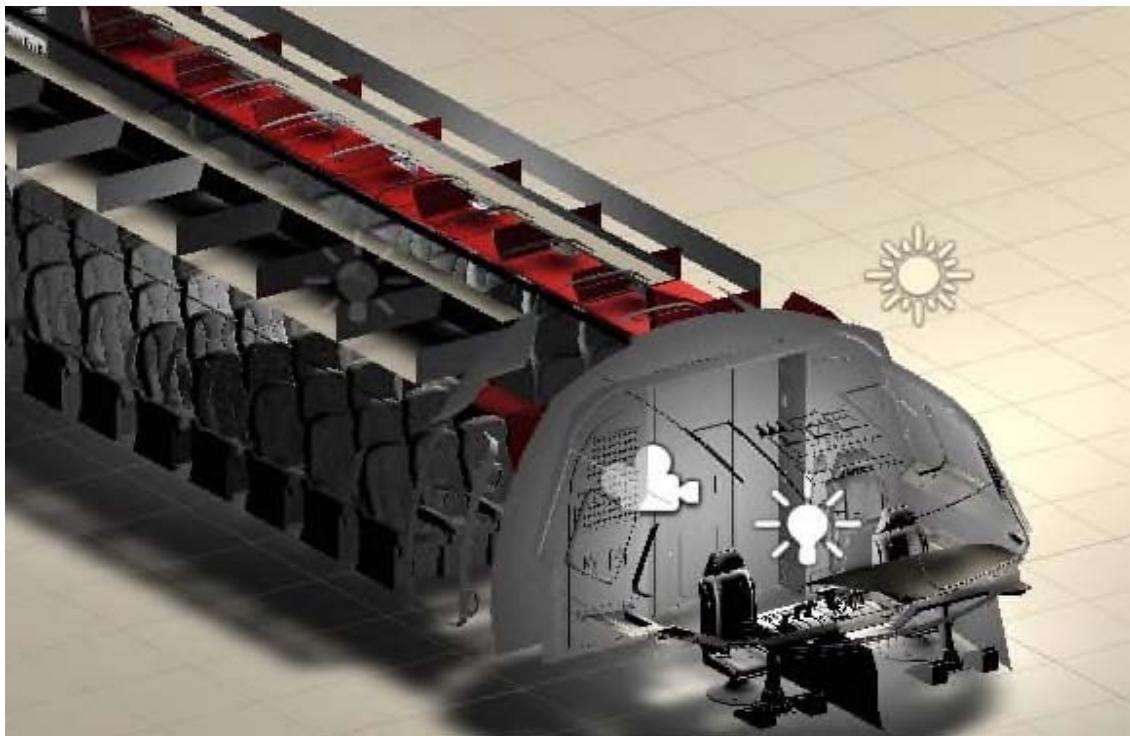 Figure 2.1: The VR Environment in Unity 3D for Participants to Complete Tasks
### b) Subjects and System Setup
A total of twenty-two subjects were recruited for this study, and their body height and weight are presented by the mean value $\pm$ standard deviation (11 males: $179.6 \pm 3.4\mathrm{cm}$ (height), and $78.1 \pm 5.7\mathrm{kg}$ (weight); 11 females: $164.6 \pm 4.2\mathrm{cm}$ (height), and $67.2 \pm 7.9\mathrm{kg}$ (weight)). During the orientation session, all subjects were informed of the study protocols. Anthropometric data, including hand, lower arm, upper arm lengths, arm span, ankle height, foot, shank, and thigh lengths, as well as shoulder and hip widths, were measured for each subject before movement collection.
The Xsens MVN Awinda (Xsens 3D Motion Tracking Technology, Netherlands)[17] was used to capture the actual movement of each subject during their task performance in this study. Figure 2.2 (a) illustrates the use of individual digital human models (DHM_Xsens) created in the Xsens Analyze software to represent the digital versions of the subjects.
A second digital human model (DHM_JACK, Figure 2.2 (b)) was created in JACK simulationtool (Siemens PLM software)[18] to evaluate the forces exerted on the lower back of subjects, based on the anthropometric data collected in the orientation section. The trajectory of kinematic motion data from the DHM_Xsens was exported into JACK, which has a unique feature that allows alignment of the skeletal segments of DHM_Xsens to the anatomical joint centers of DHM_JACK, thus achieving actual human movement in DHM_JACK.
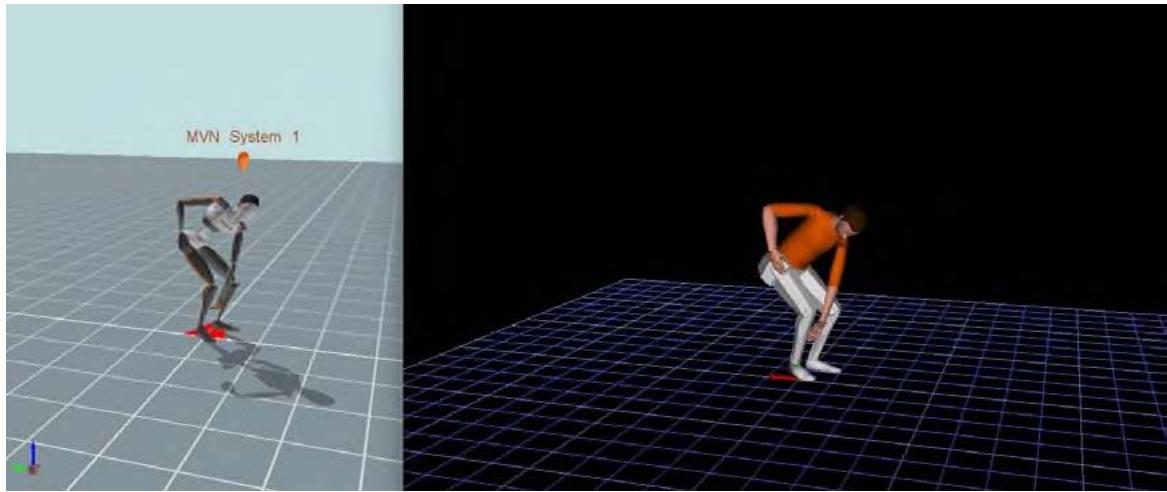 Figure 2.2: The Integration of Xsensawinda Software (Left) with JACK Siemens Ergonomics Software (Right). The Motion of Both Dhms is Synchronous
### c) Operational tasks
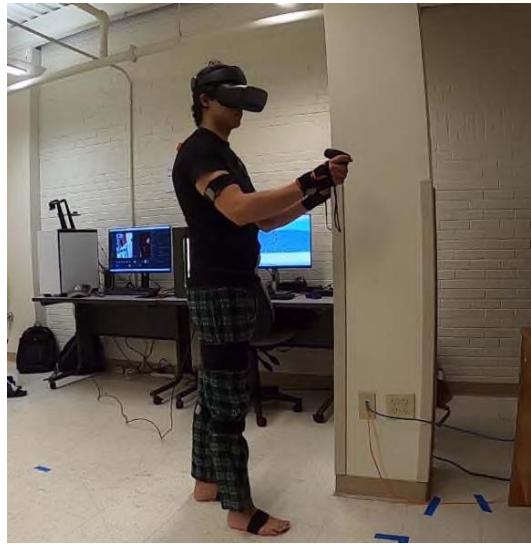
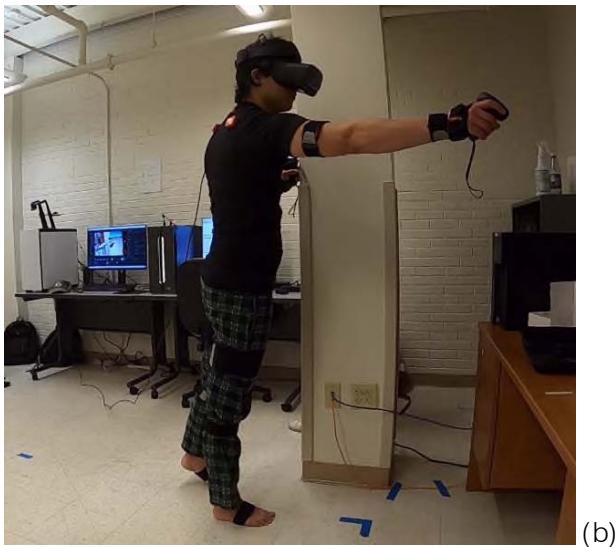
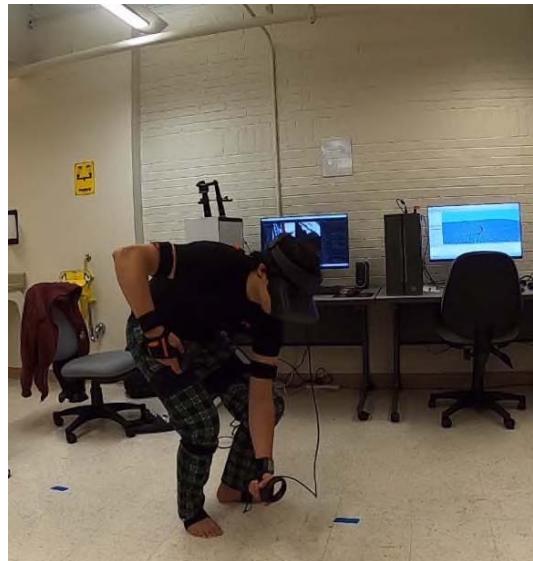
Two common tasks were designed for subjects: 1) opening the cabin door from the inside of the aircraft, and 2) lifting a carry-on luggage for passengers, as shown in Figure 2.3. Each task was repeated four times to ensure the high reliability of the collected data.
Task#1: A mass of 158kg [19] was added to the cabin door, and the hinge joint in the door was set to velocity tracking for movement. An anchor was used to set the axis of rotation of the door, and an angular drag of 1000N was set to provide resistance and prevent the door from moving freely or swinging after being pushed. To realistically imitate the door opening task, each subject's left hand needed to be pressed against the real physical wall, while their right hand needed to grab the VR door to open it. Rotational limits were set in the program at the fuselage and 90 degrees open to ensure the same ending position for all subjects. After completing the task, the subjects were required to close the cabin door to its original position.
Task#2: The task is a two-hand lifting task that involves lifting the luggage. The luggage was designed in Autodesk Fusion 360 and imported as an asset, but it only had a visual mesh and did not allow for interaction. Therefore, convex mesh colliders were added to the luggage, and giving it a rigid body with a mass of $10\mathrm{kg}$ [20]. The luggage handle was chosen as the first grab point, and a cube was made as a subunit of the main luggage with a collider added, which was placed at the bottom of the luggage as the second grab point. The overhead compartment was given a mesh collider so the luggage could be placed inside it.
 (a)
 (c)
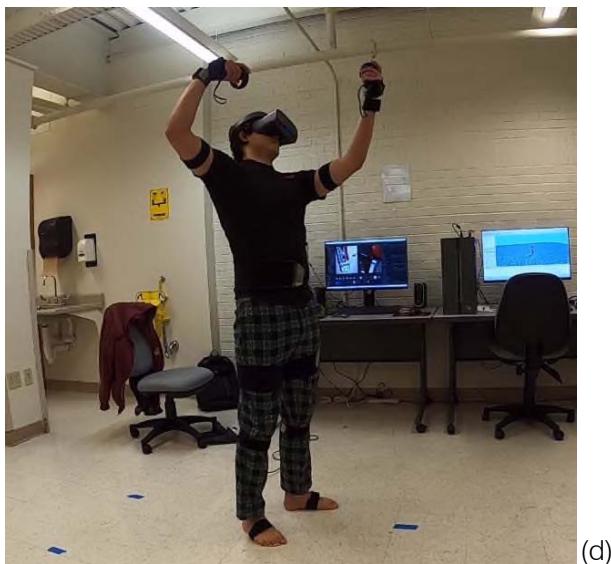 Figure 2.3: Two Common Tasks for Subjects to Perform. (a) Opening the Passenger Door; (b) Closing the Passenger Door; (c) Lifting the Luggage from the Floor; (d) Placing the Luggage into the Overhead Compartment
### d) Data Analysis
The focus of this study was on identifying postures that could put aircraft attendants at a high risk of injury during task performance. Specifically, four postures were detected where excessive forces were exerted on the 4th/5th (L4/L5) lumbar spine.
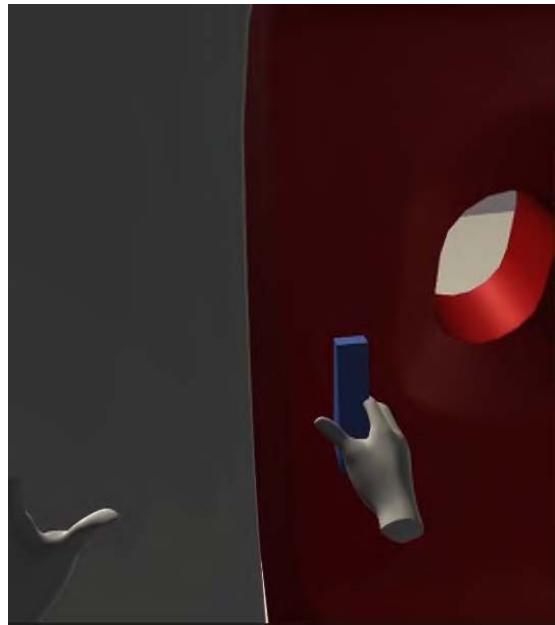
Pose#1 in Task#1: The first pose where the excessive force was detected was observed when the subjects began to open the cabin door, as depicted in Figure 2.4 (a). For safety considerations, a force magnitude of 140N [21,22] was applied to the palm of the dominant right hand, with a pushing forward direction.
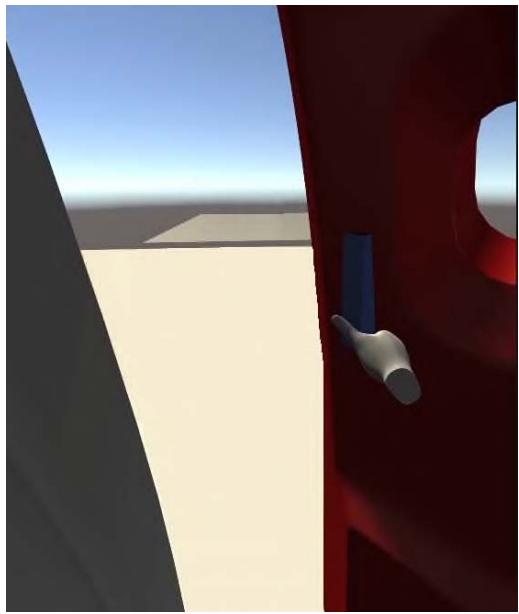
Pose#2 in Task#1: The second posture that may put the subjects at risk was identified when they started closing the door, as shown in Figure 2.4 (b). The magnitude of the applied hand force was also set to 140N, with its direction perpendicular to the door and pointing towards the left side.
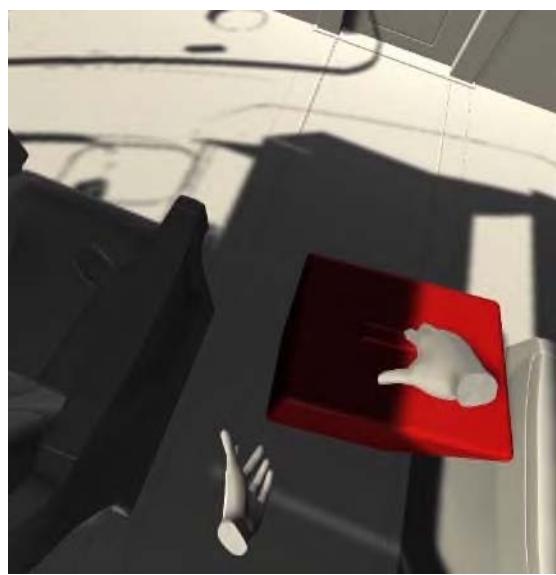
Pose#1 in Task#2: The first pose of interest was observed as the subjects initiated the lifting of the luggage from the floor, as shown in Figure 2.4 (c). To conform with the airline luggage regulations, we used a luggage weight of $10\mathrm{kg}$ [20]. The magnitude of force applied to each hand was determined to be $50\mathrm{N}$ ( $F = m \times a / 2$ ) to maintain consistency across subjects, with the direction of force being vertically upward.
Pose#2 in Task#2: The second pose was detected as the subjects placed the luggage in the overhead compartment, as shown in Figure 2.4 (d). We assumed that the magnitude of the applied hand force was still 50N for each hand, and the direction was upward.
 (a) (b)
 (c)
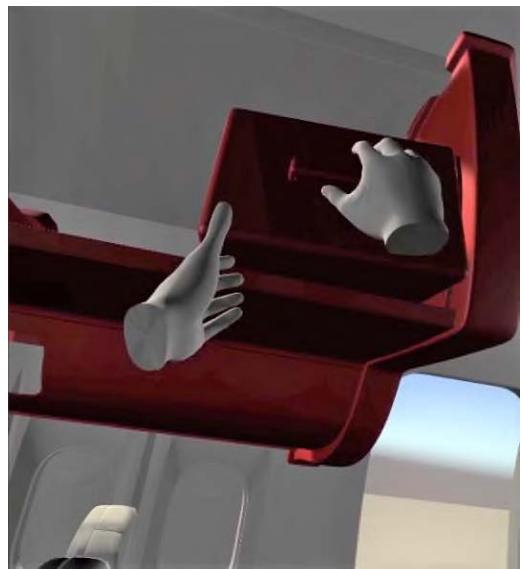 (d) Figure 2.4: The Four Detected Postures had Excessive Forces Exerted on the L4/L5lumbar Spine.(a) Opening the Passenger Door; (b) Closing the Passenger Door; (c) Lifting the Luggage from the Floor; (d) Placing the Luggage into the Compartment
### e) Statistical analysis
For each task, we conducted a two-way analysis of variance (ANOVA) to determine the significant difference in exerted spinal forces on L4/L5 between the two detected poses and genders. We further performed a t-test to analyze the variables of compressive force, AP shear force, and each anatomical joint angle, to understand the differences between males and females at each pose. The statistical significance level was set at 0.05. Additionally, we analyzed the cross-correlation (R) between key anthropometric variables such as body weight, body height, joint angles, and the exerted spinal forces to identify the effect of these variables on the risk of MSDs for aircraft attendants.
## III. RESULTS
### a) Task#1: opening and closing the passenger door
Figure 3.1 illustrates the spinal forces applied to the L4/L5 spinal disc. A significant variation in spinal forces $(p < 0.05)$ for two specific poses was displayed in Table 3.1. However, in a comparison between genders, a significant difference was only revealed in the compressive spinal force, which was presented in Tables 3.2 and 3.3.
Figure 3.2 illustrates the anatomical joints at two specific poses in Task#1. Most joints have significant differences, except for the trunk and right hip, which were shown in Tables 3.1-3.3. During pose #1, when the subjects open the passenger door, only the trunk shows a significant difference between males and females. Pose #2 exhibits a significant difference in the trunk and right shoulder flexion/extension between genders.
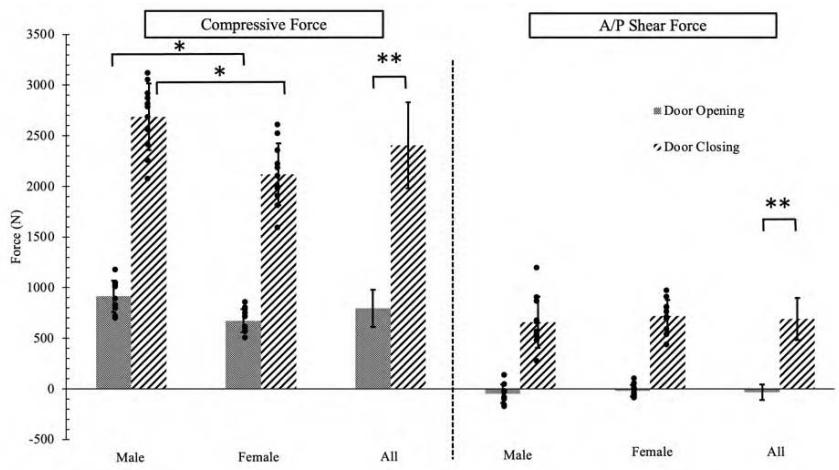 Figure 3.1: The Spinal Forces Exerted on the Lower Back at Two Poses for Task#1
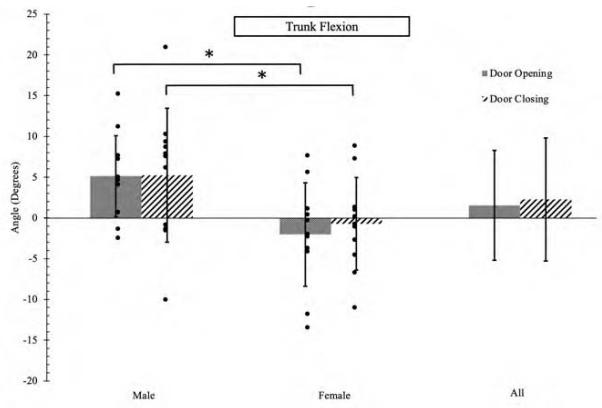
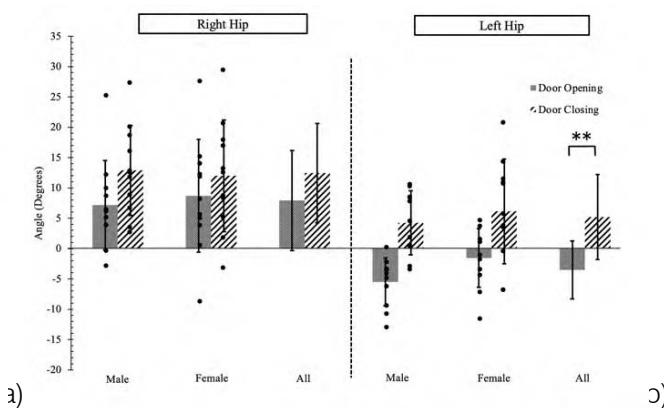
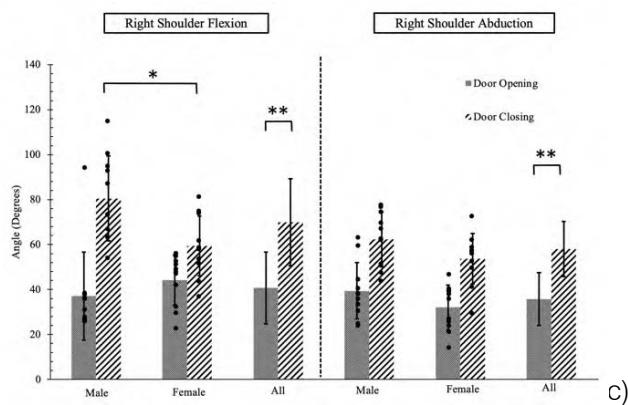
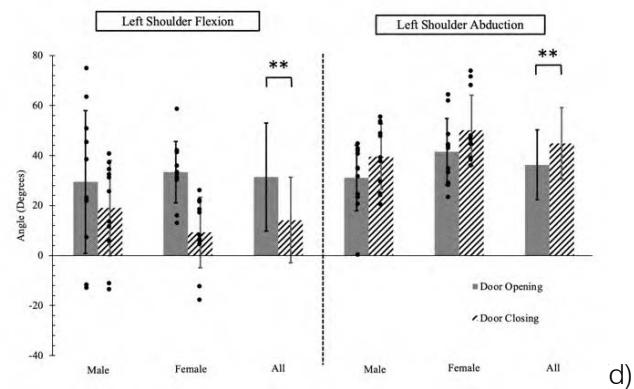 Figure 3.2: The Joint Angles at Two Poses in Task#1.(a) Trunk; (b) Hips; (c) Right Shoulder; (d) Left Shoulder. The Positive and Negative Values for the Trunk, and Hips Indicate Flexion and Extension
Table 3.1: All the Statistical p Values for the Two Specific Poses were Listed. T1 Represents Task#1; Trunk_Flex Represents Trunk Flexion and Extension; R_Sh_Flex Represents Right Shoulder Flexion/Extension; R_Sh_Abd Represents Right Shoulder Abduction/Adduction; L_Sh_Flex Represents Left Shoulder Flexion/Extension; L_Sh_Abd Represents Left Shoulder Abduction/Adduction. All the p Values Less than 0.05 were Bolded
<table><tr><td>T1</td><td>Compressive</td><td>AP Shear</td><td>Trunk Flex</td><td>Right Hip</td><td>Left Hip</td><td>R_Sh_Flex</td><td>R_Sh_Abd</td><td>L_Sh_Flex</td><td>L_Sh_Abd</td></tr><tr><td>Pose#1</td><td>795.2</td><td>65.0</td><td>1.5</td><td>7.9</td><td>-3.5</td><td>40.7</td><td>35.8</td><td>31.4</td><td>36.3</td></tr><tr><td>Pose#2</td><td>2404.0</td><td>691.2</td><td>2.3</td><td>12.4</td><td>5.2</td><td>70.0</td><td>58.0</td><td>14.1</td><td>44.8</td></tr><tr><td>P values</td><td>\(7.3 \times 10^{-24} \)</td><td>\(3.1 \times 10^{-18} \)</td><td>0.72</td><td>0.08</td><td>\(1.9 \times 10^{-5} \)</td><td>\(4.6 \times 10^{-7} \)</td><td>\(1.3 \times 10^{-7} \)</td><td>\(6 \times 10^{-3} \)</td><td>0.04</td></tr></table>
Table 3.2: The p Values Between Males and Females are Listed For Task#1 at Pose#1
<table><tr><td>T1_P1</td><td>Compressive</td><td>AP Shear</td><td>Trunk Flex</td><td>R_Hip</td><td>L_Hip</td><td>R_Sh_Flex</td><td>R_Sh_Abd</td><td>L_Sh_Flex</td><td>L_Sh_Abd</td></tr><tr><td>Males</td><td>916.4</td><td>80.3</td><td>5.1</td><td>7.2</td><td>-5.5</td><td>37.1</td><td>39.5</td><td>29.4</td><td>31.0</td></tr><tr><td>Females</td><td>673.9</td><td>49.8</td><td>-2.0</td><td>8.7</td><td>-1.6</td><td>44.2</td><td>32.1</td><td>33.3</td><td>41.5</td></tr><tr><td>P values</td><td>\(5 \times 10^{-4} \)</td><td>0.38</td><td>\(9 \times 10^{-3} \)</td><td>0.67</td><td>0.06</td><td>0.31</td><td>0.14</td><td>0.68</td><td>0.08</td></tr></table>
Table 3.3: The p Values between Males and Females are Listed for Task#1 at Pose#2
<table><tr><td>T1_P2</td><td>Compressive</td><td>AP Shear</td><td>Trunk Flex</td><td>R_Hip</td><td>L_Hip</td><td>R_Sh_Flex</td><td>R_Sh_Abd</td><td>L_Sh_Flex</td><td>L_Sh_Abd</td></tr><tr><td>Males</td><td>2688.7</td><td>659.6</td><td>5.2</td><td>12.9</td><td>4.3</td><td>80.5</td><td>62.3</td><td>19.0</td><td>39.6</td></tr><tr><td>Females</td><td>2119.2</td><td>722.7</td><td>-0.7</td><td>12.0</td><td>6.1</td><td>59.4</td><td>53.7</td><td>9.2</td><td>50.1</td></tr><tr><td>P values</td><td>\(4 \times 10^{-4} \)</td><td>0.49</td><td>0.05</td><td>0.81</td><td>0.54</td><td>\(7 \times 10^{-3} \)</td><td>0.1</td><td>0.19</td><td>0.09</td></tr></table>
Tables 3.4 and 3.5 present the results of the correlation coefficient analysis. It appears that the variable body height of the subjects has a relatively high correlation with the compressive spinal force. Additionally, the flexion/extension of the right hip is correlated with spinal forces at Pose#2. The R values for all the correlations are listed in the tables.
Table 3.4: The Cross-Correlation between Variables at Pose#1 in Task#1 is Listed. T1_P1 Represents Task#1 at Pose#1; BW Represents Body Weight; BH Represents Body Height
<table><tr><td>T1_P1</td><td>BW</td><td>BH</td><td>Trunk Flex</td><td>Right Hip</td><td>Left Hip</td><td>R_Sh_Flex</td><td>R_Sh_Abd</td><td>L_Sh_Flex</td><td>L_Sh_Abd</td></tr><tr><td>Compressive</td><td>0.25</td><td>0.50</td><td>0.20</td><td>-0.36</td><td>-0.18</td><td>-0.14</td><td>0.41</td><td>-0.40</td><td>-0.14</td></tr><tr><td>AP Shear</td><td>0.16</td><td>0.32</td><td>0.45</td><td>-0.16</td><td>0.27</td><td>-0.23</td><td>0.05</td><td>0.20</td><td>0.04</td></tr></table>
Table 3.5: The Cross-Correlation between Variables at Pose#2 in Task#1 is Listed. T1_P2 Represents Task#1 at Pose#2
<table><tr><td>T1_P2</td><td>BW</td><td>BH</td><td>Trunk Flex</td><td>Right Hip</td><td>Left Hip</td><td>R_Sh_Flex</td><td>R_Sh_Abd</td><td>L_Sh_Flex</td><td>L_Sh_Abd</td></tr><tr><td>Compressive</td><td>0.69</td><td>0.81</td><td>0.32</td><td>0.52</td><td>0.11</td><td>0.41</td><td>0.20</td><td>0.43</td><td>-0.42</td></tr><tr><td>AP Shear</td><td>-0.02</td><td>-0.12</td><td>-0.02</td><td>0.60</td><td>0.24</td><td>-0.27</td><td>-0.39</td><td>0.30</td><td>0.25</td></tr></table>
### b) Task#2: Lifting the Passenger Luggage
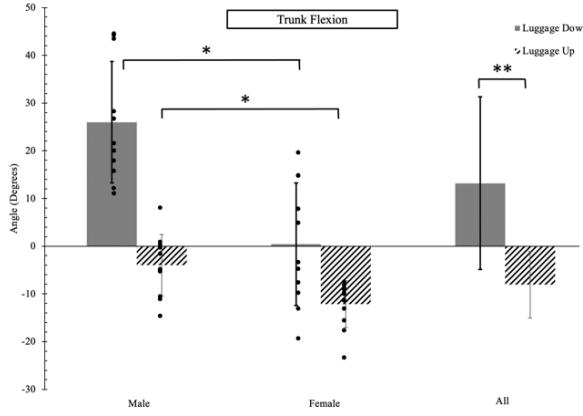
Figures 3.3 and 3.4 illustrate the variables tested for significance at two specific poses. Nearly all the variables show a significant difference, except for the right and left shoulder abduction/adduction when subjects lifted the passenger luggage from the floor and placed it into the overhead compartment. The corresponding p values for the two poses are listed in Table 3.6. In the comparison between genders, the compressive force exerted on the lower back of participants and the trunk flexion/extension are significantly different at both poses. At Pose#1, the AP shear force is also statistically different between males and females, as indicated in Tables 3.7 and 3.8.
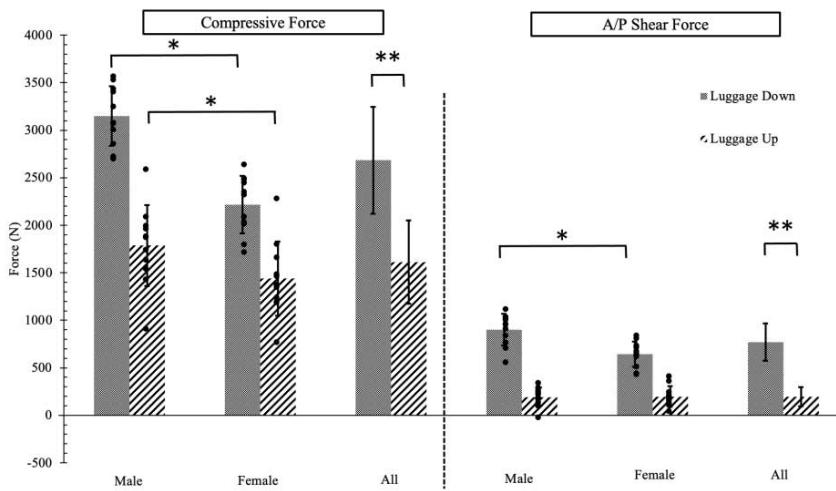 Figure 3.3: The Spinal Forces Exerted on the Lower Back at two Specific Poses For Task#2
 a)
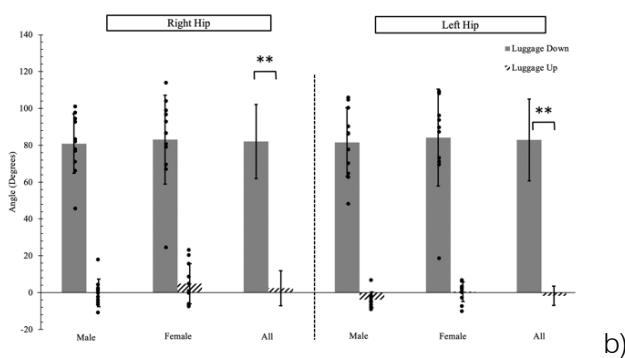
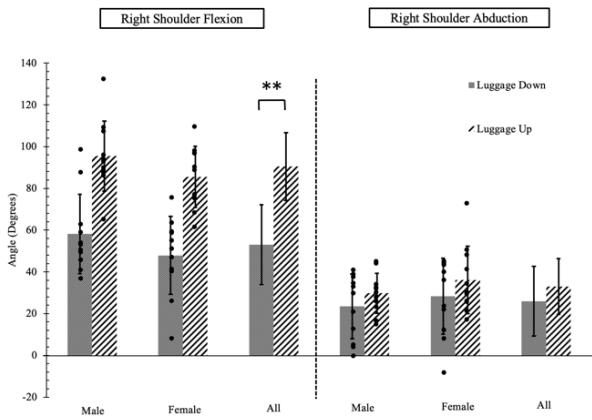
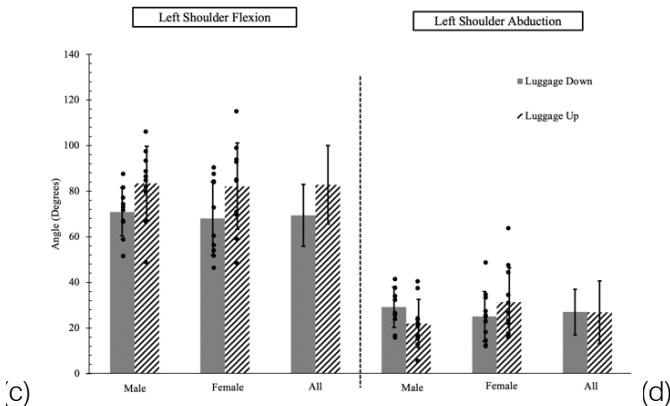 Figure 3.4: The Joint Angles at Two Poses in Task#2.(a) Trunk; (b) Hips; (c) Right Shoulder; (d) Left Shoulder. The Positive and Negative Values for the Trunk, and Hips Indicate Flexion and Extension
Table 3.6: All the Statistical p Values for the Two Specific Poses were Listed. T2 is used to Represent Task#2
<table><tr><td>T2</td><td>Compressive</td><td>AP Shear</td><td>Trunk Flex</td><td>Right Hip</td><td>Left Hip</td><td>R_Sh_Flex</td><td>R_Sh_Abd</td><td>L_Sh_Flex</td><td>L_Sh_Abd</td></tr><tr><td>Pose#1</td><td>2683.9</td><td>771.3</td><td>13.2</td><td>82.0</td><td>82.9</td><td>53.0</td><td>25.9</td><td>69.4</td><td>27.0</td></tr><tr><td>Pose#2</td><td>1613.1</td><td>194.6</td><td>-8.1</td><td>2.4</td><td>-1.7</td><td>90.5</td><td>32.9</td><td>82.8</td><td>26.8</td></tr><tr><td>P values</td><td>3.3 x 10-12</td><td>9.2 x 10-18</td><td>1.3 x 10-8</td><td>1.6 x 10-9</td><td>6.2 x 10-20</td><td>1.2 x 10-8</td><td>0.13</td><td>0.7 x 10-2</td><td>0.89</td></tr></table>
Table 3.7: The p Values between Males and Females are Listed for Task#2 at Pose#1
<table><tr><td>T2_P1</td><td>Compressive</td><td>AP Shear</td><td>Trunk Flex</td><td>R_Hip</td><td>L_Hip</td><td>R_Sh_Flex</td><td>R_Sh_Abd</td><td>L_Sh_Flex</td><td>L_Sh_Abd</td></tr><tr><td>Males</td><td>3149.9</td><td>900.3</td><td>26.0</td><td>80.9</td><td>81.6</td><td>58.1</td><td>23.4</td><td>70.9</td><td>29.2</td></tr><tr><td>Females</td><td>2217.9</td><td>642.3</td><td>0.4</td><td>83.1</td><td>84.2</td><td>47.9</td><td>28.3</td><td>68.1</td><td>25.0</td></tr><tr><td>P values</td><td>\(7.3 \times 10^{-7} \)</td><td>\(7.1 \times 10^{-4} \)</td><td>\(1.4 \times 10^{-4} \)</td><td>0.8</td><td>0.8</td><td>0.22</td><td>0.5</td><td>0.62</td><td>0.33</td></tr></table>
Table 3.8: The p Values between Males and Females are Listed for Task#2 at Pose#2
<table><tr><td>T2_P2</td><td>Compressive</td><td>AP Shear</td><td>Trunk Flex</td><td>R_Hip</td><td>L_Hip</td><td>R_Sh_Flex</td><td>R_Sh_Abd</td><td>L_Sh_Flex</td><td>L_Sh_Abd</td></tr><tr><td>Males</td><td>1787.7</td><td>191.8</td><td>-4.0</td><td>-0.1</td><td>-3.9</td><td>95.4</td><td>29.7</td><td>83.4</td><td>21.9</td></tr><tr><td>Females</td><td>1438.5</td><td>197.4</td><td>-12.2</td><td>4.8</td><td>0.5</td><td>85.5</td><td>36.1</td><td>82.2</td><td>31.3</td></tr><tr><td>P values</td><td>0.05</td><td>0.9</td><td>\(3 \times 10^{-3} \)</td><td>0.23</td><td>0.05</td><td>0.16</td><td>0.27</td><td>0.87</td><td>0.1</td></tr></table>
Tables 3.9 and 3.10 present the results of the correlation coefficient analysis. The variable body height remains highly correlated with spinal forces, particularly at Pose#1 when subjects flexed their upper body to lift luggage from the floor. Moreover, body weight and trunk flexion also show a correlation with the exerted spinal forces at both poses. Other variables do not show a high correlation with spinal forces. The tables list all the R values for the correlations.
Table 3.9: The Cross-Correlation between Variables at Pose#1 in Task#2 is Listed. T2_P1 is used to Represent Task#2 at Pose#1
<table><tr><td>T2_P1</td><td>BW</td><td>BH</td><td>Trunk Flex</td><td>Right Hip</td><td>Left Hip</td><td>R_Sh_Flex</td><td>R_Sh_Abd</td><td>L_Sh_Flex</td><td>L_Sh_Abd</td></tr><tr><td>Compressive</td><td>0.52</td><td>0.86</td><td>0.64</td><td>0.07</td><td>0.11</td><td>0.17</td><td>-0.20</td><td>-0.08</td><td>-0.24</td></tr><tr><td>AP Shear</td><td>0.52</td><td>0.72</td><td>0.50</td><td>0.28</td><td>0.34</td><td>0.10</td><td>-0.01</td><td>-0.04</td><td>-0.24</td></tr></table>
Table 3.10: The cross-correlation between variables at Pose#2 in Task#2 is listed. T2_P2 is used to represent Task#2 at Pose#2
<table><tr><td>T2_P2</td><td>BW</td><td>BH</td><td>Trunk Flex</td><td>Right Hip</td><td>Left Hip</td><td>R_Sh_Flex</td><td>R_Sh_Abd</td><td>L_Sh_Flex</td><td>L_Sh_Abd</td></tr><tr><td>Compressive</td><td>0.61</td><td>0.53</td><td>0.71</td><td>-0.13</td><td>-0.11</td><td>0.10</td><td>-0.17</td><td>-0.44</td><td>-0.10</td></tr><tr><td>AP Shear</td><td>0.41</td><td>0.15</td><td>0.43</td><td>0.09</td><td>0.15</td><td>-0.01</td><td>-0.15</td><td>-0.28</td><td>-0.03</td></tr></table>
## IV. DISCUSSION
In this study, we have effectively evaluated the spinal forces exerted on the lower back of aircraft attendants by integrating advanced motion-tracking techniques with Virtual Reality (VR). This integration was also combined with the Siemens ergonomics software, which allows us to assess the risk of injury accurately.
During Task#1, which involved opening and closing the passenger door, we found a significant difference in the compressive and A/P shear forces on the spine at two specific poses. As the difference between the two poses was noticeable, we observed significant variations in nearly all the joints.
In the gender comparison, we observed a significant difference in the compressive force at both poses, which could be attributed to trunk flexion. On average, male participants demonstrated approximately 7 degrees more trunk flexion than female participants. Furthermore, since the average body weight of males was considerably higher than females, the additional trunk flexion likely resulted in greater compressive force on the L4/L5 spinal disc for males [23,24]. Conversely, females, who had relatively lighter body weight and slight trunk extension at both poses, experienced a significant decrease in the exerted spinal forces. Our study confirms the positive correlation $(R = 0.69)$ between compressive force and body weight. To minimize the risk of injury, it is essential to maintain a neutral trunk position.
At pose#2, the p-value for the right shoulder flexion joint was less than 0.05, indicating a significant difference between male and female participants in their ability to close the passenger door with a fixed handle position. Because of the significant difference in body height between genders, male participants may need to increase their right shoulder flexion when they have relatively higher trunk flexion than females to close the door.
Additionally, in Task#1, a moderate correlation was observed between the right hip and spinal forces, which only occurred at pose#2. Although this correlation was not strong enough in this study, other studies [25,26] have shown that large hip flexion during the push or pull tasks can lead to a significant spinal force, which may increase the risk of lower back injury. Therefore, it is essential to avoid large movements of hip joints to eliminate the risk of injury.
It is important to note that a hand force of 140N was used in Task#1 for safety reasons [21,22] to determine the spinal forces. Assuming a friction coefficient of 1.0, the weight of the passenger door was approximately $14\mathrm{kg}$. However, the actual weight of the door ranges from $120\mathrm{kg}$ to $500\mathrm{kg}$ [27]. Therefore, the applied hand force needed to open the door could be much larger than the 140N used in Task#1. At pose#2, the average A/P shear was 691.2N when the exerted hand force was 140N, which is very close to the recommended safety threshold value of 700N [28]. This suggests that there is a high likelihood of injury to aircraft attendants when opening real passenger doors with larger weights. Thus, the design of the door hinge is a critical factor in preventing injury to aircraft attendants.
In Task#2, which involved lifting the luggage from the floor and placing it into the overhead compartment, most of the variables exhibited significant differences between two specific poses, except for the right/left shoulder abduction/adduction. This may be due to the constraints of the two grabbing points on the luggage. The angles of trunk and hip flexion were identified as factors that led to a significant difference in spinal forces exerted on the lower back [24,26].
At Pose#1 in Task#2, the male participants exerted approximately $30\%$ higher spinal forces than the females. From the cross-correlation analysis, it was observed that trunk flexion was correlated to the spinal forces, including compressive and A/P shear forces, with R values of 0.64 and 0.50, respectively. It appeared that while lifting the luggage from the floor, males flexed their trunks more than females, with both genders having a large hip flexion. This could be attributed to body height differences, as the 15cm gap in height made it easier for male participants to flex their trunks and reach the luggage [26]. The statistical analysis supported this conclusion, as evidenced by the R values of 0.86 and 0.72 for the correlation between body height and spinal forces.
Although the amplitude of spinal forces decreased at Pose#2, there was still a significant difference in compressive force exerted on the lower back between genders. The correlation between trunk movement and spinal forces remained relatively high, with R values of 0.71 and 0.43. To complete the task, subjects had to extend their trunk to put the luggage into the overhead compartment. Trunk extension is beneficial in reducing the risk of lower back injury during the lifting task [29,30]. Due to their relatively shorter body height, female participants had to reach further and extend their trunks more than male participants to place the luggage, resulting in less compressive spinal force being exerted on them. As participants placed the luggage into the compartment, they adopted a nearly neutral pose, which caused the weight of their upper body and the objects to be supported by their lower back. Consequently, the magnitude of compressive force at this specific pose showed a moderate correlation with the variable body weight, with an R value of 0.53.
In Task#2, the maximum hand force was predicted to occur when the load exerted on the lower back was greater than the recommended safety threshold for the either compressive force of 3400N [31] or the safety threshold for the shear force of 700N [28]. Our results indicated that this might cause a high risk of injury for aircraft attendants if the predicted force exerted by each hand reached 48N. In this case, the weight of the luggage should not exceed $10\mathrm{kg}$. However, airlines have different requirements for carry-on luggage, and the weight ranges from 7kg to 15.75kg [20]. To prevent injuries to aircraft attendants, the weight of carry-on luggage should be limited.
## V. CONCLUSION
We have successfully assessed the risk of injury to aircraft attendants during their routine tasks by identifying key factors that could lead to injuries, such as objects with heavy weight, and postures adopted by attendants that may affect the spinal load exerted by the lower back. To reduce the risk of injury, it is crucial to reduce the weight of objects and to minimize upper body flexion for aircraft attendants, especially when assisting passengers in lifting luggage into the overhead compartment. Our study provides an opportunity for airline companies to monitor the injury risk of aircraft attendants and develop safety training programs based on real-time ergonomic results. Furthermore, this innovative fusion technology can be applied to other occupational fields, such as underground mining and manufacturing assembly lines, to prevent injuries and ensure worker safety.
Generating HTML Viewer...
References
28 Cites in Article
U (2022). Nonfatal workplace injuries and illnesses for flight attendants in 2019: The Economics Daily.
Pasternack Tilker,Ziegler Walsh Stanton,& Romano,Llp Attorneys,At Law (2022). 1 Briefing: From Stewardess to Flight Attendant.
K Lombardo,Dorn (2022). Airline and Air Freight Workers Face High Injury Risks-Here's How to Keep Them Safe.
J Smagacz Industrial and Systems Engineering at Work. Ergonomic enhancements improve safety for airline cabin crews.
Kyle Moller,Mary O’connor,Jennifer Lee,Devin Lucas,Joanna Watson (2020). Workers’ compensation injury claims of aviation industry worker injuries in Alaska, 2014–2015.
Suneth Agampodi,Samath Dharmaratne,Thilini Agampodi (2009). Incidence and predictors of onboard injuries among Sri Lankan flight attendants.
Revati Mulay,Anand Gangwal,Ashok Shyam,Parag Sancheti (2019). Prevalence and risk factors for work related musculoskeletal disorders in flight attendants.
F De Crescenzio,S Bagassi,F Starita (2021). Preliminary user centred evaluation of regional aircraft cabin interiors in virtual reality.
Elizabeth Miller,Samuel Lapp,Matthew Parkinson (2019). The effects of seat width, load factor, and passenger demographics on airline passenger accommodation.
J Hayward (2023). How Aircraft Are Tested For Evacuations.
Fabio Buttussi,Luca Chittaro (2020). A Comparison of Procedural Safety Training in Three Conditions: Virtual Reality Headset, Smartphone, and Printed Materials.
I Yerm (2022). 3D Airplane Model.
Dewi Daniels (2022). Byzantine Generals Attack an Airbus A320.
Richard Kaye,Stephan Konz (1986). Volume and Surface Area of the Hand.
(2022). Xsens 3D Motion Tracking Technology.
(2022). Ground Equipment Requirements for Compatibility with Aircraft Unit Load Devices.
Eddie Lambert (2022). Carry, Scoops.
Idig Hardware (2022). Door Opening Force.
(2022). 1 Briefing: From Stewardess to Flight Attendant.
Xiaoxu Ji,Alexa Littman,Ranuki Hettiarachchige,Davide Piovesan (2023). The Effect of Key Anthropometric and Biomechanics Variables Affecting the Lower Back Forces of Healthcare Workers.
X Ji,R Hettiarachchige,A Littman,N Lavery,D Piovesan (2023). Prevent Workers from Injuries in the Brewing Company via Using Digital Human Modelling Technology.
Xiaoxu Ji,Davide Piovesan,Maria Arenas,He Liu (2022). Analysis of Healthcare Push and Pull Task via JACK: Predicted Joint Accuracy during Full-Body Simulation.
Xiaoxu Ji,Ranuki Hettiarachchige,Alexa Littman,Davide Piovesan (2023). Using Digital Human Modelling to Evaluate the Risk of Musculoskeletal Injury for Workers in the Healthcare Industry.
Quora (2023). How much does an airplane door weigh? Available online.
Sean Gallagher,William Marras (2012). Tolerance of the lumbar spine to shear: A review and recommended exposure limits.
X Ji,J Hernandez,E Schweitzer,W Wang,D Piovesan (2023). The assessment of injury risk in the healthcare sector via integrating motion tracking techniques with digital human modelling ergonomic tools.
X Ji,S Tiari (2022). Posture evaluation for the full-body dynamic simulation in JACK Siemens PLM.
T Waters,V Putz-Anderson,A Garg,L Fine Revised NIOSH equation for the design and.
No ethics committee approval was required for this article type.
Data Availability
Not applicable for this article.
How to Cite This Article
Xiaoxu Ji. 2026. \u201cEvaluating the Risk of Injury for Aircraft Attendants Using Virtual Reality and Advanced Motion Tracking System Integrated with Ergonomics Analysis\u201d. Global Journal of Research in Engineering - G: Industrial Engineering GJRE-G Volume 23 (GJRE Volume 23 Issue G2): .
Explore published articles in an immersive Augmented Reality environment. Our platform converts research papers into interactive 3D books, allowing readers to view and interact with content using AR and VR compatible devices.
Your published article is automatically converted into a realistic 3D book. Flip through pages and read research papers in a more engaging and interactive format.
Aircraft attendants are at a high risk of occupational injuries and illnesses, leading to substantial compensation costs and staff shortages in the aviation industry. To address this issue, this study introduces an innovative virtual reality technique and advanced motion tracking system integrated with ergonomics tools to effectively evaluate the risk of musculoskeletal disorders (MSDs) among aircraft attendants during their routine tasks. The study involved twentytwo participants who performed two common tasks: opening/closing the passenger door, and lifting luggage from the floor and placing it into the overhead compartment. The inappropriate postures were identified, which resulted in excessive strainon the participants’ lower back. By analyzing the impact of biomechanical variables, such as object weight, body height, and trunk motion, on the lower back, the study provides valuable insights that can inform the development of safety training programs and real-time monitoring approaches for injury prevention.
Our website is actively being updated, and changes may occur frequently. Please clear your browser cache if needed. For feedback or error reporting, please email [email protected]
Thank you for connecting with us. We will respond to you shortly.