Considering the vast potential of ICT in the education sector, the Government of Bangladesh, like many other countries, has significantly emphasized incorporating ICT into education. Despite various initiatives taken by the government, teachers encounter multiple challenges while trying to integrate ICT into their teaching and learning practices. This study aims to explore the barriers that mathematics teachers face when conducting classes with the help of ICTs. This study adopted a multiple case study research design, considering two cases, one from a government school and the other from a private school in Dhaka city. In this study, the ICT-facilitated classroom, the math teacher of that classroom, and the head teacher served as the units of analysis. Data were collected through classroom observations and semi-structured interviews. By analyzing the data thematically, this study identifies teachers’ attitudes, TPACK, confidence, students’ attitudes, home environment, curriculum, technical, physical, and financial support as the dominating factors that affect teachers’ integration of ICTs in their mathematics teaching and learning practices. Some suggestions are provided for educators, policymakers, and curriculum developers to help overcome these challenges.
## I. INTRODUCTION
ICT has been widely used in the education sector of nearly every country worldwide due to its potential. Mathematics, one of the key areas of education, is no exception. Over the years, ICT has evolved into an effective educational tool that promotes significant change in mathematics teaching and learning processes. Recognizing its immense possibilities, the Government of Bangladesh (GoB) has substantially emphasized incorporating ICT within the National Education Policy 2010 and has initiated several efforts to enhance educational quality. Despite numerous initiatives undertaken by the GoB, research indicates that most Bangladeshi teachers use ICT primarily for administrative purposes, such as preparing notes and emails, keeping administrative records, and searching for basic information (Khan, 2014), rather than applying it effectively to teaching and learning. This study explores the factors hindering teachers from integrating ICT into teaching and learning.
It is claimed that in this 21st century, technology is a vital tool for learning mathematics, and every school needs to ensure technology accessibility to all students (NCTM, 2011). However, developing countries face enormous challenges and possess a unique social context that differs from developed countries (UNESCO, 2014). Consequently, teachers in developing countries may not encounter the same challenges as those in developed countries when integrating technology for teaching and learning purposes. While several studies explore the incorporation of technology into the teaching-learning process, there is scant literature focused on urban teachers' practices with ICT in mathematics classrooms and the obstacles they face in integrating ICTs into their practice, especially in the context of a developing country like Bangladesh. Therefore, the study's main objective is to identify the influential factors that affect ICT incorporation in teachers' teaching practices in urban schools. The following research question has been explored to address the objective of this study.
RQ: What are the factors that affect ICTs' integration in the teaching-learning process in the urban mathematics classroom?
## II. LITERATURE REVIEW
Existing literature indicates that specific characteristics or attributes must be considered when integrating ICT into the mathematics teaching-learning (Ismail, 2020; Lawrence & Tar, 2018; Turgut & Aslan, 2021). Turgut and Aslan (2021) identified five factors (e.g., students, educational materials, infrastructure, management, and teachers) that affect ICT integration in teaching. Conversely, Sokku and Anwar (2019) argued that four distinct aspects, including personal factors, school factors, pedagogical factors, and technological barriers, influence ICT integration. According to Crisan et al. (2007), incorporating ICT into teaching depends on contextual and personal factors. They noted that teachers' learning about ICT and its application in their practice is influenced by school context, institutional characteristics, key institutional personnel, the availability and accessibility of resources, teachers' ICT skills, and ICT professional development. Various studies have examined the enablers and inhibitors of ICT integration in the mathematics teaching-learning process from different perspectives; the literature review is organized below into three interconnected aspects—personal, pedagogical, and institutional.
### a) Personal Aspects
Existing literature showed that teachers' teaching practices are influenced by their attitudes. For instance, Kaleli-Yilmaz (2015) claimed that teachers with a negative attitude towards ICT are less confident and less skilled with technology; as a result, they are less willing to accept and adapt to it, often avoiding using ICT in their teaching practices. In contrast, the scenario is reversed for teachers with positive attitudes (Mundy, 2021).
In a recent study, Sokku and Anwar (2019) stated that ICT integration is directly linked to teachers' attitudes and perceptions of ICT. They reported that teachers who positively perceive the effectiveness of ICT in learning and view learning with ICT as interesting are more inclined to use ICT in their teaching practice. In another study, Davis (1989) claimed that teachers show a positive attitude towards using ICT if they perceive it as easy to use and effective for students. Afshari et al. (2009) argued that their positive attitudes toward ICT will develop when teachers become comfortable with ICT and are well-informed about its implications. Additionally, most research on ICT integration has indicated that teachers' views on technology depend on how individuals evaluate ICTs' role in education (Zinger et al., 2017). The extant literature showed that teachers' and students' interest in technology influences ICT integration in the teaching and learning process. In a study, Deryakulu et al. (2008) claimed that students' interest in learning with technology affects the incorporation of ICT in teaching. Furthermore, several researchers (Cope & Ward, 2019; Parker et al., 2008) stated that the effectiveness of ICT-supported teaching depends on how students perceive the importance of ICT for their learning. In a recent study, Lin and Muenks (2023) argued that students' mindset about technology is somewhat shaped by their family members' perception of technology.
While teachers' perception is a significant predictor of technology integration (Miranda & Russell, 2011; Ottenbreit-Leftwich et al., 2010), it can sometimes constrain teachers from integrating ICTs. For instance, one teacher might believe that direct instruction is the most effective method, rather than embracing the open nature of (some) technological solutions (Donnelly et al., 2011). In another study, Hennessy et al. (2005) found that teachers use technology only when they perceive it will enhance learning compared to other approaches. In an experiment, Cedillo and Kieran (2003) initially found that despite having strong mathematical knowledge, most experienced teachers did not exhibit positive attitudes toward teaching with technology, as they believed that incorporating ICT in teaching would not benefit students. Nevertheless, over time, those teachers began to view the use of ICT in teaching more positively and noticeably changed their practices as they witnessed the positive impact of ICT on their students.
Schiller (2003) claimed that personal characteristics such as age, gender, educational level, experience, familiarity with technology, and attitude toward technology significantly affect the integration of ICT into teaching practice. Several studies have shown that gender influences ICT integration in teaching. Research revealed that male teachers use ICT in their teaching practice more than female teachers (Wilson et al., 2015). Furthermore, research identified that experienced teachers are more reluctant to use technology in their classrooms than their younger counterparts (Mertala, 2019). This hesitance stems from various factors, including anxiety about technology use, a perceived loss of control over the teaching environment, hardware and software limitations, insufficient technical support, the time-consuming nature of acquiring and maintaining ICT proficiency, and the challenge of choosing suitable technology for the classroom setting. In contrast, younger teachers are more open to adopting new teaching strategies and actively engage in training workshops.
### b) Pedagogical Aspects
Research consistently highlights the crucial role of teachers in determining the effectiveness of ICT integration in classrooms (Sutherland et al., 2009).
In a study, Turgut and Aslan (2021) claimed that teachers' and students' ICT competence dominates ICT integration in the teaching-learning process. The Technological, Pedagogical, and Content Knowledge (TPACK) framework is a model for developing teachers' knowledge of ICT integration in education (Mishra & Koehler, 2006).
Existing literature show that despite the sheer existence of ICT facilities in the classroom, the class will not be effective due to the lack of teachers' preparedness to integrate ICT into teaching (Gikundi, 2016). In addition, teachers' self-efficacy and competency with ICT are two major predictors of the integration of ICT in their practice (Buabeng-Andoh, 2019). The extant literature depicted that teachers with stronger technological pedagogical content knowledge (TPACK) are more willing to work with technology in their classrooms (Tang et al., 2021).
Though existing literature illustrated the importance of training to develop teachers' professional development (Mwendwa, 2017; Sokku & Anwar, 2019), Li et al. (2019) stated that training is not the prime solution for effectively integrating ICT in the classroom. They suggested that the training program should focus on using ICT in the pedagogical aspect rather than on technical issues and technical support. Existing literature revealed that a professional training program will be excellent if it helps teachers shift their traditional teaching practice into a new paradigm and implement technology appropriately (Li et al., 2019). While professional development programs are widely recognized as tools for enhancing teachers' ICT proficiency (Serin, 2015), Cox and Marshall (2007) argued in a study that teachers' training programs should not only emphasize the development of teachers' skills with ICT and support teachers to choose and utilize appropriate ICT tools in their classrooms. Instead, it must "challenge teachers' fundamental beliefs about how to teach their subject and how specific ICT resources can enhance and fundamentally change how their students learn" (p.68). Thus, addressing any underlying perceptions hindering ICT adoption during initial and ongoing training is essential. For instance, research has shown that teachers may resist change due to insufficient training, low self-esteem, and frustrations (Hartman et al., 2019).
Existing literature showed that, along with the necessary competencies for technology integration, teachers must possess and maintain a comprehensive understanding of the curriculum (Mwendwa, 2017). In the ICT integration-supported curriculum, Tay et al. (2013) suggested that schemes of work with ICT should be specified in the curriculum plans. The key themes that emerge from the study of Ghavifekr and Rosdy (2015) indicate the multifaceted benefits of technology in classroom teaching, encompassing academic performance, generic skills, socioemotional skills, societal preparation, metacognition, and creative development. These key themes underscore the promise of effective technology integration in classroom teaching, provided that comprehensive planning and strategies are established and implemented within the school curriculum (Ghavifekr & Rosdy, 2015).
### c) Institutional Aspects
Existing literature demonstrated that the successful implementation of ICT in classroom teaching hinges on school support, including provision of up-to-date infrastructure and dedicated support staff during the application phase (Mwendwa, 2017). In a study, Lawrence and Tar (2018) stated that technology accessibility is one of the primary issues when integrating technology into teaching practice. Additionally, technical support for teachers is a crucial component of ICT integration in education. They revealed that if teachers do not receive adequate technical support, they can become frustrated and, as a result, may be reluctant to use ICT. Similar findings are reported in several studies where sufficient classroom access to technology, a supportive technology philosophy, technical support, and the reliability of technology infrastructure are identified as influential factors for integrating ICT into teaching practices (Ramírez-Rueda et al., 2021; Tang et al., 2021). Furthermore, teacher workload (Min, 2019) and the time allocated for teaching are consistent factors influencing technology use in the classroom (Ramírez-Rueda et al., 2021). Recently, Turgut and Aslan (2021) identified several challenging factors, such as a shortage of available ICT resources, educational materials, inadequate technical support, and an unsupportive attitude from school authorities, which hinder the incorporation of ICT in education.
In addition, various levels of leadership, including principal, administrative, and technology leadership, play a crucial role in successfully integrating ICT in schools (Razak, 2019). Zinger et al. (2017) found that schools with higher socioeconomic status adopt technology more readily due to teachers' confidence in students' access to ICT at home, enabling them to complete technology-based homework assignments easily. The school's pedagogical culture can also shape teachers' attitudes towards the types and frequency of technology use in the classroom.
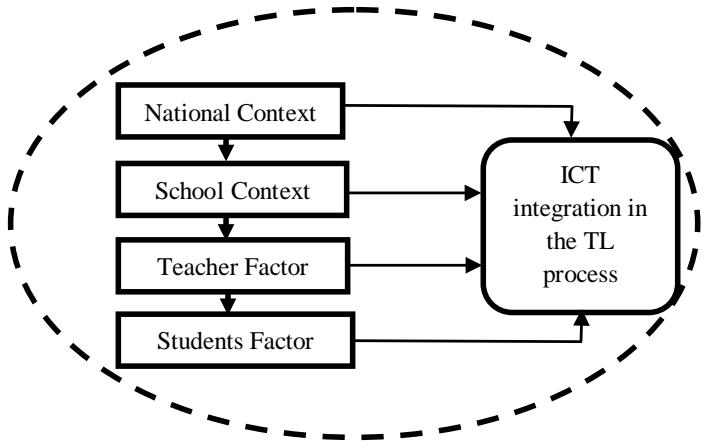
By reviewing literature under three intertwined aspects—personal, pedagogical, and institutional—a conceptual framework (Figure 1) of the study has been developed, which guides me to explore the influential factors that affect urban teachers' integration of ICTs in their practice.
 Figure 1: Conceptual Framework of the Study
## III. METHOD
### a) Research Design
The study employed a case study research design. According to Creswell (2012), it is essential to consider a few individuals or cases to gain an in-depth understanding. Two cases were selected to gather detailed information about factors affecting the integration of ICT in the mathematics teaching-learning process, one from a government school and the other from a private school in Dhaka. The units of analysis included the ICT-facilitated classroom, the mathematics teacher, and the head teacher of that classroom. The participants in the study totalled four, comprising one mathematics teacher and one head teacher from Case I, along with one mathematics teacher and one head teacher from Case II. The researcher purposively selected the participants to collect data from teachers who have experience conducting classes with the support of ICTs and possess knowledge about mathematical software for teaching and learning purposes.
### b) Data Collection Tool
The data were collected from classroom observations and semi-structured interviews. Six classes taught by each mathematics teacher were observed, and a semi-structured interview was conducted after completing the six classes. Additionally, head teachers' opinions were gathered through semi-structured interviews. In total, 12 classes were observed, and four semi-structured interviews were conducted (2 with mathematics teachers and 2 with head teachers). Data collection occurred from January 2023 to March 2023. During the classroom observations, field notes were taken to clarify the interview sessions. Each interview lasted about 50 minutes. The researcher prepared open-ended questions to allow the interviewees to express their opinions on the best approach to address the research problem. During the interview sessions, she also included probing questions to understand the situation better. A digital audio recorder was used to record the interviews.
### c) Data Analysis
Data were analyzed using a didactic thematic approach (Caulfield, 2020), where themes were predetermined and derived from the study's conceptual framework. The conceptual framework's four distinct components (e.g., teacher factor, student factor, school context, and national context) were regarded as the themes. Each data source was analyzed independently to identify factors affecting teachers' ICT integration in their practice and was coded. After a thorough and repetitive observation within and across the data set for each participant, the researcher identified patterns among the factors and grouped the factors with similar patterns into themes. Cross-trangulation of various participant data sources was conducted to gain a clear picture of the study.
### d) Trustworthiness of the Study
To maintain the validity of this study, the researcher considered several techniques. She used multiple data sources and data-gathering methods for data triangulation. Additionally, a response validation technique, which involved checking the data transcriptions with the participant teachers, was employed to validate the data. In this study, the researcher aimed to provide detailed descriptions of each case to present a clear and enthusiastic picture. According to Yin (2014), one of the strengths of case studies is that they allow readers to gain a robust experience by providing rigorous and rich descriptions of the phenomena. Furthermore, how the researcher presented the results of the study could assist other researchers in adapting them to their contexts, which ultimately serves to generalize the results more (Gravemeijer & Cobb, 2001). However, the limiting effects of sample selection and the setting posed threats to generalizability. Nevertheless, the researcher's prolonged engagement in the research setting and keen and persistent observation, note-taking, and interviews may enhance the findings' validity.
### e) Ethical Considerations
A letter of consent was provided to the participants. The consent letter addressed all ethical issues. Before commencing the data collection process, concerns about anonymity were discussed with the participants, and the researcher assured them that their identities would remain confidential.
Thus, the researcher used T1 and H1, respectively, for the teacher and head teacher of Case I, while for Case II, they were termed T2 and H2. Additionally, permission was sought to use the recorder.
## IV. RESULTS AND DISCUSSIONS
The study's findings show that several enablers and inhibitors influence the integration of ICTs in the mathematics teaching and learning process. This section discusses these enablers and inhibitors under four distinct themes—teacher factors, student factors, school context, and national context—in line with the extant literature.
### a) Teacher Factors
My analysis indicates that ICT integration in mathematics teaching is influenced by various factors related to teachers. Eight factors are identified and categorized under the theme of Teacher factors, which are discussed below.
## i. Teachers' Attitude
It is found that teachers' attitude is a prime factor in integrating ICTs into the TL process. If teachers have a positive attitude toward ICTs, they will be more willing to use them in their practice. On the contrary, if they hold a negative view, they will not be interested in applying ICTs in their practice. Regarding this issue, T1 expressed, "[...] teachers should have the attitude to love the technology. [...] It is unlikely to use ICT properly if teachers are unwilling to accept it." This finding is consistent with the findings of Kaleli-Yilmaz (2015), where he discussed that teachers with an adverse attitude toward ICT are less confident and skilled in technology; as a result, they do not accept or familiarize themselves with technology willingly and try to avoid using it in their teaching practice.
## ii. Teachers' Perceived Usefulness and Interest
The study shows that if teachers perceive that using ICT in teaching enhances students' learning, they are interested in using ICT in their practice. One of the teachers (T1) argued, "If the teacher feels that conducting class with ICTs is helpful for students' learning, then he/she will be interested to use it". This finding is consistent with the study by Davis (1989), where he discussed that if teachers believe that the use of ICT in teaching is effective for students' learning, they feel interest in working with technology. The study also found that teachers' interest in ICTs is vital for ICT integration in teaching. From the classroom observation, it was found that teacher T1 was very enthusiastic about conducting class using ICTs, and he tried to apply different ICT tools (e.g., spreadsheet, graph plotter, etc.) effectively to clarify the mathematical concepts for the students. This observation conforms to the works of Sokku & Anwar (2019), where they reported that teachers with a good vision and perception of the use of ICT in TL believe that learning with ICT is interesting and are interested in using ICT in their teaching-learning process.
## iii. Teachers' TPACK
The study also reveals that to integrate ICTs into the teaching-learning process, teachers must have a solid understanding of content, technology, and pedagogy. It is found that teachers' interest in using ICTs is influenced by their TPACK. If teachers have limited knowledge of content and technology, they become confused and cannot effectively utilize ICT tools. As a result, they are not motivated to use ICTs in their classroom practice. Similar findings were reported in a study (e.g., Tay, 2013) indicating that teachers need pertinent technological, pedagogical, and content knowledge to perform their teaching practice with the help of ICTs.
## iv. Teachers' Confidence
The study shows that teachers' confidence directly influences ICT integration in their practice. This finding is consistent with the findings of Kaleli-Yilmaz (2015), who argued that if a teacher lacks confidence, they seem reluctant to use ICT. The study shows that if teachers are confident in performing classes with the help of ICTs, the class becomes productive. The study also finds that teachers' confidence depends not only on their TPACK but also on other factors, such as their preparedness, skills, and experiences with technology. Regarding these issues, the teacher of Case I argued, [...] when teachers are experienced and skilled in TPACK, they seem very confident while conducting ICT classes. [...] he (the teacher) comes to the class well-prepared; he can confidently conduct the class, which is very important for teaching.
## v. Teachers' Preparation and Experience
The study found that to conduct classes using ICTs, teachers need very sound preparation and plan the lessons systematically; otherwise, the class will be ineffective. From the classroom observation, it was found that teachers T1 and T2 conduct almost every class systematically with sound preparation, and the students in their classes seem interested in learning. However, in one class, teacher T2 does not appear well prepared to conduct the lesson with ICTs, making the class ineffective. Emphasizing the importance of teacher preparation, the head teacher of Case I claimed that a teacher must perform a dual role to execute a class with the help of ICTs. He or she has to deliver the lesson; on the other hand, he or she has to operate the ICT tools. Thus, teachers' sound preparation is a must. She stated, While balancing two jobs, he will attend class and utilize ICT. If he does not prepare adequately, he will struggle to understand the children, and consequently, they will not be attentive in class.
This finding aligns with the observations of researcher Gikundi (2016), who argued that teachers cannot fully utilize the benefits of technology in their classes due to inadequate preparation.
On the other hand, while several studies (Gorder, 2008; Lawrence & Tar, 2018) claimed that teaching experience influences the successful use of ICT in classrooms, this study complements those literature by showing that not only does a teacher's teaching experience matter, but the teacher's experience with technology also influences the integration of ICT in the teaching and learning process. One of the participant teachers (T1) argued that a teacher with many years of experience does not necessarily teach effectively. Instead, when conducting classes with ICTs, they need to be technologically skilled, experienced, and knowledgeable about effectively using technology to achieve the learning goal.
## vi. Teachers' Class Load
The study found that teachers' preparation is affected by their class load. From the classroom observation, one class of T2 appeared haphazard. During the interview session, she claimed she was overwhelmed with many classes that day, so she could not adequately prepare. It was also found that since the integration of ICT in teaching practices requires extra time for proper preparation and teachers are burdened with numerous classes, they are not enthusiastic about accepting ICTs in their teaching and learning process. Thus, this study suggests reducing teachers' workload to integrate ICTs into the teaching and learning process effectively. Similar findings were reported in the study by Fullan (2007), where the researcher argued that it is necessary to lessen teachers' workload to implement new initiatives.
From the above discussion, it can be argued that some factors (e.g., teachers' interest, attitude, TPACK, and confidence) directly influence teachers' use of ICTs. In contrast, other factors (e.g., perceived usefulness, preparation, experience, and class load) indirectly affect the integration of ICTs in the TL process. The factors related to "Teacher factors" affecting the integration of ICTs are shown in Figure 2.
 Figure 2: Factors Affecting ICT Integration Related to Teachers
### b) Student Factors
This study found that students' attitudes towards ICTs, their interest in learning with the help of ICTs, misuse of ICTs, and home support (i.e., parents' attitudes towards technology and the home environment) are the influencing factors associated with students.
## i. Students' Interest
The study reveals that when students are interested in learning with ICTs, it is much easier for teachers to continue the class with the assistance of ICTs. Classroom observations found that while both teachers showed mathematical graphs using software instead of paper and pencil, students seemed excited and enthusiastic to learn what would happen if the input were changed. Regarding this issue, T2 stated, "You see, students were interested to learn with technology and umm... so I can run the class smoothly." Since students are already enthusiastic about learning with ICTs, teachers do not need extra effort to motivate them regarding ICT. This finding is consistent with the findings of Deryakulu et al. (2008), who reported that the satisfying aspects of ICT teaching depend on how interested students are in learning with technology.
## ii. Students' Attitude
The study found that students' attitudes toward learning with technology are also crucial factors. It revealed that when students believe using ICT in teaching enhances their learning and maintain a positive attitude toward learning with ICT, they show interest in working with technology and are willing to engage in the session. Regarding this issue, T2 stated,
[...] I think students' positive mindset regarding technology is vital. When students believe that using technology will be helpful for their learning, they show interest in learning with it.
Similar findings were reported in several studies (Cope & Ward, 2019; Parker et al., 2008) that suggested students' perceptions regarding ICT-supported teaching influence the effective use of ICTs in education.
## iii. Students' Home Support
It is found that students' home environment affects ICT integration. If the family atmosphere is not supportive of learning with technology, students are not interested in working with it. The study also reveals that the attitudes of family members somewhat influence students' negative attitudes. It is found that if family members, such as parents, hold negative views about integrating ICT for teaching and learning purposes, it ultimately affects students' beliefs. In support of this issue, T2 claimed,
[...] parents' negative views about technology sometimes influence students. [...] though there is enormous potential of ICTs in learning, parents often hold negative thoughts about it as they believe that this environment misguides students rather than helps them learn.
This finding complements the earlier findings of Lin and Muenks (2023), which claimed that family members (parents and siblings) contribute to shaping students' mindsets.
It has also been found that the positive effects of integrating ICTs in education outweigh the adverse effects; therefore, it is essential to create awareness among parents about this issue. One of the teachers (T1) suggested holding a discussion meeting with parents at the school so that school authorities can explain the benefits and necessity of ICTs for students' learning. Along with the parents' attitudes, the study found that an adverse home environment for students using technology is another reason for their lack of interest. One of the participants (H2) stated, "[...] the environment students are coming from; they do not get that support at home. So, sometimes students are less interested."
## iv. Students' Misuse of ICT Tools
The study found that students may misuse ICTs, which influences parents to develop negative attitudes and constrains teachers in their teaching and learning process. Therefore, teachers and parents should closely monitor students while they work with ICTs to prevent misuse of the technology. Regarding this issue, T2 claimed,
[...] Because there is an opportunity to misuse technology, I think teachers and parents are responsible. When children use technology, teachers and parents should observe whether they use it for learning or abusing it.
This study recommends that school authorities organize a discussion meeting to raise awareness among teachers, students, and parents regarding the benefits of using ICTs in education so that their negative thoughts diminish. This is consistent with the study by Tedla (2012), who suggested a public awareness campaign about the importance of ICT as a catalyst to facilitate the teaching-learning process.
Analyzing data on student-related factors shows that a few factors (e.g., students' interest, attitude) directly affect ICT integration. In contrast, others (e.g., home environment, parents' attitude, and misuse of ICTs) indirectly influence it. Figure 3 illustrates the factors influencing the integration of ICTs related to students.
 Figure 3: Factors Affecting ICT Integration Related to Students
### c) School Context
By analyzing the data, several factors related to school context are identified and classified under the theme "School context", and they are discussed below.
## i. Departmental Ethos
The study reveals that departmental ethos, such as the attitude of the head of the institute and other teachers, is another vital factor to integrate ICTs in the TL process. It is found that if the head of the institution holds a positive attitude regarding ICT use and encourages teachers to use it, all the institute's teachers will be motivated to apply ICTs in their practice. Regarding this issue, T1 stated,
The head of the institution should have a positive attitude toward ICT, which should be transmitted to other teachers. [...] The school authorities should be encouraged to use ICT tools to conduct classes and provide adequate support.
The classroom observation also revealed that teacher T2 could not engage students in one-to-one interaction with ICT, and she seemed disturbed about this issue. During the interview, she stated that she could not conduct her class as intended due to the unsupportive behavior of the school administration. She argued, "We planned to do the graph with GeoGebra in the lab. However, [...] the authority did not permit us to install GeoGebra software on the computers." Additionally, the study indicates that teachers may hesitate to use ICTs due to negative behavior and discouraging attitudes from their department head and colleagues. This finding aligns with the results of Razak et al. (2019) and Turgut and Aslan (2021), who asserted that school leadership and authority significantly influence the successful integration of ICTs in schools. On one hand, this study asserts that teachers' practices with ICTs depend on the attitudes of institutional authorities; on the other hand, it shows that despite a positive attitude from school authorities, challenges arise due to resistance from teachers and parents' negative mindsets. Regarding this issue, T2 claimed,
In many cases, teachers do not take the matter lightly. Sometimes, they doubt whether the teacher is conducting the class properly under the guise of using ICT tools.
## ii. Large Size Class
Class size is recognized as an influencing factor in introducing ICTs in the TL process. While Davis (2018) found that class size does not affect the quality of classroom interaction in the context of developing countries (e.g., Ghana), this study demonstrates that when classes are conducted using ICTs, class size influences the quality of the TL process. This may be attributed to the fact that different approaches must be employed in ICT-enabled classrooms to make TL engaging and fruitful, which can be challenging in a large classroom. Both teachers and head teachers agreed on this issue. T1 argued,
Currently, our teacher-student ratio is 1:70, which makes it impossible to conduct classes effectively using ICT with such a large number of students. If the ratio were 1:40 or 1:30, I believe the teacher could effectively conduct the class using various ICT techniques.
This finding is consistent with Bate's (2010), which showed that a large class size (students above 25) is a barrier to implementing ICT in the classroom.
## iii. Physical Facilities
The study found that physical facilities, such as the availability of resources, appropriate classroom setups for teaching and learning (TL) with ICTs, uninterrupted internet facilities, etc., are other factors for integrating ICTs. The study reveals that if the overall classroom infrastructure is unsuitable for utilizing ICTs, the teacher will not be interested in incorporating them into their practice. It was observed that during the last class of the six experimental classes, teacher T1 planned to conduct the session with the assistance of the Desmos apps, which required stable network support. As the internet faced issues during the class, the teacher had to rely on mobile data through a hotspot to carry out the class activities. Although the problem was temporarily resolved, the teacher argued that school authorities must ensure reliable internet access since using mobile data incurs costs. There is no available network option for the students in that scenario. He claimed,
[...] To take multimedia classes, setting up the room correctly is crucial. For example, having access to electricity, various resources, and internet facilities is essential. It can be easily gathered with internet facilities, tutorial classes, and information.
Besides, the study found that sometimes teachers seem to avoid technology due to its unreliable functionality. One of the participant teachers (T2) noted that she encountered various technological problems while conducting classes. For instance, sometimes computers do not function properly; sometimes it takes a while to log on or off the computer or other application programs; sometimes the network creates certain issues. Similarly, T1 stated that some of his colleagues lack confidence in using technology due to its unpredictable functionality and try to avoid it. He said, "Some of my colleagues try to avoid using technology as they think it is unreliable. They fear it may fail to function in the middle of instruction."
## iv. Technical Support
The study found that teachers may face technical problems (e.g., adjusting aspect ratio, proper configuration, troubleshooting, etc.) while operating technology in the classroom. During the classroom observation, it was noted that the teacher (T1) had difficulties turning on the power of the multimedia, as it was positioned too high, and the remote was not functioning correctly. Consequently, he asked a student to help by standing on a chair to perform this operation. In the interview session, he mentioned that sometimes technical issues arise (e.g., connection issues related to multimedia, software installation issues, etc.) in the classroom that require technical support. He argued, "Sometimes multimedia connections create problems, Umm... to install software in each computer, it is necessary to have a technician." The head teacher (H1) also discussed the necessity of having an assistant or computer operator to support the teachers. She argued, "If I can have an assistant or a computer operator with him as soon as he goes to the classroom. If I can provide a person who can operate the computer, it will be easy for him to take the class." Thus, the study's findings emphasize the importance of technical support or technical operators in assisting the teachers. The challenges identified conform to the findings by Tay et al. (2013), which pointed out that technological infrastructure and support are vital for integrating ICTs into teaching. They argued that a technical team to set up and assist with technical requirements and troubleshooting, along with the technological infrastructure, directly affects the usage rate of ICT in the classrooms.
The factors that influence the integration of ICTs related to the school context are shown in Figure 4.
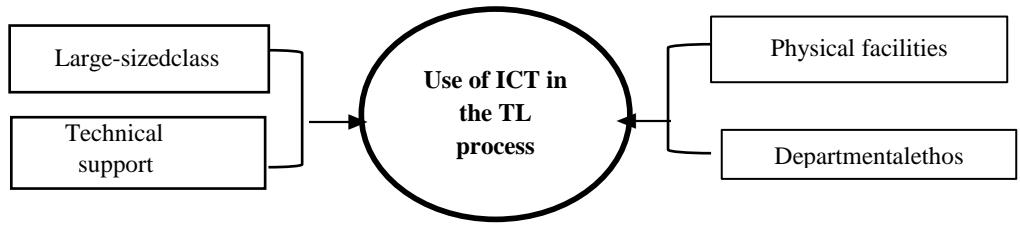 Figure 4: Factors Affecting ICT Integration Related to the School Context
### d) National Context
This study identified other factors affecting ICT integration besides teachers, students, and the school context. These factors include curriculum, professional development, financial support, course duration, and assessment policy, which fall under the 'national context' theme.
## i. Curriculum
The study found that the curriculum is one of the crucial factors in incorporating ICTs into the TL process. Although there are mixed opinions among the participants regarding the appropriateness of the existing math curriculum for ICT use, the study indicates that the curriculum should contain adequate content linked to ICTs and clear guidance on how teachers can use technology. Furthermore, there should be a specific requirement for teachers and students to integrate technology into their teaching and learning. Regarding this issue, T1 stated, "The current mathematics curriculum is not fully supported for classroom teaching using ICT. That is, there is no direct instruction in the curriculum." In addition, T2 expressed that while preparing the class routine, the classes where ICTs will be used are mentioned to inform students and teachers in advance. She stated, "In that case, we indicate in our routine that these classes will use ICT, the students also know, and the teachers know." This viewpoint is well reported in a study by Tay et al. (2013), where they suggested that the use of ICT needs to be explicitly outlined in the curriculum plans and schemes of work concerning how ICT would be used in the classroom.
The study found that course duration and assessment policy should be thoroughly discussed in the curriculum. It has been noted that teachers are often pressed for time with their class schedules, making it somewhat challenging to manage classes where they can apply ICTs for teaching and learning purposes. Thus, while preparing the class routine, there could be a specific schedule for classes where ICTs will be utilized, ensuring that teachers and students are encouraged to incorporate ICTs for teaching and learning purposes. Additionally, despite receiving training, teachers often resist using ICTs due to the traditional examination structure. A blended approach to examination, incorporating both traditional methods and technology-assisted examinations (e.g., the use of Google Forms), could be implemented to assess students.
## ii. Financial Support
The financial issue is a significant concern in implementing ICTs in the teaching and learning process. The study shows that despite teachers' and school authorities' very positive attitude toward using ICTs in education, successful execution is hindered by a lack of adequate financial support. According to the participants, funding poses a significant challenge for integrating ICTs in education, as all logistical support relies on financial resources. The teacher T1 claimed that there is a lack of resources, such as insufficient computers and supporting tools required for an ICT classroom environment. He stated, "There is a financial aspect to room arrangement. Apart from this, logistic support, for example, various tools for using ICT, are not available in sufficient quantity." The head teacher (H1) also asserted that if adequate financial support were available, teachers interested in integrating ICTs into their classes could use them effectively. Additionally, she believes the interactive whiteboard, a valuable ICT tool for teaching and learning, requires funding. She also emphasizes the importance of maintaining the ICT tools. She argued,
[...] The use of ICT requires financial support.[...] If an interactive board is provided or an ICT room is created, the institution will take responsibility for its maintenance.
## iii. Professional Development
Different professional development programs, such as ICT training, in-house training, and training abroad, are essential for integrating ICTs into education. Since teachers' TPACK and confidence are two primary factors for integrating ICTs into education, participating in ICT-based training programs can enhance these skills. The study shows that teacher T1 applied several innovative pedagogical approaches due to his experiences and skills gained from multiple national and international trainings related to pedagogy and ICT. This indicates that training programs significantly impact teachers' professional development. T1 argued that teachers are more inclined to use ICTs in their practice if they are skilled in technology. Additionally, their competencies can be improved by providing professional development training programs. Thus, he claimed, "Government should give importance to that issue." Every participant emphasized the significance of in-house training for teachers' professional development, especially for becoming experts in applying ICT in their practice. Head teacher H1 explained that the teachers at her school participated in several trainings both within and sometimes outside of Bangladesh. She organized in-house training where teachers who had received training acted as trainers for other teachers in the school. She argued,
Teachers should be provided with the necessary training to use ICT proficiently. If someone takes the training, I arrange in-house training and give them the classes later so that the students benefit.
The study suggests that the main criteria for training should be to enhance teachers' knowledge of content and pedagogy with the aid of ICTs rather than to support technical issues. Besides, enhancing teachers' confidence should be another focus of the professional training programs. These findings above are similar to the findings of several researchers where they depicted that professional training program will be an excellent program if the training program focuses on use of ICT in the pedagogical aspect rather than technical issues and technical supports and helps teachers to shift their traditional teaching practice into a new paradigm (Diehl, 2005) and to gain confidence in ICT usage (Peralta & Costa, 2007).
By analyzing the data with a focus on national context, several factors, such as curriculum, financial support, and professional development programs, are critical for integrating ICTs into the teaching and learning process (Figure 5).
 Figure 5: Factors Affecting ICT Integration Related to the National Context
## V. IMPLICATIONS AND CONCLUSION
The study explores several factors related to teachers, students, schools, and national contexts that affect ICT integration in teaching and learning. It shows that some factors relate directly to teachers and students, while others indirectly influence the use of ICT in teachers' practices. Additionally, the study also identifies some influential factors related to school and national contexts.
The findings of this study have some implications for educationalists and policymakers. The study recommends that policymakers should take the necessary initiatives to redesign the curriculum and provide adequate financial support to create an ICT-friendly teaching-learning environment, such as providing specific mathematics software (e.g., GeoGebra, MATHEMATICA, FORTRAN, etc.) and necessary resources (e.g., Graphics tab, IWB, internet facilities, etc.) in the mathematics classrooms. Similarly, the number of computers needs to increase in every school so that the teachers can conduct their mathematics class in a one-to-one setting when necessary to ensure students' development both in content and technology. Besides, the findings of the study might be helpful to policymakers to take necessary steps to enhance teachers' capability of teaching with ICTs, such as providing adequate training to the teachers and monitoring intensely whether teachers can apply their gained knowledge in actual teaching-learning settings after getting the training. Since a large class size and teachers' class load are two vital factors to implement ICTs in TL, policymakers should consider these issues and bring notable changes in the policy to make teaching mathematics with ICTs feasible for all the teachers and students. Curriculum developers can consider these findings when revising the mathematics curriculum by aligning each possible content with ICTs and providing proper guidelines to use ICTs in the mathematics teaching-learning process effectively.
Teacher trainers can utilize this study to develop teachers' ICT-based professional skills. Training should be focused on appropriate pedagogy with ICT and developing teachers' positive mindset regarding the use of ICT in mathematics teaching. With the study's findings, the school authority and the head of the institute can be well informed about their responsibility to be aware and develop a positive mindset among teachers, parents, and students regarding using ICTs in teaching and learning and for instance, organizing meetings with students, parents, and teachers to inform about the possible benefits of the use of ICT in the teaching-learning process, creating awareness to prevent abuse and misuse of technology, and encouraging teachers to use ICTs in their practice (e.g., providing incentives, ensuring physical facilities, etc.).
To get deep insights, this study considers four samples, while more samples can be used to generalize the findings. Besides, only two schools (government and non-government Bangla medium schools) from the urban area of Bangladesh are considered for this study. Thus, further research can be conducted in various settings (e.g., schools in rural areas, high-tech or low-tech schools, English-medium schools, etc.) across this country.
### ACKNOWLEDGEMENT
The article is developed based on the author's PhD thesis (Sultana, T., 2024). The author thanks the supervisor, Prof. Dr. Md. Abdul Halim, and the Cosupervisor, Prof. Mohammad Nure Alam Siddique, for their valuable insights and guidance.
Generating HTML Viewer...
References
50 Cites in Article
M Afshari,K Bakar,W Luan,B Samah,F Fooi (2009). Factors affecting teachers' use of information and communication technology.
F Bate (2010). Class sizes: The elephant under the carpet of ICT integration.
C Buabeng-Andoh (2019). Factors that influence teachers' pedagogical use of ICT in secondary schools: A case of Ghana.
J Caulfield (2020). Introduction.
T Cedillo,C Kieran (2003). Initiating students into algebra with symbol-manipulating calculators.
C Cope,P Ward (2019). Integrating learning technology into classrooms: The importance of teachers' perceptions.
M Cox,G Marshall (2007). Effects of ICT: Do we know what we should know?.
J Creswell (2012). Educational research: Planning, conducting, and evaluating quantitative and qualitative research.
Cosette Crisan,Stephen Lerman,Peter Winbourne (2007). Mathematics and ICT: a framework for conceptualising secondary school mathematics teachers’ classroom practices.
F Davis (1989). Perceived usefulness, perceived ease of use, and user acceptance of information technology.
E Davis (2018). Mathematics classroom discourse in typical Ghanaian public school: how does it look like?.
D Deryakulu,S Buyukozturk,S Karadeniz,S Olkun (2008). Satisfying and frustrating aspects of ICT teaching: A comparison based on selfefficacy.
D Diehl (2005). A study of faculty-related variables and competence in integrating instructional technologies into pedagogical practices.
D Donnelly,O Mcgarr,J O'reilly (2011). A framework for teachers' integration of ICT into their classroom practice.
Michael Fullan (2007). The New Meaning of Educational Change.
S Ghavifekr,W Rosdy (2015). Teaching and Learning with Technology: Effectiveness of ICT Integration in Schools.
Catherine Kendi (2016). Assessment of Challenges Experienced Among Households on Promotion of Sanitation Practices in Tigania West Sub County, Meru County, Kenya.
L Gorder (2008). A study of teacher perceptions of instructional technology integration in the classroom.
K Gravemeijer,P Cobb (2001). Designing classroom-learning environments that support mathematical learning.
R Hartman,M Townsend,M Jackson (2019). Educators' perceptions of technology integration into the classroom: a descriptive case study.
S Hennessy,K Ruthven,S Brindley (2005). Teacher perspectives on integrating ICT into subject teaching: commitment, constraints, caution, and change.
S Ismail,N Jogezai,F Baloch (2020). Hindering and enabling factors towards ICT integration in schools: A developing country perspective.
G Kaleli-Yilmaz (2015). The Views of Mathematics Teachers on the Factors Affecting the Integration of Technology in Mathematics Courses.
S Khan (2014). A Model for Integrating ICT into Teacher Training Programs in Bangladesh.
Japhet Lawrence,Usman Tar (2018). Factors that influence teachers’ adoption and integration of ICT in teaching/learning process.
Shengru Li,Shinobu Yamaguchi,Javzan Sukhbaatar,Jun-Ichi Takada (2019). The Influence of Teachers’ Professional Development Activities on the Factors Promoting ICT Integration in Primary Schools in Mongolia.
Shengjie Lin,Katherine Muenks (2023). Family context of mindset matters: Students’ perceptions of parent and sibling math mindsets predict their math motivation, behavior, and affect.
Marie-Anne Mundy,Lori Kupczynski,Rick Kee (2021). Teacher’s Perceptions of Technology Use in the Schools.
Pekka Mertala (2019). Teachers’ beliefs about technology integration in early childhood education: A meta-ethnographical synthesis of qualitative research.
N Mwendwa (2017). Perception of teachers and principals on ICT integration in the primary school curriculum in Kitui County, Kenya.
Punya Mishra,Matthew Koehler (2006). Technological Pedagogical Content Knowledge: A Framework for Teacher Knowledge.
(2014). National Council of Teachers of Mathematics: NCTM Affiliated Group Officers.
Anne Ottenbreit-Leftwich,Krista Glazewski,Timothy Newby,Peggy Ertmer (2010). Teacher value beliefs associated with using technology: Addressing professional and student needs.
R Parker,A Bianchi,T Cheah (2008). The Evolution of Computer-Aided Educational Delivery Systems.
H Peralta,F Costata (2007). Figure 4.3. Teachers’ frequency of ICT use and self-confidence in supporting learning through ICT, by age.
María Ramírez-Rueda,Ramón Cózar-Gutiérrez,Manuel Roblizo Colmenero,José González-Calero (2021). Towards a coordinated vision of ICT in education: A comparative analysis of Preschool and Primary Education teachers’ and parents’ perceptions.
Nor Razak,Habibah Ab Jalil,Ismi Ismail (2019). Challenges in ICT Integration among Malaysian Public Primary Education Teachers: The Roles of Leaders and Stakeholders.
J Schiller (2003). The elementary school principal as a change facilitator in ICT integration.
H Serin (2015). The Role of technology in wholeclass teaching.
Saharuddin Sokku,Misita Anwar (2019). Factors Affecting the Integration of ICT in Education.
Sayma Suraiya,Gouranga Debnath,Sayedul Anam (2024). Identifying the Dependency Outline of Students’ Attendance in Tertiary Level using Markov Chain and Logistic Regression Model.
Rosamund Sutherland,Susan Robertson,Peter John (2009). Improving Classroom Learning with ICT.
K Tang,C Hsiao,Y Tu,G Hwang,Y Wang (2021). Factors influencing university teachers' use of a mobile technology-enhanced teaching (MTT) platform.
Lee Tay,Siew Lim,Cher Lim (2013). Factors Affecting the ICT Integration and Implementation of one-to-one Computing Learning Environment in a Primary School – A Sociocultural Perspective.
B Tedla (2012). Understanding the importance, impacts and barriers of ICT on teaching and learning in East African countries.
Yigit Turgut,Alper Aslan (2021). Factors affecting ICT integration in TURKISH education: a systematic review.
(2014). Information and Communication Technology (ICT) in Education in Asia: A comparative analysis of ICT integration and e-readiness in schools across Asia. Information paper; 22.
S Wilson,N Lydiah,W Pachomius (2015). Gender Differences in Pedagogical Interaction of Information Communication Technology Among Science and Mathematics Teachers in Public Secondary Schools in Kieni West Subcounty, Nyeri County, Kenya.
R Yin (2014). Case Study Research: Design and Method.
Doron Zinger,Tamara Tate,Mark Warschauer (2017). Learning and Teaching with Technology: Technological Pedagogy and Teacher Practice.
Explore published articles in an immersive Augmented Reality environment. Our platform converts research papers into interactive 3D books, allowing readers to view and interact with content using AR and VR compatible devices.
Your published article is automatically converted into a realistic 3D book. Flip through pages and read research papers in a more engaging and interactive format.
Considering the vast potential of ICT in the education sector, the Government of Bangladesh, like many other countries, has significantly emphasized incorporating ICT into education. Despite various initiatives taken by the government, teachers encounter multiple challenges while trying to integrate ICT into their teaching and learning practices. This study aims to explore the barriers that mathematics teachers face when conducting classes with the help of ICTs. This study adopted a multiple case study research design, considering two cases, one from a government school and the other from a private school in Dhaka city. In this study, the ICT-facilitated classroom, the math teacher of that classroom, and the head teacher served as the units of analysis. Data were collected through classroom observations and semi-structured interviews. By analyzing the data thematically, this study identifies teachers’ attitudes, TPACK, confidence, students’ attitudes, home environment, curriculum, technical, physical, and financial support as the dominating factors that affect teachers’ integration of ICTs in their mathematics teaching and learning practices. Some suggestions are provided for educators, policymakers, and curriculum developers to help overcome these challenges.
Our website is actively being updated, and changes may occur frequently. Please clear your browser cache if needed. For feedback or error reporting, please email [email protected]
Thank you for connecting with us. We will respond to you shortly.