Secondary School Certificate (SSC) level students have high expectations of achieving the best results, so they put in their best efforts to achieve the highest possible outcomes. The main objective of this study was to examine the nature of students’ engagements and related activities in relation to their academic results. Data were collected using the tools and techniques of the social survey method. A structured questionnaire including both closed-ended and open-ended questions was employed for data collection. Data were collected from a total of 105 respondents. The majority of the respondents expressed satisfaction with their academic results. The research findings reveal that, in pursuit of better academic outcomes, students beyond regular school attendance actively participate in private tutoring, coaching centres, and other learning opportunities available to them. Engagement in private tuition and coaching entails significant financial costs. Furthermore, parents, close relatives, friends, and acquaintances closely keep an eye on students’ academic progress and results. In the past, examination results were typically known only to the students themselves and their parents. However, a much wider circle of involvement is now observed. Whereas students previously shared their results primarily with their parents, they now share this information to multiple individuals. These practices reflect the multifaceted nature of students’ engagement with academic achievement in contemporary era.
## I. INTRODUCTION
Education can be used as a tool to implement the hopes and aspirations of a nation and to build a new society. Education is the key to the overall development of a country. Education is extremely important for the development of children's minds and its impact falls upon students' entire lives (Prodhan, 2016). Education is considered one of the basic requirements for human resource development and for inducing social change and promoting the overall economic growth of a country. Education is a lifelong process. It begins the day we are born and ends the day we die. It is found in every society and comes in many forms, ranging from the "school of hard knocks," or learning by experience, to formal institutional learning from postindustrial to nonindustrial communities, from rural to urban settings, and from youth to older learners (Ballantine et al. 2017). According to Hossain (2016: 199), education is the process by which our mind develops through formal learning at an institution like a school, college or university. It is both a mental and intellectual training institution that provides growth opportunities, equips individuals to meet challenges, and helps them overcome obstacles to progress.
According to Flannery (1975), true education is aimed at the total development of a person for the good of society. Therefore, education is not only academic information but also a holistic and humanistic human development. Education integrates values, skills, innovations, culture, continuing growth, and societal concerns. Bangladesh is a developing country with a heavy population density. This population can be a resource for its development. Education is the best cost-effective means for increasing human capital, reducing poverty and achieving sustainable economic growth. It is a key determinant for enhancing the productive capacities of individuals and the aggregate level of economic development. Formal education in Bangladesh consists of pre-primary education, primary education (five years), secondary education (seven years), and finally higher education. The level of education after primary education is referred to as secondary education (Khan, 2014). Bangladesh has made good progress and has introduced changes into its education system, particularly in the primary and secondary levels of education, to meet the challenges of the 21st century (Jahan, 2010). Education has a crucial role in creating the elements of good citizenship and in generating progress in society. Zbar et al. (2003) said that values education is broader and refers to any explicit and/or implicit school-based activity to promote student understanding and knowledge of values, and to inculcate the skills and dispositions of students so they can enact particular values as individuals and as members of the wider community. Students continue multifaceted efforts to pursue education, which are expressed through their diverse engagements. According to Manivannan and Venkataraman (2021), student engagement is defined as an active and meaningful involvement of students in the learning process. It is a measure of how much a student is actively engaged in learning activities and is related to many aspects of the learning environment, such as student motivation, teacher-student interactions, classroom environment, and the use of educational technology. In this study, students' engagement refers to the respondents' multifaceted involvement in the SSC examination and its preparation.
The study aims to examine the nature and extent of students' engagements in relation to their academic results, to identify the financial costs associated with these engagements, and to investigate the factors contributing to the students' academic performance, and engagements.
## II. IDEA ON EDUCATION AND ENGAGEMENT
Education plays a critical role in fostering basic intellectual abilities, expanding further educational opportunities that are vital to success in a world where power is closely linked with knowledge (Rahman et al., 2010). Each child is born with some innate tendencies, capacities and inherent powers. Education draws these powers out and develops them to the full. The word education means to develop the inborn qualities of a child to the full. Thus, education is a process of development (Sharma, 2003). Plato (1996) mentioned that education includes what parents teach their children, what peers learn from peers, and how the state and society instruct their people to distinguish between friends and enemies, safety and danger, good and evil, respectability and disrepute. In Bangladesh, secondary education coincides with education from grade 6 through 12 or the second stage of education that commences after primary education and continues up to beginning of higher education (Khatun, 2003). Secondary education creates the bridge for ensuring the regularity or continuity of further education (Rahman et al., 2018). To pursue education and secure the best results, students are engaging in various ways. Qian and Saidin (2025) said, student engagement is a crucial factor which could influence both academic success and personal development in educational settings.
According to Suailii and Tufuga (2024), the concept of student engagement represents both the time and effort students put into their studies and how effectively the institution organizes the curriculum and other learning opportunities to encourage students to participate hence leading to desired outcomes. Willms (2003) said that the term engagement refers to the extent to which students identify with and value schooling outcomes and participate in academic and non-academic school activities. Fasco et al. (2024) mentioned that student engagement encompasses the degree of attention, curiosity, interest, optimism, and passion that students exhibit during their learning process or when being taught. Delfino (2019) opined that student engagement is one of the essential constructs that is used to understand the behaviour of the student towards the teaching-learning process. When teachers work together to improve their practice students learn more. Anyichie et al. (2023) said that student engagement as measured by concentration was related to their motivational aspect of engagement (i.e., perceptions of interest, importance and enjoyment).
Shah's (2009) study revealed that the impact of teachers' behaviour plays a vital role in the academic achievement of students. According to Hossain (2018), the duty of a teacher is to help the students understand correctly so that they can learn their lesson in the class instead of at home. On the other hand, mother's education has significance effect on the academic performance of the students. However, the parental educational qualification of the students was identified to have a statistical significant impact on the academic performance of the students (Easmin, et al. 2015). According to Russell (2010), children should be educated entirely at home is an opinion which is now obsolete. As a result, students are running behind in the different sources.
Hamid et al. found that successful learning achievement depends on the student's clear perception of English; so, they think that private tuition is vital for English learning. In this less wealthy society like rural Bangladesh private tuition in English is so much popular (cited in Akter, 2017). According to Hamilton et al. (2011), by definition, the greater the role that parents play, the lesser the role that schools play in the following ways: teacher effects on student learning are real, and these effects vary according to the match of each teacher to each student; teacher effects are a joint function of teachers' skills and effort, the first of which is strongly shaped by experiences before entering the profession; school environments, which encompass both administrative structures and networks of social relations, shape both student effort and teacher effort; effective schools align student effort and teacher effort to advance student learning. The definition of teaching implies an interaction between teacher and student. Yet, such interactions are often ignored for macro-level educational concerns. The role of teachers was to pursue the reproduction of ideal values, beliefs, and morals, alongside the kinds of knowledge necessary to suit the diverse economic and civic needs of society (Ainsworth, 2013). Today parents think that a reputed educational institution can prepare their children for a GPA of 5. When guardians fail to provide enough time for their children, they start to believe that money can solve this problem. They turn to expensive schools and coaching centres for their children's education. Every year, the cost of education is rising. People have been struggling alarmingly to afford the expenses of their children's studies (Rahman, 2017).
## III. THEORETICAL FRAMEWORK
Student engagement focuses on how students interact with learning environments, encompassing behavioural, emotional, and cognitive dimensions. The theoretical framework for this study is built on four key theories: Kahn's Engagement Theory; Fredricks, Blumenfeld, and Paris's Framework; Self-Determination Theory, and the Customer Engagement Cycle. These theories explore individual and student engagement in various activities.
Kahn (1990) proposed one of the foundational theories of employee engagement, defining personal engagement as the simultaneous expression of an individual's physical, cognitive, and emotional self during the performance of working roles. According to him, engagement emerges when three psychological conditions are met: psychological meaningfulness, psychological safety, and psychological availability. Secondary school students become attentive in their studies when they find the content and significance of their learning meaningful. They engage in various activities, such as class tests, to achieve good results. In the classrooms, private tuition, or coaching centres, students feel psychologically safe to express their ideas in a supportive and congenial environment that allows them sufficient time and energy to focus.
Fredricks, Blumenfeld, and Paris's Framework (2004) identifies three types of student engagement: behavioural, emotional, and cognitive. A secondary school student demonstrates high engagement when they exhibit all three dimensions: behavioural engagement (actively attending classes and other learning activities), emotional engagement (enjoying the classes and feeling positive about them), and cognitive engagement (investing additional effort in understanding and solving problems).
Self-Determination Theory, developed by Ryan and Deci (2000), emphasises three psychological needs for engagement: competence, relatedness, and autonomy. Secondary school students exhibit greater engagement in group-based subjects like humanities, science, or commerce when the learning environment supports autonomy (choice of their topics), competence (meaningful feedback for their improvement), and relatedness (collaboration and sharing with their peers).
Sashi's (2012) model describes customer engagement as a cyclical process involving connection, interaction, satisfaction, retention, loyalty, advocacy, and engagement. It emphasises emotional bonds and active participation with brands. Although these theoretical ideas were originally developed in customer and production oriented contexts, they can be effectively applied to understanding and enhancing student engagement. A student receives education from a school or other institution that is his connection, interacts with teachers that is his interaction, is satisfied with his learning as well as the result is his satisfaction, becomes a loyal student is retention, recommends the school or other institutions to others, which is advocacy, and actively engages by acquiring knowledge, which is engagement.
## IV. RESEARCH METHODOLOGY
## V. REVIEW OF THE RELATED LITERATURE
Numerous studies related to the SSC examination and education, including engagement, has been conducted in different contexts. These studies related to the current research have been reviewed and cited according to the year of publication. Park (2003) opined that students who actively engage with what they are studying tend to understand more, learn more, remember more, enjoy it more and be more able to appreciate the relevance of what they have learned than students who passively receive what teachers teach them. Blatz (2011) noted that the relationship between home and school is vital and can significantly impact student achievement. Traditionally, homework has served as a communication tool to inform parents of the objectives practiced in school, and the practice of homework has been widely used at all grade levels. Veiga et al. (2014) stated that the relationship between Students' Engagement in School (SES) personal variables, as well as academic performance, is worth exploring. There is general agreement concerning the multidimensional nature of this construct, encompassing three dimensions-cognitive, affective and behavioural. Alrashidi et al. (2016) explored that fostering students' motivation (e.g., self-efficacy) and social factors (e.g., teacher support) is one pathway to heighten and enhance students' proactive engagement in school and academic-related activities.
Ningsih and Sumarmi (2017) study suggested that teachers in the learning activities choose the round table and rally coach model of cooperative learning, as these two models were proven to be able to increase students' activity and learning outcomes. Smoczyk (2018) revealed that effective curriculum design and teacher practices can positively influence student engagement in secondary classrooms. Kizildag et al. (2017) mentioned that students' high academic achievement, positive peer relationship, and regular attendance at school may affect their school engagement. Rahman et al. (2018) argue that it is necessarily true that to enhance and improve the quality of the secondary education sector, it requires a well-organized definite sector management.
Zaman (2019) opined that student engagement in learning and leading is highlighted as a crucial element in the development of students' language skills. Every student has different interest, experiences, reading and learning styles. Therefore, they tend to prefer self-selected learning materials. Alonso et al. (2019) said that research should help design activities that will result in the well-rounded education of our students, considering that the students are committed when the teachers help them find answers to their real questions. Anwer (2019) investigated that teaching styles attract students and play a positive role in student motivation and improve academic achievement for better results in learning. Delfino (2019) described that the respondents preferred to have lively and dynamic classroom discussions. Maximizing student engagement would be helpful in providing meaningful learning experiences for the students. Sakir and Kim (2020) explored the context of Indonesia, where promoting PBL (problem-based learning) to be used in the science learning process by teachers in the schools of rural areas in Indonesia was successfully applied. Students' learning activities and outcomes in biology class were increased after the implementation of the PBL model.
Molin et al. (2021) mentioned the importance of discussion in learning, that teacher feedback, whether or not combined with peer discussions, improves learning outcomes. Kong (2021) opined that due to the birth of positive psychology in the process of education, classroom engagement has flourished and has a remarkable role in the academic field. The other significant determining factor of success in education is motivation, which is in line with classroom engagement. Manivannan and Venkataraman (2021) revealed that student engagement is closely associated with academic achievement and has a positive effect on student motivation, learning and overall school performance. Student engagement is positively related to academic success, better attendance, and improved behaviour.
Mashrabjonov (2022) said that the teacher's lesson is the ability to create problem situations in the processes and intellectual student psychological and pedagogical ways of organizing education. The main stages of teaching based on problem-based education goals are indicated. Iqbal and Afzal (2022) found that students learn more by activity-based teaching rather than traditional teaching. It is also shown in findings that activity-based teaching increases problem-solving skills in students and generates problem-solving skills as well as social skills. Wu et al. (2023) mentioned that questioning and responding appeared most frequently in group discourse, while argumentation and justification appeared least frequently. The high-performing groups closely connected questioning and responding strongly with exploring solutions, and focused more on task planning than task regulation. While the medium-performing groups kept a balance between exploring solutions and questioning and answering, they put more focus on task regulation than the high-performing groups did. The low-performing group focused on solution exploration, which, however, was not well connected with questioning and responding; the latter is crucial to stimulating in-depth exploration of the problem and solution during the task. Campeanu et al. (2023) revealed that the most relevant dimensions of student engagement, during remote education, that contribute the most to outcomes were represented by the behavioural, social, cognitive, and emotional engagement dimensions. Lingling (2023) mentioned that students were highly engaged in science modular instruction in terms of affective, behavioral, and cognitive aspects.
Miju et al. (2024) revealed that the education system at various levels in Bangladesh is mainly based on theories and information. Students have no scope for practical work experience in the educational institutions. They also added that the lack of efficiency in education means wastage in education. Tindan (2024) said that hands-on science education boosts academic and cognitive performance. Studies show that these activities improve students' conceptual understanding, critical thinking, problem-solving, and engagement. Interactive and dynamic learning environments are essential for academic and professional development. Martin-Alguacil et al. (2024) opined that students should be encouraged to prioritize critical thinking skills over memorization for their future professional development. By recognizing and addressing the initial difficulties students face in moving to a student-centered approach, educators can facilitate a smoother transition and create a more effective and engaging learning environment. Suaali and Tufuga (2024) mentioned that the key findings from the analyses contributed to identifying the impacts of student engagement (behavioral, emotional, and cognitive) on the students' achievements. Their study concludes that there is significant importance in the role of the teacher in creating a learning environment that promotes student engagement. Fasco et al. (2024) said, the study investigates several dimensions of student engagement, such as cognitive, emotional, and behavioral factors, and their impact on learning results.
Al-Rashidi (2025) said that academic engagement is an essential catalyst for academic competence in secondary school students. Guo (2025) mentioned that teacher emotional support can significantly and positively predict learning engagement, with academic self-efficacy and academic resilience playing key mediating roles in the process. Furthermore, teacher emotional support enhances students' academic resilience and self-efficacy, which in turn further promotes their learning engagement. Suscano et al. (2025) revealed that students exhibited high levels of engagement, particularly in areas such as family support and the perceived value of education in creating future opportunities. Shao et al. (2025) opined that positive academic emotion moderated the relationship between academic self-efficacy and psychological resilience. Deng and Yang (2025) mentioned about the online education that changes in student behaviour in online education were significant and were related to cognition and emotion. These changes were significant in shaping students' future academic performance and development, as they revealed the dual nature of their physical and mental development. Brandmo and Gamlem (2025) highlighted that regular homework checks, clear feedback, and praise boost behavioral engagement, while unclear feedback and a lack of trust prevent students from effectively applying feedback. They added that trust and empathetic feedback enhance resilience, while critical feedback reduces help-seeking behaviour. Task retention improves with behavioural-specific praise and interest-based strategies, though engagement varies by gender and individual preferences. Qian and Saidin (2025) explored that students' engagement is influenced by both internal and external factors. Internal factors are motivation, self-efficacy, student beliefs, autonomy and learning strategies. Intrinsic motivation drives students to learn for enjoyment and satisfaction, which is closely linked to higher engagement, academic success, and personal growth. Repon (2025) reported that most students engage private tutors and coaching classes, in addition to regular school, to achieve the best academic results.
The studies reviewed above clearly indicate that while various aspects of students' engagement have been discussed, there has been no discussion or review of the nature of student's engagements in relation to their academic results, financial costs associated with their engagements and contributors of multifaceted engagements on achieving the best results in the SSC examination, which the current research attempts to analyse in the context of Bangladesh.
## VI. RESULTS AND DISCUSSION
### a) Locations of Schools
Table 1: Analysis of the Locations of Schools of the Respondents
<table><tr><td>Locations</td><td>Frequency</td><td>Percentage</td></tr><tr><td>Rural areas</td><td>69</td><td>65.71</td></tr><tr><td>Municipal areas</td><td>26</td><td>24.76</td></tr><tr><td>City-corporation areas</td><td>10</td><td>9.53</td></tr><tr><td>Total</td><td>105</td><td>100.00</td></tr></table>
The data reveal that 65.71 per cent of the respondents studied in rural areas, 24.76 per cent in municipal areas, and only 9.53 per cent in city corporation areas. At the SSC level, respondents typically lived with their parents and had limited opportunities to move away from home. It was noteworthy that the majority came from rural areas, which also suggests that they were generally studious and meritorious.
### b) Residence in Relation to School Attendance
Table 2: Analysis of the Respondents' Residence in Relation to their School Attendance
<table><tr><td>Residence</td><td>Frequency</td><td>Percentage</td></tr><tr><td>Own home</td><td>93</td><td>88.58</td></tr><tr><td>Rental house</td><td>8</td><td>7.62</td></tr><tr><td>Hostel</td><td>1</td><td>0.95</td></tr><tr><td>Mess</td><td>2</td><td>1.90</td></tr><tr><td>Uncle's home (maternal)</td><td>1</td><td>0.95</td></tr><tr><td>Total</td><td>105</td><td>100.00</td></tr></table>
Data show that 88.58 per cent of the respondents attended school while living in their own homes. The prime reasons for staying at home included proximity of the school, family companionship, the school being located within or near the village, a sense of comfort and security at home, financial constraints, parental preference, and the respondents' own reluctance to live away from home at that time.
A smaller number of the respondent lived away from home. Some rented accommodation due to family-related reasons, the need for a better study environment, the absence of their own house, and their father's job location. Others stayed at hostels because no quality school existed in their village, because the school was too far from home. A very small number lived in messes; in such cases, parents believed that
### c) Sources of Supplementary Education
studying from home was not feasible because rural children were perceived as less focused on their academics. Uncle was a schoolteacher who helped me to stay at his home to study well.
In this study, by 'own home' it is implied that one has been asked to reside in a separate house in the name of one's own parents. By 'rental house' it is implied that many people have been asked to live with their family through their own sons or other members in the name of others. By 'hostel' it is implied that one has been asked to leave the house permanently or to live separately instead of in the original house in the name of schools. By 'mess' it is implied that many people have been asked to live separately through their own sons or daughters, or to live with one son or several sons in one unit in the name of others.
Table 3: Analysis of the Sources of Supplementary Education of the Respondents
<table><tr><td>Sources</td><td>Frequency</td><td>Percentage</td></tr><tr><td>House tutor</td><td>18</td><td>17.14</td></tr><tr><td>The elder brother of the neighbour</td><td>3</td><td>2.86</td></tr><tr><td>Private tuition for schoolteachers</td><td>88</td><td>83.81</td></tr><tr><td>Coaching</td><td>47</td><td>44.76</td></tr><tr><td>Cousin (paternal)</td><td>1</td><td>0.95</td></tr><tr><td>Honors' student</td><td>1</td><td>0.95</td></tr><tr><td>No anywhere</td><td>1</td><td>0.95</td></tr></table>
Respondents engaged in activities beyond their school education to achieve optimal academic results. Most of the respondents attended private tuition in addition to school classes for several reasons: to improve their performance, as the school syllabus was often too expensive to cover fully; teachers provided more effective instruction during private tuition compared to school classes; and complex mathematical calculations, which students found challenging, were more easily addressed through private tuition. Limited class time in schools made it difficult for students to prepare thoroughly for examinations, as not all topics were adequately covered in the regular curriculum.
In most cases, students supplemented their learning through alternative methods outside of school.
### d) Monthly Expenditure on Private Tuition and Coaching
Several factors contributed to this trend: a shortage of qualified teachers in schools, encouragement from senior students to attend private tuition, and the comprehensive coverage of all subjects at coaching centres. Weekly examinations at these centres helped students to prepare effectively, depending on their understanding of scientific concepts, enhance the quality of their learning, and acquire more comprehensive knowledge. Additional reasons for securing supplementary education included unsuitable study environments at home, difficulty of understanding school lectures, and the need to strengthen critical subjects, particularly mathematics and English.
Table 4: Analysis of Monthly Expenditure on Private Tuition and Coaching of the Respondents
<table><tr><td rowspan="2">Taka</td><td colspan="4">Private Tuition</td><td colspan="3">Coaching</td></tr><tr><td>X</td><td>F</td><td>FX</td><td>%</td><td>F</td><td>FX</td><td>%</td></tr><tr><td>< 500</td><td>250</td><td>14</td><td>3500</td><td>13.46</td><td>4</td><td>1000</td><td>8.51</td></tr><tr><td>500-1000</td><td>750</td><td>48</td><td>36000</td><td>46.15</td><td>21</td><td>15750</td><td>44.7</td></tr><tr><td>1000-1500</td><td>1250</td><td>12</td><td>15000</td><td>11.54</td><td>7</td><td>8750</td><td>14.9</td></tr><tr><td>1500-2000</td><td>1750</td><td>14</td><td>24500</td><td>13.46</td><td>7</td><td>12250</td><td>14.9</td></tr><tr><td>2000-2500</td><td>2250</td><td>3</td><td>6750</td><td>2.89</td><td>1</td><td>2250</td><td>2.13</td></tr><tr><td>2500-3000</td><td>2750</td><td>3</td><td>8250</td><td>2.89</td><td>1</td><td>2750</td><td>2.13</td></tr><tr><td>3000-3500</td><td>3250</td><td>2</td><td>6500</td><td>1.91</td><td>1</td><td>3250</td><td>2.13</td></tr><tr><td>3500-4000</td><td>3750</td><td>3</td><td>11250</td><td>2.89</td><td>3</td><td>11250</td><td>6.38</td></tr><tr><td>4000+</td><td>4250</td><td>5</td><td>21250</td><td>4.81</td><td>2</td><td>8500</td><td>4.26</td></tr><tr><td>Total</td><td></td><td>104</td><td>133000</td><td>100</td><td>47</td><td>65750</td><td>100</td></tr></table>
The average monthly expenditure on private tuition per respondent was 1,278.85 taka, amounting to 15,346.15 taka annually. Across all respondents, the total annual expenditure on private tuition was 1,596,000 taka. The highest amount of money a respondent spent was 12000 taka, and the lowest was 150 taka per month for a single private tutor.
On the other hand, the average monthly expenditure on coaching per respondents was 1398.94
### e) Paying Advanced Money
taka. The average expenditure on coaching centres was higher, with an annual figure of 16,787.23 taka per respondent and a total of 789,000 taka across all respondents. The highest amount spent by a single respondent on coaching was 12,000 taka per month, while the lowest was 400 taka per month for a single coaching centre.
Table 5: Analysis of Payments Made by the Respondents
<table><tr><td rowspan="2">Opinions</td><td colspan="2">Private Tuition</td><td colspan="2">Coaching</td></tr><tr><td>F</td><td>%</td><td>F</td><td>%</td></tr><tr><td>Yes</td><td>31</td><td>29.81</td><td>28</td><td>59.57</td></tr><tr><td>No</td><td>73</td><td>70.19</td><td>19</td><td>40.43</td></tr><tr><td>Total</td><td>104</td><td>100.00</td><td>47</td><td>100.00</td></tr></table>
Approximately 29.81 per cent of the respondents had to pay advance or security money for private tuition, and 59.57 per cent of the respondents had to pay advance or security money for coaching centres. This amount was typically spent before starting tuition or coaching for the admission fee. The amount of advance money varies depending on the quality of the private tutor and coaching centre.
### f) Amount of Security Money
Table 6: Analysis of Security Money for the Private Tuition and Coaching of the Respondents
<table><tr><td rowspan="2">Amount (Tk.)</td><td colspan="4">Private Tuition</td><td colspan="3">Coaching</td></tr><tr><td>X</td><td>F</td><td>FX</td><td>%</td><td>F</td><td>FX</td><td>%</td></tr><tr><td>< 1000</td><td>500</td><td>14</td><td>7000</td><td>45.15</td><td>3</td><td>1500</td><td>10.71</td></tr><tr><td>1000-2000</td><td>1500</td><td>2</td><td>3000</td><td>6.45</td><td>2</td><td>3000</td><td>7.15</td></tr><tr><td>2000-3000</td><td>2500</td><td>3</td><td>7500</td><td>9.68</td><td>3</td><td>7500</td><td>10.71</td></tr><tr><td>3000-4000</td><td>3500</td><td>2</td><td>7000</td><td>6.45</td><td>3</td><td>10500</td><td>10.71</td></tr><tr><td>4000-5000</td><td>4500</td><td>1</td><td>4500</td><td>3.23</td><td>5</td><td>22500</td><td>17.86</td></tr><tr><td>5000-6000</td><td>5500</td><td>3</td><td>16500</td><td>9.68</td><td>2</td><td>11000</td><td>7.14</td></tr><tr><td>6000-7000</td><td>6500</td><td>1</td><td>6500</td><td>3.23</td><td>3</td><td>19500</td><td>10.71</td></tr><tr><td>8000-9000</td><td>7500</td><td>2</td><td>15000</td><td>6.45</td><td>3</td><td>22500</td><td>10.71</td></tr><tr><td>9000+</td><td>8500</td><td>3</td><td>25500</td><td>9.68</td><td>4</td><td>34000</td><td>14.30</td></tr><tr><td>Total</td><td></td><td>31</td><td>92500</td><td>100.00</td><td>28</td><td>132000</td><td>100.00</td></tr></table>
The average money secured for private tuition was 2983.87 taka, and for coaching it was 4714.29 taka per month. The highest security money of a respondent was about 12000 taka, and the lowest was 200 taka for a single private tutor. On the contrary, the highest
### g) Timing of Payment for the Private Tuition and Coaching
security money of a respondent was about 12000 taka, and the lowest was 1000 taka for a single coaching centre. For most guardians, this security money represented a significant financial burden, yet they felt compelled to pay for it due to the existing system.
Table 7: Analysis of Timing Payment for the Private Tuition and Coaching of the Respondents
<table><tr><td rowspan="2">Opinions</td><td colspan="2">Private Tuition</td><td colspan="2">Coaching</td></tr><tr><td>F</td><td>%</td><td>F</td><td>%</td></tr><tr><td>Beginning of the month</td><td>24</td><td>23.08</td><td>21</td><td>44.68</td></tr><tr><td>End of the month</td><td>73</td><td>70.19</td><td>25</td><td>53.19</td></tr><tr><td>Any time</td><td>5</td><td>4.81</td><td>1</td><td>2.13</td></tr><tr><td>One month interval</td><td>1</td><td>0.96</td><td>--</td><td>--</td></tr><tr><td>Before the completion of courses</td><td>1</td><td>0.96</td><td>--</td><td>--</td></tr><tr><td>Total</td><td>104</td><td>100.00</td><td>47</td><td>100.00</td></tr></table>
Payment schedules varied between private tuition and coaching centres. In most cases, they are privileged to pay money at the end of the month. For private tuition, 70.19 per cent of the respondents paid at the end of the month. For coaching centres, 53.19 per cent paid at the end of the month, while 44.68 per cent paid at the beginning of the month. Respondents generally viewed coaching centres as more commercial than private tuition, which explains the stricter payment policies.
### h) By Whom the Respondents were First Informed of their SSC Result
Usually, the examinees themselves and their parents eagerly wait for the results achieved by the examinee. Numerous individuals are now involved in the education process and take an active interest in students' SSC results. These reflect their opinions on who informed first of the SSC result were father, mother, brother, elder sister, friend, aunty (parental), uncle (parental), uncle (maternal), schoolteacher, self through internet, grandfather, private teacher, sister-in-law (bhabi). In most cases, the examinees themselves checked their results online reflecting easy access to the internet and the involvement of multiple well-wishers. These also reflect the involvement of multiple stakeholders in the educational process (Table 8).
Table 8: Analysis of the Primary Sources through which Respondents First Learned about their Results
<table><tr><td>Opinions</td><td>Frequency</td><td>Percentage</td></tr><tr><td>Not in mind</td><td>1</td><td>0.95</td></tr><tr><td>Elder sister</td><td>3</td><td>2.85</td></tr><tr><td>Friend</td><td>9</td><td>8.57</td></tr><tr><td>Mother</td><td>1</td><td>0.95</td></tr><tr><td>Aunty (parental)</td><td>1</td><td>0.95</td></tr><tr><td>Uncle (parental)</td><td>1</td><td>0.95</td></tr><tr><td>Father</td><td>12</td><td>11.43</td></tr><tr><td>Schoolteacher</td><td>9</td><td>8.57</td></tr><tr><td>Brother</td><td>19</td><td>18.10</td></tr><tr><td>Uncle (maternal)</td><td>6</td><td>6.72</td></tr><tr><td>Self through the internet</td><td>36</td><td>34.29</td></tr><tr><td>Grandfather</td><td>1</td><td>0.95</td></tr><tr><td>Self through school</td><td>3</td><td>2.85</td></tr><tr><td>Neighbor</td><td>1</td><td>0.95</td></tr><tr><td>Private teacher</td><td>1</td><td>0.95</td></tr><tr><td>Sister-in-law (bhabi)</td><td>1</td><td>0.95</td></tr><tr><td>Total</td><td>105</td><td>100.00</td></tr></table>

### i) Persons Informed First of SSC Results by the Respondents
Table 9: Analysis of the respondents' Opinions on being Informed First about the SSC Results
<table><tr><td>Opinions</td><td>Frequency</td><td>Percentage</td></tr><tr><td>Not in mind</td><td>2</td><td>1.90</td></tr><tr><td>Nobody</td><td>1</td><td>0.95</td></tr><tr><td>Mother</td><td>58</td><td>55.24</td></tr><tr><td>Father</td><td>23</td><td>21.90</td></tr><tr><td>Friend</td><td>3</td><td>2.86</td></tr><tr><td>Prospective sister-in-law</td><td>1</td><td>0.95</td></tr><tr><td>Brother</td><td>3</td><td>2.86</td></tr><tr><td>Elder sister</td><td>1</td><td>0.95</td></tr><tr><td>Family member</td><td>7</td><td>6.67</td></tr><tr><td>Cousin (maternal)</td><td>1</td><td>0.95</td></tr><tr><td>Uncle (parental)</td><td>3</td><td>2.86</td></tr><tr><td>Grandmother</td><td>1</td><td>0.95</td></tr><tr><td>Grandfather (maternal)</td><td>1</td><td>0.95</td></tr><tr><td>Total</td><td>105</td><td>100.00</td></tr></table>
Respondents informed their SSC results through a variety of family members first, including mother, father, brother, elder sister, cousin (maternal), uncle (paternal), grandmother, grandfather (maternal), prospective sister-in-law, and other relatives. Fathers and mothers were informed first most frequently. 55.24 per cent of the respondents informed their results to their mother because of their anxiousness about their children's results, the happiness of their mother, trying to know first about any crucial issues for their mother, always putting their mother first, the mother's role is
### j) Satisfaction with the SSC Results
much more than others, mother was in front of me at that time, and their mother always helps them.
Common reasons for informing the father first included his strong interest in the results, his physical distance from home, his role as the outstanding motivator and financial supporter, and the perception that fathers deserve priority. A few respondents could not recall whom they informed first at that time. But they clearly stated that those who contribute their lives were told first by the respondents.
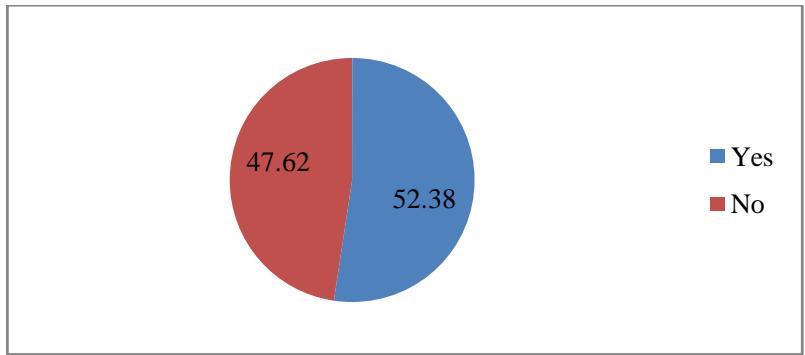 Figure 1: Satisfaction with the SSC Results of the Respondents
More than half of the respondents (52.38 per cent) were satisfied with their SSC results, while 47.62 per cent were dissatisfied with a figure that cannot be ignored. Those who were satisfied cited reasons such as achieving good or expected results, obtaining the highest score in their school, securing a GPA of 5.00, or making their parents thrilled, even 20.95 per cent of the respondents when the GPA was below 5.00, like 3.95. Someone believed the result reflected their efforts and accepted it as Allah's desire.
Dissatisfied respondents had expected a GPA of 5.00, suffered from illness during exam preparation, or felt their hard work was not adequately rewarded. Interestingly, 2.86 per cent of the respondents who achieved a GPA of 5.00 were still unhappy because they failed to secure a "Golden GPA 5.00" (at least 80.00 per cent marks in each subjects).
### k) Contributors to the SSC Results
Table 10: Analysis of the Contributors to the SSC Results of the Respondents
<table><tr><td>Contributors</td><td>Frequency</td><td>Percentage</td></tr><tr><td>Almighty Allah</td><td>1</td><td>0.95</td></tr><tr><td>Self</td><td>13</td><td>12.38</td></tr><tr><td>Parents</td><td>69</td><td>65.71</td></tr><tr><td>Father</td><td>1</td><td>0.95</td></tr><tr><td>Mother</td><td>10</td><td>9.52</td></tr><tr><td>Grandfather (maternal)</td><td>1</td><td>0.95</td></tr><tr><td>Aunty (paternal)</td><td>1</td><td>0.95</td></tr><tr><td>School teacher</td><td>45</td><td>42.86</td></tr><tr><td>Private tutor</td><td>34</td><td>32.38</td></tr><tr><td>Coachingteacher</td><td>15</td><td>14.29</td></tr><tr><td>Uncle (maternal)</td><td>3</td><td>2.86</td></tr><tr><td>Brother</td><td>8</td><td>7.62</td></tr><tr><td>Sister</td><td>6</td><td>5.71</td></tr><tr><td>Family members</td><td>1</td><td>0.95</td></tr></table>
Time immemorial, school was the only contributor to way for a student to achieve good results. Even a very few number of teachers were called a contributor to obtaining good results for the students in that respective school. Nowadays, it is quite impossible to identify the prime contributor to the best result of a student due to so many engagements besides their school work. Data shows that 14 sources contributed to their result in the SSC examination. Respondents have no scope to mention a single person who contributes more to their life. Remarkably, almost twice the number of people opined in the table. Family members, teachers, tutors, and others contributed in various ways: providing inspiration, suggestions, discipline, study routines, direct teaching, guidance, psychological supports, and financial assistance. Respondents found it difficult to identify a single contributor, indicating that success at the SSC level is usually multifaceted efforts.
## VII. CONCLUSION
Education is the process through which students' minds develop through systematic learning in various institutions. Many of the respondents completed their SSC examinations in rural areas. A huge involvement is explicitly clear in the examination process through private tuition and coaching centres. Over the years, students and their families have become extremely involved in supplementary education, with significant financial resources directed at private tutors and coaching centres. Although most of the respondents were satisfied with their SSC results, a substantial portion remained dissatisfied, often because of extraordinarily high expectations, particularly the desire for a GPA of 5.00 or a Golden GPA. Whereas in the past, examinees and parents showed keen interest in results, today a wide range of family members and others eagerly await and celebrate the SSC results. The critical role played by private tutors and coaching centres in achieving the best results is widely recognised. Respondents generally believe that success is the outcome of multifaceted contributions from parents, teachers, tutors, and peers rather than the effort of any single individual. These multifaceted engagements and efforts in secondary education in Bangladesh are both remarkable and indicative of the scenario of the public examinations.
To strengthen students' engagement and achieve the expected results in the SSC examination need to attention the following steps: reform the SSC curriculum to incorporate more interactive issues; regulate private tutoring and coaching centres to ensure quality and affordability, and provide subsidized tutoring for the low income students; strengthen parental and community involvement; enhance teaching learning for engagement strategies; ensure equal opportunities for the rural and urban students; and enhancing interactivity and facilities in the class rooms.
Generating HTML Viewer...
References
59 Cites in Article
James Ainsworth (2013). Sociology of Education.
Nafees Chowdhury,Abida Tisha,Juthika Sarker,Pulak Nath,Nowshin Ahmed,Shahanshah Abdullah,Tasdik Farooq,Waich Mahmud,Md. Mohib,Md. Sagor (2017). Targeting inducible Nitric Oxide Synthase (iNOS) in the prevention of vascular damage and cardiac inflammation in CVD.
Anwar Al-Rashidi,Hammad (2025). Academic engagement and its relation to academic competence among secondary school students, from the perspectives of school counselors.
Oqab Alrashidi,Huy Phan,Bing Ngu (2016). Academic Engagement: An Overview of Its Definitions, Dimensions, and Major Conceptualisations.
Marta Alonso,; Oporto,Marina Fernández,Salud Porras (2019). Academic Engagement in Students of Secondary and Bachellor Education: Towards a Complete Understanding of the Term.
Fizza Anwer (2019). Activity-Based Teaching, Student Motivation and Academic Achievement.
Aloysius Anyichie,Deborah Butler,Samson Nashon (2023). Exploring teacher practices for enhancing student engagement in culturally diverse classrooms.
Jeanne Ballantine,Floyd Hammack,Jenny Stuber (2017). The Sociology of Education: A Systematic Analysis (8 th edi).
Angella Blatz (2011). Homework: Providing quality activities that engage the students and extend the learning from the classroom.
C Brandmo,S Gamlem (2025). Students' perceptions and outcome of teacher feedback: a systematic review.
Emilia Campeanu,Iustina Boitan,Dan Anghel (2023). Student engagement and academic performance in pandemic-driven online teaching: An exploratory and machine learning approach.
Armando Delfino (2019). Student Engagement and Academic Performance of Students of Partido State University.
Ziqi Deng,Zhi Yang (2025). Exploring the impact of online education on student engagement in higher education in post-COVID-19: what students want to get?.
Sanzida Easmin,Mohammad Hossain,Amzad,Prahallad Das,Chandra (2015). Effect of Socioeconomic Background on the Academic Performance of the Students: A Study on Undergraduate Students of Bangladesh.
Pamba Fasco,Shatson; Asiimwe,; Specioza,Godfrey Ssekabira,Judith Tushabe,Atwongire (2024). Enhancing student engagement and learning outcomes: Effective strategies in institutional pedagogy.
A Flannery (1975). The Conciliar and Post Conciliar Documents.
J Fredricks,P Blumenfeld,A Paris (2004). School engagement: Potential of the concept, state of the evidence.
Wenjing Guo,Juan Wang,Na Li,Luxin Wang (2025). The impact of teacher emotional support on learning engagement among college students mediated by academic self-efficacy and academic resilience.
Laura Hamilton,Regina Werum,Lala Steelman,Brian Powell (2011). Changing Family, Changing Education.
Md. Hossain,Amir (2016). Education System and Result of PSC, JSC, Ebtedayee, and JDC Examination: A Case Study of Bangladesh.
Md. Hossain,Amir (2018). Results and Reasons of Failure at the Secondary Level Examination of Bangladesh Education System: An Empirical Investigation.
Iffaf Iqbal,Ayesha Afzal (2022). Effect of Activity-Based Teaching on Student Achievement at Elementary Level.
Monira Jahan (2010). Educational Influences on Student Academic Attainment: A Multi-level Analysis in the context of Bangladesh.
W Kahn (1990). PSYCHOLOGICAL CONDITIONS OF PERSONAL ENGAGEMENT AND DISENGAGEMENT AT WORK..
Malabika Sarker,Fahmida Homayra,Mrittika Barua,Sukanta Paul,Avijit Saha,Rahima Akter James P Grant,A Mahbub Latif,Shayela Islam,Akramul Lslam (2014). A Matched Case-Control Study to Identify Risk Determinants of Tuberculosis in Bangladesh.
Sharifa Khatun (2003). Secondary Education, Banglapedia: National Encyclopedia of Bangladesh, Sirajul Islam.
Seval Kızıldağ,Selen Demirtaş-Zorbaz,Osman Zorbaz (2017). School Engagement of High School Students.
Yangtao Kong (2021). The Role of Experiential Learning on Students’ Motivation and Classroom Engagement.
Genesis Lingling (2023). Correlation of engagement and study skills of junior high school students in Science modular instruction amidst pandemic of the public secondary schools in Calbayog districts.
N Martin-Alguacil,L Avedillo,R Mota-Blanco,M Gallego-Agundez (1179). Student Centered Learning: Some Issues and Recommendations for Its Implementation in a Traditional Curriculum Setting in Health Sciences.
S Manivannan,S Venkataraman (2021). Student Engagement in learning at Secondary level schools in India.
Ulugbek Mashrabjonov (2022). Improving Students' Educational Activities Through Case Studies.
Meejanur Miju,Rahman; Hossain,Mohammad Zakir & Monirozaman (2024). Efficiency in Primary, Secondary and Higher Secondary Education in Bangladesh: An Analysis.
François Molin,Carla Haelermans,Sofie Cabus,Wim Groot (2021). Do feedback strategies improve students' learning gain?-Results of a randomized experiment using polling technology in physics classrooms.
Budi Ningsih; Soetjipto,Eko,Sumarmi (2017). Improving the Students' Activity and Learning Outcomes on Social Sciences Subject Using Round Table and Rally Coach of Cooperative Learning Model.
Chris Park (2003). Engaging Students in the Learning Process: the learning journal.
Plato (1996). The Republic.
Mohit Prodhan (2016). The Educational System in Bangladesh and Scope for Improvement.
M Rahman (2017). Secondary education: A long way to go, The Daily Star.
Md. Rahman,Mohd Hamzah,T Meerah,Mizan Rahman (2010). HISTORICAL DEVELOPMENT OF SECONDARY EDUCATION IN BANGLADESH: COLONIAL PERIOD TO 21st CENTURY.
Md Rahman,Bayezid Ashfikur; Khan,Md Howlader,Hasan (2018). Secondary Education In Bangladesh: Issues and Challenges.
Abu Repon,Russel Md (2025). Shadow Education in Bangladesh: Experience of Secondary School Certificate.
Bertrand Russell (2010). Education and the Social Order.
Richard Ryan,Edward Deci (2000). Self-determination theory and the facilitation of intrinsic motivation, social development, and well-being..
Noviana Sakir,& Astuti Irna,Jae Kim,Geun (2020). Enhancing Students' Learning Activity and Outcomes via Implementation of Problem-based Learning.
C Sashi (2012). Customer engagement, buyer‐seller relationships, and social media.
Syed Shah,Ali Shafqat (2009). Impact of Teacher's Behaviour on the Academic Achievement of University Students.
Yanhong Shao,Yongna Feng,Xi Zhao,Gang Liu,Lili Zhang (2025). Teacher support and secondary school students’ learning engagement: A moderated mediation model.
Yogendra Sharma (2003). Foundations in Sociology of Education (2 nd Edition).
Cheryl Smoczyk (2018). Increasing Student Engagement in Secondary Classrooms.
Faguele Suaalii,Josephine Tufuga (2024). Student engagements: impacts on student achieve-ments in secondary school sciences.
Shaine Suscano,Ivie Mahilum,Joshua Quipse,Liana Andung,C Jeanne,Aya-Ay,C; Reynalyn,Riyana Marani,Clark Palomares,V Jenrey,Bais,L Romulo,Esperat,P Hernani (2025). The Role of Student Engagement in Shaping Academic Performance.
Thomas Tindan,Nipielim (2024). Scientific Hands-On Activities and Its Impact on Academic Success of Students: A Systematic Literature Review.
Feliciano Veiga,Robert Burden,James Appleton,Maria Taveira,& Do Céu,Diana Galvão (2014). Student's Engagement in School: Conceptualization and relations with Personal Variables and Academic Performance.
Jon Willms,Douglas (2000). Student Engagement at School.
B Wu,Y Hu,X Yu,M Sun,H Xie,Z Li,M Wang (2023). How do secondary students engage in complex problem-solving processes in a STEM project?.
Irin Zaman (2019). Students' Engagement Techniques Used by Teachers during Activities of English Language Teaching in the Tertiary level.
Explore published articles in an immersive Augmented Reality environment. Our platform converts research papers into interactive 3D books, allowing readers to view and interact with content using AR and VR compatible devices.
Your published article is automatically converted into a realistic 3D book. Flip through pages and read research papers in a more engaging and interactive format.
Secondary School Certificate (SSC) level students have high expectations of achieving the best results, so they put in their best efforts to achieve the highest possible outcomes. The main objective of this study was to examine the nature of students’ engagements and related activities in relation to their academic results. Data were collected using the tools and techniques of the social survey method. A structured questionnaire including both closed-ended and open-ended questions was employed for data collection. Data were collected from a total of 105 respondents. The majority of the respondents expressed satisfaction with their academic results. The research findings reveal that, in pursuit of better academic outcomes, students beyond regular school attendance actively participate in private tutoring, coaching centres, and other learning opportunities available to them. Engagement in private tuition and coaching entails significant financial costs. Furthermore, parents, close relatives, friends, and acquaintances closely keep an eye on students’ academic progress and results. In the past, examination results were typically known only to the students themselves and their parents. However, a much wider circle of involvement is now observed. Whereas students previously shared their results primarily with their parents, they now share this information to multiple individuals. These practices reflect the multifaceted nature of students’ engagement with academic achievement in contemporary era.
Our website is actively being updated, and changes may occur frequently. Please clear your browser cache if needed. For feedback or error reporting, please email [email protected]
Thank you for connecting with us. We will respond to you shortly.