In the revision of treatments of contemporary art in the 21st century, art historians are recognizing 2022 as the dawn of the age of creative artificial intelligence (AI). The emergence of generative AI tools like ChatGPT and Stable Diffusion in late 2022 immediately disrupted the established practices of the art world, leading to debates about the validity of “AI Art” and the emergence of a new market for NFTs. However, fears regarding the “death of the artist” are unwarranted when considering the historical adoption of new technologies by artists, such as photography. The role of the artist will undoubtedly transform, and the definition of “art” will be redefined once again. To better understand how AI generative art will impact traditional artmaking practices, this study will present an AI generative art development pipeline and provide recommendations for future technical and theoretical considerations of the subject-object dilemma in art through a poststructuralist reading of reception theory.
## I. INTRODUCTION
Generative Artificial Intelligence (AI), specifically art generators, have dominated news in the art world in 2022. With the launch of more and more open-source options like Stable Diffusion and Lensa.ai, mainstream adoption of AI can be seen everywhere on social media (DelSignore, 2022). Not surprisingly, the speed at which such a tool was adopted by the general population led to immediate and resolute rejection from traditionally trained artists and designers over copyright malfeasance and the new genre of AI art touted by dilettantes globally (Ansari 2022; Murphy, 2022; Hazucha, 2022.). Recent legal developments surrounding the copyright of artwork generated by artificial intelligence (AI) has reignited the debate over the role of AI in artistic creation. On February 21, 2023, the U.S. Copyright Office revoked the initial copyright protection granted to Kris Kashtanova's comic book, Zarya of the Dawn, which was illustrated using the text-to-image AI program, Midjourney. The revised copyright was limited to the text and arrangement created by the author, explicitly excluding the Midjourney-generated artwork. This ruling marks a milestone in how copyright law applies to algorithmically generated art, which has raised philosophical and practical challenges related to human understanding and creativity (Ford, 2023).
The controversy caused by the maturation and wide availability of AI has also led those in the field of higher education to call for an immediate ban as well due to fears of widespread plagiarism (Francke & Alexander 2019; Sherry 2022). There has heretofore been little to no interest demonstrated by the academic community to seriously pursue practical use cases and best practices for the adoption of this new tool. The scholarly community has been instead focused on the theoretical and aesthetic implications of the disruption caused by this emerging technology. An example may be found with Ajani (2022), who has noted the two competing definitions for "art" in her study of the role of human authorship in AI-generated content- "Art as an expression of technique, art as a display of sentiment" (p.253). Thus, conversations have revolved around the ways in which "art" may be viewed and valued for either the ability to capture the human condition or demonstrable use technical prowess (Rosenberg 1983; Mullholand 2022).
The valuation of AI and non-fungible tokens (NFTs) in the artworld continues to be debated (Zhang & Yang 2021; Wellner 2022). Such musings may have their place but overlook the fact that no matter the official acceptance or rejection of AI art, the new tool has already disrupted the creative process of practicing artists (Slotte Dufva 2023). Artists themselves are noting the affordances of AI art generators in allowing exploration of new and innovative solutions in their works (Compton 2022). From suggesting new color palettes, compositions, arrangements, and spatial understanding to a new inspirational and iterative formative process, AI is a watershed moment for the fine arts. At the same time, these use cases have yet to be provided for practitioners and the critical and methodological approaches for interpreting are still being developed. This study will present an AI generative art development pipeline and provide recommendations for future technical and theoretical considerations of the subject-object dilemma in art through a poststructuralist reading of reception theory. While the ways in which artists will utilize these new tools are currently uncertain, this paper will explore one potential workflow in which content created via text-to-image prompts in Astra.ai is exported to Stable Diffusion. Through an evaluation of this process and the introduction of new steps for artists using AI generative content, recommendations will be provided for both the creation and interpretation of human-AI collaborative and co-creative processes and content.
## II. LITERATURE REVIEW
In recent years, the use of generative artificial intelligence (AI) tools in contemporary art has sparked debates about the validity of AI-generated art and its impact on traditional art-making practices (Bonadio & Lucchi, 2019; Zhang & Lui, 2021). As we move away from traditional fine art techniques, such as acrylic on canvas, towards generative AI output, there are poststructuralist considerations to be made regarding the corporeality of art and the role of the artist in this new landscape (Anderson, 2017). The following literature review aims to investigate the current scholarship and direction for studying the future of AI art and explore how approaches to art-making are being reframed by rethinking the limitations of traditional viewing experiences. In particular, the impact of social media, fine art, and algorithms on the way art is created and viewed will be highlighted. Furthermore, we will explore how the metaverse breaks down traditional viewing dependencies and creates new possibilities for artists to engage with their audiences. Finally, we will examine how the creative prompting process can reframe the association of creator and craft to elicit content in the viewer through a poststructuralist approach to meaning creation and reception theory.
While studies may be found on the use of AI in the artmaking process, there has been little discussion of the practical applications, strategies or workflows for practicing artists and designers to adopt. Previous literature instead focuses on philosophical or theoretical discussions. For instance, Coeckelbergh (2017) offers a conceptual framework for a philosophical discussion of whether machines can create art with three questions: What is meant by "creation?" What is meant by "art?" And what is meant by machines "creating art?" The framing argues for an unstable and objective understanding of creativity. The binary of human versus non-human forms of art are also arbitrary as there should be a collaborative definition where technology assists in the creative process. In fact, discussions on creativity and the status of machines as artistic are moot as the very accepted definition of creativity presupposes a human agent. Coeckelbergh calls for a new "poetic" understanding of the creative process where human-machine hybrid processes can surprise audiences and the artist themselves in novel ways. The belief echoes that of Mazzone and Elgammal (2019), who also had developed AI processes for identifying style and detecting large-scale style patterns in art history. The pair advocated for a rethinking of the connection between machine and human creativity "as parallel to but not in conflict with human artists and their emotional and social intentions of art making" (p. 1). Tao (2022) refers to this partnership as the "actor network" of art where huamans and machines work together as coagents. The collaborative efforts of both parties could potentially maximize the strength of each.
Other discussions would follow that would likewise question the role of machines in the creative process and a call to see that process itself creative. For example, Ahmed (2020) framed the discussion of AI in terms of a design-based praxis out of the disciplines of the arts and humanities. The author argues that the permanent physical manifestations in media museums of AI should be understood not as a design but for design. In reviewing interactive and immersive media installations, Ahmed argues that making "immaterial humanistic characteristics" concrete and physical, which include emotions, experiences, senses, and memories, AI should be reconsidered as more than a mere product or traditional image for a design (p.133). The interactions and emotions humans have interacting with art generated by AI can be seen as a design element themselves. However, these considerations of AI and art do not address one of the most controversial notions of art- creativity.
The elements of artistic autonomy and creativity often dictate discussions around whether AI-generated art can be considered "art" proper. There have been countless definitions for "creativity" but for this discussion, the model devised by Csikszentmihályi (1988) is appropriate and considers three elements that are interrelated- a body of knowledge that is agreed upon; a volitional agent who produces something innovative by changing an element of the field in question; and experts in the field that judge whether the novel production should be accepted into that domain or field. Building on the definition, Jennings (2010) further identified three criteria that an "agent" must possess in order to qualify in a system that may be considered volitional and features creative autonomy-the ability to autonomously evaluate without outside or undue opinion; the ability of a system to change autonomously and then direct variations on a standard without being explicitly directed; and, finally, the ability of a system to avoid randomness. When applied to AI art and "creativity," the author notes that "[...] progress[ing]from a capable apprentice to a creator in its own right, an AI system must be able to both independently apply and independently change the standards it uses. This ideal will be called 'creative autonomy,' and represents the system's freedom to pursue a course independent of its programmer's or operator's intentions." (2010 p.491). Given that the artist or author is not the only agent in the creative process that ultimately judges the value of the creation, Ajani (2022) notes that creativity does not exist independently. On the contrary, "creativity depends on individual capacity, acquisition of information and judgment by experts" (p.258). Since creativity needs be externally validated, AI has been exonerated from being judged in these terms given in each domain (art and/or design) must "judge" whether the product may be considered "creative," and cannot inherently be so.
In light of the current state of scholarship on Al-generated art, there is a need for further research into the practical applications of these tools for artists and designers. As the use of generative AI tools becomes increasingly prevalent, the development of new pipelines for creating and interpreting generative content is necessitated. One area of focus will be on creating a collaborative and co-creative processes that allows artists to work in partnership with AI, rather than being constrained by its limitations. To this end, artists and designers should take a proactive approach to learning about the possibilities and limitations of Al-generated art. Additionally, artists should consider how they can incorporate generative content into their work in ways that are both innovative and meaningful, rather than simply relying on AI as a gimmick or novelty. At the same time, it is important that we develop new frameworks for interpreting and evaluating generative content, recognizing that these works are the result of complex human-AI collaborative processes. This may involve developing new criteria for evaluating the creativity and artistic merit of generative works, as well as new methods for engaging audiences in meaningful ways. By working across the fields of art and technology, artists can help to shape the future of Al-generated art, creating new possibilities for creative expression and meaning-making in the process.
## III. PROCESS
The utilization of generative artificial intelligence (AI) tools has emerged as a novel and potent approach to the creation of art in contemporary times. Through the utilization of machine learning algorithms and neural networks, artists can conceive complex and intricate works that exhibit a uniqueness and originality that is unmatched by traditional methods of art creation. A defining aspect of generative AI art is its capacity to work with large datasets of imagery, enabling artists to craft highly diverse and expressive works that draw on an extensive range of visual elements.
This section aims to outline a detailed, step-by-step process for the creation of generative AI art utilizing an original art database of imagery. Drawing upon the most up-to-date research and the best practices in this field, this section provides an exhaustive outline of the tools, techniques, and workflows involved in generating these works. The goal is to provide artists and designers with a comprehensive and lucid guide to this innovative approach to artmaking, facilitating them to unlock the full potential of generative AI tools and techniques. From the sourcing and preparation of an art database to the training and refinement of an AI model, this section covers all the essential phases of the generative AI art creation process, presenting practical tips and insights along the way.
This section will outline the step-by-step process for creating AI art using original artworks as the database. It will provide a comprehensive guide to using Astria.ai to train models and create checkpoints for Stable Diffusion, a popular AI tool for creating generative art.
The first step is to install "Automatic1111/Stable Diffusion web UI" from GitHub.com by following the technical steps provided, which involves utilizing Python to ensure the interface runs locally on your computer. Once installed, Astria.ai can be used to upload original images in the form of square crops of the original artwork that will become a "checkpoint" for Stable Diffusion (Figure 1)
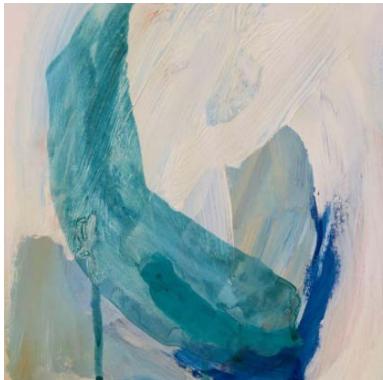
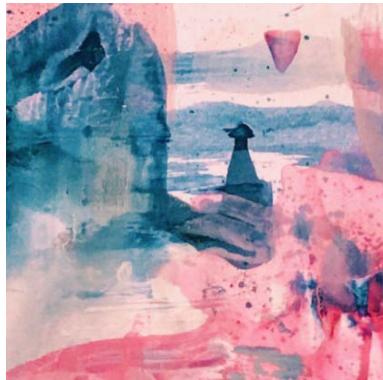
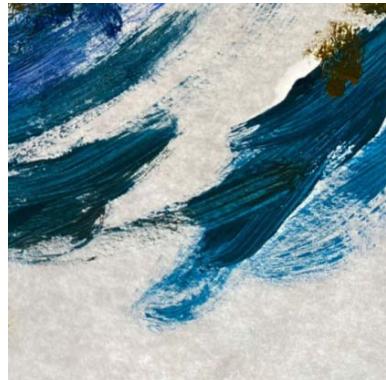 Figure 1: Dataset Samples of Acrylic and Watercolor Paintings on Canvas and Paper
After uploading the images to Astria.ai, you can choose to train your own models that will then be turned into checkpoints for Stable Diffusion. Uploading 10-40 images of your own and waiting approximately 90 minutes for the model to be created is recommended.
Alternatively, you can choose to purchase models using credits, with each model costing (1.50. The models are called "Finetunes," and you can give each model its own name. An example of a token would be "sks fiveyears" or "zwx colorfulillustrations" (Figure 2).
 Astria
Pricing Community Gallery Video API Examples Tunes ($13.40)
New Finetune
Title fiveyears
Name of the subject or theme of training images. e.g: John Doe
Class name fiveyears
This should NOT be a name.
Images
- 1.png
- 2.png
- 3.png
- 4.png
- 5.00
Figure 2: Using Astria.ai to Create a Model
Once the model is created, download the CKPT file to your PC and import it into a "models" folder related to Automatic111. Automatic111 is a browser interface based on the Gradio library for Stable Diffusion (Figure 3). To run Automatic1111, execute a batch file with command lines locally on the PC.
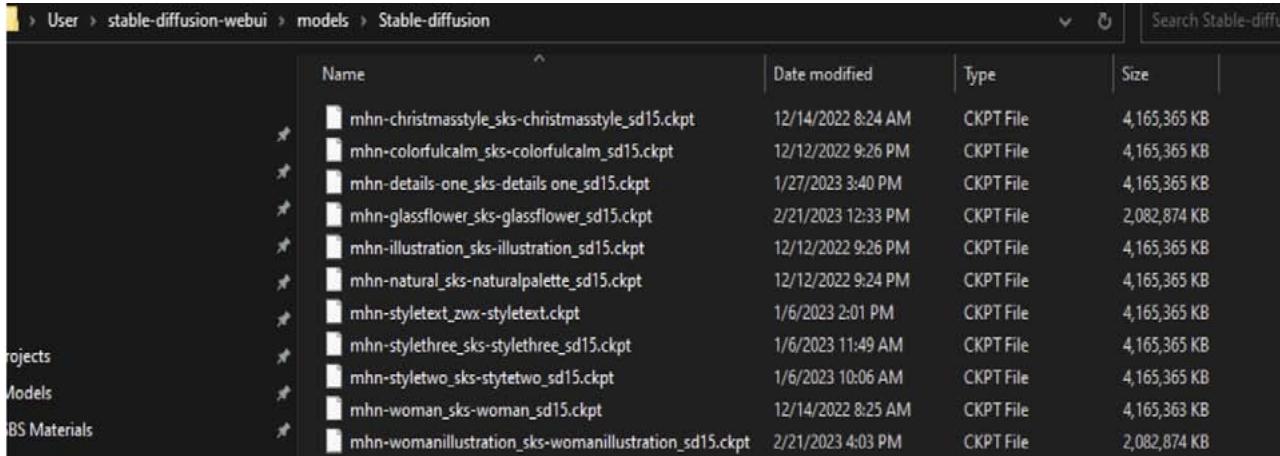 Figure 3: Exporting and Storing Models Locally
Next, set up and run Automatic1111 locally on your computer, accessing the interface to start creating art by running command lines and accessing your
"Models" folder. Click on the "Models" tab at the top of the interface to view all of your checkpoints in your "Models" folder (Figure 4).
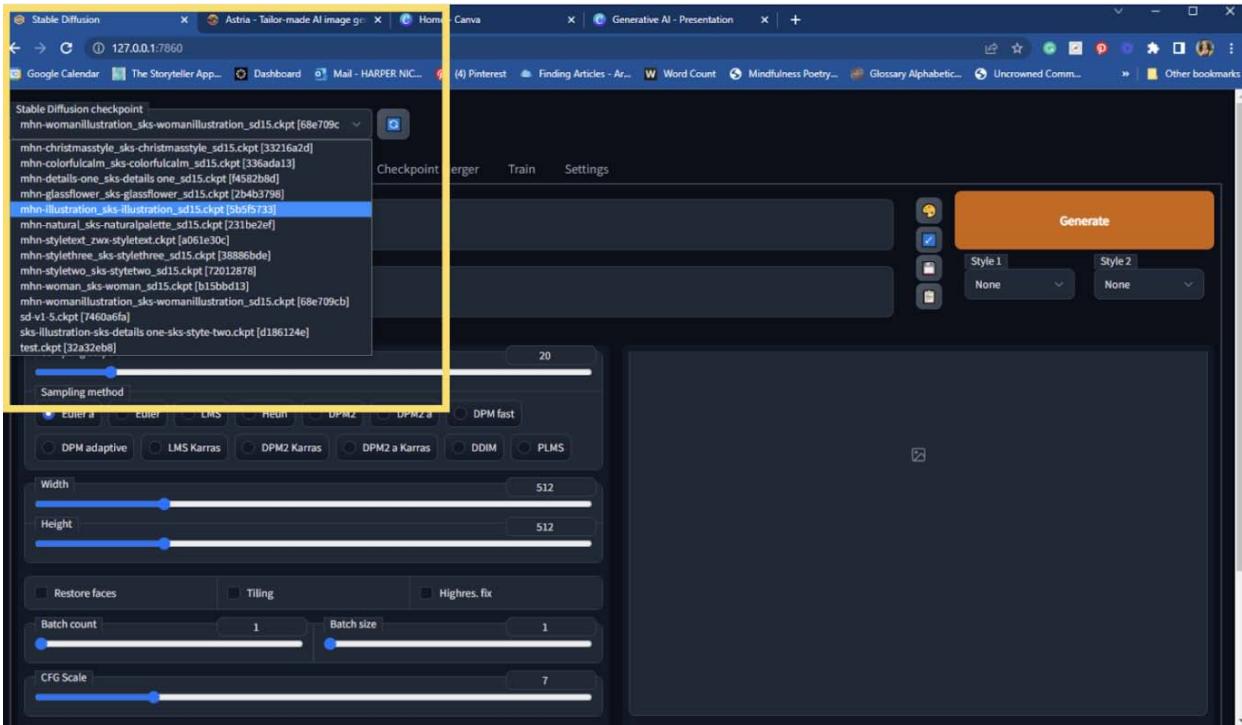 Figure 4: Accessing Custom Art Dataset Checkpoints in Astria.ai
To ensure that the checkpoint is working properly, test it by typing in the token created with Astria (sks five years) (Figure 5).
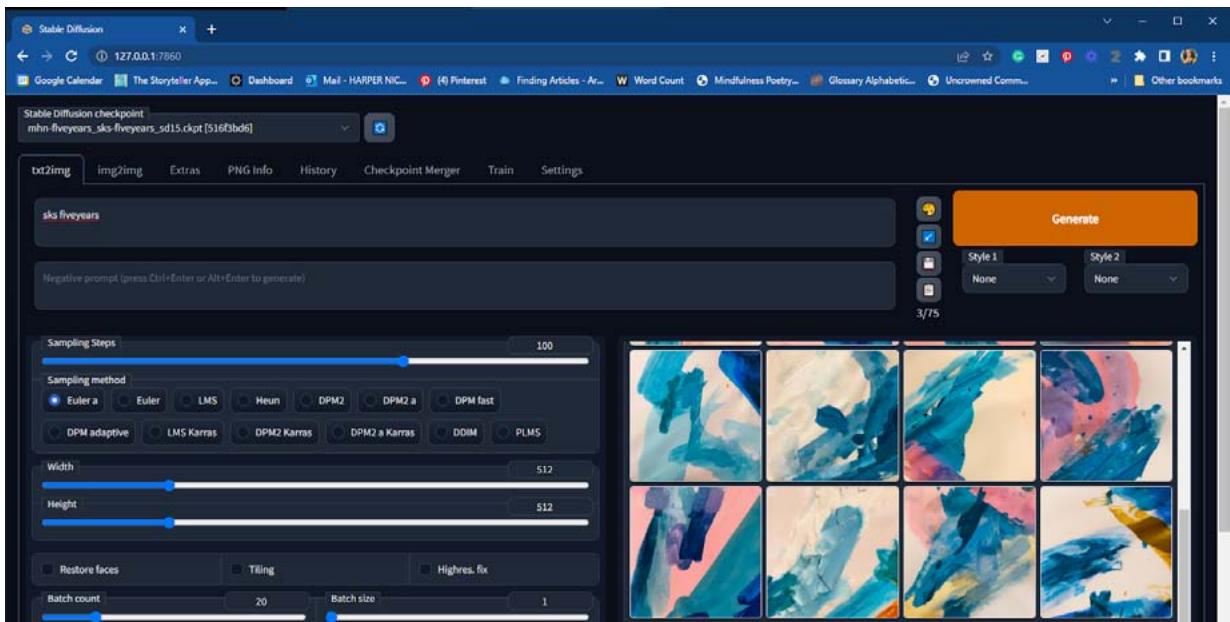 Figure 5: Generating Images from Custom Model
Each token represents a checkpoint and will generate images using the original images uploaded as the database (Figure 6).
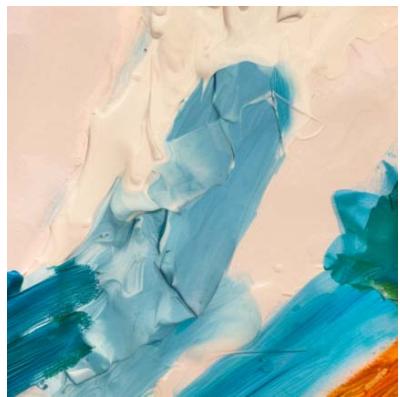
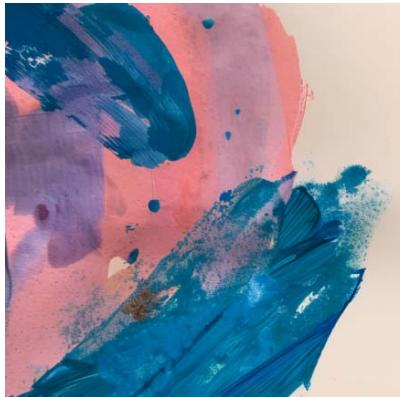
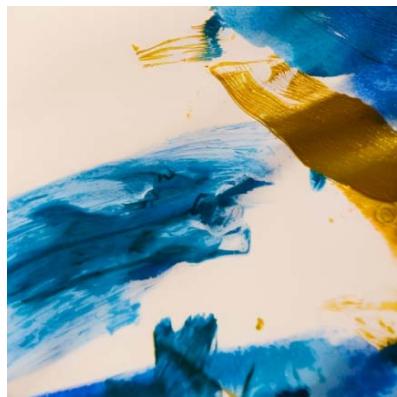 Figure 6: Generative AI Imagery from Dataset Samples
The preceding steps provide a comprehensive and practical guide to the process of creating generative AI art using original artworks as the database. By taking a step-by-step approach, artists and designers can utilize Astria.ai and Stable Diffusion to generate unique and innovative works of art that draw on their own artistic vision and style. Moreover, by creating datasets from an entire archive of work, artists can ensure that their generative content is truly original and not just a replication of what has already been shared on social media. While these generative AI tools can scrape from social media platforms such as Instagram, the real potential of this technology lies in breaking out of the current social media framework and pulling from the artist's own sketchbook. The process can be compared to an artist's "signature brush," and artists can continue to refine their techniques and workflows to create increasingly sophisticated and personalized generative content. As the field of generative AI art continues to evolve, this guide aims to equip artists and designers with the knowledge and skills to push the boundaries of what is possible, unleashing the full potential of this exciting and innovative approach to artmaking.
## IV. CONCLUSION
The emergence of generative artificial intelligence tools has revolutionized the field of art and design, offering artists and designers new and innovative ways to express their creativity. By enabling the creation of complex and intricate works of art that draw on large datasets of imagery, generative AI tools have opened up new avenues for experimentation and exploration. The step-by-step process outlined in this article for creating generative AI art using an original art database provides a comprehensive guide for artists and designers looking to unlock the full potential of these innovative tools. However, as these technologies continue to evolve and expand, there is a need for further research and development to establish an accepted development pipeline for generative AI art. This may involve a shift in art and design curriculum away from traditional technical construction towards a
Focus on the conceptual framework of creativity. Additionally, the proper use of text prompts for AI-generated art should be explored and taught in order to better understand and predict outcomes for different ideation processes. As the boundaries between art and science continue to blur, artists must take the lead in shaping the algorithms and technologies that underpin generative AI tools, in order to fully realize their creative potential.
Generating HTML Viewer...
References
29 Cites in Article
Danyal Ahmed (2022). Senses, experiences, emotions, memories: artificial intelligence <i>as a design</i> instead of <i>for a design</i> in contemporary Japan.
Gianmaria Ajani (2022). Chapter 15 Human Authorship and Art Created by Artificial Intelligence – Where Do We Stand?.
Sky Anderson (2017). The corporeal turn: at the intersection of rhetoric, bodies, and video games.
T Ansari (2022). How AI Transformed the Art World in 2022.
Enrico Bonadio,Nicola Lucchi (2019). How Far Can Copyright Be Stretched? Framing the Debate on Whether New and Different Forms of Creativity Can Be Protected.
Mingyong Cheng (2022). The Creativity of Artificial Intelligence in Art.
Mark Coeckelbergh (2017). Can Machines Create Art?.
N Compton (2022). Generative art: the creatives powering the AI art boom.
M Csikszentmihályi (1988). Society, culture, and person: A systems view of creativity.
Amanda Culp-Roche,Debra Hampton,Angie Hensley,Jessica Wilson,Amanda Thaxton-Wiggins,Jo Otts,Sharon Fruh,Debra Moser (2020). Generational Differences in Faculty and Student Comfort With Technology Use.
P Delsignore (2022). The New Age of Creative AI Began in 2022.
M Ford (2023). Artificial Intelligence Meets Its Worst Enemy: the U.S. Copyright Office.
E Francke,B Alexander (2019). The potential influence of artificial intelligence on plagiarism a higher education perspective.
Branislav Hazucha (2022). Artificial Intelligence and Cultural Production: Possible Impacts on Creativity and Copyright Law.
M Hollandsworth (2022). Women Attaining Senior Executive Positions In The Jamaican Banking Industry: A Qualitative Exploratory Case Study.
J Hong,N Curran (2019). Artificial intelligence, artists, and art: attitudes toward artwork produced by humans vs. artificial intelligence.
Kyle Jennings (2010). Developing Creativity: Artificial Barriers in Artificial Intelligence.
Sonja Kosunen,Nina Haltia,Juhani Saari,Suvi Jokila,Esa Halmkrona (2021). Private Supplementary Tutoring and Socio-economic Differences in Access to Higher Education.
Marian Mazzone,Ahmed Elgammal (2019). Art, Creativity, and the Potential of Artificial Intelligence.
Neil Mulholland (2022). 2. Definitions of Art and the Art World.
B Murphy (2022). Line Art Colorization of Fakemon using Generative Adversarial Neural Networks.
Rosenberg (1983). The de-definition of art.
B Sherry (2022). 3 Limits to Artificial Intelligence's Creativity (and How to Solve Them): Here's what you need to know about harnessing A.I. technology to be more creative.
Tomi Slotte Dufva (2023). Entanglements in AI Art.
Feng Tao (2022). A New Harmonisation of Art and Technology: Philosophic Interpretations of Artificial Intelligence Art.
Galit Wellner (2022). Digital Imagination, Fantasy, AI Art.
Ashley Wright,Vincent Roscigno,Natasha Quadlin (2021). First-Generation Students, College Majors, and Gendered Pathways.
Caiming Zhang,Yang Lu (2021). Study on artificial intelligence: The state of the art and future prospects.
Caiming Zhang,Yang Lu (2021). Study on artificial intelligence: The state of the art and future prospects.
No ethics committee approval was required for this article type.
Data Availability
Not applicable for this article.
How to Cite This Article
Jonathan Proulx Guimond. 2026. \u201cGenerative AI and Algorithmic Art: Disrupting the Framing of Meaning and Rethinking the Subject-Object Dilemma\u201d. Global Journal of Computer Science and Technology - D: Neural & AI GJCST-D Volume 23 (GJCST Volume 23 Issue D1): .
Explore published articles in an immersive Augmented Reality environment. Our platform converts research papers into interactive 3D books, allowing readers to view and interact with content using AR and VR compatible devices.
Your published article is automatically converted into a realistic 3D book. Flip through pages and read research papers in a more engaging and interactive format.
In the revision of treatments of contemporary art in the 21st century, art historians are recognizing 2022 as the dawn of the age of creative artificial intelligence (AI). The emergence of generative AI tools like ChatGPT and Stable Diffusion in late 2022 immediately disrupted the established practices of the art world, leading to debates about the validity of “AI Art” and the emergence of a new market for NFTs. However, fears regarding the “death of the artist” are unwarranted when considering the historical adoption of new technologies by artists, such as photography. The role of the artist will undoubtedly transform, and the definition of “art” will be redefined once again. To better understand how AI generative art will impact traditional artmaking practices, this study will present an AI generative art development pipeline and provide recommendations for future technical and theoretical considerations of the subject-object dilemma in art through a poststructuralist reading of reception theory.
Our website is actively being updated, and changes may occur frequently. Please clear your browser cache if needed. For feedback or error reporting, please email [email protected]
Thank you for connecting with us. We will respond to you shortly.