I. INTRODUCTION
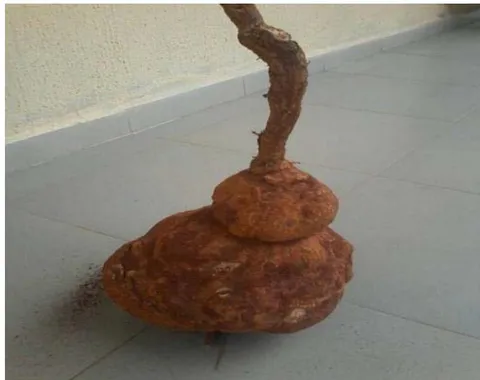
In a developing country like Nigeria, there is an inadequate supply of animal protein sources. An average Nigerian consumes only about 8.6g of animal protein per day as against 53.3g by the inhabitants of developed countries (Ojo, 2003). This shortcoming is majorly due to low productivity of livestock products. Inadequate supply of feeds, nutritionally unbalanced rations, adulterated ingredients or stale feeds are some of the factors responsible for low productivity of livestock in tropics (Ogundipe et al., 2003) and when it comes to livestock management nutrition is perhaps the most important consideration. Apart from nutrition, livestock industry contributes significantly to family income (Ogundipe and Sanni, 2002). Livestock production especially the production of rabbits offers the greatest scope for increasing the quality and quantity of protein intake in Nigeria because of the short generation interval and prolificacy. Rabbit production is regarded as a means of sustainable livelihood and a way of achieving a certain level of economic independence. Rabbits are good sources of meat that is tasty, of good quality and similar to poultry meat with few or no religions taboo attached to its consumption. They grow rapidly because they are efficient at converting feed, forage and vegetative materials into meat besides their high productivity. Therefore the major interest of the farmer is to reduce feed cost, which usually accounts for 60 to 70% of the total cost of production (Ogundipe, et al; 2003). Research efforts are now geared towards evaluating alternative feed ingredients for poultry and other livestock like rabbits. Investigations has being carried out for the use of other alternative energy sources (Agunbiade et al, 2004 and Ajaja, 2005). Okosun and Eguaoje, (2017) recently reported the inclusion of 66.6% cassava grit and 5% supplementation of moringa leaf meal as substitute for maize in cockerel diet. This study tends to look at an unconventional feed ingredient such as false yam (Icacina tricantha), a small perennial shrub that is drought resistant. The plant produces erect leaf shoots from a large underground fleshly tuber. It belongs to the family of Icacinaceae. It is indigenous to West and Central Africa. False yam is seldom cultivated; however, it is reported from Senegal to be propagated by pieces of tuber, before the wet season. No pest and diseases have been reported (Kay, 1987). People truly enjoy the fruit as well as the seed, which represent a permanent, reliable and very tasty fruit. The tubers which resemble large turnips or beet root is such a great source of emergency moisture and feed energy to the plant that it can survive at least four years without rain. Thus, as long as false yam is around, food is always available for people (NRCNAP,
2008). There is dearth of information on the use of Icacina tricantha as a basal diet in rabbit ration. This study is therefore embarked upon to evaluate the growth performance, haematology and blood serum biochemistry of weaner rabbits fed varying levels of parboiled-sundried false yam (Icacina tricantha) meal basal diet.
II. MATERIALS AND METHODS
a) Location and Duration of the Study
The experiment was carried out in the Department of Animal Science, Livestock Section (Rarbitrary Unit) of the Teaching and Research Farm, Ambrose Alli University, Ekpoma for the period of seven weeks.

c) Chemical Analysis of the Processed Raw Materials
The proximate composition was determined using the method described by AOAC (1990). The crude protein was determined by the Kjeldahl method. The energy value was determined using an Adiabatic Oxygen Bomb calorimeters (12149 Adiabatic calorimeter, PARR instrument Co. Illinois USA.
| Parameters | PSFYM | Maize |
| Dry Matter | 7.61 | 6.20 |
| Crude Protein | 5.38 | 8.90 |
| Crude Fiber | 1.32 | 1.38 |
| Ether Extract | 2.63 | 4.47 |
| Crude Ash | 2.26 | 1.49 |
| Nfe | 80.80 | 77.56 |
| Carbohydrate | 88.39 | 82.62 |
d) Design and Management of Experimental Animals
A total of 15 mixed bred rabbits of same average weight were purchased from the Teaching
b) Sourcing and Processing of Raw Materials
Fresh tubers of Icacina trichantha was collected from Uzebba in Owan West Local Government Area of Edo State, Ambrose Alli University Ekpoma Main campus in Esan West Local government area of Edo State and Otobaye community in Orhionwon Local Government Area of Edo State, Nigeria. The tubers were washed, chopped into small pieces and processed parboiling and then sundried (PBSD). For the parboiled-sun dried sample of Icacina tricantha after slicing, it was boiled for about 15-20mins and subsequently dried in the sun. All the chopped, processed tubers were then milled into a fine powder to pass through a 2mm mesh sieve until ready to use.
and Research farm Benson Idahosa University, Benin city and the Animal House unit of College of Medicine, Ambrose Alli University Ekpoma, Edo State, for the experiment. The rabbits were kept and housed under a standard temperature (25°C), relative humidity (45%-55%), dark/light cycle (12 hours), and were fed with the commercial diet supplemented with Elephant grass harvested at least 24 hours previously for 4 weeks acclimatization period. The experimental animal had free access to clean water ad libitum. The 15 unsexed rabbits were randomly allotted in a completely randomized design (CRD) to five dietary treatments with treatment one being the control i.e. (100% maize) while treatment 2, 3, 4 and 5 were formulated to have a replacement level of maize with parboiled Sun dried (lcacina tricantha) meal at 25, 50, 75 and 100%. All treatments were replicated three times. All the diets (1 to 5) were formulated to be isonitrogenous (16%) and isocaloric (2680 ME Kcal/kg) as reflected in Tables 2.
| Inclusion Levels of PBSFYM (%) | |||||
| 0 | 25 | 50 | 75 | 100 | |
| Diets | |||||
| Ingredients | 1 | 2 | 3 | 4 | 5 |
| Maize | 56.12 | 42.09 | 28.06 | 14.03 | 0.00 |
| PBSFYM | 0.00 | 14.03 | 28.06 | 42.09 | 56.12 |
| Soya Bean Meal | 15.96 | 16.38 | 16.76 | 17.02 | 18.02 |
| Wheat Offal | 20.00 | 20.00 | 20.00 | 20.00 | 20.00 |
| Bone Meal | 2.00 | 2.00 | 2.00 | 2.00 | 2.00 |
| Limestone | 5.28 | 4.86 | 4.44 | 4.22 | 4.22 |
| Salt | 0.34 | 0.34 | 0.34 | 0.34 | 0.34 |
| Premix | 0.30 | 0.30 | 0.30 | 0.30 | 0.30 |
| Total | 100.00 | 100.00 | 100.00 | 100.00 | 100.00 |
| Calculated Analysis | |||||
| Crude Protein | 16.00 | 16.00 | 16.00 | 16.00 | 16.00 |
| Crude Fibre | 3.28 | 3.81 | 3.79 | 3.78 | 3.77 |
| Ether Extract | 3.25 | 3.02 | 2.79 | 2.56 | 2.88 |
| Calcium | 2.00 | 1.88 | 1.75 | 1.62 | 1.70 |
| Ash | 3.82 | 3.81 | 3.79 | 3.78 | 3.77 |
| ME (Kcal/Kg) | 2599 | 2620 | 2642 | 2663 | 2673 |
e) Performance Study
During the feeding trial, daily feed consumption and weight changes will be recorded where weight gain, feed conversion ratio and protein efficiency ratio will be estimated. Daily feed intake will be determined by subtracting the weight of left-over of feed from the initial weight of feed supplied.
i.e. Feed intake = Feed given - Left over of feed
Weekly weight gain will be determined as the difference between the weight at the beginning of the week and the weight at the end of each week.
Feed conversion ratio will be estimated as the ratio of the feed intake to that of the weight gain.
Protein efficiency ratio (PER) will be determined as the ratio consumed to weight gain.
f) Hematology and Serum Biochemical Study
At the 7th week of the feeding trial, two sets of fresh blood samples were collected via neck slit from one (1) rabbit selected from each of the replicates into 2 bottles per rabbit, one of the bottles contains ethylene di-amine tetra-acetic acid (EDTA) to prevent clothing, while the other bottle was without EDTA for the serum biochemistry study. The haematological parameters determined are packed cell volume (PCV), haemoglobin (Hb), red blood cell (RBC), white blood cell (WBC), platelets, neutrophils, monocytes and eosinophil; while mean corpuscular volume (MCV), mean corpuscular haemoglobin (MCH) and mean corpuscular haemoglobin concentration (MCHC), were calculated according to Jain (1986). Serum biochemistry parameters such as total protein, albumin and serum glucose were determined by the method of Hyduke (1975) while globulin values were estimated by the subtraction of albumin value from serum protein value (Dacie and Lewis, 1991).
g) Statistical Analysis
All the data collected were subjected to analysis of variance (ANOVA) and differences between means and treatments were determined using Duncan's multiple range test (DMRT) at 5 percent level of probability. All statistical procedures were according to (Steel and Torrie, 1990) with the aid of SPSS package.
III. RESULTS
a) Performance Characteristics
The performance characteristics of weaned rabbits as influenced by the dietary treatments are shown in (Table 3). The dietary treatments significantly influenced the average final live weight, average weekly feed intake, average weekly weight gain and feed conversion ratio. Average final live weight was significantly higher among rabbits placed on Parboiled Sundried False Yam Meal (PSFYM) with a mean value of /rabbit, followed by the comparable mean value of /rabbit in those fed the control diet while lowest mean value of /rabbit was from those on PSFYM replacement of maize. Average weekly feed intake was highest among rabbits fed the control diet with an average value of /rabbits, followed by comparable value of
269.33g/rabbit in those fed 25% PSFYM while least mean value of 173.00g/rabbit was obtained from those fed 100% PSFYM. Average weekly weight gain was significantly (P<0.05) highest in rabbits maintained on 25% PSFYM with a mean value of 194.67g/rabbit, followed by (177.33g/rabbit) in those placed on diets three while the lowest mean value of 76.33g/rabbit was recorded among those placed on 100% PSFYM. Feed conversion ratio was also significantly (P<0.05) highest among birds fed 100% parboiled sundried false yam meal with a mean value of 2.27, similar to 2.17 in control, followed by similar values of 1.62 in rabbits placed on diet four while best FCR value of 1.36 was recorded among rabbits maintained on 25% PSFYM. Mortality rate was highest (10.00%) among rabbits fed 100% PSFYM, followed by (6.67 and 6.67%) among rabbits placed on 50 and 75% PSFYM, (3.34%) in those fed 25% PSFYM while no mortality was recorded among rabbits fed the control diets.
| Inclusion Levels of PSFYM (%) | ||||||
| 0 | 25 | 50 | 75 | 100 | ||
| Diets | ||||||
| Parameters | 1 | 2 | 3 | 4 | 5 | SEM± |
| Ave. Initial Weight (kg/b) | 0.79 | 1.00 | 1.00 | 1.17 | 1.00 | 0.06 |
| Ave. Final Live Weight (kg/b) | 0.13 | |||||
| Ave.Weekly Feed Intake (g/b) | 16.21 | |||||
| Ave. Weekly Weight Gain (g/b) | 2.33 | |||||
| Feed Conversion Ratio | 0.11 | |||||
| Mortality (%) | 0.00 | 3.34 | 6.67 | 6.67 | 10.00 | |
b) Hematological Indices
Hematological traits of rabbits as influenced by the dietary treatments are depicted in (Table 4). All the hematological parameters assayed in this study were significantly (P<0.05) influenced by the treatment diets. Hemoglobin was highest among rabbits fed 25% parboiled sundried false yam meal PSFYM with a mean value of 10.73g/dL, followed by similar values of 10.66 and 10.59 among those placed on the control diet and 75% PSFYM and least value of 8.48 g/dL was recorded in rabbits fed 100% PSFYM based diet. Packed cell volume was however, highest with a mean value of 31.34% in rabbits placed on 75% PSFYM, followed by 29.22% in those placed on the control diet, and lowest value of 25.35% was recorded in rabbits fed 100% PSFYM. Red blood cell values were significantly (P<0.05) highest among rabbits placed on 75% PSFYM with a mean value of 5.30%, followed by 8.07% in those fed 25% PSFYM while least mean value was recorded in rabbits fed 50% PSFYM. The mean value obtained for mean corpuscular volume (MCV) was significantly highest (P<0.05) among those fed the control with mean value of 65.67fl, followed by similar values of 62.42 and 61.41fl in rabbits fed 50 and 100% PSFYM, while least mean value 54.05fl was recorded among those placed on 25% PSFYM. The mean values for mean corpuscular hemoglobin (MCH) were highest (22.44x10 /L) in control, followed by 20.80x10 /L among rabbits fed 50% while lowest mean value of 20.22x10 /L was obtained in those placed on 100% PSFYM. Rabbits maintained on 25% PSFYM had significantly (P<0.05) highest mean value of 38.25pg, followed by 34.45pg in rabbits fed 75% PSFYM while the least mean value of 33.07pg was recorded among those placed on 50% PSFYM for mean corpuscular Hemoglobin concentration (MCHC). Red disc width and platelet values were significantly (P<0.05) highest with mean values of 17.82% and 252.12mm in rabbits placed on 75% PSFYM, followed by 20.54% and 203.18mm among those fed 25% PSFYM. For RDW, the lowest value of 17.04% was recorded among rabbits fed 100% PSFYM and 189.08mm in those placed on 50% PSFYM. The average numerical value recorded for mean platelet volume was significantly (P<0.05) higher in rabbits fed 100% PSFYM with the mean value of 8.03, followed by 5.16 in those fed 50% PSFYM while the least mean value of 4.28 was recorded in those fed 25% PSFYM. Plate disc width (PDW) and white blood cell (WBC) values were significantly (P<0.05) highest with the mean values of 8.33 and 95.11 x 10 /mm in rabbits placed on 75% PSFYM, followed by 6.49 and 66.25 x 10 /mm among those fed 25% PSFYM. For PDW, the lowest value of 5.69 was recorded among rabbits fed 0% PSFYM and 12.41 in those placed on 100% PSFYM for WBC. The average values of neutrophil in rabbits placed on treatment diet three had the highest value of 60.26fl while the lowest mean value of 29.72fl was recorded in those placed on diet five. Lymphocytes values were also significantly (P<0.05) highest in those fed diet four with and average of 45.86%, followed by similar values of 33.92 and 34.26% in those fed diets two and four while lowest mean value of 25.76% was recorded in those fed diet three.
| Inclusion Levels of PSFYM (%) | ||||||
| 0 | 25 | 50 | 75 | 100 | ||
| Diets | ||||||
| Parameters | 1 | 2 | 3 | 4 | 5 | SEM± |
| Haemoglobin (g/dl) | 0.27 | |||||
| Packed Cell Volume (%) | 25.35 | 0.75 | ||||
| Red Blood Cell ( ) | 1.00 | |||||
| MCV (fl) | 1.05 | |||||
| MCH ( ) | 1.02 | |||||
| MCHC(Pg) | 1.00 | |||||
| Red Disc Width (%) | 1.12 | |||||
| Platelet ( ) | 1.32 | |||||
| Mean Platelet Volume | 1.00 | |||||
| Platelet Dist. Width | 1.08 | |||||
| White Blood Cell ( ) | 2.30 | |||||
| Neutrophil (%) | 3.12 | |||||
| Lymphocyte (%) | 2.46 | |||||
c) Serum Biochemical Indices
Table 4. shows the serum biochemical indices of weaner rabbits as influenced by the treatment diets. The result revealed that total protein, albumin, globulin, urea and Creatinine of the weaner rabbits were significantly (P<0.05) affected by the treatment diets. Total protein values were significantly (P<0.05) highest in rabbits maintained on 100% PSFYM with a mean value of 6.28g/dl, followed by those placed on 75% PSFYM with a mean value (6.22g/dl), and statistically similar values of (5.33, 5.75 and 5.53g/dl) were recorded for rabbits placed on diet one, two and three respectively. Albumin was significantly (P<0.05) affected by the test diets with highest value of 3.90g/dl in rabbits fed 100% PSFYM, followed by similar values of 3.83g/dl in those fed 25% PSFYM while the lowest value of 3.59 was recorded in diet four. Serum globulin values were also significantly (P<0.05) highest among rabbits fed 75% PSFYM with a mean value of 2.63g/dl, followed by 2.38g/dl in those raised on 100% PSFYM, while the least values (1.79g/dl) was recorded in rabbits placed on diets three. Urea showed a significant (P<0.05) variation among rabbits fed dietary treatments with the highest value of 36.05g/dl among rabbits fed the control diet, followed by 29.12g/dl in those placed on 100% PSFYM while the lowest mean value of 19.28g/dl was observed from those placed on 50% PSFYM. Creatinine values in rabbits were significantly higher in those placed on diet three with a mean value of 1.18g/dl, followed by equal values of 1.08 and 1.08g/dl recorded among rabbits fed the control diet and 75% PSFYM, followed by 1.02g/dl in diet four and least 0.92g/dl in diet two.
| Inclusion Levels of PSFYM (%) | ||||||
| 0 | 25 | 50 | 75 | 100 | ||
| Diets | ||||||
| Parameters | 1 | 2 | 3 | 4 | 5 | SEM± |
| Total Protein (g/dl) | 0.08 | |||||
| Albumin (g/dl) | 0.06 | |||||
| Globulin (g/dl) | 0.16 | |||||
| Urea (mg/dl) | 0.84 | |||||
| Creatinine (mg/dl) | 0.08 | |||||
IV. DISCUSSIONS
a) Performance Characteristics
The significant (P<0.05) increase in the weekly weight gain and the consequent higher final live weight recorded in rabbits fed 25% Parboiled sundried false yam meal (PSFYM) may be adduced to the nutrient availability and density which eventually translated to the improvement in growth rate of the weaner rabbits. It also goes to showed parboiled sundried false yam meal at 25% level of inclusion was efficiently utilized by the rabbits. This lend support from the report of Ansar et al., (2012) who reported a significant (P<0.05) variation in the weight gain and final live weight of weaner rabbits fed false yam leaves. Daily feed intake differ significantly (P<0.05) with highest mean value recorded in control statistically similar to those on 25% PSFYM and this could be ascribed to the high level of Palatability and Metabolizable energy in the diet as rabbits are known to satisfy their energy requirement (Atteh, 2004) and lcacina tricantha (False yam) as reported by Sunday et al., (2016) is known to contain a very high level of carbohydrate. The trend in the feed conversion ratio showed significant (P<0.05) variation among rabbits fed the dietary treatments with highest value observed in birds fed 100% PSFYM similar to the control diet and the values increased as the inclusion of the basal diet increases. This observation is in Tandem with that of Nworgu et al., (2000) and Oduguwa et al., (2004). This finding also takes credence from the report of Ansar et al., (2012) who earlier observed a significant variation in the feed to gain ratio value of weaner rabbits fed false yam leaf meal. However, the higher mortality rate recorded among rabbits fed 100% lcacina is traceable to the fact that the high inclusion would have aided the intake of more of the anti-nutrients present in false yam probably not completely eliminated by the processing method employed in this study. which would have hampered the health status of the animal and eventually led to their death. Sunday et al., (2016) in their research on the proximate analysis and mineral element composition of false yam (lcacina tricantha) tuber and oyster mushroom (Pleurotus ostreatus) reported that false yam contain anti nutrients like phytic acid, tannin, cyanide and oxalate, so if consumed in high quantity could be detrimental to the health of the animal and could lead to death.
b) Haematological Indices
Blood is important and reliable medium for assessing the physiological and health status of individual animals (Oduye, 1976; Egbe-Nwiyi et al., 2000). According to James (2004), the life of all flesh is the blood and it is useful for atonement for human soul. Blood is useful for assessing the health status, clinical evaluation for survey of physiological/pathological conditions and diagnostic and prognostic evaluation of various types of diseases in animals (Singh et al., 2002; Obasoyo et al., 2005; Alade et al., 2005; Amel et al., 2006). The significant higher and similarities in the haemoglobin values of the rabbits placed on control diet, 25 and 75% parboiled-sundried false yam meal is an indicator for effective oxygen transport and the distribution of metalloprotein in the body of the experimental animal (Sidell and Kristin, 2006). The significant variation observed for Packed cell volume (PCV) with highest value recorded among rabbits fed 75% implies that the rabbits on these diets were on better nutrition and had low susceptibility to infections compared to rabbits on other dietary treatments. This is in consonance with the findings of Ayo et al., (1996). The higher red blood cell value recorded among rabbits placed on 75% parboiled-sundried false yam meal in this study could be related to the nutritional adequacy and safety of the test diet which agrees with the report of (Olabamiji, et al., 2007). The significantly highest mean value recorded for mean corpuscular volume, mean corpuscular haemoglobin and mean corpuscular haemoglobin concentration among rabbits placed on the control diets could be due to the higher haemoglobin values and this showed the animals on this diets were not susceptible to microcytic anaemia (Choladda, 2012; Wikipedia, 2013). This implies that these rabbits also have the ability to withstand adverse weather condition. This lend support from Mitruka and Rawnsley, 1977 who reported that MCV and MCHC are important traits which determines the cell size of the red blood cell (Erythrocyte) and thus an important factor in determining the ability of the birds to withstand Oxygen starvation for a long time. The significant variation observed in the values of platelet and platelet dist. Width with highest value recorded in rabbits fed 75% Parboiled sundried false yam meal could be due to the increased in the level of anti bodies in the animal which in turn boost the ability of the animal to resist microbial infection and fight against foreign bodies. The values recorded fell between the normal range reported by Mitruka and Rawnsley (1977); Maxwell et al., 1990). The significant highest value of white blood cell count recorded among rabbits fed 75% Parboiled sundried false yam meal which also fell within the normal range as reported by The Merck's Veterinary Manual, 1998 suggested adequate defense against infectious agents (Kaneko, 1989). This is probably due to adequate protein in the diets. It has been stressed by Mitruka and Rawnsley, (1977) also that higher lymphocyte and white blood cell are associated with the ability of the animal to perform well under a very stressful condition. On this fact is where higher lymphocyte obtained in rabbits fed 100% PSFYM found its support. The least values of neutrophil recorded in diet 4 and 5 showed that the anti nutrients present in parboiled sundried false yam meal did not affect the blood quality of the rabbits. The values for all the parameters falls with the recommended range established by Maxwell, et al., (1990), (Mitruka and Rawnsley, 1977; Mohammed et al., 2008).
c) Serum Biochemical Indices
The use of chemical indices as a pointer or indicator to conditions that cannot be readily noticed by performance indices cannot be over emphasized. However, the highest serum protein was recorded in birds on 100% PSFYM, followed by 75% PSFYM. This implies that the dietary treatments contains quality protein. Although Agbede and Aletor (2003) have reported that total serum total protein syntheses were not affected by sources of dietary protein (quality of protein). However, similar evidence of positive linear correlation between dietary protein quality and quantity has been reported (Tewe, 1985; Eggum, 1989). Significantly highest globulin value with highest value recorded in rabbits fed 75% PSFYM indicated that the rabbits placed on this diets has the ability to fight infections and globulin as we know carries essential metals through the bloodstream to the various parts of the body and helps the body to fight infections Agboola et al., (2013). Elevated globulin levels are often pronounced in birds with serious infections because of abnormally increased production of antibodies. In this study, the globulin value of rabbits on 75% PSFYM performs the best which is an indication that the test diet did not precipitate any severe effects on the health status of the birds. According to Deldar (1994), albumin is the most abundant protein in blood plasma. The significantly (P<0.05) highest albumin value in 100% PSFYM similar those on 25% PSFYM showed a synergetic effect of the protein quality of the test ingredients. The ratio of albumin to globulin can also help to determine whether certain disorders are occurring. This result is in line with the report of raphael et al., (2017) who reported a significant variation in the albumin value of broilers fed frog meal as replacement for fish meal. Serum urea is known to be a function of the protein quality ingested by the animal, energy deficiency and disease condition which impair protein utilization. When diet is deficient in essential amino acid, the amino acid present will be deaminated resulting to an increase in urea excretion (Ranyhon, 2001). In this present study the least serum urea value in rabbits fed 50% PSFYM is a pointer to effective protein utilization compare to other treatment diets. The creatinine levels in the study showed that there was significant difference (P<0.05) and all the values fell within the normal physiological values (Merck's Manual, 1998). This negates with the results of Ahamefule et al. (2006) who had no significant difference (P>0.05) as well as having values fell within normal physiologic values but was supported by the report of Raphael et al., (2017) who observed a significant difference in the creatinine value of broiler chickens fed sundried Irish potato peel meal. This suggests that there was no wasting or catabolism of muscle tissues and that the animals were not surviving at the expense of the body reserve Ahamefule et al., (2006). This indicated that dietary proteins were well utilized by the rabbits and the residual HCN in the treated PSFYM did not interfere with the nutrient utilization (Olafadehan, 2011).
V. CONCLUSION
It is concluded therefore from this study that parboiled sundried false yam meal is a valuable replacement for maize up to 25% for optimum growth performance while 75% replacement can be tolerated in rabbit diets without adverse effects on the blood metabolites.