With the rapid advancement in technological fields, two major domains including Quantum computing and artificial intelligence are substantially transforming the internet world. Although AI has fundamentally made rapid progress, it still has many limitations that are hindering its full potential to efficiently deal with intricate challenges. QC, on the other hand, is an emerging field that has the potential to efficiently handle and minimize these limitations, thereby opening new doors of success for artificial intelligence applications. This article explored the capacity of QC in alleviating the limitations of AI and thus unfolding novel opportunities in the world of technology. It further explored the advantages of quantum computing over classical computing methods. The findings suggested that quantum computing can replace classical computing in various computational tasks. Moreover, it holds significant potential in addressing complex problems and minimizing the challenges associated with artificial intelligence
## I. BACKGROUND
Artificial intelligence is playing a vital role in diverse aspects of our daily lives. There are still many shortcomings of artificial intelligence in terms of its reliability including safety, information security, and privacy issues that require immediate attention in diverse fields for example robotics, banking, entertainment, healthcare, and surveillance. These issues further cause biases, lack of robustness, insufficient data, security issues, and compatibility problems [1]. When it comes to the role of quantum computing in artificial intelligence, it would not be wrong to say that "Modern problems require modern solutions". In 1980, two scientists Benioff and Feynman first proposed the idea of QC, highlighting the superiority of quantum mechanics over classical computing in dealing with intricate problems [2].
Classical neural networks analyze and send data by mimicking the structure of the human brain and are made up of artificial neurons present in the form of interconnected layers [3]. These classical neural networks have been quite successful in various industries, but as the problems become more complex, the need for advanced computations rises exponentially, thereby posing several challenges for classical computing methods [4].
Quantum computing can be employed to reshape and enhance artificial intelligence applications. For example, it can be utilized to train neural networks that are employed in machine learning. Quantum neural networks (QNNs) exhibit a unique integration of two cutting-edge technologies including artificial neural networks and quantum computing [5]. QNNs utilized the principles of quantum mechanics to process data. These neural networks possess tremendous potential in transforming diverse domains ranging from machine learning (ML) to optimization to dealing with complex data.
Machine learning is an artificial intelligence-based technology that enables computers to acquire knowledge from experience without the need for direct programming [6]. Moreover, QC can improve the capabilities of machine learning by developing novel learning algorithms and frameworks that can handle and execute bulk data and intricate computations more effectively resulting in more authentic predictions [7].
Quantum computing works on the principles of quantum mechanics including quantum entanglement, interference, and quantum superposition (Figure 1). Entanglement is a quantum property that combines multiple quantum states, thereby allowing the computational speed to rise exponentially [8]. Quantum superposition plays an integral role in storing all the values on one qubit simultaneously in the quantum state. Interference is another property associated with quantum algorithms. It enhances the probabilities of desired outcomes of algorithms and decreases the possibilities of unwanted outcomes. These features allow quantum computers to solve complex problems more effectively [9].
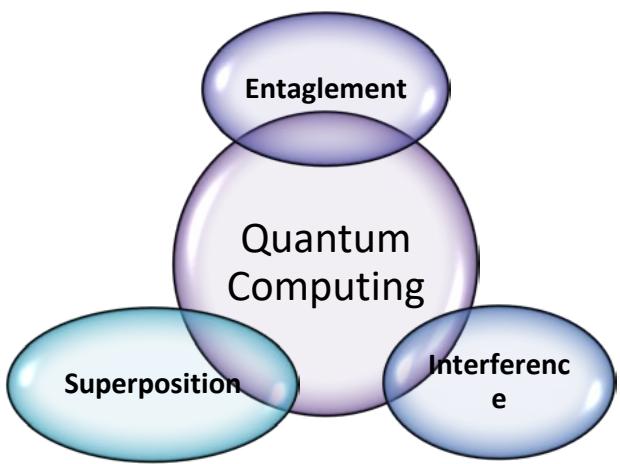 Figure 1: Introduction to Quantum Computing
This study aimed to explore the potential of quantum computing in minimizing the limitations of artificial intelligence.
## II. METHODOLOGY
A systematic review analysis was done by going through previously available literature. An extensive review of hundreds of articles was done from the Scopus database to extract relevant information. Furthermore, a search was made on Google Scholar to identify the articles highlighting the role of quantum computing in advancing artificial intelligence. The main focus of this review was to cover the articles published in the years above 2000. While scrutinizing, major attention was put to identify the complex relationship between both computing methods and how they can synergistically act together to transform the world of technology.
## III. RESULTS AND DISCUSSION
a) The Synergistic Potential of Quantum Computing in Artificial Intelligence
Quantum algorithms are generally based on quantum circuits that mainly contain quantum gates. These gates are designed to execute operations on qubits [10]. Quantum circuits play a significant role in QC and are used to design novel quantum algorithms that hold immense potential in various artificial intelligence applications including algorithm optimization, natural language processing, cryptography, image recognition area, information security, and simulation (Figure 2).
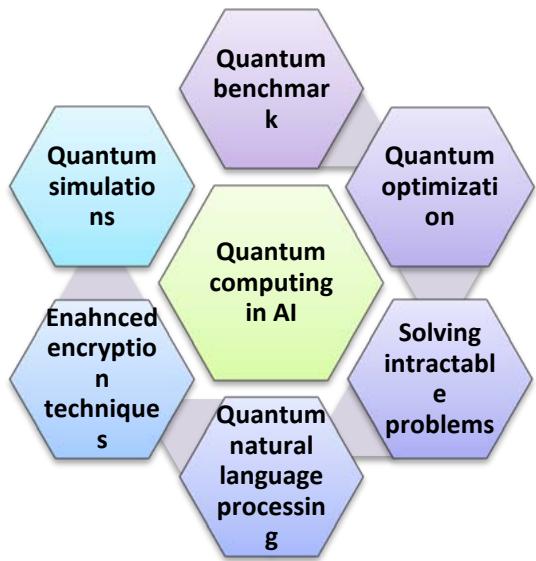 Figure 2: Quantum Computing in Improving AI
### b) Strengthening Encryption Techniques
The internet has become an indispensable need of the modern world [11]. With the digital advancements in the last few years, personal data is no longer personal. Due to the substantial rise in data breaches and cyberattack cases, there is a growing need to protect sensitive information and personal data [12]. Encryption techniques are widely used in artificial intelligence-based systems for protecting highly confidential data. Most conventional encryption techniques use Advanced Encryption Standard (AES) or Rivest-Shamir- Adleman (RSA) algorithms that are dependent upon factoring large numbers to provide data confidentiality. Nonetheless, with the tremendous progression of AI, there is a constant increase in cyberattack cases [13]. Innovative solutions are fundamentally needed to bring improvements in the cryptography system.
Quantum computing maintains the integrity of data by allowing the inspection of the anonymized data. This function allows various businesses and industries to analyze personal data without decrypting it, thereby maintaining the individuals' privacy. The main idea behind the application of homomorphic encryption in QC is to execute the encrypted computational data while ensuring the privacy of the individual [14].
Quantum key distribution (QKD) based on quantum mechanics can be employed to deal with cybersecurity and encryption issues by providing an unsurpassed degree of security [15]. QKD maintains the confidentiality of the data by identifying and rejecting all attempts to interrupt or change the keys. It further ensures the identity of the user by employing quantum signatures to avoid impersonation attacks. Moreover, factoring large numbers can be easily done with the help of QC by using Shor's algorithms, which otherwise would be quite challenging for classical computers. The Shor algorithm was first proposed by Shor in 1994 for large factor integration. Factoring of large prime numbers is an NP-hard problem in the security cryptosystem. By employing the ability of QC to perform complex computations, the potential of AI systems for the development of resilient encryption techniques can be enhanced, thereby providing much greater protection of confidential data [16].
### c) Solving Intractable Problems
The Turing machine was a mathematical model developed by Alan Turing in 1936 to describe the concepts of computability. This abstract machine contains an infinitely long tape divided into cells. It can read, write, or remove symbols. Today, digital computers have a vast array of applications, but there are still many limitations that require superior solutions. These limitations signify the importance of developing new computing types also known as post-Turing computing. This term refers to the different computing methods that surpass the limitations of classical computers according to the Turing machine model [17]. Quantum computers fundamentally have the potential to lie in the category of post-Turing computation. As compared to Turing machines in classical computers, quantum computers are based on quantum Turing machines with their performance strengthened by qubits and quantum gates [1].
Instead of using bits, QC is based on the work of qubits that have the potential to generate novel logic gates allowing the development of new algorithms that could have been quite difficult to construct while using classical computing methods. One such example is Shor's prime factorization algorithm [18]. The power of classical and quantum computing can be distinguished by the breaking speed of an algorithm that has revolutionized the development of QC, known as the Rivest-Shamir-Adleman (RSA) algorithm. Classical computing methods can take billions of years to solve this computational problem while QC has the potential to solve it within a day [19].
Quantum computing offers potential solutions to various intractable problems in artificial intelligence and classical computing that are considered unmanageable. The bit in classical computing can only take a single binary value, either 0 or 1 values, while the qubits in quantum computing can take both values in a superposition state at a time, thereby allowing several operations to run simultaneously. In classical computing, the record of three bits is equal to 8 possible values, and particles can only employ one of these at a time. In QC, the qubits are allowed to be present in multiple states, so we can use all eight values at a time. This means that three qubits can lead to the running of eight operations simultaneously due to its property known as quantum superposition [20]. This feature can help speed up the training process of AI-based models, improving their decision-making abilities and tackling complicated computational issues that would otherwise be deemed impossible to resolve.
Currently, most of the research is focusing on the use of quantum computing in improving AI searching techniques. One of the challenges in AI search techniques is managing decision problems including integer factorization, search issues, and machine learning problems. Quantum search is considered one of the best techniques of QC that can play a crucial role in artificial intelligence. QC can exponentially solve decision problems that are represented in the form of decision trees. In this regard, the Grover search algorithm [21] has shown that QC can act much faster as compared to other classical approaches in searching an element from the unsorted database [22]. Many AI researchers have faith that quantum search can prove to be one of the most prominent techniques to play a crucial role in artificial intelligence [23].
Bernstein and Vazirani, [24] studied a class of complex decision problems known as BQP (bounded-error quantum polynomial) that have been reported to be easily solved by QC employing polynomial numbers of quantum gates. They proposed that similar problems like BQP can be quite difficult to solve with classical computers. Another example is Simon's problem which is solved by searching for a hidden string based on the black box function. QC can easily solve Simon's problems by employing a polynomial number, while even the top classical computers will require an exceeding number of queries thereby implying that quantum algorithms have the exponential speedup potentials as compared to the classical algorithms.
### d) Quantum Natural Language Processing (QNLP)
Natural language processing (NLP) is an artificial intelligence-based machine learning technology that enables the manipulation and comprehension of human languages by computers [25]. QNLP has surpassed the capabilities of classical NLP methods by providing language modeling, text summarization, speech processing, question answering, and machine translation more efficiently and accurately. In classical NLP methods, these tasks can be quite power-intensive, but quantum computers can speed up the process with less power consumption, thereby allowing AI models to work more efficiently. QNLP further reduces the training time for data-intensive artificial intelligence models. By transforming the languages into more logical formats with the help of string diagrams, quantum computing further simplifies natural language processing designs on quantum hardware [26].
Quantum-based artificial intelligence systems have the potential to improve natural language generation-related tasks including chatbots, and automated storytelling by providing better insight into human languages [27]. Widdows et al. [28] successfully described a quantum-based approach to bigram modeling for developing and distributing the sequences of words and sentences by employing a quantum circuit known as the Born machine. This approach was used in the verb-noun composition by utilizing one qubit rotation for nouns while two-qubit rotation was used for verbs.
Social media is widely employed for connecting, sharing information, promoting businesses, learning, and education purposes [29]. Usually, text used in social media is based on code-mixed languages. Part of speech (POS) tagging is one of the principal tasks used in social media for different AI-based natural language processing applications. It involves assigning a POS tag automatically to all the words present in a text. Pandey et al., [22] studied the impact of quantum machine learning (QML) on different NLP applications. He performed the POS tagging on a dataset with mixed codes by employing classical long short-term memory (LSTM) and quantum-based long short-term memory
(QLSTM). The data was priorly processed and sorted into several batches for each experiment. The results showed that the outcomes of QLSTM surpassed the classical LSTM in terms of performance.
The common theoretical model used in all QNLP methods is the Categorical Distributional Compositional (DisCoCat) model [30]. DisCoCat model employed in natural languages fundamentally presents the encoding meaning of sentences and phrases in the form of quantum circuits on specialized hardware. Overall, all QNLP algorithms come up with diverse benefits and can be applied successfully on all NLPs. One current challenge is the limited accessibility of these quantum hardware on a small scale. A hybrid approach can be used by integrating the operations of classical computers with quantum mechanics-based operations.
### e) Quantum Benchmark
Benchmarks consist of a set of operations or inputs that are used to assess the performance of computer systems. They provide valuable insights and metrics to determine roadmaps and technological maturity [31]. There are three different types of benchmarks including aggregation, physical, and application-level benchmarks. Physical benchmarks focus on the physical properties of QC, while aggregation assists in determining the performance of quantum processors. Application-centered benchmarks are based on the metrics acquired by testing real-world problems while using quantum processors [3].
Currently, there is a scarcity of application-centered benchmarks exhibiting good hardware performance in conventional computing and artificial intelligence. This has led to several difficulties for users in comprehending the performance of these benchmarks. By using quantum benchmarks, a comparison of different quantum solutions can be made to bring improvements on all layers of the quantum computing stack. One such example of an application-centered benchmark is the "ImageNet" benchmark Deng et al., [32] which has led to breakthroughs in AI by creating specialized hardware. Another example is "Glue" [33] which is a natural language understanding system and has been proven to be highly useful in improving the performance of machine learning by providing standardized datasets that allow active comparisons. These types of benchmarks can also assist in developing hardware protocols and converging applications for diverse AI tools.
### f) Quantum Simulations
One of the most promising applications of QC lies under the category of quantum simulations. QNNs can help simulate and comprehend complex quantum systems. Quantum systems include microscopic particles, molecules, and materials that are related to quantum chemistry and modern material sciences. QC can revolutionize the world of molecular simulations by authentically predicting the outcomes of different complex chemical reactions at a much faster speed than other classical computational methods.
Through the synergistic action of AI and QC, quantum simulation can be used to develop cheaper reliable batteries. Improved version of batteries is high in demand in the electric vehicles industry. Quantum computing in combination with artificial intelligence is used in battery production for searching the suitable and safer materials. To find the best, more powerful, long-lasting, and cost-effective developing materials for batteries, the use of QC has been proven to be highly essential.
Quantum simulation can be used in simulating various industrial catalysis processes. With the ever-growing population, there is a need for the expansion of world resources. One of the examples is the production of natural nitrogen fixation catalysts, ammonia, which is widely used in plant fertilizers. In the ammonia production process, researchers are trying to simulate the exact natural mechanism of ammonia. Researchers have predicted that a quantum computer can correctly simulate the different catalytic stages of the nitrogen fixation process. The predictive models generated can be further used to identify new molecules with little energy consumption. These new molecules will be further screened to find the best-suited ones for the nitrogen fixation catalytic process [34].
Engineering simulations are widely used in the manufacturing sector. These simulations are for example used in aerodynamics and automotive industries to reduce the efforts of designing and testing physical prototypes. One of the most used numerical simulations, also known as the finite-element method (FEM) is employed to simulate intricate processes including structural dynamics, operating power, and aerodynamics. For example, AIRBUS is investigating the potential of QC or synergistic potential of AI and QC in reducing the usage of computational resources needed to test the behavioral features of airflow in computational fluid dynamics \[35\](Airbus, 2019, Andreas et al., 2021).
### g) Managing Optimization Problems
One of the greatest challenges in artificial intelligence is related to solving optimization problems. AI uses machine learning methods (ML) and optimization algorithms to identify and withdraw patterns from bulk data. Quantum neural networks (QNNs) have excelled in managing optimization problems by making use of adiabatic computation, quantum approximate optimization algorithm (QAOA), Quadratic unconstrained binary optimization (QUBO), and quantum annealing to look for solutions within a big and intricate search space [36]. Quantum approximate optimization algorithm (QAOA) is a highly quantum-based algorithm that is designed to solve optimization problems that would otherwise be unsolvable by classical computers. QUBO is another quantum model that is efficient in solving combinational optimization problems. The importance of these optimization models cannot be ignored in artificial intelligence and machine learning applications [37].
Quantum computers are known to give polynomial speedup as compared to classical computers. It means that the time needed for solving the problem polynomially reduces as the size of the problem increases. This ability of QC empowers the AI system to get in-depth insight into the larger data and exhibit greater prediction accuracy. These neural networks have revolutionized the world of optimization algorithms, and thus have opened new avenues in diverse scientific fields to tackle intractable real-world problems [38].
## IV. CONCLUSION
Quantum computing is an emerging field that has diverse potential in various industries. The findings in this paper prove that the convergence of AI with quantum computing can offer tremendous opportunities in the fast-growing technological industries. QC has the potential to offer unique processing capacity, optimize ML methods, strengthen encryption techniques, and simulate complex systems, thereby mitigating the hurdles encountered by AI. By employing this integrated approach, a multitude of unprecedented benefits can be achieved in promoting groundbreaking progress across several fields in future. There is a need for more exploration to find the potential of this synergistic integration of quantum computing in artificial intelligence. This interaction can substantially transform the world of technology and move us toward a bright future filled with tremendous opportunities.
Declaration of Conflicting Interests
The author(s) declared no potential conflicts of interest with respect to the research, authorship, and/or publication of this article.
Availability of data and material None
Funding
The author(s) received no financial support for the research, authorship, and/or publication of this article.
## ACKNOWLEDGEMENT
None
Generating HTML Viewer...
References
38 Cites in Article
A Bacho,H Boche,G Kutyniok (2023). ArXiv preprint server clamps down on AI slop.
David Joseph,Rafael Misoczki,Marc Manzano,Joe Tricot,Fernando Pinuaga,Olivier Lacombe,Stefan Leichenauer,Jack Hidary,Phil Venables,Royal Hansen (2022). Transitioning organizations to post-quantum cryptography.
Junchao Wang,Guoping Guo,Zheng Shan (2022). SoK: Benchmarking the Performance of a Quantum Computer.
J Torres,A Troncoso,I Koprinska,Z Wang,F Martínez-Álvarez (2018). Deep learning for big data time series forecasting applied to solar power.
Maria Schuld,Ryan Sweke,Johannes Meyer (2021). Effect of data encoding on the expressive power of variational quantum-machine-learning models.
Sura Abd,Mustafa Jaber,Sarah Ali,Mohammed Ali (2022). Artificial intelligence for cancer diagnosis.
M Gupta,M Nene (2020). Quantum computing: An entanglement measurement.
X Gu,L Chen,M Krenn (2020). Quantum experiments and hypergraphs: Multiphoton sources for quantum interference, quantum computation, and quantum entanglement.
J Van De Wetering (2021). Constructing quantum circuits with global gates.
Stevie Burke (2022). Internet addiction: A summary towards an Integration of Current Knowledge and broad Perspectives.
Amir Djenna,Ahmed Bouridane,Saddaf Rubab,Ibrahim Marou (2023). Artificial Intelligence-Based Malware Detection, Analysis, and Mitigation.
L Mol (2018). Turing machines.
B Wang,F Hu,H Yao,C Wang (2020). Prime factorization algorithm based on parameter optimization of Ising model.
Hengki Sihotang,Syahril Efendi,Elvyawati Zamzami,Herman Mawengkang (2020). Design and Implementation of Rivest Shamir Adleman’s (RSA) Cryptography Algorithm in Text File Data Security.
Vicente Moret-Bonillo (2015). Can artificial intelligence benefit from quantum computing?.
L Grover (1996). A fast quantum mechanical algorithm for database search.
Shyambabu Pandey,Nihar Basisth,Tushar Sachan,Neha Kumari,Partha Pakray (2023). Quantum machine learning for natural language processing application.
Giovanni Acampora (2019). Quantum machine intelligence.
N Canbek,M Mutlu (2016). On the track of artificial intelligence: Learning with intelligent personal assistants.
Eduardo Miranda,Richie Yeung,Anna Pearson,Konstantinos Meichanetzidis,Bob Coecke (2022). A Quantum Natural Language Processing Approach to Musical Intelligence.
A Karamlou,M Pfaffhauser,J Wootton (2022). Quantum natural language generation on near-term devices.
Dominic Widdows,Aaranya Alexander,Daiwei Zhu,Chase Zimmerman,Arunava Majumder (2022). Near-term advances in quantum natural language processing.
S Burke,A Mahoney,A Akhtar,A Hammer (2022). Public Perspective on the Negative Impacts of Substance Use-Related Social Media Content on Adolescents: A Survey.
Robin Lorenz,Anna Pearson,Konstantinos Meichanetzidis,Dimitri Kartsaklis,Bob Coecke (2023). QNLP in Practice: Running Compositional Models of Meaning on a Quantum Computer.
J Finžgar,P Ross,L Hölscher,J Klepsch,A Luckow (2022). QUARK: A framework for quantum computing application benchmarking.
Alex Wang,Amanpreet Singh,Julian Michael,Felix Hill,Omer Levy,Samuel Bowman (2018). GLUE: A Multi-Task Benchmark and Analysis Platform for Natural Language Understanding.
M Metawei,H Eldeeb,S Nassar,M Taher (2022). Quantum Computing Meets Artificial Intelligence: Innovations and Challenges.
B Andreas (2021). Industry quantum computing applications.
K Beer,D List,G Müller,T Osborne,C Struckmann (2021). Training quantum neural networks on nisq devices.
Jaeho Choi,Seunghyeok Oh,Joongheon Kim (2020). The Useful Quantum Computing Techniques for Artificial Intelligence Engineers.
Richard Jozsa,Noah Linden (2003). On the role of entanglement in quantum-computational speed-up.
No ethics committee approval was required for this article type.
Data Availability
Not applicable for this article.
How to Cite This Article
Stevie A. Burke. 2026. \u201cHarnessing the Capabilities: The Synergistic Potential of Quantum Computing in Addressing Limitations of Artificial Intelligence\u201d. Global Journal of Computer Science and Technology - D: Neural & AI GJCST-D Volume 24 (GJCST Volume 24 Issue D2): .
Explore published articles in an immersive Augmented Reality environment. Our platform converts research papers into interactive 3D books, allowing readers to view and interact with content using AR and VR compatible devices.
Your published article is automatically converted into a realistic 3D book. Flip through pages and read research papers in a more engaging and interactive format.
With the rapid advancement in technological fields, two major domains including Quantum computing and artificial intelligence are substantially transforming the internet world. Although AI has fundamentally made rapid progress, it still has many limitations that are hindering its full potential to efficiently deal with intricate challenges. QC, on the other hand, is an emerging field that has the potential to efficiently handle and minimize these limitations, thereby opening new doors of success for artificial intelligence applications. This article explored the capacity of QC in alleviating the limitations of AI and thus unfolding novel opportunities in the world of technology. It further explored the advantages of quantum computing over classical computing methods. The findings suggested that quantum computing can replace classical computing in various computational tasks. Moreover, it holds significant potential in addressing complex problems and minimizing the challenges associated with artificial intelligence
Our website is actively being updated, and changes may occur frequently. Please clear your browser cache if needed. For feedback or error reporting, please email [email protected]
Thank you for connecting with us. We will respond to you shortly.