I. INTRODUCTION
Piglets are exposed to various stress factors during weaning, all of which lead to gastrointestinal and immune system problems. Nutritional, environmental, physiological, and health aspects are examples of these factors. The early post-weaning stage is often marked by poor growth performance.
Post-weaning diarrhoea (PWD) is a multifactorial condition characterized by frequent discharge of watery faeces that can cause a growth check, morbidity and mortality (Madec et al., 2002). To reduce PWD and increase pig growth performance in the first few weeks after weaning, pig breeders have traditionally depended on antibiotic growth promoters in pre-starting and starter feeds. This was standard practice until antibiotics as various government agencies outlawed growth promoters. Following the restriction, pig breeders were forced to look for other options to preserve good gut health and avoid post-weaning performance declines. As a result, large amounts of ZnO in piglet meals (2,000 ppm or greater) became more popular, and the swine industry accepted it as standard practice. It was demonstrated to be an effective and reasonably cost strategy for avoiding and controlling post-weaning diarrhoea, improving growth performance, feed intake, and digestion in piglet.
Though there are various advantages to utilizing ZnO in piglet diets, recent publications have focused on its environmental impact and role in antimicrobial resistance spread. However, it is hardly surprising that regulations governing its usage are evolving and that the European Union voted to prohibit the use of therapeutic levels of ZnO in June 2022. It's a need of time to find an alternative to ZnO. STODI® is a proprietary polyherbal formulation developed by Natural Remedies Pvt. Ltd. contains a blend of Acacia nilotica, Andrographis paniculata, Holarrhena antidysenterica, Punica granatum and Terminalia bellirica. This can potentially reduce the incidence of diarrhoea and improve piglet immunity by augmenting gut integrity, normalizes gut peristalsis, anti-inflammatory effects on the intestinal lumen and enhancing the gut microbiome. Hence, it can be used to replace the ZnO with additional benefits to the pig production. Thus, the current study aims to test the effect of STODI® on the development and growth of piglets by preventing the post-weaning diarrhoea.
II. RESEARCH METHODOLOGY
The present study was conducted in South Lleida, Spain on 26 days old 262 (nos.) Dan Bred Hybrid piglet for seven weeks. Two hundred and sixty two piglets were divided into control (129) and STODI® (133) supplemented groups based on body weight. The two groups were housed in two sheds with identical environmental conditions and installations. The sheds were divided into five pens, with approximately 25 piglets each. The trial protocol was prepared as per the guidelines laid by the Institutional Animal Ethics Committee (Natural Remedies Private Limited).
During the pre-starter phase (26-36 days), the control group was fed with ZnO (3100 ppm), and the treatment group were fed with STODI® (4 kg/ton of feed). In starter phase 1 (37-51 days), the control group were fed with 300mg Amoxicillin, and the treatment group were fed with 2 kg STODI®/ton of feed and 300mg Amoxicillin. In starter phase 2 (52-61 days), the control group was fed without any supplementation and the treatment group with 2 kg STODI®/ton of feed. The general running and routine of the farm were not altered. Initial body weight was recorded at starting of the trial, followed by after the pre-starter phase (Day 36), at the end of starter phase 1 (Day 51) and at the transition exit (after the end of starter phase 2). The faecal score was not taken for each piglet but for each pen. Morbidity and mortality were also observed during the trial.
III. RESULTS AND DISCUSSION
Body weight, average daily gain and the faecal score of piglets of both the groups, are given in table 1, after replacing ZnO with STODI® having similar body weight gain and faecal score. Morbidity and mortality were found to be zero percent during the trial. It may be due to the active compound present in STODI®.
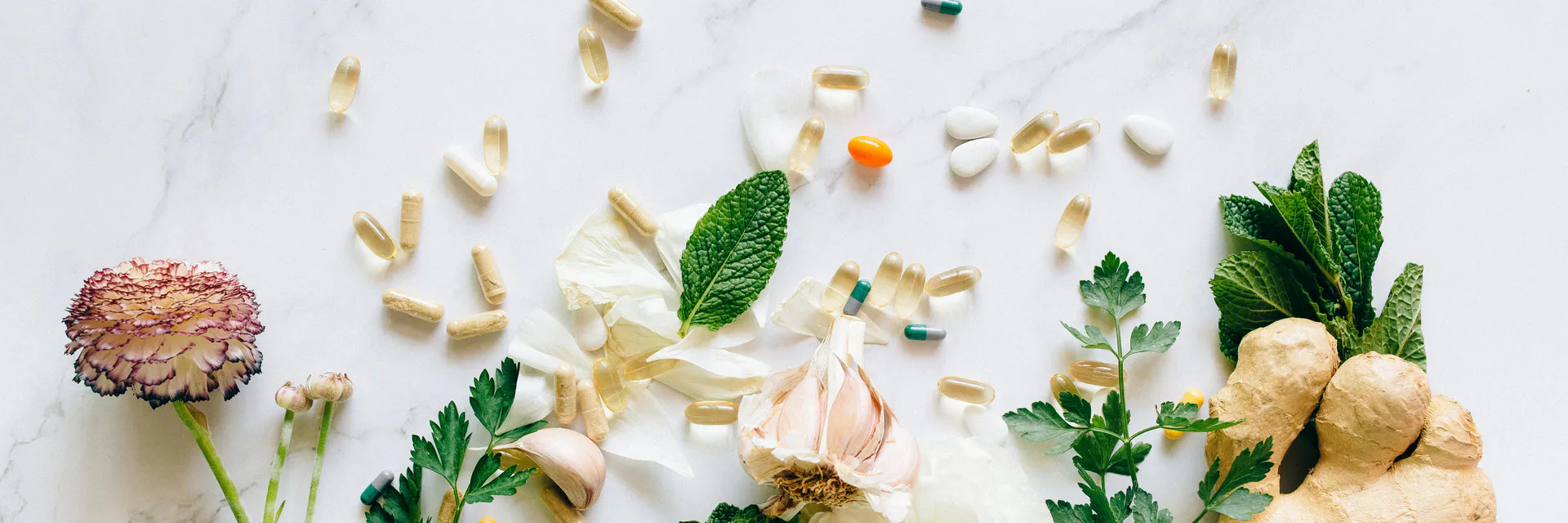
The mixture of polyherbal plants and their active compounds and properties are discussed below. Antimutagenic (Aqil et al., 2008), antibacterial (Aqil & Ahmad, 2007) and immunomodulatory (Atal et al., 1986) characteristics have been identified for Holarrhena antidysenterica. It has both gut stimulatory and inhibitory components, which acts through histaminergic and antagonist pathways, explaining the plant's folkloric use in gastrointestinal motility problems such as constipation, colic, and diarrhoea. Extracts of the bark, leaves, immature fruit and fruit rind of pomegranate (Punica granatum L.) have been given to halt diarrhoea, dysentery and haemorrhages (Agunu et al., 2011). Acacia spp. is a versatile tree that exhibits antiplasmodial activity (El-Tahir et al., 1999) and has been used to cure various ailments, including diarrhoea, dysentery, and bleeding piles (Rahaman, 2010). Andrographis paniculata is an important medicinal plant and is widely used around the world. It has been reported to have a broad range of pharmacological effects, including antidiarrheal (Gupta et al., 1990) and immunostimulatory (Iruretagoyena et al., 2005). T. bellirica as a whole or its specific components possess ethnomedicinal attributes and are used in various herbal formulations. It is used as an astringent, laxative, anthelmintic (Kumar and Khurana, 2018) and antidiarrheal agent (Singh, 2011). The above properties present in STODI® (a mixture of polyherbal plants) may help to improve the growth performance and body weight gain of piglets by preventing PWD.
| Parameters | Control | STODI® |
| Initial Body Weight | 6.19 | 6.35 |
| BW after end of pre-starter phase (Day 36) | 9.58 | 9.83 |
| BW after end of starter phase 1 (Day 51) | 14.36 | 14.89 |
| BW after end of starter phase 2 (Day 61) | 20.84 | 20.83 |
| Average Daily Gain (g) | 419 | 414 |
| Faecal Score | 1.18 | 1 |
IV. CONCLUSION
The current study demonstrates that STODI® can substitute Zinc Oxide without impairing the growth performance of piglets with an improved faeces score.