Individualized Transition Plan in Promoting Inclusion in Education: An Analysis After the Brazilian Law for the Inclusion of People with Disabilities (LBI)
Inclusion has become a priority on the global educational agenda, as demonstrated by the themes addressed in the UN 2030 Agenda, the Brazilian Inclusion Law, and the recent Plano Viver Sem Limites (Living Without Limits Plan) of the Brazilian Federal Government. For this study, we highlight an instrument, as a pedagogical strategy, whose ultimate goal is to enable the entry of the target audience of Special Education into the world of work, the Individualized Transition Plan (PIT). In this sense, we propose a systematic analysis of the literature with the following research question: What are the challenges and best practices for the transition of students with specific needs to adult life? This study is explored based on two milestones: one experienced temporarily in Basic Education, High School, and another legislative, the 2015 LBI. Furthermore, previous research points to significant gaps in the understanding of the functioning and effectiveness of PITs, highlighting the importance of an in-depth analysis of the current state of research. The research used the IRaMuTeQ software for discourse analysis, based on searches in the SCIELO, BVS, Brazilian Digital Library of Theses and Dissertations and CAPES journals databases, using the descriptors: “School transition plan”, “PIT” and “PEI”. As a result, 16 materials were identified for further analysis and elaboration.
## I. INTRODUÇÃO
os últimos anos, a promoção da inclusão tornouse uma prioridade na agenda educacional de muitos países ao redor do mundo, visando educação inclusiva, equitativa e de qualidade, promovendo oportunidades de aprendizagem ao longo da vida para todos (Unesco, 2015).
A Agenda 2030 é um plano de ação global adotado pela ONU, composto por 17 Objetivos de Desenvolvimento Sustentável (ODS), que busca erradicar a pobreza, proteger o planeta e garantir a paz e a prosperidade para todos. Um dos pilares fundamentais é a promoção da educação inclusiva e equitativa (Unesco, 2015). Com isso, tem-se a educação de qualidade como um dos principais motores para o desenvolvimento sustentável, eliminando as barreiras que a Lei Brasileira de Inclusao (LBI Brasil, 2015) traz como motivo do que, historicamente, marginalizam certos grupos com diversas necessidades específicas[^1].
A inclusão de pessoas com deficiência, transtornos do neurodesenvolvimento e comportamento superdotado na Educação Básica é crucial para assegurar que possam desenvolver ao máximo seu potencial, cuja condição indispensável é romper com o ensino preso as tradições e admitir estratégias como a adaptação curricular e disponibilidade de recursos assistivos Nesse contexto, a Agenda 2030 enfatiza a importância de ambientes de aprendizagem inclusivos, que respeitam e acolhem a diversidade de aptidões e estilos de aprendizagem, garantindo que a educação não seja um privilégio, mas um direito universal (Unesco, 2015).
Emponderar-se da educação como direito universal nos traz o pensamento de terminalidade do processo do ensino médio e da transição ao mundo do trabalho. O empoderamento das pessoas com necessidades específicas não só beneficia os indivíduos, mas também fortalece comunidades ao integrá-los plenamente nas atividades econômicas e sociais. A implementação da Agenda 2030 neste aspecto visa, portanto, não apenas promover a igualdade de oportunidades, mas também fomentar um desenvolvimento econômico mais abrangente e justo, respeitando os direitos humanos e a dignidade de todos (Unesco, 2015).
A Lei Brasileira de Inclusão (LBI), também conhecida como Estatuto da Pessoa com Deficiência, é um marco legal em 2015 que visa assegurar e promover, em condições de igualdade, o exercício dos direitos e das liberdades fundamentais por pessoas com deficiência, visando sua inclusão social e cidadania plena. No que tange ao trabalho, a LBl diz em seu artigo 34:
- Art.
34. A pessoa com deficiência tem direito ao trabalho de sua livre escolha e aceitação, em ambiente acessível e inclusivo, em igualdade de oportunidades com as demais pessoas.
- $\$ 10$ As pessoas jurídicas de direito público, privado ou de qualquer natureza são obrigadas a garantir ambientes de trabalho acessíveis e inclusivos.
- § 2o A pessoa com deficiência tem direito, em igualdade de oportunidades com as demais pessoas, a condições justas e favoráveis de trabalho, incluindo igual remuneração por trabalho de igual valor.
- § 3o É vedada restrição ao trabalho da pessoa com deficiência e qualquer discriminação em razão de sua condição, inclusive nas etapas de recrutamento, seleção, contratação, admissão, exames admissional e periódico, permanência no emprego, ascensão profissional e reabilitação profissional, bem como exigência de aptidão plena.
- § 4o A pessoa com deficiência tem direito à participação e ao acesso a cursos, treinamentos, educação continuada, planos de carreira, promoções, bonificações e incentivos profissionais oferecidos pelo empregador, em igualdade de oportunidades com os demais empregados.
§ 5o É garantida aos trabalhadores com deficiência acessibilidade em cursos de formação e de capacitação.
Além disso, o artigo 36 determina que os processos seletivos para ingresso em cargos, funções e empregos públicos devam prever acessibilidade e igualdade de condições para as pessoas com deficiência. Isso inclui a adaptação das provas e dos ambientes e a disponibilização de tecnologias assistivas que se façam necessárias.
No âmbito privado, a lei também incentiva as empresas a adotarem práticas inclusivas, promovendo a formação e a sensibilização dos colaboradores para a criação de um ambiente de trabalho inclusivo e acolhedor.
A capacitação técnica e profissional deve ser pensada para atender às necessidades do mercado, mas também para respeitar as individualidades dos trabalhadores, criando espaços laborais acessíveis e inclusivos. A Agenda 2030 promove a colaboração entre governos, setor privado e sociedade civil para investir em políticas públicas e iniciativas que garantam oportunidades justas e equitativas de emprego (Unesco, 2015).
Para alcançar esses objetivos, é essencial o comprometimento contínuo de todas as esferas da sociedade. Assim, no âmbito dessa discussão, o Plano Individualizado de Transição (PIT) emerge como uma ferramenta na promoção da transição de estudantes com necessidades específicas, com deficiência, transtorno global do desenvolvimento (TGD) e altas habilidades/superdotação (AHsD), do ambiente escolar para a vida adulta (Carvalho, 2018, p.4). Neste contexto, o presente trabalho propõe uma análise sistemática da literatura sobre o PIT na área do ensino na atualidade.
O PIT é conceituado como um instrumento baseado em metas e objetivos, que busca fornecer suporte personalizado e orientado para O desenvolvimento de habilidades essenciais para a vida após a conclusão da educação formal (Test, Mason, Hughes & Konrad, 2015). Por meio da identificação de metas individualizadas, considerando as necessidades e potencialidades de cada estudante, o PIT visa promover a autonomia, a independência e a participação plena na sociedade (Ferguson et al., 2016).
O PIT é um instrumento, uma ferramenta, sob a forma de documento, no qual é registrado o passado, o presente e o futuro desejado dos jovens. Ele deve incluir informação sobre o universo da vida do jovem: condições familiares, história médica, tempos livres, valores e contexto cultural, e ainda informação sobre a sua educação e formação (Soriano, 2006, p.23).
A escolha deste tema se justifica pela importância crescente atribuída à inclusão de indivíduos com necessidades educacionais específicas nos sistemas de ensino, bem como pela necessidade de compreender os desafios e as melhores práticas relacionadas à transição desses estudantes para a vida adulta (Kalyva & Agaliotis, 2015), a partir do Ensino Médio. Além disso, estudos apontam lacunas significativas no entendimento do funcionamento e da elaboração dos PITs, destacando a necessidade de uma análise aprofundada do estado atual das pesquisas na área (Grigal, Hart & Smith, 2016).
Observe na Figura 1, a evolução do cenário de alunos matriculados na Educação Especial', entre o período de 2014 a 2023, conforme os dados no Censo Escolar de 2023 (INEP, 2023).
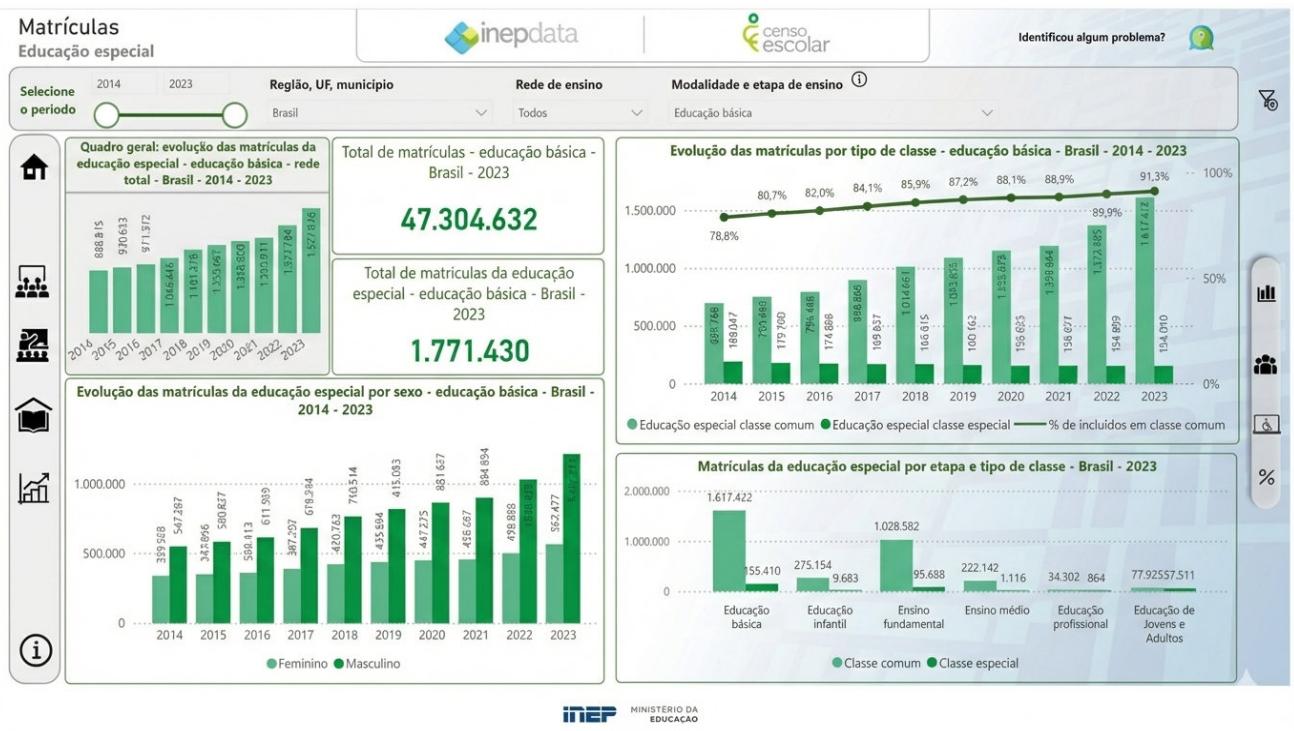 Fonte: INEP, 2023 Figura 1: Evolução das matriculas da Educação Especial E.B. de 2014 a 2023.
Considerando os dados apresentados na Figura 1, evidenciamos em aspectos gerais o aumento quanto ao número de matrículas na Educação Especial, em sua maioria do sexo masculino, presentes principalmente nas classes comuns e um grande declínio de inscritos no momento após o Ensino Fundamental, seja a sua progressão para o Ensino Médio e/ou Ensino Profissional, ou na Educação de Jovens e Adultos.
O período de 2014 a 2023 mostra um aumento expressivo no número de matrículas de alunos na Educação Especial no Brasil, crescendo de 886.815 para
1.771.430 (INEP, 2023). Esse crescimento pode ser interpretado como um reflexo dos avanços nas políticas de inclusão e de uma maior conscientização social sobre a importância de garantir acesso à educação para todos, independentemente de suas necessidades. O aumento no número de matrículas é um indicativo importante de avanços, mas deve ser acompanhado de investimentos contínuos em infraestrutura e qualificação acadêmica para assegurar que a inclusão não seja apenas quantitativa, mas também qualitativa.
Avançando na análise, quanto a matrícula por tipo de classe3, o aumento dos inscritos da Educação Especial em classes comuns, que passou de $78,8\%$ em 2014 para $91\%$ em 2023, pode ser explicado por uma série de fatores que refletem um avanço na busca por uma educação mais inclusiva. Em primeiro lugar, também se consideram as políticas públicas têm desempenhado um papel fundamental nesse processo. A ampliação de diretrizes, como a Política Nacional de Educação Especial na Perspectiva da Educação Inclusiva (PNEEI, 2008) e a LBI (BRASIL, 2015), reforçaram o compromisso de integrar esses alunos no ensino regular, assegurando-lhes o direito de aprender em um ambiente diversificado e inclusivo. Essas políticas têm incentivado a adaptação das escolas, tornando-as mais apropriadas a todos. Outros fatores que podem corroborar com este processo perpassam por formação continuada de professores, o aprimoramento da infraestrutura escolar, a introdução de recursos tecnológicos assistivos, Atendimento Educacional Especializado, presença de Sala de Recurso Multifuncional, dentre outros recursos e serviços disponibilizados.
Um fato recente que colabora com a presença deste jovem ao mundo trabalho a nível de brasil é Plano Viver sem Limites, lançado em 2011 e atualizado em 2024 pelo governo brasileiro, tem como objetivo principal promover a inclusão social e a cidadania das pessoas com deficiência. A versão de 2024 representa uma atualização significativa em relação à anterior, ampliando seu escopo para abranger novos desafios e oportunidades para a inclusão de pessoas com deficiência. (BRASIL, 2024)
O atual plano mantém os eixos fundamentais de educação, saúde, acessibilidade e inclusão social, mas com uma ênfase renovada em tecnologias assistivas e soluções digitais, tendo objetivo de eliminar barreiras físicas e digitais para garantir que todos tenham acesso às ferramentas necessárias para participar plenamente da sociedade, o que pretende favorecer a educação e o trabalho desse nicho populacional (Brasil, 2024).
Além da crescente matrícula na Educação Especial atrelado a politicas públicas, a crescente conscientização sobre os direitos das pessoas com deficiência tem sido uma questão relevante a ser considerada A sociedade, impulsionada por campanhas de sensibilização e pela mobilização de grupos da sociedade civil, tem reconhecido cada vez mais a importância da inclusão. Esse movimento pressiona o sistema educacional a adotar práticas que não apenas acolham, mas também promovam o desenvolvimento de todos os estudantes. A inclusão, portanto, deixou de ser vista como uma ação isolada e passou a ser uma prioridade para muitas pessoas e instituições.
De acordo com Mittler (2003), a inclusão vai para além da matrícula. É preciso criar um ambiente onde todos possam desfrutar o acesso, a permanência e o sucesso no ensino e tornarem-se membros totais da comunidade escolar e local, sendo, desse modo, valorizados pelas suas hábil.
Apesar do avanço nas matrículas a partir de 2014, principalmente nas classes comuns, nota-se uma redução expressiva de alunos da Educação Especial após o Ensino Fundamental, com apenas 222.142 estudantes no Ensino Médio e 34.302 na Educação Profissional, comparando com os 1.028.582 matriculados no Ensino Fundamental no ano de 2023. Esta queda acentuada, que caracteriza a transição para as etapas de grandiosa complexidade e para a vida adulta, pode ser compreendida através da análise proposta por Redig (2019) sobre a implementação inadequada do Plano Individual de Transição (PIT) e até mesmo a sua inexistência.
Segundo Redig (2019), o PIT é uma ferramenta indispensável para garantir que os alunos da Educação Especial possam transitar com sucesso do Ensino Fundamental para as etapas subsequentes, como o Ensino Médio, a Educação Profissional e a inserção no mercado4 de trabalho. O autor destaca que o PIT deve contemplar, além das metas acadêmicas, habilidades voltadas para a vida adulta, como a autonomia, a orientação vocacional e o desenvolvimento de competências funcionais. Essa preparação é essencial para que os alunos possam enfrentar os desafios do Ensino Médio e além, mas os dados do Censo Escolar sugerem que há uma lacuna significativa nesse processo.
A redução no número de matrículas após o Ensino Fundamental3 infere a ausência de um suporte estruturado e contínuo durante esse período de transição, pensando no aluno como um todo e o seu projeto de vida. A ausência de um PIT eficaz contribui para um processo de transição mal planejado e desconectado da realidade e das necessidades dos alunos com deficiência ou com necessidades especificas. Redig (2019) argumenta que o PIT deve ser elaborado e revisado de forma colaborativa, envolvendo os próprios alunos, suas famílias, os professores e outros profissionais da rede de apoio. Contudo, muitos alunos deixam de contar com um plano estruturado para sua continuidade educacional ou para a vida, o que faz com que a transição para o Ensino Médio ou para outra condição seja marcada por um rompimento abrupto no apoio pedagógico, criando obstáculos que contribuem para a evasão.
Outro ponto fundamental levantado por Redig (2019) é que o PIT deve incluir ações práticas para o desenvolvimento de habilidades para a vida adulta, algo que parece estar ausente para muitos estudantes, ainda dialogando com os dados do Censo com redução de matrícula pós Ensino Fundamental. Para garantir que esses alunos possam se desenvolver de forma integral e se preparar para o mundo de trabalho, o PIT deveria incluir oportunidades para que eles participem de atividades vocacionais e experiências em ambientes reais, auxiliando na construção da autonomia e na transição para a vida profissional.
A ausência desse tipo de abordagem impede que muitos estudantes enxerguem uma perspectiva viável de continuidade após o Ensino Fundamental, contribuindo para a drástica queda nas matrículas observada no Ensino Médio e na Educação Profissional®. Os dados evidenciam que, enquanto o Ensino Fundamental consegue atrair e manter um número elevado de alunos na Educação Especial, a continuidade para etapas subsequentes enfrenta entraves consideráveis.
Portanto, a discrepância nos dados de matrículas entre o Ensino Fundamental e as etapas posteriores da Educação Especial mostra a necessidade urgente de implementar e fortalecer ferramentas como o Plano Individual de Transição. Esses planos devem ser dinâmicos e adaptáveis, apoiando não apenas o progresso acadêmico dos alunos, mas também suas necessidades pessoais, sociais e profissionais, garantindo uma transição bem-sucedida para a vida adulta e favorecendo esforços governamentais para o estabelecimento de leis, normas, pareceres, como a LBI e o Plano Viver Sem Limites.
Quando partimos para os dados de matriculados no Ensino Superior, observa-se um aumento gradual na presença de alunos público alvo da Educação Especial (INEP, 2023), composto por estudantes que apresentam necessidades educacionais específicas que demandam Atendimento Educacional Especializado (AEE) para assegurar seu pleno desenvolvimento e aprendizagem. Esse público inclui três principais categorias: pessoas com deficiência, pessoas com transtornos globais do desenvolvimento e pessoas com altas habilidades/superdotação (BRASIL, 2008).
O grupo de pessoas com deficiência abrange estudantes com deficiência física, auditiva, visual, intelectual ou múltipla. Já as pessoas com transtornos globais do desenvolvimento (TGD) incluem alunos que possuem condições como o Transtorno do Espectro Autista (TEA) e outros transtornos que afetam o desenvolvimento psicológico e a comunicação, resultando em desafios para a socialização e o aprendizado.
Além disso, o público-alvo também inclui pessoas com comportamento superdotado, que são estudantes que demonstram desempenho acima da média em uma ou mais áreas do conhecimento, tais como capacidades intelectuais, criativas, artísticas, psicomotoras ou habilidades de liderança.
Segundo o INEP, cerca de 92.756 alunos público alvo da Educação Especial estavam matriculados em cursos de graduação no Brasil (INEP,
2023. 7. No entanto, questões quanto a acessibilidade e a adequação dos recursos de ensino e aprendizagem ainda são desafios significativos para esses estudantes. De acordo com os dados mais recentes da Pesquisa Nacional por Amostra de Domicílios (PNAD), divulgados pelo IBGE em 2023, aproximadamente $26,6\%$ das pessoas com deficiência estão inseridas no mundo do trabalho no Brasil. Esse percentual é bastante inferior ao nível de ocupação do restante da população, que chega a $60,7\%$. Além disso, cerca de $55\%$ das pessoas com deficiência que estão empregadas trabalham em situação de informalidade, refletindo uma vulnerabilidade adicional em relação às condições de trabalho e de renda (IBGE, 2023). Essas diferenças evidenciam a desigualdade enfrentada por esse grupo, mesmo dentro do ambiente laboral formal e informal, e apontam para a necessidade de políticas públicas mais inclusivas que promovam a igualdade de oportunidades e acesso ao trabalho para pessoas com necessidades específicas, reforçando a necessidade em se pensar e dialogar sobre transição novamente.
Segundo Redig e Pinheiro (2018), para proporcionar uma escolarização adequada aos alunos, é essencial adotar práticas pedagógicas individualizadas. As práticas, organizadas por documentos como o Plano de Ensino Individualizado (PEl) e o Plano Individualizado de Transição (PIT), podem facilitar uma transição estruturada e eficiente da escola para a vida independente. Destacam ainda que a criação de uma força-tarefa envolvendo professores, equipe técnica pedagógica, família, outros profissionais, a comunidade e o próprio aluno é crucial para a promoção educacional. No entanto, ao considerar essa abordagem na transição do Ensino Médio para o mundo do trabalho ou Ensino Superior, há o risco de que esse esforço seja descontinuado ou esquecido na escola onde o aluno concluiu os estudos.
Apesar dos avanços, ainda há muito a ser feito em relação à inclusão em todos os aspectos da vida educacional e profissional. É fundamental que políticas públicas, instituições de ensino e empresas continuem investindo em acessibilidade, acesso universal ou adequações e conscientização para promover uma sociedade mais inclusiva e equitativa.
Dessa forma, este estudo tem como objetivo principal realizar uma análise sistemática da literatura existente sobre o tema com a seguinte indagação: Quais são os desafios e melhores práticas para a transição dos estudantes com necessidades específicas para a vida adulta? Estudo este, explorado a partir dois marcos: um vivenciado temporalmente na Educação Básica, o Ensino Médio, e outro legislativo, a LBl de 2015. A pesquisa se propõe a uma análise qualitativa do discurso dos resumos e resultados principais dos textos selecionados, com o auxílio do software Iramuteq.
Para tanto, adotaremos uma abordagem sistemática na seleção e análise dos estudos publicados, visando contribuir para o avanço do conhecimento, para o aprimoramento das práticas educacionais inclusivas e apoio na implementação de políticas públicas.
## II. MATERIAL E MÉTODOS
O estudo refere-se a uma análise sistemática da literatura, de caráter qualitativo, com auxílio do software IRaMuTeQ para análise semântico do discurso (Klamt, Santos, 2021).
O IRaMuTeQ (Interface de R pour les Analyses Multidimensionnelles de Textes et de Questionnaires) é um software de código aberto utilizado para análises estatísticas e textuais. Ele opera em conjunto com o ambiente estatístico R e é amplamente empregado na análise qualitativa e quantitativa de dados textuais. O IRaMuTeQ permite a realização de análises de conteúdo, identificação de frequência de palavras, análise fatorial de correspondências, e até a classificação hierárquica descendente, que agrupa segmentos textuais com base em similaridades. Esses recursos são úteis em diversas áreas de pesquisa, facilitando a interpretação de grandes volumes de dados textuais (RATINAUD, 2017).
Para a analise sistemática de literatura foram utilizadas as bases de dados Scientific Electronic Library Online - SCIELO, Biblioteca Virtual em Saúde (BVS), Biblioteca Digital Brasileira de Teses e Dissertações (BDTD/UERJ) e periódicos CAPES. Como primeira etapa realizou-se a busca do material a ser estudado, após a aplicação dos critérios de inclusão e exclusão. Como critério de inclusão foram selecionados trabalhos publicados nos periódicos acadêmicos relacionados, teses e dissertações, dentro do recorte temporal da pós promulgação da LBI, isto é, de 2015 até 2024, e que discutiam sobre plano individual de transição em sua totalidade. Como critérios de exclusão utilizamos trabalhos publicados fora do período de pesquisa selecionado, trabalhos duplicados, ou em outro idioma que não português e que desviassem do assunto central da pesquisa. Para a busca nas bases de dados foram utilizados os descritores "Plano de transição escolar", "PIT" e "PEI", utilizando o operador boleano OR. A palavra PEl foi utilizada na busca pois fornece uma base para que o PIT possa vir a ser desenvolvido com coerência, garantindo continuidade no processo educacional preparando o aluno para o futuro, assim estando correlacionados o PEl e o PIT.
Após esta etapa foi realizada a análise dos trabalhos selecionados, com a leitura dos título e resumos, e a partir disto os textos foram incluídos ou excluídos da pesquisa. O processo pode ser verificado na Tabela 1:
Tabela 1: Resultado da busca
<table><tr><td>Base de dados</td><td>Estrutura de pesquisa</td><td>N de trabalhoicosados</td><td>Selecionados para o estudo</td></tr><tr><td>SCIELO</td><td>"Plano de transição escolar" OR "PIT" OR "PEI"</td><td>36</td><td>2</td></tr><tr><td>BVS</td><td>"Plano de transição escolar" OR "PIT" OR "PEI"</td><td>98</td><td>2</td></tr><tr><td>BDTD/USERJ</td><td>"Plano de transição escolar" OR "PIT" OR "PEI"</td><td>28</td><td>5</td></tr><tr><td>Periódicos CAPES</td><td>"Plano de transição escolar" OR "PIT" OR "PEI"</td><td>22</td><td>9</td></tr><tr><td>Duplicados</td><td colspan="2"></td><td>2</td></tr><tr><td>Total</td><td colspan="2"></td><td>16</td></tr></table>
Após a identificação nas bases de dados dos materiais, os resumos foram lidos para garantia dos critérios de inclusão e exclusão, dentre os 18 materiais em conformidade, dois artigos foram identificados em duas bases de dados distintas, sendo assim excluídos por estarem duplicados. Sendo assim contamos com 16 materiais para continuidade do trabalho.
Sobre a análise com o auxílio do software IRAMUTEQ, inicialmente realiza-se a fragmentação do texto a ser analisado. O texto em análise é chamado de corpus e os fragmentos são denominados segmentos de texto, que alguns trabalhos apontam, também, como Unidades de Contexto Elementar (UCE). Os segmentos de texto são obtidos em função do tamanho do corpus, que geralmente corresponde a cerca de 3 linhas, o que é equivalente a uma quantidade de palavras entre 10 e 20. Apesar do software realizar esse dimensionamento de maneira automática, esse ajuste pode ser alterado manualmente (CAMARGO, JUSTO, 2013; BARBIERI, FRANCO, 2018; MANDJÁK at. AI, 2019; SMYRNAIOS, RATINAUD, 2017).
Após a realização dos segmentos de texto, o programa computacional faz a lematização, que consiste em de-flexionar uma palavra para determinar o seu lema. Por exemplo, as palavras: menino, menina, meninos e meninas correspondem à forma do lema "menino", ou seja, são lexemas. Com isso, a lematização utilizada apresenta o verbo no infinitivo e os substantivos e adjetivos no singular nas suas formas masculinas. Entretanto, o software não realiza a desambiguação.
Uma das análises proporcionadas pelo IRAMUTEQ é a Classificação Hierárquica Descendente CHD, algo que o software ALCESTE (Analise Lexicale para Context d'un Ensemble de Segments de Texte, Análise Lexical para o Contexto de um Conjunto de Segmentos de Texto), desenvolvido por Reinert, já era capaz de realizar, porém de maneira mais ampliada. Além da CHD, surgiram outras formas de análise como: lexicografia básica (cálculo da frequência de palavras) e similitude. (CAMARGO, JUSTO, 2013; BARBIERI, FRANCO, 2018; MANDJÁK at. AI, 2019; SMYRNAIOS, RATINAUD, 2017).
Para a representação gráfica no plano cartesiano, o IRAMUTEQ realiza a Análise Fatorial de Correspondência (AFC) baseada na CHD, o que auxilia na visualização da relação entre classes ou palavras. O programa computacional ainda permite que seja resgatado, no corpus, o contexto em que os termos são considerados, c a análise qualitativa da proximidade e compreensão das palavras no texto.
Um outro estudo realizado pelo software é a análise de similitude é uma técnica que examina dados textuais para identificar temas centrais e as conexões entre eles. A partir de uma visualização gráfica, a análise de similitude facilita a compreensão da estrutura do discurso, destacando os conceitos principais e as relações entre eles.
As técnicas com o software ajudam a visualizar padrões temáticos de forma objetiva, o que é especialmente útil na educação inclusiva, PIT e o mundo do trabalho. E assim, identificar pontos de tensão e necessidades urgentes, promovendo a elaboração de práticas educativas mais assertivas e adaptadas às realidades dos alunos com necessidades específicas.
O corpus para análise foi preparado, conforme orientação contida no manual de instruções do programa, incluindo para análise o título do artigo ou da tese/dissertação, palavras-chave, resumo e trechos principais dos resultados apresentados dos 16 estudos selecionados.
O trabalho foi elaborado a partir da seguinte questões norteadora: Quais são os impactos do Plano
Individualizado de Transição no ensino de estudantes com deficiência, ou com necessidades específicas após a implementação da Lei Brasileira de Inclusão?
## III. RESUltado e DiscussÃo
O primeiro passo para a análise dos dados no software IRAMUTEQ e apresentação dos resultados é tratar o corpus para processamento, o qual foi constituído a partir dos textos selecionados, em que padronizamos e substituímos as siglas e as suas referências apresentadas por extenso, como: "Plano Individual de Transição", por "PIT" e pronomes implícitos por sua relação a um substantivo.
Cada texto foi separado por uma linha de comando seguida da variável para identificação do trabalho $( ^ { \star \star \star } \star _ { \sf { I C } } 01$, id_02, id_01 e assim por diante). Para a elaboração do corpus, a formatação especial foi desconsiderada (ex.: negrito, itálico, sublinhado, tachada etc.), bem como tabulação, parênteses, chaves, colchetes, asteriscos, cifrões, porcentagens, aspas, hifens.
Assim, diante do corpus organizados e padronizados, seguimos à utilização da ferramenta do iRAMUTEQ para auxiliar na sistematização e análise de todas essas informações. Dessa forma, o corpus foi composto por 16 textos, extraindo-se 168 segmentos de textos (ST) e 132 destes foram classificados $( 78.57\% )$, O que resultou em um aproveitamento satisfatório e consistente. Vale ressaltar que que a literatura aponta o limiar de $75\%$ para que se tenha uma utilização eficiente. O Número das classes terminais foram seis.
A partir do corpus, o software elabora um dicionário de palavras com base no teste do quiquadrado (x2), em que é possível verificar o grau associativo entre as palavras e a respectiva classe. Na análise, a maior ligação entre a palavra e a classe ocorreu com o valor de qui-quadrado igual a xx, tendo ${ \mathsf p } = 0$, 00050. O p representa o nível de significância da associação da palavra com a classe, ou seja, o nível de confiança, sendo $\mathsf { p } < 0$, 05 considerado estatisticamente significativo. Dessa forma, quanto menor a relação do termo com a classe, menor será o valor de x2 e, por consequência, p terá um valor elevado.
As classes são formadas para auxiliar a análise de conteúdo, para que ocorra a classificação e a relação das classes, os textos são organizados em grupos de acordo com o lema das palavras, dando origem aos segmentos e gerando um dicionário com tais elementos, que utiliza o teste do x2 para elaboração. A partir da classificação, é construída o dendrograma das classes, em que estas são destacadas bem como a ligação que possuem entre si. Para facilitar a leitura e interpretação de tal elemento gráfico, as classes são representadas em cores distintas, que correspondem ao segmento de texto. Além disso, o tamanho das palavras é proporcional ao percentual da frequência média. A seguir é apresentado o dendrograma (Figura 2) obtido a partir da análise com o software.
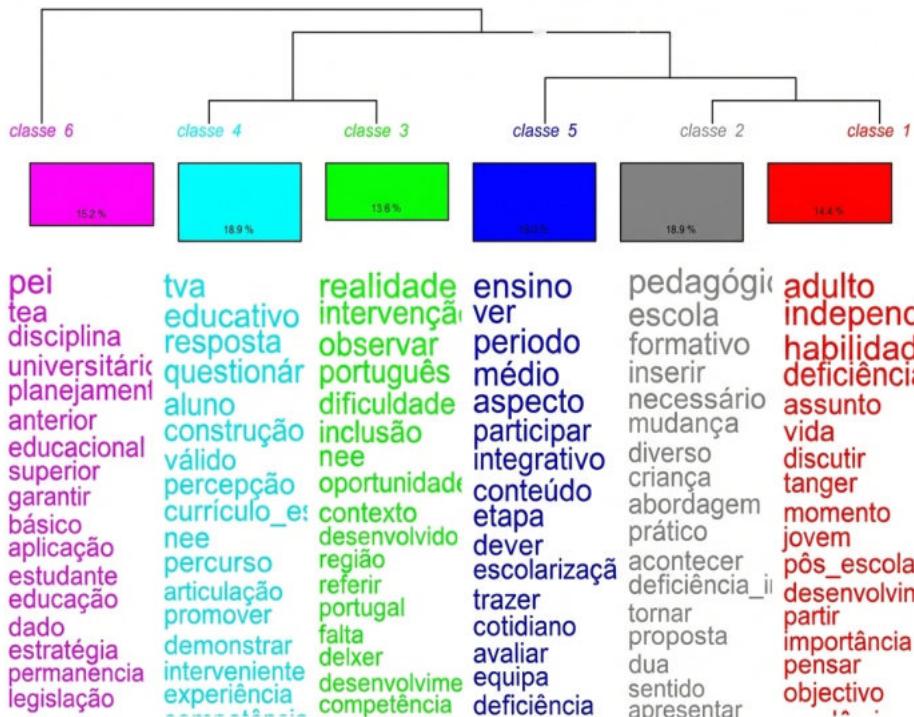 Figura 2: Dendrograma. Fonte: Os autores (2024).
A análise das classes apresentadas no dendrograma gerado pelo IRaMuTeQ indica uma interrelação entre os temas abordados em cada classe, apresentando uma progressão lógica que reflete o desenvolvimento do discurso sobre inclusão educacional, desde o planejamento inicial até a preparação para a vida adulta, O dendograma divide o corpus em subcorpus, representando a segmentação hierárquica dos dados textuais. A leitura é realizada da esquerda para a direita, mostrando como o corpus principal se subdivide em classes menores.
Cada classe é representada por um ramo no dendograma e corresponde a um conjunto de Unidades de Contexto Elementar (UCE). As classes são numeradas e associadas a uma cor distinta para facilitar a visualização, aqui nominadas e apresentadas abaixo, a partir da sua ordem de aparição, da esquerda para a direita no dendograma:
Classe 6: Planejamento educacional individualizado para estudantes com NEE
Classe 4: Percurso Educacional
Classe 3: Crítica às intervenções educativas
Classe 5: Integração e avaliação de conteúdos no ensino
Classe 2: Práticas pedagógicas inclusivas na escola
Classe 1: Desenvolvimento de habilidades para a vida adulta e independência
A primeira classe apresentada Classe 6 - Planejamento educacional\_ individualizado para estudantes com NEE (valor de qui-quadrado igual a 51, $55\%$ e p < 0, 0001 para a palavra mais significante: PEI), representa aproximadamente $15 \mathrm { {, } } 2\%$ dos segmentos analisados, foca no planejamento educacional individualizado, destacando termos como "PEl" (Plano Educacional Individualizado) e "TEA" (Transtorno do Espectro Autista), evidenciando a importância e necessidade do planejamento personalizado como base para as práticas inclusivas, desdobrando todas as classes seguintes. Os segmentos de texto complementam a análise:
"..o Brasil não possui dispositivos na legislação federal que garantam que tais estudantes tenham um PEl baseado em suas peculiaridades e na prática esse tipo de planejamento tem sido centrado apenas nos serviços das salas de recursos multifuncionais e nos centros de atendimento educacional especializado..."
"...os resultados do estudo corroboram a importância do uso do PEl enquanto serviço educacional especializado inclusivo e geram questionamentos sobre os motivos pelos quais ainda não está prevista na legislação educacional o emprego dessa prática desde a educação básica até o nível superior, replicando preocupações de estudos anteriores..."
Esse planejamento inicial serve como ponto de partida para qualquer outra ação que se relacione com a educação na perspectiva inclusiva, para a etapa de transição, sendo essencial para adaptar o ensino às necessidades de cada aluno. É importante destacar que esse plano individual parece muito ligado aos transtornos globais do desenvolvimento, a deficiência intelectual e crítica por sua falta, fato representante do avanço da LBI que trazer obrigatoriedade da inclusão escolar, consequentemente, para alguns casos de necessidades específicas, o PEl se torna imprescindível para o processo acontercer de forma concreta [citar carol 23].
O Plano Viver Sem Limites 2024, renovado pelo governo brasileiro, mantém seu foco na inclusão educacional como um dos quatro eixos fundamentais. Este eixo prioriza a criação de ambientes de aprendizagem acessíveis e equitativos, promovendo a adaptação curricular e a oferta de recursos assistivos para estudantes com deficiência. Através de políticas públicas, busca garantir que esses alunos tenham oportunidades iguais de desenvolvimento acadêmico e social, eliminando barreiras físicas e digitais que possam dificultar seu acesso a uma educação de qualidade.
Em seguida, a Classe 4 - Percurso Educacional (valor de qui-quadrado igual a 25,1 e p < 0, 0001 para a palavra mais significante: TVA - Transição de vida adulta), representa aproximadamente $18 {, } 9\%$ dos segmentos analisados, que trata da articulação educativa e curricular, se apresenta como uma extensão do planejamento individualizado, seja PEl/PIT, enfatizando a construção de práticas educativas inclusivas e a integração do currículo escolar.
Nesse sentido, o Plano Viver Sem Limites 2024 enfatiza a formação e capacitação contínua de profissionais da educação para assegurar práticas pedagógicas inclusivas. Incentiva a colaboração entre escolas, comunidades e governos para construir um sistema educacional que acolha a diversidade, respeitando as especificidades e potencialidades de cada estudante. Com o uso de tecnologias inovadoras e soluções digitais, o eixo educacional do Plano Viver Sem Limites visa transformar a educação em um direito verdadeiramente universal, proporcionando uma base sólida para a plena cidadania e igualdade no Brasil.
### Os segmentos de texto complementam a análise:
"o estudo efetuado a partir dos dados recolhidos demonstra que existe uma preocupação por parte das escolas em dar respostas educativas e implementar recursos de modo a promoverem a tva de alunos com nee."
"a tva é percepcionada como um processo contínuo ao longo do percurso escolar do aluno principalmente destinada aos que têm currículo_específico_individual procurando assegurar o desenvolvimento de competências pessoais sociais e laborais."
Essa classe destaca a importância de adaptar o percurso educacional para garantir que ele seja acessível para todos os alunos, particularmente aqueles com necessidades educacionais específicas, pensando em transição para além da vida escolar. O que conversa com a LBl nos Artigos que focam na eliminação de barreiras, assegurando materiais didáticos acessíveis, formação de professores em práticas inclusivas e a implementação de políticas que facilitem a transição dos alunos para a vida pós-escolar.
A Classe 3- Crítica às intervenções educativas (valor de qui-quadrado igual a $32,9 \mathrm { ~ e ~ p ~ < ~ } 0$, 0001 para a palavra mais significante: realidade), representa aproximadamente $13,6\%$ dos segmentos analisados, por sua vez, aborda as oportunidades e dificuldades da inclusão, representando uma análise crítica dos desafios práticos da implementação das estratégias planejadas. O que coonfonua dialogando com a ênfase nas barreiras sociais e estruturais tão provocante ns LBI.
Os segmentos de texto complementam a análise:
"se observou um gap entre os modelos teóricos de inclusão e as intervenções adotadas com variações em diferentes contextos ainda que mantidos os princípios da política de inclusão o acompanhamento do desenvolvimento dos alunos fez perceber uma indissociabilidade entre os sistemas microssociais e as condições macrossistêmicas."
"para uma realidade mais difícil com inúmeros obstáculos e com dificuldades constantes que terão de ser ultrapassadas dentro das limitações e capacidades de cada indivíduo com NEE as atividades deverão ser pensadas em função das oportunidades locais."
Essa reflexão sobre a realidade escolar é importante para identificar as barreiras que precisam ser superadas e destacada na politica atual s, criando uma base para ajustes e adaptações contínuas. Pensando ainda em como avançar no processo se faz necessário um processo recorrente de auto avaliação e percepção dos serviços prestados pelas instituições de ensino. Será que os "clientes"/alunos estão sendo ouvidos sobre as suas necessidades?
A Classe 5- Integração e avaliação de conteúdos no ensino (valor de qui-quadrado igual a $20,9 \mathrm { { e } } \mathsf { p } < 0$,0001 para a palavra mais significante: ensino), representa aproximadamente $18 {, } 9\%$ dos segmentos analisados, está focada no processo de escolarização e na adaptação de conteúdos, particularmente no contexto do Ensino Médio.
"a começar pelas instâncias de base como por exemplo instituições de ensino, família, docentes e demais profissionais que atuam no cotidiano de indivíduos com deficiência."
"a elaboração integrativa faz parte de todo o processo a fim de que cada novo passo seja revisado e analisado para a etapa pós_escola equiparado a diversidades dos indivíduos e a sensibilização para o olhar das condutas inclusivas."
A sequência lógica é evidente, pois após a identificação de dificuldades e a adaptação curricular, é necessário adaptar o ensino e os conteúdos para garantir que eles estejam adequados e acessíveis para estudantes com deficiência ou com necessidades específicas.
A Classe 2- Práticas pedagógicas inclusivas na escola (valor de qui-quadrado igual a $34,35 \mathrm { ~ e ~ p ~ < ~ } 0$, 0001 para a palavra mais significante: pedagógico) representa aproximadamente $18 {, } 9\%$ dos segmentos analisados, se dedicando às práticas pedagógicas e à inserção dos alunos no ambiente escolar.
Os segmentos de texto complementam a análise são:
"..as demandas práticas pedagógicas que atendam às especificidades deste alunado para que seu itinerário formativo na escola promova sua inclusão acadêmica social e laboral foram apresentadas e discutidas propostas efetivas no sentido de promover o acesso permanência e construção de conhecimento para estes estudantes."
"...nessa direção acreditamos que com a elaboração de práticas pedagógicas individualizadas atreladas e organizadas por documentos como o pei e pit esse percurso formativo poderá ser construído de forma a possibilitar que a transição da escola para a vida independente aconteça de maneira estruturada e eficiente."
Essa classe enfatiza a necessidade de adaptar as abordagens pedagógicas para garantir a efetiva participação dos alunos com deficiência, abordando diretamente as estratégias práticas para implementar o currículo adaptado. Percebe-se que adaptar é também a palavra chave na LBI e no Plano Viver Sem Limites.
Por fim, a Classe 1- Desenvolvimento de habilidades para a vida adulta e independência (qui-quadrado igual a 31 $, 64 \mathrm { ~ e ~ p ~ < ~ } 0$, 0001 para a palavra mais significante: adulto) representa aproximadamente $14,4\%$ dos segmentos analisados e se concentra na preparação dos alunos para a vida adulta, discutindo a importância de desenvolver habilidades de independência e autonomia para os jovens com deficiência.
Os trechos abaixo dos segmentos de texto 13 e 14 corroboram com a análise do material identificado para a análise:
".. este estudo teve dois objetivos específicos: elaborar o PIT com ênfase no ensino de habilidades de leitura escrita e letramento para um adulto com deficiência_intelectual, acompanhar a implementação do PIT para um adulto com deficiência_intelectual a partir do alfaletramento visando o desenvolvimento de habilidades para uma vida independente."
".. se percebe que a formação continuada é um caminho favorável para a disseminação de práticas de cunho inclusivo ressaltando o olhar para um assunto pouco discutido mas fundamental que é a de transição para a vida independente de pessoas com deficiência_intelectual e as atribuições que vem junto com a fase adultā."
A aparição dessa classe por último reflete a continuidade do processo de inclusão, que a partir do acesso e a participação no ambiente escolar, é fundamental preparar esses alunos para os desafios da vida adulta e garantir que possam se inserir na sociedade de maneira plena e autônoma.
Assim, as classes apresentadas pelo dendrograma revelam uma progressão que parte do planejamento inicial, passando pela adaptação curricular e pelas práticas pedagógicas, até a preparação dos alunos para a vida adulta ou mundo do trabalho. Mas ainda muito distante o planejamento de um ensino individualizado e de transição e a independência na vida adulta.
Cada classe se relaciona e depende da anterior, ilustrando a complexidade do processo de inclusão educacional e a necessidade de uma abordagem coordenada que contemple todas as etapas do desenvolvimento dos alunos. Destacando tanto a importância do planejamento personalizado, individualizado quanto a necessidade da continuidade do suporte ao longo de toda a trajetória educacional e da vida.
Partindo para uma outra análise, considerando a Análise Fatorial de Correspondência (AFC) das varáveis ativas, como segunda parte do resultado da categorização do software, apresentando as palavras em uma distribuição em um plano cartesiano, Figura 3, percebe-se os distanciamentos e aproximações entre as classes, podendo ser verificadas com precisão, de acordo com a posição que ocupam nos quadrantes. Nessa imagem, o padrão de cores é mantido, assim como os termos maiores que representam maior significância dentro da classe. Também é possível perceber quais palavras estão sendo utilizadas em contexto próximo dentro do corpus, que são as palavras próximas a origem (0,0). Além disso, termos utilizados em contextos diferentes são apresentados em regiões periféricas do gráfico, como apresentado a seguir.
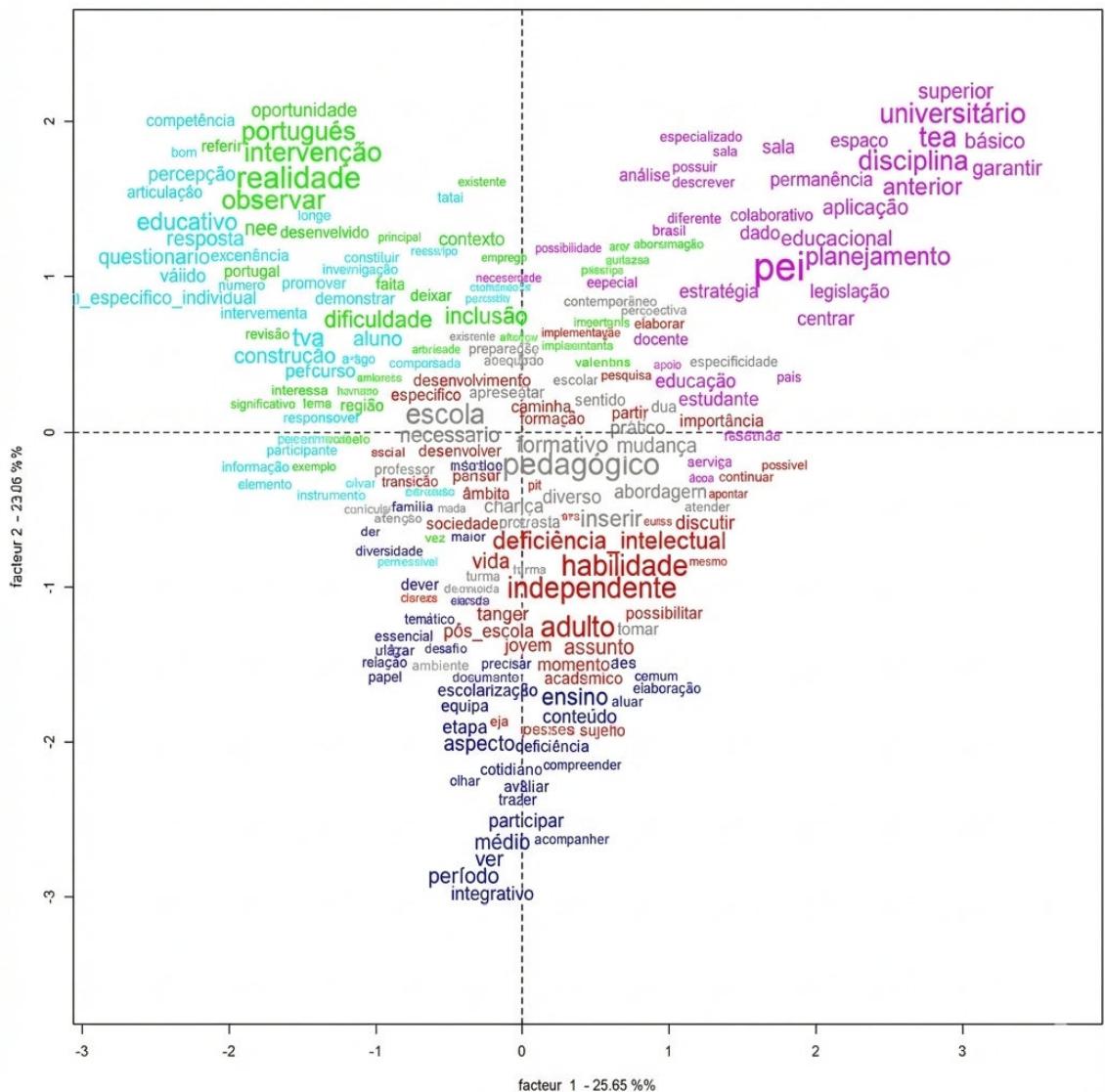 Figura 3: Análise Fatorial de Correspondência das varáveis ativas. Fonte: Os autores (2024)
A partir da Figura 3, observamos a distribuição das variáveis ativas em um gráfico de duas dimensões, representando como os conceitos se organizam e se associam em termos de proximidade semântica. Esta análise é uma técnica estatística que ajuda a identificar padrões latentes e relações entre os termos do corpus
textual, oferecendo uma visualização da estrutura do discurso e das relações temáticas, corroborando com a análise a partir da distribuição em classes.
No quadrante superior esquerdo, representado pelas cores verde claro e azul, destacam-se termos como "intervenção", "realidade", "educativo", "resposta" e "contexto". Esse agrupamento sugere uma temática voltada ao contexto educacional e às práticas de intervenção pedagógica, com ênfase nos aspectos práticos e específicos do ensino e na adaptação curricular. As palavras aqui dispostas apontam para uma abordagem prática e contextualizada, que possivelmente reflete práticas de inclusão e análises de resposta educacional.
No quadrante superior direito, em tons de rosa e magenta, surgem palavras como "universitário", "disciplina", "permanência", "planejamento", "lei"e "TEA". Esse conjunto indica um foco na educação superior, direcionando a discussão para temas de legislação, planejamento acadêmico e estratégias de permanência para estudantes, especialmente aqueles com Transtorno do Espectro Autista (TEA) ou outras necessidades específicas. As palavras "planejamento" e "universitário" sugerem uma análise sobre a adaptação curricular e estratégias de suporte voltadas à inclusão nesse nível de ensino, para além do ensino médio.
O quadrante inferior direito, caracterizado pela cor vermelha, apresenta palavras como "habilidades", "independente", "deficiência intelectual", "adulto" e "jovem". Este grupo aponta para uma temática centrada no desenvolvimento de habilidades para a vida adulta e independência de pessoas com deficiência intelectual. Termos como "independente" e "pós escola" remetem a discussões sobre a transição para a vida adulta e as competências necessárias para essa fase, indicando um foco na preparação para a vida pós-escolar.
No quadrante inferior esquerdo, em azul escuro, aparecem palavras como "ensino", "escolarização", "médio", "conteúdo" e "participar". Este conjunto sugere uma ênfase na escolarização e no ensino médio, abordando temas do cotidiano escolar e da participação dos estudantes. Palavras como "escolarização" e "conteúdo" indicam uma análise voltada para a integração dos conteúdos acadêmicos e a experiência dos estudantes no ambiente escolar.
A análise revela duas dimensões principais: uma voltada para o planejamento e implementação de políticas inclusivas e outra que foca no desenvolvimento de habilidades ao longo da escolarização e na preparação para a vida adulta. Essa estrutura evidencia a complexidade do processo de inclusão, destacando não apenas os aspectos pedagógicos e estruturais, mas também as fases de transição e os desafios enfrentados por estudantes com deficiência ou necessidades específicas ao longo de sua trajetória educacional.
A visualização facilita o entendimento das tensões e das demandas que envolvem tanto a inclusão em sala de aula quanto a autonomia e participação social após a escola, proporcionando subsídios para a formulação de práticas pedagógicas e políticas mais eficazes e inclusivas.
Como última estratégia utilizada, apresentamos na Figura 4, a análise por similitude:
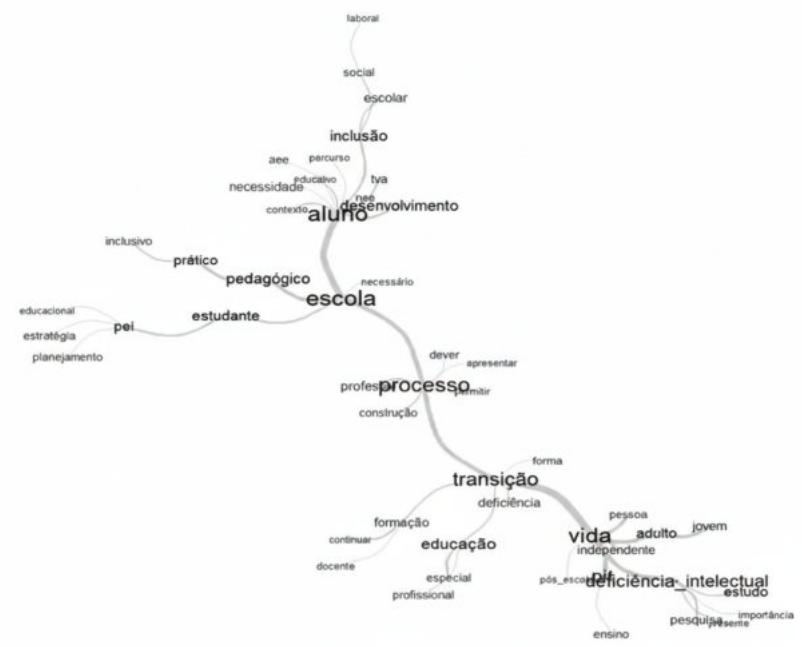 Figura 4: Similitude Fonte: Os autores (2024)
A análise de similitude trata-se da investigação de dados textuais, que buscam identificar temas centrais e as conexões entre eles, a partir de uma visualização gráfica, como a apresentada na Figura 4 é possível observar a estrutura do discurso, compreender os principais conceitos e as interações entre eles.
Podemos observar que palavras como "escola", "aluno" e "processo" ocupam posições centrais, indicando que são temas estruturantes no corpus analisado. Esse tipo de análise não apenas facilita a identificação de conceitos fundamentais. Segundo Camargo e Justo (2013), a análise de similitude por meio do IRaMuTeQ auxilia na visualização e interpretação de padrões temáticos de forma objetiva, reduzindo a subjetividade na análise inicial dos dados textuais.
No contexto educacional, a análise de similitude revela a ênfase nas discussões sobre inclusão e os desafios enfrentados por alunos com necessidades educacionais específicas, como indicado pelos agrupamentos em torno dos termos "deficiência intelectual", "inclusão", "educação" e "vida". Esses agrupamentos evidenciam a preocupação com a construção de um ambiente escolar inclusivo e com o desenvolvimento de estratégias pedagógicas voltadas para a formação integral desses alunos, incluindo a preparação para a vida adulta e o mundo do trabalho.
Essa abordagem é particularmente relevante na educação inclusiva, pois possibilita que a identificação dos principais pontos de tensão e as necessidades urgentes, promovendo a elaboração de práticas educativas mais assertivas e adaptadas às realidades dos alunos com deficiência ou com necessidades específicas.
Podemos observar que as palavras que melhor descrevem, com relação ao tamanho e à ramificação, são as palavras processo, transição e vida, onde essas três palavras representam bem o entendimento do que é o PIT aonde ao redor da palavra vida temos uma representação da possibilidade de vida independente para as pessoas com deficiência intelectual ou no período pós-escola em que o ensino acaba e é necessário haver uma continuidade através do instrumento de transição para ocorrer o processo entendido. Por outro lado, ao redor das palavras transição e processo, aparece indicativos de que precisa haver uma formação ligada a esse processo de continuidade para a vida adulta, onde os estudos demonstram que esse processo de transição tem que ser construído como dever do professor e da equipe pedagógica da educação básica de onde o aluno com deficiência é oriundo. Isso reflete citar referencias da introdução
Por outro lado, o planejamento individual como estratégia, está muito voltado para a escola, como podemos ver ao redor da palavra escola e da palavra aluno não há uma preocupação muito clara com a saída desse indivíduo da escola. A ideia do social e do trabalho só vai aparecer em uma ramificação muito fraca, ligado à palavra inclusão, ao qual está muito mais ligada ao contexto do PEl à prática pedagógica individual e do desenvolvimento do aluno com necessidades específicas. Esse estudo nos remete às duas realidades destacadas que a LBl ainda está colocando mudanças apenas no domínio da escola, pois nem as palavras universidade, ensino superior, mundo de trabalho e vida adulta representam algum destaque ligado à preocupação da escolarização do público alvo da perspectiva inclusiva. Nesse aspecto, o PIT como ferramenta para conter informação para a vida do estudante que sai da escola básica, seria uma proposta relevante segundo Soriano (2006) e Fergunson (2016).
Então precisamos avançar no sentido trazido pela UNESCO (2015) juntamente no com os objetivos da ODS da agenda 20-30, ao qual propõe uma agenda continuada para promover uma vida adulta com direitos garantidos e equitativos. Esse trajeto, como mostra nossa análise de literatura, precisa retornar a escola e à família como foco principal dessa transição, colocando nesse texto os atores a responsabilidade para a construção do PIT enquanto prática pedagógica relacionada à transição dos estudantes com necessidades específicas para a vida adulta.
## IV. CONSIDERAÇÕeS FINaIs
A partir das análises realizadas foram gerados subsídios para a compreensão dos desafios e potencialidades da Educação Especial na perspectiva inclusiva, para que a partir da finalização da Educação Básica, a vida siga o caminho de alguém com Ensino médio completo. Neste caso, a Classificação Hierárquica Descendente (CHD) e a Análise Fatorial de Correspondência (AFC) permitiram explorar de maneira detalhada as relações semânticas e a estrutura dos discursos produzida pelos textos selecionados nas bases de dados, evidenciando as tensões e os aspectos centrais discutidos pelos trabalhos participantes da pesquisa.
Os resultados revelaram seis classes temáticas principais, cada uma representando um aspecto essencial da inclusão educacional e o avanço para vida com autonomia. A progressão das classes, que vai desde o planejamento educacional individualizado, passa pela articulação curricular e práticas pedagógicas, até a preparação dos alunos para a vida adulta, demonstra a complexidade do processo de inclusão. As classes apresentaram temas inter-relacionados que refletem a necessidade de um planejamento cuidadoso, intervenções adequadas, e preparação contínua para garantir não apenas o acesso ao ambiente escolar, mas também a autonomia futura dos alunos. Esta análise evidencia a importância de compreender o processo inclusivo de forma holística e legal, considerando cada etapa do percurso educacional como fundamental para
- desenvolvimento integral dos estudantes com a possibilidade de políticas públicas como o Plano Viver Sem Limites de forma a apoiar as ações.
Já a Análise Fatorial de Correspondência contribuiu para aprofundar o entendimento sobre como os termos e conceitos se agrupam e se relacionam ao longo das diferentes dimensões do corpus. Os eixos fatoriais indicaram uma distinção entre os aspectos ligados ao planejamento e regulamentação das práticas inclusivas, e aqueles relacionados ao desenvolvimento de habilidades ao longo da escolarização e na transição para a vida adulta. A AFC mostrou claramente que, enquanto o planejamento e as estratégias regulamentares são fundamentais para a construção de um ambiente inclusivo, a execução dessas estratégias e o desenvolvimento de habilidades de autonomia e participação social são igualmente importantes para o sucesso da inclusão.
Este resultado destaca a interdependência entre o planejamento institucional e o acompanhamento constante dos alunos, desde o ingresso escolar até sua inserção na vida adulta.
Questões sobre plano de transição correlacionados a pessoa com deficiência intelectual foram mencionados e nos cabe uma análise reflexiva quanto a isso. Será que a transição para a vida adulta só ocorre para as pessoas com deficiência intelectual? Porque os estudos estão voltados apenas para esse público? O que acontece com as demais pessoas com necessidades específicas? Para além dessas questões a serem respondidas em estudos futuro, fica o registro da necessidade de individualização no ensino e continuidade no processo para além dos espaços escolares.
Portanto, as análises realizadas apontam para a necessidade de uma abordagem inclusiva que considere a Educação Especial de forma integrada, englobando o planejamento educacional individualizado, a adaptação curricular, as intervenções pedagógicas, e a preparação para a vida adulta. Tanto o planejamento quanto a prática pedagógica precisam estar alinhados e articulados para garantir que os alunos com deficiência ou com necessidades específicas não apenas tenham acesso à escola, mas também possam se desenvolver plenamente e alcançar a independência. É imprescindível que os profissionais da educação, gestores e formuladores de políticas públicas reconheçam e atuem sobre as diferentes dimensões do processo educacional inclusivo, assegurando que as barreiras sejam progressivamente eliminadas para que se a lei prestes fazer 10 anos e as ODS de justiça social e direitos humanos da Agenda 2030 a $10\%$ dos brasileiros com necessidades específicas das mais diversas. Assim, as oportunidades para os alunos sejam ampliadas, de modo que possam participar plenamente da sociedade.
As evidências encontradas sugerem que o sucesso da inclusão depende não apenas da adoção de práticas educativas específicas, mas também de uma transformação cultural e institucional que suporte, de maneira integrada, para cada etapa do percurso educativo desses alunos, de maneira interligada.
Portanto, as análises realizadas sugerem que o PIT, apoiado por práticas pedagógicas personalizadas e um processo contínuo de adaptação e monitoramento, pode ser importante e decisório na transição escolar e na promoção da autonomia dos estudantes para além do Ensino Regular. A LBI criou uma base normativa para a inclusão, mas os resultados desta pesquisa demonstram que, para essa inclusão ser efetiva, é necessário um esforço contínuo e bem articulado que promova a adaptação curricular, o acompanhamento do progresso dos alunos e a preparação para a vida adulta, garantindo que a inclusão seja verdadeiramente transformadora e emancipatória como prevê o resultado da aplicação da lei.
[^1]: A Lei Brasileira de Inclusão da Pessoa com Deficiência (Lei ${ \mathsf n } ^ { \circ }$ 13.146/2015), também conhecida como Estatuto da Pessoa com Deficiência, define a Educação Especial como uma modalidade de ensino que oferece atendimento educacional especializado a pessoas com deficiência, com foco em assegurar sua plena inclusão nos diversos níveis e modalidades do sistema educacional. Esse atendimento deve ocorrer preferencialmente em classes regulares, contando com serviços, recursos e estratégias pedagógicas específicos para atender às necessidades dos estudantes. A Educação Especial visa garantir o acesso à educação de qualidade, promovendo adaptações e eliminando barreiras que possam limitar a participação dos alunos, para que possam alcançar o máximo de seu desenvolvimento acadêmico e social. _(p.3)_
[^3]: 9 4 / 9 6$ I. A classe especial, por sua vez, é uma modalidade de ensino voltada exclusivamente para alunos com necessidades educacionais especiais que exigem adaptações mais específicas. Estas classes são oferecidas em ambientes segregados, seja em escolas regulares com turmas específicas ou em instituições especializadas (BRASIL, 2008). _(p.4)_
[^4]: A transição dos alunos da Educação Especial para a vida adulta deve considerar a diferença entre "mercado de trabalho" e "mundo do trabalho". O mercado de trabalho está relacionado ao emprego formal e suas exigências de qualificação, enquanto o mundo do trabalho envolve diversas formas de inserção produtiva, incluindo atividades informais e voluntárias, favorecendo uma abordagem mais inclusiva. Dessa forma, o Plano Individual de Transição (PIT) deve preparar os alunos para ambos os contextos, promovendo uma transição abrangente para a vida adulta (REDIG, 2019). Considerando o contexto apresentando, daremos prioridade a terminologia como “mundo do trabalho” pela maior abragência. _(p.4)_
[^5]: O sistema educacional brasileiro está organizado em etapas essenciais para o desenvolvimento educacional de crianças, adolescentes e adultos, compostas por: Educação Infantil (Primeira etapa da educação básica, atende crianças de zero a cinco anos), Ensino Fundamental (Obrigatório para crianças de seis a quatorze anos e com duração de nove anos, subdivide-se em: Ensino Fundamental I e II ), Ensino Médio: Etapa final da educação básica, com duração de três anos, atendendo adolescentes de quinze a dezessete anos, Educação Superior: Após a conclusão do ensino médio, inclui cursos de graduação (bacharelado, licenciatura e tecnologia) e pós-graduação (especialização, mestrado, doutorado e pós-doutorado) (LDB, 2015). _(p.5)_
[^6]: As principais modalidades de ensino são: Educação de Jovens e Adultos (EJA): Voltada para pessoas que não tiveram acesso ou não concluíram o ensino fundamental ou médio na idade regular; Educação Profissional e Tecnológica (EPT): Oferece formação técnica e tecnológica para preparar o estudante para o mercado de trabalho; Educação Especial: Voltada para o atendimento de alunos com deficiência, transtornos globais do desenvolvimento e altas habilidades ou superdotação; Educação Indígena: Destinada às comunidades indígenas, respeitando as especificidades culturais e linguísticas desses povos; Educação Quilombola: Voltada às comunidades quilombolas, respeitando suas tradições culturais e história; Educação do Campo: Oferecida para populações rurais, levando em consideração as peculiaridades do ambiente rural, as atividades produtivas e a cultura local; Educação a Distância (EaD): Modalidade que permite que o ensino seja realizado em ambientes virtuais, com a utilização de tecnologias para mediar o aprendizado; Educação em Tempo Integral: Embora não seja uma modalidade separada, é uma forma de organização do tempo e do espaço escolar em que os alunos permanecem mais tempo na escola (LDB, 2015). _(p.5)_
Generating HTML Viewer...
References
25 Cites in Article
Neuzilene Burock,Ferreira Nascimento (2023). Alfaletramento: Plano Individualizado de Transição para um adulto com deficiência intelectual.
Brasil (2015). Lei nº 13.146, de 6 de julho de 2015. Institui a Lei Brasileira de Inclusão das Pessoas com Deficiência (Estatuto da Pessoa com Deficiência).
Jefferson Da Silva Macedo Braga (2008). FORMAÇÃO DE PROFESSORES NO BRASIL: POLÍTICA NACIONAL DA EDUCAÇÃO ESPECIAL NA PERSPECTIVA DA EDUCAÇÃO INCLUSIVA.
Ana Carvalho,De (2018). Plano de transição individual: roteiro de orientação.
(2020). Censo Escolar da Educação Básica.
Carla Maciel Da Silva,Fabiane Romano De Souza Bridi,Betina Weber De Souza,Laisa De Castro Almeida,Laura Aires (2014). DADOS DO CENSO ESCOLAR MEC/INEP: CONTEXTUALIZANDO A EDUCAÇÃO ESPECIAL NA REDE MUNICIPAL DE SANTA MARIA/RS.
Da Silva Pinheiro,Vanessa Cabral (2020). Plano Individualizado de Transição: estratégia pedagógica para alunos com deficiência intelectual.
De Carvalho,Ana Cristina,; Fernandes,Edicléa (2019). Plano Individual de Transição para Vida Adulta para Pessoas com Deficiência Intelectual.
Maria Rosalli Vasconcelos Rodrigues (2021). CAPÍTULO 02 Inclusão Escolar: Práticas para promover a Equidade e o Acesso à Educação.
Luís Fânzeres,Anabela Cruz-Santos,Sofia Santos (2020). Questionário de Transição para a Vida Adulta dos Alunos com Necessidades Educativas Especiais - Percursos de Formação no Sistema Educativo Português: Construção e Validação.
D Ferguson,D Ferguson,M Grigal,D Hart,F Smith (2016). Percepções dos Alunos sobre um Programa de Transição do Ensino Médio que Apoia Alunos com Transtorno do Espectro Autista.
Rosana Glat,Márcia Pletsch,Denise (2018). Políticas de educação especial e a construção de sistemas educacionais inclusivos.
M Grigal,D Hart,F Smith (2016). O estado da ciência da transição secundária: O que sabemos e o que precisamos saber.
(2020). Censo da Educação Superior 2019: Sinopse Estatística.
Júlia Peres,Fabiano Raupp (2020). SISTEMATIZAÇÃO DOS CUSTOS DA PESQUISA NACIONAL POR AMOSTRA DE DOMICÍLIOS CONTÍNUA – IBGE: UM RECORTE EM FLORIANÓPOLIS.
E Kalyva,I Agaliotis (2015). Investigando a Transição do Ensino Fundamental para o Ensino Médio como uma Jornada de Aprendizagem Pessoal e Social para Alunos com Necessidades Educacionais Especiais.
Marcos José Da Mazzotta,Silveira (2005). Educação Especial no Brasil: História e Políticas Públicas.
Peter Mittler (2003). Formação docente: pensando o momento pós-escola de estudantes com deficiência intelectual da EJA.
Pierre Ratinaud (2024). IRaMuTeQ: Interface de R pour les Analyses Multidimensionnelles de Textes et de Questionnaires.
Annie Redig,Vanessa Pinheiro (2018). PLANO INDIVIDUALIZADO DE TRANSIÇÃO: POSSIBILIDADES PARA A INSERÇÃO DE PESSOAS COM DEFICIÊNCIA INTELECTUAL NO MUNDO LABORAL.
A Redig (2019). Caminhos formativos no contexto inclusivo para estudantes com deficiência e outras condições atípicas.
Valéria Redig (2019). Planos de Transição e a Construção de Trajetórias Inclusivas.
D Test,C Mason,C Hughes,M Konrad (2015). Escolas secundárias inclusivas: Aprendendo com uma década de pesquisa em educação inclusiva.
(2015). Lista de verificação para editoras em acesso aberto sobre a implementação da Recomendação da UNESCO sobre ciência aberta.
(2015). Lista de verificação para editoras em acesso aberto sobre a implementação da Recomendação da UNESCO sobre ciência aberta.
No ethics committee approval was required for this article type.
Data Availability
Not applicable for this article.
How to Cite This Article
Dr. Vanessa do Carmo Correia. 2026. \u201cIndividualized Transition Plan in Promoting Inclusion in Education: An Analysis After the Brazilian Law for the Inclusion of People with Disabilities (LBI)\u201d. Global Journal of Human-Social Science, Global Journal of Human-Social Science - G: Linguistics & Education GJHSS-G Volume 26 (GJHSS Volume 26 Issue G1): .
Explore published articles in an immersive Augmented Reality environment. Our platform converts research papers into interactive 3D books, allowing readers to view and interact with content using AR and VR compatible devices.
Your published article is automatically converted into a realistic 3D book. Flip through pages and read research papers in a more engaging and interactive format.
Inclusion has become a priority on the global educational agenda, as demonstrated by the themes addressed in the UN 2030 Agenda, the Brazilian Inclusion Law, and the recent Plano Viver Sem Limites (Living Without Limits Plan) of the Brazilian Federal Government. For this study, we highlight an instrument, as a pedagogical strategy, whose ultimate goal is to enable the entry of the target audience of Special Education into the world of work, the Individualized Transition Plan (PIT). In this sense, we propose a systematic analysis of the literature with the following research question: What are the challenges and best practices for the transition of students with specific needs to adult life? This study is explored based on two milestones: one experienced temporarily in Basic Education, High School, and another legislative, the 2015 LBI. Furthermore, previous research points to significant gaps in the understanding of the functioning and effectiveness of PITs, highlighting the importance of an in-depth analysis of the current state of research. The research used the IRaMuTeQ software for discourse analysis, based on searches in the SCIELO, BVS, Brazilian Digital Library of Theses and Dissertations and CAPES journals databases, using the descriptors: “School transition plan”, “PIT” and “PEI”. As a result, 16 materials were identified for further analysis and elaboration.
Our website is actively being updated, and changes may occur frequently. Please clear your browser cache if needed. For feedback or error reporting, please email [email protected]
Thank you for connecting with us. We will respond to you shortly.
Lorem ipsum dolor sit amet, consectetur adipiscing elit. Ut elit tellus, luctus nec ullamcorper mattis, pulvinar dapibus leo.
Individualized Transition Plan in Promoting Inclusion in Education: An Analysis After the Brazilian Law for the Inclusion of People with Disabilities (LBI)