Over the past few years, many small and medium enterprises (SMEs) have adopted agile information systems (IS) as they try to adapt to the uncertainties of the COVID-19 pandemic that not only resulted in many deaths but also disrupted the markets for the products and services of most SMEs. The aim of this research is to propose an exploratory model to explain the relationship between consumers, SMEs, and agile information systems and how they influence decision-making and financial decisions during and after the COVID-19 pandemic. The researchers employed qualitative methods as the research strategy for this study and supplemented their findings with quantitative approaches applied to a brief case study. The independent variables intelligence, flexibility, awareness, and competencies have a significant effect on the dependent variable information system agility. R 2 for the independent variables is (0), and R 2 for the dependent variable is 0.66; consequently, the hypotheses of the research are statistically accepted. An exploratory model was created based on the theoretical background and statistical analysis of the obtained data. The proposed model includes operative functionalities, a build and design section, and an implementation section, which provide consumers with the best user experience without contacting the SMEs administrators.
## I. INTRODUCTION
Information system agility is a norm in the information system industry that relates to how SMEs embrace change (Ku, 2022). The latter involves initiatives made by SMEs to address system challenges. For instance, SMEs diagnose and select the best execution models to handle tasks. However, these SMEs experience uncertainty because they do not know when they may encounter changes that alter their structure and operations. As such, they need to be receptive to changes in the market environment. They also monitor their competitors' moves. They can develop innovative services that increase their competitive advantage (Duhring & Zerfass, 2021). Agile companies can flexibly manage their operations and develop applications that help their workloads. Agile information systems are also reflected in SMEs leadership since progressive leaders adapt to change quickly and can take the company to a great level despite changing circumstances like the COVID-19 pandemic. COVID-19 prompted SMEs to develop dynamic capabilities, which enabled them to monitor various opportunities and threats that could potentially cause long-term changes to the companies. (Zahoor et al., 2022) explain that by adopting dynamic capabilities, these SMEs can utilise various market opportunities that come their way. Moreover, they can remain competitive as they can cope with anything by reconfiguring their assets. COVID-19 has thus prompted business enterprises to adopt agile information systems, which not only help them manage their assets but also enable them to monitor their costs and weigh the resources that add value to the company and those that are not cost-effective (Kähkonen et al., 2021). The SMEs can adjust their programmes, identify risks, and minimise them as they opt to increase their revenue. SMEs that have embraced agile information systems can cope well despite a pandemic like COVID-19. Information system agility is significant in that it is efficient compared to traditional information systems. Agile information systems meet most user needs since they correctly specify the user requirements instead of creating unrelated documents, which makes system accessibility tedious. As such, systems that do not provide the best user experience discourage the workforce and demotivate the company or firm from using them since such systems cannot meet their needs and objectives (Azevedo & Almeida, 2021). Agile information systems are efficient. They are not time-consuming because they do not require constant reviews, which is common with traditional systems. Agile information systems also discard complicated aspects in SMEs systems, enabling users to have the best system experience (Chaudhary et al., 2019). Users of information systems work better when the systems have limited interruptions. Interruption predisposes users to many technical errors, which alter their general functions. Agile information systems enable users to comply with strict deadline standards. (Ozkan et al., 2020) note that rigid procedures discourage customers from participating in SME activities. Most customers may have encountered the SME systems once, do not
have specific claims to state, and would rather avoid using complicated systems. Notably, users still interacting with the systems will still change their demands to suit the requirements of a rigid system (Nadeem & Lee, 2019). However, in agile information systems, there are no complicated procedures as the systems are user-friendly. Moreover, when using agile information systems, customers are not worried that their final product is far from the stage of the beginning procedures (Limaj & Bernroider, 2022). Lastly, there is synchrony in the working of the information system. Since agile information systems are modernised, individuals can rely on teams instead of entirely focusing on their work to develop effective programs. Working as a team limits the errors encountered by workers when making products and ensures that products are complete.
## II. LITRETURE REVIEW AND HYPOTHESES
Changes in the economic and financial environments for businesses have made businesses register losses, especially in the past few months following the COVID-19 pandemic (Wojcik & Ioannou, 2020). Pandemics like COVID-19 and storms are some of the environmental changes that may prompt businesses all over the globe to steer up to survive. How do companies counteract sudden changes that affect their service and product consumption? Information system agility, according to Saputra et al. (2022) is one of the many ways through which both small and big companies have tried to cope with changes during the COVID-19 era, with many businesses and healthcare SMEs changing their operations by up to seventy percent in favour of agile information systems. However, adopting information system agility is a concern because of costs and different consumers and SMEs' perceptions of the concept (Papadopoulos et al., 2020). (Azevedo & Almeida, 2021) explain that SMEs require finances and time to counter threats and maximise every opportunity that comes their way. (Li et al., 2020) explain that an SMEs that grasps every opportunity they get hold of is known as an agile SMEs. Adapting to changes in the environment provides agile companies with an advantage over their competitors as they can rectify all errors in their information systems to align with the new changes (Hands-on Comparison of Cloud Computing Services for Developing Applications, n.d.). SMEs require information system agility to provide their consumers with fast-flowing information. Moreover, businesses employ information systems to ensure that their operations remain intact even with changing tides, such as calamities and pandemics, which are likely to reduce the consumption of their products. With the help of information technology industries, business enterprises work together to enhance information system agility in areas such as cloud computing (Pal,
2021). (Tallon et al., 2019) claim that through cloud computing, enterprises major on services like PaaS (Platform as a Service) and Extreme Programming, which help companies adapt to new changes, thus making them agile. Agility, in this sense, implies that enterprises can sense any changes in their systems or the market in general and work on them through careful diagnosis and solving the problems in real-time (Wei et al., 2020). Ideally, responding to the existing changes is easier for companies that have incorporated new requirements into their systems, even when significant changes have not occurred. For instance, an enterprise can set up specific software to deal with operational problems in pandemics or other vagaries of nature, like thunderstorms, long before they happen (Srivastava & Teo, 2021). However, it is challenging to incorporate new challenges into SMEs when the workforce has no experience in information system agility. The latter slows down the process. Another study (Alzoubi & Yanamandra, 2020) by Alzoubi and Yanamandra found that discerning the adoption procedures of agile information systems is not simple, even for employees with little knowledge of information system management. (Alzoubi & Yanamandra, 2020) further assert that managing an agile system is complicated and requires project managers to be receptive to changes and address changes in system management in real time. Moreover, they must know how to accurately diagnose and respond to a system problem. To acquire the latter capabilities, project managers invest a lot of resources and time in working on their abilities and shaping their knowledge of information system agility (Ma'arif et al., 2021). Using agile information systems is significant in anchoring information system competencies (Agile Umbrella Methodologies and Their Global Impact, Annals of the Romanian Society for Cell Biology, 2021). Firms that use agile information systems have outstanding attributes that rivals cannot easily copy because only the firm knows and understands its strengths and weaknesses since most of the information systems are unique only to SMEs considering their history and unique ways of operating their businesses (Umar, n.d., 2022). The uniqueness of agile information systems provides SMEs with a competitive advantage. Many SMEs have revolutionised information system agility since the 1980s due to the changing circumstances of their operations. For instance, companies used information systems primarily to choose systems that could perform backend functions. However, with technological advances, businesses have changed how they use information systems. They started using IS in business planning to restructure their operations by sensing changes and diagnosing relevant information, which helped address the changes (Lee et al., 2020). Some examples of agile practices by companies include quick responses and ambiguity towards changing business environments.
New circumstances require SMEs to be flexible and more competent in adapting to changes to help them become competitive in the market (Umar, 2022). Enterprises also use mobile technology to enhance the agility of their consumers in terms of collaboration and operation. Building a solid infrastructure takes time as individuals bring together resources assembled over time using technology. Project managers can communicate with the rest of the SMEs over trusted communication networks thanks to a flexible infrastructure required by agile information systems (Alzoubi & Yanamandra, 2020). The latter involves how the SMEs and the steps they take to make the computer systems accessible to users arrange computer hardware and software. Suppliers and vendors can also access the data and share it between themselves. Moreover, a flexible information system infrastructure is significant in lowering the costs of operations, which then makes SMEs focus some of their resources on other ventures that provide them with increased revenue. Agile information systems provide managers with opportunities to evaluate their manufacturing processes since flexible IS promotes flexibility in manufacturing. SMEs can then discern their improvement levels (Blooshi et al., 2018). Other studies equate information system agility to technologies employed by SMEs that promote interconnection between different computer-related networks (da Camara et al., 2020). The latter enables these SMEs to achieve configuration changes in real time. Moreover, SMEs benefit more from IS agility by improving their financial performance and spending less time conducting their activities. Moreover, they monitor their operations using information systems, which also confers an advantage in predicting outages and other problems in the systems (da Camara et al., 2020). The ability to predict changes and respond to them on time motivates users to prefer the services of SMEs since these SMEs maximise their uptime and provide the best client experience. Aligning information systems with business processes ensures that SMEs operations are performed efficiently to maximise productivity. Managing business processes efficiently not only increases the effectiveness of the operations but also results in cost reduction. Since agile systems allow business enterprises to make rapid changes, SMEs are freer to maintain their profits by monitoring their competitors' movements and counteracting them before they can take over the markets. Moreover, agile systems allow SMEs to respond to expected innovations corresponding to changes affecting the business's operations, thus improving the business in the long term. These SMEs can develop the latest innovations through agile information systems and the latest integrated computer solutions, protecting the business enterprise from depleted technology (Fosso Wamba, 2022). The latter improves SMEs systems as they can protect themselves from intruders and other circumstances such as viruses and licence scams. (Ojode et al., 2021) note that information system agility in different SMEs, especially during the global mobility sector, was a concern even before the COVID-19 pandemic. Stakeholders have raised eyebrows all over the globe as these SMEs try to adapt to the changing work environment. COVID-19 also pressured the SMEs to adapt to changes and think differently to meet market demands (Collings et al., 2021). Adaptation to the changing circumstances has not been easy for the mobility team, which still weighs its operational capabilities with limited resources. Before the COVID-19 pandemic, SMEs struggled with complex structural policies as they tried to balance the required workforce and the cost of implementing the changes. Companies reacted differently to the changes due to advanced technologies and flexible models (Hong et al., 2020). While some adopted the flexible models, others rejected them, as they feared losing more finances since they were uncertain of the outcome of using the new models. SMEs with the best economic recovery policies during the COVID-19 era secured resources and focused their services on a targeted market using flexibility models (Hong et al., 2020). However, some companies still maintained harsh work permissions. The post-Covid-19 era saw tremendous changes in agile information systems. Many SMEs embraced the new systems to cope with the changing circumstances as the market environment changed with the pandemic (Priyono et al., 2020). Despite the urge to physically be there for their customers, SMEs had to focus on agile information systems to make their services accessible to clients following the health measures put in place by the government to curb the COVID-19 menace. (Kateb et al., 2022) note that healthcare facilities also responded to COVID-19 by improving their decision-making and formulating new plans entailing telehealth and other technological approaches that prioritise clinical care. However, implementing the changes took a long time, as the workforce had to learn about the new systems and how they relate to information system agility. Healthcare innovations have enabled SMEs like ORACLE to scale their screening and testing (Karanasios, 2021). Oracle has also focused on virtual care, as most clients are not comfortable coming physically to the healthcare premises. Implementing agile information systems has enabled Oracle to perform over forty thousand screenings on COVID-19 cases. Pandemics affect how SMEs operate, as pandemics disrupt not only their employee structure but also their markets. However, most companies continue to suffer from pandemics since they cannot employ information system agility because of the uncertainty of these vagaries of nature, like hurricanes (Karanasios, 2021). The latter presents a problem because most managers are unsure of where to invest and place their
products as a result of the pandemic's imbalanced market. However, pandemics, most of the time, force companies to act up and develop flexible systems that encourage them to continue surviving despite the changes brought about by the pandemic. Additionally, the pandemic forces businesses with robust information systems to develop agile responses so they can compete in the already difficult market (Karanasios, 2021). As such, the pandemic has influenced business enterprises to measure their targets using an agility index when allocating resources and making major business decisions. These SMEs also seek resources to help them adjust to the new changes in their structure. The COVID-19 pandemic has affected information system agility in that it has prompted SMEs to develop agile software to embrace change. However, with the help of the dynamic system development model, SMEs can learn and accept changing trends in their work environment (Maemunah & Cuaca, 2021). COVID-19 disrupted the daily operations of SMEs as they had to adjust by reducing the number of employees and taking the necessary healthcare measures to protect their employees and clients since most SMEs are based on providing the best client experience. SMEs had to adapt their fiscal policy, human resource management, and how they made business transactions. These SMEs embraced adaptive governance to embrace the pandemic and the changes that affected their products and markets. The pandemic thus affected information system agility, which flourishes when market options for SMEs are not limited. (Maemunah & Cuaca, 2021) note that information system agility is developed by SMEs on the condition that changes are unavoidable forces that require the SMEs to act if they want to thrive. COVID-19 was inevitable because no business expected that a pandemic would hit the globe that hard and cause the deaths of millions of people who make up the consumer base for most SMEs. Companies that worked on major projects through information system agility could now divide their projects into smaller tasks that accommodated the agile system (Maemunah & Cuaca, 2021). SMEs thus moved from traditional planning methods to agile information systems. Following the outbreak and spread of COVID-19, many SMEs hoped to adjust their systems and routine to cope with the changes associated with the pandemic. Notably, the SMEs were technically adaptive to respond quickly to the changes rather than agile. As such, agility became a challenge for most SMEs, especially in sectors where they did not employ any technology. The changing market trends and the uncertain global economy have made many businesses realise the importance of adopting information system agility. (Bhatta, 2018) claims that COVID-19 initiated most of the developments related to information system agility, making SMEs realise the need to adopt agile systems to survive in the fragile financial climate encompassing losses and business uncertainties. The awareness of menaces like COVID-19 that destabilise companies has made them look for ways to enhance the successful adoption of information system agility (Bhatta, 2018). Because of technological advancements, many businesses are adaptable and responsive to changes brought about by pandemics. The first factor in the success of information system agility is intelligence. The latter refers to SMEs ability to detect risks and combat them in a way that is appropriate to the company's needs. With the same measure, SMEs can assess opportunities and utilise them to expand and increase their competitive advantage. (Asan et al., 2020) note that intelligence is a significant factor when developing artificial intelligence that corresponds with system operations. Artificial intelligence developed by SMEs to cope with operational changes can also be employed by businesses to make informed financial and political decisions. AI in agile information systems also entails machine-learning algorithms that enable them to combat risks and work on mistakes. The effectiveness of artificial intelligence in improving information systems can be appropriately handled by providing optimal trust (Asan et al., 2020). Aligned decision-making is the second factor contributing to successful information system agility in SMEs. The latter implies that SMEs consider the cost benefits of their operations. Such decisions may encompass initiatives that add value to the company. Project managers who want to achieve effective decision-making in line with agile information systems should ensure that the objectives of their projects and structure are aligned (Seetharaman, 2020). Managers also consider aspects such as leadership qualities and transparency. The latter promotes the smooth adoption of information system agility. SMEs that aim to achieve IS agility utilise information technology flexibility, which reflects how the SMEs deal with infrastructure issues such as system connectivity and hardware complications. To achieve information system agility, SMEs ensure that information technology facilities are within their reach and adequate in remote places where they have set up their branches. Lastly, employee capability also promotes the successful adoption of agile information systems. For instance, a workforce with experience in information systems and the development of agile software is likely to encourage SMEs to adopt agile systems since the employees have the technical ability to handle the changes in the system and business operations (Koi-Akrofi et al., 2019). Employee competencies also motivate businesses to adopt new products since they are confident that the business will thrive due to flexibility skills like creativity. Creative employees can handle whatever changes SMEs encounter (Koi-Akrofi et al., 2019). The peer-reviewed sources focused on the significance of information system agility but failed to distinguish between agility and flexibility since they are almost
similar but different concepts. For instance, SMEs can be flexible in their operations without being agile. Since many SMEs still favor traditional systems, the sources did not extensively cover agile systems. Moreover, the research focuses on building a theoretical model through qualitative and quantitative approaches, thus creating misunderstandings due to the different perspectives of the participants (Bhatta, 2018). (Azevedo & Almeida, 2021) assert that information system agility relies on an SME's ability to detect and diagnose changes within their market vicinity. In addition, how do these SMEs respond to changes? However, they cannot respond to these changes without an ideal model of information technology innovation that would make their work easier. IT innovation models like the dynamic system development method to actualize the SMEs' objectives as far as adopting information system agility are concerned. Based on the literature review, the following conceptual model (Figure 1) and hypotheses were defined
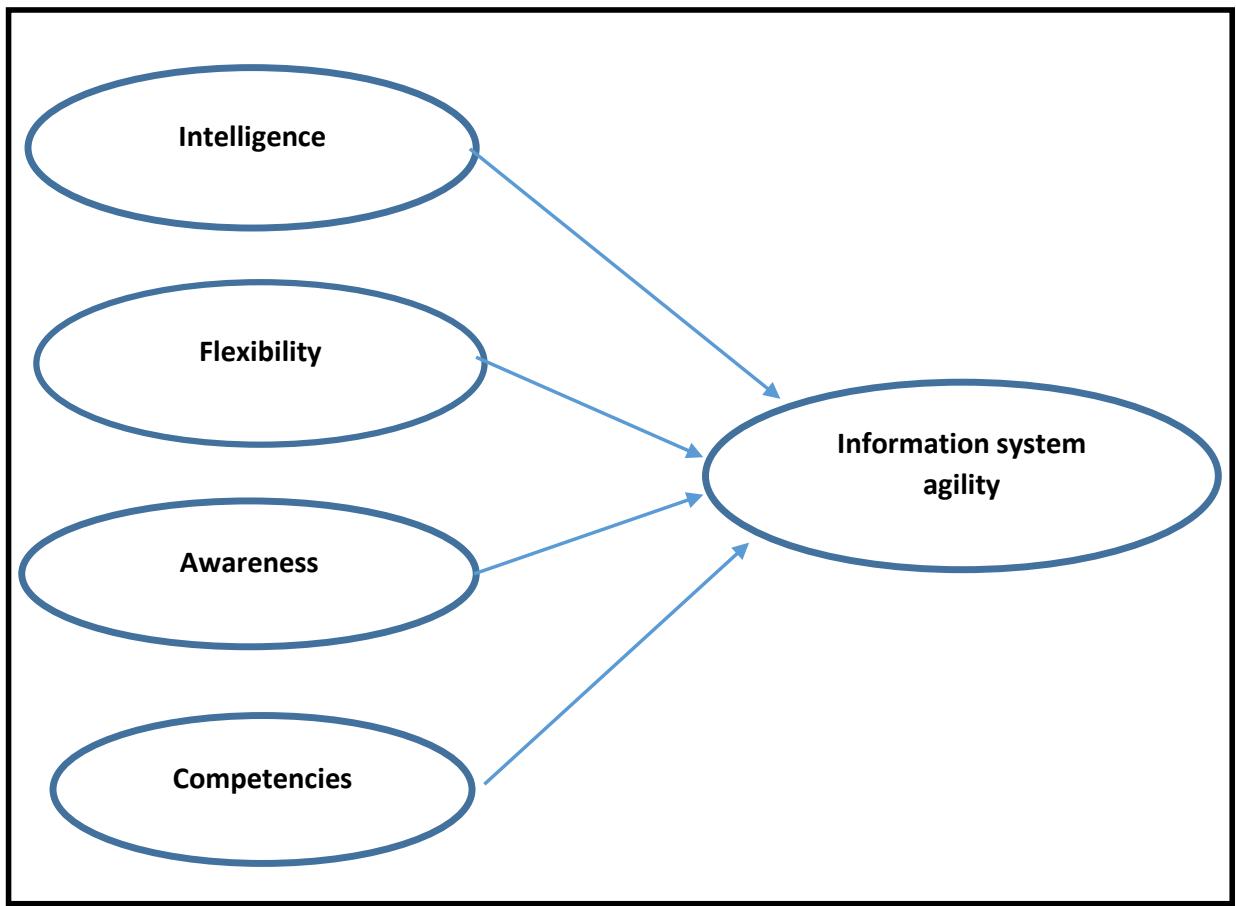 Figure 1: Conceptual Model
- H1: Intelligence has a significant effect on the success of information system agility.
- H2: Flexibility has a significant effect on the success of information system agility.
- H3: Awareness has a significant effect on the success of information system agility.
- H4: Competencies has a significant effect on the success of information system agility.
## III. METHODOLOGY
The researchers employed positivism and descriptive analytic methods in this research. The latter implies that the research relied on information. (Park et al., 2020) assert that research involving agile information systems relies on facts on actual trends in the changing environment and SMEs' responses to the changes. The research plan for this research involved three steps: performing content analysis from the literature sources and other sources of information, such as reports by businesses and sector associations and articles. The researchers did the latter to understand adopting agile information systems in small and medium-sized enterprises. The second stage involved interviewing stakeholders to obtain information on the significance of transformation in enterprises (Azevedo & Almeida, 2021). Lastly, the researchers conducted a case study on a small number of small and medium firms in Jordan to support their results. The researchers used qualitative and quantitative methods as the research design for this research. The latter involves observation to gather non-numerical and numerical data. The qualitative method also involves descriptions and interpretations of
information. To better discern the impacts of the industrial revolution over traditional models, the researchers used focus groups consisting of executive experts. Besides focus group discussions, the researchers also used interviews and an online questionnaire. The researchers collected both primary and secondary data during the research. For instance, the researchers used focus groups to discuss the impacts of advanced systems on shaping SMEs as opposed to traditional models. The researchers held discussions with two focus groups from the SME manufacturing sector (Azevedo & Almeida, 2021). They covered various topics, including digital transformation, educational and advanced training services for executives and employees on agile information systems, and the industrial revolution's core requirements, such as individualising customer and user requirements. Moreover, they collected secondary data through literature reviews on related topics such as the industrial revolution, agile information systems, and traditional models. Lastly, the researcher has analysed the questionnaire. A Likert scale arranged from 1 to 5 was used, where 1 refers to completely disagree, 2 refers to disagree, 3 refers to no idea, 4 refers to agree, and 5 refers to completely agree. In this research, 50 participants were selected, who were managers, information technology employees, and staff from 10 small and medium enterprises (SMEs) in Jordan. It was found that 42 participants out of the 50 selected from the sample were appropriate for the research study
## IV. RESULTS
Figure 3 shows the gender percentage for the valid sample, (0.33) were females and (0.67) were males. Figure 4 shows work experience, (0.24) were between oneandfive years, (0.35) were between six and ten years, and (0.41) were above ten years.
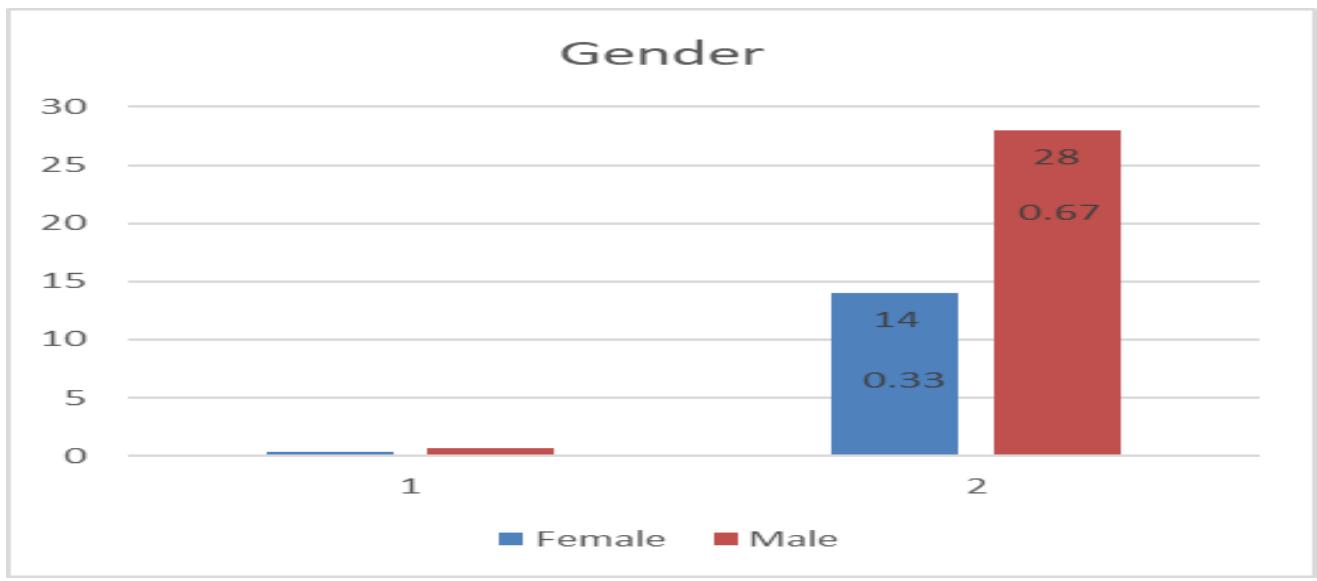 Figure 2: Participants Gender
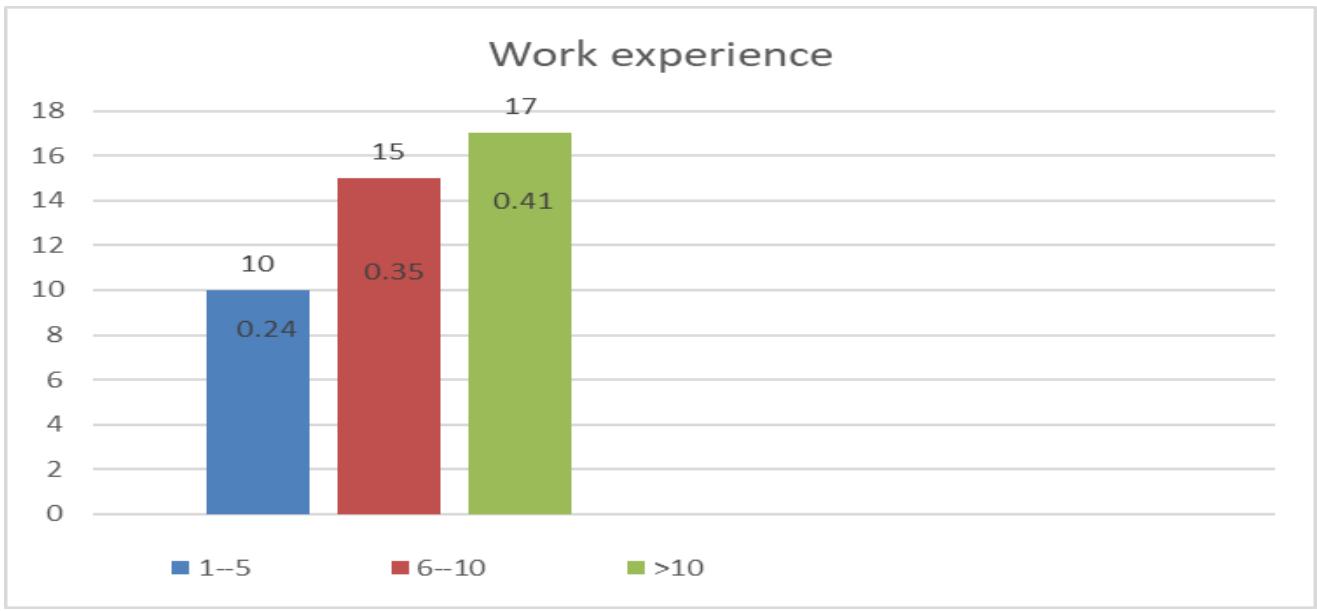 Figure 3: Work Experience
The validity of the questionnaire parts was examined and validated. The validity of the questionnaire was confirmed by professionals and experienced researchers in the subject. The questionnaire was amended and changed in response to expert opinions and input on its content validity. As a result, in addition to expert opinions, the mean extraction of variance (AVE) was calculated to assess the research's validity. SPSS and SMART-PLS were used to analyze the questionnaire data. Table (1) shows the research model's reliability and validity.
Table 1: Validity and Reliability for the Proposed Model
<table><tr><td>Variables</td><td>AVE</td><td>CR</td><td>R2</td><td>Cronbach's Alpha</td></tr><tr><td>Information System Agility</td><td>0.68</td><td>0.88</td><td>0.66</td><td>0.85</td></tr><tr><td>Intelligence</td><td>0.62</td><td>0.91</td><td></td><td>0.92</td></tr><tr><td>Flexibility</td><td>0.60</td><td>0.90</td><td></td><td>0.92</td></tr><tr><td>Awareness</td><td>0.57</td><td>0.88</td><td></td><td>0.88</td></tr><tr><td>Competencies</td><td>0.58</td><td>0.89</td><td></td><td>0.87</td></tr></table>
While Cronbach's alpha should be above 0.7 (Taber, 2017), the measured Cronbach's alpha in this research for all the variables was as follows: independent variables intelligence (0.92), flexibility (0.92), awareness (0.88) and competencies (0.87). dependent variable Information system agility (0.85).For all variables, the resulting composite reliability (CR) was between 0.88 and 0.91. The AVE value ranged between 0.57 and 0.68. The results demonstrated that the proposed model was standardized and acceptable. Table (2) demonstrated that the measured values were higher than the ones below them. Because the results have acceptable divergent validity, they are acceptable.
Table 2: Divergence VALidity for the Proposed Model
<table><tr><td>Variables</td><td>Intelligence</td><td>Flexibility</td><td>Awareness</td><td>Competencies</td><td>Information System Agility</td></tr><tr><td>Intelligence</td><td>0.78</td><td></td><td></td><td></td><td></td></tr><tr><td>Flexibility</td><td>0.69</td><td>0.77</td><td></td><td></td><td></td></tr><tr><td>Awareness</td><td>0.66</td><td>0.64</td><td>0.80</td><td></td><td></td></tr><tr><td>Competencies</td><td>0.72</td><td>0.62</td><td>0.73</td><td>0.75</td><td></td></tr><tr><td>Information System Agility</td><td>0.73</td><td>0.59</td><td>0.75</td><td>0.73</td><td>0.81</td></tr></table>
The $\mathsf{R}^2$, $\beta$ and t-test were used to assess the overall fitness of the proposed model and hypotheses (see Table 3). $\mathsf{R}^2$ forthe independent variables was (0), and for the dependent variable was (0.66), so the $\mathsf{R}^2$ value showed that the hypotheses of the research arestatistically accepted.
Path coefficients $(\beta)$ and $R^2$ values demonstrated that the research hypotheses and independent variables significantly affect the dependent variables.
Table 3: Participant's Perceptions Towards Independent Variables
<table><tr><td>Hypothesis</td><td>β</td><td>t-value</td><td>Sig</td></tr><tr><td>H1</td><td>0.79</td><td>11.9</td><td>0.001</td></tr><tr><td>H2</td><td>0.67</td><td>10.9</td><td>0.001</td></tr><tr><td>H3</td><td>0.36</td><td>4.1</td><td>0.047</td></tr><tr><td>H4</td><td>0.33</td><td>3.7</td><td>0.042</td></tr><tr><td>H5</td><td>0.30</td><td>3.3</td><td>0.038</td></tr></table>
Table 3 showed that intelligence has a positive and significant effect on information system agility where $(\beta = 0.79, t = 11.9, p < 0.001)$, therefore H1 is accepted. Flexibility also has a positive and significant effect on information system agility where $(\beta = 0.67, t = 10.9, p < 0.001)$, H2 also accepted. Awareness and competencies have significant effect on information system agility therefore H3 and H4 are accepted. The Statistical analysis indicates that all hypotheses are accepted
## V. DISCUSSIONS
Based on the Statistical analysis, the focus group discussions and literature review, the researchers found that many SMEs were interested in embracing digital mechanisms for training their employees on digital transformation. The researchers also found that digital and agile platforms enabled employees to manage their time better. Employing digital systems also enabled the users to interact in real time with other users, thereby promoting interactive sessions between them (Azevedo & Almeida, 2021). The researchers found that the focus groups were optimistic that implementing agile systems in SMEs would improve planning and manufacturing processes, and the new models would revolutionize the interaction between customers and companies as opposed to traditional models. Lastly, using digital platforms, users will select company services that only align with their needs.
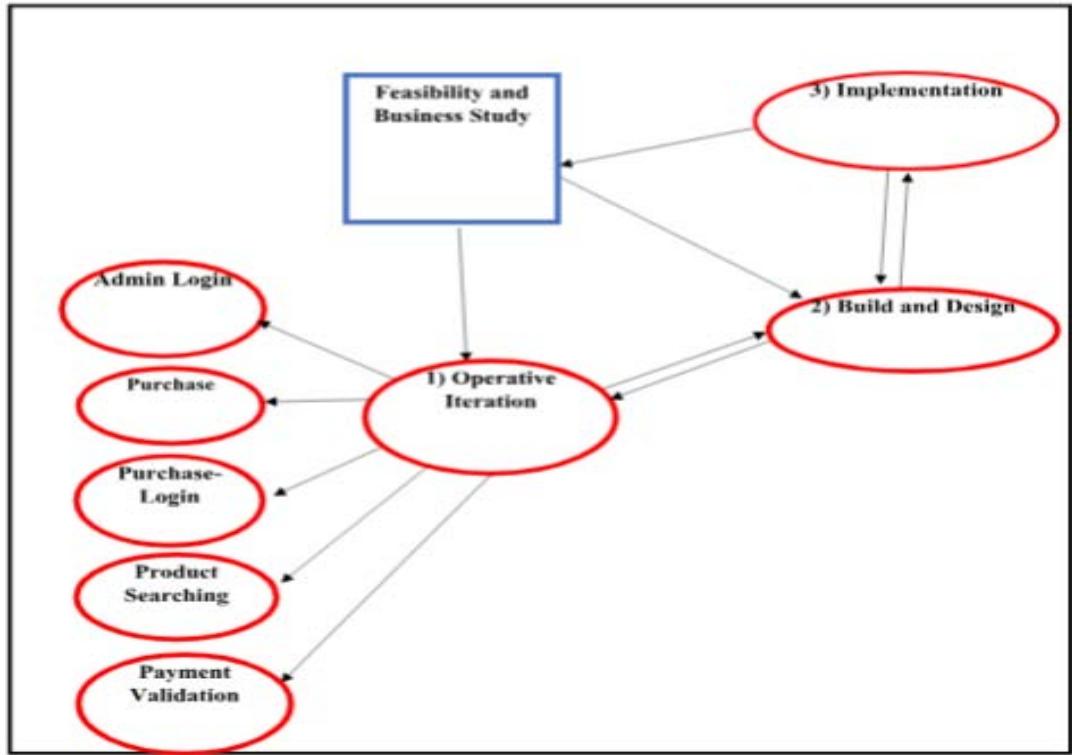 Figure 4: Proposed Information System Agility Model
The research's proposed model (Figure 4) for information system agility has three significant parts, namely the Operative iteration, which allows repetition of computer executive functions. The design and build
explain how the model will achieve the project's objectives; and how information system agility works in SMEs. Lastly, the proposed model has the stage of implementation, which explains how project managers will use the strategies to achieve their objectives. The first stage of this model, operative iteration, explains the functionalities buyers and administrators go through when purchasing or generating transaction reports. It consists of the buyer login section and the materials that allow the buyer to search for the SMEs products online. The operative iteration also provides the buyer with the payment option, after which they can verify their payments. Afterward, the SMEs administrator validates the buyer's payment and generates the purchasing reports. The model also provides the administrator with the login option where they generate system reports based on the buyer's transactions. The build and design section of the proposed model provides further explanations of the user's roles and other functionalities in achieving agility. The build and design section of this proposed model can be used by buyers and administrators interchangeably with the operative iteration section, where the user and the administrator both have use cases enabling buyers to log in to the SMEs system and view the updated information on the SMEs products and services. The buyer can also use the material tools to search for their desired products. The administrator then validates the buyer's payments and generates reports. The last stage of the implementation entails registering an account on the SMEs website, which the system administrator will verify. The model has a menu to guide the user when registering. Upon login, the user can get detailed information on the products they want, which includes the price tags and the product description. The user or buyer can then proceed with the purchase. Using the model is effective in pandemics like Covid-19 since users do not have to meet the seller to purchase items, reducing contact between sick people and healthy people. The latter controls the transmission of the disease.
The proposed model has a layout consisting of a menu and other use cases that dictate how agile systems provide users with the best experience. The model relies on users who must be present for information systems to work. The latter implies that information system agility is insignificant if there are no targeted users or consumers of a company's products and services. For instance, information system agility for big tech companies like Microsoft is not significant without potential users in the market ready to consume the products and services of the enterprise (Nadeem & Lee, 2019). Secondly, SMEs should have development teams with the power to make essential system decisions that reflect the attitudes of the whole workforce. Since agile information systems promote teamwork and enable teams to share data on integrated systems, the proposed model is thus suitable for major companies utilizing agile information systems.
SMEs that address their information systems' integrity focus on completing their products and availing them to the market promptly, promoting the best user experience. After completing their products, companies avail them to the users, who determine whether the company makes profits or losses. Before developing agile information systems, SMEs must consider if the systems are compatible with the businesses. Suitability is essential when selecting a framework model representing an enterprise's systems. Another element of the proposed model is that it ensures SMEs value development since it is an iterative process that values revenue increment. Ideally, the essence of information system agility is to initiate rapid response and diagnosis of changes, which then improves the SMEs financial position.
The proposed model works under the condition that all changes initiated by a SMEs regarding information system agility are reversible in that they do not permanently affect the SMEs market environment. The model also benefits companies because it helps them define their systems to a high level. Another significant element of the model is that all significant systems must be tested constantly to create a life cycle of integrated systems in the company. Lastly, the model requires SMEs to adopt a cooperative and collaborative approach.
The first stage of the proposed model, the functional iteration, involves creating functional prototypes, which pave the way for the other stages after the initial stages. The SMEs, through the model, reviews the prototype and creates others known as design prototypes. In the implementation stages, the SMEs will review the business processes to discern if it is compatible with the model. The SMEs will then list user guidelines that help the consumers use the SMEs services without complications. A perfect example of an enterprise system that can adapt the model in its business processes is agricultural e-commerce. These enterprises employ feasibility studies to develop e-commerce. The business then identifies problems that may alter the completion of e-commerce. Some of the roles of feasibility research include expanding SMEs markets and increasing their chances of selling their agricultural products.
A feasibility research enhances SMEs bargaining power by expanding the market for its products. Moreover, feasibility provides a foundation for assessing resource availability. It also assesses if there is a development team in the SMEs. For instance, in agricultural e-commerce, the development team comprises an analyst and a designer, among other important members who monitor code implementation. The business research analyzes the suitability of the model to the business. A business research is a long- term research conducted by experts to enhance the integration of an enterprise's systems. Functional iteration, however, deals with functionalities in employing the module to the specific SMEs needs. Functional iteration also involves purchasing tools in the management process and seller and administration reporting to the overall authority. The proposed theoretical model for this research will focus more on the need for SMEs to improve their activities through iterative influences. With the proposed model, unlike the other models, business enterprises can complete projects conclusively without complications or leaving out other aspects of the project, such as stakeholder requirements. Moreover, the proposed model emphasizes the importance of governance in project management, unlike others focusing on the workforce. Governance is key to implementing great projects and achieving long-term objectives. Leaving all the power to the operational teams may disrupt the project, as there would be anarchy in situations where some team members do not want to comply with regulations.
Using this proposed model in agile information systems will be effective because it is an improved development framework and will enable users to deliver work timely without interfering with other work requirements in a business system. Moreover, working with this model will enhance flexibility within the SMEs since it is easy to work with and understand the user. Moreover, projects delivered through this model will hold a business value to the enterprise and help the SMEs avoid inconveniences that may erupt if projects are delivered late. The model thus will enable the SMEs to appreciate their projects as they are delivered on time. The proposed model addresses software development issues and ensures that theSMEsspeedy data transmission is initiated and integrated software is applied to serve the purpose of agile information systems. The model is also significant for this research because it will enable businesses to achieve a complete arrangement of their operation plans and promotes convenience in SMEs. This development approach is suitable for most companies since it addresses their concerns. For instance, to successfully achieve their projects, SMEs and project managers must focus on their business requirements. It helps project managers reach their long-term project goals, which involves providing the users with the best experience when searching for products.
The proposed model will enable SMEs to render services to their consumers on time since purchases and sales are made at the user's convenience. Providing the best user experience enables business enterprises to build trust and healthy relationships with their clients and the rest of the workforce, which also feels appreciated with positive client feedback. The latter will also enable managers to plan business processes effectively. The proposed model will be suitable for
SMEs for its collaborative and cooperative approaches since it does not restrict workers from struggling with huge chunks of work and promotes teamwork as employees work together in system integration. Employees begin to trust each other when they work together and make informed decisions. Collaboration implies that the SMEs works with stakeholders to increase their revenue sources and gather feedback on other people's perceptions of the SMEs.
The proposed model will ensure that project managers do not compromise the quality of the SMEs operations. The model is an important reminder to SMEs that quality should not be interfered with because it can make clients shy from the company's services and products. All employees must adhere to a given quality standard to promote success in their business processes. The proposed model also ensures that the management assesses the quality of work done by the team to discern if it meets exemplary standards. Moreover, it will determine the scope of the business project and the project requirements. Prioritizing the needs of a business provides employees and another workforce with a vision that enables them to achieve the SMEsobjectives in a timely fashion.
Lastly, the proposed model is recommendable for SMEs that are in constant communication with stakeholders and clients. For instance, SMEs that require stakeholders' opinions and feedback at any point of a project require this model since a lack of effective communication between the project managers and the stakeholders can ruin or improve a project. Communication with the project team and constant consumer feedback are important as they ensure everyone is working towards achieving the same objectives. The SMEs initiates communication between colleagues by holding daily meetings before embarking on the project completion. Lastly, the model ensures that project managers can demonstrate control over their projects and monitor their progress using performance indicators.
## VI. CONCLUSION
This research investigated the relationship between consumers, SMEs, and agile information systems. Moreover, it involves diagnosing and implementing the best strategies to cope with changes, especially in pandemics such as Covid-19. Qualitative approaches were used to analyze theoretical data and quantitative approaches used to support theoretical results. An exploratory model was created based on theoretical background and statistical analysis of the obtained data. The proposed model for this research is effective in information system agility because it is more improved and flexible than the traditional models, thus providing users with the best experience in real time. The changing market trends and Intelligence are some of the key factors contributing to the installation of agile information systems. Research on effective models to approach information system agility reveals that, IS agility improves the performance of SMEs. Lastly, the proposed model is preferable because it uses a more comprehensive approach in agile information systems.
Generating HTML Viewer...
References
40 Cites in Article
Michael Howell-Moroney (2021). The Global Digital Divide and Its Impact on E-Governance.
Haitham Alzoubi,Ramakrishna Yanamandra (2020). Investigating the mediating role of information sharing strategy on agile supply chain.
Onur Asan,Alparslan Bayrak,Avishek Choudhury (2020). Artificial Intelligence and Human Trust in Healthcare: Focus on Clinicians.
Américo Azevedo,António Almeida (2021). Grasp the Challenge of Digital Transition in SMEs—A Training Course Geared towards Decision-Makers.
T Bhatta (2018). Case Study Research, Philosophical Position and Theory Building: A Methodological Discussion.
Mouza Blooshi,Shafer Jafer,Krishan Patel (2018). Review of Formal Agile Methods as Cost-Effective Airworthiness Certification Processes.
Pankaj Chaudhary,James Rodger,Micki Hyde (2019). Executing a Real-Time Response in an Agile Information System.
David Collings,Anthony Nyberg,Patrick Wright,John Mcmackin (2021). Leading through paradox in a COVID‐19 world: Human resources comes of age.
Rafael Da Camara,Marcelo Marinho,Suzana Sampaio,Saulo Cadete (2020). How do Agile Software Startups deal with uncertainties by Covid-19 pandemic?.
L Dühring,A Zerfass (2021). The Triple Role of Communications in Agile Organizations.
Eduardo Miranda (2022). Moscow Rules: A Quantitative Exposé.
Samuel Fosso Wamba (2022). Impact of artificial intelligence assimilation on firm performance: The mediating effects of organizational agility and customer agility.
Bruno Pieroni (2022). Aspirante cantante poi diva del cinema.
Areum Hong,Changi Nam,Seongcheol Kim (2020). What will be the possible barriers to consumers’ adoption of smart home services?.
Anni-Kaisa Kähkönen,Pietro Evangelista,Jukka Hallikas,Mika Immonen,Katrina Lintukangas (2021). COVID-19 as a trigger for dynamic capability development and supply chain resilience improvement.
Stan Karanasios (2021). The pursuit of relevance and impact: A review of the immediate response of the information systems field to <scp>COVID</scp>‐19.
Sanaz Kateb,Rebecca Ruehle,David Kroon,Elco Van Burg,Max Huber (2022). Innovating under pressure: Adopting digital technologies in social care organizations during the COVID-19 crisis.
Godfred Koi-Akrofi,Joyce Akrofi,Henry Akwetey Matey (2019). Understanding the Characteristics, Benefits and Challenges of Agile it Project Management: A Literature Based Perspective.
Edward Ku (2022). Developing business process agility: Evidence from inter-organizational information systems of airlines and travel agencies.
Neil Chueh-An Lee,Eric Wang,Varun Grover (2020). IOS drivers of manufacturer-supplier flexibility and manufacturer agility.
Gang Li,Hao Wang,Wibowo Hardjawana (2020). New advancement in information technologies for industry 4.0.
Everist Limaj,Edward Bernroider (2022). A taxonomy of scaling agility.
M Ma'arif,M Hafifi Yusof,N (2021). The Challenges of Implementing Agile Scrum in Information System's.
Siti Maemunah,Herry Cuaca (2021). Influence of epidemic COVID–19 on business strategy, information technology and supply chain agility to firm performance in medical device industry.
M Nadeem,S Lee (2019). Dynamic Agile Distributed Development Method.
L Ojode,M Wolde,J Claiborne (2021). Impacts of the Covid-19 Pandemic on Business Education: Case for the AACSB's Agility Standard.
Necmettin Ozkan,Mehmet Gök,Büşra Köse (2020). Towards a Better Understanding of Agile Mindset by Using Principles of Agile Methods.
Debrupa Pal (2021). Review on Impact of Agile Technologies in Software Development.
Thanos Papadopoulos,Konstantinos Baltas,Maria Balta (2020). The use of digital technologies by small and medium enterprises during COVID-19: Implications for theory and practice.
Yoon Park,Lars Konge,Anthony Artino (2020). The Positivism Paradigm of Research.
Anjar Priyono,Abdul Moin,Vera Putri (2020). Identifying Digital Transformation Paths in the Business Model of SMEs during the COVID-19 Pandemic.
Nopriadi Saputra,Ningky Sasanti,Firdaus Alamsjah,Ferdinand Sadeli (2022). Strategic role of digital capability on business agility during COVID-19 era.
Priya Seetharaman (2020). Business models shifts: Impact of Covid-19.
Shirish Srivastava,Thompson Teo (2021). Information System Quality Judgment for Continued E-Government Use: Theorizing the Role of Positive and Negative Affect.
Keith Taber (2017). The Use of Cronbach’s Alpha When Developing and Reporting Research Instruments in Science Education.
P Tallon,M Queiroz,T Coltman,R Sharma (2019). Information technology and the search for organizational agility: A systematic review with future research possibilities.
Muazu Umar (2022). Digital Transformation Strategies for Small Business Management.
Chu Wei,Abdul Pitafi,Shamsa Kanwal,Ahsan Ali,Minglun Ren (2020). Improving Employee Agility Using Enterprise Social Media and Digital Fluency: Moderated Mediation Model.
Dariusz Wójcik,Stefanos Ioannou (2020). COVID‐19 and Finance: Market Developments So Far and Potential Impacts on the Financial Sector and Centres.
Nadia Zahoor,Ismail Golgeci,Lauri Haapanen,Imran Ali,Ahmad Arslan (2022). The role of dynamic capabilities and strategic agility of B2B high-tech small and medium-sized enterprises during COVID-19 pandemic: Exploratory case studies from Finland.
No ethics committee approval was required for this article type.
Data Availability
Not applicable for this article.
How to Cite This Article
Haroon Altarawneh. 2026. \u201cInformation System Agility And Covid-19: An Exploratory Model to Minimze Pandmeics Effects On Small and Medium Enrprises\u201d. Global Journal of Management and Business Research - A: Administration & Management GJMBR-A Volume 23 (GJMBR Volume 23 Issue A11): .
Explore published articles in an immersive Augmented Reality environment. Our platform converts research papers into interactive 3D books, allowing readers to view and interact with content using AR and VR compatible devices.
Your published article is automatically converted into a realistic 3D book. Flip through pages and read research papers in a more engaging and interactive format.
Over the past few years, many small and medium enterprises (SMEs) have adopted agile information systems (IS) as they try to adapt to the uncertainties of the COVID-19 pandemic that not only resulted in many deaths but also disrupted the markets for the products and services of most SMEs. The aim of this research is to propose an exploratory model to explain the relationship between consumers, SMEs, and agile information systems and how they influence decision-making and financial decisions during and after the COVID-19 pandemic. The researchers employed qualitative methods as the research strategy for this study and supplemented their findings with quantitative approaches applied to a brief case study. The independent variables intelligence, flexibility, awareness, and competencies have a significant effect on the dependent variable information system agility. R 2 for the independent variables is (0), and R 2 for the dependent variable is 0.66; consequently, the hypotheses of the research are statistically accepted. An exploratory model was created based on the theoretical background and statistical analysis of the obtained data. The proposed model includes operative functionalities, a build and design section, and an implementation section, which provide consumers with the best user experience without contacting the SMEs administrators.
Our website is actively being updated, and changes may occur frequently. Please clear your browser cache if needed. For feedback or error reporting, please email [email protected]
Thank you for connecting with us. We will respond to you shortly.