The increasing unpredictability of global supply chains necessitate advanced technological solutions for disruption mitigation. It explored the integration of Artificial Intelligence (AI) and Machine Learning (ML) in project management to enhance supply chain resilience. AIdriven risk identification and forecasting enable organizations to anticipate disruptions and proactively manage risks, while machine learning models optimize supply chain operations through predictive analytics and anomaly detection. The application of AI in decision-making and real-time supply chain adaptation further enhances agility, leveraging scenario planning, digital twins, and AI-powered automation in logistics.
## I. INTRODUCTION
The global supply chain landscape has undergone significant transformations in recent years, with disruptions becoming more frequent, severe, and dynamic. Ordinarily, supply chain management (SCM)
ORCID: http://orcid.org/0009-0009-4227-5671
ORCID: http://orcid.org/0009-0000-3713-0587 focused on optimizing operational efficiency, reducing costs, and ensuring timely delivery of goods and services [1]. However, the increasing prevalence of geopolitical instability, natural disasters, trade restrictions, cyber threats, and pandemics have heightened vulnerabilities across global supply networks. The COVID-19 pandemic, for instance, caused unprecedented disruptions, exposing weaknesses in supply chain resilience and forcing organizations to rethink their risk management strategies [2]. Additionally, geopolitical conflictssuch as the Russia-Ukraine war have disrupted critical supply chains, particularly in agriculture, energy, and semiconductor industries, leading to price volatility and product shortages [3].
With supply chains extending across multiple continents and involving various organizations, disruptions no longer remain an isolated incidents but trigger ripple effects that impact entire industries and economies. These demand more proactive approaches that go beyond traditional risk assessment methods. Organizations must anticipate, identify, and mitigate risks in real-time, leveraging data-driven decision-making to ensure resilience, agility, and sustainability in their supply chain operations [4].
Project management plays a critical role in ensuring supply chain resilience by providing structured methodologies for managing uncertainties, risks, and disruptions [5]. Traditionally, supply chain managers rely on linear, sequential models that emphasize stability and efficiency [6]. However, in a volatile, uncertain, complex, and ambiguous (VUCA) world, these models often fail to address the dynamic nature of modern supply chains [7].
Integrating project management principles into SCM allows organizations to adopt a proactive approach by implementing agile methodologies, risk-based planning, and real-time monitoring of supply chain performance [5]. Project-based approaches enable firms to rapidly respond to unforeseen events, optimize resource allocation, and enhance collaboration among stakeholders. Agile methodologies such as Scrum and Kanban allow supply chain managers to iterate and refine processes continuously, while traditional project management techniques, such as Critical Path Method (CPM) and Work Breakdown Structures (WBS), help streamline complex supply chain projects [8,9]. Despite these advantages, current SCM practices still operate in siloed environments, with project management and supply chain operations being treated as distinct disciplines.
With the rapid advancements in Artificial Intelligence (AI) and Machine Learning (ML), organizations are now turning to data-driven approaches to mitigate supply chain risks and optimize operational performance. AI-powered solutions can predict disruptions, automate decision-making, and enhance real-time visibility, making supply chains more adaptive and resilient [10]. Although, while AI and ML provide unparalleled capabilities in supply chain risk management, their integration requires strategic planning, robust data infrastructure, and cross-functional collaboration.
Given the complexity of modern supply chains, combining AI/ML with project management methodologies presents a promising solution for proactive disruption mitigation. The structured approach of project management, when enhanced with AI-driven analytics and automation, can enhance risk prediction and prevention by integrating AI models into supply chain risk registers, improve real-time decision-making through leveraging AI-powered capability in project execution, optimize resource allocation and cost efficiency through ML-based supply chain simulations, and foster agile supply chain planning that adapts dynamically to market uncertainties [11,12].
Organizations that successfully integrate AI/ML with project management can build highly adaptive, self-learning supply chain ecosystems, reducing the impact of disruptions while driving cost savings and operational efficiency.
## II. LITERATURE REVIEW
Supply chain disruptions refer to sudden or prolonged interruptions in the flow of goods, services, or information within a supply network, often leading to significant operational and financial repercussions [13]. Historically, major supply chain disruptions have shaped risk management strategies across industries. The COVID-19 pandemic was one of the most profound disruptions in recent history, exposing vulnerabilities in manufacturing, logistics, and inventory management. Border closures, labour shortages, and fluctuating demand created significant bottlenecks, delaying shipments worldwide [2]. Similarly, geopolitical tensions, such as the Russia-Ukraine conflict, have disrupted the supply of critical raw materials like wheat, crude oil, and semiconductor components [14]. Beyond these macroeconomic shocks, natural disasters have also played a major role in destabilizing supply chains. The
2011 Tohoku earthquake and tsunami in Japan, for example, severely affected global electronics and automotive production, as the country was a hub for semiconductor manufacturing [15]. The 2011 Thailand floods further intensified disruptions, impacting companies reliant on hard disk drive manufacturing [16]. Cybersecurity threats, another growing risk, have also emerged as a critical concern. Ransomware attacks targeting shipping giants, such as the 2017 cyberattack on Maersk, resulted in financial losses exceeding $300 million and caused widespread delays in international freight operations [17].
Conventional supply chain risk management has largely relied on reactive strategies, often failing to anticipate and mitigate severe disruptions. Companies have long relied on maintaining inventory buffers, diversifying suppliers, and enforcing strict contractual agreements to reduce dependency on single sources [18]. Common risk assessment frameworks, such as Analytical Network Process (ANP) and Analytical Hierarchy Process (AHP), tend to be static, making them inadequate for addressing real-time volatility in global supply networks [19]. As supply chain risks grow more unpredictable, the need for dynamic, AI-driven predictive models has become increasingly evident.
## III. AI AND ML IMPLEMENTATION IN PROJECT MANAGEMENT FOR SUPPLY CHAIN DISRUPTION MITIGATION
### a) AI-Powered Risk Identification and Forecasting
The unpredictability nature of modern supply chains necessitates more sophisticated approaches to risk identification and forecasting. Traditional risk assessment models, which rely on historical data and rule-based decision-making, often struggle to capture the dynamic nature of global trade disruptions. Artificial Intelligence (AI) offers a paradigm shift by enabling real-time analysis and predictive insights, allowing companies to detect early signs of disruptions and implement proactive mitigation strategies [12].
One of the most transformative applications of AI in risk identification is its ability to analyse vast and diverse datasets to uncover hidden vulnerabilities within the supply chain. AI-powered predictive analytics leverage machine learning algorithms to detect anomalies, assess supplier reliability, and anticipate fluctuations in demand or supply constraints [20]. Big data analytics, particularly when integrated with AI, enhances predictive capabilities by processing real-time market signals, geopolitical developments, and environmental factors to assess potential risks. For instance, AI models trained on trade data and transportation trends can anticipate port congestion or shipping delays, enabling companies to reroute shipments before bottlenecks materialize [21].
AI-driven demand forecasting is a crucial tool for preventing stock outs and overstocking, two common challenges in supply chain management [22]. Conventional forecasting methods, often reliant on static statistical models, fail to account for sudden shifts in consumer behaviour or external disruptions such as pandemics or geopolitical tensions. AI-enhanced forecasting systems continuously learn from new data sources, including customer purchasing trends, macroeconomic indicators, and even social media sentiment analysis. Companies such as Amazon and Walmart have successfully implemented AI-based forecasting models that dynamically adjust inventory levels based on real-time demand fluctuations [23]. This not only optimizes inventory management but also minimizes financial losses from excess stock or lost sales due to shortages.
Despite the advantages of AI in risk identification, there are challenges that remain in its implementation. Data quality and accessibility pose significant hurdles, as AI systems rely on large, high-quality datasets to generate accurate predictions. Many organizations face issues with fragmented data storage, siloed operations, and inconsistent data governance, which can compromise the effectiveness of AI models [24, 25]. Additionally, biases inherent in historical data can lead to inaccurate forecasts, reinforcing existing vulnerabilities rather than mitigating them [26].
Moreover, the integration of AI into supply chain risk management requires a fundamental shift in organizational culture and decision-making processes. Many firms still rely on manual or experience-based risk assessments, and transitioning to an AI-driven approach demands investment in digital infrastructure and workforce upskilling [27]. AI models must be continuously refined and adapted to evolving risk landscapes to ensure their reliability.
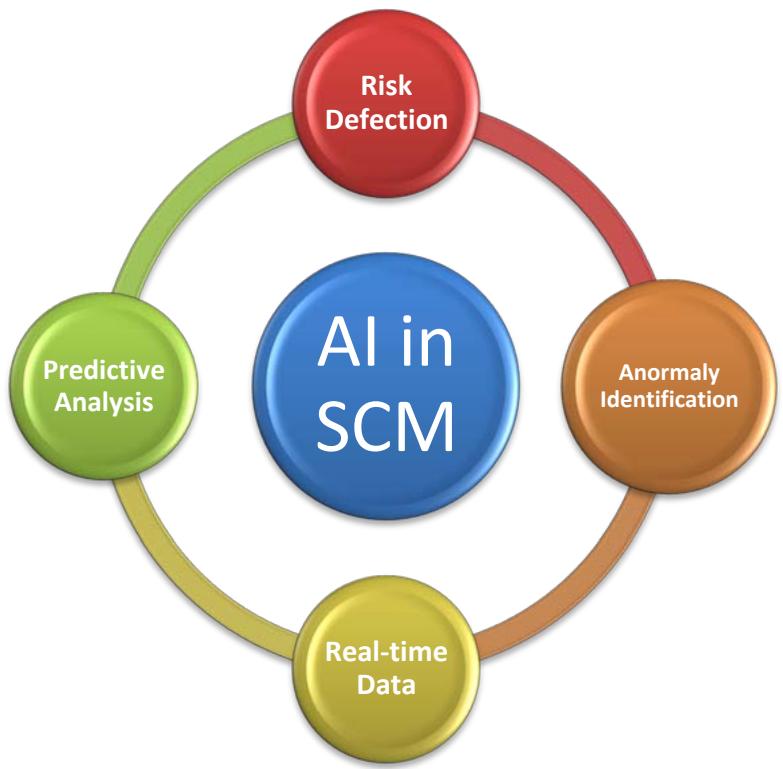 Fig. 3.1: AI-Powered Risk Identification and Forecasting
## IV. MACHINE LEARNING MODELS FOR PROACTIVE DISRUPTION MITIGATION
Machine learning (ML) has emerged as a critical tool in proactive disruption mitigation, offering the ability to analyse complex datasets, identify emerging risks, and optimize supply chain responses in real-time. Unlike traditional risk management approaches that focus on reactive strategies, ML-driven solutions enable predictive and adaptive decision-making, reducing the impact of disruptions before they escalate into crises [22].
Supervised and unsupervised learning models play a crucial role in supply chain optimization. Supervised learning algorithms, trained on labelled datasets, help predict supplier performance, transportation delays, and demand fluctuations with high accuracy [28]. These models analyse historical data, detecting recurring patterns and providing solutions into potential disruptions. For example, predictive analytics platforms powered by supervised learning have been employed to assess supplier risk by analysing financial stability, geopolitical factors, and past delivery performance [29]. Companies leveraging such models can proactively diversify their supplier base or renegotiate contracts to ensure continuity in operations.
On the other hand, unsupervised learning models, which operate without predefined labels, excel in anomaly detection within logistics, inventory management, and transportation networks [30]. These models identify deviations from expected patterns, flagging potential disruptions that may not be evident through conventional analysis. In logistics, for instance, unsupervised learning is used to detect irregularities in shipment movements, such as unexpected delays or route deviations, which could indicate potential supply chain risks such as theft, fraud, or unforeseen logistical constraints [31].
ML based anomaly detection also enhances the security and resilience of supply chain operations. Algorithms trained on vast datasets can identify cyber threats targeting logistics infrastructure, supplier networks, or digital transaction platforms [32]. With increasing cyber vulnerabilities in global supply chains, MLdriven security measures are essential in preventing data breaches and ensuring compliance with regulatory frameworks.
The application of predictive analytics in supplier risk management further highlights the strategic value of ML in disruption mitigation. Geopolitical developments, and environmental factors, ML models provide dynamic risk assessments through the analyses of real-time data on supplier operations, allowing businesses to make informed sourcing decisions. For example, during the COVID-19 pandemic, companies utilizing ML-driven supplier risk management systems were able to anticipate factory shutdowns in affected regions and shift procurement strategies accordingly [33]. This level of foresight was critical in maintaining production continuity and minimizing financial losses.
However, the implementation of ML-based proactive disruption mitigation strategies is not without challenges. One of the primary barriers is the need for highquality, integrated data across the supply chain ecosystem. Many organizations operate in siloed environments where data-sharing limitations hinder the effectiveness of ML models. Additionally, the computational complexity of ML algorithms necessitates substantial investments in cloud computing infrastructure and skilled data science expertise.
Moreover, reliance on ML for decision-making requires careful monitoring to ensure model accuracy and ethical considerations. The presence of bias in training datasets can lead to skewed risk assessments, disproportionately affecting certain suppliers or regions [34]. Transparency in ML driven decision-making processes is essential to maintain trust among stakeholders and avoid unintended consequences.
Nevertheless, the integration of ML into supply chain risk management offers significant advantages in enhancing resilience and responsiveness. As technological advancements continue to refine ML capabilities, businesses that embrace these tools will be better positioned to navigate disruptions and maintain competitive agility in an increasingly volatile global market.
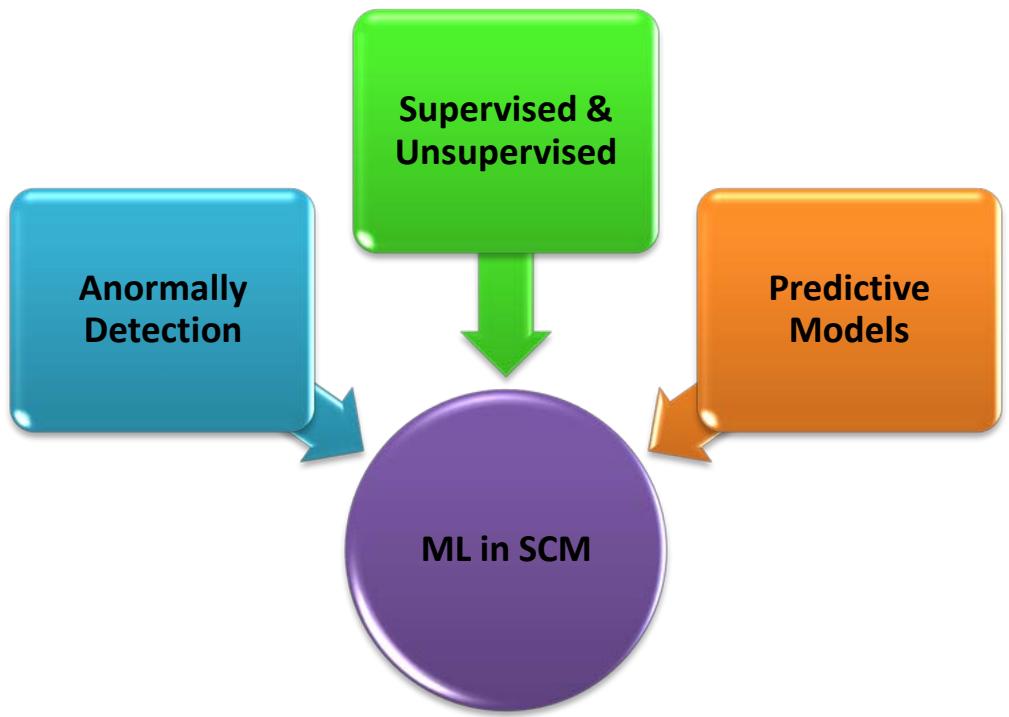 Fig. 3.2: Machine Learning Model for Proactive Model Disruption Mitigation
## V. AI IN DECISION-MAKING AND REALTIME SUPPLY CHAIN ADAPTATION
AI driven tools such as scenario planning, simulation, automation, chatbots, and digital twins have become pivotal in enhancing operational efficiency and resilience.
AI-driven scenario planning and simulation have become indispensable in modern project management, particularly within supply chains through analysing vast datasets, AI can model various scenarios, predict potential disruptions, and assess their impacts on the supply chain. This enables managers to develop contingency plans and optimize decision-making processes [12].
AI-powered platforms can simulate the effects of geopolitical events, natural disasters, or market fluctuations on supply chains [35]. These simulations allow project managers to visualize potential outcomes and devise strategies to mitigate risks. The ability to anticipate and prepare for various scenarios enhances the agility and resilience of supply chains, ensuring continuity in operations despite uncertainties.
In addition, Al-driven simulations facilitate resource optimization by identifying bottlenecks and inefficiencies within the supply chain. It enables project managers to allocate resources more effectively, reduce operational costs, and improve overall performance by modelling different operational strategies. This data-driven approach replaces traditional trial and error methods, leading to more informed and efficient decision-making.
Automation, powered by AI, has transformed supply chain logistics by streamlining operations and reducing human intervention in routine tasks. AI algorithms can optimize routing, manage inventory levels, and forecast demand with high accuracy, leading to cost savings and improved service levels. For example, Al-driven automation in warehouses includes the use of robotics for sorting and packing, which accelerates order fulfilment and reduces errors. Companies like Amazon have invested heavily in robotics and AI to enhance their logistics operations. Amazon's advanced fulfillment centres utilize Al-powered robots to move goods efficiently, resulting in significant cost reductions and faster delivery times [36]. Also, AI-powered automation extends to transportation management. AI systems analyse traffic patterns, weather conditions, and delivery schedules to determine the most efficient routes for shipments [37, 38]. This optimization reduces fuel consumption, lowers transportation costs, and ensures timely deliveries, thereby enhancing customer satisfaction. Given an example, using AI Chatbots and Digital Twins in Predictive Supply Chain Management. These two represent innovative applications of AI in predictive supply chain management.
AI chatbots serve as virtual assistants, facilitating real-time communication between various stakeholders in the supply chain. They can handle inquiries, provide updates on shipment statuses, and assist in coordinating tasks among suppliers, manufacturers, and distributors [39]. This real-time interaction enhances transparency and responsiveness within the supply chain.
Conversely, digital twins are virtual reproductions of actual assets, processes, or entire supply chain networks. Digital twins, which combine real-time data with AI algorithms, enable continuous monitoring and modeling of supply chain operations. This technology enables businesses to anticipate potential disruptions, assess the impact of changes, and enhance processes before they are implemented in the real world. For example, in the manufacturing industry, digital twins can mimic production line changes to assess their impact on output and quality. This feature enables proactive decision-making, resulting in less downtime and increased operational efficiency. Similarly, in logistics, digital twins can simulate transportation networks to determine the best routing options, ultimately boosting delivery performance.
The integration of AI into decision-making and real-time supply chain adaptation offers substantial benefits, including enhanced predictive capabilities, operational efficiency, and resilience. As AI technologies continue to evolve, their applications in supply chain management are poised to become even more transformative, enabling businesses to navigate complexities and uncertainties with greater agility.
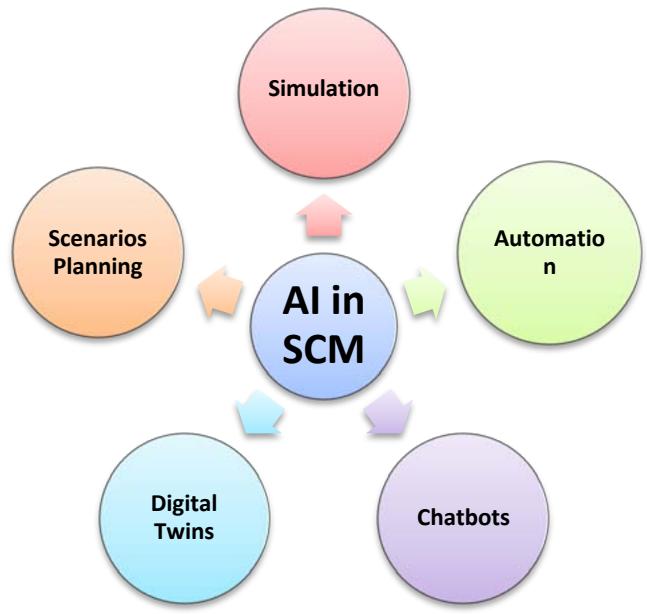 Fig 3.3: AI in Decision-Making and Real-Time Supply Chain Adaptation
## VI. BLOCKCHAIN, AI, AND ML FOR SUPPLY CHAIN TRANSPARENCY
The convergence of Blockchain technology, Artificial Intelligence (AI), and Machine Learning (ML) enhances real-time tracking, automates compliance through smart contracts, and offers innovative solutions, particularly in industries like pharmaceuticals.
Blockchain provides a decentralized and immutable ledger system, ensuring that every transaction within the supply chain is recorded transparently and securely [40]. When combined with AI, this system becomes even more powerful. AI algorithms can analyse the vast amounts of data stored on a blockchain to identify patterns, predict potential disruptions, and optimize operations [41]. For example, in the food industry, integrating blockchain with AI allows companies to track products from farm to table. This integration ensures that data regarding the origin, handling, and transportation of food items is accurate and readily accessible. AI can analyse this data to predict shelf life, monitor quality, and even suggest optimal delivery routes, thereby reducing waste and ensuring product safety.
Smart contracts are self-executing contracts with the terms directly embedded in code, operating on blockchain networks. They automatically enforce and execute agreements when predefined conditions are met, reducing the need for intermediaries and expediting processes [42]. In global supply chains, smart contracts facilitate automated compliance by ensuring that all parties adhere to regulatory requirements and contractual obligations. For instance, in the automotive industry, smart contracts can automatically verify that components meet safety standards before they are assembled into vehicles [43, 44]. If a component fails to meet the required specifications, the smart contract can trigger actions such as halting production or notifying suppliers, thereby preventing potential safety issues. Additionally, smart contracts streamline financial transactions by automating payments upon the fulfillment of contractual terms [45].
This automation reduces delays, minimizes errors, and enhances trust among parties.
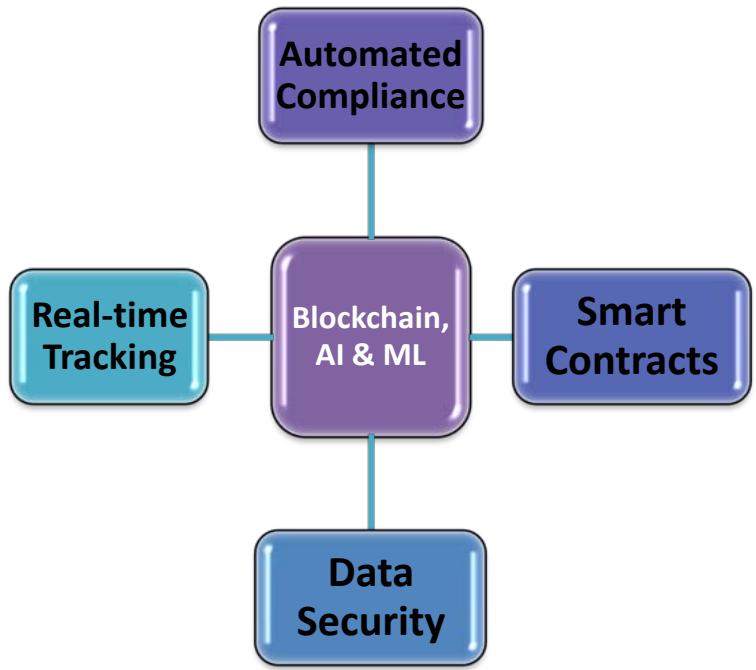 Fig 3.4: Blockchain, AI, and ML for Supply Chain Transparency
## VII. CHALLENGES AND LIMITATIONS OF AI/ML IN SUPPLY CHAIN PROJECT MANAGEMENT
The integration of artificial intelligence (AI) and machine learning (ML) in supply chain management enhances efficiency and resilience. However, several critical challenges and limitations hinder their full potential. These challenges include data quality and bias, high implementation costs, ethical and legal concerns, cybersecurity threats, and resistance to AI adoption. Addressing these issues is essential for organizations seeking to optimize AI-driven supply chain solutions.
### a) Data Quality and Bias Issues in AI-based Forecasting
One of the most pressing challenges in AI and ML adoption is ensuring high-quality, unbiased data. AI models rely on large datasets to make accurate predictions, but these datasets often contain inconsistencies, missing values, or biased information, which can result in flawed decision-making. The "garbage in, garbage out" principle applies here poor-quality data leads to unreliable AI predictions.
Furthermore, AI models trained on historical data inherit past biases. For example, if past procurement decisions favoured certain suppliers due to non-performance-related factors, AI may reinforce these biases rather than promoting optimal decision-making.
Addressing bias requires continuous data auditing, diverse training datasets, and the application of fairness-aware ML techniques.
b) High Implementation Costs and Technological Barriers
- Despite the promise of AI and ML, the high costs associated with their implementation pose significant barriers, particularly for small and medium enterprises (SMEs). The initial investment in AI infrastructure, including computing power, data integration, and skilled personnel, is substantial. Many organizations also face difficulties in integrating AI with legacy supply chain systems, requiring costly system overhauls and custom solutions to ensure interoperability.
- Moreover, AI-driven supply chain management demands ongoing system maintenance, retraining of ML models, and cybersecurity investments. Companies must weigh the long-term benefits against the short-term financial burden, often leading to delayed AI adoption in supply chain project management.
c) Ethical and Legal Concerns in AI-Driven Decision-Making
AI decision-making in supply chains raises ethical and legal concerns, particularly regarding transparency, accountability, and compliance. The use of AI for supplier selection, demand forecasting, and risk mitigation can lead to opaque decision-making processes, making it difficult to attribute responsibility when errors occur.
Additionally, AI-driven automation in procurement and contract management raises questions about legal compliance. Smart contracts, which execute transactions autonomously, may lack the flexibility to accommodate unforeseen contractual disputes. Regulatory bodies are still catching up with AI advancements, and the legal framework for AI-driven supply chains remains underdeveloped.
### d) Cybersecurity Threats and AI Vulnerabilities in Supply Chain Management
AI and ML provide new cybersecurity dangers to supply networks. Artificial intelligence systems are vulnerable to adversarial attacks, in which malicious users modify input data to trick models into generating inaccurate predictions. For example, attackers could compromise AI-powered logistics systems by feeding false data, disrupting shipment scheduling and inventory management.
Furthermore, AI models require access to vast amounts of sensitive supply chain data, raising concerns about data breaches and privacy violations. Companies that fail to implement robust security measures risk exposing trade secrets, financial records, and supplier information to cyber threats.
To mitigate cybersecurity risks, organizations must invest in AI-specific security solutions, such as anomaly detection systems that identify unusual patterns indicative of cyberattacks. Additionally, AI governance frameworks should enforce strict access controls and encryption protocols to protect critical supply chain data.
### e) Resistance to AI Adoption by Traditional Supply Chain Managers
A significant barrier to AI adoption in supply chain project management is resistance from traditional supply chain managers. Many professionals accustomed to conventional supply chain methodologies view AI as a disruptive force that threatens job security and undermines human expertise.
Organizational resistance often stems from a lack of AI literacy and training. Without adequate knowledge of AI capabilities and limitations, decision-makers may be sceptical of AI-driven recommendations. Additionally, concerns about AI replacing human judgment in critical supply chain decisions contribute to reluctance in embracing AI solutions.
To overcome this challenge, organizations must prioritize change management strategies, offering comprehensive AI training programs and fostering a culture of collaboration between AI-driven insights and human expertise. Encouraging supply chain managers to engage in AI-assisted decision-making rather than viewing AI as a replacement can facilitate smoother adoption.
## VIII. CONCLUSION
The integration of Artificial Intelligence (AI) and Machine Learning (ML) in supply chain project management represents a transformative shift in how organizations approach risk mitigation, decision-making, and operational efficiency. This paper has critically examined the role of AI and ML in supply chain disruption mitigation, highlighting their potential to enhance forecasting accuracy, optimize logistics, and improve transparency.
The study emphasises that AI-powered risk identification and forecasting have revolutionized supply chain resilience. Al's ability to analyse vast datasets in real-time allows for early detection of potential disruptions, enhancing proactive decision-making. Machine learning models, both supervised and unsupervised, enable predictive analytics in supplier risk management and anomaly detection, offering organizations a strategic advantage in mitigating risks before they escalate.
AI-driven decision-making and real-time supply chain adaptation have further enhanced agility and responsiveness in project management. Technologies such as digital twins and AI-powered scenario planning provide organizations with the ability to simulate potential disruptions and optimize responses. Automation in logistics, driven by AI, has significantly improved supply chain efficiency, reducing operational costs while ensuring optimal resource allocation.
Additionally, the convergence of blockchain with AI and ML has introduced new levels of transparency and security in supply chain operations. Blockchain-enabled smart contracts facilitate automated compliance, while AI enhances real-time tracking and fraud detection. Case studies, particularly in the pharmaceutical industry, illustrate how AI-blockchain integration ensures regulatory adherence and prevents counterfeit products from entering the market.
Despite these advancements, this paper also highlights the limitations and challenges of AI in supply chain management. Issues such as poor data quality, ethical concerns surrounding AI-driven decision-making, cybersecurity vulnerabilities, and resistance from traditional supply chain managers pose significant barriers to adoption. Organizations must address these concerns through robust data governance, ethical AI frameworks, and targeted training programs to bridge the gap between AI potential and practical implementation.
Furthermore, the discussion on blockchain and AI integration give the potential for decentralized, tamper-proof records to revolutionize supply chain tracking and compliance. This paper also brings attention to the pressing need for ethical AI frameworks and cybersecurity protocols to mitigate the risks associated with AI deployment in supply chains.
For AI to fulfil its potential in supply chain management, businesses must adopt a balanced approach that combines technological advancements with human expertise. AI should be viewed as an enabler rather than a replacement for human decision-making. Companies must also invest in ethical AI frameworks to ensure fair and transparent decision-making processes while addressing regulatory compliance concerns.
## IX. RECOMMENDATIONS
Future research should focus on refining AI models to address inherent biases in data-driven decision-making. The development of more robust AI frameworks capable of operating with incomplete or unstructured data will be critical for enhancing supply chain resilience. Additionally, more empirical studies are needed to assess the long-term impact of AI implementation on supply chain efficiency, sustainability, and profitability.
Further exploration of AI and blockchain integration will be essential in ensuring secure, transparent, and efficient supply chains. Future research should investigate scalable AI-blockchain solutions tailored for different industries, assessing their viability in real-world applications.
Lastly, research should explore the human-AI collaboration model in supply chain management. Understanding how AI can complement rather than replace human expertise will be vital in driving adoption and maximizing the benefits of AI-driven supply chains.
Generating HTML Viewer...
31 Cites in Articles
References
Hirofumi Matsuo (2014). Implications of the Tohoku earthquake for Toyota׳s coordination mechanism: Supply chain disruption of automotive semiconductors.
Masahiko Haraguchi,Upmanu Lall (2015). Flood risks and impacts: A case study of Thailand’s floods in 2011 and research questions for supply chain decision making.
M Mohsendokht,H Li,C Kontovas,C Chang,Z Qu,Z Yang (2024). Decoding dependencies among the risk factors influencing maritime cybersecurity: Lessons learned from historical incidents in the past two decades.
Amirmohsen Golmohammadi,Elkafi Hassini (2020). Review of supplier diversification and pricing strategies under random supply and demand.
N Choudhary,S Singh,T Schoenherr,M Ramkumar (2022). Risk assessment in supply chains: a state-of-the-art review of methodologies and their applications.
S Kalogiannidis,D Kalfas,O Papaevangelou,G Giannarakis,F &chatzitheodoridis (2024). The Role of Artificial Intelligence Technology in Predictive Risk Assessment for Business Continuity: A Case Study of Greece.
M Farzadmehr,V Carlan,T Vanelslander (2023). Contemporary challenges and AI solutions in port operations: Applying Gale-Shapley algorithm to find best matches.
Revati Gardas,Swati Narwane (2024). An analysis of critical factors for adopting machine learning in manufacturing supply chains.
P Kumar,D Choubey,O Amosu,Y Ogunsuji (2024). AI-enhanced inventory and demand forecasting: Using AI to optimize inventory management and predict customer demand.
N Desani (2022). Enhancing Data Governance through AI -Driven Data Quality Management and Automated Data Contracts.
Pouyan Esmaeilzadeh (2024). Challenges and strategies for wide-scale artificial intelligence (AI) deployment in healthcare practices: A perspective for healthcare organizations.
Sunzida Siddique,Mohd Haque,Roy George,Kishor Gupta,Debashis Gupta,Md Faruk (2024). Survey on Machine Learning Biases and Mitigation Techniques.
Abdulaziz Aldoseri,Khalifa Al-Khalifa,Abdel Hamouda (1790). AI-Powered Innovation in Digital Transformation: Key Pillars and Industry Impact.
Jiaming Luo (2023). Application of Machine Learning in Supply Chain Management.
Abeer Aljohani (2022). Predictive Analytics and Machine Learning for Real-Time Supply Chain Risk Mitigation and Agility.
Matthew Quayson,Chunguang Bai,Derrick Effah,Kwame Ofori (2024). Machine Learning and Supply Chain Management.
Prince Kumar,K Kant,N Mishra,V Babu,N Chander (2024). AI for Optimizing Supply Chain Management.
Mohammad Binhammad,Shaikha Alqaydi,Azzam Othman,Laila Abuljadayel (2024). The Role of AI in Cyber Security: Safeguarding Digital Identity.
Mei Yang,Ming Lim,Yingchi Qu,Du Ni,Zhi Xiao (2022). Supply chain risk management with machine learning technology: A literature review and future research directions.
S Suddala (2021). Exploring the Ethical Implications of Biased Datasets on Decision-Making.
Phemelo Tamasiga,El Ouassou,Helen Onyeaka,Malebogo Bakwena,Ari Happonen,Malesela Molala (2023). Forecasting disruptions in global food value chains to tackle food insecurity: The role of AI and big data analytics – A bibliometric and scientometric analysis.
Z Li (2024). Review of Application of AI in Amazon Warehouse Management.
Mohsen Soori,Behrooz Arezoo,Roza Dastres (2022). Artificial intelligence, machine learning and deep learning in advanced robotics, a review.
R Saxena (2024). Artificial Intelligence in Traffic Systems.
Rashmi Panigrahi,Avinash Shrivastava,Karishma Qureshi,Bhavesh Mewada,Saleh Alghamdi,Naif Almakayeel,Ali Almuflih,Mohamed Qureshi (2022). AI Chatbot Adoption in SMEs for Sustainable Manufacturing Supply Chain Performance: A Mediational Research in an Emerging Country.
O Oriekhoe,B Ashiwaju,K Ihemereze,Ikwue,C Udeh (2024). Blockchain Technology In Supply Chain Management: A Comprehensive Review.
Chairote Yaiprasert,Achmad Hidayanto (2024). AI-powered ensemble machine learning to optimize cost strategies in logistics business.
F Bassan,M &rabitti (2024). From smart legal contracts to contracts on blockchain: An empirical investigation.
K Reddy,A Gunasekaran,P Kalpana,V Sreedharan,S Kumar (2021). Developing a blockchain framework for the automotive supply chain: A systematic review.
A Manimuthu,V Venkatesh,Y Shi,V Sreedharan,S Koh (2021). Design and development of automobile assembly model using federated artificial intelligence with smart contract.
Nima Ballaji (2024). Smart Contracts: Legal Implications in the Age of Automation.
No ethics committee approval was required for this article type.
Data Availability
Not applicable for this article.
How to Cite This Article
Samuel Yaw Larbi. 2026. \u201cIntegrating AI and Machine Learning in Project Management for Proactive Supply Chain Disruption Mitigation\u201d. Global Journal of Computer Science and Technology - C: Software & Data Engineering GJCST-C Volume 25 (GJCST Volume 25 Issue C1): .
Explore published articles in an immersive Augmented Reality environment. Our platform converts research papers into interactive 3D books, allowing readers to view and interact with content using AR and VR compatible devices.
Your published article is automatically converted into a realistic 3D book. Flip through pages and read research papers in a more engaging and interactive format.
The increasing unpredictability of global supply chains necessitate advanced technological solutions for disruption mitigation. It explored the integration of Artificial Intelligence (AI) and Machine Learning (ML) in project management to enhance supply chain resilience. AIdriven risk identification and forecasting enable organizations to anticipate disruptions and proactively manage risks, while machine learning models optimize supply chain operations through predictive analytics and anomaly detection. The application of AI in decision-making and real-time supply chain adaptation further enhances agility, leveraging scenario planning, digital twins, and AI-powered automation in logistics.
Our website is actively being updated, and changes may occur frequently. Please clear your browser cache if needed. For feedback or error reporting, please email [email protected]
×
This Page is Under Development
We are currently updating this article page for a better experience.
Thank you for connecting with us. We will respond to you shortly.