The COVID-19 epidemic has brought about a dramatic shift in consumer behavior, mostly towards a greater reliance on internet buying. Businesses everywhere had to come up with creative ways to stay competitive and quickly adjust to these extraordinary changes as the worldwide healthcare crisis that forced people to stay at home. AI is the programming of systems and software to display intelligence. This allows them to make decisions on their own or provide humans with knowledge that is necessary for making judgments. By revealing the radical effect of the COVID-19 epidemic on buying/production patterns and the consequent dependence on online platforms, this research adds to the current conversation. The study also emphasized the creative approaches used by Industries 4.0 and the Internet of Things (IoT) to deal with the changing environment and emphasized the critical role AI has played in this paradigm change taking into consideration of the existing e-Business models. However, to understand the operational concept of IoT, an algorithmic model was designed to explain the steps involved.
## I. INTRODUCTION
disruptive era in technology has begun with the introduction of AI technologies, Big Data, IoT, and Blockchain. Artificial intelligence is transforming businesses by empowering robots to make intelligent judgments through its learning capabilities. Big Data has become an indispensable tool for businesses, enabling them to extract meaningful insights from large datasets and facilitating well-informed decision-making. By enabling smooth communication and automation between connected objects, the Internet of Things (IoT) is transforming the way we interact with the outside world. At the same time, Blockchain technology is transforming transaction security and trust by providing decentralized, transparent systems that challenge conventional ideas of dependability. When taken as a whole, these developments represent a paradigm change in the way we think about technology, offering increased capabilities, efficiency, and creativity in a variety of fields. (Areiqat et al., 2021).
The convergence of blockchain, IoT, Big Data, and AI technologies has had a significant impact on a number of fields, especially in e-Businesses (Castillo & Taherdoost, 2023). AI enhances investment plans, Big Data examines market patterns, IoT streamlines transactions, and Blockchain guarantees safe and transparent financial transactions. Al-driven automation, Big Data analytics for preventive maintenance, IoT-enabled smart factories, and Blockchain for open supply chain management are some more ways that these technologies have revolutionized the manufacturing industry. Together, these technologies support increased capacities, efficiency, and creativity in a variety of businesses.
AI has revolutionized essential parts of operations and consumer relations, dramatically changing the face of e-businesses (Taherdoost, 2023; Castillo & Taherdoost, 2023). AI is used by e-businesses to give individualized client experiences. Chatbots and virtual assistants are utilized to improve communication and offer immediate assistance. These companies can now better understand customer behavior. Thanks to Aldriven analytics, which opens the door to customized marketing campaigns and flexible pricing structures. It also improves backend operations efficiency, enhancing logistics, inventory control, and supply chain management. Al's predictive powers aid in better decision-making, which helps e-businesses remain flexible and adaptable in the quickly changing digital marketplace (Areiqat et al., 2021). All things considered, the incorporation of AI technology into e-businesses promotes innovation and competitiveness within the ever-changing online ecosystem in addition to improving operational efficiency.
Businesses need to integrate AI into their everyday operations more and more urgently as the technology develops. This requirement has sparked a thorough investigation into the complex functions of AI, exploring its workings and the unique benefits it provides to e-businesses. This analysis covers the diverse effects of AI on a number of electronic commerce-related topics, from improving consumer experiences via tailored interactions to streamlining internal procedures like supply chain management and decision-making.
## II. STUDY OVERVIEW
### a) The Artificial Intelligence (AI)
Artificial Intelligence integration has become a transformational force in the ever-changing world of digital commerce, transforming how e-businesses run. AI features are used in a wide range of applications, from chatbots that provide smooth customer interactions using Natural Language Processing (NLP) to machine learning algorithms that provide tailored suggestions. AI-powered predictive analytics improves pricing tactics and streamlines supply chain management, highlighting a notable increase in operational efficiency.
Artificial Intelligence (AI) is the creation of computer programs or systems that can carry out tasks that normally call for human intelligence. These include handling hard issues, comprehending natural language, identifying patterns, and learning from experience (Ali et al., 2023). AI seeks to build systems that, like human brains, are able to learn, adapt, and perform tasks without the need for explicit programming.
The business landscape is being drastically changed by AI, which is also radically changing how businesses function and make decisions (Allioui & Mourdi, 2023). Fundamentally, AI is the creation of intelligent machines that can think, learn, and solve problems to enhance human abilities. AI takes on diverse shapes in the business domain. For example, machine learning algorithms facilitate predictive analytics, while natural language processing improves consumer relations. Businesses may automate repetitive tasks, extract valuable insights from large datasets, and streamline operational procedures with the help of this game-changing technology. AI integration is becoming a strategic requirement for businesses looking to boost productivity, acquire a competitive advantage, and open up new creative opportunities (Allioui & Mourdi, 2023).
AI is having an impact on organizations in a variety of industries, including manufacturing, retail, healthcare, and finance. It helps with diagnosis and individualized treatment plans in healthcare and optimizes investment strategies and automates risk management in finance. Al-driven automation boosts productivity in manufacturing, and it enables recommendation systems and improves the shopping experience for customers in retail (Dwivedi et al., 2021).
But even with all of the benefits, firms still have to deal with issues like data protection and ethical concerns. A significant limitation is the possibility of making biased decisions (Ray, 2023). When AI systems use historical data to learn, they may reproduce or even amplify preexisting biases in the data. This raises ethical questions, especially in delicate situations like financing, hiring, or dealing with customers. A further drawback is that some AI systems lack transparency (Adadi & Berrada, 2018). A lot of sophisticated machine learning models function as "black boxes" (Rudin, 2019), which makes it difficult to understand how they arrive at particular conclusions. This lack of openness can impede understanding and trust, two important factors in business decision-making.
### b) The Industry 4.0
The $4^{\text{th}}$ industrial revolution, also known as industry 4.0 has come to automate traditional way of managing industries for optimum and efficient production. It is quite a revolutionary paradigm shift in industry and manufacturing. It includes the incorporation of digital technologies into many areas of industrial processes, resulting in "smart factories" that are automated, connected, and have data interchange capabilities. Industry 4.0 enables a more productive, adaptable, and intelligent manufacturing environment by utilizing technologies like the Internet of Things (IoT), artificial intelligence, big data analytics, and cyberphysical systems (Rojko, 2017). The Industry 4.0 and Internet of Things (IoT) are two different concepts having two distinct view in term of terminologies and uses. It sometimes been regarded as similar things but can be used interchangeably. The other view asserted that IoT is a resources of Industry 4.0, and as such it can be regarded to as an activator to the concept of the $4^{\text{th}}$ Industry (Aheleroffet al., 2020).
Moreover, due to the industry's extensive use of sensors and control systems, there is an enormous amount of data (Lee et al., 2015). It requires special care to manage such a large volume of data in an industry, also known as "big data" (Wang et al., 2022). Cloud storage services are designed to use for such purposes. The production line can operate well with the least amount of direct human involvement and with fewer errors in real-time interactions by accessing the data demanded and enabling self-decision-making algorithms for the machines using CPS applications. An integrated CPS system that uses smart manufacturing to automate will be more autonomous in its dynamic decision-making.
The German government was masterminded the idea of the Industry 4.0 in early of year 2011 (Rojko, 2017). That was the beginning of new generation for industries to enhance performance and productivity with the trending technologies like Internet of Service (IoS), IoT, big data, RFID tags, and so on. The introduction of 'steam engine' is characterized as the $1^{\text{st}}$ industrial revolution. (Kelly, et al., 2023). The transition from traditional way of production to mass production caused some difficulties in the industries globally. The spreading of electricity uses in the industries, geared the $2^{\text{nd}}$ Industrial revolution (Coelho et al., 2023). However, the $3^{\text{rd}}$ industrial revolution brought about advances of
Information Technology (IT) and the prevalence of the electronics worldwide (Kelly, et al., 2023). The $4^{\text{th}}$ industry is all about the current technological transformation that changed the global supply chain for better productivity. Cyber Physical Systems (CPS) are now crucial groundwork in many different industry sectors that facilitate advancements in the widespread use of sensors, data acquisition systems, computer networks, and cloud computing.
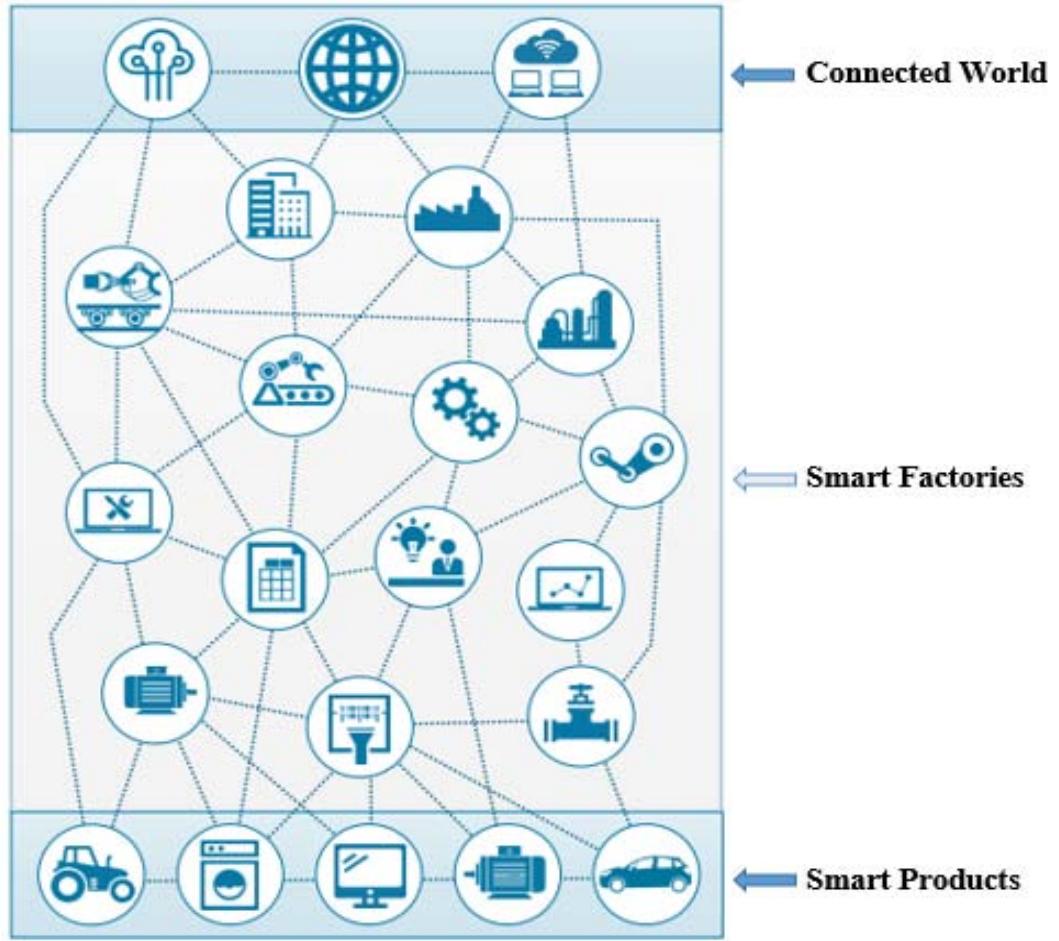 Fig. 1: Diagrammatic Structure of Industry 4.0. (Schweichhart, 2016)
Businesses need specialized infrastructures that can introduce cutting-edge business models in order to put the technology of Industry 4.0 into operation. Automatic virtual metrology, which may accomplish the zero-defect aim in automation and expand to Industry 4.1 as the next step, would make the vision of Industry 4.0 expansion a reality (Caiazzo et al., 2023). Even though the concept of Industry 4.0 has been widely recognized but not fully adopted and implemented (Mourtzis, et al., 2022).
## i. Architectural Model for Industry 4.0 (RAMI 4.0)
Industry 4.0 concepts are implemented using a comprehensive framework that describes the principles and structure of the Reference Architectural Model for Industrie 4.0 (RAMI 4.0). In the framework of the Fourth Industrial Revolution, RAMI 4.0, developed in Germany, offers a standardized method for designing and integrating smart manufacturing platforms. The infor mational, functional, and communication aspects are the three primary dimensions covered by the paradigm.
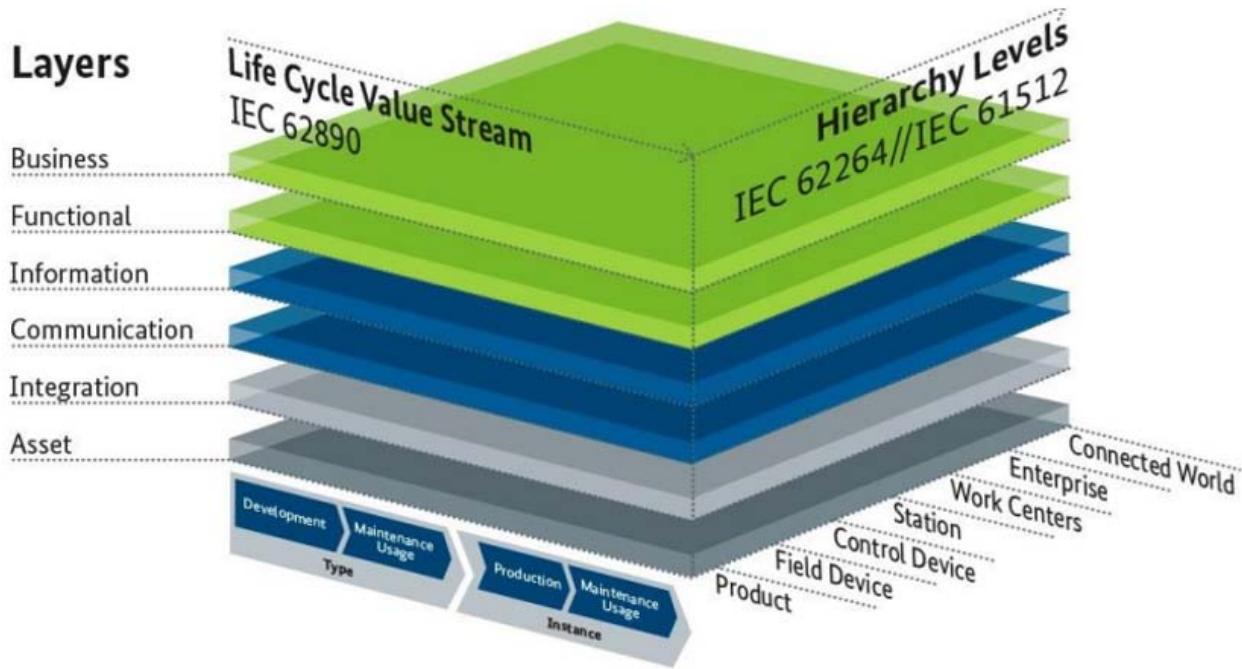 Fig. 2: Architectural Model for Industry 4.0 (RAMI 4.0) adapted from (Schweichhart, 2016)
1. Informational Dimension: Industry 4.0's information models and data structures are the main subject of this dimension. Among its components is the Asset Administration Shell (AAS), a digital representation of real assets. AAS provides the identification, behavior, and lifecycle of the asset and serves as the basis for smooth communication and interoperability amongst different components in the manufacturing environment.
2. Functional Dimension: This dimension outlines the procedures and features that make up Industry 4.0. It consists of the Industry 4.0 parts, like sensors, actuators, and communication modules that are in charge of particular tasks. The functional layer of RAMI 4.0 enables a scalable and adaptable architecture, enabling the integration of various technologies and applications.
3. Communication Dimension: RAMI 4.0 deals with the architecture of communication needed to ensure smooth component interaction. It makes use of standards and communication protocols to facilitate dependable data transmission. This component highlights the value of interoperability and open communication interfaces, which enable the integration of diverse systems and devices within the industrial ecosystem.
An organized and defined method for directing the creation and application of Industry 4.0 solutions is offered by RAMI 4.0. It encourages interoperability, scalability, and flexibility in smart manufacturing systems by creating a common language and design. The model is well known for providing a fundamental framework for businesses looking to digitally transform their industrial processes and adopt the ideas of the Fourth Industrial Revolution.
### c) The Internet of Things (IoT)
The Internet of Things (IoT) refers to the interconnected network of physical devices embedded with sensors, software, and other technologies, enabling them to collect and exchange data over the internet. This concept extends beyond traditional computing devices, encompassing everyday objects, machines, and systems that communicate with each other to facilitate intelligent decision-making and automation. IoT is essential for establishing a smooth, networked environment that enhances functionality, ease, and efficiency in a variety of fields (Vermesan & Friess, 2022). The fundamental elements of the Internet of Things are at its core, with each one contributing uniquely to the development of connectivity, data processing, and functional efficacy. Sensors and actuators are key components of the Internet of Things (IoT), serving as both data collectors and means of facilitating actions based on collected data. Together, these elements make up the IoT devices' sensory interface. The range of connectivity protocols, including Bluetooth, Wi-Fi, Zigbee, and cellular networks, which enable smooth communication between linked devices, further improves the system's efficiency as depicted below.
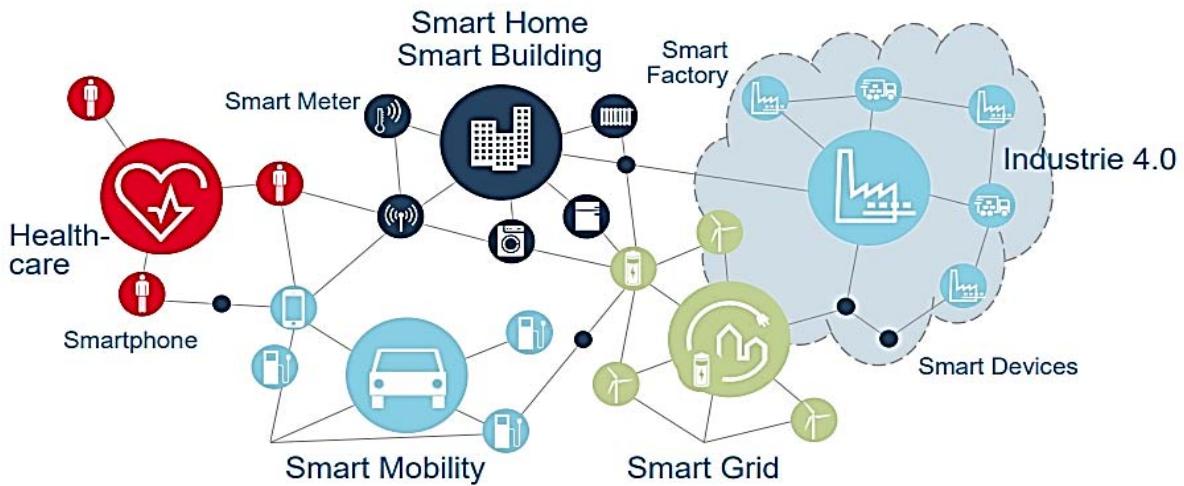 Fig. 3: IoT Architecture
IoT platforms- platforms created especially for the administration and observation of devices- are essential to the Internet of Things architecture (Afzal et al., 2019). These platforms provide all-inclusive solutions that cover data analytics, device management, and security measures to guarantee the smooth functioning of the Internet of Things ecosystem. Strong security measures are also necessary to protect the integrity and privacy of transferred data. These methods include encryption, authentication, and access protocols.
Both edge computing and cloud-based platforms are crucial elements in the data processing domain that carry out the work of effective data analysis and storage (Gupta & Quamara, 2020). Well-designed User Interfaces (UI) and User Experiences (UX) enable easy control and seamless device interaction, hence facilitating user interaction within the IoT ecosystem. Specifically, power management tactics are essential for Internet of Things devices that run on restricted power supplies, highlighting the necessity of optimizing energy use to increase the lifespan of devices. Together, these component parts comprise the complex framework of the Internet of Things, a paradigm-shifting technology impacting a wide range of industries and applications.
## i. An Algorithmic Model of Fundamental Steps of IoT Operation
We examine the computational processes in the following mathematical model that determine the functionality of IoT in order to explain its operational dynamics. Every Internet of Things (IoT) device is equipped with distinct identities and necessary parts, including sensors for data collection and actuators for actuation, from the time of device activation. The next step is gathering information from the surroundings of the gadget in an organized manner and using communication protocols to send it over the internet. After being transferred, the data is carefully processed and evaluated on a centralized IoT platform, where algorithms that make decisions use the results to guide particular activities. Actuators then carry out these activities, eliciting reactions from the surrounding physical environment. Well-designed interfaces enable user interaction and provide intuitive control and monitoring. Data integrity must be protected at all times with the use of security methods like authentication and encryption. Device status is continuously monitored to guarantee the IoT ecosystem runs smoothly. This completes the cycle of continuous data collection, analysis, and response.
Let $D_{i}$ represent the $i$ -th IoT device with sensor $S_{i}$ and actuator $A_{i}$.
Initialization: $Di =$ Initialize Device (device_idi, Si, Ai)
Data Acquisition: Data $i =$ Collect Data (Di)
Communication: Transmit Data (Data $i$, Communication Protocol)
Data Processing: Processed Data $i =$ Process Data (Data i)
Decision-Making: Decision $i =$ Make Decision (Processed Data i)
Actuation: Activate Actuators (Di, Decision i)
User Interaction: UI = User Interface ()
Security Measures: Implement Security ()
Continuous Monitoring: Continuous Monitoring (D i)
End of Cycle: IoT Cycle $(Di) =$ Loop (Collect Data, Transmit Data, Process Data, Make Decision, Activate Actuators, Continuous Monitoring)
The algorithmic representation outlines the interconnected processes that define the functioning of the Internet of Things and captures the basic steps of its operation. The algorithm captures the complex interactions between elements that determine the operating environment of the Internet of Things, from data collection and transmission to centralized processing, decision-making, and actuation. This methodical approach guarantees the Internet of Things system's smooth operation and serves as the foundation for its flexibility and reactivity in a variety of applications, such as smart homes, industrial automation, and healthcare.
### d) Electronic Business (E-Business)
The term "e-business," which stands for "electronic business," describes how commercial operations and transactions are carried out while employing digital and internet technology (Castillo & Taherdoost, 2023). In order to facilitate different elements of company operations, such as the purchasing and selling of goods and services, customer interactions, and internal processes, it entails the use of electronic means, such as websites, online platforms, and digital communication tools. E-business includes many other types of activities, such as digital marketing, electronic supply chain management, online shopping, and customer relationship management.
The idea behind e-business is using digital technologies to improve and optimize conventional company procedures. This covers electronic communication, digital marketing, online sales, and the incorporation of digital solutions into several areas of business operations. E-business can be adopted in a variety of industries, including manufacturing, services, retail, and finance. It is not limited to any one industry. Beynon-Davies and Jones (2016) assert that two interrelated trends- a growing reliance on electronic networks and an enhanced centrality of information have an impact on global markets. This means that businesses' production, distribution, and consumption of their products are made simpler by technological advancements brought about by increased access to information and communication technologies.
## i. E-Business Models
E-Business Models is an organizational strategic structure and methodology for conducting electronic business activities while utilizing digital technology and the internet (Castillo & Taherdoost, 2023). It includes the planning and organization of a company's online interactions, transactions, and processes in order to generate, provide, and capture value. The organization's digital interactions with clients, partners, and other stakeholders are outlined in the e-business model. It outlines the monetization strategies, distribution networks, and overarching plan for accomplishing corporate goals in the online sphere.
The use of digital technology, such as online marketing, data analytics, mobile applications, and e-commerce platforms, is essential to the e-business model (Castillo & Taherdoost, 2023). To effectively design the online experience, it is necessary to understand the digital behaviors, preferences, and expectations of the target audience. The nature of the business, the dynamics of the market, and the particular objectives of the organization all influence the e business model, which is not a notion that works for all businesses.
Key components of an e-business model include the identification of customer segments, the establishment of online channels for product or service delivery, the development of effective customer relationships in the digital space, and the exploration of revenue streams, such as e-commerce transactions, subscription models, or advertising. The e-business model must also address considerations like data security, user privacy, and the integration of emerging technologies to stay competitive in the rapidly evolving digital landscape (Taherdoost, 2023). E- Business models according to Dubosson-Torbay et al., (2022) are classified based on the nature and landscape of the business. Below are some of the common e-Business model that AI will make a significant impact when fully integrated.
1. E-commerce Model: Enabling the online exchange of goods and services, the E-commerce model is a fundamental component of the digital economy embodying the online exchange of goods and services between businesses and consumers (B2C) or among businesses (B2B). Companies set up virtual shops, like Amazon, to facilitate international trade between customers and enterprises. This concept offers unmatched accessibility and ease, surpassing geographical limitations. It has revolutionized traditional retail by establishing vibrant online markets that reshape the nature of trade in the digital era.
2. Subscription Model: The core of the subscription business model is giving clients continuous access to a good or service in return for consistent, recurrent payments. This concept is best illustrated by platforms that provide consumers with ongoing and changing experiences, such as Netflix and Adobe Creative Cloud. Because of its adaptability across multiple industries, it offers businesses steady revenue streams and builds long-lasting connections with subscribers by continuously delivering value.
3. Advertising Model: Through the display of relevant adverts to users on digital platforms, the advertising model makes money. This strategy is used by content websites like Buzz Feed and social media behemoths like Facebook, which give consumers access to free material in return for relevant advertisements. This model highlights the mutually beneficial interaction between content providers, advertisers, and consumers by striking a balance between user experience and income production, thereby defining the economic dynamics of the digital world.
4. Affiliate Marketing Model: Is a cooperative strategy that allows companies to use affiliates to market
and sell their goods and services in exchange for commissions. Affiliates employ original links to increase traffic and purchases; they are frequently influencers or content producers. This strategy, as shown by Amazon's Affiliate Program, encourages low-cost collaborations that let companies reach a wider audience while giving affiliates chances to make money from their online presence.
5. Digital Products Model: This business strategy focuses on producing and marketing intangible products and services, such online courses or eBooks. The adaptability of this paradigm is demonstrated by digital product marketplaces such as Etsy or Udemy. Through leveraging the market for digital content, companies are able to overcome physical limitations and provide scalable and easily available products to a worldwide customer base.
6. P2P (peer-to-peer) Model: By encouraging direct interactions between people without the need for middlemen, the peer-to-peer model upends established industries. Through direct connections between consumers and service providers, platforms such as Airbnb and Uber promote resource efficiency and foster community building through cooperative consumption.
7. **Marketplace Model:** This model expands customer choice and promotes healthy competition by offering virtual venues for a number of vendors to display and provide goods and services. This paradigm is best shown by platforms such as eBay and Amazon Marketplace, which streamline transactions and give firms access to a large client base within a controlled environment.
8. Blockchain and Cryptocurrency Model: To enable safe and transparent transactions, the Blockchain and Cryptocurrency Model makes use of digital currencies and decentralized ledger technology. Blockchain-based platforms like Ethereum and cryptocurrency exchanges like Coin base upend established financial institutions by bringing ideas like decentralization and trustless transactions, which spur innovation across a variety of industries.
## III. AI AND ITS PRACTICAL IMPLEMENTATIONS IN BUSINESS PROCESSES
AI has a longstanding history, and its widespread adoption was significantly catalyzed with the public launch of ChatGPT in November 2022 (Montenegro-Rueda, 2023). Notably, ChatGPT became the fastest-growing app to exceed 100 million users in couple of weeks (Wu et al., 2023), marking a noteworthy milestone. Statistics support the use of AI; according to IBM, $35\%$ of companies have already integrated AI into their operations. Surveys and analysis carried out globally support this trend (Webster 2023; Watts &
Haan, 2023). The business world is especially excited about AI's ability to increase capacities and lower operating expenses. Netflix serves as an exemplary case in point, having purportedly saved $1 billion by utilizing machine intelligence. (Webster, 2023). Moreover, the ability of AI to increase operational efficiency by as much as 40% demonstrates the revolutionary effect it has on corporate performance.
Because the AI disruptive potential and ability to touch many aspects of business and human life, it is being embraced by a wide range of companies and sectors (Yin et al., 2021; Lee & Yoon 2021; Davenport & Ronanki, 2018; Galante et al., 2023; Javaid et al., 2023). The capacity of AI to automate activities, improve productivity, offer data-driven insights, and spark creativity across a range of industries is what is driving its adoption. Organizations hoping to prosper in the digital era are seeing the incorporation of AI technologies as a strategic need.
### a) AI Adoption across Global Industries
AI is transforming various sectors and is expected to develop at a rate of $37.3\%$ each year between 2023 and 2030, according to Grand View Research (Isabella et al., 2023). This rapid growth highlights the growing impact that AI tools are expected to have in the years to come. With a significant $58\%$ of businesses currently utilizing AI technologies and another $30\%$ considering integration into their operational frameworks, China leads the world in AI adoption (Webster 2023; Watts & Haan, 2023; Maghsoudi et al., 2023). The United States, on the other hand, has a much lower adoption rate of artificial intelligence (AI). Of the companies there, $25\%$ have integrated AI into their operations, and a noteworthy $43\%$ are still in the exploratory stage, evaluating the advantages and possible uses of integrating AI into their business processes (Webster 2023; Watts & Haan, 2023; Dixon, 2023). This difference in adoption rates highlights how these two powerful countries approach and prioritize using AI differently.
# b) How Businesses
Industries are using AI more and more as a critical tool to streamline and improve their operating procedures. Businesses are utilizing AI for a wide range of purposes, according to a Forbes Advisor poll (Watts & Haan, 2023). The renowned statistics firm, Forbes Advisor, made a compilation of global statistic on how AI is being utilized by businesses. The majority of responders cite customer service as a key point, with $56\%$ using AI to improve customer support. Adopted by $51\%$ of firms, cybersecurity and fraud management are other noteworthy areas of AI integration. In addition to these main uses, customer relationship management accounts for $46\%$ of firms' AI deployments, where AI is widely employed. Digital personal assistants are also used in organizational activities; $47\%$ of the organi
zations polled acknowledged this. Among the other notable uses of AI are product recommendations (33%), content creation (35%), and inventory management (40%). Additionally, companies are using AI for tasks like audience segmentation (24%), talent sourcing and recruitment (26%), accounting (30%), and supply chain
operations (30%). The widespread use of AI across a variety of business disciplines is indicative of a strategic understanding of the technology's diverse range of applications and potential benefits for improving operations. Below is the graphical representation of the above analysis.
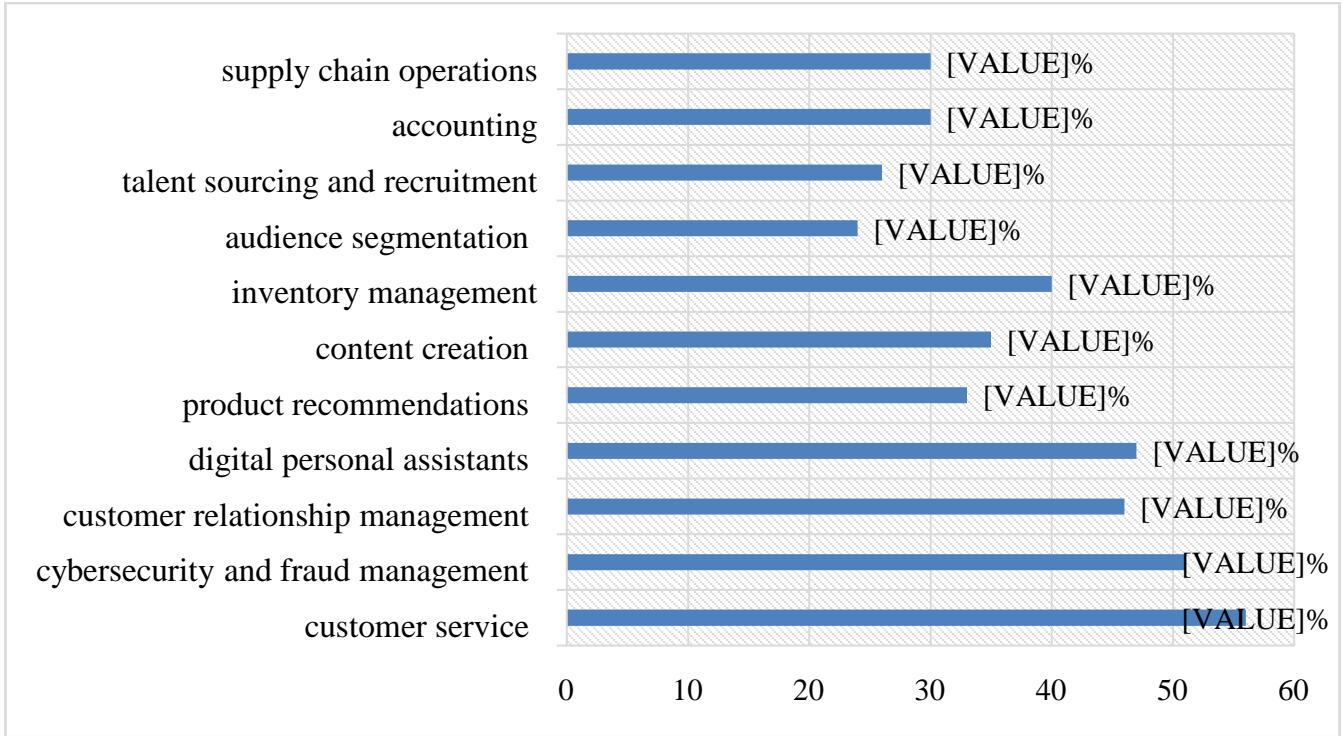
Fig. 4: Businesses using Artificial Intelligence as of June 2023
### c) Businesses using AI to Improve Clients' Experience
Furthermore, businesses are utilizing AI in the creation of extended written content, such as website copy (42%), and for tailoring advertising content to individual preferences (46%). AI has also made notable inroads into the handling of phone calls, with 36% of respondents indicating current or prospective use of AI in this domain. Additionally, 49% of businesses deploy AI for the optimization of text messages (Watts & Haan, 2023). With the pervasive integration of AI across diverse customer interaction channels, there is a discernible enhancement in the efficiency and personalization of the overall customer experience.
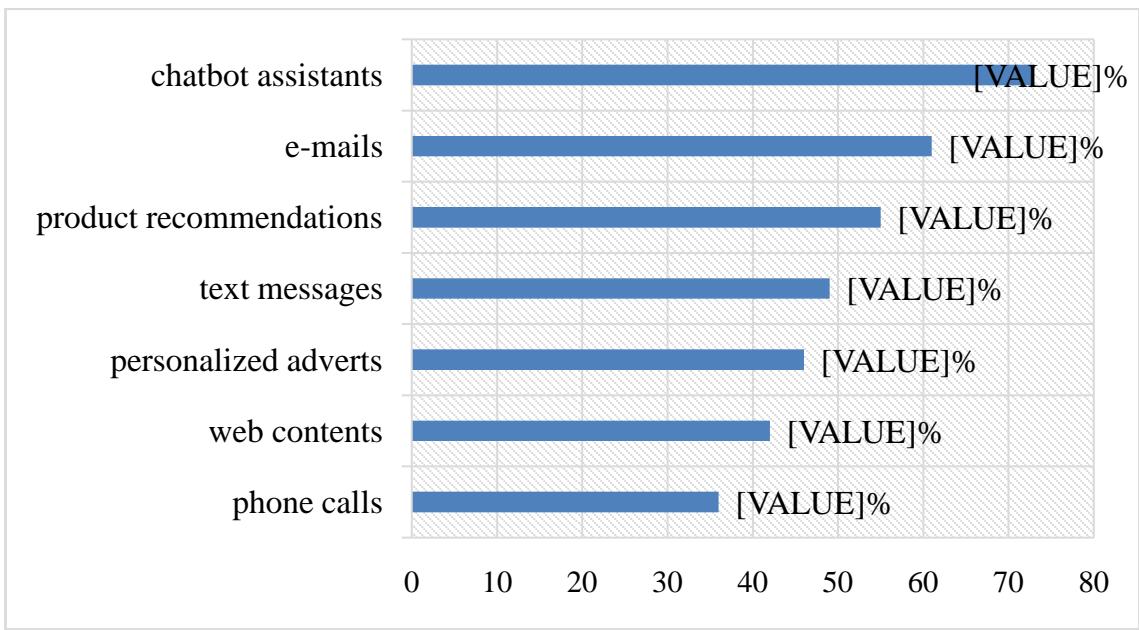
Fig. 5: Businesses using AI to Improve Clients' Experience as of October 2023
### d) The Future Trends of AI adoption in Businesses
As per the projections from Next Move Strategy Consulting, there is a strong potential for growth in the AI business over the next ten years. It is projected to grow dramatically; its present valuation of approximately 100 billion dollars is projected to climb twentyfold by 2030, to almost two trillion dollars (Thormundsson, 2023). The AI market's broad reach spans numerous
industries, including supply chains, marketing, product manufacturing, research, analysis, and more. Artificial intelligence is expected to be incorporated into almost every industry's operating framework. The adoption of chatbots, AI that generates images, and the growth of mobile applications are some of the major themes propelling this evolution and will together shape the direction of AI advancements in the years to come.
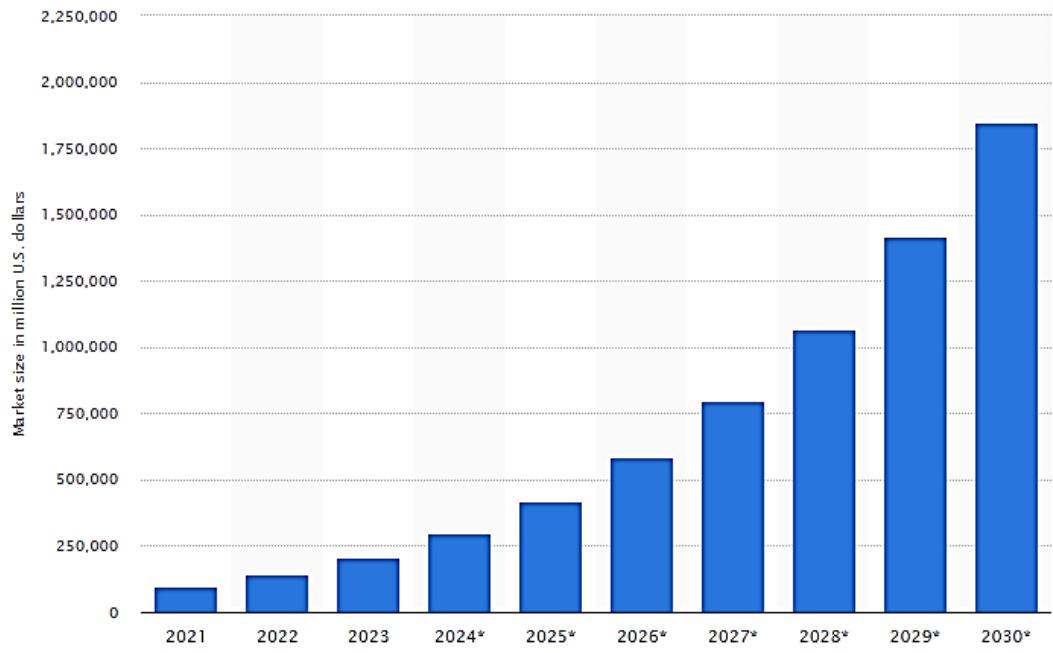
Fig. 6: Global Al Market Size 2021-2030 (Thormundsson, 2023)
However, According to Grand View Research (Isabella et al., 2023), AI is transforming various sectors and is expected to develop at a rate of $37.3\%$ or more each year between 2023 and 2030. This rapid growth highlights the growing impact that AI tools are expected to have in the years to come. It is anticipated that AI use would increase exponentially across a range of industries. Businesses are starting to realize how AI may improve productivity, efficiency, and decision-making. The growing number of businesses incorporating AI
technologies into their operations is indicative of this (Smith, 2021). As AI technologies advance, the following are some important areas that should receive increased attention.
Future trends in AI adoption in business include more personalization, an emphasis on ethical issues, broad integration, and advancements in technologies like edge AI. More advancements and breakthroughs in the AI space are anticipated as the technology expands quickly and companies continue to see the benefits of AI in streamlining operations and obtaining a competitive advantage.
## IV. LIMITATIONS
While there are many advantages to organizations implementing artificial intelligence (AI), there are drawbacks as well. Below is a thorough explanation of the general limitations on the use of AI in business processes:
1. Data Dependency: AI systems rely significantly on the quantity and quality of data for training and decision-making (Duan et al., 2019). But the problem comes when businesses face problems like obsolete information, bias, or a lack of data. Biased training data can sustain discriminatory practices in areas like recruiting where impartial and accurate judgments are essential (Raghavan et al., 2020), perhaps resulting in unexpected effects and legal repercussions.
2. Lack of Explainability: Since many AI models function as "black boxes," (Rudin & Radin 2019), it can be difficult to understand how they make decisions, particularly for stakeholders who aren't technically inclined. In industries where explainability is essential for regulatory compliance or ethical considerations, a lack of openness may impede adoption. Without providing clients or regulatory agencies with a clear explanation, financial firms may find it difficult to defend AI-driven loan decisions.
3. Ethical Concerns: The adoption of AI carries a great deal of ethical responsibility since AI systems may unintentionally reinforce or magnify societal prejudices found in training data (Lloyd, 2019). Preventing discrimination and ensuring justice are difficult tasks with practical repercussions. For instance, facial recognition software has come under fire for being biased against specific ethnic groups, which has raised questions about the moral implications of the technology. (Schuetz, 2021; Van Noorden, 2020).
4. High Initial Costs: Implementing AI technology frequently necessitates a sizable upfront investment in software, infrastructure, and qualified staff. This can be a major obstacle, especially for small and medium-sized businesses (SMEs) that have little
funding. For example, the initial expenditures may be too high for a manufacturing organization wishing to use AI-powered predictive maintenance systems.
5. Integration Challenges: When working with legacy systems, integrating AI into current business processes can be particularly difficult and disruptive (Lee et al., 2019). Employee resistance and possible disruptions to workflow could make integration difficult. For example, switching from human customer service to AI-powered chatbots may encounter opposition and require cautious change management techniques.
6. Risks to Security: Adversarial attacks, in which malevolent parties alter input data to trick the model, can occur to AI systems (Radanliev & Santos, 2023). It is crucial to guarantee the security of AI systems, particularly in delicate fields like cybersecurity. Strong cybersecurity AI solutions are necessary to prevent security protocol manipulation, which emphasizes the necessity for constant monitoring and upgrades.
7. Regulatory Compliance: Businesses face difficulties in ensuring compliance due to the changing regulatory environment surrounding AI. Regulations may differ between different locations, which makes it difficult for businesses with a global presence. For example, the GDPR in Europe places severe limits on the application of AI and emphasizes user consent and transparency (Seizov & Wulf, 2020).
8. Overreliance on AI: If AI systems are overused without human supervision, there could be disastrous outcomes if they malfunction or make bad decisions (Shively et al., 2018). It's critical to strike the correct balance between automation powered by AI and human intervention. For example, in complex, unpredictable contexts, autonomous cars may encounter difficulties that call for human involvement to ensure safety.
## V. RECOMMENDATIONS AND FUTURE DIRECTION
1. Explainability and Trust: Making sure AI algorithms are transparent and explainable is becoming increasingly important as AI systems become more commonplace. Businesses are realizing how critical it is to foster trust with stakeholders, consumers, and users by clearly outlining the reasoning behind AI-driven choices.
2. Personalization: Providing individualized experiences is a major factor in increasing consumer satisfaction, and artificial intelligence is essential to making this happen. It is anticipated that companies would use AI more and more to evaluate client data
and offer customized goods, services, and marketing plans.
3. Edge Computing and Edge AI: There's a growing movement to use AI closer to the edge, where data is generated. Edge AI makes it possible to process data in real-time, which lowers latency and improves the effectiveness of applications in industries including manufacturing, healthcare, and the Internet of Things.
4. Ethics and Governance: As AI becomes more prevalent, ethical questions and frameworks for governance are becoming more and more important. In order to achieve responsible AI implementation, businesses are required to engage more in ethical AI practices, addressing concerns like bias, justice, and accountability and collaborative workflows.
5. Collaborative and Human-AI Interaction: More Human-AI interaction will be necessary for enterprises to utilize AI in the future. Companies are investigating how to use AI to enhance human capabilities, resulting in more efficient and cooperative operations.
6. Cybersecurity: AI is playing a bigger part in cybersecurity as a result of the growing sophistication of cyberattacks. AI-driven security systems that can analyze trends, spot anomalies, and react instantly to cyberattacks are expected to be adopted by businesses.
7. Decision-Making Processes: AI is being used more and more to assist in making complicated decisions. Businesses are depending on AI systems to evaluate enormous volumes of data and deliver actionable insights as AI algorithms get more complex. This helps them make better strategic decisions.
## VI. CONCLUSION
The COVID-19 pandemic has caused a substantial shift in consumer behavior, requiring businesses all over the world to quickly adjust to the new reality of a greater reliance on online shopping. This change has been especially noticeable with the growth of e-commerce and internet platforms. The research discussed here adds to the current conversation by illuminating the pandemic's significant effects on patterns of production and consumption. Moreover, it emphasizes the critical role that artificial intelligence (AI), industries 4.0, and the Internet of Things (IoT) play in coordinating innovative solutions to overcome the obstacles presented by the global health crisis.
The study emphasizes how flexible Industry 4.0 and the Internet of Things are in reacting to the evolving business landscape. Notably, AI turns out to be a major enabler in this paradigm change, helping humans make important decisions on their own and giving them insightful information. The conversation also explores the idea of IoT operations, using an algorithmic model to explain the nuances of its capabilities. Understanding the dynamic interaction between IoT and AI inside current e-Business models requires a comprehensive understanding. The study expands its analysis to the global use of AI, offering insights into how businesses use AI to improve customer experiences and efficiency as they navigate this changing landscape.
The adoption of AI in the future is examined, with a focus on the industries where exponential growth is predicted. Despite these developments, it's critical to recognize the restrictions and difficulties that come with integrating AI into corporate operations. The study carefully outlines the main drawbacks, which include significant upfront expenses for implementing AI as well as data dependence, explainability issues, and ethical dilemmas. Every restriction is covered in relation to actual cases and the effects on the industry. To tackle these issues, future research paths are proposed, such as the creation of human-AI collaboration models, cost-effective deployment methodologies, and ethical AI frameworks.
Generating HTML Viewer...
References
47 Cites in Article
Bilal Afzal,Muhammad Umair,Ghalib Asadullah Shah,Ejaz Ahmed (2019). Enabling IoT platforms for social IoT applications: Vision, feature mapping, and challenges.
S Aheleroff,X Xu,Y Lu,M Aristizabal,J Velásquez,B Joa,Y Valencia (2020). IoTenabled smart appliances under industry 4.0: A case study.
S Ali,T Abuhmed,S El-Sappagh,K Muhammad,J Alonso-Moral,R Confalonieri,F Herrera (2023). Explainable Artificial Intelligence (XAI): What we know and what is left to attain Trustworthy Artificial Intelligence.
H Allioui,Y Mourdi (2023). Unleashing the potential of AI: Investigating cutting-edge technologies that are transforming businesses.
Ahmad Areiqat,Allam Hamdan,Ahmad Alheet,Bahaaeddin Alareeni (2021). Impact of Artificial Intelligence on E-Commerce Development.
Amina Adadi,Mohammed Berrada (2018). Peeking Inside the Black-Box: A Survey on Explainable Artificial Intelligence (XAI).
the Context of Economic Diversity in Developing Countries: The Impact of New Technologies and Entrepreneurship on Business Development.
P Beynon-Davies,P Jones,G White (2016). Business patterns and strategic change.
B Caiazzo,T Murino,A Petrillo,G Piccirillo,S Santini (2023). An IoT-based and cloud-assisted AI-driven monitoring platform for smart manufacturing: design architecture and experimental validation.
Maria Castillo,Hamed Taherdoost (2023). The Impact of AI Technologies on E-Business.
Pedro Coelho,Catarina Bessa,Jorge Landeck,Cristovão Silva (2023). Industry 5.0: The Arising of a Concept.
T Davenport,R Ronanki (2018). Artificial intelligence for the real world.
R Dixon (2023). A principled governance for emerging AI regimes: lessons from China, the European Union, and the United States.
Yanqing Duan,John Edwards,Yogesh Dwivedi (2019). Artificial intelligence for decision making in the era of Big Data – evolution, challenges and research agenda.
M Dubosson-Torbay,A Osterwalder,Y Pigneur (2002). E-business model design, classification, and measurements.
Yogesh Dwivedi,Laurie Hughes,Elvira Ismagilova,Gert Aarts,Crispin Coombs,Tom Crick,Yanqing Duan,Rohita Dwivedi,John Edwards,Aled Eirug,Vassilis Galanos,P Ilavarasan,Marijn Janssen,Paul Jones,Arpan Kar,Hatice Kizgin,Bianca Kronemann,Banita Lal,Biagio Lucini,Rony Medaglia,Kenneth Le Meunier-Fitzhugh,Leslie Le Meunier-Fitzhugh,Santosh Misra,Emmanuel Mogaji,Sujeet Sharma,Jang Singh,Vishnupriya Raghavan,Ramakrishnan Raman,Nripendra Rana,Spyridon Samothrakis,Jak Spencer,Kuttimani Tamilmani,Annie Tubadji,Paul Walton,Michael Williams (2021). Artificial Intelligence (AI): Multidisciplinary perspectives on emerging challenges, opportunities, and agenda for research, practice and policy.
Nicola Galante,Rosy Cotroneo,Domenico Furci,Giorgia Lodetti,Michelangelo Casali (2023). Applications of artificial intelligence in forensic sciences: Current potential benefits, limitations and perspectives.
B Gupta,Megha Quamara (2020). An overview of Internet of Things (IoT): Architectural aspects, challenges, and protocols.
Giuliana Isabella,Marcos Almeida,Jose Mazzon (2023). ThinkBox: One-way road: the impact of artificial intelligence on the development of knowledge in management.
Mohd Javaid,Abid Haleem,Ibrahim Khan,Rajiv Suman (2023). Understanding the potential applications of Artificial Intelligence in Agriculture Sector.
Morgan Kelly,Joel Mokyr,Cormac Ó Gráda (2023). The Mechanics of the Industrial Revolution.
Donhee Lee,Seong Yoon (2021). Application of Artificial Intelligence-Based Technologies in the Healthcare Industry: Opportunities and Challenges.
Jay Lee,Behrad Bagheri,Hung-An Kao (2015). A Cyber-Physical Systems architecture for Industry 4.0-based manufacturing systems.
Jaehun Lee,Taewon Suh,Daniel Roy,Melissa Baucus (2019). Emerging Technology and Business Model Innovation: The Case of Artificial Intelligence.
K Lloyd (2018). Bias amplification in artificial intelligence systems.
Mehrdad Maghsoudi,Sajjad Shokouhyar,Aysan Ataei,Sadra Ahmadi,Sina Shokoohyar (2023). Co-authorship network analysis of AI applications in sustainable supply chains: Key players and themes.
Marta Montenegro-Rueda,José Fernández-Cerero,José Fernández-Batanero,Eloy López-Meneses (2023). Impact of the Implementation of ChatGPT in Education: A Systematic Review.
Dimitris Mourtzis,John Angelopoulos,Nikos Panopoulos (2022). A Literature Review of the Challenges and Opportunities of the Transition from Industry 4.0 to Society 5.0.
Petar Radanliev,Omar Santos (2023). Adversarial Attacks Can Deceive AI Systems, Leading to Misclassification or Incorrect Decisions.
Manish Raghavan,Solon Barocas,Jon Kleinberg,Karen Levy (2020). Mitigating bias in algorithmic hiring.
Partha Ray (2023). ChatGPT: A comprehensive review on background, applications, key challenges, bias, ethics, limitations and future scope.
Andreja Rojko (2017). Industry 4.0 Concept: Background and Overview.
Cynthia Rudin (2019). Stop explaining black box machine learning models for high stakes decisions and use interpretable models instead.
C Rudin,J Radin (2019). Why are we using black box models in AI when we don't need to? A lesson from an explainable AI competition.
P Schuetz (2021). Fly in the Face of Bias: Algorithmic Bias in Law Enforcement’s Facial Recognition Technology and the Need for an Adaptive Legal Framework.
K Schweichhart (2016). Reference architectural model industrie 4.0 (rami 4.0).
O Seizov,A Wulf (2020). Artificial Intelligence and Transparency: A Blueprint for Improving the Regulation of AI Applications in the EU.
R Shively,Joel Lachter,Summer Brandt,Michael Matessa,Vernol Battiste,Walter Johnson (2017). Why Human-Autonomy Teaming?.
B Smith (2021). E-Business Models and Strategies.
B Thormundsson (2023). Artificial Intelligence (AI) market size worldwide in 2021 with a forecast until.
R Van Noorden (2020). The ethical questions that haunt facial-recognition research.
Peter Friess,Ovidiu Vermesan (2022). Digitising the Industry Internet of Things Connecting the Physical, Digital and VirtualWorlds.
Junliang Wang,Chuqiao Xu,Jie Zhang,Ray Zhong (2022). Big data analytics for intelligent manufacturing systems: A review.
R Watts,K Haan (2023). How Businesses are using Artificial Intelligence in 2023.
M Webster (2023). AI, Present and Future (2023).
T Wu,S He,J Liu,S Sun,K Liu,Q Han,Y Tang (2023). A brief overview of ChatGPT: The history, status quo and potential future development.
Jiamin Yin,Kee Ngiam,Hock Teo (2021). Role of Artificial Intelligence Applications in Real-Life Clinical Practice: Systematic Review.
No ethics committee approval was required for this article type.
Data Availability
Not applicable for this article.
How to Cite This Article
Dr. Abdullahi Giza Abubakar. 2026. \u201cIntegrating AI in e-Business Processes: Evaluating its Impact and Trending Future Direction on Contemporary Trade\u201d. Global Journal of Management and Business Research - B: Economic & Commerce GJMBR-B Volume 25 (GJMBR Volume 25 Issue B2): .
Explore published articles in an immersive Augmented Reality environment. Our platform converts research papers into interactive 3D books, allowing readers to view and interact with content using AR and VR compatible devices.
Your published article is automatically converted into a realistic 3D book. Flip through pages and read research papers in a more engaging and interactive format.
The COVID-19 epidemic has brought about a dramatic shift in consumer behavior, mostly towards a greater reliance on internet buying. Businesses everywhere had to come up with creative ways to stay competitive and quickly adjust to these extraordinary changes as the worldwide healthcare crisis that forced people to stay at home. AI is the programming of systems and software to display intelligence. This allows them to make decisions on their own or provide humans with knowledge that is necessary for making judgments. By revealing the radical effect of the COVID-19 epidemic on buying/production patterns and the consequent dependence on online platforms, this research adds to the current conversation. The study also emphasized the creative approaches used by Industries 4.0 and the Internet of Things (IoT) to deal with the changing environment and emphasized the critical role AI has played in this paradigm change taking into consideration of the existing e-Business models. However, to understand the operational concept of IoT, an algorithmic model was designed to explain the steps involved.
Our website is actively being updated, and changes may occur frequently. Please clear your browser cache if needed. For feedback or error reporting, please email [email protected]
Thank you for connecting with us. We will respond to you shortly.