I. INTRODUCTION
Contracts govern how organizations interact with suppliers, clients, and even internally within the same organization, managing risks and setting expectations for products and/or services. They are a form of legal agreement that defines responsibilities, rights, deliverables, and conditions (Treitel, 2003). Traditionally, most commercial contracts focus primarily on cost, delivery-time, and technical minimum quality standards (Bernstein & Peterson, 2022). Environmental concerns, resource management, and the life cycle of products were not often given strategic importance by organizations (Jiao et al., 2023). Companies today are encountering public pressure to manage their operations in a sustainable way. Governments are introducing stricter environmental regulations. Investors and shareholders are demanding proof of environmentally friendly practices. Customers often choose brands that genuinely commit to environmental responsibility (Akbarina et al., 2023). In this context, the Circular Economy (CE) has evolved and gained significant global attention (Santibanez Gonzalez et al., 2019). CE is defined as a model that supports the optimum usage of resources by extending the life of assets or materials and reducing the amount discarded. The CE model challenges the traditional linear approach
- cradle-to-grave - of "take, make, dispose," with a cradle-to-cradle model of "reuse, refurbish, and recycle" (McDonough and Braungart, 2002). Contract design - writing the contract terms, conditions, responsibilities, and incentives within a contract - can have a significant impact on an organization's strategic ability to meet Circular Economy goals. A well-designed commercial contract can positively affect the environment by promoting reuse, repair, refurbishment, and recycling of materials instead of turning them into waste. On the other hand, a poorly designed commercial contract can have no effect, or worse, encourage practices that cause more damage to the planet (Darwish, 2024). This paper explores how the design of commercial contracts influences the success of CE initiatives. It examines the weaknesses of traditional commercial contracts and highlights key contract sections that affect sustainability outcomes.
II. PROBLEMS WITH TRADITIONAL COMMERCIAL CONTRACTS REGARDING CIRCULAR ECONOMY
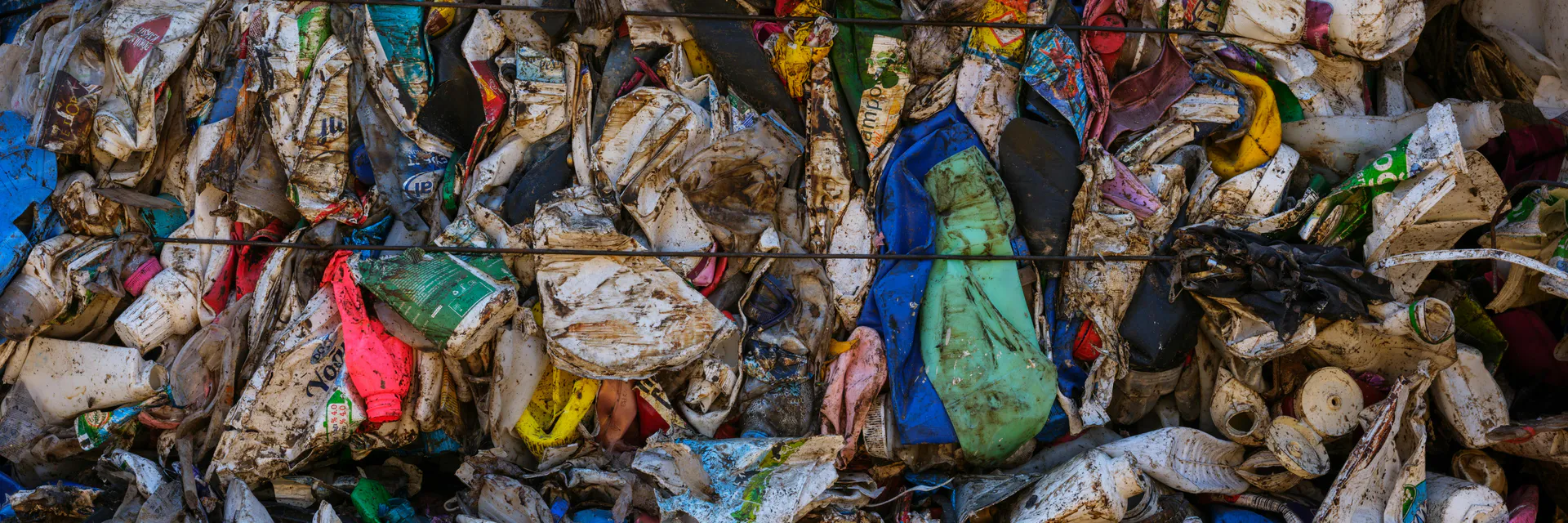
Nowadays, commercial contracts are designed primarily to control cost, ensure on-time delivery, and meet minimum quality standards. Environmental considerations, such as responsible sourcing and end-of-life-cycle processing, were rarely included as priorities. As a result, contracts often rewarded suppliers solely for delivering low-cost products or services rapidly. Most traditional contracts are structured as transactional agreements, oriented toward short-term objectives (Bernstein and Peterson, 2022). Once products are delivered or services are completed, the contractor's responsibility usually ends. There are no formal obligations to manage the life cycle of materials, take back equipment, or ensure proper recycling or disposal practices. A catalyst reinforcing this issue is the widespread use of "final release agreement forms". These documents are often signed after a contract is completed to release the parties from future liabilities, even if an environmental issue is anticipated. This practice creates a gap where suppliers have no lasting accountability for the environmental impacts of their work. Moreover, contracts rarely include specific environmental clauses. Scope of Work requirements and performance indicators, including recycling rates, carbon emission reduction, or product/equipment end-of-life-cycle handling, are often neglected. Without clear terms, there is no contractual motivation for suppliers to design products or services for the Circular Economy, resulting in higher resource consumption even when scarcity is recognized. These gaps in conventional contract designs directly impact a firm's ability to meet CE goals and ultimately harm its brand image. Resources are often wasted, recycling opportunities are lost, and products are discarded in Scrap yards with no value retrieval plans. Over time, scarcity increase which also increase operational costs as fewer resources are available in the market, limiting company's ability to achieve sustainable growth.
III. KEY CONTRACT DESIGN ELEMENTS TO SUPPORT CIRCULAR ECONOMY
a) Contract Length and Responsibility Extension
When designing a contract it is essential to consider Circular Economy through extending the responsibility of vendor beyond the delivery of the product or service. Longer contract periods often ensure that obligations toward sustainable approaches, such as using environmentally friendly materials and managing the end-of-life cycle responsibly, are maintained. Contracts can require suppliers to offer maintenance, refurbishment, or recycling services after delivery, extending the preservation of material value further.
Example Clause: 13. Sustainability and Post-Delivery Responsibilities
13.1: The Contractor agrees upon request by the Client to responsibly recover the good through including but not limited to maintenance, refurbishment, or recycling.
13.2: At the end of the operational life of the Goods, the Contractor shall retrieve the Goods (or specified components) for the purpose of recycling, reuse, or safe disposal in accordance with applicable environmental laws and standards, at no additional cost to the Client unless otherwise specified in the contract.
b) Payment Models that Support Sustainability
The payment structure plays a pivotal role in influencing supplier behavior. In order to support Circular Economy (CE) principles, commercial contract designers may include incentives in the payment structure that reward responsible end-of-life management of products or materials.
Under a lease-model approach, the supplier receives full payment upon Good Receipt or service completion as defined by the original contract terms. However, an additional motivational fee is payable only if the contractor successfully recovers, recycles, refurbishes, or responsibly disposes of the product or material at the end of its life cycle. This recovery action must be verified by an independent third-party inspector approved by the client to avoid risks of forged reporting. For customized products, contractors may be required to design the product for reverse engineering, allowing them to retrieve end-products into raw materials and remanufacture them to reduce the consumption of resources and regenerate value.
Such incentives encourage contractors to perceive sustainability not as an additional cost to their operations but as an opportunity they are willing to seize. Over time, this approach helps normalize CE practices across industries, improving environmental outcomes without affecting the delivery of core service processes. From the client's point of view, this approach also helps reduce the procurement cost of new products or materials, as contractors motivated by the reward would have the opportunity to resell refurbished or recycled products again.
Example Clause: 14. Sustainability-Linked Performance Incentives
- 14.1: In addition to the agreed Contract Price payable upon successful delivery and acceptance of the Goods or completion of Services, the Client shall make available a Sustainability Incentive Fee, subject to the Contractor's performance of end-of-life recovery obligations as defined in Clause 13.
- 14.2: The Sustainability Incentive Fee shall be equal to of the original Contract Price and shall be payable only upon verified evidence that the Contractor has successfully:
Retrieved the supplied Goods or their components at the end of their operational life;
Refurbished, recycled, or safely disposed of them in compliance with applicable environmental regulations; and
Provided traceable documentation from an independent third-party inspector, pre-approved by the Client.
- 14.3: Failure to provide sufficient recovery actions or verification will render the Sustainability Incentive Fee void, with no further obligation on the Client's part.
IV. CONCLUSION
Interaction between organizations and suppliers or service providers is defined and governed by Contracts as a strategic tool. Conventionally, short-term deliverables, cost control, and minimum quality standards were the prime when writing a contract while neglecting environmental considerations. Integrating Circular Economy (CE) principles into contract design is key for organizations aiming to meet their sustainability objectives. This paper has shown that traditional commercial contract practices can act as barriers that fail to motivate suppliers to adopt circularity practices, often resulting in missed opportunities for resource recovery. It also highlighted how strategic adjustments, such as linking payment structures to end-of-life recovery activities, can improve material preservation while reducing initial procurement costs. Restructuring the key focus in the contract by rewarding responsible supplier behavior, companies can bridge the gap between business profitability objectives and environmental responsibilities. Future contracting strategies must recognize sustainability as a core operational value in order to fully realize the benefits of Circular Economy.