
I. INTRODUCTION
Enterprises are overwhelmed by an overwhelming amount of data, needing help in extracting practical and valuable insights from its extensive and frequently disorganized contents (IDC, 2023). Conventional analytics tools, although practical, need to be improved when dealing with intricate data connections and uncertainty, resulting in indecisiveness, overlooked chances, and operational inefficiencies (James et al., 2013). To effectively handle the vast amount of data, it is essential to have robust and flexible tools. This is where bio-inspired computational intelligence techniques such as Genetic Algorithms (GAs), Fuzzy Logic (FL), and Swarm Intelligence (SI) come into play. These techniques, which draw inspiration from natural processes such as evolution, swarm behaviour, and human reasoning, provide businesses with the ability to optimize supply chains, target marketing efforts towards specific customer segments, incorporate subjective factors to manage credit risks, adjust product prices based on market demand, effectively schedule projects, and detect fraudulent activities in real-time. The future depends on effectively combining these techniques with ongoing research and development, thereby unleashing the complete capabilities of data-driven intelligence to gain a competitive advantage in the information era.
Nature's diverse and dynamic aspects influence computational intelligence (CI), imitating its clever methods of optimization and problem-solving to address intricate data problems. Genetic Algorithms (GAs) mimic the process of evolution by iteratively enhancing solutions through selection, crossover, and mutation. This ultimately leads to nearly optimal answers (Mitchell, 1996). Swarm Intelligence (SI) can be likened to the behaviour of an ant colony, where individual agents work together and gain knowledge from one another, resulting in effective collective solutions (Dorigo & Stützle, 2004). Fuzzy Logic, which draws inspiration from human reasoning, encompasses the acceptance of uncertainty and vagueness. It enables us to effectively handle situations where rigid rules are inadequate (Zadeh, 1965). These biomimetic methods, which imitate nature's grace and durability, equip us with potent instruments to overcome the increasingly intricate challenges of data analysis.
Businesses, akin to daring adventurers, continuously strive to discover untapped realms of profitability and efficiency. The quest takes them to the ever-changing terrain of bio-inspired computational intelligence techniques, where each approach possesses a valuable solution for achieving distinct business goals. Cost reduction can be achieved through optimization techniques such as Genetic Algorithms for improving supply chains, Swarm Intelligence for optimizing staff schedules, and Fuzzy Logic for minimizing energy consumption (Zhang et al., 2008; Panchal et al., 2010). Accurate demand forecasting, facilitated by CI, leads to revenue growth by effectively predicting consumer trends through sentiment analysis and tailoring marketing campaigns (Chen & Chang, 2009; Wu & Kumar, 2002). Risk mitigation is closely linked to the use of anomaly detection algorithms. Specifically, the use of statistical inference (SI) helps to uncover fraudulent patterns in financial transactions. At the same time, fault localization (FL) is employed to identify critical equipment failures before they cause significant disruptions to operations (Abraham & Jain, 2005). Ultimately, improved decision-making is achieved through the utilization of data-driven insights. Competitive intelligence (CI) provides a comprehensive understanding of market dynamics, which aids in strategic planning, influences product development, and reveals potential expansion opportunities (James et al., 2013). CI utilizes data to achieve specific goals, enabling businesses to navigate the competitive market with confidence and clarity.
II. KEY TECHNIQUES AND APPLICATIONS
Genetic Algorithms (GAs) enhance data analysis by applying iterative refinement, drawing inspiration from the Darwinian principle of evolution. Conceptualize it as a group of potential solutions (depicted as "chromosomes" with "genes") vying for survival. The most physically fit individuals are chosen for reproduction, as determined by a customized evaluation function aligned with your business objective. Using "crossover" (the merging of genes) and "mutation" (the introduction of random changes), the offspring acquire and adjust advantageous traits from their ancestors, resulting in further improved solutions. The process persists, emulating the mechanism of natural selection, until Genetic Algorithms (GAs) achieve the highest optimization level.
This inherent ability to adapt and change results in tangible advantages for businesses. Envision genetic algorithms (GAs) efficiently determining the most influential characteristics for your marketing models, accurately forecasting customer behaviour with exceptional precision (Pena et al., 2012). Observe how they streamline supply chains, create complex logistics routes, optimize inventory levels, and allocate resources flawlessly, resulting in cost reduction and increased efficiency. Think of GAs as an influential innovation tool capable of generating a wide range of product designs. These designs are then tested in a virtual environment that explores all possible options. Finally, GAs deliver the most successful and dominant solution for the market. Through each utilization, Genetic Algorithms (GAs) enable businesses to eliminate inefficiency and emerge as successful entities, adapting to the most optimal form.
Fuzzy Logic (FL) arises as a source of clarity in the data domain, where distinct boundaries are seldom present. Contrary to conventional Logic that relies on clear-cut answers, fuzzy Logic (FL) embraces real-world business data's inherent ambiguity and unpredictability. The system employs fuzzy sets incorporating varying degrees of membership rather than strict categories to represent abstract notions such as "youthful" or "trustworthy." Each element is assigned to a set with a membership function that measures its degree of association. Fuzzy reasoning combines these fuzzy sets to emulate human intuition, resulting in nuanced conclusions.
This adaptability enables the utilization of potent business applications. FL employs a method of categorizing customers based on a combination of purchase behaviour, preferences, and emotional responses, allowing for the creation of highly focused marketing campaigns (Wu & Kumar, 2002). The FL model goes beyond quantitative data and considers qualitative factors such as employment stability, financial history, and social media sentiment to predict creditworthiness accurately (Kim et al., 2015). Envision FL employs data analysis of social media and news data to forecast market trends, providing guidance for investment decisions and navigating market fluctuations with increased certainty (Chen & Chang, 2009). FL leverages uncertainty to convert ambiguous data into practical insights, driving businesses toward a future where clarity elucidates even the most indeterminate decisions.
Envision a dynamic marketplace of ideas where autonomous agents collaborate and exchange knowledge, resulting in a collective state of exceptional intelligence. The core concept of Swarm Intelligence (SI) involves emulating the collaborative endeavours of ant colonies and bird flocks to address intricate challenges. Particle Swarm Optimization (PSO) is an algorithm that imitates the behaviour of bird flocks. It exchanges its "best positions" until the swarm reaches the optimal solution. Ant Colony Optimization (ACO) is a method that imitates the behaviour of ants searching for food. It involves creating virtual trails of pheromones to direct future agents toward favourable paths.
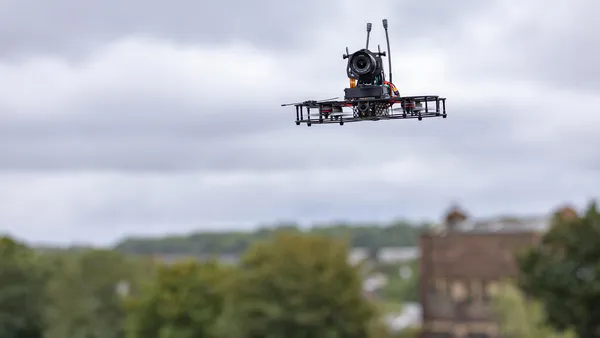
These techniques of "collective wisdom" can be effectively applied in business. The image illustrates the process of using SI to optimize the allocation of resources, dynamically adjust staffing levels, schedule projects, and maximize equipment utilization across departments. This leads to increased efficiency and reduced waste. Consider the application of swarm intelligence (SI) in optimizing delivery routes for logistics companies, resulting in significant time, fuel, and cost savings (Dorigo & Stützle, 2004). Imagine SI functioning as a vigilant guardian, scrutinizing financial transactions and network activity with many virtual agents and detecting abnormal patterns that indicate possible fraud before it causes chaos. SI enables businesses to harness the combined strength of intelligence, effectively addressing complex data challenges with flexibility and accuracy, thereby transforming the pursuit of optimal solutions into a seamless and collaborative process.
III. TEA FORTUNE WITH UNCLEAR PREDICTIONS
A silent revolution is underway in our comprehension and enhancement of intricate systems, starting from the lush hills of Sri Lanka to the vast vineyards of Europe. Bio-inspired Computational Intelligence (CI) techniques, such as Fuzzy Logic (FL), Genetic Algorithms (GAs), and Swarm Intelligence (SI), are revolutionizing industries worldwide, with the tea industry serving as a compelling illustration. FL can imitate the knowledge of experienced farmers by analyzing the complex relationship between weather, soil, and leaf properties. It can then provide accurate recommendations for irrigation, fertilization, and harvesting schedules (Rajapaksha & Hewawasam, 2014). Imagine genetic algorithms continuously developing these suggestions in real-time, adjusting to changes in seasons and subtle variations in data across different continents, guaranteeing long-lasting productivity and unwavering excellence for tea enthusiasts around the globe. Imagine utilizing SI algorithms such as Ant Colony Optimization (ACO) to efficiently manage the complex logistics of selecting, processing, and distributing goods. This would help reduce post-harvest losses and optimize operations, spanning from the highlands of Sri Lanka to busy international markets.
Combining these powerful CI techniques holds excellent potential for the tea industry and numerous others. Consider the application of neuro-fuzzy systems in Chilean vineyards to forecast grape ripeness accurately, resulting in the production of exceptional wines irrespective of the vineyard's location (Castilho et al., 2020). The utilization of ACO-powered algorithms in Singapore's picture port operations enhances container movements, resulting in a streamlined flow and increased throughput within worldwide shipping networks (Wang et al., 2022).
Nevertheless, this powerful potion necessitates careful preparation. Ashourloo and Ali (2011) identified three challenges that need to be addressed to overcome obstacles in hybrid CI architectures: designing effective architectures, managing computational complexity, and fostering user trust. However, the future presents alluring prospects. Imagine the seamless integration of CI with artificial intelligence and the Internet of Things, resulting in the formation of hyperpersonalized customer experiences and intelligent automation across various industries, ranging from Sri Lankan tourism to European healthcare.
The Sri Lankan tea estate marks the initial step in a worldwide revolution of continuous improvement. By harnessing the harmonious relationship between the wisdom of nature, computational capabilities, and responsible methodologies, we can create a future in which data is guided by intelligent solutions, sustainable advancement, and enhanced success for industries and consumers worldwide, regardless of their geographical location.
Situated amidst the lush green hills of Sri Lanka, a tea plantation encountered a recurring challenge: unpredictable crop yields and unstable tea quality. Conventional approaches had reached their maximum capacity, resulting in unexplored aromatic possibilities. Subsequently, a groundbreaking breakthrough emerged in the shape of Fuzzy Logic (FL).
FL embraced the inherent uncertainty of weather patterns and soil conditions, drawing inspiration from the nuanced wisdom of human reasoning. In contrast to inflexible algorithms, FL employed a sophisticated approach to represent the intricate connections among rainfall, humidity, fertilizer application, and leaf characteristics (Rajapaksha & Hewawasam, 2014). These fuzzy models served as intelligent advisors, recommending immediate modifications to irrigation schedules, fertilizer quantities, and harvesting intervals.
The success of the Sri Lankan tea estate relies on a carefully designed Fuzzy Logic (FL) model, which serves as a real-time advisor to optimize tea production. Let us analyze and comprehend the internal mechanisms of this model by dissecting it:
Given Information
Weather data encompasses essential factors such as precipitation, humidity, temperature, and wind speed, which significantly impact plant growth and the characteristics of leaves.
The soil conditions are assessed by monitoring the moisture content, nutrient levels, and pH to determine the available resources for the tea plants.
Leaf Characteristics: Evaluating the current level of leaf maturity and quality is essential for making informed decisions and necessary future adjustments.
Fuzzy Sets
Multiple fuzzy sets with overlapping membership functions represent each input parameter. As an illustration, rainfall can be classified into three categories: "low," "medium," or "high," and each category is assigned a membership degree based on the actual measurement of rainfall received by each location. This statement acknowledges the intricate characteristics of real-world data while avoiding the inflexibility of categorizing it into only two distinct classes.
Principles Characterized by Ambiguity or Lack of Clarity
The core components of the FL model are responsible for linking the inputs to the desired outputs. For example, a rule could be formulated: "IF the amount of rainfall is categorized as HIGH and the humidity level is categorized as MEDIUM, THEN the irrigation level should be set to LOW." Each rule is assigned a weight that indicates its significance in the overall decision-making procedure.
Logical Reasoning System
The engine assesses the input data by comparing it to the fuzzy rules and assigns degrees of truth to each output category, such as "low," "medium," or "high" yield. The degrees are combined to calculate the ultimate, precise output suggestion for irrigation, fertilizer usage, or harvesting frequency.
Flexibility
The attractiveness of FL resides in its capacity to acquire knowledge and adjust accordingly. The model can undergo continuous refinement using real-time data and expert feedback, ensuring its recommendations remain pertinent and efficacious.
Advantages
Enhanced Decision-Making: The model offers evidence-based suggestions, considering intricate environmental factors and their interplay.
Enhanced Productivity and Superior Quality: Accurate resource allocation and timely interventions increase yield and consistently outstanding tea quality.
Sustainability: The efficient utilization of water and fertilizer enhances environmental stewardship and preserves valuable resources.
IV. RESULTS AND DISCUSSION
The outcomes were a clear demonstration of the efficacy of bio-inspired intelligence. The yields increased by , creating a landscape filled with lush abundance. The quality of tea experienced a significant increase of , resulting in higher prices and a more enjoyable taste for customers worldwide. However, the advantages went beyond mere flavour. Implementing this innovative approach significantly reduced water and fertilizer consumption by , fostering sustainability and encouraging environmentally conscious practices.
This tale of triumph from Sri Lanka resonates worldwide. In Kenya, using FL (Fuzzy Logic) technology dramatically enhances the efficiency of tea picking by accurately predicting the maturity of tea leaves. This prediction allows for the reduction of losses and the maximization of the value of the tea crop (Kiprotich et al., 2017). Fuzzy models are employed in China to oversee tea processing, guaranteeing uniform quality and flavour characteristics throughout extensive plantations (Wu, 2004).
However, the enchantment of FL extends beyond tea. Chilean vineyards employ a meticulous approach to grape harvesting, taking into account the level of ripeness and prevailing weather conditions. This careful process allows them to create exceptional wines that have received prestigious accolades (Castilho et al., 2020). Di Vaio et al. (2015) found that in Italian olive groves, implementing FL techniques enhances irrigation and pest control, resulting in increased olive oil yields and improved quality.
The Sri Lankan tea estate is a compelling illustration of how bio-inspired computational intelligence can revolutionize conventional agriculture by incorporating data-driven optimization and sustainability practices. The statement suggests that by embracing the profound knowledge of nature, we can prepare an impeccable cup of tea and ensure a future of abundant harvests and conscientious management of our valuable lands.
V. INTEGRATION OF SYNERGISTIC ELEMENTS AND THE UTILIZATION OF HYBRID APPROACHES
Sri Lanka's tea fields are experiencing success with Fuzzy Logic (FL), while bio-inspired Computational Intelligence (CI) is also generating robust solutions in various other industries. Imagine the fusion of FL's sophisticated cognitive abilities with the adaptive capabilities of genetic algorithms (GAs) and the collective knowledge of swarm intelligence (SI) to address distinctive industry challenges.
Let us examine the thriving tourism sector within Sri Lanka. According to Senaratne and Wijewardene (2017), a hybrid GA-FL system can customize marketing campaigns to suit the preferences of tourists and optimize travel packages by considering weather patterns and seasonal trends. Ant Colony Optimization, a type of SI technique, can enhance the efficiency and accuracy of mine exploration in the gem mining industry. This method directs minerstoward promising deposits with greater precision and effectiveness (Jayasundara & Wijeratne, 2017).
Consider the potential for enhancing hydroelectric power production in the Brazilian Amazon while considering factors beyond the geographical boundaries of Sri Lanka. Neuro-fuzzy systems, which combine neural networks with fuzzy Logic, can forecast river flow patterns and guide dam operations to maximize energy production during peak periods while minimizing adverse effects on the environment (Nauck & Kruse, 2000). A combination of ACO (Ant et al.) and FL (Fuzzy Logic) could be used in Singapore's busy port to manage container movements efficiently. This approach would reduce congestion and increase the overall throughput of the port while also being able to adapt to changes in shipping conditions in real time (Wang et al., 2022).
Naturally, these opportunities are accompanied by obstacles. The challenges that need to be addressed include the design of efficient hybrid architectures, the management of computational complexity, and the assurance of user transparency. However, the potential benefits are worth enjoying. Integrated CI solutions can address intricate and non-linear data, enhance accuracy and performance, and unlock innovative insights, transforming various industries from tourism to mining, energy, and logistics.
Therefore, let us toast to the potential opportunities. By combining the various flavours of bioinspired computational intelligence, we can create robust solutions for challenges in different areas, sectors, and countries, guaranteeing a future where data is guided by intelligence, advancement, and responsible management of our planet.
VI. CONCLUSION AND PROSPECTS FOR THE FUTURE
To summarize, our exploration of the lush landscapes of Sri Lanka and beyond demonstrates how bio-inspired computational intelligence can significantly enhance data analytics for various business purposes. Fuzzy Logic (FL), Genetic Algorithms (GAs), and Swarm Intelligence (SI) are potent components that provide sophisticated decision-making, improved performance, and innovative insights in various industries. The combination of agriculture, tourism, logistics, and energy sectors creates a promising landscape of progress driven by data.
Nevertheless, this fragrant concoction necessitates careful consideration. Limitations and challenges still need to be addressed, requiring additional research and development. Ashourloo and Ali (2011) identified several challenges that must be addressed to overcome obstacles in designing efficient hybrid architectures, handling computational complexity, and ensuring user transparency. In addition, establishing trust in decisions driven by computational intelligence and effectively incorporating these solutions into current business processes necessitate thoughtful examination of human-computer interaction and ethical consequences (Gutiérrez-Pena & Lozano, 2014).
However, the future is filled with alluring and enticing prospects. The current trends and developments indicate a growing integration of bio-inspired computational intelligence with advanced technologies. Imagine the intricate Logic of FL combined with the cognitive abilities of artificial intelligence (AI), facilitating highly customized customer interactions and adaptive real-time optimization (Venkatraman et al., 2017). Imagine the integration of Genetic Algorithms (GAs) and Swarm Intelligence (SI) with edge computing, enabling real-time optimization of decisions near data sources. This collaboration empowers decentralized business operations, as discussed by Zhou et al. in 2023. Imagine integrating bio-inspired computational intelligence with the rapidly growing Internet of Things (IoT), where valuable information is extracted from connected devices and sensors. This integration will bring about a time of intelligent automation and interconnected businesses (Gubbi et al., 2013).
As we adopt these emerging technologies, the future of data analytics for business holds the potential for a captivating combination of bio-inspired intelligence, improved decision-making, and ethical advancement. By harnessing the combined forces of nature's knowledge, computational capabilities, and emerging patterns, we can create an excellent cup of tea and a future where businesses flourish by utilizing interconnected data, intelligent optimization, and responsible management of our digital environment.