

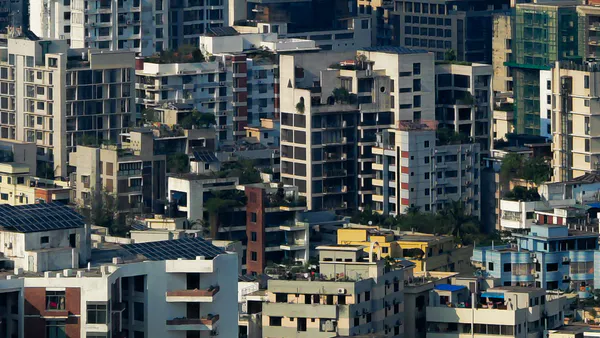

Dhaka, the capital of Bangladesh, is currently facing a multitude of challenges associated with urbanization, such as traffic congestion, air pollution, inadequate infrastructure, and a lack of green spaces. This research article aims to explore strategies for achieving liveability in Dhaka city amidst these challenges. Through an extensive literature review, data analysis, and case studies, this study identifies key areas for improvement and proposes actionable solutions. This article argues that achieving urban liveability in Dhaka is not a matter of isolated infrastructure projects, but requires a strategic triad of integrated transit-oriented development, blue-green ecological networks, and polycentric governance. However, the implementation of these strategies faces several challenges, such as political constraints, inadequate funding, and lack of public awareness. Addressing these obstacles necessitates collaboration among government agencies, private stakeholders, and community organizations. To achieve liveability in Dhaka city, it is necessary to adopt a comprehensive and collaborative strategy that prioritizes the well-being of its citizens as the top priority, while also ensuring environmental sustainability and socio-economic equity.
We use cookies and similar technologies to improve site performance, understand traffic, and enhance your publishing experience. Cookie Policy
Cookie settings
Global Journals privacy preferences
Choose which optional cookies Global Journals can use. Your preference applies across this platform and can be updated any time.
Necessary cookies
These cookies are required for core website functionality and security.

Always active
This is the heading
Lorem ipsum dolor sit amet, consectetur adipiscing elit. Ut elit tellus, luctus nec ullamcorper mattis, pulvinar dapibus leo.

