This research paper delves into the pervasive discrimination faced by domestic workers within their work environments, with a specific focus on the context of Lima, Peru. The primary objective is to examine the labour conditions of paid domestic workers and explore the potential role of domestic workers’ unions in addressing these issues. Drawing upon a comprehensive review of secondary sources, including surveys, theses, and relevant articles, both quantitative and qualitative data are analysed to understand the complexities of the situation. Conceptual frameworks such as Human Capabilities, Good Living, and Intersectionality are utilized to provide a nuanced understanding of the challenges faced by domestic workers. The paper is structured into four main sections. Firstly, the context of the case is presented through secondary sources, highlighting the prevalence of informality, low wages, and asymmetrical power relations. Secondly, a synthesis of existing literature sheds light on the multifaceted nature of discrimination and labour exploitation within this sector.
## I. INTRODUCTION
"Why Andean woman, who comes from a piece of heaven, do you arrive at the semi-hell? What have you done? To receive these punishments from the so-called civilized, cultured, doctors... Andean woman, you are a person, and no one should destroy you morally or physically, or exploit you, with more hours of inhuman work. There are other women like you, and they are alone, look for them and find them, to share and not be alone." (Loza et al., 1990)
Care work has remained hidden because it has been considered a natural function of women. Although they are imperative for the survival and wellbeing of families and society in general, this type of work is not valued in the collective imagination. Currently, domestic employment in third-party households is remunerated, but this does not imply that it has the same status as other occupations. We are talking about an invisible job that, in Peru, is usually carried out within the framework of informality. Despite the fact that in 2021 the Law on Household Workers (Law 31047) was approved, a predominant percentage of employers do not register the workers they hire with the Ministry of Labour and Employment Promotion (MTPE), causing them, by not working in a formal framework, to lack their corresponding rights. In this sense, this essay aims to address the labour situation of paid domestic workers in the Lima context and their union response as a research topic.
Due to the fact that this sector is sustained by social institutions of a patriarchal and colonial connotation, domestic employment admits a high incidence of discrimination, exploitation, racism, psychological, physical and sexual violence. All of this has repercussions on their freedoms and fundamental rights within their work environment - which, in many cases, is also their home - and hinders their individual fulfilment. For this reason, the importance of studying this problem is evident, especially from disciplines such as sociology, which provide us with tools to contribute to development interventions aimed at this sector of the population.
The objective of this work is to analyse the discrimination experienced by domestic workers within their work environment. Likewise, it aims to identify the potential for action of domestic workers' unions. For this purpose, the research methodology focused on the review of secondary quantitative and qualitative sources, such as surveys, theses and relevant articles for the analysis of the case. The topic was also approached conceptually through the use of literature and quantitative information, which allowed contextualizing the phenomenon.
This research note will be divided into four sections. First, the context of the case will be presented through secondary sources, followed by a synthesis of the existing literature on the subject. Subsequently, a discussion of the case from the Human Capabilities, Good Living and Intersectionality approaches. Finally, conclusions will be drawn and recommendations will be made for future policies, interventions and research around this issue.
## II. CONTEXT
According to the 2020 National Household Survey (ENAHO), the total number of registered domestic workers in Peru is 244,726, constituting $-2.6\%$ of the economically active population. Within this figure, more than $95\%$ are women (Ombudsman's Office, 2023), an image that has not varied significantly over the last few decades (Fuertes, 2013). In other words, it is a highly feminized job, since it involves activities that have historically been attributed to the female gender. Regarding the work modality, in 2016, the live-out modality was predominant with $81.2\%$ (Vela, 2016). However, due to the distancing measures during COVID-19, many employers have required workers to switch to the live-in modality.
Following an IPSOS PERU report presented in the newspaper El Comercio, other characteristics that constitute the profile of workers in this sector are that the majority of them are concentrated in Lima, of which $34\%$ are migrants and their average age is 41 years; in addition, $85\%$ belong to socioeconomic levels C and D. As of 2019, $44.2\%$ had complete secondary education as their highest level of education attained (ILO, 2019). Likewise, in 2016, $43\%$ were single mothers (Ombudsman's Office, 2016); in fact, in $74\%$ of cases they are the sole economic support of their families (Alva, 2023).
At the international level, the main instrument aimed at protecting the rights of domestic workers is ILO Convention 189, which was adopted in 2011 in Peru and ratified in 2018. This document implies adding certain obligations to the Peruvian regulatory framework. Some of them are: setting a minimum age; adopting measures against violence, abuse, and harassment; promoting fair and decent employment conditions; minimum wage without gender discrimination; a safe and healthy environment and implementing a complaint mechanism (Fuertes, 2013). As a complement, this convention announces Recommendation 201, which focuses on the protection of fundamental labour rights such as freedom of association, protection against abuse, recording of working hours, the right to health, among others (Fuertes, 2013).
In the country, domestic work as a mercantile employee is regulated under the Household Workers Law (Law 27986) and its regulations, Supreme Decree 015-2003-TR, both issued in 2013. However, this law contains some gaps regarding its regulation, which causes workers to remain unprotected. That is why in 2019, the bill 4087/2018-CR, Law of Household Workers within the Framework of ILO Convention 189, was announced (Kajatt, 2020). It is key to mention that this proposed Law, like many contributions to the legal framework for the protection of this sector, is due to the union organization of the domestic workers themselves. Specifically, this bill was presented by the National Federation of Household Workers (Fentrahop), the National Union of Household Workers of Peru (Sintrahogarp) and the National Federation of Household Workers (Fentrogarp) (Kajatt, 2020).
During 2021, Law 31047 was published with the purpose of regulating the labour relations of household workers. This law establishes the obligation to have a written contract registered with the Ministry of Labour and Employment Promotion, as well as a workday of no more than 8 hours per day and 48 hours per week, and a salary of no less than S/ 930 soles -an equivalent of 253.03 US dollars-. It also establishes that this work can only be performed by adults. In addition, the law decrees that domestic workers are entitled to two annual bonuses, each equal to one month's salary. Additionally, it establishes paid vacations of thirty days and other benefits such as severance pay and maternity leave (Alva, 2023). Unfortunately, knowledge of the new law has not spread as expected. In fact, "Nine out of 10 domestic workers know little or do not know the new law, while eight out of 10 employers are in the same situation" (Alva, 2023).
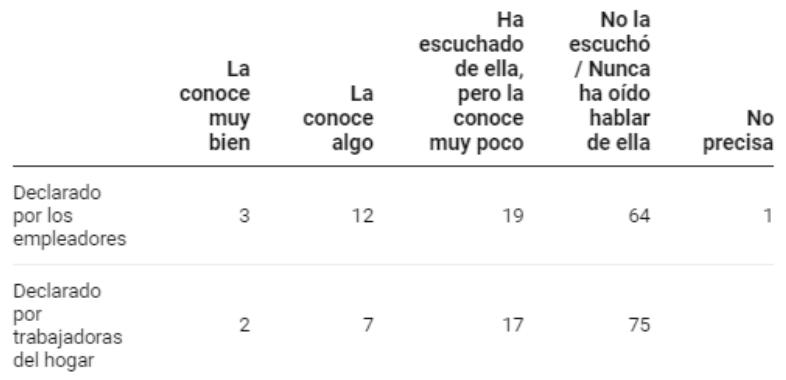 Source: IPSOS PERU for OLII Author: Alva, 2023
Graph 1
However, most domestic workers are in the informal sector, which causes this type of occupation to be highly precarious. As shown in Graph 2, in 2019, $89\%$
of domestic workers were informal. In addition, as of the first month of 2023, there were 109,938 registered domestic worker contracts (Ombudsman's Office,
2023); in other words, the percentage with a formalized contract is minimal. In fact, as shown in Graph 3, $95\%$ of employees do not have a legal written contract (Alva, 2023).
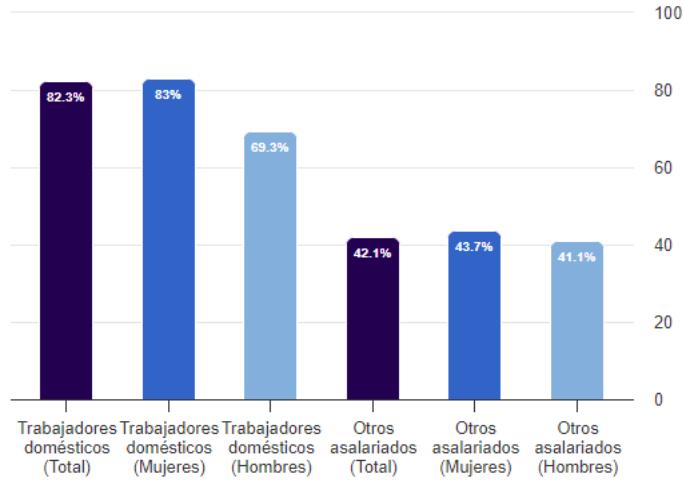 Porcentaje de trabajoadores domesticos enemploi informales en comparación con otros asaláridos, por sexo Source: ILO - National Household Survey (2019)
 Graph 2 Declarado por empleadores
 Declarado por problemas del hogar Grafo: ECData | Gino Alva Olivera · Fuente: Ipsos Peru para OIT · Descargar los datos · Creado con Source: IPSOS PERU for ILO/Author:Alva,2023
Graph 3
The repercussions of this condition of informality place them in a particular position of vulnerability. Despite the fact that most of them work longer than the time stipulated by law, this is one of the lowest paid occupations, receiving a remuneration lower than the vital minimum wage, which on average is S/. 452 soles or 122.98 dollars. Only $4\%$ have vacations and severance pay and only $12\%$ are enrolled in the pension system. Due to the fact that they usually do not have written contracts, arbitrary and sudden dismissal is a frequent reality for more than half $(51\%)$ of domestic workers (Bastidas, 2012). This situation has worsened in the context of the COVID-19 pandemic. According to Leda (2022), it has been identified that more than four out of five domestic workers were dismissed without any type of bonus from their employers or the government.
## III. STATE OF THE ART
The present work is inserted in three thematic fields: Domestic work and decent work, the relationship between employers and employees, as well as the trade union organization of domestic workers. The following is a synthesis of the literature on the aforementioned topics.
### a) Domestic work and Decent Work
The International Labour Organization (ILO) refers to the notion of Decent Work as a reference to measure the extent to which access to quality work within internationally accepted standards is guaranteed (Fuertes, 2013). In other words, that its population is able to work in conditions of freedom, security, dignity, and equality. The four components ascribed to decent work and which are the responsibility of ILO member states are: employment opportunity, full enjoyment of labor rights, social security and social unionization (Fuertes, 2013). With regard to the first three, these refer to access to formal and adequate employment; monitoring, supervision and registration of the exercise of workers' rights; and social protection that implies economic security, respectively (Fuertes, 2013).
In the field of domestic employment, researchers agree that the indicated components are not met in this sector. According to Kajatt (2020), the lack of coverage in terms of protection and regulation by the state favours the abuse of workers by their employers. He also points out that there are significant differences between the rights recognized in the formal private sector labour regime and those of domestic workers (Kajatt, 2020). To this, Bastidas (2012) adds that state intervention is restricted, since the number of public policies and programs specifically designed for this segment of the economy is almost non-existent. Therefore, both authors agree on the fact that the Peruvian Government, despite being a member of the ILO, is unable to guarantee decent work for domestic workers, one where their freedoms are not violated.
The few existing studies on the labour situation of workers shows a relationship between the nature of the contract and the amount and type of remuneration. Kajatt (2020) points out that the incidence of registering workers with the National Superintendency of Customs and Tax Administration (SUNAT) is low, which places them in the informal sector without legal protection of their labour rights. This is linked to what the report by the Association of Training and Service for Household Workers (ACSTHO) has shown, in which, based on multiple testimonies from employees, it is recognized that wages are determined by the convenience of the employers and vary according to the social class of the family, the time and cultural conditions of the worker. This is possible because most contracts are generally verbal. Few agencies establish some criteria and have a protocol that includes having employers sign documents, but the papers are not contracts, only proof of the arrangement with that institution.
As Rivera (1984) explains, domestic wage labour is conceived as a consumer expense that is not part of the market. In this way, the value of this sector is not considered according to the labour market, which perpetuates its condition as "invisible" work (Rivera, 1984 in Lazo et al., 1990). Thus, both the authors mentioned describe that the income of the workers is subject to the "kindness" of the employer, who devalues their work because they consider it as part of the natural role of women, or it is understood as a favour in exchange for living under their houses. With these arguments, they try to convince the employees that the value of their labour force is lower than the pay they receive (Loza et al., 1990). The problem with wages is related to contracts and the low status of being part of the care economy, but it is also linked to regulations.
Kajatt (2020) identifies that one reason why domestic workers receive lower remuneration than the minimum amount decreed for other workers is due to a gap in the regulatory framework that protects them. Specifically, he refers to the omission in Law 27986, in which the concept of a minimum vital wage is never explicitly mentioned. Another consequence of the absence of clear regulations is the violation of their right to economic security and health, in particular, it leads to them not being affiliated with the Pension System and/or health insurance (Kajatt, 2020). For her part, from her multiple investigations, Pérez (2022) has realized the structural consequence of which this problem leads. In Latin America, domestic work, being poorly paid and sometimes even unpaid, condemns the women who dedicate themselves to it to an almost non-existent possibility of upward social or labour mobility (Pérez 2022). It is, then, a job that, on the one hand, does not provide economic stability or any other benefit and, on the other hand, has no way out.
Regarding working time, despite the fact that the regulatory framework stipulates that labour hours cannot exceed 8 hours per day, in practice, this limit is not respected. The case of workers in the "live-in" modality is even more complex, since as Loza et al. (1990) point out, there is no fixed schedule, their day usually starts at 6 am, but they do not know what time it will end most of the time. This is explained by Ignñiz (2017), who indicates that, by living under the same roof, their intimacy is easily obstructed, causing their rest hours to be controlled by their employers, turning them into unpaid overtime. In this regard, Kajatt (2020), from a legal perspective, mentions that due to noncompliance with legal regulations, numerous irregularities occur in working hours. In this work modality, the hours for recreation are frequently at the disposal of the family that hires them, so they really never finish their service duties. They do not even have a fixed time to eat their meals; many have to eat quickly and standing up, due to the pressure to finish their tasks (Loza et al., 1990).
# b) The
In appearance, the relationship between employers and domestic employees is limited to the parameters of the workplace; however, research on this segment of the Peruvian economy has revealed the servile, colonial and asymmetric burden it conceals. Loza et al. (1990) consider that this labour relationship does not translate into autonomy over their own decisions, whether labour, emotional or moral, which means that they are in a condition of servitude and submission. This position of inferiority has been internalized by many workers and, in turn, is a reflection of how their employers and society in general view them.
For Fuertes (2013), domestic work is an extension or prolongation of servile or slave relations to which the indigenous population was subjected. Especially in societies with a colonial and patriarchal past, domestic chores are a field of domination practices. In our country, this is aggravated because domestic workers are often descendants of ethnic or indigenous peoples, which leads them to be victims of discrimination based on both gender and ethnicity (Fuertes, 2013). It is interesting to note that, from photography, Iguñiz (2017) documents how there is clearly an ethnic and racial distinction pattern between employees and employers (see Image 1).
Following this line, the studies of Pérez (2020) and Silva (2007) agree in pointing out that the relationship between domestic workers and their employers in Peru still maintains a servile and asymmetric character inherited from the colonial period. Although the discourses of employers present these dynamics as one of mutual support due to the "neokinship" relationship (Pérez, 2020), empirical research demonstrates the persistence of social hierarchies in which one party remains at a disadvantage. With this concept, the author refers to a common mechanism of rural-urban migration in which a young woman - a minor in many cases - migrates to cities like Lima to be received and work in the home of a relative or acquaintance.
- Despite this narrative of alleged support, Pérez (2020), based on Quijano's ideas, warns that it is a hierarchical relationship, where the coloniality of power and gender combine and, precisely, are expressed as social authoritarianism within the neoliberal relationship between employer and worker. Like Pérez (2020), Loza et al. (1990) mentions that labor arrangements are based on a discourse of reciprocity, where in exchange for the provision of education and shelter, employers are exempted from providing monetary pay, compensating their work with clothing, school supplies, food, among others.
For their part, Button and Jáuregui (2017) call this same mechanism "godparenthood" and point out that, under this practice, domestic work can become labour exploitation and human trafficking. The "godparent" modality focuses on hiding their identity documents, locking them in their home and forcing them to work without pay. The authors point out the concern that this problem tends to be made invisible because the idea that the role of women is centred on domestic tasks has been naturalized. In addition, the identification of the victim workers is limited by the reduced inspections carried out by SUNAFIL on households regarding the working conditions under which they work.
Therefore, Latin American literature indicates that the historical connection between this sector and slavery manifests itself in power dynamics between employers and employees, where the latter are in a situation of oppression, but, at the same time, of dependence. The manifestations of this asymmetrical relationship diverge between the treatment of the "boss" and that of the "mistress". On the one hand, from interviews by Loza et al. (1990) and Pérez (2021), it is known that a large portion of domestic workers have suffered from harassment, sexual assault and rape by the employer and/or his male children. On the other hand, Silva's (2007) reports reveal that, although there seems to be a closeness between the employer and the worker, underlying racism and classism persist in their relationship. The author explains that it is due to this imaginary of the worker as an "inferior" being that the personal treatment can have an authoritarian character, as well as segregated spaces and limited intimacy for the employees.
Pérez (2020) has documented that the dehumanization of employees from the perspective of their "bosses" is made tangible both in the tiny service rooms (see Image 2) and in the use of uniforms, which serve as social markers within the recreational spaces of the middle and upper classes, where the segregation of these women persists. Barrig (2001) delves into this, mentioning that the space of the home is organized hierarchically, which is why the rooms of the employees are usually located next to the kitchen and are much smaller than those of the rest of the family, and the use of the uniform is not limited to having a functional purpose, but also a social one. The researcher explains that employees are perceived as dirty subjects and the uniform is the tool to control their hygiene. Both their ethnic condition and their low socioeconomic status place them in the imaginary of employers as strangers and, therefore, they are treated according to this cultural and social inequality (Barrig, 2001).
### c) Trade union of Domestic Workers
The sources on domestic workers' unions at the Latin American and national levels are scarce; nevertheless, Calderón, Silva and Rosadio, L. (2020) have made an effort to compile and systematize the existing information. They identify that authors such as Rojas and Contreras (2018), Goldsmith (2013), De Casanova (2015), Pérez and Llanos (2017) and Blofield and Merita (2018) have studied trade unions in Mexico, Ecuador, Argentina, Uruguay, Chile, and Brazil.
From their respective research, they coincide that, in the present century, workers went from obedience to empowerment and active resistance, configuring themselves as political subjects. The key strategies that the different unions in the region have taken focus on making their demands visible in international spaces, such as the ILO and local alliances with political actors; in this way, they have achieved advances such as Convention 189 (in Calderón, Silva and Rosadio, 2020). In Peru, Pérez (2020) has studied this transition from obedience to resistance in three ways: educating themselves to leave the job, staying close to the children of the household to avoid abuse, and threatening to leave the job in the face of abuse.
However, difficulties persist in articulating union demands due to the instability of authorities, discontinuity of positions, and also due to the demanding working hours and constant surveillance by their employers (Calderón, Silva and Rosadio 2020). The isolation inherent to this individual work, the lack of knowledge of the organizations of domestic workers by the workers themselves, the distrust of some in their ability as acting persons, the frequent concealment of their occupation out of shame, the prohibition imposed by their employers from touching on political issues and from being part of a union, lack of access to education, among others (Loza et al., 1990).
These brakes have been present since the first attempts to organize this sector. Loza et al. (1990) recount that, in Lima, through Christian communities, workers began to be contacted and articulated, and since 1971, they mobilized through districts towards the formation of unions to become a Metropolitan Lima Federation. In 1974, the first great march of workers took place in search of legal recognition of the unions and the guild, which resulted in the dismissal of some leaders, as well as receiving insults through newspapers (Loza et al., 1990). Since 2006, the only representative organization at the union level is SINTRAHOGARP, a union that is responsible for developing actions in defence of the rights of domestic workers to influence public policies and seeks to extend awareness to ratify and implement measures to improve living conditions for women domestic workers (Vela, 2016).
## IV. DISCUSSION
After introducing the topic, an analysis will be conducted from the following perspectives of development sociology: Intersectionality, Human Capabilities, and Good Living. The discussion will revolve around whether the working conditions of domestic workers are obstacles to their well-being and how their trade union organization serves as a tool for their multidimensional development.
To analyse it from the cross-cutting perspective of Intersectionality, it is necessary to inquire about who domestic workers are. On one hand, paid domestic work is highly feminized (95% are women). Historically associated with gender roles, the precariousness, and lack of labour protection for these employees are normalized. Likewise, the sexual division of labour and devaluation of care tasks due to their association with femininity are perpetuated. On the other hand, a significant proportion of them are migrants (34%) from rural areas belonging to lower socioeconomic sectors (85% C and D) with limited access to education (44% completed at most secondary education). Thus, we can understand how the intersecting inequalities based on gender, class, and ethnicity place women in a particular situation of oppression (Expósito, 2012); in this case, domestic workers in a position of extreme vulnerability and labour precarity.
This notion of intersecting axes of inequality helps understand why domestic workers are situated at the margins of the labour system in Peru. High informality rates (89%), lack of protection of their rights, and limited state supervision of their working conditions reflect their exclusion as rights-bearing individuals due to their membership in socially discriminated groups. The combination of their vulnerability as migrants, the discrimination they face, and the lack of state protection results in precarious and exploitative labour relations. This widespread matrix contributes to the normalization of labour abuses, social devaluation of their work, and the invisibility of this issue by the State and legislature, which fail to guarantee rights or effective oversight (Silva, 2007; Kajatt, 2020).
Although both employees and employers experience gender discrimination, the former are exposed to multiple intersecting forms of discrimination not faced by the latter due to their belonging to different social and cultural worlds. Domestic workers are part of the exploited group that sells their labour force to accomplish necessary reproductive services, while the "patronesses" fulfil the role of exploiters. In this way, employers ensure "a place of supposed equality through a Faustian pact that sacrifices some women for the benefit of others, who have different options in education and work" (Pérez, 2022). As described by the concept of neo-kinship, a labour relationship marked by hierarchies and inherited asymmetries from the colonial period persists, where employers exert authoritarianism over workers, who are seen as their "inferiors" due to their ethnic and class status. Racist structures are reproduced in expressions of discrimination such as the use of uniforms and the hierarchical organization of the household, which serve as markers allowing the family to symbolically distance themselves from them (Silva, 2007; Pérez, 2020).
In this line, the Good Living approach allows us to show how colonial and servile logics persist in these labour dynamics, harming the well-being of domestic workers. The servitude situation dictated by the informal employment of this sector perpetuates inequalities and social hierarchies that contradict the communitarian and social justice principles proposed by this paradigm (Quijano, 2012). An example of this is the segregation of spaces for employees within the households where they work, originating in racist structures and superiority imaginaries. This unequal treatment stems from a dominant colonial view that, by subordinating workers, opposes the integration and liberation ideals of the approach (Quijano, 2012).
Moreover, salaries and social protection oppose one of the principles of this approach related to decent work necessary for a solidarity-based and equitable economy (Quijano, 2012). The imposition of unpredictable and extensive working hours not only inhibits employees from having a balanced life between work and leisure but also denies their right to community participation in the public sphere, hindering collective agency and their efforts to strengthen their union articulation.
From the perspective of Human Capabilities, we can problematize how the labour situation of these women is not conducive to the liberation of their potentials. As Sen (1999) would say, it prevents them from having real control over their own lives or enjoying multidimensional well-being. The deprivation of their basic freedoms is expressed economically through lower-than-subsistence wages and the lack of other benefits received by other workers, as well as socially and emotionally through constant discrimination, aggression, and humiliation in their treatment by employers (Pérez and Llanos, 2017). In this way, domestic workers face systematic impediments that threaten their basic rights and their personal and social well-being.
At the same time, based on existing literature, it is known that labour precarity, social isolation, prohibitions on joining unions and mobilizing, restrictions on access to education, and little knowledge about union efforts limit the deployment of their organizational capabilities (Pérez and Llanos, 2017). At this point, a link can be made with the intersectional approach, as many obstacles are related to intersectional causes derived from their ethnic, class, and gender condition. Stereotypes about being racialized women from lower strata have not only normalized the burden of work and violations of their privacy but also diminished their work in the eyes of their employers and society at large. Furthermore, it leads to conditioned their self-concept towards a distrust of their abilities as acting individuals. Therefore, the work of organizations for and of workers is extremely important, aiming to empower them through support measures, training, and awareness.
Another perspective to this issue under the Human Capabilities ideas is the lack of a suitable legal and state context to ensure decent work for domestic workers. The absence of protection and regulation by the State allows the violation of their freedoms in the workplace (Sen, 1999). Compared to other sectors belonging to the economically active population, the number of recognized rights is significantly lower (Kajatt 2020, Bastidas 2012). Furthermore, the almost nonexistent information available to workers is due to the lack of appropriate government channels. In this sense, authorities must not only take measures for social and labour protection but also facilitate the creation of spaces for participation and the dissemination of information about their rights, in order to create an environment that allows them to expand their capacities for the exercise of individual and collective agency transformative of their work conditions.
Government activity should focus on providing greater access to education, since domestic workers are usually marginalized or excluded due to lacking certain elements that are currently considered human capital. While employers have the right to allow regular attendance of workers at educational institutions, in many cases, due to the overwhelming workload, this is not possible. Even in cases where they can attend schools, they do so in the evenings in non-schooled educational institutions, resulting in the inability to enjoy quality education and placing them at a disadvantage compared to the rest of the population (Vela, 2016). One of the main difficulties in enhancing human capabilities is precisely the gap regarding education (Sen, 1999).
Additionally, this framework serves to highlight that, despite the constraints, domestic workers progressively develop their agency, both individually and collectively, as well as their bargaining power to improve their situation of labour precarity through responses such as daily resistances and unionism. A transition from attitudes of obedience to individual resistance efforts against abuses in the workplace, such as threatening to abandon work, has been documented in the region. Moreover, at a collective level, unionism has been a strategy to make their demands visible to the State and employers and to demand improvements in their labour situation. An important point is that their strategies transcend to the international level; thus, advancements such as Law 31047 or ILO Convention 189 demonstrate the effectiveness and strength of their collective agency to influence public policy and legal reforms. These union actions allow for "placing on the governmental agenda the progressive improvement of social protection for paid domestic workers and their economic dependents, thus enhancing human development" (Fuertes 2013, p.157).
## V. CONCLUSIONS AND RECOMMENDATIONS
After analysing the labour situation of domestic workers in Peru and their union response, the following conclusions have been reached:
Firstly, the review of existing literature and statistical data demonstrates that almost all domestic workers in Peru are in conditions of high vulnerability. Working in the informal sector and facing a gap in the recognition of their rights, they do not enjoy decent work. Persistent issues such as low wages, long working hours, arbitrary dismissals, lack of social security, among others, prevail. Additionally, they maintain asymmetrical relationships with their employers, who perpetuate colonial and servile logics. These are manifestations of structural discrimination experienced due to their social, economic, and cultural characteristics, which negatively impact their quality of life.
Secondly, from the development in the discussion section, it can be said that intersectionality allows for an analysis of how the axes of gender, class, and ethnicity intersect, resulting in domestic workers being situated in a position of subordination and structural inequality. In this section, it has been exposed that the working conditions of domestic workers in Peru contradict the principles of Good Living, highlighting the persistence of colonial and servile logics. Furthermore, the Human Capabilities approach explains that the deprivation of economic, labour, health, relational, and political capabilities restricts the development of the set of freedoms for domestic workers to lead a dignified life.
Lastly, the way in which domestic workers maintain an attitude of active resistance and denunciation to improve their precarious situation through trade union organization has been analysed. By dialoguing with the Human Capabilities and Intersectionality approaches, we understand the nature of the obstacles they face to participate in collective actions of unions and, in turn, the potential of domestic workers' organizations to bring them together and make their demands heard in the public sphere. All legal advancements that ensure the well-being of these women have been possible due to the unity of their voices, which have generated strategies such as the visibility of demands in international spaces and local alliances.
Considering the aforementioned, it is crucial to mention some policy suggestions that take into account that paid domestic workers are intersectional subjects with the capacity for agency and collective organization. Therefore, it is necessary for the design of these public policies to consider the intersecting discriminations they suffer, in order to truly bring about a positive change in their situation that embraces their perspectives and opinions.
In this sense, a first suggestion is to implement channels of communication and participation between the State and this sector of the population, where their demands are heard and a horizontal treatment is maintained. This should be accompanied by the development of massive informative campaigns to make visible the precarious situation of workers and communicate about legislative advancements and the importance of union affiliation. But above all, to ensure that more workers are aware of their rights. For this purpose, creative tools such as videos, brochures, or comics (see Image 3) can be incentivized, as art can be a powerful instrument of resistance and denunciation. This would contribute to instigating a profound cultural change by eliminating stigmas, raising awareness about their rights, and empowering them to generate greater union participation.
Secondly, state oversight of the working conditions in households where workers' labour is crucial. To achieve this, it is necessary to map key actors such as municipalities, the Ministry of Labour, the Ombudsman's Office, NGOs, and workers' organizations. Through joint work, protocols for periodic inspections can be established to verify compliance with laws regarding contracts, remunerations, working hours, and other rights, thus discouraging widespread normative non-compliance. Furthermore, it is important that in this process, godparenthood is recognized as a form of trafficking for labour exploitation and that domestic work by minors is denaturalized, so that legal action can be taken in such cases.
Finally, with the alliance of key actors such as those mentioned and the Ministry of Education, programs for labour and union training aimed at domestic workers can be implemented. To enhance the human capital of these women, these workshops should include literacy courses, financial education, leadership, and collective bargaining skills. This would enhance their professionalization to influence the recognition of the importance of caregiving tasks such as domestic work.
## APPENDIX
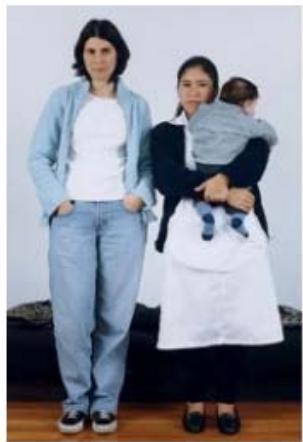 Maria Elena y Maribel
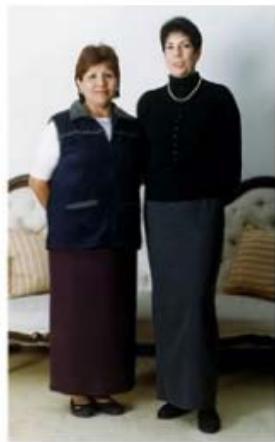 Asunta y Claudia
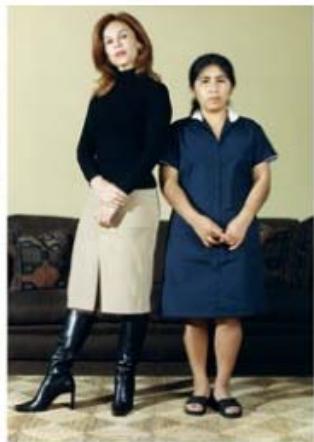 Panel label: Charoy Rosario.
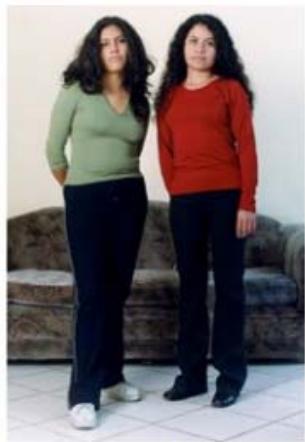 Verónica y Norberta Source: Iguiñiz, 2017
Image 1: Selection of photographs from the series "LaOTHER"
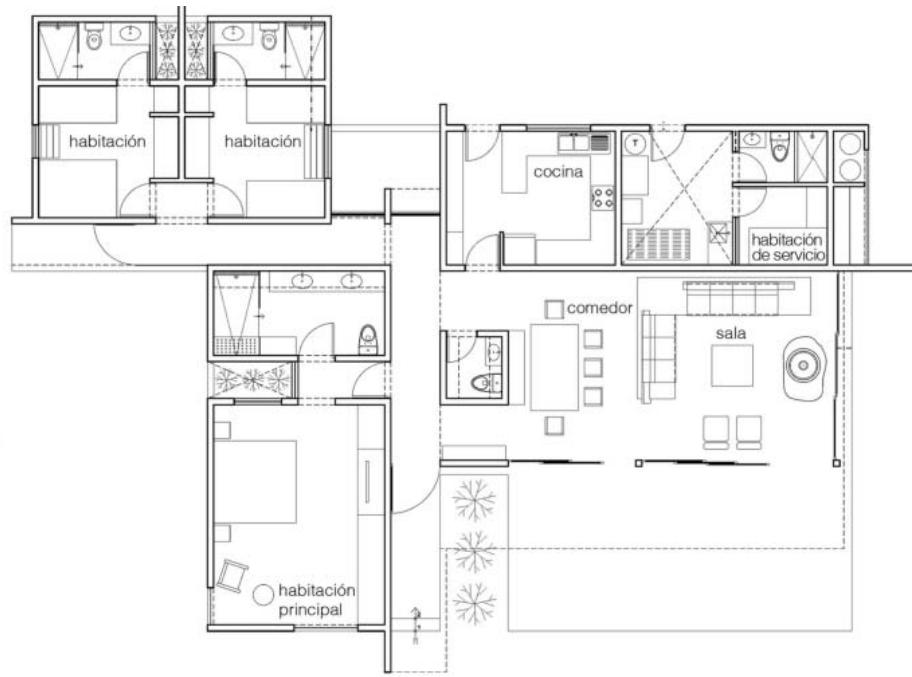 Image 2: Service room with an area of four square meters. Location: Cieneguilla, Lima, Peru, 2011. Photograh: Daniela Ortiz Source: Pérez, 2022
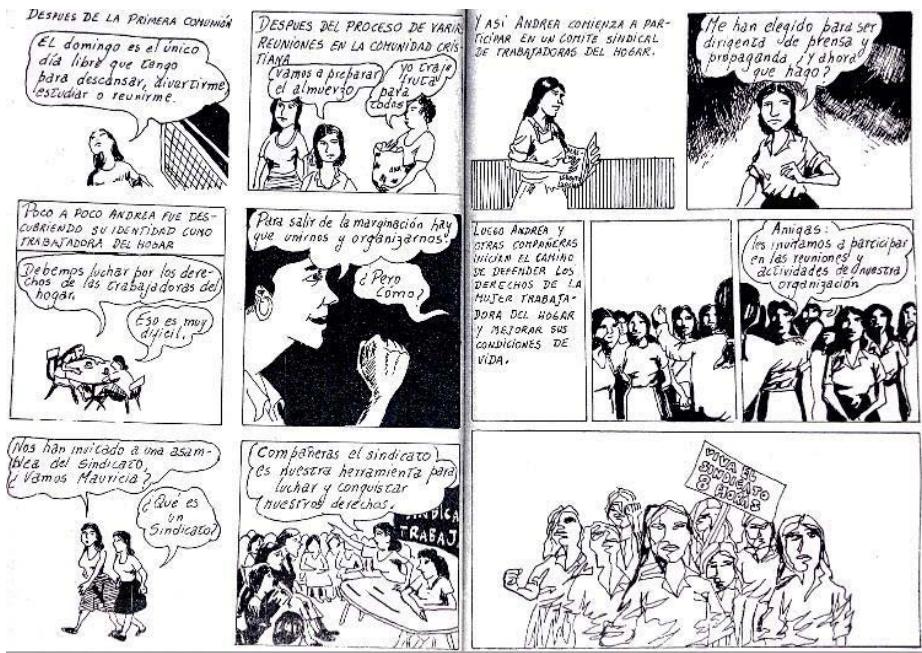 Source: Loza et al. (1990) Image 3: Comic excerpt: Union Organization of Domestic Workers
Generating HTML Viewer...
References
23 Cites in Article
G Alva (2023). El trabajo del hogar en el Perú.
Maruja Barrig (2001). Y cómo evitar la culpa: los arreglos familiares.
M Bastidas (2012). Protección social y trabajadoras del hogar en el Perú desde la visión de las protagonistas.
Merike Blofield,Merita Jokela (2018). Paid domestic work and the struggles of care workers in Latin America.
A Calderón,I Silva,L Rosadio (2020). ¡Primeras en organizarse, últimas en la academia! Una aproximación bibliográfica a los sindicatos de trabajadoras del hogar en el Perú.
E De Casanova (2015). «Como cualquier otro trabajo»: Organizando a las trabajadoras remuneradas del hogar en Ecuador.
(2016). Las trabajadoras del hogar en el Perú.
C Expósito (2012). ¿Qué es eso de la interseccionalidad? Aproximación al tratamiento de la diversidad desde la perspectiva de género en España.
P Fuertes (2013). Trabajo doméstico remunerado en el Perú. Situación y perspectivas en función del Convenio 189 y la Recomendación 201 de la OIT.
Mary Goldsmith (2013). Los espacios internacionales de la participación política de las trabajadoras remuneradas del hogar.
Natalia Iguíñiz (2017). ¿Qué hay dentro de las casas? Pequeñas historias sobre la distancia y el vacío.
A Jáuregui,E Button (2017). ANÁLISIS] Trabajo doméstico: una forma de trata de personas invisibilizada*.
C Kajatt (2020). Las trabajadoras del hogar en el Perú: contexto actual, evolución normativa y posibles cambios.
M Loza,P Luza,R Mendoza,F Valverde (1990). Así, ando, ando como empleada.
(2019). Portal de la OIT sobre los trabajadores domésticos.
L Pérez,P Llanos (2017). Vulnerable women in a thriving country: An analysis of twenty-first-century domestic workers in Peru and recommendations for future research.
Leda Pérez (2020). On her shoulders: unpacking domestic work, neo-kinship and social authoritarianism in Peru.
L Perez (2022). Chapter 1. Paid Domestic Workers’ Testimonios in Latin America.
A Quijano (2012). Bien vivir": entre el "desarrollo" y la des/colonialidad del poder.
G Rojas,N Contreras (2018). Resistencia activa de las trabajadoras del hogar en México: talleres, aprendizaje y empoderamiento.
A Sen (1999). Desarrollo y libertad.
R Silva (2007). Se necesita muchacha (second part).
Z Vela (2016). Articulación entre el gobierno local y la sociedad civil para el desarrollo de capacidades de las trabajadoras del hogar en el distrito de Magdalena del Mar.
Explore published articles in an immersive Augmented Reality environment. Our platform converts research papers into interactive 3D books, allowing readers to view and interact with content using AR and VR compatible devices.
Your published article is automatically converted into a realistic 3D book. Flip through pages and read research papers in a more engaging and interactive format.
This research paper delves into the pervasive discrimination faced by domestic workers within their work environments, with a specific focus on the context of Lima, Peru. The primary objective is to examine the labour conditions of paid domestic workers and explore the potential role of domestic workers’ unions in addressing these issues. Drawing upon a comprehensive review of secondary sources, including surveys, theses, and relevant articles, both quantitative and qualitative data are analysed to understand the complexities of the situation. Conceptual frameworks such as Human Capabilities, Good Living, and Intersectionality are utilized to provide a nuanced understanding of the challenges faced by domestic workers. The paper is structured into four main sections. Firstly, the context of the case is presented through secondary sources, highlighting the prevalence of informality, low wages, and asymmetrical power relations. Secondly, a synthesis of existing literature sheds light on the multifaceted nature of discrimination and labour exploitation within this sector.
Our website is actively being updated, and changes may occur frequently. Please clear your browser cache if needed. For feedback or error reporting, please email [email protected]
Thank you for connecting with us. We will respond to you shortly.