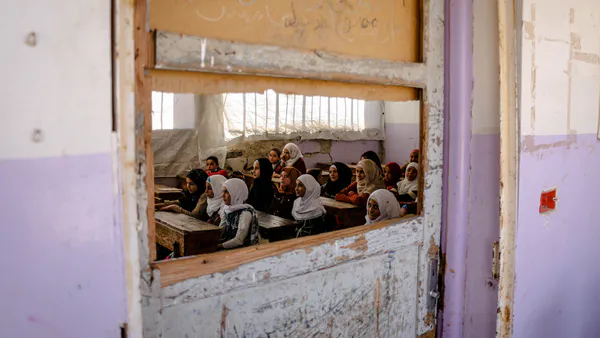
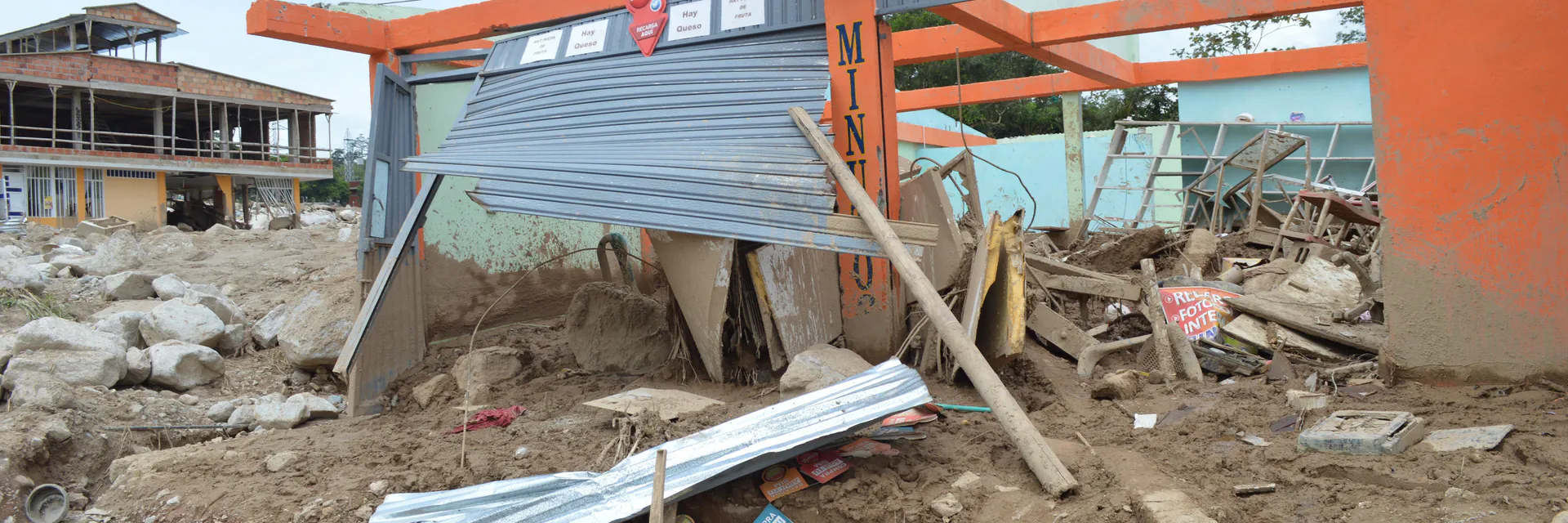
Education in Emergencies (EiE) has become central to responding to conflict, displacement, climate-related disasters, and protracted crises. Although existing EiE frameworks have strengthened access, protection, and learning continuity, they provide limited guidance on how education prepares learners to contribute to post-crisis recovery.
This paper addresses that gap by proposing the REBUILD Framework (Reconstruction-Oriented Education for Building Inclusive, Unified, and Long-Term Development), a conceptual model that positions Reconstruction Readiness as a core educational outcome in crisis-affected contexts.
Using a conceptual synthesis methodology, the study integrates insights from Education in Emergencies, human capital theory, peacebuilding, resilience, climate education, and recovery research to develop a unified framework linking educational experiences to societal reconstruction.
The framework comprises seven interconnected dimensions: Reconstruction Capacity, Employability and Economic Recovery, Building Peace, Understanding Environment and Climate Resilience, Inclusive Leadership, Lifelong Learning Pathways, and Development Readiness. The paper also introduces the Reconstruction Readiness Index (RRI) as a conceptual measurement model for assessing learner preparedness to support recovery processes.
By reframing educational effectiveness beyond learning continuity, the study contributes a new theoretical perspective for evaluating education in fragile contexts and provides a foundation for future research, policy development, and reconstruction-oriented educational practice.