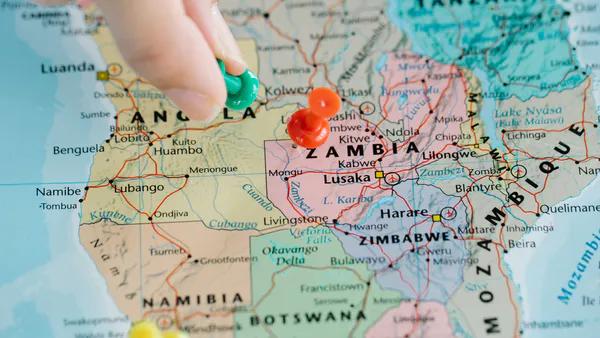
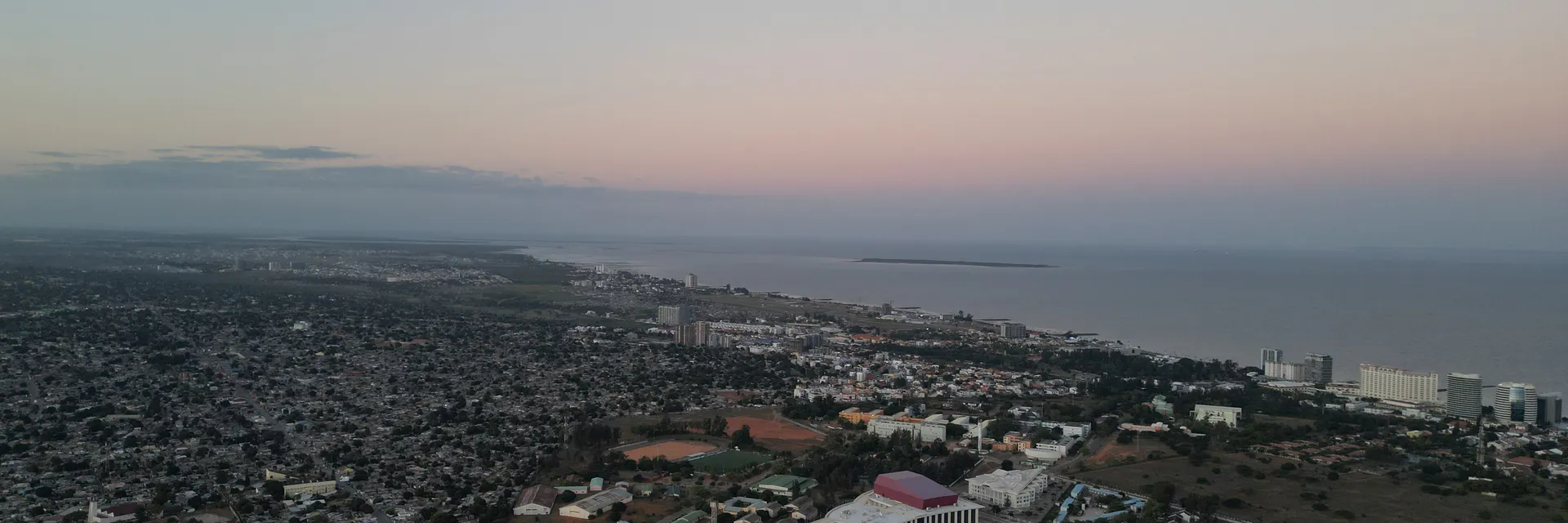
The general objective of this scientific article is to analyse terrorism as a factor of risk and political crisis in Mozambican democracy. Consequently, the specific objectives are to characterise the phenomenon, explain how terrorism influences the crisis in democracy, and identify the impacts of terrorism in Cabo Delgado. Thus, risk is perceived as the possibility or probability of the occurrence of a harmful event with the potential to harm people and their properties under the assumptions of exposure, vulnerability, susceptibility, and resilience. That is, risk is a social object linked to its perception by the individual or society. Since the beginnings of humanity, people have faced risks of various kinds. Mozambique does not escape this reality and has faced several political risks, particularly the phenomenon of terrorism in the northern region, which disrupts the country’s development at various levels. The perspective of this analysis focuses on the social scope of risk, and the complexity paradigm was used for the best representation of the phenomenon in question. Therefore, this scientific article relied on a bibliographic consultation based on a documentary analysis of literary works addressing the subject under study.
We use cookies and similar technologies to improve site performance, understand traffic, and enhance your publishing experience. Cookie Policy
Cookie settings
Global Journals privacy preferences
Choose which optional cookies Global Journals can use. Your preference applies across this platform and can be updated any time.
Necessary cookies
These cookies are required for core website functionality and security.

Always active
This is the heading
Lorem ipsum dolor sit amet, consectetur adipiscing elit. Ut elit tellus, luctus nec ullamcorper mattis, pulvinar dapibus leo.

Analysis of Terrorism as a Political Risk and Crisis Factor in Mozambican Democracy