Background: Burkholderia pseudomallei is the agent of melioidosis. It is a bacterium from the hydrotelluric environment, highly pathogenic for humans. The geographical distribution of this disease is spreading and now affects the southwest of the Indian Ocean and in Mayotte Case presentation: We report four new cases of melioidosis with a case that was complicated by a failure of several organs (case 2) which were observed on Mayotte Island. The last two affected cases came from Madagascar. Burkholderia pseudomallei was isolated from blood cultures, confirming the diagnosis. Prolonged treatment with ceftazidime or Ertapenem intravenously followed by cotrimoxazole alone or combined with oral doxycycline led to complete recovery.
## I. INTRODUCTION
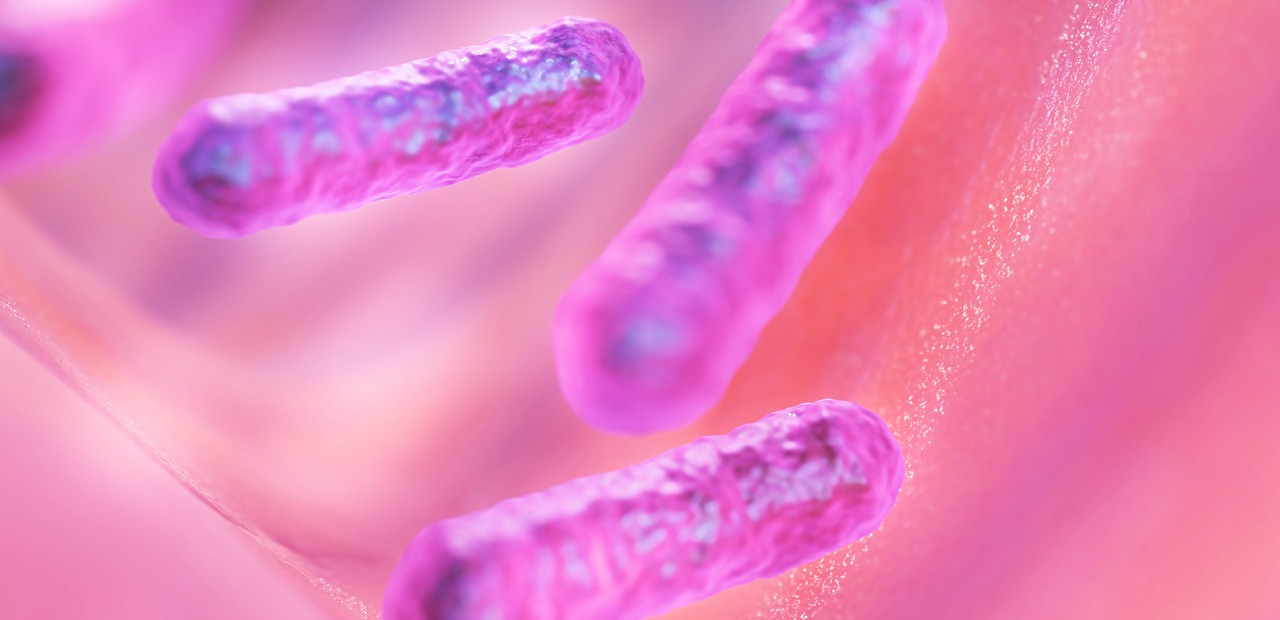
Melioidosis is a bacterial zoonosis in humid tropical areas, caused by a Gram-negative bacillus Burkholderia pseudomallei, an invasive germ, transmitted by inoculation, inhalation or ingestion. Although inhalation is the first route of infection described, it is now well known that inoculation is the most common mode of infection [1]. It was described in 1912 by Whitmore in Burma (Myanmar) [2]. It is a severe, opportunistic infection, difficult to treat, with high mortality. It is an emerging disease in the process of spreading. It mainly affects susceptible persons who are directly in contact with contaminated wet soils. Immunosuppressed elderly persons (e.g., those suffering from diabetes mellitus and/or alcoholism, chronic kidney and lung disease) are at increased risk of developing infection. It can reach all the organs and especially the lungs. The disease has protean manifestations ranging from localized abscess formation
Author $\sigma$: Service de Radiologie, Centre Hospitalier de Mayotte, Mamoudzou, Mayotte.
Author p: Africa CDC, Western Africa RCC, Abuja, Nigeria.
Author 6: IRD, Inserm, Univ Montpellier, TransVIHMI, Montpellier, France.
to disseminated abscesses, septicemia, shock [3-4]. Ceftazidime or meropenem are the therapeutic choice for treating severe cases of infection and can be given by the IV route for several weeks, followed by oral treatment (up to 20 weeks) with trimethoprim-sulfamethoxazole and doxycycline [5]. Here, we report four new cases of melioidosis that were observed in Mayotte, which is a French overseas department.
Case summary 1 In 2016, 73-year-old Comorian with a history of high blood pressure, chronic renal failure, insulin-requiring diabetes, does not smoke, non-alcoholic. Living in Mayotte for many years, with no notion of recent travel. He consults in the emergency room for fever and chills with an infectious focus on the left on the chest X-ray. The clinical examination found crackles from both bases. The general condition of the patient allows return home with amoxicillin/clavulanic acid. Three days after going to the emergency room, he consults again for persistent fever. The biological assessment shows a moderate inflammatory syndrome with GB $15\mathrm{G} / \mathrm{L}$ with PNN $12.2\mathrm{G} / \mathrm{L}$, thrombocytopenia at $86\mathrm{G} / \mathrm{L}$, CRP $222\mathrm{mg} / \mathrm{L}$, urea 34 and creatinine 369 and HbA1c at $11\%$. A blood culture taken during its first emergency visit highlights Burkholderia pseudomallei after 6 hours of incubation on the aerobic sample. A chest CT scan showed necrotizing pneumonitis with bilateral effusion and small parenchymal condensation of the focal right upper lobe. Based on the antibiogram, treatment with Ertapeneme (1 g/day) and cotrimoxazole $960\mathrm{mg}$ (1 tablet/day) for 14 days was started. Apyrexia is achieved on the fifth day of treatment. The control blood cultures will all come back sterile. After two weeks of dual antibiotic therapy, the patient is treated with cotrimoxazole alone for a total of 3 months. A good clinical-biological evolution at the end of the treatment without relapse was observed.
Case summary 2 In March 2018, 54-year-old Comorian woman with type 2 and hypertensive diabetes. Living in Mayotte for many years, with no notion of recent travel, does not smoke, does not drink alcohol. Farmer. For the past month and a half, she had had a deterioration in general condition with weight loss, fever with chills, headache with a dry mouth, tongue, pallor and an imbalance of diabetes. She complains of diffuse abdominal pain, constipation on physical examination. On admission, the
biology found GB 10.5 G/L, PNN 9.19 G/L, thrombocytopenia: 105 giga/L, prothrombin level: $42\%$, CRP 257mg/L. Cytolysis three times normal, moderate cholestasis without jaundice, HbA1c $13\%$. Three blood cultures (aerobic Falcon) grow to Burkholderia pseudomallei. The Thoraco-Abdo-pelvic CT scan performed on admission found moderate bilateral pleural effusion, predominantly on the left, and a thin layer of pericardial effusion at the mediastinal window. At the parenchymal level, there were multiple diffuse nodular lesions of central and peripheral distribution, bilaterally and predominantly on the right with bilateral hilo-basal peri-broncho-vascular thickening with left postero-basal parenchymal condensation. There were also multiple hypodense lesions on the hepatic parenchyma evoking micro-abscisses and stable appearance of the intra-splenic abscessed collections and Thrombosis of the splenic vein associated with several lymphadenopathies at the level of the splenic hilum thus confirming the image of the thrombus at level of portal division of the left liver. The brain scan did not find any argument in favor of an abscess. Initially treated with Ceftriaxone then adapted to the results of blood cultures with Ceftazidime (6g/day) plus intravenous Cotrimoxazole (3200mg/day) for 14 days then relay maintenance treatment with cotrimoxazole (960mg) oral (6 tablet/day) and doxycycline (200mg/day). She also benefited from a curative anticoagulation by Lovenox then Rivaroxaban for 3 months. At 6 months of treatment, there was a good clinical-biological and CT evolution with almost complete regression of the pulmonary, hepatic and spleen lesions. No relapse after 3 months of follow-up
Case summary 3 In July 2018, 61-year-old Maharais, whose only history was a benign prostate enlargement with a first placement of a permanent catheter in Madagascar a month before his hospitalization. Addressed to the emergency room in front of a table of febrile glaio-bloody diarrhea evolving for 3 days, a general examination found fever. Biology finds an inflammatory syndrome (22 G/L of leukocytes, CRP 339mg, a 2N cholestasis without hepatic cytolysis and an increased free bilirubinemia and PSA at 14.88. A vesico-prostatic ultrasound found in the bladder a clot of hematoma measuring 73 mm long transverse axis 54 mm thick and 54 mm high or 113 ml in volume. The prostate was enlarged, homogeneous, without image of a nodule. Cytobacteriological examination of the urine found leukocyturia at 19200/mm3, red cells 1686/mm3, as well as Gram-negative bacteria live Put on ceftriaxone and Ofloxacin Cytobacteriological examination of urine and two aerobic blood cultures confirmed the presence of Burkholderia pseudomallei Diagnosis of hemorrhagic shock secondary to massive hematuria within the framework of a septicemia with urinary starting point by
Burkholderia pseudomallei was posed. Passage with the block for clot removal vesical I by the upper route and retropubic adenomectomy. Introduction after antibiogram of Ceftazidime (6g/day) for 14 days with then switch with Doxycycline (300 mg/day) for 3 months. The evolution is quickly favorable both urologically and infectiously. Note that the blood cultures and Cytobacteriological examination of the urine carried out after the treatment returned sterile and an abdominopelvic scanner showed nothing.
Case summary 4 In December 2018, Maharais, 62, type II diabetes and high blood pressure. After a month's stay in Madagascar, presents to the emergency room three weeks after his return for feverish cough; a hypothesis of right lung disease was raised and treated with amoxicillin/clavulanic acid with return home. Returns to the emergency department two days later for increases in the pulmonary picture with stage IV dyspnea, productive cough and chest pain. The clinical examination is without particularity. Biology GB 14.3G/L, including PNN 10.0G/L, P 407G/L, CRP 295mg/L and HBA1c $9.8\%$. A Thoraco Abdomino-Pelvic CT scan found at the mediastinal level: infra-centimetric lymphadenopathy at the level of the Barety's compartment and right bronchopulmonary, a bilateral pleural effusion larger on the right. At the parenchyma level, there were several bilateral pulmonary foci, the largest of which was located at the level of the upper right lobe with an aspect of early collection abscess 43 mm in diameter located in the posterior sub pleural. Several other foci of pseudo-nodular appearance are found at the level of the right apex, at the level of the lingula and at the level of the two lower lobes. Abdomino-pelvic no abnormality. Aerobic blood culture returns positive to Burkholderia pseudomallei. The diagnosis of a hypoxemic pneumonia with Burkholderia pseudomallei was confirmed with initiation under meropenem (6 g/day) and cotrimoxazole (960mg) oral (4 tablet/day) for 14 days then relay with Doxycycline (200mg/day) and cotrimoxazole (960mg) even dose for 3 months. Significant improvement at the clinical level with oxygen and biological withdrawal. No relapses were reported after three months of follow-up.
## II. DISCUSSION
We report two indigenous cases and two imported cases of melioidosis from Madagascar observed between 2016 and 2018 in Mayotte which is the last French overseas department, located in the Indian Ocean region. Melioidosis is a seasonal condition, the incidence of which increases with each rainy season [6]. In fact, 75 to $81\%$ of cases are detected during the months when rainfall is highest [7]. Hygiene conditions and access to drinking water could be at issue because a study carried out in 2013 in
Thailand shows that ingestion of non-drinking water is clearly criminalized in low-income countries [8]. According to INSEE in 2017, almost a third of the inhabitants of Mayotte did not have access to water in their accommodation. To obtain water, the Maharais use an outdoor tap shared between several dwellings. Those who do not have them call on "neighbors or relatives". "The others, mainly residents of sheet metal houses, get their water from a fire hydrant, from a well or directly from a river or stream," said INSEE. A review of the literature published in 2017 shows that 13 cases of melioidosis have been documented in the Indian Ocean region since 2004 [9,10,11] In the Indian Ocean region, most of these cases occurred after a stay in Madagascar [10,12], like our two imported cases. The incidence of melioidosis in Madagascar may be more important than assumed because it is likely that many cases are never diagnosed or treated. The number of cases diagnosed is probably lower than reality, due to the lack of diagnostic means in developing countries, and the ignorance of this pathology by doctors. These recent clinical reports suggest that this infection is endemic in the Indian Ocean region. In our case series, three-quarters of our patients were diabetic. Various studies clearly demonstrate that almost $50\%$ of melioidosis patients have varying degrees of diabetes mellitus. Additionally, B. pseudomallei-infected diabetics have impaired IL12P70 production that results in decrement of IFN- $\gamma$ [13]. It was also found that pulmonary localization was the most frequent with almost $75\%$ of cases. According to the literature, melioidosis is expressed in the majority of cases by pneumonia, regardless of the endemic area [14]. This is often severe and may require the use of intensive care. Pulmonary involvement occurs in the form of pneumonia, lung abscess, pleural effusion or even pleural empyema [15]. Genitourinary disorders with prostatic abscess have also been reported in Australia, while a significant proportion of hepatic or splenic abscesses have been found mainly in Thailand [14,16]. Our patients were treated during the attack phase with either a carbapenem or ceftazidime as monotherapy for at least two weeks and then relayed with trimethoprim sulfamethoxazole or doxycycline alone or both. Study confirms that ceftazidime or meropenem are the therapeutic choice for the treatment of severe cases of infection and can be administered IV for several weeks, followed by oral treatment (up to 20 weeks) with trimethoprim sulfamethoxazole and doxycycline [5].
## III. CONCLUSION
Melioidosis poses a potential threat in the Indian Ocean region in general and Mayotte and should be carefully monitored. The high incidences of diabetes and climatologic conditions such as rainy seasons with the occurrence of tropical cyclones make Mayotte a possible setting for melioidosis. It would therefore not be surprising to see a marked increase in the incidence rate of melioidosis in the years to come. In addition, clinicians examining travelers with severe pneumonia or sepsis returning from subtropical or tropical regions should consider the differential diagnosis of acute melioidosis especially that novel molecular methods of diagnosis (e.g., PCR) are being increasingly implemented for routine diagnosis. Report to the laboratory to avoid accidental contamination on the one hand and on the other hand, it is feared that B. pseudomallei will be used as a biological weapon
Key learning points
- Burkholderia pseudomallei is the causative agent of melioidosis, which is prevalent throughout Southeast Asia.
- This bacterium is an important bioweapon and bioterrorism risk worldwide.
- The overall fatality rate of septicemia in melioidosis is very high, and bacteria are intrinsically resistant to many antimicrobial agents.
- Melioidosis increasingly affects travelers visiting endemic areas, thereby leading to septicemia.
- Clinicians should consider acute melioidosis as a differential diagnosis.
Top five papers
[1] Allou N, Martinez O, Allyn J, Bouchet B, Jaffar-Bandjee M-C, Galas T, et al. (2017) Emergence of melioidosis in the Indian Oceanregion: Two new cases and a literature review. PLoS Negl Trop Dis 11(12): e0006018. https://doi.org/10.1371/journal.pntd.0006018
CRP: C-REAACTIVE PROTEIN
CT scan: Computerized Tomography
GB: white blood cells
HbA1c: glycated hemoglobin
IV: Intravenous injection
INSEE: The National Institute of Statistics and Economic Studies
IL12P70: Interleukin-12, p70
Generating HTML Viewer...
References
17 Cites in Article
A Cheng,B Currie (2005). Melioidosis: epidemiology, pathophysiology, and management.
A Whitmore,C Krishnasawami (1912). An Account of a Glanders-like Disease occurring in Rangoon.
A Walsh,M Smith,V Wuthiekanun,Y Suputtamongkol,W Chaowagul,D Dance,B Angus,N White (1995). Prognostic Significance of Quantitative Bacteremia in Septicemic Melioidosis.
Comnate Tiangpitayakorn,Sirirurg Songsivilai,Nuanchan Piyasangthong,Tararaj Dharakul (1997). Speed of Detection of Burkholderia pseudomallei in Blood Cultures and its Correlation with the Clinical Outcome.
Timothy Inglis,Dionne Rolim,Jorge Rodriguez (2006). Clinical guideline for diagnosis and management of melioidosis.
Xiang Liu,Long Pang,Siew Sim,Kee Goh,Sharada Ravikumar,Mar Win,Gladys Tan,Alex Cook,Dale Fisher,Louis Chai (2015). Association of Melioidosis Incidence with Rainfall and Humidity, Singapore, 2003–2012.
Bart Currie,Susan Jacups (2003). Intensity of Rainfall and Severity of Melioidosis, Australia.
Direk Limmathurotsakul,Manas Kanoksil,Vanaporn Wuthiekanun,Rungrueng Kitphati,Bianca Destavola,Nicholas Day,Sharon Peacock (2013). Activities of Daily Living Associated with Acquisition of Melioidosis in Northeast Thailand: A Matched Case-Control Study.
M Issack,C Bundhun,H Gokhool (2005). Melioidosis in Mauritius.
S Berger (2017). Melioidosis and Glanders: Global Status.
Nicolas Allou,Olivier Martinet,Jérôme Allyn,Bruno Bouchet,Marie-Christine Jaffar-Bandjee,Thomas Galas,Nicolas Traversier,Olivier Belmonte (2017). Emergence of melioidosis in the Indian Ocean region: Two new cases and a literature review.
O Martinet,Pac Soo,A Knezynski,M (2004). Melioidosis: regarding a case acquired in Madagascar and two nosocomial cases.
K Tan,K Lee,K Low,A Gamage,Y Liu,G Tan (2012). Glutathione deficiency in type 2 diabetes impairs cytokine responses and control of intracellular bacteria.
Allen Cheng,Bart Currie (2005). Melioidosis: Epidemiology, Pathophysiology, and Management.
Bart Currie,Dale Fisher,Diane Howard,James Burrow,David Lo,Sid Selva‐nayagam,Nicholas Anstey,Sarah Huffam,Paul Snelling,Paul Marks,Diane Stephens,Gary Lum,Susan Jacups,Vicki Krause (2000). Endemic Melioidosis in Tropical Northern Australia: A 10‐Year Prospective Study and Review of the Literature.
A Malczewski,K Oman,R Norton,N Ketheesan (2005). Clinical presentation of melioidosis in Queensland, Australia.
B Abreviation,Pseudomallei Burkholderia pseudomallei CRP: C-REACTIVE PROTEIN CT scan: Computerized Tomography GB: white blood cells HbA1c: glycated hemoglobin IV: Intravenous injection INSEE.
No ethics committee approval was required for this article type.
Data Availability
Not applicable for this article.
How to Cite This Article
Abdoulahy Diallo. 2026. \u201cMelioidosis an Emerging Disease in the Indian Ocean Region: Case Series Study in Mayotte\u201d. Global Journal of Medical Research - C: Microbiology & Pathology GJMR-C Volume 23 (GJMR Volume 23 Issue C3): .
Explore published articles in an immersive Augmented Reality environment. Our platform converts research papers into interactive 3D books, allowing readers to view and interact with content using AR and VR compatible devices.
Your published article is automatically converted into a realistic 3D book. Flip through pages and read research papers in a more engaging and interactive format.
Background: Burkholderia pseudomallei is the agent of melioidosis. It is a bacterium from the hydrotelluric environment, highly pathogenic for humans. The geographical distribution of this disease is spreading and now affects the southwest of the Indian Ocean and in Mayotte Case presentation: We report four new cases of melioidosis with a case that was complicated by a failure of several organs (case 2) which were observed on Mayotte Island. The last two affected cases came from Madagascar. Burkholderia pseudomallei was isolated from blood cultures, confirming the diagnosis. Prolonged treatment with ceftazidime or Ertapenem intravenously followed by cotrimoxazole alone or combined with oral doxycycline led to complete recovery.
Our website is actively being updated, and changes may occur frequently. Please clear your browser cache if needed. For feedback or error reporting, please email [email protected]
Thank you for connecting with us. We will respond to you shortly.