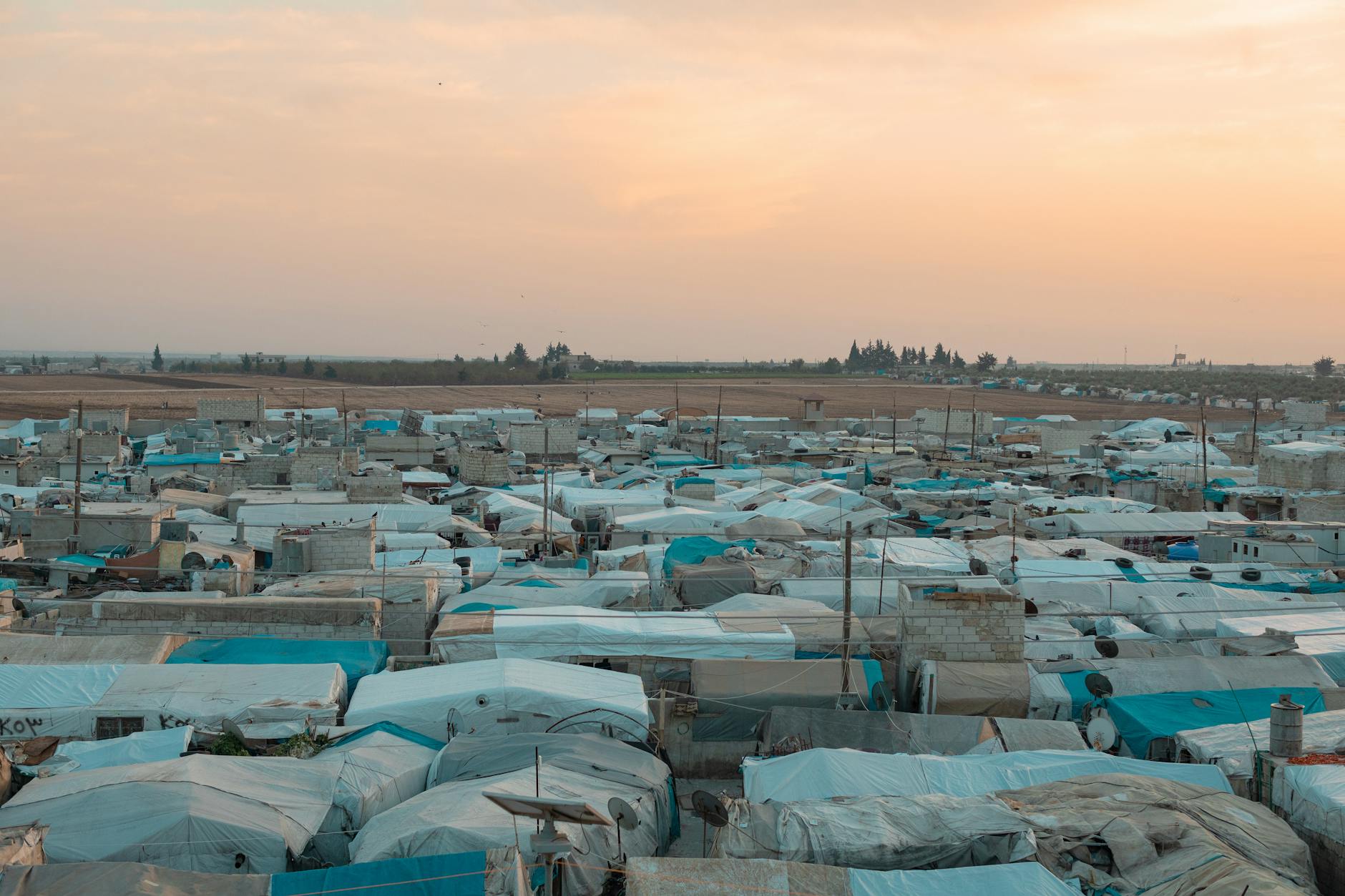
This study presents an integrative review of scientific literature addressing the relationship between mental health and the immigrant experience. The theoretical foundation is rooted in John Bowlby’s Attachment and Grief Theory, interwoven with contemporary contributions on psychological suffering in contexts of both forced and voluntary migration. The bibliographic search involved a comprehensive screening across BVS, LILACS, BDENF, INDEXPSI, MEDLINE, and IRIS databases, using descriptors in Portuguese, Spanish, and English. Inclusion criteria focused on empirical studies published between 2000 and 2025 that explore the nexus between migration and mental health. The selected works were analyzed through four thematic axes: prevalent psychopathological symptoms; risk and vulnerability factors; protective strategies and coping mechanisms; and intersectional differences. The findings reveal recurrent patterns of anxiety, depression, post-traumatic stress, and prolonged grief, often rooted in disrupted attachments, unprocessed losses, and a breakdown of belonging. In contrast, social support networks, religious or spiritual frameworks, and community integration emerged as stabilizing elements. Migration, more than a physical transition, frequently entails a multilayered grieving process.
Resumo- Neste estudo, realiza-se uma revisão integrativa de produções científicas voltadas à relação entre saúde mental e experiência imigratória. O ponto de partida teórico repousa na Teoria do Apego e do Luto, desenvolvida por John Bowlby, entrecruzada com contribuições recentes sobre sofrimento psíquico em contextos de deslocamento humano — sejam eles compulsórios ou escolhidos. A coleta bibliográfica envolveu ampla varredura nas bases BVS, LILACS, BDENF, INDEXPSI, MEDLINE e IRIS, mediante descritores trilingues e critérios de inclusão centrados na interface entre migração e saúde mental, no recorte temporal de 2000 a 2025. Os estudos selecionados foram examinados à luz de quatro eixos analíticos: manifestações psicopatológicas frequentes; variáveis de risco e vulnerabilidade; estratégias protetivas e modos de enfrentamento; e marcadores interseccionais. Os resultados apontam para quadros persistentes de ansiedade, depressão, estresse pós-traumático e luto prolongado, geralmente ancorados em vínculos interrompidos, perdas não simbolizadas e descontinuidade do pertencimento. Como contraponto, redes sociais, espiritualidade e inserção comunitária revelam-se elementos de sustentação subjetiva. Mais do que deslocamento físico, a migração se mostra, frequentemente, como vivência de luto múltiplo. Sustenta-se, portanto, a necessidade de políticas e práticas que legitimem essas experiências de perda e favoreçam intervenções em saúde mental culturalmente sensíveis. A Teoria do Apego, nesse panorama, oferece base conceitual robusta para pensar o sofrimento migrante e orientar ações clínicas e institucionais.
## INTRODUÇÃO
imigração, enquanto fenômeno atravessado por camadas múltiplas, não se restringe à dimensão geopolítica dos deslocamentos; ela escava, simultaneamente, a estrutura e a interioridade dos sujeitos, produzindo efeitos tangíveis nos processos que regem o equilíbrio psíquico. Num cenário global marcado pela aceleração dos fluxos migratórios — impulsionados por razões tão díspares quanto interconectadas: busca por trabalho, refúgio político, fuga de crises, projetos educacionais, O deslocamento carrega, em si, ausências. Nem sempre visíveis, mas quase sempre indispensáveis na análise. Perdas — materiais e simbólicas — que se impõem como fardos emocionais, moldando paisagens de vulnerabilidade mental (Ferreira; Borges, 2022; Pereira; Filho, 2014).
A literatura é enfática: quando o migrar implica rompimentos abruptos, dissolução de laços familiares, exclusão social — o impacto psíquico se intensifica. O sofrimento emerge. Às vezes sutil, outras vezes em erupção. Ansiedade. Depressão. Estresse póstraumático. Quadros de luto prolongado. E, não raro, o refúgio ilusório nas substâncias psicoativas (Kokou-Kpolou Et Al., 2020; Ferreira; Borges, 2022).
No entanto, não se trata apenas da dor individual. O sofrimento do imigrante é moldado por sistemas que operam com desigualdade: legislações restritivas, ausência de acesso a cuidados, práticas cotidianas de desvalorização simbólica. Esse emaranhado institucional e afetivo agrava o impacto da migração sobre o psiquismo (Pereira; Filho, 2014). Quando faltam redes de apoio e quando os marcos identitários se desfazem — linguísticos, religiosos, culturais, comunitários — instala-se o que poderíamos nomear de vazio estrutural. Um estado de descontinuidade subjetiva. Um campo fértil para o desamparo (Ferreira; Borges, 2022).
A teoria do apego, elaborada por Bowlby (1969/ 1982), oferece uma chave interpretativa potente para essa ruptura. Laços afetivos estáveis e confiáveis não apenas sustentam o desenvolvimento emocional — são ele próprios sustentáculos da segurança interna. A migração, ao provocar a separação dessas figuras, pode ativar intensamente o sistema de apego. O que se segue? Sentimentos de protesto, tristeza desorganizada, estados de ansiedade desarticuladora (Cassidy, 2013).
Nesse debate, Maria Helena Franco (2021) tensiona as categorias tradicionais do luto. Vai além da polarização entre o que se convencionou chamar de luto "normal" e o dito "patológico". Para ela, o luto é um fenômeno estruturalmente complexo e simbolicamente denso, cujas manifestações ultrapassam as fronteiras da normatividade clínica. Complicado, prolongado, persistente, traumático — são nomes que emergem para descrever facetas distintas da perda. No caso do imigrante, tais classificações revelam-se especialmente pertinentes, uma vez que sua trajetória é composta por sucessivos rompimentos e reformulações identitárias que resistem à categorização simples.
Com base nessas premissas, este artigo propõe-se a realizar uma revisão integrativa da literatura, examinando como a condição imigrante incide sobre a saúde mental. Entre os anos de 2000 e 2025, foram sistematizados estudos que evidenciam fatores de risco e proteção nesse processo. O que se busca, aqui, não é apenas a descrição dos efeitos, mas uma compreensão ampliada — que articule contextos, atravesse abordagens teóricas, dialogue com a clínica e com as políticas públicas. Um exercício de leitura crítica sobre o sofrimento migrante e suas interfaces invisibilizadas.
## I. METODOLOGIA
A presente investigação configura-se como uma revisão integrativa da literatura — modalidade metodológica que, ao romper com a rigidez dos recortes tradicionais, permite reunir, contrastar e articular estudos de naturezas distintas. Ao tomar como foco o impacto da experiência imigratória sobre a saúde mental, essa estratégia possibilita a construção de um retrato multifacetado do fenômeno em questão, desenhado a partir de evidências dispersas e abordagens diversas. A amplitude desse tipo de revisão não apenas enriquece a compreensão do objeto, como também favorece a detecção de lacunas conceituais e metodológicas ainda não suficientemente exploradas, oferecendo pistas férteis para futuras agendas investigativas (Whittemore; Knafl, 2005).
A busca por estudos relevantes não foi aleatória nem limitada a um conjunto restrito de fontes. Ao contrário, recorreu-se a uma varredura sistemática nas bases da Biblioteca Virtual em Saúde (BVS), com ênfase nas plataformas BDENF, LILACS, INDEXPSI, MEDLINE e IRIS. A estratégia de recuperação de dados ancorou-se em descritores controlados nos três idiomas predominantes na literatura especializada — português, inglês e espanhol —, combinados mediante operadores booleanos que permitiram cruzamentos entre os termos "Emigração e Imigração" OR "Emigración e Inmigración" OR "Emigration and Immigration" AND "Saúde Mental" OR "Salud Mental" OR "Mental Health". Esse desenho buscou maximizar a sensibilidade da busca sem comprometer sua especificidade temática.
Foram definidos, desde o início, critérios claros de inclusão: apenas artigos publicados entre 2000 e fevereiro de 2025, nos três idiomas mencionados, e que abordassem de maneira direta a articulação entre migração e saúde mental foram considerados. Estudos duplicados, editoriais opinativos, resumos de eventos científicos e textos cuja análise não incidia substancialmente sobre o sofrimento psíquico de populações imigrantes foram descartados.
O número inicial de trabalhos encontrados foi expressivo: 48 estudos preencheram, em princípio, os critérios de relevância temática. Contudo, à medida que se aplicaram os critérios de elegibilidade de forma mais rigorosa, esse número foi sendo depurado. Ao final da triagem e leitura aprofundada, o corpus analítico consolidou-se em 31 artigos. Os 17 textos remanescentes foram excluídos por duas razões principais: ou não dialogavam de maneira efetiva com as categorias teóricas delineadas — risco, proteção, manifestações clínicas e interseccionalidades —, ou não estavam integralmente disponíveis em acesso aberto, o que impediu sua análise em profundidade.
A organização e análise dos dados extraídos desses 31 estudos seguiram um roteiro analítico estruturado, que incluiu variáveis como autoria, ano e país da publicação, população-alvo, delineamento metodológico, técnicas e instrumentos utilizados, principais resultados e possíveis implicações práticas. A etapa interpretativa, por sua vez, foi guiada por um processo de categorização temática de natureza indutiva. Buscou-se, nessa fase, evidenciar padrões recorrentes — fatores de risco e proteção, vivências de discriminação, separações familiares forçadas, barreiras no acesso a serviços de saúde, e experiências de luto vinculadas à migração. Todo esse percurso interpretativo foi conduzido em consonância com os princípios metodológicos da revisão integrativa conforme propostos por Whittemore e Knafl (2005), assegurando densidade analítica e coerência interna à síntese produzida.
## II. ANÁliSE INTEGrativa Da PrOdUÇÃo CiEntífica Sobre ImigraÇÃo e Saúde MENtal
Para conferir coesão à análise e profundidade à interpretação dos achados, os estudos foram organizados em quatro núcleos analíticos: (1) manifestações clínicas recorrentes, como depressão, ansiedade, estresse pós-traumático e uso de substâncias; (2) fatores de vulnerabilização — discriminação, precariedade documental, rupturas familiares; (3) dispositivos de proteção e recursos de enfrentamento, incluindo religiosidade, redes sociais de apoio e práticas culturais; e (4) marcadores interseccionais — gênero, faixa etária, etnia e geração migratória — como vetores de diferenciação da experiência psíquica.
A diversidade metodológica entre os estudos selecionados não apenas enriquece a tessitura analítica da revisão, como também amplia suas possibilidades interpretativas. O corpus é dominado por investigações empíricas, com notável predominância de delineamentos quantitativos $( \mathsf { n } = 1 7$; $5 4, 8 \%$, voltados à mensuração da prevalência de transtornos mentais e à identificação de associações estatisticamente significativas com variáveis migratórias. Tais estudos ancoraram-se, majoritariamente, em surveys padronizados, entrevistas estruturadas e bases secundárias de ampla cobertura populacional, como as plataformas NLAAS, CIDI e NSAL, reconhecidas por sua robustez amostral.
Não menos relevantes, os trabalhos de natureza qualitativa — representando $3 5, 5 \%$ da amostra $( \mathsf { n } = 1 1$ ) — permitiram o acesso às nuances subjetivas da experiência migratória, abordando aspectos simbólicos, afetivos e narrativos do sofrimento. Por meio de entrevistas abertas, grupos focais, etnografias e análise de conteúdo, essas investigações iluminaram trajetórias de mulheres, adolescentes, refugiados e outros grupos em situação de vulnerabilidade. Três estudos $( 9, 7 \% )$ integraram abordagens mistas, articulando dimensões clínicas e interpretativas; dois adotaram um viés teórico-conceitual, oferecendo marcos analíticos para o aprofundamento da discussão.
As técnicas de coleta utilizadas nos 31 estudos também revelam significativa heterogeneidade: 14 recorreram a entrevistas semiestruturadas ou em profundidade; ao menos nove mobilizaram instrumentos psicométricos validados — como o SRQ-20, OQ-45.2, PHQ-2, Harvard Trauma Questionnaire, Hopkins Checklist-25, entre outros. Seis artigos basearam-se em grandes bancos de dados secundários e três desenvolveram metodologias participativas, dialógicas ou de inspiração etnográfica. Quanto à amostragem, embora prevaleça o uso de conveniência, notam-se investigações quantitativas com amostras superiores a mil participantes, o que confere maior poder inferencial aos resultados.
Do ponto de vista geográfico, os estudos concentram-se majoritariamente no continente americano. Os Estados Unidos figuram com maior frequência $( \mathsf { n } = 1 2 )$, seguidos por Chile $( \mathsf { n } = 4 )$, México $( \mathsf { n } \ = \ 3 )$, Brasil $( \mathsf { n } \ = \ 2 )$, Guatemala, Colômbia e Peru $( \mathsf { n } = 1$ cada). Dois estudos foram realizados fora do eixo latino-americano: um na Suíça e outro na China. Essa distribuição espacial reflete, em grande medida, os fluxos migratórios predominantes na contemporaneidade, sobretudo aqueles que partem da América Latina e Caribe rumo a destinos com estruturas institucionais desiguais ou políticas de acolhimento restritivas.
A heterogeneidade metodológica que atravessa o corpus analisado constitui um dos pilares interpretativos desta revisão. Ao permitir o cruzamento entre distintas epistemologias quantitativa, qualitativa, mista —, a análise torna-se capaz de apreender tanto os contornos estruturais do adoecimento psíquico quanto suas expressões vivenciais e simbólicas. Ainda assim, torna-se visível a escassez de estudos longitudinais, bem como a ausência de investigações multicêntricas comparativas, que poderiam elucidar os efeitos da migração ao longo do tempo e em diferentes territórios. Identifica-se, assim, a urgência de fomentar pesquisas que articulem métodos integrativos e enfoques interdisciplinares, atentos à complexidade das trajetórias migratórias e às múltiplas camadas do sofrimento mental que delas decorrem.
### a) Transtornos Psíquicos Prevalentes Entre Imigrantes
No universo dos deslocamentos humanos, certos quadros clínicos surgem com notável recorrência entre populações migrantes. Destacam-se, nesse cenário, a depressão, os transtornos de ansiedade, o estresse pós-traumático (TEPT) e, em contextos específicos, o consumo problemático de substâncias psicoativas. O processo migratório — que raramente ocorre sem rupturas e perdas, tanto concretas quanto simbólicas inscreve-se como catalisador de desequilíbrios psíquicos, cujas expressões são diversas e muitas vezes interligadas (Santillanes-Allande, 2017; Gulbas et al., 2016).
A depressão, entre esses transtornos, desponta como o diagnóstico mais amplamente relatado. Relatos variam desde os de mulheres mexicanas vivendo em Nova York (Santillanes-Allande, 2017) até os de crianças e adolescentes estadunidenses, filhos de imigrantes em condição de irregularidade (Gulbas Et Al., 2016). Mas não apenas os que partem são afetados: pais idosos que permanecem em seus países de origem, como no México ou na China, também padecem com a ausência prolongada dos filhos que migraram. Para esses, a solidão toma forma clínica, como demonstram os achados de Antman (2009) e Zhou et al. (2014), indicando que o impacto da migração transcende o sujeito que migra e atravessa o tecido familiar de maneira transgeracional.
Já em relação aos transtornos de ansiedade, o padrão observado aponta para sua elevação significativa no pós-migração. Em estudo comparativo, Breslau et al. (2011) identificaram aumento expressivo na incidência de episódios de ansiedade e depressão entre imigrantes mexicanos nos Estados Unidos, especialmente entre os mais jovens. Tal evidência desafia a chamada "hipótese do imigrante saudável", ao mesmo tempo em que dá respaldo à teoria do estresse aculturativo como mediador do sofrimento.
No campo do TEPT, o que se observa é uma prevalência marcadamente elevada em segmentos mais expostos à violência estrutural. Crianças que enfrentaram a separação forçada de seus pais, como nos casos de deportação, mulheres usuárias de drogas expulsas dos EUA para o México e pessoas submetidas a contextos reiterados de desamparo institucional, compõem o grupo mais atingido (Gulbas Et Al., 2016;
Robertson Et Al., 2012; Santillanes-Allande, 2017). Em tais realidades, o trauma não é um evento isolado, mas um processo contínuo de esgarçamento dos vínculos afetivos, marcado pela instabilidade habitacional, precariedade econômica e riscos à integridade física e psíauica.
Outro aspecto relevante diz respeito à somatização do sofrimento mental. Bucay-Harari et al. (2020), em estudo com imigrantes latino-americanos em Baltimore, identificaram que a queixa de dor física frequentemente encobria estados emocionais graves, não verbalizados por barreiras culturais ou por ausência de espaços de escuta qualificada. A sintomatologia, nesse caso, desloca-se do plano simbólico para o corpo, configurando-se como uma linguagem alternativa de expressão do sofrimento.
No que tange ao uso de substâncias, sua presença aparece como comorbidade em determinados contextos. É o caso de mulheres deportadas, cuja vulnerabilidade se agrava drasticamente após o retorno forçado ao país de origem (Robertson Et al., 2012). A estigmatização, combinada à ausência de redes de apoio e ao isolamento social, compõe um cenário propenso ao uso disfuncional de drogas como tentativa de enfrentamento, ainda que ineficaz.
Conectando esses achados à teoria do apego de John Bowlby (1969/1982), compreende-se que tais manifestações clínicas são frequentemente respostas à desestruturação de vínculos primários. A separação de figuras afetivamente significativas, situação comum nos processos migratórios, ativa intensamente o sistema de apego. Protestos emocionais, estados ansiosos, luto antecipado ou consolidado — emergem como desdobramentos psíquicos da perda relacional (Cassidy, 2013).
Ao examinar os contextos em que tais transtornos se manifestam com maior intensidade, evidencia-se o papel dos cenários marcados por deportações, migrações forçadas e rupturas abruptas de laços familiares. Nessas condições, a experiência subjetiva do sofrimento não apenas se agrava, mas adquire contornos específicos, atravessada por narrativas de perda, silêncio e desamparo.
Gulbas et al. (2016) oferecem uma contribuição ao analisar os efeitos da deportação parental entre crianças cidadãs estadunidenses, filhas de imigrantes mexicanos. Segundo os dados coletados, cerca de metade das crianças com sintomas de depressão mencionou estresse relacional com os pais, mesmo na ausência de separação direta. Já aquelas que vivenciaram a ruptura concreta destacaram, quase exclusivamente, o impacto da perda das redes escolares e da exposição à violência. Esses relatos ilustram como a migração forçada interrompe a continuidade afetiva e compromete os alicerces emocionais do desenvolvimento infantil, instaurando um luto muitas vezes invisível, mas profundamente estruturante da dor psíquica.
Entre mulheres em situação de deportação, sobretudo aquelas que fazem uso de substâncias, como demonstrado por Robertson et al. (2012), delineia-se um panorama de múltiplas camadas de vulnerabilidade. Não se trata apenas da intensificação do consumo de drogas após o retorno forçado, mas de um colapso mais amplo: o enfraquecimento de redes de apoio, o cerceamento do acesso a serviços essenciais, e a exposição reiterada a contextos de risco — físico, social, simbólico. Conforme relatam as autoras, "o retorno forçado acentuou a instabilidade financeira e a sensação de abandono, gerando um ciclo de recaída e sofrimento psíquico contínuo" (Robertson et al., 2012, p. 505). Tais experiências, impregnadas por perdas involuntárias, dão forma ao luto migratório — expressão aqui entendida como desintegração de projetos de vida, desenraizamento territorial, cisão de vínculos e diluição da identidade social. O sofrimento que emerge, nesse quadro, não raro escapa à lógica sintomática convencional, assumindo a forma de autodestruição, silenciamento e fragmentação subjetiva.
No estudo de Santillanes-Allande (2017), o foco desloca-se para mulheres mexicanas imigrantes em Nova York. Ali, a depressão não aparece isoladamente; ela é tecida no cotidiano, atravessada por múltiplas formas de violência doméstica, simbólica, institucional. A experiência migratória dessas mulheres não pode ser dissociada de seus papéis de gênero, renegociados, tensionados ou simplesmente impostos em um novo contexto social. Como indica a autora, "as estratégias de manutenção do modelo familiar tradicional, mesmo no exterior, criam um ambiente de sobrecarga emocional, desvalorização e sofrimento silencioso" (Santillanes-Allande, 2017, p. 858). O sofrimento, aqui, é estruturado na tentativa de preservar uma ordem que já não encontra chão.
Outro ângulo do impacto migratório manifestase entre os que ficam. Para os idosos no México ou na China, cujos filhos migraram, instala-se uma forma particular de perda — ambígua, sem nome oficial, mas profundamente sentida. Eles estão ausentes fisicamente, os filhos, mas permanecem presentes em expectativa, em lembrança, em ausência viva. Antman (2009) observou que pais mexicanos com filhos residentes nos Estados Unidos apresentaram deterioração nos indicadores de saúde geral e funcionalidade física, quadro fortemente vinculado à escassez de apoio cotidiano e ao sofrimento emocional decorrente da separação. Em outro contexto, Zhou et al. (2014) revelam que, para idosos chineses, "a saúde mental foi o fator mais importante na qualidade de vida, superando aspectos físicos e econômicos" (Zhou et al., 2014, p. 367). O rompimento dos laços intergeracionais, embora raramente nomeado como luto, evidencia um sofrimento estrutural, institucionalmente negligenciado, mas psicologicamente devastador.
Há, ainda, um problema epistemológico que perpassa muitas dessas análises: a inadequação de instrumentos diagnósticos padronizados — concebidos em contextos ocidentais — para captar manifestações de sofrimento em populações culturalmente distintas. Urzúa et al. (2016), em pesquisa com imigrantes colombianos e peruanos no Chile, verificaram maior índice de sintomatologia entre indivíduos considerados "assimilados". Tal dado, no entanto, exige cautela. A assimilação, entendida como aderência ao novo contexto, pode ocultar fraturas internas, conflitos não simbolizados, expressões de dor que escapam às categorias avaliativas ocidentais. As escalas, quando aplicadas sem crítica, silenciam formas alternativas de expressão — somáticas, espirituais, ou ancoradas na ruptura do pertencimento (Urzúa et al., 2016). Nesse campo, tornar-se sensível às mediações culturais não é opcional: é condição para não incorrer em epistemicídios que apagam saberes e modos de existir.
Em síntese, os contextos migratórios não apenas produzem sofrimento: eles o organizam, o modulam, o revestem de sentidos específicos. Quando esse sofrimento atravessa sujeitos marcados por outros eixos de vulnerabilidade — infância, gênero, velhice, dependência química —, assume feições ainda mais complexas, muitas vezes invisíveis às abordagens clínicas tradicionais. É nesse horizonte que a teoria do luto migratório, com raízes na psicologia do apego de Bowlby (1969/1982) e desenvolvida em chave contemporânea por autoras como Franco (2021), se mostra analiticamente potente. Pois o sofrimento do imigrante raramente se reduz à esfera do indivíduo; ele é, antes, tecido existencial, experiência histórica e violência institucionalizada. Reconhecê-lo como tal é o primeiro passo para a construção de práticas terapêuticas e políticas públicas que não perpetuem o silenciamento, mas que acolham, historicizem e transformem.
### b) Fatores de Risco e Vulnerabilidade
Como visto, a análise dos estudos revisados evidencia que os imigrantes estão submetidos a um conjunto de fatores de risco psicossocial que operam de forma articulada, intensificando sua exposição ao sofrimento psíquico. Entre os principais elementos recorrentes destacam-se a discriminação estrutural, o status migratório irregular, a separação familiar prolongada, e as barreiras de acesso aos serviços de saúde mental, que configuram dinâmicas de vulnerabilidade social acumulada e exclusão simbólica (Blukacz; Cabieses; Markkula, 2020; Murillo-Pedrozo Et Al., 2021).
A discriminação percebida figura como um dos determinantes mais consistentes da deterioração da saúde mental em contextos de migração. Em estudo com a população venezuelana residente no Peru, foi constatado que indivíduos que relataram sofrer discriminação apresentaram 2,4 vezes mais chances de manifestar sintomas de sofrimento mental, como ansiedade, estresse e medo, em comparação aos que não se perceberam discriminados (Mougenot et al., 2021, p. 6). Esse dado é reforçado por análise de correspondência com propensity score matching, que confirmou um aumento de 3,5 pontos percentuais na probabilidade de apresentar problemas de saúde mental entre os discriminados. A experiência da discriminação, nesse sentido, deve ser compreendida não apenas como um episódio individual, mas como mecanismo sistêmico de exclusão e deslegitimação simbólica da presença migrante.
Outro fator crítico é o status migratório irregular. Estudos realizados com imigrantes haitianas no Brasil demonstram que a ausência de documentação legal acarreta múltiplas privações, desde a inserção precária no mercado de trabalho até o acesso desigual aos serviços públicos de saúde. No contexto da pandemia de CoviD-19, essas mulheres relataram "escassos recursos econômicos, preconceito e racismo" como determinantes que comprometeram sua saúde mental, ainda que tenham se sentido acolhidas pela população local (Souza et al., 2020, p. 5). Trata-se de um caso emblemático de desamparo institucional, no qual a acolhida simbólica da sociedade civil não é acompanhada por garantias efetivas de proteção social.
A barreira no acesso aos serviços de saúde também aparece como fator estruturante da vulnerabilidade. Em estudo exploratório com adolescentes migrantes em Santiago do Chile, identificou-se que, apesar de conhecerem o sistema de saúde, muitos não o acessam devido a barreiras burocráticas, falta de informação e discriminação institucional. Um dos relatos mais ilustrativos menciona que "ainda que saibamos onde ir, não sabemos se vão nos atender, porque sempre perguntam pelos papéis" (Obach et al., 2020, p. 4). A interseção entre juventude, imigração e condição socioeconômica precária gera um efeito cumulativo de marginalização, sobretudo quando o acesso à saúde depende de critérios documentais rígidos.
A separação familiar, por sua vez, produz efeitos psíquicos profundos, especialmente quando envolve pais ou filhos deixados para trás. Murillo-Pedrozo et al. (2021), em pesquisa com imigrantes venezuelanos em Medellín, revelam que a migração forçada, motivada por crises humanitárias e instabilidade econômica, impõe rupturas abruptas nos vínculos familiares, gerando sofrimento emocional e sensação de descontinuidade. A ausência de redes de apoio, somada à dificuldade de obtenção de emprego formal, torna-se um ciclo de precarização: "A situação migratória foi apontada como determinante central na piora da saúde física, mental e bucal dos participantes" (Murillo-Pedrozo Et AI., 2021, P. 7).
Esses dados apontam para a centralidade dos marcadores sociais da diferença — tais como gênero, etnia, classe e legalidade migratória — como elementos que modulam o sofrimento psíquico dos imigrantes. A vulnerabilidade não é apenas uma condição estática, mas sim um processo dinâmico, acumulativo e institucionalmente reproduzido. A título ilustrativo, Blukacz et al. (2020, p. 10) argumentam que, no caso chileno, "a saúde mental se converte em um privilégio para as populações imigrantes, dada a insuficiência estrutural das respostas estatais frente às suas necessidades específicas".
Diante da complexidade do cenário migratório contemporâneo, torna-se insustentável qualquer leitura que restrinja os fatores de risco à saúde mental dos imigrantes a um diagnóstico clínico individualizado. Há que se romper com essa lente estreita. O que se impõe é uma abordagem crítica, interseccional, capaz de enxergar como os próprios dispositivos institucionais — entre eles, as políticas migratórias e os sistemas de saúde — operam ora como mecanismos de acolhimento precário, ora como engrenagens de exclusão ativa. Ausentes respostas públicas articuladas, tanto no plano da proteção social quanto da assistência, o que resta é o desamparo. Um desamparo estruturado, produzido e reproduzido por Estados que, embora reconheçam fluxos migratórios, muitas vezes não reconhecem plenamente os sujeitos que os compõem.
Situações como deportações forçadas ou deslocamentos não planejados ativam circuitos de luto que, quando invisibilizados ou não elaborados, prolongam-se em estados persistentes de sofrimento. E esse luto, migratório em sua origem, é quase sempre silenciado — abafado por discursos que priorizam a integração econômica, a regularização jurídica, a adaptação normativa. Fala-se em trabalho, fala-se em legalidade; pouco se diz sobre o que se perdeu para chegar ali.
Mas não é apenas a perda que fere. Os estudos revisados indicam algo mais grave: é o vazio institucional diante dessas perdas que se constitui como agravante. O sofrimento psíquico não é resultado exclusivo da subjetividade vulnerável, mas também da falência das estruturas coletivas que deveriam sustentá- la. Quando o Estado falha — seja por barreiras burocráticas, pela ausência de mediação cultural, ou pela inexistência de políticas públicas intersetoriais — instala-se o que aqui se denomina desamparo institucional (Blukacz; Cabieses; Markkula, 2020). Uma negligência que não se limita à omissão, mas que assume contornos estruturais, reiterados, muitas vezes naturalizados.
Diante disso, os fatores de risco à saúde mental devem ser entendidos não como eventos isolados, mas como camadas de um processo de vulnerabilização acumulada. A migração, quando atravessada por marcadores como raça, classe, etnia e status legal, deixa de ser apenas deslocamento geográfico. Torna-se vetor de desigualdade, força intensificadora de desproteção. E, nesse entrelaçamento, o que adoece não é apenas o corpo — é a narrativa, o pertencimento, a possibilidade de elaboração simbólica das perdas vividas.
### c) Fatores Protetores e Estratégias de Enfrentamento
Embora frequentemente atravessados por múltiplas camadas de vulnerabilidade, os imigrantes não se mantêm passivos diante da adversidade. Ao contrário: constroem repertórios de enfrentamento, mobilizam saberes e ativam redes que, em seu conjunto, operam como formas de resistência psíquica. Esses fatores protetores não se distribuem de maneira uniforme. Emergindo em planos variados — do íntimo ao institucional —, modulam-se conforme o gênero, a idade, a trajetória migratória e o tecido sociopolítico que define o país de chegada. A literatura examinada revela estratégias profundamente enraizadas em contextos culturais, que funcionam como contrapesos à dor e dispositivos de recomposição simbólica.
Entre os elementos mais presentes nos relatos está a religiosidade. Não apenas como crença abstrata, mas enquanto prática cotidiana, partilhada e estruturante. Em uma revisão teórica sobre o tema, Freitas (2013) salienta que "a religiosidade constitui um recurso interno e externo que promove conforto emocional, sentido de continuidade simbólica e mediação com o novo contexto cultural" (Freitas, 2013, p. 438). Para muitos, sobretudo os recém-chegados, ela se converte em elo entre mundos: o que ficou e o que se impôs; o conhecido e o estranho. Atua como continente identitário, território de pertencimento e fonte de sentido em meio ao luto migratório e ao desmonte de vínculos.
Entre jovens migrantes, os caminhos de proteção psicológica percorrem outras rotas. Redes transnacionais, vínculos escolares e coletivos culturais compõem o alicerce da resiliência juvenil. Khanlou (2003), em estudo conduzido no Canadá, defende que qualquer estratégia de promoção da saúde mental entre adolescentes migrantes precisa incluir a dimensão comunitária. "Ações baseadas em vínculos escolares, culturais e comunitários fortalecem o senso de pertencimento e identidade, fatores diretamente associados à prevenção de distúrbios mentais" (Khanlou, 2003, p. 11). O conceito de resiliência, nesse contexto, amplia-se: não é apenas resistência interior, mas resultado de apoios múltiplos — afetivos, simbólicos e institucionais operando em consonância.
Outro eixo relevante refere-se às redes familiares e comunitárias, cuja força simbólica se estende mesmo na ausência física. O estudo de Franken, Coutinho e Ramos (2012), realizado com brasileiros em Genebra, evidencia que a manutenção de vínculos com conterrâneos e a comunicação constante com familiares no país de origem representam formas eficazes de enfrentamento. "A continuidade dos vínculos afetivos, mesmo à distância, atenua os efeitos da solidão e promove a sensação de amparo emocional" (Franken; Coutinho; Ramos, 2012, p. 214), afirmam os autores. Tais dados se alinham ao conceito de capital social transnacional, no qual o afeto desloca-se, mas não se dissolve; ele conecta geografias, preserva pertenças e atua como escudo psíquico frente à fragmentação identitária.
Também se destacam os efeitos positivos da inserção em ambientes culturalmente inclusivos. No caso de adolescentes inseridos em programas escolares com enfoque intercultural, observa-se um deslocamento: a diversidade deixa de ser problema a ser corrigido e passa a ser recurso a ser valorizado. Khanlou (2003) observa que "ambientes educacionais que validam a diversidade cultural contribuem significativamente para o fortalecimento da autoestima e da identidade dos jovens" (Khanlou, 2003, p. 9). Nesses espaços, o enfrentamento adquire caráter culturalmente situado — não se trata de adaptação plena ao novo, mas de negociação simbólica entre o que se leva e o que se encontra.
No entanto, por mais eficazes que essas estratégias possam ser, elas não são panaceia. Apoio religioso, redes de vizinhança ou vínculos familiares não neutralizam, por si só, os efeitos corrosivos da exclusão estrutural. A precariedade econômica, a insegurança jurídica, a ausência de políticas públicas consistentes tensionam até mesmo os recursos de enfrentamento mais sólidos. Freitas (2013) alerta que "a religiosidade pode oferecer recursos significativos ao enfrentamento psíquico, mas não deve ser romantizada como solução universal para as dificuldades enfrentadas por migrantes" (Freitas, 2013, p. 442). Há ainda os conflitos internos às próprias redes, marcadas, muitas vezes, por sobrecarga, ambivalência e tensões acumuladas em contextos de escassez compartilhada.
Diante disso, a leitura dos fatores protetores não pode prescindir da crítica estrutural. Se, por um lado, os imigrantes demonstram agência e engenhosidade ao reconstruir rotas de sentido e cuidado, por outro, tais esforços só se sustentam quando amparados por políticas públicas efetivas. Promover saúde mental entre migrantes é, portanto, reconhecer a potência de suas práticas culturais, mas também garantir condições materiais e simbólicas para que tais práticas não se esgotem no esforço individual. É nesse entrecruzamento — entre o que os sujeitos constroem e o que o Estado garante — que se define o horizonte ético e político de um cuidado verdadeiramente inclusivo.
#### d)Diferenças Interseccionais
A experiência de ser imigrante, longe de constituir vivência homogênea, desdobra-se em múltiplas camadas, atravessadas por marcadores sociais como gênero, nacionalidade, etnia, idade, classe e posição geracional. Não há um sujeito migrante genérico. O sofrimento psíquico, o acesso (ou sua negação) aos cuidados em saúde mental e as estratégias acionadas para enfrentamento não apenas variam — elas se reconfiguram em função desses marcadores, muitas vezes invisibilizados pelos sistemas públicos e pelas práticas clínicas hegemônicas. É precisamente a abordagem interseccional que permite iluminar essas sobreposições, revelando a lógica seletiva da vulnerabilidade.
Uma amostra clara dessa complexidade encontra-se no estudo de Alcántara, Chen e Alegría (2014), ao investigarem a relação entre mobilidade social percebida e episódios depressivos em diferentes subgrupos latinos nos Estados Unidos. Descobriu-se que a percepção de declínio socioeconômico após a migração impactava a saúde mental — e o fazia de forma desigual: porto-riquenhos e outros latinos foram mais afetados que mexicanos e cubanos. Como afirmam os autores, "a percepção de perda de status social após a migração pode ser um determinante independente da saúde mental, sobretudo quando combinada com barreiras de acesso a oportunidades nos países de acolhimento" (Alcántara; Chen; Alegría, 2014, p. 101). Não se trata apenas de perdas objetivas, mas de percepções subjetivas de queda e exclusão, que, somadas ao racismo estrutural e à precarização laboral, produzem efeitos psíquicos desiguais mesmo entre migrantes rotulados sob a mesma etnicidade.
Os entraves ao acesso também não se distribuem de maneira uniforme. Bucay-Harari et al. (2020), ao estudar uma comunidade latina emergente nos EUA, identificaram que mulheres oriundas do chamado Triângulo Norte da América Central — Honduras, El Salvador, Guatemala — apresentavam taxas elevadas de diagnósticos relacionados a transtornos do humor e da ansiedade. Entretanto, raramente buscavam cuidados formais. Por quê? O medo da deportação, o estigma, as barreiras linguísticas. "A dor física era frequentemente utilizada como motivo para acessar os serviços, o que pode refletir altos índices de somatização de sofrimento psíquico em populações femininas imigrantes" (Bucay-Harari et al., 2020, p. 392). Nesse cenário, a dor desloca-se: ela não se cala, mas se traduz em sintomas culturalmente "aceitáveis", camuflando o que não encontra escuta.
O marcador geracional adiciona outra camada de complexidade. Urzúa, Boudon e Caqueo-Urízar (2016), ao explorarem estratégias de aculturação entre imigrantes colombianos e peruanos no norte do Chile, notaram padrões distintos conforme idade, origem e método de integração. A assimilação, tendência mais forte entre peruanos, esteve relacionada a maior sofrimento psíquico e dificuldades nas interações sociais. Já entre colombianos, prevaleceu a separação cultural — que, embora também gerasse tensão, implicava nuances distintas. Segundo os autores, a idade atua como moderadora: "indivíduos mais velhos tendem a manter vínculos com sua cultura de origem e rejeitar a assimilação, o que pode protegê- los parcialmente do impacto psíquico da migração" (Urzúa; Boudon; Caqueo-Urízar, 2016, p. 235). Em suma: manter raízes pode ser menos custoso que arrancá-las.
O fator geracional também aparece de modo contundente em Breslau et al. (2007), que compararam imigrantes mexicanos residentes nos Estados Unidos com aqueles que permaneceram no México. Constatou-se que os transtornos de humor e ansiedade eram mais prevalentes entre os primeiros — especialmente nas coortes nascidas entre 1970 e 1985. A explicação? Intensificação dos controles migratórios, recrudescimento das condições de recepção, precariedade prolongada. "A migração afeta de maneira mais intensa as coortes nascidas entre 1970 e 1985, sugerindo um efeito geracional relacionado à intensificação do controle migratório e à precarização das condições de recepção" (Breslau et al., 2007, p. 119). A história política inscreve-se no corpo.
Quando se entrecruzam gênero e geração, o impacto psíquico da migração torna-se ainda mais visível — e mais silenciado. Bucay-Harari et al. (2020) relatam que mulheres adultas migrantes, ao se tornarem cuidadoras principais em cenários de pobreza, vivenciam sobrecarga emocional, desproteção institucional e ausência de suporte social. Por sua vez, adolescentes não acompanhados — sem rede familiar, marcados por discriminações interseccionais apresentam sintomas cumulativos, muitas vezes invisíveis, como apontado por Obach et al. (2020) em estudo com jovens migrantes em Santiago do Chile. A ausência de escuta institucionalizada para essa juventude imigrante produz uma espécie de apagamento do sofrimento, que se prolonga em silêncio ou se traduz em condutas patologizadas.
Os dados aqui reunidos indicam que os fatores protetores e estratégias de enfrentamento não operam em campo neutro. Seu acesso, ativação e eficácia variam drasticamente de acordo com a posição que o sujeito ocupa na hierarquia social e migratória. Como bem alertam Alegría et al. (2008), "os sistemas de saúde tendem a tratar os latinos como um grupo homogêneo, negligenciando as variações internas que são cruciais para o cuidado em saúde mental culturalmente competente" (apud Alcántara; Chen; Alegría, 2014, p. 95). Tal homogeneização, longe de ser inócua, reproduz a exclusão sob a máscara da universalidade.
Reconhecer as diferenças interseccionais na experiência migratória não é um apelo teórico. É exigência ética. É condição para nomear adequadamente o sofrimento, desenhar intervenções mais precisas e conceber políticas públicas que respondam, efetivamente, às vidas plurais dos que migram. Ignorá-las é perpetuar o apagamento. É consolidar sistemas de saúde mental que, embora proclamem equidade, produzem desatenção onde mais se precisa de cuidado.
## III. A ExpEriEnCia MIgratória e os Reflexos do Apego e do Luto
Migração, quando abrupta, imprevista, desconectada de qualquer possibilidade de preparação psíquica, atua como um gatilho fulminante sobre os circuitos do apego. Não se trata apenas de deslocamento geográfico; é o chão interno que se rompe. O pensamento de John Bowlby, formulado inicialmente para explicar os vínculos entre crianças e seus cuidadores primários, oferece aqui uma lente de rara potência: o apego não desaparece na vida adulta — ele se transmuta, se relocaliza, persiste.
Ao se perder, de forma compulsória, o vínculo com aquilo que representava amparo — um rosto, uma língua, um cheiro, um rito —, o organismo reage. Não como escolha racional, mas como reflexo de sobrevivência emocional. Bowlby (1982) conceituou esse processo em termos claros: a base segura some e, com ela, vem o protesto, o desespero, a ruptura da autorregulação. Não são apenas lembranças que faltam; é a própria arquitetura do sentir que desaba.
No rastro dessa perda — muitas vezes invisível, mas profundamente concreta — instalam-se as síndromes contemporâneas do desencaixe: ansiedade difusa, depressão persistente, sintomas de TEPT que não cessam, abuso de substâncias como tentativa de anestesiar o irrepresentável (Kokou-Kpolou Et Al., 2020; Ferreira; Borges, 2022). O que esses quadros compartilham? Uma perda que não foi elaborada, um luto suspenso em sua travessia, uma dor que não encontrou linguagem. Bowlby, mais uma vez, nos serve: o sistema de apego, sem reposição simbólica, permanece em alerta.
A contribuição de Kokou-Kpolou e colaboradores (2020) é contundente: adultos refugiados, expostos a perdas violentas e cumulativas, revelam taxas alarmantes de Prolonged Grief Disorder — luto que não cicatriza, pois não há ritual, nem nome, nem escuta. Quando o adeus não pode ser dito, o vínculo não se desfaz; ele se fossiliza na forma de sintoma. Franco (2021) denomina esse processo como luto complicado, e com razão: não é apenas o que se perde, mas o que se impede de ser lamentado.
Não bastassem as perdas, há o solo inóspito da chegada. Xenofobia, documentos negados, empregos instáveis, línguas que ferem. Como reconstruir vínculos nesse cenário? A base segura, agora, precisa ser inventada. E muitas vezes, não há matéria-prima. Ferreira e Borges (2022), ao analisarem a vivência de estudantes latino-americanos em mobilidade, apontam para uma dor menos espetacular, porém crônica: a ausência de familiaridade, o exílio afetivo, a solidão de quem tenta, dia após dia, reencontrar um norte emocional em terreno estrangeiro.
É nesse entrelugar — entre aquilo que se perdeu e o que não se consegue construir — que os fatores de risco se evidenciam. Desemprego, racismo velado ou escancarado, distanciamento de redes de apoio, desautorização simbólica. Cada elemento atua como erosão na estrutura psíquica (Pereira; Filho, 2014). O status migratório irregular, em particular, configura-se como uma violência contínua: mais que condição jurídica, uma vivência de clandestinidade emocional.
Destaca-se, nesse panorama, a dor quase inaudível dos que permanecem longe de seus laços originários. A separação prolongada dos familiares — sobretudo em contextos onde o reencontro é improvável — funciona como campo fértil para a instalação de angústia difusa, culpa, desamparo. O estudo de Ferreira e Borges (2022) é claro: o luto simbólico que emerge nesses contextos não é episódico, mas contínuo, quase geológico. E aqui, novamente, o olhar de Bowlby se mostra crucial. Sem a figura de apego, a co-regulação emocional — esse processo essencial de compartilhar afetos e sentidos — se interrompe, deixando o sujeito à mercê de um vazio que não cessa (Cassidy, 2013).
Pereira e Filho (2014) cunham, com precisão incômoda, o termo "vazio estrutural" para nomear o estado em que o sujeito, desprovido de suas âncoras identitárias sejam elas linguísticas, culturais, espirituais ou relacionais —, vaga sem lastro em um novo território onde o reconhecimento é ausente e o sentido, instável. Trata-se de um vácuo simbólico, não facilmente preenchido. Quando os antigos códigos de pertencimento colapsam e nenhum novo repertório os substitui, o luto torna-se um campo não arado. Franco (2021) aponta: sofrimento sem nome, sem validação social, tende a se enrijecer em formas complicadas de dor — intransitáveis, insusceptíveis à cura.
E antes mesmo de atravessar fronteiras, há aqueles cuja biografia já acumula estilhaços. Refugiados vindos de guerras, perseguições, catástrofes políticas e humanitárias sujeitos atravessados por perdas inomináveis, mortes violentas, desaparecimentos. Kokou-Kpolou et al. (2020) oferecem números alarmantes: mais de um terço dos adultos refugiados examinados manifesta sintomas compatíveis com Prolonged Grief Disorder (PGD). A dor, aqui, é composta. Múltipla e reiterada. Perdas familiares de primeiro grau, memórias de tortura, isolamento no país receptor. Não apenas experiências de perda, mas falhas sucessivas no que Bowlby entenderia como tentativas frustradas de reconstituição do apego — uma ausência de continência que mina as possibilidades de reorganização psíquica.
Nem todos os lutos, contudo, doem da mesma forma. Gênero. Raça. Idade. Essas variáveis inscrevemse no corpo da experiência migratória como vetores que ampliam ou restringem o sofrimento. Mulheres — sobretudo quando racializadas não apenas atravessam as fronteiras: são atravessadas por elas. Violência sexual, informalidade laboral, solidão em contextos sobrecarregados de cuidado não compartilhado (Ferreira; Borges, 2022). Para as crianças e adolescentes, o luto se manifesta em fissuras mais sutis: quebras no percurso educacional, separações abruptas, perda da estabilidade parental. Medeiros e Fortes (2019) observam que, sem a presença consistente de figuras de apego, a arquitetura emocional do sujeito em formação tende à fragmentação.
Mas nem só de escombros é feita a travessia. A literatura também revela respiros. Pequenas engrenagens simbólicas que, quando ativadas, podem amortecer o impacto da perda. Bowlby (1982) já afirmava: o sistema de apego é adaptativo, busca reparar-se. E em alguns casos, consegue. Redes comunitárias, vínculos interpessoais emergentes, espaços de escuta institucional — todos esses elementos funcionam, ainda que parcialmente, como próteses afetivas. São substituições imperfeitas, sim, mas fundamentais.
A religiosidade, por exemplo, aparece reiteradamente como eixo organizador da experiência migratória. Ferreira e Borges (2022), ao analisarem a vivência de estudantes universitários, revelam que a interação com outros imigrantes, somada ao acolhimento institucional, oferece um espaço de ressignificação. A fé, em contextos de deslocamento forçado, não se reduz a crença: é cartografia existencial. Pereira e Filho (2014) captam essa dimensão ao descreverem a religiosidade como moldura simbólica que dá nome à dor, oferece direção e reinventa pertencimentos.
Eis, então, o paradoxo: quando o passado não pode ser reconectado e o futuro ainda é incerto, a construção de novos vínculos emerge como urgência e como resistência. Franco (2021) é assertiva — não se trata de esquecer, mas de refazer. Quando a dor encontra forma, quando o apego encontra outro corpo, outro lugar, outra linguagem, o luto deixa de ser prisão e se transforma em passagem.
## IV. CONcluSÃO
Atravessar fronteiras pode parecer, à distância, um gesto de coragem. Mas no íntimo da travessia, o que se instala é um terremoto psíquico — e seus tremores, silenciosos, reverberam no corpo, na fala, nos sonhos. Esta revisão integrativa delineia o modo como a condição de imigrante infiltra-se na saúde mental. Não como um evento isolado, mas como uma trama de sofrimentos: ansiedade que se arrasta, depressões sem nome, vestígios de traumas condensados em corpos tensos, lutos que não cessam, substâncias que anestesiam o inominável.
Ao se aplicar a lente da Teoria do Apego, concebida por John Bowlby, esses sintomas ganham contorno inteligível — não apenas clínico, mas existencial. Cada quadro de dor aponta para ausências: vínculos rompidos sem despedida, figuras de segurança obliteradas pelo deslocamento, uma arquitetura interna que desmorona por falta de sustentação afetiva. O migrar — compreendido aqui como corte, e não apenas deslocamento — equivale a um luto plural: pessoas deixadas, lugares perdidos, papéis esvaziados, idiomas silenciados. Uma perda que não se limita ao que morre, mas ao que se desenraiza.
Bowlby oferece mais do que um modelo explicativo; propõe uma ontologia relacional: perder o outro é, em alguma medida, perder a si. Se o ambiente receptor falha em oferecer novas âncoras — afetivas, institucionais, simbólicas —, o sofrimento não apenas perdura: ele se transforma. Torna-se crônico, se acumula, enreda-se em retraumatizações sucessivas (Kokou-Kpolou Et Al., 2020; Ferreira; Borges, 2022; Franco, 2021).
E o que intensifica essa dor? Não é apenas a perda, mas o contexto em que ela se dá. Racismo sutil ou escancarado. Leis migratórias excludentes. Falta de acesso a cuidados básicos. Ausência de reconhecimento social. Desamparo legal que se torna também simbólico. Tais elementos, longe de serem acessórios, constituem o solo em que o sofrimento germina — um solo estéril para o cuidado, fértil para o colapso.
Mas nem todo cenário é devastação. Entre as ruínas, brotam também pontos de sustentação. Redes informais, comunidades religiosas, grupos de apoio entre pares, espaços educativos e projetos de continuidade identitária atuam como pequenas ilhas de segurança emocional. Ainda que precárias, são elas que permitem ao sujeito, por vezes, reconstruir — com outros materiais, noutra geografia — uma nova base segura.
O recorte interseccional amplia a profundidade do olhar. O luto migratório não se distribui de maneira equânime. Há corpos mais expostos. Mulheres enfrentam a sobrecarga dos cuidados e a sombra da violência sexual. Crianças experimentam quebras na rotina afetiva e educacional. Idosos carregam memórias que não encontram tradução no novo contexto.
Pessoas racializadas convivem com a desautorização cotidiana de sua dor. Cada uma dessas experiências exige não apenas compreensão, mas ação. Políticas públicas que reconheçam a complexidade, a singularidade e o acúmulo dessas camadas de vulnerabilidade.
É nesse entrelaçamento entre teoria e urgência prática que este estudo finca sua aposta: a Teoria do Apego, longe de ser uma abstração clínica, deve ocupar lugar na formulação de estratégias de cuidado em saúde mental voltadas à população imigrante. Reconhecer as perdas desses sujeitos como lutos legítimos — ainda que não demarcados por mortes formais — é mais que uma exigência técnica. Trata-se de um imperativo ético. Reparar simbolicamente o que se perdeu não é apenas curar; é reconhecer que houve vínculo, e que houve dor.
Generating HTML Viewer...
Funding
No external funding was declared for this work.
Conflict of Interest
The authors declare no conflict of interest.
Ethical Approval
No ethics committee approval was required for this article type.
Data Availability
Not applicable for this article.
Dr. Giseldal Isedal Lopes De Aquino. 2026. \u201cMental Health and Immigration: An Integrative Review with Notes on Attachment and Grief\u201d. Global Journal of Human-Social Science - A: Arts & Humanities GJHSS-A Volume 25 (GJHSS Volume 25 Issue A5): .
This study presents an integrative review of scientific literature addressing the relationship between mental health and the immigrant experience. The theoretical foundation is rooted in John Bowlby’s Attachment and Grief Theory, interwoven with contemporary contributions on psychological suffering in contexts of both forced and voluntary migration. The bibliographic search involved a comprehensive screening across BVS, LILACS, BDENF, INDEXPSI, MEDLINE, and IRIS databases, using descriptors in Portuguese, Spanish, and English. Inclusion criteria focused on empirical studies published between 2000 and 2025 that explore the nexus between migration and mental health. The selected works were analyzed through four thematic axes: prevalent psychopathological symptoms; risk and vulnerability factors; protective strategies and coping mechanisms; and intersectional differences. The findings reveal recurrent patterns of anxiety, depression, post-traumatic stress, and prolonged grief, often rooted in disrupted attachments, unprocessed losses, and a breakdown of belonging. In contrast, social support networks, religious or spiritual frameworks, and community integration emerged as stabilizing elements. Migration, more than a physical transition, frequently entails a multilayered grieving process.
Our website is actively being updated, and changes may occur frequently. Please clear your browser cache if needed. For feedback or error reporting, please email [email protected]
×
This Page is Under Development
We are currently updating this article page for a better experience.
Thank you for connecting with us. We will respond to you shortly.