## I. INTRODUÇÃO
s últimas quatro décadas têm mostrado muitos avanços no âmbito da Educação de modo geral, seja no desenvolvimento de novas teorias principalmente da área da Psicologia, seja no âmbito de inserção do estudante na escola, a partir de Leis de Diretrizes e Bases da Educação 9394/96, ou no âmbito da inserção da tecnologia da informação e da comunicação. No entanto, apesar de muitos esforços os resultados em relação a algumas áreas, em específico do ensino da Matemática mostram avanços pouco significativos em relação ao aprendizado da Matemática.
Os resultados pouco significativos têm trazido maior atenção para as questões relacionadas aos processos de ensino e aprendizagem. Esta preocupação levou muitos pesquisadores a buscarem metodologias mais adequadas e que ponderassem uma maior consideração sobre o ser do estudante.
Essa busca teve início na década de 1984 quando procurava algo novo, diferente para o ensino, hoje denominado Educação Básica'. O mestrado em Ensino da Matemática realizado na Universidade Estadual Paulista - UNESP Campus de Rio Claro, SP., e o Doutorado na área da Educação realizados na Universidade Estadual de Campinas - Campinas SP, e as vivências posteriores trouxeram uma nova possibilidade para o ensino e a aprendizagem no âmbito desse nível da escolaridade. A Educação Básica se constituiu no foco permanente do meu trabalho.
Inicialmente no mestrado a preocupação foi com um problema sério a época, um grande número de reprovações na passagem da antiga $5 ^ { \mathrm { a } }$ série para a $6 ^ { \mathrm { a } }$ série o que apresentava um quadro de congestionamento. Uma pergunta se fez presente: Por que as crianças têm tanta dificuldade em compreender a Matemática, ou as ideias iniciais e não conseguem formas seus conceitos? A partir da questão exposta, iniciei a buscar metodologias que pudessem tornar os estudantes mais receptivos para a Matemática e outras áreas seja ela como uma metodologia de ensino, seja ela como uma prática pedagógica na Educação Infantil.
A partir dos anos $1990[^2] ^ { 2 }$ iniciei os trabalhos com a modelagem em cursos de especialização de professores de 1a a $4 ^ { \mathrm { a } }$ Séries, denominado Anos iniciais para crianças a partir de sete anos[^19], como forma de superar as preocupações com o ensino e a aprendizagem nessa etapa da escolarização. Tal envolvimento tinha como propósito trazer alternativa para o ensino das ideias iniciais e construção do conhecimento matemático de forma distinta da usual empregada quando o professor expõe o conteúdo, realiza alguns exercícios e propõe uma série de exercícios com o propósito de que o estudante apreenda o conteúdo.
Assim feita essa contextualização passamos a tratar sobre a Educação Matemática na concepção de Higginson (1980) e a Modelagem na concepção a Educação Matemática de Burak (1992, 2004, 2010, 2020).
## II. CONCepÇÃO DE EDUCAÇÃO MATEMÁtiCa DE HIGGiNSon
Disposto a investir na Modelagem, mas em uma concepção distinta daquela concepção da Matemática Aplicada pois, vislumbrava sua utilização no âmbito da Educação Básica, prioritariamente na Educação Infantil e Fundamental I e Fundamental Il e a concepção de Higginson(1980) chamou minha atenção.
Em seus estudos durante sua licença sabática na Universidade de Cambridge, Higginson (1980) partiu de três pressupostos sobe a natureza e a eficácia da educação matemática:
O primeiro chama a atenção para a significativa parte da responsabilidade profissional: professores, pesquisadores, escritores de currículo, à consideração e ações sobre as questões relacionada com aquisição do conhecimento matemático; O segundo pressuposto que o objetivo de um educador matemático é otimizar, do ponto de vista intelectual e emocional, a experiência de aprendizagem matemática dos seus estudantes; e o terceiro é que as experiências de aprendizagem de matemática para a maioria dos estuantes, não foi nem intelectualmente, nem emocionalmente satisfatória para a maioria dos estudantes, a exposição à Matemática não foi prazeroso e nem os tornou mais competentes (HIGGINSON, 1980, p.3).
Para o autor se esses pressupostos são válidos, então os educadores de matemática têm como obrigação explicar o motivo de tantas crianças terem dificuldades em aprender matemática. Para Higginson a questão não é trivial e nem fácil de responder, poderia haver muits respostas, no entanto fundamental para o que se segue é a convicção de que temos uma visão excessivamente estreita dos fatores que influenciam nossa disciplina, a matemática. Até hoje, referindo -se ao tempo em que realizava seus estudos, afirma que: "não conseguimos criar nenhuma metodologia ou metodologia maior e coerente na educação matemática, em grande parte porque ignoramos alguns aspectos essenciais de seus fundamentos". Ibidem).).
Dessa forma, propõe o esboço de uma estrutura de educação matemática para a aprendizagem da matemática:
Uma demarcação de território, um esboço do uma tentativa de modelo, Afirma que: existe quatro dimensões para a educação matemática e que, ao ver as relações estruturais entre essas dimensões na forma de um modelo tetraédrico, estaremos em uma posição melhor para entender o que aconteceu e o que pode acontecer no futuro quando os alunos encontram a matemática (HIGGINSON, 1980, p.4).
Para Higginson (1980) qualquer concepção de educação matemática deve ter sua base na disciplina de Matemática. A questão imediatamente é saber se há algo além de matemática significativamente envolvida na educação matemática? Para o autor essa questão está na raiz de um dos mais graves problemas, a lacuna de incompreensão entre matemáticos e educadores matemáticos. Parece ser o sentimento de alguns pesquisadores matemáticos que nada mais do que a matemática realmente conta na educação matemática.
A afirmação clássica dessa visão foi feita por G.H. Hardy3 no contexto de seu discurso presidencial à
Associação Matemática em 1925. Para qualquer pessoa que não alguns matemáticos de clausura, parece óbvio que há uma segunda dimensão fundamental para a educação matemática, a psicologia.
Mesmo do ponto de vista conservador de Hardy, a importância das habilidades e interesses mentais dos indivíduos é indiretamente reconhecida. No ensino de matemática, Hardy afirmava: "há apenas uma coisa da importância primária, que o professor deve fazer uma tentativa honesta de entender o assunto que ele ensina e também pode, e deve expor a verdade a seus alunos até os limites de sua paciência e capacidade ". (p. 309). Envolvido como esteve há tantos anos no sistema de exame competitivo dos tripos de Cambridge, Hardy não teria defendido a homogeneidade da capacidade do estudante. Os educadores matemáticos têm procurado aprender com os psicólogos, por meio da literatura e pela constatação das diferenças individuais, motivação e de suas intuições.
Para Higginson (1980, p.4), "a consciência das muitas características matemáticas dos processos gerais de pensamento significou que a subclasse de desenvolvimento cognitivo se tornou a parte da psicologia mais interessada para os educadores de matemática". A atuação pelo reconhecimento da dimensão psicológica na educação matemática tem sido empregada, para quase todos os aspectos, há algum tempo.
Outra dimensão está no reconhecimento do papel dos bens sociais e culturais é, no entanto, um processo que ainda está em curso, e deve-se ao aumento da sensibilidade à dinâmica interpessoal das salas de aula e ao papel social desempenhado pelas escolas. Segundo Higginson, esse reconhecimento se justifica a partir de que a maior parte do ensino e aprendizagem de matemática ocorre dentro das escolas, que são instituições complexas. Além disso, os valores culturais predominantes, econômicos a estrutura social e alcance da tecnologia disponível exercem uma influência considerável.
A dimensão sociocultural que lida com a influência de grupos de indivíduos e suas criações. É aqui, por exemplo, que o papel da linguagem passa a ser visto como sendo muito importante nesta experiência. Para Higginson, o argumento até este ponto tem sido que a "educação matemática tem suas raízes em três áreas relativamente distintas: da matemática, psicologia e da sociologia (com o último termo sendo usado em um sentido pouco ortodoxo para representar um número de 'ciências sociais'."(ibidem).
Para Higginson (1980, p. 4), toda atividade intelectual é baseada em algum conjunto de pressupostos de tipo filosófico,
Os pressupostos particulares variam de disciplina para disciplina e entre indivíduos e grupos dentro de uma disciplina Eles podem ser explicitamente reconhecidos ou apenas tacitamente, mas eles irão sempre existir reduzidos à sua essência, essas suposições lidam com preocupações como a natureza do "conhecimento", "ser", "bom", "beleza", "propósito" e "valor". Mais formalmente temos, respectivamente, os campos de epistemologia, ontologia, ética, estética, teleologia e axiologia mais geralmente, temos as questões de verdade, certeza e consistência lógica.
Apresentados esses elementos vamos ao denominado Modelo de Tetraedro de Higginson.
O modelo do tetraedro de Higginson, para a Educação Matemática denominado MAPS, em $\sf { M } \tau =$ Matemática, A = Filosofia, $\begin{array} { r l } { \mathsf { P } } & { { } = } \end{array}$ Psicologia e ${ \sf S } =$ Sociologia.
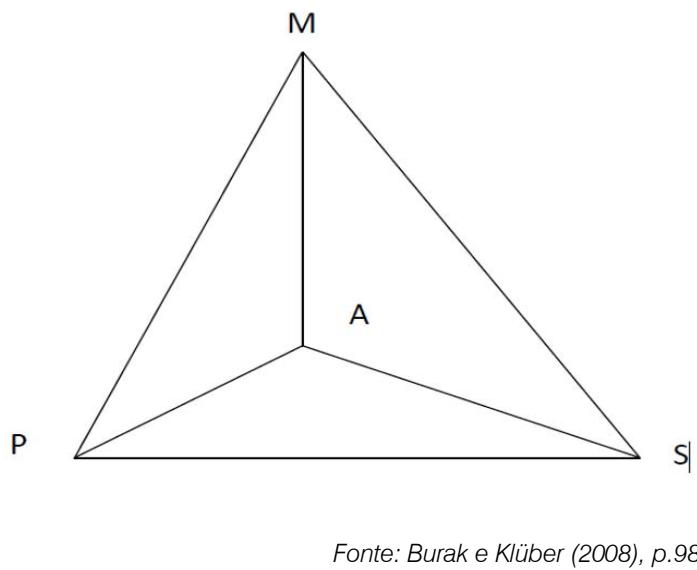
Figura 1: Modelo do Tetraedro de Higginson
O fato de o tetraedro ser fechado pode ser uma maneira de perceber rapidamente a alegação de que as quatro áreas fundamentais não são apenas necessárias, mas também suficiente, para determinar a natureza da educação matemática. Usando o modelo MAPS, Higginson (1980, p. 5)4 assevera que a questão do $^ { 11 } \bigcirc$ que" diz respeito à dimensão matemática, "Por que" à filosófica, "Quem" e "Onde" diz respeito à dimensão social e "Quando" e "Como" à dimensão psicológica.
Considerando o tetraedro podemos observar o contínuo e o discreto as faces, as arestas e os vértices. Sob o ponto de vista contínuo pode-se postular a existência de um ponto de otimização que varia com o tempo. Para Higginson (1980) ideia aí contida é que ao longo do tempo haja mudanças significativas, mudanças em todas as formas das dimensões constituintes, quando um novo aparato é inventado, mais matemática pode ser criada e melhor compreensão da psicologia humana é alcançada essa otimização também pode variar.
Essa forma de conceber o Modelo do Tetraedro traz possibilidades de envolver estudos que possam contribuir com melhorias do processo de ensino e aprendizagem da Matemática em nossas escolas e atender as diretrizes estabelecidas para a Educação. Na figura 1 os encontros a aresta MP, confluem os interesses da Matemática e da Psicologia, e pode ensejar estudos sobre a aprendizagem das ideias matemáticas na Educação Infantil, Anos Iniciais, e para estudantes com necessidades especiais. É evidente que aí de forma implícita estão envolvidas outras dimensões: sociocultural, bem como, a dimensão filosófica. Outros estudos decorrentes dessas ideias podem envolver, educação de Jovens e Adultos, a Educação do Campo entre outras. É um vasto e rico campo para pesquisa. A aresta MS, por exemplo, conflui os interesses da Matemática e Sociologia, então abrigam temas como Matemática para Todos, Educação Indígena, Educação de Jovens e Adultos estão contemplados. Ainda que façamos referências a sociologia evidentemente a Psicologia e a Filosofia estão presentes.
## III. A MODElAgem NA CONCepÇÃO DA EDucaÇÃo MatemÁtica
A forma de ver Modelagem Matemática2 de Burak (1987,1992), após os momentos da dissertação e da tese, passou por vários ajustes, seja ponto de vista do conhecimento matemático seja do ponto de vista dos referenciais teóricos que se foram constituindo ao longo de quase quatro décadas, no que denomino hoje de Modelagem na concepção da Educação Matemática, simplesmente Modelagem na Educação Matemática, ou Modelagem.
Ao introduzir os pressupostos da Educação Matemática de Higginson e por já acolher pontos de vista distintos do que chamamos Modelagem Matemática, originária da Matemática Aplicada, e pertencente a conceção das Ciências Naturais, conforme Rius (1989 a) procuramos uma trajetória de buscas de material de literatura que pudesse contemplar a nossa expectativa para um ensino de Matemática desde os primeiros anos da escolaridade a até os cursos de licenciatura que formam professores para atuarem na Educação Básica°.
As concepções da Educação Matemática e da Matemática diferem: pela natureza, pois a Educação Matemática além da Matemática, envolve as áreas da Educação Psicologia e Sociologia e a Filosofia. Pode-se dizer que a Educação Matemática tem afinidade com os paradigmas das Ciências Sociais e Humanas, além da Matemática
Consideramos que o Objeto da Matemática é a construção da Matemática, teorias, enquanto que a Educação Matemática, surgida pelas próprias deficiências de comunicação da Matemática, tem como objeto, os processos de ensino e aprendizagem. Também diferem pela metodologia, enquanto a Matemática se vale de uma metodologia de natureza quantitativa, a Educação Matemática se vale da metodologia de natureza qualitativa. Na Matemática prevalece o método científico própria das ciências naturais e na Educação Matemática a visão antropológica. Na visão das Ciências Naturais independe do objeto se humano ou natural, o método é o mesmo, o denominado método científico. Nas Ciências Humanas e Sociais o método a ser empregado depende do objeto a ser estudado, pois se considera que cada objeto requer um método específico para melhor estudá-lo. (Rius,1989 b) É o caso quando se trata, por exemplo, do processo de ensino e aprendizagem
A Modelagem na Educação Matemática de Burak segue os pressupostos de Higginson e além do referencial teórico da Psicologia da Cognição, incorpora elementos da Aprendizagem Significativa (Ausubel,1968), e da teoria da aprendizagem de Vygotsky (1987). Em relação aos paradigmas incorpora o Paradigma Emergente de Boaventura de Sousa Santos (2006) e a epistemologia da Complexidade de Edgard Morin (2006, 2014).
Para Burak (1992, p.62) a modelagem Matemática constitui-se em um conjunto de procedimentos cujo objetivo é tentar explicar matematicamente os fenômenos do cotidiano do ser humano ajudando-o a fazer predições e tomar decisões. Também são considerados dois princípios para o desenvolvimento das práticas com Modelagem na Educação Matemática: 1. Partir sempre do interesse do(s) grupo(s) envolvido(s) 2. Os dados, sempre que possível, devem ser coletados no ambiente onde se dá o interesse do(s) grupo(s). Além desses princípios são sugeridas 5(cinco) etapas, não rígidas, mas importantes para os encaminhamentos das práticas: 1. Escolha do tema;2. Pesquisa exploratória;
3. Levantamento do(s) problema(s);
4. Resolução do(s) problema(s) e 5. Análise crítica da(s) resolução(ões).
### 1. Escolha do tema.
Esta primeira etapa da Modelagem consiste em que, após a formação de pequenos grupos de 3 a 4 participantes, os grupos decidam o tema de interesse. A função do professor é a de mediador, incentivando, procurando esclarecer alguns pontos e esclarecendo dúvidas dos grupos quanto aos temas.
Os temas podem envolver, brincadeiras, música, temas relacionados a comércio, agricultura, esportes saúde, temas atuais entre outros. Para níveis mais avançados da Educação, que envolvem estudantes que já dominam a escrita podem se valer da tecnologia para buscar esses temas, muitas vezes também os temas têm relação com o cotidiano dos estudantes.
Para as crianças da Educação Infantil idade entre 4 (quatro e 5 (anos) que não dominam a escrita a escolha do tema deve contar com a participação dos seus pares, pais, tio, primos, irmãos, além da professora.
Para saber dos interesses são importantes as rodas de conversas com as crianças, para conhecer seus interesses, seus gostos, suas expectativas. Normalmente nessa fase da escolarização, brincadeiras antigas, músicas, contação de história, vida dos grandes animais são os temas preferidos.7
#### 2. Pesquisa exploratória.
A pesquisa exploratória constitui a etapa que se segue, após a escolha do tema, os grupos vão buscar conhecer e aprofundar seus conhecimentos sobre o tema de interesse. Nos níveis mais avançados, no qual os estudantes já dominam a leitura e a escrita as buscas se dão em sites, por meio da literatura, entrevistas in loco, visitas a instituições de interesse tais como estação de tratamento de água e esgoto, visita a locais onde se dá o interesse dos grupo ou dos grupos, por exemplo, em uma fazenda onde se planta milho, feijão soja ou locais onde se realizam pescarias nos chamados " Pesque Pague".
Nesta etapa é importante a mediação do professor para as trocas de ideias, as orientações sobre os temas, desenvolver o senso crítico dos estudantes em relação aos assuntos de interesse.
Na educação infantil, enquanto as crianças não dominam a leitura e a escrita é necessária a mediação docente, na comunicação com a família, pois a forma de obter os dados deve envolver a família, a leitura do docente sobre o(s) assunto(s) de interesse das crianças, as trocas de ideias entre os grupos de modo que, a criança tenha entendimento e compreensão sobre o assunto.
Não raras vezes, pode acontecer de as crianças perderem o foco ou mostrarem desinteresse. É necessária a atenção do docente para a mediação.
#### .Levantamento do(s) problema(s).
Nesta etapa da Modelagem, ocorre o levantamento das questões e situações -problemas, sobre os dados coletados. É um momento especialmente rico pedagogicamente para os estudantes elaborarem a construção de problemas ou descreverem situações-problemas, a partir dos dados coletados ou informações sobre o tema.
Nos anos mais avançados é importante que os próprios grupos elaborem seus problemas sempre sob a mediação do professor, por exemplo, qual o consumo e papel na escola durante um semestre? Como economizar água? Quanto custa a construção de uma casa com $80 \mathrm { m } ^ { 2 }$ de área?
Essa etapa da Modelagem na Educação Infantil deve ser encarada com muita atenção em relação ao que se entende por problema. Para uma criança que pergunta: o que come o leão? Ou do que se alimenta uma girafa? Como construir uma pipa? Estes questionamentos constituem problemas. Pode não ser para os estudantes dos anos mais avançados, ou mesmo para o professor, entretanto na concepção da Modelagem na Educação Matemática, na Educação Infantil pode ser considerado problema qualquer situação em que de início a criança não tenha uma resposta imediata e precise buscar, por algum meio, elementos para descobrir a resposta.
#### 4. Resolução do(s) ou do(s) problemas.
Nesta etapa da Modelagem É quando se faz uso do instrumental matemático já construído ou a ser construído com os estudantes para resolver os problemas levantados. Esta etapa é muito enriquecedora, pois é quando o estudante mobiliza seus conhecimentos na busca de encontrar resolver o problema.
Para os estudantes dos anos finais da educação básica é o trabalho com os conteúdos matemáticos assimilados ou a serem construídos é nesse momento que se dá sentido aos conteúdos matemáticos, e desse modo as operações, equações, funções, gráficos, os elementos geométricos são importantes e significativos para os estudantes.
Na Educação Infantil essa etapa é quando se desenvolvem as ideias matemáticas nas ações e interações do docente com as crianças e das crianças com outras crianças e também se constroem outras aprendizagens sejam conceituais, procedimentais ou atitudinais.
Por exemplo, no trabalho com os animais as ideias de classificação, a ideia de seriação, ideia de posição, as ideias de classe inclusão, ideia de ordem, as ideias de conservação, podem ser trabalhadas. No âmbito da Educação Infantil, essas duas etapas levantamento dos problemas e resolução dos problemas acontecem quase que de forma simultânea.
#### 5Análise crítica da(s) resolução(ões).
A análise crítica das resoluções é um momento em que se analisa as respostas, os métodos empregados, as estratégias utilizadas. É quando se avalia a qualidade das respostas, se fazem as reflexões sobre a natureza das grandezas utilizadas e as coerências das respostas em relação aos conjuntos numéricos utilizados pois, muitas vezes, um problema pode ser resolvido matematicamente, no entanto a resposta mostra-se incompatível com a situação em estudol. É o caso quando se trabalha com grandezas contínuas e discretas. É um momento de reflexão importante na formação de um estudante mais crítico.
Na Educação Infantil essa etapa favorece também discussões importantes com as crianças. Na maioria das vezes as práticas são filmadas, as conversas nos grupos são gravadas para trazerem subsídios ao professor.
Dessa forma, a Modelagem Matemática na concepção da Educação Matemática em suas etapas reflete as dimensões envolvidas na Educação Matemática e no paradigma da complexidade de Morin (2014) e no paradigma emergente de Santos (2006).
## IV. REFLExÕeS SobRe as PRáticas REalizadaS
Nesta seção vamos apresentar algumas reflexões em relação às práticas desenvolvidas em trabalhos de dissertação que seguem a pressupostos de Burak (1992)
Quadro1: Autoras de dissertações envolvendo Modelagem na Educação Matemática
<table><tr><td>Autoria</td><td>Titulo</td><td>Ano</td><td>Orientador(a)</td></tr><tr><td>Cibelli Batista Belo</td><td>Modelagem Matemática Na Educaçãoinfantil: Contribuções Para A Formação Da Criança.</td><td>2016</td><td>Prof. Dr. Dionísio Burak</td></tr><tr><td>Ana Valeria Abbeg</td><td>Modelagem Matemática Na Educação Infantil No Municário De Pinhais-Pr</td><td>2019</td><td>Profa Dra Neila Tonin Agranionih</td></tr><tr><td>Eloíze Caroline dos Santos</td><td>Modelagem Matemática Na Educação Infantil: Possível Potencialidades</td><td>2021</td><td>Prof. Dr. Dionísio Burak</td></tr></table>
As três dissertações escolhidas para trazer elementos sobre as práticas realizadas e trazer relações com a Modelagem na Educação Matemática, no âmbito da Educação infantil sobre as implicações da utilização da Modelagem na Educação Matemática, na concepção de Burak, apontam nas etapas o que se segue:
Escolha do(s) tema(s)
Em relação à escolha do tema, a partir das descrições, mostra que, as pesquisadoras procuraram inicialmente conhecer as crianças saber o que elas, pensavam, do que gostavam, se, se apresentavam tímidas ou não. Essas primeiras interações com os estudantes se mostram nos fragmentos a seguir: Em Belo (2016, p.35), "Inicialmente, a pesquisadora buscou observar as crianças, conhecer a turma, perceber o que elas gostavam e o que lhes chamava a atenção" e ainda "[.....] a pesquisadora fez essas observações e trocou ideias com a professora regente e também com as crianças em conversas informais". A pesquisadora
Abegg (2019, p. 85) também descreve esse primeiro momento com as crianças: "O primeiro contato com a turma teve início no dia 26 de' outubro de 2018. [..], ainda, "Em uma roda de conversa com as crianças, onde foi explicado o trabalho que seria realizado adequando a linguagem para que as crianças compreendessem" ou ainda, quando falou mais especificamente da escolha do tema, houve manifestações das crianças conforme o diálogo a seguir:
Agora vocês devem pensar em um tema.
Joaquim O que é tema?
Marcia- Eu sei!
Pesquisadora- O que é?
Marcia - Tipo dinossauros.
Ainda para a escolha do tema, tendo em vista que muitos foram aventados pelas crianças, Abbeg (2019), descreve que: Após a escolha foi realizada uma votação aberta, em que cada criança foi questionada sobre o que queria estudar, qual o tema de seu interesse. A pesquisadora foi anotando o tema no quadro e quando tinha algum tema repetido, era anotado um "risquinho" ao lado do tema. Os temas sugeridos pelas crianças foram: pintura, dinossauro, futebol, trens, balé, unicórnio e piano. Além disso:" As crianças, com a orientação da pesquisadora, realizaram a contagem coletiva dos "risquinhos" de cada tema, para se descobrir qual tema tinha mais votos. O tema escolhido foi Dinossauros que envolveu subtemas como: 1.A extinção dos Dinossauros; Subtema 2 - Os dinossauros e as suas patas; Subtema 3 - A alimentação dos dinossauros; Subtema 4 - Os dinossauros e os ovos e Subtema 5 - O tamanho dos dinossauros. Abbeg (2019, p.87)
Também a pesquisadora (Santos, 2021, p.42) "A escolha do tema se deu através da conversa entre a professora e as crianças. Estas, já estavam trabalhando sobre animais em relação as suas classificações entre mamíferos e aquáticos, possuíam muitas questões que gostariam de descobrir, 'informalmente' já viviam discutindo e criando hipóteses". Esta etapa se deu, conforme a descrição de que "através de uma conversa inicial que a pesquisadora realizou com as crianças, em roda de conversa. Todos os participantes, coletivamente, foram indagados com a seguinte questão: Se pudessem aprender algo que gostariam muito, o que queriam aprender? Complementando com alguns exemplos como: algo que a professora nunca ensinou e que vocês possuem curiosidade em saber.
Ainda descreve (p.43-44), que: "estimulava as crianças sempre com perguntas como: P1 Quais animais vocês têm em casa? São grandes ou pequenos? Mordem? O que comem? Vocês ajudam a cuidar? As perguntas são motivadoras e ao perguntar para uma criança, as demais também participam, muitas vezes "atropelando" a fala do outro, o que é normal já que estão desenvolvendo a autorregulação.
Na segunda prática, sobre o tema Florestas, desenvolvida com as crianças também contou com a participação das famílias, mas as crianças já estavam mais atentas, participando de forma mais efetiva, menos retraídas Com o grande número de temas manifestados pelas crianças, conforme a pesquisadora (Santos 2019, p.55): "brinquedos, bonecas, fadas, unicórnios, dinossauros e o que morava na floresta. Por se tratar de ideias muito diferentes, foi preciso conduzir esse momento para uma votação. Então, no quadro foi escrito tudo o que as crianças iam apontando como ideia para se trabalhar."
Observa-se nessa etapa da escolha do tema, pelos fragmentos apresentados que as pesquisadoras precedendo a escolha do tema buscaram conhecer os interesses das crianças, e mesmo para conhecer as crianças, principalmente quem não era professora da turma. As crianças mostraram-se na maioria receptivas, participativas e colaborativas. Houve participação intensa e importante das famílias na obtenção de dados para a decisão da escolha do tema.
Partir do interesse da criança tem respaldo em Dewey (1954), quando diz que é por meio do interesse que se constata que se garante a assimilação do conhecimento por parte do estudante. Para Dewey quando a criança percebe que o que se deseja ensiná- la tem relação com um todo, daí nasce o interesse. Nas palavras e Dewey (1954, p.55) "se o todo lhe pertence, ou se o seu próprio movimento o põe em contato com esse todo, aquela coisa ou aquela ação passa a interessá-la". Ainda para Dewey (1979, p 143)," interesse é uma palavra que exprime uma atitude. Atitude de quem toma parte de espécie de atividade, de modo a lhe dar direção". O interesse é um dos princípios para a prática com Modelagem na Educação Matemática, na concepção de Burak (1992).
Sob o ponto de vista da Educação Matemática a etapa da escolha do tema é uma forma de as crianças mostrarem relação com suas curiosidades, forma de cultura, envolver seu cotidiano, muitas vezes, a sua cultura, reflete a dimensão sociológica (ciências sociais). Também os aspectos da dimensão psicológica quando as crianças se expressam, sustentam suas posições com argumentos, promovem o diálogo, a interação. A filosofia se encontra na sua essência sobre propósito, ética e valores. A dimensão matemática pode ser percebida no instigar a criança às ideias e classificação ao colocar os tipos de animais, conceitos maior e menor, contagem dos animais, figuras ou "risquinhos.
### 2. Pesquisa exploratória.
Na etapa da pesquisa exploratória é importante salientar que, na fase da Educação infantil na qual as crianças ainda, não dominam a leitura nem a escrita, no entanto apresentam oralidade, o seu vocabulário gira em torno de 1500 palavras e aproximadamente 90 dos sons da língua, cabe ao professor buscar alternativas como proporcionar o envolvimento de familiares, de seus pares, isto é, das próprias crianças, dos amigos de forma que possam abordar e conhecer sobre o tema de interesse Em suas dissertações extraímos algumas ações das pesquisadoras: Belo (2016, p.34)
contou com o auxílio dos pais para buscar os dados quando manifesta: que "solicitou que perguntassem aos pais e também enviou a eles um questionário, pois levou em consideração que as crianças podem ter dificuldade em se expressar e os pais teriam dificuldade em entender a proposta". A professora pesquisadora organizou um instrumento para coletar as respostas dos pais:
Quadro 2: O questionário enviado aos pais para fornecer dados na etapa da pesquisa exploratória
Senhores Pais, estamos trabalhando sobre brincadeiras antigas. Favor contar para o seu filho (a), e responder abaixo:
1. Comparando com a facilidade de se ter brinquedos hoje em dia, ao contrário de antigamente, quando era pequeno, do que você gostava de brincar?
2. Quais brincadeiras e cantigas de roda costumavam brincar e cantar?
3. Na infância de seus pais (avôs), como eram os brinquedos? Do que eles costumavam brincar?
Fonte: Belo (2026, p.34)
Houve retorno da maioria dos pais que contribuíram de forma significativa para a obtenção dos dados. Um grande número de temas mais de duas dezenas conforme descrito p.34. Nas rodas de conversas com as crianças, que se seguiram em relação a apresentação dos dados incluíam, brincadeiras, jogos e histórias, em comum acordo com as crianças foram contempladas duas categorias: Brincadeiras e Contação de História
A pesquisadora Abbeg (2019, p.43) descreve que: "Por se tratarem de crianças pequenas, esse momento da pesquisa, foi realizado em conjunto com as famílias, portanto, foi enviada para casa, uma folha com as seguintes informações: Senhores Responsáveis, que tipo de experiência seu (sua) filho (a) já vivenciou com animais, sítio, fazenda, ou algo do gênero. Conte-nos no espaço abaixo e se tiver alguma fotografia que registrou esse momento, também pode ser anexada para enriquecimento da pesquisa. E assim, os pais enviaram para escola, folhas com anotações, para que pudéssemos dar continuidade a pesquisa". O tema foi "Dinossauros" e o subtema1 escolhido pelas crianças foi Extinção dos dinossauros. Segundo Abbeg (2019, p.88) A pesquisa exploratória, foi realizada com a reprodução de vídeo sobre a extinção dos dinossauros10 e do vídeo do Quintal da Cultura11 sobre a extinção dos dinossauros. Também foi realizada a leitura das páginas 6, 7, 46 a 50, 54 e 55 do livro: "O livro dos dinossauros: 50 questões sobre os dinossauros" (CONNOR, 2012) e roda(s) de conversa(s) para retirada de dúvidas.
Durante a apresentação do vídeo as crianças faziam muitas perguntas tais como: Artur- Houve uma explosão? Pesquisadora - Sim, houve uma explosão, quando o meteoro bateu na terra. [..] Gabriel - Ele bateu na terra Pesquisadora - Isso e criou uma onda Gabriel - Tipo um tsunami Pesquisadora - Isso mesmo tipo um tsunami Joaquim - Tá vindo um furacão prof.? Um furacão? Ainda Abbeg (2019, p.88), descreve que: "Percebemos que as perguntas, algumas vezes, eram respondidas pelas próprias crianças, que faziam as relações com algo que viram ou ouviram falar, como o caso do tsunami".
A pesquisadora (Santos, 2021) também envolveu a família, considerando que as crianças apenas verbalizavam, pois, as crianças ainda não dominavam a escrita e a leitura. A pesquisadora, conforme descrição, (p.56) solicitou a contribuição da família, para responder a seguinte questão: "O que tem e/ou mora na floresta?" As crianças levaram para casa uma folha e nesta folha poderiam colar imagens, escrever frases pequenas ou até mesmo desenhar o que sabiam ou pesquisar sobre a temática. Foi enfatizado que os pais deveriam oralizar com a criança essa atividade, para que elas pudessem contar aos demais colegas no próximo dia. As pesquisas que retornaram foram bem elaboradas, apresentavam imagens, desenhos, frases criadas pelas próprias crianças. Teve uma grande diversidade de temas, portanto, no Quadro 3, cito os elementos que mais surgiram. Ainda, Santos, 2021, p.56) descreve que: As pesquisas que retornaram foram bem elaboradas, apresentavam imagens, desenhos, frases criadas pelas próprias crianças. Teve uma diversidade, portanto, no
quadro abaixo, cito os elementos que mais surgiram nas pesquisas.
QUADRO 3: O QUE TEM OU MORA NA FLORESTA.
<table><tr><td>PARTICIPANTES</td><td>TEMAS ABORDADOS</td></tr><tr><td>C1</td><td>Cobra, Jacaré, Tucano, Onca Pintada</td></tr><tr><td>C2</td><td>Pássaros e Aves, Árvores, Água, Ríos, Cachoeiras</td></tr><tr><td>C3</td><td>Árvores, Pássaros, Cobras</td></tr><tr><td>C4</td><td>Árvores Frutiferas</td></tr><tr><td>C5</td><td>Animais differentes como: Sapos, Aranhas, Preguiça, Lobo</td></tr><tr><td>C6</td><td>Insetos, Árvores,Índio, Peixe, Jacaré</td></tr><tr><td>C7</td><td>Animais: Onça, Cavalo, Lobo, Girafa, Pássaros, Cobra, Sapos</td></tr><tr><td>C8</td><td>Animais: Leão, Elefante, Capivara</td></tr><tr><td>C9</td><td>Flores, Árvores, Cobra, Rio e Peixe, Ar, Vento.</td></tr><tr><td>C10</td><td>Peixe e Árvores</td></tr><tr><td>C11</td><td>É umsystema vivo, cheio de Árvores, Animais, Aves e Insetos.</td></tr><tr><td>C12</td><td>Montanhas, Tartaruga, Aves, Árvores, Javali</td></tr><tr><td>C13</td><td>Arara e Passarinho</td></tr><tr><td>C14</td><td>Plantas, Animais, Rios</td></tr><tr><td>C15</td><td>Rios e Árvores</td></tr></table>
As descrições apresentadas nesta etapa da pesquisa exploratória pelas pesquisadoras, apontam para a importante participação das famílias nas respostas às solicitações das pesquisadoras à elaboração dos dados sobre as questões. Também a reprodução de vídeos também foi uma estratégia utilizada por uma das pesquisadoras, como alternativa para que as crianças compreendessem sobre os temas de interesse. Além dessas, outra estratégia, para uma melhor compreensão a crianças foi a leitura de livros pela pesquisadora, bem como, das rodas de conversas que se mostraram muito produtivas.
Esta etapa também contempla as dimensões da Educação Matemática, e dentre elas a dimensão da Psicologia, relacionada a cognição quando as crianças tem a possibilidade de imaginar, pensar sobre, e aquisição de diversos tipos de conhecimento. Envolve também a dimensão matemática quando faz a classificação dos animais, fazem contagem, ordenação, inclusão e classes, estabelecer uma estrutura logico matemática, para a assimilação e organização.
Em relação a Modelagem possibilita o desenvolvimento de competências dos estudantes, das crianças na medida em que promove e incentiva o diálogo, a liberdade para buscar, tomar decisão, oportuniza a criação de alternativas de buscas para conhecer um assunto. É uma etapa que promove a capacidade de articulação, de expressão, de desenvolver a linguagem e a comunicação.
#### 3. Levantamento do(s) problema(s)
Na Modelagem os problemas normalmente estão vinculados aos dados coletados na etapa da pesquisa exploratória. Na Educação Infantil esta etapa da Modelagem a expressão "problema" tem entendimento distinto de níveis de escolaridades mais avançados. Na Educação Infantil problema é qualquer situação que de início não se conhece a resposta, é necessário buscar por algum meio para encontrar essa resposta. Um exemplo de problema na Educação Infantil é: Do que se alimentam os dinossauros?
É importante também esclarecer que as crianças não seguem padrões, elas falam ao mesmo tempo, elas perguntam sobre o assunto, fazem relação com outro assunto e assim por diante. Cabe ao professor na função da mediação organizar as falas, fazer as intervenções necessárias, manter diálogo permanente com as crianças de modo que se sintam lives para opinar, perguntar e interagir com seus pares.
Segundo a pesquisadora Belo (2016, p.44). As crianças decidiam as brincadeiras a partir da roda de conversas. Agora, outra brincadeira que os pais brincavam era lenço atrás ou bola atrás. Vocês lembram como se brinca? Vocês já brincaram? Crianças: Sim! Criança: Vamos brincar de pato-pato-ganso? Pesquisadora: Eu não sei como se brinca. Criança: Assim! (e levantou para mostrar como fazia). Assim também ocorreu com o tema sobre brincadeiras de roda. Para a pesquisadora os problemas levantados nessa investigação são constituídos com estreita relação com conceitos matemáticos ou outros tipos de noções, previstos nas diretrizes para essa fase de escolarização.
A pesquisa Abbeg (2019, p.89) descreve que os problemas foram do tipo: "Como é porque os dinossauros morreram? Ou "Os dinossauros morreram há quanto tempo? Ainda "Será que alguns dinossauros sobreviveram após o meteoro? Quantas patas os dinossauros usam para andar?
A pesquisadora Santos (2021, p.57), ao comentar sobre essa etapa da Modelagem expressou que: "Para que essas questões surgissem partindo das pesquisas trazidas de casa, realizamos uma roda de conversa, quando as crianças sentam-se ao chão, com a pesquisadora para que iniciarem uma conversa".
Em relação as questões levantadas pelas crianças temos os seguintes conforme Santos (2021, p. 58):" C1-Os animais brigam muito lá? Porque eu e meu irmão se ficarmos sozinhos a gente briga; C2- Como eles acham comida? C3- Ué devem ser das árvores, por isso, elas são tão grandes! C4- Eu quero descobrir se lá tem pessoas, porque ninguém disse se tinha. C7- Eu disse sim! Lá moram índios (nesse momento a criança mostra na pesquisa que trouxe de casa a imagem que recortou e colou nela da figura de um índio)."
A etapa do levantamento do(s) problema(s). Os problemas abarcam as dimensões cognitivas, a cognição ao transformar e processar informações para transformá-la em conhecimento, além de traduzi-las em problemas.Os problemas estão em linguagem natural. Ainda, na dimensão da Psicologia a interação que segundo Vygotsky está ligada ao desenvolvimento acontece de fora para dentro, a partir do momento em que a criança internaliza suas interações com o ambiente e com outros com vistas à aprendizagem. Envolve as dimensões sociocultural como a linguagem A dimensão filosófica em sua essência trata do ser, valor e propósito.
#### 4Resolução do(s) problema(s)
No trabalho da pesquisadora Belo (2016, p.38) as brincadeiras envolvendo dobraduras, músicas brincadeiras de roda as histórias, e outras atividades realizadas durantes as práticas tinham como propósitos "o desenvolvimento de coordenação motora fina, lateralidade conceito de espaço, forma e tamanho, no trabalho com as dobraduras." Ainda, Belo (2016, p.39) com a música barquinho virou com objetivo de "trabalhar a linguagem oral a socialização das crianças".
No trabalho da pesquisadora Abbeg (2019, p.92), ela descreve que: "A resolução do problema aconteceu da seguinte forma: foram utilizados 33 dinossauros de brinquedo para a classificação, onde cada criança recebeu um dinossauro e o classificou com a ajuda dos colegas, conforme o critério: anda com 2 ou 4 patas". Algumas crianças resolveram a situação por meio de desenhos como se constata nas páginas (.93,94 e 95). A pesquisadora também se utilizou de fichas com informações dos dinossauros para ampliar os problemas, após a roda de conversas com as crianças. Segundo Abbeg (2019, p. 96) descreve que: "A turma que já estava dividida em equipes de 4 crianças e cada equipe recebeu um número de 21 fichas diferentes que continham as informações sobre os dinossauros, como tamanho, peso, alimentação, números de patas e se era bípede ou quadrúpede. As fichas foram apresentadas para as crianças e foram disponibilizadas para a manipulação junto com dinossauros de brinquedo". Observou-se que os problemas envolveram a classificação, segundo a alimentação. As soluções foram por meio de desenhos que envolveram também os algarismos representando o número de animais, conforme (p. 98 e 99)
A pesquisadora Santos (2021, p. 58), em relação a etapa da resolução dos problemas descreve que;" As escolhas das atividades foram pensadas, de modo que atendesse boa parte das questões e proporcionasse às crianças, diferentes sentimentos, emoções, vivências e experiências" e ainda:" a
- professora precisou de três encontros, pois no primeiro, foi conversado com as crianças que eles teriam um desafio para cumprir e que para realizar esse desafio, eles teriam que sortear o nome de um animal, levar para casa e com a família, realizar uma pesquisa na qual deveria responder; o que gostava de comer, como dormia, o que costumava fazer, entre outras curiosidades. No segundo encontro, iniciamos as apresentações que foram concluídas no terceiro encontro. Uma das crianças a ${ \mathsf { C } } { \mathsf { 9 } } ^ { \mathsf { 8 } }$, mostrou a pesquisa e durante a exposição a pesquisadora e demais crianças participaram na busca de responder as questões eis o diálogo conforme, a descrição em Santos (2021, p.59) sobre animal cobra:
- P1- Vamos lá! Conte para nós o que você descobriu sobre a cobra.
- C9- Ah! Eu vi que ela não tem patas, ela gosta de andar assim (criança imitando como é o movimento da cobra), que algumas cobras são muito perigosas porque tem veneno e outras não. Também vi que algumas são grandes demais e outras bem pequenas, mas que todas elas são perigosas e mordem, por isso, não pode mexer se ver alguma cobra tem de chamar a mamãe.
- P1- Nossa! Quantas coisas legais você encontrou, adorei tua pesquisa, parabéns.
- P1- Alguém quer perguntar algo para o amigo sobre a cobra?
- C7- Eu não sei o que elas comem, você sabe?
- C9- Eu não lembro.
- P1 Nesse momento, a professora pergunta se alguém tem ideia do que a cobra come para as demais crianças. E então..
- C3- Eu já vi uma vez que come rato, mas não sei se são todas.
- C2- Eu também já vi, e vi ovo, ela fica com uma "bolona" na boca, porque ela não sabe mastigar.
Nesta etapa da Modelagem denominada de resolução dos problemas, toma contornos diferentes na Educação Infantil, não se trata de resolver problemas matemáticos, mas situações que envolvem as ideias matemáticas, essas situações evolvem a dimensão da psicologia_ social principalmente para contribuir para o desenvolvimento das funções executivas nas crianças segundo o Comitê Científico do Núcleo Ciências para a Infância (2016), "Funções executivas constituem um conjunto de habilidades que são fundamentais para o controle consciente e deliberado sobre ações, pensamentos e emoções". Essas funções, segundo o
Comitê Científico do Núcleo Ciências para a Infância (2016, p.5), são constituídas por três dimensões: memória de trabalho, controle inibitório e flexibilidade cognitiva:
Além disso, segundo o mesmo Comitê (Ibidem), para as crianças, as habilidades relacionadas à memória de trabalho possibilitam, realizar atividades que envolvam algumas etapas sem o uso de lembretes, fazer brincadeiras de diferentes tipos, formular estratégias em jogos de regras. Também o aspecto do controle inibitório relacionado à inibição cognitiva, por sua vez, significa resistir a pensamentos e memórias não intencionais, capazes de tirar o foco e ainda Como terceira dimensão fundamental das funções executivas, ao lado da memória de trabalho e do controle inibitório, a flexibilidade cognitiva está relacionada à possibilidade de mudar de perspectiva no momento de pensar e agir.
Também se fazem presentes nessa etapa da Modelagem: a dimensão da Matemática em formas de conceitos e ideias de classificação, comparação, ideias de ordem nas contagens, e inclusão hierárquica nas ideias de número entre outras. Na dimensão filosófica o ser, o belo, as artes, o propósito, os valores, e na dimensão sociocultural as brincadeiras, parte das culturas das famílias das crianças, a importância da linguagem como forma de comunicação.
#### 5Analise crítica da(s) resolução(es)
Na última etapa da Modelagem na concepção da Educação Matemática denominada análise crítica da(s) resolução(ões). É um momento importante no âmbito da Educação Infantil para a formação a criança Esta etapa quando as crianças apresentam suas pesquisas, promovem as discussões, em alguma medida refletem sobre as soluções encontradas, assistem por meio de vídeos suas apresentações, suas danças, seus movimentos constitui-se em oportunidade de observarem seus movimentos, se estão de acordo com o ritmo da música, e ainda fazem o canto. Essas ações trazem benefícios como de colaborar no desenvolvimento cognitivo, a musicalização estimula potencialidades dos circuitos cerebrais que auxiliam para uma compreensão mais clara da linguagem e comunicação. Para Bréscia (2003), em relação à dança a expressão corporal na Educação Infantil é muito importante, principalmente no que diz respeito ao reconhecimento do corpo, de suas possibilidades e limitações espaciais, temporais e laterais. Nas ações que envolviam as dobraduras envolvendo, barquinho e avião respectivamente. sua importância para o desenvolvimento da coordenação motora; sequência; cores; figuras geométricas Belo (2016, p.39 e 45). Nas dobraduras, a parte cognitiva quando as crianças ouviam as instruções da pesquisadora e traduziam em ação correta para a construção do barquinho ou avião, mostrou-se importante.
Para Abbeg (2019, p.105) ao tratar da análise crítica descreve que: A análise crítica das soluções ocorreu após o término dos registros das crianças. Cada uma das crianças explicou o seu desenho para os colegas. Eduardo expressa a classificação realizada: "Como o tipo... Até o pequeno ou o maior a gente sabe como medir porque quando oh... Como, por exemplo, a gente mede com a régua eles do rabo até a cabeça. Tem uns que parecem iguais que tem a mesma medida, mas a gente se engana". Ou ainda como ao descrever Joaquim: que aponta com o dedo enquanto fala: "Aqui é o os que vão na frente, os menores depois tem o tiranossauro rex é aquele bem grandão. Esse aqui e esse aqui são os pequenos, esses são os médios, e esse aqui é o grandão". Na fala a criança qualifica e classifica os dinossauros em pequenos, médios e grandes.
Para a pesquisadora (Santos, 2021, p. 59), a última etapa da modelagem que é a análise crítica da resolução, foi realizada em seguida a cada apresentação das crianças. Cada uma das apresentações permitiu muitas conversas sobre cada um dos temas muitas foram as questões e, as trocas de ideias, as dúvidas surgidas e discutidas entre todas as crianças, sob mediação da pesquisadora. Ao final de cada apresentação a pesquisadora fazia uma síntese, conforme descrição:" P1- Algumas cobras comem ratos, que são aquelas que vivem soltas na natureza, outras se alimentam comendo camundongos comprados para alimentar as cobras que estão sendo cuidadas por alguém ou algum lugar. Algumas se alimentam de ovos, que encontram quando estão rastejando, e às vezes, acabam se alimentando de aves, sapos, peixes, insetos, lagartos, entre outros. (Ibidem).
O trabalho com a Modelagem na Educação Matemática segundo as percepções das pesquisadoras apresenta pontos a serem destacados como a seguir, conforme manifestação de Belo (2016, p 98), A utilização da Modelagem Matemática como uma metodologia para o ensino de Matemática vai além dos conhecimentos matemáticos envolvidos em uma situação, pois procura trazer outros conhecimentos envolvidos em um tema, seja uma brincadeira, uma música ou um jogo.
Ainda "as práticas na concepção da Modelagem Matemática na Educação Matemática favorecem a interdisciplinaridade na medida em que envolve outras áreas do conhecimento. Um exemplo é o que ocorreu na atividade do tema Brincadeiras Antigas a qual envolveu a dobradura de um barco. É possível explorar com as crianças esse meio de transporte, em que regiões ele é mais usado, de que material é feito, enfim, podem ser explorados muitos aspectos.
Em relação ao trabalho em pequenos gruposo de 3 a 4 participantes destaca que: o trabalho em grupo favorece também o que na teoria de Vygotsky é conhecido como Zona de Desenvolvimento Proximal, um dos conceitos mais importantes de sua teoria. Além disso, o fato dessa metodologia da Modelagem partir sempre do interesse dos participantes, cria o aspecto afetivo e potencializador da aprendizagem pelo diálogo e pela preocupação com o ser do educando. A Modelagem na Educação Infantil possibilita trabalhar diversos conceitos matemáticos, além de desenvolver a socialização entre as crianças, o desenvolvimento da linguagem oral, os aspectos contidos nas propostas pedagógicas das Diretrizes Curriculares Nacionais da Educação Infantil (DCNEls. Favoreceu de modo significativo nos participantes dessa experiência o desenvolvimento de coordenação motora fina e grossa ou ampla, na ampliação do vocabulário, na linguagem oral, na forma de expressão das crianças e notadamente na autoconfiança.
A pesquisadora Abegg (2019, p.127) em suas considerações finais aponta que: A Modelagem Matemática desenvolvida nesta pesquisa contribuiu para a Educação Infantil, enquanto prática pedagógica, pois exigiu a ação direta da criança tanto na elaboração do tema quanto dos problemas e suas possibilidades de resolução. Promoveu o envolvimento e a motivação para a resolução de problemas, envolvendo conhecimentos matemáticos e não matemáticos, pois, a construção de uma prática de Modelagem Matemática na Educação Infantil respeita a criança como um sujeito ativo no processo de construção do conhecimento. Ainda mais," essa prática pedagógica permite que as crianças exponham suas curiosidades, seus questionamentos, seus conhecimentos prévios, estimulando a criatividade e a imaginação, proporcionando práticas lúdicas, onde o conhecimento, não só matemático, seja construído de forma natural, relacionado ao contexto das crianças".
A pesquisadora, ainda descreve que: A interdisciplinaridade aparece nas diferentes etapas da Modelagem Matemática na Educação Infantil, estando presente na formulação das questões sendo indissociáveis do tema até as resoluções dos problemas. Assim, exige um amplo campo na pesquisa exploratória para abranger as diferentes possibilidades de questão e de respostas, gerando novas questões e novos conhecimentos. Para a pesquisadora Abbeg (2019, p.128) descreve que: Na interação prevaleceu a mediação da pesquisadora, mantendo a curiosidade latente nas diferentes etapas da intervenção, incitada a partir de uma interrogação" e ainda destaca que: Neste processo de interação há significativa valorização do conhecimento prévio da criança, que é confrontado com novas conhecimentos, novas informações, novos questionamentos, ampliando sua curiosidade e prática social.
Nas considerações da pesquisadora Santos (2021, p.78) a partir de sua questão norteadora da pesquisa: Quais são as potencialidades da Modelagem na Educação Matemática, com crianças de 4 e 5 anos? Destacamos que a primeira percepção que tivemos em relação às potencialidades, é que a criança pode tudo, dentro do seu universo infantil. Aqui, neste trabalho, tentamos evidenciar o quanto é importante a valorização da criança como construtora da sua própria cultura e do seu conhecimento. Descreve também que: "Com as duas práticas realizadas, vimos ser possível trabalhar dentro de um tema apenas, mas abordando as atividades mais diversas. Trabalhamos através da interdisciplinaridade, quando trouxemos assuntos além do pensamento-lógico matemático ".
Acrescenta ainda que: Os conteúdos abordados relacionado a interdisciplinaridade estão ligados a linguagem quando trabalhamos a questão fonética ao brincar com rimas, a ampliação do vocabulário ao exercitar a fala de palavras com funcionalidades e ao estímulo da mesma, assim como, a oralidade ao verbalizar frases, relatar fatos entre outros. Também acrescenta que: "Desenvolvemos questões relacionadas a artes, como desenho, pintura, manipulação de materiais diversificados com texturas e tamanhos diferentes. Destacamos questões de psicomotricidade com relação ao movimento de pinça a brincadeira de mímica nos proporciona um amadurecimento da parte motora, coordenação motora fina e grossa, equilíbrio, espaço. Abordamos questões de noções de conceitos e ideias inicias da matemática". Para concluir Santos (2021, p.80-81) descreve: "Portanto, se alguém me perguntar quais são as potencialidades da Modelagem na Educação Infantil, direi que são as mais diversas, mas dentre elas a uma gama grande de noções matemáticas e interdisciplinares que conseguimos abordar, bem como, solidariedade, respeito pelo colega, interação entre as crianças e crianças e professor foram observadas durante as práticas".
Diante das manifestações de quem viveu a experiência com a Modelagem na concepção da Educação Matemática, esta se mostra com grande potencial para a Educação Infantil. É uma prática pedagógica capaz de promover uma nova racionalidade no processo de ensino e aprendizagem para as nossas crianças e para os níveis Fundamental e Ensino médio da Educação Básica.
- 1. BRASIL.(1996). Ministério da Educação. Lei no 9394, de 20 de dezembro de 1996. Estabelece as diretrizes e bases da educação nacional. Brasília, DF. - 2. BRÉSCIA, V. L. P.(2003). Educação Musical: bases psicológicas e ação preventiva. São Paulo: Átomo. - 3. BURAK, D.(1992). Modelagem matemática: ações e interações no processo de ensino-aprendizagem. Tese (Doutorado em Educação) - Universidade Estadual de Campinas, Campinas. - 4. BURAK, D.(2004). A Modelagem Matemática e a sala de aula. I Encontro Paranaense de Modelagem em Educação Matemática (I EPMEM). Anais... Londrina. - 5. BURAK, D.(2010). Modelagem Matemática sob um olhar da educação matemática e suas implicações para a construção do conhecimento matemático em sala de aula. Revista de Modelagem na Educação Matemática, v. 1, n. 1, p. 10-26. - 6. BURAK, D.; KLUBER, T. E.(2008). Educação matemática: contribuições para a compreensão de sua natureza. Acta Scientiae ULBRA, Canoas, v. 10, p. 93-106, jul/dez. - 7. BURAK, D.; ARAGÃO, R. M. R. de.(2012). Modelagem matemática e relações com a aprendizagem significativa. Curitiba: CRV. - 8. COMITÊ CIENTÍFICO DO NÚCLEO CIÊNCIA PELA INFÂNCIA.(2016). Estudo n° II Funções Executivas e Desenvolvimento na primeira infância: Habilidades Necessárias para a Autonomia. Disponível em http://www.ncpi.org.br, acessado em 04 de julho de 2023. - 9. DEWEY, J.(1979). Democracia e educação: introdução à filosofia da educação. Tradução de Goldofredo Rangel e Anísio Teixeira. São Paulo: Nacional. - 10. DEWEY, J.(2007). Democracia e educação: capítulos essenciais. Tradução de Marcus Vinicius da Cunha. São Paulo: Ática. - 11. HARDY, G. H.(1925). What is Geometry? Presidential Address to the Mathematical Association, Mathematical Gazette, v. XII, p. 309-316, March 1925. - 12. HIGGINSON, W.(1980). On the foundations of mathematics education. For the Learning of Mathematics, v. 1, n. 2, p. 3-7. - 13. PIAGET, J.(1974). A epistemologia genética e a pesquisa psicológica. Rio de Janeiro: Freitas Bastos. - 14. PIAGET, J.(1982). Psicologia e Pedagogia. Rio de Janeiro: Forense Universitária. - 15. RIUS, E. B.(1989a). Educación Matemática: una reflexión sobre su naturaleza y sobre su metodología. Educación Matemática, México: Iberoamerica, v. 1, n. 2, p. 28-42. - 16. RIUS, E. B.(1989b). Educación Matemática: una reflexión sobre su naturaleza y sobre su metodología. Educación Matemática, México: Iberoamerica, v. 1, n. 3, p. 30-36. - 17. WALLON, H.(1949). Les origines du caractère chez l'enfant. Paris: P.U.F., 1949. - 18. VYGOTSKY, L. S.(1984). A formação social da mente. São Paulo: Martins Fontes.
- metodología. Educación Matemática. México: Iberoamerica, v.1, n. 2, p. 28- 42.
16. (1989b). Educación Matemática: una reflexión sobre su naturaleza y sobre su metodología. Educación Matemática. México: Iberoamerica v.1, n.3, p.30-36.
17. WALLON, H.(1949). Les origines du caractère chez l'enfant. Paris: P.U.F., 1949.
18. VYGOTSKY, L. S. (1984). A formação social da mente. São Paulo: Martins Fontes, 1984.
[^1]: Memória de trabalho: permite armazenar, relacionar e pensar informações no curto prazo. Sem essa capacidade, por exemplo, o indivíduo não se lembraria do que estava fazendo após ser interrompido. _(p.11)_
[^2]: Controle inibitório: possibilita controlar e filtrar pensamentos, ter o domínio sobre atenção e comportamento. Conseguir ler um texto, mesmo na presença de barulhos incômodos, é um exemplo de uso dessa habilidade. _(p.11)_
[^3]: Flexibilidade cognitiva: permite mudar de perspectiva no momento de pensar e agir, e considerar diferentes ângulos na tomada de decisão. Por exemplo, essa capacidade é fundamental para o indivíduo perceber um erro e poder corrigir. _(p.11)_
[^4]: De acordo com a tradição jornalística, estes são as cinco perguntas que um editor espera de um texto bem escrito notícia para responder as questões. Um teste pode ser chamado de critério jornalístico ou cinco "W's": " What"; O que? "Why" por que? "Who" and "Were" quem e onde? "When" and “How" quando e como? A expressão How foi acrescentada para os propósitos da estrutura da Educação Matemática. _(p.4)_
[^5]: Para diferenciar a Modelagem na concepção da Educação Matemática, da Modelagem Matemática própria das Ciências Naturais, conforme Hierarquização a das Ciência por A. Conte (1844) como em Rius(1989a) utilizaremos as expressões: Modelagem na Educação Matemática ou simplesmente Modelagem _(p.4)_
[^6]: A Educação Básica de acordo com a Lei de Diretrizes e Bases da Educação -LDB 59394/96, vigente, em seu 21. A educação escolar compõe-se de: I - educação básica, formada pela educação infantil, ensino fundamental e ensino médio. _(p.4)_
[^8]: As crianças eram denominadas por Laura, Eduardo..Tiago, nomes fictícios pela Pesquisadora Abbeg (2019), por C1, C2,..C10, pela pesquisadora (Santos, 2021 ou ainda Criança 1, Criança 2... pela pesquisadora (Belo, 2016). Essa forma foi adotada para preservação do anonimato das crianças. _(p.10)_
[^18]: O ensino de $1 ^ { \circ }$ grau terá a duração de oito anos letivos e compreenderá, anualmente, pelo menos 720 horas de atividades. Art. _(p.2)_
[^19]: Para o ingresso no ensino de $1 ^ { \circ }$ grau, deverá o aluno ter a idade mínima de sete anos. _(p.2)_
Generating HTML Viewer...
References
18 Cites in Article
Brasil (1996). Ministério da Educação.
V Bréscia (2003). Educação Musical: bases psicológicas e ação preventiva.
Dionisio Burak (1992). Modelagem matematica.
Karina Silva (2004). MODELAGEM MATEMÁTICA EM SALA DE AULA: CARACTERIZAÇÃO DE UM AMBIENTE EDUCACIONAL.
Karina Silva,Emerson Tortola (2010). Implicações do conhecimento matemático para o ensino usando modelagem matemática.
D Burak,T Kluber (2008). Educação matemática: contribuições para a compreensão de sua natureza.
Dionísio Burak,Rosália Maria Ribeiro De Aragão (2012). A MODELAGEM MATEMÁTICA E RELAÇÕES COM A APRENDIZAGEM SIGNIFICATIVA.
Comitê Científico Do Núcleo Ciência Pela Infância (2016). Estudo nº III: Funções Executivas e Desenvolvimento na primeira infância: Habilidades Necessárias para a Autonomia.
J Dewey (1979). Filosofia, educação, formação: I Jornada Internacional de Filosofia da Educação. III Jornada de Filosofia e Educação da FEUSP.
J Dewey (2007). Democracia e educação: capítulos essenciais. Trad.Marcus Vinicius da Cunha.
G Hardy (1925). What is Geometry? Presidential Address to the Mathematical Association.
W Higginson (1980). On the foundations of mathematics education.
J Piaget (1974). A epistemologia genética e a pesquisa psicológica.
Renata Da Costa,Emiliane Pereira,Fabricio Silva,Edgar De Jesus,Fernando Souza Jr. (1982). Drug Micro-Carriers Based on Polymers and Their Sterilization.
E Rius (1989). Educación Matemática: una reflexión sobre su naturaleza y sobre su metodología.
Elsa Bonilla R. (1989). La Educación Matemática:Una reflexión sobre su naturaleza y sobre su metodología. (Primera de dos partes).
Henri Wallon (1949). LES ORIGINES DU CARACTÈRE CHEZ LʼENFANT.
No ethics committee approval was required for this article type.
Data Availability
Not applicable for this article.
How to Cite This Article
Dionísio Burak. 2026. \u201cModeling In Early Childhood Education: A Contribution to The Integral Development of the Child\u201d. Global Journal of Human-Social Science - G: Linguistics & Education GJHSS-G Volume 23 (GJHSS Volume 23 Issue G8): .
Explore published articles in an immersive Augmented Reality environment. Our platform converts research papers into interactive 3D books, allowing readers to view and interact with content using AR and VR compatible devices.
Your published article is automatically converted into a realistic 3D book. Flip through pages and read research papers in a more engaging and interactive format.
Our website is actively being updated, and changes may occur frequently. Please clear your browser cache if needed. For feedback or error reporting, please email [email protected]
Thank you for connecting with us. We will respond to you shortly.