I. INTRODUCTION
a) History and overview
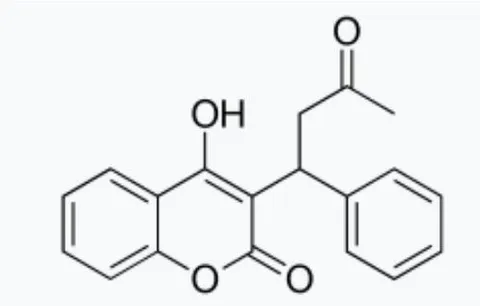
The history of warfarin discovery started in the 1920s in the prairies of North America and Canada. Cattle were dying from internal bleeding without any precipitating cause, which led to a dietary query problem that many farmers complained. They called it sweet clover disease, and at this time, they recommended each other not to feed their cattle the moldy sweet clover hay.
But science had a different opinion, a research work funded by the Wisconsin Alumni Research foundation patented in 1941. Variation of dicoumarol was patented as a rat poison in 1948 and then transitioned to the clinical application under the name of Coumadin.
The prefix of the name warfarin was derived from WARF (the first letters of Wisconsin Alumni
Research Foundation), and the suffix—arin was derived from coumarin.
Warfarin first came for large-scale commercial use in 1948 as a rat poison (1). Warfarin was officially approved for human use by the United States food and drug administration (FDA) to treat blood clots in 1954 (2). In 1955 warfarin's reputation as a safe and acceptable treatment was bolstered when American president Dwight Eisenhower took warfarin because of a massive and publicized heart attack (3). This story kickstarted the usage of warfarin in coronary heart disease, arterial plaques, and ischemic heart attacks. It is listed in the World Health Organization (WHO) as the essential medicine. Warfarin is available as a generic medication. In 2019 it was the most prescribed medication in the United States, with more than 14 million prescriptions (4).
b) Platelet response to vascular injury
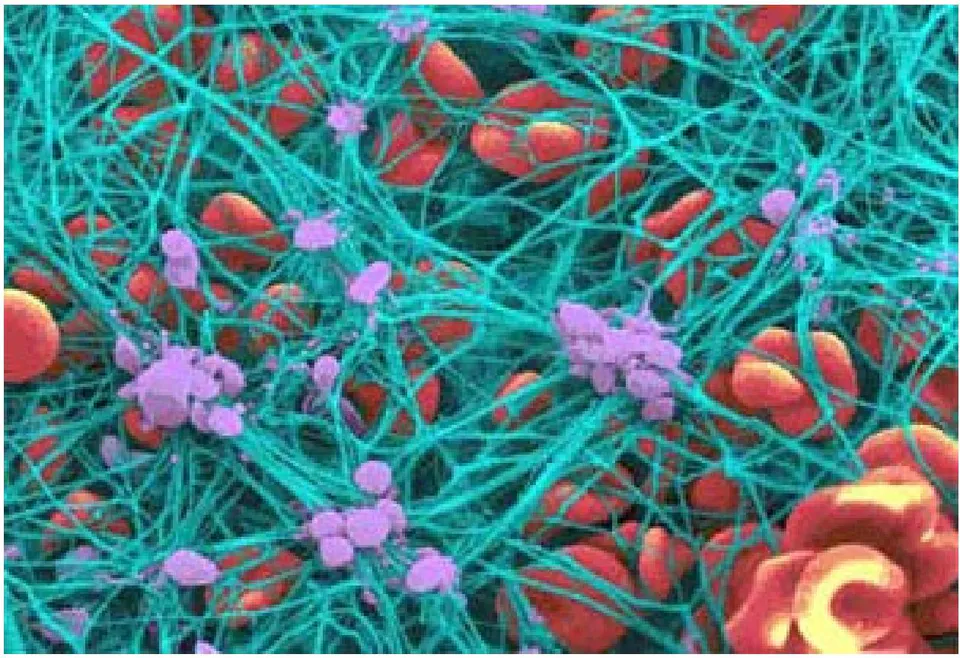
Physical trauma to the vascular system e.g., punctures or cuts initiate a complex series of interactions between platelets, endothelial cells, and coagulation cascade. This results in formation of platelet-fibrin plug or clot at the site of puncture.
The creation of a thrombus involves many of the same steps as normal clot formation, except this trigger stimulation which is a pathological case in the vascular system.
c) Coagulation cascade (secondary hemostasis)
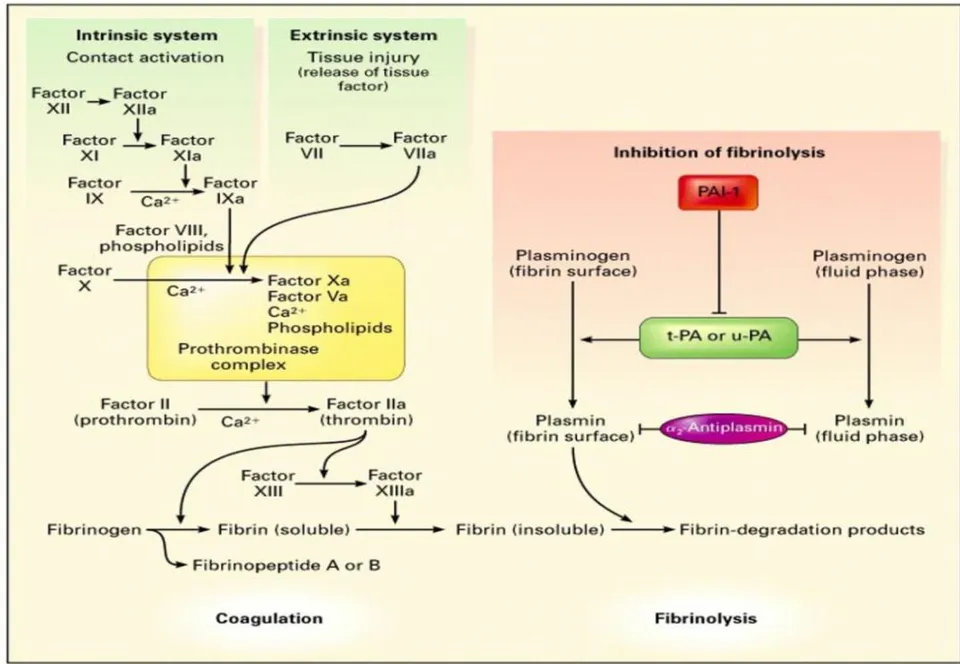
Series of protease enzymes and their cofactors takes place of phospholipids' surface, platelet, and endothelium which consist of extrinsic, intrinsic, and common pathways that results in the formation of stable fibrin clot as shown in figure 2.
i. Resting platelets
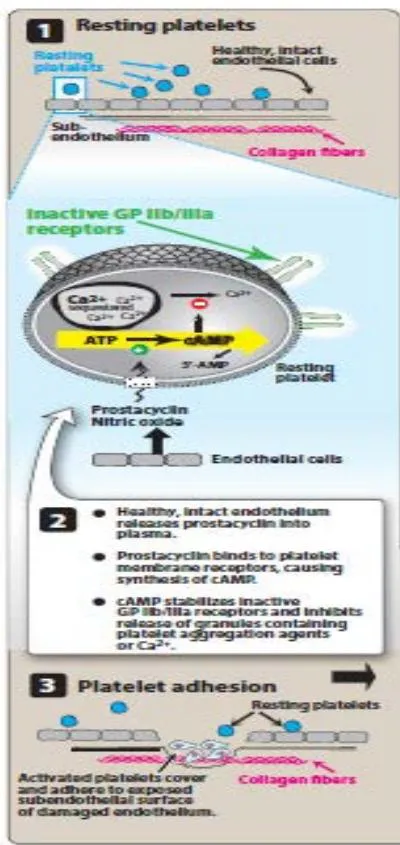
Platelets act as a vascular guard, monitoring the integrity of the endothelium; in the absence of injury, resting platelets circulate freely. Chemical mediators, such as prostacyclin and nitric oxide, are synthesized by intact endothelial cells and act as platelet aggregation inhibitors. Prostacyclin works by integration with platelet membrane receptors coupled to the synthesis of cAMP increased cAMPis associated with the decrease of intracellular , which leads to inhibition of platelet aggregation.
Damaged endothelial cells synthesize lower prostacyclin; thus the binding of prostacyclin to platelet receptors is decreased, leading to lower levels of intracellular cAMP, which leads to platelet aggregation.
ii. Platelet adhesion
When the endothelium is injured, platelets adhere to and cover the exposed collagen of the subendothelium
iii. Platelet activation
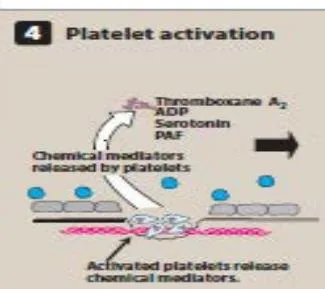
Receptors on the surface of the adhering platelets are activated morphologic changes in the platelets release of platelet granules containing chemical mediators, such as adenosine diphosphate (ADP), thromboxane A2, serotonin, platelet activation factor and thrombin.
1. Platelet aggregation
The increase in the cytosolic accompanying activation leads to:
- The release of platelet granules containing mediators, such as ADP and serotonin, that activate other platelets
- Activation of thromboxane A2 synthesis
- Activation of glycoprotein GP;IIb/IIIa receptors that bind fibrinogen and ultimately regulate platelet-platelet interaction and thrombus formation
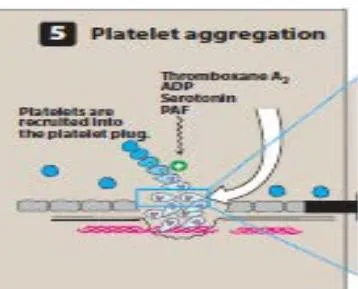
Fibrinogen which is a soluble plasma glycoprotein simultaneously binds glycoprotein IIb/IIIa receptors on two separate platelets, platelet cross linking and platelet aggregation; this leads to a mass of platelet aggregation because each activated platelet can recruit other platelets.
d) Medical Uses
Warfarin is used to treat the tendency of thrombosis or as secondary precaution, preventing further episodes in those individuals who have already formed a blood clot, thrombus; warfarin treatment can be used to prevent other formation of blood clots from reducing the risk of an embolism which defined as the migration of blood clot to block the blood supply of a vital organ (5).
Warfarin is best suited as an anticoagulant to inhibit clot formation in areas of slow running blood, such as the veins and pooled blood behind artificial and natural valves and in the pooled blood in dysfunctional heart atria parts. Thus, common clinical indications for warfarin use are atrial fibrillation, the presence of artificial heart valves, deep venous thrombosis, and pulmonary embolism, where the embolized clots form in the veins. Warfarin is used also as an antiphospholipid syndrome. It has been used occasionally after heart attacks or myocardial infarction, but it is less effective in treating new thrombus in coronary arteries.
Prevention of clotting in arteries is usually undertaken using antiplatelet drugs, which work by a different mechanism from warfarin which does not affect the platelet function. It can be used to treat people from strokes result from a trial fibrillation, although direct anticoagulants which are taken orally may offer more significant benefits.
The maintenance dose of warfarin can be fluctuated according to the levels for vitamin K1 in the diet. Keeping vitamin K1 intake at stable levels can reduce this fluctuation. Green leafy vegetables can be a good source for vitamin K1. Green parts of members of the family a piaceae such as parsley, cilantro and dill are rich sources of high levels of vitamin K1; cruciferous vegetables as cabbage and broccoli as well as lettuces dark green parts also participate in obtaining vitamin K. Green vegetables such as green bean don't have the same amounts of vitamin K1 like green leafy vegetables. Specific vegetable oils have certain parts of vitamin K1. Foods low in vitamin K1 like roots, bulbs, tubers, and most fruit juices. Cereals, grains, and other milled products are also poor with vitamin K1 (6).
e) Self-testing
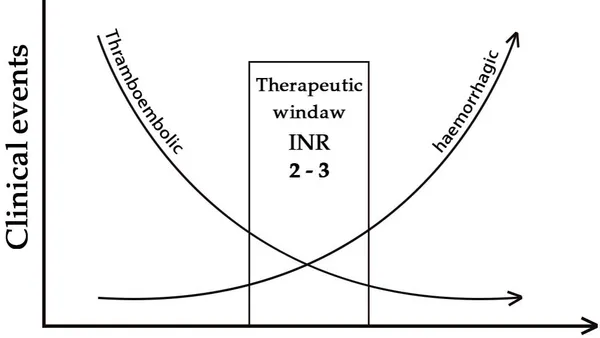
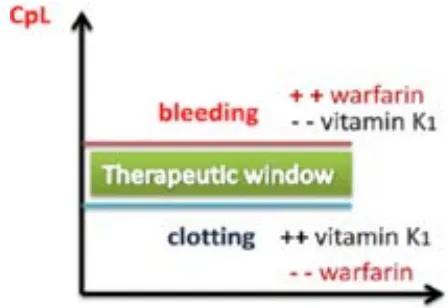
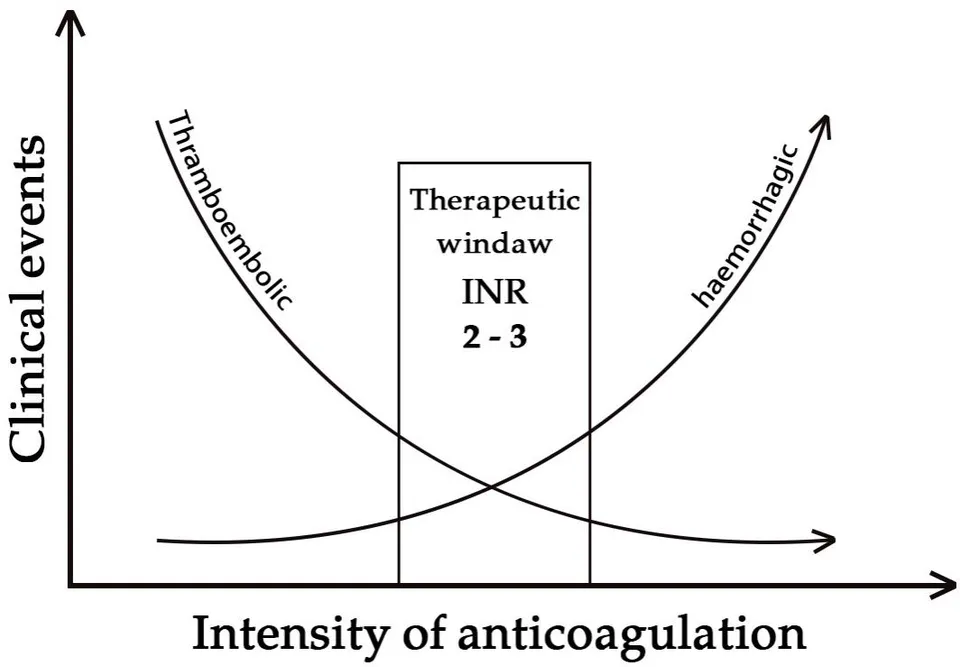
Anticoagulation of warfarin can be measured at home. There is a narrow range when the benefits with warfarin are greater than the risks, its therapeutic window as well as there are some interactions between some foods and warfarin intake, currently available self management devices give accurate international normalized ratio (INR) results comparable with average results obtained from laboratories (7).
f) Alternative anticoagulants
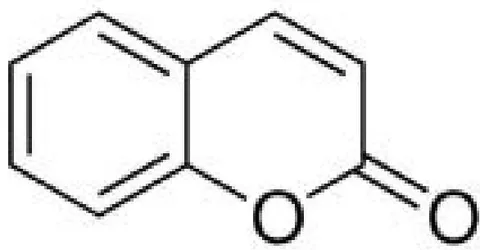
In some countries, other coumarins are used instead of warfarin, such as phenprocoumon. These drugs have a shorter (acenocoumarol) or longer (phenprocoumon) half-life, and are not wholly interchanged with warfarin. Several types of these drugs can offer the efficacy of warfarin without needing monitoring, such as dabigatran, apixaban, edoxaban, and rivaroxaban; they have been approved rather than classical warfarin. Complementing these drugs are available for dabigatran, apixabanan drivaroxaban which is suggested for edoxaban, but its use is considered off label because of limited evidence. A reversal agent for dabigatran, apixaban, edoxaban and rivaroxaban is in development (8).
g) Contraindications of warfarin during pregnancy
Warfarin is contraindicated during pregnancy, as it passes through the placental barrier and can cause severe bleeding to the fetus; warfarin use in pregnancy is usually associated with spontaneous abortion, stillbirth, neonatal death, and preterm birth. Coumarins such as warfarin are also teratogens; they cause congenital disabilities; the incidence of congenital disability among fetuses has a possibility of , although this possibility can reach in some studies depending on when exposure occurs during pregnancy, two distinct abnormalities can appear.
When warfarin, or any 4-hydroxycoumarin derivative, is given during the first trimester, particularly between the and week of pregnancy, a constellation of congenital disabilities is known as fetal warfarin syndrome, warfarin embryopathy can occur. Fetal warfarin syndrome is mainly characterized by skeletal abnormalities, which include nasal hypoplasia, a depressed or narrowed nasal bridge, scoliosis and calcification in the vertebral column, femur and heel bone which is shown in the X-rays. Limb abnormalities such as brachydactyly, usually short fingers and toes or underdeveloped extremities can also occur (9). Standard non-skeletal features of fetal warfarin syndrome include low birth weight and disabilities.
h) Warfarin adverse effects
1. bleeding
It is the most common side effect of warfarin. The risk of bleeding due to warfarin is low but definite; approximately the annual rate is to . And any benefits that need to outweigh the need to be considered. All types of bleeding are possible, but the most severe is spinal cord and brain bleeding, intracerebral hemorrhage, or hemorrhagic stroke (10).
The risk of bleeding can be increased if the international normalized ratio is out of range due to accidental overdose or drug interactions (11). This risk is highly increased if the international normalized ratio exceeds 4.5 (12).
Several risk scores appear with treatment using warfarin. A commonly used score is HAS-BLED includes known predictors of warfarin related bleeding, which are: H=uncontrolled high blood pressure
A=abnormal kidney function
S=previous stroke
B=known bleeding condition
L=previous label international normalized ration while taking warfarin
E=elderly by defined age of 65 years or more
D=drug associated with bleeding or alcohol misuse While their use is recommended in medical practice guidelines (13), they are good predictors of bleeding risk but are not efficient in detecting or even predict the risk of hemorrhagic stroke (14). Bleeding risk may become highly possible with people on hemodialysis (15). Another score used to assess bleeding risk with patients on anticoagulants, specifically with warfarin or Coumadin, is the ATRIA score, which uses a weighted additive score of clinical findings to detect bleeding danger (16). The risk of bleeding is increased when warfarin is taken with antiplatelet like clopidogrel, aspirin, or non-steroidal anti-inflammatory drug (NSAIDs).
i) Warfarin necrosis
It is rare, but it is a hazardous complication resulting from treatment with warfarin, which occurs shortly after commencing treatment with warfarin with patients who have a protein C deficiency. Protein C is a natural anticoagulant that, as most coagulation factors which are inhibited because of warfarin, requires vitamin K-dependent carboxylation for its activity. Because warfarin decreases protein C synthesis faster than the other coagulation factors, paradoxically, it can increase levels of coagulation when treatment is first begun, so most patients are given heparin to combat this problem which can lead to limb necrosis and even gangrene. Its natural counterpart, purpurafulminans, occurs among children homozygous of protein C mutations.
j) Osteoporosis
After initial reports which claim that warfarin reduces calcium bone, there is a link between warfarin use and osteoporosis-related fracture. For women taking warfarin for deep venous thrombosis, the risk of rib fractures and vertebral fractures is increased; other fracture types don't occur more commonly.
II. MATERIALS AND METHODS
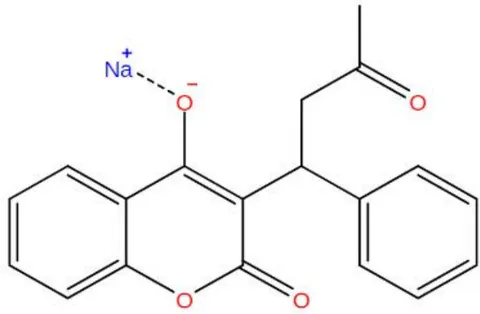
To manipulate the reaction of converting warfarin sodium into warfarin potassium, you need to ask some simple questions:
You have an organic compound (warfarin) with a molecular weight of ; it contains a sodium atom and must replace with an atom of potassium. The IUPAC name of warfarin sodium is sodium 2-oxo-3-(3-oxo-1-phenylbutyl)-2H-chromene-4-olate.
Is the simple substitution reaction preferred or the double substitution reaction?
If the simple substitution reaction was better, how can you get elementary potassium?
If the double replacement reaction is better, what is the concentration of potassium hydroxide required to complete the reaction? And is it better for substitution reactions or any potassium salt e.g., potassium iodide is better?
To answer these questions, you need to do the following:
Prepare an acid like hydrochloric acid to convert ONa group into OH, filter papers, beaker, conical flask, potassium base e.g., potassium hydroxide and mortar
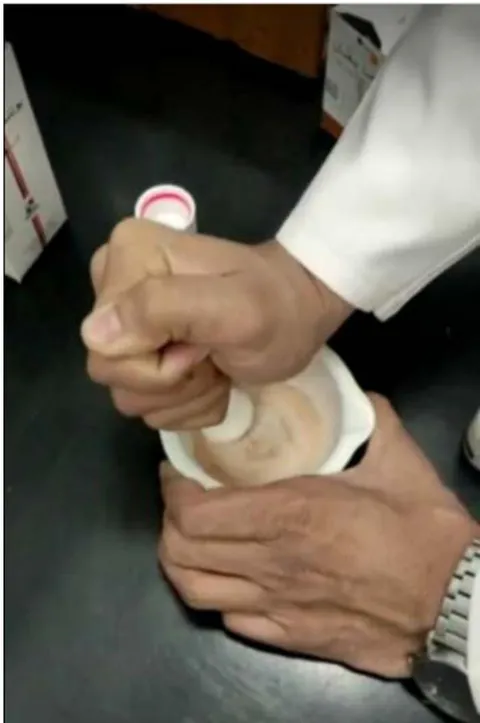
- In a mortar, grind warfarin sodium tablets properly until you get the powder form to increase the surface area as shown in figure 9 below
- Dissolve the powder of warfarin sodium in water and add HCl to allow sodium to substitute hydrogen and convert the ON a group into OH in the warfarin molecule according to the chemical equation and as shown in figure 10
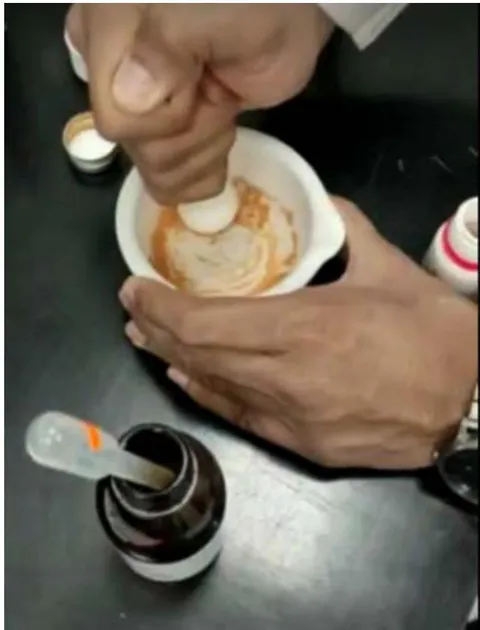
- Filter the solution in a filter paper, to get rid of the liquid and leave the powder to dry
- Add the powder of warfarinback to fresh water and add potassium base as shown in figure 11 and chemical equation below
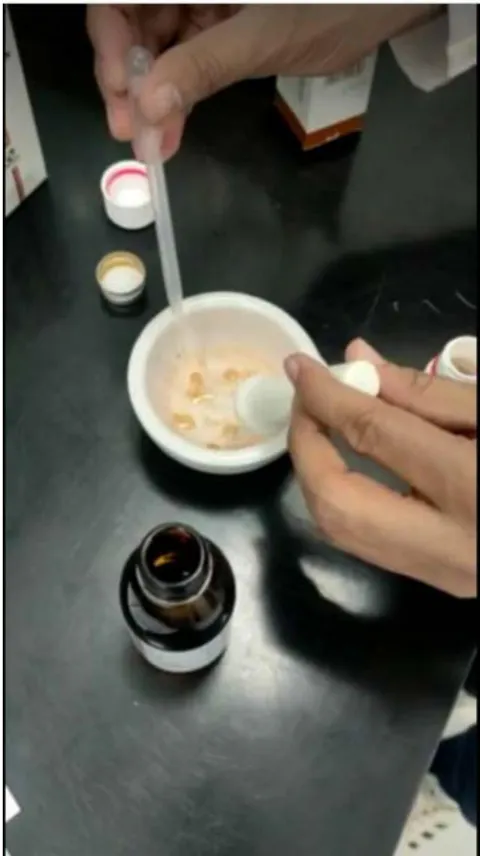
- Filter the solution again using a filter paper, then leave the powder to dry to get warfarin potassium, as shown in figure 12.
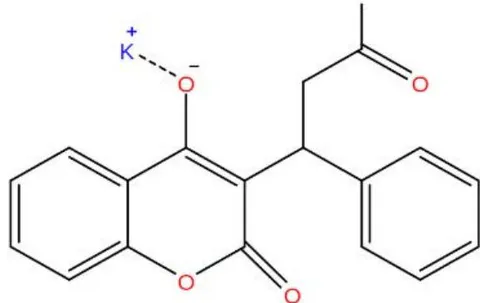
N.B. After getting warfarin in the step, you can use organic solvent to extract warfarin only then alkalize it using potassium base (potassium hydroxide); the OH group will be ionized into OK.
a) Spectroscopic assay
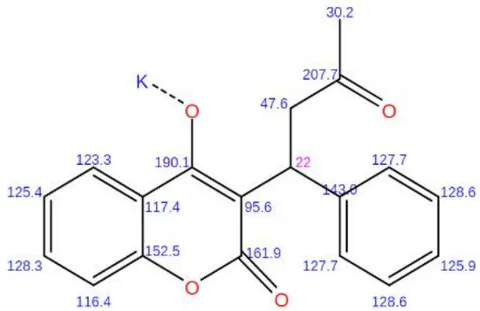
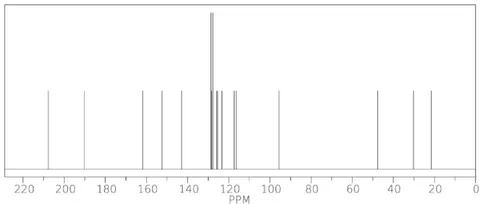
It is done by using nuclear magnetic resonance spectroscopy (NMR) to observe the local magnetic field around the atomic nuclei of the C13 atom. Warfarin potassium is placed in a magnetic field, and the signals are produced by exciting the nuclei sample of radio waves into NMR, which is detected with sensitive radio receivers. The intra-molecular area around the atom changes the frequency of resonance which gives access to the electronic structure of the molecule of warfarin potassium and its functional groups. Because the areas are like fingerprints as they are unique and very characteristic of each compound.
III. RESULTS
Warfarin potassium powder has an increased surface area with good bioavailability. As an oral anticoagulant, this drug has a prolonged duration of action because potassium has a molecular weight more than sodium, so the diameter of the potassium atom is bigger and electron negativity is lower, leading to a delayed onset of action; its chemical structure contains potassium atom, which may be safe to the hypertensive patients. Sodium atom can be substituted with potassium or lithium atom, which can help the patient relieve hypertension in addition to its essential role as an anticoagulant.
a) Spectroscopic assay
In a simple term, the paramagnetic NMR spectroscopy of warfarin potassium whose IUPAC name is potassium 2-oxo-3-(3-oxo-1-phenylbutyl)-2H-chromene-4-olate, was given a chemical shift range which was spanned up to thousands of parts per million.
b) Pharmacokinetics of warfarin potassium
Warfarin potassium is given orally, not parenteral; it is highly bound to plasma protein by and metabolized extensively by the liver microsomal enzymes, so possible drug-drug interactions should be considered. Half-life is 40 hours, and its duration of action is 2 to 5 days.
It has an enterohepatic circulation, and its metabolites are excreted in urine and stool.
IV. ADMINISTRATION
The usual dose is daily for 2 to 4 days, followed by maintenance of 2 to daily as indicated by the measurement of the INR, which value derived from the ratio between patients' prothrombin time (PT) to reference prothrombin time.
a) Therapeutic uses
- Prevention or prophylaxis against deep venous thrombosis (DVT) or pulmonary embolism
- Prevention of systemic embolism in patients with acute myocardial infarction
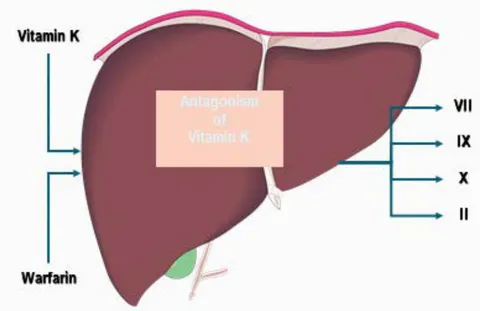
The main side effects of warfarin potassium are bleeding, fetal malformation, and abortion if given during the pregnancy. So the antagonist of warfarin K overdose is vitamin K.
b) Factors influence warfarin potassium activity and its interactions
Warfarin interacts with many drugs because it is metabolized by the liver's microsomal enzymes; it can decrease the effectiveness of some drugs and increase the effectiveness of another
The reduced activity and energy, it affects the followings:
- Reduced absorption because of malabsorption syndrome or cholestyramine administration
- Hypoproteinemia, as in nephrotic syndrome, due to its low half-life
- Increased secondary metabolism due to liver microsomal enzyme induction drugs such as rifampicin, barbiturates, and carbamazepine
- Ingestion of a large amount of food containing vitamin K or supplements
- Abnormal vitamin K epoxide reductase due to mutation of VKORC1 gene
The increased activity and effectiveness, it affects the followings:
Decreased metabolism by enzyme inhibitors like amiodarone, azole antifungals such as clotrimazole and fluconazole, isoniazid, and metronidazole
Displacement from protein binding by loop diuretics and valproic acid
Vitamin K deficiency because of insufficient vitamin K diet or antibacterial therapy, which suppresses intestinal flora
Low concentrations of coagulation factors such as liver failure, heart failure, and the hypermetabolic state as in hyperthyroidism
Relative contraindications of warfarin potassium therapy
Pregnancy
Situations where the risk of bleeding is greater than the clinical benefits of therapy
Uncontrolled alcohol and drug abuse
Unsupervised dementia or psychosis
Severe hepatic disease and gastrointestinal tract bleeding
Sub-acute bacterial endocarditis
Recent head trauma or recent major surgery
Thrombolytics promote the dissolution of thrombi in occluded blood vessels through a fibrinolytic effect. They are described mainly for acute myocardial infarction. Fibrinolytic drugs rapidly dissolve thrombi by catalyzing the plasmin formation from plasminogen, so they are plasminogen activators.
These drugs create a fibrinolytic state when administered intravenously; thus, they are both protective and curative. They are given as a bolus or by intravenous infusion. Examples of these drugs are streptokinase and urokinase which is a human enzyme synthesized by the kidney, which converts plasminogen into plasmin.
| Character | Heparin | Warfarin Potassium |
| Effectiveness | In vivo and in vitro | In vivo only |
| Route of administration | I.V infusion | Oral |
| Onset | Immediate | 1-3 days |
| Duration | 3-5 h | 2-5 days |
| Mechanism | Anti-thrombin-anti-activated factor Xa | Interfere with hepatic synthesis of factors II, VII, IX &X |
| antidote | Protamine sulfate | Vitamin K and fresh frozen plasma |
| Lab control | aPTT | Prothrombin time-INR |
| Crossing placental | No (safe in pregnancy) | Yes (unsafe) |
V. DISCUSSION
Signs of warfarin potassium overdose and toxicity
- Any unusual bleeding
- Blood in stool or urine
- Excessive menstrual bleeding
- Bruising
- Excessive nose bleeding
- Excessive gum bleeding
- Persistent oozing from superficial injuries
- Bleeding from the tumor, ulcer, or any other lesions
- Infrequent reactions as skin necrosis, purple toe syndrome, alopecia, urticaria, dermatitis, fever, anorexia, nausea, diarrhea, abdominal cramps, congenital disabilities, and abortion.
Warfarin potassium can be used alone and is appropriate to treat myocardial infarction, but it is associated with the risk of bleeding. The importance of thrombosis in the pathogenesis of heart diseases is well established; the process includes both coagulation system and platelet conditions. Patients with myocardial infarction who survive have a risk of death by to or having a rebound within 2 to 5 years, a proof that substantiates the rationale of secondary antithrombotic prophylaxis.
The anticoagulant warfarin potassium has two enantiomers metabolized by liver microsomal enzymes CYP450; R-warfarin potassium is metabolized primarily by CYP1A2 to 6-hydroxy warfarin potassium and 8-hydroxy warfarin potassium. R-warfarin potassium isomer is also metabolized by CYP3A4 to 10-hydroxy warfarin. S-warfarin potassium is metabolized mainly by CYP2C9 to 7-hydroxy warfarin potassium. The efficiency of warfarin potassium is affected particularly when the metabolism of the S-warfarin potassium enantiomer is altered.
Warfarin has been studied extensively in many controlled clinical trials. Drug interactions occur due to plasma protein displacement, interactions with the CYP450 enzyme system, or drug metabolism interference. The importance of liver microsomal enzymes genes such as CYP2C9 and VKORC1 genes to the patient-specific dose of warfarin has been established. Warfarin even interacts with natural products like ginseng, as there are documented interactions between alternative therapies and warfarin. Some people who take warfarin use medicinal plants OTC as they consider them a safe medication and do not interact with other prescribed drugs. This issue is very vital; especially with drugs that have a narrow therapeutic index, such as warfarin. Herbal products which may increase the risk of bleeding or even potentiate the risk of bleeding resulting from warfarin therapy are angelica root, anise, arnica flowers, capsicum, chamomile, clove, fenugreek, garlic, ginger, ginkgo Biloba, licorice root, onion, parsley, quassia, and turmeric.
Interpretation of the available information on warfarin-herb interactions is complicated because nearly most of these data are based on in vitro studies, studies on animals, or individual case reports. More studies are required to confirm the clinical significant of these interactions.
There is strong evidence that alternative therapy, primarily herbal medicines, has interactions with warfarin. Pharmacists and other health care professionals should ask their patients before prescribing warfarin about any current intake of herbal medicines.
Many drugs and foods interact with warfarin, including antibiotics, central nervous system drugs, and cardiac drugs. The danger is that substances can increase the warfarin effect as an anticoagulant. But on the other hand, gamma carboxylase polymorphisms and factor VII genes do not participate in predictive models of warfarin dose.
The single contribution of both CYP2C9 and VKORC1 polymorphism account for respective about and of maintenance dose variability (17). Therefore, the aggregate variability of warfarin potassium dose is explained by these two genes approaching provided that other genetic factors.
Synthetic preservatives, benzalkonium chloride, are potent inhibitors of warfarin potassium for the CYP2C9 gene, producing unpredictable effects of warfarin potassium therapy (18). The impact of the treatment is measured by many variables, including drug interactions, illnesses, patient's history, dietary or GIT features that interfere with vitamin K efficacy and bioavailability, and physiological variables which affect the synthetic or metabolic fate of the vitamin K-dependent coagulation factors. So, genetic factors must be considered as they can be ideal while all these variables are stable.
Finally, CYP2C9 genotyping may not be helpful in some races like African-Americans or even as a marker for the long-term anticoagulation once the optimum and stable dose is reached (19).
VI. CONCLUSIONS
Indeed, it is needed to have a significant number of samples are to conduct clinical trials of this compound to determine its efficacy and activity on a large scale. But according to its chemical and biological properties, it is possible to expect its nature, mechanism of action, and its safety rather than warfarin sodium. The use of warfarin potassium has a well-known bleeding risk, although it can be used to treat patients with heart diseases or any cardiovascular disorders like thrombosis.
Generally, the role of any anticoagulant in secondary prophylaxis against myocardial infarction, for instance, is well established. Although using warfarin sodium or potassium has superiority rather than other oral anticoagulants like aspirin, aspirin is used widely.