
I. INTRODUCTION
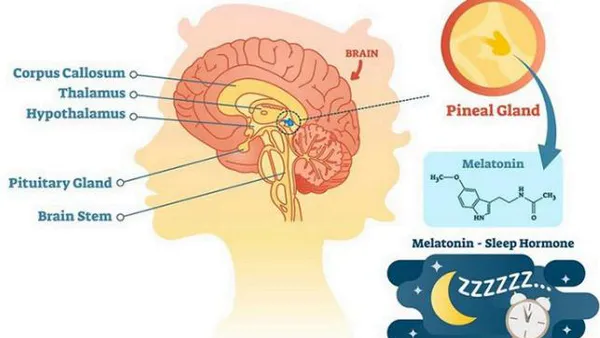
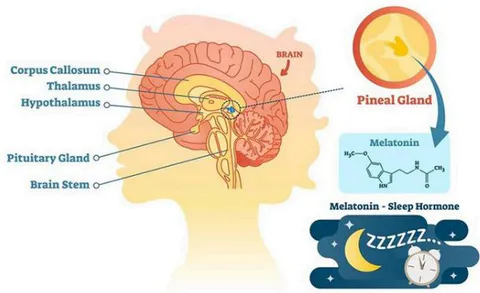
Sleep is an essential biological process necessary for maintaining human health and performance. In modern society, stress, irregular routines, and prolonged screen exposure disturb natural melatonin secretion, leading to poor sleep and fatigue. Melatonin, produced by the pineal gland, helps regulate sleep patterns and energy balance.
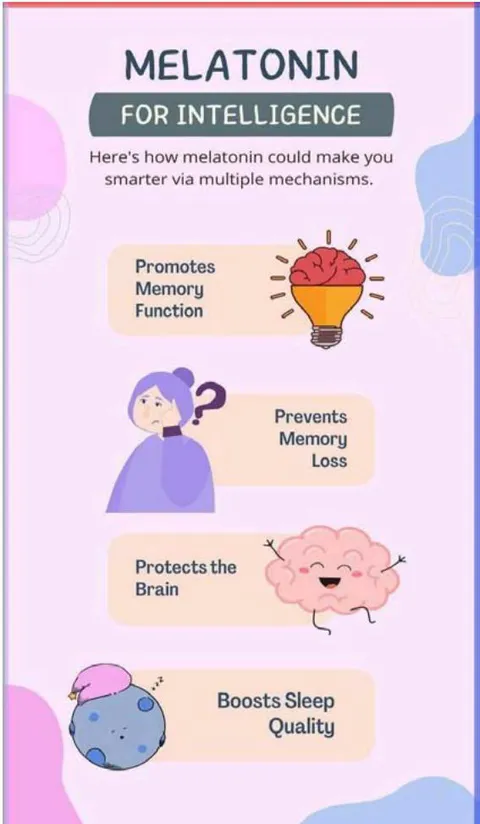
Restoring natural melatonin production is crucial for preventing insomnia and cognitive decline.
MAIN FUNCTIONS OF MELATONIN
Regulates sleep – sends a signal to the body that it's time to sleep.
Maintains the circadian rhythm (the day-night biological cycle).
Acts as an antioxidant – protects cells from free radical damage.
4. Strengthens the immune system.
5. Reduces stress and improves mood.
"Exposure to light at night prevents the brain from recognizing darkness, thereby suppressing melatonin secretion. This disruption in the circadian rhythm impairs energy metabolism and reduces nighttime energy restoration, leading to daytime fatigue and decreased alertness."
Rather than relying on pills, improving sleep through natural approaches—like diet, relaxation, and sleep hygiene—can be a safer and long-term solution.
The study was designed to help students restore healthy sleep in two stages:
Regulation Stage: Participants were guided to follow healthy habits such as fixed sleep hours, reduced screen exposure, and evening relaxation techniques.
Natural Support Stage: Once regular sleep patterns were established, participants were encouraged to rely on natural melatonin sources—including fruits, vegetables, and herbal drinks—to sustain their rhythm.


II. MATERIALS AND METHODS
The study was conducted at the Uzbekistan State Institute of Pharmaceutical Education and Research in Tashkent. A total of 20 volunteer students aged 18–30 took part in a two-week observation program.
Participants followed natural sleep-improvement practices:
Consumed melatonin-rich foods such as cherries, bananas, tomatoes, milk, and nuts before bedtime.
Limited blue light exposure from phones and computers at least one hour before sleep.
Practiced deep breathing and relaxation before going to bed.
Maintained a consistent sleep schedule (sleeping and waking at the same times daily).
Drank herbal teas such as chamomile or valerian tea in the evening.
Sleep quality was assessed using the Pittsburgh Sleep Quality Index (PSQI) and a self-reported daily sleep diary. Participants also filled out questionnaires on their daytime alertness, mood, and concentration levels.
III. RESULTS
After two weeks, participants reported noticeable improvements in sleep quality and daily performance.
PSQI scores showed an average 25–30% improvement compared to the baseline.
Most participants fell asleep faster, experienced fewer night awakenings, and felt more rested in the morning.
Daytime energy and concentration also improved significantly.
No negative effects were observed, and participants expressed a preference for continuing natural methods rather than using tablets.

IV. DISCUSSION
This study confirms that natural lifestyle changes can effectively enhance melatonin production and improve sleep quality.
Foods containing tryptophan, magnesium, and vitamin B6 act as precursors for melatonin synthesis, helping the body regulate sleep naturally.
Additionally, reducing blue light exposure helps the pineal gland function properly.
Unlike synthetic supplements, these natural strategies have no side effects and promote sustainable sleep health.

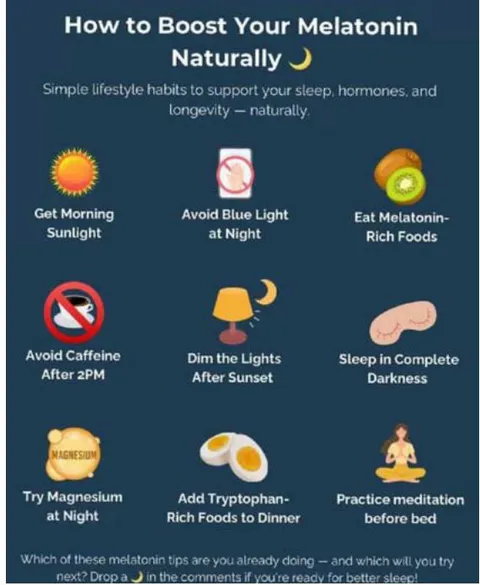
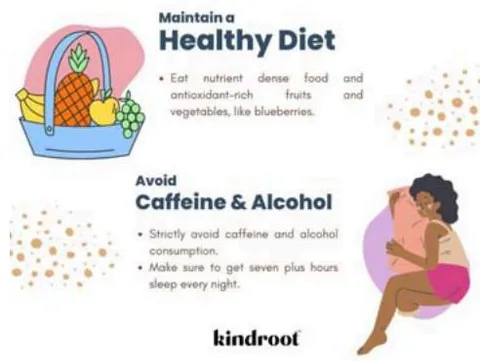
Tips for better sleep and reduce anxiety symptoms!

V. CONCLUSION
Natural methods such as healthy nutrition, reduced screen time, and consistent sleep schedules can significantly improve sleep quality and energy levels.
Melatonin, as a natural hormone, plays a central role in this process, and its balance can be maintained through proper habits rather than medication.
Encouraging youth to adopt these natural strategies is essential for long-term health and productivity.