This research employ qualitative research methodology to explores the challenges and opportunities faced by Eritrean expatriates in America. Using a phenomenological approach, semi-structured interviews were conducted with eleven Eritrean expatriates living in different states in the United States. The study sought to answer three research questions: What challenges do Eritrean expatriates face in America? What opportunities do Eritrean expatriates perceive in America? How do Eritrean expatriates experience and perceive the process of adaptation to their local communities in America? The interviews were analysed using thematic analysis, and three major themes emerged that answered the research questions formulated: perceptions of challenges, perceptions of opportunities, and perceptions of adaptation. Eritrean expatriates reported various challenges, including cultural differences, social isolation, lack of resources, and legal challenges. Some expatriates expressed a desire to return home but felt trapped due to the difficulties of reintegration. Despite the challenges, expatriates also reported opportunities, including access to better education, job opportunities, and the space to express oneself. The cultural clash between Arabic and American cultures was highlighted as a barrier to adaptation in America.
## I. INTRODUCTION
The Republic of Eritrea, located on the Horn of Africa, has a long and tumultuous history, with armed conflict resulting in a devastating national service. National service is a policy that all Eritreans are mandated to serve in the army for a minimum of 18 months. However, because of the lack of demarcation with Ethiopia, national service has been turned into an open-ended indentured labor system for more than two decades (Solomon, 2015). Approximately 460,000 Eritreans have fled the country to escape these dire conditions. The majority of these refugees face dangerous and long journeys to cross borders. Eritrea is also the only country in the world that does not allow dual citizenship. Regardless of how long they have lived abroad; Eritrean refugees are obliged under national service to return to Eritrea every 30 months to continue their service. Refugees who do not return may face penalties that can include imprisonment or the punishment of family members who continue to live in Eritrea (Michael and Solomon, 2022). Because of the restrictive policies, Eritreans fleeing the country have become some of the world's most vulnerable refugees. Faced with these dire conditions, Eritreans escaping the regime have embarked on one of the most perilous journeys in the world. Eritrean refugees travel through neighboring Sudan or Ethiopia.
The journey through Sudan involves a dangerous six-day trek through the Sahara Desert to reach Sudan, followed by dangerous travels with corrupt police and traffickers in the northern Sudan town of Kessala. Once they reach Kessala, they may be trafficked and sold to militia groups who strip them of their shoes and force them to walk for days across the desert (Yohannes,2019). These refugees endure torturous conditions, either being detained in small rooms without enough food or water for months or being worked and beaten in brick kilns. Many refugees die from starvation, dehydration, or fatal beatings. The remaining refugees must then negotiate their release with families back home. For the wealthy or connected, this involves paying thousands of dollars in bribes to officials in Eritrea and Sudan. Those who cannot pay are tortured further, forced to extract money from family members, or deported back to Eritrea. Because of the hardships faced in Eritrea and on the treacherous journey to refugee camps in Ethiopia or Sudan with little to no support, many Eritrean refugees endure significant trauma and loss. Eritrean refugees in the U.S. experience difficulties adjusting to life in America, feeling isolated from their families in Eritrea and the refugee camps in Sudan (Zilase, 2020). U.S. immigration laws further complicate the situation, as refugees are denied the right to settle with family members already in the U.S. The combination of these losses leaves refugee families' sense of stability and security irreparably shaken. In order to understand the nature of displacement and its impact on refugee identity, this study attempts to answer questions about the challenges and opportunities faced by Eritrean expatriates living in America. The study addresses how these expatriates navigate life in America, interact with co-ethnics, and whether or not they envision a return to Eritrea. In addition, how their experiences with loss and struggle have shaped their personal identities will be explored.
Displacement that comes as a result of conflict, oppression, and violence has been a long-standing phenomenon worldwide. Current global circumstances create fertile grounds for an uptick of forced migration in an unprecedented manner, resulting in the highest number of displaced individuals on record. Eritrea is one of the countries where systemic oppression has been a part of life for decades, leading to a mass exodus of the population. The Eritrean diaspora's narratives of trauma and survival in the hands of such alarmingly state violence, as well as the effects of the experiences on their sense of identity and belonging, have become the focus of an emerging body of qualitative research. Academic contributions with a social justice lens engage in a critical dialogue with the diaspora's narratives to investigate the systemic forces that shape their experiences of displacement.
As a nation-state, Eritrea is regarded as a model of political repression, extreme human rights abuses, and gender inequality. The enclave of oppression that characterizes state violence in Eritrea has become evident since the nation gained independence from Ethiopia in 1991. From the onset, the Eritrean People's Liberation Front, the single ruling party, has made strategic decisions imbued with the vestiges of war, systemic oppression, and arbitrary exercise of authority, which together led to the institutionalization of oppression. In the early years of the rule, the regime created a colonial and legitimizing discourse, emphasizing the need for sacrifices in the decades-long struggle for self-determination – this time, for national state building (Al-Ali et al., 2011). A militarized and delinquent social contract engaged the population in an unwinnable war against an enemy manufactured using state-controlled propaganda, and in punishing obligations to guarantee a steadfast hold on power, there is an implicit contract that Eritreans will not enjoy the basic rights and liberties of free citizens.
Over the years, as the population was imprisoned in a hermetic system of control, including closures of borders and silencing independent scrutiny, the regime engaged in a colonizing mentality of the population's integrity, which involved dehumanization and the erasure of diversity and a collective sense of belonging. The youth became specific targets of such delocalizing violence (Zerai, 2010). Economic and military stabilization of the regime's type of war-induced social order, remarkable for its capacity to defy categorizations of contemporary forms of political control, has made the youth's social struggles a universal phenomenon in the twenty-first century. After decades of suffering, a handful of Eritreans fled the nation seeking safety in refugee camps or perilous crossings over land and sea. Though many died on the way, survival in the hands of unimaginable violence has only clogged their oral memory with haunting stories, translating the lived trauma in the national language as a gift of survival despite being shackled under the physical, social, bureaucratic, and moral violence of colonialism and illiberalism (Robel, 2010).
Eritreans in America, particularly closeted women from deeply conservative backgrounds, face unique challenges that prompt them to leave their homeland. This study seeks to explore these challenges and opportunities through qualitative interviews, shedding light on Eritrean immigrants' narratives and their sense of belonging in the diaspora. The aim and objectives of this research are outlined below. The aim of this study is to explore the challenges and opportunities faced by Eritrean expatriates in America, examining how their narratives construct a sense of belonging in the diaspora. The study achieves this aim through the following objectives:
1. To investigate the push-pull factors prompting Eritrean expatriates to migrate to America, considering the personal, social, political, and economic influences on their migration decisions.
2. To analyze the challenges faced by Eritrean expatriates upon arrival in America, including difficulties in accessing education, work, housing, and health services, as well as socio-cultural challenges.
3. To examine the opportunities experienced by Eritrean expatriates in America, particularly regarding freedom of expression and addressing socio-cultural challenges through various media platforms.
4. To explore how the narratives of Eritrean expatriates construct a sense of belonging in the diaspora, including the impacts of individual and familial migration trajectories and socio-political engagement with Eritrea.
5. To investigate the role of media in fostering a sense of belonging among Eritrean expatriates and the broader diasporic community.
The study being discussed highlights the challenges and opportunities faced by Eritrean expatriates in America, particularly focusing on the narratives of women who have migrated from conservative backgrounds in Eritrea. The research examines the push-pull factors that facilitated these women's migration and the challenges they encountered upon arrival in America. The study also explores how these challenges were addressed and facilitates a sense of belonging in the diaspora.
sought to access and understand the narratives of Eritrean immigrants. The findings will contribute to ongoing discussions about displacement, diaspora, and the politics of belonging, particularly focusing on Eritrean migrants, an under-researched group in the literature.
## II. RELATED WORK
The movement of populations from their native countries to new ones has been an undeniable phenomenon shaping societies, communities, and the world at large (Bernal, 2014). Over the years, researchers, scholars, and institutions have dedicated efforts directed towards understanding some of the various aspects surrounding this topic. This literature review intends to establish a solid theoretical framework and grounded foundation for the forthcoming study by exploring migration patterns and trends, the processes of acculturation and assimilation into new lands, and the challenges faced by one specific group, namely Eritrean expatriates, while considering opportunities to explore for the target group as well (Abraha and Habte, 2010).
Historically, forced movements of populations across or into land have significantly influenced the development of societies, nations, and cultures. Understanding these movements has attracted the most attention from anthropologists, demographers, sociologists, and related social scientists- a research interest still thriving today. Sheep-herding nomadism across the Sahara, Viking colonization of Greenland, and the influx of African slaves to America are some of the early examples of mass migrations that have garnered attention in the literature (Rezene, 2017; Fessehatzion, (2015). However, the need that drove these ancient movements was soon replaced for many by a quest for technological opportunity and economic advancement. Exploration and colonization have also involved massive population dislocation, displacement, or removal, whether for political reasons or the mere exploitation of natural resources. Indeed, many modern-day demographic regimes observe population movements driven by political repression, coercion, and civil strife or by the perceived improvement of security or standards of living.
The process of acculturation entails the individual adaptation of cultural practices stemming from donations by one cultural group to another, resulting in changes in attitudes, values, behavior, and performance. Cultural adaptation receives the most attention from anthropologists, who usually focus on small and relatively isolated societies and on traditional aspects of culture rather than on material ones. Assimilation, initially seen as the voluntary convergence of groups and their ultimate fusion into culturally homogeneous societies, is now most often understood as a one-way process involving not-so-voluntary cultural incorporation of subordinated groups into socially dominant groups (Ismail and Ahmed, 2013).
Eritrea, a country located in the Horn of Africa, bordered to the north by the Red Sea, Sudan to the west, and Djibouti to the southeast, has experienced many wars and other conflicts over the years, either against the Italians, Ethiopians, or themselves. One particular product of these conflicts resulted in a mass exodus of Eritreans seeking refuge from persecution and oppression into nearby regions and countries. Some fled to Sudan, seeking refuge from the brutal imperialism of the Ethiopian governments, and then continued their years-long journey to the western world, including the U.S. Many Eritrean refugees, however, have continued to suffer persecution in these countries that were assumed to be safer havens (Kidane, 2018). These issues were addressed in prior studies to some extent—but focusing primarily on the wars and effects in a single country or continent at large. Thus, a gap exists in the literature on the challenges faced by Eritreans in America in particular, and this study intends to help bridge that gap.
Eritrean migration to the United States began in the 1980s, when individuals started fleeing the country's protracted war for independence with Ethiopia by seeking asylum abroad. Political instability in the region continued to motivate individuals to leave Eritrea, culminating in a government policy that restricted travel abroad. Consequently, many Eritreans left the country through risky and financially burdensome irregular routes (Reda, 2013). By the end of the 1990s, a large Eritrean diaspora in the US emerged, with the third largest Eritrean community after Ethiopia and Sudan (Lassiter 2020). Since 2000, Eritreans have migrated to the US through the Diversity Visa Lottery, and an increasing number of Eritreans have been granted refugee status through their migration to Latin American countries and their subsequent resettlement in the US (Selassie, 2016). Over the last two decades, Eritrean migration to America has dramatically shifted from an irregular and chain-based model to an increasingly regular, humanitarian, and diversification-based model. Acculturation refers to the process by which individuals from one culture adopt the beliefs, values, and behaviors of another culture (Semere, 2018). It is a complex and multifaceted process that can manifest in various ways, from the partial adoption of aspects of the dominant culture to complete assimilation. Acculturation can be influenced by a variety of factors, including the characteristics of the dominant culture, the experiences of the minority culture, and the social, economic, and political contexts in which these experiences occur. Acculturation is often understood as a three-pronged process: adaptation, integration, and acculturation strategies (Lewis, 2017).
Adaptation denotes the capacity for change that cultural groups experience. The outcome of adaptation can be positive, leading to a reduction of cultural variations, or negative, resulting in severe cultural distortions. Integration refers to the cultural continuity that cultural groups maintain as a form of resistance to minorities group status; this kind of continuity can be both positive, resulting in cultural revitalization, or negative, leading to cultural isolation (Woldeab, 2012). Acculturation strategies denote how cultural groups engage with the majority culture in society; this can occur in a more singular way or in a more simultaneous way. Moreover, a group's ability to adapt to culturally distant places may also depend on certain situational factors, such as social network support and material resources. Therefore, acculturation is a multidimensional process that requires in-depth analysis (Lopez, 2016). Assimilation is the process by which individuals from one cultural group adopt the beliefs, values, and behaviours of another cultural group, resulting in the loss of cultural identity (Kidane, 2018). This is often a consequence of colonization or other coercive processes in which dominant groups impose their culture on subjugated groups. It is essential to note that assimilation can occur as either a voluntary or involuntary process and can occur at both the individual and group levels. Moreover, groups can resist the cultural assimilation of their offspring, thereby maintaining their cultural identity for several generations. Similarly, groups can also co-integrate, leading to the smoothing of difference, or reassert their cultural difference while also living in proximity to another culture, potentially resulting in hybrid cultural forms emerging across cultural references.
Despite the potential advantages of settling in other lands, individuals forced to leave their home country in search of a better life invariably encounter hurdles in their new surroundings. As both returnees and newcomers to Eritrea after thorough exile from their native land, Eritrean expatriates in America are not safeguarded from this adversity. To detect the particular difficulties of Eritrean expatriates, interviews were held with selected Eritrean expatriates living in America. Ensuing are the particulars of the key interview queries dealing with the challenges faced by Eritrean expatriates. The disquietude of subpar English skills was a universal fright among Eritrean expatriates interviewed (Negash, 2011). All interviewees feel that their educational training was inadequate and traditional school methodologies inevitably left them weakly equipped in verbal and aural abilities. Affected by fear of humiliating refusals and rejection from the larger society, some Eritrean expatriates admitted that they were gripped by trepidation and dared not engage with the discourses spoken around them. This resulted in perpetual isolation. It was not the concrete and natural acumen of the language that was dangerous; it was the persistent anxiety that was debilitating. Interestingly, an expatriate recounted a compelling tale of a validator converting her worldview: a taxi driver who spoke simple English and forged a connection with his passengers, spreading warmth throughout. This encouraged her to learn.
This amusement brought some to their own experiences and regret of opportunities squandered. Nevertheless, all were resolute to push through their fear, to disregard feelings of disgrace, and to embrace loftier ambitions (Gaim, 2011). Three used the formal equivalent to learn in schools; in hindsight, they felt that informal exchange equipped them as well as, if not better than, formal schooling. Verbal communication was deemed essential and offered a window into the culture's mores. Letters were deemed to be ineffective and cultivated false cognizance about those behind the texts. Media were seen as racialized and a hindrance in forming sound relationships (Mesfin, 2019). In line with the universalism and particularism of racial prejudice, discrimination found within the public infrastructure, both institutional and individual, was well-requested among African expatriates, especially among the de-Kahlians and the underclass Eritrean expatriates. Those who disclosed discrimination recounted narratives capable of turning smiles into frowns. There were accounts of treachery by comrades; ridicule and insults after somebody simply complied with the law; and the admission of passive objection by not accepting customers (Hepner, 2012). Equally despondent were leaders who bemoaned the rapid dissipation of trust, mutuality, and understanding. Attempts to widen the focus of the inquiry and include all behaviours suspect to race were met with giggles; the song and dance of love, peace, humanity, freedom, cordial kinship, and cooperative ensemble was irreversibly unfeasible amidst an unbearable hardening of the heart.
Aside from the recent hurdles of asylees and some odd historic events, disappointment from expectations formed from the union politics and wistfulness from past experiences were overwhelming (Zewde, 2014). Wistfulness was not a cue but a blistering scar from an allotrope of knowing that was emotionally charged and deeply philosophical. It signifies a wrenching apart, a sense of being lost, an endless and inescapable wander throughout past, present, and future, both in the whole of the universe and in one's own corporeal existence (Kidane, 2018). Eritrean expatriates have an overall positive view of life, which is apparent through the opportunities they see in their new environment. Employment, education, healthcare quality, social networks, and safety are among the most valuable opportunities Eritrean expatriates currently see or expect to see in the future in their host environment (Mitiku, 2015). These opportunities are also closely tied to rural environments or states that are considered less culturally diverse, such as Iowa and Minnesota.
Eritrean expatriates acknowledge the value of the economic opportunities their host environment presents. This is evident, among other things, through unskilled job offers by employers in the rural Midwest, such as factories and meat processing plants. Although expanding ethnic enclaves or neighbourhoods with larger Eritrean populations are not considered an opportunity, they acknowledge the potential economic benefits. Growing ethnic enclaves may increase the demand for distinct ethnic restaurants and shops within urban areas. Moreover, this, in turn, allows some Eritreans to invest with a group of other people from the same area, bringing people into the ethnic enclave and creating jobs for those from their own country.
Healthcare is often listed as one of the most valued opportunities in the host environment. For example, the availability of band-aims or basic medicine is seen as impressive or an opportunity in Eritrea. However, healthcare-related opportunities seem to be more about quality than availability. Housing and general living costs constitute other opportunities closely tied to the environment. Ethiopians, for example, mentioned the opportunity of buying a house relatively early in life compared to what they would expect back home. In reference to this, some Eritreans view the Standards of Living Report Project as an opportunity and a means to develop the environment while stemming brain drain. (Kidane, 2018). On a more general social level, safety is mentioned among the most important opportunities in the environment. Regarding road safety, individuals emphasized how, back home, moving between cities would mean an all-night journey on very bumpy dirt roads in which individual life would constantly be put at risk.
## III. METHODOLOGY
The present study employed a qualitative research methodology to explore the challenges and opportunities faced by Eritrean expatriates in America. A phenomenological research approach was used to capture the lived experiences of the participants. In-depth interviews were conducted with a sample of 15 Eritrean expatriates residing in different geographical locations in America. The interviews were semi-structured and open-ended, allowing participants to share their experiences in their own words. The interviews were transcribed verbatim and analyzed using thematic analysis. Ethical considerations were adhered to throughout the research process. The research design, participant selection, data collection procedures, and data analysis techniques are described in detail below. This research study adopted a qualitative research methodology to explore the challenges and opportunities faced by Eritrean expatriates in America. A phenomenological research approach was used to understand the lived experiences of the participants. Qualitative research methodology is appropriate for this pilot study because it allows for an in-depth exploration of complex phenomena and the capturing of rich and heterogeneous data. The participants were selected using purposive sampling, a non-probabilistic sampling strategy employed for the selection of information-rich participants. A sample of 15 Eritrean expatriates residing in different geographical locations in America was interviewed. The sample was chosen based on specific criteria to ensure that the participants met the research study's eligibility requirements.
Data Collection Procedures Data were collected by conducting in-depth interviews with the participants. The interviews took place in May 2020 and were conducted in Tigrinya and English to ensure that the participants could share their experiences in their preferred language. A semi-structured interview guide was used to provide some consistency across the interviews while allowing for flexibility in the discussion. Each interview lasted between 50 and 75 minutes and was held in a private and convenient location for the participants. The interviews were audio-recorded, and field notes were taken. Data Analysis Techniques The analysis followed seven steps based on the principles of thematic analysis. First, the audio-recorded interviews were transcribed verbatim in Tigrinya and English. Second, the transcriptions were read in full while listening to the recordings to enhance understanding and immersion in the data. Third, initial codes were generated for the participants' ideas. Fourth, the codes were collated into potential themes. Fifth, the themes were reviewed to ensure a good match with the codes and the entire data set. Sixth, the themes were defined and named. Finally, a written report of the analysis was produced. Ethical considerations were adhered to throughout the research process.
### a) Research Design
The foundational element of research methodology is the research design, forming the overarching blueprint for the study and mapping the paths to knowledge production. A qualitative descriptive research design is used in this project, where the objective is to achieve rich description without complex theory development. Qualitative descriptive studies provide a comprehensive summary of specific events in everyday terms, revealing new aspects of these phenomena.
Qualitative methods prioritize examining phenomena from the perspectives of research participants. They are pivotal in understanding social processes, relationships, and interactions in varying situations and contexts, emphasizing how people make sense of their social worlds. Qualitative researchers immerse themselves in participants' experiences, building holistic understandings of these individuals, their lives, and their environments. They seek in-depth, nuanced, and contextually rich perspectives on the complex social world of interest. Interviews, a familiar practice in everyday life, are increasingly used in qualitative research, facilitating open-ended exploration of participants' lived experiences.
Experiential and phenomenological qualitative interviews serve at the core of this project. They are conceived as a way to start exploring the world of another person, characterized by open-ended questions. They facilitate the unfolding of stories, providing insight into how certain events are experienced (Osman and Al-Jabri, 2021). The purpose of these interviews is not to collect objective truths about reality, but to obtain a more nuanced understanding of how phenomena are perceived and experienced. There is, in essence, a pre-given idea of the world that is sought to be grasped in this course of interaction.
### b) Participant Selection
This study relied on the most suitable method of participant selection. Convenience sampling and maximum variation sampling techniques were employed. Convenience sampling was undertaken by focusing on Eritrean expatriates from across the United States, who were reachable and accessible for participation. As this study is limited to participants who live in the U.S. and were born in Eritrea, the eligibility of participants is based on two criteria: a) the participant must have been born in Eritrea, and b) the participant must currently reside in the U.S. Maximum variation sampling, a convenience sampling method that ensures varied participants, was used to ensure diversity among participants. Fifteen participants were recruited from this parameter of variation: age groups and gender (see Figure 1).
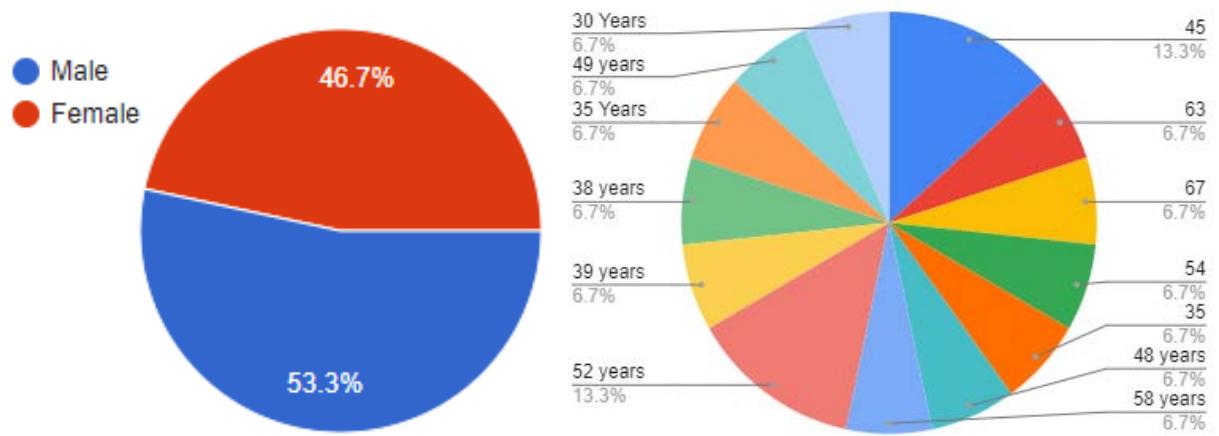 Figure: Distribution of the Participant by Age and Gender
Calling individuals living in Eritrean diaspora communities across the U.S. was conducted to recruit participants and inform them about the purpose of the study. After mutual agreement, interviews were conducted through the phone or through video calls according to the participant's choice. To prevent misinterpretation of the questions, interviews were conducted in a mixed of Tigrinya and English, as Tigrinya is the main language in Eritrea. At the start of each interview, participants were asked to provide introduce themselves. Interviews lasted from 25 minutes to 60 minutes. Each interview was video/audio recorded with the permission of the participants after informing them confidentially. All digital files were kept in a password-protected computer system to ensure privacy and confidentiality.
### c) Data Collection Procedures
This qualitative research study utilized 15 interviews conducted remotely through audio-visual communication. The participants were contacted directly via previously decided platforms, either audio-visual or text messaging applications, to schedule a meeting in which an interview template of topics to be addressed in the upcoming interview process was constructed. The equipment used was easily accessible to the interviewers, and the interviewers were well accustomed to the consequences of technology failures, so either side would not experience irregularities previously unprepared for. When using remote digital equipment such as smartphones or computers, it is reasonable to be aware of concerning drawbacks, such as technological difficulties. Since either a recording device or a phone battery could fail, it was agreed to also take short notes during the interview.
After obtaining informed consent from the participants, a direct link for the audio-visual meeting platform was shared in order to engage in the interviews. All interviews were conducted following the interview template and consisted of a combination of open, semi-structured, and in-depth questions that involved personal opinions. There were no specific time limits, but on average, they lasted about 40 minutes each. Considering the cultural and situational context of participants in America, the role of the facilitator as a person who has been accustomed to an urban
Scandinavian lifestyle was stressed and explained. After thanking all participants for taking part in the study and sharing their experiences, the recorded interviews were immediately stored in an encrypted personal computer with a password protecting access to it. Within 60 days, they would be transferred to external storage that would be disposed of after transcribing. The transcribing process was done verbatim, including pauses and laughter, which can express consensus or indexical meanings as in-jokes. Written data was coded for anonymization by using initials or numbers for each participant without disclosing their identity.
### d) Data Analysis Techniques
Following the completion of the interviews, the recorded audio files were transcribed verbatim into Microsoft Word documents, maintaining the original language of the participants, who spoke either Tigrinya or English. Although participant confidentiality was safeguarded by storing the interviews in password-protected folders with access given only to the principal investigator and the research assistant, these verbatim transcriptions were prepared in Tigrinya, which is a native language for both the principal investigator and the research assistant. By doing so, participant confidentiality and anonymity remained intact. These transcripts were then sent electronically to a professional transcription services company with over five years of experience in transcribing audio files in Tigrinya. After transcription completion, the research assistant performed an error check, listening to the recorded interviews again and scrutinizing the transcripts line by line, identifying and correcting minor transcription errors.
After transcription, a multi-step analysis process was carried out. Six individual case analyses were first conducted using the constant comparative method, wherein codes, categories, and themes primarily emergent from the data were developed. For case analysis, a thematic analysis was performed, following six phases of thematic analysis: (1) Familiarization with the data, (2) Generating initial codes, (3) Searching for themes, (4) Reviewing themes, (5) Defining and naming themes, and (6) Producing the report. The analysis was conducted beginning in June 2022 and took overall four cycles. Upon completion of the individual case analyses, cross-case analysis was conducted, enabling comparison and contrast across the six cases. In cross-case analysis, each theme related to the research questions was analyzed in terms of its properties, such as underlying categories and subcategories, addressing the concerns of constructing the bigger picture of the phenomenon that transcends each individual case.
## IV. FINDINGS
A qualitative interview study was conducted to explore the challenges and opportunities faced by
Eritrean expatriates in America. Participants were recruited through convenience sampling, and semistructured interviews were conducted. Thematic analysis was used to analyze the interviews, and several themes emerged.
The final analysis revealed a set of overall themes: hurdles in adjusting to a new culture; perceived social injustices; lost sense of belonging; necessities for upward mobility; proactive network building; and a desire to ensure a future for the Eritrean identity. These themes highlight the challenges and opportunities experienced by Eritrean immigrants in America and the various strategies they employ to navigate these experiences.
Subthemes include a sense of loss, lack of awareness of resources, and a strong desire for community continuity. The results suggest that while Eritrean immigrants face significant challenges and barriers, there are also opportunities for building supportive networks and addressing issues of social injustice. Implications for policy and practice are discussed, as well as directions for future research.
By exploring the experiences of Eritrean immigrants in America, the study contributes to a greater understanding of the complexities of the immigrant experience and the importance of resilience in overcoming challenges. Additionally, the findings may be informative for efforts to build understanding and address issues of social injustice and inequality in the broader societal context.
### a) Themes Emerging from Interviews
The transcripts from the ten semi-structured interviews conducted with Eritrean expatriates residing in the United States were thoroughly analysed in this qualitative study. Grounded theory analysis was applied, leading to the identification of four primary themes that address the challenges and opportunities encountered by the participants as a result of their expatriate status. Each theme is discussed below, along with verbatim excerpts from the interview participants to foster a deeper understanding of the implications of the findings.
Theme 1: Ethnic and National Discrimination and Marginalization of Eritreans Participants expressed feelings of discrimination based on their ethnicity and nationality, specifically with regard to being Eritrean. As a newcomer community, they described being marginalized by both foreign nationals other than Eritreans and Americans. For example, one participant reflected on feeling invisible and ignored as an Eritrean. Another shared, "They don't regard Eritreans as Africans. Even some Black Americans will treat me like a foreigner." In specifics of ethnic discrimination, Eritrean participants assessed the community as having been marginalized within both larger Ethiopian communities and the African immigrant community.
Theme 2: Exclusion from Employment Opportunities Participants reflected on their struggles to obtain employment and on the difficulties that came with jobs that they did hold. The vast majority had to settle for less desirable positions. Many had taken jobs in restaurants or gas stations even though they had the education or experience for positions of more responsibility. Job discrimination was also reported based on nationality and ethnicity. As one participant said, "They told me, if you aren't Ethiopian, you won't get hired." Another recounted similar experiences, adding, "As soon as they hear my name, I can feel the difference."
Theme 3: Alienation and Isolation from Expatriates' Home Community Participants described feeling a sense of social alienation and personal isolation as a result of choosing to live in America. This alienation stemmed from both self-imposed conditions as well as socio-political conditions. Socially, the relative affluence and prosperity experienced within the US contributed to participants opting out of being involved in relationships with Ethiopian or Eritrean communities. As one person phrased it, "If I am to choose, I prefer to associate with White Colorado people." In perceiving the US communities, some described a non-existing sense of community with local populations or with expatriates from Ethiopia or Eritrea.
Theme 4: Acceptance and Reconciliation with the Expatriate Status As participants expressed their disappointments with having immigrated to America, the theme of acceptance of expatriate status emerged. Despite their retrospective wish that they could go back to Eritrea, the interviewees have come to accept their status as expatriates who have settled in America. In accepting their status, they differed as to whether they would want to engage with American or local Colorado communities. Some shared aspirations of engagement, hoping that in educating and socializing with American or local populations they could change the perceptions of being seen as dangerous immigrants, uneducated, or uncivilized.
### b) Presentation of the Results
## i. The cultural difference of Eritrea and the USA
With regards to the analysis of the themes and verbatim, associated to the "the cultural difference of Eritrea and the USA" respondent (R14) revealed that
"Certainly! Eritrea and the USA are two countries with distinct cultural differences shaped by their unique histories, geographical locations, social structures, and cultural practices. Overall, while Eritrea and the USA are distinct in many ways culturally, both countries are characterized by their rich diversity, traditions, and customs, which contribute to their unique identities and cultural landscapes".
This can be interpreted that Eritrean society is more collectivist, emphasizing family, community, and social cohesion. Extended families often live together or near each other, and community ties are strong. People often prioritize the well-being of the group over individual desires. Similar to the USA, The United States is generally more individualistic. Independence and personal freedom are highly valued, with a focus on individual achievement and self-reliance. Family structures are often nuclear, and there is a strong emphasis on personal space and privacy. Cultural differences between Eritrea and the USA are substantial and reflect the diverse historical, social, and cultural contexts of each country. Understanding these differences can help expatriates and those interacting with individuals from both cultures navigate their interactions more effectively. Here's a comparison of key cultural aspects Communication Styles Eritrea: Communication is generally more indirect, with a focus on maintaining harmony and avoiding conflict. Nonverbal cues and context play a significant role in interactions. Respect and politeness are emphasized. USA: Communication tends to be more direct and explicit. People are encouraged to express their opinions openly and assertively. There is often a focus on clarity and efficiency in communication.
## ii. The cultural obstacles Encountered when Adjusting to Life in the United States
Regarding the analysis of the themes and verbatim associated with the topic of "cultural challenges faced when adapting to life in the United States," respondent (R2) revealed the following information:
"Eritrean expatriates face challenges related to their racial and ethnic identity, including discrimination or stereotyping. Navigating the complexities of race relations in the U.S. can be an added layer of difficulty for Eritrean immigrants".
This is attributed to the differences in cultural values and expectations between generations can lead to conflicts within Eritrean families. Younger Eritrean-Americans may adopt American customs and values more quickly, leading to tensions with their parents or elders who may wish to maintain traditional Eritrean practices. Eritrean expatriates adjusting to life in the United States may encounter various cultural obstacles due to Similarly, differences in language, social norms, values, and customs between Eritrea and the United States. Some of the cultural obstacles that Eritrean expatriates may face include: Cultural Norms and Social Customs, Individualism vs. Collectivism, Food and Dietary Practices and Work Culture.
## iii. The Influence of Cultural Obstacles on Daily life
Regarding the analysis of the themes and verbatim associated with the topic of "The Influence of Cultural Obstacles on Daily life," respondent (R11) revealed the following information:
The influence of cultural obstacles faced by Eritrean expatriates in the United States can significantly impact their daily life, both personally and professionally. Here's how these obstacles may manifest in various aspects of their lives:
This is attributed to the language barriers and cultural differences in communication styles may hinder their ability to express themselves effectively, build social connections, and form friendships with others. Hence, adapting to unfamiliar cultural norms, social customs, and lifestyles may create feelings of isolation, loneliness, or cultural disorientation, leading to homesickness or identity conflicts. Respondent (R9) also revealed the
Challenges navigating the U.S. healthcare system, including understanding medical terminology, insurance coverage, and healthcare practices, may impede their ability to access timely and appropriate healthcare services.
Furthermore, this can be attributed to the cultural differences in work culture, professional norms, and interpersonal dynamics may influence their interactions with colleagues, supervisors, and clients, affecting their workplace relationships, job satisfaction, and career advancement opportunities. However, respondent (R1) revealed:
"Adjusting to American work practices, expectations, and performance standards may require additional effort and adaptation, potentially impacting their professional development, job performance, and career trajectory".
This can be directly linked to the profound and multifaceted effect, impacting their personal well-being, social integration, and professional success in the United States. Supportive resources, cultural competency training, and community networks can play a vital role in helping them navigate these challenges and thrive in their new environment. Thus, the cultural obstacles faced by Eritrean expatriates in the United States have significant impacts on their daily lives, affecting both personal and professional aspects.
## iv. The Cultural Differences Challenges
In connection with the analysis of the themes and verbatim associated with the subject of "Cultural Differences Challenges," respondent (R4) revealed that:
"Cultural differences present substantial challenges for Eritrean expatriates in the U.S. across various aspects of daily life, including communication, work, social interactions, healthcare, education, and social integration".
This is connected to the supportive resources, cultural sensitivity, and community networks can play a crucial role in helping them navigate these challenges and adapt to their new environment. Educational System: Eritrean expatriates with children may encounter differences in the educational system between Eritrea and the U.S., including curriculum, teaching methods, and parent-teacher communication. Adapting to the U.S. educational system and supporting their children's academic success may require additional support and resources. Social Integration: Similarly, respondent (R8) revealed that
"Building social connections and forming friendships with Americans or members of other cultural backgrounds may be challenging for Eritrean expatriates due to differences in social norms, language, and cultural practices".
This may lead to feelings of isolation or loneliness, particularly during the initial stages of settlement in the U.S.
Cultural differences have indeed presented substantial challenges for Eritrean expatriates in the U.S., especially in specific instances or circumstances where these differences are particularly pronounced. This is also linked to the issue that respondent (R3) revealed, which is:
"U.S. education system encourages critical thinking, independence, and self-expression, which may contrast with the more hierarchical and respect-based approach common in Eritrean culture" For that reason, Eritrean parents may struggle with the American educational emphasis on individualism, where children are encouraged to question authority and make independent decisions. This can lead to conflicts at home, where parents might expect more obedience and respect for elders. These differences can create tension between parents and children, with parents fearing that their children are losing their cultural values, while children may feel misunderstood or restricted by their parents' expectations.
In related to this, respondent (R10) revealed that:
"Eritrean culture often has defined gender roles, where men are typically seen as the primary breadwinners and women as caretakers of the home. In the U.S., there is more emphasis on gender equality, with women having greater opportunities and expectations to work outside the home."
Similarly, Eritrean women who seek education or employment outside the home may face resistance from their families or communities, who might view these aspirations as a departure from traditional roles. This can lead to family conflicts, where women feel torn between pursuing their personal goals and adhering to cultural expectations. It can also create challenges in marriages, where shifts in traditional roles might lead to misunderstandings or resentment.
## v. The Obstacles for Seeking Career Possibilities in the United States
Regarding the analysis of the themes and verbatim associated with the topic of "The Obstacles for Seeking Career Possibilities in the United States," respondent (R13) revealed that:
Eritrean expatriates may face several obstacles when seeking appropriate career possibilities in the United States. they may face challenges in having their academic credentials, degrees, or professional qualifications recognized and accepted in the United States.
Differences in educational systems, accreditation standards, or professional licensing requirements may require additional steps, such as credential evaluation or re-certification, to meet U.S. standards. Similarly, adjusting to the American work culture, professional norms, and workplace dynamics may pose challenges for Eritrean expatriates. Differences in communication styles, teamwork expectations, hierarchy, and decision-making processes may require adaptation and cultural competency to succeed in the U.S. job market. As revealed by respondent (R5):
Networking and Job Search Strategies: Building professional networks, accessing job opportunities, and navigating the U.S. job market may be challenging for Eritrean expatriates who are unfamiliar with local job search strategies, recruitment channels, or professional associations.
Developing effective networking skills, leveraging online job platforms, and seeking guidance from career counselors or mentors can help overcome this obstacle. Furthermore, Limited access to professional development opportunities, such as training programs, continuing education courses, or mentorship opportunities, may hinder Eritrean expatriates' career advancement prospects in the United States. Seeking out professional development resources and leveraging online learning platforms can help overcome this obstacle. Eritrean expatriates face several obstacles when seeking appropriate career opportunities in the United States. These challenges can significantly impact their ability to find employment that matches their skills, qualifications, and aspirations. Some of the key obstacles include.
Generally, the educational and professional qualifications of persons from Eritrea may not always align directly with the demands of the job market in the United States because of disparities in educational systems, accreditation criteria, and professional licencing provisions between the two nations. The alignment or mismatch between Eritrean credentials and U.S. employment market requirements is influenced by several aspects, including the educational system, credential evaluation, professional licencing, transferable skills and experience, and networking and professional development. In general, although there may exist disparities between Eritrean qualifications and the demands of the U.S. job market, Eritrean expatriates can actively ensure that their qualifications match employer expectations by evaluating their credentials, engaging in professional development, enhancing their language skills, and building professional networks.
Depending on individual experiences, situations, and cultural backgrounds, the view of Eritrean expatriates regarding their social integration into American communities can differ. Nevertheless, some recurring themes and viewpoints may arise. Cultural adjustment challenges: Eritrean expatriates may encounter difficulties in acclimating to new cultural norms, social processes, and lifestyles within American communities. Linguistic disparities, variations in social norms, and social exchanges could lead to emotions of seclusion, solitude, or cultural confusion in the early phases of settling in the United States. Engaging in educational opportunities in the United States can yield numerous advantageous outcomes for the academic and professional growth of Eritrean expats. Eritrean expatriates can readily avail themselves of a plethora of top-tier educational establishments, such as universities, colleges, and vocational schools, renowned for their exceptional academic standards and extensive array of program options. The pursuit of higher education in the United States offers Eritrean expatriates the opportunity to engage with highly qualified professors, state-of-the-art research facilities, and inventive teaching approaches, therefore enriching their academic journey and improving their learning results.
Expatriates from Eritrea residing in America have many opportunities to actively engage in their community and advocate for their interests. Eritrean expats have the opportunity to actively participate in community organisations and associations that advocate for the concerns and welfare of the Eritrean diaspora residing in the United States. These organisations frequently coordinate cultural events, social gatherings, and community outreach activities with the aim of promoting Eritrean history, providing assistance to newcomers, and addressing neighbourhood concerns. Eritrean expatriates have the opportunity to engage in advocacy initiatives and grassroots activity to enhance collective consciousness of matters that impact their community, champion social justice, and facilitate constructive transformation. Engaging in advocacy groups, actively participating in demonstrations or protests, and reaching out to elected officials are effective methods to enhance the impact of their voices and advocate for their interests on local, national, and global levels.
Certain successful community-led initiatives exist that explicitly address the needs or concerns of Eritrean expatriates residing in different communities in the United States. Community centres founded by Eritrean expatriates function as central locations for the conservation of culture, promotion of social togetherness, and empowerment of communities. These institutes provide a variety of services and programmes specifically designed for Eritrean expatriates. These include language courses, cultural activities, legal support, vocational training, and education for young people. In order to help newcomers navigate the difficulties of resettlement in the United States, Eritrean expatriates frequently organise support networks or mentorship programs. These networks offer pragmatic assistance, direction, and necessary resources to facilitate the adaptation of newcomers to their new surroundings, enable them to obtain vital services, and facilitate their integration into American culture. Eritrean expatriates can effectively leverage networking opportunities to enhance their professional connections and further their employment prospects in multiple ways. Eritrean expatriates have the opportunity to become members of professional associations and industry organisations that are pertinent to their specific area of expertise. By attending networking events, conferences, and workshops arranged by these associations, individuals can engage with colleagues, gain insights into industry developments, and build professional connections that may result in employment prospects or career progression. Expatriates from Eritrea have the opportunity to participate in career fairs, job expos, and networking events organised by universities, professional associations, or community groups. These events provide venues for individuals to engage with companies, recruiters, and industry experts, exhibit their skills and qualifications, and investigate employment vacancies within their respective industry.
Professional organisations that prioritise diversity and inclusion may offer specialised mentorship programmes for immigrants and expatriates, including those from Eritrea. These programs provide specialised career advice and assistance designed to meet the specific requirements of expatriates. Enrolment in such programmes grants access to industry-specific guidance, networking prospects, and tools for professional advancement. The provision of networking and mentorship opportunities can significantly augment the overall success and integration of Eritrean expatriates into American society. Networking and mentorship offer Eritrean expatriates in the United States access to very beneficial career advice, possibilities for professional growth, and employment leads, therefore facilitating their career advancement and attainment of specific professional objectives. Networking events, community meetings, and mentorship programs enable Eritrean expats to engage in social interaction, establish rapport with their peers and mentors, and cultivate a feeling of inclusion and community, therefore facilitating their assimilation into American society.
## V. DISCUSSION
The purpose of this study was to explore the challenges and opportunities faced by Eritrean expatriates in America. Using qualitative interviews with 12 expatriates, the study identified four themes. The first theme examined social and cultural challenges in adaptation to life in America, finding that sharing the same culture and group settlements in particular areas is beneficial in addressing these challenges. The second theme investigated family and social networks, determining that although the family network is important, it was not one of the priorities for interviewees. The third theme focused on economic opportunities, revealing that knowing the local language, following rules and laws, and willingness to change are keys to economic opportunities. The fourth theme studied political challenges, indicating that oppression in Eritrea and the nature of involvement in the political process are two sides of the same coin concerning expatriates' political challenges. The chapters below will discuss the findings while addressing the existing literature. Finally, implications for policy and practice will be provided.
The challenges and opportunities of Eritrean expatriates presented in the findings chapter were compared with existing literature. Little has been studied regarding the challenges and opportunities faced by Eritrean expatriates in America. However, studies conducted on the same topic in other countries were reviewed. Some findings in this study are consistent with existing literature while some show differences. Regarding social and cultural challenges in adaptation to life in America, the finding that sharing the same culture and group settlements in particular areas is beneficial in addressing the challenge is consistent with previous studies. However, the issues of employment and working conditions were found to be challenging for adaptation to life in America, which is inconsistent with other findings.
In considering family and social networks, this study found that while the family network is important, it was not among the interviewees' priorities. This is consistent with existing studies. In examining economic opportunities, knowing the local language, following rules and laws, and willingness to change are keys to economic opportunities; these findings are consistent with existing studies. Regarding political challenges, this study indicated that oppression in Eritrea and the nature of involvement in the political process are two sides of the same coin concerning expatriates' political challenges. The first finding is consistent with existing studies. However, the second finding, that the political process is alien to some and contrary to the norms of others, is different from previous findings. In general, Eritrean expatriates face both common challenges and unique challenges in America.
From the findings and discussion, several actionable recommendations will be proposed to capitalize on the opportunities and eliminate the challenges faced by Eritrean expatriates in America. First, efforts should be made by concerned bodies to allow expatriates to participate in social, cultural, economic, and political establishments and organizations. Second, to address the concern regarding transparency, expatriates' involvement should extend to facilitating the socialization of the expatriate community to the newly set procedures and rules of the concerned bodies. Third, cooperative mechanisms that promote the participation of expatriates in social and political activities at all levels should be established. Fourth, given the concern regarding English language proficiency, concerned bodies should establish free business training sessions regarding the local language for those participating in economic establishments. Fifth, initiatives that allow those against change to freely meet or question the change by choice should be encouraged to address these concerns.
The results of this qualitative research reveal several core themes regarding the challenges and opportunities faced by Eritrean expatriates in America. The challenges arise mainly from four domains: social life and settlement, psychological well-being, religious life, and work and finances. Most respondents discuss barriers to social life and settlement, which arise mainly from cultural and language gaps between Eritreans and the mainstream American society or the diaspora community. However, a good number of participants express that the challenges were not crippling and highlight various facets of better chances in America. With regard to social life, the settlements, belongingness, and participation, the participants discuss both limitations and relatively better situations. Similarly, the opportunities and benefits are analyzed from four main angles: socio-political life, approach to religion, work and finances, and cultural exchange.
Most participants mention the issue of being better free from oppression, persecution, and oppressive conditions when compared to Eritrea. In line with participant claims, records highlight that Eritrean exiles were subject to arbitrary detention, torture, extrajudicial killings, and gross violations of human rights at the hands of various authorities. Irrespective of their group category and the brutality inflicted on them, respondents viewed the chance of a safer environment with a voice and remedy not existing within Eritrea. Some also note the opportunity to freely claim an ancestral and civic right of citizenship within America and engage in making social and political contributions through ballot participation, working for civil rights, or even aspiring to higher offices. A good number of participants turned out adverse towards religion or excessively assertive and blame-prone towards the Church, but a good number also indicate attempts to integrate and make new avenues in their quest for faith. A good number of participants also embrace the chance for cultural exchange and outward expression through various means, including art, writing, espousing music, documenting oral history, being a social media icon, and sharing cultural aspects.
### a) Comparison with Existing Literature
The analysis of the interviews as compared with the study of Tewolde (2021) revealed several challenges and opportunities faced by Eritrean expatriates in America. The study found that well-being was affected by migration-related factors, ethnic identity, and sojourner lifestyle. The impact of these factors was moderated by social influences, access to resources, and personal characteristics. The study group actively confronted challenges and strengthened well-being by capitalizing on opportunities.
Similarly, the findings of this study complement, but do not entirely align with work of Mohamed and Ali (2014) on expatriates and well-being. The current study found that obstacles to relaying information about living conditions in Eritrea moderated well-being. The current study showed that access to resources moderated in this context, which is not consistent with previous findings of no barriers to well-being. The current study found that cultural events and social relationships were opportunities that resonated across the study group and that individual differences moderated these opportunities.
In creating the first qualitative interview study on the well-being of Eritrean expatriates in America, the current study complements previous research on the well-being of African expatriates while addressing notable gaps in research on the well-being of Eritrean expatriates, African expatriates who are not Muslim, African expatriates in low unemployment-rate contexts, and non-internationally recognized states.
### b) Implications for Policy and Practice
The challenges and opportunities faced by Eritrean expatriates in America can inform programs and policies at both the government and non-governmental organization levels. Although the insights gained from this exploratory study may apply to other immigrant communities, they should be further proven through larger population surveys of other immigrant groups. However, thanks to the existence of various Eritrean communities across the United States, opportunities abound for replicating this study. There are significant implications for both Eritrean expatriates and Eritrean associations to experience ethnic solidarity and community development in their translated places. These implications can serve as practicable points of entry to explore the ensuing specific questions. Further research on Eritrean narratives of identity formation may provide a clearer picture of the impact of certain socioeconomic variables across time. Possible solutions include examining the role of culture, education, income, politics, and religion in personal migrations. Other themes related to diaspora consciousness, agency, and community, which emerged from this study but were not examined in depth, may also require further study. Such investigations would enable comparisons across immigrant groups and inform future articulation of policies regarding the opportunities and challenges facing emerging diaspora communities.
In America, healthy cross-national networks, relationships, and collective actions may better focus public attention on Eritrea's declining national image, which would otherwise be excluded from scholarly and public discussions. Issues such as globalization, humanitarian concerns, direct remittances, and neighborhood attention should mold the current American image of Eritrea. Although debates on possible sanctions against the Eritrean government on issues ranging from human rights violations to state-sponsored terrorism emerge, the pro-government Eritrean Community Progress would attempt to dilute international sanctions through various soft-landing public relations strategies. In this scenario, Eritrea associations may help Eritrea overcome many global crises while promising the effectiveness of America's national interest.
This study presents a qualitative exploration of the challenges, social networks, supports, and opportunities faced by Eritrean expatriates living in metropolitan areas of America, with a specific focus on those who immigrated to the country in the late 2010s. Eight participants were recruited for in-depth interviews, which were transcribed and analyzed for significant themes. On the one hand, participants faced significant challenges regarding adjustability, settlement, documentation, work experience, and communication barriers. Moreover, these challenges significantly affected their social relationships both inside and outside of the Eritrean community. However, they indicated some inner or group-based capacities or experiences, as well as an external opportunity, which are likely to positively affect the formation of new social relationships or the establishment of social network sites. These key findings are critically discussed while also acknowledging the limitations of the study and suggesting implications for future research.
The analysis conducted in this study is not representative of all Eritrean expatriates, as the sample was recruited on a voluntary basis, falling short of the required number of respondents who could attend and conduct interviews. Moreover, due to the time and multiple issues faced by prospective participants, the interviewees were limited to eight individuals, although many initially expressed interest in the study. Most importantly, no detailed or systematic analysis is provided on the experiences of Eritrean expatriate women. As such, this study mainly addresses the experiences of Eritrean men. Participants were limited to present-day residents of Boston and the Greater Boston Area, while other metropolitan areas in the USA may not apply. Nevertheless, while broad conclusions cannot be drawn subjectively about the whole Eritrean population in America, the findings do strengthen the broader empirical literature on a less-studied migrant group, growing transnational network sites, and increased diversification of relocations. Consequently, these findings may be used as a reference point for future studies, as several research questions remain to be addressed. Moreover, findings from this study may serve as an imperative basis for conducting comprehensive multi-vocal dissection of the Eritrean diaspora in the USA, especially regarding women migrants and a more diversified national representation.
The findings of this study can inform future research about Eritrean expatriates in the U.S. and their evolving acculturation and integration trajectories. A longitudinal research design would prospectively examine shifts in the multifaceted acculturation strategies selected by Eritrean expatriates as they adapt to a new and unfamiliar socio-cultural context. The potential impact of contextual and situational circumstances such as employment status, geographic location, social networks, and distance from home or host countries should be examined on their adaptive trajectories. Furthermore, the impact of broader socio-historical events involving Eritrea on the expatriates' acculturation choices could be followed over time. The imaginings of homeland engagement and belonging should be explored to understand whether and how perceived constraints marry with practical navigation strategies. Other means of conducting homeland engagement, beyond direct socio-political participation, should be examined. Future research studies with a more varied methodological breadth could explore these questions.
Research about other ostensibly similar and also different migrant groups will further enhance understanding of the contingencies of a given acculturation strategy at a grassroots level. Considering all the Eritrean interviewees as a unified group might disregard critical variances within this group. Such an exploration could assess how a variety of backgrounds affect adaptation at both the individual and group levels. Moreover, attention to other aged Eritrean immigrant communities in more diverse countries of resettlement would nuance understanding of adaptability over time. Investigating and comparing these exoduses with those of other countries exhibiting rapid and radical transitions towards more authoritarian regimes could comprehend complex adaptations that arise in response to multiple layers of socio-political considerations.
## VI. CONCLUSION
This study used qualitative interviews to explore the experiences of Eritrean expatriates living in America. Nine Eritrean participants, who experienced and survived migration either recently or over a decade prior, were studied. Using a thematic approach, two main themes emerged: challenges faced as expatriates in America and opportunities as expatriates in America. The challenges discussed included problems adjusting to life in America, language barriers, isolation, sadness, and despair due to being far away from their homeland, and feeling disconnected from Eritrean society and culture. The opportunities discussed included the potential for better and diverse education for children, a better economic situation, and better job opportunities due to education, a better lifestyle than in Eritrea, and cultural diversity in America enriching their previous way of life. The findings were situated within the context of existing literature, highlighting congruencies and disparities. This study is not without limitations. First, all the interviews were conducted in English, in which the participants were not fluent. As a result, participants might not have expressed themselves fully, or the data might not have reflected their actual voices. Future research might consider using translators who are familiar to the participants and belong to their cultural background. Second, only nine interviews were conducted, from which data saturation was reached. However, a broader perspective on challenges and opportunities faced by Eritrean expatriates in America might be captured with participants having diverse backgrounds in terms of length of time spent outside their home country, and those who have been displaced within the African continent prior to settling in America. Future research should use longitudinal studies to capture the acculturation experiences of Eritrean expatriates over time. Experiencing settlement in America recently could evoke different aspects of challenges and opportunities compared to adjusting to life in America over a decade prior. Additionally, different contexts that shape the experience of acculturation, such as their homeland, cultural backgrounds, and the socio-political sphere, can also be better understood through longitudinal studies. More broadly, there is a need for ethnographic research on different aspects of Eritrean culture and the implications of migration on them, with attention paid to their historical, political, and economic contexts.
Generating HTML Viewer...
Funding
No external funding was declared for this work.
Conflict of Interest
The authors declare no conflict of interest.
Ethical Approval
No ethics committee approval was required for this article type.
Data Availability
Not applicable for this article.
Osman Yusuf. 2026. \u201cNavigating New Horizons: Challenges and Opportunities for Eritrean Expatriates in the U.S.\u201d. Global Journal of Management and Business Research - A: Administration & Management GJMBR-A Volume 24 (GJMBR Volume 24 Issue A4): .
This research employ qualitative research methodology to explores the challenges and opportunities faced by Eritrean expatriates in America. Using a phenomenological approach, semi-structured interviews were conducted with eleven Eritrean expatriates living in different states in the United States. The study sought to answer three research questions: What challenges do Eritrean expatriates face in America? What opportunities do Eritrean expatriates perceive in America? How do Eritrean expatriates experience and perceive the process of adaptation to their local communities in America? The interviews were analysed using thematic analysis, and three major themes emerged that answered the research questions formulated: perceptions of challenges, perceptions of opportunities, and perceptions of adaptation. Eritrean expatriates reported various challenges, including cultural differences, social isolation, lack of resources, and legal challenges. Some expatriates expressed a desire to return home but felt trapped due to the difficulties of reintegration. Despite the challenges, expatriates also reported opportunities, including access to better education, job opportunities, and the space to express oneself. The cultural clash between Arabic and American cultures was highlighted as a barrier to adaptation in America.
Our website is actively being updated, and changes may occur frequently. Please clear your browser cache if needed. For feedback or error reporting, please email [email protected]
×
This Page is Under Development
We are currently updating this article page for a better experience.
Thank you for connecting with us. We will respond to you shortly.