## I. INTRODUCTION
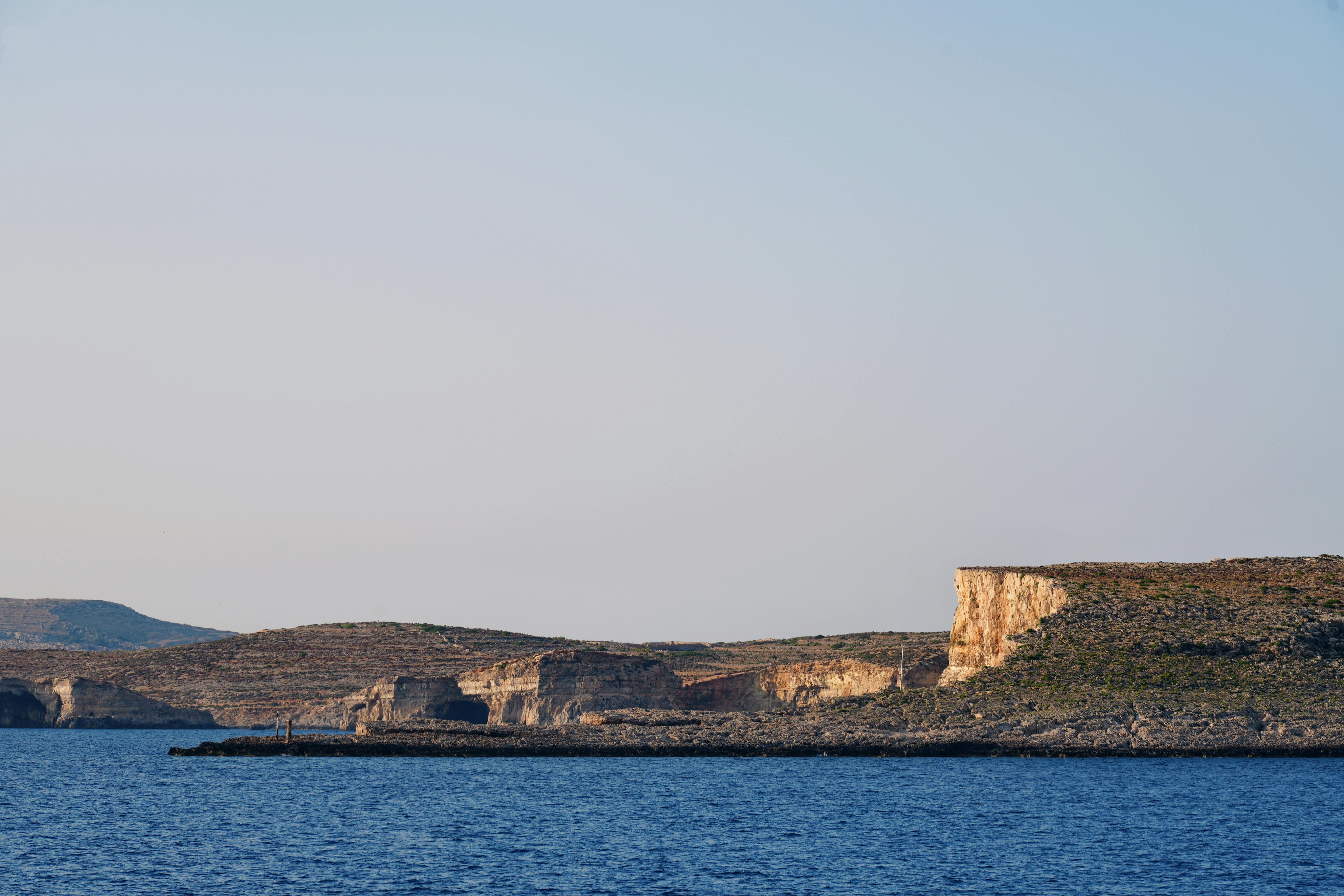
The Maltese Islands, located in the central Mediterranean, have a rich biodiversity influenced by their strategic position as a crossroads between Europe, North Africa, and the Middle East. Among the many species that have adapted to the island environment, cockroaches (Order: Blattodea) hold a unique position. Their presence reflects both natural dispersal and human activities over millennia. This essay explores the origins, distribution, and documented records of cockroach species in Malta, shedding light on their historical and ecological significance. This work also includes two new species for the islands.
## II. EARLY ORIGINS AND NATURAL DISPERSAL
Cockroaches are ancient insects, with fossil records dating back over 300 million years to the Carboniferous period. Their resilience and adaptability have enabled them to thrive in diverse environments. Over 5,500 species are known worldwide. The oldest exposed rock layer of Malta is the Lower Coralline Limestone Formation (Maltese: Zonqor), which is of Chattian age (~28-23 million years old) with a maximum thickness of $162\mathrm{m}$. Tectonic activity was the prime assist and the islands were initially devoid of terrestrial life. As the islands stabilized, they became colonized by various species, including cockroaches, either through natural dispersal mechanisms such as rafting on vegetation or by wind-assisted transport from nearby land masses.
## III. HUMAN-MEDIATED INTRODUCTION
The more significant factor in the introduction of cockroaches to Malta has been human activity. The islands have been inhabited since the Neolithic period (circa 5200 BCE), and with the arrival of humans came the unintentional transport of various flora and fauna, and cockroaches were no exception. Trading activities, especially during the Phoenician, Roman, and later Arab and European periods, facilitated the spread of numerous cockroach species.
## IV. THE ORIGINS OF THE MALTESE NAME
According to Caruana, the word wirden is derived from werden (which itself comes from radari), suggesting that the insect earned its name from the hoarse, continuous sound it makes — a sound likened to the turning of a wheel in motion as it flies. Caruana further explains that werden refers to the sound of "the wheel that spins cotton."
Barbera supports this theory, adding that the term refers to "the iron spindle used by wool spinners," and that by analogy with its movement, the Maltese adopted the word to describe the cockroach.
Serracino Inglott, however, offers a different perspective. He challenges the werden theory, arguing that the linguistic evolution from werden should have resulted in the word werdien rather than wirdien. He instead references Dozy, who proposes that the word might stem from flower-related terms, particularly from "flour delicates which resemble the texture of floss silk or flower stamens, whose perfumes are carried away by the breeze." The petals — or loqom, as Cremona refers to them — are said to resemble the cockroach's wings. In other words, these much-maligned insects might, surprisingly, be etymologically linked to the beauty of roses.
The etymology provided by Caruana and Barbera is rooted in the sound these insects make in flight. Yet, this raises further questions, as only one of the three main species of large cockroach found in Malta (P. americana) is a frequent flier. One species (B. orientalis) cannot fly at all, having lost its wings, and the other species rarely takes flight.
It is plausible that the term wirdien was initially used to refer to beetles commonly found on flowers and was later extended to other insects, such as the cockroach, as it is used today. This linguistic shift is not unique to Maltese. In Italian, for example, the word scarafaggio (cockroach) comes from the Latin scarabeeus, referring to a type of beetle (Family Scarabaeidae), which, like many beetles, can often be found on flowers.
Dessoulavy (1938) also defines wirdiena as 'beetle', though this may have stemmed from imprecise scientific knowledge at the time. Regardless of its exact origin, the word wirdien is undoubtedly ancient — appearing as early as the dictionary of the Knight Thezan, as noted by Cassola.
## V. POSSIBLE FIRST RECORDS
Although the exact origins of these introduced species cannot be definitively traced, various hearsay accounts provide clues about when they were first recognized in Malta. The presence of Maltese names with Arabic linguistic roots suggests that these species may have been known as early as the Arab colonization, whether as introduced or native species. However, concrete historical records from that period are lacking. Additionally, numerous anecdotes associate their presence with the era of the Knights of St. John, further emphasizing the role of oral tradition in shaping local knowledge. While hearsay cannot replace documented evidence, it offers valuable insights into the historical awareness and cultural significance of these species. The author has compiled these accounts alongside available historical data to provide a broader perspective.
One piece of hearsay collected by the author recounts that, during the time of the knights, women of the streets faced particular issues with these critters inhabiting the corners of their workplaces. To deal with the nuisance, they would call upon their protectors—what we would refer to today as pimps—to eradicate the unwanted pests. It is said that a type of benzene was commonly used to ward off these organisms as much as possible.
This story has led to speculation about the origins of the Maltese word for cockroach—wirdien or werden. Some believe it derives from the verb werwer, meaning "to scare," as these pests were notorious for startling women who worked the streets at night. This linguistic connection suggests that the name may have originated from the fear or unease these creatures caused. Given that language often evolves through cultural experiences and oral traditions, it is possible that the term became widely adopted due to such encounters. However, without documented linguistic records, this remains a compelling yet unverified theory.
During his pest management activities, the author discovered remnants of cockroach parts within historic books stored in an old book repository that date back to the 1400. Thanks to the expertise of book conservator Simon Sultana, additional fragments—such as legs and thoraxes—were also identified. These findings allowed the author to determine which cockroach species had once inhabited the repository (B.orientalis) and possibly became trapped within the archival books over time. (carbon dating is being looked at.)
In 1862, renowned naturalist Alfred Russel Wallace made a stop in Malta while transporting two live birds of paradise to Europe. During his stay, he obtained a significant number of cockroaches from a local bakehouse (Possibly P. Americana), using them as a crucial food source to sustain the birds. This historical account highlights the presence and abundance of cockroaches in Malta at the time, reinforcing their longstanding association with human settlements. Wallace's observations provide an early documented link between these insects and Malta's urban environments.
## VI. TIMELINE OF THE COCKROACH RECORDS SPECIES IN MALTESE ISLANDS
Several cockroach species have been recorded in Malta, with their presence documented by entomologists over the past century. Drawing from the work of Bohn and Sciberras (2021) and Sciberras & Sciberras (2024), the following is a comprehensive list of each recorded species (by date not by family or genus) and their introduction or discovery in the Maltese Islands.
The first cockroaches recorded in Malta were documented by Professor John Borg in his 1939 work. These included the American cockroach (Periplaneta americana Linnaeus, 1758), the Brown-banded cockroach (Supella longipalpa Fabricius, 1798), and the Egyptian cockroach (Polyphaga aegyptiaca Linnaeus, 1758). Of these, the Egyptian cockroach is considered native to the region, thriving in dry, arid environments typical of the Mediterranean climate. It is also native to arid and semi-arid regions of North Africa and the Middle East, particularly the Sahara and Arabian deserts, where it is well-adapted to extreme temperatures and low humidity. It is often found in rocky areas, under stones, and in semi-natural habitats, rather than inside human dwellings, distinguishing it from the other two species. In contrast, the American cockroach and the brown-banded cockroach are both non-native species that arrived in Malta through human activity. The American cockroach, one of the largest and most widespread urban cockroaches. Once established, it thrives in warm, humid environments, particularly in sewers, basements, and industrial kitchens. P. americana, commonly known as the American cockroach, is a large, synanthropic cockroach species of significant medical and economic concern. Despite its common name, P. americana is not indigenous to the Americas. Phylogeographic and historical evidence indicates that its native range is in tropical West Africa. The species is believed to have been introduced to the New World in the early 17th century, primarily via transatlantic shipping routes during the period of intensified global maritime trade. From its initial introduction in port cities, P. americana rapidly expanded its range, aided by human activity and its high adaptability to anthropogenic environments. Currently, P. americana exhibits a cosmopolitan distribution, especially in tropical and subtropical regions, although it also persists in temperate climates through association with heated human dwellings. It is commonly found in sewer systems, basements, commercial kitchens, food storage facilities, and other urban infrastructures where warmth, moisture, and food are abundant. The species has established stable populations in nearly every continent except Antarctica. Its success as an invasive species is attributed to its broad ecological tolerance, high reproductive potential, and efficient dispersal through human-mediated transport, particularly in globalized trade and shipping. In 2019 a white eyed population was found in a Cemetery in Paola village. In 2020 three domestic breeds of this species were documented to have been developed locally for scientific research and for the entomological breeding enthusiasts. In 2024 a very dark population was discovered in the island of Gozo suggesting crossbreeding with these domesticated possibly escaped breeds.
The Brown-banded cockroach, a much smaller species, has a different ecological preference. It is often found in indoor environments, especially in homes, hotels, and offices, where it hides in furniture, behind wallpaper, and in warm electrical appliances. This species likely spread to Malta through imported goods, luggage, or second-hand furniture, as it is well adapted to surviving in human-made environments. It said that this species was introduced in the first world war. This synanthropic cockroach has achieved a global distribution in human environments. Unlike many other peridomestic cockroaches, S. longipalpa prefers drier and warmer areas within buildings, often occupying higher locations such as ceilings, cabinets, electrical appliances, and furniture. The species is believed to be native to tropical Africa, although its precise origin is less well-documented than that of Periplaneta americana. Its spread to other regions has been facilitated entirely by anthropogenic means, especially through commerce and human migration. Today, S. longipalpa is found on every continent except Antarctica, with particularly established populations in urban and indoor environments.
By 1954, additional cockroach species had been recorded Anthony Valletta, including the Oriental cockroach (Blatta orientalis Linnaeus, 1758) and the native Field cockroach (Loboptera decipiens Germar, 1817).
The Oriental cockroach is a non-native species that likely arrived in Malta through maritime trade, much like the American cockroach before it. It thrives in cool, damp environments, making it a common inhabitant of sewers, drains, basements, and shaded outdoor areas. Unlike the American cockroach, which prefers warmer and more humid conditions, the Oriental cockroach is more tolerant of lower temperatures and can often be found outdoors in leaf litter, under stones, or near water sources. Its dark, shiny appearance and sluggish movement make it distinct from other urban cockroach species. Although it was rare locally in the past, in the last 15 years it made a steady increase.
The Field cockroach, on the other hand, is a non-pest species that is well adapted to Malta's natural landscapes. Unlike the invasive urban cockroaches, the latter are outdoor dwellers, commonly found in grasslands, rocky terrain, and shrublands. They are lighter in color and more agile, resembling small grasshoppers in their behavior. These cockroaches play a role in the ecosystem by feeding on decaying plant material and being a food source for insectivorous animals. In the Maltese islands two forms are present and in some minor islets, it is suspected that an undescribed species is present (Sciberras, A. Unpublished work).
By the late 1960s, the German cockroach (Blattella germanica Linnaeus, 1767) is believed to have arrived in Malta, marking a shift in the local perception of cockroach infestations. Many locals began referring to this species simply as "Kokroc", while reserving the Maltese term "Wirdiena" for the larger cockroach species, such as the American cockroach (Periplaneta americana). This suggests that by this period, the German cockroach had become the dominant household pest, overtaking previous species in recognition. (Sciberras, A. Unpublished work).
Between the battle of local dominance between B. germanica and S. longipalpa, Green Banana cockroaches (Panchlora sp Burmeister, 1838) were documented. These species are primarily native to tropical and subtropical regions of Central and South America. In Malta, occurrences of Panchlora species have been sporadically documented, primarily linked to imported goods. The first recorded instance dates back to 1975, when a specimen was found, as reported by Ebejer in 2020. Subsequently, in 2015, two specimens were discovered in a supermarket in Paola by the author. These findings were associated with freshly imported bananas, suggesting that the cockroaches were inadvertently introduced via fruit shipments. Notably, there have been no reports of Panchlora species on banana plants cultivated within Malta, indicating that these cockroaches have not established local populations and are not considered part of the native fauna. Globally, Panchlora species are often found in warm, humid environments and are typically associated with vegetation. They are nocturnal and are attracted to lights, which can lead them into human dwellings, although they are generally not considered pests. Their presence in non-native regions is frequently linked to the importation of goods from their native habitats, as evidenced by the cases in Malta. Despite these incidental introductions, there is no substantial evidence to suggest that Panchlora species have established sustainable populations outside their native range.
Interestingly, the Brown-banded cockroach may have been more common than the German cockroach during the early years locally, but at some point—perhaps by the 1990s—the German cockroach became the more widespread and recognized urban pest. Stephen Schembri later recorded the German cockroach in 1980, though without citing sources, further reinforcing its established presence by this time. Today, these two species have developed particular ecological boundaries within the Maltese Islands. The German cockroach is the most widespread and is found primarily in kitchens, restaurants, and food storage areas, thriving in warm, humid environments. It reproduces rapidly, with shorter breeding cycles and large population booms, making it a notorious pest but relatively easier to eradicate with insecticides and baiting techniques. In misscontrast, the brown-banded cockroach, while less common, has a unique advantage—when it is present in an area, it tends to completely outcompete the German cockroach. It breeds more slowly but is more persistent, favoring drier, warmer environments, such as cupboards, furniture, and even bedrooms, where it can avoid direct competition with the German cockroach. Once established, it is much harder to remove, as it disperses its eggs in hidden locations, making extermination efforts more challenging.
In the same publication, Stephen Schembri recorded the Sicilian wood cockroach (Ectobius kraussianus Ramme 1923) from a single location, the Buskett area. However, modern research suggests that the species he documented may have actually been the Maltese cockroach (Ectobius melitensis Bohn & Sciberras, 2021), a species now recognized as endemic to Malta. Unfortunately, due to the unavailability of Schembri's original specimens, there is no definitive evidence to confirm whether his identification was correct or whether he had mistakenly classified the Maltese as the Sicilian wood cockroach. Given the geographical distribution of E. kraussianus—which is not typically associated with the Maltese Islands—this misidentification seems plausible.
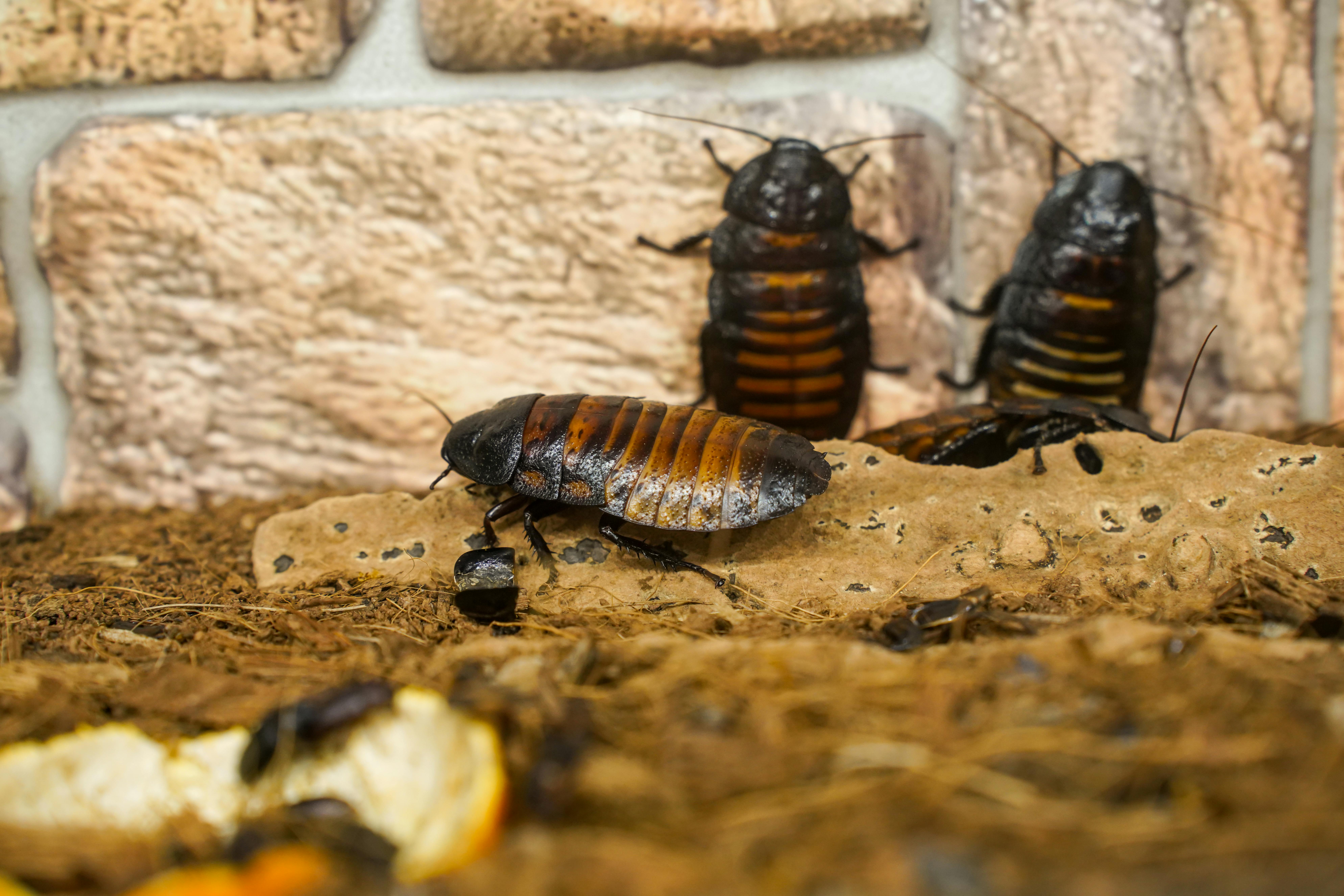
The Southern Madagascar hissing cockroach (Gromphadorhina sp. Brunner von Wattenwyl, 1865) was first recorded in Malta in 1999, initially found in homes and garages of individuals who had previously kept them as pets. These large, flightless cockroaches, originally from Madagascar, are popular in the pet trade due to their size, docile nature, and ability to produce a distinctive hissing sound. At first, these cockroaches were only found in human dwellings, suggesting accidental escapes or deliberate releases. However, since 2016, there have been indications that they may be able to move between houses and even survive in the wild, raising concerns about their potential to establish a population in Malta's environment. The authors of the 2021 study documenting their presence did not attempt to determine the exact species within the Gromphadorhina genus. This is due to the extreme variability in size, coloration, and markings seen in captive-bred populations, a challenge previously highlighted by Van Herrewege (1973) in his revision of the Gromphadorhini tribe. Because of this variability, determining the species of these introduced individuals is difficult without detailed genetic or morphological analysis. Although hissing cockroaches are not considered pests, their ability to survive outside captivity in Malta raises interesting questions about their long-term adaptability and potential ecological impact, especially if they become part of the local ecosystem.
A single male and female specimen of Amber wood cockroach (Ectobius vittiventris Costa,1847) were collected in 2001 from a small area with garrigue-like vegetation near a heavily frequented industrial port in an area known as Kordin were collected by the author. Despite repeated searches in and around the locality, no further specimens were found. This suggests that the species was likely introduced through human activity but is not established in Malta. This species is native to southern Europe, particularly prevalent in Mediterranean regions such as southern Spain, France, Italy, and the Balkans. Its range extends into western Asia, including countries like Turkey, Georgia, Azerbaijan, and southwestern Russia. In recent decades it has notably expanded its distribution northward. Since around 1999, it has been observed in northern Switzerland, with subsequent records in Germany (first noted in 2002), Austria, Slovakia, Hungary, the Czech Republic, and Great Britain. This expansion is attributed to factors such as climate change and human-mediated dispersal. Ecologically, this species inhabits outdoor environments, favoring low bushes, gardens, and areas with abundant leaf litter. It primarily feeds on decomposing plant material and is considered harmless to humans, as it does not infest homes or act as a storage pest. Occasionally, adults may enter human dwellings, especially when attracted to artificial lights, but they typically perish within a few days due to unsuitable indoor conditions. The species is capable of flight, which facilitates its dispersal and occasional entry into homes.
Jeffrey's Fungus Rock cockroach (Heterogamisca jeffreyana Bohn & Sciberras 2021) is a species endemic to Malta, discovered by author in 2006 and named in honor of his botanist brother, Jeffrey Sciberras. This species was first identified on Fungus Rock (Gebla tal-GENERAL) in Dwejra, where it was found inhabiting the nests of aquatic marine birds. It is believed to feed on bird feces, contributing to nest hygiene. The Heterogamisca genus is primarily found in Africa, but little else is known about this specific species due to its elusive nature. Most likely, the species has a wingless female as is true for the other members of this genus. Till now no females were found and is yet to be described.
The Australian cockroach (Fortiblatta australasiae Fabricius, 1775) was first recorded in Malta in 2012, with initial specimens collected from Wied Dalam (Birzebbuga) and later that same year from the village of Ghaxaq. In 2015 and 2016, remains of two female specimens were found in Marsaxlokk and Marsaskala, respectively. In 2024 and 2025, several small populations were detected across southern parts of the island, yielding a total of 103 specimens. This species is a widespread peridomestic species native to tropical Asia and possibly Australia, but now found globally in warm climates, especially in greenhouses, ports, and urban environments. Its spread is largely attributed to human activity and global trade.
Dubia roach (Bliptica dubia Serville, 1838) is a species native to South America, particularly found in Brazil, Argentina, and Uruguay. The first recorded presence of B. dubia in Malta dates back to 2012. Specimens were discovered in various locations associated with the pet trade from the author's company technicians where they were bred in colonies within houses, garages, and gardens. However, their ability to overwinter appears limited to indoor environments. In their native habitat, B. dubia thrives in warm, humid environments. Optimal conditions for their growth and reproduction include temperatures between $25 - 30^{\circ}\mathrm{C}$ and relative humidity above $60\%$. This species exhibits sexual dimorphism; adult males possess fully developed wings but are not strong fliers, while females have only rudimentary wing stubs. They are generally slow-moving and unable to climb smooth surfaces, making them less invasive compared to other cockroach species. These traits, along with their high protein content and ease of breeding, have made them popular as feeder insects in the pet trade. In Malta, their presence is primarily associated with human habitation, and there is no significant evidence to suggest they pose a threat to indigenous species or natural ecosystems.
The Turkestan cockroach(Periplaneta lateralis Walker, 1868) was first recorded in the Maltese Islands in 2013, mainly associated with the pet trade. However, stable populations have since been found in caves and cave-like structures outside human settlements. This suggests that the species has established itself beyond captive environments. This species is native to Central Asia, particularly Turkmenistan, Uzbekistan, and Afghanistan. Due to the pet trade (as feeder insects for reptiles and arachnids) and accidental transport, it has spread to Middle East (Widespread in Iran, Saudi Arabia, and Israel). In Europe there are Introduced populations in Spain, France, Italy, and Germany. In North America it is well established in the southern U. S., particularly Arizona, Texas, California, and New Mexico. In Asia there are reports from India and China. Also known from some parts of Australia and South America, likely introduced through trade. It prefers warm, arid conditions and is often found in urban areas, around buildings, and in dry natural habitats like caves and rocky shelters.
The Smoky brown Cockroach (Fortiblatta fuliginosa Serville, 1839) was first recorded in the Maltese Islands in 2014. Since then, at least one or two specimens have been documented annually, occasionally in association with the American
Cockroach, indicating a potential for cohabitation in urban environments. Native to Southeast Asia, P. fuliginosa has spread to various parts of the world through human activity. It is now established in the southern United States (especially the southeastern states), parts of Central and South America, the Caribbean, Africa, Australia, and parts of East Asia. It thrives in warm, humid environments and is commonly found in outdoor settings such as gardens, woodpiles, and attics, but may also enter buildings.
The Lobster Cockroach (Nauphoeta cinerea Olivier, 1789) was first recorded in the Maltese Islands in 2014, with the initial specimen discovered in a garage in Zabbar. The species is believed to have become established following accidental release from the pet trade, where it is frequently used as a feeder insect for reptiles and amphibians. By 2016, it had spread across much of the southern region of Malta, suggesting successful establishment and local proliferation, particularly in urban and semi-urban environments with suitable shelter and warmth. This species is native to tropical Africa but has achieved a nearly cosmopolitan distribution through human activity. It is widely kept and traded as a feeder species and has been introduced to indoor environments in Europe, North and South America, Asia, and Australia. In temperate regions, it rarely survives outdoors but can persist in heated buildings such as pet shops, zoos, and greenhouses.
The Unadorned Cockroach (Symploce pallens Stephens, 1835) was first documented in Malta in 2016. Initial findings were made indoors in Gudja and Ghaxaq, and later in Paola, where individuals were observed attracted to artificial light sources at night. Between 2016 and 2023, the species was repeatedly encountered during pest control activities, with over 100 specimens recorded. However, no individuals have been found since 2023, suggesting a possible population decline or local disappearance. Native to Southeast Asia, S. pallens has been introduced to various parts of the world, particularly in subtropical and tropical regions. It is commonly associated with human habitations and tends to inhabit warm, sheltered indoor environments. Established populations have been recorded in parts of southern Europe, the Middle East, and the Americas, typically in greenhouses, warehouses, and residential buildings.
The Pallid cockroach (Phoetalia pallida Brunner von Wattenwyl, 1865), was first recorded in Malta in 2017, with the initial specimen discovered at Naxxar village. The species is presumed to have been introduced via imported ornamental plants or gardening materials. Following its introduction, $P$ pallida rapidly established a local population, becoming common in the residential area of Ta' San Pawl tat-Targa, where it has been observed inhabiting plant pots and garden soil. To date, the species has been recorded in 63 households within Naxxar, although no sightings have yet been reported outside the village. P. pallida is native to Central and South America but has become a pantropical species through human-mediated dispersal. It is now found in various parts of Africa, southern Asia, Australia, and several Mediterranean countries, typically associated with greenhouses, nurseries, and urban gardens.
The Surinam cockroach, (Pycnoscelus surinamensis Linnaeus, 1758), was first recorded in Malta in 2017. It was presumably introduced through the importation of potted plants or gardening materials. The species was initially discovered in Birkirkara, particularly in the Ta' Paris area, where it quickly established itself in garden soils and plant pots. Since then, it has been recorded in at least 100 households in that locality. Additional occurrences have been documented in Burmarrad and in a plant nursery in Qormi, suggesting a slow but steady spread across horticultural environments. The Surinam cockroach is native to Southeast Asia but has become pantropical through human-assisted dispersal. Today, it is widely distributed in tropical and subtropical regions across Africa, the Americas, southern Europe, Asia, and Australia. It is commonly associated with greenhouses, nurseries, and gardens. Notably, the species reproduces through parthenogenesis, meaning all individuals are female and capable of producing offspring without mating—an adaptation that enhances its ability to colonize new areas rapidly.
The Indian borrowing cockroach (Pycnocelus indicus Fabricius, 1775), was first recorded in Malta in 2017. However, debate regarding whether the specimens were actually $P$ surinamensis persisted until 2022. The species was presumably introduced through the importation of potted plants or gardening materials. It was initially discovered in Naxxar and, to date, remains confined to this locality. The Indian Burrowing Cockroach and the Surinam Cockroach are two closely related species that are often confused due to their similar morphology. However, they can be distinguished by several key traits. $P$ indicus typically has a broader and more robust body, with slightly darker coloration, and males possess fully developed wings that extend beyond the abdomen, unlike the often brachypterous (short-winged) males of $P$ surinamensis. Additionally, $P$ indicus tends to show more pronounced lateral expansions on the pronotum and differences in genitalia structure, which are important in taxonomic identification. In terms of distribution, $P$ surinamensis, also known as the greenhouse cockroach, has a nearly cosmopolitan range and is commonly found in tropical and subtropical regions worldwide, often in greenhouses, plant nurseries, and compost piles. It reproduces parthenogenetically, which aids in its rapid spread. $P$ indicus, by contrast, is native to South and Southeast Asia and has a more limited global distribution, although it has been reported in several introduced locations, often associated with the horticultural trade. Its spread is typically slower and more localized compared to the highly invasive $P$. surinamensis.
Two specimens of the Giant lobster roach (Henschhoutedenia flexivitta Walker, 1868) were found first in 2018 in Qormi village in a plant nursery and a female was found in 2024 in the same location. The occurrence is almost certainly the result of accidental introduction via imported ornamental plants or associated horticultural materials. There is no current evidence suggesting that this species has established a breeding population in Malta. This species is native to sub-Saharan Africa and parts of Southeast Asia. It has been recorded in countries such as the Democratic Republic of Congo, Nigeria, and India, typically associated with tropical environments. As with several other exotic cockroach species, its spread beyond its native range is likely facilitated by international plant trade and shipping activities.
The Maltese cockroach (Ectobius melitensis Bohn & Sciberras 2021) is a cockroach species endemic to the Maltese Islands. Collected first in 2010, formally described in 2021 by entomologists Horst Bohn and Arnold Sciberras. This species was found in tufts of grass, preferably in those of Hyparrhenia hirta (L.) Stapf. At places where the species occurred most larger tufts were inhabited, each usually by a number of specimens. Occasionally, tufts of other grass species, as for example, Lygeum spartum L., were also colonized, however, in much less density. The distribution of E. melitensis in Malta is restricted to a relatively narrow band extending along the southern coast of Malta, between Ras ir-Raheb (at the western end of the Victoria Lines) as far as to the Delimara peninsula. There is only one locality at some distance from the coast known as Chadwick Lakes. The absence of the species further inland may be due to the rarity of the favorite grass in this region. Themissing of the species in other regions of the island, north of the Victoria Lines, presumably has other reasons since there are extended areas with H. hirta. This species belongs to the kraussianus-species group within the Ectobius genus. This group is known from Sicily and surrounding islands such as Ustica, the Aeolian Islands, and Ponza, with one species also reaching Albania. The discovery of E. melitensis expanded the known cockroach fauna of the Maltese Archipelago, highlighting the region's unique biodiversity. The holotype specimen of E. melitensis was collected at Ghar Lapsi, located southwest of Siggiewi in Malta.
The Asian cockroach (Blattella asahinai Mizukubo, 1981) was first recorded in Malta in 2024 during a hotel pest management intervention targeting German cockroaches (Blattella germanica). These two species are morphologically very similar, making them difficult to distinguish through appearance alone.
However, B. asahinai was identified based on its distinct behavior and habitat preferences. Unlike the German cockroach, which is primarily an indoor species, B. asahinai exhibits a strong tendency to be found outdoors, a key characteristic that facilitated its detection. This species is native to Southeast Asia but has successfully expanded its range to various other regions, including parts of the southern United States, where it has become an established pest. The species thrives in warm, humid environments and is particularly well adapted to outdoor habitats, unlike its close relative, the German cockroach. Its ability to disperse efficiently and its preference for light sources make it a challenge for pest control efforts in newly invaded regions. This species was recently documented as part of an ongoing study on the cockroach fauna of Malta. The study also includes the Maltese nomenclature for all cockroach species, contributing to a better understanding of the islanders Interaction with this group of insects. This species was recorded the first in the Maltese islands in this current work.
In March 2025, a male Tawny cockroach (Ectobius pallidus Olivier, 1789) was documented for the first time in Malta, specifically in a locality known as Pembroke. This coastal area, characterized by garigue and open shrubland, provides suitable habitats for this species. Given the prevailing meteorological conditions at the time, it is plausible that the specimen arrived from Libya (although species is not recorded there but high probability that it exists there). On March 21st, Malta experienced a Scirocco wind event with winds originating from the southeast in the morning and shifting to a southerly direction in the afternoon. Wind speeds were recorded at force 5–6, with stronger gusts, making long-distance passive transport of lightweight insects such as this species feasible. The species' ability to fly, combined with its small size, increases the likelihood that it was carried over the Mediterranean from North Africa. The discovery in Pembroke marks the first confirmed record of this species in Malta. Further monitoring will be necessary to determine whether $E$ pallidus has established a population on the island or if this individual represents a one-time introduction via windborne dispersal. This species native to Europe, North Africa, and parts of western Asia. Its range extends from the Mediterranean region into Central and Northern Europe, where it has been expanding due to climate change and human activity. Unlike some other cockroach species, $E$ pallidus is primarily an outdoor insect, preferring grasslands, woodlands, and shrubby areas rather than human dwellings. In Europe, it has been widely documented in countries such as: France, Germany, United Kingdom (where it was introduced and spread rapidly) Spain, Italy, Greece and the Balkans. In North Africa, $E$ pallidus has been recorded in: Morocco, Algeria, Tunisia, Libya. Additionally, it has been observed in Turkey and parts of the Middle East, suggesting an adaptive range that extends beyond its core Mediterranean distribution. This species was recorded the first in the Maltese islands in this current work.
## VII. ECOLOGICAL AND CULTURAL IMPACT
Cockroaches have long been associated with human habitation, often considered pests due to their ability to spread pathogens and their resilience to control measures. However, some species play beneficial roles in the ecosystem, breaking down organic matter and contributing to nutrient cycling. In Malta, cockroach infestations are a common concern in urban and suburban areas, particularly during the warm summer months. Public health authorities have implemented control measures, including sanitation campaigns and pesticide applications, to manage populations.
## VIII. CONCLUSION
The cockroach species present in the Maltese Islands reflect a complex history of natural dispersal and human-mediated introductions. From ancient trade routes to modern globalization, these resilient insects have adapted to Malta's unique environment. Continued monitoring and documentation of cockroach species are essential to understanding their ecological roles and managing potential public health risks. Further research may uncover additional species or provide deeper insights into the historical pathways that brought these insects to the islands.
### ACKNOWLEDGMENTS
The author wishes to extend sincere gratitude to Jeffrey Sciberras for his unwavering assistance in fieldwork and review of this work. Special thanks are also due to Dr. Horst Bohn, Professor Alan Deidun, and Mr. David Grech Urpani for their valuable support and guidance over the years. The author is equally grateful to the dedicated team at the exterminator company, as well as the many clients who generously provided specimens from their establishments, contributing significantly to the advancement of this research.
Generating HTML Viewer...
References
31 Cites in Article
K Abela (2021). Naturalist finds two Maltese cockroaches new to the world.
G Barbera (1939). Dizionario Maltese-arabo-italiano.
Bohn,A Sciberras (2021). Cockroach (Blattodea, Blaberoidea) fauna of the Maltese Islands, with descriptions of two new species.
G Bonett,J Attard (2005). The Maltese Countryside.
A Caruana (1903). Vocabolario della lingua maltese.
A Cassola (1992). The Biblioteca Vallicelliana "Regole per la lingua maltese.
J Cilia (2016). The Bugs don't Bug him.
J Cilia (2020). Two New Cockroach Species Discovered In Malta On The Rise In Birkirkara And Naxxar.
M Cremona,S Assimakopoulos,A Vella (1966). THE EXPRESSION OF POLITENESS IN A BILINGUAL SETTING: EXPLORING THE CASE OF MALTESE ENGLISH.
D Dandria (2019). Birds of paradise in Malta.
C Dessoulavy (1938). Gate of the East and Garden of Roots. By C. L. Dessoulavy, Ph.D. Vols. I, II. 10½ × 8½. London: Luzac and Co., 1939, 1941..
R Dozy (1927). Supplement aux dictionnaires arabes. 2 Bde.
D Grech Urpani (2024). Bigger, Darker 'Venom' Cockroaches Noticed Crossbreeding In Gozo's Marsalforn.
D Grech Urpani (2024). Get Roached! Maltese Naturalist Arnold Sciberras Is Writing 'The Bible of The World's Cockroaches.
G Lanfranco (1955). Orthoptera of the Maltese Islands, remarks and additions.
Xinxing Luo,Wenbo Deng,Wei Han,Nathan Lo,Jinzhuo Cai,Yanli Che,Zongqing Wang (2025). Revision of the cockroach subfamily Blattinae based on morphological and molecular analyses.
A Sciberras,J Sciberras (2020). Razzez domestici Maltin ta invertebrati, rettili, hut u mammiferi.
A Sciberras,Sciberras,A Vella (2024). In-Nomenklatura tal-Wirdien u Kokroc li hawn iddokumentati fil-gzėjjer Maltin.
Christiana Sciberras (2025). The Language of the Future: The Motivation of Adults in Malta to Study Mandarin Chinese as a Foreign Language.
J Sultana,V Falzon (2002). Wildlife of the Maltese Islands, Birdlife Malta & Nature Trust.
A Valletta (1954). A list of the Orthoptera of the Maltese Islands.
A Valletta (1955). Second Contribution to the list of the Orthoptera of the Maltese Islands.
M Havis (2019). Grave-dwelling 'mutant' cockroach with white eyes that pushes other insects around is making a comeback after 60 years.
Y Pace (2021). Two New Species Of Maltese Cockroach Discovered As Known Species Increase From Seven To 21.
S Schembri (1980). An addition to the list of Maltese Blattidae.
P Schembri (1990). The natural environment of the Maltese Islands: human impact and conservation.
Arnold Sciberras (2013). On the Origin of Cockroaches in the Maltese Islands.
A Sciberras,J Sciberras (2006). Elusive oriental cockroach on the increase.
A Sciberras (2016). White roach legends.
A Sciberras,J Sciberras (2020). In Conversation… Dr Emma Sciberras on Sleep and Anxiety in ADHD.
Christian Van Herrewege (1973). Contribution à l'étude des Blattaria de la Faune Malgache. II. Description de huit espèces nouvelles appartenant aux genres Gromphadorhina Brunner v.W. et Elliptorhina gen. nov.
No ethics committee approval was required for this article type.
Data Availability
Not applicable for this article.
How to Cite This Article
Arnold Sciberras. 2026. \u201cOn the Origin of Cockroaches in the Maltese Islands\u201d. Global Journal of Science Frontier Research - H: Environment & Environmental geology GJSFR-H Volume 25 (GJSFR Volume 25 Issue H2): .
Explore published articles in an immersive Augmented Reality environment. Our platform converts research papers into interactive 3D books, allowing readers to view and interact with content using AR and VR compatible devices.
Your published article is automatically converted into a realistic 3D book. Flip through pages and read research papers in a more engaging and interactive format.
Our website is actively being updated, and changes may occur frequently. Please clear your browser cache if needed. For feedback or error reporting, please email [email protected]
Thank you for connecting with us. We will respond to you shortly.