
Loading menu…

Oropharyngeal Dysphagia: A Proposal for an Ecological Theoretical Model

Oropharyngeal Dysphagia: A Proposal for an Ecological Theoretical Model

Article Fingerprint

ReserarchID

6CF2J

Oropharyngeal Dysphagia: A Proposal for an Ecological Theoretical Model Banner

Key Research Insights

Synthesized scholarly intelligence & interactive research assistant
  • English
  • Afrikaans
  • Albanian
  • Amharic
  • Arabic
  • Armenian
  • Azerbaijani
  • Basque
  • Belarusian
  • Bengali
  • Bosnian
  • Bulgarian
  • Catalan
  • Cebuano
  • Chichewa
  • Chinese (Simplified)
  • Chinese (Traditional)
  • Corsican
  • Croatian
  • Czech
  • Danish
  • Dutch
  • Esperanto
  • Estonian
  • Filipino
  • Finnish
  • French
  • Frisian
  • Galician
  • Georgian
  • German
  • Greek
  • Gujarati
  • Haitian Creole
  • Hausa
  • Hawaiian
  • Hebrew
  • Hindi
  • Hmong
  • Hungarian
  • Icelandic
  • Igbo
  • Indonesian
  • Irish
  • Italian
  • Japanese
  • Javanese
  • Kannada
  • Kazakh
  • Khmer
  • Korean
  • Kurdish (Kurmanji)
  • Kyrgyz
  • Lao
  • Latin
  • Latvian
  • Lithuanian
  • Luxembourgish
  • Macedonian
  • Malagasy
  • Malay
  • Malayalam
  • Maltese
  • Maori
  • Marathi
  • Mongolian
  • Myanmar (Burmese)
  • Nepali
  • Norwegian
  • Pashto
  • Persian
  • Polish
  • Portuguese
  • Punjabi
  • Romanian
  • Russian
  • Samoan
  • Scots Gaelic
  • Serbian
  • Sesotho
  • Shona
  • Sindhi
  • Sinhala
  • Slovak
  • Slovenian
  • Somali
  • Spanish
  • Sundanese
  • Swahili
  • Swedish
  • Tajik
  • Tamil
  • Telugu
  • Thai
  • Turkish
  • Ukrainian
  • Urdu
  • Uzbek
  • Vietnamese
  • Welsh
  • Xhosa
  • Yiddish
  • Yoruba
  • Zulu
Reading Preferences
Font Size
Line Spacing
Background

I. INTRODUCTION

Swallowing is a complex, semi-automatic, continuous, neurophysiological mechanism. It is mediated by brainstem nuclei that play a vital role in this process [1-3]. Dysphagia is a difficulty in swallowing [4,5].

Dysphagia can result from different etiologies, including neurological diseases, such as dementia [6], Parkinson's disease [7], multiple sclerosis [8], stroke [9], anatomical and physiological changes or other comorbidities, such as head and neck cancer [10], cervical spine surgery [11], traumatic brain injury [12] and chronic obstructive pulmonary disease [13]. Normal aging also presents a propensity to favor this symptom [14].

Dysphagia is a potential indicator of population health because, in addition to being one of the symptoms of several prevalent diseases in the elderly population, it can also manifest in clinical conditions that lead to hospitalization and hospital readmissions, such as dehydration, malnutrition, and aspiration pneumonia [ 15 − 17 ] , as well as early mortality. It has also been associated with changes in social and emotional aspects since, in many Eastern and Western cultural contexts, mealtimes are usually an opportunity for human and social interaction and pleasure. To some degree, swallowing issues may interfere with the quality of life [ 18 − 21 ] .

There are still no established estimates regarding the prevalence of dysphagia among the older people in the world literature and the inclusion of chronic and neurological diseases has contributed to the variability of these data, as well as heterogeneous diagnostic criteria and screening instruments of low methodological quality [ 19 , 22 , 23 ] . In some specific clinical studies, the prevalence of dysphagia has been reported to range between 8.1-80% among stroke patients and 11-81% among Parkinson's disease patients, and it appears in 27-30% of traumatic brain injury cases and 91.7% of patients with community-acquired pneumonia [ 24 ] .

Therefore, given the importance of swallowing for human existence, the consequences of this condition, the direct or indirect health problems resulting from changes in swallowing, and the gap in the indexed literature concerning theoretical models of oropharyngeal dysphagia, this article aims to propose a multi-causal model using directed acyclic graphs with mediating variables, confounding variables and variables with direct causation to oropharyngeal dysphagia.

II. METHODS

We performed an integrative literature review be searching the MEDLINE (accessed via PubMed), EMBASE, Scielo and Google Scholar electronic databases. Search strategies were adapted to each database, using MeSH (Medical Subject Headings), DeCS (Health Sciences Descriptors) and EMTREE (Embase Subject headings) keywords related to the outcome. Some main keywords were: (((conceptual [All Fields] AND framework [All Fields]) OR ("models, organizational" [MeSH Terms] OR ("models" [All Fields] AND "organizational" [All Fields]) OR "organizational models" [All Fields] OR ("models" [All Fields] AND "organizational" [All Fields]) OR "models, organizational" [All Fields])) OR (theoretical [All Fields] AND ("Model Driven Eng Lang Syst" [Journal] OR "models" [All Fields])) AND ("deglutition disorders" [MeSH Terms] OR ("deglutition" [All Fields] AND "disorders" [All Fields]) OR "deglutition disorders" [All Fields] OR "dysphagia" [All Fields]). In addition, we used the following keyword searchto construct the directed acyclic graphs: "Deglutition Disorders" [Mesh] OR ((swallow * OR deglutition OR Oropharyngeal) AND (problem * OR disorder * OR impairment * OR difficult * OR dysphagia) OR dysphagia). Both searches were carried out until January 4, 2021, with no language restrictions.

The directed acyclic graph was constructed on the http://www.dagitty.net/dags.html website, based on a careful analysis of the data in the indexed literature, and a theoretical causal model. This website offers free access online and offline via download. The online version of our directed acyclic graph was constructed by adding exposure and outcome variables, covariates, an ancestor of the exposure and an ancestor of the outcome for the theoretical model. From the arrows (causal relationships), we identified the variables to be adjusted, whether causal path or biased causal path variables.

III. RESULTS

Among the 91 articles in the review that sought to identify theoretical models associated with oropharyngeal dysphagia, only eight articles [ 33 − 41 ] presented a theoretical model. Of these, only five had outcomes directly related to swallowing and led to potential confounding factors. However, none showed potential effect mediators [ 33 , 36 − 39 ] (Table 1). Among the 91 articles, only one had a longitudinal design [ 39 ] , two were qualitative, 27 were integrative literature reviews, and the rest were cross-sectional studies. No study presented a directed acyclic graph.

Table 1: Characteristics of the studies found with theoretical models in the indexed literature. 2020.
TitleStudy designOutcomeModel
Oral hypofunction in the older population: Position paper of the Japanese Society of Gerodontology in 2016 [33]Conceptual reviewOral hypofunction in an older populationThree large blocks, with the activities of the first one centered on the community and oral frailty. The middle block concerned the dentist and issues of oral hypofunction. The last block addressed oral disorders and, when necessary, the intervention of specialists to treat chewing and swallowing problems.
The consumption of snacks and soft drinks between meals may contribute to the development and persistence of gastro-esophageal reflux disease [34]Conceptual reviewGastric acid secretionSubsequent phases were related to consequences following the consumption of specific diets and quantities, resulting in exposure to acid secretion in the esophagus.
The Experience of Head and Neck Cancer Survivorship (Including Laryngectomy): An IntegratedConceptual ReviewHead and neck cancerA pyramid with the disease and treatment at the base, building upward toward the main variable at the peak: quality of life. The second most important peak
Biopsychosocial Model [35]Defining the End-Point of Mastication: A Conceptual Model [36]Understanding the Dining Experience of Individuals With Dysphagia Living in Care Facilities: A Grounded Theory Analysis [37]Malnutrition and Clinical Outcome of 234 Head and Neck Cancer Patients Who Underwent Percutaneous Endoscopic Gastrostomy [38]Adherence to Dysphagia Treatment Recommendations: A Conceptual Model [39]Swallowing Impairment in Older Adults: Association With Sensorimotor Peripheral Nerve Function From the Health, Aging and Body Composition Study [40]Conceptual reviewQualitativeCross-sectionalConceptual reviewLongitudinalThe end-point of masticationSuccessfully feeding with dysphagiaThe survival of head and neck cancer patients who underwent percutaneous gastrostomyAdherence to dysphagia treatmentSwallowing impairmentvariables were psychosocial factors.Decision-making structure to define when it is safest to swallow food after chewing.An ecological social model to make mealtimes successful (dinner) for individuals with dysphagia, with individual, interpersonal and organizational variables.Predictive anthropometric/laboratory parameters to differentiate between patients that survive endoscopic gastrostomy for <4 months and long-term survivors.Three blocks with health factors, individual patient factors, and contextual factors (community, support technology), and a link between the interference of barriers or facilitating elements in the adherence to dysphagia treatment.A five-block hierarchy. The first concerns demographic and socioeconomic characteristics. The second, behavioral variables. The third, oral health. The fourth, general state of health. The fifth, impaired peripheral sensory and motor functions, with both arranged in a hierarchy of swallowing problems.

When analyzing the articles on oropharyngeal dysphagia, we found 77,918 results regarding different populations (pediatric, geriatric, neurological, institutionalized, genetic, and adult), with different themes, diagnostic and screening methods, rehabilitation plans, and designs. Regarding the factors we listed as the main ones for our research, we found six large groups associated with oropharyngeal dysphagia, namely: social, economic, demographic, behavioral, general health, and oral health factors. They will be presented next.

The factors that are associated with a higher chance or prevalence of dysphagia demonstrate that exposure factors are individual characteristics (e.g., sex and ethnicity) [41], biological and physiological changes related to aging (loss of muscle mass and function, decreased tissue elasticity, sensory impairment and reduced compensatory capacity in the brain[42-44], health conditions (several chronic diseases, neurological diseases, deficiencies and use of medication) [45-48], oral health conditions (mainly tooth loss and xerostomia) [49-52], and socioeconomic issues (income, social vulnerability, health services) [53-55].

Decreased chewing efficiency (due to deficiencies in the dental arch or ill-fitting prostheses), xerostomia (self-perceived or due to underproduction), senile denervation of the esophagus, conditions that compromise visceral motor activity (due to neuropathies, myopathies, diabetes, etc.), and the use of drugs which can compromise the muscle activity of the organs involved in swallowing, are also important factors that often contribute to the occurrence of dysphagia [56-58].

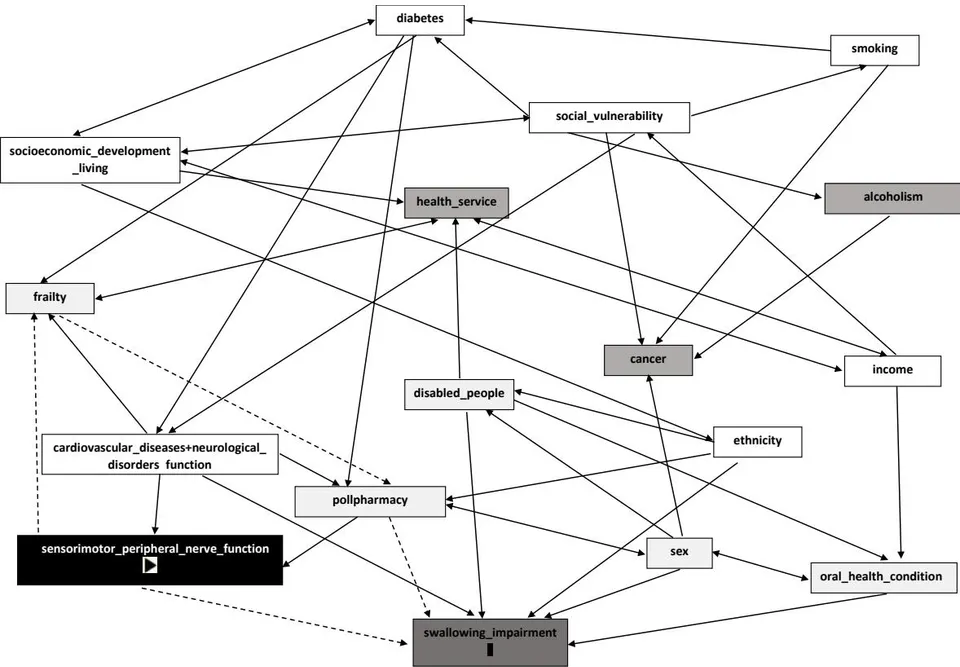
The directed acyclic graph (DAG) (Figure 1) was based on the studied literature, and the authors of this article thoroughly discussed it. In our analysis, we observed individual variables directly related to dysphagia [41, 42, 59-61], as well variables related to health conditions such as neurological diseases, disability, and oral health problems [ 56 − 58 ] . Daily habits and health behaviors were indirectly [ 62 − 64 ] , and directly linked to health conditions (chronic and neurological diseases), which are mediators or are directly associated with dysphagia [ 65 − 69 ] . Socioeconomic development, income, and social vulnerability are variables that precede health conditions, which are directly related to swallowing problems [ 53 − 55 ] .

Figure 1: Directed acyclic graph (DAG) to show associations from the literature review.

Legend: Black Background ▶: variable exposure; White background: variable adjusted; Dark gray background ▶: variable outcome; Light gray background: variable ancestor of outcome; Medium gray background: another variable In Figure 1, we observe that in multivariable analyses to control confounding factors (i.e. confounding bias), it is essential to control variables such as diabetes, cardiovascular and neurological disorders, socioeconomic development living, social vulnerability, smoking, ethnicity, and income. When these variables are not controlled, bivariate analyses can lead to erroneous conclusions regarding possible factors associated with non-true significance. After studying all the variables, we observed that changes in the peripheral nervous system constitute the only independent, directly associated variable, even though it may also be associated with stroke and neurological diseases. All others are influenced by variables that precede exposure and outcome. It is important to remember that it is mandatory that the ecological theoretical model takes into account the age of the population to be studied.

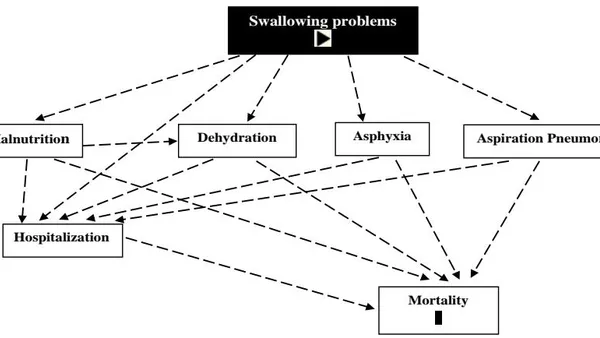
As for the factors related to the damage resulting from changes in the safety and efficacy of the swallowing process (Figure 2), they include dehydration, malnutrition, asphyxia, aspiration pneumonia, increased length of hospital stays, and, consequently, early mortality. It is worth noting that all variables resulting from oropharyngeal dysphagia are pre-outcome variables, with no confounding factors and no direct causal relationship between oropharyngeal dysphagia and mortality, only with the other studied variables. Thus, saying that dysphagia causes death is not appropriate since it is indirectly related to dysphagia.
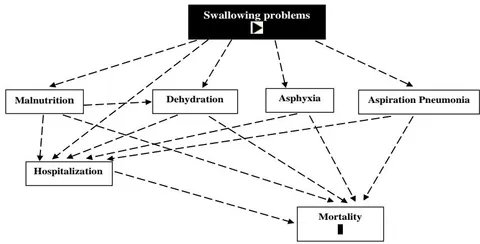
Figure 2: Directed acyclic graph (DAG) to present associations from the literature review.

Legend: Black Background ▶: variable exposure; White Background ■: outcome variable; White background: variable prior to the outcome.

IV. Discussion

The process of formulating conceptual systems and converting them into symbolic expressions is called theorizing or constructing theory. The term theory has been defined in various ways by social scientists. A theory consists of one or more functional statements or propositions that deal with the relationship among variables to explain a phenomenon or set of phenomena [ 70 ] . The swallowing process and oropharyngeal dysphagia; in other words, any change in the process of eating food between the mouth and the esophagus. Although the theories differ in many ways, we maintain that, in essence, all theories consist of concepts and the relationships between those concepts. A theory is a set of statements about the relationship (s) between two or more concepts or constructions, that is, between the variables we found in the literature and analyzed.

Several criteria have been proposed to evaluate indexed theoretical expressions. If we assume that the purpose of a theory is to help us better understand speech therapy, the primary consideration is whether it offers guidance. According to this perspective, the main criterion for evaluation is utility. Theoretical expressions are valued insofar as they serve as guides for the world we experience. By that, we mean if they allow us to gain some understanding of health practice. If a theory is flawed in some aspect but still provides other unique and insights, it tends to be maintained until something better appears.

The exponential growth in epidemiological studies has reflected an increase in analytical studies [ 71 ] . Thus, although theoretical models are used more often than before, the evidence in our research shows that it is still not a robust practice. When dealing with theoretical models in speech therapy research in general, consider whether we should use existing structures as they are, adapt them, or develop new ones. Speech therapy research and epidemiology often use theoretical frameworks from other areas, such as sociology, psychology, literature, epidemiology and public health, or even basic biological sciences. Health science theories are almost universal and hardly fit perfectly in all subfields, including speech therapy research. We argue that changes in these structures should be supported by theory and not just data.

Much research time has been devoted to the development of scientific models. They are central in many areas to describe the rationale for their modeling approach. This is in line with the concept of models, as they are representations of parts of a whole [ 72 , 73 ] . Different categories of models have been described. For example, an analog model represents of a phenomenon using metaphors and analogies, while a statistical model represents data using mathematical equations. In this article, we are interested in exploratory models, called theoretical models. According to the Stanford Encyclopedia of Philosophy [ 74 ] , these models are "a starting point of further explanations in which the model is modified and refined" and "provide proofs-of-principle and suggest how-possibly explanations."

Theoretical frameworks are necessary to avoid fishing expeditions (i.e., looking for any associated variable with a significant p-value) and black box epidemiology (i.e., identifying various risk factors that are not always properly connected through a disease theory and considering the mention of the concept of multi-causality sufficient). Theoretical frameworks help to outline data collection and should not be used only for analysis and references. They also help to interpret results in appropriate contexts. Usually, good research starts with a good question. Furthermore, it is generally accepted that good questions can come from experience and observation. This is partially true. Experience and observation can help put a question in context, but developing a research question is not simple [75], and simple observation can lead to naive questions. Likewise, it is untrue that descriptive epidemiological studies can generate hypotheses [76]. The results of a study without a theoretical framework can easily be misinterpreted due to a lack of important information.

Concerns about the limitations of black-box epidemiology date back to the 1990s [77-79]. Exploratory studies can result in several spurious associations, and these models cannot explain the relationships between variables [80,81]. Traditional epidemiology is tied to proximal risk factors at the individual level and does not consider life course, the complexity of social contexts [82], or methodological challenges [83]. Observational studies are prone to distortions in the selection, confounding, and measurement. Consequently, the validity of the results and conclusions may be at risk. The false-positive of false-negative results can lead to a waste of time. Theoretical frameworks can help improve study design, data collection, analysis, the interpretation of results, and the evaluation of result validity. Without a theory-driven hypothesis, fishing expeditions on large data sets can divert resources from important hypothesis.

Most cross-sectional studies are subject to reverse causality, and it is still uncertain whether dysphagia comes first or health problems such as frailty, sarcopenia, and xerostomia [ 84 , 85 ] . Another factor subject to reverse causality bias is the individual's psychological state, which can be both exposure and outcome. The literature has shown that emotional damage, mainly related to the quality of life and self-perceived health, has been significantly associated with dysphagia [ 86 ] . Besides negatively affecting physical health, dysphagia interferes with quality of life. Patients with dysphagia report harmful effects on their social life [ 87 ] , as they cannot to feed themselves when they eat with family and friends. This results in isolation and depression [ 88 ] .

Dysphagia is complex and, although it has been increasingly studied, it is important to remember that modern epidemiology has demonstrated that health transcends understanding the health-disease process at the individual level and seeks to view populations [ 89 ] . Society is constantly changing, so professionals must update their knowledge about the theoretical and practical strategies for screening, evaluating, and rehabilitating the population in the most beneficial way [ 23 ] . Professionals must also consistently improve their knowledge and understanding of the interrelationships between variables and possible triggering outcomes. While not all individual, behavioral, or social health conditions are directly related to dysphagia, they can exert amediating effect on or confound the causal path [ 90 ] .

Another important aspect to consider is culture [89]. Cultural diversity requires an understanding of ethnicity, gender, beliefs, and religious issues, along with socioeconomic conditions [91]. The interdisciplinarity between health, culture, and communication implies new paradigms and strategic challenges (political, theoretical, scientific, educational, and clinical). It is essential to fully understand that the disease-health process does not have a single deterministic causal factor, it goes beyond individual health situations and transcends to different levels. Organizational discussions and articulations related to coordinated care are essential to improve individual and collective health [89].

As such, it should be noted that the specific characteristics of each region are reflected in the scope of health services. Regional differences affect public policies and the allocation of health resources [ 92 ] . In this context, the literature has two valuable sources of theories about differences in the provision of health services. The first is the inverse care law [ 93 ] , which states that the availability of health care tends to vary inversely with the needs of the population. The second is the inverse equity hypothesis, which states that any new public health programs and interventions initially reach people of a higher socioeconomic level and increase inequalities between the rich and the poor [ 94 ] . Therefore, it is important to consider that having better health care implies greater care, a support network and access to health, the potential for better food and life habits, disease identification and early rehabilitation, as well as access to information [ 55 , 95 − 97 ] .

It is known that population health is a product of ecological circumstances, resulting from the interaction between human societies with the environment in general, their different ecosystems, and other support processes. It is important to note that populations are heterogeneous and present different social, economic, cultural, technological characteristics at the population level and in the distributions of health and disease. Therefore, incorporate theoretical models so that erroneous conclusions are not added to clinical practice or the sphere of public health. Dysphagia, which continues to emerge as a public health problem, deserves special attention so that health efforts and costs can be properly directed, and adequate diagnoses and therapeutic conduct can be charted from individual measures to public policies in the community.

Authors' contributions: RSR and BNGG conceived the idea, collected data, analyzed data, and wrote and reviewed the final version of the article.

Research center: This study was conducted at the Universidade Federal do Rio Grande do Sul, in Porto Alegre, Brazil.

Conflict of interest: None.

Financing: None.

ACKNOWLEDGMENTS

The authors are pleased to acknowledge the support of the Conselho Nacional de Desenvolvimento Científico e Tecnológico (CNPq) through a productivity grant (BNGG).


References

96 Cites in Article
  1. 1. R Doty,J Bosma (1956). An electromyographic analysis of reflex deglutition. J Neurophysiol, 19(1), 44-60.
  2. 2. S Hamdy,D Mikulis,A Crawley,S Xue,H Lau,S Henry (1999). Cortical activation during human volitional swallowing: an event-related fMRI study. American Journal of Physiology-Gastrointestinal and Liver Physiology, 277(1), G219-G225.
  3. 3. B Logan,P Reynolds (2012). Mcminn Atlas Colorido de Anatomia da Cabeça e Pescoço. Mcminn Atlas Colorido de Anatomia da Cabeça e Pescoço
  4. 4. (2015). Caseload characteristics. Caseload characteristics
  5. 5. (2016). Find a specialist. American Board of Swallowing and Swallowing Disorders
  6. 6. Paul Marik,Danielle Kaplan (2003). Aspiration Pneumonia and Dysphagia in the Elderly. Chest, 124(1), 328-336.
  7. 7. M Cabre,M Serra-Prat,E Palomera,J Almirall,R Pallares,P Clave (2009). Prevalence and prognostic implications of dysphagia in elderly patients with pneumonia. Age and Ageing, 39(1), 39-45.
  8. 8. Richard Wilson (2012). Mortality and Cost of Pneumonia After Stroke for Different Risk Groups. Journal of Stroke and Cerebrovascular Diseases, 21(1), 61-67.
  9. 9. C Mchorney,D Bricker,A Kramer,J Rosenbek,J Robbins,K Chignell (2000). The SWAL-QOL outcomes tool for oropharyngeal dysphagia in adults: I -conceptual foundation and item development. Dysphagia, 15(3), 155-176.
  10. 10. Nelson Roy,Joseph Stemple,Ray Merrill,Lisa Thomas (2007). Dysphagia in the Elderly: Preliminary Evidence of Prevalence, Risk Factors, and Socioemotional Effects. Annals of Otology, Rhinology & Laryngology, 116(11), 858-865.
  11. 11. Li Leow,Maggie-Lee Huckabee,Tim Anderson,Lutz Beckert (2010). The Impact of Dysphagia on Quality of Life in Ageing and Parkinson’s Disease as Measured by the Swallowing Quality of Life (SWAL-QOL) Questionnaire. Dysphagia, 25(3), 216-220.
  12. 12. D Assumpção,Sma Domene,R Fisberg,Mba Barros (2014). Qualidade da dieta e fatores associados entre idosos: estudo de base populacional em Campinas, São Paulo, Brasil. Cad. Saúde Pública, 30(8), 1680-1694.
  13. 13. Aarthi Madhavan,L Lagorio,M Crary,W Dahl,G Carnaby (2015). Prevalence of and risk factors for dysphagia in the community dwelling elderly: A systematic review. The Journal of nutrition, health and aging, 20(8), 806-815.
  14. 14. Pere Clavé,Albert Verdaguer,Viridiana Arreola (2005). Disfagia orofaríngea en el anciano. Medicina Clínica, 124(19), 742-748.
  15. 15. Kannayiram Alagiakrishnan,Rahima Bhanji,Mini Kurian (2013). Evaluation and management of oropharyngeal dysphagia in different types of dementia: A systematic review. Archives of Gerontology and Geriatrics, 56(1), 1-9.
  16. 16. Richard Walker,Janet Dunn,William Gray (2011). Self-Reported Dysphagia and Its Correlates Within a Prevalent Population of People with Parkinson’s Disease. Dysphagia, 26(1), 92-96.
  17. 17. A De Pauw,E Dejaeger,B D'hooghe,H Carton (2002). Dysphagia in multiple sclerosis. Clinical Neurology and Neurosurgery, 104(4), 345-351.
  18. 18. Rosemary Martino,Norine Foley,Sanjit Bhogal,Nicholas Diamant,Mark Speechley,Robert Teasell (2005). Dysphagia After Stroke. Stroke, 36(12), 2756-2763.
  19. 19. P García-Peris,L Parón,C Velasco,C De La Cuerda,M Camblor,I Bretón,H Herencia,J Verdaguer,C Navarro,P Clave (2017). Long-term prevalence of oropharyngeal dysphagia in head and neck cancer patients: Impact on quality of life. Clinical Nutrition, 26(6), 710-717.
  20. 20. Kristen Radcliff,Loukas Koyonos,Corey Clyde,Gursukhman Sidhu,Michael Fickes,Alan Hilibrand,Todd Albert,Alexander Vaccaro,Jeffrey Rihn (2013). What Is the Incidence of Dysphagia After Posterior Cervical Surgery?. Spine, 38(13), 1082-1088.
  21. 21. S Maksuda,Lfn Reis (2003). Disfagia no idoso: risco (in) visível. Revista CEFAC, 5(3), 251-257.
  22. 22. A Mckinstry,M Tranter,J Sweeney (2010). Outcomes of dysphagia intervention in a pulmonary rehabilitation program. Dysphagia, 25(2), 104-111.
  23. 23. S Hiss,K Treole,A Stuart (2001). Effects of age, gender, bolus volume and trial on swallowing apnea duration and swallow/respiratory phase relationships of normal adults. Dysphagia, 16(2), 128-135.
  24. 24. Claire Takizawa,Elizabeth Gemmell,James Kenworthy,Renée Speyer (2016). A Systematic Review of the Prevalence of Oropharyngeal Dysphagia in Stroke, Parkinson’s Disease, Alzheimer’s Disease, Head Injury, and Pneumonia. Dysphagia, 31(3), 434-441.
  25. 25. Mary Defabrizio,Akila Rajappa (2010). Contemporary Approaches to Dysphagia Management. The Journal for Nurse Practitioners, 6(8), 622-630.
  26. 26. H Su,T Hsiao,S Ku,T Wang,J Lee,W Tzeng (2015). Tongue Weakness and Somatosensory Disturbance Following Oral Endotracheal Extubation. Dysphagia, 30(2), 188-195.
  27. 27. Anna Miles,Philippa Friary,Bianca Jackson,Julia Sekula,Andrea Braakhuis (2016). Simulation-Based Dysphagia Training: Teaching Interprofessional Clinical Reasoning in a Hospital Environment. Dysphagia, 31(3), 407-415.
  28. 28. M Troche,B Schumann,A Brandimore,M Okun,K Hegland (2016). Reflex Cough and Disease Duration as Predictors of Swallowing Dysfunction in Parkinson's Disease. Dysphagia, 31(6), 757-764.
  29. 29. Tsukasa Saito,Keisuke Hayashi,Hajime Nakazawa,Tetsuo Ota (2016). Clinical Characteristics and Lesions Responsible for Swallowing Hesitation After Acute Cerebral Infarction. Dysphagia, 31(4), 567-573.
  30. 30. Kenneth Rothman (1976). Letter to the Editor. American Journal of Epidemiology, 104(5), 585-586.
  31. 31. M Hernán (2004). A definition of causal effect for epidemiological research. Journal of Epidemiology and Community Health, 58(4), 265-271.
  32. 32. W Stehbens (1985). The concept of cause in disease. Journal of Chronic Diseases, 38(11), 947-950.
  33. 33. Shunsuke Minakuchi,Kazuhiro Tsuga,Kazunori Ikebe,Takayuki Ueda,Fumiyo Tamura,Kan Nagao,Junichi Furuya,Koichiro Matsuo,Ken Yamamoto,Manabu Kanazawa,Yutaka Watanabe,Hirohiko Hirano,Takeshi Kikutani,Kaoru Sakurai (2018). Oral hypofunction in the older population: Position paper of the Japanese Society of Gerodontology in 2016. Gerodontology, 35(4), 317-324.
  34. 34. E Fiorentino (2019). The consumption of snacks and soft drinks between meals may contribute to the development and to persistence of gastroesophageal reflux disease. Med Hypotheses, 125, 84-88.
  35. 35. Marlene Jacobson (2018). The experience of head and neck cancer survivorship (including laryngectomy): an integrated biopsychosocial model. Current Opinion in Supportive & Palliative Care, 12(1), 65-73.
  36. 36. Eli Gray‐stuart,Jim Jones,John Bronlund (2017). Defining the end‐point of mastication: A conceptual model. Journal of Texture Studies, 48(5), 345-356.
  37. 37. Samantha Shune,Deanna Linville (2019). Understanding the dining experience of individuals with dysphagia living in care facilities: A grounded theory analysis. International Journal of Nursing Studies, 92, 144-153.
  38. 38. Jorge Fonseca,Carla Santos,José Brito (2016). Malnutrition and Clinical Outcome of 234 Head and Neck Cancer Patients who Underwent Percutaneous Endoscopic Gastrostomy. Nutrition and Cancer, 68(4), 589-597.
  39. 39. Brittany Krekeler,Kailey Vitale,Joanne Yee,Ryan Powell,Nicole Rogus-Pulia (2020). Adherence to Dysphagia Treatment Recommendations: A Conceptual Model. Journal of Speech, Language, and Hearing Research, 63(6), 1641-1657.
  40. 40. Rafaela Rech,Elsa Strotmeyer,Brittney Lange-Maia,Fernando Hugo,Bárbara De Goulart,Juliana Hilgert,Eleanor Simonsick (2020). Swallowing impairment in older adults: association with sensorimotor peripheral nerve function from the Health, Aging and Body Composition study. Aging Clinical and Experimental Research, 33(1), 165-173.
  41. 41. S Cho,R Choung,Y Saito,C Schleck,A Zinsmeister,G Locke,N Talley (2015). Prevalence and risk factors for dysphagia: a USA community study. Neurogastroenterology & Motility, 27(2), 212-219.
  42. 42. S Butler,A Stuart,X Leng,E Wilhelm,C Rees,J Williamson,S Kritchevsky (2011). The Relationship of Aspiration Status With Tongue and Handgrip Strength in Healthy Older Adults. The Journals of Gerontology Series A: Biological Sciences and Medical Sciences, 66A(4), 452-458.
  43. 43. Eun Yang,Ki Kim,Jae‐young Lim,Nam‐jong Paik (2014). Relationship Between Dysphagia and Mild Cognitive Impairment in a Community‐Based Elderly Cohort: The Korean Longitudinal Study on Health and Aging. Journal of the American Geriatrics Society, 62(1), 40-46.
  44. 44. Seungwoo Cha,Won-Seok Kim,Ki Kim,Ji Han,Hak Jang,Soo Lim,Nam-Jong Paik (2019). Sarcopenia is an Independent Risk Factor for Dysphagia in Community-Dwelling Older Adults. Dysphagia, 34(5), 692-697.
  45. 45. E Yang,M Kim,J Lim,N Paik (2013). Oropharyngeal dysphagia in a community-based elderly cohort: The Korean longitudinal study on health and aging. J Korean Med Sci, 28(10), 1534-1539.
  46. 46. R Rech,A Baumgarten,B Colvara,C Brochier,Bng De Goulart,F Hugo,J Hilgert (2018). Association between oropharyngeal dysphagia, oral functionality, and oral sensorimotor alteration. Oral Diseases, 24(4), 664-672.
  47. 47. A Michel,E Vérin,X Gbaguidi,L Druesne,F Roca,P Chassagne (2018). Oropharyngeal Dysphagia in Community-Dwelling Older Patients with Dementia: Prevalence and Relationship with Geriatric Parameters. J Am Med Dir Assoc, 19(9), 770-774.
  48. 48. Gulistan Bahat,Ozlem Yilmaz,S Durmazoglu,C Kilic,C Tascioglu,M Karan (2019). Association between Dysphagia and Frailty in Community Dwelling Older Adults. The Journal of nutrition, health and aging, 23(6), 571-577.
  49. 49. Nozomi Okamoto,Kimiko Tomioka,Keigo Saeki,Junko Iwamoto,Masayuki Morikawa,Akihiro Harano,Norio Kurumatani (2012). Relationship Between Swallowing Problems and Tooth Loss in Community‐Dwelling Independent Elderly Adults: The Fujiwara‐Kyo Study. Journal of the American Geriatrics Society, 60(5), 849-853.
  50. 50. Akinari Inui,Ippei Takahashi,Sizuka Kurauchi,Yuki Soma,Toshiaki Oyama,Yoshihiro Tamura,Takao Noguchi,Kouichi Murashita,Shigeyuki Nakaji,Wataru Kobayashi (2017). Oral conditions and dysphagia in Japanese, community-dwelling middle- and older- aged adults, independent in daily living. Clinical Interventions in Aging, Volume 12, 515-521.
  51. 51. Rafaela Rech,Fernando Hugo,Luísa Tôrres,Juliana Hilgert (2019). Factors associated with hyposalivation and xerostomia in older persons in South Brazil. Gerodontology, 36(4), 338-344.
  52. 52. Y Mikami,Y Watanabe,K Motokawa (2019). Association between decrease in frequency of going out and oral function in older adults living in major urban areas. Geriatr. Gerontol. Int, 1(6)
  53. 53. Sue Sherratt (2020). What are the implications of climate change for speech and language therapists?. International Journal of Language & Communication Disorders, 56(1), 215-227.
  54. 54. Ghislain Poda,Chien-Yeh Hsu,Hsiao-Hsien Rau,Null- Chao (2019). Impact of socio-demographic factors, lifestyle and health status on nutritional status among the elderly in Taiwan. Nutrition Research and Practice, 13(3), 222.
  55. 55. Rafaela Rech,Patrícia Bulgarelli,Aline Condessa,Camila Santos,Juliana Hilgert,Bárbara Goulart (2020). Acesso e uso de serviços de Fonoaudiologia em Porto Alegre, Brasil: estudo populacional. Ciência & Saúde Coletiva, 25(3), 817-825.
  56. 56. H Finiels,D Strubel,J Jacquot (2001). Deglutition disorders in the elderly. Epidemiological aspects. Press Med, 30(33), 1623-1634.
  57. 57. A Nasi (2003). Afecções esofágicas mais comuns no idoso. Conhecimentos essenciais para conhecer bem o idoso, 11-24.
  58. 58. S Achem,K Devault (2005). Dysphagia in aging. J Clin Gastroenterol, 39(5), 357-371.
  59. 59. Eun Yang,Mi Kim,Jae-Young Lim,Nam-Jong Paik (2013). Oropharyngeal Dysphagia in a Community-Based Elderly Cohort: the Korean Longitudinal Study on Health and Aging. Journal of Korean Medical Science, 28(10), 1534.
  60. 60. Marlís González‐fernández,Ianessa Humbert,Heather Winegrad,Anne Cappola,Linda Fried (2014). Dysphagia in Old‐Old Women: Prevalence as Determined According to Self‐Report and the 3‐Ounce Water Swallowing Test. Journal of the American Geriatrics Society, 62(4), 716-720.
  61. 61. Akinari Inui,Ippei Takahashi,Sizuka Kurauchi,Yuki Soma,Toshiaki Oyama,Yoshihiro Tamura,Takao Noguchi,Kouichi Murashita,Shigeyuki Nakaji,Wataru Kobayashi (2017). Oral conditions and dysphagia in Japanese, community-dwelling middle- and older- aged adults, independent in daily living. Clinical Interventions in Aging, Volume 12, 515-521.
  62. 62. Lucia Mourão,Danielle Xavier,Anita Neri,Karen Luchesi (2016). Estudo da associação entre doenças crônicas naturais do envelhecimento e alterações da deglutição referidas por idosos da comunidade. Audiology - Communication Research, 21, 1-8.
  63. 63. Joanne Robbins,Naomi Humpal,Kelsey Banaszynski,Jacqueline Hind,Nicole Rogus-Pulia (2016). Age-Related Differences in Pressures Generated During Isometric Presses and Swallows by Healthy Adults. Dysphagia, 31(1), 90-96.
  64. 64. Nelson Roy,Joseph Stemple,Ray Merrill,Lisa Thomas (2007). Dysphagia in the Elderly: Preliminary Evidence of Prevalence, Risk Factors, and Socioemotional Effects. Annals of Otology, Rhinology & Laryngology, 116(11), 858-865.
  65. 65. Kannayiram Alagiakrishnan,Rahima Bhanji,Mini Kurian (2013). Evaluation and management of oropharyngeal dysphagia in different types of dementia: A systematic review. Archives of Gerontology and Geriatrics, 56(1), 1-9.
  66. 66. Aarthi Madhavan,L Lagorio,M Crary,W Dahl,G Carnaby (2015). Prevalence of and risk factors for dysphagia in the community dwelling elderly: A systematic review. The Journal of nutrition, health and aging, 20(8), 806-815.
  67. 67. A Russo,E Reckziegel,A Krum-Santos,Augustin Scheeren,B Freitas,C Torman,V Saraiva-Pereira,M Saute,J Jardim,L (2015). Clinical Scales Predict Significant Video fluoroscopic Dysphagia in Machado Joseph Disease Patients. Mov Disord Clin Pract, 9(3), 260-266.
  68. 68. Hamish Philpott,Mayur Garg,Dunya Tomic,Smrithya Balasubramanian,Rami Sweis (2017). Dysphagia: Thinking outside the box. World Journal of Gastroenterology, 23(38), 6942-6951.
  69. 69. M Susser,E Susser (1996). Choosing a future for epidemiology: I. Eras and paradigms. Am J Public Health, 86, 668-673.
  70. 70. Ezra Susser (2004). Eco-Epidemiology: Thinking Outside the Black Box. Epidemiology, 15(5), 519-520.
  71. 71. Nancy Krieger,Sally Zierler (1995). What Explains the Publicʼs Health?—A Call for Epidemiologic Theory. Epidemiology, 7(1), 107-109.
  72. 72. R Frigg,S Hartmann (2020). Models in Science. Models in Science
  73. 73. Michael Reichenheim,Claudia Moraes (1998). Alguns pilares para a apreciação da validade de estudos epidemiológicos. Revista Brasileira de Epidemiologia, 1(2), 131-148.
  74. 74. P Skrabanek (1994). The emptiness of the black box. Epidemiology, 5, 553-555.
  75. 75. J Kaufman,R Cooper (1999). Seeking Causal Explanations in Social Epidemiology. American Journal of Epidemiology, 150(2), 113-120.
  76. 76. M Szklo,F Nieto (2007). Epidemiology: Beyond the Basics. American Journal of Epidemiology, 153(8), 821-822.
  77. 77. Stephen Cole,Robert Platt,Enrique Schisterman,Haitao Chu,Daniel Westreich,David Richardson,Charles Poole (2010). Illustrating bias due to conditioning on a collider. International Journal of Epidemiology, 39(2), 417-420.
  78. 78. Jo Earp,Susan Ennett (1991). Conceptual models for health education research and practice. Health Education Research, 6(2), 163-171.
  79. 79. Nadine Sahyoun,Chien-Lung Lin,Elizabeth Krall (2003). Nutritional status of the older adult is associated with dentition status. Journal of the American Dietetic Association, 103(1), 61-66.
  80. 80. Mitsuyoshi Yoshida,Ryo Suzuki,Takeshi Kikutani (2014). Nutrition and oral status in elderly people. Japanese Dental Science Review, 50(1), 9-14.
  81. 81. Naoko Morisaki,Hiroko Miura,Shingo Moriya,Shuichi Hara (2014). Relationship between the swallowing function and the health-related QOL among community-dwelling dependent elderly persons. Nippon Ronen Igakkai Zasshi. Japanese Journal of Geriatrics, 51(3), 259-263.
  82. 82. Li Leow,Maggie-Lee Huckabee,Tim Anderson,Lutz Beckert (2010). The Impact of Dysphagia on Quality of Life in Ageing and Parkinson’s Disease as Measured by the Swallowing Quality of Life (SWAL-QOL) Questionnaire. Dysphagia, 25(3), 216-220.
  83. 83. Julie Cichero,Kenneth Altman (2012). Definition, Prevalence and Burden of Oropharyngeal Dysphagia: A Serious Problem among Older Adults Worldwide and the Impact on Prognosis and Hospital Resources. Nestlé Nutrition Institute Workshop Series, 1-11.
  84. 84. R Rech,F Hugo,Lhdn Tôrres,J Hilgert (2019). Factors associated with hyposalivation and xerostomia in older persons in South Brazil. Gerodontology, 36(4), 338-344.
  85. 85. Doo-Young Kim,Hyo-Sik Park,Si-Woon Park,Jae-Hyung Kim (2020). The impact of dysphagia on quality of life in stroke patients. Medicine, 99(34), e21795.
  86. 86. Ju‐yeun Kim,Young Lee,Hwa‐soon Kim,Eun‐hyun Lee (2019). The mediating and moderating effects of meaning in life on the relationship between depression and quality of life in patients with dysphagia. Journal of Clinical Nursing, 28(15-16), 2782-2789.
  87. 87. Ellie Jones,Renée Speyer,Berit Kertscher,Deborah Denman,Katina Swan,Reinie Cordier (2018). Health-Related Quality of Life and Oropharyngeal Dysphagia: A Systematic Review. Dysphagia, 33(2), 141-172.
  88. 88. F Booysen,F Botha,E Wouters (2021). Conceptual causal models of socioeconomic status, family structure, family functioning and their role in public health. BMC Public Health, 21, 191.
  89. 89. Natália Canto-Soares,Rafaela Rech,Bárbara Goulart (2019). Causalidade e Fonoaudiologia: abordagem epidemiológica. CoDAS, 31(5), e20190004.
  90. 90. Bárbara Goulart,Sandra Levey,Rafaela Rech (2018). Multiculturality skills, health care and communication disorders. Cadernos de Saúde Pública, 34(4), e00217217.
  91. 91. Rafaela Rech,Fernando Hugo,Jeanne Schmidt,Bárbara Goulart,Juliana Hilgert (2019). Speech-language therapy offer and primary health care in Brazil: an analysis based on socioeconomic development. CoDAS, 31(1), e20180083.
  92. 92. Tudor Hart,J (1971). The inverse care law. Lancet, 297(7696), 405-412.
  93. 93. Cesar Victora,J Vaughan,Fernando Barros,Anamaria Silva,Elaine Tomasi (2000). Explaining trends in inequities: evidence from Brazilian child health studies. The Lancet, 356(9235), 1093-1098.
  94. 94. Barbara Starfield (2007). Pathways of influence on equity in health. Social Science & Medicine, 64(7), 1355-1362.
  95. 95. Bárbara Goulart,Paula Anderle (2019). Reabilitação: uma demanda que cresce e merece atenção. CoDAS, 32(2), e20190120.
  96. 96. Aline Pereira,Cynthia Molina-Bastos,Marcelo Gonçalves,Bárbara Goulart (2019). Transtorno Factício e a Equipe Interdisciplinar: identificação de sinais e fatores de risco. CoDAS, 31(1), e20180173.

Funding

No external funding was declared for this work.

Conflict of Interest

The authors declare no conflict of interest.

Ethical Approval

No ethics committee approval was required for this article type.

Data Availability

Not applicable for this article.

How to Cite This Article

Rafaela Soares Rech, Bárbara Niegia Garcia De Goulart. 2022. "Oropharyngeal Dysphagia: A Proposal for an Ecological Theoretical Model". Global Journal of Medical Research - J: Dentistry & Otolaryngology GJMR-J Volume 21 (GJMR Volume 21 Issue J3).

More Citation Formats

Download Citation

An academic article on ecological models for treating oropharyngeal dysphagia and understanding its theoretical framework.
Journal Specifications

Crossref Journal DOI 10.17406/gjmra

Print ISSN 0975-5888

e-ISSN 2249-4618

Keywords
Classification
GJMR-J Classification NLMC Code: WU 113
Version of record
v1.2

Issue date
January 12, 2022

Language
English
Order Article Reprint
Experience in AR

Explore published articles in an immersive Augmented Reality environment. Our platform converts research papers into interactive 3D books, allowing readers to view and interact with content using AR and VR compatible devices.

Read in 3D

Your published article is automatically converted into a realistic 3D book. Flip through pages and read research papers in a more engaging and interactive format.

Article Matrices
Total Views: 767
Total Downloads: 59
All Trends

Request Access

Please fill out the form below to request access to this research paper. Your request will be reviewed by the editorial or author team.
X

This is the heading

Lorem ipsum dolor sit amet, consectetur adipiscing elit. Ut elit tellus, luctus nec ullamcorper mattis, pulvinar dapibus leo.

High-quality academic research articles on global topics and journals.

Oropharyngeal Dysphagia: A Proposal for an Ecological Theoretical Model

Rafaela Rech
Rafaela Rech
Bárbara Goulart
Bárbara Goulart