At the height of the modern healthcare system-new methods and uses of data need to be utilized to prioritize our patients and their outcomes. Focusing only on treatment is a mistake, but rather, we should be heavily focused on prevention. The most prominent growing form of prevention we could utilize is patient education and educational outreach programs. These can range from 5 minutes of direct time at a routine checkup, a chain text message, social media posts, and advertisements, etc., and can happen anywhere, at any time. Preventing disease and other conditions we could predispose ourselves to would save money, time, and lives.
## I. INTRODUCTION
At the height of the modern healthcare system-new methods and uses of data need to be utilized to prioritize our patients and their outcomes. Focusing only on treatment is a mistake, but rather, we should be heavily focused on prevention. The most prominent growing form of prevention we could utilize is patient education and educational outreach programs. These can range from 5 minutes of direct time at a routine checkup, a chain text message, social media posts, and advertisements, etc., and can happen anywhere, at any time. Preventing disease and other conditions we could predispose ourselves to would save money, time, and lives.
## II. METHODS
Data was collected from 10 sources focusing on topics such as virtual learning effectiveness, and patient education programs effectiveness. The face-to-face programs utilized providers who spent more time with patients and focused more on personalized treatments and plans to manage and adhere to. The online education resources utilized surveys, courses, and other advertisements to increase educational awareness.
## III. RESULTS
In a study by Decent it found that patients who understood their diagnosis of diabetes were more likely to follow through on appointments, monitor blood sugar levels regularly, and maintain lifestyle choices that improve quality of health. A similar study by the same group found that educating patients on their heart disease diagnosis and condition would prevent hospital readmission and aid in long-term health outcomes and choices. This saves thousands of dollars, hours-even days, and time that could be spent outside of a hospital. Similar to Direct Primary Care (DPC), we find that spending more time with patients to discuss their condition, prognosis, and other considerable factors would lead to improved health literacy, understanding, and management of conditions and health choices, such as procedures and medications. The model of DPC focuses heavily on personalized health choices and health education, which improved patient health satisfaction by a significant margin. They also feel more satisfied in the level of care they are receiving, which helps them adhere to management plans by a heightened level. One study found that heart disease programs teaching patients how to manage their symptoms and understand the signs of the expected outcomes led to a reduced number of emergency hospitalizations. For instance, a study published in The Health Observatory found that effective patient education significantly improves patients' knowledge, attitudes, and skills which led to an increased number of patients following management plans. A study in the Journal of Continuing Education in Nursing showed that patients who received diabetes education had better blood sugar levels and a lower risk of long-term complications. They were also more likely to adhere to their treatment plans and make healthier choices. A separate study at Midwest Fertility Specialists showed that implementing an educational e-learning program for oncology patients improved patients' understanding of their treatment options and the potential impact on fertility. This education empowered patients to make informed decisions and reduced anxiety associated with their treatment journey. A study on a Public Health Course in India showed the participants' knowledge significantly improved after attending the public health practice course online ( $P < 0.001$ ). And, many of the respondents conveyed that they are applying the learnings from the course in their program management. This study involved 64 subjects.
A 2022 patient survey indicates just how critical patient education is to improving both patient care and outcomes: Almost $50\%$ of respondents reported that they did not get all their questions answered. $80\%$ of respondents often or sometimes had follow-up questions. The same survey found that $68\%$ of patients who receive patient education are more likely to return to a healthcare provider. Meanwhile, $80\%$ of respondents reported that patient education would increase their satisfaction with their care.
## IV. DISCUSSION
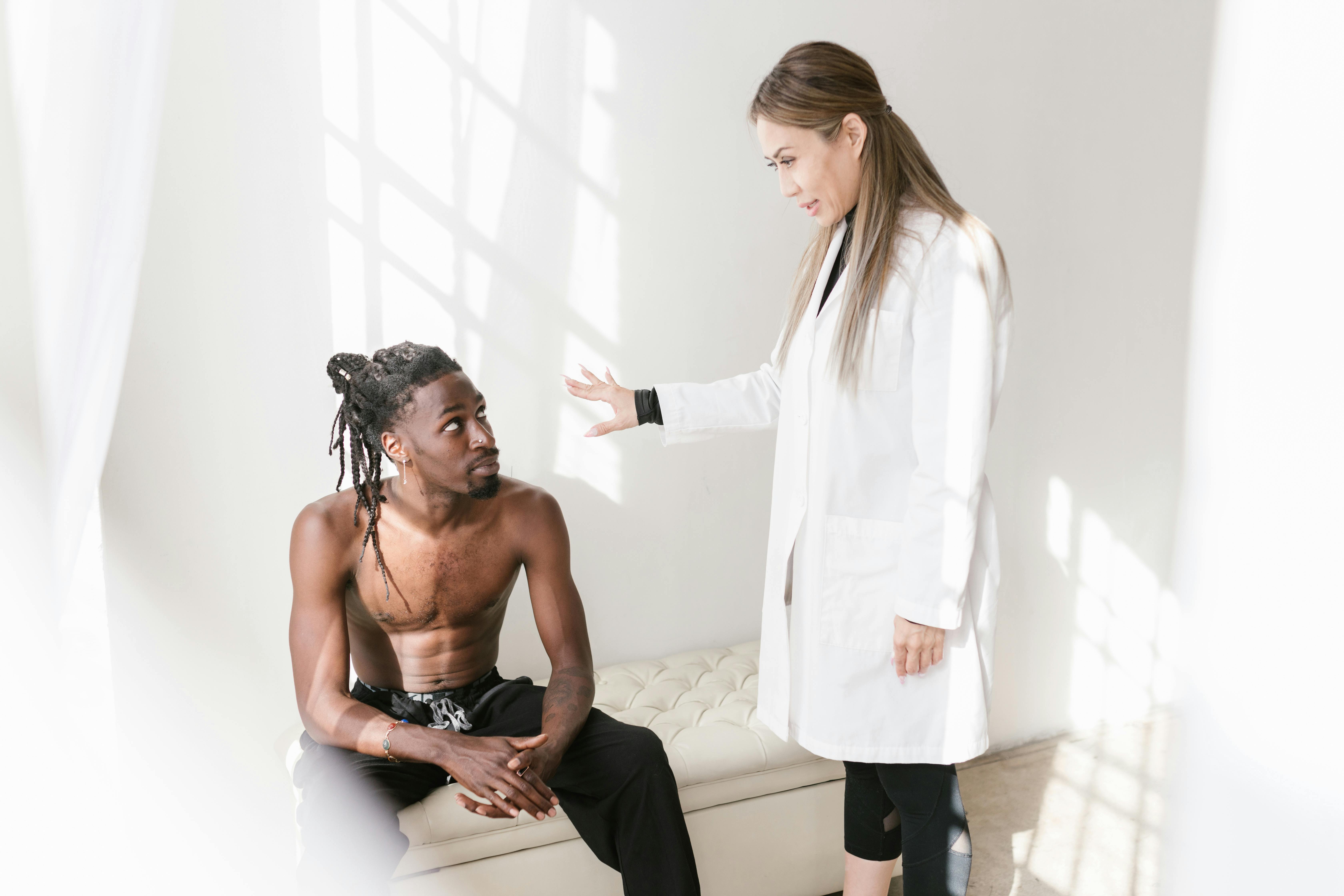
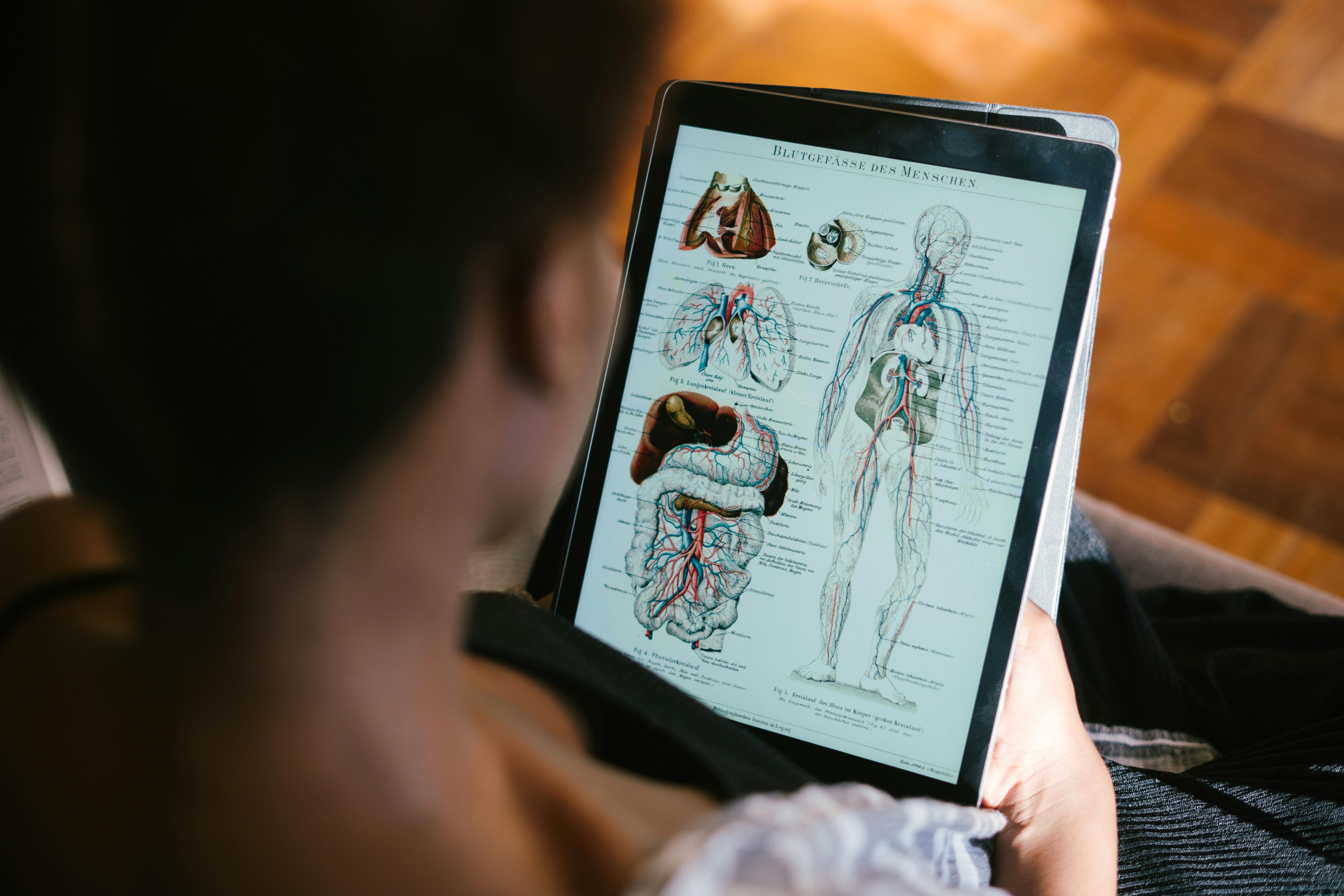
Due to the nature of online education, it can happen anywhere and anytime. This education can focus on prevention, especially with the target audience of younger individuals, we can foster an environment built on healthy standards before bad habits begin to grow that predispose us to disease, sickness, and other preventable conditions. In 2020, COVID-19 caused a pandemic, people stuck at home, unable to go anywhere, and in fear. When disease strikes and people stop going out, almost all virtually acquired information is heavily relied upon and used in critical moments. If another disease or virus breaks loose, we need systems and online resources that educate on signs, symptoms, the nature of the disease, and the way its spread and this is possible through virtual education systems. Whenever someone needs educational mentorship on their situation, they do not have to wait hours or days for a provider or trustee to respond. Still, instead they will have the resources at the tip of their fingers-and possibly even know something about the topic on hand before their research due to unconsciously acquired information because of a society built on prevention. The nature of online education also reduces the bias from a particular ideology and opinion, and rather explore different viewpoints, opinions, and research findings to fit their situation. Still, face-to-face education will change the way of patient outcomes by providing direct and personalized care, and providing trust to patients and causing the adherence of medical plans and procedures. This will increase outcomes all around. People trust their doctors and have questions because they 'know' them. This provides a way for them to have their needs and concerns addressed.
## V. EXPLANATION
Patients are more likely to adhere to medical management when they are well-educated, virtually or from direct care from a provider, because understanding their condition and treatment plan empowers them to make informed decisions. Education fosters a sense of control, reduces anxiety, and increases trust in healthcare providers and resources. When patients grasp the benefits and potential outcomes of following prescribed treatments, they are more motivated to comply, leading to better health outcomes and a strengthened partnership between patients and healthcare teams.
## VI. CONCLUSION
In conclusion, patient education is crucial in improving health outcomes, enhancing quality of life, and supporting better decision-making. By equipping patients with the knowledge they need, they are better prepared to manage their conditions, make informed choices, and actively participate in their care. This empowerment not only leads to improved health but also fosters a greater sense of confidence and well-being, ultimately contributing to a more positive healthcare experience and better long-term results.
Generating HTML Viewer...
References
9 Cites in Article
(2022). Strengths and Weaknesses of Online Learning | University of Illinois Springfield.
Kok Tan (2022). Enhancing Patient Safety: From Paternalistic Care to Person-Centred Care and Patient-Partnered Care.
(2023). Beyond the Pamphlet: Patient Education Improves Outcomes Across Medical Specialties.
J Thakur,A Gandhi,R Nangia (2023). Effectiveness of an online public health course: A prospective evaluation study from India.
K Smith (2024). Patient education: Why patient education matters and how it improves outcomes.
Robert Adams (2010). Improving health outcomes with better patient understanding and education.
Eric Jones,Lynda Davidson,Thomas Cline (2022). The Effect of Preoperative Education Prior to Hip or Knee Arthroplasty on Immediate Postoperative Outcomes.
Engagedmd (2023). Engagedmd.
(2017). Debunking Myths About the Aging Brain: Infographic [Chinese].
No ethics committee approval was required for this article type.
Data Availability
Not applicable for this article.
How to Cite This Article
Caden L. Reedy. 2026. \u201cPatient Education on Health Outcomes, Quality of Life, and Quality of Care: Physically and Virtually: A Meta-Analysis\u201d. Global Journal of Medical Research - K: Interdisciplinary GJMR-K Volume 25 (GJMR Volume 25 Issue K1): .
Explore published articles in an immersive Augmented Reality environment. Our platform converts research papers into interactive 3D books, allowing readers to view and interact with content using AR and VR compatible devices.
Your published article is automatically converted into a realistic 3D book. Flip through pages and read research papers in a more engaging and interactive format.
At the height of the modern healthcare system-new methods and uses of data need to be utilized to prioritize our patients and their outcomes. Focusing only on treatment is a mistake, but rather, we should be heavily focused on prevention. The most prominent growing form of prevention we could utilize is patient education and educational outreach programs. These can range from 5 minutes of direct time at a routine checkup, a chain text message, social media posts, and advertisements, etc., and can happen anywhere, at any time. Preventing disease and other conditions we could predispose ourselves to would save money, time, and lives.
Our website is actively being updated, and changes may occur frequently. Please clear your browser cache if needed. For feedback or error reporting, please email [email protected]
Thank you for connecting with us. We will respond to you shortly.