
I. INTRODUCTION
Yam (Dioscorea spp) is one of the oldest recorded crops eaten by human beings in many continents (1). It belongs to the monocotyledonous family, Dioscoreaceae and genus Dioscorea. It is a highly heterozygous polyploid with a basic chromosome number of 10. Most cultivars of the species Dioscorea have varying ploidy levels ranging from tetraploid to octoploid (2). Yam is a multi-species crop which has about 613 known species that produce tubers, bulbils or rhizomes. Of these, about ten are cultivated over larger area and serve as a staple food crop (3). About 50 other species are also eaten as wild-harvested staples famine food, thus this genus occupies a prominent position in global food insecurity combat, (4). Dioscorea rotundata and cayenesis (both known as Guinnea yam) are the most popular and economically important yams in west and central Africa, where they are indigenous (5). Dioscorea alata has been reported as the most widely distributed species globally, because of its agronomic flexibility and high productive potential (6). Yam holds a great promise in food security, industry, medicine and overall economy in the developing countries (7). Yams are placed at fourth position among the utilized root and tuber crops globally after potatoes (Solanum spp.), cassava (Manihot esculenta) and sweet potatoes (Ipomoea spp.) and the second in West Africa after cassava (8, 9). It's potential as a source of food is attributed to its high levels of carbohydrates including fiber, starch and sugar, contributing about 200 dietary calories per person per day to more than 300 million people in the tropics (10). It also provides other nutritional benefits such as proteins, lipids, vitamins and minerals (11).
The growing season of yam is long (9 - 11 months) and there is a genetic variation in terms of maturity duration (early, mid and late). In the tropics, the main planting season begins in the month of February (with the planting of dormant tubers) and planting can be done till May. Some farmers plant dormant tubers during December itself. Tubers start sprouting mainly from March to May depending on the storage condition (especially the existing photothermal units), physiological age and genotypes. However, some tubers break dormancy as early as January and this early dormancy breaking is controlled majorly by the physiological age of the tuber and genotype. Harvesting of new tubers starts in the month of August (first harvest season) till December to January of the subsequent year (second/ main harvest season). Whether tubers are harvested in the month of August (about 180 days after planting) or November (about 270 days after planting), most of such tubers do not resume shoot growth/sprouting until about 210 days or 150 days after harvest respectively. The long waiting for the resumption of sprouting (dormancy), imposes the need for prolonged storage of seed tubers, restricts planting to once per annum, exposes up to of highly-valued tubers to loss (due to pests and diseases during the compulsory storage period), exposes whole seed tubers to unplanned consumption, and these in turn contribute to scarcity of tubers especially during the planting season and consequently increased the inputs cost of yam production, (12). The cost of planting material (seed yams) alone constitutes about of the total cost of yam production (13, 14). Tuber dormancy is the major cause of the prolonged inability of ware or seed tubers to sprout. Harvested tubers remain dormant; incapable of developing an internal shoot bud or external shoot bud/sprount for 150 to 210 days depending on the date of harvest, species, and growing and storage environmental conditions (15, 16). Thus, making it impossible to have more than one crop cycle per year and thereby limiting the crop production, productivity, tuber availability and the rate of genetic improvement through breeding (17, 18).
The mechanisms controlling yam tuber dormancy are not well understood, though, some studies have made valuable efforts towards elucidating the mechanisms. The objective of this review is to summarize available information on physiological mechanisms of yam tuber dormancy while adapting novel studies on other crops on genetic mechanisms of tuber dormancy. We present insights and future perspective on research for increased food security, income generation and improved livelihoods.
II. DEFINITION OF DORMANCY
According to Lang et al, (19) dormancy is a temporary growth arrest of any plant part containing a meristem. It is an inherent plant physiological mechanism that regulates the timing of sprouting of affected plant parts (20). Dormancy period can also be defined as the period of reduced endogenous metabolic activity during which the tuber shows no intrinsic bud growth, although it retains the potential for future growth. It is highly influenced by genetic and evolutionary constituent and also affected by environmental factors such as; temperature, moisture, oxygen and content of the storage atmosphere (21). Dormancy has been classified into three categories based on the factors that influenced growth arrest (19). These include: Endodormancy (this is a deep dormancy during which growth arrest is influenced by internal physiological and genetic factors within the meristem), Para-dormancy (this occurs due to growth arrest by physiological factors external to the meristem) and Eco-dormancy (growth is stopped by unfavorable external or environmental factors). The consequence of dormancy is severe on yam production and production system, because the duration of dormancy is very long; as much as 270 days, depending on the time of tuber harvest and definition of the start of dormancy (22).
a) Yam tuber regenerative organ and its relevance in tuber dormancy induction
During seedling development, the embryonic hypocotyl is the site of tuber induction (23). After the occurrence of adventitious root growth from the developing tuber, all other further proceeds by the diageotropic or plagiotropic lobing of the original hypocotyl bulge (24). In similar fashion, during the establishment of new plants from vine cutting, adventitious roots arise from the axillary tissue in association with the axillary bud, and not directly from the stem, while tuber induction proceeds as a result of the lobing of this axillary tissue (24, 25). Regenerative activity in whole tuber and tuber pieces begins with the production of shoot apical meristem with the associated primary nodal complex (PNC) on which induction of shoots, roots and tubers are initiated. It is on the basis of this fact that the hypocotyl of the seedling, the axillary tissues of the stem cutting, and the PNC of germinating tuber were assumed to be analogous and it is suggested that there is a common ontogeny in the tuber induction of every regenerative part of Dioscorea species plants (seeds, vine cutting, tuber piece) (24). This ontogeny is characterized by the production of an organ of renewed growth in the tissue subtending the stem apex. It is on this basis that organ of renewed growth in tuber has been designated as the PNC.
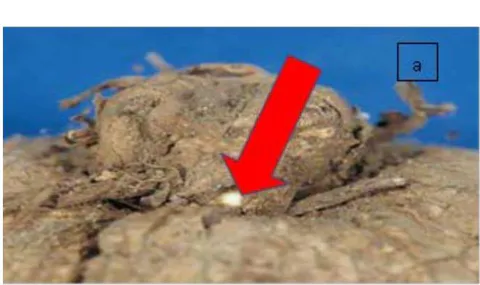
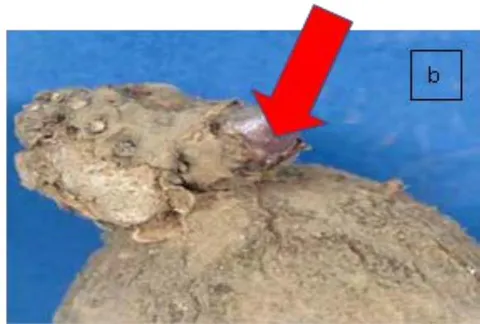
Burkill (26) opined that it was during the evolution of the edible Dioscoreas that the thickening and lobing of the ancestral rhizome gave way to a well development tuber system. With the loss of axillary buds of the rhizome, the primary thickening meristem became the site of renewed shoot growth during tuber dormancy release. This activity leads majorly to the production of a shoot and a modifiedied node (PNC) which is the vestige of the ancestral rhizome and is the site of roots and tuber origin in plants. However, it has been reported that every node of Dioscorea including the cotyledonary node of the germinating seedling and calyptral node of the germinating tuber have the capacity to produce the vestigial rhizome-PNC (24). It seems that during phylogenic partial separation of Dioscorea from perennial to annual crops, the perennial potentials of the degenerated rhizome were retained in the vestigial PNC, while the new developing tuber assumes the storage role. Figure 1 shows different stages of shoot emergence from primary nodal complex.
Structurally, PNC provides a vascular connection between the developing vine shoots and the mother tuber, the store reserve and later when the vine becomes established and start photosynthesizing and the mother tuber gives a way for new developing tuber, the vestigial PNC again connects the developing tuber and the photosynthesizing vine shoot. Primary nodal complex therefore, serves as the physical link between the new plant, its perennialization and sturge organs in an annual growth habit. Anatomically, there appears to be a direct meristematic continuity between the primary thickening meristem of the mother tuber, the apical meristem of new vine shoot, the PNC meristem and the primary thickening meristem of the new developing tuber being produced from PNC (24).
If the PNC or the head corm as it is also called is analogous with tuberous tissue produced by the embryonic hypocotyl and axillary tissue in vine cuttings as earlier suggested (24), then this meristematic continuity might be traced back to the rooting stem cutting and the seedling which is broken only by the mature tissue separating meristematic cells of the axillary tissue in the germinating stem cutting from vascular cambium of the stem. Thus, the yam tuber is unique is among organs of vegetative propagation because it does not contain a pre-formed bud, but has a layer of meristematic cells within the tuber cortex with the potentials of generating new plants. These cells also represent a remarkable meristematic continuity between plants of different generations with the PNC as the central organ in the continuity. Therefore, it is important that more research attention should be given to this organ through more intensive studies on the improvement yam species, particularly in the development of systems for producing cheap planting material by its multiplication which will ameliorate the impact of seed yam scarcity in yam production system and also significantly reduce long period of tuber dormancy by manipulating the meristems in the PNC at which germination also originate. Such research should also aim at building on the "tuber milking" technique of traditional yam farmers in West Africa.
b) Phases of dormancy in Yams
Dormant yam tubers are unique and in contrast to other crops such as; onion (Allium cepa) ococoyam (Colocasia esculenta L.) and potatoes (Solanum tuberosum) in some ways. Yams do not have any internal or external apical shoot buds or sprouts, but have a layer of meristematic cells below the surface of the tuber (24). Onwueme, (27) and Wickham et al, (24) have shown that at the resumption of active growth, shoot apical bud formation begins in this meristematic cell layer, long before any external shoot bud/ sprout is visible on the tuber surface. Implied that the processes which culminate on the surface appearance of tuber shoot bud start long before the physical appearance of shoot bud.
According to Ile et al, (28) dormancy in yam tubers occurs in phases: the long phase I of dormancy (the period from tuber physiological maturity to the formation of tuber germinating meristem-TGM, which is up to 200 days). Phase II, this is the period from TGM to the initiation of foliar primordium-IFP, which is about 40 days long. Thirdly a short Phase III; the period from IFP to the physical appearance of shoot bud (ASB) on the surface of the tuber, which is only about 10 days. Shortening the period under Phase I would be useful in developing yam genotypes with reduced period of dormancy.
The two key approaches that have been suggested for solving the problem of dormancy in yam are: (1) induction of early sprouting through the prevention/inhibition of the initiation of dormancy in yam tuber such that shoot growth/sprout can resume soon after tuber formation. (2) Shortening of the duration of dormancy such that shoot growth/sprouting can resume soon after physiological maturity (180-200 days after vine emergence). From the Ile, et al., (28), it is clear that a promising approach to solving the problem of yam tuber dormancy is one that is targeted at the long phase one the TGM which also coincides with the duration of endo-dormancy that is controlled as stated earlier by internal physiological and genetic factors. This phase is not influenced by environmental cues, implying that they are strictly controlled by physiological/genetic factors.
c) Induction and duration of dormancy in yam tuber
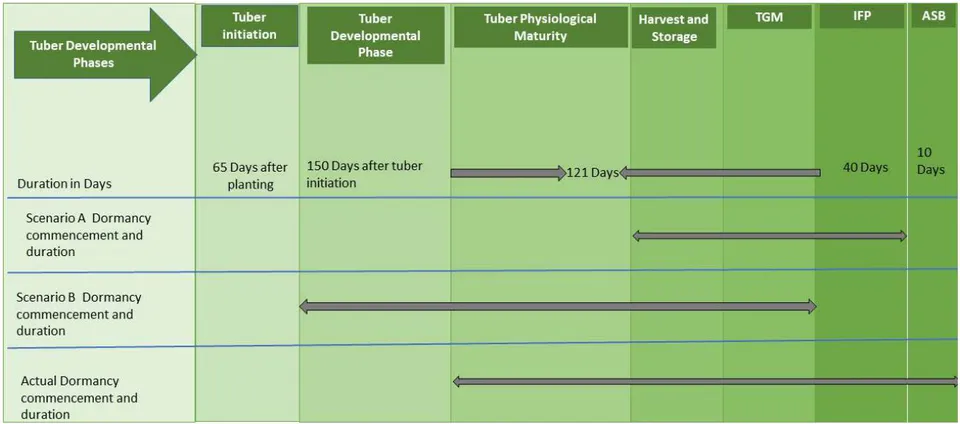
There are two contrasting schools of thoughts (scenarios) on the induction/development of dormancy in yam tubers (22). Scenario A postulates that dormancy commences during tuber maturity or vine senescence/onset of the dry season and end at sprouting. In contrast, scenario B, opines that dormancy commences much earlier during the early tuber development, and ends with sprouting. This section highlights on these scenarios and their effects on: (1) the accuracy and consistency in the duration of dormancy often presented, (2) the design of research targeted at reducing yam tuber dormancy duration, (3) the timing of treatment application, and (4) the extent to which the length of the dormant period can be reduced.
i. Scenario A
Scenarios A is consistent with the long-standing definition; that dormancy is an adaptive mechanism developed for survival in adverse weather conditions, in this case, the dry season of the tropics. Also, in agreement with this scenario are the results of some published findings (15, 29, 30) which showed that there is a slowing down of metabolic activities in tubers with the start of the dry season. For instance, tubers that are harvested at vine senescence exhibit a reduced rate of respiration, and reduced starch and sugar metabolism. They contain high concentrations of growth-inhibiting substances, etc., with the reverse occurring at the end of dormancy/resumption of sprouting. It is important to note that in most of these studies, the experimental tubers were harvested at the attainment of tuber maturity or at best only a few days before this stage and the period covered is until the visible end of dormancy (sprouting). As such, the studies have provided information only on changes occurring from the defined time of harvest until sprouting.
Based on the definition in scenario A, therefore, the duration of dormancy can range from 50 to 150 days, even for the same variety, this is largely inconsistent. Some reasons for such wide variation relate to the ambiguous nature of the terms; tuber maturity and sprouting, which consequently allows the use of varied dates of tuber harvest and varied signs of sprouting. Hamadina, (22), investigated how these factors, as well as differences in species/varieties, and poorly defined/poor knowledge of environmental conditions in postharvest storage, can result in an inconsistent in duration of dormancy. The findings of this study concluded that the duration of dormancy is long and highly variable, and the variability in the duration of dormancy highlights the need for researchers to define terms clearly and describe all conditions experienced by tubers during storage and the growing season. There is no evidence that the variability in the duration of dormancy within varieties of . rotundata "indigenous" to distinct agroecological zones in Nigeria, is due to inherent adaptation to their agroecology of origin/latitude of origin. Tubers, in spite of perceived differences in their agroecology of origin, tend to sprout at about the same time if grown and stored in similar environmental conditions. The growing and storage conditions/agro-ecologies are important factors affecting the duration of dormancy with the effects being as long as 20 days. Based on the effects of exogenous PGRs on the duration of whole tuber dormancy as well as the effects of physical and environmental factors, it is clear that whole tuber dormancy, in the context of scenario A, can be shortened only by about 30 days using agronomic approach.
ii. Scenario B
Some researchers have hypothesized that tuber dormancy does not begin when tubers reach agronomic maturity or leaf/vine senescence, But rather much earlier during early tuber development. This school of thought holds that dormancy begins sometime during tuber development and ends before sprouting (15, 31). This second group suggests that there is a "true" dormancy period (endo-dormancy) that starts during tuber development and ends well before sprouting, being marked by the onset of activity in the meristematic region that leads to the formation of the internal shoot bud (21, 27). Only a few studies have been carried out within the context of this school of thought. Although the reason for this is not clear, it is supposed that scenario B has been unattractive, probably due to the fact that it implies that actively growing and developing tubers exhibit dormancy and sampling growing underground tubers for analysis may be a tedious task. Another reason may be because it implies that yam tuber dormancy (observed in whole harvested tubers) may not arise simply due to the effects of adaptation to a prevalent or impending adverse environmental condition (such as the advent of cold periods in temperate regions and the dry season in tropical regions.) and thereby highlighting the fact that genetics is much involved in the mechanisms regulating tuber dormancy. The consequence of limited research in this area implies that the factors that affect the initiation and duration of dormancy are not clearly understood and evidence that elucidates its control mechanism(s) is more than ecophysiological factors as suggested by scenario A.
Again, Hamadina (22) findings concluded that; Dormancy commences much earlier, during tuber initiation and development, rather than later. The duration of this dormancy is much longer than its estimation under Scenario A and covers a larger part if not all of the period of dormancy. The difference in the duration of dormancy/timing of sprouting among landraces of . rotundata is not related simply to provenance/adaptation to the agroecology of origin, i.e., durations of the dry or rainy season, but instead the duration of dormancy varied, depending on genotype, growing and storage conditions. Inductive environmental and endogenous factors, such as air temperature, photoperiod, relative humidity, and exogenously applied/endogenous PGRs, etc., can slightly shorten the duration of dormancy. From this school of thought, yam tuber dormancy seems to be regulated more by genetic factors than environmental factors. Therefore, this scenario tends to be more wholistic in viewing of yam tuber dormancy induction. However, its deficiency lies on the fact that even Hamadina (22) established that some of tuber initiating and development phytohormones (endogenous PGRs) also have dormancy inducive effects; inhibiting
sprouting even on physiologically mature tuber and these substances are in their peak concentrations during tuber development and gradually decrease, even after the tuber development has come to an end and tubers attain maturity. This implies that phytohormones involve in tuber initiation, growth and development are also part of the hormones involve in tuber dormancy induction and maintenance, this might be the tuber internal mechanism of ensuring that growing tuber cannot initiated sprouting process which will limit its growth potential and as well affect it food quality. The pictorial summary of the postulations of the two scenarios of dormancy induction and duration n yam tuber and actual empirical observation is presented in figure 2 below.
It is necessary to find the agronomical ideal time of commencement and duration of tuber dormancy in order to design research towards its efficient management. This will lead to striking a balance between the two schools of thought, even though, each of them has its merit, but fact remains that an ideal definition lies somewhere in the middle. As already stated here, tuber initiating and development hormones are also dormancy inducing or sprouting inhibiting substances, it implies that tubers are at early developmental stages are designed to be dormant, therefore, tubers are produced dormant and the production hormonal machinery helps to maintain that dormancy during early development to ensure optimum tuber development, food quality and shelf life. Hence, in designing research targeted at reducing the long tuber dormancy duration, this growth and developmental stages should be excluded, because tilting the concentrations of those tuber developmental PGRs during early tuber development stage in order to induce sprouting at such developmental stage might have some serious negative implications on tuber economic yield, food quality and shelf life.
In view of this, the question of when is agronomically ideal commencement of dormancy induction needs to be answered, to clearly define what part of this long yam tuber dormancy period has constitute a constraint to yam production, productivity and genetic improvement. And this, an average yam researcher and producer will agree that it is from physiological maturity or onset of senescence. If tubers can be made to be able to initiate the processes of sprouting from physiological maturity, a reasonable dormancy period reduction would have been achieved. On the other hand, contrary to the position of first school of thought (scenario A) which seems to be inferring that yam tuber dormancy is absolutely controlled by environmental and eco-physiological factors, scenario B position which concluded that genetics and storage condition instead of only environmental and ecophysiological factors are regulating the duration of endodormancy is more accurate from the findings of Hamadina (22). Hence, it could be concluded that accurate definition of the commencement of dormancy induction is when supply of metabolites and photosynthates from source sites (photosynthesizing vegetative parts) to sink (tuber; the storage organ) is terminated. And this always coincide with the commencement of leaves/vines senescence, indicating that tuber filling has stop, thus marking the end of tuber growth and development. A growing tuber, even though it lacks differentiated meristematic cells and is incapable of sprouting, cannot be described as a dormant tuber either as scenario B postulated because the hormonal machinery involve in tuber growth and development are also sprout growth inhibitors and as such will not permit sprouting of growing tuber.
d) Anatomical basis of yam tuber dormancy
The cellular anatomical structure of yam tuber is quite striking and it influences every physiological process in the tuber. Studies on cellular anatomical structure of yam tuber have revealed distinct fragmented pattern which was linked to tubers ability to germinate and grow new plants (32). Generally, in cellular anatomic structure of yam tuber there are five major identifiable regions and additional one region conspicuous only in D. alata (33). Each of these anatomical regions performs one or more cellular physiological functions that drive the whole plant phenotype including determination of yam tuber dormancy. The anatomical structure is organized in the following layers: (1) Cork layers comprising of primary and secondary cork layers. It is an average of 5.05 layers of suberized corky cells tangentially elongated and disposed in radial series, the inner layers being often compacted against a basic cambial layer. It performs mainly the functions of mechanical protection and providing firm frame, as well as regulating respiratory and hydric economy of food stores. (2) Cambium layer; this is located at the outer cortex and sub-apical meristem and it performs the function of sensor cells by relaying information through and fro from the inner cortex to the outer region. (3) Cortical parenchyma; this layer contains more or less tangentially elongated cells with secretory and raphide cells. It serves mainly as the store house, packs of grana and starch grains. (4) Procambium; This is an area of sheath and lengthening cells like layer. It is involved in the tissue conductivity (24).
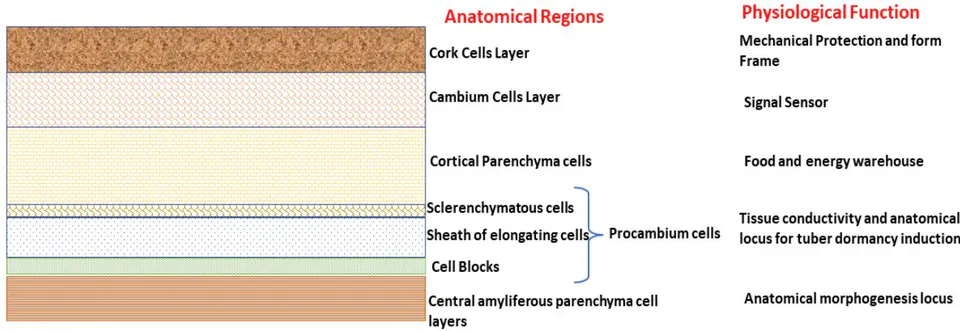
Procambium layer also contains individual cell blocks that function as organizing pole structure and determine growth and morphogenesis. they can be compared to the undifferentiated embryo of some conventional seeds, and are located in the main part of tuber cellular anatomic structure of mature tuber between harvest and germination, where they maintain a kind of embryonic dormancy and also determine other organogenetic processes(24). In fact, this particular layer has been described as a centre for species diversity and site for growth initiation and multiplication in any tuber. Hence, the individual cell blocks in procambium can be described as cellular anatomical locus for dormancy trait. According to Wickham, et al (24) the general presence of generative cell blocks offers histological basis for the structural and dynamic analysis of the tuber multiplication.
In . alata procambium layer equally contains thick layer of distinct sclerenchymatous cells which is the main centre of specie specific diversity. According to Boureau, (34) it contains something like the "transfusion tissue" which play the role of water conservation in the tubers of . alata, and their cell wall punctuation and the vascular bundles vicinity are good for its function. It was also suggested to be the factor that conferred wide ecological adaptation and dispersion potentials on .
alata (35). (5) Central amyliferous parenchyma is a layer of vascular bundles of cells growing in size outwards, but often blocked by individual cell blocks in procambium layer above it. It contains calcium oxalate and tannin cells and also play roles in osmotic pressure balance (33), and modifies the respiratory quotient and detoxify the system. It is speculated to be linked with a high metabolic activity, which is indicated by the multiplication of raphides in the growing zones (36). Figure 3 above shows the schematic diagram of anatomic structure of dormant tuber, depicting the anatomical mechanism of dormancy induction in yam
III. REGULATION OF DORMANCY IN YAM TUBERS
Yam tubers enter into dormancy enduring tuber bulking and vine senescing. The longevity of dormancy depends on levels of phytohormones, the crosstalk between them, intricate genetic regulatory networks, as well as environmental cues (37). For decades, some molecular and physiological surveys have revealed that different hormonal pathways regulate different aspects of tuber development (38-41). Though, these studies were conducted on other crops, however, an evolutionary survey has revealed strong similarities between Arabidopsis, tomato and potato in hormonal dynamics, crosstalk, signaling pathways and the networks regulating seed and tuber dormancy, indicating conserved evolutionary processes across a wide spectrum of plants (38). Since potato and yam tubers share very close physiological and morphogenetical communalities, it is believed that the molecular and physiological machineries regulating dormancy in the two crops will be similar, some specie specific different notwithstanding. Therefore, due to lack of information on molecular and physiological mechanisms regulating yam tuber dormancy, information on potato tuber will be adapted in discussing yam tuber dormancy here. It is now clear that abscisic acid (ABA) gibberellins (GAs), auxins, and to lesser extent cytokinins (CKs) and ethylene (ET), are the main phytohormones that play key roles in molecular and physiological regulation of dormancy in both conventional seeds, tubers, rhizomes and bulbs (37, 42-46) While crosstalk between the main stream regulatory hormones signal networks and some other phytohormones like strigolactones, brassino-sterioids jasmonic acid salcylic acid also play some roles (47). There is also sugar metabolism and the signaling crosstalk with phytohormones in dormancy regulation in several crops(48-50). However, in this review due to want of space, discussion will be limited to three main phytohormones (ABA, Auxins, GAs) and Sugars metabolism and the crosstalk between sugar signaling pathways and hormones regulatory networks.
a) Abscisic acid mediated regulation of dormancy
In conventional seeds, at maturation the embryo is kept in a quiescent state in which all nutrients are stored without any mobilization and no cell division or elongation takes place. Hence, germination-promoting genes are not activated, this is because the radicle does not penetrate the testa and endosperm, where it can access sugar for energy and nutrients required to initiate growth processes (51). Similarly, in non-conventional seed like yam tuber, similar phenomenon also takes place, for instance in mature dormant tuber the anatomical structure presented in (fig 2) above revealed that at maturity; the procambium region which is responsible for growth, morphogenesis and tissues conductivity is separated from central amyliferous parenchyma layer (the food and nutrient warehouse of tuber) by a layer of cell blocks and as long as this block is maintained, dormancy is maintained and germination is blocked. Because for the processes of germination to be initiated the procambium cells must gain access to the amyliferous parenchyma layer to transport nutrients and sugar that will provide the required energy to initiate the processes at the upper region. Therefore, procambium, cell blocks and central amyliferous parenchyma can be likened to be radicle, tasta and endosperm of tuber seed. It has been demonstrated that the chromatin structure determines the expression of genes and thereby regulates several developmental processes (51). Many genes associated with chromatin remodeling have been reported to regulate also seed dormancy and germination (37, 52-54). Evidence indicates that abscisic acid (ABA) is involve in chromatin remodeling (55). For example, the histone methyltransferase gene KYP/SUVH4 is repressed by ABA(53), while histone acetyltransferase gene HvGNAT/MYST is induced by ABA (56), and as expected epigenetic regulating genes HUB1 and RDO2 are up-regulated during seed dormancy induction. This is because during dormancy the cell is not undergoing cell division and the chromosomes are tightly packed by histone proteins, therefore, activation of histone proteins will likely be repressed by any factor that positively influence dormancy induction and maintenance such as ABA and other phytohormones.
ABA is derived from epoxycarotenoid cleavage and is one of the most important plant hormones, with most versatile roles in various physiological functions of plants such as; transpiration, dormancy induction, maintenance and germination and improved resistance to extreme environmental stress during plant development (57-59). Maternal ABA has been reported to play a key role in embryo morphogenesis and desiccation, stomatal movement, synthesis of stress proteins and metabolites and seed maturation in tobacco and Arabidopsis (41, 60, 61). However, ABA is also de novo synthesized in embryo and testa and accumulates during embryo development, seed maturation, and facilitates late seed maturation processes, synthesis of storage proteins to prevent seed abortion, induce primary dormancy and as well as allows successful germination of the successive seedling (62). Kanno et al (63) demonstrated that ABA synthesized in both maternal and zygotic tissues during seed development, and maternal ABA can be translocated to the embryos and induced seed dormancy. ABA deficient mutants of maize (Zee Mays), Arabidopsis and tomato (Solanum lycopersicum), rice (Oryza sativa) and Nicotiana tobacco lost their dormancy potential and resulted in precocious seed germination and viviparity (64-67). Liu, et al (66) further demonstrated that exogenous application of ABA in three rice cultivars positively correlated with their seed dormancy. Similarly, results of analysis of endogenous ABA content in vegetive reproductive organs have revealed that ABA plays key role in bulbs, root and tuber dormancy induction and maintenance (37, 44, 68). For instance, combined analysis of transcriptome and targeted metabolome has revealed that in lily bulbs, AB13 and AB15 which are both necessary precursors for ABA induced AtWRKY2 expression which reduced dormancy duration, while AtWRKY2 knockout mutant bulbs exhibited increased dormancy duration under ABA high content (69). The AtWRKY2 expression induction by AB13 and AB15 which lead to bulbs dormancy duration reduction may be as a result of rate limiting feedback mechanism of these ABA precursors that might negatively regulated some of signal pathways which were corrected by AtWRKY2 knockout and exogenous ABA treatment. ABA has also been implicated in dormancy induction and maintenance in barley seed (70). Analysis of ABA deficient or insensitive mutants of various barley species that exhibit short dormancy duration or pre-harvest sprouting has provided strong evidence that ABA is involve in dormancy initiation during barley seed development (71, 72). The growth inhibitory activity of ABA has also been reported in standard ABA bioassays of crops such as the Avena cepa, wheat coleoptile and lettuce hypocotyl (73, 74).
Other studies have shown that NAC family is involved in regulating multiple hormones signaling pathways some of which negatively influence ABA dormancy induction. It has been reported that GhNAC83 affects the dormancy of gladiolus bulbs by negatively regulating ABA signal transduction and cytokinin biosynthesis (75). Also, Kim et al, (76) reported that ABA controls dormancy and bulb formation in lily plants, whereas, fluridone (ABA inhibitor) prevents dormancy induction when both of them were separately applied exogenously. Similarly, it has been demonstrated that ABA controls dormancy induction in onion bulbs, but not involve in onion bulb formation as decreased level of ABA by fluridone application did not affect the formation bulbs scales (46), but reduced dormancy duration. Furthermore, Alamar, et al, (44) concluded that ABA and its metabolites (phasic acid) induced and prolonged onion bulb dormancy under ethylene supplementation. In potato tuber, ABA has been reported to be involved in regulation of dormancy induction and wound healing (77, 78). ABA content was observed to be highest immediately after harvest when meristem dormancy is deepest, and gradually fall during storage as dormancy weakens (77). Similarly, it has been demonstrated that ABA play key role in mediating potato dormancy which has been well characterized in meristematic tissue and it is shown that ABA accumulation reaches maximum during tuber and dormancy induction and declining of ABA content was shown to be the determinant factor in potato tuber dormancy breaking (79-81). Recently, Tosetti et al,(43) also demonstrated that parenchymatic tissue ABA content reached maximum at onset of vine senescing which coincides with the onset of dormancy induction, but was rapidly decreased by continuous ethylene treatment which led to earlier dormancy breaking. Implying that ethylene antagonistically prevents the ABA dormancy induction in potato tuber.
Most of the studies on yam tuber hormonal control of dormancy have concentrated mainly on abscisic acid (ABA) related analogues compounds such as phenolic growth inhibitors and in particular batatasins. Batatasins belong to the phenolic class stillbenoids. They occur naturally in many plant species exhibiting dormancy. In Dioscorea, they have been isolated in D. alata, D. cayenensis, and D. opposite (73, 82). They are more concentrated in the peel, (the region closest to the meristematic layer where sprouts originate) than in the pulp. By isolating these compounds over time, it has been revealed that the concentration of batatasins increased from 150 days after planting, attaining a maximum at tuber maturity, when tubers are declared dormant (83), then declined gradually until sprouting (73, 82, 83). Exogenous application of batatasins I, II, III, IV, and V have inhibited the growth of shoot and buds in potato and other plants, delayed the appearance of shoot and buds in some yam spp., for example, D. alata, D. cayenensis, and D. esculenta by about 15 days (83-85). In D.alata, the true dormant period (endodormancy) has been estimated to be about 220 days which begins from the onset of tuber induction to appearance of tuber germination meristems (TGM) and is not affected by PGRs. But in D. alata specie, seed tuber duration of this long endodormancy period has been drastically shortened by fluridone (an ABA biosynthesis inhibitor) to extent that still growing tuber started showing anatomical signs of germination (86). Also, Hamadina and Craufurd (87) reported that the level of phenolic compounds increased in D. rotundata is higher in developing tubers than at tuber maturity/ vine senescence, implying that this compound is also involved in the tuber development.
i. Role of ABA biosynthetic genes in inducing dormancy
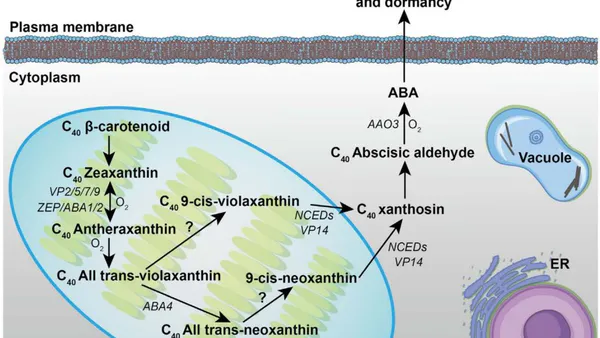
ABA is synthesized from epoxycarotenoids cleavage (zeaxanthin, violaxanthin, and neoxanthin) which is often initiated in the chloroplast and proceed to cytoplasm, its biosynthesis, signaling and degradation genes have been reported to play important roles in dormancy induction, maintenance and release (42). There are three groups of genes that have reported to be involved in the stepwise ABA biosynthesis which include; Zeaxanthin Epoxidation (Zep), Oxidative Cleavage of 9-Cis-Epoxycarotenoids (Nced) and Abscisic Aldehyde Oxidation (Aao)(88). The first step of ABA biosynthesis is the conversion of zeaxanthin to all-transviolarxanthin, catalyzed by the zeaxanthin epoxidase (ZEP)(89). Antheraxanthin is formed as an intermediate product of the reaction. Then, the conversion of all-trans-volaxanthin to 9-cis-violaxanthin or 9-cis-neoxanthin mediated by yet to be identified enzymes(90). The oxidative cleavage of 9-cisviolaxanthin and or/ 9-cis-neoxanthin is catalyzed by 9-cis-epoxy carotenoid (NECD) which leads to the formation of a product, xanthoxin and a metabolite in a reaction which has been described as rate limiting step and NCED is the key enzyme in the biosynthetic pathway(89). The NCED family of genes comprises of NCED1-9. The next ABA biosynthetic step takes place in cystol in which Xanthoxin formed earlier is converted to ABA through two enzymatic reactions. In the first reaction, xanthoxin is converted to abscisic acid aldehyde by an enzyme belonging to short-chain dehydrogenase/reductase (SDR) family, the gene responsible for these reactions has been identified as ABSCISIC ACID INSENSITIVE (ABI) which comprises of ABI2, AB13, ABI4 and ABI5. These are the signaling genes that are responsible for ABA dormancy induction and maintenance capability, however, among them, AB13 is outstanding in this function as expression of its transcripts has been reported to be highest in dormant seed and decrease after germination (88). The second Xanthoxin conversion reaction and final step of ABA biosynthesis is the oxidation of abscisic aldehyde to ABA, catalyzed by an abscisic aldehyde oxidase (AAO) (91). ABA biosynthetic pathway is important because it reveals different genes involved the ABA biosynthesis and provides various points of the biosynthetic pathway that can be manipulated to effectively reduce the effects of ABA on dormancy maintenance through genetic engineering. For instance, the ZEP/ABA were first to be identified in Arabidopsis thaliana and Nicotiana plimbaginifolia (42, 89, 92).
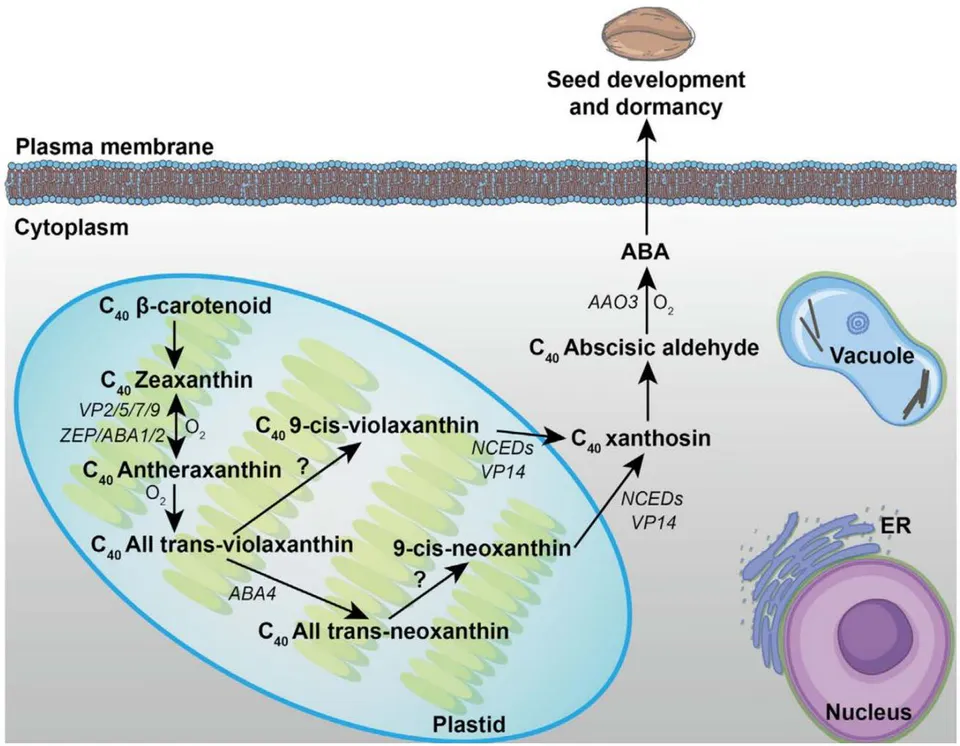
Their ABA deficient mutants with (aba1/aba2) exhibited impaired oxidation of zeaxanthin into antheraxanthin and violaxanthin which is the initial step of ABA biosynthesis (Fig3). Similarly, n rice, viviparous mutant genotype was identified to exhibit viviparous germination as a result of defect in the oxidation of zeaxanthin during ABA synthesis (93). In maize, different auxotrophic mutants (vp2, vp5, vp7 and vp9) have been identified through genetic screening and they exhibit defects in zeaxanthin epoxidase activity and block the early steps of carotenoid biosynthesis (42). Whereas, overexpression of maize VP1 in wheat induced increased duration of seed dormancy and prevented pre-harvest sprouting (92). All these provided evidence that the oxidation of zeaxanthin is an important, and a conservative phase in the ABA synthesis in plants. Another important gene and stage of ABA biosynthesis is the NCEDs and the conversion of all-trans-violaxanthin to 9-cis-violaxanthin or 9-cis-neoxanthin. NCED9 was first cloned from maize mutant VP14, the VP14 mutant which exhibited defect in the oxidation of all-trans- violaxanthin to 9-cis-violaxanthin or 9-cis-neoxanthin and exhibited reduced ABA content in matured seed and consequently has reduced dormancy duration (42). In Arabidopsis NCED2, NCED3, NCED5, NCED6, and NCED9 have been identified as the homologs of VP14 participating in the rate-limiting step of ABA biosynthesis (94). Also, the PvNCED1. LeNCED1 and BdNCED1 were identified in bean, tomato, and Brachypodium distachyon, respectively and they showed important roles in ABA biosynthesis and seed development and dormancy induction (95). These studies have provided evidence that the oxidative cleavage of xanthophylls is the main step during ABA biosynthesis regulation of seed development and dormancy. Mutants facca and sittens, which are defective in abscisic aldehyde oxidatively conversion into ABA were first identified in tomato, and later abscisic aldehyde oxidase3 (AAO3) was identified in Arabidopsis which functions in the last steps of ABA biosynthesis in seed and its expression was also observed in the embryo vascular tissues during mid and late maturation phases (89, 91). Figure 4
shows ABA biosynthesis from carotenoid pathway and dormancy induction mechanism.
ii. Roles ABA signaling networks in dormancy regulation
ABA signaling networks also play vital roles in dormancy induction, maintenance and releasing. The core ABA signaling involve in dormancy induction is mediated by pyrabactin resistance proteins/PyR-like proteins/regulatory components of ABA receptor (PYR/PYL/RCAR), phosphatase 2C (PP2C), SNF1-related protein Kinase 2 (SnRK2), and abscisic acid responsive elements-binding factors (AREB) and basic leucine zipper(bZIP) transcription factors (96-98). In Arabidopsis, ABA signaling genes are also implicated in seed dormancy regulation, for instance, ABA sensitive 1 (ABI1) encodes PP2C phosphatase, and negatively regulated ABA signaling (99). It has been reported that ABI1 loss of function mutant (abi1) exhibited reduced dormancy duration and better seed germination in the presence of optimum ABA content level(100), this could be attributed to lack of ABI1 function in the system and thereby confirm that ABI1 is required for ABA-mediated dormancy induction and that ABA signaling regulatory genes also play key roles. Other PP2C phosphatase, HONSU(HON), also represses ABA signaling specifically in seed, HON expression is associated with both, dormancy induction and releasing (101), it seems to act in rate-limiting manner that enables it to induce both dormancy and dormancy release. Among the ABI genes, ABI3 is the most influential in dormancy induction, and it is expressed in the growing seeds, where it regulates the accumulation of chlorophyll, anthocyanins, and storage proteins together with two other seed-related regulators such as; FUSCA 3 (FUS3) and leafy cotyledon 1 (LEC1) (95, 102). Loss of function mutant of ABI3 (abi3) has been reported to show no dormancy at all and immature seeds are able to germinate (103). ABI3 is regulated by WRKY DNA-binding protein 41 (WRKY41), during seed primary dormancy induction WRYK41 binds directly to ABI3 promoter and to induce its expression (104). The ABA biosynthetic pathway offers opportunity to understand an active ABA pool during plant development that is controlled by various homologous genes. Identification of cofactors of the enzymatic reactions in the ABA biosynthetic pathway would be helpful in understanding of the complete networks of ABA synthesis and offer opportunity for effective dormancy duration manipulation in long duration dormant crop like yam tuber through genetic engineering.
b) Role of Gibberellic Acid (GA) in dormancy regulation
Gibberellins are phytohormones that comprise of a large family of diterpenoids which possess tetracyclic ent-gibberellane carbon skeletal structure arranged in either four or five ring systems, where the variable fifth ring is a lactone (105). GA promotes seed dormancy release and germination, and its biosynthesis and responses are highly coordinated during dormancy releasing process (106). Activation of GA-responsive genes induces cell wall- remodeling enzymes, such as, as endo- -mannase, xyloglucan endotransglycolase, expansin, and -1,3-mannase. Their activity leads to the weakening of the embryo-surrounding layers, and thereby stimulate growth in the embryo (92). The complex regulatory events in GA signaling pathway include cross talk with other hormones, environmental signals and regulation of genes involved in promoting cell elongation and division (107). Accumulation of GA in the radicle of embryo is accompanied by a reduction in ABA content suggesting GA and ABA antagonistic roles in dormancy regulation (108).
i. GA metabolism and dormancy regulation
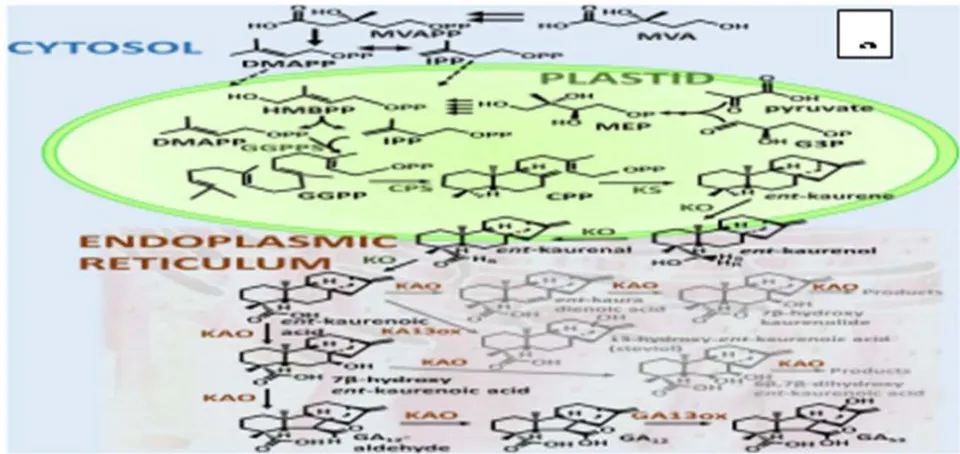
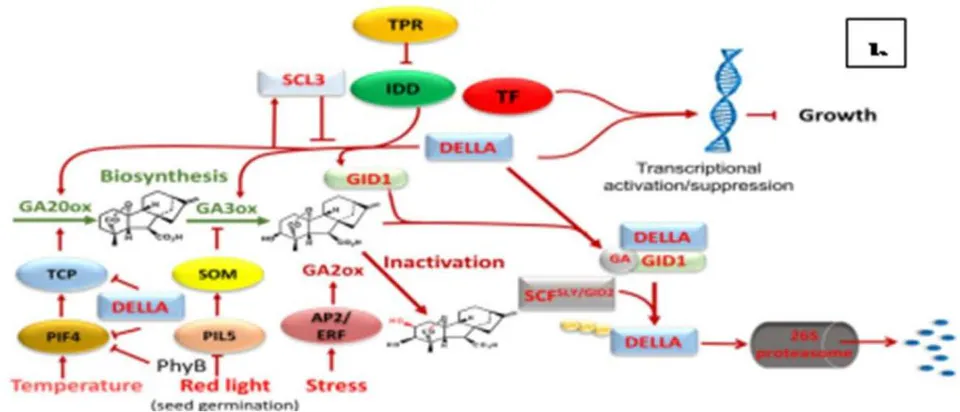
The biosynthetic pathway of GAs starts from geranyl-geranyl diphosphate (GGDP) through pentenyl diphosphate (IPP), which is the 5-carbon building block for all terpenoid /isoprenoid compounds (109). Figure 5a below shows the GAs biosynthetic pathway, indicating the stepwise molecular processes, while 5b indicates the perception of environmental signals by the GAs biosynthetic pathway and crosstalk with other protein molecules in dormancy regulation. The basic isoprenoid unit IPP is generated via two pathways: mevalomic acid (MVA) pathway in cytoplasm and methyl erythritophosphate (MEP) pathway in plastids (105, 110). The full route is divided into three stages according to their subcellular compartment and enzymes involved. The two-step conversion of GGDP to ent-Kaurene is catalyzed by ent-copaly di-phosphate synthase (CPS) and ent-Kaurene synthase (KS) (105). Both enzymes have been reported to be encoded by single locus in Arabidopsis (GA1 and GA2) respectively and in rice (OsCPS1 and OsKS1) respectively, while in pumpkin (cucucurbita maxima L.) only one gene coding for KS has been identified (111-113). Conversion of ent-Kaurene into -aldehyde is catalyzed by the KO and KAO enzymes. In Arabidopsis, one single KO gene (GA3) and two KAO genes (KAO1 and KAO2) have been identified and functionally characterized, where their loss of function mutant (ga3) exhibited growth delay in germination and defective growth phenotype (114). In rice, mutations in the OsKO2 resulted in severe GA-deficiency, prolong dormancy and dwarfism (115), whereas, in maize (zea mays) two putative KO genes have been identified and CYP701A26 was characterized to exhibit ent-Kaurene oxidase activity which led to increase in the accumulation bioactive GAs and consequently resulted in reduction of dormancy duration, while in barley, one single KAO gene which exhibited similar trit phenotype was found (105, 116).
Contrary to previous observations, two KAO genes have been identified in Pea, but one exhibits previously observed phenotype, while the second was constitutively expressed in developing seeds (117), suggesting that GAs may be playing a role in pea seed development. The oxidization of -aldehyde to which is primary precursor of bioactive GAs in plant is catalyzed by dioxogenase (GA 7-oxidase, (GA7ox) (105). The conversion of to is executed through two parallel routes: early 13-hydroxylation and non-13-hydroxylation pathways. In rice, the early 13-hydroxylation pathway involves the activity of 13-hydroxylases which are coded by CYP714b1 and CYP714B2 genes (118), and it has been suggested that the early step could be rate limiting feedback mechanism that checks the growth inducing action of GAs as its over expression resulted GA-deactivation consequently to delay in seed germination and reduced growth in shoot.
Transformations of to is catalyzed by two soluble 2-oxoglutarate-dependent dioxygenases (2ODDS) known as GA20-oxidase (GA20ox) and GA 3-oxidase (GA3ox) (119, 120). Expression of these genes have resulted in reduced dormancy duration phenotype and were also observed to be constitutively expressed in the regions of active growth such as shoot, root and flower initiating organs in several crops (105, 121-124). GA signaling is known to be regulated by a group of repressors called DELLA proteins, including repressor of ga1-3 (RGA), GAINSENSITIVE (GA1) and repressor of ga1-3-like1/2/3 (RGL1/2/3) (106). Among these, RGL2 seems to be the major DELLA factor involved in repression of GAs activity and seed germination. Studies have shown that RGL2 stimulates ABA biosynthesis by inducing the expression of XER/CO and ABI5, whereas, ABA enhances RGL2 expression (125, 126), indicating that RGL2 mediates the interaction between GA and ABA in dormancy regulation.
c) Role of Auxins in dormancy regulation
Auxin is an exceptional plant hormone, it is the only that controls its own long-distance transport system, and it affects all aspects of plant life, including embryo development, cell division and differentiation, general plant architecture and orientation in space, stress responses and tuber wound healing (47, 127). Indole-3-acetic acid (IAA) is the common natural occurring form of auxins in plants, but other natural (4-chloroindole-3-acetic acid, 4-Cl--IAA; phenylacetic; PAA) and synthetic (1-naphthaleneacetic acid, NAA; 2,4-dichlorophenoxyacetic acid, 2, 4-D) etc., also exist (128).
Auxin alone was not previously considered an important regulator of seed dormancy and germination. Earlier studies have suggested that exogenous auxin can suppress seed germination under saline stress conditions (129), implying that auxin plays regulatory role in seed germination in response to environmental cues. It has been reported that IAA could inhibit Preharvest sprouting in wheat through ABA repression of embryonic axis elongation by stimulating auxin signaling (130, 131). Another study suggested that after-ripening treatment-mediated dormancy release is correlated with decreased seed sensitivity to auxin (132), suggesting that the after-ripening might have deactivated auxin biosynthetic pathway or signaling network.
The exact mechanism underlying auxin action on seed dormancy is largely unknown until recently. Genetic data has demonstrated that auxin regulates seed dormancy via the ABA signaling pathway. Auxin responsive factors (ARFs); specifically, ARF10 and ARF16 have been reported to indirectly activate ABI3 transcription and ABI3 is the key dormancy inducing ABA biosynthetic transcription factor, therefore, activating ABI3 will result in increased ABA accumulation and consequently dormancy induction (122). Furthermore, another study has revealed that seeds of Arabidopsis abi4 and abi5 mutants are insensitive to auxin treatment during germination indicating that ABI4 and ABI5 are important regulators of auxin-mediated dormancy induction and maintenance (133, 134). The synergistic effects of IAA and ABA on seed dormancy was also demonstrated by the loss of function of mutant abi3-1 which exhibited reduced dormancy phenotype in the presence of optimum IAA concentration (135). Similarly, intense seed dormancy and ABA hypersensitivity of the iaaM-OX line were compromised in the iaaM-OX/abi3 double mutant confirming that the synergistic effect of IAA/ABI3 is required for auxin seed dormancy induction (136). Furthermore, seed dormancy and ABA sensitivity was also compromised in mARF16/abi3 double mutant suggesting that mutual action of auxin response factor 16 and ABA transcription factor ABI3 also play role in dormancy induction (51). Also, it has been reported that auxin induced high accumulation of protein during seed germination acted downstream of to inhibit the seed germination which indicate that auxin enhancement of seed dormancy and -dependent ABA seed germination inhibition (132). Hussain et al (88) reported that auxin signaling repressor; IAA8 promoted seed dormancy release in Arabidopsis by down-regulating of transcription, thereby further establishing that auxin signaling regulates transcription and that auxin signaling/AB13 synergistically inhibit seed germination during dormancy period. The ultimate determinant of dormant status of any part of plant that has potential to germinated is the GA/ABA ration. It has been reported that exogenous auxin treatment repressed soybean seed germination by enhancing ABA biosynthesis, while impairing GA biogenesis, and consequently reduced and ratios ((122). Consistent with this, ABA biosynthesis inhibitor fluridone reversed the dormancy-induction phenotype associated with auxin treatment, while placlobutrazol a GA biosynthesis inhibitor, inhibited seed germination phenotype due to its action on GA biosynthetic pathway(51). Further quantification of GA and ABA under exogenous auxin treatment, showed that auxin significantly increased ABA content, whereas, bioactive and levels were decreased, resulting in significant reduction in and ratios (153). These studies have shown that auxin is exert its influence on dormancy induction and maintenance in plant by mediating ABA and GA biosynthesis and consequently determining the GA/ABA ratio in plant at any point.
| Gene Name | Effect on dormancy | Action Pathways/Signaling Network | Reference |
| ZEP | Induce | Regulates the first step of ABA biosynthesis | (89) |
| NCEDs | Induce | Regulate conversion of all-trans- violaxanthin to 9-cis-voilaxanthin or 9-cis-neoxanthin during biosynthesis | (42) |
| ABIs | Induce | Regulate conversion of xanthoxin to abscisic acid aldehyde | (88) |
| AAO | Induce | Mediate conversion of abscisic acid aldehyde to abscisic acid (ABA) | (91) |
| AREB; PYR/PYL/RCAR; SnRK2; PP2C | Induce | Mediate the core ABA signaling networks | (96-98) |
| GGDP; CPS; KAO, KO; KSI | Break | Regulate different stages of GA biosynthesis | (105, 111, 116) |
| 2ODDS; GA20ox | Break | Mediate GA1/GA4 transformation to GA20/GA9 | (119) |
| ARF10; ARF16 | Induce | Upregulate ABI3 transcription | (122) |
| PIF4 | Induce | Regulate the crosstalk between environmental signals and auxin signaling | (137) |
| RGL2/SPY | Induce | Repress GA activity by stimulating ABA biosynthesis | (125) |
| DOG1 | Induce | Mediate the crosstalk between ABA-GA by upregulating ABI5 transcription and repress GA biosynthesis | (138) |
| SPATULA | Induce | Inhibition of GA biosynthesis | (139) |
| MFT | Induce | Mediate the crosstalk between ABA and BR biosynthesis pathways | (140, 141) |
| BIN2 | Break | Negative regulation of BR signaling network | (142) |
| TaBSK2 | Break | Upregulate BR signaling networks | (143) |
| TaDET2, TaDWF4 | Break | Upregulate Brassinosteroids (BR) biosynthesis | (144) |
| SINL1, SINL2 | Induce | Regulate the expression of Histone proteins transcription factors | (92, 145) |
| ACO | Break | Ethylene biosynthesis | (146) |
| ETR1, EIN2 | Break | Ethylene biosynthesis | (147, 148) |
| WRKY41 | Induce | Upregulation of ABI3 transcription | (104) |
| MYB96 | Induce | Positive regulation of ABI4, NCED2 and NCED6 transcription | (92) |
| CYP707As | Break | Gibberellins' biosynthesis and response to environmental signals (light and photoperiod during dormancy breaking | (115) |
| KYP/SUVH4 | Break | Repression of ABI3 transcription | (53) |
| LDL1,2 | Break | Downregulation of ABI2, ABI3 and ABI5 transcription | (149) |
| YUC | Induce | Auxin biosynthesis | (41) |
| SnRK1 | Induce | Sugar, auxins and ABA regulatory network | (150) |
| C/S1 bZIP | Induce | Low sugar responsive pathways | (151) |
| CYCD3 | Break | Regulate cell cycle | (105, 152) |
In addition, IAA has been shown to be a target of two different histone acetyl transferases, specifically auxin influx carrier LIKE AUXI RESISTANT2 (LAX2) and general control nonderepressible 5 (GCN5), which indicates that the Aux/IAA genes can also be regulated by epigenetic modifications, and epigenetic modifications also play important role in regulating the expression levels of Aux/IAA genes (154), for instance, the transcription factor; PHYTOCHROME INTERACTING FACTOR 4 (PIF4) can promote the expression of IAA19 and IAA29 by directly binding to their promoters to repress the activity of ARF, thereby negatively regulating
phototropism and auxin signaling (137). Studies have revealed that 21 of 29 Aux/IAA genes are the targets of the three PIFs (PIF3, PIF4, PIF5), and 12 Aux/IAA genes are upregulated in response to natural shade and light (155) Fig 4b). These highlight the crucial roles of Aux/IAA genes in auxin-mediated light, photoperiod responses; two environmental signals that greatly influence dormancy induction and duration in crops, especially in tubers. Altogether, it has been demonstrated that auxin is an emerging master key player in dormancy induction, maintenance and seed germination mechanisms in plant, and that its effect is exerted through crosstalk between it, ABA, GA, their biosynthetic pathways and signaling networks, as well as environmental signals (light and photoperiod). This plasticity of means of auxin action will also provide opportunity for effective manipulation of undesirable long dormant phenotype of crop like yam, through genetic engineering by targeting any of the phytohormone biosynthetic pathways or signaling networks regulated by auxin which might not be detrimental to tuber yield and food quality. The table 1 above shows some key genes involve dormancy regulation, the nature of their effect on dormancy and their action pathways that have been reported in many crops. Many of these genes and action pathways have been utilized in genetic engineering the crops of interest to modify their dormancy duration.
d) Roles of sugar metabolism in dormancy regulation
As autotrophic organisms, plants produce sugars in mature photosynthetic parts (source organs) to support storage and growth in sink tissues. These sugars drive growth by serving both as metabolic substrates and as signals that tightly interact with hormonal, environmental, and other metabolic cues to coordinate cell growth in specific tissues with storage and nutrient remobilization (64). In doing so, sugars have been linked to stress responses and growth control mechanisms, and an increasing number of studies also implicate sugar signals in developmental decisions such as dormancy induction, senescence, germination and flowering (156-158). The primary sugars in plants are sucrose, glucose and fructose, while sucrose is the primary product of photosynthesis, glucose and fructose are products of breakdown of sucrose by trehalose-6-phosphate (T6P) (150, 151). However, glucose and sucrose are the main metabolic sugars that are widely distributed in plants, and have been recognized as pivotal in integrating regulatory molecules that control gene expression related to plant metabolism, stress responses, and growth and development. relented processes including seed dormancy, germination, floral transition, fruit ripening, embryogenesis and senescence (43, 151, 159, 160).
Over the years, appreciable progress has been made towards understanding and identifying the dominant plant growth regulatory systems that are influenced mostly by sugars and sugar derived metabolic signals. The sugar signaling pathways in plants can be divided into two groups; (1) those that promote growth and are responsive to optimum sugar availability, include; the hexokinase (HXK) glucose sensor, the trehalose-6-phosphate (T6P) signal, and target rapamycin (TOR) kinase; (2) those that inhibit growth and are responsive to sugar starvation (deficiency) condition include; sucrose non-fermenting 1 related protein kinase (SnRK1) and C/S1 bZIP transcription factors (48, 49, 150, 151, 161, 162). The induction of the later pathway is a response to energy deficient (sugar starvation) situation which results in growth arrest. It can be speculated that the same sugar (sucrose) starvation condition is responsible for tuber dormancy induction at the onset of vine senescence of yam crop, during which sucrose photosynthate translocation from the source (leaves and stem) to sink (tuber) is stopped as a result of senescence, and to maintain life of the tuber without continuous photosynthate sucrose supply, the tuber might resort to activation and adoption of low energy pathways to ensure optimum utilization of the available sugar by maintaining minimum biological activities associated with tuber dormancy. This argument is supported by the fact that two genes (SnRK1; C/S1 bZIP) which are implicated to be positive regulators of the low energy (sugar starving) responsive pathway, have also been implicated to be positive regulators of seed dormancy induction through ABA and auxin/IAA regulatory networks respectively (42, 98, 150, 151, 163).
e) Crosstalk between sugar signaling and phytohormone signaling networks in dormancy regulation
There have been reports about the existing crosstalk between the sugar growth promoting and inhibiting pathways and phytohormone signaling networks which systematically coordinate the molecular; biochemical; physiological and genetical plant growth and developmental processes. For instance, it has been reported that physiological relevant concentration (between and ) of T6p (the universal signal of sucrose in plants) inhibits SnRK1 transcription, and therefore any small changes in T6P concentration within the physiological relevant range produces large changes in SnRK1 activity, resulting in metabolic reprogramming of hundreds of genes involved in regulation of growth and defense responses (164-167). In the absence of T6P, SnRK1 regulates the expression of genes that regulate catabolic processes which are important for growth inhibition in a sucrose deficient condition to prevent acute starvation and death. Similarly, glucose-1-phosphate (G1P) and glucose-6-phosphate (G6P) also inhibit SnRK1 transcription at concentration levels (480 M, and ) respectively, however, it is only optimum physiological relevant concentration of sucrose that maintain strong inhibition of SnK1 activity (168, 169). Furthermore, SnRK1 negatively interact with another sugar growth promoting signaling pathway regulator (target of rapamycin) TOR in regulation of plant sugar and growth. SnRK1 downregulates the activities of TOR by phosphorylation of key enzymes involved in nitrogen and carbon metabolism through bZIP transcription factors, thereby decrease TOR activity that causes accumulation of sugars and amino acids (170-172). Thereby revealing the integration of activities of sugar sufficient growth promoting signaling pathway (T6P; TOR) and sugar deficient growth inhibition signaling pathway (SnRK1) plant growth and development regulation. Figure 6 below shows the two glucose pathways and their crosstalk with plant phytohormones in dormancy regulation
SnRK1 is also a key player in crosstalk between sugar signaling pathways and hormonal regulatory networks in dormancy induction and regulation. For example, in Pea, postembryonic silencing of SnRK1α through a seed storage protein promoter result in defective cotyledon development and seed maturation, including reduced accumulation of protein reserves, impaired desiccation tolerance and viviparity (173, 174). These effects have been reported to be accompanied by altered expression of genes related to cell proliferation and differentiation, leaf polarity and seed maturation, such as FUSCA3 and ABI3 (170). Also, SnRK1 repression reduces the accumulation of cytokinin and ABA (173), thereby impacting on the auxin/cytokinin ratio, another critical factor in plants' decision on root and shoot growth and revealing a link between sugar signaling pathways and hormonal regulatory networks in dormancy induction. In in vitro study, SnRK1 phosphorylates FUSCA3 transcription factor, but FUSCA3 degradation was delayed in cell extracted from 35S:SnRK1α1 mutant plants. Furthermore, 35S:SnRK1α1 fusca3-3 double mutant plants display precocious germination and desiccation intolerance similar to fusca3-3 single mutant plants (158, 170), indicating that SnRK1 induce dormancy by stabilizing FUSCA3. Sugar signaling-ABA induced growth arrest phenotype in Arabidopsis has been screened on high sugar containing medium (6% glucose). This has led to elegant characterization of mutants that are insensitive to sugars. Surprisingly, many of these mutants have defects in ABA biosynthesis or signaling (175), in fact the allelic mutants were identified to be ABA synthesis (aba) and ABA insensitive (abi) in Arabidopsis (176). The role of ABA in plant glucose signaling was described by the characterization of glucose insensitive 5 (gin5) and glucose insensitive 6 (gin6)/sucrose uncoupling 6 (sun6)/ sugar insensitive 5 (sin5) as mutant alleles of aba3 and abi4 respectively (177, 178). In addition, while ABA insensitive 5 (abi5) displayed a glucose insensitive phenotype, over expression of results in hypersensitivity to sugars(179, 180). Also, encodes a transcript factor that belongs to the basic leucine zipper (b/ZIP) family, and ABA-responsive element binding factors ABF3 and ABF4, two members of b/ZIP domain family are strongly induced by ABA (179, 181), suggesting that the role of in glucose-mediated dormancy induction partially overlaps with those other b/ZIP factors(175) (182). Two models can possibly explain the overlap between sugar and ABA signaling. That high sugar levels may trigger enhanced ABA synthesis which in turn activates ABA signaling, or that ABA signaling activates shared targets of a separate sugar signaling pathway. This synergistic interaction between ABA and sugar signaling is supported by the fact that ABA alone cannot regulate the expression of some sugar-dependent genes, although it has defining enhancing effect when provided with sucrose (183).
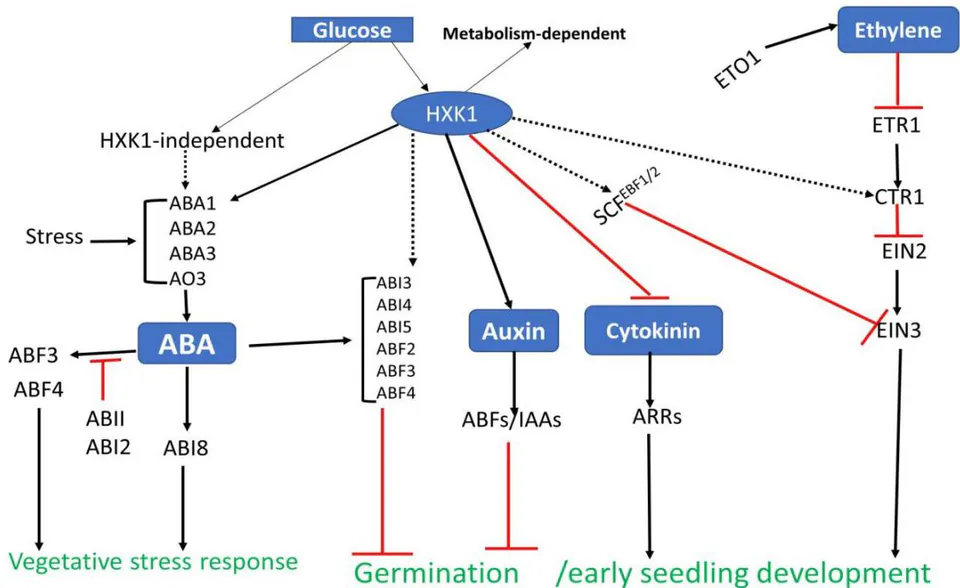
The multi-level interactions between auxins, cytokinins and sugars are highly complex and are yet to be well understood, even in Arabidopsis. However, some studies have tried to link sucrose to the auxin biosynthesis (184-186), a strong candidate for a long-distance signal promoting lateral root growth. It has been suggested that auxin biosynthesis is induced by soluble sugars, this is support by the fact that daily fluctuations in sugar content highly correlated with fluctuations in auxin levels (184), and circadian clock is responsive to auxin treatment (187). Glucose treatment of Arabidopsis seedlings induces expression of multiple genes encoding auxin biosynthetic enzymes, including; YUCCA8 and YUCCA9 (184), corroborating another report that a putative maize YUCCA gene is strongly induced by glucose (186). Surprisingly, sucrose effects on auxin levels are more pronounced in the roots than in shoots, suggesting that sugars may impact auxin transport and pathways as well. The growth promoting effect of sucrose is likely through its effect on auxin, as it can be partially mimicked by directly adding auxin and can be blocked by adding polar auxin inhibitors (185). Auxin signaling has also been linked to sugar metabolism. For instance, down -regulation of tomato auxin response repressor SIAF4 led to a dramatic increase in chloroplast number and an increase in sugar and starch content in the fruit (188). Sugars and cytokinin interact during plant growth and development, and these interactions can be both direct and indirect, and involve cell-specific and long-distance interactions (175). Transcript profiling of Arabidopsis seedlings after glucose and cytokinin treatment showed that many genes involved in stress responses and developmental pathways were affected (189). It has been reported that glucose and cytokinin acted both agonistically and antagonistically on gene expression, and glucose had a strong effect on genes involved in cytokinin metabolism and signaling (190). Cytokinin deficiency caused by constitutive overexpression of cytokinin oxidase (CKX) gene, leads to drastic changes in root and shoot growth (191), though molecular mechanisms are only partly known, and involve changes in the cell cycle and in photosynthetic activity, altered carbohydrate distribution and source/sink relations.
Gibberellins (GA) daily fluctuations is also responsive to fluctuations in sugar levels and are regulated by Circadian clock (187, 192). Studies have shown evidence that sucrose stabilizes growth repressor protein (DELLA) exert its repression effects by blocking GA regulatory networks (PIFs) from interacting with environmental signals (temperature and light) which are required to stimulate GA biosynthesis (Fig4b). This provides an explanation for the negative effects GA on the sucrose-dependent induction of the anthocyanin biosynthetic pathway (193, 194). Loreti et al (195) showed that GA repress the expression of several sucrose-induced genes involved in the anthocyanin synthesis (195). Conversely, the repressive effect was drastically reduced in gai mutant expressing a stabilized DELLA protein, indicating that DELLAs are involved in the Suc-GA interaction (195). Li et al, (2014) showed that sucrose, not glucose, stabilizes the DELLA protein repressor of GA (RGA), given that DELLA proteins are stabilized by sucrose and sucrose content increased in plant during the day due to photosynthesis, it will be tempting to speculate that increased DELLA level during the day is positively correlated with increased sucrose level during the day (192). But contrary to this, a high growth rate during the day was observed in a starchless mutant that displays high sucrose levels during the light period (196). This increase in growth during the day when sucrose content is rather high contradicts the growth repressive effect expected from the sucrose-GA interaction and suggests that there could be other pathway(s) than GA pathway which sucrose is not responsive that drive the high growth rate observed.
Gene set Enrichment Analysis (GSEA) in Arabidopsis, poplar and grapevine dormant buds revealed a very significant enrichment of genes responsive to AKIN10, one of the catalytic subunits of SnRK1, among them, were robust bud dormant markers such as histone HISI-3 and DORMANCY1 (197). Also, the SnRK1 regulatory subunit AKINBETAI, whose mRNA levels correlated directly with dark period duration induced buds dormancy (198). SnRK1 activates autophagy, controls senescence, down regulates anabolism, cell division and protein synthesis (52, 197-199), which are all parameters that characterize dormant buds and were as expected observed in buds entering dormancy. Theses observation further highlight the potency of sugar-SnRK1 interaction mediated dormancy induction.
f) Cell cycle and dormancy regulation
Eukaryotic cell cycle consists of mainly five phases (G0, G1, S, G2, M), each phase shares a set of unique activities in the division of labour that cumulate in cell reproduction. Mitogenic signals are required for completion of cell cycle in each phase, but most especially during the transitions from G1 to S (DNA synthesis) phase and G2 to M phase; for proper coordination of activities and precise progression of the cycle (145), otherwise the cell cycle will experience defects which often lead to different biological phenomenon such as; different degree of ploidy. Different plant hormones and sugars act in crosstalk during cell cycle to induce dormancy by causing cell arrest in G1 phase and subsequent release during germination. Earlier studies have shown that in plant meristematic cells, sucrose deficiency induces endogenous principal control points (PCPI and PCP2), which block cell cycle at G1 and G2 respectively (200-203), this cycle blockade or arrest is what that constitute dormancy induction and is reversible during germination. It has been shown to be reversed by sucrose application which switch on the cell cycle process again though with a delay. The molecular mechanisms regulating the action of PCP1 and PCP2 in this blockade have not yet been elucidated. However, as stated earlier in crosstalk between sugar signaling pathways, it can be speculated that in yam tuber during senescence which is characterized by sucrose deficiency as result of cut in sucrose supply from nonphotosynthesizing senescing vine, low energy sugar signaling pathways (SnRK1) and C/S1 bZIP) which function in crosstalk with auxin biosynthetic pathway to induce growth arrest in response to low energy condition in plants might have elicited the action of PCP1 and PCP2 to effect the cell arrest. This however need to be properly investigated through an organized study. During this period of temporary growth arrest, it has been reported that numerous phosphorylation and dephosphorylation processes occur, both in metabolic pathways and in regulation of the cell cycle. For instance, at the beginning of regeneration, in the presence of sucrose, meristematic cells are strongly sensitive to inhibitors of protein kinases [Cylindependent Kinases (CDK)] and protein phosphatases 1 or 2A (PP1/PP2A), which further results in prolonged blockade of cell cycle (dormancy) (200, 201, 204). It has been demonstrated that this sensitivity decreases with time, and consequently allow the cells to resume regenerative activities through the action of [Cylindependent Kinases (CDK)], however, the mechanism that regulate the decrease in sensitivity and reduction in the effects of PCP1, PCP2 and possibly SnRK1 and C/S1 bZIP on the blockade in order to allow the action of Cylin-dependent Kinases (CDK) pull through is not yet understood and is vital missing link that will be pivotal in dormancy manipulation through genetic engineering.
During G1 phase, auxin was reported to induce expression of cylin D gene; cyD3-1 and cylin-dependent kinase gene CDKA-1, and to play important roles in CDKA/CYCD complex assembling (37). Meanwhile, KRP1 and KRP2 transcripts, encoding two of the CDK inhibitors were reported to be down-regulated after auxin treatment (152, 205-207), thereby sustaining the phosphorylated CDKA/CYCD complex. It is this activation of CDKA/CYCD complex that is believed to stimulate the phosphorylation of the transcriptional repressor retinoblastoma-related (RBR) protein, and release its target; Adenovirus E2 promoter-binding factor A/B (E2FA/B) and dimerization partner A (DPA) complex. Through this post-transcriptional regulation, auxin stabilizes the and complex, which upregulates the expression of genes essential for initiating the S phase (208), and thereby initiating the process of dormancy release. Hence, the growth inhibition in the dormant tuber meristem is a consequence of the arrest of tuber meristem cells at the G1 phase of the cell cycle. Cytokinin (CK) also play role in dormancy regulation at cellular level. It has been demonstrated that exogenous application of CK stimulates tuber dormancy breaking (115, 209), and endogenous CK can initiate the onset of dormancy release. Studies have revealed that exogenous application of zeatin upregulate CYCD3 in Arabidopsis and Camellia (115, 152), suggesting possible crosstalk between cytokinin, auxin and sucrose in activation of cyclin D genes during dormancy release. During the transition from dormancy to dormancy breaking phase of tuber, expression of genes encoding histone proteins (H3, H4, H2B) and other proteins such as MAP kinase, tubulin, and ovule/fibre elongation protein have been implicated in cell division and initiation of dormancy breaking (206). The implication of histone proteins (H3, H4, H2B) during cell division process is quite expected, because these histone proteins are the DNA packing materials and during synthesis or replication, the DNAs are unpacked thereby releasing the packing materials (histone proteins). Furthermore, histones also function as receptors of environmental signals (temperature and light) which act through phytochromes signaling (PIFs) to induce gibberellins (GAs) biosynthesis (Fig4), which in turn initiate dormancy release and germination process.
IV. CONCLUSIONS AND FUTURE PERSPECTIVES
Dormancy and sprouting are important stages of tuber development providing for successive vegetative growth and regeneration of yam tubers. Characteristics of tuber dormancy, its duration in particular, are stable hereditary traits. Tuber dormancy and sprouting include a complex of different, but coupled physiological and biochemical processes. The main ones are growth and its active blocking, as well as storage and active usage of sugars and proteins. Though, how these processes are integrated at the molecular, physiological and genetic levels and how they are coordinated with each other in regulation of dormancy induction and germination have been extensively studied using modern tools in other crops including potato tuber and the processes are highly conserved across crop species, but in yam crop such studies are still lacking. Such studies are particularly important in yam crop, in view of long dormancy duration phenotype of its tuber, which has constituted a major constraint in yam research and genetic improvement and consequently imped unlocking of its productive and utilization potentials. It has been established through elegant studies that the process of dormancy induction and breaking is a complex, separate, but continuous physiological and molecular processes involving wide range of hormones, sugars, cellular activities and their regulatory networks crosstalk, leading to expression of many genes that function in a coordinated manner to determine crop phenotype with regards to dormancy duration and germination. It was demonstrated that Abscisic acid (ABA), Gibberellins (GAs), Auxins, sugar signaling pathways and their regulatory networks crosstalk are the key master players in regulation of crop dormancy and germination. Particularly, it has been shown that sugars, nonfermenting related kinase 1 (SnRK1) and to lesser extent basic leucine zipper (b/ZIP) group of protein motifs play prominent roles in all the major dormancy induction and maintenance regulatory pathways, for example, in ABA, GA, Auxins, Low sugar signals and cell cycle active blocking at G1 phase, SnRK1 and b/ZIP are involved and their actions are also conserved across plant species so far studied. Therefore, focusing on their roles in search of solution to long duration dormancy phenotype of yam tuber, might provide veritable opportunity for tuber dormancy to be manipulated to fit the agronomically desired tuber dormancy phenotype, through genetic engineering of any of the regulatory networks without yield and food quality trade off.
Declarations
Ethical Approval
Not applicable
Competing Interest
The authors have declared that there's no competing interest associated with this article, in any financial, patent ownership and personal relationships
Funding
This work was supported with funding from GENES Intra-Africa Academic Mobility Project; "Mobility for plant genomics scholars to accelerate climate-smart adaptation options and food security in Africa (GENES)" funded by European Union.
Availability of data and materials
Not applicable