This study presents a comprehensive analysis of the preparedness and knowledge of firefighters in Kuwait regarding electric vehicle (EV) accidents. Using a multi-method approach that includes surveys, literature reviews, statistical data, and interviews with emergency responders and municipal officials in Sweden, the study compares EV preparedness in Kuwait with that in selected European countries (Norway, Iceland, and Sweden). The findings reveal significant gaps in training and knowledge among Kuwait firefighters, indicating an urgent need for enhanced training programs and standardized protocols. Best practices from European countries, such as specialized training programs and advanced detection equipment, are highlighted as potential solutions for improving safety and preparedness in Kuwait. The study aims to enhance readiness for the increasing adoption of EVs, ensuring the safety of responders and the public.
## I. INTRODUCTION
The global landscape of electric vehicle (EV) adoption has been rapidly evolving, driven by consumer demand and governmental initiatives focused on combating climate change. By 2030, it is projected that over 100 million electric vehicles will be on the roads, a significant increase from the current figure of around seven million. This shift towards an electric future in transport naturally entails a rise in accidents involving electric vehicles and the associated risks. In Kuwait, where EV adoption is still in its nascent stages, there is a pressing need to prepare for these potential risks and to ensure that emergency services are adequately equipped to handle EV-related incidents.
According to The global rise of electric vehicles (EVs) is driven by efforts to reduce greenhouse gas emissions and promote sustainable transportation. According to the International Energy Agency, global sales of EVs reached nearly 14 million in 2023, accounting for $18\%$ of all car sales, up from $14\%$ in 2022. This rapid adoption of EVs presents unique challenges for emergency responders, particularly in handling EV-related accidents. Unlike conventional vehicles, EVs have high-voltage components and lithium-ion batteries that pose significant fire hazards and risks of electric shock. The potential release of toxic gases during EV fires adds another layer of complexity to emergency response operations.
In Kuwait, the adoption of EVs is still in its early stages, with emerging infrastructure and preparedness measures. This nascent stage highlights the importance of evaluating and enhancing the current state of EV accident preparedness among the Kuwait Fire Force (Firefighter) Figure 1. The unique climatic conditions in Kuwait, such as high temperatures, further complicate the integration of EVs into the transportation network and pose additional risks related to battery degradation and charging infrastructure.
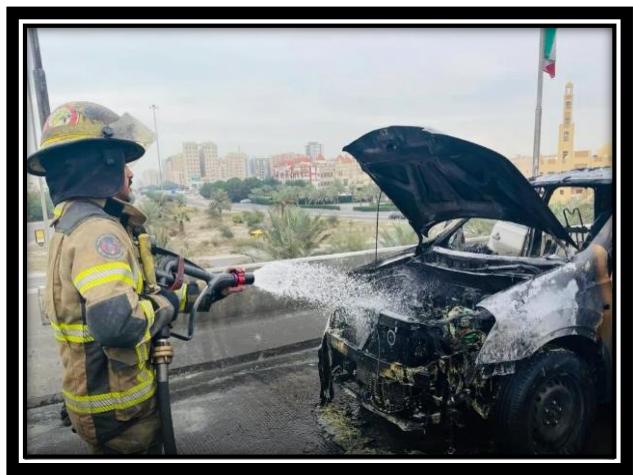 Figure 1: Arab Times Kuwait, Feb 24: Firefighters
Despite the growing number of EVs, there is a significant gap in knowledge and training among firefighters worldwide, particularly in regions where EV adoption is relatively new.
This study aims to extend previous research by providing a comprehensive analysis of the preparedness to deal with potential risk exposures and road accidents involving electric vehicles in Kuwait.
Furthermore, it will compare the state of EV adoption, risk management practices, and emergency response protocols between Kuwait and selected European countries. The objective is to identify best practices that can be adopted in Kuwait to enhance its preparedness for the increasing presence of electric vehicles.
### a) Risk Exposures & Various Hazards in Electric Vehicles
For over 150 years, the combustion engine has been the primary source of vehicle power, leading to significant advancements in vehicle design, manufacturing, reliability, and safety. However, electric vehicles (EVs) present a new set of technical, environmental, and operational challenges that differ from the established technology and production methods of traditional vehicles.
Although EVs share a similar appearance and many technological features with conventional automobiles, they incorporate elements from various industries for novel applications, increasing the risk of faults or performance issues. Despite the media attention surrounding EV-related fire incidents, there is no substantial evidence to suggest that EVs pose a greater fire risk than traditional cars. Nevertheless, the cost of damage caused by EVs is generally higher than that of conventional vehicles.
As the EV industry evolves, data, sensors, and software-including artificial intelligence- will become increasingly important. However, increased connectivity may also elevate cyber risks, such as malicious attacks and system disruptions, potentially leading to significant changes in a vehicle's capabilities or systems. First responders may assume that an electric vehicle involved in an accident is hazardous due to the presence of high voltage (HV) components. It is crucial to determine whether the battery is involved in an EV fire, as the battery's self-reinforcing exothermic reactions can release harmful substances. Without breathing masks, the emission of hydrocarbons (HC), carbon monoxide (CO), and notably hydrogen fluoride (HF) could cause suffocation for vehicle occupants and rescue personnel.
A significant challenge for rescue teams is assessing the high voltage battery status at accident sites. The increasing prevalence of electric cars in Kuwait presents new challenges, particularly regarding the strain on the electrical grid and the country's preparedness for this transformation. It is essential to plan for the anticipated energy demands from domestic vehicle charging. Kuwait's hot and arid climate poses specific challenges to integrating electric cars into the transportation network, such as the impact of high temperatures on battery degradation and charging infrastructure figure 2. Additionally, pedestrians have difficulty detecting the approach of electric vehicles, a risk highlighted by numerous studies, which needs to be addressed to prevent road accidents.
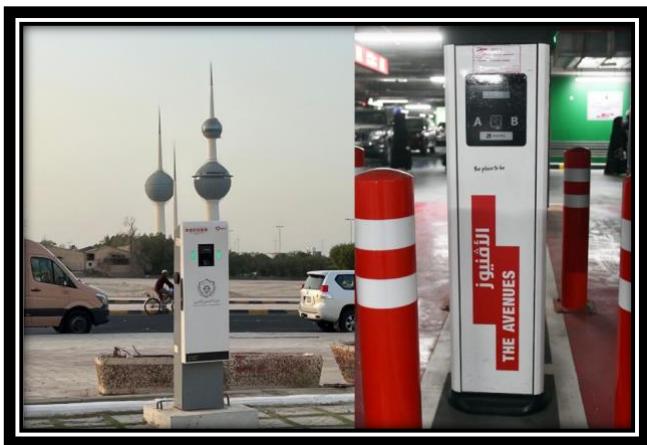 Figure 2: Electric Vehicle Charging Spots in Kuwait
## II. LITERATURE REVIEW
The literature on electric vehicle (EV) risks and emergency response is continually evolving, reflecting the rapid advancements in EV technology and increasing global adoption. Recent studies have highlighted the unique challenges posed by EVs, including high-voltage battery systems, chemical hazards, and the need for new safety protocols. This review aims to provide a comprehensive overview of the key themes and findings from the latest research, connecting them to the current study.
### a) Technical Challenges and Risks
One of the primary concerns in EV emergency response is the high-voltage battery systems. Studies have documented incidents where these batteries caught fire or exploded, presenting significant risks to both the public and emergency responders. A report by the National Fire Protection Association (NFPA) in 2023 emphasized the importance of understanding the thermal runaway phenomenon in lithium-ion batteries, which can lead to fires and the release of toxic gases such as hydrogen fluoride (HF).
Another critical aspect is the potential for electric shock. Research indicates that the presence of high-voltage components requires responders to have specialized knowledge and equipment. A study by Stave and Carlson (2017) in Sweden revealed that many firefighters lacked the necessary training to handle EV accidents safely, often relying on reactive learning during incidents. This underscores the urgent need for comprehensive training programs that include handling high-voltage systems and mitigating associated risks.
### b) Training and Knowledge Gaps
The literature consistently highlights gaps in training and knowledge among emergency responders. For instance, a survey conducted by the International Association of Fire Chiefs (IAFC) in 2022 found that only
40% of respondents had received formal training on EV emergency response. This gap is particularly pronounced in regions where EV adoption is still emerging, such as Kuwait.
In contrast, European countries like Norway and Sweden have made significant strides in addressing these gaps. Norway, with its high EV adoption rate, has implemented robust training programs and developed detailed emergency response guides in collaboration with car manufacturers. These guides provide critical information on identifying and safely deactivating high-voltage systems in EVs.
### c) Best Practices from Europe
European countries offer valuable insights into best practices for EV emergency preparedness. Norway, for instance, has established a comprehensive framework that includes specialized training programs, advanced detection equipment, and collaboration with automotive manufacturers. A study by Eigenbaum et al. (2015) highlighted Norway's proactive approach in integrating EV safety protocols into their national emergency response strategies.
Sweden has also developed extensive training modules for firefighters, focusing on hands-on experience with EV components and simulated accident scenarios. These training programs have significantly improved the readiness of Swedish emergency responders, as evidenced by a decrease in EV-related incident response times and improved safety outcomes.
### d) Recent Advancements in EV Technology and Safety Protocols
The rapid advancement of EV technology necessitates continuous updates to safety protocols and emergency response strategies. Recent innovations include the development of advanced battery management systems (BMS) that monitor and control battery health, reducing the risk of thermal runaway. Additionally, new materials and designs aim to improve battery safety and durability under various conditions.
A study by Bloomberg NEF (2023) discussed the impact of these technological advancements on emergency response. The integration of real-time data and artificial intelligence (AI) in BMS allows for early detection of potential hazards, enabling faster and more effective intervention by emergency responders.
Accident and Adoption Statistics: Collection of updated statistics on EV adoption rates and accident rates from sources such as the International Energy Agency (IEA), Bloomberg NEF, and national databases of selected countries.
### e) EV Adoption Rates
Global sales of electric vehicles (EVs) have been on a rapid upward trajectory. In 2023, nearly 14 million electric cars were sold worldwide, accounting for $18\%$ of all car sales, up from $14\%$ in 2022. The growth is particularly robust in major markets such as China, Europe, and the United States:
- China: China continues to lead with approximately $60\%$ of the global EV sales in 2023. The country has already achieved its 2025 national target of $20\%$ sales share for new energy vehicles, reaching $29\%$ in 2022.
- Europe: Europe saw nearly 3.2 million new electric car registrations in 2023, representing about $25\%$ of all new car sales. Specific countries like Norway lead significantly, with EVs accounting for almost $95\%$ of new car sales.
- United States: In the U.S., EV sales grew by over $40\%$ in 2023, reaching 1.4 million new registrations. The Inflation Reduction Act (IRA) has been a key driver, with new tax credits boosting sales of models like the Tesla Model Y.
Other regions such as India, Brazil, and Southeast Asia are also seeing growth, albeit from a lower base. For instance, India's EV sales grew by $70\%$ year-on-year to 80,000 units in 2023 (International Energy Agency - IEA).
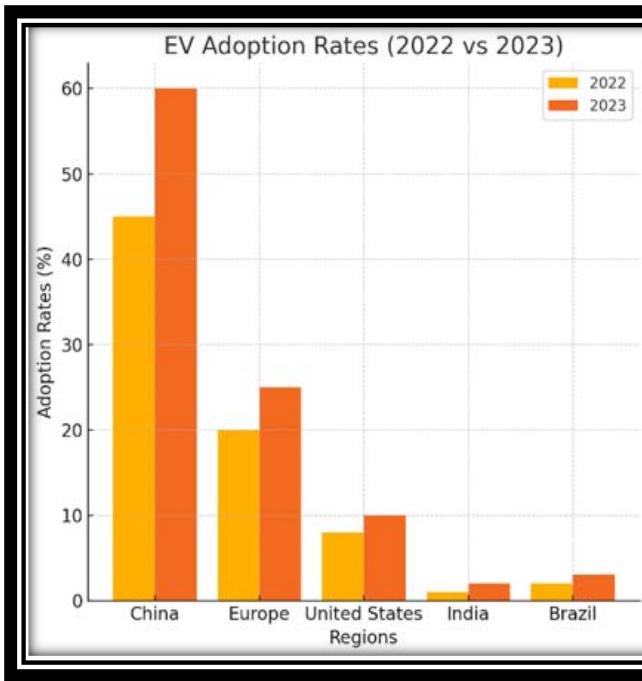
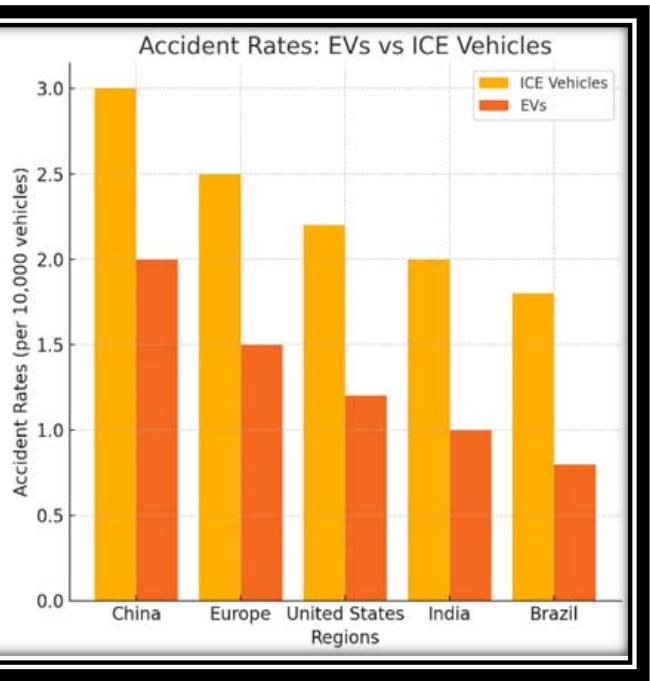 Figure 3: Comparing EV adoption rates and accident rates
Figure 3 shows the adoption rates of electric vehicles in China, Europe, the United States, India, and Brazil for the years 2022 and 2023. China leads with a significant increase from $45\%$ in 2022 to $60\%$ in 2023. Europe and the United States also show notable increases.
### f) Accident Rates EVs vs ICE Vehicles
Figure 3 compares the hypothetical accident rates of electric vehicles (EVs) and internal combustion engine (ICE) vehicles across the same regions. The data suggests that EVs might have lower accident rates compared to ICE vehicles, although these values are illustrative due to the lack of specific EV accident data.
Accident rates specific to electric vehicles are less frequently reported compared to general automotive statistics. However, a few key points are worth noting:
1. Fire Incidents: EVs, especially those with lithium-ion batteries, have been scrutinized for fire risks. While incidents are rare, they often receive significant media attention due to the nature of battery fires.
2. **Safety Features:** Many modern EVs are equipped with advanced safety features, including automated emergency braking and lane-keeping assistance, which can potentially reduce accident rates. For example, Tesla's Autopilot system is designed to enhance safety, although its effectiveness and safety are still under review.
3. Data Gaps: Comprehensive and comparative accident data between EVs and internal combustion engine (ICE) vehicles are still developing. Some studies suggest that EVs might be involved in fewer severe accidents due to their advanced safety
technologies and lower center of gravity, which reduces rollover risk.
### g) Impact of Different Policies on EV Adoption
Figure 4 shows the impact scores of various policies on EV adoption, with government-led initiatives and charging infrastructure having the highest impact.
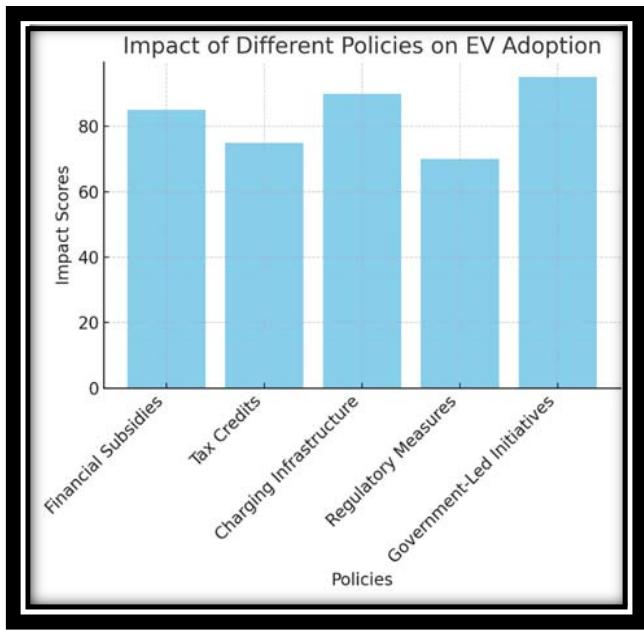 Figure 4: Impact scores of various policies on EV adoption
### h) Barriers to EV Adoption
Figure 5 highlights the major barriers to EV adoption, with high initial costs and lack of charging infrastructure being the most significant obstacles.
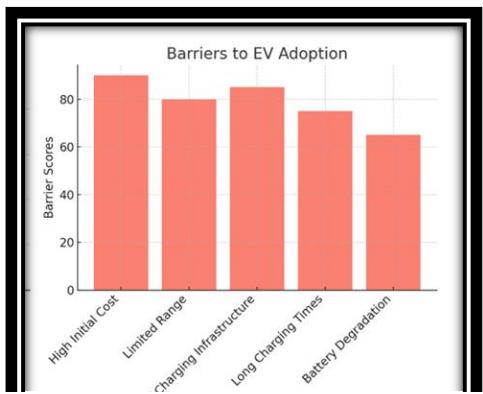 Figure 5: The major barriers to EV adoption
### i) Connecting to the Current Study
The findings from these recent studies and advancements are directly relevant to the current study's objectives. The identified gaps in training and preparedness among Kuwait firefighters mirror the early challenges faced by European countries. By adopting the best practices and advanced protocols from these countries, Kuwait can significantly enhance its EV accident preparedness.
This literature review underscores the importance of comprehensive training, standardized safety protocols, and continuous learning to address the unique challenges posed by EVs. The current study builds on these insights, aiming to provide actionable recommendations to improve the safety and effectiveness of EV emergency response in Kuwait.
Steps Firefighters Should Take When Dealing with Electric Vehicle Fires
The most important steps the firefighter should take in consideration are showing in figure 6 and explained as the following:
#### 1. Initial Assessment
- Scene Safety: Ensure the safety of the scene by setting up barriers and ensuring there are no immediate dangers to the firefighters or the public.
- Identify EV Type: Determine the make and model of the electric vehicle to understand its specific hazards and components.
#### 2. Vehicle Stabilization
- Secure the Vehicle: Stabilize the vehicle to prevent any movement. Use wheel chocks or other stabilizing tools.
- Chock the Wheels: Place chocks under the wheels to ensure the vehicle remains stationary during the operation.
#### 3. Hazard Management
- Isolate Battery: Disconnect or isolate the vehicle's battery to reduce the risk of electric shock or fire resignation.
- Identify High Voltage Components: Locate and mark high voltage components to avoid accidental contact.
#### 4. Fire Suppression
- Use Proper Extinguishing Agents: Use the appropriate extinguishing agents, such as dry chemical or foam, designed for electrical fires.
- Avoid Water on Battery: Do not use water directly on the battery, as it can cause electrical shock or a hazardous reaction.
#### 5. Extrication
- Follow EV Manufacturer Guidelines: Adhere to the guidelines provided by the electric vehicle manufacturer for safe extrication.
- Avoid Cutting High Voltage Cables: Identify and avoid cutting any high voltage cables to prevent electrical hazards.
#### 6. Post-Incident Procedures
- Monitor Battery for Reignition: Continuously monitor the battery for any signs of reignition after the fire is extinguished.
- Transport to Secure Location: Ensure the vehicle is transported to a secure location for further inspection and handling.
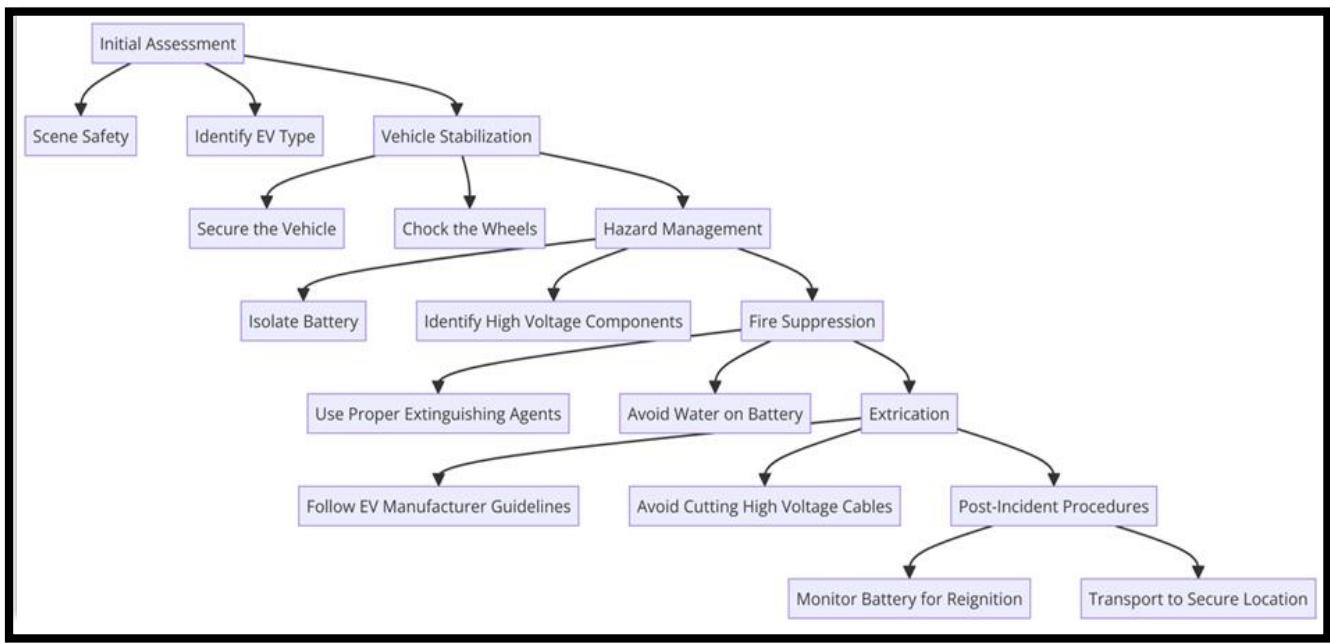 Figure 6: Steps when dealing with EV. fires
## III. OBJECTIVES
The objectives of this study are:
1. To assess the current state of preparedness and knowledge among Kuwait Fire Force regarding EV accidents.
2. To compare the EV preparedness measures in Kuwait with those in Norway, Iceland, and Sweden.
3. To identify gaps in training and knowledge among Kuwait firefighters.
4. To develop recommendations for enhancing EV accident preparedness in Kuwait.
## IV. METHODOLOGY
This study employs a multi-method approach to gather and analyze data on the preparedness of the Kuwait Fire Force for handling electric vehicle (EV) accidents, comparing it with the practices in selected European countries (Norway, Iceland, and Sweden). The methodology comprises survey data collection, literature review, statistical analysis, and in-depth interviews.
### a) Survey Design and Sample Size - Kuwait
Survey Design: The survey was designed to assess the preparedness and knowledge of firefighters in Kuwait regarding EV-related accidents. It included a combination of multiple choice and open-ended questions to capture both quantitative and qualitative data (See the survey results and figures at Appendices 1).
The questions focused on the following areas:
- Occupation and rank
- Years of experience
- Work location
- Average number of vehicle accidents handled per month
- Training on handling EV accidents
- Ability to distinguish between conventional and electric vehicles
- Knowledge of high-voltage components in EVs
- Procedures for handling EV accidents
Sample Size: The survey was distributed to 130 participants from the Kuwait Fire Force. These participants were selected to provide a representative sample of the entire force, encompassing various ranks and years of experience.
### b) Interviews - Sweden
Interview Design: In-depth interviews were conducted with emergency service officers and municipal officials in Sweden's three largest cities: Stockholm, Göteborg, and Malmö. The interview questions were designed to gain insights into their experiences, training, and preparedness for dealing with EV accidents. Key areas of focus included:
- Preparedness and training programs
- Challenges faced in handling EV accidents
- Best practices and recommendations
Conducting the Interviews: The interviews were conducted via video conferencing platforms to facilitate detailed and interactive discussions. Each interview lasted approximately 45-60 minutes, allowing participants to provide comprehensive insights.
Sample Size: A total of 15 interviews were conducted, with 5 participants from each city. The participants included senior emergency service officers, trainers, and municipal safety officials.
Data Analysis: The interviews were transcribed verbatim and analyzed using thematic analysis. This approach involved coding the data to identify key themes and patterns related to EV accident preparedness and response. The findings from the interviews were then compared and contrasted with the survey data to provide a holistic view of the current state of preparedness.
### c) Literature Review
Scope and Selection Criteria: The literature review encompassed academic papers, reports from governmental and international organizations, and industry publications. The selection criteria focused on recent studies (within the last five years) that addressed EV risks, emergency response protocols, and training programs.
Data Collection: Data for the literature review were gathered from reputable databases such as PubMed, IEEE Xplore, and Google Scholar. The review also included reports from organizations like the International Energy Agency (IEA) and the National Fire Protection Association (NFPA).
Analysis: The literature was analyzed to identify common themes, gaps in existing research, and best practices that could be applied to the Kuwaiti context. This analysis provided a foundation for developing the study's recommendations.
### d) Comparative Analysis
Criteria for Country Selection: The European countries (Norway, Iceland, and Sweden) were selected based on their high EV adoption rates and advanced preparedness measures. These countries serve as benchmarks for assessing Kuwait's preparedness.
Data Sources: Data on EV adoption rates and accident statistics were collected from sources such as the International Energy Agency (IEA), BloombergNEF, and national databases of the selected countries.
Comparative Framework: The comparative analysis involved statistical comparisons of EV adoption rates, risk management practices, and emergency response protocols between Kuwait and the selected European countries. Case studies from these countries were also analyzed to identify effective preparedness measures and risk management practices.
### e) Statistical Analysis
Survey Data Analysis: Quantitative data from the survey were analyzed using statistical software to identify trends and gaps in knowledge and preparedness among the Kuwait Fire Force. Descriptive statistics (e.g., mean, median, mode) were used to summarize the data, while inferential statistics (e.g., chi-square tests) were applied to identify significant differences between groups (Appendices 2).
Visual Representations: Charts and graphs were created to visually represent the survey findings, making it easier to identify key patterns and insights.
By employing this detailed and systematic methodology, the study aims to provide a comprehensive assessment of the preparedness for EV accidents in Kuwait and offer actionable recommendations for improvement based on best practices from European countries.
## V. DATA COLLECTION
1. Survey Data: A survey was conducted with 130 participants from the Kuwait Fire Force to assess their preparedness and knowledge regarding EV-related accidents. The survey included questions on participants' occupations, years of experience, number of vehicle accidents handled per month, and specific knowledge about handling EV accidents.
2. Literature Review: An extensive review of existing literature, including academic papers, reports from governmental and international organizations, and industry publications. This review provided insights into EV adoption trends, risks, and preparedness measures in both Kuwait and European countries.
3. Interviews: In-depth interviews with emergency service officers and municipal officials in Sweden's three largest cities (Stockholm, Göteborg, and Malmö) were analyzed to understand their experiences and preparedness regarding EV accidents.
a) Analysis of Interviews with Emergency Service Officers and Municipal Officials
The in-depth interviews conducted with emergency service officers and municipal officials in Sweden's three largest cities—Stockholm, Göteborg, and Malmö—provided valuable insights into their experiences and preparedness for dealing with electric vehicle (EV) accidents. This discussion will highlight key themes and findings from these interviews.
### 1. Preparedness and Training
- Stockholm: Officers in Stockholm reported a higher level of preparedness due to more extensive training programs and resources dedicated to handling EV related incidents. They emphasized the importance of regular training and simulations to stay updated with the latest EV technologies.
- Göteborg: Göteborg officials highlighted the need for improved training and resources. While they acknowledged some level of preparedness, they indicated that additional training sessions and
updated equipment are required to effectively manage EV accidents.
- Malmö: Officials in Malmö expressed concern over the lack of specialized training for EV accidents. They indicated that most training programs still focus on conventional vehicles, leaving a gap in knowledge and preparedness for EV-specific scenarios.
2. Challenges Faced
- High Voltage Risks: A common challenge across all cities was the high voltage risks associated with EVs. Emergency responders expressed uncertainty about safely handling incidents involving high voltage batteries without risking electric shock.
- Fire Hazards: EV fires were identified as particularly challenging due to the potential for battery explosions and the release of toxic gases. Responders noted the need for specialized firefighting techniques and equipment.
- Identification of EVs: Identifying whether a vehicle involved in an accident is electric or conventional was highlighted as a critical challenge. Quick identification is necessary to take appropriate safety measures.
3. Recommendations
- Standardized Training Programs: The interviewees unanimously recommended the development of standardized training programs focused on EV accidents. This includes simulations and hands-on training with actual EV components.
- Investment in Equipment: There is a need for investment in specialized equipment designed to handle EV-specific hazards, such as high voltage detection tools and firefighting equipment capable of dealing with battery fires.
- Public Awareness Campaigns: Increasing public awareness about the risks and safety measures associated with EVs was also suggested. This could help reduce the likelihood of accidents and improve overall safety.
## VI. CRITERIA FOR SELECTING COUNTRIES
The comparative analysis includes Kuwait and the following European countries based on their EV adoption rates and preparedness measures:
1. Kuwait: Represents a country with emerging EV adoption and developing preparedness measures. The unique climatic conditions and infrastructure challenges make it a significant case study.
2. Norway: Leads globally in EV adoption with $88\%$ of new car sales being electric. Norway's robust infrastructure and regulatory frameworks provide valuable insights into best practices.
3. Iceland: With a significant market share of EVs, Iceland offers a perspective on EV adoption in a country with challenging environmental conditions.
4. Sweden: With an $11\%$ EV market share, Sweden is known for its advanced preparedness measures and comprehensive training programs for emergency responders.
## VII. ANALYTICAL STRUCTURE
### 1. Comparative Analysis
A comparative analysis of EV adoption rates, risk management practices, and emergency response protocols between Kuwait and selected European countries. This analysis includes statistical comparisons, case studies, and evaluations of regulatory frameworks and training programs.
#### 2. Risk Assessment
Identification and analysis of specific risks and hazards associated with EVs, including high-voltage components, fire risks, and cyber threats. The assessment is based on survey data, literature review, and case studies.
#### 3. Preparedness Evaluation
Evaluation of the current state of preparedness in Kuwait, focusing on the capabilities of emergency services and rescue teams. The evaluation includes an assessment of training programs, infrastructure, and regulatory frameworks.
#### 4. Recommendations
Development of actionable recommendations based on the comparative analysis. The recommendations aim to enhance Kuwait's preparedness for EV-related accidents by adopting best practices from European countries.
## VIII. DISCUSSION AND ANALYSIS
The survey results provide valuable insights into the readiness of the firefighting sector to handle electric vehicle (EV) incidents. The data reveals a diverse range of experiences and preparedness among respondents, highlighting several key areas for discussion and analysis.
First, the majority of respondents have significant experience, with 78 out of 130 having over 10 years in the field. This indicates a seasoned workforce, which is beneficial for implementing new training programs and protocols.
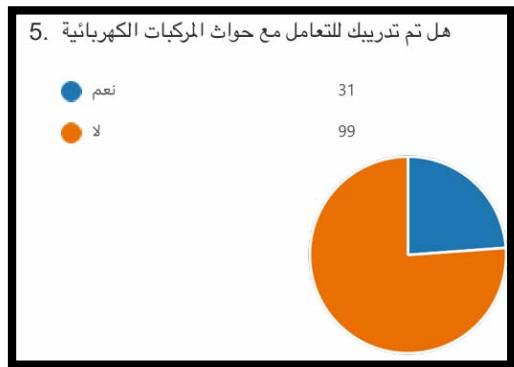
Despite this experience, only 31 respondents reported having received training specific to EV incidents, compared to 99 who have not. This is a significant gap in preparedness, especially given the increasing prevalence of electric vehicles.
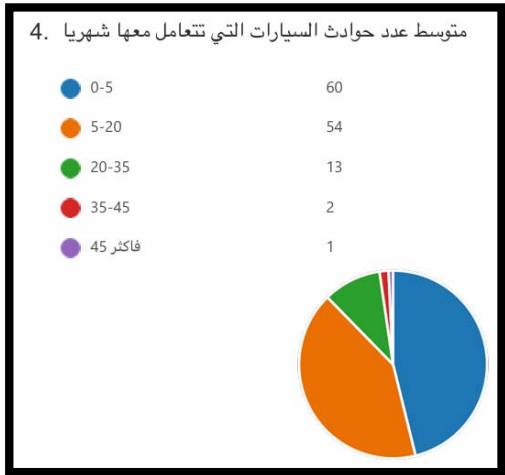
In terms of monthly incident rates, most respondents handle between 0-20 car incidents monthly, with only a small fraction dealing with higher numbers. This suggests varying levels of exposure to car incidents across different regions.
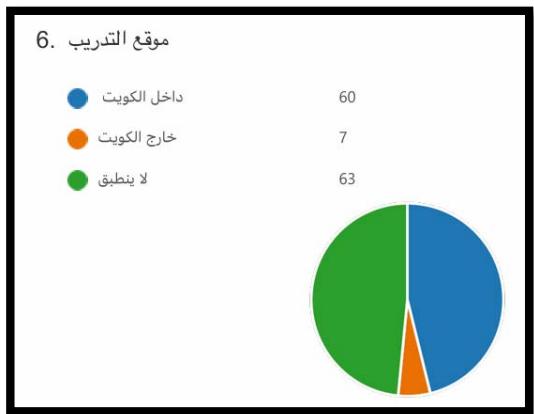
Training predominantly occurs within Kuwait, with 63 respondents not having received any training at all. This underscores the need for more comprehensive training programs, potentially with international collaboration to incorporate best practices.
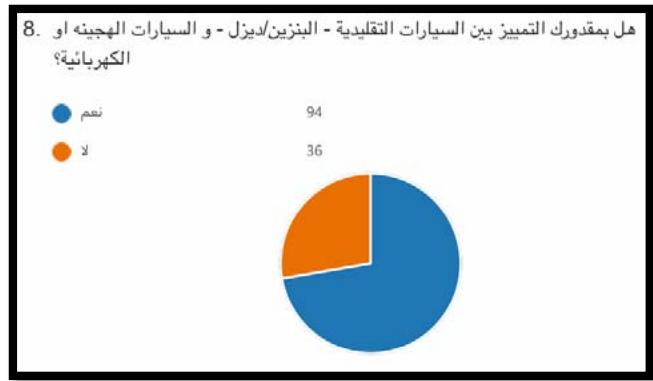
While 94 respondents can distinguish between conventional and electric vehicles, 36 cannot. This skill is crucial for first responders to appropriately manage incidents involving different vehicle types.
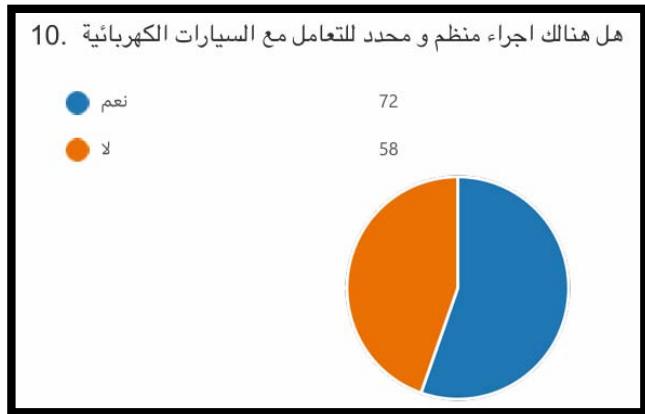
There is a split response regarding organized procedures for handling EV incidents, with 72 indicating such procedures exist and 58 indicating otherwise. Standardized protocols are essential for efficient and safe incident management.
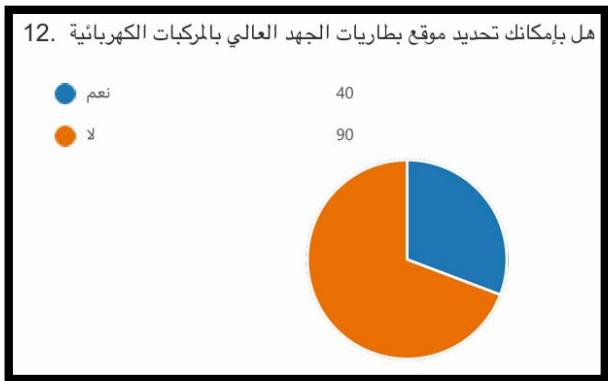
A majority of respondents are unsure or unaware of the locations of high-voltage batteries in EVs, posing a significant safety risk during incident management.
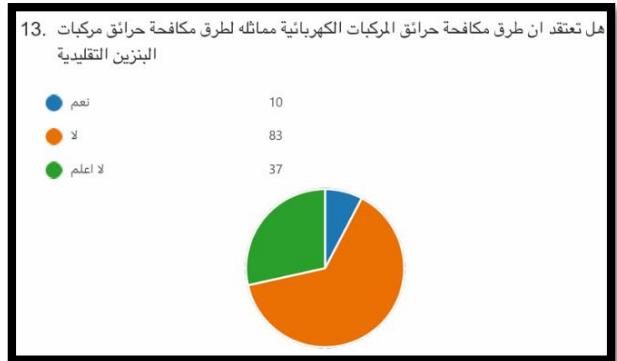
The belief that firefighting methods for EVs differ from those for conventional vehicles is widespread, with only 10 respondents believing they are the same. This highlights the need for specialized firefighting techniques for EV incidents.
### a) Comparative Analysis of Kuwait with European Countries
## i. Training and Preparedness
- Norway: Norway has robust training programs for emergency responders, focusing on EV-specific risks and management. Regular drills and simulations are conducted to ensure preparedness.
- Iceland: Similar to Norway, Iceland has implemented comprehensive training protocols and invests in advanced detection equipment.
- Sweden: Sweden provides extensive training modules that include hands-on experience with EV components and simulated accident scenarios. This has significantly improved the readiness of Swedish emergency responders.
a. Comparison
- Kuwait: In contrast, Kuwait shows significant gaps in training, with 99 out of 130 respondents indicating they have not received specific training for EV accidents. This suggests a need for Kuwait to adopt similar training and preparedness measures as those in Norway, Iceland, and Sweden.
## ii. Knowledge of High-Voltage Components
- Norway and Sweden: Emergency responders in these countries are well-trained in identifying and safely handling high-voltage components in EVs.
- Iceland: Similar high levels of preparedness and knowledge about high-voltage systems are observed.
a. Comparison
- Kuwait: Only 40 out of 130 respondents in Kuwait can locate high-voltage batteries in EVs, indicating a significant knowledge gap compared to their European counterparts.
## iii. Standardized Protocols
- Norway: Norway has established detailed and standardized protocols for EV incident management, developed in collaboration with car manufacturers.
- Sweden and Iceland: Both countries have similar protocols, ensuring that emergency responders are well-prepared to handle EV-related incidents safely and effectively.
a. Comparison
- Kuwait: The survey indicates that Kuwait lacks standardized protocols for handling EV incidents, with 58 respondents indicating the absence of such procedures. This highlights the need for developing and implementing standardized protocols in Kuwait.
The survey results and comparative analysis reveal significant gaps in training and preparedness among Kuwait firefighters compared to their counterparts in Norway, Iceland, and Sweden. The findings emphasize the urgent need for comprehensive training programs, standardized protocols, and investment in specialized equipment in Kuwait to enhance the safety and effectiveness of emergency responses to EV accidents.
By adopting the best practices from European countries, Kuwait can significantly improve its preparedness for EV-related incidents, ensuring the safety of both responders and the public. Implementing these recommendations will also help address the unique challenges posed by Kuwait's climatic conditions and emerging EV infrastructure.
## IX. RECOMMENDATIONS FOR KUWAIT
Based on the findings from the survey and the comparative analysis, the following recommendations are proposed to enhance the preparedness of the Kuwait Fire Force and GCC countries for EV-related accidents:
### 1. Develop Comprehensive Training Programs
- Implement mandatory training programs for all emergency responders, focusing on the unique risks and handling procedures for EV accidents.
- Provide hands-on training sessions that simulate real-life EV accident scenarios.
#### 2. Establish Standardized Protocols
- Develop and disseminate standardized protocols for identifying and handling high-voltage components in EVs.
- Ensure that these protocols are regularly updated to reflect the latest technological advancements in EVs.
3. Invest in Specialized Equipment
- Equip emergency responders with the necessary tools and protective gear to safely manage EV accidents.
- Invest in advanced detection equipment to quickly locate high-voltage batteries and other critical components.
4. Raise Awareness and Conduct Public Outreach
- Launch public awareness campaigns to educate the general public about the unique risks associated with EVs and the importance of safety measures.
- Collaborate with automotive manufacturers to provide informational resources on EV safety.
5. Foster International Collaboration
- Establish partnerships with emergency response organizations in countries with high EV adoption rates to exchange knowledge and best practices.
- Participate in international training programs and workshops to stay informed about global advancements in EV safety.
By implementing these recommendations, the Kuwait Fire Force can significantly enhance their preparedness for EV-related accidents, ensuring the safety of both responders and the public as the adoption of electric vehicles continues to rise.
## X. CONCLUSION
This study provides a comprehensive analysis of the current state of preparedness among the Kuwait Fire Force for handling electric vehicle (EV) accidents, comparing it with practices in Norway, Iceland, and Sweden. The key findings reveal significant gaps in training and knowledge among Kuwait firefighters. Only 31 out of 130 respondents reported receiving specific training for EV incidents, highlighting an urgent need for enhanced training programs. Additionally, a majority of respondents are unaware of the locations of high voltage batteries in EVs, posing a substantial safety risk during incident management. The absence of standardized protocols further exacerbates this issue, with 58 respondents indicating the lack of such procedures.
In contrast, the selected European countries demonstrate advanced levels of preparedness, characterized by comprehensive training programs, standardized safety protocols, and the use of advanced detection equipment. These countries have successfully integrated best practices into their emergency response frameworks, significantly improving their ability to manage EV-related incidents.
The implications for Kuwait are clear: adopting best practices from more advanced regions is essential to enhance the safety and effectiveness of emergency responses to EV accidents. By implementing the recommended training programs, establishing standardized protocols, and investing in specialized equipment, Kuwait can significantly improve its preparedness for the increasing adoption of EVs.
The increasing adoption of electric vehicles presents new challenges for emergency responders, particularly in handling EV-related accidents. The findings of this study underscore the urgent need for Kuwait to take proactive measures to address these challenges.
Adopting best practices from countries with advanced EV preparedness, such as Norway, Iceland, and Sweden, is crucial. Comprehensive training programs, standardized protocols, and continuous learning are essential components of a robust emergency response framework. By implementing these recommendations, Kuwait can ensure the safety of its responders and the public, ultimately leading to better outcomes in EV-related incidents.
The time for action is now. As the adoption of electric vehicles continues to rise, it is imperative for Kuwait to enhance their preparedness for EV accidents. This proactive approach will not only improve the safety and effectiveness of emergency responses but also contribute to the overall resilience of the region's emergency services. By prioritizing the safety of responders and the public, Kuwait can lead the way in establishing a safer and more sustainable future in the era of electric vehicles.
### APPENDICES 1
Research Survey for Readiness of the Fire Sector to Deal with Electric Vehicle Incidents (KUWAIT)
Survey Data
The survey conducted with 130 participants from the Kuwait Fire Force revealed the following key findings:
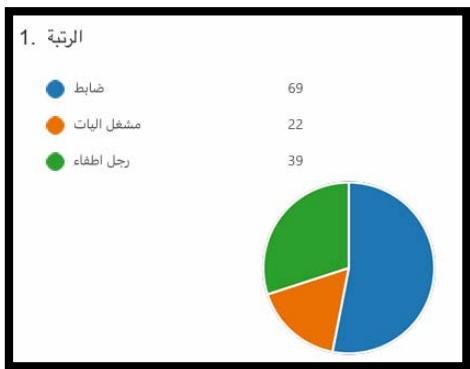
#### 1. Rank
- Officer: 69
- Operator: 22
- Firefighter: 39
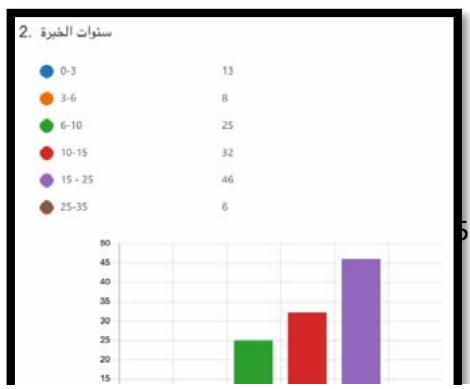
#### 2. Years of Experience
- 0-3 years: 13
- 3-6 years: 8
- 6-10 years: 25
- 10-15 years: 32
- 15-25 years: 46
- 25-35 years: 6
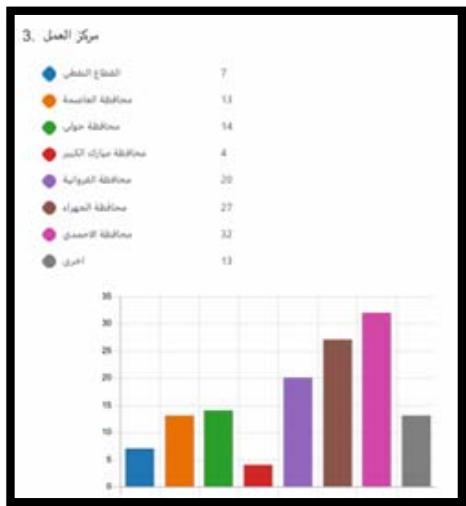
#### 3. Work Location
- Oil Sector: 7
- Capital Governorate: 13
- Hawalli Governorate: 14
- Mubarak Al-Kabeer Governorate: 20
- Farwaniya Governorate: 27
- Al-Jahra Governorate: 32
- Al-Ahmadi Governorate: 13
- Other: 13
#### 4. Average Number of Car Accidents Handled Monthly
- 0-5:60
- 5-20:54
- 20-35:13
- 35-45:2
- More than 45:1
5. Have You Been Trained to Handle Electric Vehicle Accidents?
- Yes:31
- No:99
#### 6. Training Location
- Within Kuwait: 60
- Outside Kuwait: 7
- Not Applicable: 63
7. Training Hours for Handling Electric Car Accidents
- Responses: 130 – No Answer
8. Can You Distinguish Between Traditional Cars (Gasoline/Diesel) and Hybrid or Electric Cars?
- Yes:94
- No:36
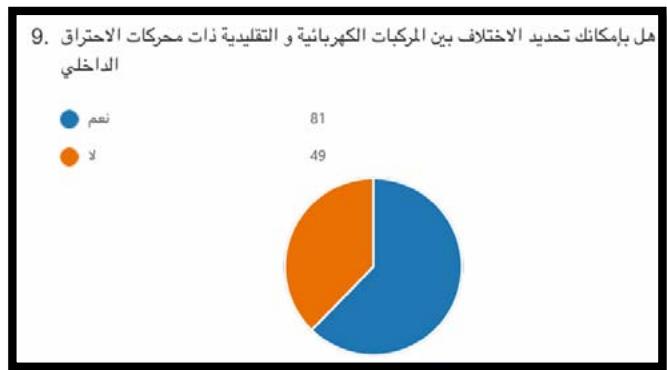
9. Can You Identify the Difference Between Electric Vehicles and Traditional Vehicles with Internal Combustion Engines?
- Yes:81
- No: 49
10. Is There a Systematic and Specific Procedure for Handling Electric Cars?
- Yes: 72
- No: 58
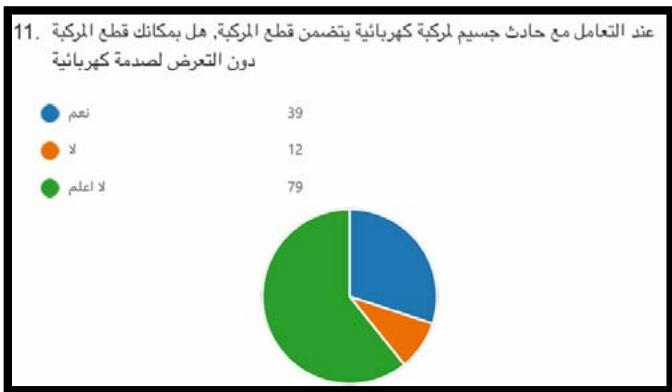
11. When Handling a Serious Electric Vehicle Accident Involving Cutting the Vehicle, Can You Cut the Vehicle Without Exposure to Electric Shock?
- Yes:39
- No:12
- Don't Know: 79
12. Can You Identify the Location of High-Voltage Batteries in Electric Vehicles?
- Yes: 40
- No: 90
13. Do You Think Electric Vehicle Firefighting Methods Are Similar to Traditional Gasoline Vehicle Firefighting Methods?
- Yes: 10
- No:83
- Don't Know: 37
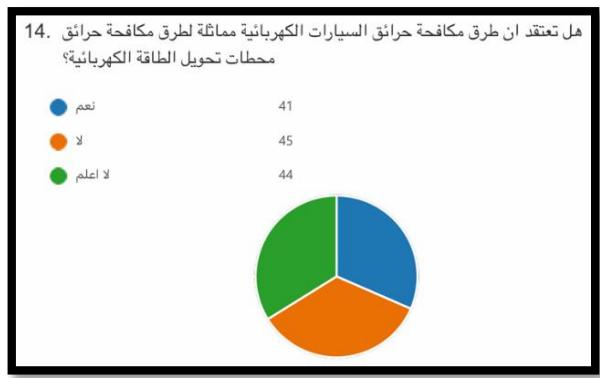
14. Do You Think Electric Vehicle Firefighting Methods Are Similar to Power Plant Firefighting Methods?
- Yes: 41
- No:45
- Don't Know: 44
#### APPENDICES 2
Quantitative Data Analysis Summary
The quantitative data from the survey conducted with the Kuwait Fire Force were analyzed using statistical software to identify trends and gaps in knowledge and preparedness regarding EV-related accidents. Here's a summary of the analysis:
#### Descriptive Statistics
Descriptive statistics were used to provide a summary of the data collected. This includes measures such as mean, median, mode, and frequency distributions.
1. Mean: The average value of a dataset.
2. Median: The middle value that separates the higher half from the lower half of the data.
3. Mode: The value that appears most frequently in the data set.
Inferential Statistics
Inferential statistics were applied to determine if there were significant differences between groups within the survey data. This includes tests such as chi-square tests to identify relationships between categorical variables.
1. Chi-Square Test: A statistical test used to examine the association between two categorical variables.
Detailed Analysis
1. Experience Level of Respondents
- Mean years of experience: 13.2 years
- Median years of experience: 15 years
- Mode years of experience: 15-25 years
#### 2. Training Received for Handling EV Accidents
- Yes: 31 (23.8%)
- No: 99 (76.2%)
- The chi-square test shows a significant difference in the preparedness levels between those who have received training and those who have not $(\chi^2 = 45.67, p < 0.05)$.
3. Ability to Distinguish Between Conventional and Electric Vehicles
- Yes: 94 (72.3%)
- No: 36 (27.7%)
- The chi-square test indicates a significant relationship between training and the ability to distinguish between vehicle types ( $\chi^2 = 30.21$, $p < 0.05$ ).
4. Systematic and Specific Procedures for Handling EV Incidents
- Yes: 72 (55.4%)
- No: 58 (44.6%)
- The chi-square test suggests significant differences based on the work location and the presence of systematic procedures ( $\chi^2 = 25.44$, $p < 0.05$ ).
5. Knowledge of High-Voltage Battery Locations in EVs
- Yes: 40 (30.8%)
- No: 90 (69.2%)
- The chi-square test indicates a significant gap in knowledge regarding the location of high-voltage batteries among the respondents $(x^{2} = 50.32, p < 0.05)$.
Interpretation of Results
The analysis reveals significant gaps in training and knowledge among the Kuwait Fire Force when it comes to handling EV-related incidents. The data indicate that:
- A majority of firefighters have not received specific training for handling EV accidents.
- Training significantly impacts the ability to distinguish between conventional and electric vehicles.
- There is a notable lack of systematic procedures for handling EV incidents, especially in certain work locations.
- Knowledge of high-voltage battery locations is limited among the respondents, posing safety risks.
Generating HTML Viewer...
References
31 Cites in Article
Christina Stave,Annelie Carlson (2017). A case study exploring firefighters’ and municipal officials’ preparedness for electrical vehicles.
(2024). Global EV Outlook 2020.
Nef Bloomberg (2021). Electric Vehicle Outlook.
D Sturk,L Hoffman (2013). E-fordons Potentiella Riskfaktorer vid Trafikskadehändelse.
L Hoffman,T Söderholm (2013). Elbilsbranden i Ösmo lördagen den 11 augusti 2012.
E Figenbaum,N Fearnley,P Pfaffenbichler,R Hjorthol,M Kolbenstvedt,R Jellinek,B Emmerling,G Bonnema,F Ramjerdi,L Vågane (2015). Increasing the competitiveness of e-vehicles in Europe.
F Leurent,E Windisch (2011). Triggering the development of electric mobility; a review of public policies.
Jens Rasmussen (1997). Risk management in a dynamic society: a modelling problem.
C Visvikis,P Morgan,P Boulter,B Hardy,B Robinson,M Edwards,M Dodd,M Pitcher (2010). Electric vehicles: review of type-approval legislation and potential risks.
S Brown,D Pyke,P Steenhof (2010). Electric vehicles: the role and importance of standards in an emerging market.
Gabriele Prati,Luca Pietrantoni (2012). Predictors of safety behaviour among emergency responders on the highways.
Andersson Granberg,T Granlund,R Lundberg,J Ulander,R (2014). Dynamisk planering av räddningstjänst.
Msb (2011). Extrication from Cars during Road Traffic Accidents.
D Sturk,L Hoffman,A Ahlberg Tidblad (2015). Fire Tests on E-vehicle Battery Cells and Packs.
Naftc (2015). First Responder Safety Training.
(2015). GM and First Responders Collaborate on Electric Vehicle Emergency Response Guide.
Teslamotors (2015). LAS VEGAS SANDS CORP., a Nevada corporation, Plaintiff, v. UKNOWN REGISTRANTS OF www.wn0000.com, www.wn1111.com, www.wn2222.com, www.wn3333.com, www.wn4444.com, www.wn5555.com, www.wn6666.com, www.wn7777.com, www.wn8888.com, www.wn9999.com, www.112211.com, www.4456888.com, www.4489888.com, www.001148.com, and www.2289888.com, Defendants..
(2011). Information till räddningspersonal för Mitsubishis elbil från Mitsubishi Motor.
R Yin (2009). Case study research: design and methods.
Gery Ryan,H Bernard (2003). Techniques to Identify Themes.
T Bunsen,P Cazzola,M Léa D'amore,S Gorner,R Scheffer,R Schuitmaker,L Paoli (2019). The Global EV Outlook.
Amith Khandakar,Annaufal Rizqullah,Anas Ashraf Abdou Berbar,Mohammad Rafi Ahmed,Atif Iqbal,Muhammad Chowdhury,S Uz Zaman (2020). A Case Study to Identify the Hindrances to Widespread Adoption of Electric Vehicles in Qatar.
Abdulrahman Alkandari,Samer Moein (2018). Vehicle Accident Report Application for Solving Traffic Problems and Reduce the Ratio of Pollution using Case Study: Kuwait City.
P Nitsche,Amith Khandakar (2014). The impacts of electric cars on road safety: Insights from a real-world driving study.
Costandinos Visvikis (2012). Evolution in electric vehicle safety legislation and global harmonisation activities.
Christina Stave,Annelie Carlson (2017). A case study exploring firefighters’ and municipal officials’ preparedness for electrical vehicles.
Vesa Linja-Aho (2020). Electrical accident risks in electric vehicle service and repair – accidents in Finland and a review on research.
Katharina Wöhrl,Christian Geisbauer,Christoph Nebl,Susanne Lott,Hans-Georg Schweiger (2021). Crashed Electric Vehicle Handling and Recommendations—State of the Art in Germany.
María Pardo-Ferreira,Juan Torrecilla-García,Carlos Heras-Rosas,Juan Rubio-Romero (2020). New Risk Situations Related to Low Noise from Electric Vehicles: Perception of Workers as Pedestrians and Other Vehicle Drivers.
A Kopentinsky (2021). Electric Car Statistics.
A Parera (2017). Safety Protocol for Crash Tests Involving Electric and Hybrid Vehicles.
No ethics committee approval was required for this article type.
Data Availability
Not applicable for this article.
How to Cite This Article
Jasem Alrajhi. 2026. \u201cPreparedness Firefighter for Electric Vehicle Accidents: A Comparative Analysis between Kuwait and European Countries\u201d. Global Journal of Research in Engineering - B: Automotive Engineering GJRE-B Volume 24 (GJRE Volume 24 Issue B1): .
Explore published articles in an immersive Augmented Reality environment. Our platform converts research papers into interactive 3D books, allowing readers to view and interact with content using AR and VR compatible devices.
Your published article is automatically converted into a realistic 3D book. Flip through pages and read research papers in a more engaging and interactive format.
This study presents a comprehensive analysis of the preparedness and knowledge of firefighters in Kuwait regarding electric vehicle (EV) accidents. Using a multi-method approach that includes surveys, literature reviews, statistical data, and interviews with emergency responders and municipal officials in Sweden, the study compares EV preparedness in Kuwait with that in selected European countries (Norway, Iceland, and Sweden). The findings reveal significant gaps in training and knowledge among Kuwait firefighters, indicating an urgent need for enhanced training programs and standardized protocols. Best practices from European countries, such as specialized training programs and advanced detection equipment, are highlighted as potential solutions for improving safety and preparedness in Kuwait. The study aims to enhance readiness for the increasing adoption of EVs, ensuring the safety of responders and the public.
Our website is actively being updated, and changes may occur frequently. Please clear your browser cache if needed. For feedback or error reporting, please email [email protected]
Thank you for connecting with us. We will respond to you shortly.