I. INTRODUCTION
Coffee is being produced in more than fifty developing countries in Latin America, Africa, and Asia, and it is a major source of income for 20-25 million families worldwide (Murphy & Dowding, 2015; Lewin B. et al., 2004; ICO, 2009). Ethiopia, the birthplace of coffee, stands first in coffee production in Africa and is the fifth-largest coffee producer in the world next to Brazil, Vietnam, Colombia, and Indonesia, contributing about 4.2 percent of total world coffee production (Alemayehu, 2014). By 2011/12, the country had produced approximately 500,000 metric tons of coffee (Abu Tefera & Teddy Teffera, 2014).
Out of nine regional states of Ethiopia, coffee is dominantly produced in Oromia and Southern Nation, Nationalities and People regions. As per the coffee, tea and spices authority, south nations, nationalities, and peoples' region contributes around 60% of the total washed coffee and 40% of the total unwashed coffee being supplied to domestic and international markets. Sidama and Gedeo zones are the first and the second highest producers of coffee in SNNPR.
Yirgachefe District is one of the six district s of the Gedeo zone and is the highest producer of coffee in the Zone. It contributed around 32.1% of the total washed coffee and 26.4% of the total unwashed coffee produced in the Zone in 2017. The total annual production of coffee in 2016/2017 was 70546 qt, which was 30.1% of the total coffee produced in the zone in 2016/2017, which is 234061qt.
The district is internationally known for its distinguished flavor coffee. Tehsale (2017) stated that the washed coffee of Yirgacheffe is the most famous Ethiopian coffee, especially in the United States, as a trademark (Teshale, 2017). It has a test of Blueberry overtones and aroma, with a hint of floralness and winey in the finish. But farmers in Yirgacheffe complain that they are not benefited from the existing coffee supply while their coffee had been internationally accepted as the rarest and most prized. The other problem is that although Ethiopia has been taking part in exporting coffee to the World market, half of the total production including the one supplied from Yirgacheffe is being consumed locally (Belay Kinati, 2017), which implies that half of the coffee supplied to ECX to be exported does not fulfill the criteria of ECX and rated as under qualifying.
Therefore, this study addresses factors that contributed to under-qualification of coffee from Yirgachefe in terms of value chain analysis. In doing this, the study will identify various technical, institutional, and technological gaps that contributed to low quality in the value chain from input supply up to consumption.
a) Statement of the Problem
Yirgachefe is known for its high production of coffee in the Gedeo zone. It is the first in coffee production from 6 districts of the Gedeo zone. Coffee produced in Yirgachefe had also been internationally known as the rarest and most prized coffee, especially in America. But farmers in Yirgachefe complain that they are not benefited from the existing coffee supply, and half of the coffee supplied to ECX for export does not fulfill the quality criteria of ECX, implying that half of the coffee produced in Yirgachefe is being consumed domestically. This low quality might be due to some technical, technological, institutional, managerial, socioeconomic, and environmental factors. Thus, this study was conducted to identify those factors that reduced the quality of Yirgachefe coffee. The study employed a value chain analysis method to investigate the problem.
b) Objectives of the Study
i. General Objective
The general objective of this study is to analysis the coffee value chain produced in Yirgachefedistrict of Gedeo Zone found under southern state of Ethiopia, to identify the constraints within the value chain in pursuit of technological interventions.
ii. Specific Objectives
To identify the value chain of Yirgachefee coffee AS-IS from input supply to consumption.
To study international best practices to be used as a benchmark to take a competitive advantage.
To identify all the constraints that impede the competitiveness of coffee in the study area in the national & global markets.
To determine the role of actors in the coffee value chain for the intervention.
II. REVIEW OF RELATED LITERATURE
Various literatures define the value chain in different ways. However, the core idea behind all definitions implies similarity. For instance, WBCSD (2011) put value chain as 'the full life cycle of a product or process, including material sourcing, production, consumption, and disposal/recycling processes. It is an integral part of strategic planning for many businesses today'. Kaplinsky & Morris, (2001) also described the value chain as the full range of activities which are required to bring a product or service from conception, through the different phases of production (involving a combination of physical transformation and the input of various producer services), delivery to final consumers, and final disposal after use. These definitions imply that value chain refers to the comprehensive process from input supply for production of a given good up to its consumption and waste disposal, which encompasses production process and value-adding activities, actors involved, product flow chains, and support chains in each value addition activities. Likewise, the value chain of coffee implies the full process from its input supply up to consumption.
Porter (1985), cited in Teshale Fekadu (2017), utilized the framework of value chains to assess how a firm should position itself in the market and about suppliers, buyers, and competitors. It is as put follows.
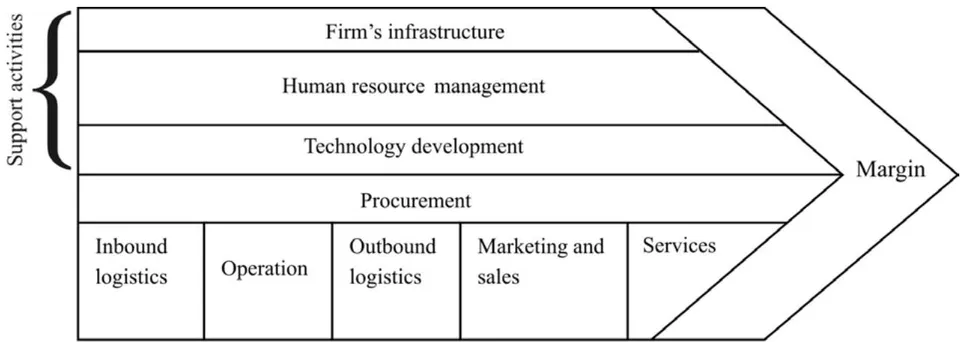
However, in real-life situations, value chains is more complex, involving several producers, creating various links within the value chain. Therefore it can be said that one value chain may be composed of several smaller value chains (Kaplinsky and Morris 2001).
III. METHODOLOGY
a) Description of the Study Area
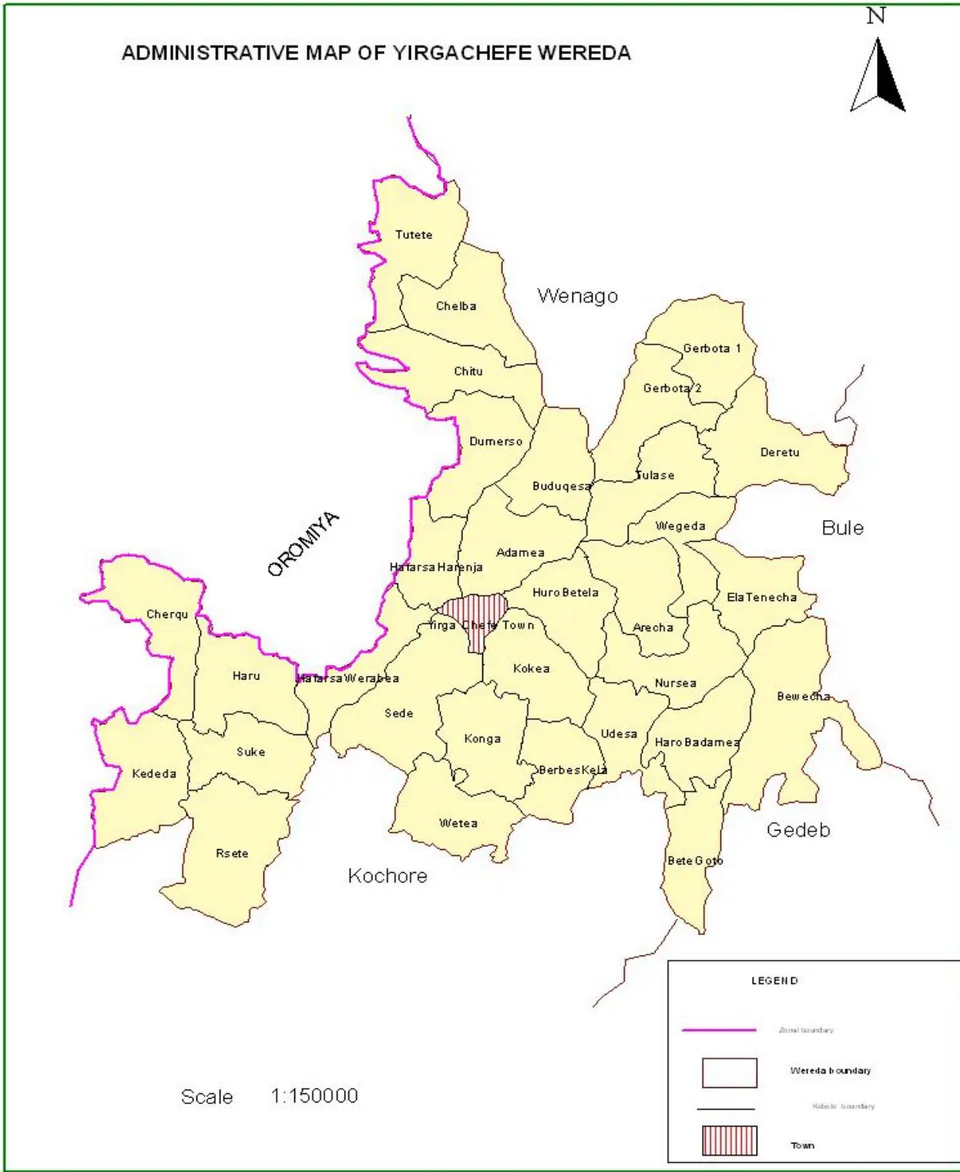
Yirgachefe district is one of the six districts of the Gedeo zone, which is located in the east-central part of the Gedeo zone at a distance of 37 km from the capital city of the Zone/Dila and 127 km from the capital of SNNPR, Hawassa. The Zone is located in the coordinates of 06' to 29' Northlatitude and 09' to 31' East longitudes. The total area of the district was 266 sq.km, and it was bordered on the south by Kochere, on the west by the Oromia region, on the north by Wenago, on the east by Bule, and on the southeast by Gedeb (SNNPR BoFED, 2012).
There were around 246,573 people in the district who live being clustered in 36 Kebeles, out of which 50.3% (123997) were females, and the rest 49.7% (122576) were males as per the 2013 projection of Central Statistics Agency (CSA, 2013) for the coming four years from 2014-2017. The total household size was estimated to be 41096. Around 87% (214,439) of the total population is living in rural areas depending on crop production and livestock raising, and the rest 13% (32134) are dwellers in the urban part of the district.
The average population density is estimated to be 933 persons per square kilometer, and the average land holding size of the district is around 0.65 hectare, which is much below the national average of total households' land holding in rural areas (1.77 hectares) (CSA and World Bank, 2013). Agro-ecologically, the district exhibits 93% Weina Dega (Midland) and 7% Dega (Highland). It has the mean annual temperature ranging from 15.1°C to 20°C, elevation ranging from 1501 to 3000 masl, and average annual rainfall ranging from 1201mm to 1800mm (DistrictBoFED, 2015).
Regarding coffee production, the district was ranked as the highest producer of coffee in the Gedeo zone as out of the total 36 kebeles, 33 were coffee producers. Of this amount, 26 are registered as high producer kebeles. The total annual production for the year 2015/16 was 49464 quintals of washed coffee and 21082 quintals of unwashed coffee according to the reports of the Yirgachefe coffee, tea, and spices production coordination department (CTSPCD, 2017). The figure below shows a map of the Yirgachefe district.
b) Selection Criteria of Coffee Value Chain
The coffee value chain is selected for analysis based on the selecting criteria set by Federal TVET agency. First, GTP-2 priority sectors were listed, and among them, the main economic activity in the case area was identified, which is agriculture. In Yirgachefe district, the livelihood of the society is mainly dependent on crop production in which coffee plays a dominant role in terms of land coverage, employment, GDP share, market share, the share of export, growth potential, market potential, product diversification, conservation importance & women empowerment. Table 1:1 below shows the growth and transformation plan (GTP) priority sectors from which the study selected coffee value chain.
| Growth and Transformation Plan (GTP)Priority Sectors | |||
| 1 | AgricultureCrop productionCoffee value chain | ||
| 2 | Industry development | 4.2 | Road Transport |
| 4.3 | Shipping Transport | ||
| 2.1 | Textile and Garment | 4.4 | Air Transport |
| 2.2 | Leather Industry | 4.5 | Energy |
| 2.3 | Sugar | 4.6 | Water and Irrigation |
| 2.4 | Cement | 4.7 | Telecommunication |
| 2.5 | Metal Engineering | 4.8 | Urban Development |
| 2.6 | Chemical | 5. | Trade |
| 2.7 | Agro Processing | 6. | Health |
| 3 | Mining | 7. | Culture, Tourism, & Sport |
| 4 | Economy and infrastructure | 8. | Social |
| 4.1 | Rail Transport | ||
c) Data Types, Sources, and Method of Data Collection
This study required both primary and secondary data to fully conduct it. Various value chain actors, including cooperative unions, traders, exporters, producers, consumers, financial organizations, and ECX were sources of primary data. Secondary data sources were internet, published and unpublished reports. Data have been collected from primary data sources using data collection instruments such as an observation, pre-tested semi-structured questionnaire, and checklists. During an observation, the availability of coffee farms, the farming system, farm tools used, traders' retail shops, and processors processing machines have been observed. Checklists were used to collect data from agricultural experts of the District and from experts of the district Trade and Industry Development Coordination Unit, cooperative unions, financial organization, ECX experts and zonal agricultural experts to have the overall outlook on the flow of coffee throughout the value chain and the different support services delivered by value chain actors. Interview method has been employed to collect data from farmers, traders, processors, and consumers using separate questionnaires.
d) Sample Size Determination and Sampling method
Regarding sample size, 30 producers, 16 traders including ECX exporters, three processors (industries), and 17 consumers were arbitrarily determined as samples for this particular study due to time and budgetary constraints. The random sampling method was used to select producer farmers from three kebeles of Yirgachefe district. All 16 traders, including
ECX exporters, processors, and 17 consumers were randomly selected as samples for this study.
e) Data Analysis
Both qualitative & quantitative data collected through various methods were analyzed by using a descriptive method of data analysis. The collected data from both sources were analyzed by using value chain analysis approach. A value chain map was used to depict the coffee value chain in Ethiopia explicitly. After collection of data from interviews and desk studies, the analysis is done by the value chain analysis approach. The stakeholder matrix was used to show the role of chain supporters taking part in the coffee value chain. Chain mapping is used to explain the value chain of coffee in the country. Also, a comparative analysis of the AS-IS value chain and the benchmark value chain of coffee had been undertaken.
IV. RESULTS AND DISCUSSION
a) Coffee Value Chain Actors and Their Roles
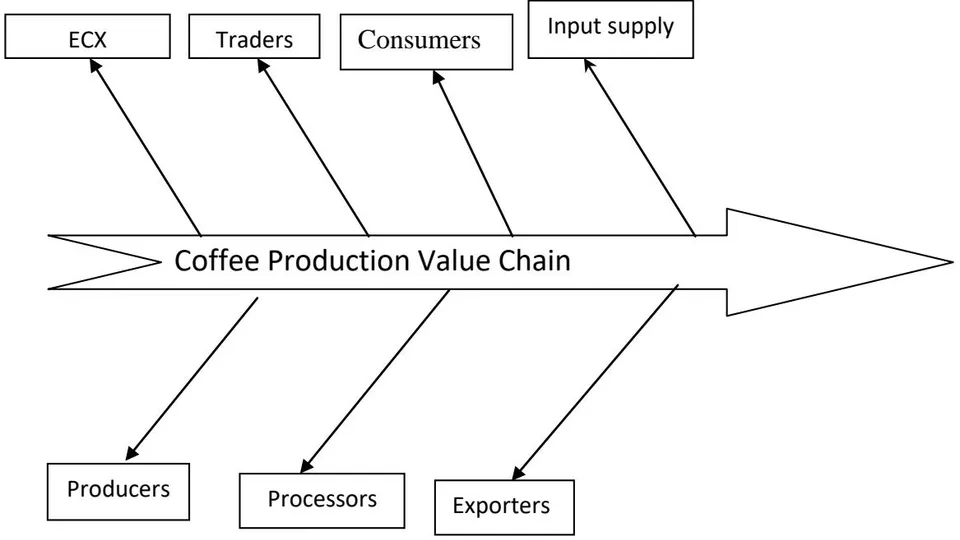
Actors participating in the coffee value chain include input suppliers, coffee producers, traders (small-scale and large scale traders), unions or cooperatives associations, processors (hullers and wet mills), exporting firms (including Ethiopian Commodity Exchange organization) and local roasting firms.
Input suppliers: These actors include research centers (seedling suppliers), agricultural chemicals suppliers, agro-input dealers, and the likes. Large-scale producers directly buy from international suppliers, whereas the rest get from local agro-dealers.

Coffee producers: these include small-scale coffee producers and farmers' cooperatives, and large-scale commercial private enterprises, which produce coffee for the local and global market as per the standard of coffee quality set by the inspection body.
Traders: Buy coffee from smallholder farmers at their locality and supply to processors. They include local collectors and large scale traders. They have a crucial role in the coffee assembly and transfer to the processors.
Cooperatives: these are farmers groups who collect coffee from member farmers and supply to processors, Unions, and ECX. Members collect coffee together as well as purchase others' coffee in the village town as a group and supply to processors and Unions. Since some cooperatives have their processing machines, they process and sell directly to ECX.
Processors: Processors are actors performing processing activities in stations. They carry out both dry and wet processing. These processing activities include hulling and pulping of coffee and sorting, grading packing and weighing is carried out here in large scale producers & cooperatives all processing work is accomplished by the producers by their processing plants.
Cooperative Union: they link producer farmers' cooperatives to international traders. They Collect coffee from cooperatives and makes some value addition practices(hulling/processing, clearing, sorting and packaging), and export directly to international buyers. Also, Cooperative Union plays a significant role in the area of market linkages, collateral for cooperatives, and technical support to other cooperative and representing other cooperative members in the marketing process as well.
Wholesalers: There are private enterprises and individuals that have got legal license to participate in a coffee transaction according to the regulation set by the country coffee transaction undertaken at ECX, and they buy processed coffee from collectors and sell the best quality to exporters. They also make sale of under qualified coffee for retailers.
Exporters: Involved in operations such as buying the coffee from wholesalers at ECX and export the finished clean and standardized coffee beans.
Retailers: these are two group. The first are found in Ethiopia. They buy under qualified coffee and sell it domestically. The second are found in coffee importing country. Retailers in Ethiopia purchase coffee from the large-scale producers, exporters and cooperatives for selling for domestic consumers.
Consumers: these are also two group. Those found in Ethiopia and those who are in importing country. The role of both consumers is nearly the same. It is consuming coffee either in the form of hot boiled coffee or in other different forms such as candy.
b) Bench-marking
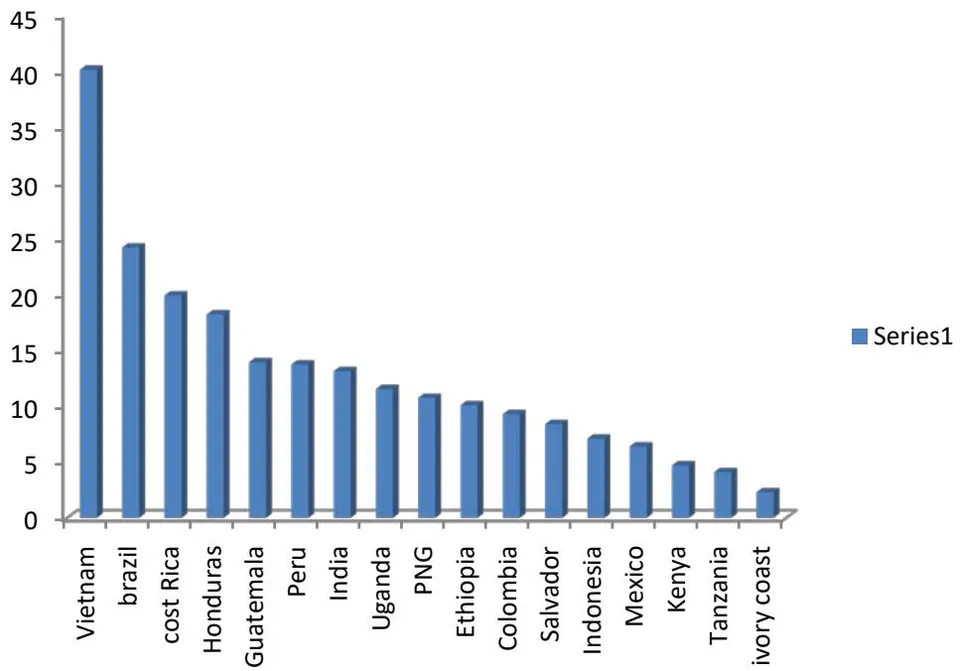
The bench mark was selected based on the total production and productivity history of countries. The following table shows the total production and productivity of the world top 10coffee producers including our country Ethiopia.
| Name of country | Yield per hectare per year | Remark |
| Brazil | 61 | |
| Vietnam | 30 | |
| Colombia | 13 | |
| Indonesia | 11 | |
| Honduras | 7.5 | |
| Ethiopia | 6.5 | |
| India | 6 | |
| Mexico | 5 | |
| Peru | 4.9 | |
| Guatemala | 4.1 |
Therefore, Brazil is selected as a bench mark for this comparative study to compare with the existing value chain of coffee (AS-IS) in Ethiopia, especially of Yirgachefe.
c) Value Chain Mapping
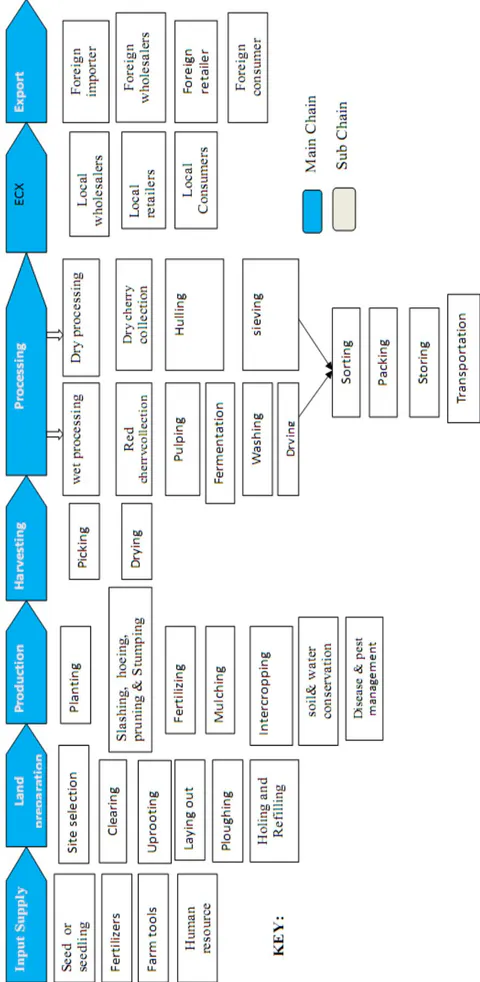
i. Mapping the AS-IS Coffee Value Chain Starting from Yirgachefe
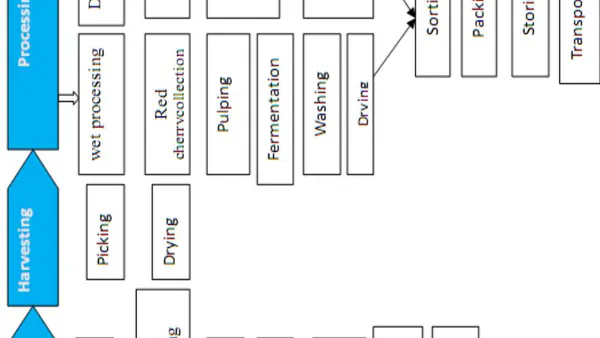
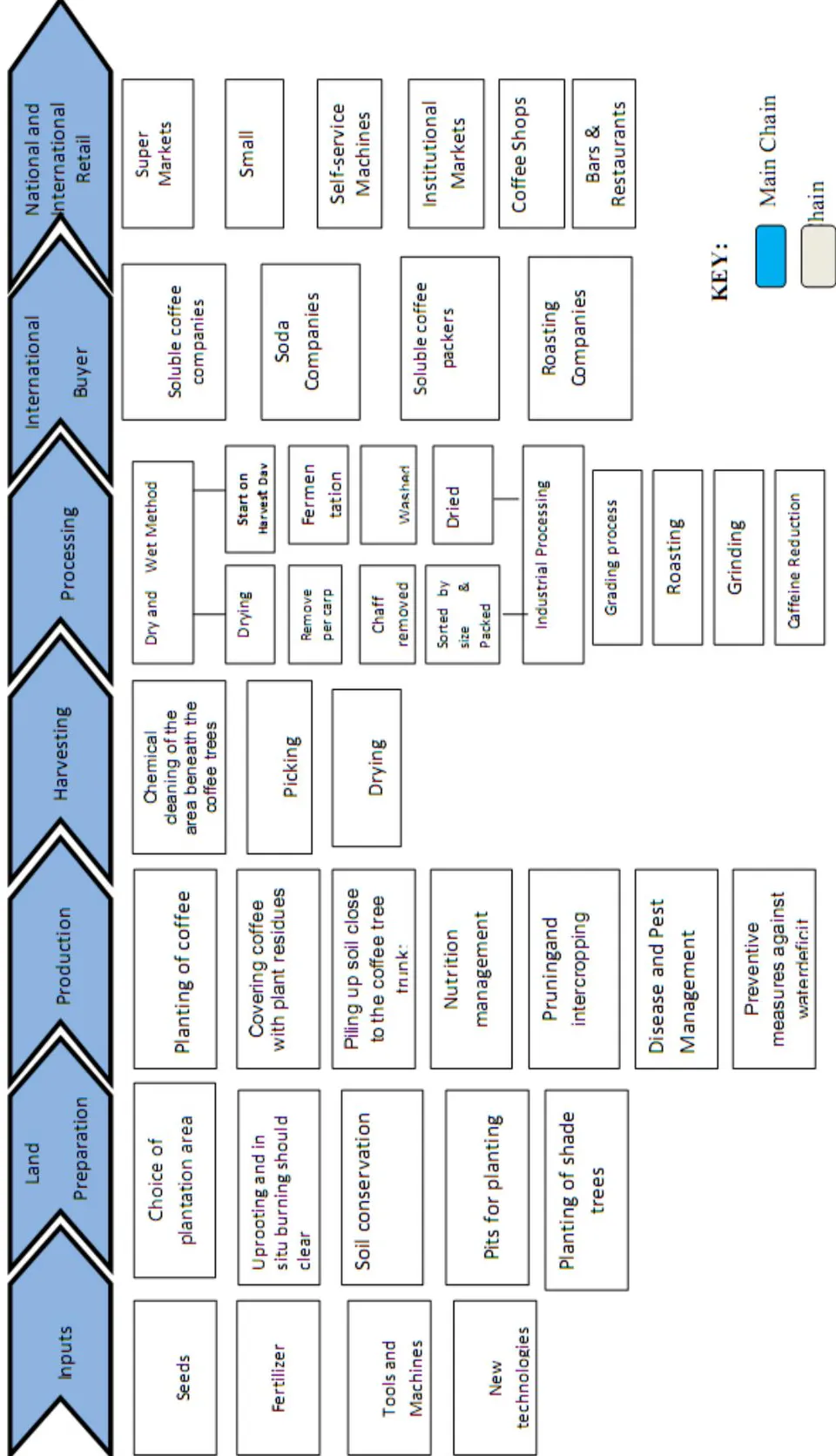
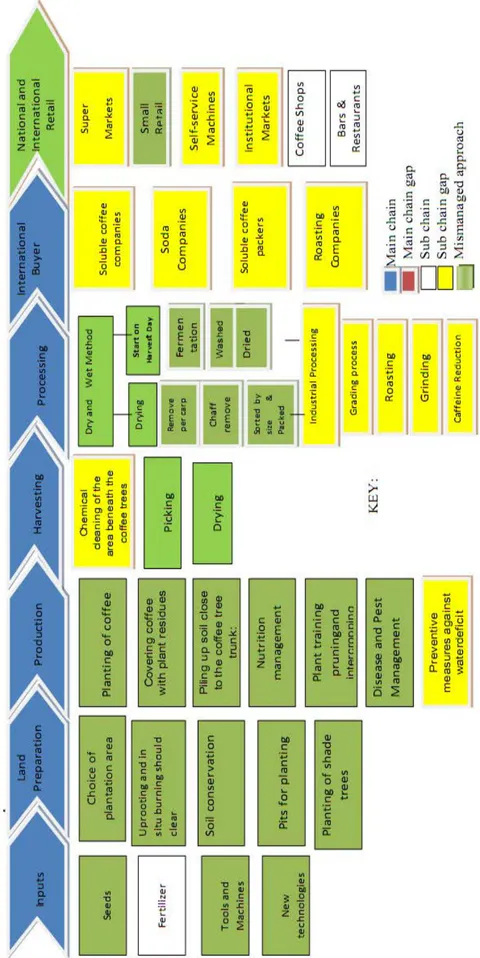
Figure 3 below shows the AS-IS map of the coffee value chain, which starts from Yirgachefe, where most of the coffee produced in the Gedeo zone comes. It begins from input supply and ends at export. The coffee that flows through either changes its form or its place from where it was produced up to export. In each stage, the different functions undertaken by respective actors have been listed. Each activity in the AS-IS value chain is being compared to figure 4 which is the benchmark (the Brazilian experience), and mapped under the AS-IS map. The gap between Brazilian experience and the AS-IS condition are also identified and put in figure 5. This map shows what is available there in Brazil but not here in Ethiopia and functions which are available but are not being properly undertaken.
ii. The Benchmark Coffee Value Chain: The Case of Brazil
iii. The Gap between AS-IS and the Benchmark
d) Description of constraints in the AS-IS value chain relative to the benchmark
i. Constraints in Input supply
| Inputs used | Constraints associated with inputs used |
| 1. Seed:- Framers of Yirgachaffee mainly use 74110, 74112, 74,148, 74,158 and 1377 seed varieties- Besides, they use local varieties- coffee seed's moisture content was being tested with knife or tooth | - Shortage of improved seeds- Use of Substandard/unspecified seed varieties- Skill gap in seed preparation- Lack of convenient cold store rooms for seeds to maintain moisture at an appropriate level- Shortage of coffee research institutes regionally and nationally |
| 2. Seedling:- Seedbed preparation- Sowing seeds, watering (manual irrigation), sheltering, weeding- Bare root seedling- seedlings raised in poly bags | - Manual watering- The mortality rate is high in bare root planting- Shortage and expensiveness of plastic (poly bag) supply- The mix of d/t varieties due to insufficient training and follow-up |
| 3. Fertilizer:- Use of organic fertilizer or compost- Use of locally available materials such as animal dung, biomass (coffee husk or parchment), wood ash, forest soil & bamboo & any biodegradable materials can be used for compost preparation. | - An inappropriate ratio of components- An inappropriate layering of ingredients- Lack of transportation facilities to bring parchments from coffee processing industries to farmlands.- Poor integration between farmers & processors- Inadequate storage for compost |
| 4. Farm tools- Use of manual tools (watering cane, slashes, spade type of hoe, three prolonged hoes, pruning shear, hand saw etc) | - Reduced productivity due to manual operation- Transmission of coffee disease due to untreated hand tools- Poor weed control- Tiresome (time-consuming)- Poor quality of farm tools- A poor linkage between farmers & farm tool suppliers- An absence of user manual for farm tools & pieces of equipment- No irrigation scheme |
| 5. Human resource- Farmers- Labourers- Experts- Trainers- Supervisors | - Shortage of trained manpower- The high wage rate for daily laborers- Lack of periodic skill gap training for farmers &labor force- lack of adequate extension service- Provision of inconsistent supervision by subject matter specialists & other others |
ii. Constraints associated with Land preparation
| Land preparation functions | Problems associated with land preparation |
| 1. Site selection:– a place rich in decomposed plant pieces– having shed trees and windbreaks– sufficient rain distribution | – inappropriate slopes on the selecting areas– poor fertility– deficiency in the required nutrients and minerals– poor treatment of soil– frost action and impacts |
| 2. Clearing- Site clearing by slashing | – Tiresome & time taking manual work– Unsafe operation with hand tools |
| Uprooting- Uprooting is undertaken by using the hoe, saw, and ax | – Tiresome & time taking manual work– Unsafe operation with hand tools |
| 3. Laying out- Laying out is carried out by using hand tools such as tape rule, line level & pegs | - shortage of appropriate hand tools- Lack of surveying materials- Skill gap on laying out &leveling |
| 4. Plowing- it involves tilling and turns over outer and inner soil layers for coffee planting | - No ploughing practice or trend before holing among farmers in the study area |
| 5. Holing:- Manual holding 3 months before planting- 60 cm* 60 cm area of the hole- Putting top soil & subsoil separately after holing- Refilling the topsoil mixed with 2kg of compost after two months | - Lack of holing machine or equipment- Inconsistency using a standard of holding dimension- Negligence in putting topsoil & subsoil separately- Untimely refilling |
iii. Constraints associated with Production
| Main production functions | Problem associated with production |
| 1. Planting- Opening the refilled hole manually- Planting seedlings by keeping the collar zone- Mulching operation around a radius of 10cm from the planted seedling- Construction of temporary shed in the direction of sunrise & sunset (in the east-west direction) | - Some farmers are unable to plant the seedling by keeping the collar zone- Most of the farmers don't use mulching during planting- Manual operation- insufficient &inconsistent supervision- poor provision of extension services for farmers/producers |
| 2. Slashing, hoeing, pruning, Stumping & de-suckering:- perform slashing operation three times in a year- perform hoeing operation twice in a year- main pruning is performed immediately after harvesting (manually operated)- maintenance pruning performed at list twice per year- stamping operation is carried out after harvesting;- they are leaving many suckers beyond the optimum | - use of manual tools for all mentioned operations- inefficient control of perennial weeds- some farmers are unable to perform the hoeing operation periodically- some farmers are not using a temporary shedding- they are not practicing proper de-suckering; it reduces productivity;- some farmers show resistance against stamping(rejuvenation) operation- lack of adequate stamping materials such as sow & saw blades- farmers often don't use disinfectant chemicals or- they do not disinfect their stamping tools using chemicals or fire before and after application |
| 3. Fertilizing application:- Use of organic fertilizer or compost twice per year- Use of locally available materials such as green leaf, crop residue, animal manure, biomass (coffee husk or parchment), wood ash, forest soil & bamboo & any biodegradable materials can be used for compost preparation.- applying 5kg or 5spade per coffee tree | - Some farmers don't use fertilizers periodically (twice a year)- Some farmers use un-decomposed or sub-standard compost- Some farmers don't use the recommended amount (3-5kg per plant per round)- Unable to use the fertilizer around the canopy & mixed with soil- application of compost without considering the age of the coffee tree as well as a round of practicing- farmers in the study area are not considering C and N ratio properly |
| 4. Mulching:- mulching used as a control of weeds- it conserves soil & moisture content,- it increases soil fertility,- farmers in the study area are using some parts of enset such as leaves, sudo stems | - farmers in the study area have not been using enough mulching materials other than enset by-products;- They are not giving attention regarding the practicing of mulching and its real importance for the growth of a coffee tree |
| 5. Soil and water conservation:- it involves a construction of structures such as a trench, micro-basin, pet and tie ridges, etc | - practicing soil & water conservation after planting the coffee seedling rather than before- low-quality structures that may facilitate erosion rather than be conserving soil and water- some farmers do not use such structures at all- having skill gap in designing structures |
| 6. Intercropping:- Intercropping with haricot bean (for improving soil fertility & income generation, false banana (for shedding & consumption) & taro (for food)- Helps for weed control | - Taro has a negative effect on soil fertility /competition for nutrient & water/ and other non-leguminous plants |
| 7. Disease & pest management:- Uprooting and burning the infected coffee tree on the spot- farmers have been using coffee berry disease(CBD) resistant varieties such as 74110 and 74112 | - Untimely uprooting the infected coffee tree- Some farmers are using the infected tree for firewood (not burning at the spot)- Not treating hand tools with chemicals & fire |
iv. Constraints associated with Harvesting and postharvest
| Harvesting and postharvest Functions | Problems associated with Harvesting and postharvest functions |
| - Preparation of picking materials & drying bed using bamboo basket & other wooden materials- Manual picking of red cherry- Drying or selling red cherries for processors- Supplying red cherries to processors within eight hours after picking | - Tedious & time taking a manual operation- Labour intensive (lack of machine support)- Picking unripe & over ripped cherries together with the red cherry- Some farmers are unable to meet the delivery time;- not practicing proper sorting before processing undergone- Adulteration with foreign materials & soaking in water to uplift weight- Using inappropriate picking materials |
v. Processing
| Processing Functions | Problem associated with processing |
| 1. Red & dry cherry collection:- Red & dry cherry buying & sorting- Transporting | - Lack of transportation facilities & infrastructure- Quality problems due to untimely arrival of red cherry for washed coffee processing- Processing mixed varieties of coffee- Quantity based price setting rather than quality |
| 2. Wet & dry coffee processing:2.1. Wet processing:- it involves pulping or separating clean coffee from parchment using the pulping machine with the help of water | - Using pulping machines inappropriately and operating with maladjusted disk type, which creates quality problems- Lack of trained machine operators- Not undertaking pulping or processing washed coffee in the day at which the red cherry-picked or collected;- not applying recirculation effectively so as to save the volume of water needed for wet processing and reducing the number of lagoons required for storing liquid by-products or sewage |
| - Over & under fermentation- Some parchments are fermented with the coffee bean in the fermentation tank | |
| 2.2. Dry processing:- it involves milling through which the removal of husk from the sun-dried coffee so as to get clean unwashed coffee (Fisher)- Sieving has been taken place for sundried coffee to separate byproducts from pure one using manually | - Manual separation- Poor standard of hulling machines- Time taking operation- not using color sorter machines to save the effort of manual sorting costs |
| 3. Fermentation:- Removal of mucilage by soaking with water in the fermentation tank | - inappropriate application of fermentation time interval in terms of different agro-ecologies- inconsiderate of volume, coffee bean maturity, temperature, altitude and variety during fermentation |
| 4. Drying:- Drying bed preparation & cemented drying floor- Reduces moisture content in the coffee bean till it reaches 11.5 to 12%- mostly the stage of drying testing has been practiced using teeth | - Insufficient drying bed & cemented floor preparation- shortage of drying materials such as mesh wire sacks made from fibers, yellow plastic cover sheets, etc- Lack of uniformity in drying- Overdrying& under drying- lack of artificial and solar drying technologies, which are important during a heavy rainy season of coffee processing- lack of moisture testing instrument |
| 5. Sorting- Manual Separation of foreign materials, broken bean, beans infected by disease & insect pests, and other defects from coffee bean | - Labor intensive and time taking- tedious manual separating of defects from the clean washed and unwashed coffee |
| 6. Packing- Manual Packing sorted coffee in sacks (60kg for washed & 85kg for unwashed) | - Manual operation- Less accurate- shortage of packing materials |
| 7. Storage- Storage of sacks of coffee in a separate warehouse- Should free from bad odor | - Using undesirable bags (plastic bags)- Some farmers store in rooms where animals are living- Not well-ventilated storerooms or warehouses- Inappropriate and bottleneck ordering |
vi. Constraints associated with Marketing
| Marketing Functions | Problem associated with marketing |
| 1. ECX- Storage services- Taking samples- Testing & Grading- Auction (plays an intermediary role between coffee suppliers & exporters) | - Insufficient storage units- Wastage during sample taking- Extra warehousing costs |
| 2. Exporters- Purchasing coffee from suppliers- Selling coffee to foreign importers | - A blending of differing traits- Unfair payment for different quality standards- Poor linkage with a foreign market (farmers) |
| 3. Local wholesalers:- Purchasing coffee from ECX- Selling to retailers | - Lack of sustainable provision of coffee the retailers- Always selling UG coffee to retailers |
| 4. Local retailers:- Purchasing coffee from ECX- Selling to retailers | - Lack of sustainable provision of coffee to consumers- Always selling UG coffee to consumers |
a) Analysis of value addition process in the bench mark value chain (Brazilian Experience) Global Journal of Science Frontier Research (D) Volume XIX Issue V Version I
| Value addition practice | Function | Existing Technology | ||
| 1. Input supply | Access to Agricultural Inputs: In Brazil, cooperatives are the main distribution channel for lime, fertilizers, agrochemicals and seeds► Variety and Smart use of inputs from research and Technology centre. i.e.► Resilience to climate change,► Resistance to pests and diseases.► Improve more coffee quality. |  | 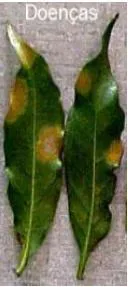 |  |
| 2. Seed | ||||
| 3. Fertilizer | worm compost, bovineManure or organic compost. | |||
| 4. Tool and Machines | ||||
| 5.New Technologies | NEW HYBRID COFFEE VARIETIES:New technologies in less time-clones with desirable agronomic features like:-► High productivity;► High quality;► High vigor;► Resistance to leaf rust;-Shorter orthotropic inter node length. | 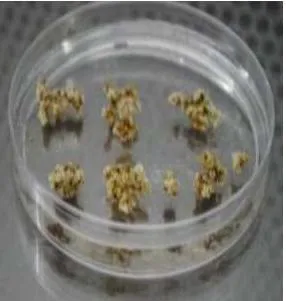 | 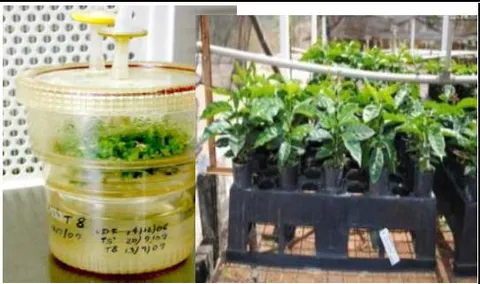 | |
Existing Technology
ii. Land preparation
| Value addition practices | Function |
| 1. Choice of plantation area | In the organic management of coffee plantations techniques for covering the soil with litter are frequently used (husks and various residues from plantations or from the agro industry, such as coffee husks, sugar cane fiber, etc); live soil cover (vegetation that is cultivated or grows spontaneously kept covering the soil) and green fertilizers (plants that are cultivated in the local or brought from elsewhere, which are incorporated to the soil with the purpose to preserve the soil fertility, which can be used as a crop rotation, live-fences, wind breakers, surrounding strips and road edges). The use of plant biomass as source of organic matter represents one opportunity for the producer to decrease their dependence in relation to the use of manure. Additionally, the soil cover protects it against erosion and decreases the incidence of spontaneous plant growth. |
| 2. Uprooting and insist burning should clear | |
| 3. Soil conservation |
| 4. Pits for planting | Planting- Slightly acid (pH 5.2 to 6.3) well drained soil- Beginning of wet season- Vertical position or 30° angleSpacing- need light for fruit ripening- Arabica, 1350 trees/haTime to fruiting- Take 3-4 years to obtain mature plant- Fruit on year old wood | 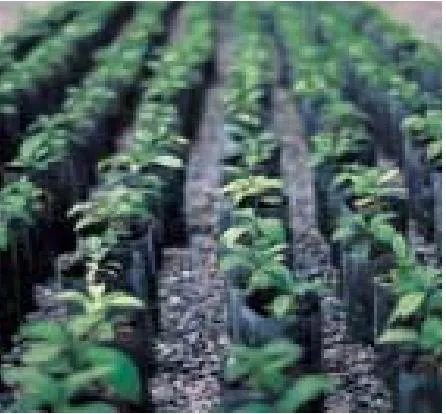 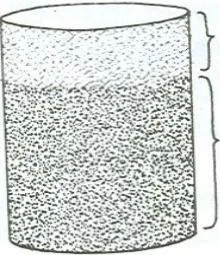 |
| 5. Planting of shade trees | Grevilea' trees should be planted be 10 -14 m apart.Inside the coffee plantation, the tree distribution should be approx. 70 plants/ha.Protection against frost should start three years after the trees have been planted. | 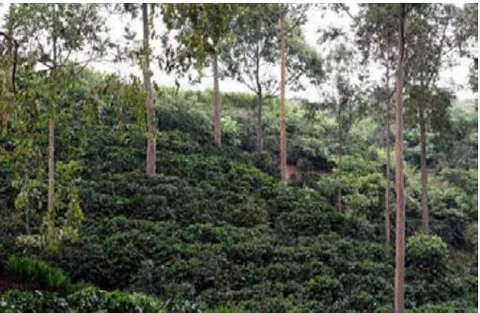 |
iii. Production process
| Value addition practices | Function | Existing Technology | |
| 1. Planting of coffee | Slightly acid (pH 5.2 to 6.3) well drained soilBeginning of wet seasonVertical position or 30° angleSpacing- need light for fruit ripeningArabica, 1350 trees/haTime to fruiting:-Take 3-4 years to obtain mature plantFruit on year old wood | 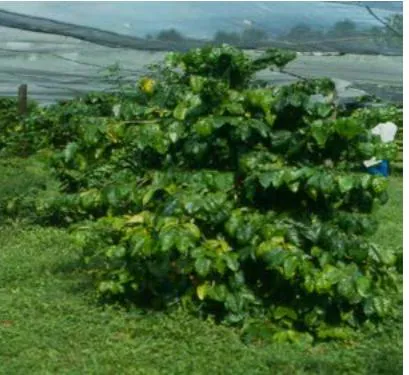 | 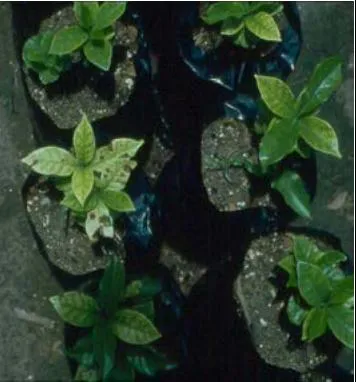 |
| 2. Covering coffee with plant residues | Another way to prevent frost damage is to cover coffee plants with a thick layer of plant residues the day before suspected frost. After the frost risk is over, this protective layer should be removed. This procedure promotes complete protection against severe frost – it is crucial that there is adequate covering of the coffee plantation for it to be effective. | ||
| 3. Piling up soil close to the coffee tree trunk: | |||
| 4. Nutrition management | ▸ Prominent role of In caper: developing, transferring and assisting farms (especially small ones) to adopt new technologies.▸ mulching, irrigation, fertilizer and pests management; pruning; etc. | 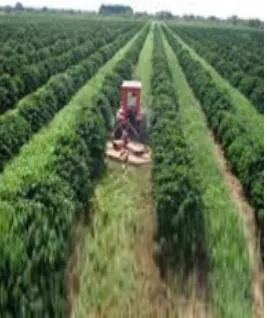 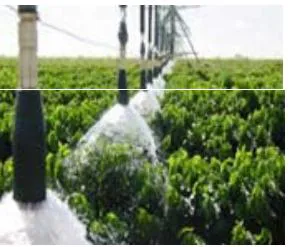 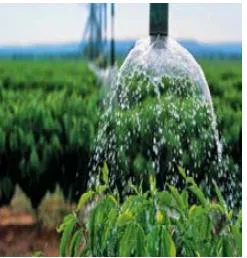 | |
| 5. Plant training pruning and intercropping | CYCLIC PRUNING PROGRAM:-▸ Increased average productivity and reduced labor costs.▸ Coffee sustainable curriculum implemented | 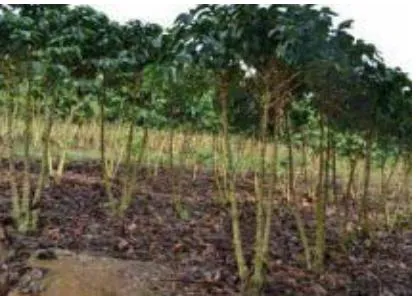 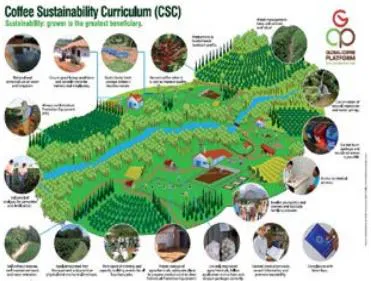 | |
| 6. Disease and Pest management | |||
| Preventive measures against waterdeficit | |||
iv. Harvesting
| Value | Function | Existing Technology | |
| 1. Chemical cleaning of the area beneath the coffee trees | With the purpose of facilitating the harvest and reducing the conditions suitable for the rapid deterioration of the fruits that fall either before or during the harvest. | 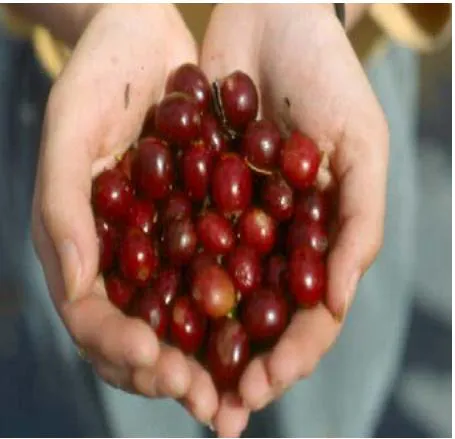 | 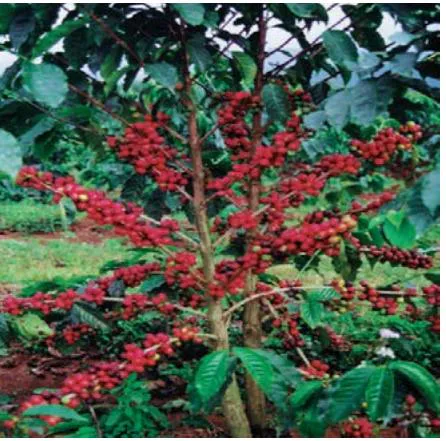 |
| 2. Picking | Most done by handMaterials, such as sacks, spreaders and clothes must also be acquired in advance so that the harvest is completed within a maximum period of two to three months for large plantations.Ripe berries onlyPick every 8-10 days | ||
v. Processing
| Value addition practices | Function | Existing Technology | ||
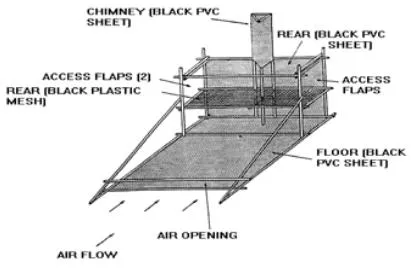
| 1. Dray and wet method | Washed (Wet)-Water under pressure-Dried - spread out to dry- Sun- Artificial heatDryInitial drying done on trees Spread on concrete, tile or matted surfaceImmediately after harvesting, coffee is submitted to the 'wagging' operation, with the purpose of removing gross impurities that are mixed with the fruits.The harvested coffee must be placed immediately in the vehicle, or in sacks, and transported for drying on terraces. | 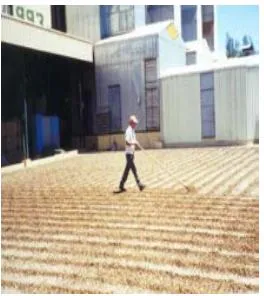 | 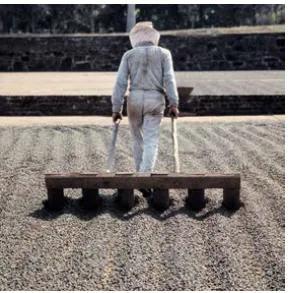 | 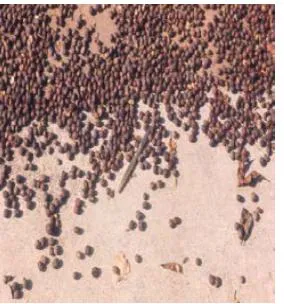 |
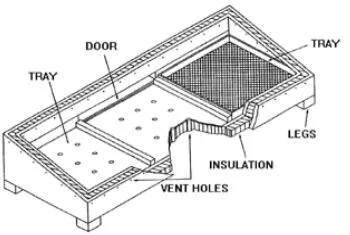 |  | |||
| The solar cabinet drier drier | The exell solar | |||
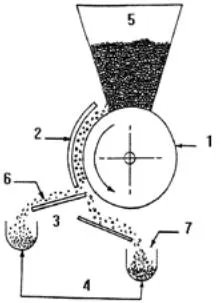
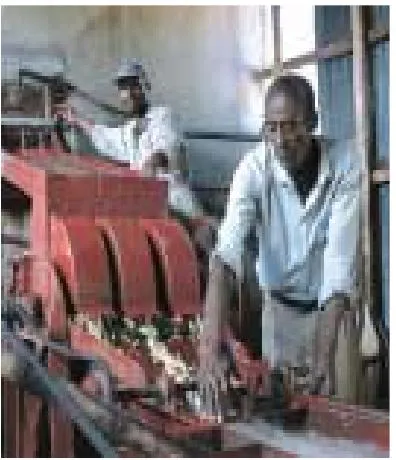
| 2. Grading process | Grinding is a means of adding value to a product.There are basically two types of grinders.-Manual grinders and motorized grinders.Manual grinding millsThere are many manual grinders that could be used to grind coffee.An experienced operator can grind about 20kg in an eight hour day. However, this is hard and boring work. A treadle or bicycle could easily be attached to the grinder, which will make the work easier. With this system, one person could grind about 30kg in one day. | |||
  | ||||
| 3. Industrial Processing- Roasting and Caffeine Reduction | Roasting (370°F to 540°F)Removes moistureLight roast lose 3-5% moistureDark roast lose 8-14% moistureTime (up to 30 min) determines flavorDecreasing the amount ofChlorogenic acidTrigonelline | 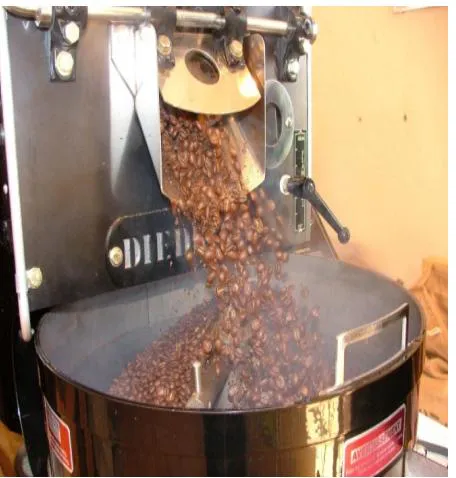 |  | |
| 4. Marketing | ▸ 90 Coffee Cooperatives in Brazil▸ Smallfarmershavethesamemarketandtechnologyaccessthanthebiggerones.▸ Integrated Solution: inputs, equipment and services▸ Cooperatives - Facilitate access to:(i)domestic and international markets and (ii) risk management instruments (hedge).▸ Adding Value: Investment in coffee industrialization and Incentive for the production of specialty coffees. |
CHAPTER FIVE
I. SUMMARY, CONCLUSIONS, AND RECOMMENDATIONS
a) Summary and Conclusion
This study was conducted in Yirgachefe District found in Gedeo Zone, SNNPR, Ethiopia, and had the general objective of analyzing the coffee value chain in the District. The specific objectives were to identify were to trace the value chain of Yirgachefee coffee AS-IS from input supply to consumption, to study international best practice to be used as a benchmark to take competitive advantage, to identify all the constraints that impede the competitiveness of coffee in the case area in the national & global market and to determine the role of actors in the coffee value chain for the intervention.
Coffee is the second most traded commodity in the world after oil (Roldán-Pérez, 2007 cited in Dilebo, 2019). It is one of the main cash crops in Yirgachefe district. The district has huge potential in coffee production. It was the highest producer of coffee in the Gedeo Zone. The total annual production for the year 2015/16 was 49464 quintals of washed coffee and 21082 quintals of unwashed coffee. The data for this study were generated by individual interviews using questionnaires and by observation using an observation checklist. These data were supplemented by secondary data collected from different published and unpublished literature. The analysis was made by comparing the AS-IS value chain with the bench mark value chain, which is Brazilian experience. A total of 30 coffee producer households (26 male-headed and four female-headed) were randomly selected from three Kebeles found in Yirgachefe. About 16 traders, three processors, and 17 consumers were also interviewed.
The study result indicated that there is a gap between the bench mark value chain and the existing AS-IS value chain in input supply, land preparation, production, harvesting, processing, and marketing functions. Regarding input supply, Shortage of improved seeds, Bare root seedling, inappropriate composition in compost preparation, Reduced productivity due to manual operation, Transmission of coffee disease due to untreated hand tools and Shortage of trained labour are identified as constraints on the AS-IS value chain. Regarding land preparation, gaps such as inappropriate slopes on the selecting areas, Unsafe operation with hand tools, No ploughing practice or trend before holing among farmers in the study area, Lack of holing machine or equipment, Inconsistency using a standard of holding dimension and Some farmers are unable to plant the seedling by keeping the collar zone. Production problems identified are that Some farmers are unable to plant the seedling by keeping the collar zone, Slashing, hoeing, pruning, Stumping & de-suckering using manual tools; Some farmers don't use fertilizers periodically (twice a year); Some farmers use un-decomposed or sub-standard compost; farmers in the study area have not been using enough mulching materials; intercropping competitive non-leguminous plants rather than using complementary plants; Untimely uprooting the infected coffee tree. Labour intensive (lack of machine support) and Picking unripe & over ripped cherries together with the red cherry are out of harvesting problems. Quality problems due to untimely arrival of red cherry for washed coffee processing; Processing mixed varieties of coffee; Using pulping machines inappropriately and operating with maladjusted disk type, which creates quality problems, Manual separation, Poor standard of hulling machines; inappropriate application of fermentation time interval in terms of different agro-ecologies; shortage of drying materials such as mesh wire sacks made from fibbers, yellow plastic cover sheets, and Lack of uniformity in drying are also out of processing problems. Regarding marketing, insufficient storage units, Wastage during sample taking, and extra warehousing costs are identified as constraints in the AS-IS value chain.
b) Recommendations
The following recommendations are given based on results of the study,
The study result indicated that most of the farm tools used to produce coffee are traditional and are operated manually. Therefore, TVET colleges can intervene to imitate the technologies practiced in Brazil(the bench mark).
The study indicated that some farmers are using local coffee seedlings due to a shortage of coffee seedlings supply, and there is a knowledge gap in coffee production and marketing. Therefore, coffee, tea, and species authority of Yirgachefe district, Gedeo zone, and SNNPR region should supply sufficient coffee seedlings and mobilize coffee value chain actors starting from input supply up to consumption.
The result also indicated that there is no interdependence among value chain actors. Therefore, industry owners should support producers and develop out-grower scheme in the process of coffee production.
Most of the farmers, industries, and coffee traders responded that they are not getting loans to produce and market coffee. Therefore, financial institutions such as credit institutions, commercial bank and development banks should facilitate loans for coffee production and marketing.
The observation by transect walk revealed that there is no farm equipment supply center in the district. Therefore, coffee producers' cooperatives should establish farm tools and equipment supply centers.
The review of literature showed that there were limited resources to refer regarding coffee value chain of Ethiopia in general and Yirgachefe in particular. Therefore, institutes of technology in universities such as Dilauniversity and Hawassa university should intervene in research and development to identify constraints in the coffee value chain.
The observation by transect walk hasshown that the coffee processing industries in the district are not using the byproducts (coffee parchment, husks and liquid wastes) as alternative energy sources such as ethanol and briquettes. Therefore, the district, zonal, and regional mineral, and energy bureau should work in collaboration with coffee, tea and spices authority on the issue.
ACKNOWLEDGEMENT
Bureau of regional technique and vocational school and its experts, experts of coffee and tea production authority, agricultural economics experts of Dila University and experts from bureau of energy deserve greet acknowledgement for their high expertise contribution for preparation of this document.