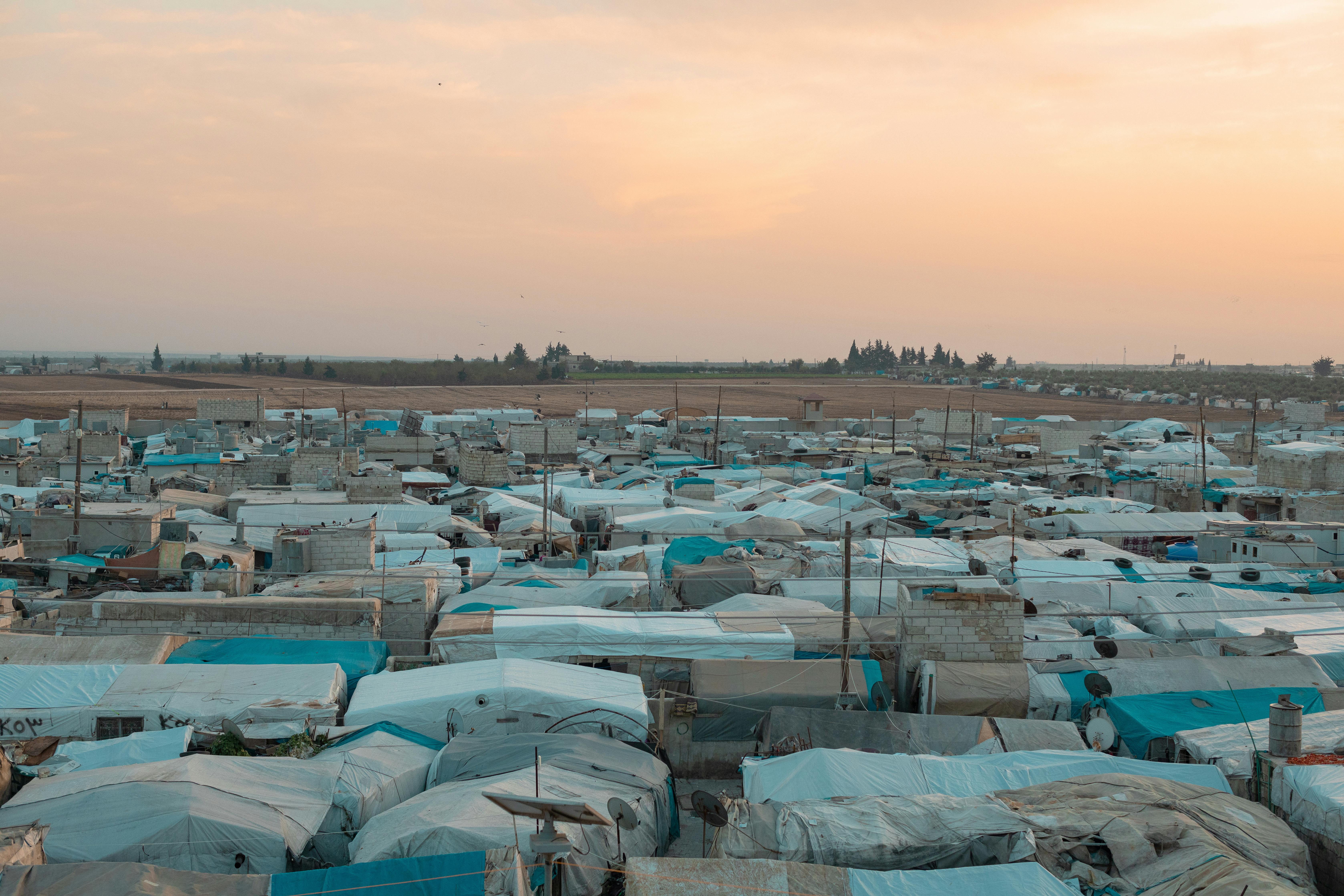
Adequate housing is pivotal for the refugee’s well-being, demanding strategic urban management to facilitate their integration. The research objective is to analyze housing access for adult refugees within the context of a strategic digital city, focusing on adult refugees and city strategies as a subproject of the strategic digital city project. The research methodology adopted is a case study in Curitiba, the research employs both qualitative and quantitative techniques, guided by a research protocol. Results suggest that addressing housing access challenges entails more than mere provision; it involves safeguarding rights, stability, integration, and participation in public policies and municipal strategies within the strategic digital city framework and the right to the city. These findings underscore the necessity for support services and robust collaboration among diverse stakeholders and public policies to tackle the multifaceted refugee issue, thereby fostering their integration and well-being in the host society. The conclusion emphasizes prioritizing concepts such as privacy and dignity in housing, highlighting the urgent need for effective policies catering to refugees’ diverse needs.
## I. INTRODUCTION
As the urban population rise, urban planning becomes essential to ensure adequate public service delivery and equitable housing access for refugees (Santos, 2014; Lencioni, 2020; Villie, 2021; Schmidt, Jacobsen & Krieger, 2020; Silva & Fernandes 2017). Meanwhile, as cities undergo a rapid urbanization process, disparities emerge across various domains, including housing, income, amenities, and infrastructure, posing unique challenges for refugees seeking shelter. This demands an approach to urban governance (Jacobs, 2011; Lacerda, 2000; Lencioni, 2020; Rolnik, 2015; Romanelli & Abiko, 2011; Tavares, 2022). Real estate expansion has significantly changed the urban landscape, leading to both increases and decreases in the value of certain areas. This, in turn, affects the availability and affordability of housing options for vulnerable populations, especially refugees (Lencioni, 2020; Romanelli & Abiko, 2011; Tavares, 2022).
Immigration trends pose a global issue that extends beyond specific regions like Brazil or Europe, encompassing a broader international context. Typically, refugee communities in big capital cities tend to accommodate in disadvantaged areas with limited access to essential services and infrastructure due to low costs and availability (Andrade & Breviglieri, 2016; Duarte & Carvalho, 2021; Kraljevic, 2020; Schmidt, Jacobsen & Krieger, 2020; Villie, 2021; Watol & Assefa, 2018). Ensuring dignified housing for refugees is a matter of human rights, highlighting the need for urban policies and interventions that prioritize the housing needs of vulnerable populations (Christofi & Georgiadou, 2023; Pulitano, 2022; UNICEF, 2022; Violin & Spinicci, 2018).
The research problems are demonstrated through the rapid urbanization in Brazilian cities over the last four decades, which has resulted in a housing shortage and limited access to essential urban services (Vitte, 2010; Oliveira, Miguez, 2016). Despite governmental efforts, Brazilian cities still face issues like sanitation and social inequalities, while marginalized communities still struggle to access central urban areas with vital infrastructure (Jacobs, 2011; Mello, 2020). Furthermore, refugees face difficulties accessing suitable housing and essential services because of language barriers, discrimination, and limited recognition of qualifications, which further complicate their integration, leading to social exclusion (Christofi & Georgiadou, 2023; Solano & Huddleston, 2020; UNHCR, 2023; UNHABITAT, 2023; Villie, 2021).
These systemic issues underscore the urgent need for comprehensive strategies to address the housing crisis and promote inclusive urban development, especially for vulnerable groups like refugees (Brady, Chaskin & Mcgregor, 2020; Fagundes & Augusto, 2022; Mitchell, 2020; Pacífico & Silva, 2019; Silva & Fernandes 2017). While strategic digital cities are increasingly vital for access to information and to address territorial inequalities, challenges persist in developing planning frameworks (Rezende, 2023; Rezende & Procopiuck, 2018). Therefore, integration efforts for refugees encounter difficulties from social adaptation to xenophobia, often leading to short-term strategies that may undermine state efficiency in addressing complex refugee-related challenges (Christofi & Georgiadou, 2023; Fagundes & Augusto, 2022; Watol & Assefa, 2018).
The research question is about discovering the relations between refugee housing accessibility and city strategies.
The research objective is to analyze housing access for adult refugees and their relations with city strategies as a subproject within the strategic digital city project, particularly within the urban governance context.
The justification for this research is the importance of collaborative planning between the public sector, private sector, and government (Jovičić & Petković, 2020; Romanelli & Abiko, 2011; Souza, 2002). Collaborative efforts are needed for comprehensive refugee inclusion (UNHCR, 2023). However, urban peripheries in Brazil reflect social segregation and highlight systemic issues in urbanization (Jacobs, 2011; Vitte, 2010). This underscores the importance of social integration and optimal land use for community harmony. (Oliveira & Pedlowski, 2013; Mendonça, 2006). Refugee integration depends on social acceptance and policy support (Christofi & Georgiadou, 2023; Duarte & Carvalho, 2021; Solano & Huddleston, 2020).
Strategic digital cities are essential for enhancing citizens' life quality and bolstering cities' competitive edge, facilitating social, commercial, and industrial relations (Rezende, 2012, 2023). They combine collective goals with digital and informational technologies, raising infrastructure standards to support commercial and industrial activities, as well as service provision (Rezende & Procopiuck, 2018). Incorporating information technology planning into city governance, including e-government initiatives, complements efficient municipal management, requiring integration of administrative concepts and approaches into public governance models (Ultramari & Rezende, 2006; Flores & Rezende, 2018, 2022; Fumagalli, Rezende & Guimarães, 2021, 2022; Teixeira & Rezende, 2023). Urban strategies must meet population demands and develop technology-based public services, highlighting the critical role of IT in modern city governance (Almeida & Rezende, 2021; Brady, Chaskin & Mcgregor, 2020; Lee, 2023; Mitchell, 2020; Roberts & Edwards, 2023). Implementation transcends the strategy's immediate decision-making role, serving as a reference point for local authorities in community development management, ensuring service quality, investment plans, action legitimacy, and environmental conditions consideration. Thus, the strategy assumes a genuinely strategic and creative role for local self-government authorities, distinguishing them from mere efficient administrators (Brady, Chaskin & Mcgregor, 2020; Lee, 2023; Mitchell, 2020; Roberts & Edwards, 2023; Trutkowski, Odzimek & Zarkowsk, 2022).
## II. LITERATURE REVIEW
### a) Dwelling Access Rights
The concept of housing rights encompasses a wide range of elements essential for human well-being. It includes tangible aspects like privacy, intimacy, and dignity, as well as broader considerations such as environmental quality (Violin J, Spinicci, 2018). On the other hand, the right to habitation carries a more transient essence, emphasizing factors like security, predictability, and legal certainty, which are pivotal for maintaining stability within relationships and communities. While housing provides a protected space, the right to habitation ensures continuity and stability (Tavares, 2022; Violin J, Spinicci, 2018). Moreover, the right to adequate housing goes beyond mere shelter provision. It includes ensuring secure tenure, equal access to housing, and facilitating participation in housing-related decision-making processes. Essential services like clean water, energy, and sanitation facilities are integral to this right, emphasizing its interconnectedness with various facets of life, including employment, health, and education (UN-HABITAT, 2009).
The satisfaction derived from housing extends beyond the physical structure itself. It encompasses social adequacy, comfort, security, health, and other factors like community integration and adaptation to geographical and cultural contexts. The housing quality is not confined to the dwelling unit alone but extends to its surroundings, emphasizing the importance of a holistic approach to housing provision (El-Kayed & Hamann, 2018; Salcedo, 2020). When individuals face vulnerability or displacement, public shelters serve as a vital form of temporary housing, providing essential assistance and support (Mello, 2020; UNHCR, 2023; Salcedo, 2020). These shelters play a crucial role in ensuring the safety and well-being of those in need, underlining the societal responsibility toward addressing homelessness and housing insecurity.
### b) Refugees
The term refugee encapsulates individuals who, due to events predating January 1, 1951, harbor a well-founded fear of persecution based on race, religion, nationality, membership in a particular social group, or political opinions. These individuals find themselves outside their country of origin, without its protection, either due to incapacity or choice. It's essential to note that for individuals with multiple nationalities, each country of nationality is considered when determining their refugee status. However, those who opt not to seek protection from their national countries without valid and justified reasons are not deemed deprived of their country-of-origin protection (Carbonari & Librelotto, 2020; UNCHR, 1951, 1984; Villie, 2021; Schmidt, Jacobsen & Krieger).
The definition of refugees extends to include individuals who have fled their countries due to imminent threats to their life, safety, or freedom. Stemming from widespread violence, foreign aggression, internal conflicts, massive human rights violations, or other circumstances significantly disrupting public order (UNHCR, 1951).
In Brazil, addressing refugee issues is bolstered by specific legislation, notably Law 9,474/1997 (UNCHR, 1984). This legislation supplements the 1951 Convention, delineating which migrants will be recognized as refugees, outlining the asylum application process, and delineating various types of valid authorizations within the country (BRASIL, 1997). Recognizing that migration stems from diverse reasons and circumstances beyond persecution, the National Immigration Council introduced Resolution No. 126/2017, which grants the right to temporary residence. This resolution serves to regulate the new Immigration Law, superseding the outdated Foreigner Statute and prioritizing human rights, particularly for vulnerable populations such as Vietnameses and other refugees (Andrade & Ramina, 2013; Carbonari & Librelotto, 2020; UNCHR, 1951, 1984; Villie, 2021; Watol & Assefa, 2018).
### c) City Living Rights
The concept of the right to the city transcends mere physical presence within urban landscapes; it embodies the fundamental right of individuals and social groups to actively engage in the construction and management of the urban environment, thereby shaping its priorities and future trajectories (Lefebvre, 2009). At its core, this right signifies that citizens possess the agency to have a meaningful voice in decisions that impact their lives and communities, extending beyond mere residency to encompass a spectrum of political, social, and cultural rights, including but not limited to housing, mobility, artistic expression, and democratic participation (Lefebvre, 2009).
Moreover, the right to the city entails more than just access to urban amenities and resources; it encompasses the prerogative to transform the city, following the desires and needs of its inhabitants, thereby fostering a sense of ownership and belonging (Harvey, 2013).
Nevertheless, realizing citizenship is an evolving process, manifested through concrete rights over time. This evolution is exemplified in Brazilian migration policy, which endeavors to provide opportunities for participation and influence in political decisions for refugees and migrants, thereby acknowledging their status as active members of society (Santos, 2014).
Consequently, ensuring adequate reception for refugees within urban centers necessitates guaranteeing their full entitlement to urban spaces while actively participating in community life. This approach not only fosters inclusivity but also contributes to the cultivation of a democratic cityscape where refugees collaborate alongside other residents in shaping an inclusive and dynamic urban fabric (Carneiro & Oliveira, 2022; Solano & Huddleston, 2020; Villie, 2021). In essence, the right to the city embodies the collective endeavor to create urban environments that honor the dignity and agency of all inhabitants, irrespective of their backgrounds or origins.
### d) Urban Management
Urban management encompasses far merely than mere physical and territorial planning; it extends its purview to include the provision of infrastructure and social services, reflecting the intricate web of social, political, and economic dynamics inherent within urban landscapes (Silva & Procopiuck, 2019). This multifaceted approach to management involves a diverse array of stakeholders from the public, private, and civil society sectors, recognizing the collaborative effort required to address the complex challenges facing modern cities (Silva & Procopiuck, 2019; Frey, 2002).
At its core, urban management strives for the equitable distribution of urban benefits and the enhancement of quality of life for all residents, irrespective of socioeconomic status or background (Lima, Lopes & Façanha, 2019). It recognizes that the vitality of a city is not solely determined by its physical structures but also by the intricate social, political, and economic relationships that shape its fabric, necessitating a nuanced and adaptive approach to mediation and governance (Ivanóski & Carvalho, 2023).
In this context, cities evolve by implementing public policies and strategic projects that foster sustainable urban development and improve the wellbeing of their inhabitants (Almeida & Rezende, 2021). Strategic thinking is pivotal in urban management, guiding decision-making processes and ensuring that urban issues are addressed through effective and coordinated measures (Campos, 2016; Ivanoski & Carvalho, 2023; Salvi et al., 2016). By adopting a proactive and holistic approach, urban management endeavors to tackle the myriad challenges facing cities, from infrastructure deficits to social inequality, ultimately striving to create inclusive and resilient urban environments (Oliveira et al., 2023).
### e) Strategic Digital City
The concept of the strategic digital city, created by Rezende (2012) represents a shift in urban management paradigms, leveraging information technology not just to manage city operations, but also to deliver customized information and services to citizens in line with urban strategies. Unlike traditional approaches focused solely on internet provision, the strategic digital city adopts a more comprehensive perspective rooted in city-wide strategy to achieve diverse city objectives (Rezende, 2023).
For successful implementation, the strategic digital city necessitates the development of robust projects encompassing critical dimensions: city strategic planning, city information planning, public services planning, and city information technology planning, involving collaboration between the city hall and public organizations. At the core of this framework are information models depicting various city functions or themes. These models serve as foundational elements for planning city information systems and knowledge systems, while also influencing the human resource profiles needed to operate them (Rezende, 2023). City themes encompass the major activities crucial for the integrated and efficient functioning of all cities. Each theme consists of various modules or subsystems referred to as city subjects (Rezende, 2023). The strategic digital city is organized into four subprojects: urban strategies, city information, city public services, and information technology resources, collectively constituting a comprehensive public policy for urban management and planning (Rezende & Procopiuck, 2018; Rezende, 2023).
Furthermore, the strategic digital city is deeply embedded within various urban themes, underscoring its role as a consolidated urban model that has shaped urban development for over a decade (Flores & Rezende, 2018, 2022; Fumagalli, Rezende & Guimarães, 2021, 2022; Ribeiro, Rezende & Yao, 2019; Teixeira & Rezende, 2023). As such, it represents a dynamic and forward-thinking approach to urban governance, leveraging digital technologies to enhance the efficiency, transparency, and inclusivity of city operations while empowering citizens to actively participate in shaping the future of their communities (Almeida & Rezende, 2021; Teixeira & Rezende, 2023).
### f) City Strategies
City strategies serve as indispensable tools for local administrations to achieve their objectives and are integral to the development of city strategic planning, playing a pivotal role in effective city management (Ahvenniemi & Huovila, 2021; Rezende, 2023). Emerging from the complexities of globalization, the constant evolution of contemporary cities, and the challenges posed by urban population growth, these strategies encompass specific policies aimed at enhancing citizens' quality of life through the reorganization and restructuring of urban spaces (Ahvenniemi & Huovila, 2021; Rezende, 2023).
Beyond merely guiding specific actions, city strategies serve as visionary documents that provide leadership with a sense of direction and purpose, guiding public organizations toward shared goals and aspirations (Ahvenniemi & Huovila, 2021; Campos, 2016; Ivanoski & Carvalho, 2023; Ongaro & Ferlie, 2020). While strategies can be made tangible through planning processes, this is not mandatory, as plans are seen as a consequence of the overarching strategy and are subject to adaptation in pursuit of desired objectives (Ahvenniemi & Huovila, 2021; Campos, 2016; Ivanoski & Carvalho, 2023; Ongaro & Ferlie, 2020). City-level strategies can take two forms: tangible and intangible. The intangible form involves strategic planning, establishing a vision for development, long-term goals, and an action plan to realize these objectives (Roberts & Edwards, 2023; Trutkowski. Odzimek & Zarkowsk, 2022). Crucially, this form of strategy plays a pivotal role in guiding development policies, seeking external funding, promoting integration, and engaging the local community in public discussions and consensus-building processes, thereby fostering learning and collective improvement in local development administration (Trutkowski. Odzimek & Zarkowsk, 2022). When a strategy is formulated, it translates into tangible actions for implementation, often sparking public discussions and engagements to ensure alignment with community needs and aspirations (Mitchell, 2020; Lee, 2023).
Moreover, city strategies can serve as mechanisms for power-sharing, facilitating citizen participation in decision-making processes and fostering a sense of ownership and accountability within local governance structures (Ahvenniemi & Huovila, 2021; Brady, Chaskin & Mcgregor, 2020). In essence, city strategies represent dynamic and inclusive frameworks that not only guide the development of cities but also empower communities to shape their urban futures actively.
### g) Conceptual Relations between Refugees' Housing Access and Strategic Digital City
The concepts of dwelling access rights, refugees, city living rights, urban management, strategic digital city, and city strategies are all interconnected in the broader context of creating inclusive, equitable, and sustainable urban environments. Dwelling access rights and city living rights highlight the importance of secure and adequate housing, as well as active participation in urban life. Urban management and city strategies provide the frameworks and processes necessary for achieving these rights, while the strategic digital city enhances these efforts using digital technologies. These concepts together constitute a comprehensive approach to urban development that prioritizes the wellbeing, dignity, and agency of all residents, with particular attention to vulnerable populations such as refugees. By integrating these elements, cities can foster inclusive communities where everyone has the opportunity to thrive.
Dwelling access rights and refugees are intrinsically connected by providing secure and adequate housing. The concept of dwelling access rights emphasizes the importance of ensuring secure tenure, equal access to housing, and participation in housing-related decision-making processes. Refugees, forced to flee their countries due to persecution or conflict, necessitate secure and stable housing as a fundamental aspect of their resettlement and integration into new communities.
Ensuring that refugees have access to suitable housing is crucial for fulfilling their dwelling access rights, contributing significantly to their overall well-being and stability. On the other hand, the "city living rights" concept underscores the importance of individuals and social groups actively participating in urban environment construction and management. When refugees enjoy the same opportunities as other residents to contribute to and benefit from urban development, it promotes inclusivity and strengthens the city's social fabric. These concepts advocate for a holistic approach to urban living, where housing serves not only as physical shelter but also as a space for active community engagement and democratic participation. Ensuring access to adequate housing is a prerequisite for enabling individuals to exercise their right to the city.
Consequently, urban management plays a pivotal role in realizing dwelling access rights. In addressing these needs, it's essential to provide not only adequate housing but also access to essential services, employment opportunities, and social support systems. Urban management strategies must be inclusive and adaptive, recognizing the diverse backgrounds and needs of refugees.
By incorporating refugee needs into urban planning and policymaking, cities can create environments conducive to the well-being and development of all residents, thereby enhancing social cohesion and stability. The strategic digital city manifests broader city strategies that aim to achieve diverse urban objectives using digital technologies. City strategies provide a vision and direction for urban development, while the strategic digital city operationalizes these strategies by implementing digital solutions. Aligning city information systems and technology resources with strategic planning, cities can enhance their capacity to meet the needs of their residents, foster innovation, and ensure sustainable development. The strategic digital city represents a forward-thinking approach to urban management that supports realizing long-term strategic goals.
## III. RESEARCH METHODOLOGY
The research methodology employs a case study method (Nichols & Edlund, 2023; Yin, 2017), integrating quantitative and qualitative research techniques. Quantitative techniques were used to analyze and measure refugees' population percentage in the city. These techniques were also used to quantify the socioeconomic refugees' profile, such as age, gender, country of origin and education. Quantifying this data helps demonstrates how these factors influence housing conditions for refugees.
The quantitative techniques were also used to quantify data related to city strategies and policies (how many strategies are aimed at refugees and housing access policies). Meanwhile, qualitative techniques were employed to analyze information regarding housing conditions for refugees, theoretical concepts regarding housing and refugees, and how these concepts manifest in reality, as well as city issues such as segregation and unequal urbanization. Additionally, qualitative analysis was conducted to examine the themes of relevant strategies, services, and public policies. Therefore, this compilation of information constitutes the research protocol. (Marconi & Lakatos, 2022).
The research follows 4 phases: the first phase prepares data by creating the literature review, defining the method of research (case study), and creating the research protocol. The second phase collects data from reliable sources about refugees, public policies, and city strategies, these fonts can be nongovernmental organizations (united nations), legal documents and legislations, government plans and strategy plans from government official sites and documents. Other data sources are from articles, journals and reports from local and international authors and organizations. The third phase involves analyzing the data by classifying and organizing all the information collected from the previous phases. The analyses are based on the research protocol, where each subconstruct has a variable to be analyzed (using qualitative and quantitative techniques). This phase is completed with a comparative analysis to reach the results and discussion. The fourth and final phase documents data after the proper analysis is made for each variable studied, resulting in the conclusion.
The study case encompasses the city of Curitiba (Nichols & Edlund, 2023) due to its history of integrating immigrants and refugees. However, the city has limited information regarding refugees, which made it a point of focus to be studied.
The observation unit of this research gathers data from documents, books, surveys, articles, and government websites to create a comprehensive database on the refugee situation. The analysis centers on empirical data about refugees in Brazil, with a particular focus on Curitiba's refugee population. Key sources include the United Nations High Commissioner for Refugees (UNHCR), the National Committee for Refugees (CONARE), and various non-governmental organizations supporting refugees. Local sources, such as the State Center for Information on Migrants, Refugees, and Stateless Individuals (CEIM) and the Social Action Foundation (FAS), also provide crucial information about refugees in Curitiba. Furthermore, the research investigates pertinent laws and conventions concerning refugees' right to housing along with public policies and strategies aimed at facilitating their integration, reception, and access to essential services such as infrastructure, health care, and education (Nichols & Edlund, 2023; Yin, 2017).
The research protocol encompasses two constructs (Yin, 2017). The first construct, Housing Access for Refugees, comprises three subconstructs: housing conditions, Refugees in Curitiba, and Right to the City. This construct seeks to enhance understanding of the housing concept and its applicability within Curitiba's urban context. It also aims to analyze refugee categories, their socioeconomic profile, peripheral urbanization categories, and forms of access to the right to the city. This includes examining refugees' experiences in urban settings and their accessibility to public services.
The second construct is the Strategic Digital City project, which encompasses a single subconstruct, City Strategies. This aspect focuses on analyzing the strategy name, city theme, and strategy source.
This research was carried out from February 2022 until April 2024, following the phases and the research protocol.
## IV. RESEARCH ANALYSES
### a) Housing Access for Refugees Analyses
## i. Housing conditions
The analysis of housing access conditions in Curitiba encompasses a nuanced examination of various terms related to housing, including dwelling, habitation, shelter, and settlements. Each term holds distinct connotations regarding scope and duration, shedding light on the multifaceted dimensions of refugee housing needs. At the core of this analysis is the concept of dwelling, which extends beyond mere physical structures to encompass a broader array of rights, including privacy, intimacy, dignity, and security. This comprehensive understanding highlights the significance of addressing not only the physical aspects of housing but also the fundamental human rights associated with it.
Terms such as habitation, shelter, and settlement emerge from the concept of dwelling, each with its nuances. Habitation expands the scope beyond individual housing units to encompass neighborhoods, cities, infrastructure, services, and strategies tailored to citizens, including refugees.
While shelters represent temporary accommodations for individuals or families, settlements denote more permanent housing complexes, serving as essential lifelines for refugees or those in dire need. Despite their transient nature, habitation, shelter, and settlement remain vital components of refugee housing, prioritizing basic human needs such as privacy and dignity. These concepts are intrinsically linked to surrounding services and infrastructure, underscoring the interconnectedness of housing with broader societal contexts.
While dwelling tends to connote permanence, habitation, shelter, and settlement address more immediate spatial and physical concerns, emphasizing the urgency of meeting refugees' housing needs promptly and effectively. This nuanced understanding is instrumental in informing the development of policies and strategies aimed to safeguard refugees' dignity and well-being.
Essentially, this analysis offers crucial conceptual clarity, nurturing a deeper comprehension of refugee housing categories and the rights and needs associated with them. By shedding light on the inherent complexities of refugee housing, it establishes the basis for formulating more comprehensive and effective interventions to tackle the diverse challenges encountered by displaced populations.
## ii. Refugees' Localization Variable
Analyzing the refugees' localization variable in Curitiba provides valuable insights into the demographics and living conditions of displaced populations within the city. Predominantly originating from Haiti, Venezuela, Syria, and Cuba, these refugees often arrive in family units, with adult males comprising a significant portion of the population. Their migration patterns frequently lead them to the city center for employment opportunities and essential assistance.
In this context, the Center for Migrants and Refugees (CEIM) plays a crucial role, primarily serving as an informative hub rather than actively engaging in participatory initiatives. Consequently, refugees often navigate housing independently or are directed towards social hotels or the Social Assistance Foundation (FAS) for support. Notably, refugees from similar backgrounds tend to cluster together, fostering communities, with Haitian refugees demonstrating a powerful propensity for communal living.
Despite the influx of refugees, the localization analysis reveals disparities in access to essential services, with neighborhoods outside the city center facing significant challenges. The concentration of vital services in downtown Curitiba poses obstacles for refugees residing in more distant and peripheral areas such as Cajuru, Boqueirão, Xaxim, and the Cidade Industrial de Curitiba (CIC). This spatial mismatch highlights the importance of ensuring that services are accessible and available to refugee communities situated beyond the city center, to adequately meet their basic needs.
Furthermore, the analysis highlights a concerning trend wherein most refugees and migrants are concentrated in urban regions like Curitiba rather than city's outskirts. Paradoxically, the neighborhoods hosting a higher density of refugees are often situated in remote or marginalized areas on the outskirts of the city.
This spread across different geographical areas raises significant concerns about accessing appropriate housing, as well as essential services like education, healthcare, and transportation. Which thereby, worsens security and public health issues for these vulnerable populations.
Therefore, the localization analysis underscores the urgent need for comprehensive policies and interventions aimed to improve the living conditions and well-being of refugees in Curitiba. Addressing spatial disparities in service provision, enhancing community engagement initiatives, and promoting inclusive urban development are essential steps towards ensuring the equitable integration and empowerment of displaced populations within the city.
### b) Refugees' Analyses
## i. Refugees' Categories Variable
The variable of refugee categories delves into the multifaceted distinctions arising from the reasons for displacement, the duration of displacement, and the level of integration into the host society. This differentiation is pivotal in understanding the diverse experiences of refugees and internally displaced persons (IDPs). While refugees flee their countries due to persecution, unable or unwilling to return, IDPs are displaced within the borders of their country of origin.
Refugees can further be categorized based on the duration of their displacement, which may vary from short-term to long-term. Moreover, categorizations are influenced by legislative, regulatory, and documentation factors, including the place of stay. These definitions are shaped by government policies, urban planning strategies, and bureaucratic processes, which impact the rights and access to assistance afforded to different refugee categories.
However, specific refugee categories often face neglect in terms of their rights and access to aid from governmental and humanitarian organizations. Following the conclusion of the events that forced their displacement, refugees may face the prospect of repatriation, yet many continue to endure persecution for years or even decades. In the meantime, refugees start afresh in host countries, building new social and emotional bonds, and sometimes, forming families.
These factors render the prospect of returning to their lands of origin fraught with challenges, with profound implications for the refugee communities and the countries that host them.
Thus, the variable of refugee categories underscores the complexities inherent in forced displacement, highlighting the diverse experiences and needs of refugees and IDPs. Recognizing and addressing these distinctions is essential for developing more inclusive and effective policies and interventions to support displaced populations and promote their wellbeing and integration into host communities.
## ii. Refugee Population Percentage in Curitiba Variable
The variable of refugee population percentage in Curitiba sheds light on the complexities and challenges associated with collecting accurate and centralized data on displaced populations within the city. Obtaining accurate figures is difficult because of inconsistencies in statistics and information managed by different public entities. Data collection efforts draw from various official sources, including the Curitiba government, OBMigra, the Federal Police, Casa Latino Americana (CASLA), and partnerships with organizations such as the UNHCR and federal universities. Despite these efforts, the information remains fragmented, leading to uncertainties in estimating the accurate scale of the refugee population.
According to data from the Federal Police in 2015, approximately 39.3 thousand foreigners applied for entry visas to Curitiba over the previous 15 years, with $51.3\%$ of them maintaining active records. However, this figure fails to capture the total number of immigrants in the city, as requests can be made at any Federal Police station, and individuals may migrate throughout the country, including those who remain undocumented.
Estimates from CASLA suggest that Curitiba hosts between 15 and 19 thousand immigrants and refugees, while Paraná averages around 60 thousand (as of 2015). Data from the Federal Police indicates a significant increase in refugee numbers arriving in Brazil, Paraná, and Curitiba over the years, with an annual increase of approximately 9 thousand refugees between 2000 and 2015, totaling about 81 thousand in 2015.
Consequently, data collected since 2015 and recent data from 2021 and 2022 highlight Curitiba as one of the top destinations for refugees in Brazil, ranking behind only São Paulo and Boa Vista. In 2021, the city registered around 5 thousand migrants, maintaining its fifth position in 2022, with an average of 400 monthly registrations. Notably, some refugees prefer to cluster in more remote areas to preserve a sense of community.
Despite the increasing influx of refugees and migrants, there remains a lack of accurate and centralized statistics on the refugee population in
Curitiba. This underscores the need to improve data collection and recording mechanisms to achieve a more comprehensive and accurate understanding of the refugee demographic in the city. Consequently, addressing this data gap is vital for devising targeted policies and interventions to effectively support and integrate displaced populations into Curitiba's social fabric.
### c) Right to the City Analyses
## i. Accessibility to the City Rights
It is crucial to analyze peripheral urbanization and the right to the city to address housing challenges and understand the inequalities faced by different population segments. Peripheral urbanization, marked by informal settlements and poor planning, restricts access to essential services, highlighting significant societal issues.
The unchecked growth of peripheral urbanization leads to new areas characterized by informality and precarity. The categorization of peripheral urbanization enables the identification of areas where vulnerable populations, including refugees, may face heightened risks. These areas often lack basic infrastructure and essential services, directly impacting the quality of life of refugees and exacerbating their marginalization.
This urban planning approach highlights the challenges faced by low-income communities, affecting their right to suitable housing. These challenges are indicative of wider inequalities within Brazilian society, where low-income groups frequently lack viable housing options. Access to adequate housing and urban services is crucial, as it directly impacts fundamental needs such as food, health, and education for these families. Furthermore, identifying regions with inadequate infrastructure is essential for refugees and vulnerable populations, affecting their quality of life and access to necessary services.
The "right to the city" concept regards urban spaces as socially built environments where all individuals should have the chance to fully engage and participate. Housing should not merely be seen as a shelter but as a means to engage actively in urban life. This right encompasses access to essential services, and public policies must aim for equitable distribution, affordability, and environmental sustainability. Denying individuals proper housing equates to excluding them from the city, leading to social marginalization.
Understanding the dynamics of social segregation is crucial for recognizing the obstacles refugees face in seeking inclusion and equal opportunities within urban environments. By addressing the root causes of peripheral urbanization and implementing inclusive urban development strategies, policymakers can work towards creating more equitable and sustainable cities that afford refugees and marginalized communities' equal access to opportunities.
Thus, analyzing peripheral urbanization and the right to the city underscores the urgent need for policies that ensure affordable housing. Ensuring active participation in urban planning is essential, as is participating in housing policies' decisions. Dignified housing transcends the idea of mere shelter; it embodies a commitment to human dignity, family stability, social cohesion, and urban inclusion, from accessing their rights, particularly regarding housing accessibility and essential services within metropolitan areas.
### d) Strategic Digital City Analyses
## i. City Strategies Aimed for Refugees Variable
Three strategies were identified, one from the state plan and two from UNHCR in collaboration with the Brazilian government, plus three specific strategies related to education and processing of asylum requests. The first strategy refers to the Second State Plan for public policies for migrants (Brazil, 2022), refugees, and stateless persons in Paraná, aiming to guarantee access to fundamental rights for this population. Developed in partnership with civil society organizations, it covers different axes such as education, health, justice, work, and human rights, implementing public policies that promote and defend human rights in the state.
The second identified strategy is the Livelihood Strategy (UNHCR, 2019) implemented by UNHCR from 2019 to 2021, supporting low-income refugees, asylum seekers, and Vietnameses with different educational and professional backgrounds, integrating them into public and private services and programs, especially in socio-economic and employment initiatives. The UNHCR partners with the Brazilian government to create specific programs aimed at improving livelihoods, expanding opportunities for economic self-reliance, and strengthening the network of NGOs and private companies that support refugee integration. Moreover, there are efforts to involve local communities when suitable, fostering peaceful coexistence and addressing the varied needs and abilities of refugees.
The Welcoming Operation (UNHCR, 2019) is a humanitarian strategy coordinated by the Federal Government in response to the flow of Venezuelans to Brazil. This operation involves the interiorization strategy, which provides socio-economic opportunities to Venezuelans, thereby alleviating pressure on public services. Interiorization enables Venezuelans to relocate to other Brazilian states voluntarily with better integration opportunities, such as finding jobs and dwellings beforehand and guaranteeing stability.
UNHCR also funds and supports reception and integration centers that assist in the socio-economic integration of people in destination cities, aiming to promote autonomous and sustainable solutions.
The NGO has supported the interiorization of more than 6,500 people through 50 Reception and Integration Centers (CAIs). Since 2018, 102,476 people have been interiorized, with 10,524 just between January and April 2023. In Curitiba, about $6.4\%$ of the total interiorized people in the country are located, approximately 6,548 individuals. Of the available data, $48\%$ are women, primarily adults, and $52\%$ are men, also primarily adults.
Regarding interiorization, $63\%$ were through social gatherings, $17\%$ through family meetings, $12\%$ through institutions, $5\%$ through signaled job vacancies, and $2\%$ without available information. This information assesses the impact and effectiveness of the strategy, while also providing insights into the specific groups that benefit from it. The analysis emphasizes the collaboration between various actors to address the humanitarian crisis comprehensively.
In addition to the mentioned strategies, there are other more specific ones. A report by the Ministry of Social Development details initiatives undertaken by the National Secretariat of Social Assistance to support immigrants facing social vulnerabilities. These initiatives aim to facilitate the integration of immigrants and refugees by providing resources for learning the local language, simplifying daily tasks (transport, health care, etc.), and assisting with entry into the job market (Costa, Cunha & Salama, 2020).
Building on the Brazil Action Plan launched in 2014, the Brazilian federal government has led efforts toward refugee protection and inclusion initiatives in the Southern region. The Quality Asylum program is one of the measures of this plan, seeking to improve eligibility procedures, train involved authorities, and optimize the management of asylum application processes (Torelly et al., 2018). There are also strategies related to education and human rights to adapt pedagogical proposals and guidelines for adult education to the specific needs of different population groups, including migrants and refugees (Curitiba, 2015).
Despite these strategies, challenges need to be addressed, such as high unemployment rates, informality in the job market, xenophobia, and lack of information by public officials and financial institutions, hindering refugees' achievement of self-sufficiency and total integration.
To ensure adequate protection and support for migrants, refugees, and stateless individuals, continuous assessment of implemented strategies is crucial. This ongoing evaluation should identify both their effectiveness and areas for improvement. Effective solutions require collaboration across sectors – public, private, and civil society – to deal with the humanitarian crisis comprehensively.
## V. CASE EXAMPLES
In this research, the examples are represented in "the livelihood strategy" and "the welcome operation", which were successfully implemented through the collaboration of the government and UNHCR, thereby fostering refugees' integration and well-being in the host society.
Other examples can also be cited. The Canadian case on social bridging for Syrian refugees offers valuable insights into how friendliness, intentional connections, and neighborly relations can help refugees adapt and feel a sense of belonging, which shows how a successful integration strategy requires a more comprehensive approach. The social bridging collaborators are government agencies, community organizations, and individual citizens. By working together, various entities can not only strengthen the support system for refugees, but also develop more effective strategies (Taylor, 2021)
Germany provides a successful example of how public services, civic engagement, and individual agency fosters successful refugee integration. Regions with high levels of civic engagement demonstrate significantly improved outcomes for refugees, including frequent contact with the population, higher life satisfaction, better language acquisition, and even access to better-paying jobs (especially for those with university degrees). This highlights the crucial role of holistic participation beyond simply government assistance. Support from civil society organizations acts as a critical bridge between refugees and public services, facilitating access to benefits and resources (Barreto et al., 2022).
Bologna's success in integrating refugees stems from a powerful collaboration between various entities. Civil society organizations played a fundamental role. They not only guaranteed essential services but also maintained a strong dialogue and collaboration with city administration and management. This combined effort between public institutions and private actors allowed for innovative social practices to be implemented (Campomori, Casula & Kazepov, 2023).
All of these case examples are related to the objective of this research and respective sections of Results and Discussion and also the Conclusion.
## VI. RESULTS AND DISCUSSION
The study thoroughly examines refugee housing access in Curitiba, addressing various dimensions such as spatial distribution, refugee categorization, and the right to the city framework. By analyzing these interconnected factors, the study sheds light on the complex challenges refugees face in finding adequate housing. This analysis underscores the critical need for adequate policies and comprehensive strategies to address these challenges effectively.
A critical finding is the spatial distribution of refugees in Curitiba, which shows that refugees tend to form their communities, often clustering in specific neighborhoods. This pattern suggests a natural gravitation towards areas with established social networks and familiar faces. However, these neighborhoods often lack essential support services such as healthcare, education, and employment opportunities, creating significant barriers for refugees to access suitable housing and necessary amenities.
The study also categorizes refugees based on their reasons for displacement (e.g., war, persecution, environmental disasters) and their integration status within the host society. This categorization is essential for tailoring solutions that effectively address the specific needs and challenges faced by different refugee groups. For instance, refugees fleeing war might have different needs than those displaced by environmental disasters. By understanding these differences, targeted interventions can be developed to address the unique needs of each group, facilitating more effective integration and better housing solutions.
The study leverages the "right to the city" framework to assess refugees' access to essential urban resources and opportunities. This framework considers the right to housing, participation in urban life, and access to services. While the right to the city is a fundamental principle, the study reveals significant barriers that prevent refugees from fully exercising this right. Thereby, highlighting the need for more inclusive urban policies that ensure refugees can access and benefit from city resources.
There has been a notable increase in the refugee population in Curitiba in recent years, solidifying the city's status as a critical destination for refugees in Brazil. However, the study highlights a significant gap in accurate and centralized statistical data on refugees. This lack of reliable data hampers effective policymaking and resource allocation, underscoring the need for improved data collection mechanisms.
The study identifies the need to improve access to essential services in refugee neighborhoods, including healthcare, education, employment opportunities, and social services. Enhanced service provision can help alleviate some of the barriers refugees face and improve their overall quality of life. There is a critical need to make housing more affordable for refugees, which can be achieved through subsidies, affordable housing projects, and policies to reduce rental costs. Ensuring affordable housing is vital to helping refugees establish stable and secure living conditions.
Effective refugee integration requires fostering connections within the community, which involves creating opportunities for refugees to interact with the local population, fostering social cohesion, and reducing xenophobia. Strategies like community programs, cultural exchange initiatives, and regional partnerships can serve as powerful tools for fostering successful refugee integration. Effective refugee integration and housing access require collaboration among various stakeholders, including government agencies, non-governmental organizations, community groups, and international bodies. The study underscores the critical role of coordinated efforts and partnerships in addressing the complex issues surrounding refugee housing access.
The study highlights the importance of evidence-based policymaking. Accurate data and thorough analysis are essential for developing and implementing policies that effectively address the needs of refugees. Improved data collection and recording mechanisms are necessary to inform these policies and ensure resources are allocated where they are most needed.
By identifying critical areas for intervention and providing detailed recommendations, the research equips policymakers and stakeholders with the information needed to design tailored strategies. These strategies can significantly enhance refugee well-being and integration in Curitiba. Addressing the complexities of refugee housing access is crucial for fostering inclusive and resilient communities where refugees can thrive and contribute to the city's social, cultural, and economic fabric. This study paves the way for evidence-based decision-making and the implementation of targeted interventions, ultimately improving the lives of refugees in Curitiba.
## VII. CONCLUSION
Arriving in new cities, refugees face significant challenges securing adequate housing due to disparities in availability, affordability, and location. This research offers a comprehensive understanding of these struggles. As cities grapple with growing populations, effective urban planning and targeted strategies are crucial to address refugee housing needs and ensure equitable access to public services. Hence, highlighting the fundamental human right to dignified housing, necessitating tailored urban policies and interventions that empower vulnerable refugee communities.
The research objective was achieved by analyzing housing concepts, the socio-economic profile of refugees, and their relations with Curitiba's city strategies, highlighting the strategic digital city subproject.
Research results bring discussions about refugee housing access in Curitiba to the forefront. City strategies such as the Second State Plan for Public Policies for Migrants, Refugees, and Stateless Individuals, UNHCR's Livelihood Strategy, and Operation Welcome stand out as means to guarantee fundamental rights and promote the socio-economic integration of refugees. Collaboration among stakeholders and comprehensive public policies emphasize the refugee situation in the host society. The analyses also reveal an increase in the refugee population in the city, underscoring the need for more precise data and a centralized information source.
Contributions are of interest to city managers, legislators, and civil organizations. The exploration of housing concepts, the refugee situation, and city strategies reflects concern for housing access for this vulnerable group through initiatives and collaborations among societal entities. For science, the research broadens the understanding of refugees, housing, and city strategies for a strategic digital city, including urban management and political science, besides discussing interdisciplinary themes like right to the city, human social sciences, and urbanism. For the investigated city, it reveals key strengths that are evident in the concern for refugees and initiatives for societal integration through city strategies and public policies. Finally, the contribution to refugees is evidenced by the quantity of Curitiba's city strategies and services, expanding the focus to refugee housing and their specific neighborhoods, consequently, increasing the understanding of the refugee situation and creating more specific strategies for particular needs.
Research limitations are related to the investigation in a singular city capital, not extending to the entirety of Brazil or global scenarios.
Future research could be enriched by including additional case studies from other countries.
In conclusion, this research offers a comprehensive understanding of the complexities surrounding refugee housing access in Curitiba, shedding light on their geographical distribution, categorization, and entitlement to the city. The study underscores the imperative need for robust policies and strategies tailored to address the multifaceted needs of refugees, emphasizing the fundamental principles of privacy and dignity in housing. It is crucial to recognize that many refugees encounter obstacles in accessing essential services, and securing adequate housing plays a pivotal role in safeguarding their dignity and overall well-being. Moreover, effective city strategies play a crucial role in facilitating the integration of refugee populations. At the same time, adept public management practices are essential in combatting discrimination and fostering inclusivity within urban communities. Through a concerted effort to prioritize the housing needs of refugees and uphold their rights within urban contexts, cities can take significant strides toward creating more equitable and inclusive societies.
Generating HTML Viewer...
References
74 Cites in Article
H Ahvenniemi,A Huovila (2021). How do cities promote urban sustainability and smartness? An evaluation of the city strategies of six largest Finnish cities.
G Almeida,D Rezende (2021). Cidade digital estratégica: uma década de pesquisas em debate.
Leandro Andrade,Zulaiê Breviglieri (2016). Direito à Moradia e Gentrificação: A Política de Aluguel em Foco.
V Andrade,L Ramina,D Annoni,L Valdes (2013). Refúgio e dignidade da pessoa humana: breves considerações.
César Barreto,Paul Berbée,Katia Gallegos Torres,Martin Lange,Katrin Sommerfeld (2022). The Civic Engagement and Social Integration of Refugees in Germany.
Bernadine Brady,Robert Chaskin,Caroline Mcgregor (2020). Promoting civic and political engagement among marginalized urban youth in three cities: Strategies and challenges.
Brasil (2022). Conselho Estadual dos Direitos dos Refugiados, Migrantes e Apátridas.
Alane Martins Andrade,Julya Da Silva Rodrigues,Barbara Monteiro Lyra,Jessica Da Silva Costa,Mariana Nunes Do Amaral Braz,Márcia Amaral Dal Sasso,Helaine Carneiro Capucho (1997). Evolução do programa nacional de segurança do paciente: uma análise dos dados públicos disponibilizados pela Agência Nacional de Vigilância Sanitária.
Francesca Campomori,Mattia Casula,Yuri Kazepov (2023). Understanding social innovation in refugee integration: actors, practices, politics in Europe.
L Campos (2016). Administração estratégica: planejamento, ferramentas e implantação.
Luana Carbonari,Lisiane Librelotto (2020). ABRIGO TEMPORÁRIO PARA REFUGIADOS VENEZUELANOS INDÍGENAS EM BOA VISTA, RORAIMA.
C Carneiro,L Oliveira (2022). O acolhimento de pessoas em busca de refúgio no Brasil: cidadania e direito à cidade.
Dr. Christofi,Nektaria Georgiadou (2023). Narratives of the Migrant Crisis.
Jeize Costa,Vanilza Cunha,Yassin Salama (2020). A integração de imigrantes e refugiados no Estado do Paraná: o acesso às políticas públicas e a intervenção do(a) assistente nesse processo políticas públicas e direitos humanos.
Edevar Daniel,Cynthia Koerich,Amarildo Lang (2015). O perfil do absenteísmo dos servidores da prefeitura municipal de Curitiba, de 2010 a 2015.
P Duarte,M Carvalho (2021). Os fluxos migratórios para o brasil e as políticas públicas para integração local de refugiados no contexto brasileira.
Nihad El-Kayed,Ulrike Hamann (2018). Refugees’ Access to Housing and Residency in German Cities: Internal Border Regimes and Their Local Variations.
P Fagundes,D Augusto (2022). A integração dos refugiados no Brasil: Fatores históricos e protocolos de gestão implementados.
C Flores,D Rezende (2022). Crowd sourcing framework applied to strategic digital city projects.
C Flores,D Rezende (2018). Twitter information for contributing to the strategic digital city: Towards citizens as co-managers.
Klaus Frey (2002). Governança metropolitana e democracia na América Latina : algumas sugestões para a ampliação da agenda de pesquisa.
J Eisenberg,M Cepik Internet e política: teoria e prática da democracia eletrônica.
Luis Fumagalli,Denis Rezende,Thiago Guimarães (2021). Challenges for public transportation: Consequences and possible alternatives for the Covid-19 pandemic through strategic digital city application.
Luis Fumagalli,Denis Rezende,Thiago Guimarães (2022). Data Intelligence in Public Transportation: Sustainable and Equitable Solutions to Urban Modals in Strategic Digital City Subproject.
D Harvey (2013). Rebel Cities: From the Right to the City to the Urban Revolution.
Chrystianne Ivanóski,Marisa Carvalho (2023). UMA ESTRUTURA DE GESTÃO URBANA PARA CIDADES INOVADORAS SUSTENTÁVEIS.
J Jacobs (2011). The death and life of great American cities.
Norma Lacerda,Sílvio Mendes Zancheti,Fernando Diniz (2000). Planejamento metropolitano: uma proposta de conservação urbana e territorial.
Heewon Lee (2023). Strategic types, implementation, and capabilities: Sustainability policies of local governments.
Henri Lefebvre (2009). Le droit à la ville.
Sandra Lencioni (2020). METROPOLIZAÇÃO.
Silvia Lima,Wilza Lopes,Antônio Façanha (2019). Desafios do planejamento urbano na expansão das cidades: entre planos e realidade.
M Torelly,A Khoury,L Vedovato,V Korber Gonçalves (2018). Política de migração e refúgio do Brasil consolidada.
M Marconi,E Lakatos (2022). ATLAS DE SUSCETIBILIDADES DOS SOLOS DO ESTADO DE SÃO PAULO.
M Mello (2020). Segregação urbana, reurbanização, direito à moradia e a Lei n. 13.465/17, conflitos e análises a partir da teoria lefebvriana da cidade.
J Mendonça (2006). Planejamento e medição da qualidade de vida urbana.
D Mitchell (2020). Toward a theory of public strategic implementation.
A Nichols,J Edlund (2023). The Cambridge Handbook of Research Methods and Statistics for the Social and Behavioral Sciences.
F Oliveira,M Miguez (2016). Anais do seminário mato-grossense de habitação de interesse social: cidades e construções sustentáveis.
J Oliveira,M Pedlowski (2013). Anais do(a) XX Encontro Nacional da Associação Nacional de Pós-Graduação e Pesquisa em Planejamento Urbano e Regional.
Tarcisio De Oliveira,Diego Pires,Daniel Das Chagas,Jeferson Hardt,Valéria Castro,Áureo Da Silva,Flávia Zulato (2023). Cidade e cidadão: o planejamento estratégico e suas inter-relações com a gestão pública e a qualidade de vida das pessoas.
Edoardo Ongaro,Ewan Ferlie (2020). Strategic Management in Public Organizations: Profiling the Public Entrepreneur as Strategist.
Andrea Pacífico,Sarah Silva (2019). A cooperação como instrumento para fortalecer a integração de migrantes forçados venezuelanos na Paraíba em 2018.
Denis Rezende (2012). Digital City Projects.
Denis Rezende (2023). Strategic digital city: Concept, model, and research cases.
D Rezende,M Procopiuck (2018). Projeto de cidade digital estratégica como política pública: o caso de Chicago, EUA.
P Roberts,L Edwards (2023). Portfolio Management: A New Direction in Public Sector Strategic Management Research and Practice.
D Couto,J Avila,C Britez,P Helene (2011). REFORÇO DE PILARES PAREDE POR SUBSTITUIÇÃO DE CONCRETO.
Rosio Salcedo (2020). Parámetros para asegurar sostenibilidad y vivienda adecuada en los centros históricos de América Latina.
L Salvi,L Hardt,D Rezende,C Hardt (2016). Novos desafios à administração estratégica de políticas públicas e projetos urbanos.
M Santos (2014). O Espaço do Cidadão.
K Schmidt,J Jacobsen,M Krieger (2020). Paracetamol.
F Silva,D Fernandes (2017). Desafios enfrentados pelos imigrantes no processo de integração social na sociedade brasileira.
Marcelo Silva,Alessandra Bussador,Janine Botton,Kátya Zara,Giovana Almeida,Denis Rezende (2022). Relações entre estratégias, serviços públicos e cidade digital estratégica: casos de Foz do Iguaçu e Pinhais, Paraná, Brasil.
Marcus-Vinicius Gonçalves Da Silva,Mário Procopiuck (2019). A produção científica sobre gestão urbana: análise bibliométrica de 2010 a 2017.
M Souza (2002). Mudar a cidade: Uma introdução crítica ao planejamento e à gestão urbanos.
Alexandre Tavares (2022). 150 Years of the Housing Question.
M Taylor (2021). Exploring social bridging, sense of belonging, and integration amongst the Syrian refugee community.
Alex Teixeira,Denis Rezende (2023). A Multidimensional Information Management Framework for Strategic Digital Cities: A Comparative Analysis of Canada and Brazil.
Benedetta Trivellato,Mattia Martini,Dario Cavenago (2021). How Do Organizational Capabilities Sustain Continuous Innovation in a Public Setting?.
C Trutkowski,W Odzimek,R Zarkowsk (2022). City Planning and the Challenges of Democratic Governance.
Antonio Vacilotto (1948). A educação em Direitos Humanos e a possibilidade histórica de proposição de uma ética universal dos Direitos Humanos.
(2018). An Embedded Bureaugraphy.
S Ribeiro,D Rezende,J Yao (2019). Toward a model of the municipal evidence-based decision process in the strategic digital city context.
C Ultramari,D Rezende (2006). Mudanças e continuidades na gestão urbana brasileira.
Unhabitat (2009). What is the right to adequate housing?.
Teichmann Michael (1951). Part Three Juridical Status, Article 15.
(1984). The Refugee Situation in Latin America: Protection and Solutions Based on the Pragmatic Approach of the Cartagena Declaration on Refugees of 1984.
Unhcr (2019). Estratégia de meio de vida.
J Violin,J Spinicci (2018). O direito fundamental à moradia digna: conteúdo e desafios.
C Vitte,C De (2010). Cidadania, qualidade de vida e produção do espaço urbano: desafios para a gestão urbana e para o enfrentamento da questão social.
D Vilić (2021). Challenges, Issues and Opportunities for Integration of Refugees into Immigration Society. Researching economic development and entrepreneurship in transition economies.
B Watol,D Assefa (2018). The Socio-Economic Impact of Refugees on the Neighboring Countries: The Case of Sherkole Refugee Camp, Western Ethiopia.
R Yin (2017). Case Study Research and Applications: case study research and applications.
No ethics committee approval was required for this article type.
Data Availability
Not applicable for this article.
How to Cite This Article
Denis Alcides Rezende. 2026. \u201cRefugee Housing Accessibility with a Strategic Digital City Project\u201d. Global Journal of Human-Social Science - H: Interdisciplinary GJHSS-H Volume 24 (GJHSS Volume 24 Issue H4): .
Explore published articles in an immersive Augmented Reality environment. Our platform converts research papers into interactive 3D books, allowing readers to view and interact with content using AR and VR compatible devices.
Your published article is automatically converted into a realistic 3D book. Flip through pages and read research papers in a more engaging and interactive format.
Adequate housing is pivotal for the refugee’s well-being, demanding strategic urban management to facilitate their integration. The research objective is to analyze housing access for adult refugees within the context of a strategic digital city, focusing on adult refugees and city strategies as a subproject of the strategic digital city project. The research methodology adopted is a case study in Curitiba, the research employs both qualitative and quantitative techniques, guided by a research protocol. Results suggest that addressing housing access challenges entails more than mere provision; it involves safeguarding rights, stability, integration, and participation in public policies and municipal strategies within the strategic digital city framework and the right to the city. These findings underscore the necessity for support services and robust collaboration among diverse stakeholders and public policies to tackle the multifaceted refugee issue, thereby fostering their integration and well-being in the host society. The conclusion emphasizes prioritizing concepts such as privacy and dignity in housing, highlighting the urgent need for effective policies catering to refugees’ diverse needs.
Our website is actively being updated, and changes may occur frequently. Please clear your browser cache if needed. For feedback or error reporting, please email [email protected]
Thank you for connecting with us. We will respond to you shortly.