The paper is devoted to analysing the impact of rekindled relations between the Russian Federation and its African friends. The Russian Federation has in recent years intensified its interactions with several African countries. The cooperation is rooted in the Soviet era, when the USSR aided most African countries to gain independence. The paper notes that today, Russia’s partnership with African countries is becoming increasingly intensive and multifaceted on the economic, political, military and even social fronts. The relations are grounded in the theory of mutualism coined by Proudhon in the mid-19 th century. This paper also discussed how rekindled military relations may aid in the pacification of numerous conflicts bedeviling the continent. As a case study, the paper looked at how Russia can help the United Nations in its peacekeeping efforts in the Democratic Republic of Congo by taking advantage of the economic cooperation and military relations between the two countries. In this regard the paper found that economic cooperation based on mutually beneficial and symbiotic relations could help improve the ailing Congolese economy. Furthermore, the provision of military training and modern weapons by Russia may capacitate the Congolese military to deal with the numerous rebels in that country effectively. As a Permanent member of the United Nations Security Council, Russia should help stop the looting of Congolese resources.
## I. INTRODUCTION
The contemporary geopolitical environment has witnessed the Russian Federation challenging the Western hegemonic tendencies globally with Africa being at the centre stage of some of these contestations. Soon after the collapse of the Soviet Union, Russia's relations with African states went into limbo after having, according to Mahlangu (2024), supported Africa during the Cold War era. This could be interpreted as a manifestation of fatigue from the rigors 'Cold War' epoch. It needed time to recuperate from the bruises (both political and economic) it had obtained during the past epoch. However, after a period of rest, self-introspection and rejuvenation, Russia emerged as a force to reckon with partly because of the military strength it had inherited from the USSR and partly because it selected competent and focused leaders who wanted to ensure that the country retained its superpower status in the body politic of the contemporary geopolitical environment, to challenge the unipolar world order status (US hegemony). In the same vein, it is worth noting that Africa, has been a recipient of 'dead aid' as postulated by Moyo (2009) leading it to be over dependent on such aid and in perpetual poverty. The West has also exploited this weakness by looting African resources and sponsoring instability and wars on the continent. Donelli (2023) notes that the same cannot be said about Russia which has kept a harmonious, symbiotic and mutually beneficial relationship with most African countries. Issaev et al. (2023) also add that, Africans view Russia as an opportunity to balance between multiple centers of power without being dependent on a single geopolitical actor. Nkuna and Shai (2021) noted that Russia explicitly exposes the destructive and neocolonial role of the West in African countries, which is contrasted with its approach based on the principles of equal cooperation and non-interference. Cooperation between Russia and African countries demonstrates the determination of both parties to safeguard their sovereignty and defend their interests. Thus, reckindled Russia – Africa relations have opened new horizons for mutually beneficial cooperation. Ogunnoik et al. (2021) note that the West assess reckindled Russian interests in Africa as predatory, continually attempting to criticize the Russian military involvement in Africa as a way of bolstering authoritarianism and human rights abuses, when in fact the opposite is true.
One interesting but sad phenomena of African history is the interminable bloody DRC conflict which has claimed millions of lives and internally displaced many persons (IDPs) despite the presence of United Nations Organization Stabilization Mission in the Democratic Republic of Congo (MONUSCO) in that country (Marc and Jones, 2021). While the international community seems shocked about the devastation of that conflict, it is paradoxical that the will power to pacify the conflict in lacking. The Congolese have repeatedly shown their frustration by stagging demonstrations in Kinshasa shouting "imperialists must die". The latest demonstrations were staged soon after the capture of Goma by M23 rebels on 28 January 2025 where embassies of USA, France, Belgium, Kenya and
Rwanda were looted and burnt. This is a clear testimony of the people's frustration as espoused by the frustration-aggression theory. It is against this backdrop that the paper analyses how the rekindled Russia – Africa relations and indeed its relations with the DRC may impact on the pacification of DRC conflict. Worth noting is that the rekindled Russia-DRC relations present opportunities and challenges for peacekeeping efforts in that country (DRC). While there is potential for strengthening local military capabilities, significant risks are; geopolitical tensions, human rights abuses, and the complexities of integrating Russian support into existing peacekeeping frameworks.
## II. BACKGROUND OF RUSSIA - AFRICA RELATIONS
The $19^{\text{th}}$ century was characterised by the scramble and subsequent colonisation of Africa by the Western powers. However, one intriguing phenomenon was that despite being a prominent player during this epoch, Russia did not participate in the "scramble for Africa," nor did it colonise any part of the continent (Monyae, 2018). The Soviet Union and China played a pivotal role in aiding African countries to unshackle themselves from the yoke of colonialism (Fidan and Aras, 2010). The USSR's foreign policy focused on building relationships with sympathetic socialist or non-aligned countries across Africa. Bassou, (2023) notes that liberation movements such as the Popular Movement for the Liberation of Angola (MPLA), African National Congress (ANC) and South African Communist Party (SACP) in South Africa, South-West African National Union (SWANU) and South West Africa People's Organisation (SWAPO) in Namibia, Zimbabwe African National Union (ZAPU) in Zimbabwe and Frente de Libertação de Moçambique (FRELIMO) in Mozambique among many others enjoyed the Soviet military aid at one time or the other. It also sent weapons, advisors, and other forms of assistance to allies in the civil wars in Angola and the DRC. In the DRC, the USSR leader Khrushchev backed the first Prime Minister of the independent state formerly Belgian Congo, Patrice Lumumba who was murdered (by the CIA) because he leaned to communist 'ideologies. Kachur, (2022) as quoted by Kohnert, (2022) proclaims that, during the Cold War era, the USSR and most African leaders shared a common vision of anticolonialism, modernization and nation-building suffice, to say this philosophy was not stimulated by the desire to exploit Africa's resources or markets but was purely ideological. The Russia - Africa relations are guided by the theory of mutualism which was coined by Proudhon in the mid- $19^{\text{th}}$ century. This theory emphasizes mutual respect, voluntary cooperation, reciprocity and fair exchange of goods and services (Leigh, 2010). Mutualism evolves most readily between members of different kingdoms, which pool complementary abilities for mutual benefits (mutually beneficial relations). However, the end of the Cold War witnessed a significant reduction in cooperation between Russia as the successor state of the USSR and its former allies in Africa. Monyae (2018) asserts that Russia and China withdrew support to Africa as they both abandoned an ideological - driven foreign policy in Africa in the post-Cold War era. It is opined that, the resurgence of Russia is gradually bringing back rivalries between and among the superpowers in Africa.
It is against this backdrop that this paper analyses the impact of rekindled relations between Russia and Africa and then further explores how it can help the UN in its peacekeeping efforts in DRC (a country bedevilled by endemic conflicts). Ingabire and Kurniawan (2022) point out that the ineffectiveness of the UN in the Democratic Republic of Congo (DRC) is due to various problems including challenges that are external and internal to the UN. The expansion of rebel groups is due to the various internal crises in the DRC and its neighbouring countries. Thus, rebel groups thrive because they illegally exploit the mineral resources abundant in the eastern DRC to sponsor their operations (Bokeriya et al, 2024).
## III. RUSSIAN INTERESTS AFRICA
The collapse of the Soviet Union saw Russia embarking on a paradigm shift in its international relations. Fidan and Aras (2010) posit that the Russian foreign policy in the first decade of the $21^{\text{st}}$ century was predicated on economic benefits and pragmatism. This notion is further supported by Mahlangu (2024), who also comments that, Moscow pursues a combination of military, diplomatic, and economic interests in Africa. Linded (2023) points out that, Russia employs a two-tier approach in Africa where one is a long-term official approach that focuses on achieving Russia's foreign policy objectives by using traditional political, economic and military-security tools, while another is an unofficial approach that focuses on short-term political and financial gains by using private military corporations (PMCs). The study argues that Russia primarily focuses on weapons trade so as to expand its operational footprint, including the signing of agreements for new military bases. To enhance cooperation with Africa, the Kremlin launched the Russia-Africa Summit in 2019 in Sochi, convening the summit again in 2023 in St Petersburg. Diplomatically, Russia's overarching goal has been to acquire support for its vision of a multipolar world to challenge the West's influence Russia has also vetoed UNSC resolutions targeting African countries considered pariah such as Zimbabwe. Russia's cooperation with African countries has a considerable potential for development. This potential will likely be realized in politics, trade, finance, security, science and education and culture. Evidence of how serious Russia is in strengthening its relations with Africa are seen through the establishment of three departments in Ministry of Foreign Affairs namely, Middle East and North Africa Department (MENAD), Department of African States (DAS) and Department for Partnership with Africa (DPA) (MID, 2024).
According to Saada (2023, Russia's engagement with Africa has witnessed a notable surge, marked by increased trade agreements and substantial investments in key sectors (economic, political and military) across the continent. Zakharova et al. (2021) also weigh in noting that particular attention is paid to mutually beneficial trade with some African states that make a certain positive contribution to the Russian trade balance This is a manifestation of the spirit of mutualism between the two partners (Taiwo and Ademuyiwa, 2024). Critics have attempted to trivialise renascent Russia- Africa Relations and claims that the novelty of Russia's "return" to Africa will nevertheless fade with time and dissolve into the ideological rhetoric about multipolar world (Kalika, 2019). Amusan (2018) also echoes similar sentiments and proclaims that Russia may never garner its economic and political ambition in Africa. This line of thinking is viewed as a song from the old hymn book of neo-colonialists. Conversely, Pichon and Russell (2019) state that Russia is not a powerhouse in Africa since less than 1 percent of its foreign direct investment going to the African continent. Additionally, its $18 billion in trade with African countries lags far behind the United States' $64 billion and China's $254 billion, (Congressional Research Service, 2019). However, accessing valuable natural resources, such as gold, diamonds, uranium, and oil, has remained Russia's priority amid increasing global demand for the inputs necessary for alternative energies and advanced technologies. Africa's vast reserves of critical resources motivate Moscow's efforts as well although Russia has always stated that it considers African countries as equal partners not inferior which has characterised West-Africa relations.
African countries are thus encouraged to pursue mutually beneficial relationships with those who offer them respect and not the West's master-servant relationship. Dudin et al. (2016), also support this line of reasoning by outlining that Russia should pursue the "Soviet heritage" pragmatic approach which back then did not only leave historical memory about economic help, military and technical support but offered ideological alternatives to the West's way of thinking. Additionally, the attendance of St Petersburg International Economic Forum (SPIEF) by African countries is testament of the two parties' commitment to enhancing mutually beneficial and symbiotic relations.
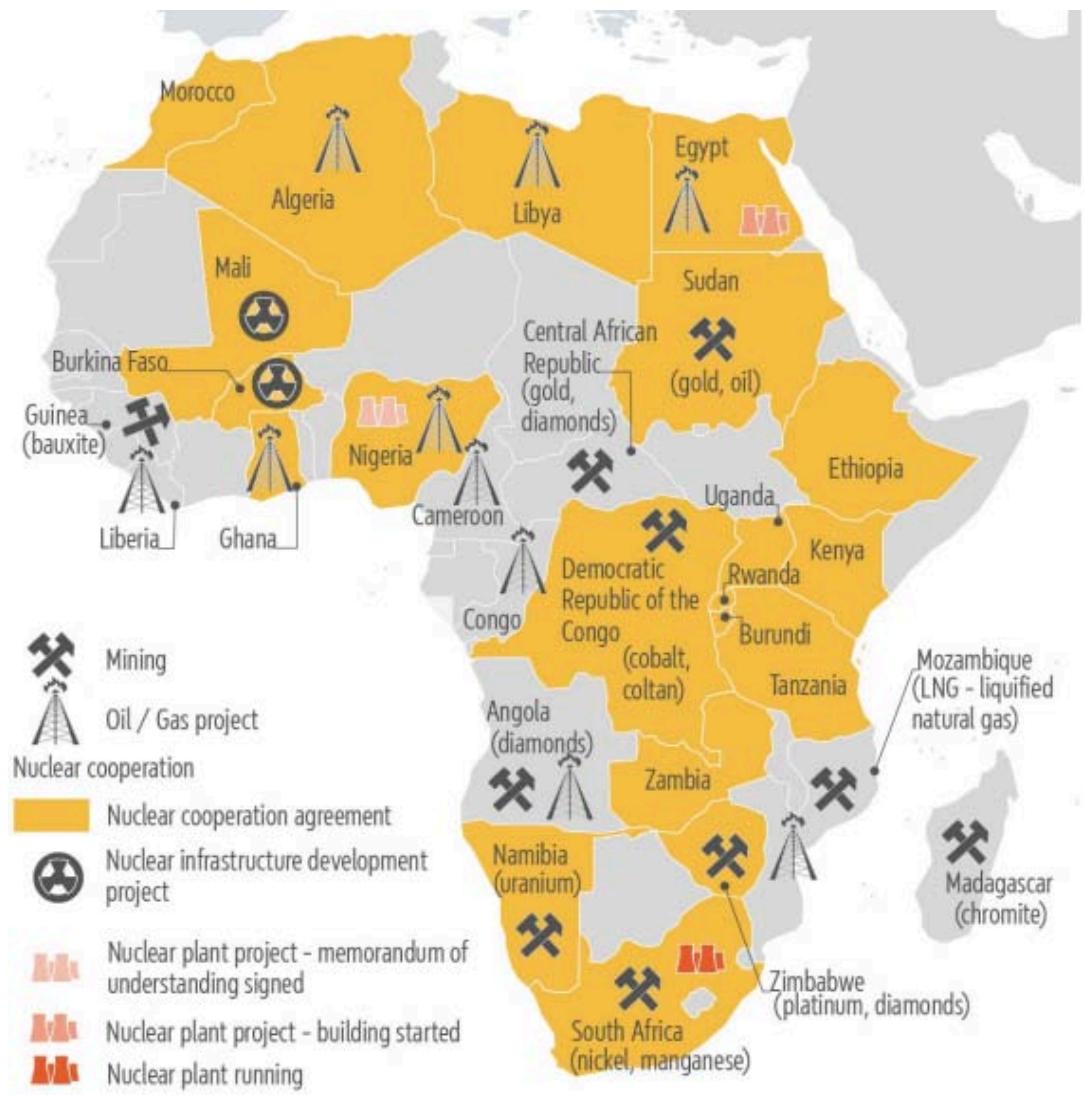 Figure 1: Russia - Africa Energy and Mining Cooperation Source: Caprile and Pichon (2024)
Caprile and Pichon (2024) posit that, beyond arms trade, Russia's trade with Africa has increased substantially since 2005. This also applied to the mining sector as indicated in Figure 1 above where Russia has a significant presence in the African mining and energy sectors. It is argued by Western critics that Moscow's 'ambitions' to position itself as an ally to African countries and stoke anti-Western sentiment which may turn the continent into a flash point in the global strategic competition among superpowers. They observe that Russia's support of authoritarian governments, including its backing of a string of coups in recent years, is undermining Africa's democratic aspirations. Meanwhile, it is argued by some that the involvement of Russian private military companies (PMCs) is driving conflict and spurring a growing militarization of governance. These sentiments are echoed by Gvosdev (2019), who claims that evidence abounds that, in a bid to reassert itself as a global hegemon, Russia is discretely embarking on a mission
to undermine public faith in democracy through the manipulation of electoral processes to facilitate the emergence of pro-Russian leaders. The above sentiments are viewed as mere propaganda meant to tarnish the image of Russia in the current geopolitical contestation. Despite the negative Western propaganda, Russian resurgence in Africa, seems to be unstoppable and is a threat to former African colonial masters that are feeling the heat of rekindled Russian influence on the continent, hence the negative views. These criticisms are likely meant to dissuade any countries which may want to have diplomatic relations with Russia at the expense of those which have long benefitted from African resources.
## IV. MILITARY RELATIONS
As alluded to earlier, after the fall of the Soviet Union in 1991, Moscow reduced its interaction with most African countries, which void was filled by the US in a unipolar world order. In recent years, Russian diplomacy
has become increasingly intertwined with PMCs, which originated with ex-Soviet troops who independently offered their services to African governments. These mostly provide security assistance to local governments, offering troops, firearms, training, and political consulting. In exchange, Russia secures primarily mining contracts and supply of weapons to host countries (Besenyo, et al. 2024). This is done in the spirit of mutualism. Russia's first African operations began in Sudan in 2017, and the group quickly expanded to the Central African Republic (CAR) and Madagascar in 2018, Libya and Mozambique in 2019, and Mali in 2020. The Deputy Minister of Defence and Andrei Averyanov (a Major General in the Russian Military Intelligence Agency) reiterated Russia's indefatigable commitment to its military operations in Burkina Faso, the Central African Republic, Libya, Mali and Niger. (Global Euronews, 2024).
Russia has been deploying peacekeeping troops in various African nations. This approach is part of a broader strategy to assert its influence and redefine peacekeeping standards globally (Hansen, 2024). The Russian military presence in Africa includes the establishing of military cooperation agreements with over 40 African countries since 2014, focusing on arms supply, military training, and intelligence sharing (Kolkova, 2019, Ferragamo, 2023). Russian PMCs have been heavily involved in peacekeeping and security operations across Africa. They provide security assistance to local governments, often in exchange for access to natural resources (Ferragamo, 2023). Russia frames its African peacekeeping efforts as contributing to regional stability, combating terrorism, by providing training, equipment, and logistical support to African nations' armed forces. Shoigu (2023) asserts that the West's activities on the African continent are primarily aimed at preserving the ability to siphon off the natural resources of former colonies by maintaining and sponsoring conflict hotbeds. This is corroborated by Ferragamo (2023), who posits that Russia's strategy includes leveraging anti-Western sentiment and historical ties to gain favour with African nations, positioning itself as a more reliable partner compared to Western countries.
The map in Figure 2 below illustrates the massive inroads made by Russia in its military relations with Africa, in both arms trade and technical-military cooperation agreements. Kolkova (2019) notes that Russia supplies missile and artillery weapons, small arms and automotive equipment to African countries. The author further asserts that most looked-for Russian military equipment in sub-Saharan Africa includes Mi helicopters; Sukhoi and MiG planes; and Pantsir-C1, Kornet-E and Tor-M2E missile defense systems; as well as tanks, armored personnel carriers and small arms. According to the Russian Deputy Defence Minister,
Colonel General Alexander Fomin, Russia is ready to play a key role in "exporting security" to the African continent. This is testament of Russia's renewed interests in Africa are paying off, as more countries are shifting their interests towards Russia, due to its approach treating African countries. President Putin at the Russia Africa Summit in July 2023, highlighted that, Russia's relations with Africa were, "distinguished by stability, trust and goodwill" which he called "a nondiscriminatory agenda for cooperation". Russia has thus adopted the use of both soft power to win most African countries' favour. Kolkova, (2019) also postulates that one of the key elements of the new Russian strategy in its rekindled relations with Africa is the assistance in conflict resolution and military-technical cooperation, which allow African countries to strengthen their defence capabilities and sovereignty. The above observations confirm that military cooperation is beneficial to African countries, as it will enable them to counter terrorist threats and other security challenges effectively, suffice to say Africa countries should be encouraged to strengthen their relations with Russia.
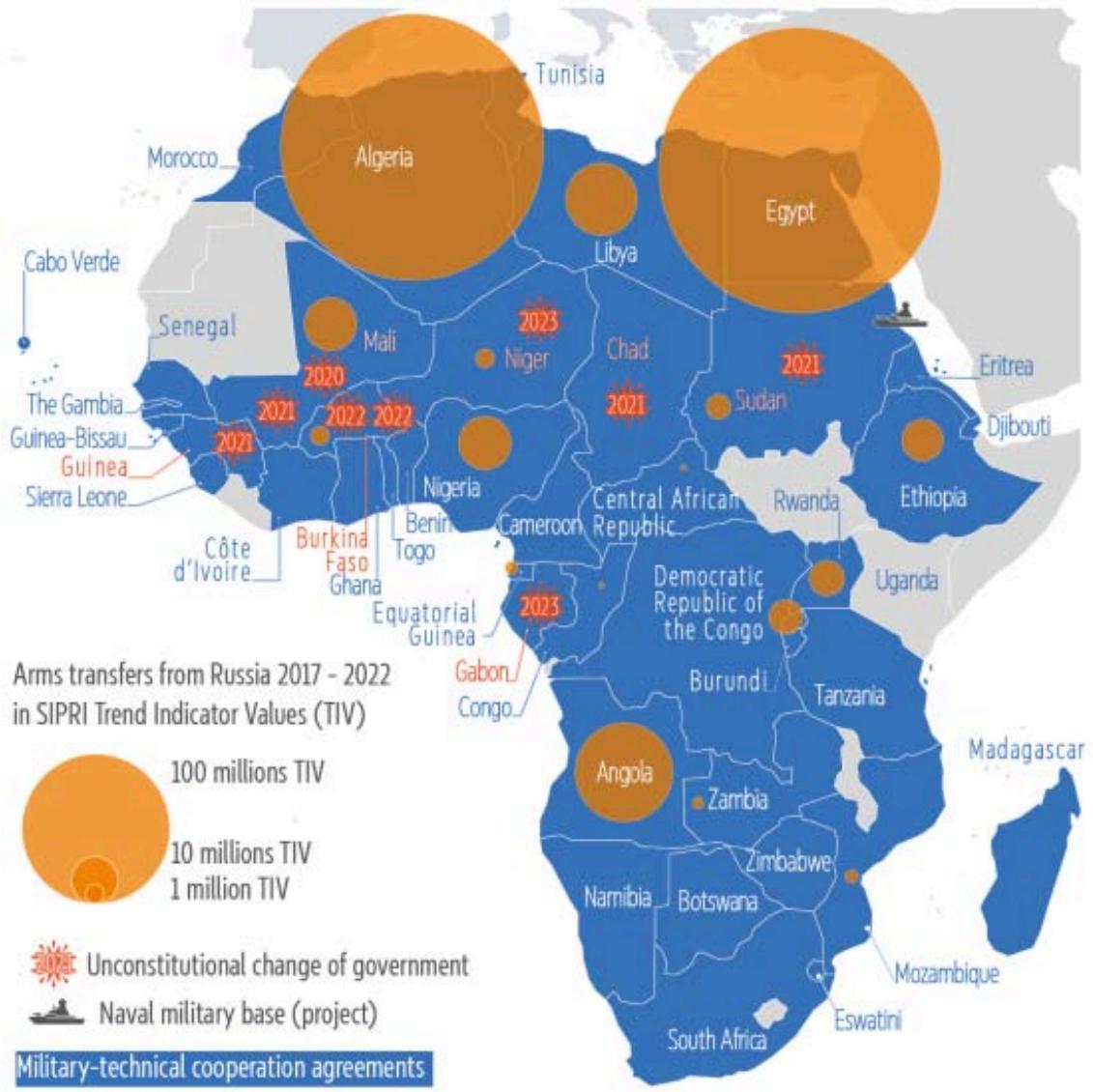 Figure 2: Russia-Africa Military Agreements and Arms Trade Sources: Caprile and Pichon (2024)
Ogunnoiki et al. (2021), as well as Sidiropoulos and Alden (2019), highlight that the Russian president, Vladimir Putin, in the first-ever Russia-Africa Summit in 2019, informed delegates that the Russian Federation had concluded Military-Technical Cooperation (MTC) agreements with 43 African countries to strengthen their armed forces' combat capabilities. Additionally, Russia has extended military training to numerous African countries on both gratis and non-gratis basis for 3 months to 6 or 7 years in the Russian Federation. The DRC is among the over 30 countries that have signed military cooperation agreements with Russia. The DRC aims to diversify its international partnerships beyond traditional Western allies. After a long period of dormancy, a military and technical cooperation agreement was ratified in June 2018, which had initially been signed in 1999 but remained inactive for nearly two decades. This agreement encompasses arms deliveries, military training, joint military exercises, ship visits,
combat aircraft operations, and advisory missions, indicating a deepening military partnership that aligns with the DRC's security needs amid internal strife (Servida, 2024). The DRC's Minister of Defense, Gilbert Kabanda Kurbenga, expressed a strong desire for "multifaceted support" from Russia against armed groups in eastern DRC during his visit to Moscow in August 2022. This sentiment reflects a growing anti-Western sentiment in DRC, driven by perceptions of Western involvement in local conflicts.
By engaging with Russia, the DRC may likely reduce its reliance on Western military support and gain access to modern military equipment and training. Strengthening ties with the DRC will allow Russia to establish a strategic foothold in Central Africa and enhance its global standing. Issaev et al. (2023) believe that the experience of Russian involvement in conflict resolution has played an essential role in shaping a positive image of the Russian "military" presence in
Africa. Russia can provide advanced military technology and training to the DRC, which can enhance the operational capabilities of the Armed Forces of the Democratic Republic of Congo (FARDC).
## V. RUSSIA'S PEACEKEEPING EFFORTS IN AFRICA
Shoigu (2023) argues that the basis for justifying the military presence of former metropolises through multinational peacekeeping contingents is undercut. The role of Russia is invaluable in UN peace enforcement operations due to its vast experience in pacifying terrorist groups. Peacekeeping is a central element of Russian foreign policy. It is a major power and a permanent member of the United Nations Security Council. Russia thus plays a vital role in defining the standards by which peacekeeping is and may be done. It is interesting to note that unlike UN funding mechanisms for peacekeeping operations, Russia funds its peacekeeping operations primarily through its national budget. The government allocates resources for military deployments and operations, including peacekeeping missions, often without the same level of transparency or public accountability as the UN (Panova, 2015). Russia's funding for peacekeeping operations is usually tied to broader geopolitical strategies, where financial support may be linked to securing access to resources or establishing military bases in host countries. This arrangement leads to a more transactional approach to funding, where military support is exchanged for political or economic concessions.
The Russian Federation has previously deployed both ordinary peacekeepers as well PMCs as part of its peacekeeping efforts around the world. PMCs often operate in a more flexible and less regulated environment. Badell-Sanchez (2018) offers that in the past two decades PMCs had become more noticeably involved in conflict management, provision of defence and security services, military training and logistical support among other roles. They can engage in combat operations, provide security, and support local forces, sometimes blurring the lines between peacekeeping and active military engagement. This same argument has been attributed to the perpetuation of conflict in the DRC (Bokeriya et al. 2024).
Sidiropoulos (2019) asserts that Russian peacekeeping efforts in Africa have evolved significantly in recent years, particularly as Moscow seeks to expand its influence on the continent. Its efforts in Africa are a complex and multifaceted, characterized by a combination of stated goals, actual actions, and significant controversies. By engaging in peacekeeping, Russia positions itself as an alternative security provider, appealing to countries wary of Western intervention (Jones and Marc, 2021). It is also interesting to note that
Moscow has articulated its support for 'African solutions to African problems'. In June 2019 Russian Foreign Minister Lavrov stated that Russia had made efforts to solve crises and conflicts according to the principle formulated by the African Union (Sidiropoulos and Alden, 2019). Through its training institutions, it offers UN peacekeeping-related courses to participants from the global south. This is testimony of its commitment to global peace suffice to say Russia can train DRC officers, men and women to sharpen their peacekeeping skills (Russian Training Prospectus, 2024).
## VI. PROSPECTS OF AIDING PEACEKEEPING EFFORTS IN THE DRC
Peacekeeping efforts in DRC have been unsuccessful for over two decades, due to several factors such as complex political dynamics, ethnicity, participation of external players, resources curse and lootable resources among many others (Bokeriya et al. 2024). This paper argues that the active involvement of Russia in peacekeeping efforts in DRC could help bring the conflict to an end based on its experience in Mali, CAR, etc. It is recalled that MONUSCO succeeded the United Nations Organization Mission in the Democratic Republic of the Congo (MONUC), on 1 July 2010, in alignment with Security Council resolution 1925 of 28 May 2010, to signify the new phase attained in the nation (Karlsrud, 2015). In 2013 MONUSCO through the FIB, was empowered to employ all requisite measures to fulfil its mandate, which included, among other objectives, safeguarding civilians, humanitarian workers, and human rights advocates facing immediate threats of physical harm, as well as assisting the Government of the DRC in its endeavour toward stability and the consolidation of peace (Reeves, 2016). Despite the UN intervention from July 2010, the conflict in eastern DRC has continued to spike up (Syamkumar, & Kumar, 2025). This conflict has been of great concern not only to the DRC but neighbouring states because of conflict spillover (Berdal, 2016). To show the gravity of the situation M23 rebels had killed 13 South African, 3 Malawian and 1 Uruguayan soldiers in Goma by 28 January 2025 (Kabumba and Banchreau, 2025, Defence Web, 2025). It is important to note that initially, the FIB was effective however, the conflict has been perpetuated by Rwanda's interference. In many ways, the African continent with its unique and diverse nature of conflicts has become a platform for the renewal of the UN peacekeeping efforts through the development of new operational and normative practices and strategies (Bokeriya and Khudaykulova, 2023). Thus, to effectively deal with the rebels the FARDC and its SADC Mission in DRC (SAMIDRC) allies require support from battle hardened comrades from Russia, (a country which has always stood by the side of Africa during times of western oppression).
On 5 March 2024 the Russian government formally approved a draft military cooperation agreement with the DRC which lays out a framework aimed at bolstering between the two countries. This will allow both nations to share and enhance tactical and operational capabilities thus making a significant gesture in military diplomacy. To strengthen the agreement Russia would also help bolster the DRC economy. One respondent noted that the Russia - Burkina Faso relations could be taken as a case study, where Russians have assisted the Burkinabé government revive its economy. This has helped reduce causes of armed insurrection due to bad governance and poor economy. The DRC is rich in natural resources, including cobalt, copper, diamonds, and gold. By strengthening ties with the DRC, Russia could access these valuable commodities, which are critical for various global industries, particularly technology and renewable energy sectors, thereby boosting DRC's industry and commerce. The DRC also faces significant challenges related to transportation, with inadequate road and rail networks. Russian firms could play a vital role in constructing roads, railways, and ports, facilitating better movement of goods and resources. Thus, a strong economic relationship between the two countries will likely influence the security situation in the country, thereby negating the frustration-aggression theory. An improved and stable economy will lead to a peaceful country, which may lead to a prosperous and peaceful DRC.
On another note, Gowlland-Debbas (2015) asserts that resource constraints often hinder the effectiveness of peacekeeping missions worldwide. Despite international support, MONUSCO operates with limited resources, including personnel, equipment, and funding. The vastness of the DRC's territory and the complexity of the conflict require significant logistical and operational capabilities. Resource constraints hinder MONUSCO's ability to deploy personnel to remote and inaccessible areas, procure necessary equipment, and sustain long-term operations. The United Nations Peacekeeping Operations Principles and Guidelines manual (2008) outlines the impact of resource constraints on peacekeeping missions and guides on addressing these challenges (United Nations, 2008). It is against these resource constraints that Russia would help assist UN peacekeeping operations in DRC, considering that since the Soviet era to present day Russia, provision of resources to weak states has been a trademark of its Russian foreign policy.
The DRC government has often sought military assistance from the Russian Federation to strengthen its armed forces to deal with threats of armed rebels. The supply of military hardware by Russia is seen as an essential element in addressing the threats posed by various armed groups operating in eastern DRC. Furthermore, it is worth noting that the DRC has been
grappling with persistent instability due to armed groups such as M23, which has continued with the alleged support of Rwanda to intensify its activities in East and North Kivu (Bokeriya, et.al. 2024). The UN reported in December 2024 that 3000 to 4000 Rwandese soldiers were fighting alongside the M23 rebels in the DRC and the 'de-facto control' M23 operations. The USA, in the same vein, condemned Rwanda for providing artillery, personnel and logistical support to the latest M23 offensive. Resultantly, the Congolese Army has on many occasions failed to recapture any significant areas which have cassiterite and gold mines as well as coltan deposits from M23. It is interesting to note that M23 reportedly generates over $800 000 million in taxes from Eastern DRC, causing what the UN described as the 'most significant contamination of supply chain' in the Great Lakes region over the past decade by shipping tin, tantalum and tungsten for export to Rwanda (UN Documents, 2024).
In recent years the Congolese government has increasingly turned to Russia as an alternative source of military support amid frustrations with Western assistance. The military agreement between the DRC and Russia, ratified in 2018, has significantly influenced the DRC's security landscape, particularly in the context of ongoing conflicts and the resurgence of armed groups like the M23. Titeca (2023) notes that this partnership reflects a broader geopolitical shift and addresses the DRC's pressing security needs amid frustrations with Western support. Strengthening Military Capabilities. The military cooperation agreement includes provisions for arms deliveries, military training, and advisory missions, which are crucial for enhancing the capabilities of the FARDC. The of military hardware is essential for addressing the threats posed by various armed groups operating in eastern DRC. Thus, the transfer of knowledge and equipment is appealing to the DRC as it seeks to modernize and capacitate its military. Such cooperation can enhance the DRC's military capabilities but may also complicate the dynamics of peacekeeping efforts if it increases tensions with other factions within the country.
It is opined that DRC's pivot towards Russia also reflects broader geopolitical dynamics in Central Africa (Cameron and Chetail 2013; White 2014). As Russia seeks to expand its influence on the continent, it has positioned itself as an alternative ally for countries like the DRC that are disillusioned with Western involvement in the country. Many Congolese officials view Russia as a less demanding partner than Western nations, which impose stringent conditions on military assistance related to human rights and governance. This perception enhances Russia's attractiveness as a security partner. The author argues that Russia is actively working to expand its influence in Africa as part of a broader strategy to counter Western dominance. Thus, strengthening ties with the DRC would allow
Russia to establish a strategic foothold in Central Africa and enhance its global standing. It can therefore, be argued that, although the relationship is relatively new, historical connections to the USSR, can facilitate renewed military cooperation.
Matushevich (2019) asserts that following the DRC's request to Russia for assistance against armed groups in the eastern provinces, Russia's military has often included sending military instructors to train Congolese troops. This mirrors its operations in other African nations, such as the Central African Republic, where Russia has established itself as a dominant security partner. Additionally, cooperation between Russia and DRC will likely strengthen that country's capability to enhance its chances of bringing about peace. This assertion is supported by the fact that, the DRC-Russian agreement has facilitated significant arms deliveries to the DRC, including a notable consignment in February 2021 that included over 10,000 AK rifles and millions of cartridges. Such deliveries are often accompanied by Russian personnel who help integrate these supplies into the DRC's military operations, to enhance the FARDC's capabilities against various insurgent groups.
The idea of capacity building in weak states is supported by Kimathi et al (2024), who offer suggestions on how MONUSCO could have conducted its peacekeeping mission in DRC. They observe that, MONUSCO could contribute to long-term peace and stability by investing in capacity building and training programs for local security forces, government institutions, and community leaders. By improving local capacities in conflict prevention, resolution, and governance, MONUSCO empowers local actors to take more active roles in maintaining security and addressing root causes of the conflict. The investment in capacity building and training programs is a critical strategy for MONUSCO to contribute to long-term peace and stability in the DRC. By enhancing the capabilities of local security forces, government institutions, and community leaders, MONUSCO aims to empower these actors in conflict prevention, resolution, and governance, thereby fostering sustainable peace processes. Scholarly literature underscores the importance of capacity building in peacekeeping missions. According to Di Salvatore & Ruggeri (2017), effective capacity building enhances the operational effectiveness of peacekeepers by improving local institutions' ability to manage security challenges independently. This approach does not only strengthen the legitimacy of peace operations but also supports state-building efforts crucial for long-term stability (Bellamy et al., 2020). Given Russia's experience in counter-terrorism, it is recommended that the DRC embraces Russian military sponsored capacity building and training programmes. By engaging with Russia, the DRC could reduce its reliance on Western military support and gain access to different types of military equipment and training. It is observed that peacekeeping operations provide Russia with opportunities to test and demonstrate its military capabilities in real-world scenarios, which can enhance its deterrence posture and military reputation.
Critics argue that, DRC's alignment with Russia could intensify the geopolitical rivalry between Russia and Western powers. As Russia seeks to position itself as a counterbalance to Western dominance in Africa, this rivalry may manifest in increased military and economic competition for influence in the region (Lucas, 2009). The case of Rwanda being an 'African Israel' quickly comes to mind. Rwanda and Uganda have been pampered with military aid from the West, all in a bid to control and influence the geopolitics of the Great Lakes Region. Furthermore, the DRC's military agreement with Russia may lead to heightened militarization, as it receives arms and training from Moscow. This could exacerbate existing conflicts, particularly in eastern DRC, where armed groups like M23 operate. The influx of Russian military support might also encourage other nations to bolster their military capabilities, potentially leading to an arms race in Central Africa further leading to instability in the region in general and DRC in particular. Thus, the DRC's reliance on Russian support could destabilize regional security dynamics. It is argued that as Russia solidifies its alliances in Central Africa, there is a risk of proxy conflicts emerging. Countries like Rwanda and Uganda, which have historically been involved in DRC affairs, may react defensively or aggressively to a perceived increase in Russian influence, potentially leading to heightened tensions and conflict within the region. By and large, the rekindling of DRC-Russian relations could possibly have a positive impact on peacekeeping in the region. Still, it will require careful planning, coordination, and monitoring to ensure that it contributes to long-term peace and stability in the Democratic Republic of Congo.
## VII. CONCLUSION
It can be concluded that, Russian influence in Africa has been rekindled following the collapse of the USSR. The contemporary geopolitical dynamics have witnessed the resurgence of the Russia Federation. It has gained economically, politically and militarily ground across Africa in recent years, placing the continent at the crux of the growing geopolitical contest between the Kremlin and the White House. The paper notes that the revival of Russia - Africa relations is predicated on mutually beneficial and symbiotic relations and not the master - servant and hegemonic tendencies of America and its Western allies. Africa's alignment with Russia could intensify the geopolitical rivalry between Russia and Western powers. The neo-colonial agenda is still alive, hence the belief that Russia may spoil the West's uncouth resource looting spree on the African continent. The counterbalance by Russia is viewed by many Africans as an opportunity to unshackle themselves from the chains of neo-colonialism.
Due to threats of conflicts (ethnic or resource) in Africa, there is a need for Africa to partner with a superpower which has the continent at heart. Russia due to its past relations with Africa will find it easy to help Africa solve challenges bedevilling the continent. Russia's peacekeeping efforts in Africa are a complex and controversial subject. Its peacekeeping efforts in Africa are characterized by a blend of military engagement, support for local governments, and a strategic goal of expanding influence. While these efforts are often framed as stabilizing actions, they raise complex issues regarding human rights and geopolitical dynamics. Russia's approach to peacekeeping funding is deeply intertwined with its geopolitical strategies, focusing on maintaining regional influence, securing economic interests, countering Western dominance, and enhancing military capabilities. The paper observes that while the some West critics have raised concerns about human rights abuses, lack of transparency, and the potential for exacerbating existing conflicts, this paper found out that most of these critics are beneficiaries of instability in the DRC. The negative comments are viewed as mere propaganda meant to discredit Russia's efforts to promote mutualism as well as pacification of conflicts in Africa. Pacification of conflicts in Africa especially that of DRC, may only be successful if there is will power among the superpowers to do so. The only hope DRC has is for Russia to use its position as one of the P 5 to proffer solutions in support of UN peacekeeping efforts in the DRC and by implementing terms of military cooperation agreements signed by the two countries. Such actions may help improve FARDC standards so that they may effectively fight the rebels.
## VIII. RECOMMENDATIONS
It is believed that this is a more pragmatic approach supported by an African proverb which says, "A chameleon that wants to survive a burning bush must abandon the majestic walk of its ancestors." Thus, if African countries want to survive in the contemporary geopolitical environment, they must abandon old and unbeneficial relations (political, economically or militarily) with former colonial 'masters' and embrace Russia whose policy is predicated on mutually beneficial relations. It is the view of this research that DRC can benefit from Russian PMCs' experience obtained from various missions in Ukraine, Mali, CAR etc to help suppress instability in DRC. The DRC can leverage its vast resources with a country which does not seek to exploit it, but one which respects partner countries. This could help speed up the suppression of foreign funded proxy rebel groups whose aim is to 'milk' the DRC resources. Deng (2024) found out that EAC Regional Force's mandate was ambiguous, since it did not spell out the force's peace enforcement roles. Secondly, diverging political interests in deploying regional troops portrayed a disjointed intervention as state-centered interests digressed from the bloc's objectives. To avoid this pitfall, it is suggested that Russian PMCs' mandate (if they are to be deployed in DRC) should be clear, to deal with renewed M23 attacks in Eastern DRC. Russia can provide advanced military technology and training to the DRC, which can enhance the operational capabilities of the Congolese armed forces. This transfer of knowledge and equipment appeals to the DRC as it seeks to modernize its military. Considering the vast number of African military students enrolled at Russian military institutions on both gratis and non-gratis basis, DRC needs to maximize on this offer to have its forces trained for both conventional and unconventional warfare, suffice to say this may enhance its peacekeeping effort.
Generating HTML Viewer...
References
44 Cites in Article
H Abdallah,A Salam (2021). Rethinking Russian Foreign Policy Towards Africa: Prospects and Opportunities for Cooperation in New Geopolitical Realities.
Akinlolu Akinola,Olusola Ogunnubi (2021). Russo-African Relations and electoral democracy: Assessing the implications of Russia's renewed interest for Africa.
P Albrecht,C Emmerik,N Wilén,K Aning,A Tchie,J Karlsrud,J Fisher (2024). Reimagining Peacekeeping in Africa and Beyond.
Lere Amusan (2018). Seeking relevance in the age of globalisation : Russia in Africa through South Africa.
D Badell Sánchez (2018). The Age of Outsourcing: UN Peacekeeping Operations.
A Bassou (2023). Unknown Title.
J Besenyo,E Szénási,I András (2024). Wagner Group -Private Military Company: Volume 1: Establishment, Purpose, Profile and Historic Relevance 2013-2023.
Svetlana Bokeriya,Alexandra Khudaykulova (2023). UN Peacekeeping in Africa: Nature, Scope and Development.
S Bokeriya,M Mahapa,A Kiamba (2024). Peacekeeping strategies and the role of Rwanda in the conflict in the Democratic Republic of the Congo.
L Cameron,C Vincent (2013). Privatizing War: Private Military and Security Companies Under Public International Law.
A Caprile,E Pichon (2024). SANDF death toll in the DRC climbs to 13.
Ghai Deng,Aketch (2024). Why EAC intervention fail in DR Congo Conflict Resolution.
F Donelli,M Dudin,E Frolova,J Artemieva,E Rusakova,Gugunskiy Denis (2016). New format of interrelation between the countries of Africa and Russia: Problems and perspectives of relational development.
M Ferragamo (2023). Russia's Growing Footprint in Africa.
H Fidan,B Aras (null). bilig, Journal of Social Sciences of the turkish World.
Nerhum Sandambi (2024). The Continue Fail of African Countries: evidence of some countries stuck in underdevelopment.
Nikolas Gvosdev (2019). Is Russia Sabotaging Democracy in the West?.
Flemming Hansen (2024). The Russian approach to peacekeeping.
Landry Ingabire,Yandry Kurniawan (2022). The Challenges of UN Peacekeeping Mission in Finding a Solution to Rebel Groups in the East of the Democratic Republic of Congo [Tantangan Misi Penjaga Perdamaian PBB dalam Menemukan Solusi Terhadap Kelompok Pemberontak di Timur Republik Demokratik Kongo].
Leonid Issaev,Alisa Shishkina,Yakov Liokumovich (2023). Russian Policy of Securitization in Africa: Features of Perception.
B Jones,A Marc,Kabumba (2021). International peacekeepers killed as fighting rages around eastern Congo's key city.
A Kalika (2019). Russia's "Great Return" to Africa? Russie.Nei.Visions.
John Karlsrud (2015). The UN at war: examining the consequences of peace-enforcement mandates for the UN peacekeeping operations in the CAR, the DRC and Mali.
R Kimathi,Pontian Godfrey Okoth,P Matanga,F (2024). Challenges and Opportunities Faced by the United Nations Stabilization Mission in the Democratic Republic of Congo in Fulfilling Its Mandate for Peace and Security in the DRC.
Dirk Kohnert (2022). The impact of Russian presence in Africa.
Egbert Leigh (2010). Mutualism, Evolution of.
K Lindén (2023). Unknown Title.
E Lucas (2009). The New Cold War: Putin's Russia and the Threat to the West.
J Mahlangu (2024). Africa's perspective regarding its political and economic relations with Russia.
Maxim Matusevich (2019). Russia in Africa: A Search for Continuity in a Post-Cold War Era.
David Monyae (2018). US, Russia, China and Africa in the Evolving Global Order.
A Ogunnoiki,I Ani,I Iwediba (2021). Russia-Africa Relations in the 21st Century: Symbiotic Or Predatory?.
E Pichon,M Russell (2019). Russia in Africa: A new arena for geopolitical competition.
B Panova (2015). Russia in the UN.
V Putin (2023). Russia and Africa: Joining Efforts for Peace, Progress and a Successful Future.
M Saaida (2023). Russia in Africa: A new era of Multi-track relationships.
G Servida (2024). Future Scenarios for Sino-Russian Military Cooperation: Possibilities, Limitations, and Consequences.
E Sidiropoulos,C Alden (2019). Inside the Russia-Africa matryoshka: Summitry, Geopolitics and Resources.
V Syamkumar (2025). UN Peacekeeping in the DRC: Examining MONUSCO’s Withdrawal and the Road Ahead.
M Taiwo,A Ademuyiwa (2024). Geopolitical Security Concerns: A Catalyst for Russia's Reengagement of Africa in Relations.
Gracia Likinda,Freddy Mbuyi,Gédéon Bukasa,Marc Tshilanda,Rémy Kashala,, Atibu,Mike Madika,Marina Moanda,Wilfrid Mbombo (2023). Factors Associated With Stroke Mortality in an Urban-Rural Environment: The Case of the MONKOLE Hospital Centre.
Nigel White (2014). Peacekeeping, Private Security and International Human Rights Law.
S Zakharova,O Sokolova,Yu,N Vlasova,V Skvortsova,A Skvortsov (2021). Features of Russia's foreign economic relations with the countries of Africa.
S Zakharova,O Sokolova,N Vlasova,V Skvortsova,A Skvortsov (2021). Features of Russia’s foreign economic relations with the countries of Africa.
No ethics committee approval was required for this article type.
Data Availability
Not applicable for this article.
How to Cite This Article
Mahapa Manasa. 2026. \u201cRekindled Russia-African Relations and Implication on UN Peacekeeping Efforts in the DRC\u201d. Global Journal of Human-Social Science - F: Political Science GJHSS-F Volume 25 (GJHSS Volume 25 Issue F2): .
Explore published articles in an immersive Augmented Reality environment. Our platform converts research papers into interactive 3D books, allowing readers to view and interact with content using AR and VR compatible devices.
Your published article is automatically converted into a realistic 3D book. Flip through pages and read research papers in a more engaging and interactive format.
The paper is devoted to analysing the impact of rekindled relations between the Russian Federation and its African friends. The Russian Federation has in recent years intensified its interactions with several African countries. The cooperation is rooted in the Soviet era, when the USSR aided most African countries to gain independence. The paper notes that today, Russia’s partnership with African countries is becoming increasingly intensive and multifaceted on the economic, political, military and even social fronts. The relations are grounded in the theory of mutualism coined by Proudhon in the mid-19 th century. This paper also discussed how rekindled military relations may aid in the pacification of numerous conflicts bedeviling the continent. As a case study, the paper looked at how Russia can help the United Nations in its peacekeeping efforts in the Democratic Republic of Congo by taking advantage of the economic cooperation and military relations between the two countries. In this regard the paper found that economic cooperation based on mutually beneficial and symbiotic relations could help improve the ailing Congolese economy. Furthermore, the provision of military training and modern weapons by Russia may capacitate the Congolese military to deal with the numerous rebels in that country effectively. As a Permanent member of the United Nations Security Council, Russia should help stop the looting of Congolese resources.
Our website is actively being updated, and changes may occur frequently. Please clear your browser cache if needed. For feedback or error reporting, please email [email protected]
Thank you for connecting with us. We will respond to you shortly.