The Rohingya crisis exposes the ineffectiveness of the international community in preventing systematic state-sponsored persecution of vulnerable populations. Decades of exclusion and violence in Myanmar became a public crisis in 2017 when over a million people from the Rohingya minority fled to Bangladesh. This mass displacement has become one of the greatest humanitarian crises of the 21st century, placing tremendous pressure on Bangladesh’s socio-economic infrastructure while exposing significant shortcomings in global systems of accountability and justice. At the heart of this crisis is Myanmar’s 1982 Citizenship Law, which codified the Rohingya’s statelessness, blocking access to fundamental rights and embedding patterns of violence and displacement. And little is moving forward despite global condemnation and a legal challenge involving the International Court of Justice. Myanmar’s refusal to repatriate, meanwhile, has long collided with geopolitical roadblocks, including major allies’ vetoes, and has effectively brought accountability and the prospect of sustainable repatriation to a standstill.
## I. INTRODUCTION
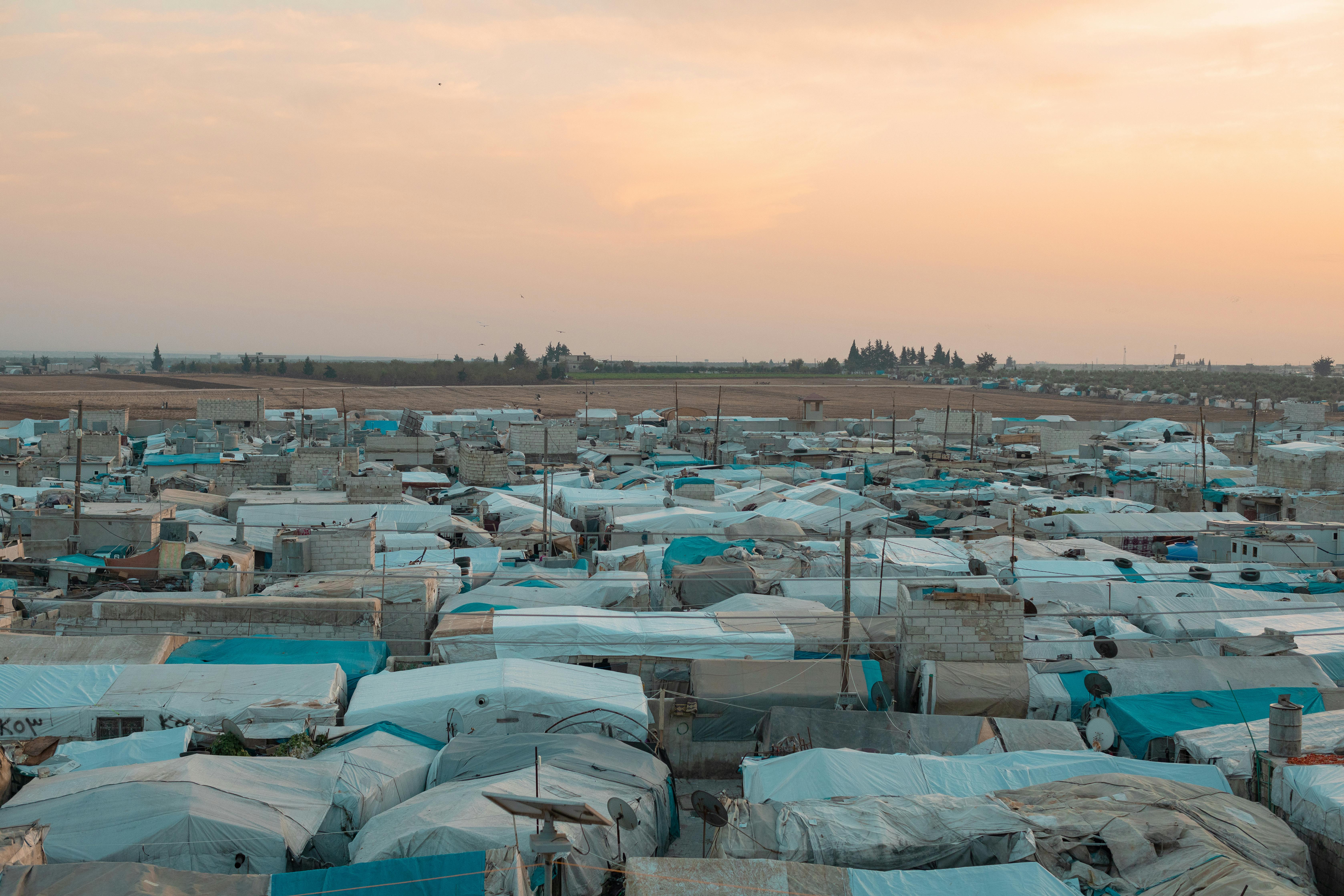
The Rohingya refugee crisis is a paradigm case of human rights abuse, dispossession, and failure of global governance. This crisis was rooted in Myanmar's Rakhine State, decades in the making, and forged from fatal combinations of discrimination, exclusion, and state-sponsored violence against the Rohingya people (muslim ethnic minority group). According to the Citizenship Act of 1982, Rohingya m Muslims have systematically been denied citizenship, legal recognition, restrictions on the right to movement, and suppression through the persecution of other vital citizen rights. The government of Myanmar (NLD Govt.), began a brutal crackdown in 2017 (crackdown started in 2016 with tens of thousands of Rohingya violently displaced into Bangladesh, which then further escalated in 2017) that included systemic atrocities, such as mass killings and destruction of entire villages, as well as sexual violence, which resulted in more than 740,000 Rohingya out of their native land and crossed the border into Bangladesh to join with earlier waves of refugees. This violence has traumatized the Rohingya community and the continuation of life with the uncertainty of their future as stateless people. Since then, the area of Cox's Bazar Rohingya camps has been wracked by the world's largest refugee camp, which has just made the socio-economic, environmental, and humanitarian snags of the area that much more difficult and pushed the resources of Bangladesh to the limit. The Rohingya have been subject to systematic deprivation of citizenship, legal recognition, and fundamental human rights, especially given Myanmar's 1982 Citizenship Law, which stripped the group of its entitlement to citizenship status and left it vulnerable to statelessness.
While Myanmar's activities have been widely condemned across the globe, responses internationally have been disjointed, inconsistent, and largely ineffective. Although there have been some attempts taken to initiate legal action — most notably, the action brought before the International Court of Justice (ICJ) to address accusations of genocide — the wheels of justice have ground painfully slowly, and Myanmar's refusal to accept its responsibility for the crisis has been a major obstacle to its resolution. At the same time, resettlement has floundered, while Myanmar has failed to meet the minimum conditions for safe and dignified repatriation. We hope this paper will assist them in understanding the crisis with reference to its historical origins, socio-political dimensions, and geo-political context. It will examine the international community's response, looking at the debate over intervention successes and failures of global governance. It finally argues for concrete rights-based solutions to the crisis, practical ways to align laws with the goals, better sharing of the burden between states, and a demand for enhanced regional and international cooperation. In this regard, the paper endeavors to draw a sustainable framework –the root of a viable solution to the Rohingya refugee disaster and to do a fair, if not optimum, alignment in similar kinds of humanitarian disasters in the future.
### a) Objectives of the Study
The primary aims of this study were to gain a holistic understanding of the Rohingya refugee crisis by focusing on the effects on host populations and assessing the efficacy of humanitarian interventions for repatriations.
- $\checkmark$ Assessing Rohingya refugee camps' socioeconomic, infrastructural, and environmental impacts on host communities in Bangladesh (Cox's Bazar).
- To investigate the nature of security risks as perceived by Rohingya refugees, particularly the influence of past violence experiences, statelessness fears, and group-based variation in repatriation preparedness.
- ✓ To evaluate the effectiveness of international humanitarian and development programs, including those commissioned by the UNHCR and IOM, in preparing Rohingya refugees for a voluntary and safe return.
- To investigate the barrier to repatriation and analyze legal and political obstacles in Myanmar that impede Rohingya reintegration — citizenship laws, access to justice, human rights conditions, etc.
- To demonstrate a framework for improving regional diplomatic mechanisms and cooperation to ensure sustainable solutions to the Rohingya crisis through shared responsibility and humanitarian joint initiatives.
### b) Theoretical Framework
This study applies three theoretical frameworks, Structural Violence Theory (Galtung, 1969), Human Security Paradigm (UNDP, 1994), and Refugee Repatriation Theory (Hathaway, 2021; Chimni, 2004), with supplementary engagement from Realist International Relations Theory to explain the limited effectiveness of global action. These frameworks provide analytical tools to examine the systemic causes of the Rohingya crisis, its multi-level impacts, and the constraints of repatriations for the resolution efforts.
Structural Violence Theory: The concept of structural violence explains how impairment is embedded in legal, political, and institutional arrangements- that deny people access to fundamental rights and opportunities. The Citizenship Law 1982 of Myanmar is a paradigmatic case that legally enacted the exclusion and statelessness of the Rohingya refugees. This study uses this framework to argue that state-sponsored exclusion is not accidental but structurally vital to the crisis.
Proposition 1: Statelessness, enforced through Myanmar's legal regime, institutionalizes harm and perpetuates cycles of violence and displacement.
Human Security Paradigm: The UNDP's human security framework expands analysis from national security to people-centered vulnerabilities, including economic, environmental, and personal safety. This study uses it to interpret the insecurity faced by both Rohingya refugees and host communities in Cox's Bazar. It emphasizes the need for holistic humanitarian responses that go beyond emergency aid.
Proposition 2: Durable solutions must address refugee and host-community vulnerabilities across all human security dimensions to avoid compounding insecurity and instability.
Refugee Repatriation Theory: Drawing on Hathaway and Chimni's work, this framework establishes that repatriation is only ethical and sustainable when it is voluntary, safe, and founded on rights restoration. The study evaluates repatriation failures through this theory, showing that without legal reform, the return of Rohingya would amount to a return to persecution.
Proposition 3: Repatriation absent legal citizenship and third-party monitoring is neither voluntary nor sustainable and thus reinforces statelessness.
Realism in International Relations: Realist theory is invoked to explain the persistent failure of global institutions to intervene meaningfully. Realism posits that states act to pursue strategic interests, not moral ideals, which helps explain the geopolitical paralysis at the UN and ASEAN.
Proposition 4: The ineffectiveness of international responses reflects power politics, not normative failure, and limits accountability mechanisms for state-led violence.
## II. METHODOLOGY
This study uses a qualitative research design to analyze the Rohingya refugee crisis using both primary and secondary data. The study includes interviews with refugees and surveys with host-community members in Cox's Bazar, Bangladesh, to explore the crisis's socioeconomic, environmental, and social effects and analyze barriers to repatriation through a human rights lens. Focus group discussions were run in a semistructured format to explore socio-economic impacts, environmental issues, safety concerns, and legal obstacles of repatriations with diverse stakeholders to capture a broader range of perspectives & potential solutions. The secondary data of this study was collected from academic journals, policy reports, and UN publications to provide a broader context of this humanitarian crisis and periods of international response. Interviews with refugees reflect their calls for citizenship, safety, and international oversight of safe repatriation. Additionally, the interviews of host communities show worries about resource strain, competition for wages, and social insecurity. Through thematic and document analysis, this paper analyzes the data to highlight the significant issues concerning both populations of Rohingya refugees and host communities. The research stresses legal change in Myanmar, regional cooperation, and global burdens-sharing to help address the crisis. Finally, this study offers practitioners actual recommendations for sustainable resolutions to the Rohingya crisis, involving international engagements and effective humanitarian interventions.
## III. LITERATURE REVIEW
The process of repatriating Rohingya refugees from Bangladesh to Myanmar involves factors in humanitarian, geo-political, and regional security, hence this issue is complex. This became more severe in 2017 when over 740,000 Rohingya people fled from Myanmar to Bangladesh due to rampant system-oriented violence committed by the military, which the UN called ethnic cleansing (Rahman et al., 2021; Fahim, 2022; Faisal, 2020). It is useful to place this crisis in a historical context to understand the complexities at play in repatriation efforts. The Rohingya community has experienced racism and violence for decades, which has made them one of the most oppressed ethnic minorities globally (Faisal, 2020; Rasyid et al., 2022).
Myanmar has refused to acknowledge the Rohingya as legitimate citizens, meaning that any repatriation is that much more difficult. These groups have been regularly referred to as illegal immigrants of Bangladesh by the Myanmar government, which has been denying them their citizenship and the right to return with safety and dignity (Fahim, 2022; Ali, 2020). The denial of this identity is simultaneously a barrier to the Rohingya's return and a cause for serious concern as to the safety and security of the Rohingya after repatriation. The Rohingya refugees not only experienced violence in the past but are also afraid of the violence that will greet them when they get home; it has a psychological effect that needs to be studied in the past (Frounfelker et al. 2019; Mia 2021).
Moreover, the international community has done little to promote a responsible and voluntary repatriation process. Though countries and organizations have attempted to assist from a humanitarian perspective, there has been no unified international strategy to address the root causes of the protracted crisis, which has rendered many of them effectively moot (Siregar, 2024; Komarudin, 2024). This sullies the polity, particularly because the media's portrayal of the Rohingya crisis has axiomatically inhibited effective substantive response in the form of humanitarian assistance, leading to acute social vulnerability amongst the refugees that persists (Lee, 2021). Although the media crafts public perception and prompts policy-making, it has thus far fallen short of altering the international response to its plight (Lee, 2021).
More than 1.2 million Rohingya refugees are in Bangladesh, on the border that is strained by the influx. In the future, the government has to be responsive in repatriating these people to reduce the pressure on its resources and the concern for its infrastructure (Rahman et al., 2021; Mia, 2021). However, reunification is complicated by environmental degradation and social tensions originating from the refugee crisis. The Rohingya people are living in camps, which often have poor living conditions because they are overcrowded and with worsening conditions (Ali, 2020; Mia, 2021). The government of Bangladesh worked with Myanmar on arranging a safe and dignified return of the displaced Rohingya refugees; however, the success was limited, and therein lies the reason, Myanmar's own indifference, as Myanmar still does not see it necessary to recognize any measure the rightfulness of the claims of the Rohingya people (Islam, 2024).
What is the role of regional actors, with special emphasis on Indonesia, to resolve the Rohingya Crisis? Indonesia exercised humanitarian diplomacy and emphasized that the issue must be settled collectively (Setiawan & Hamka, 2020). But, soft diplomacy does not work effectively because of geopolitics in the region and the interests of the parties (Setiawan & Hamka, 2020; Komarudin, 2024). The international community needs to recognize that the plight of the Rohingya is linked to broader regional security challenges since the activities of Rohingya militant groups are not confined to the borders of Myanmar and Bangladesh (Halim, 2023).
The repatriation of Rohingya refugees from Bangladesh to Myanmar should be considered cautiously based on political, military, socio-economic, and humanitarian conditions. Rohingya are not just a category of illegal immigrants, and the international community must act to offer them the safety they need and legal rights. This is not only a problem for the people of the region; this is a world problem; in addition, this is a reflection of the governments burying their heads in the ground, and will all continue to suffer from its consequences until they all meet together and find a way to help open this issue.
## IV. FINDINGS AND ANALYSIS
### a) Historical Roots of the Bohingya Crisis
## i. Foundations of Division in Colonialism
The roots of the Bohingya crisis lie in the colonial era (1824-1948) when British colonial governance in Burma (now Myanmar) sowed the seeds for a tumultuous future by implementing policies that would have a lasting effect on the region's ethnic landscape. In order to satisfy an agricultural demand, a significant portion of Bangladeshi laborers (known then as British India) were moved by the British colonial administration from present-day Bangladesh to the Rakhine State, especially in the cultivation of rice and other cash crops. This policy, intended to stimulate economic productivity, unwittingly planted the seeds of ethnic tension. The arrival of Muslim workers, referred to as Rohingya, was seen as a threat to the habitat and livelihood of the Rakhine Buddhists, and they felt crispy competition for job opportunities.
The British worsened these tensions by adopting a 'divide and rule' approach, which meant institutionalizing ethnic divisions to retain control of the region. This policy fostered a hostile relationship among different communities of Buddhists and Muslims, in particular, exacerbated underlying divisions. As the British saw the Rohingya as an ideal source of labor, the local Rakhine regarded this demographic shift not only as inconvenient but as infiltration by 'foreigners.' After independence, these colonial remnants of social and economic inequality and ethnic animus would be inherited and exploited by successive Burmese governments to cement their rule.
Understanding these historical roots is crucial to the Rohingya crisis because they set the stage for an early precedent of ethnic fragmentation of society that would later be formalized and weaponized by the Myanmar state to achieve a common national identity.
## ii. The Marginality of Coordinators after Independence
This had been followed by a worsening of the Rohingya's condition after Myanmar gained independence in 1948. Under the 1948 Union Citizenship Act, the Rohingya were granted the right to citizenship, an initial measure of recognition. However, identity politics in post-colonial Myanmar refracted and then undermined this recognition. The Burmese government began promoting Buddhist nationalism, an ethnic identity thoroughly at odds with the Muslim Rohingya minority. This was exacerbated by political instability and the increasing military control over civilian rule.
The military coup of 1962 marked a major shift when military leader General Ne Win implemented ethnic homogenization policies. The military regime's vision of the future of Myanmar included sidelining non-Buddhist and non-Bamar groups and strengthening the power of the majority Bamar ethnic group and Buddhism to dominate every sector of life in the country. Despite living there for centuries, the Myanmar state has never recognized the Rohingya as a considered ethnic group, a status codified in the 1974 Constitution and enabling their institutionalized persecution. This social exclusion was symbolic and had practical consequences, depriving them of access to public services, work, and political participation.
A new military regime passed the Citizenship Law in 1982, which entrenched the Rohingya's disenfranchisement. The law classified Myanmar's citizens into three categories, but most significantly, the Rohingya were omitted from the list of recognized ethnic groups. It left them stateless and deprived them of other fundamental rights, such as the right to own property, to move freely, and to access education and health care (Cheesman 2017). It not only conditioned the Rohingya as non-belongers to Myanmar's national identity but also legally codified their energetic condition as "outsider" in their native land, legally marginalized them, and set the foundation for decades of state-enabled discrimination and violence.
## iii. Cycles of Violence and Displacement
The Rohingya have been made stateless by cycles of violence and forced dislocation that continues to deepen and affect their lives and their history, barring them from Myanmar's national identity.
1978—Operation Naga Min: The initial mass eruption of violence against the Rohingya occurred in 1978 when Myanmar's military conducted a so-called 'Operation Naga Min' in order to expel 'illegal immigrants' from Rakhine State. Using national security as a pretext, the military singled out the Rohingya for mass killings, torture, and village destruction. Over 200,000 Rohingya fled from Burma. The government framed this operation as a step the state was obliged to take to defend itself against foreign anti-state elements in the name of national security, but this was the most recent episode in a state-designed campaign to dehumanize the Rohingya and portray them as an intrinsic external threat to the Buddhist character of the nation.
1991-1992: Persecution of the Rohingya erupted again in the early 1990s when a second military operation drove over 250,000 Rohingya to seek refuge in Bangladesh. If anything, this time, the bloodshed was more brutal, with gruesome accounts of massacres, rapes, and arbitrary detentions flooding the air. The Rohingya were re-established as 'illegal immigrants' and returned to their historical grounding in Myanmar. The international response to this second round of displacement would be no different than before, and those refugees would suffer immensely in Bangladesh camps where resources are few.
2012- 2017: The last wave of violence leading up to the 2017 'clearance operations' became one of the darkest chapters of Rohingya displacement. The violence against the Rohingya community began around 2012 when Myanmar started shifting to a quasi-democratic form of government, and an explosion of Buddhist nationalism helped exacerbate the sectarian violence.
The violence erupted in 2012 following clashes between Rohingya Muslims and Rakhine Buddhists that killed hundreds of people and displaced thousands. But in 2017, when an armed Rohingya rebel group attacked police posts, the military launched a full-scale offensive attack designed to exterminate the Rohingya. The military used tactics that included the burning of villages, sexual violence on a mass scale, and mass killings. More than 740,000 Rohingya fled to Bangladesh, and many thousands more were made refugees in Myanmar.
These cycles of violence and forced relocation are indicative of the systemic nature of the persecution the Rohingya have faced. Each cycle of violence has not just sunk their statelessness deeper but has also magnified the profound failure of the international community to act. Why, in your view, has there been no serious action by global actors to hold Myanmar accountable or to stop the violence against the Rohingya?
## V. IMPACT ON BANGLADESH
Bangladesh's economy, environment, and society are three defining themes that have a lot to say about the country, especially regarding the recent influx of more than a million Rohingya refugees. As the host country for the world's largest refugee settlement, Bangladesh has been navigating challenges it has never faced before with this crisis. Such challenges go beyond the immediate delivery of humanitarian assistance; the socio-economic consequences are long-lasting, impacting the refugee population and the host communities.
### a) Economic Burden
Bangladesh, a developing nation of over 160 million, was not prepared for the scale of the Rohingya refugee wave. It has placed a tremendous burden on the country's small public services, with the annual cost of housing and servicing this refugee population calculated well to exceed (1.21 billion (UNDP, 2018). This includes direct financial support for housing, food, health care, education, and infrastructure and indirect costs in terms of strain on local services and administrative capacities. Furthermore, Cox's Bazar — the destination of most refugees—experiences high transformations in their local economy. Local labor markets have been disrupted, and the sheer number of refugees has intensified competition for informal jobs, which depresses wages and reduces the availability of employment for the resident population. In many regions, local employment in construction and agriculture, chopping trees, and so on, is adversely influenced as refugees flooding in are starting to enter the workforce and work for lower wages. The influx of refugees and migrants has led to increased resentment in local communities, further escalating tensions between host populations and refugees.
The tourism industry, another crucial element in the economy of Cox's Bazar, has also suffered greatly. The region, which boasts long sandy beaches and natural beauty, was one of the most popular tourist hotspots for locals and foreigners. However, the establishment of sprawling refugee camps and the strain on infrastructure have caused a dramatic fall-off in the arrival of holidaymakers — hotel occupancy rates have nosedived, and businesses are closing. An economic downturn in tourism and few other job options available have compounded the hardships that helped win over host communities and fed the resentment. Despite Bangladesh's significant international assistance in accommodating refugees, the support fails to cover the economic costs of hosting refugees in the long run. International aid for the refugee situation has similarly emboldened this feeling among local groups and local communities, who feel their socioeconomic priorities are secondary to those of displaced people. The unequal distribution of aid has exacerbated social tensions between refugees and host communities.
### b) Environmental Degradation
There has been an acute environmental toll from sheltering more than a million refugees in an overcrowded region. More than 4,800 million hectares of forest have been cleared in the Cox's Bazar region to accommodate the millions of refugees, resulting in deforestation, high levels of soil erosion, and biodiversity loss. Forests are thus destroyed, with the impact not only on the local ecosystem but also making the region more susceptible to landslides and flooding." The refugee settlements are built in hilly terrain; the area is still extremely prone to landslides in the monsoon season, meaning both the refugees and host communities are at risk. Cooking with firewood adds to the environmental cost. With research indicating alternatives to fuel are limited in the camps, the refugees frequently rely on wood, contributing to deforestation problems. Consequently, the local ecosystem has been under severe pressure, primarily from the quality of soil and water sources, from many people, and the demand for firewood and water. Local communities are also experiencing the ripple effects of these climatic invasions, while natural resource depletion is affecting access to potable water and disrupting agricultural livelihoods.
The over-exploitation of the region's water resources increases the scarcity and pollution of freshwater sources and rivers. The groundwater is highly overloaded in the refugee camps, resulting in a drop in the water table, affecting both the refugees and the host communities. Additionally, the limited waste management in the camps has led to water pollution, further aggravating health risks. In the camps, cholera and dysentery, which are both spread by contaminated water, have proliferated, adding to the strain on a health system in the region that is already overwhelmed. The refugees and their hosts are facing an uncertain future; environmental degradation is merciless. Therefore, it is critical to implement sustainable resource management practices in the refugee camps and minimize their environmental impact to ensure the long-term sustainability of the ecosystem in the region.
### c) Security Concerns
Besides, instead of fulfilling their shelter and food needs, the refugee camps in Cox's Bazar have emerged as a hub for various security threats with far-reaching negative consequences for both refugee and host communities. The absence of formal jobs and schools has left a significant part of the refugee population vulnerable to exploitation by criminal and extremist elements. The impoverished and sustainable living conditions of so many of the refugees have found themselves in circles of crime, whether it be drug, human trafficking, or arms smuggling. These criminal acts have made the camps hostile to the safety of refugees and society. These extreme groups exploit this, specifically targeting young men, whose frustrations may lead to recruitment. Law enforcement entities do not closely monitor entry to and transit between the camps, contributing to illegal activity. Another such group is the Harkat-ul-Jihad-al-Islami (HuJI), which is active in Bangladesh and the Bangladeshi-Chittagong hill tracks and has been associated with the radicalization of and attacks on the Rohingya refugees in 2020.
The increase in crime in the camps has also added to perceptions of refugee concerns in host communities, often heightening social tensions. Communities already facing the economic and environmental burden of hosting refugees are growing resentful of them, perceiving them as a potential source of insecurity. This animosity has led to violent clashes between refugees and host communities, further destabilizing the region. Cox's Bazar is a striking instance of the failures of governance and enforcement in the camps. In the absence of a solid legal architecture and the inability of the police and the security apparatus to curb criminal mafias, the space was left for the criminal syndicates, and an environment of anarchy was created. These concerns can be addressed through various measures, from improved local policing and more extensive education and vocational opportunities to greater social cohesion between refugees and host communities.
## VI. BARRIERS TO REPATRIATION
The repatriation of the Rohingya, the world's largest refugee population, has also been the goal of the international community. Still, the animated movement has been hampered by a number of powerful factors, especially the rigged position of the Myanmar government, the countries' mutual distrust between the Rohingya and the Myanmar government, and complex geo-political circumstances. These challenges constitute an obstacle to substantial advancements toward the refugees' safe, voluntary, and dignified return.
### a) Myanmar's Intransigence
The Citizenship Law of 1982 of Myanmar is one of the most basic discriminatory citizenship laws. This law strips them of full citizenship status and calls them 'foreigners' or 'illegal immigrants' — despite the fact that they have been in Rakhine State for centuries. By refusing to recognize the Rohingya on Myanmar's official list of ethnic groups an act that has left them stateless and denied their rights to own land, go to school, and receive medical care — Myanmar has made many of its citizens effectively stateless.
The renunciation of this law in Myanmar has been one of the biggest hurdles to repatriation. The Myanmar government says that repatriations will be safe for the Rohingya, but without any guarantees, such assurances are little more than empty promises. The lack of legal recognition for the Rohingya suggests that repatriation, without amendment of the Citizenship Law, would merely restore a stateless citizenry susceptible to the same cycles of persecution. And the continuing military build-up in Rakhine State, where the Rohingya have faced generations of discrimination and violence, only fuels more fears among refugees about whether they could go home in safety.
The military presence in the region will not just continue to intimidate the Rohingya but also serve as a signal that Myanmar doesn't desire to afford the same rights and protection to the Rohingya as it would to other ethnic groups. The offer of safe repatriation is hollow without fundamental change to these structural problems, including legal reform and an end to militarized control. Myanmar's stubbornness on the issue reflects an intense reluctance to accept the Rohingya as full citizens of their country, and even with pressure from the outside world, there does not appear to be much will on the part of the Myanmar government to allow refugees to return.
### b) Mistrust among Refugees
Another formidable barrier to repatriation is mutual distrust between the Rohingya and the Myanmar government. The Rohingya have been subject to decades of systemic persecution, including forced labor, violence, land expropriation, and widespread exclusion from political and economic life. This long history of oppression, as well as the brutal crackdown in 2017, which involved mass killings, sexual violence, and the destruction of villages, has led to a deep distrust of any guarantees from Myanmar's government among the Rohingya. The scars of the trauma they suffered in 2017 are still fresh for many, and the memory of the violence they faced has only exacerbated their fears of Myanmar under those same conditions.
The survivors of the 2017 crackdown and their families who fled have a desire that exceeds mere promises and guarantees of security. They demand citizenship rights and assurances of safety, which, in their view, are prerequisites for their voluntary return. In addition to such guarantees, many Rohingya refugees called for international monitoring of the repatriation to ensure the return of those who can do so with their dignity and safety. Without such conditions, Myanmar's pledges to repatriate are untrustworthy, as refugees fear renewed persecution or being forced to languish for years in isolated camps with restricted rights. For these reasons, without addressing their concerns around citizenship, safety, and the role of the international community, any effort to repatriate the Rohingya will likely fail. They, therefore, understandably distrust a process that offers no independent guarantees, and they are unlikely ever to return to a country that has treated them as outsiders for generations. That makes the international push for this voluntary repatriation over six years so far elusive without international action that guarantees Rohingya rights.
### c) Geo-Political Challenges
The geopolitical factors surrounding the Rohingya crisis make the repatriation process more difficult. In addition, Myanmar enjoys several considerable diplomatic and political allies globally, notably China and Russia. Both have been key in blocking major moves to punish Myanmar at international forums, particularly the UN Security Council (UNSC). Both China and Russia have vetoed resolutions seeking to sanction Myanmar or otherwise raise the issue and hold the government to account for its treatment of the Rohingya. Their support has provided diplomatic cover for Myanmar, preventing the government from facing widespread international scrutiny and pressure. China, for its part, has strategic interests in Myanmar, viewing the country as a helpful partner in its Belt and Road Initiative (BRI) and a key access point to the Indian Ocean. Myanmar's natural resources, including oil and gas, are attractive to China as well, providing Beijing with additional motivation to maintain a close relationship with the military-led government. Similarly, Russia's geo-political antagonism to Myanmar through arms sales and military interest is reflected in its opposition to UN actions that may threaten the stability of the Myanmar regime.
These two vetoes in the UN Security Council (UNSC) have thus short-circuit any international efforts to hold Myanmar accountable for its actions or implement binding measures that might contain reform. That has guaranteed that Myanmar faces scant external pressure to address the crisis's root causes, putting a sustainable repatriation agreement further from view. To add to the complexity, the geo-political winds in ASEAN (Association of Southeast Asian Nations) point in the other direction. ASEAN's principle of non-interference in the internal affairs of member states has rendered the regional grouping mostly impotent in exerting pressure on Myanmar to take action in resolving the Rohingya question. While some individual ASEAN member states have made statements to differing extents on the issue, the collective organization has failed to retain a clear position. These divisions have, in turn, allowed Myanmar to pursue its policies without the cost of regional diplomatic isolation or sanctions that would have pushed it to make concessions to resolve the crisis. And the geo-political impasse enforced by Myanmar's allies, and regional bodies, such as ASEAN, has left the rest of the international community with little leverage with which to persuade Myanmar to make needed changes or hold it accountable for its treatment of the Rohingya. Until the great powerbrokers of the world can find the moral resolve to volunteer a legitimate part of a coordinated global reformation, the Rohingya will continue to be unlikely to return to their families and their homes in safety and dignity.
## VII. THE ROLE OF THE INTERNATIONAL COMMUNITY
However, international action has proved more complicated, comprising humanitarian assistance, legal responses, and diplomatic responses. While international organizations that address the immediate suffering of the Rohingya, such as the UN, humanitarian agencies, and regional bodies, have played crucial roles, their attempt to address the need has proved inadequate for a variety of reasons. Among these critical factors that hinder the effectiveness of the international response and action against the military are a lack of financing and financing mechanisms, a disjointed international response, Myanmar's unwillingness to respond to international pressure, and justified fear of geo-political entanglements to take meaningful action.
### a) Humanitarian Agencies and the United Nations
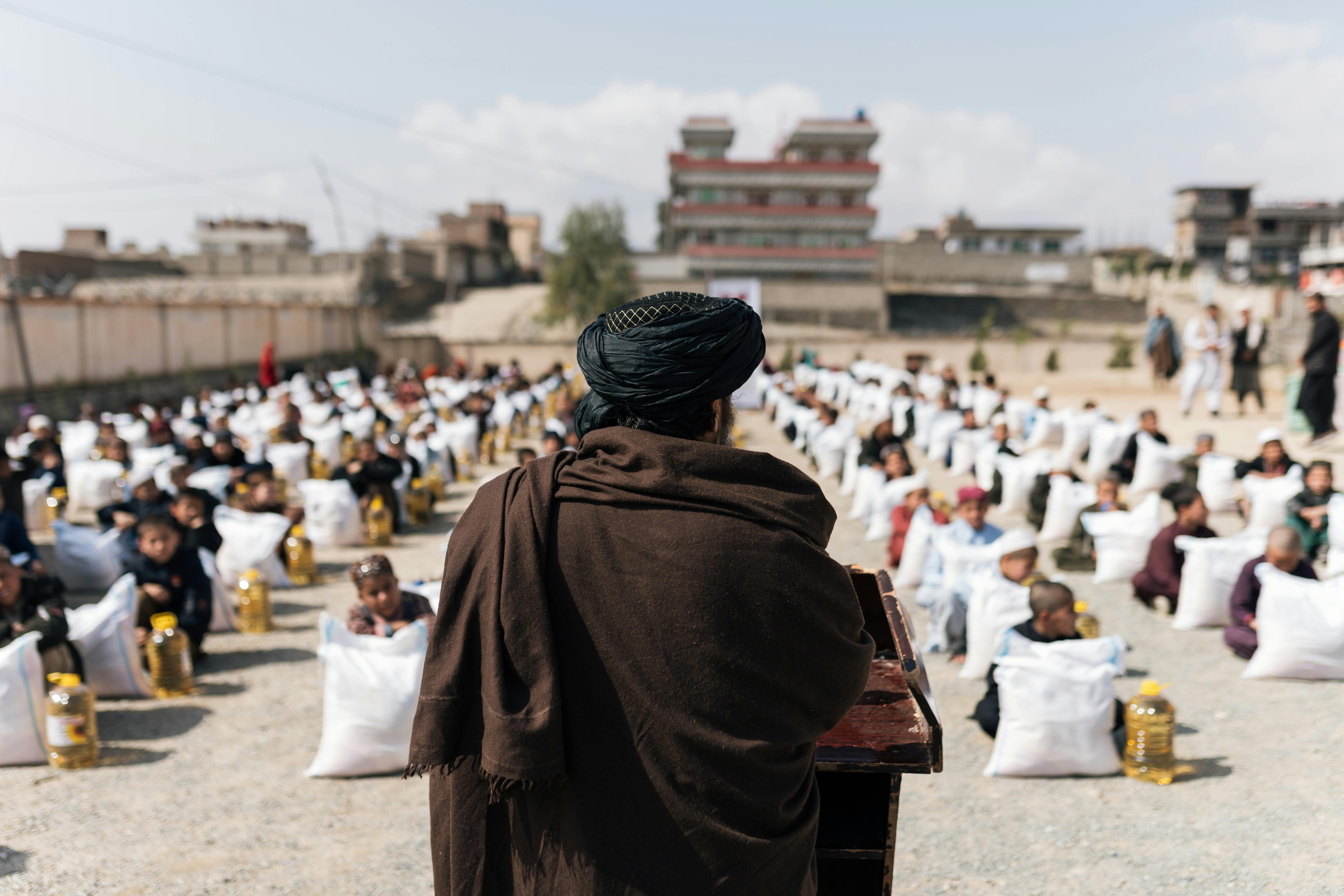
The UNHCR is leading humanitarian work to assist the Rohingya people. In 2021, UNHCR provided food, shelter, health care, education, and protection services to more than one million Rohingya refugees, the majority of whom were residing in Bangladesh. It learned its lesson, and it has been very active in getting together the relief work and making international support available to ease the situation's urgency. However, the UNHCR has been essential, and yet its vital role is minimal somehow due to a series of challenges, such as the lack of funds, political limitations, and the process of working in a geopolitical pressure space.
Refugees are also faced with several debilitating challenges. While international assistance to
Bangladesh was generous initially, donor fatigue and competing international priorities over time led to dwindling funds. This has forced the UNHCR and others to scale back their programs, leaving more significant unmet needs, particularly education, health care, and livelihood support. It has not facilitated the refugee community's transition to self-sufficiency, thus transforming them into long-term beneficiaries of humanitarian assistance. Myanmar has also been uncooperative with international actors, and access to the underlying drivers of the crisis has remained impossible for the UN to address. Despite repeated appeals from the UN and other international leaders to enter into a dialogue with Myanmar, the government has not allowed international scrutiny and barred any international observers or peacekeepers from entering Rakhine State. This East-West divide has rendered it particularly difficult to create a safe space for the Rohingya, no matter where they are, be it in Myanmar or refugee camps, as humanitarian access is essential for alleviating suffering, preventing disease, and assisting citizens in need.
UNHCR's work has also become more complex, with refugees being relocated to Bhasan Char, a far-flung island in the Bay of Bengal. The Bangladeshi government views Bhasan Char as a possible solution to overcrowding in the Cox's Bazar camps, but the island has drawn both at home and abroad criticism from human rights groups. Other reports have flagged issues around safety, access to services, and the voluntariness of relocation (Islam et al., 2022), with many refugees being fearful of being displaced to a poorly serviced area with little hope for the future. These issues, combined with an absence of independent oversight of Bhasan Char's conditions and pledges from Dhaka to ensure the safety and dignity of the refugees, have underscored the failure of efforts by the international community to protect the Rohingya.
### b) Legal Interventions
This type of silence means zero accountability mechanisms from the international community, including a case in the ICJ against Myanmar. Gambia has aggregated those efforts with its widely publicized 2019 case against Myanmar in the International Court of Justice (ICJ) — one of the most visible legal interventions. Gambia initially maintained its case with the backing of the Organisation of Islamic Cooperation (OIC), accusing Myanmar of committing genocide against the Rohingya people and that it should be held responsible for violations of the 1948 Genocide Convention. The case was an essential step in holding the government accountable at the international level for the atrocities committed against the Rohingya.
In January 2020, the ICJ prescribed provisional measures that directed Myanmar to immediately refrain from genocidal acts against the Rohingya, including the preservation of evidence that might be relevant to any future genocidal acts, and to prevent further harm to the Rohingya people. It was a significant legal victory for the Rohingya that applied pressure on Myanmar to take concrete steps to halt the violence and persecution. That said, there are no assurances that the ICJ's provisional measures will be implemented. Myanmar has repeatedly denied the allegations of genocide, and the government has been resistant to complying with the ICJ's requests. The primary issue with the ICJ decision was accountability. While finding Myanmar responsible is better than not holding it accountable, the ruling certainly does not have a proper enforcement mechanism. Myanmar has shown that it will not comply fully with the Court. As this suggests, all the differences in the world can exist between a court ruling and a breakthrough in practice. That difference reflects the stubborn difficulties of effecting accountability through international law, especially when a member state disobeys international law without material consequence.
The importance of the international community's implementation mechanisms vis-à-vis ICJ judgments is also a testament to the largely ineffective nature of international legal infrastructures when addressing state-sponsored atrocities. The laws exist to prosecute such crimes, but the political will has not followed through, and powerful states such as China and Russia have provided diplomatic cover for Myanmar's avoidance of accountability.
### c) Regional Responses
The reaction of regional actors has been a necessary but insufficient part of the international response to the Rohingya crisis. The Rohingya as are caught between Myanmar and Bangladesh, where the ASEAN (Association of Southeast Asian Nations) bloc, of which both countries are members, is either muting or blaming the crisis, with no substantive action undertaken. ASEAN's foundational principle of non-interference in member states' internal affairs has profoundly limited the organization's capacity to respond effectively to Myanmar's treatment of the Rohingya. While a few ASEAN statements expressed concern over the coup, the bloc did little beyond that to hold Myanmar to account or push the country to change its addiction to violence fundamentally.
Though ASEAN as a body seems reluctant to address the situation in Myanmar, member states have been more vocal in condemning the conduct of the country. These countries have also expressed strong humanitarian and condemnatory concerns, calling for international intervention to help the Rohingya and to pressure Myanmar to stop the bloodshed. ASEAN's consensus principle undermined these efforts, leading to top-down, watered-down resolutions with little concrete output. This non-documentation has reinforced perceptions of an unwilling or unable ASEAN to critically address its members on matters of rights, leading to frustration from global actors and advocacy organizations.
The geo-political interests of ASEAN state members have also influenced the response to the region. For example, Myanmar's strategic relationship with China has served as a brake on greater regional pressure. China has significant economic and political interests in Myanmar and has provided crucial diplomatic cover for the country at the United Nations, repeatedly vetoing efforts to impose sanctions on or pressure Myanmar. The geopolitical stakes around Myanmar and its relationship with China have made ASEAN even more polarised as a bloc, dulling the region's efforts to act as one in the resulting crisis. But in the case of ASEAN's response to Rohingya refugees, this failure also highlights the limitations of regional organizations in providing support to their members in response to transnational humanitarian emergencies, where important actors in the organization are less inclined to push each other on such topical questions. This is precisely why greater regional accountability mechanisms are necessary to hold Myanmar to account and steer it towards meaningful change, whether that is done within or outside ASEAN.
## VIII. RECOMMENDATIONS FOR SUSTAINABLE SOLUTIONS
The Rohingya crisis is one of the world's most grievous humanitarian catastrophes and must be treated as such- root causes, refugee and host community needs, and the role of international actors in the surrounding region must all be addressed. Legal reforms must be a priority in Myanmar, along with greater international burden-sharing, empowerment of refugees, and genuine regional cooperation. Here are recommendations outlining pathways to address this crisis, focusing on short- and long-term strategies. In order to tackle this massive humanitarian crisis, long-term and structural solutions addressing the root causes, including refugees and host communities, need to be prepared. The highest priorities for sustainable solutions must include reforms of law in Myanmar, a fairer sharing of international responsibility, empowerment of refugees, and genuine regional cooperation. What follows is a series of specific recommendations to help inform the response to this crisis, with attention to both near- and long-term strategies:
### a) Legal Reforms in Myanmar
Legal reform in Myanmar is the linchpin for the long-term resolution of the Rohingya crisis. The 1982 Citizenship Law, which systematically denies full citizenship to the Rohingya, must be amended to recognize them as equal citizens. This law has been the backbone of decades of systemic discrimination and persecution, and as long as it is not redrafted, repatriation attempts will be ambiguous, if not damaging. Rightfully, and to recognize their legal rights and dignity when they eventually return to Myanmar, the Rohingya require full citizenship because it would open access to education, healthcare, property rights, and freedom of movement. Without such guarantees, their citizenship will be nothing more than a mockery and yet another step toward cementing inequalities that other ethnic groups in Myanmar face in terms of citizenship rights.
In addition to legal recognition, Myanmar should establish internationally monitored safe zones within Rakhine State. These regions would provide a safe space for the voluntary and dignified repatriation of the Rohingya, devoid of fear of military retribution or religious persecution. The safe zones must also be demilitarized and monitored by international peacekeeping forces or UN-mandate observers so that the security of the returnees can be guaranteed, in addition to assurances as to the non-recurrence of abuses. This is an essential first step on the path toward rebuilding relations between Myanmar and the Rohingya, allowing refugees to go back to their home country in a secure environment. Third, Myanmar should enable international human rights organizations to evaluate, establish, and monitor permanent protection mechanisms required to safeguard the Rohingya and to incorporate them into the Myanmar social fabric.
### b) Improvements to Regional Coordination
To eliminate the Rohingya refugee crisis and safeguard long-term regional stability, a regional policy is required. ASEAN and SAARC need to step up their bilateral cooperation in combating the crisis in an integrated manner that aligns with the overall spirit of ASEAN by helping each other out when faced with difficulty. ASEAN cannot shelter behind its founding principle of non-interference with regard to ongoing and targeted gross violations of human rights by one member against another member. Myanmar has continued as it has, with impunity. ASEAN "must stop its failure to respond to the Rohingya crisis adequately." ASEAN now has to use its diplomatic-economic leverage to help Myanmar make the legal and political changes needed to implement the agreement. In order to bring about such transformation faster, collective sanctions or incentives may be applied to Myanmar on behalf of the Rohingya so that the country internalizes a regime based on human rights.
Instead, regional cooperation would also come with a need to get China and India involved as mediators. Myanmar's most powerful ally, China, has significant sway over its political and economic directions. China has stated that it does not want to see Myanmar end up in chaos. Meanwhile, it is signing deals with the military junta, such as the Belt and Road
Initiative, and thus has a unique ability to facilitate dialogue between Myanmar and the international community. Given its long-time ties to both Bangladesh and Myanmar, India, a fellow ASEAN member, and neighboring power, can also mediate. India has already taken on diplomacy with responses of humanitarian aid and a call for accountability, and its contribution to pushing Myanmar to change its policies could greatly enhance regional diplomacy from now on. A regional concerted response would not only encourage accountability against Myanmar's perverse obstinacy but also improve the broader implications of the refugee crisis for regional security and stability. ASEAN and SAARC must act jointly to avert more human disasters in the region and force Myanmar to comply with its international obligations.
### c) Equitable Burden-Sharing
The blatant truth is that Bangladesh, which is hosting over one million Rohingya refugees, has barely been burdened. While it is admirable that Bangladesh has carried its share of potential, it is also unsustainable that a developing nation warrants a callous burden without adequate respites from the global community. It is high time that the richest countries inject more funding into global counter-humanitarian efforts and other long-term programs designed to cushion the national infrastructure, health, and education systems from collapse to benefit all countries for future reference. Above that, countries of the Global North should also be willing to host a larger population of Rohingya through third-country resettlement. Bangladesh has provided shelter, food, and access to schools; however, providing these services does not imply that the country can host the refugees permanently. Countries such as Canada and the United States, amongst others, have programs that help to settle refugees from other nations; such programs should be reintroduced to settle the refugees to reduce the pressure on the host countries. Additionally, we could create an International fund for the refugee-hosting countries, including the frontline host countries, to promote equitable burden-sharing. This would help the frontline host countries develop their infrastructure and access to health facilities and education resources, and it would also be used to integrate refugees.
### d) Empowerment of Refugees
The Rohingya crisis needs sustainable solutions that drive these refugees to be less dependent on humanitarian aid and that would allow for self-sufficiency. One of the key components of empowerment is education and vocational training. This renders education a fundamental human right and equips refugees with a critical means of constructing a future. Refugees, particularly refugee youth, require opportunities to learn and acquire the skills to sustain their own communities and economy, and ideally contribute to that of Bangladesh or Myanmar or resettlement. Education is also a bulwark against extremism, giving young people a reason not to embrace violent groups.
Vocational training programs must be created to help refugees develop trades that will allow them to enter the local labor market or run a business. It's in line with the understanding that you give a man a fish, and he eats for a day, but if you teach him how to catch fish, he'll feed himself, and your local economic contribution won't take long to kick in. In Bangladesh, this could mean programs around agriculture, construction, and textiles — industries that are close to both refugee and host community needs. Broadening the types of work that refugees can do legally can also help integrate them into local economies and reduce their risk of exploitation. Refugees tend to be vulnerable to low-wage and exploitative work due to their legal status or lack of documentation, which can act as a barrier to employment. Giving refugees the right to work will be a win-win as they can contribute their experience to the local economy and secure better livelihoods for themselves.
### e) Meeting the Host-Community Needs
This is not to downplay the needs of refugees, which is undoubtedly a priority, but the needs of host communities are equally important in ensuring long-term social cohesion. In response, host communities — already under the strain of economic pressures, especially in agriculture — have increasingly expressed frustration at the influx of refugees, aggravating resentment among the local populace. Both refugees and host communities must be extended international assistance through broadened aid programs. Partnerships in development projects with Rohingya refugees and host communities can be a means to promote social cohesion and mutual understanding between Rohingya & host communities. Individually, infrastructure development projects must be designed and implemented so that schools, healthcare facilities, and road projects serve refugee and host populations. This can also help prevent some local communities from feeling neglected while promoting intergroup contact.
Peace and stability are important, let alone compassion, so the economic program must also be built. Host communities must also see the economic benefit of the presence of refugees. Developing integrative job creation programs or promoting local business development will allow the refugee influx to integrate into the local economy, easing competition and encouraging positive interaction between groups. Building social cohesion also involves addressing the psychological and cultural dimensions of the crisis. Programs that promote understanding and dialogue between refugees and host communities can reduce prejudices and help build peace in the long run. Such dialogue can create a more stable environment where refugees and host communities can prosper if supported by international organizations that comprehend the nuance.
## IX. LIMITATIONS OF THE STUDY
This study primarily relies on secondary data, limiting its ability to capture real-time dynamics between refugees and host communities. While secondary sources provide historical context, they fall short of addressing immediate challenges and lived experiences. The primary data of focus group discussions (FGDs) and interviews restricts the depth of analysis regarding the dynamic and evolving relationships between refugees and host communities, focuses solely on selected camps in Cox's Bazar, and restricts the generalizability of findings to other Bohingya contexts. Moreover, the lack of longitudinal data makes it difficult to understand the dynamics of how the crisis and its consequences progress over time. Future studies should focus more on longitudinal studies, geographical and demographic representation, and involve different stakeholders for a more holistic approach to the problem.
## X. CONCLUSION
The Rohingya crisis is one of humanity's most immense tragedies, born out of decades-long, systematic discrimination, legal exclusion, and state-sponsored violence in Myanmar. The needs and challenges of the more than one million Rohingya now forced to flee are massive, as is the impact on host communities. There is an urgent need for an effective humanitarian response to alleviate the suffering of both groups. Not to mention, the crisis remains a long way from a solution, with Myanmar's intransigence, the deep-seated mistrust between refugees, and the geopolitical complexities leading the crisis to remain in limbo despite tectonic international and regional efforts to provide humanitarian or legal solutions or other initiatives in the region.
Our answer to this crisis must be multidimensional, rights-based, and progressive, and point to legal reform in Myanmar, including amendments to the 1982 Citizenship Law to afford full citizenship to the Rohingya. Greater regional solidarity, particularly in the form of an ASEAN approach with proactive engagement from international actors like China and India, will be key to bringing diplomatic influence to bear on Myanmar. Moreover, the burden must be equitably borne by the richer countries, while investments in the rights and livelihoods of the refugees and the development of host communities are also vital in order to relieve the economic and social burden on Bangladesh.
Let's hope that this revolutionized, functioning international audience that can act as a buffer to the Myanmar military will make sure their families, communities, and next generations look upon the repatriation of the Rohingya as safe, dignified, and as an operation that is only a part of a much larger narrative that the Rohingya are human players in. The only way to achieve sustainable resolutions to the Rohingya crisis will be through concerted action on behalf of the global community to guarantee that all impacted communities can enjoy a shared future based on peace, equality, and human rights.
### Funding
No funding body in the public, commercial, or not-for-profit sectors was involved in the design or conduct of this study. The authors conducted this study as part of their commitments to their academic and institutional research agendas. The authors have no funding, financial sponsorship, or specific resources for this study.
#### Ethical Approval
This is not biomedical or clinical research and does not involve any procedures according to the guidelines requiring formal ethical approval.
Ethics Statement
This study did not involve human or animal participants in a way that required ethical approval from an institutional review board. However, interviews and focus group discussions conducted as part of this research adhered to strict ethical guidelines, ensuring informed consent, confidentiality, and voluntary participation. No personal identifying information was collected, and participants were assured that their responses would be used solely for academic purposes. The study complies with the ethical principles outlined in the Declaration of Helsinki and international research ethics standards.
#### Clinical Trial Number: Not Applicable.
Declaration of Competing Interest
The authors have no competing interests with any organization, agency, or stakeholder with a financial interest in the subject matter.
Generating HTML Viewer...
References
20 Cites in Article
Johan Galtung (1969). Violence, Peace, and Peace Research.
(1994). New dimensions of human security.
J Hathaway (2021). The Structure of Entitlement under the Refugee Convention.
B Chimni (2004). From Resettlement to Involuntary Repatriation: Towards a Critical History of Durable Solutions to Refugee Problems.
Md. Rahman,Haradhan Mohajan,Tripty Bose (2021). Future of Rohingyas: Dignified Return to Myanmar or Restoring Their Rights or Both.
Md. Fahim (2022). Forced Migration of Rohingya Refugees from Myanmar to Neighboring Countries.
Md Faisal (2020). The Rohingya Refugee Crisis of Myanmar: A History of Persecution and Human Rights Violations.
Sulaiman Rasyid,Adya Prabandari,Bastian Daren,Christopher Simanjuntak (2022). The Role of Indonesian Diplomacy in Managing the Conflict between The Myanmar Government and The Rohingya Muslim Ethnic.
Md. Ali (2020). Bangladesh’s Claim for Reparation from Myanmar due to Rohingya Influx: Options and Challenges.
Rochelle Frounfelker,Nargis Islam,Joseph Falcone,Jordan Farrar,Chekufa Ra,Cara Antonaccio,Ngozi Enelamah,Theresa Betancourt (2019). Living through war: Mental health of children and youth in conflict-affected areas.
Badsha Mia (2021). Rohingya Refugee Influx in Bangladesh and Repatriation Process: Addressing the Possible Challenges.
May Siregar (2024). Indonesia's Response to Rohingya Refugees in the Perspective of International Law in 2023.
Ujang Komarudin,Dinda Ayuningtyas (2024). INDONESIA’S RESPONSES TOWARDS ROHINGYA REFUGEES: POLITICAL PERSPECTIVE.
Michelle Lee (2021). Media influence on humanitarian interventions: analysis of the Rohingya refugee crisis and international media coverage.
Md. Islam (2024). Rohingya Crisis In Bangladesh: Causes, Consequences And Remedies.
Asep Setiawan,Hamka Hamka (2019). Role of Indonesian Humanitarian Diplomacy toward Rohingya Crisis in Myanmar.
Abdul Halim (2023). Protracted Rohingya Crisis in Bangladesh: Exploring National and International Security Implications.
Nick Cheesman (2017). How in Myanmar “National Races” Came to Surpass Citizenship and Exclude Rohingya.
Sazzad Hossain (2018). The Impacts of Rohingya Refugee Influx on Bangladesh.
Md. Islam,Aparna Barman,Makidul Khan,Gour Goswami,Bulbul Siddiqi,Sharif Mukul (2022). Sustainable Livelihood for Displaced Rohingyas and Their Resilience at Bhashan Char in Bangladesh.
Explore published articles in an immersive Augmented Reality environment. Our platform converts research papers into interactive 3D books, allowing readers to view and interact with content using AR and VR compatible devices.
Your published article is automatically converted into a realistic 3D book. Flip through pages and read research papers in a more engaging and interactive format.
The Rohingya crisis exposes the ineffectiveness of the international community in preventing systematic state-sponsored persecution of vulnerable populations. Decades of exclusion and violence in Myanmar became a public crisis in 2017 when over a million people from the Rohingya minority fled to Bangladesh. This mass displacement has become one of the greatest humanitarian crises of the 21st century, placing tremendous pressure on Bangladesh’s socio-economic infrastructure while exposing significant shortcomings in global systems of accountability and justice. At the heart of this crisis is Myanmar’s 1982 Citizenship Law, which codified the Rohingya’s statelessness, blocking access to fundamental rights and embedding patterns of violence and displacement. And little is moving forward despite global condemnation and a legal challenge involving the International Court of Justice. Myanmar’s refusal to repatriate, meanwhile, has long collided with geopolitical roadblocks, including major allies’ vetoes, and has effectively brought accountability and the prospect of sustainable repatriation to a standstill.
Our website is actively being updated, and changes may occur frequently. Please clear your browser cache if needed. For feedback or error reporting, please email [email protected]
Thank you for connecting with us. We will respond to you shortly.