



1. Introduction
University extension is recognized as one of the fundamental pillars of the Brazilian public university, alongside teaching and research. This triad, established by Article 207 of the 1988 Federal Constitution and reaffirmed by the Law of Guidelines and Bases of National Education (LDB), guides higher education institutions in promoting extension activities open to the participation of society, thereby fostering an exchange between academic and popular knowledge. This articulation is particularly relevant in vulnerable territories, where universities can act as strategic agents of social transformation (Oliveira & Diniz, 2020; Freitas & Barbosa, 2021).
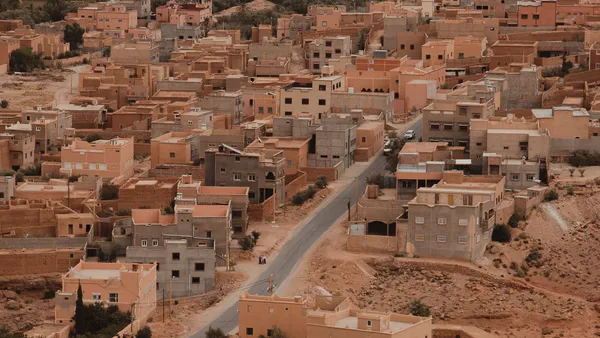
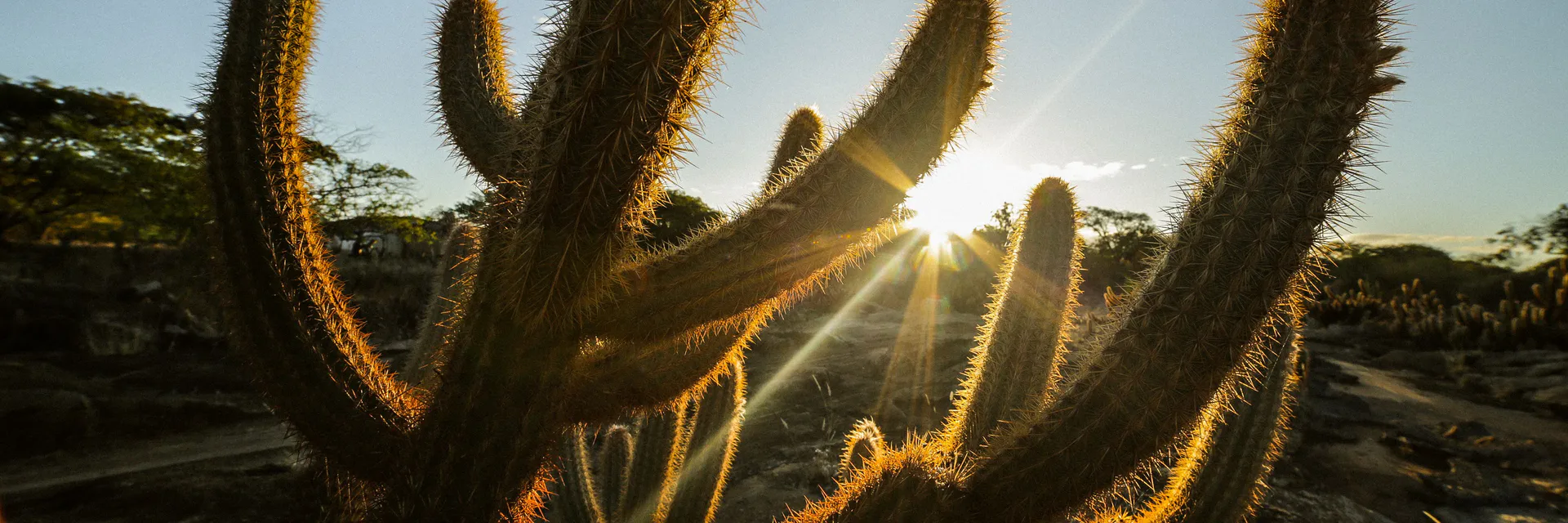
In this context, the Universidade Estadual Vale do Acaraú (UVA) has developed extension initiatives focused on territorial development in rural areas, with an emphasis on overcoming poverty and hunger, as well as promoting environmental sustainability. The project reported in this article was developed in the rural community of Juá, in the municipality of Irauçuba, Ceará, Brazil, located in one of the semi-arid (Falcão Sobrinho, 2025) regions of Brazil most susceptible to desertification. This condition imposes severe limitations on food security, agricultural productivity, and the quality of life of local populations (Beg et al., 2024; Alvalá et al., 2019).
Despite technological advances and the increase in global food production, food insecurity remains a persistent problem, particularly in low- and middle-income countries, where unequal distribution, territorial conflicts, and the effects of climate change increase vulnerabilities (WFP, 2025; FAO, 2023). In regions such as the semi-arid region of Ceará, environmental degradation associated with the absence of effective public policies exacerbates the cycle of poverty and social exclusion.
The community of Juá, the object of this study, presents characteristics associated with contexts of socioeconomic and environmental vulnerability. Although it has some local infrastructure, it still faces limitations that affect its development, with the economy predominantly based on subsistence agriculture. In this context, the locality faces challenges such as soil erosion, water scarcity, and biodiversity loss, factors that may compromise its productive capacity and the food security of its residents (Aliyu et al., 2024).
Against this backdrop, the extension project described herein seeks to operate at the interface between environmental education, solidarity economy, and food security, with the aim of encouraging sustainable land-use practices and strengthening community agency. The proposal is aligned with the Sustainable Development Goals (SDGs) of the United Nations, particularly SDG 2 (Zero Hunger and Sustainable Agriculture), SDG 11 (Sustainable Cities and Communities), and SDG 13 (Climate Action).
At this stage, we sought to analyze the initial impacts of implementing a university extension project focused on environmental restoration and the promotion of food security in the district of Juá, with an emphasis on social mobilization as a strategy for territorial transformation. The theoretical framework underpinning the proposal is presented below.
2. Characterization of the Study Area
The municipality of Irauçuba, including the district of Juá, is located in the northwestern region of the state of Ceará, approximately 150 km from Fortaleza (IBGE, 2022). The district of Juá is located within the sub-basin of the Gabriel stream, covering an approximate area of 228 km² between the municipalities of Irauçuba and Sobral (FUNCEME, 2020). The region is predominantly composed of geomorphological units characteristic of the sertanejo depressions, under the influence of a hot semi-arid climate characterized by high rainfall variability and irregular precipitation, factors that contribute to environmental vulnerability (FUNCEME, 2020; IPECE, 2017).
The native vegetation is characteristic of the Caatinga biome, with the presence of species adapted to water-deficit conditions, including, among others, the carnauba palm and the juazeiro tree, particularly in areas with greater water availability, such as along the margins of watercourses (IBGE, 2012; MMA, 2022). The municipality has a semi-arid climate, with average annual precipitation of approximately 540 mm and average temperatures close to 27 °C (FUNCEME, 2020; IPECE, 2017).
The predominant soils are generally shallow or poorly developed, with variations in texture ranging from sandy to clayey, and are highly susceptible to water and wind erosion, especially in areas with reduced vegetation cover (EMBRAPA, 2018). Land use in the region is primarily associated with subsistence agriculture, plant extraction, and livestock farming. When these activities are carried out without appropriate management practices, they have contributed to environmental degradation, including vegetation-cover loss and soil erosion.
Rainfed agriculture is the main agricultural activity in the region and is characterized by the cultivation of temporary crops such as maize, beans, and cassava, which depend on irregular rainfall concentrated within a few months of the year. Livestock farming, particularly the raising of small animals such as poultry, goats, and sheep, is also common and is generally practiced with a low level of technological input (CAETANO et al., 2017).
3. Methodology
The study area comprises the district of Juá, located in the municipality of Irauçuba, Ceará, Brazil. The region is characterized by significant socio-environmental vulnerability, exacerbated by soil degradation processes, water scarcity, and limited economic diversification. The district consists of 32 rural communities and has active community organizations, such as the Community Association of Residents of Riacho do Meio and Carnaubinha (ACRIMEC) and the Association of Women Farmers and Entrepreneurs of the District of Juá (AMAEDJ), which facilitated the coordination and implementation of the activities.
The selection of the District of Juá as the intervention territory was based on three main criteria: (1) high susceptibility to desertification; (2) the existence of organized communities; and (3) previously identified demand for food security and environmental restoration initiatives. The Riacho Gabriel watershed sub-basin, which encompasses a significant portion of the district, was also considered strategic due to its importance for local water supply and its ecological vulnerability.
3.1. Data Collection Techniques
Multiple data collection techniques were employed to ensure triangulation and an in-depth analysis, as recommended in qualitative studies (Triviños, 2008). The techniques adopted were:
Semi-structured interviews with local leaders, representatives of community associations, and members of the project team;
Participant observation during community meetings, training courses, and technical visits;
Photographic records and documentary analysis (communications, meeting minutes, promotional materials, and educational booklets);
Focus groups conducted during training activities within the seedling production course.
All information was systematized in field diaries and discussed during periodic meetings with members of the extension team.
3.2. Participant Selection Criteria
Participant selection was carried out through coordination with local associations, considering criteria such as residence in the community, interest in the project’s thematic areas (seedling production, sustainable agriculture, and food security), availability to participate, and previous involvement in community-based activities. The proposal respected the principle of community self-management, valuing the recommendations made by local leaders as a means of strengthening bonds of trust and co-responsibility.
In addition, efforts were made to ensure diversity among the participants, with particular attention to the inclusion of women, young people, and family farmers from agrarian reform settlements, such as the Rodeador Settlement, which stood out as a strategic partner in the practical activities of the course.
3.3. Methodological Stages of the Project
The project activities were structured into five broad stages, described below:
Participatory socio-environmental diagnosis: meetings with community leaders, mapping of the Riacho Gabriel watershed sub-basin, identification of degraded areas, and initial interviews.
Community mobilization: coordination with ACRIMEC and other local organizations; presentation of the subprojects at community meetings and gatherings; and collaborative definition of the target audience.
Theoretical and practical training: implementation of the Native Species Seedling Production Course, with modules covering seed collection, plant physiology, conservation practices, and rural entrepreneurship.
Implementation of productive infrastructure: participatory selection of the site for establishing the nursery at the Rodeador Settlement; acquisition and organization of the inputs required for planting.
Initial follow-up and monitoring: technical visits, assessment of cultivation areas, and planning of actions for continuity and replication.
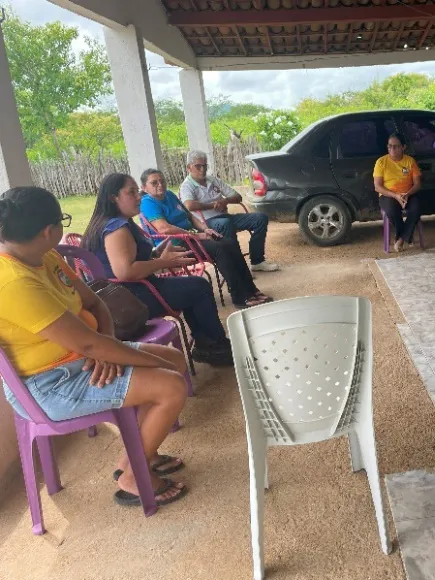
The presentation of the projects to the community took place in three stages. The first involved the preparation of a communication letter (Appendix 01), which was sent to Mr. Nazão Camelo, District Coordinator of Juá. The aforementioned communication was also forwarded to the President of the Community Association of Residents of Riacho do Meio and Carnaubinha (ACRIMEC). The second stage took place on April 12, 2025, during the monthly meeting of the ACRIMEC board.
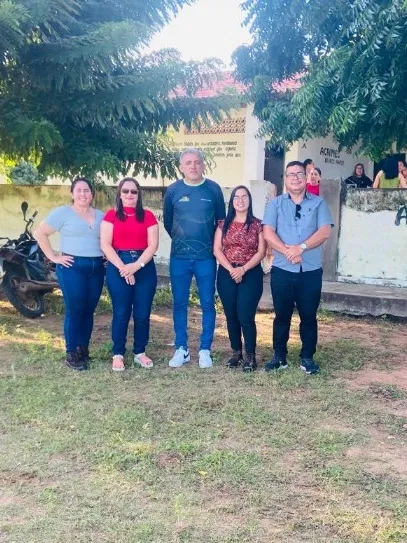
On that occasion, I, Francisca Edineide Lima Barbosa, a postdoctoral fellow, together with Dárlen Sousa, a master’s student in the Academic Master’s Program in Geography (MAG), presented the extension project entitled “Territorial Development in Rural and Peripheral Areas: Solidarity Actions Against Poverty and Hunger,” focusing mainly on the subprojects planned for implementation in the region. In addition, we addressed questions raised by the board, which approved the initiative, and planned the subsequent steps. On that occasion, a presentation of the project to all members of the association was scheduled for April 26, 2025, at the ACRIMEC headquarters, located in the Riacho do Meio community, where the activities of the subprojects would be developed. Figure 1 presents photographic records of the aforementioned meeting.
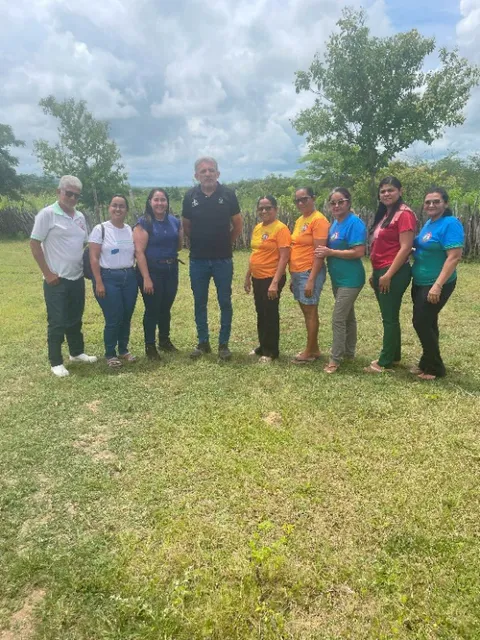
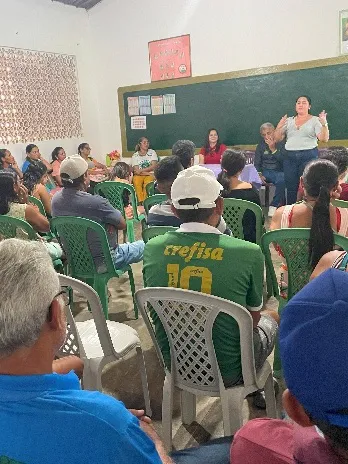
The third stage consisted of presenting the project to all ACRIMEC members during the monthly meeting held on April 26, 2025, at the ACRIMEC headquarters, located in the Riacho do Meio community. On this occasion, the subprojects were presented, namely: Native Forest Species Seedling Production and the Productive Backyard Project. The registration process for the aforementioned course was also officially opened, and the dates and times of the meetings were discussed. Figure 2 presents photographic records of the aforementioned meeting.
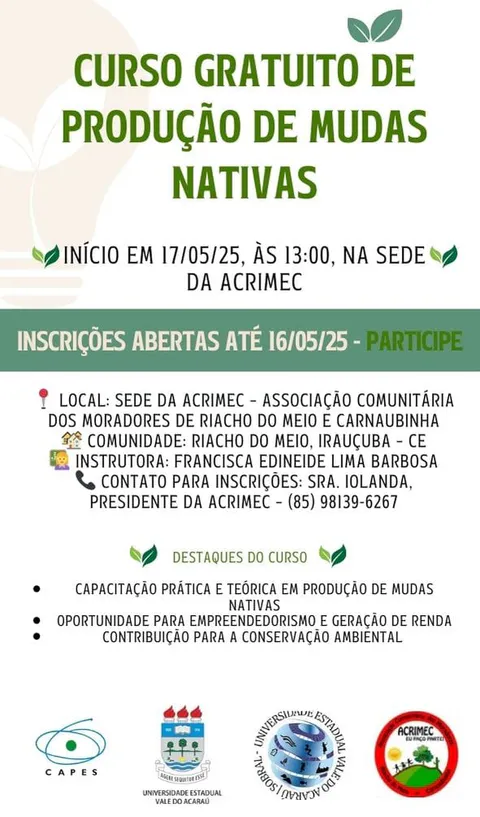
During the registration period, audiovisual material was developed to promote the seedling production course. The poster presented in Figure 3 was disseminated through ACRIMEC’s main communication channels, including WhatsApp groups and social media posts, with the aim of promoting course registration more effectively.
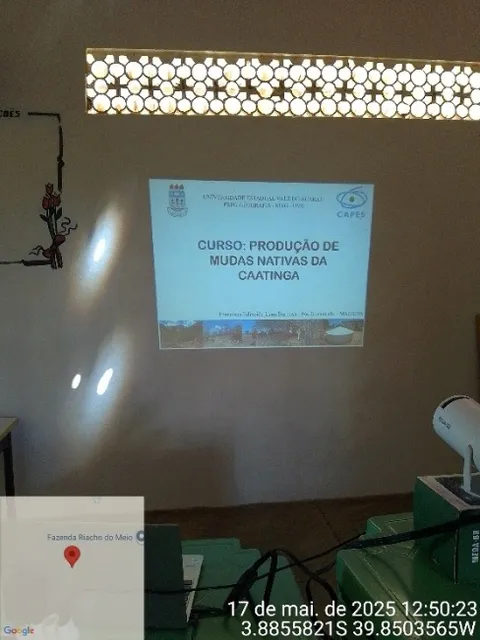
The Seedling Production Course was scheduled to begin on May 17, 2025, at the ACRIMEC headquarters, located in the Riacho do Meio community. On the scheduled date, I went to the site and, with the support of the ACRIMEC board, organized all the necessary infrastructure for the first class, as evidenced by the photographic records in Figure 4.
Despite the extensive publicity carried out in the days leading up to the course, participation was lower than expected. Of the 17 participants who had previously confirmed their attendance, only three showed up. After waiting approximately 40 minutes beyond the scheduled starting time and considering the small number of participants present, we decided not to begin the course at that time.
Given the low attendance on the date initially scheduled for the beginning of the Seedling Production Course, we decided to intensify its promotion during the monthly meeting of the presidents of the associations of the municipality of Irauçuba, scheduled for May 29, 2025, at the Municipal Council.
During this period, we identified the need to change the location of the activities in order to facilitate participants’ access. Therefore, we decided to move the course to the headquarters of the District of Juá, a more easily accessible location. The mobilization was carried out in partnership with the Association of Women Farmers and Entrepreneurs of the District of Juá (AMAEDJ), chaired by Ms. Valderina de Sousa Fernandes, and with the District Coordinator, Mr. Nanzão.
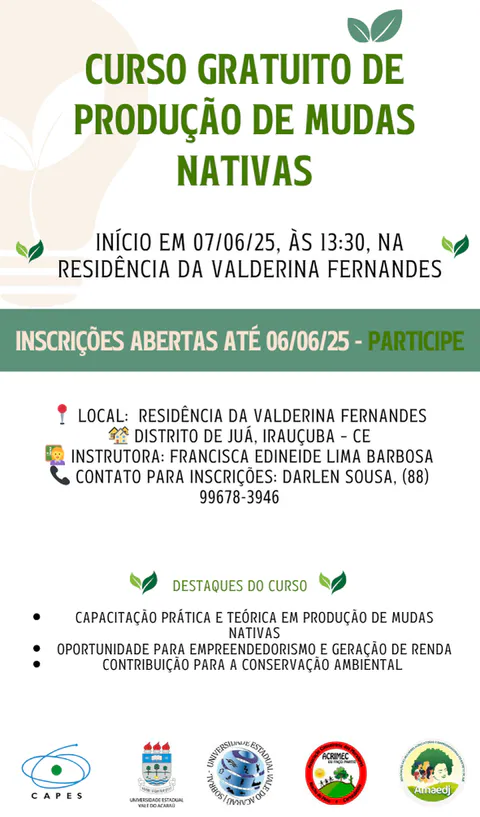
Following these changes, we reopened the registration period and established a new starting date for the course: June 7, 2025. Figure 5 presents the new promotional banner.
3.4. Native Species Seedling Production Course
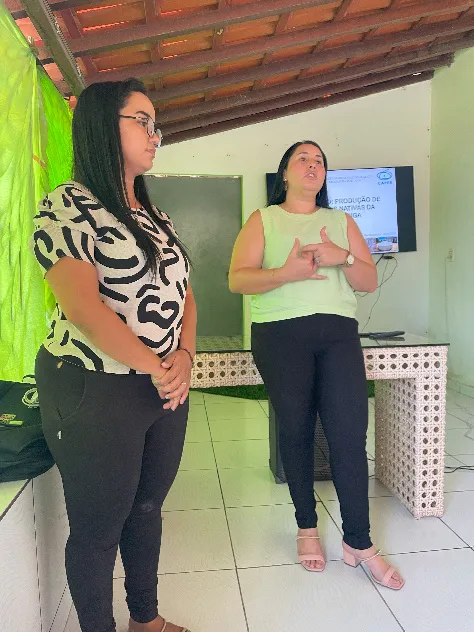
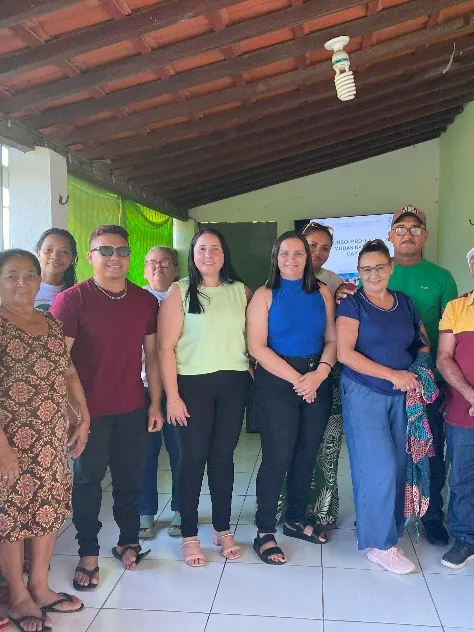
The Native Species Seedling Production Course officially began on June 7, 2025, with the participation of representatives from several communities in the District of Juá, including the Riacho do Meio community, the Rodeador Settlement, and residents from the district headquarters itself.
The meeting was divided into two stages. In the first, the concept of native species was presented, followed by a discussion on the importance and economic, ecological, and environmental potential of the main native species found within the area of influence of the district.
The second stage addressed the main physiological characteristics of the native species found in the area, as well as training on seed collection, treatment, and seedling production. Figure 6 presents photographic records of the activities described above.
Concurrently with the implementation of the course, efforts were made to identify a suitable space for planting and managing the seedlings that would be produced throughout the training activities. The most viable alternative identified was an area located in the Rodeador Settlement, a community composed of beneficiaries of the National Agrarian Reform Program, coordinated by INCRA (National Institute for Colonization and Agrarian Reform).
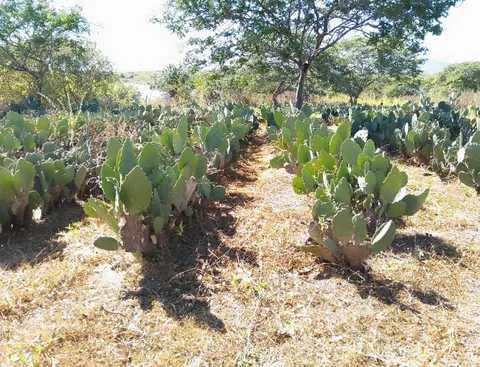
The Rodeador Settlement consists of 19 families that already hold land titles, as well as other families, known as associated households, who also use portions of the area to carry out agricultural and livestock activities. These activities include rainfed agriculture and the cultivation of species adapted to the semi-arid environment, such as forage cactus. Figure 7 illustrates the cultivation of forage cactus carried out by one of the settlers.
The settlement area is legally regularized with INCRA and has a preserved collective Legal Reserve, which ensures the conservation of several native forest species of the Caatinga biome. This area also represents a potential seed bank for the collection of native species, contributing to the establishment of a possible commercial seedling nursery.
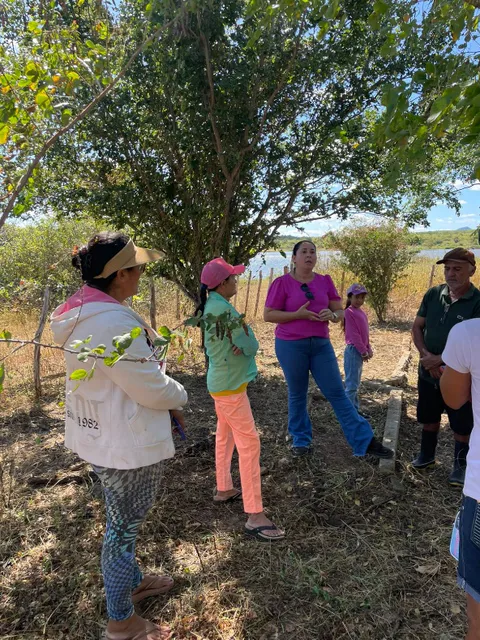
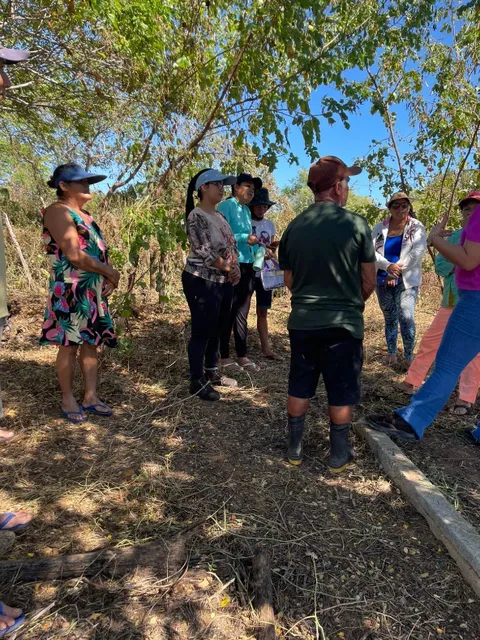
In this context, an in situ technical visit was conducted on June 14, 2025, with the aim of assessing the suitability of the area for planting and managing the seedlings that would be produced during the Course. The assessment showed that the site has high potential, as it already has fencing and trees that provide natural shade, reducing the need for the use of shade cloth. Another positive aspect is its proximity to a reservoir and a water supply pipeline, which facilitates access to water and, consequently, the irrigation of the seedlings. Figure 8 shows the area designated for planting and managing seedlings.
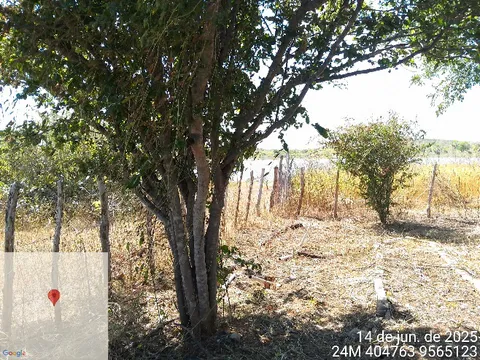
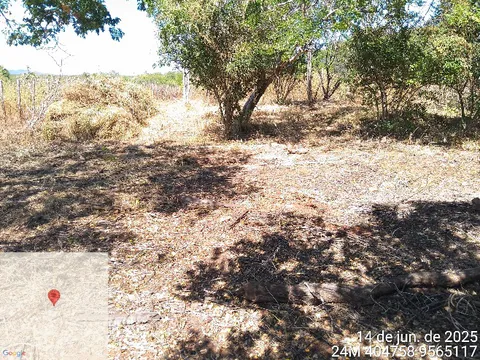
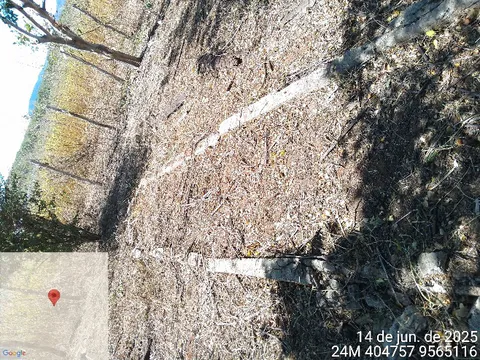
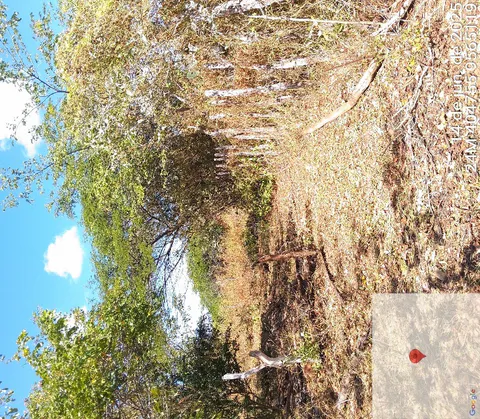
During the visit, several community members participated, and a brief presentation was given on the project currently under development. During this presentation, the potential of cultivating native species was discussed, both for environmental restoration purposes and as a possible source of income generation for the community itself.
The growing demand for native seedlings, driven by legal requirements related to vegetation restoration in degraded areas, was highlighted. It was also emphasized that the community already has essential resources for seedling production, such as a suitable site and access to seeds of Caatinga species, which further strengthens the feasibility of the initiative (Figure 9).
During the discussion, the community embraced the project, authorized the use of the space for planting and managing the seedlings, and committed to providing assistance whenever necessary.
On that occasion, the materials required for planting the seedlings were identified, and arrangements were made for their acquisition, with the aim of ensuring that everything was ready for the practical activities of the course.
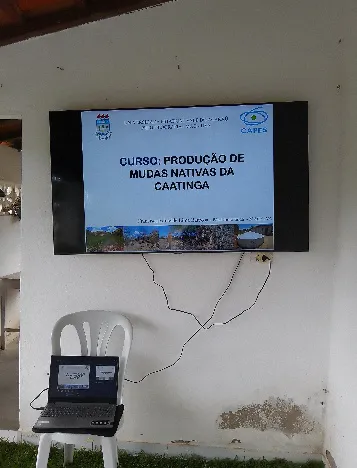
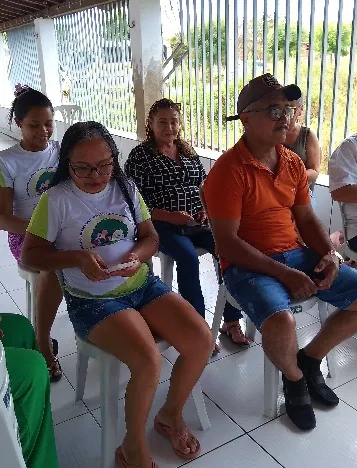
In the afternoon of the same day, June 14, 2025, the second meeting of the Seedling Production Course took place. The main topic addressed was the flowchart for plant management in the nursery and in the field. At the end of the meeting, a quiz competition was organized among the participants to assess and reinforce the key knowledge discussed during the activities (Figure 10).
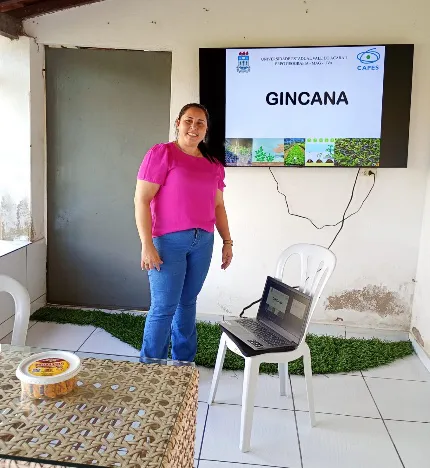
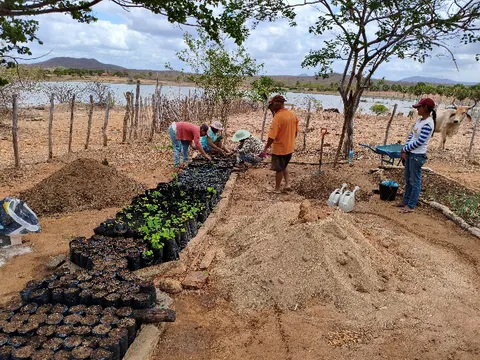
On June 21, 2025, the activities of the Seedling Production Course were conducted in the field. Initially, seeds were collected from native plants growing in the surroundings of the area selected for the establishment of the nursery.
During this activity, it was possible to compare mature seeds with those unsuitable for collection, as well as to observe other characteristics related to seed health, such as the presence of holes and other types of damage. Photographic records of the seed collection are presented in Figure 11.
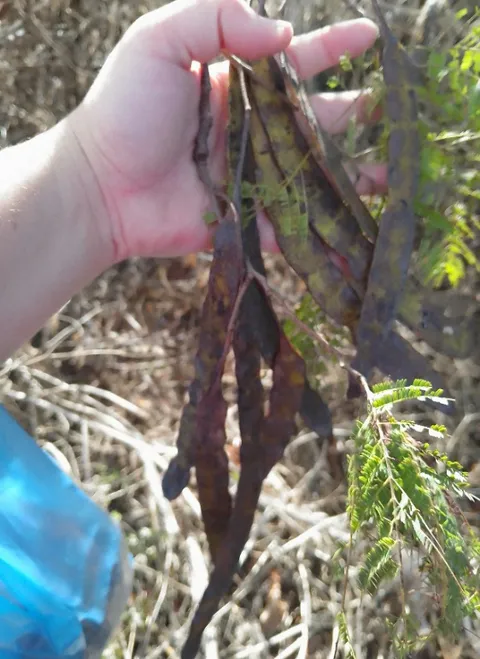
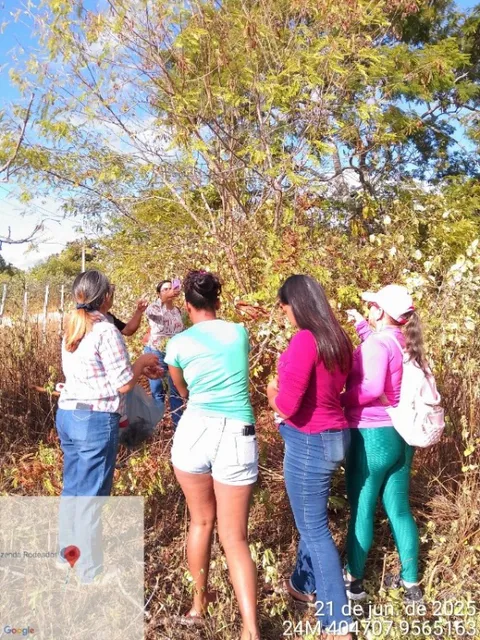
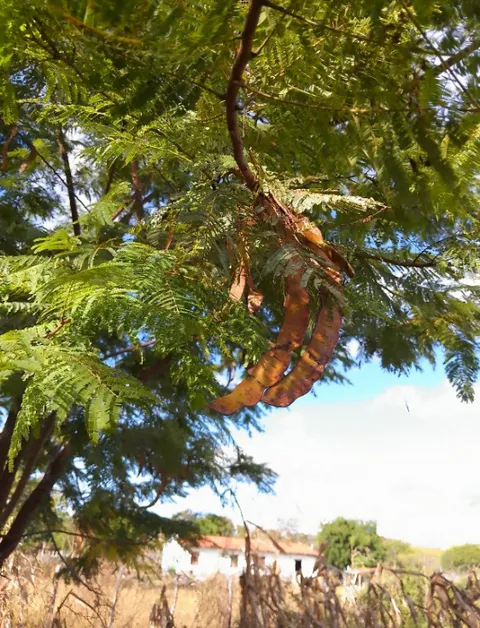
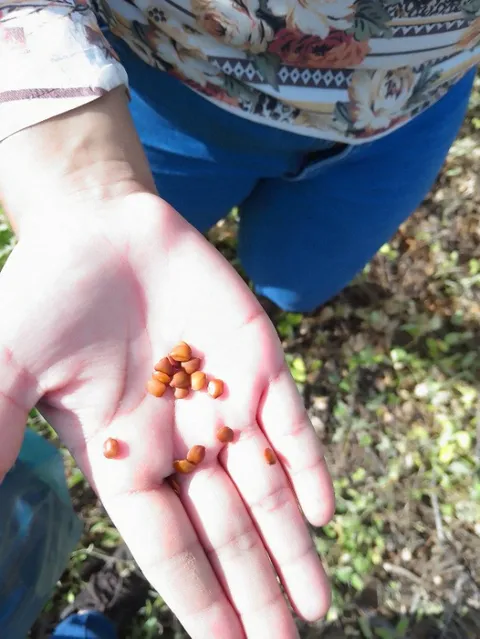
For planting, seeds from three different sources were used: seeds collected at the site, seeds donated by community members, and seeds purchased from an accredited supplier. Following collection, the substrate was prepared in order to assess whether variations in the proportion of organic matter (well-cured cattle manure) would influence seedling growth. Three types of substrate were prepared with the following compositions:
One part arisco soil, one part topsoil, and one part well-cured cattle manure.
One part arisco soil, one part topsoil, and two parts well-cured cattle manure.
One part topsoil and one part well-cured cattle manure.
The process began by sieving the arisco soil. Subsequently, the sieved arisco soil was mixed with topsoil (collected from the first 0–20 cm of soil depth) and well-cured cattle manure, according to the proportions described above. Approximately 300 g of dolomitic lime and 200 g of NPK 10-10-10 fertilizer were added to each mixture, which was then thoroughly mixed again to ensure homogenization.
The substrates were subsequently placed into plastic bags using shovels. After filling, the bags were stacked and identified with labels distinguishing each type of substrate. Irrigation was then carried out to ensure that the substrates were completely moistened before planting the seeds. Once adequate moisture was verified, the seeds were planted.
It is worth emphasizing that throughout the entire process, the production workflow was shared with the participants, providing training and disseminating technical knowledge on seedling production. Figure 12 presents photographic records of the activities carried out.
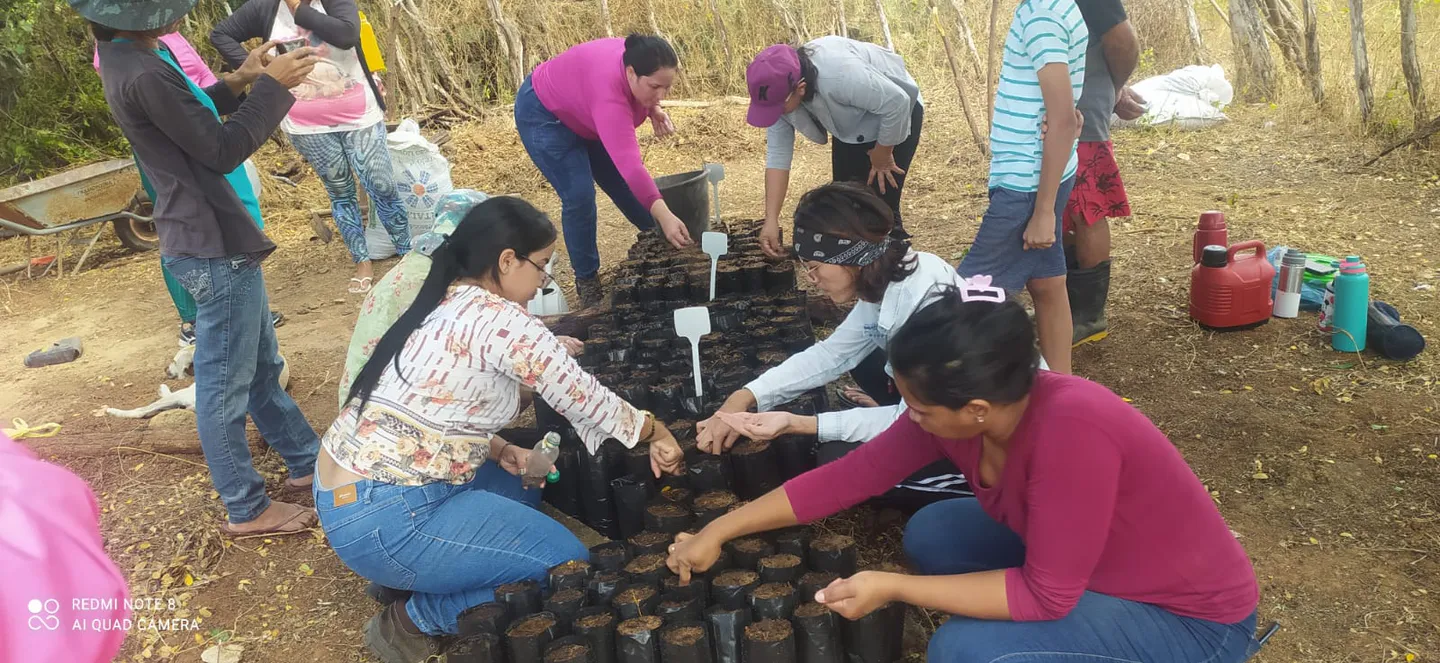
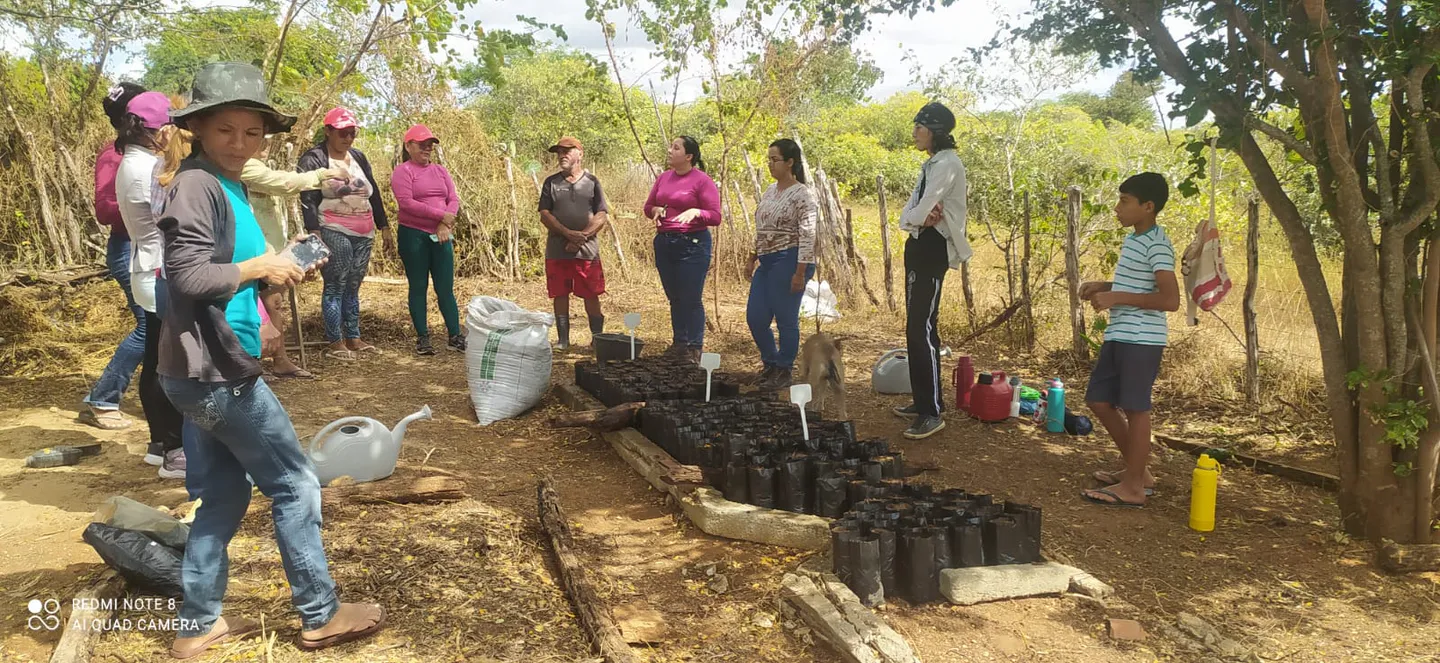
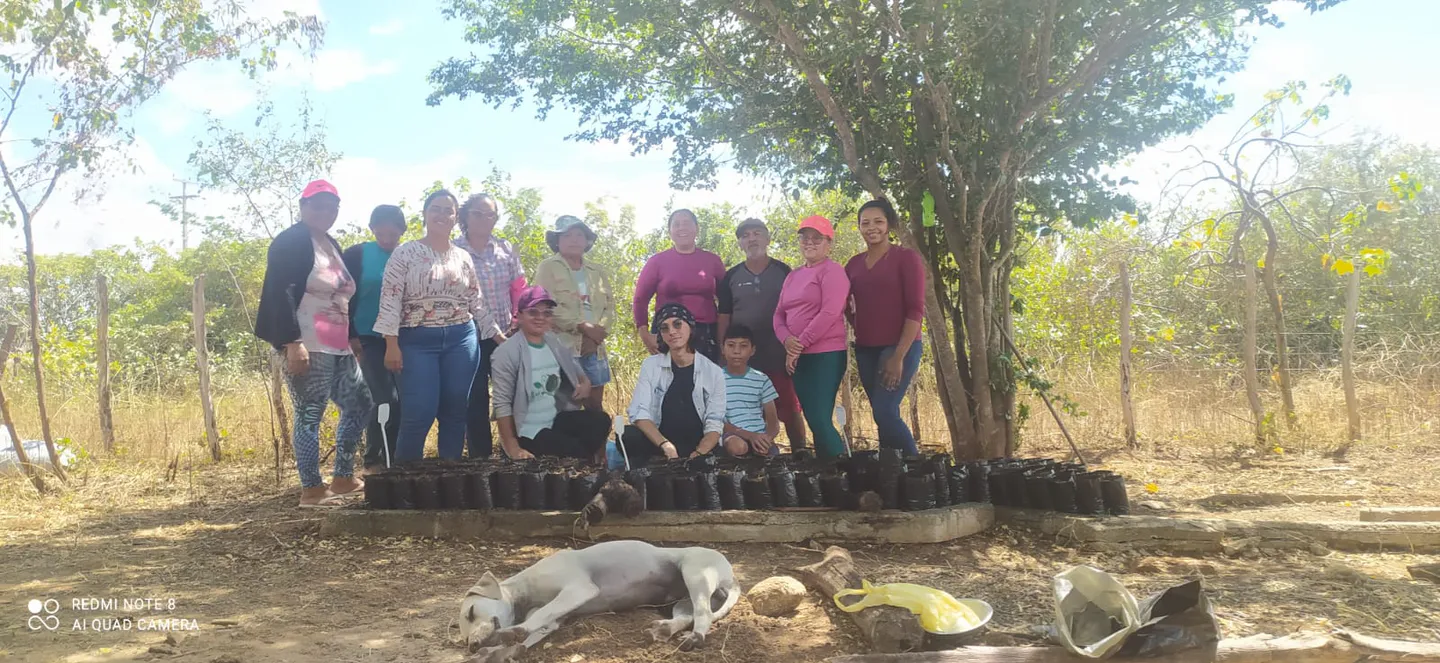
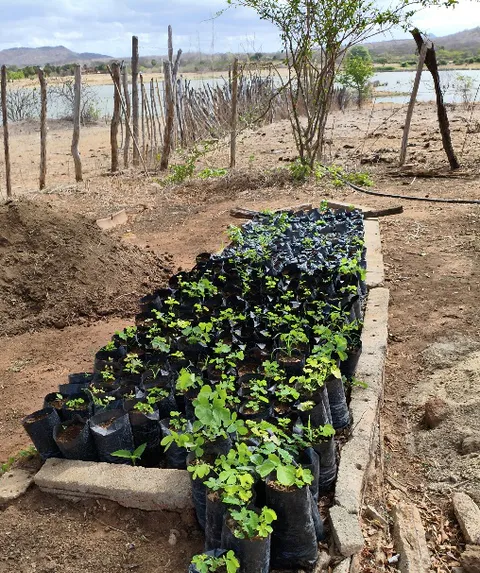
Additional seedlings were planted and will be maintained until the planting scheduled for the 2026 rainy season, when they will be planted in a selected degraded area within the district’s area of influence, with the aim of contributing to its environmental restoration and supporting the development of further studies. Figure 13 presents photographic records of the new planting stage carried out on August 9, 2025.
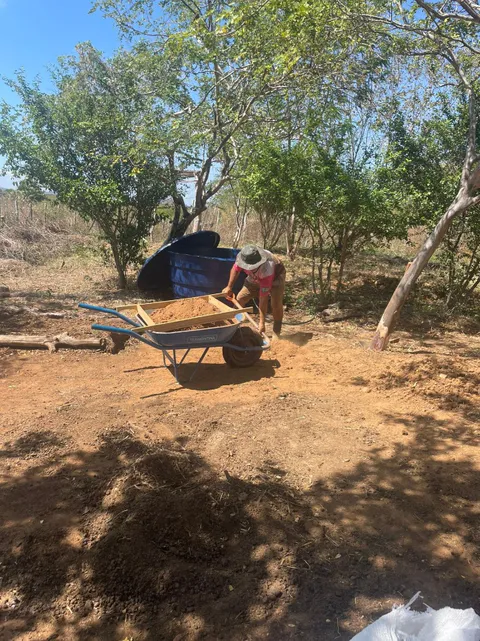
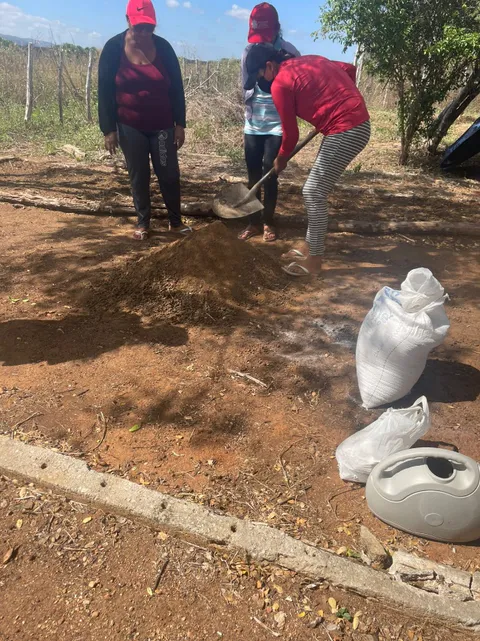
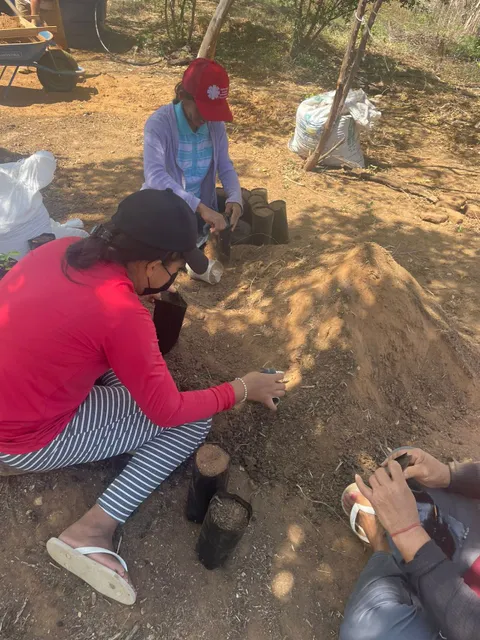
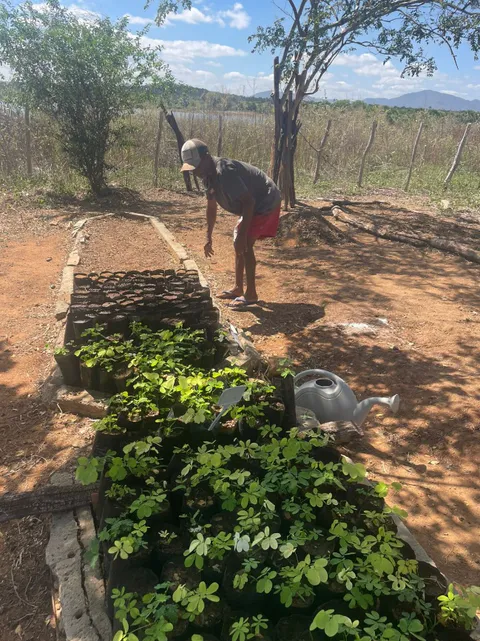
Monitoring of the development of the planted seedlings was carried out through field visits to the nursery (Figure 14).
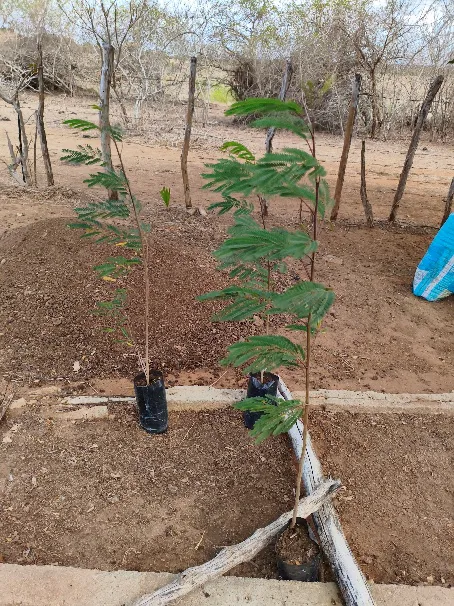
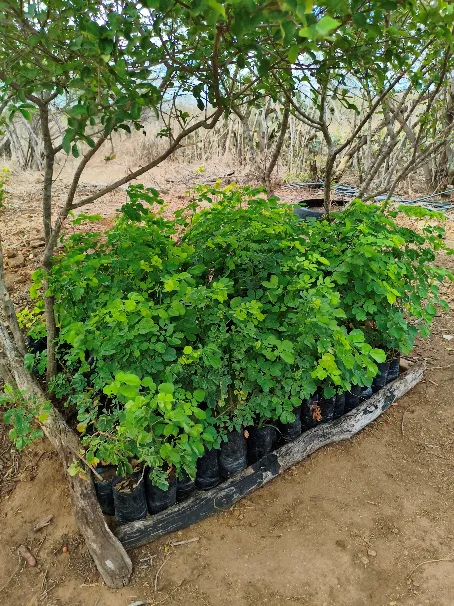
Despite their adaptability, the high temperatures and low air humidity during the dry season caused the seedlings to develop slowly.
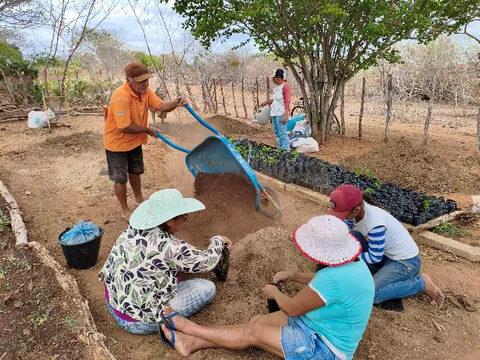
On December 20, 2025, another stage of seedling planting was carried out with the aim of increasing the number of seedlings available for the restoration of degraded areas, as proposed (Figure 15).
3.5. Plant Extraction and the Production of Cosmetics and Pharmaceuticals Course
The Plant Extraction and the Production of Cosmetics and Pharmaceuticals Course had the following main objectives:
Introduce participants to the significant local potential for producing raw materials for use in the manufacture of pharmaceuticals and cosmetics;
Provide training in sustainable plant extraction;
Present potential products for income generation;
Teach participants how to produce plant extracts and cosmetics;
Teach participants how to produce pharmaceutical products from plant-extraction resources.
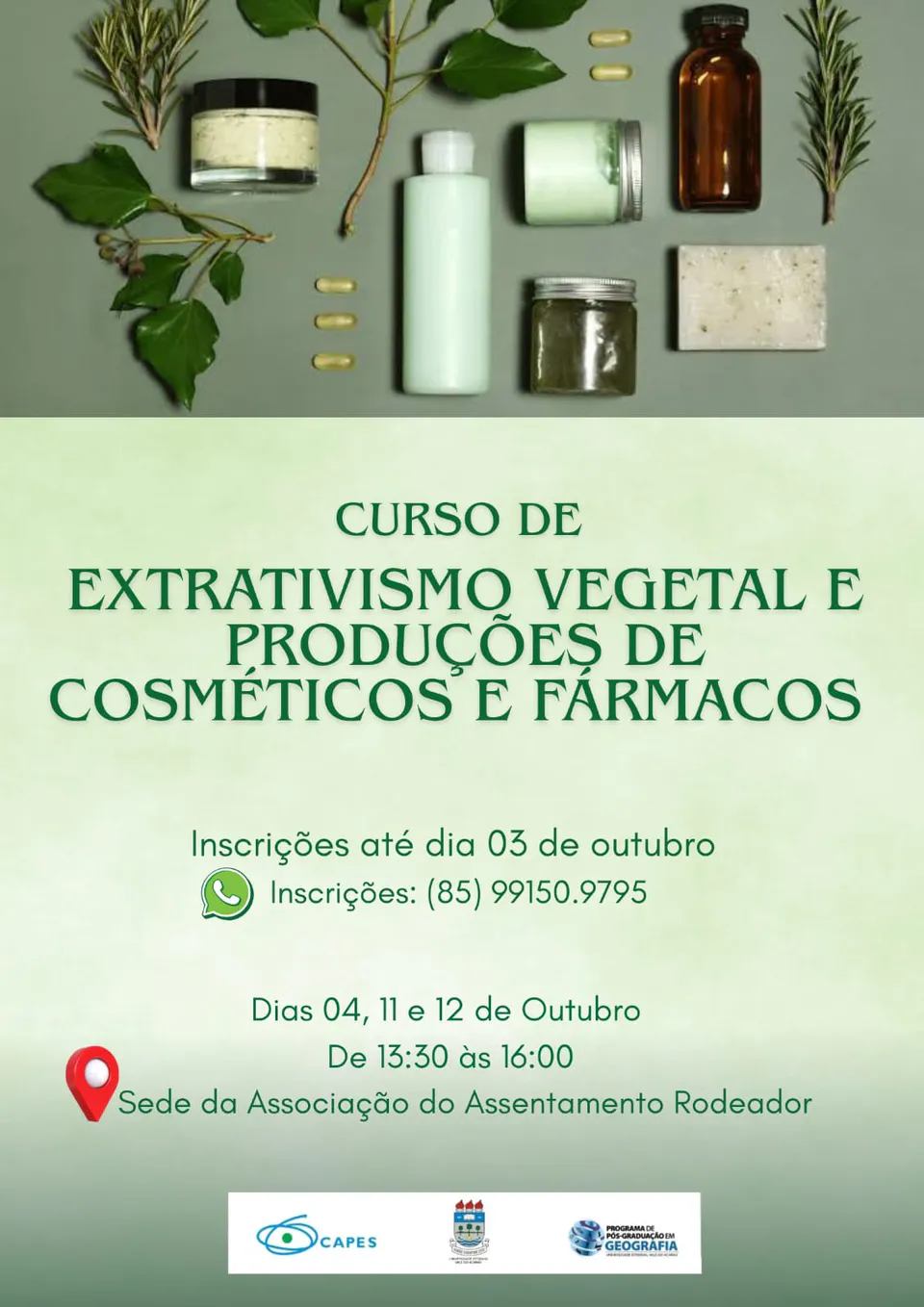
The aforementioned course was publicized among all associations in the District of Juá, with the Rodeador Association headquarters selected as the venue for its implementation (Figure 16).
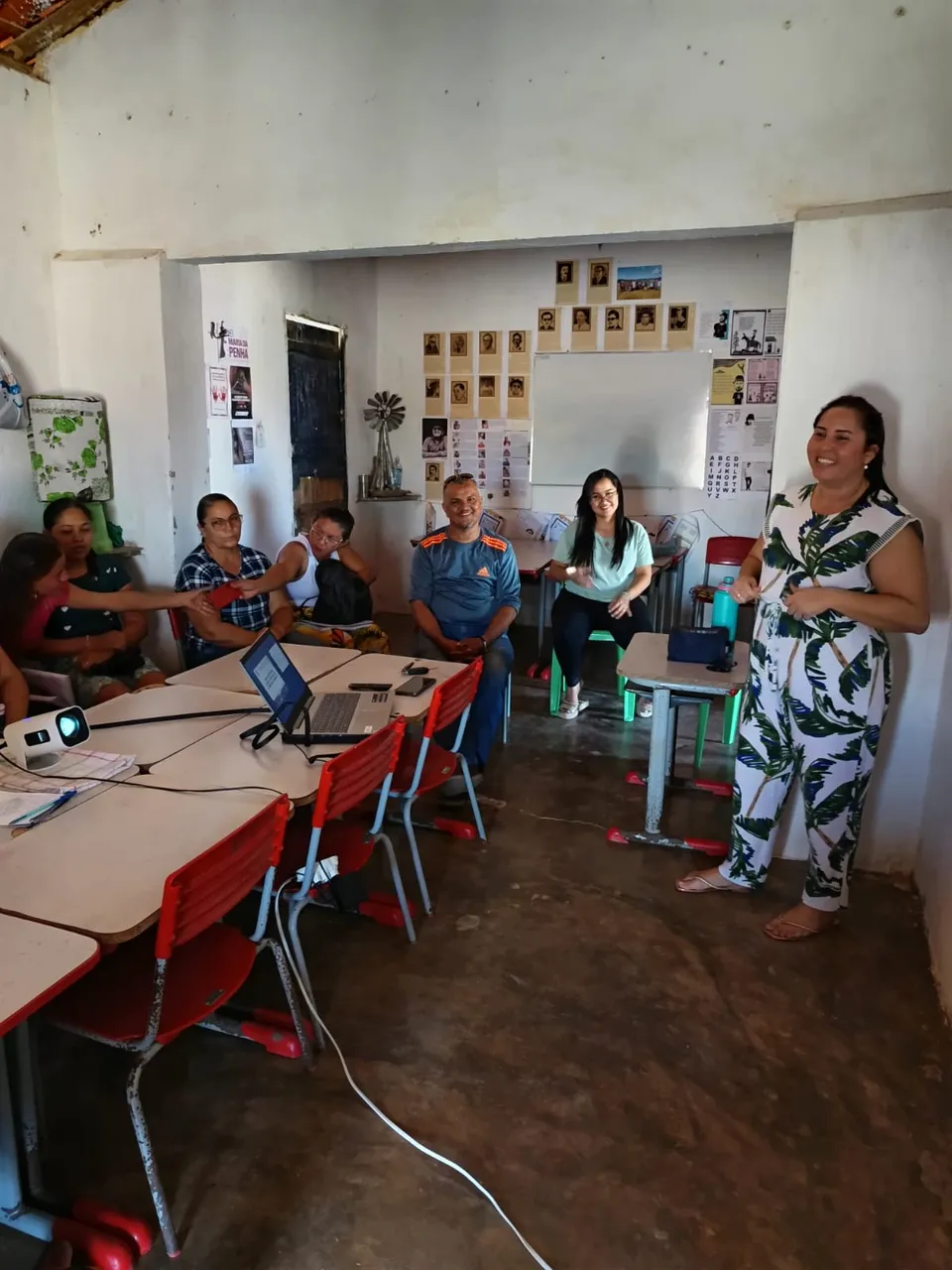
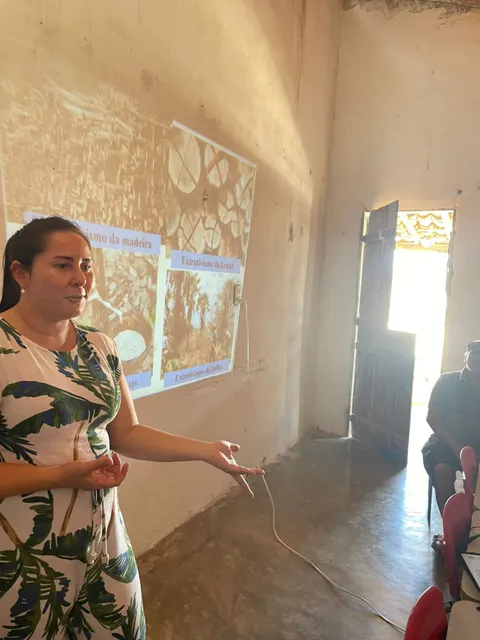
The course officially began on November 4, 2025, with the participation of members of the Rodeador community, as well as members from the Missi district and from the headquarters of the District of Juá itself.
The meeting was divided into three stages. In the first stage, the concept of plant extraction from native species was presented, followed by a discussion on the economic, ecological, and environmental potential of the sustainable extraction of the main native species found within the district’s area of influence.
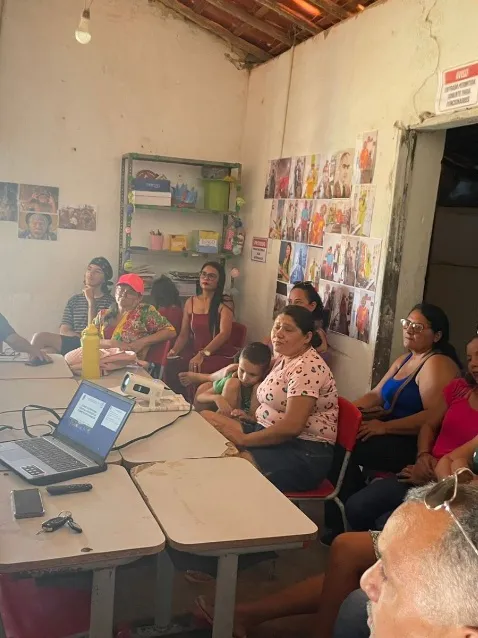
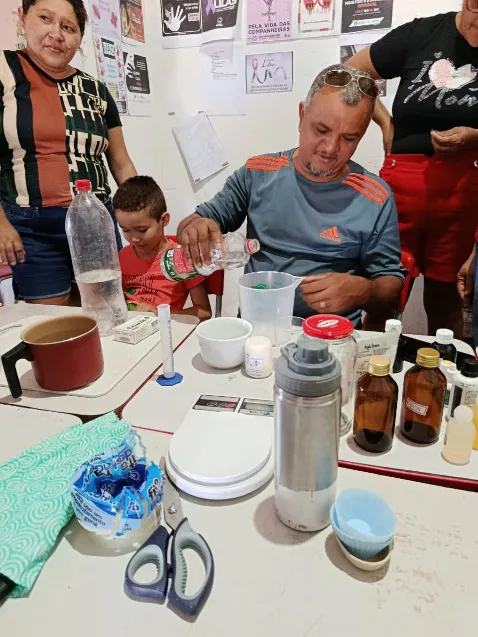
The second stage focused specifically on the concepts of cosmetics and pharmaceuticals, their main differences, including legislation, their principal components, the different types of raw materials, and the region’s potential to supply such materials. Subsequently, recipes for plant extracts, cosmetics, and pharmaceutical products were presented, followed by practical activities. Figure 17 presents photographic records of the activities described above.
4. Results and Discussion
The implementation of the first stage of the extension project “Territorial Development in Rural and Peripheral Areas: Solidarity Actions Against Poverty and Hunger” in the District of Juá highlighted key aspects of university extension as a transformative and participatory practice. The results are presented below according to three main dimensions: (1) social mobilization and community engagement, (2) strengthening local capacities through training, and (3) prospects for sustainability and replicability.
4.1. Social Mobilization and Community Engagement
The first phase of community engagement revealed the importance of active listening and respect for local social arrangements. Dialogue with leaders such as the District Coordinator, locally known as the “little mayor,” and the president of ACRIMEC was crucial for selecting the target communities and defining strategies for entering the territory. This approach is consistent with what Freire (2005) refers to as “horizontal dialogue,” in which technical-scientific knowledge is brought into dialogue with community knowledge, valuing the autonomy and co-responsibility of the individuals involved.
Despite the positive initial reception, the first attempt to implement the seedling production course resulted in low attendance among registered participants, revealing limitations in the initial communication strategy. The restructuring of the action plan, including a change of location, expansion of communication channels, and partnership with the Association of Women of Juá, resulted in a significant improvement in participation. This adaptability demonstrates the importance of active listening and methodological flexibility in university extension initiatives (DOURADO & TAVARES, 2019).
The experience reinforces the conception of university extension as a dialogical rather than unidirectional process, as established by the National Policy for University Extension (FORPROEX, 2012), which advocates the inseparability of teaching, research, and extension, as well as the active role of the communities involved.
4.2. Technical Training and Appreciation of Local Knowledge
The Native Species Seedling Production Course, which began on June 7, 2025, was structured into theoretical and practical modules. The first meeting addressed concepts such as native species, the ecological and economic potential of Caatinga plants, as well as seed collection and germination techniques. The selection of these topics is consistent with the principles of agroecology and critical environmental education, integrating scientific knowledge with traditional management practices in the semi-arid region.
The implementation of practical activities, such as the knowledge competition and the assessment of the nursery site, contributed to strengthening the participants’ connection with the objectives of the project. The identification of a suitable site at the Rodeador Settlement, with basic infrastructure, proximity to water resources, and the presence of native species, created actual conditions for establishing the community nursery.
According to Brandão (2006), extension training should recognize the community as a producer of knowledge. By engaging in dialogue with farmers about the traditional use of forage cactus, for example, the course not only transmitted technical knowledge but also valued local knowledge and historical practices of adaptation and resilience in the semi-arid region.
4.3. Perspectives on Sustainability and Territorial Development
The initiative stimulated reflections among the participants on the importance of environmental restoration and the sustainable use of natural resources. The establishment of a community nursery was widely supported by residents of the Rodeador Settlement, who recognized the initiative as strategic both for income generation and for the ecological restoration of the Riacho Gabriel watershed sub-basin.
Community participation in decisions regarding the planting site, the materials required, and the management of the area points toward the construction of a participatory governance model. According to Sachs (2007), sustainable territorial development requires not only environmental protection but also the strengthening of the social and institutional capital of territories. In this regard, the project contributed to bringing local stakeholders together around common objectives, fostering self-management and the continuity of the actions.
By aligning itself with the United Nations Sustainable Development Goals (SDGs), particularly SDG 2 (Zero Hunger), SDG 11 (Sustainable Cities and Communities), and SDG 13 (Climate Action), the project becomes part of a global agenda while maintaining strong local roots, as proposed by studies on the territorialization of public policies (ABRAMOVAY, 2010).
5. Final Considerations
The experience reported in this article demonstrates that university extension, when guided by participatory, dialogical, and territorially grounded principles, has tangible transformative potential in vulnerable rural contexts. Through active listening, social mobilization, and the promotion of sustainable practices, the university contributes to strengthening community agency and fostering socio-environmental alternatives aligned with sustainable territorial development.
Among the main lessons learned from the project, the importance of methodological flexibility, the appreciation of local knowledge, and the construction of collaborative networks stands out. These factors were decisive in overcoming challenges such as the initially low participation in the seedling production course. Openness to dialogue with associations, community leaders, and grassroots organizations made it possible to restructure strategies and expand the scope of the actions, reaffirming the university’s commitment to local realities.
The project also reinforces the understanding that extension activities should not be conceived as isolated or merely assistance-based initiatives, but rather as continuous educational processes in which the university and the community learn from one another. In this regard, ensuring the institutionalization and sustainability of these actions is essential, whether through the training of new community agents or through the establishment of participatory monitoring and evaluation mechanisms.
For future interventions in communities with similar characteristics, the following actions are recommended:
Invest in the training of community leaders in areas such as agroecology, solidarity economy, and project management;
Strengthen interinstitutional partnerships, integrating other public and private stakeholders into the territorial support network;
Systematically document the experiences, promoting their dissemination in both academic and non-academic settings;
Incorporate participatory evaluation mechanisms from the beginning of the project, valuing indicators collectively developed by the participants.
Finally, the role of the public university as an agent of social transformation is reaffirmed, particularly when its actions are guided by an ethical commitment to environmental justice, the eradication of hunger, and the promotion of resilient and sustainable communities.
Acknowledgements
FUNCAP 03-2023– Notice Internationalization. Ceará Foundation to Support Scientific and Technological Development – FUNCAP.
CNPq – 309651/2025-5, Call Notice CNPq No. 18/2024.
CAPES - (PDPG – PROEXT-PG) - TERRITORIAL DEVELOPMENT IN RURAL AND PERIPHERAL AREAS: SOLIDARITY ACTIONS AGAINST POVERTY AND HUNGER.



