## I. INTRODUCTION
As of the start of April 2025, there were 5.31 billion social media users around the world, representing $64.7\%$ of the total global population [1]. Globally, the available social media statistics from June 2024 - June 2025 indicates that Facebook $(71.05\%)$ was the dominant platform most used followed by Instagram $(9.81\%)$, Twitter $(7.68\%)$, Pinterest $(4.66\%)$, YouTube $(4.44\%)$, and reddit $(1.33\%)$ [2]. In Africa, social media statistics in Africa June 2024 - June 2025, the dominant was Facebook $(83.3\%)$ followed by Instagram $(5.96\%)$, YouTube $(4.92\%)$, Twitter $(3.53\%)$, Pinterest $(1.58\%)$, and LinkedIn $(0.33\%)$ [2]. with overall prevalence of over $86\%$ [3].
Eventually, we nearly do everything online — messaging friends and family, learning new ideas, dating, shopping, reading news and events, and finding community [4]. As of 2022, users spend an average of two hours and 27 minutes per day on social media platforms like Instagram, Twitter, TikTok, and Facebook [4]. For example, in the U.S, it is noted that teens spend on average 4.8 hours a day on social media, and $87\%$ of that time is spent on YouTube, TikTok, and Instagram [5, 6]. Besides posting memes and watching the most recent viral video, young people are also using their time on social media to form relationships [5, 7]. Evidence suggests that ever since social media entered the dating scene, it has changed the game for forming new relationships greatly [5]. But sometimes it can just be too much. Staying so highly connected and being exposed to so much content can take its toll on one's mental health, relationships, and productivity [4, 5].
During life partner selection, social media can likely cause a confusion which can ignite an erratic behaviour [8]. However, it has been established that life partner selection is a complicated psychological process, which is effectively influenced by multiple societal factors including appearance, personality and financial situation [8, 9]. More recently, this has become significantly influenced by social media where constant exposure to sexually stimulating or attractive content creates certain perceptions of reality in the young mindset, which ultimately creates confusion in terms of selecting potential life partners [8, 9].
It is noted that social media has become an integral part of our daily lives, serving various functions such as maintaining connections with peers, socialising, entertainment, and even idleness [10]. Selecting a life partner is one of the most significant decisions one makes in life. While feelings of love and attraction are essential, basing this decision solely on emotions can lead to potential pitfalls [11]. It is crucial to consider deeper, more enduring factors such as shared values and essential relationship traits [11].
Ghana witnessed a 7.95 million social media user identities, representing $22.9\%$ of the total population at the start of 2025 [12]. So far, from June 2024 - June 2025, the dominant platform was Facebook $(39.44\%)$ followed by YouTube $(13.2\%)$, Pinterest $(10.68\%)$, and the least was LinkedIn $1.46\%$. [13]. Our literature search located few studies on the phenomena understudy. The few studies identified were limited in scope, coverage, and assessment. For instance; one of the studies identified, examined the effects of social media dependency on marital relationships in northern Ghana [14]; another study also looked at the role that social media communication plays in the success of marriages in a residential area in the Ashanti Region of Ghana [15]. Further, another study explored the views of Ghanaians on the use of social media campaign strategies as a political communication tool [16]. Furthermore, Tetteh and Kankam also used a combined framework of the Social Learning Theory and Media Richness Theory, as well as an exploratory descriptive design and a qualitative technique, to investigate how youth in Ghana's Tema Community 8 perceive and use media [17].
It will interest you to note that none of the above studies had its focused on the phenomena understudy which is "social media and life partner selection behaviour among undergraduate students unsure about who to date in a public university in Ghana." In view of this, the current study aimed to investigate how social media influence life partner selection behaviour among undergraduate students unsure about who to date in a public university in Ghana.
Specifically, the Study Seeks to:
1. Examine if constant exposure to romance on social media influence life partner selection behaviour among undergraduate students unsure about who to date in a public university in Ghana.
2. Assess if constant exposure to social media enhanced image influence life partner selection behaviour among undergraduate students unsure about who to date in a public university in Ghana.
## II. METHODS
### a) Research Philosophy
The study was structured in an interpretive philosophy, which assumes that social reality is not singular or objective, but is rather shaped by human experiences and social contexts (ontology), and is therefore best studied within its socio-historic context by reconciling the subjective interpretations of its various participants (epistemology) [18]. This paradigm was used hence, we aimed to ascertain the various ways undergraduate students perceive and interpret their experiences on how social media influences their life partner selection behaviour. Interpretive research tends to rely heavily on qualitative data hence, qualitative methods became ideal for the study.
### b) Study Design and Data Source
Cross-sectional descriptive design was used for the study. The design was deemed appropriate because it enables researchers to gather and analyze data from a population of interest at one specific point in time [19, 20]. Data were collected from undergraduate students who were unsure about who to date in a public university in Ghana through an interview guide. The interview guide was structured into three parts. The first part occupies information on participants socio-demographic characteristics. The second part contained items on social media romance, and the third part covered social media image presentation. The interview guide allowed for follow-up questions with an in-depth discussion.
### c) Study Setting and Population
The study was conducted in a public university in Ghana. (Identity of the public university is concealed to ensure strict anonymity). The study population comprised seventeen (17) undergraduate students who were uncertain about choosing a life partner in their life prior to the study.
### d) Sample and Sampling Technique
Information power, which reflects the nature of the research questions and the diversity of participants, was used to determine sample size [21]. It was projected that approximately 17 participants would generate a dataset that would be sufficiently rich and complex [21, 22]. Purposive and snowballing sampling technique were used to recruit the participants. Purposive was preferred hence, we intentionally wanted participants with specific characteristics or unique experiences related to the research question and can provide a rich and diverse data to enhance the research findings [23-25]. The snowball sampling technique came into the equation after we had been able to identify just a participant who met the eligibility criteria and we asked her to refer others she know they fit the requirements [26, 27]. In this regard, the sample size grows as referrals were added which created a chain-like structure. Data saturation was reached after interviewing the tenth participants, as no new themes emerged. We settled on 10 participants after reaching a saturation. We realized that the 8th, 9th, and the 10th participants responses were repeating previous responses. So, right away we assumed no new issues were emerging. This was supported by the rule of thumb principle postulated by Hennink and Kaiser that saturation is achieved after 9-17 interviews or 4-8 focus group discussions with a population that is relatively homogenous coupled with narrowly defined objectives [22].
### e) Inclusion and Exclusion Criteria
To be part of the study, you should be undergraduate student, uncertain about who to choose as a life partner, should spend on average four (4) hours in a day on social media platforms like (Instagram, Twitter, TikTok, YouTube, and Facebook), must be between 18-24 years and be willing to participate. However, the study excluded postgraduate students, students who were sure of who to date, students below age 18 years and above age 24 years, students who do not spend on average four (4) hours on social media and those who were not willing to take part in the study.
### f) Data Collection Procedure
Data collection took place from 2020, August 3 to 2020, October 2 after we had received ethical clearance from the University of Cape Coast Institutional Review Board (UCCIRB) (with ID number UCCIRB/CHLS/2020/09). In all, two months were used to collect the data. During the data collection, interviews were audio-recorded based on the consent of the participants. In the field, the interviews lasted between 15 and 35 minutes and ended when both the researcher and participant approved all relevant information had been obtained and a shared understanding reached.
### g) Data Quality Concerns
The interview guide was first giving to four postgraduate students for them to read through. These postgraduate students checked for grammatical errors and whether the interview guide was in line with the topic. Their feedback helped in restructuring the interview guide. Then, it was submitted to subject experts, the academic supervisor to also check whether they were standard to measure the problem understudy. After that, it was pre-tested on 3 participants to confirm its consistency and effectiveness. Feedback was used to refine the instruments, aligning it with the study's objectives. Bias was minimised by validating responses with some of the participants just to make sure the data was not driven by the researchers' perspective. Further, ethical clearance, oral informed consent, confidentiality, anonymity, and privacy were strictly observed to uphold research integrity.
### h) Data Processing and Analysis
Data analysis was based on the interviews conducted in the field. Interpretive phenomenological approach was used to analyse the data based on deductive reasoning. The audio-recorded interviews were transcribed verbatim and saved as Microsoft Word documents. We read through the transcribed transcripts for many times to identify sub-themes related to the major themes. Themes were presented with supporting narratives from the participants.
### i) Ethical Considerations
Measures were put in place to ensure that the study adhered to UCC ethical standards. Based on this, the study protocol was submitted to the UCCIRB for approval and the Board approved and granted ethical clearance for the study (with ID number UCCIRB/CHLS/2020/09). The ethical clearance was to assure that the study adhered to UCC ethical standards. However, in the field, confidentiality, anonymity and privacy were ensured. On confidentiality, participants were informed that the information they provided will be used for academic purposes and that no any third party would have access to the data. Regarding anonymity, anything that could identify a participant to a data was devoid such as names, contact and so forth. On privacy, participants were giving the free will to choose where they deemed appropriate for the interview to be conducted. Besides, they were informed that participation was voluntary and that they reserve the right to withdraw from the study if they so wished without any victimisation. Further, oral informed consent was obtained before a participant could take part in the study.
## III. RESULTS
The study comprised $60.0\%$ females and $40.0\%$ males. Whereas $70.0\%$ were between 18 and 19 years, $30.0\%$ were in the 20-24 years age group. In terms of religious affiliation, the dominant category was Christianity constituting $60.0\%$ while the least was traditional $(10.0\%)$. Whereas $40.0\%$ were in their $2^{\text{nd}}$ year, $10.0\%$ were in their $3^{\text{rd}}$ year (See Table 1).
Table 1: Socio-Demographics Characteristics of Participants
<table><tr><td>Variable</td><td>Frequency</td><td>Percentage</td></tr><tr><td>Sex</td><td></td><td></td></tr><tr><td>Male</td><td>4</td><td>40.0</td></tr><tr><td>Female</td><td>6</td><td>60.0</td></tr><tr><td>Age</td><td></td><td></td></tr><tr><td>18-19years</td><td>7</td><td>70.0</td></tr><tr><td>20-24years</td><td>3</td><td>30.0</td></tr><tr><td>Religion</td><td></td><td></td></tr><tr><td>Christianity</td><td>6</td><td>60.0</td></tr><tr><td>Islamic</td><td>3</td><td>30.0</td></tr><tr><td>Traditional</td><td>1</td><td>10.0</td></tr><tr><td>Level of study</td><td></td><td></td></tr><tr><td>Level 100</td><td>3</td><td>30.0</td></tr><tr><td>Level 200</td><td>4</td><td>40.0</td></tr><tr><td>Level 300</td><td>1</td><td>10.0</td></tr><tr><td>Level 400</td><td>2</td><td>20.0</td></tr><tr><td>Total</td><td>10</td><td>100.0</td></tr></table>
A thematic map of the results from the interviews is shown in Figure 1. Two themes, each with sub-themes ranging from three to four were generated.
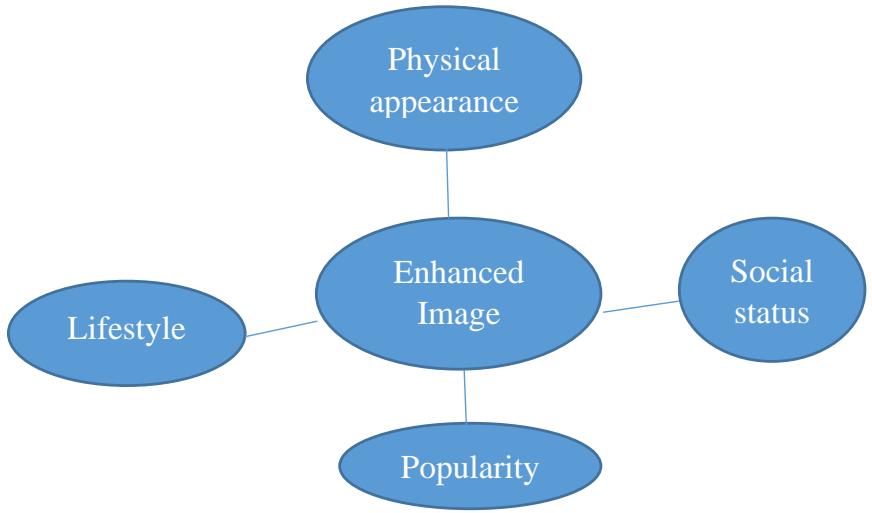 Figure 1: Thematic Map Illustrating Themes and Sub-themes
Theme 1: Romance
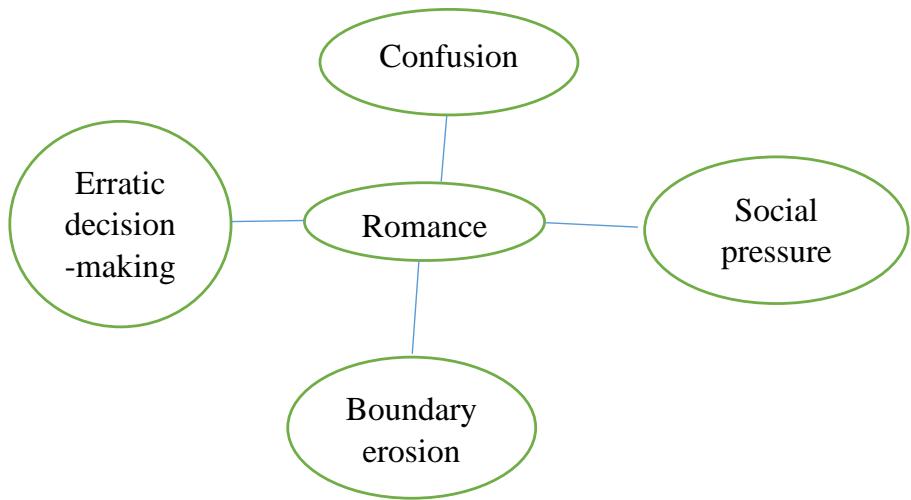 Figure 2: Thematic Map Illustrating a Theme and Four Sub-Themes
This theme has four sub-themes telling us how social media affected participants in their life partner selection behaviour in relation to confusion, social pressure, boundary erosion, and erratic decision-making.
### Confusion
Life partner selection is a complex emotional process, which is influenced by numerous societal factors stemming from appearance, personality and financial situation [28-30]. Of late, this is being influenced by social media where constant exposure to attractive content creates certain perceptions of reality in the mindset of young people, which eventually creates confusion in terms of choosing a potential life partner. When faced with confusion, participants commonly described pursuance of multiple romantic interests simultaneously, coupled with unrealistic expectations, perceptions distortion, and shallower connections and fear of commitments:
- P3, P4, and P7: You begin to ask yourself a lot of questions whether you are likely to find a perfect relationship compare to what is portrayed on the social media... this often put me off the track to select a partner hence, I might fail in getting the right person whom I might be committed to for....social media is a place where people show off and flaunt their relationships, making it look peaceful and perfect which often take its toll on a new and young adult wanting to choose a date.
- P5: I tend to pursue more mate options simultaneously which invariably distorts my expectation of finding the right person for my life.
- P6: I am always engulfed in a dilemma and disarray which foster me with shallower connections and instill in me fear of commitment in a relationship.
#### Social Pressure
Most of the participants affirmed that choice of life partner tends to be impacted by idealised relationships on the social media. These idealised relationships which are often unrealistic, push one to behave in certain ways or make specific decisions and regret later in life. Where social pressure from social media catch up on one, it makes one thinks as if his or her own relationship is not thriving. Almost all participants ascribed that:
People only show the good parts of their relationships on social media, but in reality, there are so many ups and downs one might not see..... this often makes you feel like something is wrong with your own relationship when it does not mimic those shown on the social media [P1, P2, P3, P5, P6, P8, & P10].
Few participants described being prioritise external expectation rather than their own desires:
- P4: You choose to do something you wouldn't otherwise do, because you want to feel accepted and valued by your friends.
- P9: It isn't just or always about doing something against your will for you want to please people.
### Boundary Erosion
The universal nature of social media leads to a distortion of boundaries between personal and professional life, as well as between public and private interactions which invariably affects our choice of life partner. This erosion of boundaries can influence mental health, relationships, and create challenges in managing one's online presence and reputation. Hence, participants might compromise their privacy or values in an attempt to fit in with the expectations set by potential life partners. This dynamic can make it harder for participants to maintain a healthy sense of personal autonomy in their romantic choices. Many described a banter between withholding information for fear of criticism and pleasing a potential life partner, for example Participants 3 and 7 described how postings on social media resulted in a need to compromise their private life while Participants 2 and 5 explained they could only post after a thorough safeguard against future mishaps:
- P3: There are times you just post things online because everyone is doing it....you will feel like you have to share more, even though it's not what you really want to show....... but since you need a life partner, you post to attract attention.
- P7: It's easy to lose yourself when you are always comparing and trying to keep up with what you see online.
- P2: I tend to create a criterion to meet before posting anything on the internet.
- P5: I for one.....I think before I post.
#### Erratic Decision-making
In life, a certain amount of erratic behaviour is common. High levels of erratic decision-making can make one susceptible to emotional rewards, peer pressure, and impulsive choices. When participants are continually faced with pervasiveness of social media and digital dating in their everyday life, they become expose to multiple potential mates than ever before. But the availability of popular dating apps and ease of photo enhancement/edit distorts the reality of the available pool of dating candidates. With the challenge of erratic behaviour, participants commonly described that:
- P6: Due to information overload, and the promotion of unrealistic expectations on social media, I did not think deeper before I made a choice..... now.... I regret making that choice.
- P9: The potential mate availability on social media skewed my judgement towards a life-partner options......instead of considering qualities such as compatibility, I looked at the intellectual setting and glamorous look of the person which invariably made me lose the perfect partner.
Theme 2: Enhanced Image
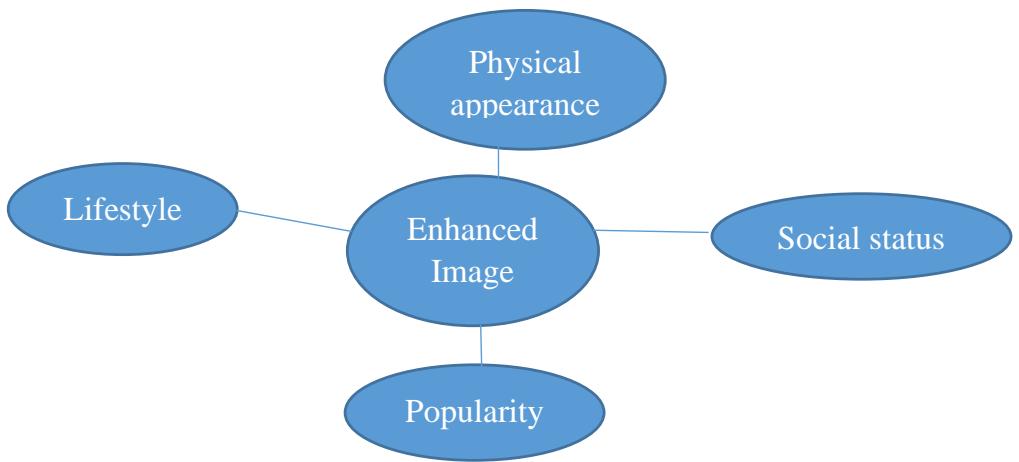 Figure 3: Thematic Map Illustrating a Theme and Four Sub-Themes
The in-depth interviews revealed that exposure to idealised and often superficial portrayals of relationships on social media tends to shift adolescents' focus toward superficial attributes, such as physical appearance, popularity, social status, and lifestyle rather than deeper qualities like emotional compatibility and shared values. This shift in priorities is driven by the frequent depiction of glamorous and idealised traits in online content, which normally overshadow the importance of more meaningful and enduring relationship qualities. This made participants to develop a skewed understanding of what constitutes an ideal partner, emphasising external features and social validation over substantial and enduring attributes.
Physical Appearance When participants described the impact of social media on life partner section behavior, it was often in relation to making them focus on physical appearance:
- P3: What I normally consider are her vibes, her body, pictures, breast, and her buttocks.
- P10: Though, social media puts a lot of focus on looks, but for me, it's more about how the person makes me feel.... Yes, appearance matters, but I'm more interested in how respectful and kind he is, especially when no one is watching.
- P1: While everyone is busy looking at how guys dress or their muscles.... I pay particular attention to how they communicate.... social media can make you have diluted attention and make you focus on edited photos to surrender your treasure to a fake person which can make reality to catch up on you..... but for me, if he can't hold a good conversation or support me emotionally, it's a no.
- P7: I usually want to be with someone who is nice looking and often has money, especially the young ladies, and most guys would also want ladies who are nice looking and exposed in terms of their appearances.
Social Status
Many participants admitted that they are more likely to be attracted to potential partners who appear wealthy or socially popular on their social media profiles. In particular, participants described social status as a key contributor to erratic partner selection behaviour given the lack of deeper thoughts about the choice:
- P8: I always tend to look out for either footballer, politicians, pastors, and/or academicians for them... because of the position they occupy... if you date any of them... it makes you feel you have arrived and also get recognition among your peers.
- P2: All I seek is that the person should occupy a recognisable position.
- P3: I for one.... I the person's socioeconomic background, education level, and career paths before I commit.
#### Popularity
There was consensus among participants about often being attracted to those who are well-liked and perceived as desirable, potentially leading to a higher likelihood of pairing with popular individuals.
Several participants described their life partner selection criteria as being primarily popularity of the person, even at the expense of compatibility; as long as the suitor is well-liked, it's okay [P6]. However, for most participants, popularity was not enough. These participants described wanting their life partner be a well-liked person, romantic, caring as well as loving:
P3: Ultimately, people are of equal value as human beings but not as potential mates. I consider the popularity of the individual in question. Then, I try to figure out if he is romantic, caring and living at the same time...... because I for one, I need him to be my friend and companion. So, that I can enjoy spending much time with him.
Nevertheless, participants often described struggling to consistently achieve this goal due to their erratic behavior in decision-making. When asked if compatibility was no object in mate selection, the majority described how they would switch their attention to popular people on social media:
P8: I would have been chancing a well-liked people.
Lifestyle In relation to life partner selection behaviour, several participants described how they adapted their selection criteria on image enhancement, although there was inconsistency between them. While some adopted looking for partners whose lifestyle aligns with their own, or at least does not clash with their own, others described partner selection behaviour as making them to underestimate the quality of partners they can attract. For both, participants' implicit fear was that because age was not on their side, if they keep on rejecting they might not find a partner in their life time:
- P7: I for one, I tend to select a life partner whose preference for social activities, career aspirations, financial habits, and even daily routines aligns with mine.
- P2: Me, I would like to find a mate who is self-sufficient, healthy, have a good personality, solid financial status and his way of living is environmentally friendly compare with mine.
- P4: I despise partners who look cool and adopt a rock star lifestyle of partying every night and sleeping all day.
- P3: Seeing couples on social media can be motivating for me. It shows me what I want in a relationship, like good communication and affection. But I also know that it's not always real, so I don't let it affect my expectations too much.
## IV. DISCUSSION
The study aimed to unravel the influences of social media on public university students unsure about who to date's partner selection behaviour. The findings reveal that inasmuch as social media assists people to find potential romantic partners, it eventually creates confusion in terms of selecting potential mating partners. This finding corroborated with previous studies which found that most young adults felt confused about their options when it comes to dating decisions [8, 31]. The plausible explanation to this finding could probably be that the constant exposure to overwhelming multiple choices available coupled with unrealistic expectations make them feel indecisive, less satisfied with potential partners, and more likely reject suitable options [32-34]. This finding suggests that participants have difficulty in processing a wide range of choices coupled with a lack of clear identity or relationship goals [33, 35].
The study found that social pressure emitted by social media affected participants to make erratic decisions about a choice of a life partner. Consistent with a previous study which found that social media can cause problems in relationships through constant distractions, comparisons to others, and reduced quality time together [36]. The plausible reason for this finding could probably be that participants relied on the unrealistic expectations, superficial comparisons promotions, and a sense of urgency or the fear of missing out regarding relationship milestones to make a regrettable decision [37, 38]. This finding implies that maybe participants prioritised perceived social approval over genuine compatibility which invariably led to dissatisfaction and potential relationship problems [39-41].
The study found that social media made significant proportion of the participants to erode their boundary which took its toll on them during their date. This finding is in line with previous studies which found that many couples feel the need to share intimate moments online, leading to a loss of privacy in their relationship [42, 43]. The finding suggests social media use can unknowingly influence relationship dynamics and, potentially, life partner selection by blurring boundaries and leading to comparisons that can negatively affect satisfaction and trust [44, 45]. This can manifest as increased conflict, suspicion, and even relationship dissolution [44, 45]. The plausible explanation to this finding could probably be that these participants might have ever posted pictures and sexually stimulated contents on social media which might have created certain perceptions of reality in their mindset and it is haunting them now that they want to initiate dating [46].
The study found that social media influences participants to make erratic decisions regarding choice of a partner. This finding was consistent with previous studies which found that higher levels of social media usage have led to more marital problems, infidelity, conflicts, jealousy, and eventually divorce [47]. This finding implies that participants made impulsive choices which was driven by factors such as perceived attractiveness or social validation, rather than genuine connection and long-term relationship potential [48]. The reason for this finding could probably be that participants were deceived by the superficial judgements based on curated online profiles which invariably made them to potentially overlook deeper compatibility and personal qualities [49].
The study found that participants fell prey to people's deceptive/fake physical appearance on social media. Consistent with a previous study which found that people of all genders, ages, and ethnicities have all at one point fallen to the fault of fake posts picturing the "perfect body" [50]. This outcome suggests that participants struggle with the painful reality of distorted online appearances [50]. The plausible reason for this finding could probably be that participants have discovered that people use various techniques for deceiving others in social media environments, including bluffs, mimicry (such as mimicking a website), fakery (such as establishing a fake website), white lies, evasions, exaggeration, webpage redirections (such as misleading someone to a false profile page) [51-53].
The research found that people's social status on social media instigated participants to make erratic choices which did not help them. This outcome was consistent with previous studies which found a connection between social media use and impaired risky decision-making [54, 55]. The plausible reason for this finding could probably be that these participants failed to pause to reflect deeper to ascertain the potential qualities necessary for long lasting relationships before the haste decision [56]. Further, it could also be that they had wanted to be tagged with a well-liked person which ironically did not pile out for them hence, they overlooked at the compatibility aspect of relationship. Furthermore, the reason could be a pressure to maintain a certain image or keep up with others online, leading to choices that are not aligned with their best interests [57]. This finding suggests that individuals, when exposed to others' perceived social status on social media, may make impulsive and irrational decisions that ultimately harm them, rather than help them [58].
The study found that posts on social media that often portray individuals' popularity was a potential marker of confusion in their life partner selection behaviour. This outcome corroborated with previous studies which found that social media profiles can create unattainable standards of people by showcasing perfectly manipulated profiles, with carefully selected scenes [59, 60]. This outcome implies that indeed, portrayal of popularity in social media environment can create confusion in mate selection which can hypothetically leads to individuals prioritising superficial indicators of success over genuine compatibility [8, 44]. Hence, resulting in instability in relationships as people might pursue partners based on perceived popularity rather than deeper qualities [5, 9]. The plausible explanation for this finding could probably be that participants upon constant exposure to these social media posts which showcase popularity often confuse them in life partner selection by creating a distorted view of potential partners [8, 44].
It emerged that lifestyle portrayed on social media affected participants' life partner selection behaviour. This outcome is in line with previous studies which found that high social media use is associated with a greater tendency to compare oneself with others, which in turn may heighten body image concerns [42, 61,62]. The authors further stressed that when individuals compare their real-life relationships with the seemingly perfect ones they see online, it can lead to dissatisfaction, jealousy, and even insecurity within their own relationships. This outcome implies that the constant exposure to idealised or fake lifestyle on social media often create an unrealistic expectation and foster a comparison among individuals which invariably leads them to be dissatisfied with what they have and eventually end up making the wrong choice [63,64]. The plausible reason for this finding could be that participants tend to focus on superficial aspects of the partner in question rather than genuine compatibility and shared values [66].
## V. CONCLUSIONS
The study highlights how idealised portrayals on social media led to emotional distress among participants. Based on this, the study recommends that parents should endeavour to restrict their wards from navigating social media platforms in order for them to have a sound mind to think about who to choose as a life partner. Also, undergraduate students must uphold the virtue of conscientiousness in order to desist from navigating social media platforms in their life and should not depend solely on social media to select a life partner. A major limitation of the study is that, it was structured in an interpretivists worldview and enrolled few people. Therefore, generalisability was not possible. Some participants, even though participated, they were not transparent enough to let us know the in-depth experience they had from engaging with the social media hence, they tried to conceal some important information which has also affected the findings of the study.
### Declaration
Ethical Approval
Ethical clearance (with ID number UCCIRB/CH LS/2020/09) to carry out the study was obtained from the Institutional Review Board of University of Cape Coast, Cape Coast, Ghana.
Consent to Participate in the Study In the field, verbal consent was sought before a participant could take part in the study.
Consent to Publish
Participants were informed that the study was strictly academic and that the results would be published for the purposes of contributing to building academic literature.
Competing Interests
No competing interest existed.
Funding
The study was self-funded
#### Availability of Data and Materials
#### ACKNOWLEDGEMENTS
Sincerely, we are grateful to the respondents who sacrifice their time to take part in the study and the research assistants for their help during the data collection.
Generating HTML Viewer...
References
66 Cites in Article
Datareportal (2025). Users’ Educational Engagement in Social Media Clipper Cycle Content.
(2025). Social Media Stats world June 2024.
Victor O. Idiedo,Bassil Ebiwolate Posigha (2024). Perspective Chapter: The Use of Social Media in Sharing Information in Sub-Saharan Africa Region – The Types, Purpose, Benefits and Challenges.
J Kent (2023). Need a Break from Social Media? Here's Why You Should -and How to Do It.
S Sibley,Deangelis (2024). From "Likes" to Love: The Influence of Social Media on Forming Relationships.
A Baldwin-White,K Gower (2023). Influence of social media on how college students perceive healthy relationships and consent.
A Evans (2024). Social media is a likely cause of 'confusion' in modern mate selection.
A Moeed (2024). Confusion in Finding Life Partner Due to Social Media, Study Says.
Roy Marzo,Hana Jun Chen,Absar Ahmad,Hui Thew,Ja Choy,Chee Ng,Chen Chew,Petra Heidler,Isabel King,Rajeev Shrestha,Farzana Rahman,Jehan Rana,Tornike Khoshtaria,Arian Matin,Nugzar Todua,Burcu Küçük Biçer,Erwin Faller,Randy Tudy,Aries Baldonado,Criselle Penamante,Rafidah Bahari,Delan Younus,Zjwan Ismail,Masoud Lotfizadeh,Shehu Hassan,Rahamatu Iliya,Asari Inyang,Theingi Maung Maung,Win Oo,Ohnmar Myint,Anil Khadka,Swosti Acharya,Soe Aye,Thein Naing,Myat Win,Ye Kyaw,Pramila Thapa,Josana Khanal,Sudip Bhattacharya,Khadijah Abid,Mochammad Fahlevi,Mohammed Aljuaid,Radwa El-Abasir,Mohamed Elsayed (2024). The evolving role of social media in enhancing quality of life: a global perspective across 10 countries.
L Zam (2024). Life in university.
S Kemp (2025). Shareholder Rights in a Digital Age: The Ghana Experience.
(2025). The Impact of Social Media on Consumer Behavior Using Big Data Analytics.
Isaac Konlan,Muhammed Abdulai,Hadi Ibrahim (2025). Exploring the Effects of Social Media on Marriages in Northern Ghana.
C Obeng,J Adade,P Amos,T Antwi,B Asiedu (2023). Social Media Practices among Married Couples in a Ghanaian Residential Area.
Y Baba,A Lawrencia,O Daniel,T & Stephen,D Christopher (2024). Social media and political communication in Ghana: views of inhabitants of Tema metropolis.
Priscilla Tetteh,Philip Kankam (2024). The role of social media in information dissemination to improve youth interactions.
A Bhattacherjee (2009). Hogrefe OpenMind License.
X Wang,Z Cheng (2020). Cross-Sectional Studies: Strengths, Weaknesses, and Recommendations.
M Hennink,B Kaiser (2022). Sample sizes for saturation in qualitative research: A systematic review of empirical tests.
Sago (2024). Different Types of Sampling Techniques in Qualitative Research.
Lawrence Palinkas,Sarah Horwitz,Carla Green,Jennifer Wisdom,Naihua Duan,Kimberly Hoagwood (2015). Purposeful Sampling for Qualitative Data Collection and Analysis in Mixed Method Implementation Research.
Steve Campbell,Melanie Greenwood,Sarah Prior,Toniele Shearer,Kerrie Walkem,Sarah Young,Danielle Bywaters,Kim Walker (2020). Purposive sampling: complex or simple? Research case examples.
S Bala (2016). Sampling and Methods of Data Collection in Qualitative Research.
Jeovany Martínez-Mesa,David González-Chica,Rodrigo Duquia,Renan Bonamigo,João Bastos (2016). Sampling: how to select participants in my research study?.
Scott Devenport,Catriona Davis-Mccabe,Sam Winter (2023). A Critical Review of the Literature Regarding the Selection of Long-Term Romantic Partners.
Paul Puschmann,Joana Pujadas-Mora (2024). The quest for a partner in the past and today: exploring trends and drivers in partner preferences and selection through new sources and approaches.
Benjamin Karney (2020). Socioeconomic Status and Intimate Relationships.
C Melore (2024). Free dating website for online dating San Diego Singles.
Chayan Munshi,Ethophilia Research Foundation (2025). Unknown Title.
Menelaos Apostolou,Loukia Constantinidou,Antonios Kagialis (2024). Mate Choice Plurality, Choice Overload, and Singlehood: Are More Options Always Better?.
Pai-Lu Wu,Wen-Bin Chiou (2009). More Options Lead to More Searching and Worse Choices in Finding Partners for Romantic Relationships Online: An Experimental Study.
J D'angelo,C Toma (2016). There Are Plenty of Fish in the Sea: The Effects of Choice Overload and Reversibility on Online Daters' Satisfaction With Selected Partners.
M Thomas,A Binder,J Matthes (2021). The agony of partner choice: The effect of excessive partner availability on fear of being single, selfesteem, and partner choice overload.
A Krolikowska (2024). How Social Media Contributes to Marital Breakdowns: 8 Surprising Facts That May Shock You.
Mayank Gupta,Aditya Sharma (2021). Fear of missing out: A brief overview of origin, theoretical underpinnings and relationship with mental health.
Abd Ellatif Elsayed,H (2025). Fear of Missing Out and its impact: exploring relationships with social media use, psychological well-being, and academic performance among university students.
B Lucchi,P Sacco (2020). What Makes a Partner Ideal, and for Whom? Compatibility Tests, Filter Tests, and the Mating Stability Matrix.
Annie Regan,Lisa Walsh,Calen Horton,Anthony Rodriguez,Victor Kaufman (2025). Contextualizing marital dissatisfaction: examining profiles of discordant spouses across life domains.
Paul Etcheverry,Benjamin Le,Mahnaz Charania (2008). Perceived versus reported social referent approval and romantic relationship commitment and persistence.
E Boso (2025). The Impact of Social Media on Authentic Relationships and Marriages.
E Vriens,E Van Ingen (2017). Does the rise of the Internet bring erosion of strong ties? Analyses of social media use and changes in core discussion networks.
Skye Bouffard,Deanna Giglio,Zane Zheng (2022). Social Media and Romantic Relationship: Excessive Social Media Use Leads to Relationship Conflicts, Negative Outcomes, and Addiction via Mediated Pathways.
Irum Abbasi (2019). Social Media and Committed Relationships: What Factors Make Our Romantic Relationship Vulnerable?.
Valeria Verrastro,Valeria Saladino,Stefano Eleuteri,Nadia Barberis,Francesca Cuzzocrea (2023). Sexting, Self-esteem, and Social Media: A Comparison among Frequent, Occasional, and Non-sexting Italian Adolescent Girls.
S Partner (2025). How Social Media Affects Marriage. Effects of Social Media Use (and Misuse) on Marriages & Relationships.
Laura Martin,Geoffrey Potts (2009). Impulsivity in decision-making: An event-related potential investigation.
Nina Haferkamp,Nicole Krämer (2010). Social Comparison 2.0: Examining the Effects of Online Profiles on Social-Networking Sites.
M Polek (2024). Social Deception -The Beacon.
I Mun,H Kim (2021). Influence of False Self-Presentation on Mental Health and Deleting Behavior on Instagram: The Mediating Role of Perceived Popularity.
Przemysław Majerczak,Artur Strzelecki (2022). Trust, Media Credibility, Social Ties, and the Intention to Share towards Information Verification in an Age of Fake News.
Alyt Damstra,Hajo Boomgaarden,Elena Broda,Elina Lindgren,Jesper Strömbäck,Yariv Tsfati,Rens Vliegenthart (2021). What Does Fake Look Like? A Review of the Literature on Intentional Deception in the News and on Social Media.
(2019). Social media use linked to poor mental health in young people, APPG finds.
Dar Meshi,David Freestone,Ceylan Özdem-Mertens (2021). Problematic social media use is associated with the evaluation of both risk and ambiguity during decision making.
Gracynn Young,Virgil Zeigler-Hill (2024). The Dual-Pathway Model of Respect in Romantic Relationships.
Christine Exley,Judd Kessler (2023). Information Avoidance and Image Concerns.
Sheng-Cheng Lin,Er-Ting Jian (2022). Effects of Personality Traits Concerning Media Use Decisions on Fear of Missing Out and Social Media Use Behavior.
C Yacoub,J Spoed,R Cutting,D Hawley (2018). The Impact of Social Media on Romantic Relationships.
Federica Pedalino,Anne-Linda Camerini (2022). Instagram Use and Body Dissatisfaction: The Mediating Role of Upward Social Comparison with Peers and Influencers among Young Females.
Nor Nor,Nayab Iqbal,Azianura Shaari (2025). The Role of False Self-Presentation and Social Comparison in Excessive Social Media Use.
Rubinia Bonfanti,Francesco Melchiori,Arianna Teti,Gaia Albano,Stéphane Raffard,Rachel Rodgers,Gianluca Lo Coco (2025). The association between social comparison in social media, body image concerns and eating disorder symptoms: A systematic review and meta-analysis.
Zoë Adams,Magda Osman,Christos Bechlivanidis,Björn Meder (2023). (Why) Is Misinformation a Problem?.
Rana Ali Adeeb,Mahdi Mirhoseini (2023). The Impact of Affect on the Perception of Fake News on Social Media: A Systematic Review.
Lucchi Basili,L Sacco,P (2020). What Makes a Partner Ideal, and for Whom? Compatibility Tests, Filter Tests, and the Mating Stability Matrix.
No ethics committee approval was required for this article type.
Data Availability
Not applicable for this article.
How to Cite This Article
Dr. Anthony Edward Boakye. 2026. \u201cSocial Media and Life Partner Selection Behaviour among Undergraduate Students Unsure about who to Date in a Public University in Ghana\u201d. Unknown Journal GJHSS-C Volume 25 (GJHSS Volume 25 Issue C3): .
Explore published articles in an immersive Augmented Reality environment. Our platform converts research papers into interactive 3D books, allowing readers to view and interact with content using AR and VR compatible devices.
Your published article is automatically converted into a realistic 3D book. Flip through pages and read research papers in a more engaging and interactive format.
Our website is actively being updated, and changes may occur frequently. Please clear your browser cache if needed. For feedback or error reporting, please email [email protected]
Thank you for connecting with us. We will respond to you shortly.