Gender-based violence (GBV) is a critical issue in Benin, affecting women aged 15 to 49 across different departments. This study examines the regional disparities in the prevalence of emotional, physical, and sexual violence against women, as well as the rates at which they seek help to end violence. Data from the fifth Demographic and Health Survey of Benin (DHSB-V) provides insights into the spatial distribution of GBV and the socio-demographic determinants of violence across the country. Results indicate significant variations in GBV prevalence across different departments. Alibori, Plateau, and Collines exhibit the highest rates of spousal violence, while departments such as Zou and Littoral have lower rates. The study also reveals disparities in help-seeking behavior, with departments like Alibori and Donga showing higher rates of women seeking help, and Atacora and Borgou having higher proportions of women who neither seek help nor confide in anyone about the violence they experience.
## I. INTRODUCTION
Gender-based violence (GBV) infringes on human rights and has devastating effects on women, men, youth, and vulnerable individuals, as well as their families and communities[1, 2]. Various groups, including women, girls, boys, and people in vulnerable situations, face violence that disrupts social, political, cultural, and economic relationships, thereby hindering development efforts[3, 4]. GBV is present in all countries, particularly in underdeveloped or developing countries, despite well-established legal frameworks and mechanisms. It is a widespread and multifaceted
Author p C: Ecole Nationale de Statistique, de Planification et de Demographie (ENSPD), Universite de Parakou, Parakou, Benin.
Author $\alpha$: African School of Economics (ASE), Institut de Recherche Empirique en Economie Politique, Abomey-Calavi, Benin.
issue that persists globally, affecting millions of individuals irrespective of their socioeconomic status, age, or geographic location [5, 6].
In Benin, West Africa, GBV remains a significant challenge, with alarming statistics reflecting its pervasive nature [7]. According to a study conducted in Benin, more than 3 out of 10 women have experienced intimate partner violence at some point in their lives [8]. Furthermore, the Benin Demographic and Health Survey (DHS) conducted in 2017-2018 revealed that nearly three out of ten $(27\%)$ women aged 15-49 have experienced physical violence since the age of 15. Moreover, one of ten $(10\%)$ women reported experiencing sexual violence at some point in their life, with this percentage dropping to $5\%$ within the last 12 months. Among women aged 15 to 49 in union or separated, $42\%$ disclosed experiencing emotional, physical, and/or sexual violence perpetrated by their husband/partner at some point. The survey also indicated that $43\%$ of women have experienced any injury resulting from physical violence committed by their partner at some point, with this percentage rising to $49\%$ within the last 12 months. Additionally, more than a third $(35\%)$ of women who have experienced physical or sexual violence reported seeking help to stop the cycle of violence [9]. These statistics underscore the urgent need to address GBV comprehensively in Benin.
Benin's socio-cultural and economic contexts play a crucial role in shaping the country's prevalence and nature of GBV. Traditional gender norms, patriarchal structures, and in equalities in access to resources contribute to the perpetuation of violence against women and girls. Additionally, disparities in urban-rural development and access to essential services such as education, healthcare, and law enforcement further exacerbate vulnerabilities to GBV. Furthermore, statistical data indicates disparities in GBV prevalence across different regions of Benin. For instance, the DHS data reveals variations in the prevalence of GBV between urban and rural areas, with rural areas often experiencing higher rates of violence. Moreover, socio-economic factors such as poverty and unemployment are closely linked to GBV, with marginalized populations facing heightened risks [10].
However, Benin, like many other countries in Africa, has taken actions in recent years to combat gender-based violence. Law No. 2011-26 of January 9,
2012 [11], which aims to prevent and repress violence against women, stems from a national study conducted in 2009 on the state of violence against women and girls. This legislation represents a major political commitment in the fight against gender-based violence. In response to the persistence of these acts, the national legislative framework was strengthened by Law No. 2021-11 of December 20, 2021, which includes special provisions for prosecuting offenses based on a person's gender and protecting women in the Republic of Benin [12].
Despite those efforts by the government and various stakeholders to combat GBV, significant gaps persist. There is a notable gap in the understanding of its spatial distribution, clustering patterns, and sociodemographic determinants across different regions of the country. This knowledge gap hinders the development and implementation of targeted interventions and policy responses aimed at effectively preventing and addressing GBV in specific geographic contexts. Spatial analysis, incorporating geographic information systems (GIS) and statistical techniques, can provide valuable insights into the geographical distribution, clustering patterns, and socio-demographic correlates of GBV incidents across different regions of Benin. The existing literature on GBV in Benin predominantly focuses on aggregate statistics and qualitative insights, often overlooking the spatial dimension of the issue. As a result, there is limited empirical evidence regarding the geographical variations in GBV prevalence, the identification of spatial hotspots, and the socio-economic factors driving disparities in violence occurrence. Moreover, the lack of spatial analysis in previous studies limits the ability of policymakers, NGOs, and other stakeholders to allocate resources efficiently and design interventions tailored to the needs of communities disproportionately affected by GBV. Without a comprehensive understanding of the spatial dynamics of GBV, efforts to combat violence may be misguided, leading to ineffective outcomes and the perpetuation of systemic inequalities.
In light of these considerations, conducting a spatial analysis of GBV in Benin is imperative. Such analysis can inform evidence-based interventions tailored to specific geographic contexts, empower local communities, and contribute to the broader goal of promoting gender equality and ending violence against women and girls in Benin. Therefore, there is a pressing need to employ spatial analysis techniques, such as Geographic Information Systems (GIS) and spatial statistics, to systematically examine the spatial distribution of GBV incidents and identify high-risk areas. Using Demographic and Health Survey (DHS) data, the objectives of this study are: to compute the GBV indicators by regional area in Benin; to map the spatial distribution of GBV incidents using GIS; and to analyze the spatial disparities.
## II. DATA AND METHODOLOGY
### a) Data
The data used in this study originates from the fifth Demographic and Health Survey of Benin (DHSB-V). The coordination of the DHSB-V is a collaborative effort involving the Institut National de la Statistique et de la D'emographie (INStaD), the Ministry of Health, and technical support from ICF through the international DHS program (Demographic and Health Survey). It's noteworthy that the government of the Republic of Benin, with assistance from the United States Agency for International Development (USAID), funded the planning, execution, and analysis of the results from the DHSB-V 2017-2018. The research focuses on women aged 15 to 49 residing in Benin during the survey period. This selection is driven by the fact that these women represent the reproductive-age demographic and thus are more likely to encounter gender-based violence.
### b) Methodology
The sampling methodology for the DHSB-V aimed to ensure representation at the national level, covering all 12 departments and urban and rural areas. The national territory was divided into 12 study domains, each corresponding to an administrative department, with two strata created in each domain, one for urban and one for rural areas (excluding the Littoral department, which lacks rural areas).
The sampling process utilized a two-stage stratified cluster sampling approach. Initially, 555 Primary Sampling Units (PSUs) or clusters were selected from a list of enumeration areas (EAs) established during the 2013 General Population and Housing Census in Benin. Sampling at this stage was systematically conducted with probabilities proportional to the size of the PSU (i.e., the number of households). Subsequently, a household census within each cluster yielded a list of households, from which 26 households per cluster were selected in both urban and rural areas using systematic sampling with equal probability.
At the national level, data from the DHSB-V included a total of 14,435 selected households, with 6,528 in urban areas distributed across 251 clusters and 7,907 in rural areas distributed across 304 clusters. All women aged 15 to 49 years residing in these households and were present on the night preceding the survey were eligible for interview.
In our study, the analytical method involved calculating the prevalence of various forms of violence (emotional violence, physical violence, and sexual violence) within the departments. Specifically for women in union or separated, we also focused on the types of control exerted by partners. Additionally, the recurrence of victims seeking help to stop violence was studied by region. These calculated indicators were represented on the map of Benin, illustrating the distribution of prevalence rates by department (Alibori, Atacora, Atlantique, Borgou, Collines, Couffo, Donga, Littoral, Mono, Ou 'em 'e, Plateau, Zou).
## III. RESULTS AND DISCUSSION
### a) Regional Disparities in Physical Violence
Figure 1 displays the regional percentages of women who have encountered physical violence from the age of 15 onward. The department with the highest percentage of women who have experienced physical violence from the age of 15 is Alibori, with $33.20\%$.
The department with the lowest percentage is Borgou, with $21.10\%$. The other departments have varying percentages, with Atacora at $29.60\%$, Atlantique at $30.70\%$, Collines at $29.20\%$, Couffo at $28.00\%$, Donga at $19.90\%$, Littoral at $30.90\%$, Mono at $24.60\%$, Oueme at $20.40\%$, Plateau at $29.40\%$, and Zou at $28.10\%$. This data suggests that physical violence against women is a significant issue in all departments, with varying degrees of prevalence. The minimum of $21\%$ is an alarming fact, as at least 2 of 10 women between 15 and 49 have experienced physical violence in their lives.
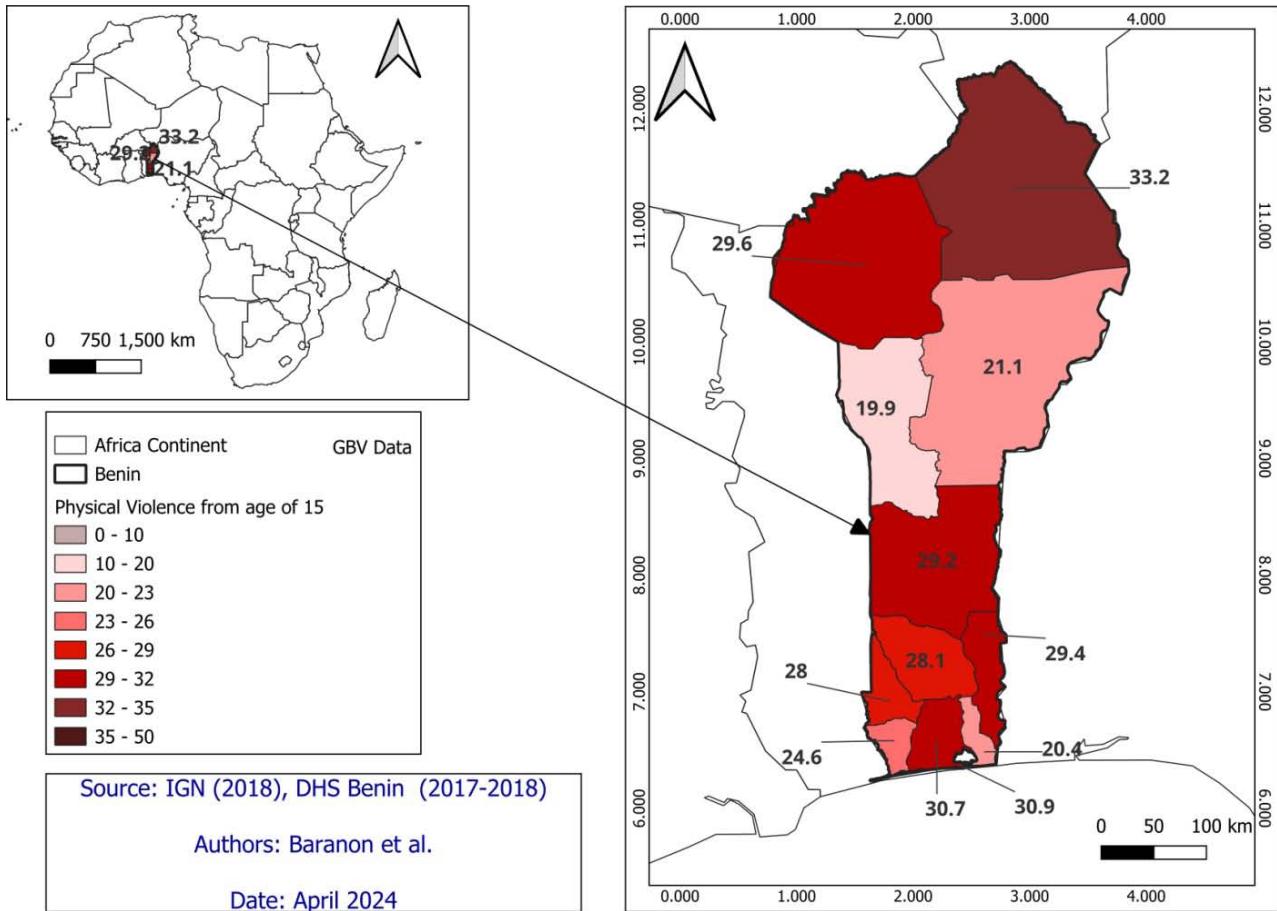 Figure 1: Percentage of Women Aged 15-49 who have Experienced Physical Violence since the Age of 15
Moreover, among women aged 15 to 49 who are currently pregnant or have been pregnant, some have endured physical violence during their pregnancy. Figure 2 illustrates the geographical distribution of these percentages. The rates vary, with Atacora experiencing the highest percentage at $7.10\%$. Littoral follows with $5.30\%$, and Oueme comes third with $4.70\%$. Conversely, Zou has the lowest rate of physical violence during pregnancy, with just $2.30\%$, while Alibori and Couffo both report rates of $2.80\%$. These variations suggest that some departments have higher incidences of physical violence against pregnant women than others. Departments like Atacora, Littoral, and Oueme stand out with higher rates of violence, highlighting the need for targeted interventions in these areas. Meanwhile, the lower rates in departments such as Zou may indicate existing protective factors or successful interventions that could be modeled in other areas.
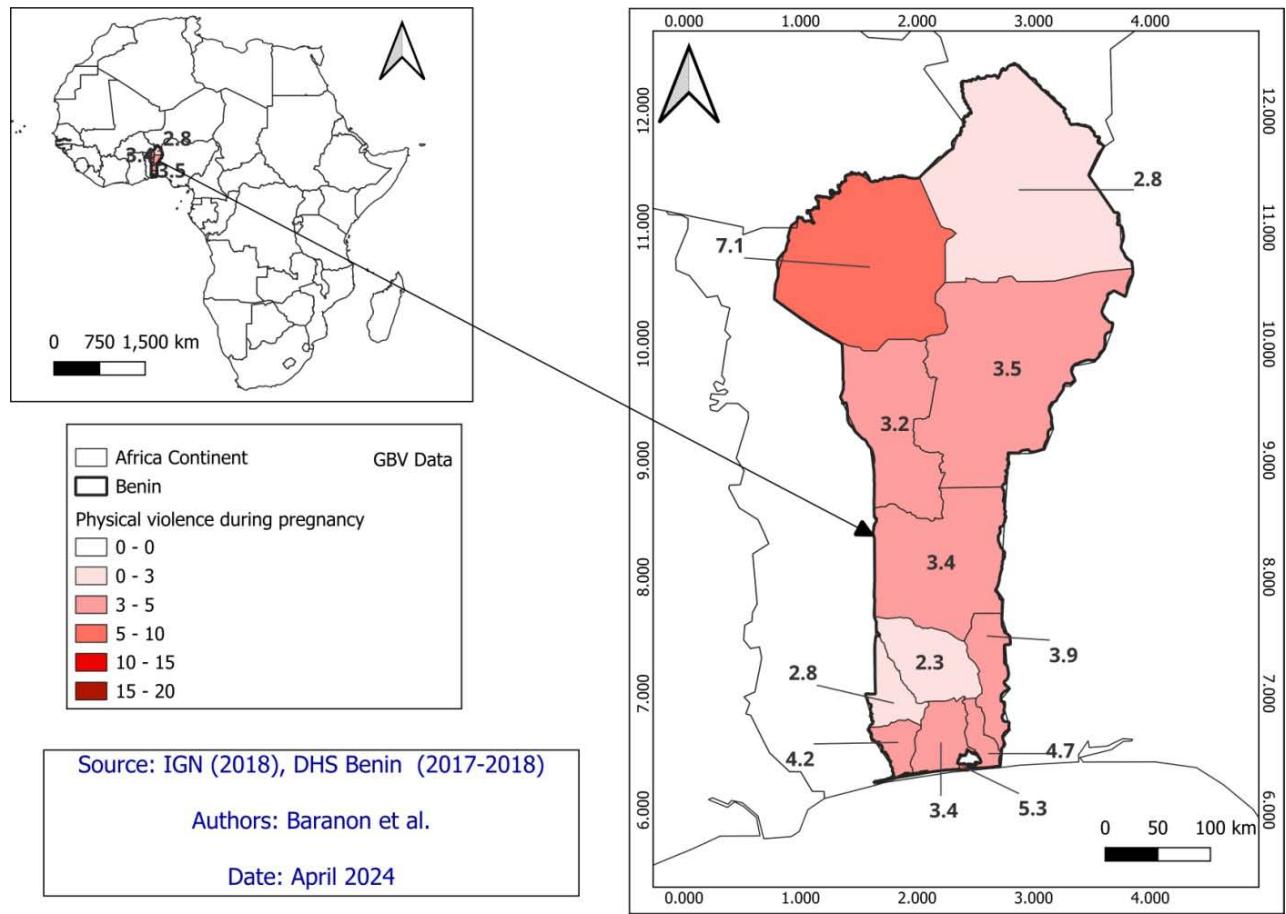 Figure 2: Percentage of Women Aged 15-49 who have Experienced Physical Violence during Pregnancy
### b) Regional Disparities In Sexual Violence
There is significant variation in the rates of sexual violence against women aged 15 to 49 as shown by figure 3. Collines has the highest rate of sexual violence, with $13.40\%$, followed closely by Plateau at $13.10\%$. Couffo also shows a high rate at $12.50\%$. On the other hand, Donga has the lowest rate of sexual violence, with just $3.90\%$. Departments such as Alibori, Oueme, and Zou have rates between $8\%$ and $9\%$. The differences in the prevalence of sexual violence across these departments suggest that some areas may face more significant challenges in protecting women from sexual violence. Departments with higher rates, like Collines and Plateau, may benefit from focused initiatives and resources to combat and prevent sexual violence. Conversely, the lower rates in departments like Donga could indicate successful prevention efforts or other factors that could be leveraged in other areas.
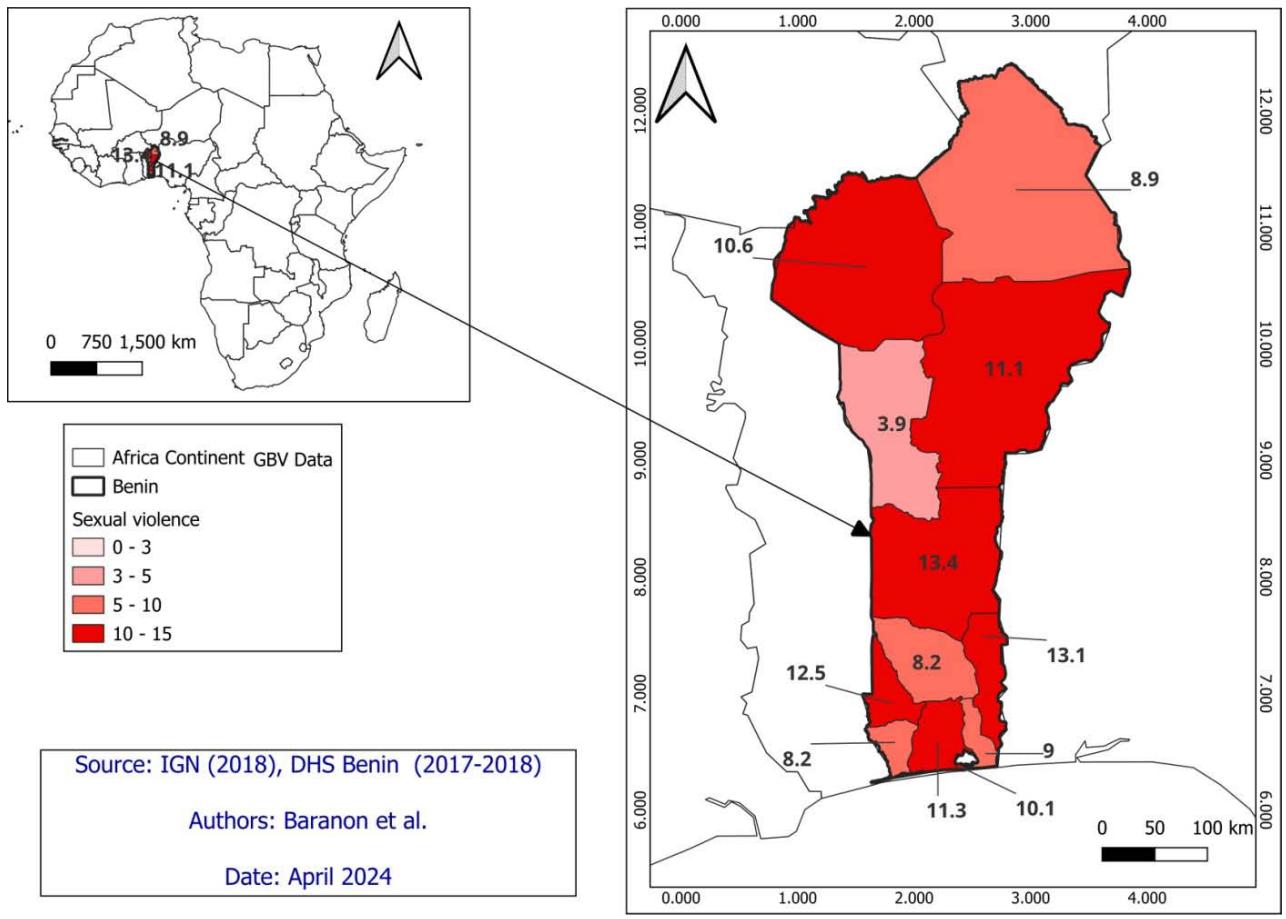 Figure 3: Percentage of Women Aged 15-49 who have Experienced Sexual Violence in their Life
### c) Forms of Marital Violence
## i. Control Exerted by Husbands
Table 1 describes the different forms of husband and partner controls towards their female partners. The Donga department stands out for having the highest percentage of partners who express jealousy when their significant other interacts with other men, with a notable figure of $66.60\%$. In contrast, the Oueme department showcases the lowest level of this kind of jealousy, registering a rate of just $39.20\%$. Meanwhile, the Atacora region experiences the highest rate of partners frequently accusing their significant others of infidelity, with a concerning statistic of $25.10\%$. On the other hand, Oueme again records the lowest rate in this category, at $10.00\%$, suggesting a more trusting attitude in that area.
Moreover, the Atacora $(37.10\%)$ and Zou $(33.10\%)$ regions reveal higher instances of partners imposing restrictions on their significant others' social interactions, which indicates a more pronounced sense of social isolation in these areas. These restrictions can extend to limiting time spent with friends and even family, pointing to a greater degree of control exerted by some partners.
Zou, for instance, presents the highest rate of partners who attempt to curb their significant other's interactions with family, with a percentage of $23.80\%$, while Donga records the lowest rate at $9.80\%$. Furthermore, Atacora $(37.10\%)$ and Donga $(54.00\%)$ showcase the highest rates of partners demanding constant updates about their partner's whereabouts, highlighting the desire for ongoing surveillance in these departments.
Plateau department emerges with the highest proportion of partners engaging in at least three of the controlling behaviors outlined in the study, reaching a notable rate of $31.70\%$. This suggests a prevalent pattern of controlling behavior in the area. On the contrary, Oueme stands out for having the highest percentage of partners who do not exhibit any of these controlling behaviors, at $48.50\%$. This indicates a potentially lower level of controlling tendencies among partners in this department, suggesting a different dynamic in relationships compared to other areas.
Table 1: Percentage of women aged 15–49 currently in union or separated who reported certain types of control exerted by the husband/partner
<table><tr><td>Department</td><td>Jealous if they talk to other men</td><td>Often accuses them of being unfaithful</td><td>Does not allow them to meet their friends</td><td>Tries to limit their contact with their family</td><td>Insists on knowing where they are at all times</td><td>Has exhibited at least 3 of these behaviors</td><td>Has not exhibited any of these behaviors</td><td>Number of women in union or separation of Union</td></tr><tr><td>Alibori</td><td>63.50</td><td>45.80</td><td>37.00</td><td>32.50</td><td>39.50</td><td>37.90</td><td>32.20</td><td>514</td></tr><tr><td>Atacora</td><td>63.50</td><td>25.10</td><td>37.10</td><td>30.00</td><td>51.50</td><td>38.50</td><td>24.80</td><td>346</td></tr><tr><td>Atlantique</td><td>54.40</td><td>22.60</td><td>30.70</td><td>21.90</td><td>43.70</td><td>29.00</td><td>28.70</td><td>517</td></tr><tr><td>Borgou</td><td>49.30</td><td>13.40</td><td>23.70</td><td>19.90</td><td>39.60</td><td>23.00</td><td>41.50</td><td>465</td></tr><tr><td>Collines</td><td>45.10</td><td>25.30</td><td>22.50</td><td>18.40</td><td>37.10</td><td>29.50</td><td>42.50</td><td>289</td></tr><tr><td>Couffo</td><td>53.60</td><td>10.80</td><td>26.10</td><td>18.00</td><td>55.30</td><td>24.00</td><td>26.40</td><td>265</td></tr><tr><td>Donga</td><td>66.60</td><td>10.90</td><td>20.30</td><td>9.80</td><td>54.00</td><td>20.60</td><td>24.30</td><td>262</td></tr><tr><td>Littoral</td><td>56.70</td><td>16.10</td><td>27.60</td><td>14.80</td><td>36.80</td><td>25.40</td><td>31.10</td><td>223</td></tr><tr><td>Mono</td><td>45.40</td><td>11.90</td><td>25.80</td><td>21.30</td><td>31.00</td><td>22.30</td><td>43.30</td><td>199</td></tr><tr><td>Queme</td><td>39.20</td><td>10.00</td><td>18.70</td><td>10.40</td><td>24.70</td><td>14.00</td><td>48.50</td><td>393</td></tr><tr><td>Plateau</td><td>58.80</td><td>24.60</td><td>26.90</td><td>12.50</td><td>48.20</td><td>31.70</td><td>30.70</td><td>253</td></tr><tr><td>Zou</td><td>47.50</td><td>20.90</td><td>33.10</td><td>23.80</td><td>32.70</td><td>31.00</td><td>39.30</td><td>425</td></tr></table>
### d) Spousal Emotional Violence
Plateau has the highest rate of emotional violence by spouses, with $50.9\%$, suggesting a significant issue in this department that may require targeted intervention and support. Atacora follows with a high rate of $45.8\%$, further highlighting the potential need for focused support and resources in these areas. In contrast, Couffo and Littoral have the lowest rates of emotional violence, both at $31.3\%$. These lower rates could indicate successful prevention efforts or other protective factors that may be valuable to model in other areas. Other departments fall within the range of $30\%$ to $40\%$ for spouse emotional violence, including Al ibori $(31.9\%)$, Atlantique $(37.2\%)$, Borgou $(37.1\%)$, Collines $(34.4\%)$, Donga $(35.4\%)$, Mono $(39.2\%)$, Oueme $(33.4\%)$, and Zou $(36.2\%)$. These rates demonstrate that emotional violence is a prevalent issue across all departments. No matter the department, at least 3 out of 10 women experienced that form of violence. It is then a serious issue.
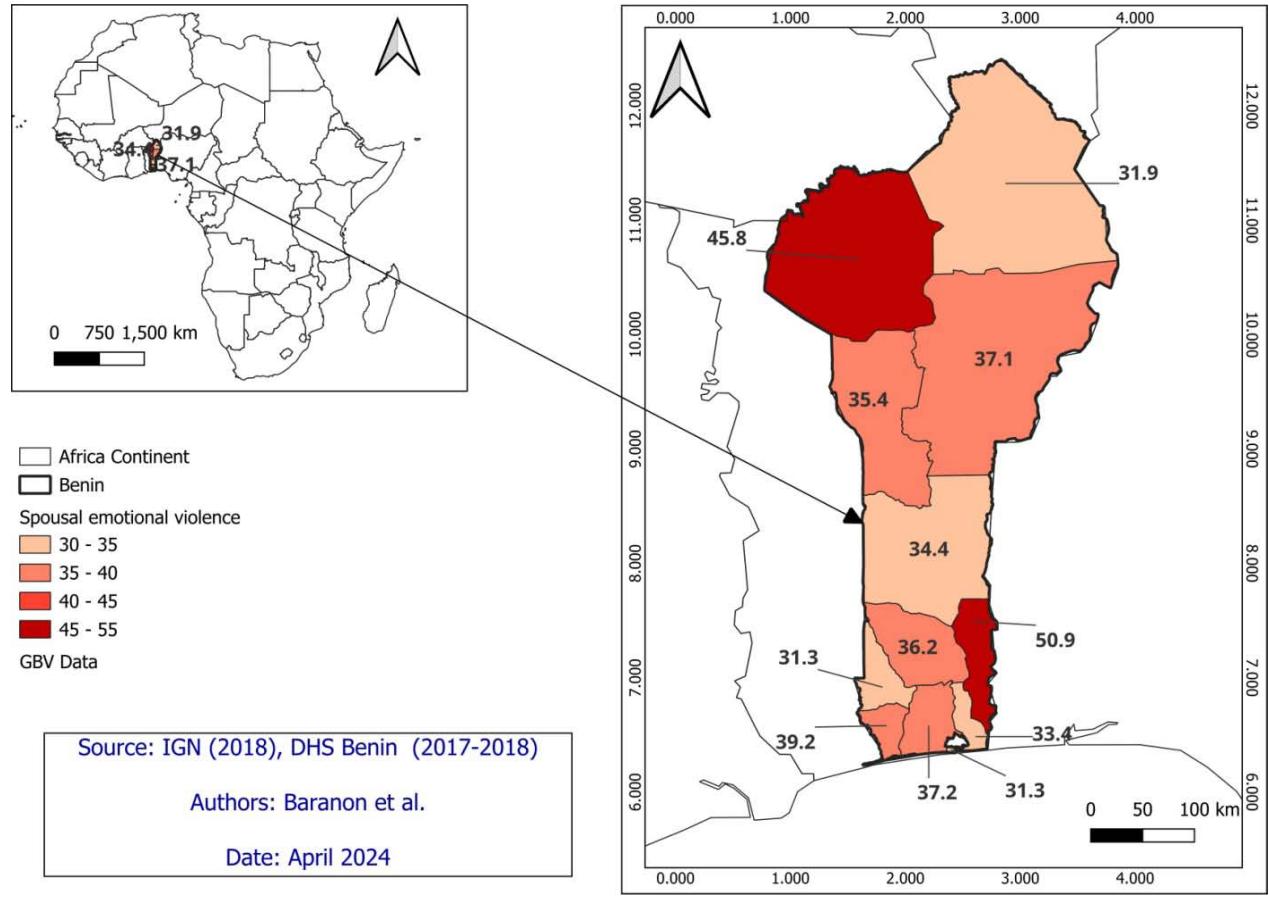 Figure 4: Percentage of Women Aged 15–49 Currently in Union or Separated who have Experienced Emotional Violence from their Husband/Partner
### e) Spousal Physical Violence
Alibori has the highest rate of spousal physical violence, with $30.6\%$, suggesting a significant issue in this department. This high rate calls for focused intervention and support programs to address the situation. Atacora follows with a rate of $23.3\%$, highlighting a notable level of risk in this area as well. On the other hand, Zou has the lowest rate of physical violence by spouses, with $11.8\%$. This lower rate could point to effective prevention strategies or other protective factors in the department that could serve as models for other areas. The remaining departments exhibit rates ranging from $14.6\%$ to $20.9\%$ for physical violence by spouses. These include Atlantique (20.9%), Borgou (18.8%), Collines (20.3%), Couffo (14.6%), Donga (19.4%), Littoral (16.3%), Mono (20.0%), Oueme (15.2%), and Plateau (16.7%).
Overall, the data reveals that physical violence by spouses is a prevalent issue across many departments. The varying rates suggest the need for region-specific approaches to combat and prevent it. Prioritizing resources and support for high-risk areas, such as Alibori and Atacora, while also learning from the practices in lower-risk areas like Zou, may help improve the situation for women across the departments.
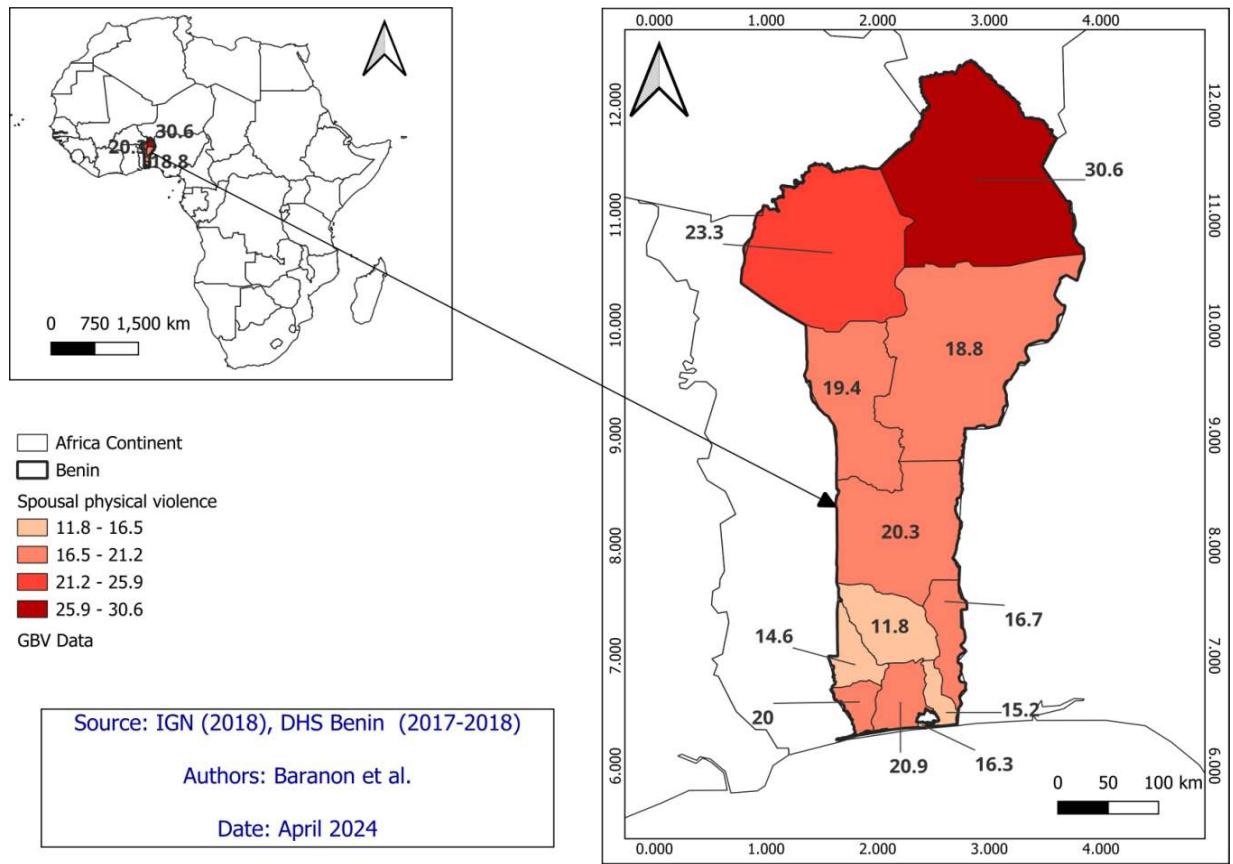 Figure 5: Percentage of Women Aged 15-49 Currently in Union or Separated who have Experienced physical Violence from their Husband/partner
### f) Spousal Sexual Violence
The departments of Collines and Plateau exhibit the highest rates of sexual violence against spouses, with rates of $12.4\%$ and $12.3\%$, respectively. This suggests a particularly concerning issue in these regions that requires focused attention and intervention. Borgou and Couffo also show relatively high rates of $11.8\%$ and $11.3\%$ respectively, indicating that these departments face significant challenges with spousal sexual violence. Oueme follows with a rate of $8.7\%$, suggesting the need for ongoing efforts to combat this problem. Alibori, Atacora, Mono, and Atlantique all have rates close to each other, ranging from $7.8\%$ to $8.3\%$, which are still significant and indicate the presence of sexual violence in these areas. Meanwhile, Littoral and Zou have lower rates of sexual violence against spouses, at $6.1\%$ and $6.5\%$ respectively, but these rates are still substantial enough to warrant concern and action. Lastly, Donga has the lowest rate of sexual violence against spouses at $4.1\%$, which, while lower than other departments, still requires monitoring and preventative measures.
Overall, the data indicates that sexual violence against spouses is a pressing issue across many departments in Benin. This calls for targeted strategies to address and reduce the prevalence of sexual violence against spouses in the affected regions.
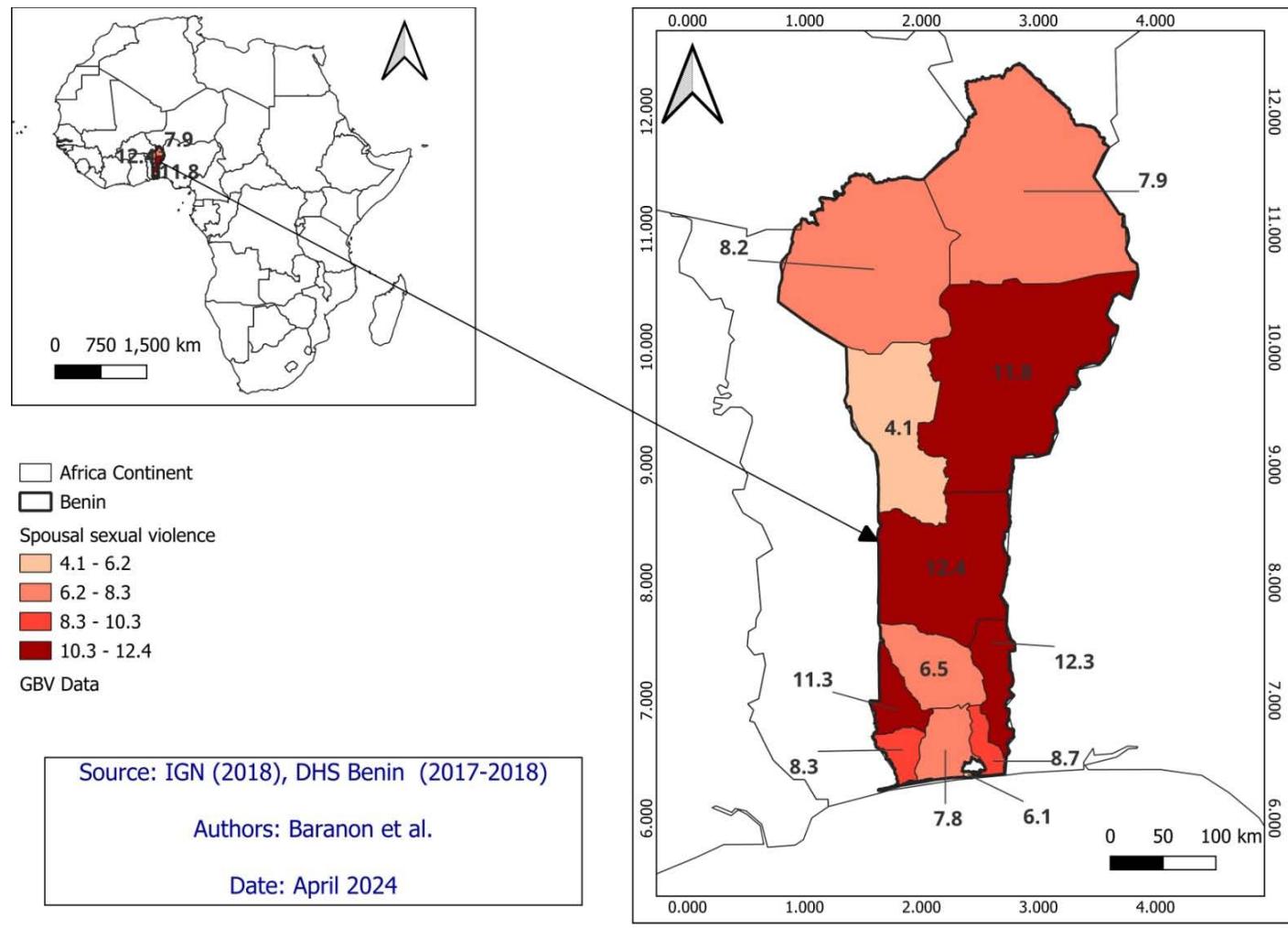 Figure 6: Percentage of Women Aged 15–49 Currently in Union or Separated who have Experienced Sexual Violence from their Husband/Partner
### g) Violence by Women against their Husbands
Another form of gender-based violence that researchers and stakeholders seem to neglect is the practice of violence by women against their male partners. Figure 7 presents the regional disparities of such acts of violence.
Atlantique shows the highest rate of physical violence from women at $4.40\%$, suggesting a significant issue in this department. This is followed by Littoral at $3.50\%$ and Alibori at $3.10\%$, indicating these regions also face relatively high rates of violence from women.
Borgou and Zou both report a rate of $3.00\%$, while Collines has a rate of $2.60\%$. These departments have moderate rates of violence from women, which may require monitoring and intervention. Mono, Couffo, and Plateau all report rates around $1.80 - 1.90\%$, which is slightly lower but still noteworthy.
Atacora and Oueme both have rates of $1.70\%$ which are on the lower end of the spectrum. Donga reports no cases of physical violence from women, which may suggest either a very low occurrence of such incidents or potential data collection issues. These variations across departments could provide insight into where additional support and resources may be needed.
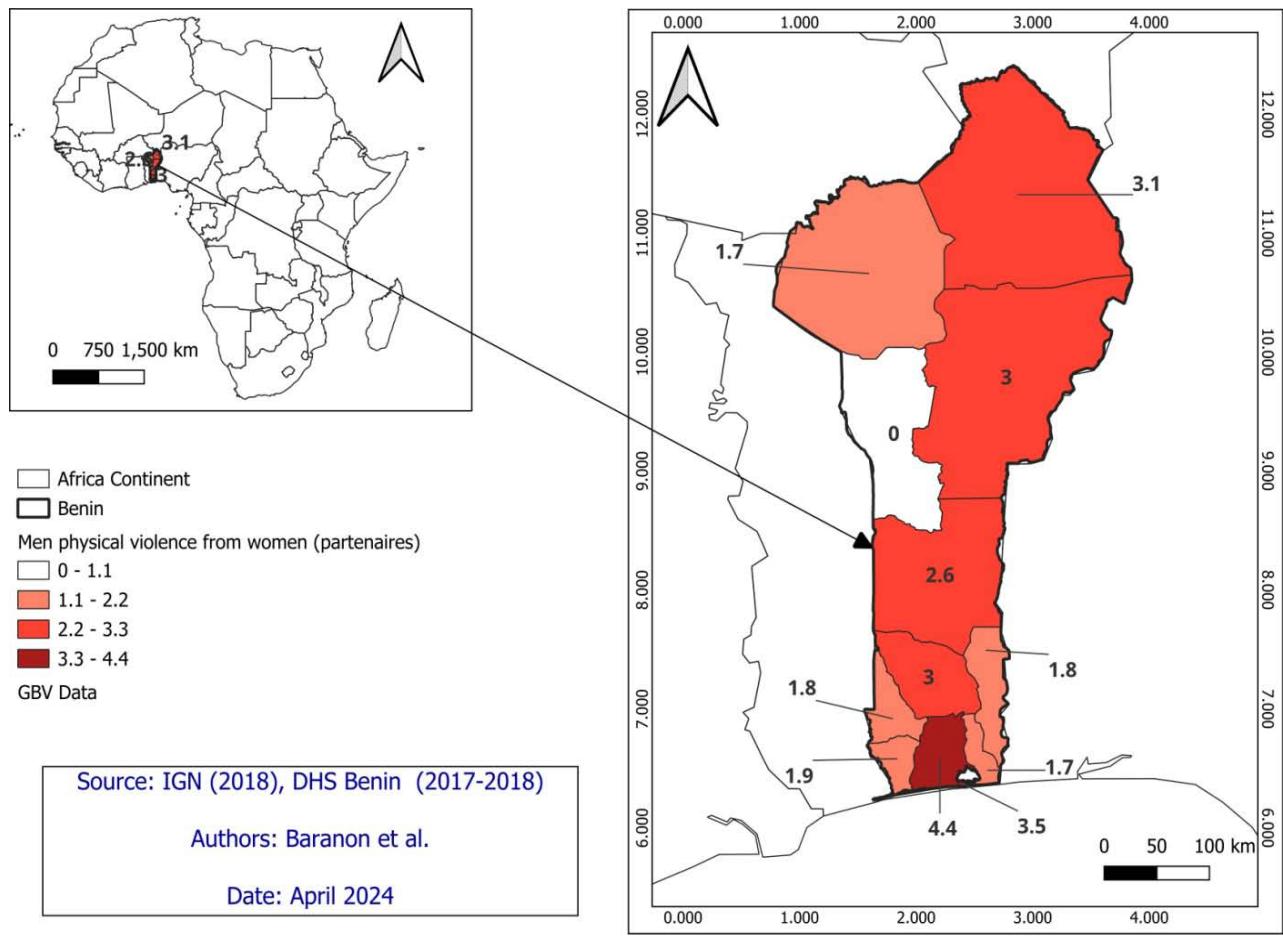 Figure 7: Percentage of Women Aged 15-49 Currently in Union or Separated who have Perpetrated Physical Violence against their Current or Most Recent Partner when they had neither been Beaten nor Physically Assaulted
### h) Seeking help to End Violence
Table 2 shows significant variation across different departments of Benin in terms of seeking help to end physical or sexual violence. In analyzing the distribution of women aged 15-49 who have experienced physical or sexual violence based on whether they sought help to end the violence in various departments of Benin, several key trends emerge. Firstly, there is notable diversity in the proportions of women seeking help across different regions. For instance, Alibori stands out with the highest percentage of women seeking help at $51.7\%$, indicating a proactive approach to addressing violence. Conversely, Borgou exhibits a lower rate of seeking help at $25.8\%$, suggesting potential barriers or reluctance to seek assistance in that area.
Secondly, the data reveals disparities in women who have experienced violence but have not sought help, instead choosing to confide in someone about their situation. Plateau records the highest percentage in this category at $15.7\%$, indicating a willingness among some women to discuss their experiences without seeking formal assistance. On the other hand, Donga has the lowest percentage at $3\%$, highlighting a potential lack of support networks or reluctance to disclose incidents of violence in that region.
Lastly, the statistics shed light on the prevalence of women who neither sought help nor talked to anyone about the violence they faced. Atacora emerges as the department with the highest percentage in this group at $67.3\%$, indicating a significant portion of women who may be enduring violence in silence. Conversely, Mono displays a lower percentage at $46.3\%$, suggesting a relatively higher level of openness or access to support services in that particular area. These findings underscore the importance of tailored interventions and support systems to address the varying needs and responses of women experiencing violence across different regions of Benin.
Table 2: Distribution (in%) of Women Aged 15–49 who have Experienced Physical or Sexual Violence based on whether they Sought Help to End the Violence
<table><tr><td>Department</td><td>Sought help to stop the violence</td><td>Never sought help but talked to some-one about it</td><td>Never sought help and didn't talk to anyone about it</td></tr><tr><td>Alibori</td><td>51.70</td><td>14.60</td><td>33.70</td></tr><tr><td>Atacora</td><td>27.10</td><td>5.60</td><td>67.30</td></tr><tr><td>Atlantique</td><td>30.20</td><td>9.50</td><td>60.30</td></tr><tr><td>Borgou</td><td>25.80</td><td>7.80</td><td>66.40</td></tr><tr><td>Collines</td><td>33.70</td><td>12.10</td><td>54.20</td></tr><tr><td>Couffo</td><td>29.10</td><td>12.60</td><td>58.30</td></tr><tr><td>Donga</td><td>45.20</td><td>3.00</td><td>51.70</td></tr><tr><td>Littoral</td><td>31.30</td><td>12.10</td><td>56.50</td></tr><tr><td>Mono</td><td>40.00</td><td>13.70</td><td>46.30</td></tr><tr><td>Oueme</td><td>32.00</td><td>14.90</td><td>53.20</td></tr><tr><td>Plateau</td><td>33.90</td><td>15.70</td><td>50.40</td></tr><tr><td>Zou</td><td>39.00</td><td>11.40</td><td>49.60</td></tr></table>
## IV. CONCLUSION
The analysis of data from the fifth Demographic and Health Survey of Benin (DHSB-V) offers a comprehensive examination of gender-based violence among women aged from 15 to 49 across different departments in Benin. The study highlights a range of critical findings regarding emotional, physical, and sexual violence, as well as the controlling behaviors exerted by partners in intimate relationships. The prevalence of violence varies significantly across departments, revealing patterns of concern and regional disparities.
The study reveals high rates of emotional, physical, and sexual violence in several departments, particularly in Collines, Plateau, and Alibori. These alarming rates underscore an urgent need for targeted interventions to address and mitigate violence against women in these areas. Moreover, controlling behaviors by partners are also prevalent, including instances of control and surveillance. These patterns suggest underlying issues of power dynamics within relationships, which can contribute to various forms of abuse and further entrap women in cycles of violence.
The analysis also highlights variations in the rates of women seeking help to end violence across different departments. While some departments, such as Alibori and Donga, show higher rates of women seeking help, others, like Atacora and Borgou, exhibit concerningly high proportions of women who neither seek help nor confide in anyone about their experiences. These findings suggest potential differences in awareness, accessibility to support services, and cultural factors influencing help-seeking behavior across regions.
To address these issues, targeted interventions are needed in departments with higher rates of violence, such as Collines, Plateau, and Alibori. Focused support services can help mitigate the problem and provide relief for those affected. In contrast, departments with lower rates of violence, such as Littoral and Zou, offer potential models of effective prevention strategies and community support mechanisms. These successful approaches could be replicated in higher-risk areas. Addressing GBV in Benin requires a comprehensive and region-specific approach. Interventions should be tailored to the specific needs and challenges of each department, with a focus on increasing awareness, accessibility to support services, and protection for women who experience violence. Additionally, identifying and leveraging protective factors in departments with lower rates of violence can provide valuable insights for successful prevention strategies.
Overall, the study underscores the importance of continued efforts to combat GBV in Benin. By prioritizing targeted strategies and resources in high-risk areas, learning from successful practices in lower-risk regions, and improving support services for women, Benin can make meaningful progress toward reducing the prevalence of GBV and promoting gender equality across the country.
### ACKNOWLEDGEMENTS
We affirm that this paper is original and is not currently under consideration by any other publication.
Data Availability: The data can be obtained from the corresponding author (on request).
Ethics Statement: This research does not require ethical approval.
Conflict of Interest: The authors have no conflicts of interest to disclose.
Generating HTML Viewer...
References
13 Cites in Article
Unknown Title.
C Bencomo,E Battistini,T Mcgovern (2022). Gender-based violence is a human rights violation: are donors responding adequately? what a decade of donor interventions in colombia, kenya, and uganda reveals.
Dandara Paula (2018). Human Rights and Violence Against Women: Campo Algodonero Case.
Alessandra Guedes,Sarah Bott,Ana Guezmes,Judith Helzner (2002). Gender-Based Violence, Human Rights, and the Health Sector: Lessons from Latin America.
Phyllis Baker,Kevin Leicht (2017). Globalization, Gender, and Development.
A Morrison,M Ellsberg,S Bott (2007). Addressing Gender-Based Violence: A Critical Review of Interventions.
G.-B Violence (2022). Ending violence against women.
M Baranon,M Ofori,Y Bouzir,T Kollie,D Bekalo,A Langat,M Adam,S Ishag (2023). Gender disparities in sexual behaviors and attitudes among adolescents and young people in tchaourou-benin: A multi-dimensional exploratory study.
O Chung-Ya,Y Masuma,U Gainel,L Ming-Shinn,D Koustuv (2021). Prevalence and Determinants of Intimate Partner Violence Against Women in Burundi: Evidence from 2016-17 Demographic and Health Survey.
N De (2019). Erratum: Analyse Microéconomique de la réforme de la TVA de juillet 1982 en France.
(2018). B´enin 2017-2018 enquˆete d´emographique et de sant´e.
B Egnonwa,J Fl´enon,G Padonou,K Ekouevi,A Bigot (2018). Prevalence and factors associated with domestic violence against women in cotonou.
B Sur (2022). 15 Spatial analysis of Gender-Based Violence (GBV) in Benin Global Journal of Human-Social Science.
Explore published articles in an immersive Augmented Reality environment. Our platform converts research papers into interactive 3D books, allowing readers to view and interact with content using AR and VR compatible devices.
Your published article is automatically converted into a realistic 3D book. Flip through pages and read research papers in a more engaging and interactive format.
Gender-based violence (GBV) is a critical issue in Benin, affecting women aged 15 to 49 across different departments. This study examines the regional disparities in the prevalence of emotional, physical, and sexual violence against women, as well as the rates at which they seek help to end violence. Data from the fifth Demographic and Health Survey of Benin (DHSB-V) provides insights into the spatial distribution of GBV and the socio-demographic determinants of violence across the country. Results indicate significant variations in GBV prevalence across different departments. Alibori, Plateau, and Collines exhibit the highest rates of spousal violence, while departments such as Zou and Littoral have lower rates. The study also reveals disparities in help-seeking behavior, with departments like Alibori and Donga showing higher rates of women seeking help, and Atacora and Borgou having higher proportions of women who neither seek help nor confide in anyone about the violence they experience.
Our website is actively being updated, and changes may occur frequently. Please clear your browser cache if needed. For feedback or error reporting, please email [email protected]
Thank you for connecting with us. We will respond to you shortly.