In the state of Goiás, the beef production chain plays a central role in the regional economy but faces significant challenges in integrating sustainable practices that align with Environmental, Social, and Governance (ESG) criteria and the United Nations’ Sustainable Development Goals (SDGs). This study aims to investigate how these frameworks are currently being addressed within the sector and to identify opportunities for improving sustainability performance. Through a comprehensive literature review and analysis of organizational and institutional data, the research mapped the current state of knowledge, revealing a scarcity of academic studies focused specifically on ESG practices in beef production. While several initiatives aligned with environmental management and the SDGs have been identified, the effective incorporation of ESG criteria remains limited. The findings indicate that although some sustainable practices are emerging-particularly in response to public policies and technological innovation-significant gaps persist, especially in social and governance dimensions. The research emphasizes the need for an integrated approach that goes beyond environmental compliance, incorporating responsible governance, social accountability, animal welfare, and efficient resource use. The study concludes by highlighting that a shift toward innovative, inclusive, and sustainable business models is crucial for the long-term competitiveness and resilience of the beef sector in Goiás.
## I. INTRODUCTION
Concerns about sustainability have intensified globally, reflecting the urgency of mitigating the environmental, social, and economic impacts of human activities. In the agricultural and livestock sector, this urgency is particularly significant, especially when considering its relevance to food security, the economy, and the environment.
Porter and Kramer (2011) introduced the concept of creating shared value, demonstrating that development and success in both business and social environments are mutually dependent and interconnected. This suggests that sustainability is a vector that acts as an important driver for gaining competitive advantages and fostering innovation.
This article is based on the understanding that, despite the growing adoption of sustainable practices, significant gaps remain in the effective implementation of these practices within the beef production chain in Goiás. These gaps include, for example, inadequate waste management, unsustainable use of water resources, and the slow adoption of clean technologies.
The objective of this article is to investigate the applicability of the SDGs and ESG criteria in the beef production chain in Goiás, aiming to identify existing sustainable practices and propose improvements that can be implemented. The research combines a literature review with data analysis to provide a comprehensive understanding of how these practices can be effectively integrated into cattle production, contributing to a more balanced development of the sector.
The structure of the article is organized as follows: Section 3 describes the methodology used, including the study selection criteria and data analysis methods. Section 4 presents the results, discussing the sustainable practices identified and the gaps that still need to be addressed. Finally, Section 5 offers conclusions and recommendations for the implementation of ESG practices in beef production in Goiás, highlighting the role of public policies and partnerships among the various actors in the production chain.
In the current scenario, where the demand for sustainable products is growing and the requirements for responsible practices are increasing, beef production in Goiás faces a decisive moment. The adoption of practices aligned with the SDGs and ESG criteria is a necessary strategy to ensure the continuity and long-term success of the sector. This study aims to contribute to this transition by offering pathways and proposals that can support the integration of such practices into the beef production chain in Goiás.
## II. THEORETICAL FOUNDATION
### a) Sustainability: An Integrated Perspective
According to Alvarez (2010) and Rockström et al. (2009), the concept of sustainability emerges as a paradigm at the intersection of economic development, environmental conservation, and social equity—the Triple Bottom Line (Figure 1). It guides the analysis of the inherent complexity and the imperative need to promote sustainable practices across various sectors of society. This is manifested through the promotion of efficient public policies and the establishment of a global commitment to the sustainable management of natural resources, aiming to ensure the well-being of current and future generations.
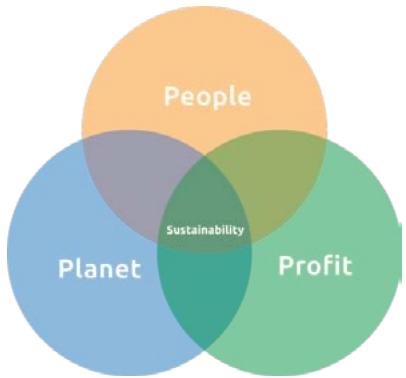 Figure 1: Triple Bottom Line, the Sustainability Tripod
Source: Guedes (2023).
The relationship between international trade and socio-environmental sustainability in Brazil is explored by Alvarez (2010), who highlights how global dynamics can influence, both positively and negatively, national efforts toward sustainable development. This analysis supports the understanding of policies and practices capable of promoting a balance between economic growth and environmental conservation.
Conversely, the study conducted by Rockström et al. (2009) provides a scientific foundation for understanding contemporary environmental challenges and emphasizes the need to implement coordinated actions aimed at preventing irreversible degradation of natural systems essential for sustaining life on the planet.
Furthermore, research by Harfuch, Lobo, and Cruz (2023), as well as Silva Neto (2022), illustrates the adaptability of production and consumption practices to mitigate adverse environmental and social impacts, demonstrating the potential contributions of specific economic sectors to global sustainability.
Almeida (2002) and Brito (2021) expand the discussion to include education for sustainability and demonstrate the role of technological innovations in this context. This diversity of perspectives provides a solid foundation for the development of integrated strategies that harmonize economic development, environmental protection, and social justice.
### b) SDGs and the 2030 Agenda
The formulation of the Sustainable Development Goals, illustrated in Figure 2, and the subsequent adoption of the 2030 Agenda by the UN General Assembly in 2015 mark a turning point in international cooperation to address global challenges, including poverty, inequality, climate change, environmental degradation, peace, and justice. The transition from the Millennium Development Goals (MDGs) to the SDGs reflects an expansion of our previous understanding of sustainability, emphasizing the importance of integrated actions that interconnect the social, economic, and environmental aspects of development (United Nations, 2015).
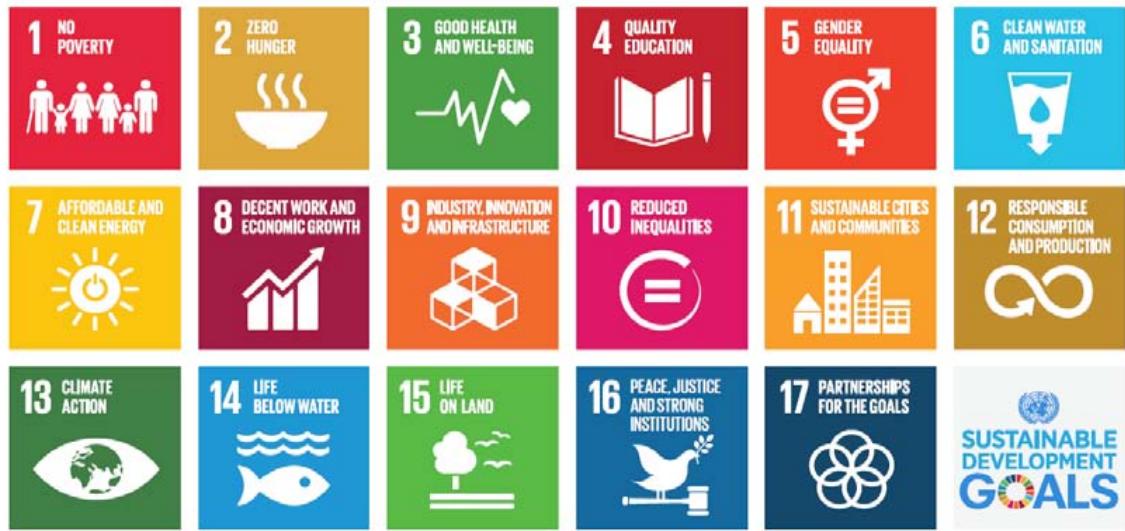 Figure 2: Sustainable Development Goals (SDGs)
Source: United Nations (2015).
The SDGs are distinctive due to their universal applicability and call for collective action from governments, the private sector, and civil society, with a particular focus on inclusion and equity to ensure that no one is left behind. Additionally, they reinforce the need for collaboration and innovation to achieve sustainable development.
### c) ESG and ABNT PR2030
The ESG criteria serve as a reference for evaluating institutions across three dimensions: environmental, social, and governance (Figure 3). These dimensions are essential to demonstrate how corporations manage their impacts on the environment, in the communities where they operate, and through their internal governance structures.
In the environmental aspect, evaluations focus on the ability to adopt sustainable practices, such as the efficient management of natural resources and the reduction of pollutant emissions, as emphasized by Sullivan and Mackenzie (2017). The social dimension covers relationships with employees, suppliers, customers, and local communities, highlighting the importance of fair and inclusive practices, as observed by Khan, Serafeim, and Yoon (2015). Corporate governance addresses management quality, transparency, and ethics in organizational processes, serving as a pillar for building trust between the company and its investors.
In parallel, the ABNT PR 2030 Guideline (Brazilian Association of Technical Standards - ABNT, 2022) establishes a set of recommended practices that define concepts, guidelines, and evaluation models for the environmental, social, and governance pillars. It stands out for offering practical guidance focused on organizational strategies. This initiative proposes the integration of the 17 SDGs into companies' planning and operations, encouraging the adoption of a business model that is economically, socially, and environmentally sustainable. It stimulates organizations to innovate in products, services, and processes in ways that contribute to sustainable development without compromising the needs of future generations (ABNT, 2022) (United Nations, 2015).
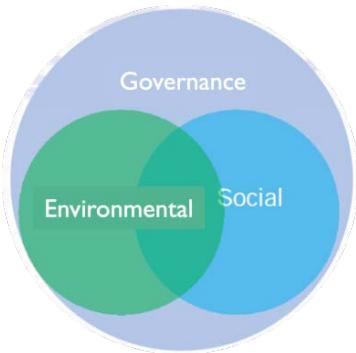 Source: ABNT (2022). Figure 3: Integration of ESG Dimensions
Eccles & Klimenko (2019) propose that institutions operating in alignment with ESG criteria and the ABNT PR2030 guidelines meet the expectations of a society that is increasingly aware of and demanding regarding social and environmental issues. These institutions position themselves competitively in the market. The integration of sustainable practices into business operations goes beyond social responsibility; it is a strategy for the success and longevity of organizations in the 21st century. It transcends mere compliance with rules and regulations and represents an evolution in corporate thinking and action toward management that values the balance between economic success and sustainability. Companies that stand out in this context will become market leaders and key players in building a more sustainable future for the next generations.
### d) Legislation and Sustainability in Beef Production in Brazil
Brazilian legislation applicable to beef production incorporates laws and regulations aimed at promoting sustainable practices. These regulations address environmental protection, governance, and social aspects, defining parameters that seek a balance between economic development and the conservation of natural resources.
Among the relevant federal laws, the Forest Code (Law No. 12,651/2012 - Brazil, 2012) sets out guidelines for the use and conservation of forests and other forms of native vegetation. It establishes criteria for the maintenance of Permanent Preservation Areas (APPs) and Legal Reserves (RLs).
The National Solid Waste Policy (Law No. 12,305/2010 - Brazil, 2010a) provides guidelines for the management of solid waste, including that generated in beef production, emphasizing recycling and appropriate waste treatment to reduce pollution and improve resource efficiency.
The Environmental Crimes Law (Law No. 9,605/1998 - Brazil, 1998) and the National Climate Change Policy (Law No. 12,187/2009 - Brazil, 2009) aim to mitigate negative environmental impacts, either through penalties for harmful actions or by setting targets for the reduction of greenhouse gas emissions.
In terms of governance, mechanisms such as the Rural Environmental Registry (CAR) facilitate monitoring and control of agricultural activities, promoting transparency and participation among the different actors involved in agricultural production.
From a social perspective, laws such as the National Policy on Technical Assistance and Rural Extension (Law No. 12,188/2010 – Brazil, 2010b) aim to provide technical and managerial support to producers, focusing on the sustainable development of the sector, including the improvement of working conditions and land access for traditional populations.
Thus, Brazilian legislation related to sustainability encompasses the beef production chain and seeks to integrate environmental, governance, and social considerations in pursuit of sustainable development in the agricultural sector.
### e) The Beef Production Chain
According to Buainain and Batalha (2007), the beef production chain plays a prominent role in the Brazilian rural economy and spans a vast area of the national territory, generating employment and income for millions of people. It comprises a heterogeneous group of agents, ranging from highly capitalized cattle ranchers to impoverished small-scale producers, as well as technologically advanced meatpacking plants and slaughterhouses that barely comply with sanitary regulations.
The chain is divided into five subsystems (Figure 4): support, raw material production, industrial processing, commercialization, and consumption. These are significantly influenced by the institutional environment, which affects the competitiveness of the agribusiness chain through factors such as foreign trade, macroeconomic trends, inspection, sanitary legislation, information availability, environmental regulations, traceability, certification, innovation systems, and agent coordination (Buainain and Batalha, 2007, p. 19).
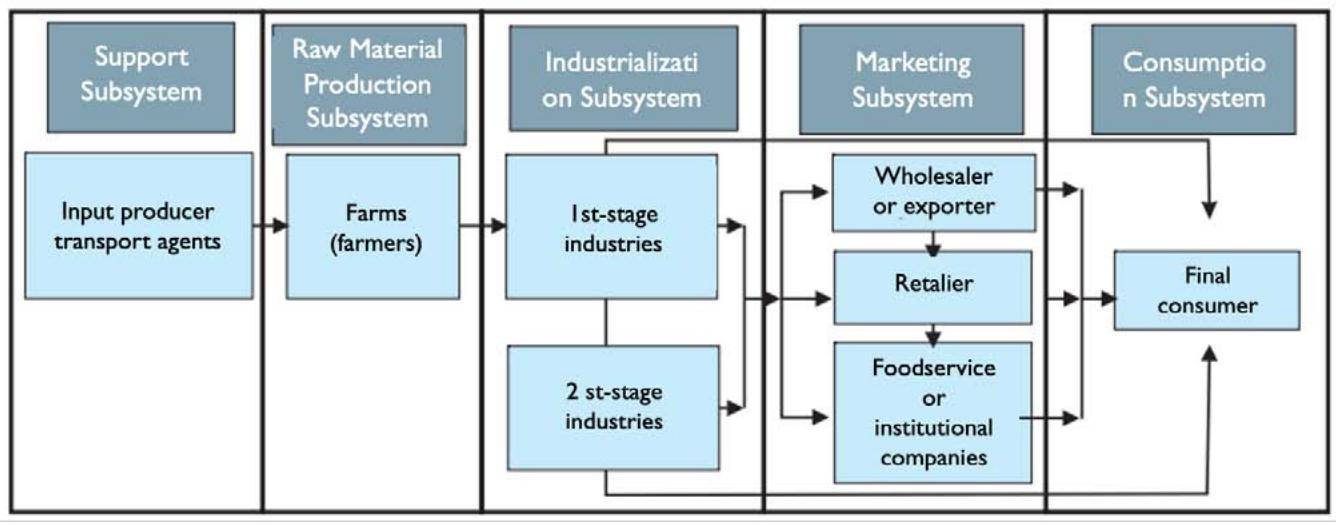 Source: Buainain e Batalha (2007). Figure 4: Structure of the Beef Production Chain in Brazil With regard to beef cattle farming in the state of Goiás, Ferreira, Miziara, and Couto (2020) observe a trend toward productive specialization and the formation of clusters that highlight specific regions focused on this activity. This specialization results from the adoption of technological advancements and the influence of historical and economic factors that define patterns of intensive production and position the state as a major supplier for both the domestic and export markets. Public policies and technological innovations have been fundamental in driving the modernization and intensification of beef production, outlining a scenario where production efficiency and sustainability are key elements for the sector's development in the state.
## III. METHODOLOGY
The survey of the current state of knowledge and discussions regarding the Sustainable Development Goals (SDGs) and Environmental, Social, and Governance (ESG) criteria in the context of the beef production chain was conducted with the aim of gaining a deeper understanding of how these concepts are being addressed in the sector. This process involved a careful and detailed literature search in various academic databases using combinations of terms such as "sustainability and meat production," "SDGs and agriculture," and "ESG in the beef supply chain." The objective was to capture a comprehensive view of the different approaches explored in studies, both in terms of environmental practices and social and management issues.
During the research, a combination of specific terms and logical operators was used to refine the results, ensuring that relevant articles, literature reviews, case studies, and technical reports were identified. This allowed for the gathering of a wide range of information to better understand how the SDGs and ESG criteria are being applied to beef production and what challenges and opportunities exist in this process.
In the CAPES (Coordination for the Improvement of Higher Education Personnel) Portal, for example, the search for the term "sustainability" combined with "meat production," conducted for the period from 2021 to 2023, resulted in six publications in peer-reviewed journals. This number reflects a growing yet still modest interest in the study of sustainable practices in beef production. When searching for the term "SDGs" combined with "agriculture," ten publications were found, indicating an initial alignment with the global objectives proposed for sustainable development. However, when searching for "ESG in the beef supply chain," only one result was found, highlighting a notable lack of studies focused on the integration of these specific criteria within the sector.
These data were organized in Table 1, which presents a summary of the findings, highlighting both the areas where a knowledge base already exists and those that require greater attention and further research.
Table 1: Results of the Knowledge Mapping
<table><tr><td>Search Terms</td><td>Number of Articles Found</td><td>Publication Period</td><td>Observations</td></tr><tr><td>"Sustainability" AND "Meat Production"</td><td>06</td><td>2021–2023</td><td>Studies focus on environmental practices, but there are gaps in ESG integration.</td></tr><tr><td>"SDGs" AND "Agriculture"</td><td>10</td><td>2021–2023</td><td>Greater number of publications, indicating initial alignment with the SDGs.</td></tr><tr><td>"ESG in the Beef Supply Chain"</td><td>01</td><td>2021–2023</td><td>Limited literature available, suggesting a need for more ESG-focused studies in beef production</td></tr></table>
In addition to analyzing the articles found, an evaluation of titles, abstracts, and keywords was conducted to ensure that only the most relevant studies were recorded and classified for further analysis. This process helped to structure the present study as a bibliographic review, based on journal articles discussing topics related to sustainability and governance within the beef production chain in a national context.
## IV. RESULTS AND DISCUSSION
Based on the results obtained from the bibliographic inventory, we discuss in detail the content identified regarding the integration of the Sustainable Development Goals (SDGs) and Environmental, Social, and Governance (ESG) criteria within the beef production chain. The analysis highlighted key themes that outline sustainable practices in this sector, emphasizing the relevance of sustainable development and innovations in corporate governance as foundations for a more responsible and efficient future.
We identified that the adoption of innovative and inclusive business models is an appropriate strategy to guide companies and cooperatives in obtaining the institutional support needed to comply with environmental and social regulations. These models promote a production approach aligned with sustainability and governance criteria. This focus not only facilitates adaptation to current regulations but also positions the beef sector as a benchmark in responsibility and efficiency, capable of meeting the demands of increasingly conscious and demanding consumers and markets.
The mind map presented (Figure 3) illustrates the process of adopting ESG strategies in beef production, offering a clear view of how these practices can be implemented in a coordinated and effective manner. This visual resource serves as an important tool for producers and managers, helping to plan and execute actions that harmoniously integrate the environmental, social, and economic aspects of production.
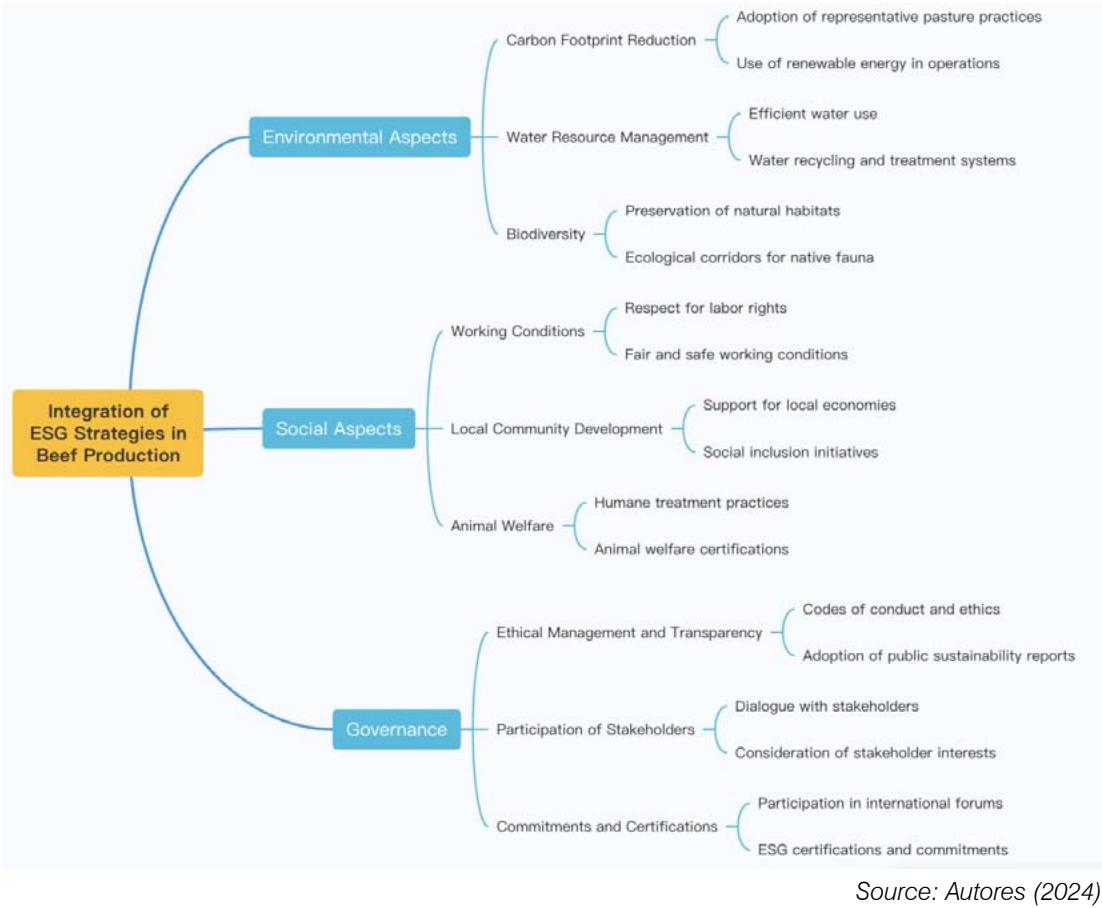 Figure 5: Mind Map: Adoption of ESG Strategies in Beef Production
Although the SDGs and ESG criteria are widely recognized and promoted on a global scale, the research revealed a significant gap in the specialized literature, with few academic studies focusing specifically on the application of these concepts to cattle farming. This scarcity of material indicates an urgent need for further research and publications that explore in greater depth the integration of these practices in the sector, providing both case studies and quantitative analyses to better guide future actions.
Despite the current lack of practical studies and quantitative results in the reviewed articles, it is clear that there is considerable potential for expansion as more entities in the beef production chain begin to adopt these practices. This growing trend of adoption will, in the future, allow for a more concrete assessment of the results obtained, offering valuable data for the continuous improvement of sustainability strategies.
It is important to emphasize that the adoption of sustainable practices in beef production should go beyond the mere implementation of environmental technologies. It must integrate comprehensive initiatives that include responsible governance, a commitment to social responsibility, care for animal welfare, and conservation of natural resources. These practices strengthen the sector's sustainability by building a positive and trustworthy image among consumers and the market.
In summary, the research highlights the importance of a holistic and integrated approach to adopting ESG practices in beef production, emphasizing that the path to a more sustainable future lies in a combination of innovation, responsibility, and cooperation among all stakeholders in the supply chain.
## V. FINAL CONSIDERATIONS
The analysis of sustainability in beef production in Goiás highlights the need for a significant shift in the practices adopted by the sector. The beef supply chain, which plays an essential role in the local economy, faces a key moment to adopt more responsible and balanced practices.
Although the importance of the Sustainable Development Goals (SDGs) and ESG criteria is recognized, there remains a gap between this recognition and the effective application of these principles in the day-to-day activities of beef production. Many producers are still reluctant to adopt new practices, either due to lack of access to adequate technologies or unawareness of the benefits such changes can bring.
In this context, public policies are crucial. They must promote and facilitate this transformation by creating incentives for more conscious practices to be adopted throughout the supply chain. Moreover, it is necessary to ensure that both small and large producers receive the support needed to implement these practices, ensuring everyone can participate in this process of change.
The adoption of a more innovative business model that considers both production efficiency and social and environmental impact is essential for beef production in Goiás to remain relevant in a market that increasingly values responsibility toward the environment and society. Consumers, both in Brazil and abroad, are becoming more demanding and seek products that reflect this responsibility.
In conclusion, beef production in Goiás is at a decisive moment. The sector must adopt practices that ensure its continuity and success, meeting new market demands and contributing to fairer and more sustainable development. This study offers clear pathways for this transition, emphasizing the importance of a collaborative approach among producers, government, and society. The future of beef production in Goiás depends on the sector's ability to adapt to these new demands.
Generating HTML Viewer...
References
15 Cites in Article
Abiec (2023). Associação Brasileira das Indústrias Exportadoras de Carne.
(2010). Apoio à Política Nacional de Desenvolvimento Urbano (PNDU) : meio ambiente e sustentabilidade.
Associação Brasileira De Normas Técnicas -Abnt (2022). ABNT PR 2030.
A Buainain,M Batalha (2007). Cadeia produtiva de carne bovina.
R Eccles,S Klimenko (2019). Upgrade the Corporation: The Business Analytics Revolution.
J Elkington (1999). Cannibals with forks: The Triple Bottom Line of 21st Century Business.
Gabriel Ferreira,Fausto Miziara,Ibán Vazquéz-González (2020). Intensificação da pecuária em Goiás.
I Guedes (2023). What Is Triple Bottom Line (TBL)?.
L Harfuch,G Lobo,G Cruz,Da (2023). Sustentabilidade na cadeia da carne: caminhos para o Brasil e os aprendizados do P4F [Sustainability in the Meat Chain: Paths for Brazil and Lessons from P4F.
G Malafaia,P Biscola,F Dias,A Moraes,De (2022). Diagnóstico estratégico da cadeia produtiva da carne bovina para o estado de Goiás [Strategic Diagnosis of the Beef Production Chain in the State of Goiás.
Michael Porter,Mark Kramer (2011). Creating Shared Value.
Johan Rockström,Will Steffen,Kevin Noone,Åsa Persson,F Chapin,Eric Lambin,Timothy Lenton,Marten Scheffer,Carl Folke,Hans Schellnhuber,Björn Nykvist,Cynthia De Wit,Terry Hughes,Sander Van Der Leeuw,Henning Rodhe,Sverker Sörlin,Peter Snyder,Robert Costanza,Uno Svedin,Malin Falkenmark,Louise Karlberg,Robert Corell,Victoria Fabry,James Hansen,Brian Walker,Diana Liverman,Katherine Richardson,Paul Crutzen,Jonathan Foley (2009). A safe operating space for humanity.
C Seixas,D Prado,C Joly,P May,E Neves,L Teixeira (2020). Governança ambiental no Brasil: rumo aos Objetivos do Desenvolvimento Sustentável (ODS)? [Environmental Governance in Brazil: Toward the Sustainable Development Goals (SDGs)?.
Daniella Silva (2022). Cadeia produtiva de pequi no estado do Goiás : análise do ambiente organizacional e institucional.
(2015). Transforming governance for the 2030 agenda for sustainable development.
Explore published articles in an immersive Augmented Reality environment. Our platform converts research papers into interactive 3D books, allowing readers to view and interact with content using AR and VR compatible devices.
Your published article is automatically converted into a realistic 3D book. Flip through pages and read research papers in a more engaging and interactive format.
In the state of Goiás, the beef production chain plays a central role in the regional economy but faces significant challenges in integrating sustainable practices that align with Environmental, Social, and Governance (ESG) criteria and the United Nations’ Sustainable Development Goals (SDGs). This study aims to investigate how these frameworks are currently being addressed within the sector and to identify opportunities for improving sustainability performance. Through a comprehensive literature review and analysis of organizational and institutional data, the research mapped the current state of knowledge, revealing a scarcity of academic studies focused specifically on ESG practices in beef production. While several initiatives aligned with environmental management and the SDGs have been identified, the effective incorporation of ESG criteria remains limited. The findings indicate that although some sustainable practices are emerging-particularly in response to public policies and technological innovation-significant gaps persist, especially in social and governance dimensions. The research emphasizes the need for an integrated approach that goes beyond environmental compliance, incorporating responsible governance, social accountability, animal welfare, and efficient resource use. The study concludes by highlighting that a shift toward innovative, inclusive, and sustainable business models is crucial for the long-term competitiveness and resilience of the beef sector in Goiás.
Our website is actively being updated, and changes may occur frequently. Please clear your browser cache if needed. For feedback or error reporting, please email [email protected]
Thank you for connecting with us. We will respond to you shortly.