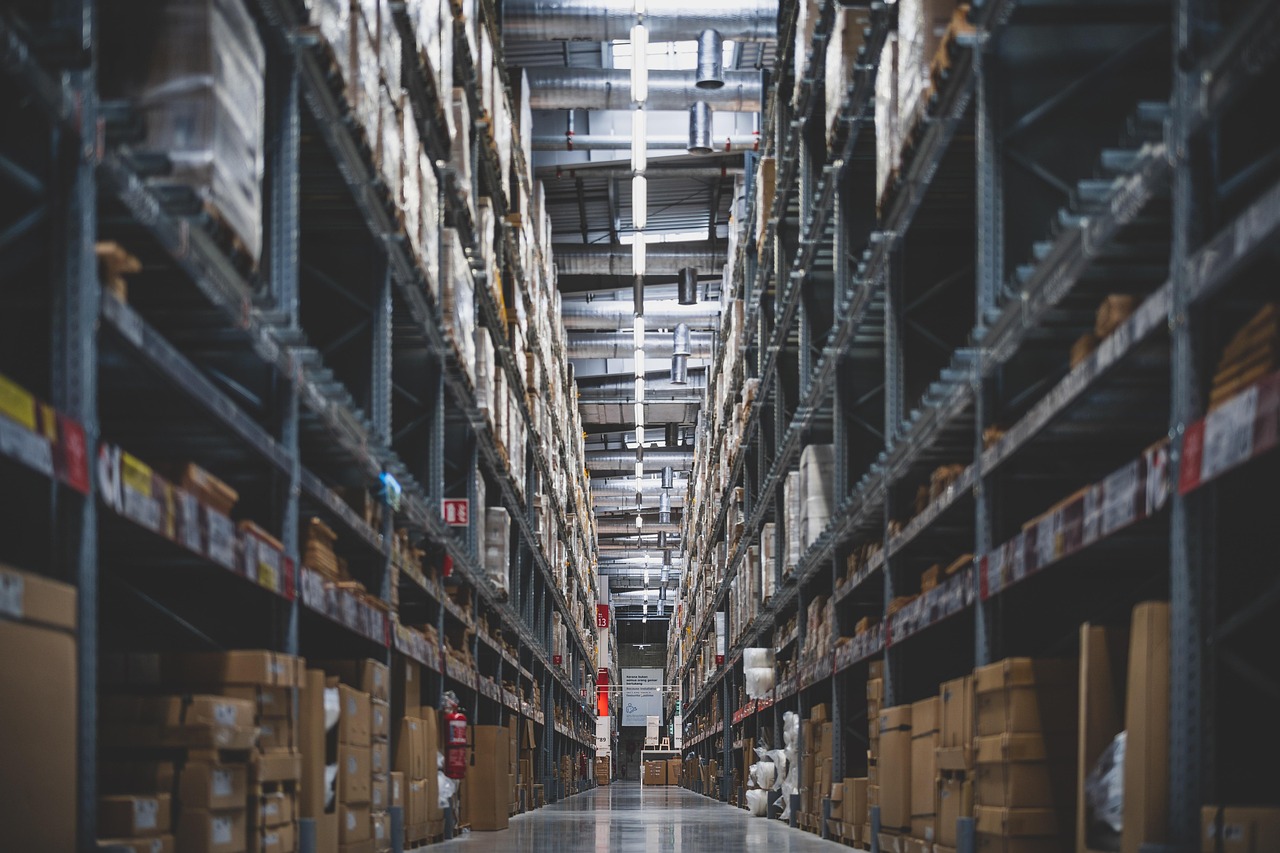
As global supply chains become increasingly complex, sustainable and safe warehouse operations have emerged as a top priority for logistics leaders. This article explores how integrating sustainability and safety can yield significant operational, environmental, and reputational benefits. It highlights key operational risks in warehousing, tools for mitigating them, and how technology, employee engagement, and performance metrics play a pivotal role in building resilient warehouse environments. By aligning occupational health standards with environmental performance goals, organizations can future-proof their logistics strategies and lead responsibly in an evolving regulatory and consumer landscape.
Funding
No external funding was declared for this work.
Conflict of Interest
The authors declare no conflict of interest.
Ethical Approval
No ethics committee approval was required for this article type.
Data Availability
Not applicable for this article.
Mustafa Hashem M. Al-Naser. 2026. \u201cSustainable Warehouse Operations Safety: Integrating Risk Mitigation and Environmental Performance in Modern Logistics\u201d. Global Journal of Management and Business Research - A: Administration & Management GJMBR A Volume 25 (GJMBR Volume 25 Issue A5): .
## I. INTRODUCTION
In the past, warehouse operations focused heavily on efficiency and cost minimization. However, increasing environmental scrutiny, evolving safety regulations, and stakeholder demand for ethical operations have reshaped this focus. Warehousing today must not only support high-throughput logistics but also maintain safe, sustainable environments that reduce risk, conserve resources, and prioritize worker well-being. As agencies like OSHA, ISO, and the EPA push for integrated management systems, organizations must reimagine operational models that unify environmental stewardship with health and safety excellence.
## II. INDUSTRY CONTEXT AND OPERATIONAL DRIVERS
The modern warehouse is shaped by multiple converging forces: the rise of e-commerce, the proliferation of energy-intensive technologies, regulatory tightening, and heightened consumer expectations for green practices. Warehouses have become energy hotspots and high-risk zones for workplace injuries, especially in facilities operating around-the-clock.
Drivers prompting the shift toward integrated safety and sustainability include:
- Rising energy and fuel costs
- Stringent emissions and waste disposal regulations
- Increased automation and electrification of warehouse fleets
- Worker safety concerns in fast-paced, high-load environments
For companies, aligning with international standards such as ISO 14001 (Environmental Management) and ISO 45001 (Occupational Health and Safety) offers a structured path to meet these challenges while enhancing competitiveness.
## III. SUSTAINABLE DESIGN PRINCIPLES FOR SAFER WAREHOUSES
### a) Energy-Efficient Infrastructure
Energy use in warehousing particularly in lighting, heating, and cooling offers opportunities for simultaneous cost reduction and safety improvement. Here are some of the key drivers towards energy-efficient infrastructure:
- LED lighting with motion sensors
- Smart HVAC systems
- Solar energy and daylighting via skylights
- Insulated roofing and walls
Implementing the above helps in creating well-lit, climate-controlled environments that reduce incident risks and energy footprints.
### b) Ergonomic and Inclusive Workspaces
Poor ergonomics is a leading cause of warehouse injuries. Facilities are highly recommended to integrate:
- Adjustable racking and workbenches
- Mechanical lifts and carts
- Anti-fatigue flooring
- Ergonomic hand tools
helping to reduce musculoskeletal disorders and improve productivity across a diverse workforce.
### c) Safe Storage of Sustainable Materials
Sustainable operations often involve handling recyclable, biodegradable, or battery-powered materials. Safety can be compromised without proper storage and handling, necessitating:
- Fire-resistant and leak-proof containers
- Clear labeling and segregation protocols
- Spill containment plans
- Special zones for lithium-ion battery storage
## V. OPERATIONAL RISKS AND MITIGATION STRATEGIES
Despite progress, warehouse environments continue to present significant risks. Identifying and mitigating these risks is essential to sustainable safety performance.
<table><tr><td>Risk Area</td><td>Potential Hazards</td><td>Mitigation Tools</td></tr><tr><td>Material Handling</td><td>Struck-by incidents, lifting injuries</td><td>Forklift automation, adjustable platforms, wearable sensors</td></tr><tr><td>Slip/Trip Hazards</td><td>Spills, poor lighting, cluttered aisles</td><td>Non-slip floors, motion lighting, routine inspections</td></tr><tr><td>Equipment Failures</td><td>Conveyor or forklift malfunctions</td><td>Predictive maintenance, digital diagnostics, real-time dashboards</td></tr><tr><td>Indoor Air Quality</td><td>Dust, diesel fumes, poor ventilation</td><td>Air filtration systems, electric MHE, HVAC monitoring via IoT</td></tr><tr><td>Chemical/Battery Storage</td><td>Fires, leaks, incompatible materials</td><td>Safety labeling, chemical zoning, battery insulation systems</td></tr></table>
## VI. INTEGRATED RISK ASSESSMENT MODELS
Modern warehouses require updated risk assessment methodologies that combine environmental and occupational factors. Best practices include:
- Job Safety Analysis (JSA): Incorporating ergonomic and environmental risks into task-level assessments
- Lifecycle Hazard Evaluation: Evaluating the total environmental and safety impact of materials and equipment
- Dynamic Risk Mapping: Using heat maps and digital twins to simulate and visualize hazard zones
- Sensor-Based Alerts: Real-time monitoring for air quality, heat exposure, and noise levels
Emergency protocols must also evolve to include procedures for energy-related risks such as battery fires or bio-based material leaks.
## VII. WORKFORCE ENGAGEMENT AND SAFETY CULTURE
The human element remains pivotal. Safety and sustainability are most effective when embraced by the workforce. Key initiatives include:
- Regular training on safe handling of green materials
- Ergonomic practice demonstrations
- Employee-led sustainability committees
- Recognition programs for safety compliance
- Transparent communication on safety and environmental performance
Engaged workers are more likely to report risks, propose improvements, and uphold best practices.
## VIII. ROLE OF TECHNOLOGY AND INNOVATION
Technology is a catalyst for safer, greener operations. The integration of smart tools enables risk visibility, automation, and predictive responses:
- IoT Sensors: Measure temperature, gas levels, humidity, and motion
- AI-Based Predictive Maintenance: Minimizes unplanned downtime and mechanical failure risks
- Wearables and AR: Provide real-time alerts on posture, fatigue, and hazard proximity
- Automation: Robotics and AGVs reduce manual handling in high-risk zones
Digital control centers can unify environmental data and incident tracking, facilitating evidence-based decisions.
## IX. PERFORMANCE METRICS AND CONTINUOUS IMPROVEMENT
Performance measurement ensures accountability and identifies improvement opportunities. Recommended indicators include:
- Safety Metrics: TRIR (Total Recordable Incident Rate), near-miss frequency, lost-time injuries
- Environmental Metrics: Carbon emissions per unit shipped, energy consumption, waste diversion rates
Annual internal audits, ISO standard benchmarks, and continuous employee feedback help close the loop between planning and execution.
## X. STRATEGIC RECOMMENDATIONS
1. Align with ISO 45001 and ISO 14001: To integrate sustainability and safety into core management systems.
2. Upgrade Infrastructure: To energy-efficient lighting, ventilation, and power sources.
3. Invest in Predictive Technologies: Including AI and IoT for real-time safety and environmental monitoring.
4. Reassess Risk Regularly: Especially concerning battery use, material storage, and equipment handling.
5. Foster a Safety Culture: By rewarding compliance, empowering peer-to-peer initiatives, and prioritizing transparency.
6. Modernize Emergency Protocols: To address eco-friendly materials and automated system failures.
## XI. CONCLUSION
The integration of safety and sustainability is no longer a peripheral initiative- it is central to operational excellence in warehousing. By investing in both human-centric design and technological innovation, companies can create resilient, responsible operations that are fit for the future. Warehouses that adopt these dual priorities not only reduce risks and operational costs but also gain trust from stakeholders, regulators, and customers alike.
As global supply chains become increasingly complex, sustainable and safe warehouse operations have emerged as a top priority for logistics leaders. This article explores how integrating sustainability and safety can yield significant operational, environmental, and reputational benefits. It highlights key operational risks in warehousing, tools for mitigating them, and how technology, employee engagement, and performance metrics play a pivotal role in building resilient warehouse environments. By aligning occupational health standards with environmental performance goals, organizations can future-proof their logistics strategies and lead responsibly in an evolving regulatory and consumer landscape.
Our website is actively being updated, and changes may occur frequently. Please clear your browser cache if needed. For feedback or error reporting, please email [email protected]
×
This Page is Under Development
We are currently updating this article page for a better experience.
Thank you for connecting with us. We will respond to you shortly.