## I. INTRODUCTION
Socialization is the process through which individuals acquire the norms, cultures, and ideologies of a particular social setting by interacting with other people and social institutions (Billingham 2007). Teacher socialization is a continuous and multifaceted process that shapes individuals as they enter and progress in the teaching profession, involving various experiences, interactions, and influences (Lawson 1986). Gaining a comprehensive understanding of the teacher socialization process is essential to promote the physical education profession as it contributes to the improvements of recruitment, retention, preparation, and support for physical education teachers. This is especially crucial given the current precipitous decline in enrollment in physical education teacher education (PETE) programmes in the United States (Richards et al. 2021; van der Mars 2018).
### Occupational Socialization Theory
Occupational socialization theory (OST) has served as a theoretical framework for research with respect to the exploration of teacher socialization in physical education. Lawson (1986) defined occupational socialization as all forms of socialization that initially influence individuals to pursue a career in physical education and subsequently shape their perceptions and actions as teacher educators and teachers. Since the influential works of Lawson (1983a, 1983b), researchers have devoted four decades to investigating the socialization process of physical education teachers who enroll in physical education teacher education (PETE) programmes, undergo training in the programme, and enter schools as a physical education teacher. Guided by OST, researchers have examined how individuals become members of the physical education teacher's society and explored the factors and experiences that impact their decisions and behaviors during this journey (Richards et al. 2014). Teacher socialization is considered a dialectical exchange, wherein teachers are influenced by a variety of factors while actively participating in their own socialization (Schempp and Graber 1992; Zeichner and Gore 1990). This socialization process includes three phases: acculturation, professional socialization, and organizational socialization (Richards et al. 2014).
Acculturation, the first phase, begins from birth and continues until an individual decides to join a teacher education programme, aspiring to become teachers (Grotjahn 1991). During this phase, individual experiences and interactions shape attitudes, perceptions, and beliefs about teaching physical education, laying the foundation for initial understanding (Lawson 1986; Richards et al. 2014). Acculturation establishes the cognitive structures related to physical education and helps individuals comprehend its value (Grotjahn 1991; Lawson 1983b). During this phase, factors such as apprenticeship of observation, subjective warrant, personal sport experience, family members who are educators, and influence of coaching and teaching mentors collectively contribute to their decision to pursue a career in the profession of physical education (Curtner-Smith 2017; McCullick et al. 2012; Richards et al. 2014).
Once individuals enter a PETE programme, the process of professional socialization begins (Lawson 1983b). Through PETE, preservice teachers receive professional training to acquire and uphold values, sensitivities, skills, and knowledge deemed essential for teaching physical education (Lawson 1983b; Richards et al. 2014). These experiences shape their attitudes, competence, and confidence in teaching physical education, preparing them as qualified teacher candidates. Consequently, PETE programmes have a substantial impact on preservice teachers' value orientation and teaching behaviors in physical education (Ennis and Chen 1993; Wright et al. 2015). More specifically, various factors, including PETE faculty profiles, shared technical culture, field experiences, methods courses, foundation courses, and individual value orientations, contribute to the professional learning and growth of these future teachers (Richards et al. 2014; Sofo and Curtner-Smith 2010; Stran and Curtner-Smith 2009).
Organizational socialization occurs when individuals take on the role of K-12 physical educators (Lawson 1983b). Transitioning from PETE to the workforce, individuals embark on their journey as physical education teachers and actively pursue continuing professional development to enhance teaching effectiveness (Richards et al. 2014). Organizational socialization is crucial, directly impacting teachers' teaching practices and student learning. Several critical factors are at play in this process, encompassing school contexts, institutional expectations, socializing agents, marginality and isolation, policies, and professional organizations (Banville and Rikard 2009; Richards et al. 2014; Stroot and Whipple 2003). Among these factors, the marginalization status of physical education in the school context is viewed as one key element that complicates the socialization process for teachers (Eldar et al. 2003).
Prior studies have focused on specific phases of teacher socialization (i.e., acculturation, professional, organizational) (Lawson 1986; Richards et al. 2014). Yet, there is a gap in the research that spans the lives and careers of physical education teachers to understand how socialization evolves over time. Further, a literature review by Richards et al. (2019) indicates that previous qualitative studies regarding teacher socialization in physical education relied primarily on interview and observation methodologies. Therefore, a methodological approach of capturing critical incidents over time would be worthwhile considering the continuous nature of the socialization process. In this vein, the purpose of this study was to utilize the critical incident technique (CIT; Flanagan 1954) to gain a holistic understanding of the teacher socialization process in physical education. By adopting this approach, the study identifies the constructive aspects that nurture teachers' professional growth, while also highlighting the adverse factors that present inherent challenges in this process. Therefore, guided by OST (Lawson 1986), this study explores both the positive and negative factors that significantly influenced physical education teachers' choices to enter the PETE programme, their experiences within the programme, and their experiences in schools since.
## II. METHOD
### a) Critical Incident Technique Qualitative Methods
The CIT is a potent qualitative research method involving gathering and analyzing incidents (behaviors or events) with a substantial impact on individuals' experiences and behaviors within a specific context (Flanagan 1954). The CIT has been utilized across various fields such as psychology, social sciences, human resources, training and development, and education, serving as a tool for highlighting the characteristics of successful individuals (e.g., leaders, doctors, etc.) and essential requirements for processes (e.g., training programmes, services). Critical incidents can be collected through various means, including observation, interviews, questionnaires, record forms, diary studies, digital media, and others (Edvardsson and Roos 2001; Flanagan 1954). The versatility and adaptability inherent in CIT make it an effective instrument in research endeavors.
In a study of teacher role conflict, Iannucci and MacPhail (2018) employed the CIT using a living graph and interviews, to examine a teacher's career in relation to their experiences of teaching physical education and another school subject. The CIT employed in our study comprises a critical incident timeline that is presented graphically, featuring a horizontal axis representing time and a vertical axis illustrating the degree of impact (see
Figure 1). The horizontal axis was divided into the three phases of OST and the vertical axis encompassed both positive and negative impacts. Supplemental interviews enable participants to interpret and elaborate on the events that significantly impacted them.
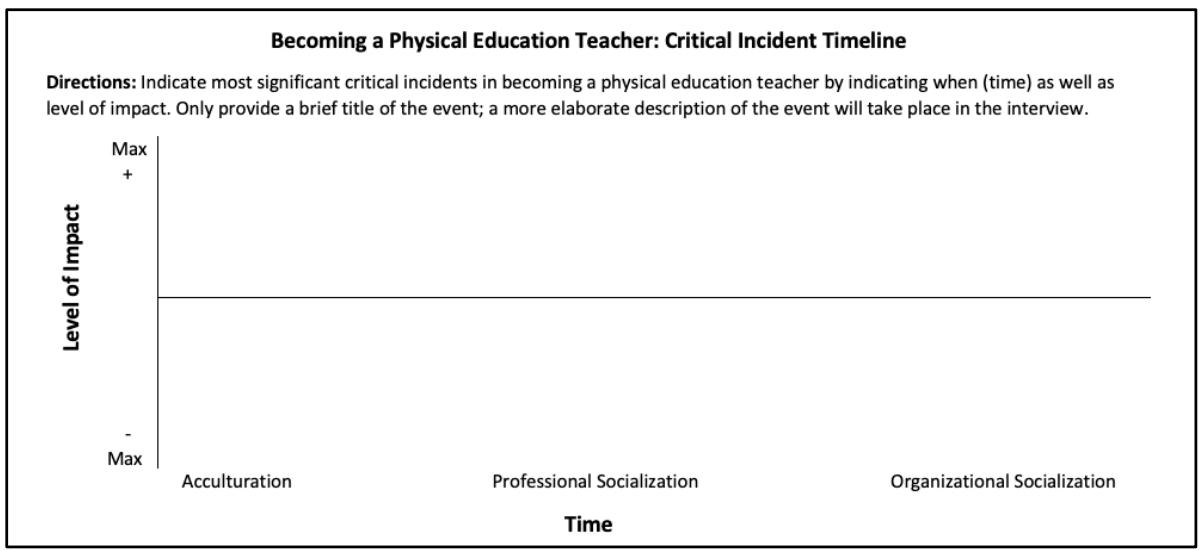 Figure 1: Critical Incident timeline.
### b) Approach
A comparative case study design (Merriam and Tisdell 2015) was employed for this study, which involved two distinct cases: an elementary physical education teacher and a secondary physical education teacher. This approach can enhance the precision, validity, and stability of the findings by analyzing both the similarities and differences between the two cases (Miles et al. 2014). This study involved comparing and contrasting the socialization processes of two physical education teachers across the three phases of OST, aiming to explore various aspects of their socialization, identify patterns, and derive meaningful conclusions.
### c) Participants
Participants in this study were two physical education teachers located in one state in the Western United States, representing mid- and late-career physical education teachers. They graduated from the same PETE programme but at different times. Pseudonyms were provided to ensure their privacy and confidentiality. One of the participants, Jayden (male, 31 years old, Black Hispanic and Latino), is a physical education teacher in a K-5 elementary school, who has been teaching in the same school for almost seven years. This was his first full time job as a physical education teacher since he graduated from the PETE programme. He has also been a middle school basketball coach for four years. Jayden's teaching philosophy is to expose students to a variety of skills and activities to help them keep physically active and healthy for the rest of their life. Tara (female, 40 years old, White), a physical education teacher in a K-8 school, has a total of 18-years teaching experiences in physical education with seven years at an elementary school (K-5) and 12 years at her current school. She has an undergraduate degree in physical education and a master's degree in educational leadership with a principal's license. She coaches dance and gymnastics at her current school. Her teaching philosophy is to help children stay healthy and become lifelong movers.
### d) Data Collection Procedures
During the first meeting, teachers received clear instructions about how to complete the critical incident timeline and pinpointed when, and to what extent the most significant incidents that influenced their paths as physical education teachers. After completing the timelines, each teacher took part in a semi-structured interview. The interview protocol was designed in accordance with the three phases of OST. During the interview, participants elaborated on each critical incident in detail that was plotted on their timelines and responded to additional interview questions. Sample questions included, "talk about the plotted critical incidents in PETE" and "in your opinion, what was missing from the PETE programme?"
### e) Data Analysis
Thematic analysis and cross-case analysis were utilized to dissect teachers' critical incident timelines and their responses to the interview questions (Creswell and Poth 2008). When analyzing the timelines, researchers identified significant events that exerted either positive or negative influences on teachers' socialization and subsequently generated initial codes. Similarly, in the analysis of interview data, researchers read the interview transcripts multiple times, identified critical incidents directly pertinent to teachers' socialization, and generated corresponding codes in the margins. Next, patterns were created that included codes with similar meaning. Specifically, for each teacher across the three phases, codes with analogous or comparable meanings were grouped together by the researchers. Following this, themes were developed and defined according to their distinctive properties and dimensions. Ultimately, cross-case analysis was conducted between the two cases (Corbin and Strauss 2008). The researchers compared the themes that encapsulated teachers' socialization throughout the three phases, discerning both similarities and differences.
### f) Trustworthiness
Trustworthiness was established using several techniques, including triangulation, peer debriefing, member checking, and an audit trail. First, triangulation was employed, which involved multiple investigators and diverse data sources (i.e., critical incident timeline and interviews) to corroborate the findings (Creswell and
Poth 2008). Furthermore, the second author served as a peer debriefer in this study, reviewing and assessing the methods and findings to enhance the validity and credibility of the study (Merriam and Tisdell 2015). Next, member checking was conducted by requesting participants to validate the critical incidents and corresponding impact levels on their timelines. Lastly, an audit trail was maintained throughout this study, which provided a transparent account of the research process from project inception to findings reporting (Merriam and Tisdell 2015).
## III. RESULTS
The two cases of Jayden and Tara explored the socialization of two physical education teachers over their lifespan, showcasing the key factors (both positive and negative) that influenced their development. Results are represented according to the three phases of OST (e.g., acculturation, professional socialization, and organizational socialization phases) for Jayden and Tara respectively.
### Jayden's Socialization
The key factors influencing Jayden's acculturation included sports and a coaching background, harmful behaviors of friends, parent expectations, and inspirational coaches. Jayden's professional socialization was shaped by PETE coursework and influential agents. His organizational socialization was influenced by students' needs, supportive agents, classroom teachers' perceptions of his subject, and a value of physical education. Figure 2 represents Jayden's critical incident timeline.
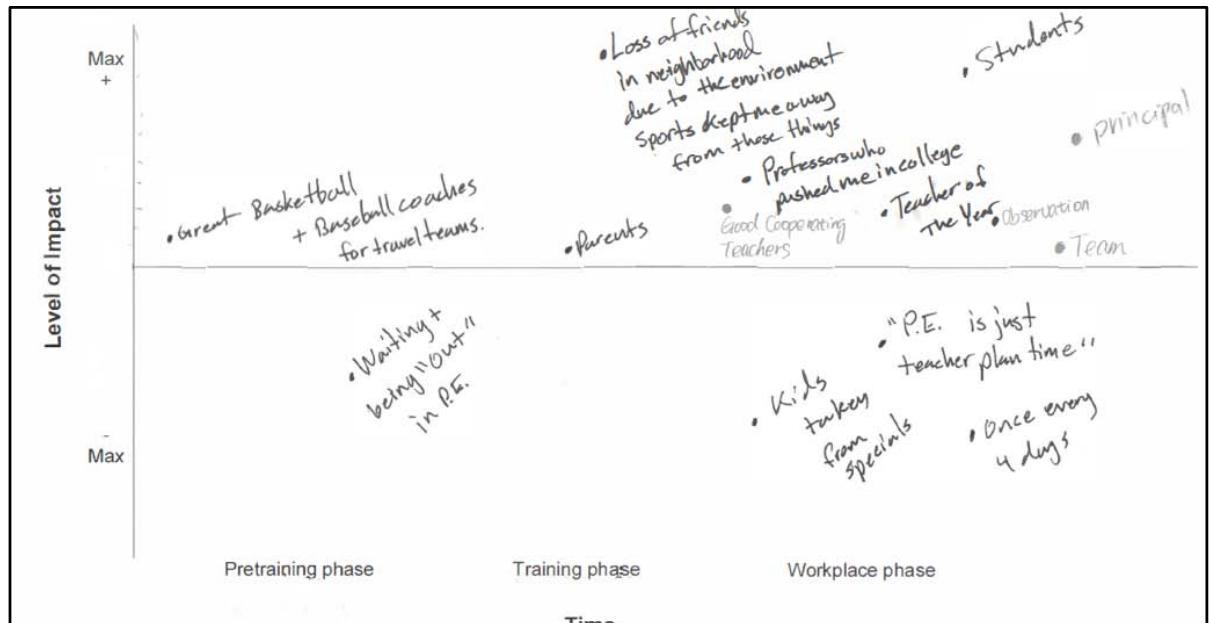 Figure 2: Jayden's Critical Incident Timeline Across Three Phases
### a) Acculturation
Sports and a Coaching Background: Jayden was enthusiastic about sports and being physically active and he participated in various team sports during his childhood. His personal passion for sports led him to consider pursuing a major in physical education. Additionally, Jayden engaged in coaching basketball teams during his high school years, which reinforced his passion for coaching and working with young children. As Jayden shared:
I always knew that I would end up coaching because I had done it before, and I just knew that I would coach. Even if I did have a different profession than teaching or physical education, I would still coach (Jayden, Interview 2).
Harmful Behaviors of Friends: Observing the adverse consequences of his friends' harmful behaviors (e.g., being arrested) on families and the broader community, Jayden was motivated to make a positive difference. Initially, Jayden's career aspirations led him toward becoming a personal trainer; however, he later reconsidered this path as he recognized the potential to positively influence a group of students in the role of a physical education teacher. Exposing these students to a variety of physical activities can offer alternatives for children's leisure pursuits, thereby negating the allure of detrimental activities both for their personal growth and the betterment of the community. The impact of friends held the most significant influence on Jayden's acculturation, as indicated by the timeline (see Figure 2).
Parent Expectations: Jayden reported that his mother earned a bachelor's degree and when he initially considered halting his education after obtaining an associate degree, his mother expressed disappointment. As a result, Jayden resolved to persevere with his schooling. He reflected, 'I could see the disappointment in her face when I basically said I am going to quit. So when I saw that look on my mom's face, I knew I had to keep going' (Jayden, Interview 1).
Inspirational Coaches: Jayden indicated that he was inspired by the dual roles that coaches also serving as physical education teachers take. Specifically, his basketball and baseball coaches left a lasting impact. Beyond imparting sports skills, these coaches instilled in him the values of respect, diligence, and perseverance, contributing to his personal growth and development. As he reported during the interview,
It seems like there's always kids who had really good coaches that ended up doing similar things. Like both of my coaches were also teachers at some point. When you look up to someone so much, you just almost ended up doing the same thing that they did (Jayden, Interview 1).
### b) Professional Socialization
Coursework: Jayden pointed out that the PETE programme prepared him well to become a strong teacher. He gained content knowledge, teaching skills, and job searching strategies from a variety of courses. He also emphasized the importance of observation, discussion, and reflection in those courses. Specifically, Jayden highlighted methods courses in which he honed his abilities in course design, assessment, and teaching practices. For example, he shared his experiences within the elementary methods course:
We would observe students in the classroom settings, see the way the physical education teachers run their classes. And then, she (instructor) would relate what we saw from that teacher to the textbook, like "Did you notice how he went from this task and then he modified it or added an extension task?" (Jayden, Interview 2).
Jayden also highlighted the diversity and progression of his field experiences, which were required aspects of several courses. In terms of diversity, he reported that he was exposed to students at various levels in different schools. Additionally, he participated in student teaching for both elementary and secondary school physical education. Concerning progression, Jayden and his peers started with observations, proceeded to teaching within a small group, and ultimately engaged in individual teaching throughout the PETE programme. He shared this about his student teaching experience:
We get to student teach for eight weeks with both age groups of students, eight weeks elementary physical education, eight weeks secondary physical education. So we were exposed to all different levels of students and just get an idea of where might I fit in the best when I become a teacher (Jayden, Interview 1).
Influential Agents: Jayden highlighted how the PETE faculty, cooperating teachers, and cohort groups significantly influenced his professional socialization. He indicated that the faculty demonstrated care for him and inspired him, 'They really cared about me, and they really did believe that I could be a good PE teacher' (Jayden, Interview 1). He also emphasized the robust support system within his cohort where they helped one another to be successful in the programme. Jayden acknowledged the crucial role of his student teaching cooperating teachers (one elementary and one secondary) in enhancing his teaching practice (see Figure 2):
Both of them were really good. I still talk to both of them when I can. They were not the type of people who just said, 'here you go, go teach', we had a system to help kind of progress me into the full teaching by myself (Jayden, Interview 2).
### c) Organizational Socialization
Student Needs: As plotted in Figure 2, students' needs were a pivotal factor in his socialization journey. Jayden noted that students at his school had diverse backgrounds, they navigate challenges such as trauma, social-emotional struggles, and behavioral challenges. In response to these circumstances, he sought to build a learning environment where students feel valued and cared for. As he said, 'knowing that the things that they go through every day, it makes you understand why they may be doing some of the things that they're doing' (Jayden, Interview 1). The needs of these students served as the foundation upon which he designed his physical education programme and impacts the way he teaches on a daily basis.
Supportive Agents: Jayden interacted with a variety of individuals, among them, the experienced physical education teachers in the district, the specialist team at the school, and his principal (see Figure 2) – all of which he identified as key agents that influenced his teaching. He had the opportunity to observe fellow physical education teachers and gained ideas from their practices. He also mentioned the positive collaboration with the specialist team at the school as something that is very influential in his development. Additionally, he expressed his appreciation for the support provided by the principal. He said:
There are schools that will kick physical education teachers out of the gym for testing, for lots of different things. And she's done a really good job of trying to keep me in my space and letting me have my time (Jayden, Interview 1).
Classroom Teachers' Perceptions: Jayden reported that classroom teachers perceived physical education as a break rather than an integral part of student's education. He lamented, 'it almost seems like it (physical education) is treated as a break for the kids so that it's not seen as part of their school day and as their education' (Jayden, Interview 1). Classroom teachers' negative perceptions were somewhat discouraging, but also drove him to advocate for physical education at his school. As he emphasized, 'it makes you want to show your building all of the things that you're doing. You are teaching content, and you are teaching very important life skills' (Jayden, Interview 2).
Value of physical education: Jayden indicated that his past experiences had shaped his value in physical education. These experiences included facing personal health issue in childhood, experiencing waiting times in physical education, appreciating PETE faculty's care, and witnessing the relationships that cooperating teachers built with their students, and so on. Consequently, he strove to establish a caring and supportive learning environment for students. Jayden reported that he was committed to maximizing learning time, including social skills, and introducing nutrition in his classroom. Receiving the Teacher of the Year award (see Figure 2) in his state influenced his motivation to stay current and to continue to focus on being a great teacher.
#### Tara's Socialization
Tara's acculturation was influenced by a relationship with a physical education teacher, being disinclined towards academic, engagement in practical courses, and a passion for working with children. Her professional socialization was shaped by evolution of the PETE programme, impact of PETE faculty, having a quality cooperating teacher, and a former physical education teacher. Her organizational socialization was impacted by previous physical education experiences, continuing connection with the PETE programme, influential agents, as well as marginalization and burnout. Figure 3 depicts Tara's experiences during acculturation and professional socialization.
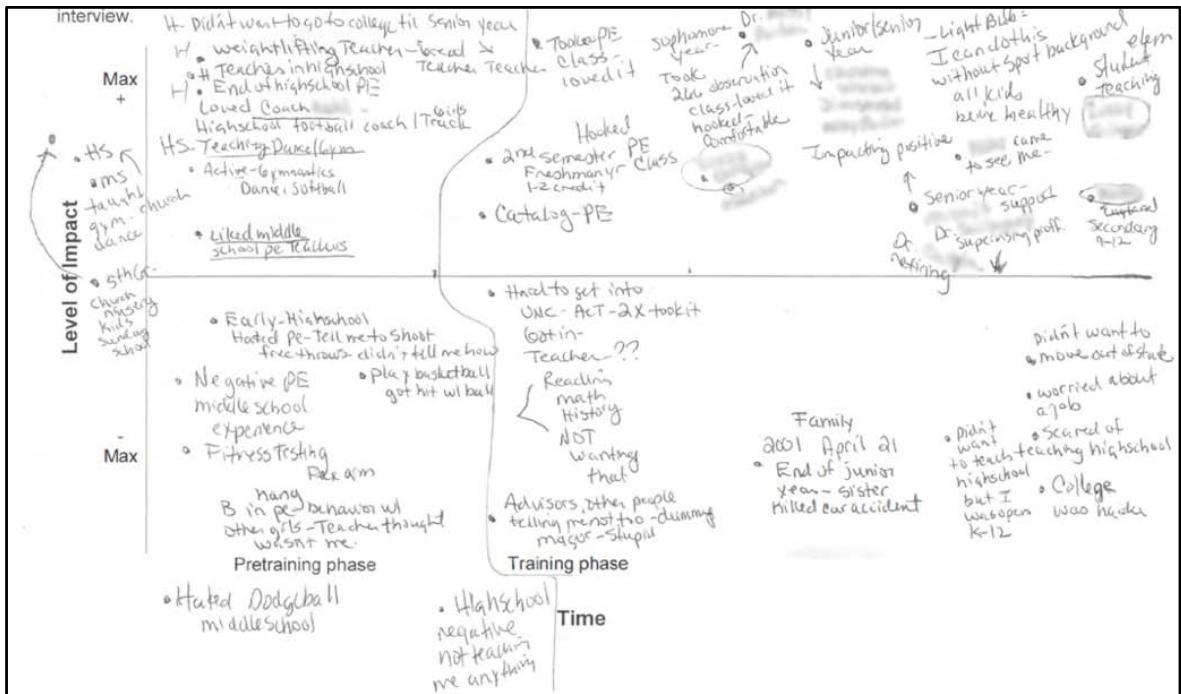 Figure 3: Tara's Critical Incident Timeline in Acculturation and Professional Socialization
### a) Acculturation
Relationship with a Physical Education Teacher: Tara stated that she enrolled in Mr. K's weightlifting classes throughout high school, during which she had positive learning experiences (see Figure 3). During that period, she built a strong relationship with Mr. K, who was her favorite teacher. Tara highlighted the significant role that Mr. K played in shaping her decision to pursue a teaching career. She shared:
It was my senior year when I kind of got in when I decided I wanted to teach. It was kind of because of him. He was impactful for me wanting to actually go to college and maybe be a teacher. I didn't know what kind of teacher, but I knew I wanted to be a teacher. I had a couple of favorite teachers, he was probably the biggest one (Tara, Interview 1).
Disinclined towards Academics: Tara reported a preference for the arts over academic pursuits. As she stated, 'I don't like academics. I'm an arts kid, I did not survive high school without having dance, gymnastics, band, and orchestra, those were my classes' (Tara, Interview 1). This is also evident in her timeline (see Figure 3). During high school and her first semester of college, she held a desire to become an elementary teacher, although the specific subject or grade level remained undefined, she explained:
I kind of kept looking what do I want to do? I want to be a teacher. Where can I go? What can I do? History? Reading? Math? No. I kind of kept going through all the content areas. I knew I wanted to be elementary, so I was thinking of declaring as an elementary education (Tara, Interview 1).
Engagement in Practical Courses: During the second semester of college, Tara enrolled in a one-credit practical course (i.e., dance education), which sparked her. She realized that teaching physical education was the path she desired to pursue. As she delved deeper into the PETE program, Tara's enthusiasm for becoming a physical education teacher grew stronger with each passing class. She articulated, 'every class I took from then on out in PETE, any of the classes just kept confirming that I knew I wanted to be a PE teacher' (Tara, Interview 2).
Passion for Working with Children: Tara indicated that she loved working with children. During her time in middle and high school, she secured a position teaching dance to children aged five to eight at a local dance studio (see Figure 3). She said, 'I've always been working with kids so I came in wanting to teach them about living healthy lifestyles. And that's kind of where my decision went for that' (Tara, Interview 1). Furthermore, she reported that she chose to disregard the opinions of others and ultimately opted for physical education. She shared an instance where the university advisor recommended considering other majors, but 'I kind of ignored everybody around me telling me not to do that (physical education)' (Tara, Interview 1).
### b) Professional Socialization
Evolution of the PETE programme: Tara reported that in her junior and senior years, the PETE programme underwent a curriculum transition from a coaching-oriented to pedagogy-oriented approach. She emphasized that the revised programme was more effective for her professional growth. She mentioned learning about classroom management and professionalism but also noted a lack of pedagogical content knowledge and field experiences. She explained, 'we did get out to teach a little bit, but it was not like what the elementary physical education methods course looks like now, we didn't get as much field experience at that point' (Tara, Interview 2).
Impact of PETE Faculty: As indicated in Figure 3, Drs. P and S influenced Tara's professional growth and their passion inspired her to advocate for the profession. 'They taught me to love the profession and to respect the profession and to fight for the profession' (Tara, Interview 2). She not only gained knowledge in their classes, but also received their care. For instance, Drs. P and S reached out to her when she faced the loss of her sister to provide her with their sympathy and support.
Quality Cooperating Teacher: Tara participated in student teaching alongside Ms. K at a high school and Ms. L at an elementary school. She indicated that both cooperating teachers served as effective mentors, aiding her in enhancing her teaching practices. She shared her experiences working with Ms. L:
I was fairly natural with the little kids, but that doesn't make you even know all the good teaching practices. I learned a lot from her on how to engage K-2 students...I was good with little kids, but Ms. L refined it and just made all the teaching practices, classroom management better (Tara, Interview 1).
Former Physical Education Teacher: Tara maintained the connection with Mr. K, who had a significant impact on her during high school. Tara had the opportunity to coach track alongside Mr. K while she was student teaching in her last semester of the PETE programme. She reflected, 'he was just a good teacher, gentle with high school girls. He was good at both [teaching and coaching], and good at relationships, appropriate relationships with kids' (Tara, Interview 2).
### c) Organizational Socialization
Previous Physical Education Experiences: As shown in Figure 3, Tara noted that she had negative experiences in secondary school physical education. She lamented, 'I hated dodgeball in middle school physical education. I hated getting hit with the ball' (Tara, Interview 2). Simultaneously, she emphasized her lack of learning in these classes, saying, 'it's like roll out the ball, they're making me go play flag football and I know don't know how to play' (Tara, Interview 2). As a result, these negative experiences influenced her current teaching practices. She explained: 'The negative experiences of what I didn't learn taught me what I want to be because I don't want my students to have those negative experiences' (Tara, Interview 1).
Continuing Connection with the PETE programme: Tara stayed connected with the PETE programme through research and service. Early in her career, the PETE programme faculty included her in a grant focusing on enhancing physical education within the district. They collaborated to conduct research and present results at conferences. Since her seventh year of teaching, the faculty had brought preservice teachers to her school for practicum and student teaching experiences. Tara indicated that her interactions with preservice teachers has provided her with valuable ideas. She reported:
My student teacher taught me a couple things that I'm using right now. I could see it with the teacher candidate's teaching. I would see those progressions and they basically helped me. I learned kind of into that next level of when I became a teacher (Tara, Interview 2).
Influential Agents: Tara stated that she contacted Ms. L (her former cooperating teacher) for assistance, observed her co-teacher's teaching, benefited from a principal with high expectations, and experienced support from a specialist team at both her former and current school. However, the challenges at her previous school including student behavioral issues, the appointment of a new principal, and the retirement of colleagues contributed to her frustration and ultimately influenced her decision to accept a position at her current school. After 14 years of teaching, encouraged by the PETE programme faculty and her husband, Tara went back to school to pursue a master's degree in leadership with principal licensure. Despite facing multiple obstacles such as, 'student loans, time away, building committees, district PE [physical education team], lead teacher [at her school]' (Tara, Interview 2), she persisted and achieved her master's degree.
Marginalization and Burnout: Tara highlighted that she was currently facing some real challenges, including the retirement of her partner physical education teacher, the assignment of physical education teaching to a classroom teacher, the school's decision not to hire a new physical education teacher, and a reduction in instructional time for physical education. These factors collectively had a negative impact on her passion for the profession. What she believed to be the marginalization of physical education at her school led her to feel burnout in teaching while her interest in administration continued to develop. Consequently, Tara indicated that she was applying for an assistant principal position as the next phase of her career journey. She explained:
I do want to pursue the admin piece of it. That's the track I really want to go to and as this next phase of my career. In the meantime, I don't hate my job, but I'm struggling a little bit. I'm just getting tired and I'm not sure I want to be in physical education until I retire. I want to know what's happening with budget, with safety, supervision. I love supporting other teachers. My heart is just still telling me that I want to go up a level (Tara, Interview 1).
## IV. CROSS-CASE COMPARISON AND DISCUSSION
The purpose of this study was to utilize the CIT to gain a holistic understanding of the teacher socialization process of physical education teachers.
The results presented the socialization process of two physical education teachers across the three phases (i.e., acculturation, professional socialization, and organizational socialization phases). Key incidents, both positive and negative, were identified within each phase for each teacher. This section delves into the similarities and differences between the two teachers through a cross-case comparison, synthesizes previous related research, and shares overall insights into physical education teacher socialization derived from this study.
### a) Acculturation
Research has revealed that factors such as individuals' sport background, physical activity involvement, previous physical education experiences, and influential agents (e.g., parents, siblings, peers, teachers, and coaches) significantly influence their decision to enroll in PETE programmes (Curtner-Smith 2017; McCullick et al. 2012; Ralph and MacPhail 2015). The results of in this study indicated that participants' sports background contributed to their consideration of physical education as a means to maintain a connection with sports (McCullick et al. 2012; Placek et al. 1995). Their sports participation and coaching experiences led to their choice to pursue physical education teaching as a career. Furthermore, the influential agents (i.e., parents, friends, coaches, and physical education teachers) play a vital role in guiding participants towards this profession. Given the significant impact of physical education teachers and coaches on career decisions, nurturing positive and supportive relationships between coaching and teaching mentors and students can be an effective strategy to encourage individuals to pursue careers in physical education.
### b) Professional Socialization
Research has shown that PETE faculty, cohort groups, coursework, early field experiences, student teaching, programme culture, cooperating teachers, and subjective theory significantly influence preservice teachers' professional growth (Sofo and Curtner-Smith 2010; Stran and Curtner-Smith 2009). In this study, coursework, field experiences, influential faculty, cooperating teachers, and cohort peers all played crucial roles in shaping participants' professional socialization, influencing their knowledge, skills, and dispositions toward teaching physical education. As evidenced in prior research that emphasizes the importance of close cohort groups and supportive faculty (Sofo and Curtner-Smith 2010; McEntyre and Richards 2023), both teachers appreciated the care showed by PETE faculty and support from their cohort. Therefore, apart from a quality PETE curriculum that ensures effective learning, a supportive environment is essential in retaining individuals within the physical education profession. Faculty could exhibit care for their students and promote the copetition among peers.
Recognizing the powerful influence of cooperating teachers' high-quality mentorship on promoting preservice teacher's teaching practices (e.g., Graber 1996; Sofo and Curtner-Smith, 2010), it is advisable for the PETE programme or the university to consider the quality of cooperating teachers when selecting placement for student teachers. A distinguishing factor exists between Jayden and Tara's experiences. Jayden gleaned substantial benefits from his coursework, whereas Tara's learning was affected due to the evolution of the PETE programme. After entering the profession, the ongoing association with the PETE programme and participation in professional development events have the potential to compensate for this limitation (Parker and Patton 2017; Patton and Parker 2015).
### c) Organizational Socialization
The process of teachers' organizational socialization is shaped by a wide range of factors, reflecting a diversity of influences. These factors include mentors, colleagues, stakeholders' perceptions, administrators, school culture, policies, professional development, and role orientations (Banville and Rikard 2009; Rhodes and Woods 2012; Stroot and Whipple 2003). The teachers in this study exhibit strong commitment to establishing a positive learning environment for children's learning and health, perceiving themselves as change agents for students, aiming to foster their healthy lifestyles (McCullinck et al. 2012). Throughout this process, various influential agents have positively and negatively influenced their socialization. The support receiving from various sources, such as fellow physical education teachers, specialist teams, the PETE programme, student teachers, and others, has been demonstrated to possess the potential for promoting teacher's teaching practices (Woods and Lynn 2014). Hence, teachers can actively engage in professional learning communities to foster a feeling of belonging and establish connections with individuals within and outside the school for accessing support.
Jayden is a mid-career physical education teacher, while Tara, with 18 years of teaching experience, represents a late-career physical education educator. The results of this study indicate that the marginalization of physical education has significantly influenced Tara's enthusiasm for teaching physical education, ultimately leading to her experience of burnout. This finding aligns with previous research (Lux and McCullick 2011; Mäkelä and Whippstudy 2015), indicating that the marginalization status can cause teachers to perceive their role as less important to the schooling mission, resulting in increased stress and burnout. The ongoing marginalization and negative public perceptions of physical education have influenced Tara's career, leading her to contemplate transitioning into an administrative role in order to exert a more influential impact on the status of physical education in school. Further research into the transition of physical education teachers to administrative roles is warranted.
### d) Overall Insights
The results of this study indicate that the three phases of teacher socialization are interconnected. The acculturation phase sparks individuals' interest in the profession of physical education, the professional socialization phase advances the process by offering professional training, and the organizational socialization phase marks the start of their career as physical education teachers. Through this process, teachers' previous experiences and interactions collectively mold their briefs, values, and actions as they navigate the journey. For example, Jayden and Tara consider the negative instances of previous physical education as lessons to be avoided within their own classrooms. Their previous negative experiences have, to some extent, exerted a positive influence on their current teaching, underscoring the interaction between acculturation phase and organization phase within OST. This highlights that teacher socialization is a dynamic process exerting mutual influence on each other (Richards et al. 2014).
Additionally, the results of this study emphasize the crucial role of both agent and self in the process of teacher socialization. The results highlight the significance of socializing agents in shaping teachers' commitment to the profession of physical education. Influential agents, such as family members, teachers, coach, PETE faculty, cohort groups, cooperating teachers, administrators, fellow physical education teachers, classroom teachers, students, and others, significantly contribute to the socialization of Jayden and Tara. Throughout the interaction with these agents, the theme of caring becomes particularly prominent for both teachers. It is suggested that physical education teachers, PETE faculty, and school colleagues should foster a welcoming learning and working culture. Simultaneously, individuals should proactively build relationships with various groups to enhance their sense of inclusion during their journey.
While interactions with agents influence participants' beliefs, perspectives, and actions, they actively negotiate with these agents rather than passively absorbing their influence (Zeichner and Gore 1990). The results of this study indicated that teachers play active roles in the socialization process, highlighting the significant role individuals themselves play in their own socialization. This finding aligns with the insights of Richards et al. (2014), which state that individuals have the capability to resist the impact of teacher education and workplace socialization. A relevant example is Jayden's advocacy for physical education even when classroom teachers considered it as a break. Promoting the cultivation of critical thinking could potentially enhance individuals' ability to navigate both advantageous and adverse factors throughout their socialization. Integrating critical thinking practices within physical education, PETE, and teacher professional development is essential.
## V. CONCLUSIONS
Teacher socialization is a complex and dialectical process. Teachers' experiences, interactions, and values intertwine to contribute to their socialization. Employing the CIT has the potential to enhance the understanding of the entire socialization process of physical education teachers. Without additional context or specific information, providing a definitive explanation of the CIT technique is challenging (Flanagan 1954). Therefore, future research could employ the CIT with other methods to investigate individuals' significant events.
Generating HTML Viewer...
References
38 Cites in Article
Dominique Banville,G Rikard (2009). Teacher Induction—Implications for Physical Education Teacher Development and Retention.
M Billingham (2007). Sociological Perspectives.
J Corbin,A Strauss (2008). Basics of Qualitative Research: Techniques and Procedures for Developing Grounded Theory.
J Creswell,C Poth (2008). Qualitative Inquiry and Research Design: Choosing among Five Approaches.
M Curtner-Smith (2017). Teacher Socialization in Physical Education.
B Edvardsson,I Roos (2001). Critical Incident Techniques: Towards a Framework for Analyzing the Criticality of Critical Incidents.
E Eldar,N Nabel,C Schechter,R Talmor,K Mazin (2003). Anatomy of Success and Failure: The Story of Three Novice Teachers.
John Flanagan (1954). The critical incident technique..
Kim Graber (1996). Influencing student beliefs: The design of a “high impact” teacher education program.
R Grotjahn (1991). The Research Programme Subjective Theories: A New Approach in Second Language Research.
Cassandra Iannucci,Ann Macphail (2018). One Teacher’s Experience of Teaching Physical Education and Another School Subject: An Inter-Role Conflict?.
Hal Lawson (1983). Toward a Model of Teacher Socialization in Physical Education: Entry into Schools, Teachers’ Role Orientations, and Longevity in Teaching (Part 2).
Hal Lawson (1983). Toward a Model of Teacher Socialization in Physical Education: The Subjective Warrant, Recruitment, and Teacher Education1.
Hal Lawson (1986). Occupational Socialization and the Design of Teacher Education Programs.
Karen Lux,Bryan Mccullick (2011). How One Exceptional Teacher Navigated Her Working Environment as the Teacher of a Marginal Subject.
Kasper Mäkelä,Peter Whipp (2015). Career intentions of Australian physical education teachers.
Bryan Mccullick,Karen Lux,Donald Belcher,Nigel Davies (2012). A portrait of the PETE major: re-touched for the early twenty-first century.
Kelsey Mcentyre,K Richards (2023). Implementing lessons learned through occupational socialization theory to influence preservice teachers’ subjective theories.
S Merriam,E Tisdell (2015). Qualitative Research: A Guide to Design and Implementation.
M Miles,A Huberman,J Saldaña (2014). Qualitative Data Analysis a Methods Sourcebook.
M Parker,K Patton (2017). What research tells us about effective continuing professional development for physical education teachers.
K Patton,M Parker (2015). I Learned More at Lunchtime: Guideposts for Reimagining Professional Development.
J Placek,P Dodds,S Doolittle,P Portman,T Ratliffe,K Pinkham (1995). Teaching Recruits' Physical Education backgrounds and Beliefs about Purposes for their Subject Matter.
Ann Ralph,Ann Macphail (2015). Pre-service teachers’ entry onto a physical education teacher education programme, and associated interests and dispositions.
Jesse Rhoades,Amelia Woods (2012). National Board Certified Physical Education Teachers Task Presentations and Learning Environments.
K Richards,Daniel Gawrisch,Victoria Shiver,Matthew Curtner-Smith (2021). Recruitment of undergraduate students in kinesiology: Implications for physical education.
K Richards,Colin Pennington,Oleg Sinelnikov (2019). Teacher Socialization in Physical Education: A Scoping Review of Literature.
K Richards,Thomas Templin,Kim Graber (2014). The Socialization of Teachers in Physical Education: Review and Recommendations for Future Works.
(2017). Teacher Socialization in Physical Education.
K Richards,Thomas Templin,Karen Gaudreault (2013). Understanding the Realities of School Life: Recommendations for the Preparation of Physical Education Teachers.
Paul Schempp,Kim Graber (1992). Teacher Socialization from a Dialectical Perspective: Pretraining through Induction.
Seidu Sofo,Matthew Curtner-Smith (2010). Development of preservice teachers' value orientations during a secondary methods course and early field experience.
M Stran,M Curtner-Smith (2009). Influence of Occupational Socialization on Two Preservice Teachers' Interpretation and Delivery of the Sport Education Model.
S Stroot,C Whipple (2003). Organization Socialization: Factors Affecting Beginning Teachers.
Hans Van Der Mars (2018). Policy Development in Physical Education … The Last Best Chance?.
Amelia Woods,Susan Lynn (2014). One Physical Educator's Career Cycle: Strong Start, Great Run, Approaching Finish.
Steven Wright,Michelle Grenier,Kathy Channell (2015). An Examination of University Supervision in a Physical Education Teacher Education Program.
Explore published articles in an immersive Augmented Reality environment. Our platform converts research papers into interactive 3D books, allowing readers to view and interact with content using AR and VR compatible devices.
Your published article is automatically converted into a realistic 3D book. Flip through pages and read research papers in a more engaging and interactive format.
Our website is actively being updated, and changes may occur frequently. Please clear your browser cache if needed. For feedback or error reporting, please email [email protected]
Thank you for connecting with us. We will respond to you shortly.