This contribution addresses the issues of teaching disciplines related to information science and technology using digital innovation and the appropriate tools to make students better learn coding and computational thinking before, during, and after the pandemic. In particular, I present some teaching experiences related to the previously mentioned topics; these experiences synthesize the different activities carried out in the different school years.
## I. INTRODUCTION
Digital technologies are increasingly present in our lives, both in work activities and in our personal and relational activities. They play a growing and increasingly important role in teaching and, in general in the proper functioning of the school. The use of digital technologies at school will be increasingly important and necessary. These technologies help teachers to make teaching more attractive, effective, and consistent with the expectations of new generations of students. It is essential that teachers need to use the latest digital resources to organize teaching flexibly, personalizing the training paths of each student even outside the traditional times and spaces of the school. The use of IT tools for teaching of technological- technical disciplines, and specifically in the IT discipline, is fundamental right from the first classes in which the topics most covered are precisely the basics of information technology, and the study and use of software of word processing, spreadsheets and multimedia presentations. For the teaching of programming and coding is essential to enable students to become digital programmers using computational thinking. For the disciplines related to information technology, it was certainly easy to assign tasks to be carried out, deliver project activities, questionnaires, and online checks, as well as self-study from textbooks and teaching materials provided by the teacher, because these are activities carried out even in non- emergency periods.
## II. DIGITAL INNOVATION IN DISCIPLINES
## RELATED TO INFORMATION
## TECHNOLOGIES
The use of digital technologies at school, if used correctly within learning processes, is a formidable resource for teachers. It will be increasingly important and necessary to use them to avoid losing contact with the new generations of students because they help teachers to create a more attractive, practical and coherent teaching. Information and communication technologies at school become learning tools aimed at developing skills. If combined with laboratory-type teaching approaches and, or cooperative learning strategies, they contribute to activating forms of learning. The use of innovative tools in the disciplines of the IT sector is essential. Teaching programming and coding is very important in enabling students to become digital programmers using computational thinking. IT teachers produce educational material in an innovative form and possibly use virtual classrooms to better understand the functions of the various software used in IT disciplines. These methodologies have been used above all in this historical moment of emergency which has forced the world of school to transform itself to allow students to continue to use the school service even if in distance learning mode, be it synchronous or asynchronous.
The main specific programming software used by IT teachers are as follows: IDLE Python GUI, Geany, Notepad++, XAMPP, NetBeans, Eclipse, and DevC++ linked to the programming languages addressed: C++, Python, Java, PHP, and mySQL. Other specific software used for teaching are: phpMyAdmin for the study of databases and PHP, CISCO Packet Tracer for Computer network emulation, DevC++ for developing applications in C and C++ and Eclipse for applicationsin Java. Some of these tools and tools used will be shown below. The first applications presented are those used by all teachers of the school, namely those of the Google Suite for Education package and
specifically here are the screens of Google Drive, Documents, Forms (Figure 1 - Google Classroom screens), and Google Classroom (Figure 2 - Google Drive, Docs, Forms).
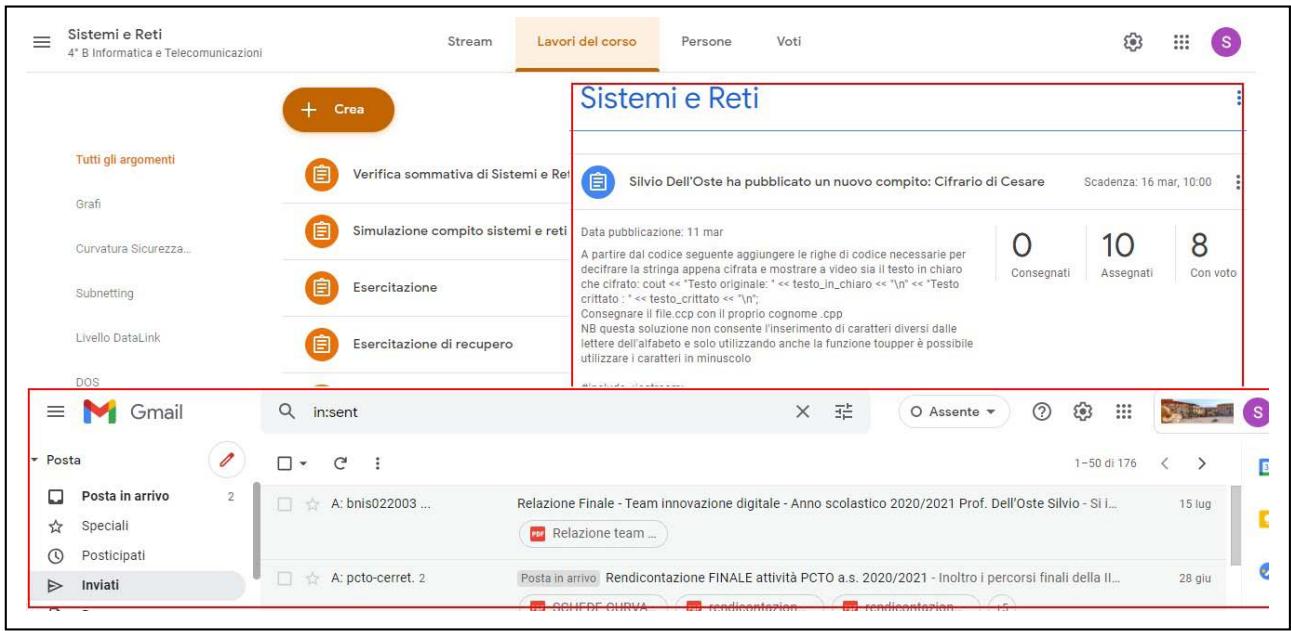 Figure 1: Google Classroom screenshots
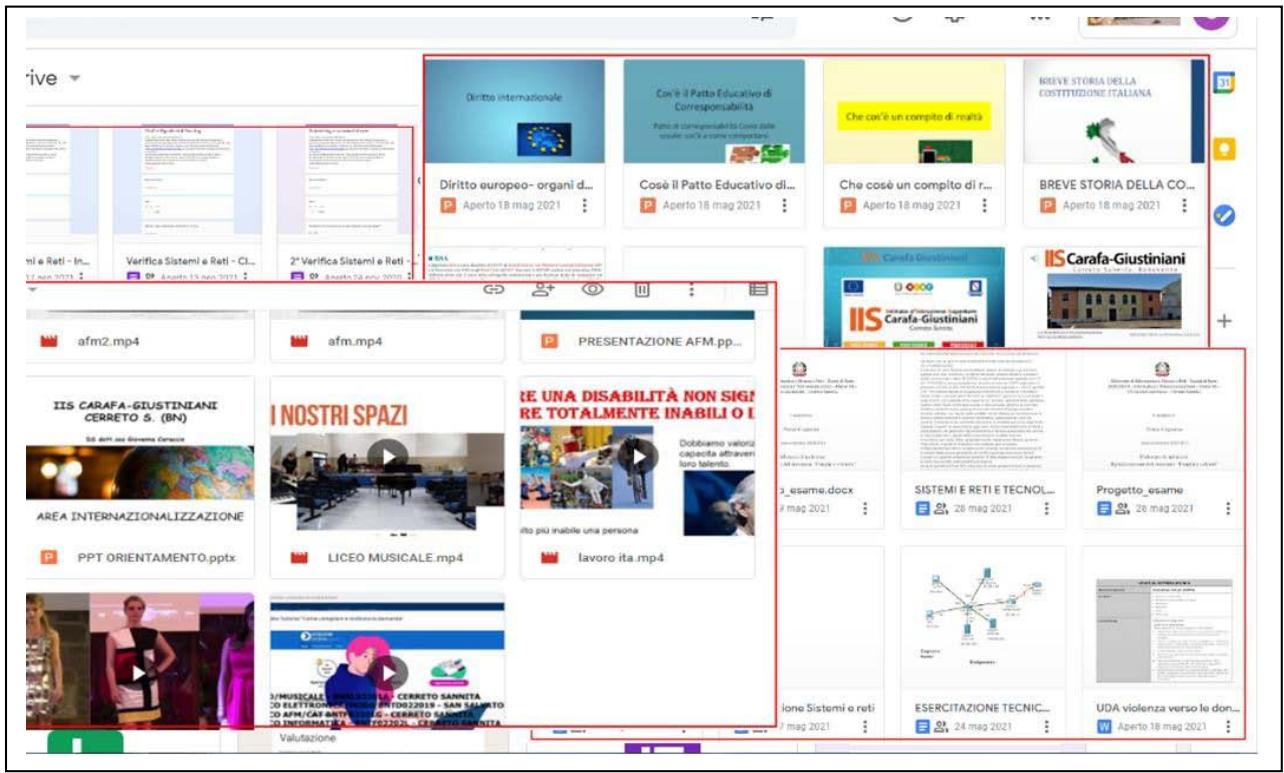 Figure 2: Google Drive, Google Documents, and Google Forms screenshots
At this point, it is possible to show specific software used for teaching, starting from phpMyAdmin for studying databases and PHP (Figure 3 - phpMy Admin and PHP execution), CISCO Packet Tracer for computer network emulation (Figure 4 - CISCO Packet
Tracer environment), DevC++ for the development of C, and C++ applications (Figure 5 - DevC++ environment) and Eclipse for Java applications (Figure 6 - Eclipse development environment).
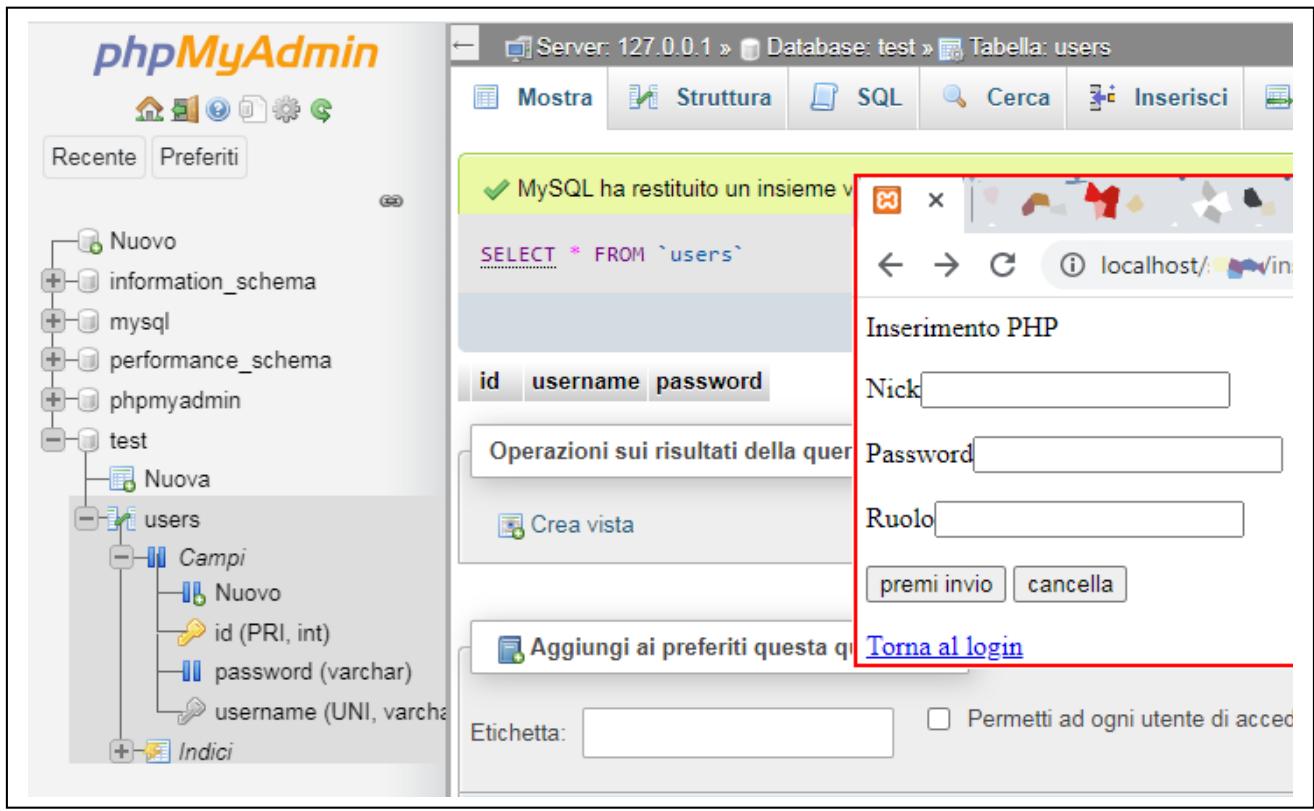
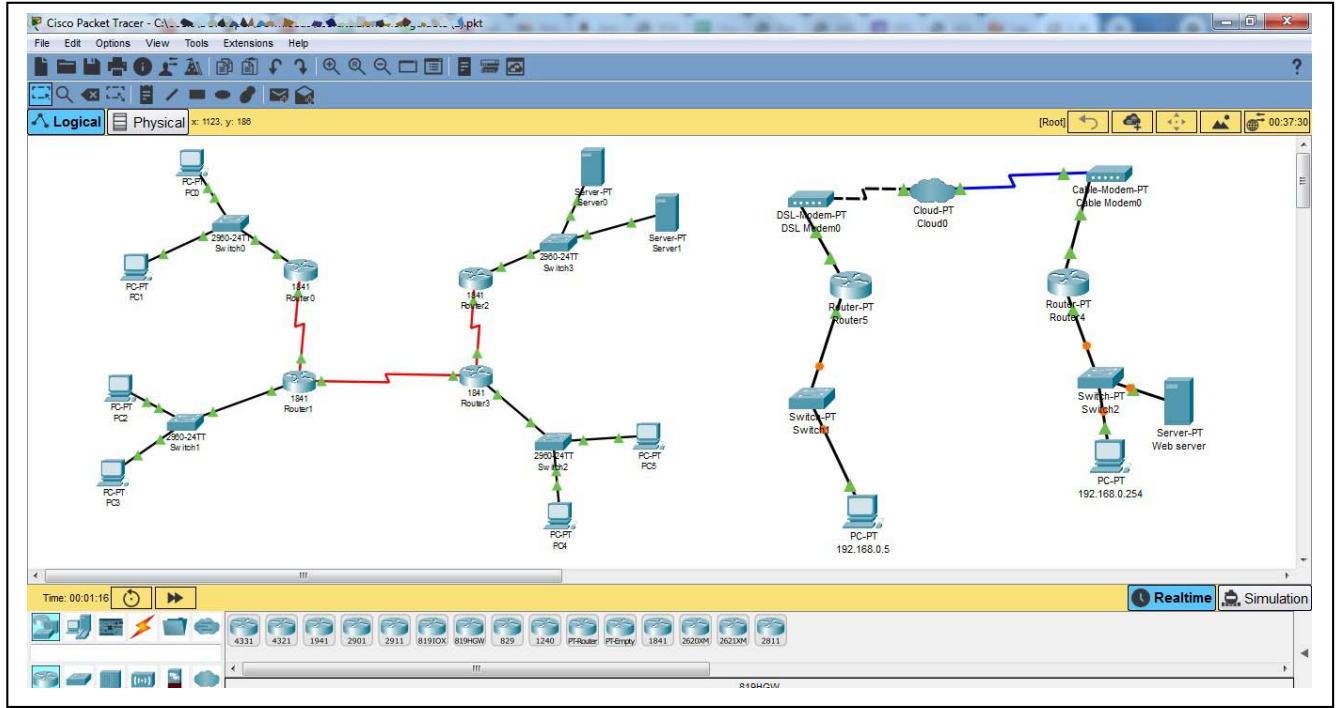 Figure 3: phpMyAdmin and PHP execution Figure 4: CISCO Packet Tracer environment
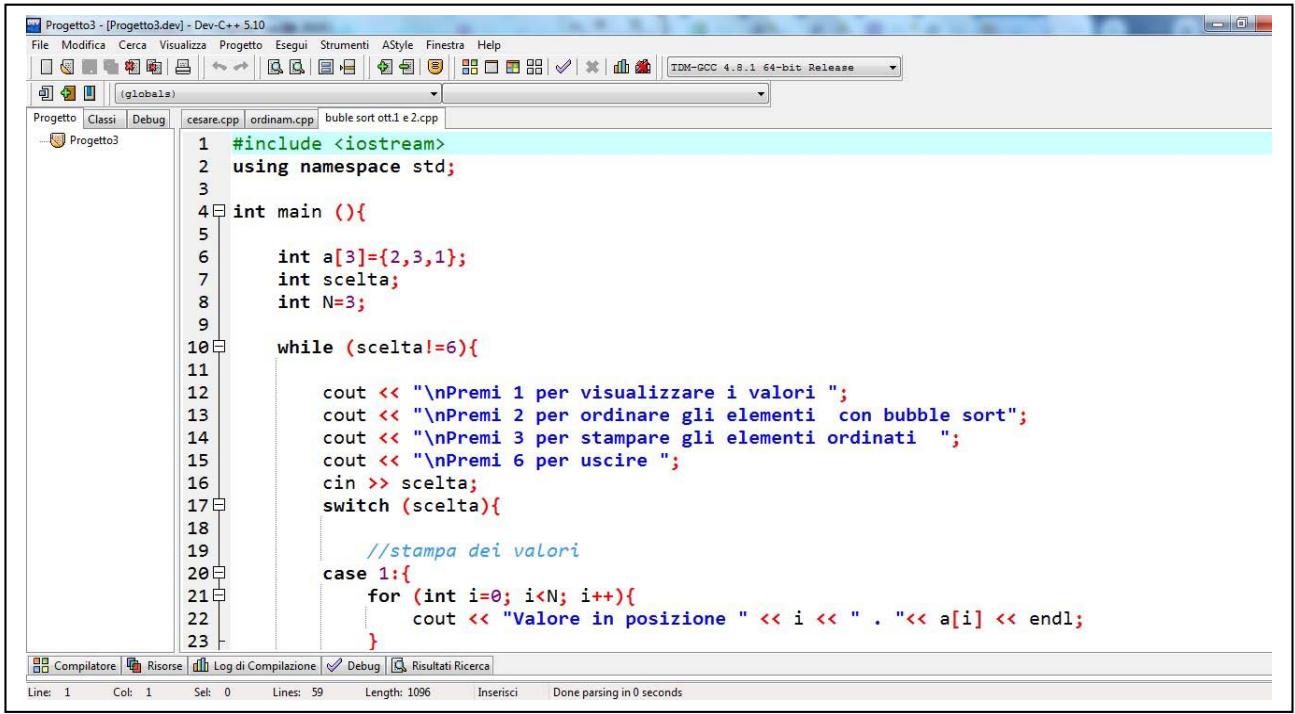 Figure 5: DevC++ environment
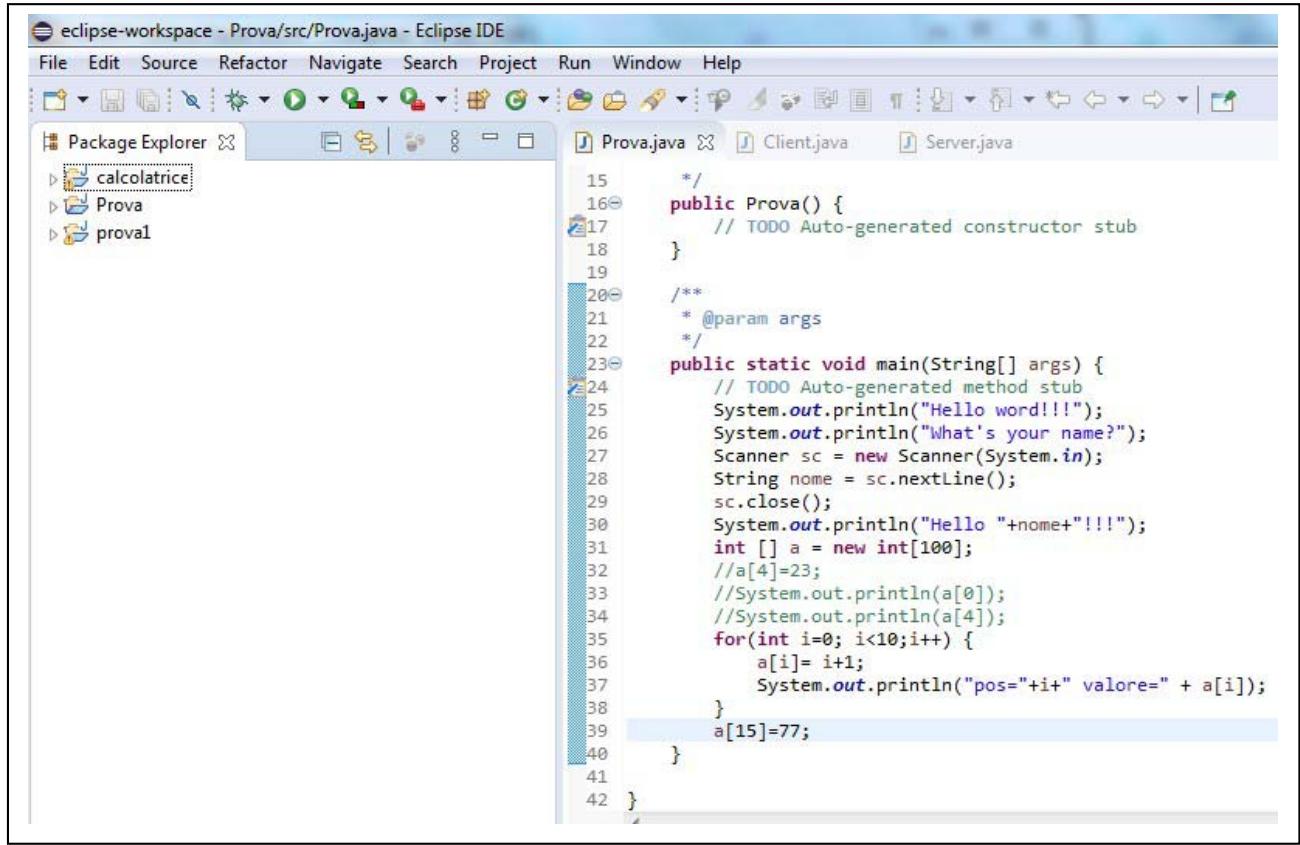 Figure 6: Eclipse development environment
The use of IT tools in the teaching of technical disciplines is fundamental and to better understand the functions of the various software, there is often the need to produce educational material in an innovative form and possibly use virtual classes, sharing films, documentaries, and handouts, or other material.
[^1]: IIS Carafa Giustiniani Istituto di Istruzione Superiore di indirizzo Artistico, Economico, Musicale, Tecnologico, Professionale - Cerreto Sannita - San Salvatore Telesino - Benevento - https://www.carafagiustiniani.edu.it/ _(p.1)_
Generating HTML Viewer...
References
7 Cites in Article
Didamatica (2021). Artificial Intelligence for Education" organizzato da AICA in collaborazione con il CNR -7-8 ottobre 2021.
(2020). RELAZIONE DI MANT0VA DELL' ANNO 154O.
(2021). RELAZIONE DI MANT0VA DELL' ANNO 154O.
Raffaela Tore,Diletta Peretti (2021). Impatto della formazione dei docenti sulla didattica dell'Università di Cagliari. Alcuni ri.
Di Formazione Del Personale Docente Piano,A Neoassunto (2019). Proposta di lavoro per approfondimento tematicopolo ITI "Lucarelli" Benevento -Laboratorio: Nuove risorse digitali e loro impatto sulla didattica -DOCENTE NEOASSUNTO: DELL'OSTE SILVIO -SCUOLA DI APPARTENENZA: BNIS022003 -IIS CARAFA GIUSTINIANI -CERRETO SANNITA.
Oste Dell,-Relazione Finale Del Docente Silvio,Neoassunto SUL PEER TO PEER A DISTANZA -ANNO SCOLASTICO 2019-2020 -IIS Carafa Giustiniani -Cerreto Sannita (BN).
No ethics committee approval was required for this article type.
Data Availability
Not applicable for this article.
How to Cite This Article
Silvio Dell’Oste. 2026. \u201cTeaching and Digital Innovation in Disciplines Related to Information Science and Technology in Upper Secondary Schools in Italy\u201d. Global Journal of Human-Social Science - G: Linguistics & Education GJHSS-G Volume 23 (GJHSS Volume 23 Issue G1): .
Explore published articles in an immersive Augmented Reality environment. Our platform converts research papers into interactive 3D books, allowing readers to view and interact with content using AR and VR compatible devices.
Your published article is automatically converted into a realistic 3D book. Flip through pages and read research papers in a more engaging and interactive format.
This contribution addresses the issues of teaching disciplines related to information science and technology using digital innovation and the appropriate tools to make students better learn coding and computational thinking before, during, and after the pandemic. In particular, I present some teaching experiences related to the previously mentioned topics; these experiences synthesize the different activities carried out in the different school years.
Our website is actively being updated, and changes may occur frequently. Please clear your browser cache if needed. For feedback or error reporting, please email [email protected]
Thank you for connecting with us. We will respond to you shortly.