## I. BACKGROUND OBJECTIVES
The intersection of globalization and climate change disproportionately burdens Africa's Indigenous peoples, who contribute the least to global emissions but face severe, compounded threats to their traditional livelihoods, cultures, and land rights.
### a) The Impact of Globalization and Climate Change
### b) Intensified Environmental Vulnerability
Climate-Induced Hazards: Indigenous peoples face an increased frequency of extreme weather events such as droughts, floods, and heatwaves that disrupt traditional practices like pastoralism and hunting.
Resource Depletion: Global demand for resources (timber, minerals, biofuels) often leads to land dispossession and environmental degradation in Indigenous territories, further straining their ability to rely on natural ecosystems.
Loss of Predictability: The rapid and unpredictable pace of climate change challenges the efficacy of age-old Indigenous knowledge systems (IKS) for weather forecasting and seasonal changes, making planning for survival difficult.
### c) Socio-Economic and Cultural Marginalization
Political and Economic Exclusion: Indigenous communities often suffer from historical, social, and political exclusion, which means their rights and needs are rarely a priority in national or international climate policy discussions.
Forced Migration and Displacement: Climate events and economic pressures often force Indigenous people to migrate, where they may face double discrimination or end up in urban slums, losing connection to their ancestral lands and cultural identity.
Erosion of Traditional Knowledge: The pervasive influence of global media and consumer culture, combined with the marginalization of IKS in formal education and policy, threatens the transmission of unique languages and sustainable practices across generations.
### d) Responses and Challenges
Traditional Adaptation: Communities such as the Borana use indigenous collective resource-governance and weather-forecasting systems, while the Endoroiis have adopted climate-smart agroecological production systems like cultivating drought-tolerant crops.
Opportunity for Co-production: There is a growing recognition of the potential for integrating IKS with Western science to create more robust and effective climate response strategies, but this requires a shift away from neocolonial dynamics and a respect for Indigenous rights and self-determination.
Studying the impact of globalization and climate change on Indigenous African people typically employs mixed-methods approaches that combine qualitative data collection (e.g., ethnography, case studies, interviews) with quantitative data analysis (e.g., surveys, climate data analysis). The methods are often designed to be inclusive and acknowledge the value of Indigenous Knowledge Systems (IKS).
Globalization, in the context of climate change, has a dual but often detrimental impact on indigenous African people, primarily by exacerbating environmental vulnerabilities and marginalizing traditional knowledge and land rights. While it offers some opportunities, the challenges often outweigh the benefits, threatening their cultural survival and livelihoods.
### e) Exacerbating Challenges
Disproportionate Burden: African indigenous communities contribute minimally to global carbon emissions but suffer disproportionately from climate impacts like droughts, floods, and extreme heat, a situation made worse by global economic activities they do not control.
Resource Exploitation and Land Loss: Global demand for natural resources (minerals, timber, biofuels) leads to large-scale development projects and monoculture plantations on indigenous lands, often without their free, prior, and informed consent. This results in land dispossession, environmental degradation, and the disruption of traditional livelihoods such as pastoralism, hunting, and gathering.
Marginalization of Knowledge Systems: Global climate policy often prioritizes Western scientific and technological approaches, sidelining Indigenous Knowledge Systems (IKS) that have been used for centuries to adapt to environmental changes. This exclusion undermines local resilience and the development of effective, culturally appropriate adaptation strategies.
Forced Migration and Social Disruption: Climate-induced events like severe droughts in the Horn of Africa force indigenous people to migrate, often to urban slums, where they face double discrimination as both migrants and indigenous people. Globalization also weakens traditional socio-cultural structures, like kinship and community organizations, that once provided social safety nets.
Economic Vulnerability: The shift from subsistence to cash economies can make communities dependent on volatile global markets (e.g., for tourism or handicrafts). Furthermore, a lack of formal education or skills for nontraditional jobs leaves them at a disadvantage in the globalized labor market.
### f) Opportunities (with Caveats)
Global Advocacy and Awareness: Globalization has facilitated the creation of global networks, allowing indigenous rights movements to raise international awareness and advocate for their rights on a larger stage.
Integration of Knowledge: There is a growing international recognition of the value of IKS in climate science and policy, as seen in the Paris Agreement and the IPCC reports, though this is not consistently translated into action at the national level. Dialogue and co-production of knowledge between scientists and indigenous peoples offer a path toward more holistic solutions.
The critical challenge is ensuring that indigenous African people have full participation and recognized land rights in climate change decision-making processes, as outlined in frameworks like the UN Declaration on the Rights of Indigenous Peoples.
### g) Implication
Globalization interacts with climate change to create disproportionate and severe negative impacts on the indigenous people of Africa, primarily by exacerbating their vulnerability, undermining traditional livelihoods, and marginalizing their knowledge systems.
Exacerbation of Vulnerability: While developed nations contribute most to climate change, indigenous African communities who live low-carbon lifestyles suffer disproportionately from its effects, such as erratic rainfall, droughts, and floods. Globalization can worsen this by increasing demand for the natural resources found on their lands, leading to environmental degradation (e.g., deforestation for commercial farming or mining) and land dispossession.
Loss of Land and Resources: The global demand for resources has led to large-scale development projects, such as biofuel plantations and mining operations, that often result in forced displacement and denial of traditional land rights. This loss of access to ancestral lands and resources directly threatens their physical and cultural survival.
Disruption of Traditional Livelihoods: Traditional practices like pastoralism, hunting, and gathering, which are highly adapted to local conditions, are threatened by climate-induced changes and external economic pressures. For example, the Maasai and Turkana have faced significant livestock losses due to droughts and competition for water resources from large horticultural farms linked to global markets.
Marginalization of Indigenous Knowledge: Globalization often promotes Western scientific knowledge and technological solutions, marginalizing the value of indigenous and local knowledge (ILK) in climate adaptation strategies. This can lead to the implementation of top-down, one-size-fits-all policies that are inappropriate for local contexts and overlook time-tested traditional coping mechanisms.
Food and Water Insecurity: Climate impacts, such as reduced soil moisture and water scarcity, combined with the shift towards market-oriented agriculture, threaten food security and access to clean water. Women and girls are often disproportionately affected, having to travel longer distances to fetch water.
Human Rights Issues: The combination of climate pressure and globalization-driven development results in human rights violations, including discrimination, lack of political representation, and increased vulnerability to irregular migration and trafficking when displaced.
In summary, globalization intensifies the pressures of climate change on indigenous African communities by altering their environment, challenging their rights, and devaluing their traditional systems, which limits their capacity to adapt effectively.
### h) Negative Impacts
Economic Disruption and Resource Competition: Globalization often forces indigenous communities to shift from traditional, resilient food crops to cash crops for international markets, increasing their dependence on volatile global markets and their vulnerability to climate change impacts like drought. This transition also leads to increased competition for land and resources, fueling conflicts.
Cultural Erosion: Indigenous knowledge systems, deeply intertwined with traditional practices and environmental sustainability, are often undermined by globalization. This disruption weakens cultural identity, which is essential for community resilience in the face of environmental challenges.
Increased Vulnerability: The intensified environmental impacts of climate change such as rising temperatures, droughts, and floods disproportionately affect the livelihoods of indigenous peoples, who often depend directly on the natural environment for subsistence. Globalization's emphasis on resource extraction and economic integration can lead to land degradation and biodiversity loss, further diminishing their capacity to adapt.
Displacement and Migration: As climate change degrades their environments and traditional ways of life become unsustainable, indigenous communities are often forced to migrate in search of new opportunities, contributing to increased migration from rural to urban areas and across boarded.
### i) Challenges in Global Responses
Marginalization of Indigenous Knowledge: Global responses to climate change, often driven by Western science and technology, tend to overlook or devalue the rich traditional knowledge held by African indigenous communities. This limits the development of effective, localized adaptation and mitigation strategies.
Uneven Power Dynamics: The integration of African economies into global systems has often perpetuated and worsened existing inequalities. This uneven development framework means that the costs of both globalization and climate change are borne disproportionately by the continent's most vulnerable populations, including its indigenous peoples.
### j) Path Forward
Promoting Food Sovereignty: A focus on building climate resilience requires supporting indigenous farming systems and promoting sustainable food crops, rather than prioritizing global commodity production.
## II. INTRODUCTION
Globalization, while offering potential benefits, often aggravated the challenges faced by African indigenous People in the context of climate change. Indigenous communities are already vulnerable due to historical marginalization, experience amplified impacts from climate-related displacement, loss of resources, and cultural erosion. Furthermore, globalization's response to climate change, such as the promotion of biofuels, can lead to further displacement and loss of biodiversity on their lands.
### a) Paper Objectives
This paper will examine the following objectives:
Tackling Inequality: To dress the underlying social, economic and political inequalities that make indigenous people more vulnerable to climate change impact.
Strengthening Resilience: Develop and implement climate resilience strategies tailored to specific indigenous communities and their unique environment, focusing on sustainable Agriculture, water management, and disaster preparedness.
Protecting Natural Resources: Support indigenous communities in safeguarding their Ancestral lands, territories, and natural resources from exploitation and degradation caused by globalization and climate change according to the United Nation.
Respecting Indigenous Rights and Knowledge: Guarantee the right of the indigenous Peoples to self-determination, including their right to participate in decision-making Processes that affect their lives and livelihoods, especially in the context of climate change policies.
### b) Methodology
The methodology to assess the impact of globalization and climate change on African indigenous people is integrating qualitative and quantitative research methods. This approach would combine in-depth interviews and focus group discussions with indigenous communities to understand their perspectives and experiences, alongside quantitative data analysis of environmental changes, economic indicators, and social impacts. The methodology will also incorporate a review of relevant literature and policy documents, and consider the role of indigenous knowledge in adaptation and mitigation strategies.
### c) Key Finding
Globalization-driven development projects, discriminatory land policies, and the influx of settlers disrupt traditional livelihoods, leading to displacement resource conflicts and increase dependence on external support. Furthermore, globalization-related industrial activities contribute to climate change, disproportionately affecting indigenous communities who often live low carbon lifestyles.
## III. RELEVANCE TO TODAY GLOBAL ISSUE
Climate change has negatively impacted the livelihoods of indigenous communities across the world including those located on the African continent. This research paper disuses on some Indigenous communities in African, how they have been impacted by climate change and the adopted adaptation mechanisms they have used. Local knowledge use for climate-change adaptation by African indigenous communities Globally, there are an estimated 370 million indigenous people whose livelihoods are being negatively affected by climate change by means of an increased frequency and intensity of extreme weather events such as droughts, floods, storms, just to mentioned but a few, as well as heat waves. While climate change is an environmental challenge that developed countries have largely contributed toward from anthropogenic activities, the negative impacts are being felt among poorer countries, particularly vulnerable indigenous communities who ordinarily live low carbon lifestyles. Additionally, many indigenous communities have been confined to the least productive and most delicate lands because of historical, social, political, and economic exclusion. Furthermore, less consideration has been given to indigenous groups during formulation of climate-change mitigation strategies, making them vulnerable to its effects. Notwithstanding, many indigenous us communities have enduringly used various Indigenous and local knowledge (ILK) - derived coping mechanisms passed from generation to generation.
In this work I will provide examples of the various climate-change-related challenges faced by five African indigenous communities (Afar, Borana, Endorois, Fulani, and Hadiza) and the various adaptation mechanisms they use. After examining African indigenous communities in the context of international trends, we offer a broader outline of the role indigenous communities can play in combating climate change by conserving environmental resources in their lands and territories, including a description of future trends and suggestions of measures via which the vulnerability of indigenous communities may be reduced.
Trends in adaptation to climate change among African indigenous communities have been constantly adapting to the effects of environmental stresses over a very long period with numerous climate-change adaptation mechanisms being adopted in recent decades. However, more recent impacts of climate change have placed significant strain on these communities as indigenous people are impacted in idiosyncratic ways by climate change (e.g., reduction in crop yields, water scarcity, and exposure to malnutrition) and also by the failed policies or actions that are designed at addressing it. Figure 1 provides an overview of the climate pressures these communities spread across Africa are currently exposed to, and the adaptation mechanisms they are deploying, so a s to be in a better position to cope with the challenges posed by a changing climate.
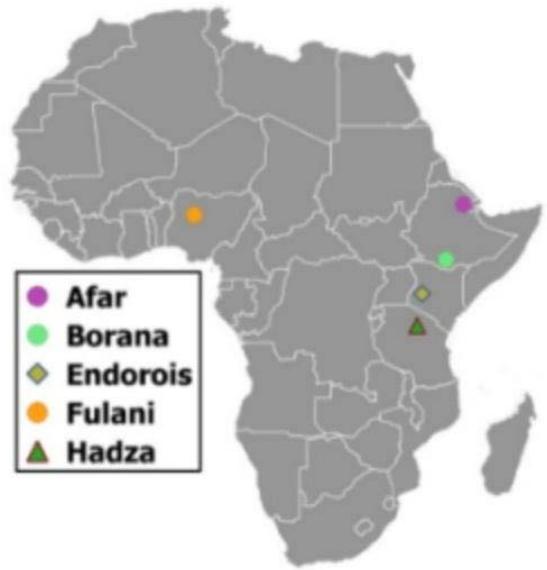 Fig. 1
<table><tr><td>Community (Population)</td><td>Climate Change Related Challenges</td><td>Climate Change Adaptation Mechanisms</td></tr><tr><td>Afar
(1.4 million)</td><td>• Shortage of grazing land
• Frequent droughts
• Frequent flooding and loss of livestock</td><td>• Temporary migration
• Relocation into
range fields
• Breeding of indigenous cattle
• Reliance on wild edible fruits</td></tr><tr><td>Borana (2 million)</td><td>• Increased drought frequency and intensity
• Declining range land area
• Increased resource-based conflicts</td><td>• Livestock diversification and mobility Off-farm activities</td></tr><tr><td>Endorois (20,000)</td><td>• Frequent droughts. Crop failures
• Livestock deaths Community displacements
• Inter-ethnic conflicts over water and pasture land</td><td>• Shift in settlements patterns. Crop diversification
• Use of indigenous crops Mixed cropping
• Rainwater harvesting
• Livestock destocking Beekeeping</td></tr><tr><td>Fulani (100,000)</td><td>• Frequent droughts. Flooding
• Drying-up of water points leading to conflicts between farmers and herders</td><td>• Livestock diversification
• Shifting from pastoralism to farming
• Improvement of private rangeland</td></tr><tr><td>Hadza (700-800)</td><td>• Frequent droughts
• Loss of land
• Food shortages</td><td>• Camp shifting</td></tr></table>
Spatial distribution of different African communities, climate-change-related challenges faced, and adaptation mechanisms being applied.
Apart from the matters described in Fig. 1, there are further barriers to climate change adaptation that are often seen across Africa, namely the unequal global vulnerability of populations, differential responsibility, and unequal power in decision-making concerning policy making, thus undermining the resilience capability of indigenous communities. As seen in Fig. 1, the studied communities are making their best efforts to address these barriers. There are examples that show that indigenous people's knowledge is one important component to the success of policies that aim to increase adaptation. For instance, the Afar Indigenous communities in far Region of Ethiopia, northern Djibouti and the Southern coast of Eritrea in the Hon of Africa have extensive experience in adapting to the impacts of climate change using their ILK via understanding the biophysical observations, and the community's perception was matched with the temperature trends using conventional weather-forecasting systems. (They are Cushhitic ethnic group also known as Dankil, Adali or Odali) Similarly, The Borana Indigenous people. Indigenous pastoralist Oromo ethnic group primarily living in the Oromia region of southern Ethiopia with a significant presence also in Kenya They are known for their traditional way of life. These people have been using indigenous collective resource-governance systems, traditional social insurance and safety-net systems, and weather-forecasting systems based on changes in animal Behaviours, as well as the movement and alignment of stars and divining animal entrails, which have proven to be reliable for centuries despite the challenges posed by a Climate change.
The Fulani also known as the Fula or Fube, are an indigenous pastoralist people spread across the Sahel and West/Central Africa savannah regions, speaking and language Fulfulde. The Fulani people have also used such indigenous climate-adaptation techniques, such as livestock-feed diversification, cattle stress-management techniques, and division of labour on the other hand, the Endorois are an indigenous agropastoralist community in Kenya, traditionally inhabiting areas around Lake Bogoria in the Rift valley, a region considered sacred to their culture and ancestral livelihood. They people have turned to climate-smart agro ecological production systems such as the cultivation of drought-tolerant cereals, tubers, and vegetables. This shift in production systems has led to more sustainable land management, minimized water usage, reduced human-wildlife conflict, and enhanced food security a mong the Endorois. Owing to their close cultural connection to their environment, the Endorois have also embraced nature-based ecotourism enterprises, including medical, cultural, and geotourism in response to the climate-change-induced negative effects on the livelihoods. Other adaptations to climate-change effects among the Endorois people include livestock and crop diversification, herd adjustment by class, livestock destocking, and supplementary feeding of livestock. It is a matter of fact that Indigenous Local Knowledge (ILK) for climate-change adaptation is not limited to African communities. In Australia, the Mirriwong people, for example, have adopted the use of fauna and flora as an instrument of monitoring seasonal changes, for example, the flowering of Woolegalegeng (Melaleuca argentea) signals thunderstorms. On the other hand, in Malaysia, the communities of Sarawak (Lun Bawang, Saban, and Penan) have used indigenous forecasts such as sky-color changes, moon phases, and animal migration to identify changes in weather patterns. International examples highlight the potential for ILK systems to be integrated into modern climate-risk assessments as part of adaptation to climate-change-related hazards.
Challenges and opportunities for the future of indigenous people's climate adaptation in light of the adverse effects of climate change, indigenous people in Africa face some challenges, which need to be addressed. For instance, these groups are often hard-pressed to maintain their unique land-use and tenure systems, which are being degraded by unfavourable climatic conditions. Also, because the livelihoods of the indigenous communities and minority groups in Africa are closely associated with their environment, there are numerous climate-change-related impacts that pose a threat to their well-being, especially nutrition.
The first part of the 6th Assessment Report issued by the Intergovernmental Panel on Climate Change has indicated that increases in both the frequency and intensity of extreme events may be expected. This trend suggests that indigenous communities may be under additional pressure to handle unfavourable climate conditions and are trying to adapt to climate change through different mechanisms.
As this Comment has illustrated, African indigenous communities are trying to adapt to the changes through different mechanisms. In contrast, the governing framework at international, national, and regional levels in response to the negative impacts of climate change does not effectively protect indigenous people's interests, including their culturally valued lifestyles, livelihoods, and resources—which is particularly concerning, given that indigenous people have not contributed to climate change in any significant way. This paradox illustrates the need for a human-rights framework implementation at the local level, to help them to address the challenges they currently face. For climate action to be fruitful, indigenous people also need to be seen as prime agents of change. While contemporary climate-change adaptation efforts overwhelmingly privilege Western scientific knowledge and technocratic management approaches, there is a danger of side-lining and marginalizing ILK as negligible or insignificant, leading to a failure to take into account indigenous knowledge in implementing climate action.
At the same time, it is also important that the drivers (e.g., droughts), which increase the exposure of indigenous people to climate change, are addressed in a distinctive and targeted manner. Many tribes have robust local agro ecological knowledge and are naturally engaged in climate-change adaptation and mitigation strategies, but some tribes/com munities have limited knowledge on the development of climate-change adaptation strategies. Additionally, there is limited access to resources and technology that are required to implement specific types of adaptation.
Traditional and local ecological knowledge of indigenous people can help to bolster food security and allow for sustainable management of ecosystems that, in turn, may mitigate the effects of climate change. However, there are now clear signs that ILK is under threat of being side-lined, marginalized or even lost. There are strong synergies to be obtained between strategies that promote socio ecological resilience, climate-change mitigation and livelihood benefits to indigenous groups.
Indigenous and local knowledge has been, and shall continue to be, deployed by indigenous communities as part of coping strategies for protecting assets and livelihoods and adapting to climate change. The evidence presented in this Comment highlights the need for national governments, international organizations, and other stakeholders to give due attention and support to the use (and documentation) of traditional and local knowledge, so that indigenous communities may better withstand the negative impacts of climate change.
## IV. CLIMATE CHANGE IMPACTS ON INDIGENOUS PEOPLE OF THE DRC
The Democratic Republic of the Congo (DRC) has an exceptional abundance of natural resources, and yet it remains one of the poorest countries in the world, ranking 179 out of 189 in the 2019 Human Development Index, Climate change is one of the many challenges the country faces. The DRC already experiences impact such as persistent heat waves, land degradation, flooding and increasingly erratic rainfall patterns during the wet season, these impacts will only worsen over the coming decades as temperatures rise, as many communities are dependent on the agriculture sector which accounts for 65 percent of the formal workforce.
In 2018, the DRC's Ministry of the Environment and Sustainable Development launched a project for the Planning for medium-term investment for adaptation in climate-sensitive sectors in the Democratic Republic of Congo: advancing the National Adaptation Plan (NAP).
This Readiness programme-funded by the Green Climate Fund (GCF) and implemented with support from UNDP -provides resources for preparatory activities and technical assistance to build the DRC's capacity to adapt to climate change.
A portion of this project focuses on indigenous peoples and how they cope with climate change-induced alterations in their environment. While indigenous peoples embrace a rich array of cultures and are defined by the principal of self-identification, according to the African Commission on Human and Peoples' Rights, indigenous peoples typically live-in remote areas, strongly depend on access to lands and resources, and are socially marginalized. The Readiness programme funded a set of studies to better understand how indigenous communities are impacted by climate change and to ensure the land and resources they live off can support them through a changing climate. Land degradation increases poverty.
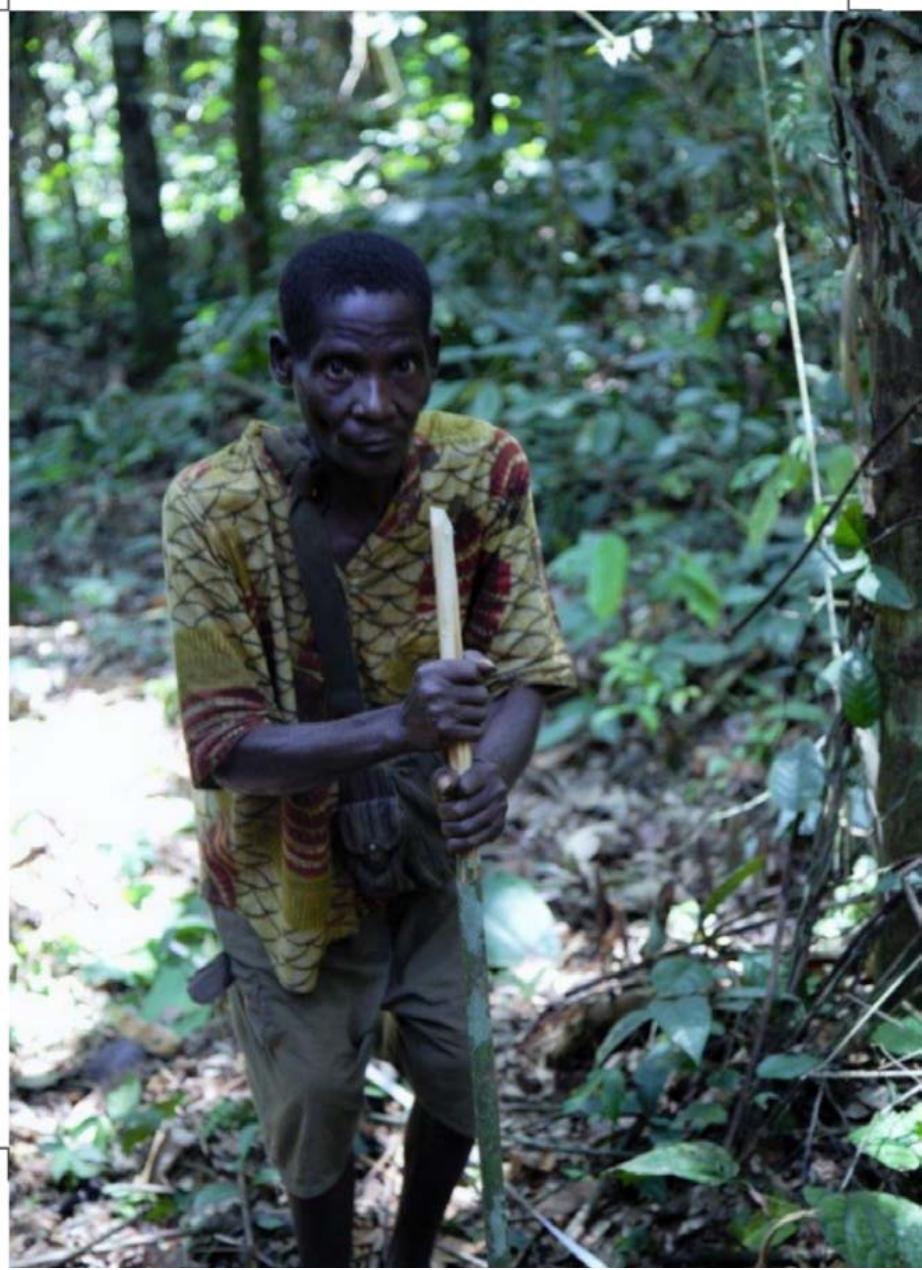
Many indigenous peoples around the world and in the DRC are particularly vulnerable to the adverse effects of climate change due to their lifestyles. The estimated 660,000 indigenous peoples in the DRC are spread across almost all provinces where they traditionally live on hunting, gathering, fishing and pastoralism.
According to the studies conducted under the Readiness programme, drought and heat waves trigger poverty among these communities. The high temperatures turn forests and arable lands into savannah, causing households to become food insecure. Natural resource (spring water, fruits, roots, tubers, firewood or medicinal plants) become less abundant and agricultural production suffers from low returns due to the degradation of lands and subsequent poor quality of products.
As a result, nomadism is more frequent among indigenous groups. Although many clans have been semi-nomadic for a long time, adopting a more itinerant lifestyle complicates the process for land recognition and increases the potential for conflict with other local communities.
In addition to producing and disseminating data on this under-researched issue in the DRC, the Readiness programme will contribute to the revision of the National Investment Plan for Agriculture (PNIA) and the National Climate Change Policy, Strategy and Action Plan (PSPA-CC) to include indigenous peoples' considerations.
Women are more impacted the study also revealed the effects of climate change on indigenous women. After conducting interviews with ten groups from two provinces (Tshopo and Haut-Katanga), a number of gender-segregated tasks were identified within the indigenous groups. Its hewed that men were responsible for hunting and fishing, while women usually
transport water and collect most of the natural resources.
Due to the difficulty of accessing needed materials, women are forced to walk longer distances for retrieving drinking water, firewood and non-timber forest product Walking to three hours straight can be gruelling and time consuming for women who still have to perform domestic tasks at home. In addition, long ventures away from the village can create an unsafe environment for women.
These findings echo the testimonies collected by the NGO Solidarity for the Advancement of Indigenous Women (SPFA) in 2017: "We have to walk for three hours crossing clearing swamps and streams through waist-deep water just to reach our fields. Days become exhausting for women" explained an indigenous woman from Momboyo in Equateur Province. As depicted in the article Guardians of the forest, the SPFA has implemented community initiatives to regenerate the forest with UNDP support and funding from the Community-based UN REDD+ programme.
It should also be mentioned that women rarely attend village meetings because they do not have the right to speak. As a result, they miss important climate information and are more vulnerable to natural hazards. Furthermore, if women were included in decision making processes, their particular knowledge and perspectives could be leveraged for the good of the community. The gender dimension of the studies was discussed in a meeting organized by the Readiness programme with representatives from indigenous, women and environmental organizations as well as from various ministries. It was agreed that measures should be taken to address these issues in the long term. For that purpose, the Readiness programme funded the drafting of a methodological guide to promote gender in future adaptation programmes and an action plan to improve the resilience of indigenous women to climate change by 2025.
## V. COMMUNITY-DRIVEN SOLUTIONS
Many practical solutions to adapt to climate change exist within indigenous communities. Some have the potential to be scaled up. If indigenous groups are able to transition towards sedentary lifestyles and develop crop diversity, then their agriculture can be more resilient to weather extremes, while ensuring nutritional security and dietary variety. Implementing reforestation projects together with indigenous peoples can also make a difference. Not only will replanting trees reduce the risk of soil erosion and preserve the ecosystems, but it will also provide job opportunities for indigenous peoples and sensitize reforestation companies about their rights.
Finally, it is important that indigenous peoples are informed about the severe impacts of climate change. With better knowledge and information about climate change, indigenous peoples would have the opportunity to endorse long-term adaptation solutions. Perhaps, they can even develop their own way of adjusting to climate change, combining scientific data with traditional understanding of their natural surroundings.
UNDP aims to put communities and people at the heart of its work to support resilience building in the DRC. This is achieved through supporting people, especially women and children, become more resilient to external shocks while also ensuring that no one is left behind as a result of interventions designed to strengthen resilience to climate impacts, such as coastal erosion.
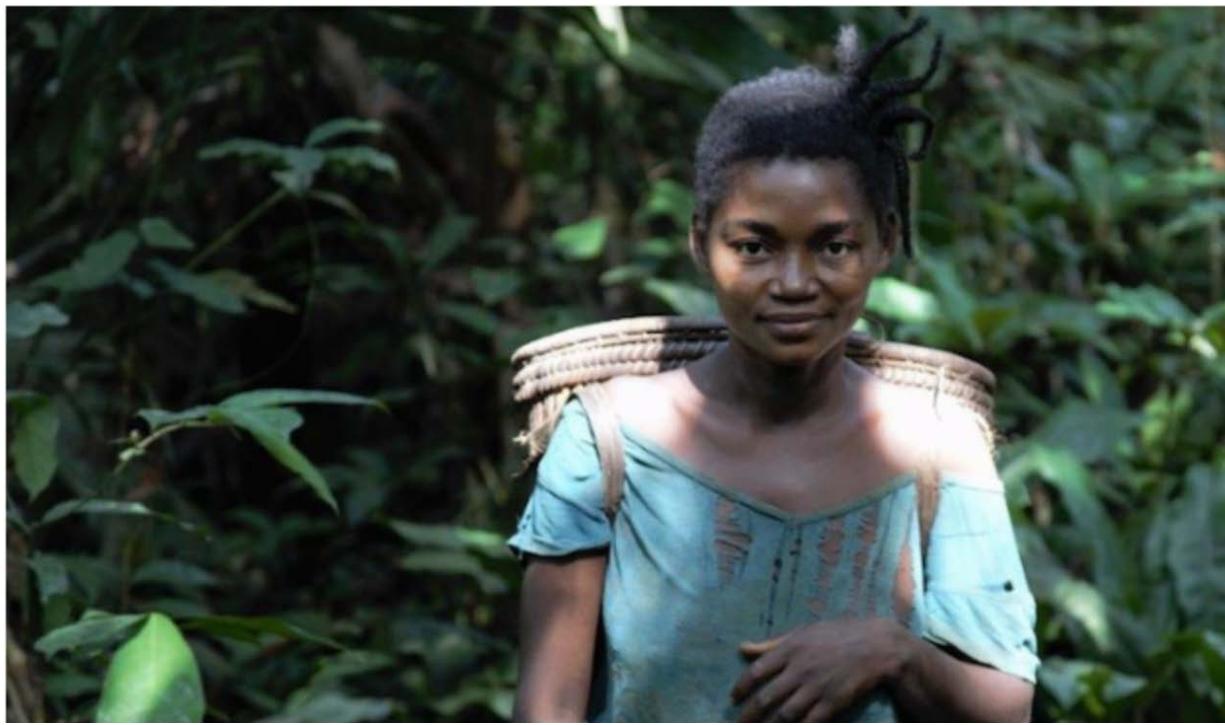 Indigenous woman from Momoyo in Equateur Province in the west of the Democratic Republic of Congo. ©UNDP DRC/Marc Ngwanza
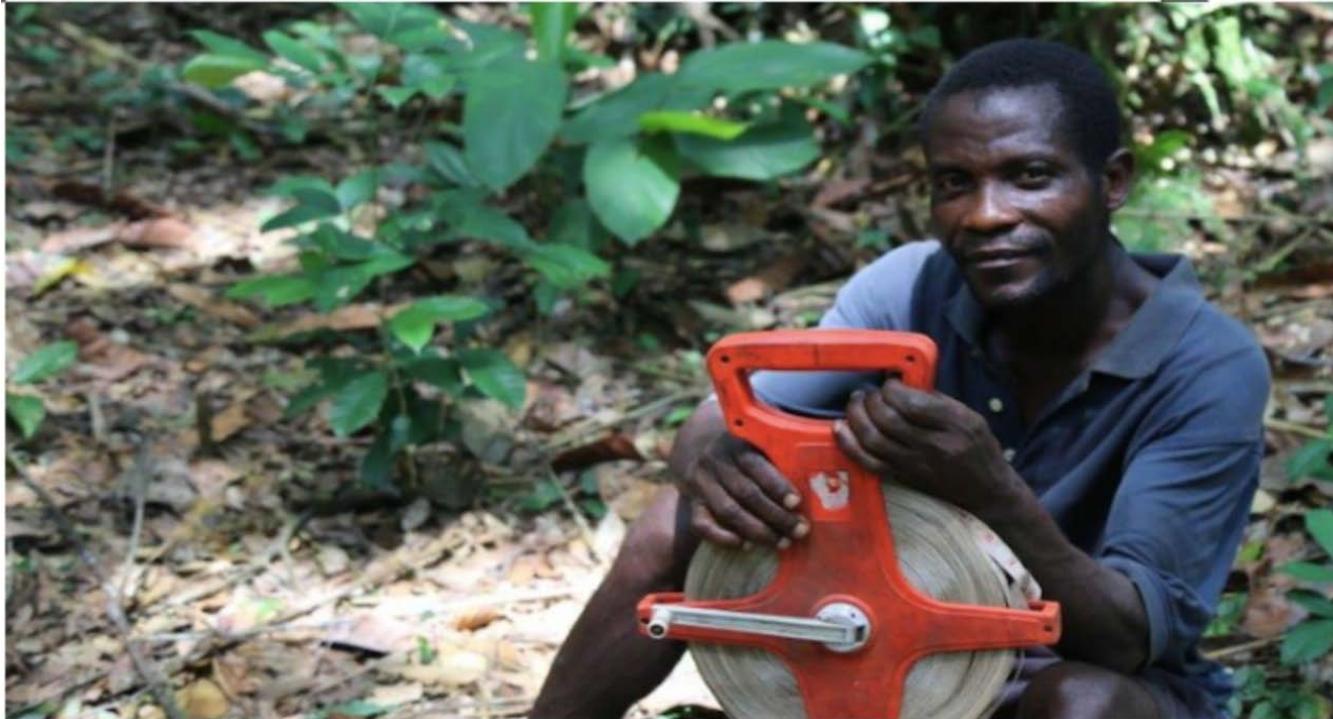 Indigenous man from Momboyo in Equateur Province in the west of the Democratic Republic of Congo. ©UNDP DRC/Marc Ngwanza
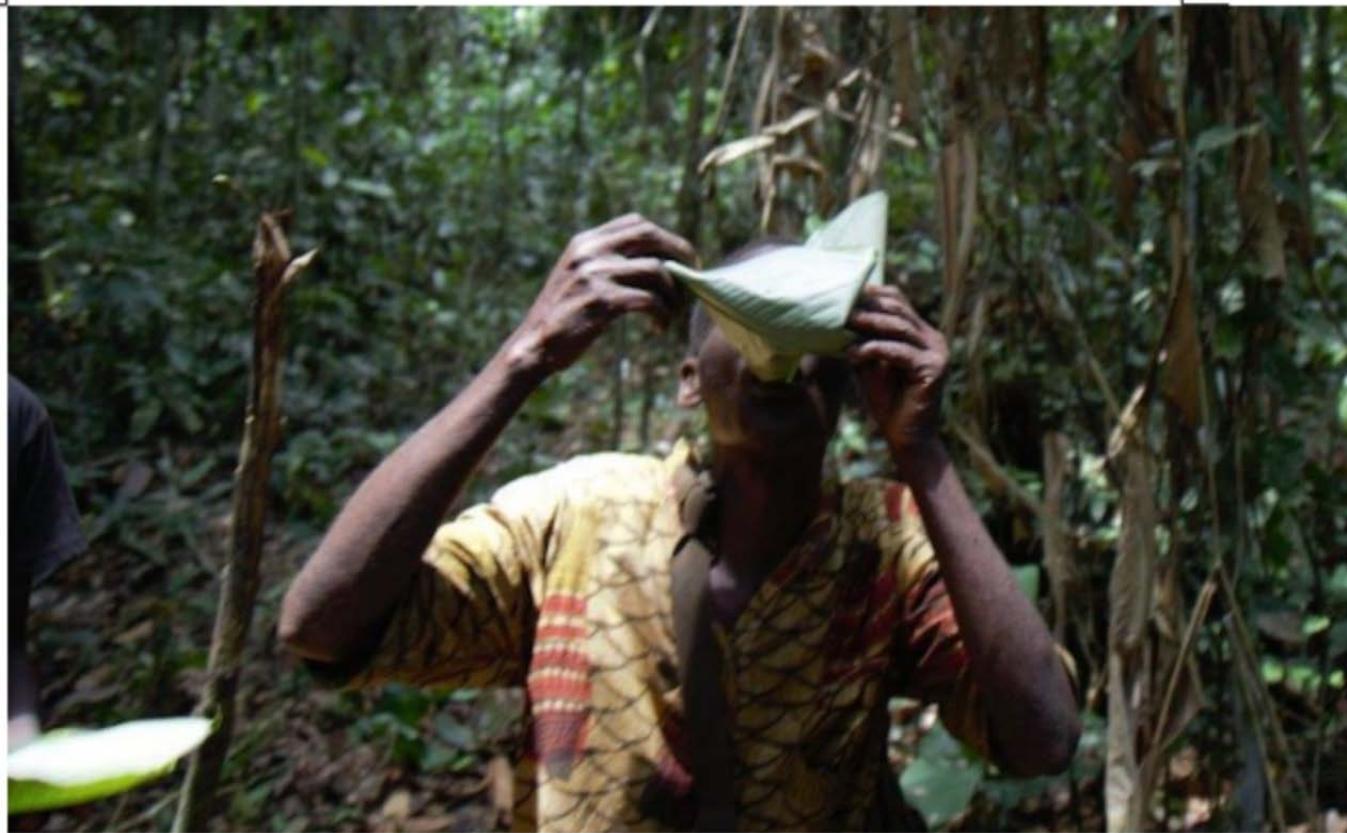 The Pygmies derive their livelihood mainly from hunting and harvesting in the forest. ©UNDP DRC/Marc Ngwanza
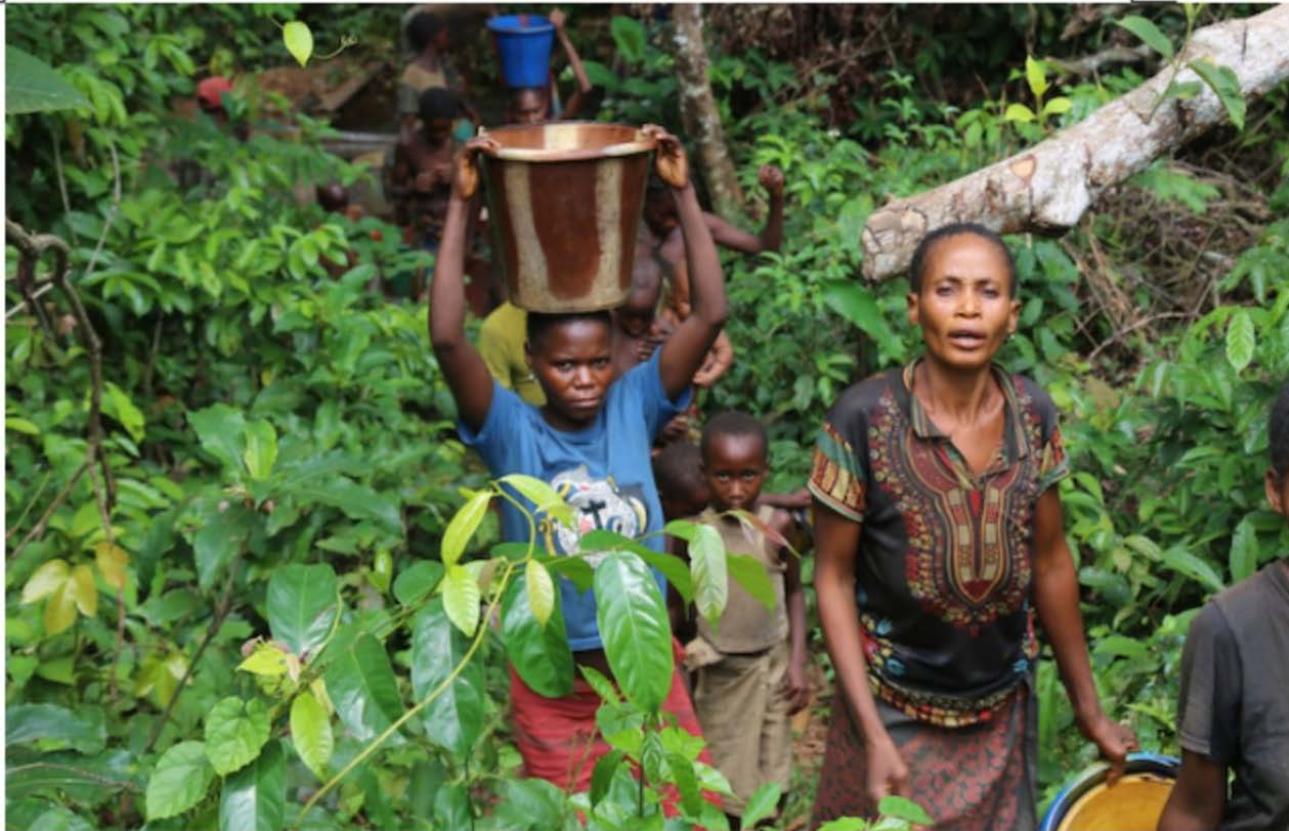 The (Indigenous) Pygmy community of Momboyo in the west of the Democratic Republic of the Congo. ©UNDP DRC/Marc Ngwanza.
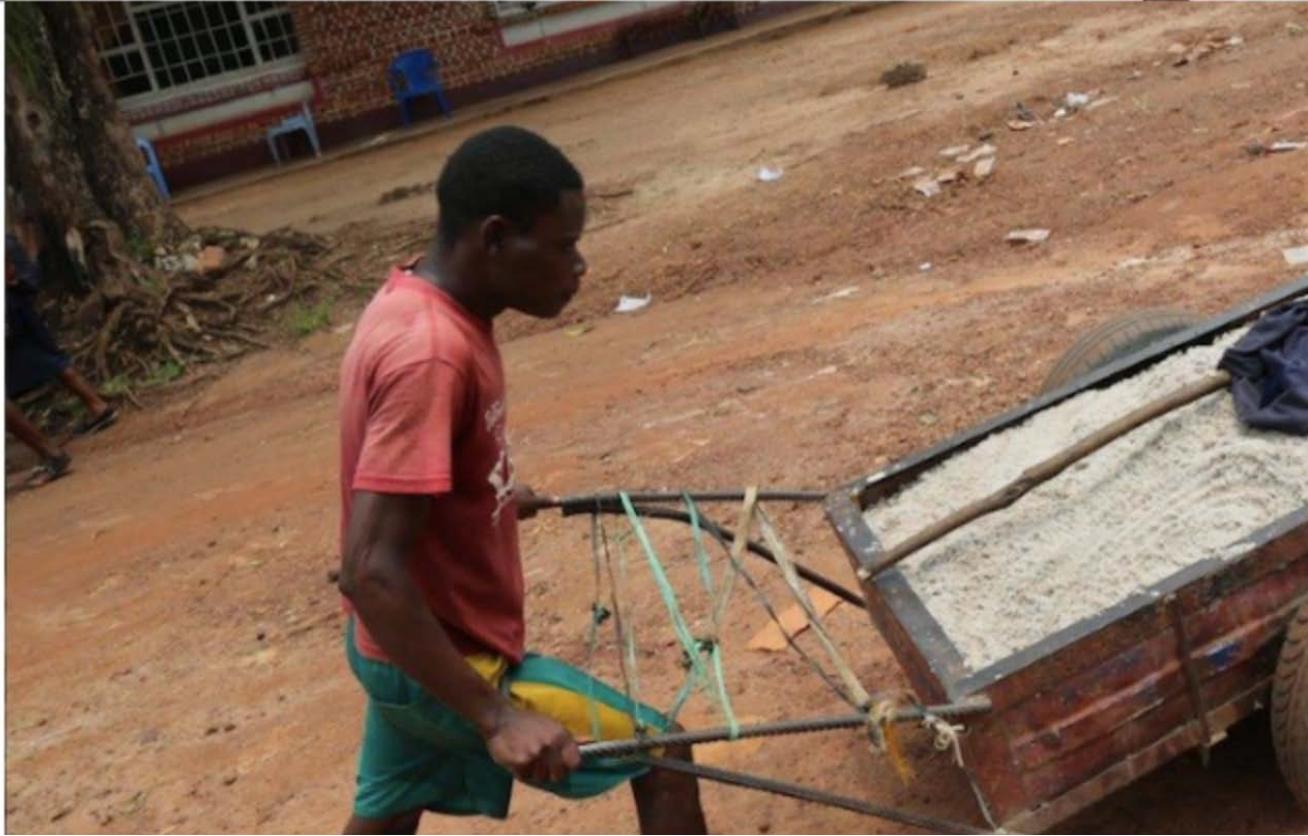 In the villages, the Pygmies work for the Bantu populations but their livelihood is sourced from the forests. ©UNDP DRC/Marc Ngwanza
## VI. CONCLUSION
In conclusion, globalization and climate change present complex challenges for indigenous peoples in Africa. While these forces can undermine their cultures and knowledge systems, indigenous communities also possess invaluable knowledge and resilience that can contribute to effective climate action. A holistic approach that integrates indigenous knowledge, respects their rights, and decolonizes climate action is essential for ensuring a sustainable and equitable future.
Rev. Nsandah Premous Forzong.is a trained agronomist from the (Kenya Institute of Organic Farming - KIOF), where I studied soil and water conservation, intercropping, agroforestry, crop production, and pest/ disease control. I have a post graduate certificate in Climate change from the Pacific Lutheran Theological Seminary (PLTS) in California, as well as a M.Div. from International Theological Seminary (ITS), I am a Blessed Tomorrow Climate Change Ambassador and a member of Eco-America Network, a group that advocates for
Generating HTML Viewer...