The study seeks to show the life cycle, ranking of actors’ roles, and access to actors and other environmental factors effect on various biopharmaceutical entrepreneurial ecosystems in Central Europe from the perspective of the various actors within the ecosystems. The study finds several interesting results. First, the majority of actors view their ecosystem to be in the growth stage of the life cycle. Second, the majority of actors perceive their ecosystem as developing via existing actors. Third, there is some variation among the ecosystems in terms of which actors played the most important roles in developing the ecosystem, with those in academia playing the highest role. Yet, all actors are perceived as playing a role in the development of the ecosystem by most, suggesting the additive nature of ecosystem development.
## I. INTRODUCTION
It has been said that few things in life occur in isolation. This undoubtedly is the case with the development of new drugs and therapeutics. This process occurs in a highly complex web of interactions among dependent actors and other factors- in what has become known as an entrepreneurial ecosystem. From a historical standpoint, business studies related to drug discovery and development aspects have focused mainly on individuals (e.g., Zucker & Darby, 1996), firms (e.g., Audretsch, 2001), and costs (e.g., DiMasi, Grabowski, & Hansen, 2016). More recently in this industry, business, economics, and regional studies have examined the interaction between a limited number of actors, primarily the interaction between academia and venture capital in what is known as cluster or biocluster studies (e.g., Powell, et al., 2002; Williams & Pouder, 2020). Few studies have examined this industry from a wider, ecosystem view (Vlaisavljevec, et al., 2020).
Given this limited perspective, the present study seeks to begin to describe the life cycle, ranking of the various actors, and other environmental aspects of different entrepreneurial ecosystems engaged in drug discovery and development in several regions of Austria, Germany, Italy, and Switzerland. These 4 countries are chosen as they are all top 15 exporters of biopharmaceutical products and within proximity of each other. In addition to the entrepreneurial ecosystem works, literature is borrowed from the cluster, systems of innovation, innovation ecosystem, and open innovation streams, noting that there is a paucity of literature describing the life cycle and other specific attributes of ecosystems (Audretsch et al., 2021; de Vasconcelos Gomes, 2018). The literature shows that numerous types of actors are involved with the creation of this technology and regional development (Lecocq & Van Looy, 2016), and that firms in lesser quality ecosystems are more likely to fail (Vedula & Kim, 2019). Yet we know little about how entrepreneurial ecosystems develop and their stages (Cantner et al., 2021). To address this deficiency, results are presented from a survey given to multiple types of actors or stakeholders. The survey seeks to address 5 basic questions: 1) At what stage of the life cycle is the ecosystem in; 2) How has the region developed to its current life cycle stage; 3) How important are the roles played by the various actors;4) How would one rank order the roles played by the various actors; and 5) How has access to actors and other environmental factors affected the development of the ecosystem. This first step should assist regions, organizations, and scholars in their understanding of the multiple ways to create, maintain, and re-energize entrepreneurial ecosystems and further economic competitiveness.
## II. THE ECOSYSTEM LITERATURE
The biological ecosystem metaphor recently has been borrowed and adapted by scholars in various research settings such as business, entrepreneurship, innovation, knowledge, and strategy (e.g., Adner, 2006; Clarysse et al., 2014; Kapoor & Lee, 2013; Mason & Brown, 2014; Spigel, 2017). Each of these research settings has related but different scopes and objectives related to ecosystems (Pilinkiene & Mačiulis, 2014). The business ecosystem literature is primarily related to examining a single actor, network, or platform (Weber & Hine, 2015). The purpose of which is to show the interconnectedness among commercial firms and how it generates customer value (Clarysse, et al., 2014; Radinger-Peer, et al, 2018).
The ecosystem literature also is associated with the economic geography literature on systems of innovation. This literature includes the national innovation systems (Mercan and Goktas, 2011; Pilinkiene, & Mačiulis, 2014) and its regional innovation system counterpart (e.g., Cooke, Uranga, & Etxebarria, 1997). Both the national and regional innovation system literatures see systems of organizations and actors interacting to shape the innovativeness of an economy (Bramwell, Hepburn, & Wolfe, 2012). Regional innovation systems, specifically, refer to the networks and institutions linking knowledge producing hubs such as universities and public research labs with innovative firms within a region (Acs et al., 2017). In this regard, it is similar also to research on clusters (e.g., Porter, 1998). Much of the cluster work has focused on the relationship between knowledge and capital.
Expanding the work on clusters, the innovation ecosystem literature incorporates the global, networked economy and additional interdependent actors (Durst & Poutanen, 2013; Rubens et al, 2011). Similar to the present study, the innovation ecosystem literature describes the collective, interdependent collaborative efforts of a diverse set of actors whose purpose is innovation (Dedehayir, Makinen, & Ortt, 2018). In this stream, the focus is on the firm and its linkages. Scholars, however, are only now beginning to examine the theoretical tenets and boundaries of innovation ecosystems (Oh et al., 2016; Ritala & Almpanopoulou, 2017), with questions related to innovation ecosystem building and innovation ecosystem life cycle remaing as gaps in the literature (de Vasconcelos Gomes et al., 2018) which is similar to the entrepreneurship ecosystem literature (Auerswald and Dani, 2017).
Innovation ecosystem thinking also is closely related to what is considered open innovation (Durst & Poutanen, 2013). Building upon work in open innovation, scholars have of late used the dimensions of academia, government, industry, and society-in what is known as the quadruple helix—to describe the next generation of ecosystems. The use of helices in the open innovation literature has expanded over time from the double helix (academia and industry-similar to the regional innovation systems and bio-cluster research), to the triple helix (academy, industry, and government), to the now developing quadruple helix literature, with the role or input of society into various aspects of innovation being an emerging dimension. It can be extrapolated from this that an ecosystem perspective views the helices (i.e., actors and other factors) as additive, with each area adding value to development and prosperity of the ecosystem.
As innovation has long been associated with entrepreneurship (e.g., Schumpeter, 1942), scholars have recently applied the ecosystem metaphor to the entrepreneurial setting. Stam and Spiegel (2016:1) define an entrepreneurial ecosystem as "a set of interdependent actors and factors coordinated in such a way that they enable productive entrepreneurship within a particular territory." Here, the focus is on networks and linkages to external factors that boost entrepreneurship (Auerswald and Dani, 2017), with the entrepreneurship ecosystem creating environments that nurture and maintain entrepreneurship in all of its forms- from startups to corporate entrepreneurship (Isenberg, 2010). Yet, similar to the early general entrepreneurship literature which equates entrepreneurship with start-up firms (Isenberg, 2016), the entrepreneurial ecosystem literature has mainly examined emerging ecosystems driven by start-up entrepreneurial firms (Stam, 2015). The present study examines both emerging and established firms and entrepreneurial ecosystems.
The entrepreneurship ecosystem literature also at times seeks to span the gap between the regional systems of innovation approach and entrepreneurial studies (Stam and Spiegel, 2016), with most studies examining successful ecosystems to identify best practices (Spigel & Harrison, 2018). We know little about the additive value of the various actors and other factors. The current study expands the ecosystem literature by examining multiple biopharmaceutical entrepreneurial ecosystems' life cycle, actors' ranking and rank ordering, and access to actors and environmental factors via survey responses from triple helix actors seeking to begin to quantify the actors and other factors roles. This is important as entrepreneurial ecosystems differ across regions and countries (Isenberg, 2011; Jung et al., 2017), with few studies examining multiple entrepreneurial ecosystems or taking into consideration which formal and informal institutions (actors) matter (Alvedalen and Boschma, 2017).
## III. METHODOLOGY
An electronic survey was sent to 601 actors involved with the biopharmaceutical industry in the Central European regions surrounding the cities of Basel, Graz, Innsbruck, Lausanne, Milan, Munich, Rome, Salzburg, Vienna, and Zurich. The actors were asked questions related to the development of the biopharmaceutical industry within their region, with the biopharmaceutical industry being described as the biotechnology and/or pharmaceutical industries whichever best describes their region. These actors included those who worked in academia, biotechnology firms, consulting firms, contract manufacturing organizations, contract research organizations, financial organizations (both venture capital and non-venture capital-organizations), government agencies, hospitals, incubators and accelerators, industry trade associations, pharmaceutical firms, regional development agencies, and suppliers. The survey was given between the dates
## IV. RESULTS
who in turn completed the survey, (limited) results from these regions are provided as well. Overall, the results represent individuals from academia (16 percent); biopharmaceutical firms (8 percent); biotechnology firms (23 percent); consulting firms (5 percent); contract research organizations (14 percent); government agencies (5 percent); industry trade associations (4 percent); pharmaceutical firms (3 percent); suppliers (3 percent) and others (19 percent). Fifty-seven percent of the respondents replied that they had worked in their region for more than 10 years.
The results below are shown in the aggregate (i.e., all regions combined) and separated into the various ecosystems. This is done to enable to reader to quickly grasp the similarities and differences of the regions compared to the whole.
### a) Life Cycle
The survey asked: "Related to the biopharmaceutical industry, what life cycle stage would you say that your region currently is in: embryonic (a small number of firms within the region); growth (increasing # of new firms being created within or entering the region); shake-out (firms closing or leaving the region); maturity (consolidation of firms or R & D efforts in the region; stable # of firms remaining); decline (firms of all sizes leaving the region; R & D efforts decreasing); or rejuvenation (after a decline, increasing number of firms being created within or entering the region).
Figure 1 shows the overall results for all regions combined. Overall, 68 percent viewed their region as in the growth stage and 20 percent viewed their region within the maturity stage.
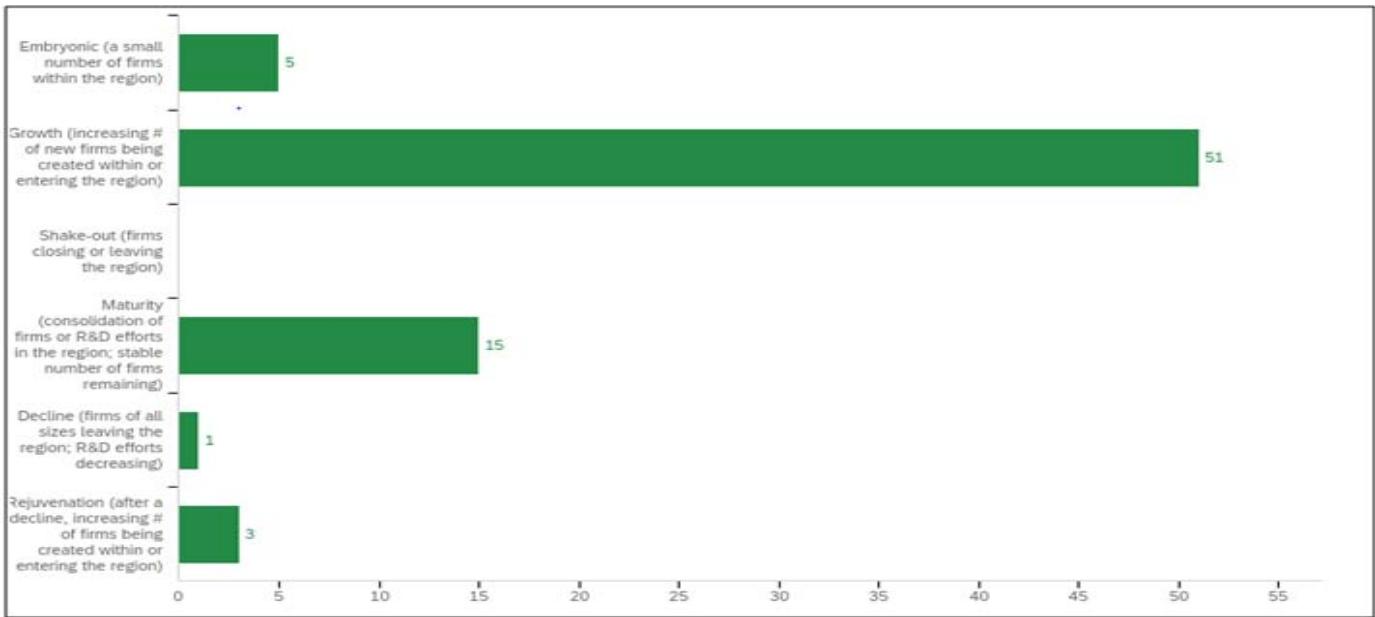 Figure 1: Life Cycle of All Ecosystems Combined
$N = 78$
Table 1 shows the results as a percentage of respondents by region. A few areas of note are: 1) The majority view their region as in the growth stage; 2) Contrasted with this, 60 percent of Innsbruck and Milan respondents view their region as in the maturity stage of its life cycle; 3) No respondent's view their region as being in the shake-out stage; and 4) Although, most respondents in Vienna view that the industry is in the growth stage, several respondents also view it in either the maturity or rejuvenation stage.
Table 1: Regional Life Cycle as a Percentage of Regional Responses
<table><tr><td></td><td>Embryonic</td><td>Growth</td><td>Shake-out</td><td>Maturity</td><td>Decline</td><td>Rejuvenation</td></tr><tr><td>Basel (11)</td><td>0</td><td>72,7</td><td>0</td><td>18,2</td><td>0</td><td>9,1</td></tr><tr><td>Dortman (1)</td><td>0</td><td>100</td><td>0</td><td>0</td><td>0</td><td>0</td></tr><tr><td>Graz (5)</td><td>20</td><td>60</td><td>0</td><td>20</td><td>0</td><td>0</td></tr><tr><td>Habach (1)</td><td>0</td><td>100</td><td>0</td><td>0</td><td>0</td><td>0</td></tr><tr><td>Innsbruck (5)</td><td>20</td><td>20</td><td>0</td><td>60</td><td>0</td><td>0</td></tr><tr><td>Lausanne (7)</td><td>0</td><td>85,7</td><td>0</td><td>14,3</td><td>0</td><td>0</td></tr><tr><td>Milan (5)</td><td>0</td><td>20</td><td>0</td><td>60</td><td>20</td><td>0</td></tr><tr><td>Munich (8)</td><td>0</td><td>87,5</td><td>0</td><td>12,5</td><td>0</td><td>0</td></tr><tr><td>Rome (1)</td><td>0</td><td>100</td><td>0</td><td>0</td><td>0</td><td>0</td></tr><tr><td>Salzburg (1)</td><td>0</td><td>0</td><td>0</td><td>100</td><td>0</td><td>0</td></tr><tr><td>Solothurn (1)</td><td>100</td><td>0</td><td>0</td><td>0</td><td>0</td><td>0</td></tr><tr><td>Toulouse (1)</td><td>0</td><td>100</td><td>0</td><td>0</td><td>0</td><td>0</td></tr><tr><td>Valais (1)</td><td>0</td><td>100</td><td>0</td><td>0</td><td>0</td><td>0</td></tr><tr><td>Vienna (18)</td><td>0</td><td>77,8</td><td>0</td><td>11,1</td><td>0</td><td>11,1</td></tr><tr><td>Wurzburg (1)</td><td>100</td><td>0</td><td>0</td><td>0</td><td>0</td><td>0</td></tr><tr><td>Zurich (8)</td><td>12,5</td><td>75</td><td>0</td><td>12,5</td><td>0</td><td>0</td></tr></table>
### b) How the Region Developed
The survey asked: "Would you say that your region developed primarily from: totally existing actors; vast majority existing actors; slight majority existing actors; 50/50 combination existing actors/outside organizations; slight majority outside organizations; vast majority of outside organizations; totally outside organizations."
Figure 2 shows the overall results for all regions combined. Overall, almost 65 percent of respondents viewed their region developing via existing actors in some form. Twenty-seven percent said that the region developed by way of a 50/50 combination of existing actors and outside organizations. Of note, only 8 percent of all respondents viewed their region developing via a slight majority or vast majority of outside organizations.
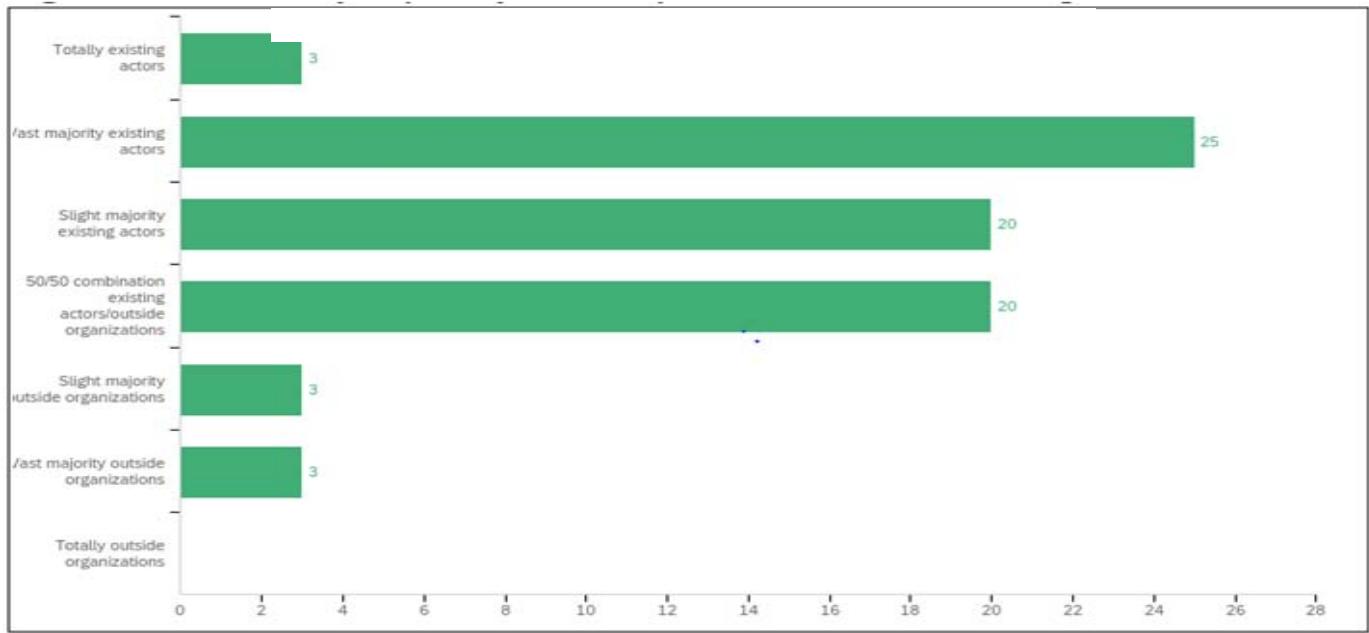 Figure 2: How the Life Cycle of All Ecosystems Combined Developed
$N = 74$
Table 2 shows how the region primarily developed on a percentage basis. Here one can see that the majority of respondents for most regions viewed the development of their region coming about by way of mainly existing actors
Table 2: How Region Developed as a Percentage of Responses
<table><tr><td></td><td>Totally Existing Actors</td><td>Vast Majority Existing Actors</td><td>Slight Majority Existing Actors</td><td>50/50 Existing Actors/Outside Organizations</td><td>Slight Majority Outside Organizations</td><td>Vast Majority Outside Organizations</td><td>Totally Outside Organizations</td></tr><tr><td>Basel (11)</td><td>9,1</td><td>54,6</td><td>18,2</td><td>9,1</td><td>0</td><td>9,1</td><td>0</td></tr><tr><td>Dortman (1)</td><td>0</td><td>0</td><td>0</td><td>100</td><td>0</td><td>0</td><td>0</td></tr><tr><td>Graz (5)</td><td>20</td><td>0</td><td>60</td><td>0</td><td>20</td><td>0</td><td>0</td></tr><tr><td>Habach (1)</td><td>0</td><td>0</td><td>0</td><td>100</td><td>0</td><td>0</td><td>0</td></tr><tr><td>Innsbruck (5)</td><td>20</td><td>0</td><td>60</td><td>20</td><td>0</td><td>0</td><td>0</td></tr><tr><td>Lausanne (7)</td><td>0</td><td>28,6</td><td>14,3</td><td>57,1</td><td>0</td><td>0</td><td>0</td></tr><tr><td>Milan (4)</td><td>0</td><td>50</td><td>50</td><td>0</td><td>0</td><td>0</td><td>0</td></tr><tr><td>Munich (8)</td><td>0</td><td>0</td><td>50</td><td>50</td><td>0</td><td>0</td><td>0</td></tr><tr><td>Rome (1)</td><td>0</td><td>100</td><td>0</td><td>0</td><td>0</td><td>0</td><td>0</td></tr><tr><td>Salzburg (1)</td><td>0</td><td>0</td><td>0</td><td>0</td><td>100</td><td>0</td><td>0</td></tr><tr><td>Solothurn (1)</td><td>0</td><td>100</td><td>0</td><td>0</td><td>0</td><td>0</td><td>0</td></tr><tr><td>Toulouse (1)</td><td>0</td><td>100</td><td>0</td><td>0</td><td>0</td><td>0</td><td>0</td></tr><tr><td>Valais (1)</td><td>0</td><td>100</td><td>0</td><td>0</td><td>0</td><td>0</td><td>0</td></tr><tr><td>Vienna (18)</td><td>0</td><td>33,3</td><td>27,8</td><td>27,8</td><td>5,6</td><td>5,6</td><td>0</td></tr><tr><td>Wurzburg (1)</td><td>0</td><td>100</td><td>0</td><td>0</td><td>0</td><td>0</td><td>0</td></tr><tr><td>Zurich (8)</td><td>0</td><td>57,1</td><td>0</td><td>28,6</td><td>0</td><td>14,3</td><td>0</td></tr></table>
### c) Actors Role Rank
The survey asked: "Rank the actors' role played in developing the biopharmaceutical industry in your region (1 = no role; 5 = indispensable role).
Figure 3 shows the overall results of this categorization for all regions combined. Two areas stand out. First, a little over 25 percent say consumers and consumer groups have had no role in the development of the region, with about 19 percent saying that payers have had no role. This is noteworthy as the open innovation literature has been expanded (via the quadruple helix) to include consumers or consumer groups (e.g. society). On the opposite end, over 62 percent of respondents say that academia played an indispensable role in the development of the region, while almost 49 percent say that biotechnology firms have played an indispensable role in the development of the region. Interestingly, when respondents from academia and biotechnology firms are excluded (results not shown), the results do not change dramatically (i.e., about 58 percent view academia and about 47 percent view biotechnology firms as indispensable).
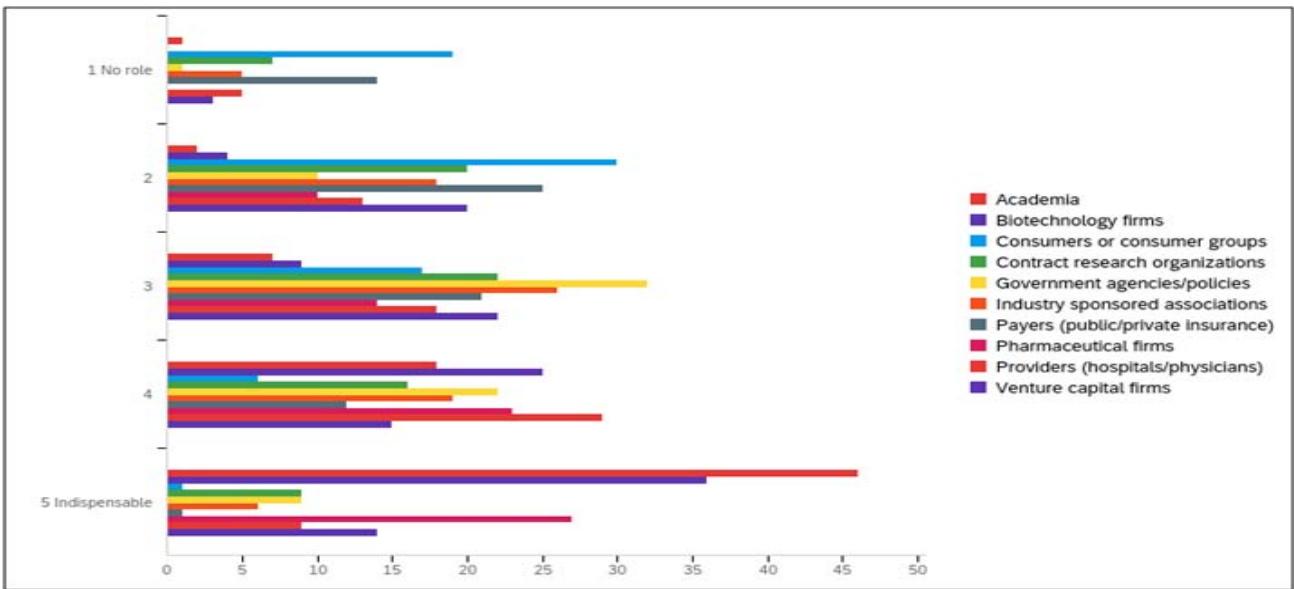 Figure 3: Actors Role Rank All Ecosystems Combined
$N = 74$
In Table 3, means are used to show the relative importance of the role of each actor (i.e., $1=$ no role; $5=$ indispensable). Several areas are noteworthy. In Basel, almost 91 percent thought pharmaceutical firms were indispensable with the remainder viewing them as important ("4"). In Graz, 80 percent thought academia was indispensable, while 60 percent ranked venture capital firms as less important ("2"). In Innsbruck, 100 percent thought consumers or consumer groups played no role. In Lausanne, almost 86 percent thought academia was indispensable. In Milan, 50 percent viewed pharmaceutical firms as indispensable, while 50 percent thought venture capital firms played no role. In Munich, nearly 88 percent thought academia and 50 percent thought biotechnology firms were indispensable. Almost 90 percent thought academia and 61 percent viewed biotechnology firms as indispensable in Vienna. In Zurich, 71 percent viewed biotechnology firms and 57 percent thought academia was indispensable.
Table 3: Actors Role Rank (Means)
<table><tr><td></td><td>Academia</td><td>Biotech Firms</td><td>Con-sumers</td><td>CROs</td><td>Govt Agencies/ Policies</td><td>Industry Sponsor Assoc</td><td>Payers</td><td>Pharma Firms</td><td>Providers</td><td>VC Firms</td></tr><tr><td>Basel (11)</td><td>3,7</td><td>4,0</td><td>2,0</td><td>2,8</td><td>2,9</td><td>2,8</td><td>2,6</td><td>4,9</td><td>3,3</td><td>3,2</td></tr><tr><td>Dortman (1)</td><td>5,0</td><td>5,0</td><td>3,0</td><td>4,0</td><td>3,0</td><td>2,0</td><td>3,0</td><td>4,0</td><td>3,0</td><td>4,0</td></tr><tr><td>Graz (5)</td><td>4,8</td><td>4,0</td><td>2,6</td><td>3,6</td><td>3,8</td><td>3,0</td><td>2,5</td><td>2,8</td><td>3,8</td><td>2,4</td></tr><tr><td>Habach (1)</td><td>5,0</td><td>5,0</td><td>3,0</td><td>5,0</td><td>3,0</td><td>5,0</td><td>3,0</td><td>4,0</td><td>4,0</td><td>4,0</td></tr><tr><td>Innsbruck (5)</td><td>4,0</td><td>3,4</td><td>1,0</td><td>2,4</td><td>2,8</td><td>1,8</td><td>2,2</td><td>3,8</td><td>3,2</td><td>2,6</td></tr><tr><td>Lausanne (7)</td><td>4,9</td><td>4,6</td><td>2,4</td><td>3,0</td><td>4,1</td><td>3,6</td><td>2,4</td><td>3,9</td><td>4,0</td><td>3,7</td></tr><tr><td>Milan (4)</td><td>3,8</td><td>3,0</td><td>2,0</td><td>4,0</td><td>3,5</td><td>3,5</td><td>2,0</td><td>4,3</td><td>4,3</td><td>2,3</td></tr><tr><td>Munich (8)</td><td>4,9</td><td>4,4</td><td>2,3</td><td>2,8</td><td>3,6</td><td>3,1</td><td>1,9</td><td>2,9</td><td>3,0</td><td>3,6</td></tr><tr><td>Rome (1)</td><td>4,0</td><td>5,0</td><td>4,0</td><td>3,0</td><td>4,0</td><td>5,0</td><td>4,0</td><td>5,0</td><td>5,0</td><td>2,0</td></tr><tr><td>Salzburg (1)</td><td>5,0</td><td>5,0</td><td>3,0</td><td>5,0</td><td>4,0</td><td>4,0</td><td>3,0</td><td>4,0</td><td>2,0</td><td>3,0</td></tr><tr><td>Solothurn (1)</td><td>3,0</td><td>4,0</td><td>2,0</td><td>3,0</td><td>2,0</td><td>2,0</td><td>4,0</td><td>2,0</td><td>2,0</td><td>4,0</td></tr><tr><td>Toulouse (1)</td><td>4,0</td><td>3,0</td><td>3,0</td><td>2,0</td><td>3,0</td><td>3,0</td><td>3,0</td><td>4,0</td><td>4,0</td><td>2,0</td></tr><tr><td>Valais (1)</td><td>2,0</td><td>5,0</td><td>4,0</td><td>5,0</td><td>2,0</td><td>3,0</td><td>2,0</td><td>5,0</td><td>2,0</td><td>2,0</td></tr><tr><td>Vienna (18)</td><td>4,7</td><td>4,6</td><td>2,2</td><td>3,0</td><td>3,7</td><td>3,1</td><td>2,9</td><td>4,1</td><td>2,7</td><td>3,2</td></tr><tr><td>Wurzburg (1)</td><td>5,0</td><td>3,0</td><td>1,0</td><td>1,0</td><td>4,0</td><td>2,0</td><td>1,0</td><td>2,0</td><td>5,0</td><td>2,0</td></tr><tr><td>Zurich (7)</td><td>4,6</td><td>4,6</td><td>1,9</td><td>2,4</td><td>2,7</td><td>3,1</td><td>1,7</td><td>3,9</td><td>3,7</td><td>4,1</td></tr></table>
### d) Rank Order of Actors Role
The survey asked: "Rank order which actors played a role in developing the biopharmaceutical industry in your region (1 = highest role; 10 = lowest role)"
Figure 4 shows the rank order mean results for all regions combined—smallest bar is top ranking with there being 10 actors. Similar to Figure 3, academia and biotechnology firms are the top organizations overall which have played a role in the development of the ecosystems, with consumers and payers playing the least role. This remains true if we exclude respondents from academia and biotechnology firms (results not shown). For overall respondents, academia was the top category almost 56 percent of the time for all ecosystems' respondents combined. Pharmaceutical firms were ranked in the top category 25 percent of the time with biotechnology firms ranked in the top category only 10 percent of the time. However, biotechnology firms were in the second spot nearly 52 percent of the time. Consumers or consumer groups were in the last category (10) almost 40 percent of the time.
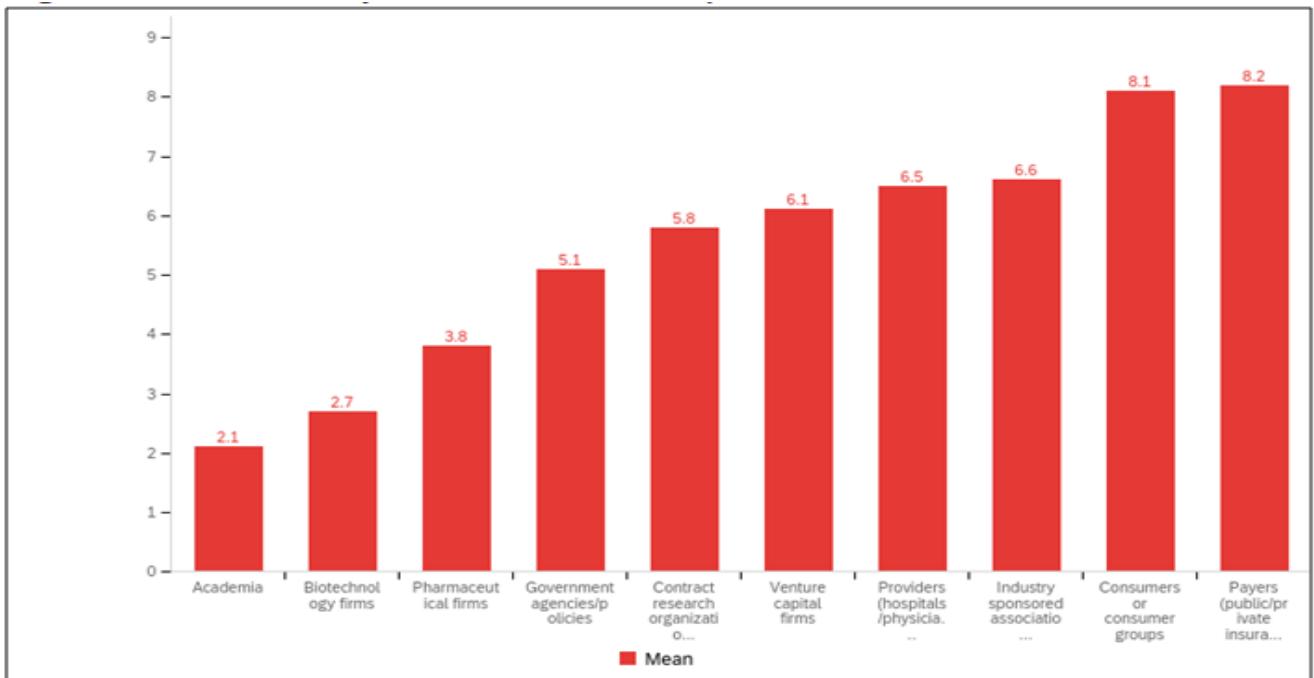 Figure 4: Rank Order of Actors Role All Ecosystems Combined
$N = 68$
Table 4 shows the rank order results by region. The rank ordering is based on each ecosystem respondents' means. Similar to Figure 4, academia was rated the top spot by 10 out of 15 (67 percent) responding ecosystems. Biotechnology firms were ranked likewise as being in the second spot 67 percent of the time. Five ecosystems (Basel, Innsbruck, Milan, Rome, and Valais) ranked pharmaceutical firms as the most important influence on the development of their ecosystem. Innsbruck respondents lists both academia and pharmaceutical firms tied for the top spot.
Table 4: Rank Ordering of Actors Roles in Developing Ecosystem
<table><tr><td></td><td>Academia</td><td>Biotech Firms</td><td>Consumers</td><td>CROs</td><td>Govt Agencies/ Policies</td><td>Industry Sponsor Assoc</td><td>Payers</td><td>Pharma Firms</td><td>Providers</td><td>VC Firms</td></tr><tr><td>Basel (11)</td><td>3</td><td>2</td><td>9</td><td>8</td><td>5</td><td>6</td><td>10</td><td>1</td><td>7</td><td>4</td></tr><tr><td>Dortman (1)</td><td>1</td><td>2</td><td>10</td><td>5</td><td>6</td><td>8</td><td>9</td><td>3</td><td>7</td><td>4</td></tr><tr><td>Graz (5)</td><td>1</td><td>2</td><td>9</td><td>3</td><td>4</td><td>7</td><td>8</td><td>6</td><td>5</td><td>10</td></tr><tr><td>Habach (1)</td><td>1</td><td>2</td><td>10</td><td>4</td><td>8</td><td>5</td><td>9</td><td>3</td><td>6</td><td>7</td></tr><tr><td>Innsbruck (5)</td><td>1</td><td>3</td><td>10</td><td>5</td><td>7</td><td>9</td><td>8</td><td>1</td><td>4</td><td>6</td></tr><tr><td>Lausanne (7)</td><td>1</td><td>2</td><td>10</td><td>8</td><td>3</td><td>7</td><td>9</td><td>4</td><td>6</td><td>5</td></tr><tr><td>Milan (4)</td><td>3</td><td>4</td><td>8</td><td>5</td><td>6</td><td>9</td><td>10</td><td>1</td><td>2</td><td>7</td></tr><tr><td>Munich (8)</td><td>1</td><td>2</td><td>6</td><td>4</td><td>3</td><td>7</td><td>9</td><td>5</td><td>10</td><td>8</td></tr><tr><td>Rome (1)</td><td>5</td><td>6</td><td>8</td><td>9</td><td>2</td><td>7</td><td>3</td><td>1</td><td>4</td><td>10</td></tr><tr><td>Salzburg (1)</td><td>1</td><td>2</td><td>9</td><td>3</td><td>4</td><td>7</td><td>10</td><td>5</td><td>8</td><td>6</td></tr><tr><td>Solothurn (1)</td><td>10</td><td>3</td><td>8</td><td>7</td><td>4</td><td>5</td><td>1</td><td>6</td><td>9</td><td>2</td></tr><tr><td>Toulouse (0)</td><td>-</td><td>-</td><td>-</td><td>-</td><td>-</td><td>-</td><td>-</td><td>-</td><td>-</td><td>-</td></tr><tr><td>Valais (1)</td><td>3</td><td>2</td><td>5</td><td>4</td><td>8</td><td>6</td><td>9</td><td>1</td><td>10</td><td>7</td></tr><tr><td>Vienna (18)</td><td>1</td><td>2</td><td>9</td><td>5</td><td>4</td><td>6</td><td>8</td><td>3</td><td>10</td><td>7</td></tr><tr><td>Wurzburg (1)</td><td>1</td><td>5</td><td>9</td><td>8</td><td>3</td><td>4</td><td>10</td><td>7</td><td>2</td><td>6</td></tr><tr><td>Zurich (7)</td><td>1</td><td>2</td><td>9</td><td>6</td><td>7</td><td>8</td><td>10</td><td>3</td><td>5</td><td>4</td></tr></table>
### e) Ranking Access and Environment
The survey asks: "Rank the importance of the following related to the development of the biopharmaceutical industry within your region (1=Non-important; 5=Indispensable)."
Figure 5 illustrates the overall importance of access and environmental factors for all ecosystems combined. Of note, nearly 78 percent of all respondents said that access to qualified personnel was an indispensable factor in the development of the ecosystem. Similar to our previous rankings on academia, almost 64 percent perceived that access to research universities were indispensable. Notably, and contrary to our previous findings, about 53 percent of
the respondents stated that access to venture capital was indispensable, with an additional 24 percent finding access to venture capital important. Keeping with this study's previous trends, almost 57 percent of respondents noted that the region's consumer sentiment toward biopharmaceuticals was either slightly or not important.
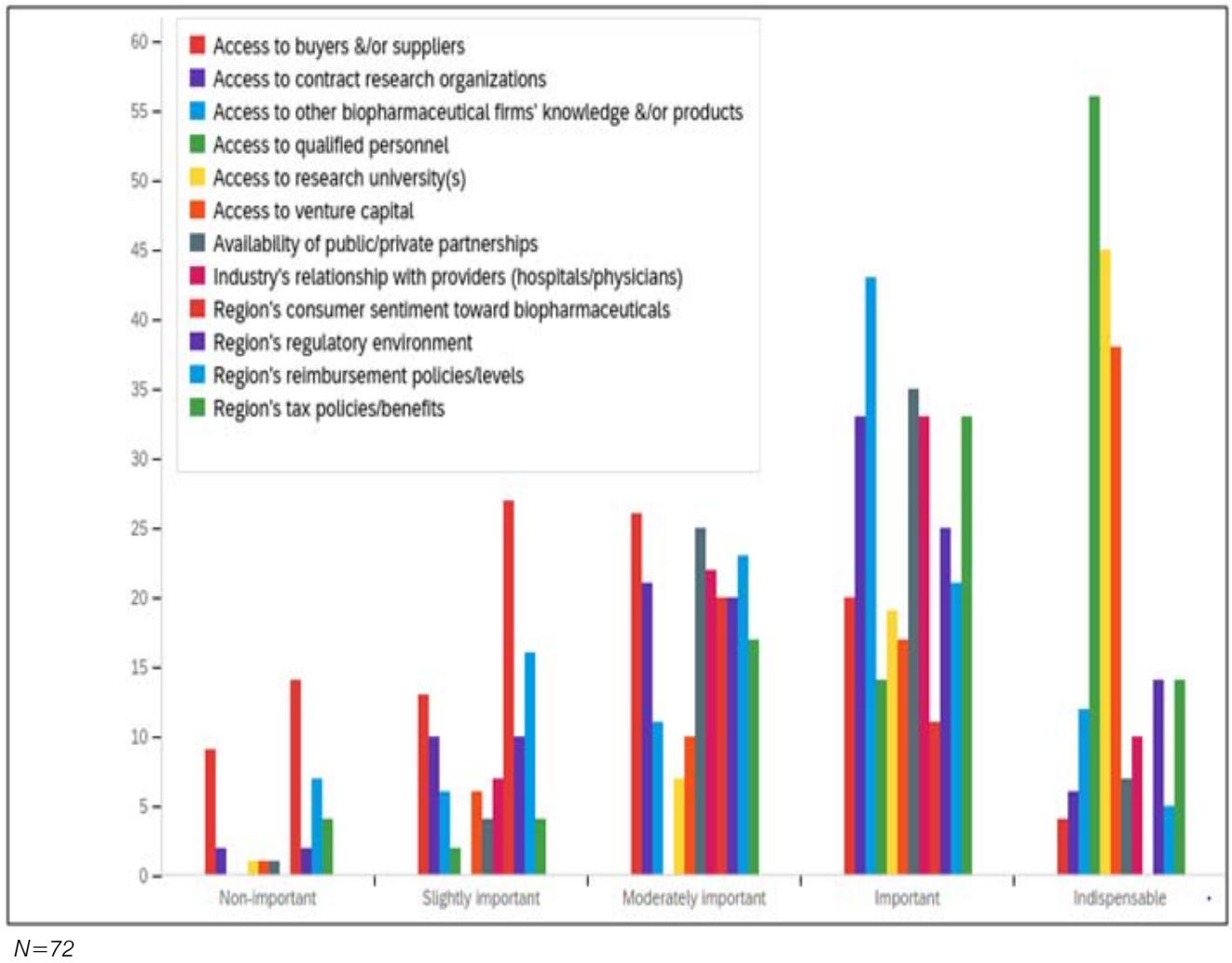 Figure 5: Ranking Access and Environment All Ecosystems Combined
Table 5 shows the ranking related to access and environmental factors by each ecosystem per the means of their respondents. Access to qualified personnel and access to research universities were the top factors leading the individual ecosystems. It should be mentioned that in all areas examining rankings that from an ecosystem perspective even if an actor or other factor played a slight role, this may be considered valuable. This is to say that an actor or other factor may be additive in the sense that it enhances the environment for innovation.
Table 5: Ranking Access and Environmental Factors by Ecosystem (Means)
<table><tr><td></td><td>Access to Buyers/ Suppliers</td><td>Access to CROs</td><td>Access to Other Biopharma Firms' Knowledge & Products</td><td>Access to Qualified Personnel</td><td>Access to Research Universities</td><td>Access to Venture Capital</td><td>Availability of Public/Private Partnerships</td><td>Relationship with Providers</td><td>Consumer Sentiment</td><td>Regulatory Environment</td><td>Reimbursement Policies/Levels</td><td>Tax Policies/ Benefits</td></tr><tr><td>Basel (11)</td><td>2,9</td><td>2,9</td><td>3,5</td><td>5,0</td><td>4,0</td><td>3,7</td><td>3,5</td><td>3,6</td><td>2,7</td><td>3,6</td><td>2,8</td><td>4,0</td></tr><tr><td>Dortman (1)</td><td>5,0</td><td>3,0</td><td>4,0</td><td>5,0</td><td>5,0</td><td>5,0</td><td>3,0</td><td>4,0</td><td>4,0</td><td>3,0</td><td>3,0</td><td>4,0</td></tr><tr><td>Graz (5)</td><td>2,2</td><td>4,2</td><td>3,8</td><td>4,8</td><td>5,0</td><td>4,2</td><td>3,6</td><td>3,4</td><td>2,0</td><td>3,6</td><td>2,8</td><td>3,2</td></tr><tr><td>Habach (1)</td><td>3,0</td><td>5,0</td><td>5,0</td><td>5,0</td><td>5,0</td><td>4,0</td><td>4,0</td><td>4,0</td><td>3,0</td><td>5,0</td><td>4,0</td><td>4,0</td></tr><tr><td>Innsbruck (5)</td><td>2,2</td><td>3,4</td><td>3,0</td><td>4,6</td><td>4,2</td><td>4,0</td><td>3,2</td><td>4,2</td><td>2,0</td><td>3,8</td><td>3,0</td><td>3,6</td></tr><tr><td>Lausanne (7)</td><td>3,6</td><td>3,3</td><td>4,0</td><td>5,0</td><td>4,7</td><td>4,6</td><td>4,0</td><td>3,9</td><td>2,7</td><td>3,4</td><td>2,7</td><td>4,4</td></tr><tr><td>Milan (4)</td><td>3,5</td><td>3,5</td><td>3,0</td><td>3,3</td><td>4,3</td><td>2,8</td><td>3,0</td><td>3,5</td><td>1,8</td><td>3,0</td><td>2,8</td><td>2,8</td></tr><tr><td>Munich (8)</td><td>2,4</td><td>3,6</td><td>4,1</td><td>4,7</td><td>4,7</td><td>4,7</td><td>3,9</td><td>3,3</td><td>1,7</td><td>3,1</td><td>2,4</td><td>3,0</td></tr><tr><td>Rome (1)</td><td>4,0</td><td>4,0</td><td>5,0</td><td>5,0</td><td>5,0</td><td>3,0</td><td>4,0</td><td>4,0</td><td>3,0</td><td>4,0</td><td>5,0</td><td>5,0</td></tr><tr><td>Salzburg (1)</td><td>4,0</td><td>4,0</td><td>4,0</td><td>5,0</td><td>5,0</td><td>5,0</td><td>4,0</td><td>4,0</td><td>3,0</td><td>4,0</td><td>4,0</td><td>3,0</td></tr><tr><td>Sofothurn (1)</td><td>4,0</td><td>4,0</td><td>4,0</td><td>5,0</td><td>3,0</td><td>5,0</td><td>3,0</td><td>4,0</td><td>3,0</td><td>2,0</td><td>3,0</td><td>4,0</td></tr><tr><td>Toulouse (0)</td><td>-</td><td>-</td><td>-</td><td>-</td><td>-</td><td>-</td><td>-</td><td>-</td><td>-</td><td>-</td><td>-</td><td>-</td></tr><tr><td>Valais (1)</td><td>2,0</td><td>5,0</td><td>5,0</td><td>5,0</td><td>1,0</td><td>4,0</td><td>4,0</td><td>4,0</td><td>4,0</td><td>5,0</td><td>4,0</td><td>5,0</td></tr><tr><td>Vienna (18)</td><td>2,7</td><td>3,4</td><td>4,2</td><td>4,7</td><td>4,7</td><td>4,3</td><td>3,7</td><td>3,5</td><td>2,6</td><td>3,8</td><td>3,4</td><td>3,8</td></tr><tr><td>Wurzburg (1)</td><td>2,0</td><td>2,0</td><td>3,0</td><td>4,0</td><td>5,0</td><td>5,0</td><td>4,0</td><td>4,0</td><td>1,0</td><td>1,0</td><td>1,0</td><td>1,0</td></tr><tr><td>Zurich (7)</td><td>3,7</td><td>3,3</td><td>3,6</td><td>4,7</td><td>4,6</td><td>4,3</td><td>3,3</td><td>3,7</td><td>2,1</td><td>3,6</td><td>3,1</td><td>3,7</td></tr></table>
## V. DISCUSSION, LIMITATIONS, AND AREAS OF FURTHER RESEARCH
The study seeks to show the life cycle, ranking of actors' roles, and access to actors and other environmental factors effect on various biopharmaceutical entrepreneurial ecosystems in Central Europe from the perspective of the various actors within the ecosystems. The study finds several interesting results. First, the majority of actors view their ecosystem to be in the growth stage of the life cycle. This is noteworthy as several regions (such as Basel) have been engaged in the pharmaceutical industry for one hundred years or more. Second, the majority of actors perceive their ecosystem as developing via existing actors. This is to say that sufficient numbers of outside actors entering the ecosystem are not perceived as generating the growth within the ecosystem. The growth also may be due to existing actors creating firms, selling these firms to existing corporations, and then raising additional funds to start a second (or third, etc.) firm. This may be both a form of serial entrepreneurship and/or creative construction (Agarwal, et al., 2007) at work. Third, there is some variation among the ecosystems in terms of which actors played the most important roles in developing the ecosystem. For example, as one might expect, pharmaceutical firms in Basel are perceived as the most important. This contrasts with two-thirds of the other ecosystems which rank order academia as the most important actor. Nevertheless, one should not lose sight that there may be an additive nature for the ecosystem to all actors and factors that have played even the slightest role-re-enforcing Isenberg's (2016) implicit view that the focus is not merely on the entrepreneur in an entrepreneurial ecosystem.
The perception that most of the growth is coming from existing actors may be of interest to regional developers and policy makers. This is to say that certain government policies (e.g., tax considerations to attract new entrants), which the actors rank toward the middle of all factors, may not be creating the boost as intended. Additionally, big pharmaceutical firms may be continuing to consolidate their innovative activities into a handful of regions (Gautam & Pam, 2016). It also may point to Isenberg's (2011: 8) assertion that regions should focus on what they do well or in his words "cultivate their own." The perception related to government policy is true regardless of which of the above tables one examines. Opposite of this may be that funding of research via academia is creating the growth. This may be evidenced by the majority of actors rank ordering of the academy as the top influencer of ecosystem development. Just as biotechnology has been viewed for decades as an opportunity to complement, if not supplant, the more traditional pharmaceutical market, so too are universities seen as a mechanism for regions to "catch up" with other more established biopharmaceutical regions (Youtie & Shapira, 2008). Much more fined grained research is needed on this area, especially as it relates to research and educational capacity within each ecosystem. For example, we do not know if the indispensable role of academia is not also an expression of a need for more academic research and development.
Previous studies on biopharmaceutical ecosystems have somewhat treated the regions in a homogenous manner. Results from this study show that there is variation among the ecosystems. One could extrapolate from the results and loosely group ecosystems around regions that were influenced by pharmaceutical firms (e.g., Basel, Innsbruck, Milan, Rome, and Valais) compared with those that were influenced by the academy and biotechnology firms (e.g., Graz, Lausanne, Munich, Vienna, and Zurich). Yet, even these groupings do not belie the fact that of those ecosystems that rank pharmaceutical firms as the top influencer, 4 of the 5 of these ecosystems also rank order academia and biotechnology firms within the top 3 most important actors.
The perception of the role of venture capital is important as it in part varies from other studies. Researchers often speak to venture capital's crucial role in the development of bio-clusters, especially in the United States. Yet, as shown in Table 3 for most ecosystems within this study it is viewed as playing a middle of the road role. This may be due to 1) a lack of venture capital in some regions; 2) other types of organizations (e.g., pharmaceutical firms, government) taking over part or all of the role of venture capital; 3) the region developing due to existing firms using internal monies to fund innovation; or 4) the global nature of venture capital whereby firms rely on funding coming from outside of their region. Figure 4 and Table 5 findings, which relates to access in the development of the region, seem to suggest that in the future access to venture capital may affect the growth of many of the ecosystems, especially those without access to other forms of capital. More research is needed to understand both the reason for this perception and its effect on the growth and performance of the ecosystem.
Consumers and payers were found across the board to have little effect on ecosystem development. This may be due to the global nature of drug discovery and development-meaning that organizations were not merely creating drugs and therapeutics for regional use only. Yet, it is interesting that consumers appear to have little voice into what types of industrial development is occurring in their region. This may be especially noteworthy for regions where pharmaceutical firms have a long history and have played a prominent role in the development of the region overall.
The major limitation of the survey is the small number of respondents, with some regions having very few respondents at all. This limitation is lessened to a small degree by seeking feedback of results by respondents which are incorporated into this paper. Another limitation is the study requested input from financial organizations (e.g. venture capital and non-venture firms) but did not receive any responses. Nor did the study seek to include input from consumers or consumer groups. This may have affected the perceived role of venture capital and consumers somewhat. However, it should be noted as reported above that when the responses from those in academia and biotechnology firms were excluded their status did not change.
This study examines the life cycle, actors' role, and other factors' contribution to the development of biopharmaceutical entrepreneurial ecosystems in select Central European regions. More research is needed in areas such as what factors are hindering growth, how do resource dependencies such as human and financial capital affect the ecosystem, how has the ecosystem changed over time, how have the actors sought to shape the ecosystem, and how do other industries or ecosystems (e.g., medical technology, electronics) within the region affect the biopharmaceutical entrepreneurial ecosystem. In light of our findings related to the importance of academia, more research is needed related to the research and educational capacities of regions. Nevertheless, it is a first step toward quantifying and answering questions related to the who, what, and how of the development of these ecosystems. The study should be of interest to scholars and all actors involved in the development of biopharmaceutical entrepreneurial ecosystems.
Generating HTML Viewer...
References
42 Cites in Article
Zoltan Acs,Erik Stam,David Audretsch,Allan O’connor (2017). The lineages of the entrepreneurial ecosystem approach.
R Adner (2006). Match your innovation strategy to your innovation ecosystem.
Rajshree Agarwal,David Audretsch,M Sarkar (2007). The process of creative construction: knowledge spillovers, entrepreneurship, and economic growth.
Janna Alvedalen,Ron Boschma (2017). A critical review of entrepreneurial ecosystems research: towards a future research agenda.
D Audretsch (2001). The role of small firms in US biotechnology clusters.
D Audretsch,C Mason,M Miles,A O'connor (2021). Time and the dynamics of entrepreneurial ecosystems.
Philip Auerswald,Lokesh Dani (2017). The adaptive life cycle of entrepreneurial ecosystems: the biotechnology cluster.
U Cantner,J Cunningham,E Lehmann (2021). Entrepreneurial ecosystems: a dynamic lifecycle model.
Bart Clarysse,Mike Wright,Johan Bruneel,Aarti Mahajan (2014). Creating value in ecosystems: Crossing the chasm between knowledge and business ecosystems.
Philip Cooke,Mikel Gomez Uranga,Goio Etxebarria (1997). Regional innovation systems: Institutional and organisational dimensions.
Ozgur Dedehayir,Saku Mäkinen,J Roland Ortt (2018). Roles during innovation ecosystem genesis: A literature review.
Joseph Dimasi,Henry Grabowski,Ronald Hansen (2016). Innovation in the pharmaceutical industry: New estimates of R&D costs.
S Durst,P Poutanen (2013). The Innovation Business Ecosystem.
Ajay Gautam,Xiaogang Pan (2016). The changing model of big pharma: impact of key trends.
D Isenberg (2010). How to start an entrepreneurial revolution.
D Isenberg (2011). The entrepreneurship ecosystem strategy as a new paradigm for economic policy: Principles for cultivating entrepreneurship.
D Isenberg (2016). Applying the ecosystem metaphor to entrepreneurship: Uses and abuses.
K Jung,J Eun,S Lee (2017). Exploring competing perspectives on government-driven entrepreneurial ecosystems: lessons from Centres for Creative Economy and Innovation (CCEI) of South Korea.
Rahul Kapoor,Joon Lee (2013). Coordinating and competing in ecosystems: How organizational forms shape new technology investments.
Catherine Lecocq,Bart Van Looy (2016). What differentiates top regions in the field of biotechnology? An empirical study of the texture characteristics of biotech regions in North America, Europe, and Asia-Pacific.
C Mason,R Brown (2014). Entrepreneurial ecosystems and growth oriented entrepreneurship.
B Mercan,D Goktas (2011). Components of innovation ecosystems: a cross-country study.
Deog-Seong Oh,Fred Phillips,Sehee Park,Eunghyun Lee (2016). Innovation ecosystems: A critical examination.
Vaida Pilinkienė,Povilas Mačiulis (2014). Comparison of Different Ecosystem Analogies: The Main Economic Determinants and Levels of Impact.
M Porter (1998). Clusters and the new economics of competition.
Walter Powell,Kenneth Koput,James Bowie,Laurel Smith-Doerr (2002). The Spatial Clustering of Science and Capital: Accounting for Biotech Firm-Venture Capital Relationships.
Verena Radinger-Peer,Sabine Sedlacek,Harvey Goldstein (2018). The path-dependent evolution of the entrepreneurial ecosystem (EE) – dynamics and region-specific assets of the case of Vienna (Austria).
Paavo Ritala,Argyro Almpanopoulou (2017). In defense of ‘eco’ in innovation ecosystem.
N Rubens,K Still,J Huhtamäki,M Russell (2011). A network analysis of investment firms as resource routers in Chinese innovation ecosystem.
J Schumpeter (1942). Chapter 7. CAPITALISM, SOCIALISM AND DEMOCRACY (1942).
Ben Spigel (2017). The Relational Organization of Entrepreneurial Ecosystems.
B Spigel,R Harrison (2018). Toward a process theory of entrepreneurial ecosystems.
Erik Stam (2015). Entrepreneurial Ecosystems and Regional Policy: A Sympathetic Critique.
Erik Stam,Ben Spigel (2016). Entrepreneurial Ecosystems.
L De Vasconcelos Gomes,A Facin,M Salerno,R Ikenami (2018). Unpacking the innovation ecosystem construct: Evolution, gaps and trends.
S Vedula,P Kim (2019). Gimme shelter or fade away: the impact of regional entrepreneurial ecosystem quality on venture survival.
Vesna Vlaisavljevic,Carmen Medina,Bart Van Looy (2020). The role of policies and the contribution of cluster agency in the development of biotech open innovation ecosystem.
M Weber,M Hine (2015). Who inhabits a business ecosystem? The technospecies as a unifying concept.
David Williams,Richard Pouder (2020). Are explicit knowledge transfers clustered or diffused in the U.S. biopharmaceutical market sector?.
Jan Youtie,Philip Shapira (2008). Building an innovation hub: A case study of the transformation of university roles in regional technological and economic development.
Lynne Zucker,Michael Darby (1996). Star scientists and institutional transformation: Patterns of invention and innovation in the formation of the biotechnology industry.
No ethics committee approval was required for this article type.
Data Availability
Not applicable for this article.
How to Cite This Article
Dave Williams. 2026. \u201cThe Life Cycle and Actors Roles in Select Central European Biopharmaceutical Entrepreneurial Ecosystems – Results from a Multi-Perspective Survey\u201d. Global Journal of Management and Business Research - A: Administration & Management GJMBR-A Volume 23 (GJMBR Volume 23 Issue A6): .
Explore published articles in an immersive Augmented Reality environment. Our platform converts research papers into interactive 3D books, allowing readers to view and interact with content using AR and VR compatible devices.
Your published article is automatically converted into a realistic 3D book. Flip through pages and read research papers in a more engaging and interactive format.
The study seeks to show the life cycle, ranking of actors’ roles, and access to actors and other environmental factors effect on various biopharmaceutical entrepreneurial ecosystems in Central Europe from the perspective of the various actors within the ecosystems. The study finds several interesting results. First, the majority of actors view their ecosystem to be in the growth stage of the life cycle. Second, the majority of actors perceive their ecosystem as developing via existing actors. Third, there is some variation among the ecosystems in terms of which actors played the most important roles in developing the ecosystem, with those in academia playing the highest role. Yet, all actors are perceived as playing a role in the development of the ecosystem by most, suggesting the additive nature of ecosystem development.
Our website is actively being updated, and changes may occur frequently. Please clear your browser cache if needed. For feedback or error reporting, please email [email protected]
Thank you for connecting with us. We will respond to you shortly.