I. INTRODUCTION
a) Geographical Distribution of Hyderabad
Hyderabad is located in central Telangana and is situate over an area of 260 km2. It lies in the Deccan Plateau with an average height of 536 m above the sea level. The latitude is 17.3660 N and longitude is 78.4760 E [1]. The Average temperature is 130c to 390 c, June to September is the south-west monsoon season, and Humidity is with an average of 25 to 30% [2].
b) Medicinal Plant flora of Hyderabad district
As per the recent surveys there, are more than 583 reported genus and 1335 species belonging to 160 different families and predominant to 120 families [3].
c) Medicinal Flora in Guru Nanak School of Pharmacy
The Guru Nanak School of Pharmacy is a part of GURU NANAK INSTITUTIONS TECHNICAL CAMPUS (AUTONOMOUS), situated in the eastern core of Hyderabad called Ibrahimpatnam. The school is maintaining a medicinal plant garden with around 50 varieties in an area of around 1000 sqft as a part of its curriculum and also to create awareness on how these plants are being used by common man as a medicine or as a nutritional supplement. The current review is focusing on the importance of 20 important flora of Hyderabad.
i. Erythrina variegata
a) Botanical description: Scientific Name: Erythrina variegata L. Family: Fabaceae (legume family)
b) Habitat: A deciduous tree with 15-18 m tall and leaves are 6 inches long having spiny branches [4].
c) Vernacular Names: English: Indian Coral Tree, Lenten tree, Tiger claw, Hindi: Pangara Manipuri: Kurao, Tamil: Kalyana murungai, Telugu: mulla moduga, tella-varjam., Tangkhul: Thikchowon kahunga [5].
d) Phytochemical Constituents: Alkaloids, flavonoids, pterocarpans, triterpenes, steroids, alkyl transferulates, proteins, and lecithin [6].
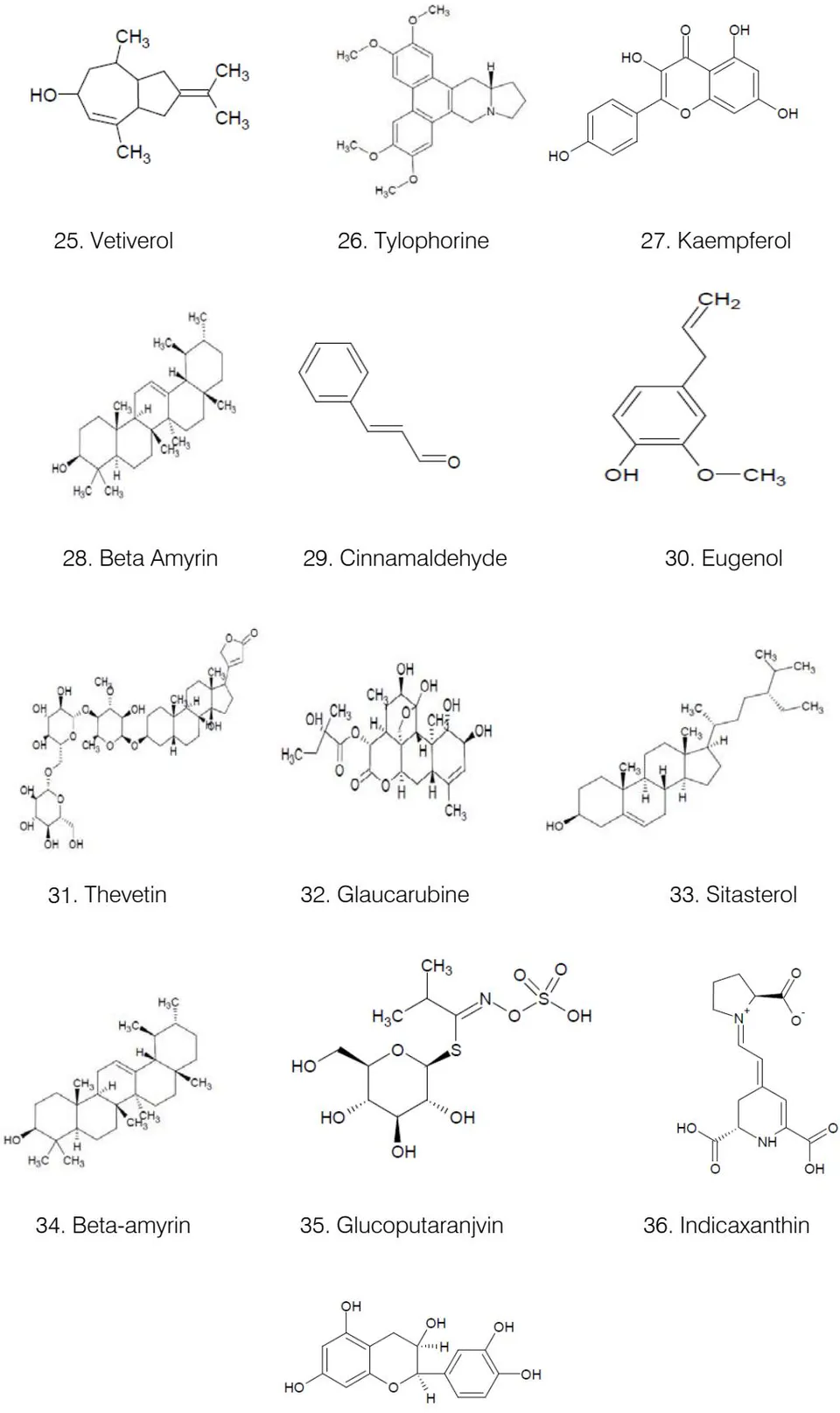
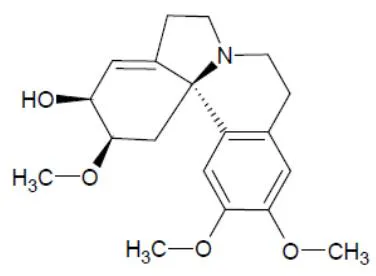
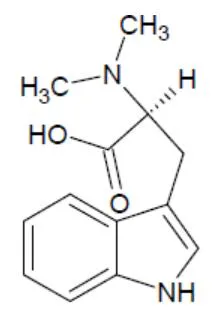
e) Isolated Phytoceuticals: Erythratidine [7], N, N-dimethyl tryptophan [8], erystagallin A [9].
f) Nutritional Values: The amino acid composition of seed protein is as follows: alanine (7.2), arginine (3.4), aspartic acid (12.9), glutamic acid (13.4), glycine (7.6), histidine (3.9), isoleucine (3.6), leucine (7.1), lysine (5.1), methionine (0.5), phenylalanine (3.3), proline (4.7), serine (7.1), threonine (5.7), tyrosine (2.2), and valine (4.8) g/100g [10].
g) Pharmacological uses: Antioxidant [11], Analgesic and anti-inflammatory [12], Antisclerotic effect [13].
h) Traditional claims: used especially for menstrual disorders and fissures at penis tip [14].
i) Folklore uses: The tribes of Hingoli, Maharashtra, India use this bark powder as Antirheumatic and internally as a decoction to treat tetanus [15].
ii. Eruca sativa
a) Botanical description: Scientific Name: Eruca sativa, Family name: Brassicaceae.
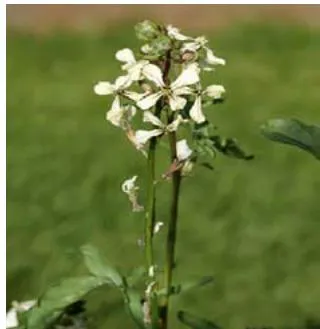
b) Habitat: An Annual, erect herb which grows up to 25-100 cm high. Roots are slender, taproot, glaucous. The stem is simple or branched, stiff, glabrous above, hispid below. Flowers are racemes; Fruits are erect grows up to 3 cm long and glabrous. Seeds are subglobose, flattened, 2-seriate and brownish [16]
c) Vernacular Names: English name: Rocket Salad, Hindi: Tara Mira, Malayalam: Rucola Bengali: Suffed shorshi, Sanskrit: Sarishapa [17]
d) Phytochemical constituents: Alkaloids, Cardiac glycosides, Flavonoids, Phenolics, Ascorbic acid, Saponins and Tannins [18].
e) Isolated Phytoceuticals: kaempferol, Rhamnocitrin [19]
f) Nutritional values: The values mentioned are per 100 g
- Calories: 25 Kcal, 2. Total Fat: 1 g, 3. Sodium: 27 mg, 4. Potassium: 369 mg, Carbohydrates: 4 g, Dietary Fibre: 2 g, Sugars: 2 g, Protein: 2 g, Vitamin A: 47%, Vitamin C: 25%, Calcium: 16%, Iron: 8%[20].
g) Pharmacological uses: Anticancer [19], Antimicrobial [21].
h) Traditional claims: The Israelites uses this plant in the treatment of aphrodisiac, for eye infections, and for digestive and kidney problems [22].
i) Folklore uses: The local people of Mihalgazi district (Turkey) uses the leaves in treatment of Diabetes, ulcer, kidney diseases, asthma, high cholesterol [23].
iii. Euphorbia tirucalli
a) Botanical description: Scientific Name: Euphorbia tirucalli, Family name: Euphorbiaceae
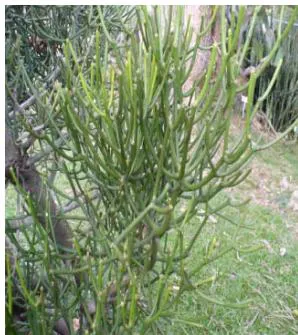
b) Habitat: E. tirucalli is a many-branched succulent plant. Trees or shrubs, producing abundant milky latex when injured, 2-6 m tall, dioecious, having a trunk 10-25 cm, with rugose, gray or light bark. Stems are green, succulent, finely, longitudinally striate. Leaves are alternate, present only on new growth; stipules very small, caducous; base attenuate, margin entire, apex obtuse. Male flowers many, exserted from involucre. Female flower: ovary glabrous, exserted from involucre [24].
c) Vernacular Names: English names: Pencil Tree, Firestick Plants, Indian Tree Spurge, Naked Lady, Pencil Tree, Pencil Cactus, Sticks on Fire, Hindi: anglithor, Kannada: bonta-kalli, Malayalam: guda, Marathi: sher-kandvel, Sanskrit: saptala, Tamil: cakkalavi, Telugu: cemudu, [25].
d) Phytochemical constituents: Alkaloids, Terpenoids, Flavanoids, Tannins, Saponins [26].
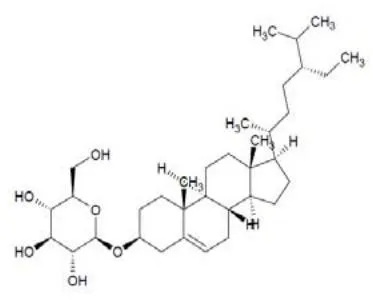
e) Isolated Phytoceuticals: -amyrin acetate, lupenone, daucosterol [27].
f) Nutritional values: NA
g) Pharmacological uses: analgesic, anthelmintics, antiarthritic, antibacterial/antifungal/antimicrobial, anti-HIV, anti-inflammatory, antioxidant, antiviral, biodiesel production, CNS depressant/neuropathic pain, cytotoxicity/ anticancer, genotoxic/mutagenic, hepatoprotective, insect repellants, immunemodulatory, larvicidal, molluscicidal/ovicidal/piscicidal, myelopoiesis, proteolytic/chitinolytic [27].
h) Traditional claims: In India, it is useful in treatment of biliousness, leprosy and leucorrhea. In Brazil, it is used against cancroids, cancer, sarcomas, tumors, etc [27].
i) Folklore uses: In Malabar of India and Moluccas, the latex is use as an emetic and an anti-syphilitic [28].
iv. Alstonia scholaris
a) Botanical description: Scientific Name: Alstonia scholaris, Family name: Apocynaceae
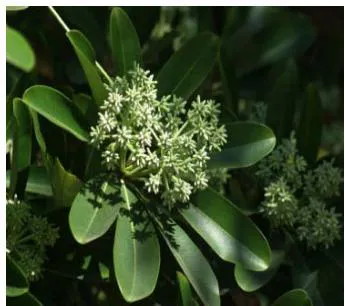
b) Habitat: Large trees; height to 30 m; bark 10-15 mm thick, surface grey-brown, irregularly cracked and shallowly fissured, subverrucose, lenticellate; blaze creamy yellow, outer layer thin, corky, inner layer brittle; latex milky white; branchlets whorled. Leaves simple, whorled, estipulate; petiole 5-12 mm long, stout, glabrous; lamina 5-20 x 3-7 cm, obovate, oblanceolate or obovate-oblong; base cuneate or attenuate; apex obtuse or emarginate; margin entire, glabrous, subcoriaceous; lateral nerves many, slender, prominent, glabrous, parallel, looped near the margin forming intramarginal nerves; intercostae reticulate, obscure [29].
c) Vernacular Names: English: Devil tree, Dita bark tree, Shaitan wood Tamil: Elilaipalai, Malayalam: Ezhilampala, Kannada: Doddapala, Telugu: Edakula Ponna [30].
d) Phytochemical constituents: hydrocarbons, triterpenes and phytosterols [31].
e) Isolated Phytoceuticals: sarpagine [32].
f) Nutritional values: Fats: 1.4%, Proteins: 2.8%, Dietary fibre: 12.4%, [33].
g) Pharmacological uses: anti-malarial [33], anticancer [34].
h) Traditional claims: The bark of the Alstonia scholaris is used in Ayurvedic medicine to treat fever, malaria, troubles in digestion, tumors, ulcers, asthma, and so forth. The leaves and the latex are applied externally to treat tumors. The bark and roots are boiled with rice and eaten by girls daily for several weeks to treat excessive vaginal discharge. The dried leaves of the Alstonia scholaris are used as an expectorant [35].
i) Folklore uses: In Bay islands, the tribes used it as an antimicrobial [36].
v. Aloe vera
a) Botanical Description: Scientific Name: Aloe vera, Family: Liliaceae.
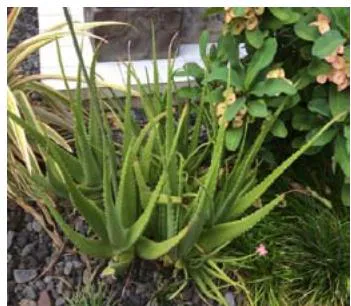
b) Habitat: Aloe vera having a less stem or very short-stemmed plant growing to 60–100 cm (24–39 in) tall, spreading by offsets. The leaves are thick and fleshy, green to grey-green, with some varieties showing white flecks on their upper and lower stem surfaces. The margin of the leaf is serrated and has small white teeth. The flowers are produced in summer on a spike up to 90 cm (35 in) tall, each flower being pendulous, with a yellow tubular corolla 2–3 cm (0.8–1.2 in) long. Like other Aloe species, Aloe vera forms arbuscular mycorrhiza, a symbiosis that allows the plant better access to mineral nutrients in soil [35].
c) Vernacular Names: English name: Aloe vera, Medicinal aloe, Burn plant, Hindi: Gheekumari Marathi: Khorpad, Tamil: athalai, Malayalam: Chotthu kathalai, Nepali: Ghyu Kumaari, Telugu: Kalabanda [36].
d) Phytochemical constituents: Tannin, Saponin, Flavonoids and Terpenoids [37].
e) Isolated Phytoceuticals: p-coumaric acid [38], aloe-emodin & chrysophanol [39].
f) Nutritional values: stated below are ingredients per 100 g of juice Sodium: 3%, Total carbohydrate: 1%, vitamin C: 17%, Dietary fiber: 1%, Calcium: 1%, Iron: 2% [41].
g) Pharmacological uses: Wound healing, Anti-aging and Anticancer [42].
h) Traditional claims: Purgative, In treatment of arthritis, Sinusitis, conjunctivitis, Ophthalmia, treatment of wounds, anti-hypertension, anti-stress, Energy booster and liver cleanser [41].
i) Folklore uses: During the 16th century, the Indian tribes uses this as healing plant, it is one of the 16 holy plants having divine status, the Indian tribes uses this plant as mosquito repellent, it also used on wood as insect repellent [43].
vi. Catharanthus roseus
a) Botanical Description: Scientific Name: Catharanthus roseus, Family: Apocynaceae
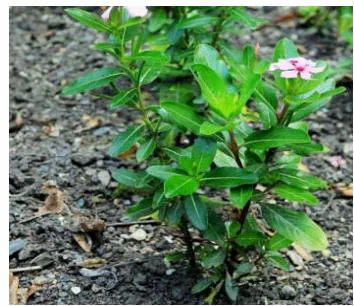
b) Habitat: A tender, perennial subshrub with standing erect (30 cm to 1 m in height). The sap is a milky latex [44].
c) Vernacular names: English name: Periwinkle, Madagascar periwinkle, Rosy periwinkle, Vinca Hindi: Sadabahar, Malayalam: Shavam Naari, Marathi: Sadaphuli • Bengali: Nayantara, Telugu: billaganneru [45].
d) Phytochemical constituents: organic acids, reducing sugars, phenols and tannins, depsides and depsidones, steroids and triterpenoids, alkaloids and saponins [46].
e) Isolated phytoceuticals: Rhazimol [47], Vindoline [48].
f) Nutritional values (per 100 g): carbohydrate: , lipid: , crude protein:
7.05 ± 0.01%, crude fibre: 1.04 ± 0.02% and had Caloric value of 369.37±0.02 kcal. The mineral element analyzed were Calcium (Ca) 232.90 ± 0.01mg/kg, Iron (Fe) 154.39 ± 0.02mg/kg [49].
g) Pharmacological uses: Antineoplastic, Antidiabetic, Antioxidant [50].
h) Traditional claims: Relieving muscle pain, depression of the central nervous system, also used to heal wounds [50].
i) Folklore uses: The Bhilla tribe of Maharashtra, India uses this leaf decoction in treatment of leucorrhoea/menstrual complaint [51].
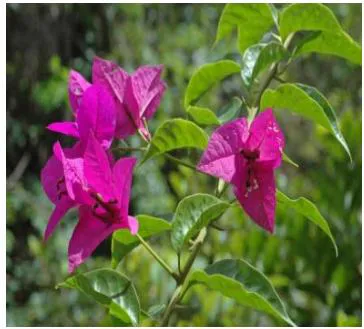
vii. Bougainvillea glabra
a) Botanical description: Scientific name: Bougainvillea glabra, Family: Nyctaginaceae
b) Habitat: Bougainvillea glabra is a climbing shrub with thorny stems, usually grows 3-4m (10–12 feet) tall, The flowers are white and tiny appears in cluster surrounded with papery bracts, hence the name known as paper flower [52].
c) Vernacular Names: English Name: Paper Rose, Hindi: Booganbel, Manipuri: Cherei, Bengali: Baganbilas, Marathi: Booganvel, Konkani: Bouganvila, Telugu: Kagithala Puvvu [53].
d) Phytochemical constituents: Alkaloids, flavonoides, phlobatannins and terpenoids. Steroids, phenol, tannins, cardinolides [54].
e) Isolated Phytoceuticals: Betacyanins [55], Oleananoic acid acetate [56], Pinitol, Quercetin [57], Bougainvinones A-H [58].
f) Nutritional Values: Unknown
g) Pharmacological uses: Antioxidant, Antimicrobial [59], Anticancer [58].
h) Traditional claims: diarrhea, excess acidity, cough and sore throat, in treatment of low blood pressure Leucorrhea, Hepatitis [60].
i) Folklore uses: The leaf decoction is used in treatment of cough and sore throat by Mexican folks/tribes [61].
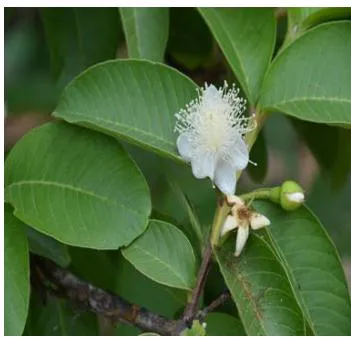
viii. Psidium guajava
a) Botanical description: Scientific Name: Psidium guajava, Family: Myrtaceae
b) Habitat: Psidium guajava is a large dicotyledonous shrub, or small evergreen tree, generally 3-10 m high, many branches; stems crooked, bark light to reddish brown, thin, smooth, continuously flaking; root system generally superficial and very extensive, frequently extending well beyond the canopy, there are some deep roots but no distinct taproot [62].
c) Vernacular Names: English: common guava, Hindi: Amrud, Malayalam: Pela, Marathi: Jamba, Sanskrit: amrutha phalam, Tamil: Koyya phalam, Telugu: Jaama pandu [63].
d) Phytochemical constituents: Tannins, flavonoids, saponins, glycosides and phenols [64].
e) Isolated Phytoceuticals: Lyxopyranoside [65], lanost-7-en-3β-ol-26-oic acid [66].
f) Nutritional values (per 100 g): Total fat: 1 g, Sodium: 4 mg, Potassium: 150 mg, Carbohydrates: 9 g, Dietary fiber: 5 g, Sugar: 3 g, Protein: 1 g, vitamin A: 72%, calcium: 10%, vitamin C: 243% (Percent Daily Values are based on a 2000 calorie diet.).
g) Pharmacological uses: Antimicrobial [65], Antidiabetic [66].
h) Traditional claims: Dysentry, Diarrhea [67].
i) Folklore uses: The local tribes of Saint Lucia uses a tea made up of new leaves of Psidium guajava, guava, with sugar used as a de-worming agent and in treatment of stomach ache [68].
ix. Phyllanthus niruri
a) Botanical description: Scientific Name: Phyllanthus niruri, Family: Euphorbiaceae
b) Habitat: P. niruri is an erect, slender, branched, annual herb from 10 to 50cm, of a light green to whitish. The leaves of the main stem fall very early, so that the side, horizontal and rather brief twigs, look like compound leaf. It has numerous small leaves which are simple, elliptic.
Flowers are of small size and greenish. On half lower of the twigs, flowers are solitary and wedge shape [69].
c) Vernacular Names: English: gale of the wind, Telugu: Nela usiri, Kannada: Nela nelli, Tamil: Keezha nelli, Keezhar Nelli in malyalam [70].
d) Phytochemical constituents: Alkaloids, Saponins, glycosides, Flavonoids and Carbohydrates [71].
e) Isolated Phytoceuticals: Neonirtetralin [72], 4,4,8-trimethoxy chroman [73], Corilagin, ethyl brevifolin-carboxylate [74].
f) Nutritional values (%w/w): Crude fibre 6.95±0.03, Crude protein 10.50 ± 0.15, Lipids 6.07 ± 0.03, Carbohydrate 65.28 ± 0.04, Caloric value (kcal/100g) 357.75 ± 0.03, Iron: 172 ppm, Magnesium: 327 ppm [71].
g) Pharmacological uses: hepatoprotective, antiviral, antibacterial, hypolipidaemic, hypoglycaemic, analgesic, anti-inflammatory, cardioprotective, anti-urolithiatic and antihyperuricaemic properties [75].
h) Traditional claims: antimicrobial, antioxidant, anticancer, antiinflammatory, antiplasmodial, antiviral, diuretic and hepatoprotective [76].
i) Folklore uses: The local person of India, china and Africa uses this plant paste to treat hepatic disorders [77].
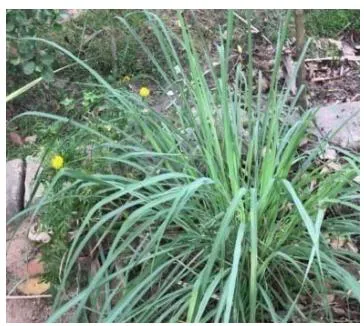
x. Cymbopogon citratus
a) Botanical description: Scientific Name: Cymbopogon citratus, Family: Poaceae
b) Habitat: Lemon grass is a tufted perennial grass growing to a height of 1 meter with numerous stiff leafy stems arising from short rhizomatous roots. It has an economic lifespan for about 5 year [78].
c) Vernacular Names: Common name: English name: Lemon Grass, Hindi: Gandhatrina, Manipuri: Haona, Marathi: Olecha, Tamil: Karppurappul, Malayalam: Vasana Pullu, Telugu: Nimmagaddi, Kannada: Majjigehullu, Bengali: Gandhabena, Konkani: Oli- cha, Gujarati: Lilicha • Sanskrit: Bhustrina [79].
d) Phytochemical constituents: hydrocarbon terpenes, alcohols, ketones, esters and mainly aldehydes [80].
e) Isolated Phytoceuticals: myrcene, citronellal, citronellol and geraniol [78].
f) Nutritional values (Per 100 g): Total fat: 0.5 g, Sodium: 6 mg, Potassium 723 mg, Total Carbohydrate 25 g, Protein 1.8 g, vitamin C: 4% w/w, Iron: 45% w/w, vitamin B6: 5% w/w, Magnesium: 15% w/w.
g) Pharmacological uses: antimicrobial [81], antimutagenic [82], antidiarrhoeal [83], antimalarial [84].
h) Traditional claims: In Ayurveda, this ancient herb is useful to treat weak digestion, poor concentration, poor circulation, varicose veins, fever, intestinal infections, and certain skin conditions [85].
i) Folklore uses: Lemongrass is a folk remedy for coughs, elephantiasis, flu, gingivitis, headache, leprosy, malaria, ophthalmic, pneumonia and vascular disorders. Studies have shown that the lemon grass has antibacterial and antifungal properties. Mixed with pepper, it's a home therapy for menstrual troubles and nausea [78].
xi. Emblica officinalis
a) Botanical description: Scientific Name: Phyllanthus emblica, Family: Phyllanthaceae
b) Habitat: The tree is small to medium in size, reaching 1–8 m (3 ft 3 in–26 ft 3 in) in height. The branchlets are not glabrous or finely pubescent, 10–20 cm (3.9–7.9 in) long, usually deciduous; the leaves are simple, subsessile and closely set along branchlets, light green, resembling pinnate leaves [86].
c) Vernacular Names: English name: Amla, Indian gooseberry, Hindi: Aonla, Manipuri: Amla • Marathi: Amla, Tamil: Nelli, Malayalam: Nelli, Nellikka, Telugu: Usiri, Usirikaya, Kannada: Betta nelli, Amalaka, Oriya: Aonla, Gujarati: ambala, Sanskrit: Dhatri, amalaka [87].
d) Phytochemical constituents: Tannins, Alkaloids, Phenolics [88].
e) Isolated Phytoceuticals: -glucogallin [89], Pectin [90], Phyllemblin [91], Emblicanin A and B [92].
f) Nutritional Values (% w/w per 100g): Protein: 0.5, Fat: 0.1, Mineral matter: 0.7, Fibre: 3.4, carbohydrate: 14.1, Calcium: 0.05, Phosphorous: 0.02, Iron: 1.2 mg, vitamin C: 600 mg, nicotinic acid: 0.2 mg [93].
g) Pharmacological uses: Antioxidant [93], Anticancer [93], Enhance food absorption, regulates elimination, nourishes the brain and mental functioning, act as an antioxidant and chelating agent [94].
h) Traditional claims: In India, it is a belief that this tree is a holy, uses in many prayers and homams in belief that its medicinal air will heal [95], Snake venom neutralizer [96]. As an ayurvedic immunobooster and digestive aid [95].
i) Folklore uses: In Unani folklore, The plant can use both as a medicine and as a tonic to build up lost vitality and vigor [96].
xii. Vetivera zizanioides
a) Botanical description: Vetivera zizanioides, Family: Poaceae
b) Habitat: It is a perennial; cespitose, not stoloniferous. It is not branched and not woody. Sheaths glabrous, keeled; Ligules 0.3-1.5 mm, of hairs; blades 23-140 cm long, 2.5-13 mm wide, flat or folded, mostly glabrous but the adaxial surfaces usually pilose basally [97].
c) Vernacular names: Hindi, Bengali: Khas, Gujarati: Valo, Marathi: Vala, Telugu: Kuruveeru, Vettiveellu, Tamil: Vattiver, Kannad: Vattiveeru, Malyalam: Ramaccham, Ayurvedic name Ushira [98].
d) Phytochemical constituents: carbohydrates, proteins, steroids, alkaloids, flavanoids, phenols and tannins [99].
b) Isolated Phytoceuticals: vetiverol, vetivenene [100].
f) Nutritional values (ppm): Iron: 415.3, Copper: 61.27, Manganese: 45.72, Zinc: 64.82, Selenium: 0.02, Cobalt: 0.12 [101].
g) Pharmacological uses: Antiinflammatory, Aphrodisiac, tonic, Cicatrisant, healing, calming and sedative [102].
h) Traditional claims: In Indonesia, it is used for treatment of rheumatism, In Pakistan, it is used in treatment of cholera, In senegal, it is used as an aphrodisiacs, In Traditional Medicine: In Mauritius, vetiver is used as an abortifacient [103].
i) Folklore uses: The Santhal tribe of Bihar and West Bengal use the paste of fresh roots for burns, snakebite and scorpion stings; decoction of the roots has been used as tonic for weakness.
The Lodhas of West Bengal region use the root paste for headache, rheumatism and sprain; also in treatment of urinary infections [103].
xiii. Tylophora indica
a) Botanical description: Tylophora indica, Family: Apocynaceae
b) Habitat: Indian Ipecac is a small, slender climbing herb with yellowish sap and distribute in the sub-himalayan tract from Uttarakhand to Meghalaya and in the central and peninsular India [104].
c) Vernacular names: English name: Indian Ipecac, Bengali: antomula, Gujarati: dum vel Hindi: antamul, Kannada: adumuttadagida, Konkani: pitvel, Malayalam: allippala, Marathi: antamul, Oriya: mehendi, Sanskrit: antrapachaka, Tamil: kalutai-p-palai, Telugu: kakapala [104]
d) Phytochemical constituents: alkaloids, flavonoids, terpenoids, glycosides, saponins [105].
e) Isolated Phytoceuticals: Tylophorine, kaempferol, -amyrin [106].
b) Nutritional values: No details available.
g) Pharmacological uses: asthma, bronchitis, bronchial asthma, hay fever and rheumatism [107].
h) Traditional claims: In Ayurveda, the plant has been used in treatment of asthma [108].
i) Folklore uses: anti-Allergy, Antirheumatic and dermatitis [109].
xiv. Jatropha curcas
a) Botanical description: Jatropha curcas, Family: Euphorbiaceae
b) Habitat: Physic nut is a perennial poisonous shrub, up to 5 m high. It is an uncultivated non-food wild-species. The plant, originating in Central America, whereas it has been spread to other tropical and subtropical countries as well and is mainly grown in Asia and in Africa. It is used as a living fence to protect gardens and fields from animals. The plant sports large green to pale-green leaves, 8-15 cm, broadly ovate, cordate, having 3 lobed petioles around 5-15 cm [110].
c) Vernacular names: English name: Physic Nut, Jatropha, Barbados nut, Hindi: Jamal ghota, Marathi: Mogli, Tamil: Kattukkotai • Malayalam: Kattamank, Telugu: Nepalam, Kannada: Kananeranda, Bengali: Bagbherenda, Oriya: Jahazigabai [110].
d) Phytochemical constituents: diterpenes, triterpenes, lignanes and coumarins, flavonoids, alkaloids, phytosterols, [111].
b) Isolated Phytoceuticals: Curcacycline-A [112].
f) Nutritional values (per 100 g): Proteins -38%, 55-58% lipids [113].
g) Pharmacological uses: wound healing, antimalarial and antimicrobial [114].
h) Traditional uses: In India, the leaf paste is used in treatment of hemorrhoids and jaundice [115].
i) Folklore uses: In Nigeria, the decoction of boiled leaves is used to treat diabetes, in Cameroon, the leaves are used to treat arthritis [115].
xv. Cinnamomum zeylanicum
a) Botanical description: Cinnamomum verum, Family: Lauracaeae
b) Habitat: The C. verum tree grows to around 10 m (30 ft), and has leathery leaves with lanceolate shape of 11 to 16 cm long with pointed tips. Flowers are yellow, tubular, fruits are berries [116].
c) Vernacular names: English Cinnamomum, Assamese: Dalchini, Hindi: Dalchini Kannada: Dalchini, Malayalam: Edana, Sanskrit: Darusita; Tamil: annalavangam, Telugu: Dasini Chekka [117].
d) Phytochemical constituents: Terpenoids [118].
e) Isolated Phytoceuticals: Cinnamaldehyde and Eugenol [118]
f) Nutritional values (per 100g): Total fat: 1.2 g, Sodium: 10 mg, Potassium: 431 mg, Protein: 4 g, vitamin-A: 5%, calcium: 100% [119].
g) Pharmacological uses: antioxidant, anti-inflammatory, anti-bacterial, antipyretic and analgesic [118].
h) Traditional claims: Local antiseptic and for treatment of cold and sore throat, gastrointestinal complaints [120, 118]
i) Folklore uses: In treatment of impotence, rheumatism, vaginitis and diabetes [118].
xvi. Cascabela thevetia
a) Botanical description: Cascabela thevetia, Family: Apocynaceae
b) Habitat: It is a small ornamental tree which grows to about 1.5 - 2.3 m high. The leaves are spirally arranged, linear and about 13-15 cm in length. Flowers are bright yellow and funnel-shaped with 5 petals spirally twisted. The fruits are somewhat globular, slightly fleshy and have a diameter of 4-5 cm. The fruits, which are green in colour, become black on ripening. Each fruit contains a nut which is longitudinally and transversely divided. All parts of the plant contain the milky juice [121].
c) Vernacular Names: English name: Mexican oleander, Lucky Nut, Hindi: Peeli kaner, Manipuri: Utonglei, Bengali: Kolkaphul, Telugu: Bila ganeru [122].
d) Phytochemical constituents: Alkaloids, glycosides, tannins, phenolic compounds, proteins, essential oils, gums, mucilage and fixed oils [123].
e) Isolated Phytoceuticals: thevetin A and B, acetylthevetin A and B [124].
f) Nutrition values (per 100g): Fats (60%), Proteins (40%) [125].
b) Pharmacological uses: Anticancer [126].
h) Traditional claims: In ayurveda, it is a cardiotonics [127].
i) Folklore uses: In treatment of amenorrhoea, jaundice, antiulcer, febrifuge [128].
xvii. Simarouba glauca
a) Botanical description: Simarouba glauca, Family: Simaroubaceae
b) Habitat: It is an evergreen, small or medium-sized tree with a narrow crown; it usually grows up to 15 metres tall, but specimens up to 27 metres. The straight, cylindrical bole can be free of branches for up to 9 metres, 30cm or more in diameter, sometimes to 60cm [129].
c) Vernacular names: English: Paradise Tree, Tamil: Sorgamaram, Malaiyalam: Lakshmitaru, Hindi: Hartho [130].
d) Phytochemical constituents: alkaloids, flavonoids, carbohydrates, glycosides, phenolic compound, tannins, triterpenoids, cardinolides, saponins, fixed oils [130].
b) Isolated Phytoceuticals: glaucarubine [131]
f) Nutrition values (per 100 g): Proteins (47.7 g), Calcium (143 mg), Sodium (79 mg) [132].
g) Pharmacological uses: antiamoebic, antifungal, antibacterial, anticancer, antiulcer [133].
h) Traditional claims: antidiahrreal and antimalarial [134].
i) Folklore uses: Indigenous tribes throughout the South American rainforest uses bark decoction in treatment of fevers, malaria, and dysentery, as a hemostatic agent [135].
xviii. Putranjiva roxburghii
a) Botanical description: Putranjiva roxburghii Family: Putranjivaceae
b) Habitat: Putranjiva is a famous, moderate-sized, evergreen tree, growing up to 12 m in height. It has pendant branches and dark grey bark having horizontal lenticels. Leaves are simple, alternately arranged, dark green, shiny, elliptic-oblong, distantly serrated. Male flowers, with short stalks, in rounded axillary clusters, female flowers 1-3 in leaf axil. Fruits ellipsoid or rounded drupes, white velvety; seed normally one, stone pointed, rugose, very hard [136].
c) Vernacular names: English name: Putranjiva, Lucky Bean Tree, Hindi: Putijia, Marathi: Jivanputra, Patravanti, Tamil: Irukolli, Karupala, Malayalam: Pongalam, Telugu: Kuduru, Putrajivika, Kannada: Amani Putrajiva, Bengali: Putranjiva, Jioysuta, Oriya: Poilundia, Konkani: Saman, Urdu: Paishandia, Gujarati: Putranjiva, Sanskrit: Putrajivah [136].
d) Phytochemical constituents: glycosides, saponins, triterpenes and flavonoid [137].
e) Isolated Phytoceuticals: glucoputranjivin, putranjivoside, -sitosterol [137].
f) Nutrition values (per 100 g): No information available over literature.
g) Pharmacological uses: anti-hyperglycemic, analgesic, antipyretic and anti-inflammatory and cytotoxic [137].
h) Traditional claims: In Ayurveda it is used for the treatment of eye disorders, burning sensation, elephantiasis, difficulty in micturition, azoospermia and habitual abortions [138].
i) Folklore uses: used in the treatment phlegm and rheumatism [139].
xix. Mirabilis jalpa
a) Botanical description: Mirabilis jalapa, Family: Nyctaginaceae
b) Habitat: Four o'clock flowers having trumpet shape and grows about two inches, opens in evening, shurblike appearance, erect and grows up to 2-3 feet tall. The flowers are fragrant and forms in clusters [140].
c) Vernacular names: English name: Four O'clock, Beauty-of-the-night, Marvel of Peru, Hindi: Gulabbas, Manipuri: Mukak lei, Marathi: Gulabas, Tamil: Pattarashu, Malayalam: Anthimalari, Telugu: Chandramalli, Kannada: Gulamaji Bengali: Sandhya malati, Oriya: Rangini, Sanskrit: Krishnakeli [140].
d) Phytochemical constituents: alkaloids, flavonoids, phenols, steroids, triterpenes, glycosides, tannins, saponins and lignins [141].
b) Isolated Phytoceuuticals: Miraxanthins, Indicaxanthin [141].
f) Nutritional values (per 100g): Potassium: 500 mg, Sodium: 38 mg, Dietary fibre: 1.85 g, proteins: 2.29 g [142]
g) Pharmacological uses: Antistress [141], HIV1 reverse transcriptase inhibitor [143].
c) Traditional claims: Purgative, Emetic [144].
i) Folklore uses: The native people of Mexico use M. jalapa uses in gastrointestinal disorders [145].
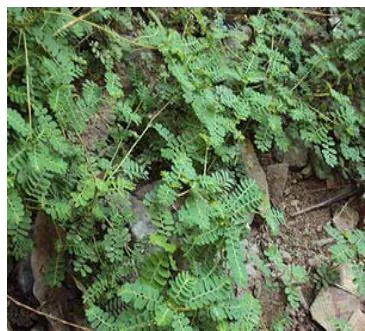
xx. Saraca asoca
a) Botanical description: Saraca asoca, Family: Fabaceae
b) Habitat: Small trees, up to 5 m tall, Trunk often tubercled; bark lenticellate, dark, shallowly fissured; blaze purplish, Branchlets terete, glabrous, Leaves compound, paripinnate, alternate, distichous; stipules caducous; rachis pulvinate, 7-30 cm long; petiolule 0.1-0.6 cm long; leaflets opposite, 4-6 (-12) pairs, lamina 6-31 x 1.5-9 cm, narrow elliptic-oblong or lanceolate, apex acute to acuminate, base acute to rounded or subcordate, subcoriaceous, glabrous; midrib raised above; secondary nerves ca. 11 pairs, looped; tertiary nerves reticulate[146].
c) Vernacular names: English name: Sita Ashok, Sorrowless tree, Hindi: Sita Ashok, Gujarati: Ashopalava, Kannada: Avenge, Malayalam: Hemapushpam, Marathi: Jasundi, Tamil: Asogam, Telugu: Asokamu, Nepali: Ashok [147].
d) Phytochemical constituents: phenol, tannins and steroid [148].
b) Isolated Phytoceuticals: schizandriside, epicatechin [149]
c) Nutritional values: NA
g) Pharmacological uses: Antidysentric and Antidiabetic [150]
h) Traditional claims: bleeding problems, irregular menses, fibroids, dysmenorrhea [151].
i) Folklore uses: Dried flowers: The womenfolk of Chhattisgarh uses the bark decoction, prepared from cow milk and sugar to prevent gynecological disorders [152].
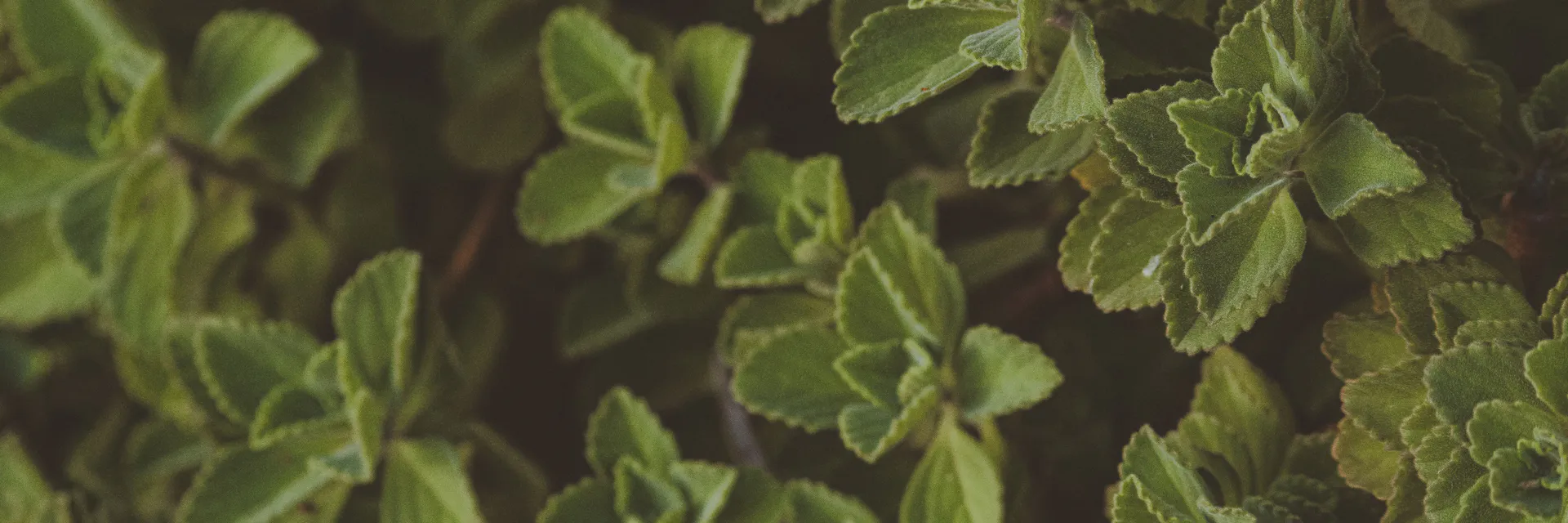
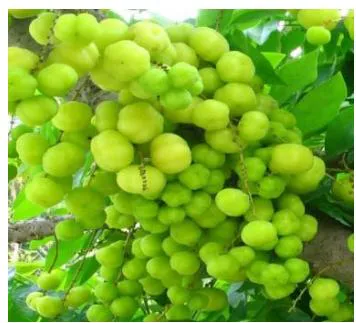
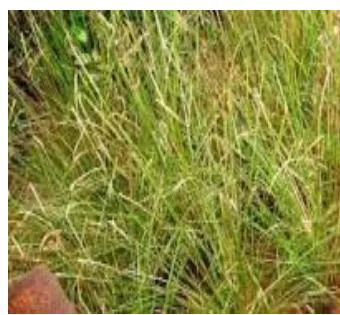
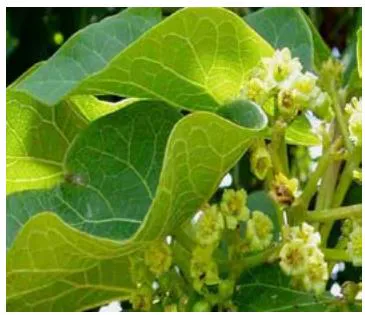
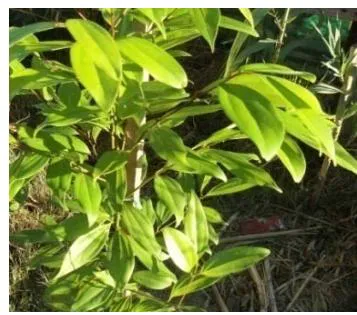
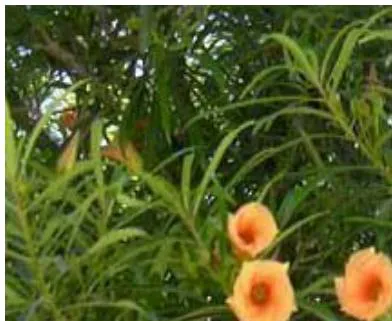
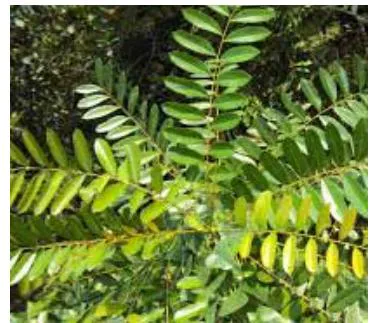
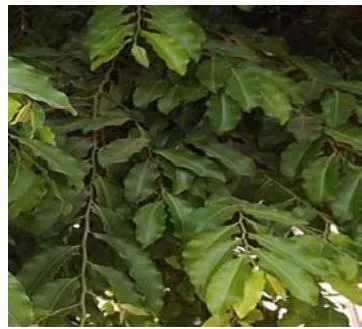
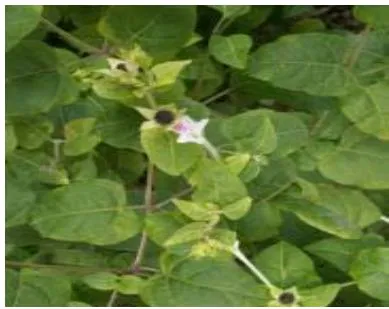
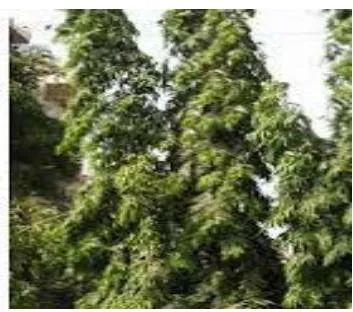
The above described medicinal flora of school of pharmacy, GNITC, Hyderabad also represented in table 1 below for easy understanding to the researchers, the pictures of the various medicinal flora were given below in the figure 1 and the mol format of Phytoceuticals isolated from various medicinal flora were represented in the below pages as figure 2.
II. CURRENT CHALLENGES
The maintenance of medicinal park/garden is not an easy task, however the school of pharmacy, GNITC, Hyderabad, India is striving hard to maintain these flora, the main challenges we are facing are
a) Weed
Occurrence of unnecessary flora in desired environment are called weeds, this is one of the major challenges we are facing. Removal of these weeds is again a big challenging task as it requires a separate manpower to maintain the flora and protect from these weeds. As our motto is to maintain healthy organic fields, we are not using any chemicals and use of natural herbicides is again a challenging task so that many of these natural herbicides are failure in eradicating the weeds.
b) Water
Now days, as water is one of the sacred element in the nature especially in summer season and most of these flora need more water at their development stages, this became a ultimate challenge to get quality water and the underground water in this area is absent. However, the Management, School of Pharmacy, GNITC, Hyderabad, outsourcing quality water to safe guard and maintain this medicinal flora.
c) Sudden climatic changes
Even sudden changes in the climatic conditions also became a challenge to get uniformity in the growth and quality of the medicinal flora.
d) Genetic information
Getting a genetic barcode of this flora became a challenging task even though we maintaining a authentic flora in the garden, still there genetic identification is missing.
e) Variation in the phytochemical uniformity
Getting an uniform phytochemical fingerprint from these medicinal flora is a big challenge now a days we are facing due to variation in exogenous and endogenous factors.
f) Loss of fertility
The cultivation fields are losing their fertility due to various environment factors.
III. FUTURE DIRECTIONS TO DEVELOP THIS MEDICINAL FLORA IN CAMPUS
The School of pharmacy, GNITC, Hyderabad, India is striving hard to get funds from various organizations to develop a medicinal park/garden with a theme heal through breath under medicinal floral air. Genetic marking and monographic labeling of this flora and to start research and development on these medicinal flora focusing major diseases like cancer, tuberculosis, STD etc towards a preventive measure. The School of Pharmacy, GNITC, Hyderabad also striving hard to conduct awareness programs, workshops, empowerment programs and seminars focusing on the theme of Medicinal and Nutritional values of the flora of the Telangana, India, so that even a common man knows about the nutritional and medicinal values of the flora that grows near to his environment.
IV. CONCLUSION
The main focus of this article is to create awareness to the public/ researchers about the medicinal importance of the common flora that distributed widely inside the Hyderabad and many of us don't know the importance of these flora and deforesting this flora and many of these flora due to ignorance will be under endangered list in future, if utmost care is not taken place. This can happen only through organizing workshops or seminars on the significance of this medicinal flora and how to gain money from this flora through some homemade elixirs prepared from these plants. The government bodies must encourage these types of organizations where there ambition is to promote medicinal flora for healthy and wealthy India.
Author Contribution
This work was carried out in collaboration between both authors. Author MVNLC (Dr. M.V.N.L. Chaitanya) managed the Literature searches and drafted the manuscript, Author PS (Dr. P. Suresh) guided, corrected the manuscript and arranged it in a scientific manner. Both authors read and approving the final manuscript.
ACKNOWLEDGEMENTS
The authors expressing their sincere thanks to the management of Guru Nanak Institutions Technical Campus, Ibrahimpatnam, Hyderabad, Telangana state, India for providing a peaceful environment to draft this review as a part of our Future focus to develop our medicinal plant park and also for providing continuous support to maintain this medicinal plant garden. We continuing our sincere thanks to Dr. S. Rajan, Field botanist, CCRAS, Ayush, Emrald, Tamilnadu for his continuous support to identify the correct taxonomic names of our flora.
| S. No. | Name of the Flora & Family | Institutional Reference Number | Phytoceuticals identified from Flora | Folklore uses |
| 1. | Erythrina variegata (Fabaceae) | GNITCSP001 | Erythratidine [7], N, N-dimethyltryptophan [8], erystagallin A [9]. | The tribes of Hingoli, Maharashtra, India use this bark powder as Antirheumatic and internally as a decoction to treat tetanus [15] |
| 2. | Eruca sativa (Brassicaceae) | GNITCSP002 | Kaempferol, Rhamnocitrin [19] | The local people of Mihalgazi district (Turkey) uses the leaves in treatment of Diabetes, ulcer, kidney diseases, asthma, high cholesterol [23]. |
| 3. | Euphorbia tirucalli (Euphorbiaceae) | GNITCSP003 | β-amyrin acetate, lupenone, daucosterol [27]. | In Malabar of India and Moluccas, the latex is used as an emetic and an anti-syphilitic [28]. |
| 4. | Alstonia scholaris (Apocynaceae) | GNITCSP004 | Sarpagine [32]. | In Bay islands, the tribes used it as an antimicrobial [36]. |
| 5. | Aloe vera (Liliaceae) | GNITCSP005 | P-coumaric acid [38], aloe-emodin & chrysophanol [39]. | During the 16th century, the Indian tribes uses this as healing plant, it is one of the 16 holy plants having divine status, the Indian tribes uses this plant as mosquito repellent, it also used on wood as insect replent [43]. |
| 6. | Catharanthus roseus (Apocyanaceae) | GNITCSP006 | Rhazimol [47], Vindoline [48]. | The Bhilla tribe of Maharashtra, India uses this leaf decoction in treatment of leucorrhoea/menstrual complaint [51]. |
| 7. | Bougainvillea glabra (Nyctaginaceae) | GNITCSP007 | Betacyanins [55], Oleananoic acid acetate [56], Pinitol, Quercetin [57], Bougainvinones A-H [58]. | The leaf decoction is used in treatment of cough and sore throat by Mexican folks/tribes [61]. |
| 8. | Psidium guajava (Myrtaceae) | GNITCSP008 | Lyxopyranoside [65], lanost-7-en-3β-ol-26-oic acid [66]. | In Saint Lucia, the local tribes uses a tea of the new leaves of Psidium guajava, guava, with sugar is given forworms and bellyache but the most common medicinal use is to stop diarrhea. [68]. |
| 9. | Phyllanthus niruri (Euphorbiaceae) | GNITCSP009 | Neonirtetralin [72], 4,4,8-trimethoxy chroman [73], Corilagin, ethyl brevifolincarboxylate [74]. | The local person of India, china and Africa uses this plant paste to treat hepatic disorders [77]. |
| 10. | Cymbopogon citratus (Poaceae) | GNITCSP010 | myrcene, citronellal, citronellol and geraniol [78]. | Lemongrass is a folk remedy for coughs, elephantiasis, flu, gingivitis, headache, leprosy, malaria, ophthalmic, pneumonia and vascular disorders. Studies have shown that the lemon grass has antibacterial and antifungal properties. Mixed with pepper, it's a home therapy for menstrual troubles and nausea [78]. |
| 11. | Emblica officinalis (Phyllanthaceae) | GNITCSP011 | β-glucogallin [89], Pectin [90], Phyllemblin [91], Emblicanin A and B[92]. | In Unani folklore, The plant is used both as a medicine and as a tonic to build up lost vitality and vigor [96]. |
| 12. | Vetivera zizanioides (Poaceae) | GNITCSP012 | vetiverol, vetivenene [100]. | The Santhal tribe of Bihar and West Bengal use the paste of fresh roots for burns, snakebite and scorpion stings; decoction of the roots has been used as tonic for weakness. The Lodhas of West Bengal region use the root paste for headache, rheumatism and sprain; also in treatment of urinary infections [103]. |
| 13. | Tylophora indica (Apocynaceae) | GNITCSP013 | Tylophorine, kaempferol, α-amyrin [106]. | anti-Allergy, Antirheumatic and dermatitis [109]. |
| 14. | Jatropha curcas (Euphorbiaceae) | GNITCSP014 | Curcacycline-A [112]. | In Nigeria, the decoction of boiled leaves is used to treat diabetes, in cameroon, the leaves are used to treat arthritis [115]. |
| 15. | Cinnamomum zeylanicum (Lauracaeae) | GNITCSP015 | Cinnamaldehyde and Eugenol [118] | In treatment of impotence, rheumatism, vaginitis and diabetes [118]. |
| 16. | Cascabela thevetia (Apocynaceae) | GNITCSP016 | thevetin A and B, acetylthevetin A and B [124]. | In treatment of amenorrhoea, jaundice, antiulcer, febrifuge [128]. |
| 17. | Simarouba glauca (Simaroubaceae) | GNITCSP017 | glaucarubine [131] | Indigenous tribes throughout the South American rainforest uses bark decoction in treatment of fevers, malaria, and dysentery, as a hemostatic agent [135]. |
| 18. | Putranjiva roxburghii (Putranjivaceae) | GNITCSP018 | glucoputranjivin, putranjivoside, β-sitosterol [137]. | used in the treatment phlegm and rheumatism [139]. |
| 19. | Mirabilis jalpa (Nyctaginaceae) | GNITCSP019 | Miraxanthins, Indicaxanthin [141]. | The native people of Mexico use M. jalapa uses in gastrointestinal disorders [145]. |
| 20. | Saraca asoca (Fabaceae) | GNITCSP020 | schizandriside, epicatechin [149] | The womenfolk of Chhattisgarh uses the bark decoction, prepared from cow milk and sugar to prevent gynecological disorders [152]. |
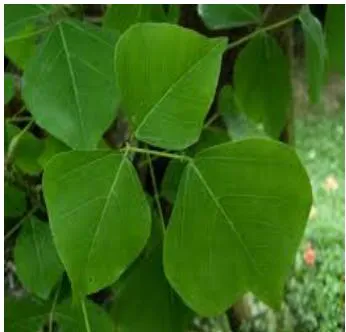
- Erythrina variegata (Fabaceae)

8. Daucosterol
1. Erythratidine
2. N, N-dimethyltryptophan
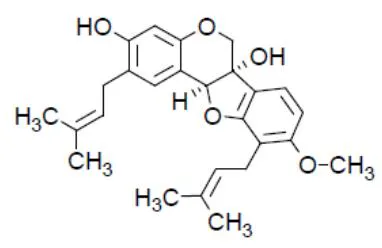
3. Erstagallin A
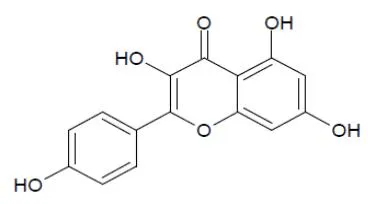
4. kaempferol
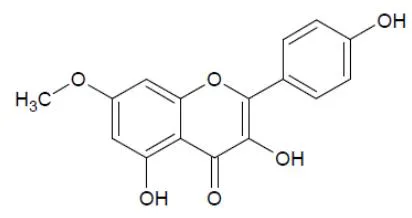
5. Rhamnocitrin
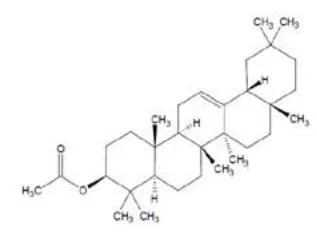
6. -Amyrin acetate
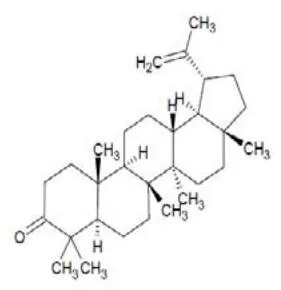
7. Lupenone
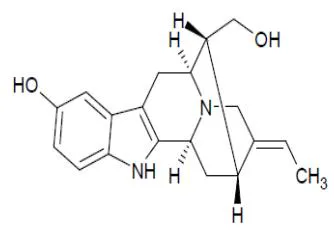
9. Sarpagine


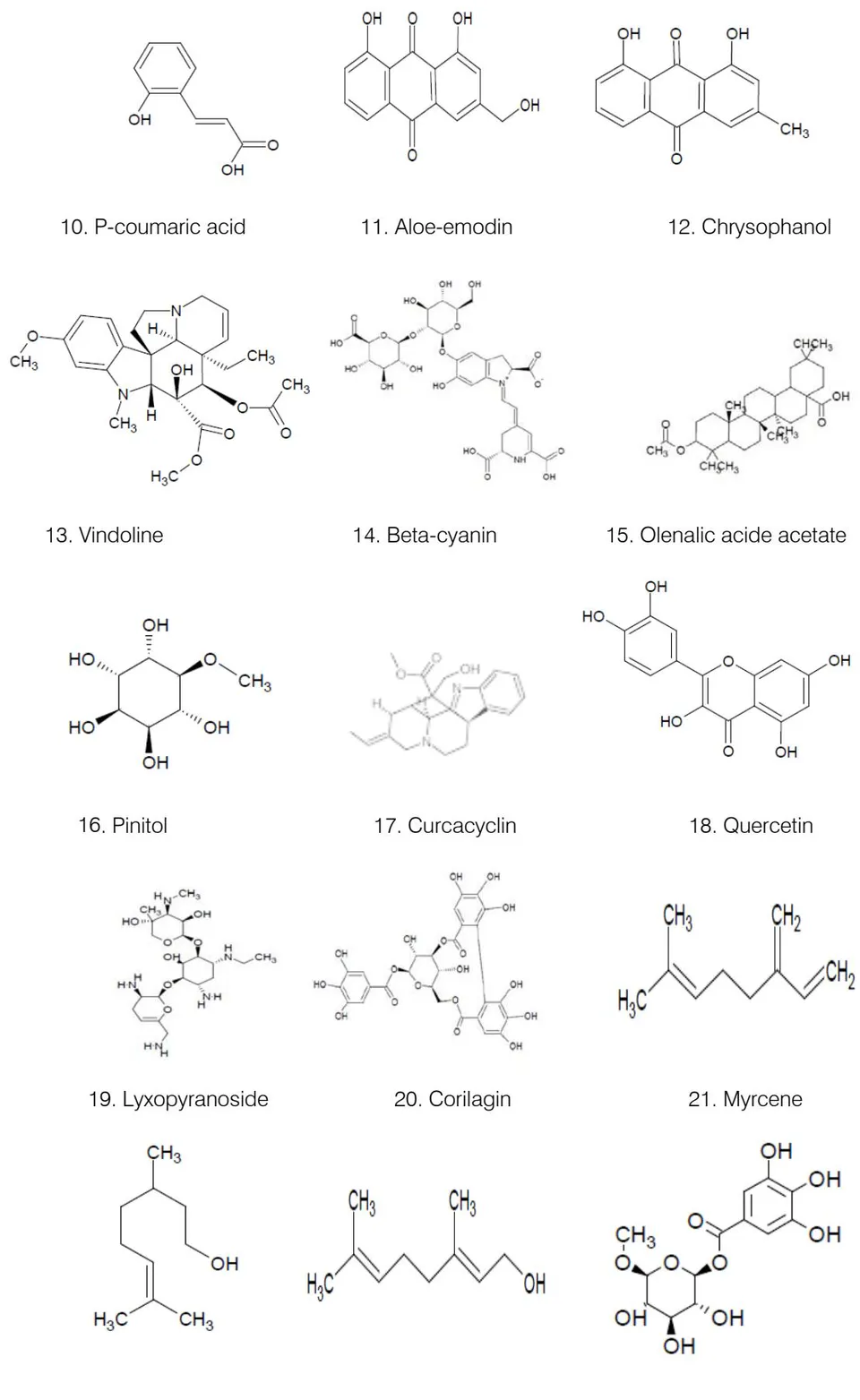
22. Citronellol
23. Geraniol