This mixed-method (qualitative and quantitative) study explores perceptions, reflections, and the essence of hope among GenZers as expressed in social media. Hopefulness and hopelessness toward the future is one of the important and considerable issues in business and academia, which have been studied scientifically since the 1960s. Being hopeful is considered one of the most important motivations in one’s life because hope is the root of creativity and human development. It sets up individuals for goal achievement and helps people reach for their dreams. Technology has a significant role in GenZers’ lives, from socializing to schoolwork, entertainment to exercise, and relaxation to corporate careers. In our study, we will specifically investigate Gen Z’s responses on Twitter regarding the concept of hope. Our study will explore a deeper content analysis of a particular channel (Twitter) and decipher the themes (words, images, talent, tone) that tie into the value of HOPE or its synonyms, using a quantitative method going deep via techniques such as discourse or textual analysis where we more specifically interpret the GenZers’ posts. We decode the number of posts in relation to five themes of hope: education, relationships, future, politics, and career.
## I. INTRODUCTION
This study explores reflections of hope among GenZers. Hopefulness towards the future is essential. Hope is the root of creativity, human development, goal achievement, and individual dreams. This content analysis examines themes, images, and tone that tie into the value of HOPE via textual analysis to interpret the GenZers' posts.
Generation Z (Gen Z) as a group is of major interest to organizations across disciplines, from universities and corporations to government agencies. "Gen Z accounts for 61 million people in the U.S., a group larger than Gen X." (Morris, 2018). Gen Z will be the dominant generational cohort in the population by 2020. This generational cohort is large, diverse, and highly connected through technology as they are digital natives, with no recollection of a time without the internet (or cell phones) at their disposal. According to one study, GenZ watches $70\%$ more videos than millennials (State News Service, 2019). GenZ is now entering the labor market and colleges. It is important to understand this cohort to better connect for mutual success at school, at work, and in play. This topic is current and has appeal to those who have tried to understand, connect with, and serve Gen Z students and employees. Previous data suggests Gen Z is a highly anxious group, feeling isolated and desperate in their daily lives compared to previous generations despite their relatively easy access to connect with others. (American Psychological Association, 2018). Gen Z is passionate about issues of social justice, although they are more likely than any other generation to support restrictions on free speech, as well as dis invite speakers who do not support their point of view on college campuses. (Schroth, 2019) This study seeks to glean valuable insights concerning Generation Z from their postings on social media. Researchers at Harvard University (Tamir & Mitchell, 2012) note that disclosing information about what they feel is shown to be intrinsically rewarding. Gen Z is more apt to share online. With this backdrop, the researchers embarked on a project to better understand this generation from the perspective of how they reflect hope in their social media use and, in particular, their reflection of hope as found in their organic postings.
Hope towards the future is one of the most important and substantial issues in social science, which has been studied scientifically since the 1960s (Keene, Reder, & Serwint, 2009; Nesse, 1999; Snyder, Irving, and Anderson, 1991). Being hopeful is considered one of the most important motivations in one's life, as hope is the root of creativity and human development. It is the spark in setting up individuals for goal achievement and movement achieving dreams. Research presents ideas on why scholars should study hope (Gallagher, 2017). Hope resides where the fundamental understanding of human flourishing exists. Hope is essential for positive human development. Drawing from historical and contemporary philosophy and psychology, hope can be seen as a human strength that helps to optimize resources towards positive pathways of development. Relational developmental, moreover, systems theories (Overton & Muller, 2012) emphasize pathways and direction are shaped by individual characteristics such as aspirations, values, hope, etc.
Hope has many facets and dimensions based on both personal and cultural values (Nesse, 1999; Kim et al., 2012). In order to understand more about a generation, it is insightful to examine how hope is expressed or reflected in their own words. For example, NPR/PBS Marist Poll's results for New Year's Resolutions & Outlook for 2019 revealed that $40\%$ of Americans who were optimistic about the world were particularly optimistic towards family, $15\%$ towards jobs, and $13\%$ towards health (Marist Poll, 2019). On the flipside, $64\%$ of Americans who claimed to be pessimistic were associating the negative outcomes with politics, $16\%$ in news, and $8\%$ in finances. Reflections of hope have been segmented in several different veins, including relationships, politics, education, future, and career.
Analogous to the findings of Marist Poll's study, this study examines how GenZers express hope in social media towards certain segments of their lives by scanning their organic postings on Twitter using a monitoring tool by a renowned social media monitoring company. A query was created to identify any post or tweet concerned with or mentioning 'hope' on Twitter. The results show that there were 43,561 GenZers identified by using key terms in their Twitter Bios. Among them, there were 4,718 total mentions of hope examined from 2,127 unique authors. This is because some authors mentioned key terms more than once and were counted twice. Note that postings were dated from Jan 01, 2019 - May 12, 2019, with $36\%$ Female and $64\%$ Male GenZ postings. Further examination revealed how GenZers express and communicate hope via tweeting. Understanding how hope is communicated is crucial to ponder as it helps to discern how businesses can relate back to the GenZers. The methodology and findings of monitoring social media posts from this study can shed a better light on areas in which educators, social entities, and businesses can encourage hope in various aspects of GenZer's lives.
## II. LITERATURE REVIEW
### a) Hope
A positive outlook for the future regularly conceptualizes hope and optimism as acting as likely instruments toward attaining positive mental health (Gallagher and Lopez, 2017). The absence of hope is associated with depression and anxiety, which impacts negatively on the quality of life. (Siril, 2020). It is hypothesized that 'hope' is something a person can both have and practice (Elliott, 2005). You can have hope as well as maintain hope in different situations. You can have hope for the future or maintain a desire or hope for a change at work. A spiritual interpretation of hope is both a virtue and a gift. The Bible articulates hope as one of the three divine gifts in the Bible "and now these three remain faith, hope, and love. But the greatest of these is love" (1 Cor. 13: 13, New International Version). Hope is a gift, as illustrated in Jeremiah 29: 11B (NIV): "plans to give you hope and a future."
Even thousands of years later, human science, through the field of positive psychology, has confirmed that hope is a critical root construct of most positive relational theories. One of the main areas of focus covered by positive psychology is the occurrence of hope (Bormans, 2016). Hope can be seen as something close to our ultimate goals and spirituality.
Hope is reflected as an essential component in human life (Keene, Reder & Serwint, 2009). Higher levels of hope are connected with more positive consequences in several areas and serve as a catalyst, igniting other emotions and promoting well-being (Snyder, Shorey & Rand, 2002).
Hope is a forward or future-looking paradigm with spiritual merits that can serve as an inner resource helping people attain goals and reach positive outcomes, particularly in situations of doubt, emergency, or stress (Granek et al., 2013; Haase, 2004; Keene Reder & Serwint, 2009). In fact, the presence of hope has been identified frequently as a positive coping behavior (Patterson et al., 2004). Hopefulness has been found to influence a positive affirmation of resilience (Haase, 2004; McCubbin, Balling, Possin, Friedich, & Bryne, 2002; Rosenberg, Baker, Syrjala, Back, & Wolfe, 2013). Hope has been defined as the recognized existence of goals and actual ways to reach those goals (Kwong, 2018).
Snyder, Irving, and Anderson (1991) (1994) consider hope as "a positive motivational state that is based on an interactively derived sense of successful agency (goal-directed energy) and pathways (planning to meet goals)" (p. 287). It is described as both cognitive (Breznitz, 1986; Gottschalk, 1974) and emotional (Snyder et al., 2002). It acts to motivate people towards goal planning and achievement. Hopefulness is a look and promise in a future leading towards positive results. Hopeful and happy people have strong relationships with their friends, partners, neighbors, and relations. One result of the presence of hope for young people is that it motivates individuals to be active and try to achieve their goals. In a follow-up study, Snyder (2002) linked high levels of hope with increased levels of well-being and adaptive coping.
Fredrikson (2009) and Crestinker (2008) note that hopeful people have strong interactions with their relations, family, and friends. Among different indexes of social capital (participation, social trust, social coherence), social cohesion and social trust have, respectively, the most effect on students' hopefulness towards the future. The opposite can be true as well.
Low levels of hope - i.e., hopelessness/desper - have been clearly linked with dysphoria and depression (Abramson et al., 1989; Beck et al., 1975; Chang & DeSimone, 2001) and, by consequence, with suicide (Aldridge, 1998; Beck et al., 1990; Grewal & Porter, 2007).
Thus, hope is fundamental to good health and well-being. The reverse can also be seen as a deficiency of hope and may shorten both the quality and duration of life. Given such serious consequences, hope represents a valid and important therapeutic target and one of paramount interest to academics who influence and engage with this audience.
### b) Generation Z
Members of Gen Z were born after the year 1995 and can be described as highly connected, active users of communications and media technologies such as social media platforms (Peterson, 2014). Gen Z has never known a world without smartphones or the internet, so they are accustomed to collaborating, sharing, and distributing images and information digitally (Desai, 2017). GenZers are known to be well-connected, driven by greater exposure to digital media, more accepting of diversity, and spend significant time on online social networks (Grail Research, 2010). In order to accommodate this generation in work, school, and society, it could be advantageous to have some insight into this population's views and reflections.
GenZers are highly active on social media, spreading and sharing experiences online through videos and links (Relander, 2014). As a consequence, GenZers prefer to "socialize online rather than face-to-face, a change both positively and negatively affecting society" (Schwieger, 2018). Hence, Generation Z has an informal, individual, and direct way of social networking as a part of their everyday lives (Stillman, 2017). Averaging about 2 hours and 43 minutes a day on social media (Global Web Index, 2017), they look to social media to reflect, rebuild, affirm, and create genuine digital relationships. Thus, it is fitting for the researchers to examine how GenZers express and communicate their ideas on hope through social media posts. Understanding how hope is communicated is one way to look into the minds of the generation heading into college and university and into work: the GenZers.
### c) Business Promote or Prevent Hope
Schroth (2019) notes that managers face special challenges with the new generation of employees, and it is important for managers to understand the factors that have influenced Gen Zers to think and behave as they do. 'Understanding their behavior and the distinct needs that they have will help managers to better integrate the new employees into the workplace for mutual success.' In regard to hope, according to Kim, Kang, and Anna (2012), companies either promote or prevent hope via two types of hope:
promotion-focused goals and prevention-focused goals. Promotion-focused goals are "related to achieving desirable outcomes," whereas prevention-focused goals are "related to avoiding undesirable outcomes" (Kim, Kang, and Anna, 2012, p.44). These two terminologies stem from regulatory focus theory, which differentiates promotion-focused goals and prevention-focused goals (Higgins, 1997; Higgins et al., 1997). While other research supports this theory by examining the effectiveness of marketing activities in promoting or preventing hope to induce wanted consumer behavior (De Mello and Maclinnis, 2005; Madrigal and Bee, 2004; Poels and Dewitte, 2008); Kim, Kang, and Anna (2012) further look at the promotion and prevention of hope to promote CSR (Corporate Social Responsibility) activities. Thus, businesses' promotion and prevention of hope demonstrate that businesses are influential in the promotion of different kinds of hope to encourage a better society. In this study, the authors look to understand how businesses can promote and advance hope in Generation Z. As Gen Z will be the dominant generational cohort in the population, with over 7.7 billion by 2020 globally, it will be crucial to understand how hope can be conveyed to this rising generation.
Businesses can be effective agents in promoting hope in society (De Mello & MacInnis, 2005; Kim et al., 2012; Madrigal & Bee, 2004; Poels & Dewitte, 2008). Anecdotally, businesses such as Always and Dove promote hope by supporting women's equality, while Pantene and Tide promote family time by encouraging dads' interaction with their kids. Companies like General Mills are becoming more family-friendly, providing free medical clinics, beauty salons, tailors, and gas stations to their employees. On the other side of the spectrum, businesses can also prevent hope. For example, Air B-n-B's advertising slogan "to limit travel is to back progress" on opposing the Supreme Court's Trump travel ban ruling and/or Lush's campaign "Paid to lie" against #spycops in the UK. Both types of hope can be used to fuel change, but one creates hope, and the other prevents hope.
## III. METHODOLOGY
After considering a variety of options for social media platforms to monitor, the researchers selected Twitter as the platform of choice as GenZers use this tool extensively, and access to data was made available by a leading social listening company. Twitter is an online social networking service that enables users to send and read short messages called "tweets." The goal of Twitter is to help users create and share ideas and information quickly (Twitter.com, 2019). $44\%$ of GenZers use Twitter (Global Web Index, 2017), which is the highest percentage of users among any other age group. It is the 6th most used social media platform below YouTube, Facebook, Instagram, WhatsApp, and
Facebook Messenger. The top 5 platforms were not used as they are difficult to monitor a genuine voice like Twitter, which was originally created to function as a mini-blog. Messengers like WhatsApp and Facebook Messenger are private conversations, YouTube is used for video-watching, Instagram is photo-based, and Facebook is a place for keeping in touch with family and friends, not a platform to post commentaries. Due to the restrictive limits on characters on Twitter, tweets come off as much more authentic to the users' voices than other platforms. (Poels & Dewitte, 2008). Tweets are a brief summary of an idea in the shortest and most natural phrasing possible.
First, Twitter authors were pulled from the general population who posted on Hope between January and May 2019. The following commands were used to filter and monitor conversations on hope: "(((OR me OR my OR we) NEAR/10 (hope OR hoped OR hoping OR hopeful OR hopes OR wish OR wishing OR wished)); fingers crossed; phrases with wish." Then, we specifically looked for Gen Z posts (GenZers are ages 7-22). This group was identified by clues they gave regarding their age, such as high school/college graduation dates. Gen Z posts were isolated, and key themes, timing, and frequency were recorded in addition to overall post levels and number of discreet authors.
Top keywords, hashtags, phrases, and emojis were collected from the posts which met the query above. In order to understand what the GenZers are, researchers compared these top keywords, hashtags, phrases, and emojis from the GenZers and the general public. Demographic information was also collected and analyzed. For the general public, there were 33 million mentions with 11 million unique authors from January to May 2019. For the GenZers, there were 4718 mentions with 2127 unique authors in the study.
## IV. FINDINGS
For the general population, looking at the 33 million tweets that mentioned hope, $47\%$ were female, and $53\%$ were male who posted comments on the topic. Top interests among this group are in family and parenting $(12\%$, sports $(12\%$, music $(10\%$, and books $(8\%$ ). The top professions were artists $(28\%$, executives $(15\%$, students $(12\%$, and teacher & lecturer $(8\%$ ). Geographically located, $79\%$ of the general population, Tweeters on Hope, were from the U.S.
For the GenZers looking at the 4718 tweets that mentioned hope, $36\%$ were female, and $64\%$ were male who posted comments on the topic. Top interests among this group are music $(27\%)$, politics $(11\%)$, science $(7\%)$, and beauty/health $(6\%)$. The top professions were artists $(34\%)$, executives $(20\%)$, health practitioners $(12\%)$, and teacher and lecturer $(10\%)$. Geographically located, $99\%$ of the GenZer Tweeters on Hope were from the U.S. Sentiment analysis showed mostly neutral posts regarding Hope $(68\%)$ vs. $25\%$ for positive comments and $7\%$ for negative comments.
The number of hope posts increased 'significantly' in May- perhaps indicative of the end of the school, warmer weather, etc. Table 1 shows the total number of posts with mentions of hope by Gen Z posters. Numerous studies have also linked a positive correlation between hope and school performance, life satisfaction, and effective coping strategies in students was revealed by multiple studies, including Chang (1998). Ciarrochi, Heaven, and Davies (2007) studied 'positive thinking' variables, including hope, in predicting high school grades, and came to the conclusion that hope was a predictor of positive affect and the "best predictor of grades." More study needs to go into the rise of tweets towards the end of the school year, but perhaps it is just as simple as looking forward to the end of the school year and the beginning of summer; as one tweeter noted, "I really wish I could stop losing the will to do any schoolwork. This time of the year... when I really need to get everything done. It's biting me in the butt."
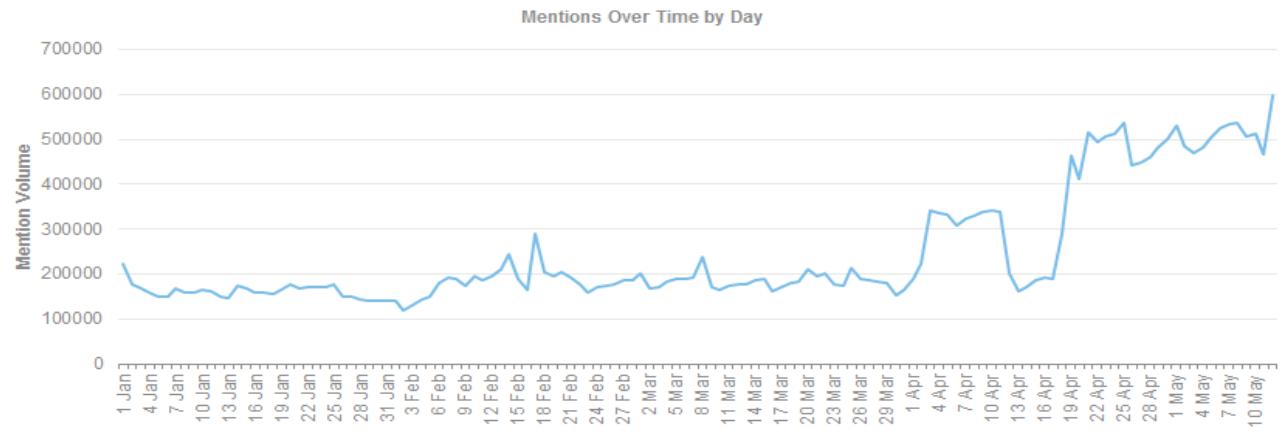 Table 1: Total Mentions of HOPE by Gen Z Jan-May 2019
The most popular day of the week to post was Thursday, with over 4.9 per second tweets on Thursdays. On average, there are around 6000 tweets tweeted per every second. Table 2 shows the total number of posts each weekday with mentions of hope by Gen Z posters. The study examined only the tweets from GenZers that reference hope, hopefulness, or corresponding synonyms or emojis.
Table 2: Total Tweets per Day by Gen Z
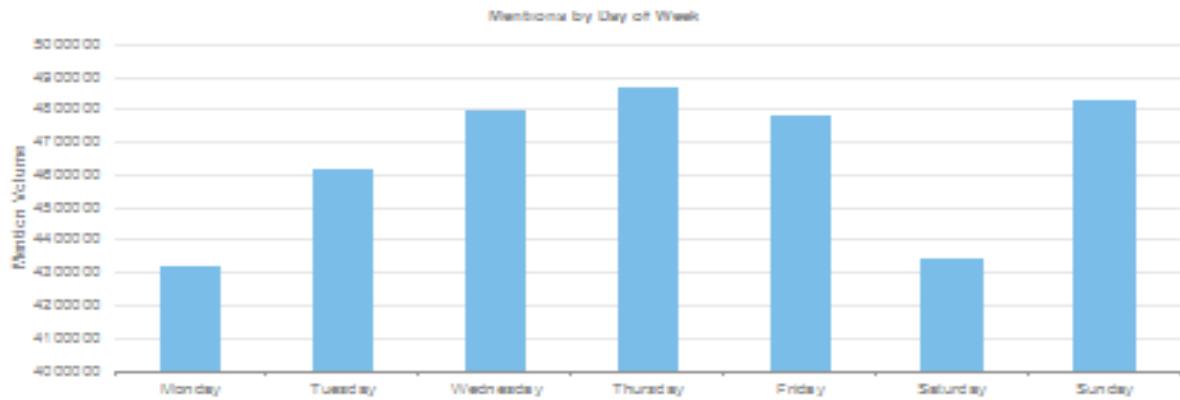 Mentions by Day of Week Hope | Jan 01, 2019 - May 12, 2019 As topics were further investigated, it was found that happy birthday, love, birthday, school, great, and today all were top areas of 'discussion.' This indicates both hope areas of interest to this audience (school, birthdays) as well as the words they use in connection with our stated hope triggers. Several top topics were recurring themes in the reflection of hope in GenZers. Some of the more frequently used phrases around hope include the following: good one, high hopes, hope your
day, have an amazing- some of the more general phrases one finds around this general area of hopefulness. Keywords were more of the same. The larger the print, the more prominent and frequent the association. Some of the more prominent associations with hope were love, pic (picture), people, birthdays, today, and life. Findings on these top topics of hope are summarized in Table 3- Word Cloud Top Topics.
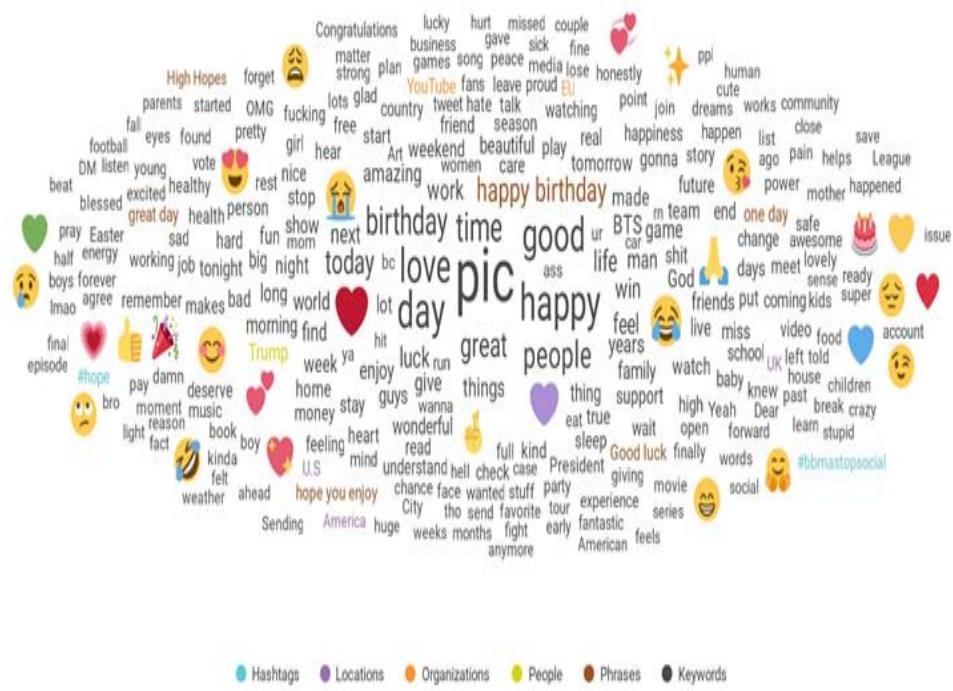 Table 3: Word Cloud of Top Topics of Hope by Gen Z
Regarding hashtags, some surprises were discovered, including # arthritis, #ra (rheumatoid arthritis), #autoimmune, and #rheumatoidarthritis as key topic areas, which was surprising considering their age group. Hashtag results were also noteworthy. There was a much higher percentage of hashtag results for this group than expected. Some of the more prominent associations included #bbmastopsocial (Billboard Music Awards top social, #sunshinehobiday
(Hobi is an artist from Japan), and #hope. #Hope is also big on Instagram. This is a shorter version of 'This is what I hope' or 'hope you are doing well.' Sometimes a hashtag illustrates action or hope, as in this twee from JP,"I think this is a new one, cause I don't recognize some of the moves (and I kinda wished it stayed that way)... #NeverGonnaStop..." Our findings on these top topics of hope are summarized in Table 4- Word Cloud of Top Hashtags related to hope.
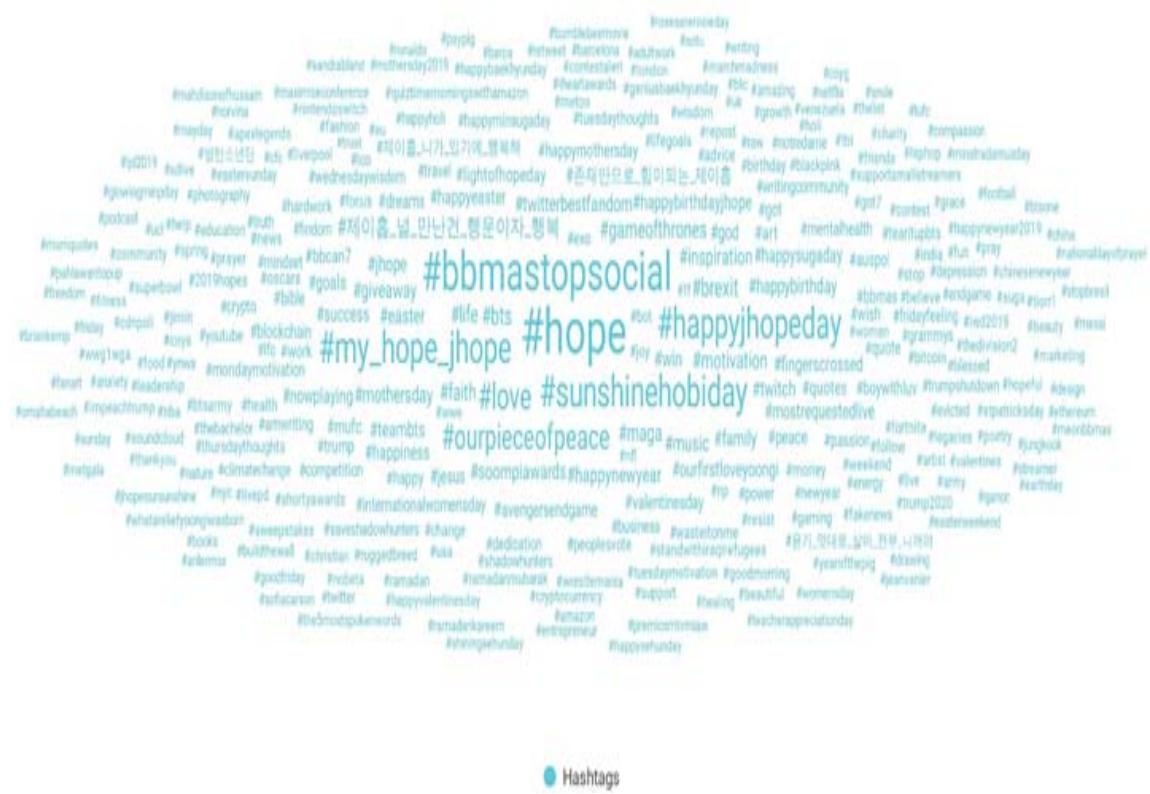 Table 4: Word Cloud of Top Hashtags related to Hope postings by Gen Z
Some of the more frequently used phrases around hope include good one, high school, hope your day, and have an amazing- The focus on hashtags typically indicates a population that is focused on identity as these signal to the social media community that you agree with that statement and want to be known as being part of that group.
Another discovery was the connection this generation had with expressing hope in emojis. Emojis are small images or icons used to express ideas or emotions. There are many emojis, and each one may have a different meaning. Some are pretty easy to understand, as a smile means happy or a frown connotes sadness. Emojis serve an important function in communicating with Gen Z, and that is important to understand. Where other generations think in words, Gen Z often think in symbols. (Stillman, 2019) Many emojis were also used by this group when referencing hope in the topics present. The classic red heart emoji is classic love or used to express love. The Purple Heart has a similar meaning but is used by Apple products like an Apple phone. The laughing face with tears means laughing so hard. Also associated with hope is the emoji of the praying hands, which roughly translates into praying for you or the topic of discussion. Sadness over an event or what is happening is represented by the crying face with streams of tears. One Twitter uses emojis to emphasize emotions and wishes, "@BTS_twt RM I love you□I hope you are always healthy□." Another note with surprise and disgust at the use of different font: me h- Graphic Designers: OMG
THAT COMIC SANS???????WHY WOULD YOU? The emojis that are most prominently connected to the feeling, expression, or reflection of hope are summarized in a Word Cloud. Our findings on the top emojis related to hope are summarized in Table 5-Word Cloud Top Topics. The authors examined how GenZers express and communicate hope. Understanding how hope is communicated can shed light for businesses and educators to relate to the GenZers.
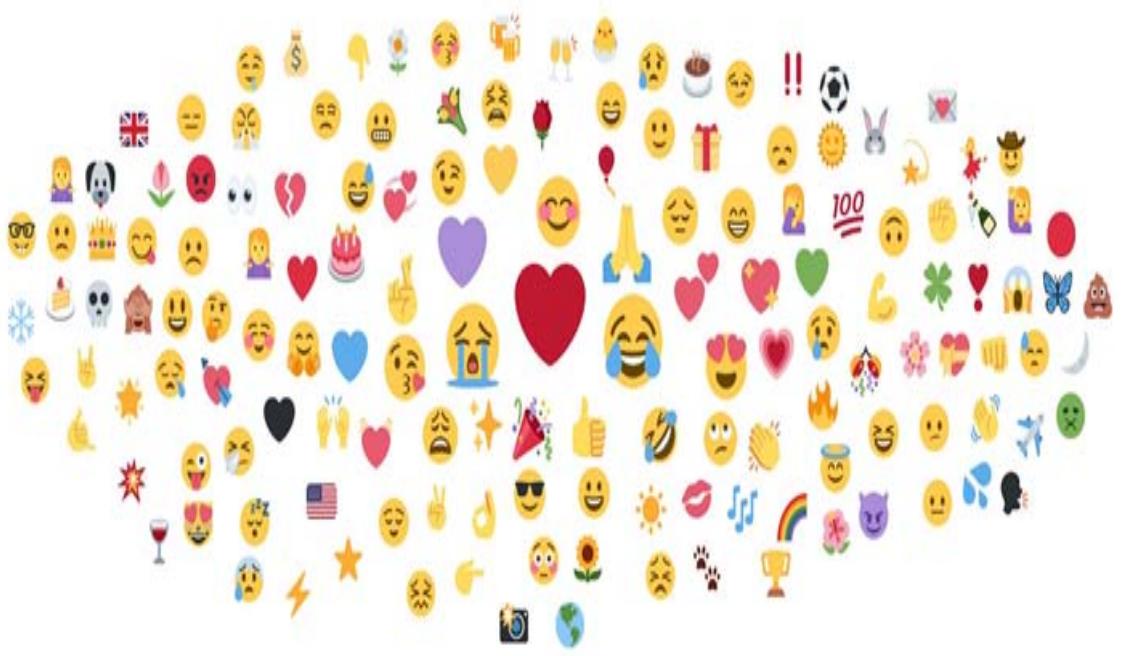 Table 5: Word Cloud of Top Emojis related to HOPE used by Gen Z
## V. DISCUSSION
While Gen Z has hope as measured by comments found in the Twitter data, questions remain regarding both the quantity of commentary used and the nature of hope expressions projected. Is this even 'real hope? Is it wishful thinking or a quick catchphrase to make one self appear to be positive or hopeful with little depth behind the sentiment? Is there a link for a deeper source of hope?
There are at least a few indications that this stated hope is more superficial than deeply rooted. First, the heavy use of emojis by this audience confirms their reliance on visuals. Images are a 'quick' means of sharing information and feelings with little focus on explanations or diving more deeply into thoughts or questions. Second, the sentiment analysis data shows little emotion. The majority of sentiment used was neutral- indicating a passive or almost non-committal attitude toward the view of hope. Even the use of 'fingers crossed' is potentially indicative of a view of hope that is less concrete and stable than one might expect. Is it different from the way other generations discuss hope on social platforms such as Twitter?
Yet GenZers had some surprising topics they focused on in posts and may indicate a potential purpose in social media expression to make sense of their world, which impacts this interest in hope. The topics of birthday and school were expected to be present, yet the heavier topics referenced, such as discussions on health- autoimmune and rheumatoid arthritis, may indicate a desire to reach out to their audiences in more meaningful ways. These markers seem to indicate the potential use of Twitter to help them identify and connect to deeper topics and personal needs. Further analysis is needed.
Overall, the initial findings from this Twitter review were helpful to better understand hope in this generation. While a greater body of social data is needed, there are certainly some discussions of hope on Twitter in both males and females throughout the week and via the currency of their generation- hashtags and emojis. Further research includes going deeper to understand topics such as romance, politics, and sports and analyzing a greater number of comments to gain further insight into this topic. In particular, it would be interesting to compare Twitter to communication on other social outlets in addition to investigating how media pundits characterize this issue in their outlets. The world is interested in better understanding Generation Z. The community wants to not only understand who they are but how they think about eternal issues like hope. Analyzing conversations in their preferred world of media is a good place to start in unpacking this issue and determining ways to increase hope and faith in the future.
Generating HTML Viewer...
References
37 Cites in Article
(2018). Stress in America 2018: Stress and Generation Z Survey.
J Averill,G Catlin,K Chon (1990). Rules of Hope.
S Breznitz (1986). The effect of hope on coping with stress.
David Burns,Jeffrey Fawcett (2012). The Role of Brand in a Consumer Culture: Can Strong Brands Serve as a Substitute for a Relationship with God?.
E Chang (1998). Hope, problem-solving ability, and coping in a college, student population: Some implications for theory and practice.
Joseph Ciarrochi,Patrick Heaven,Fiona Davies (2007). The impact of hope, self-esteem, and attributional style on adolescents’ school grades and emotional well-being: A longitudinal study.
R Clifton,E Maughan (2000). The future of brands: Twenty-five visions.
Christiany Juditha (2009). Comparison of SARA Issues Sentiment between Online News Portal and Social Media Towards the 2019 Election.
Gustavo Demello,Deborah Macinnis (2005). demonstrates that the hope that consumers have (ie. Losing weight, Looking younger) is what ultimately drives consumers to buy products and services.
M Galliger,S Lopez (2017). The Oxford Handbook of Hope.
Masahiko Itoh,Yuzuru Tanaka (2017). Multispace information visualization framework for the intercomparison of data sets retrieved from web services.
L Gottschalk (1974). A Hope scale applicable to verbal samples.
Martin Lindstrom (2010). Life on the edge with generation tomorrow.
E Higgins (1997). Beyond pleasure and pain..
E Higgins,James Shah,Ronald Friedman (1997). Emotional responses to goal attainment: Strength of regulatory focus as moderator..
E Keene Reder,J Serwint (2009). Until the last breath: Exploring the concept of hope for parents and healthcare professionals during a child's serious illness.
Ellen Kim,Juhee Kang,Anna Mattila (2012). The impact of prevention versus promotion hope on CSR activities.
Jack Kwong (2019). What is hope?.
Robert Madrigal,Colleen Bee,Monica Labarge (2004). Experiencing suspenseful drama: The sequencing of emotions and retrospective judgments.
Karl Menninger (1959). THE ACADEMIC LECTURE.
Tyler Mondres (2009). Unknown Title.
Chris Morris (2018). 61 million Gen Zers are about to enter the US workforce and radically change it forever.
R Nesse (1999). The evolution of hope and despair.
Willis Overton,Ulrich Müller (2012). Metatheories, Theories, and Concepts in the Study of Development.
H Peterson (2014). Millennials are old news -Here's everything you should know about Generation Z. Business Insider.
K Poels,S Dewitte (2008). Hope and selfregulatory goals applied to an advertising context: Promoting prevention stimulates goal-directed behavior.
B Relander (2014). How to market to Gen Z, the kids who already have $44 billion to spend. Entrepreneur Media.
Holly Schroth (2019). Are You Ready for Gen Z in the Workplace?.
D Schwieger,C Ladwig (2018). Reaching and Retaining the Next Generation: Adapting to the Expectations of Gen Z in the Classroom.
Hellen Siril,Mary Smith Fawzi,Jim Todd,Magreat Somba,Anna Kaale,Anna Minja,Japhet Killewo,Ferdinand Mugusi,Sylvia Kaaya (2020). The value of hope: development and validation of a contextual measure of hope among people living with HIV in urban Tanzania a mixed methods exploratory sequential study.
C Snyder,L Irving,J Anderson (1991). Hope and health.
C Snyder,Shane Lopez,Hal Shorey,Kevin Rand,David Feldman (2002). Hope theory, measurements, and applications to school psychology..
D Stillman,J Stillman (2017). Stillman.
D Stillman,J (2017). Move over, Millenials; Generation Z is here.
Diana Tamir,Jason Mitchell (2012). Disclosing information about the self is intrinsically rewarding.
Blayne Haggart (2019). What Elon Musk’s destruction of Twitter tells us about the future of social media.
No ethics committee approval was required for this article type.
Data Availability
Not applicable for this article.
How to Cite This Article
Dr. Sherryl Bergridenour. 2026. \u201cThe Reflection of Hope in Social Media by Generation Z\u201d. Global Journal of Management and Business Research - C: Finance GJMBR-C Volume 24 (GJMBR Volume 24 Issue C2): .
Explore published articles in an immersive Augmented Reality environment. Our platform converts research papers into interactive 3D books, allowing readers to view and interact with content using AR and VR compatible devices.
Your published article is automatically converted into a realistic 3D book. Flip through pages and read research papers in a more engaging and interactive format.
This mixed-method (qualitative and quantitative) study explores perceptions, reflections, and the essence of hope among GenZers as expressed in social media. Hopefulness and hopelessness toward the future is one of the important and considerable issues in business and academia, which have been studied scientifically since the 1960s. Being hopeful is considered one of the most important motivations in one’s life because hope is the root of creativity and human development. It sets up individuals for goal achievement and helps people reach for their dreams. Technology has a significant role in GenZers’ lives, from socializing to schoolwork, entertainment to exercise, and relaxation to corporate careers. In our study, we will specifically investigate Gen Z’s responses on Twitter regarding the concept of hope. Our study will explore a deeper content analysis of a particular channel (Twitter) and decipher the themes (words, images, talent, tone) that tie into the value of HOPE or its synonyms, using a quantitative method going deep via techniques such as discourse or textual analysis where we more specifically interpret the GenZers’ posts. We decode the number of posts in relation to five themes of hope: education, relationships, future, politics, and career.
Our website is actively being updated, and changes may occur frequently. Please clear your browser cache if needed. For feedback or error reporting, please email [email protected]
Thank you for connecting with us. We will respond to you shortly.