I. INTRODUCTION
Successful animal production depends on genetic and environmental factors including nutrition and management practices. Of which nutrition plays an important role. It is believed that more than 50% of the farm expenditure or cost of animal production goes towards feeding of animals. Dietary nutrients promote programming and expression of the metabolic pathways that enables the animal to achieve its genetic production potential. All the nutrients (carbohydrate, proteins, fat, vitamins, and minerals) are equally important as deficiencies of one or more of these nutrients hamper the health status and productivity level of animals. Minerals may constitute a small fraction of the total ration but perform vital role in the body.
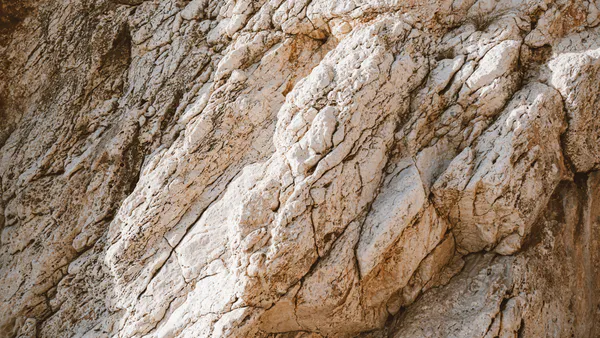
There is variation in the mineral content of different animal tissues. The concentrations of essential elements must usually be maintained within the narrow limits, if the functional and structural integrity of the tissues is to be safeguarded and the optimum growth, health and productivity status of the animal are to be maintained. Continuous ingestion of diets that are deficient, imbalanced or excessively high in a mineral, induce change of the normal mineral concentration of body tissues. In such circumstances the biochemical and physiological functions of the animals are affected which in turn may result in structural disorders. The developed structural disorders are variable with the mineral element concerned and its toxicity, the degree and duration of dietary deficiency, and the age, sex and species of animal involved Chesters and Arthur,(1988) Such a change could be prevented through the provision of balanced, palatable and adequate diet in desirable forms. According to McDowell et al (1993) mineral supplements differ in their bio-availability, one of the most important factors in mineral nutrition, which must be taken into consideration. Thus it is necessary to comparatively scan the available mineral supplements aimed at ensuring its adequacy and levels of toxicity incriminating minerals. This being the cases, the major objective of this research project was to study the status of Lead and Cadmium in supplementary mineral feed source of Livestock in Ethiopia.While using natural rock as potential sources of useful minerals, level of toxic minerals in it must be investigated as well. Keeping the above in view the present study was carried out.
To study the content of Lead and Cadmium in calcium carbonate (caco ) or limestone, Marble powder and gypsum obtained from different locations of Ethiopia (natural sources, cement factories etc.)
II. MATERIALS AND METHODS
a) Collection of samples
For this study certain samples of calcium carbonate with two samples of marble powder which was wet and dry, one sample of gypsum and one sample of silica powder were procured from different sources/ locations (Efforts were made to procure as many batch samples as possible. The detail is given in table 2.1.
b) Analysis of samples
The samples that had been collected from various sources were analyzed in triplicate for dry matter (DM), total ash, acid insoluble ash (AlA),, toxic elements like Pb and Cd were analyzed. Total ash and AIA were analyzed by the method of AOAC (2002). Toxic minerals such as Cd and Pb were analyzed using AAS (Atomic Absorption spectrophotometer) AOAC. (2002).
| Sr No | Date of collection | Name of samples | Place of collection |
| 1 | 17/07/2013 | Marble powder(wet) | Addis marble factory |
| 2 | 17/07/2013 | Marble powder(dryt) | Addis marble factory |
| 3 | 17/07/2013 | Calcium carbonate | Amhara (Gojam) filiklik Abyssinia cement factory |
| 4 | 17/07/2013 | Calcium carbonate | Amhara (North showa) Jamma Abyssinia cement factory |
| 5 | 17/07/2013 | Gypsum | Amhara (Gojam) filiklik Abyssinia cement factory |
| 6 | 17/07/2013 | Calcium carbonate | Oromia (Durba)Mugar cement factory |
| 7 | 17/07/2013 | Silica powder | Oromia (Durba)Mugar cement factory |
| 8 | 17/07/2013 | Calcium carbonate | Oromia (Durba)Mugar cement factory |
| 9 | 18/07/2013 | Calcium carbonate | Hung shan Mojo cement factory (Hirna from Harrar) |
i. Analytical procedures
a. Processing of minerals supplement samples
1 gm of dried mineral supplements sample were taken in silica basin and charred to remove smoke and ashed at C in a muffle furnace for two hrs. Acid extract was prepared by quantitative transfer ash to a dried clean glass beaker to which 20 ml of 5 N HCl was added this was boiled for 5 minutes and filtered through what man filter paper No. 42 into 250 ml volumetric flask. The filter paper was washed with hot distilled water until free of acid; the volume was made to the mark with distilled water. This extract was used for analysis of Pb and Cd.
b. Estimation of Pb and Cd
Toxic minerals (Pb and Cd) will be estimated by atomic absorption spectrophotometer (AAS) using acetylene as fuel and air as oxidant, specific hallow cathode lamps were used for the determination of each element. After adjusting the instrument, the standards and unknown will be monitored through the samples spraying device to get the constant reading in the digital display The detail of preparation of standard solutions for various elements is shown in table2.2.
| Element | Salt | Quantity in mg will be made to 100 ml with distilled | Yield | Standard range |
| Lead | 18.49 | 100 ppm | 2.0-20 ppm | |
| Cadmium | 16.81 | 100 ppm | 0.6-6.4 ppm |
Stock solution containing 100 ppm of Pb and Cd were prepared by taking the accurately weighed amount of each salt and making the volume as indicated in table 2.2.
III. RESULTS AND DISCUSSION
Total Ash and Acid Insoluble Ash
The total ash, AIA, Pb and Cd contents of the limestone, marble powder, gypsum and silica collected from different part of Ethiopia are given in Table 3. According to Kabaija and Little (1993), the total ash content of most of the Ethiopian common animal feed is equal or lower than 12%. Total ash content of 10-12% and 4.6-8.7% was reported from range grasses and highland hays of Ethiopia respectively. The highest total ash content of 12% was reported from Chrysopogon aucheri grown in the highland of Ethiopia. According Table 3, total ash content of 99% was recorded from
Addis Marble powder, Jamma Limestone (Abyssinia Cement), Durban Silica Mugger Cement, Durban limestone cement factory and from Hirna limestone hungshan cement factory, the value of which is very high compared to the others. The lowest total ash content of 81% was recorded from Durban Gypsum cement. The results of this study clearly showed that the total ash content of all the materials analyzed in this study ranged between 81 and 99% (on dry matter basis), indicating the potential use of these materials (limestone, marble powder and gypsum collected from different part of Ethiopia) as supplementary mineral feed source in a very small amounts.
Acid Insoluble Ash content of animal feed seems to receive adequate attentions. The BIS (2002) restricted Acids Insoluble Ash content to 2.5 to 3.0% in the final mineral mixtures as high levels of AIA lowers the utilization of nutrient and palatability. Ammerman et al (1984) reported that high levels of AIA in the ration of livestock depressed the utilization of P and certain other micronutrients. Kabaija and Little (1993), reported ADF ash content of 3-5% from common Ethiopian animal feeds. ADF ash content of range grasses ranged between 4.06 and 7.61%. It is reported that high levels of ADF ash in animal feed negatively affect digestibility. It is also reported that the high levels of ADF ash in animal feed could be attributed to the presence of large amounts of silica which in turn may seriously reduce digestibility Van Soest (1982). The result of this study showed that Durban Silica Mugger Cement contain 96% Acid Insoluble Ash which makes it unfit as animal feed because of its insolubility. Jamma limestone, Durban gypsum Mugger and filiklik limestone Gojam contain 4.2-8.3% Acid Insoluble Ash, the values of which are high for the use as animal feed compared to the others. On the other side (Table 3) the Acid Insoluble Ash content of the others (Limestone Abyssinia cement factory(Jamma), Limestone Durban cement factory (Durba), Limestone Hungshan cement factory (Hirna)) ranged between 0.29 and 3.29%, the values of which are lower than that reported from the Ethiopian highland range grasses and straw based dry period roughage feeds. Therefore, the results of this study clearly showed that Limestone from durba, Limestone (Jamma) and Limestone (Hirna) could be used as mineral supplant in livestock feeding based on their percent composition of Acid Insoluble Ash.
| SAMPLE NO | Places of collections | DM% | AIA% of DM | Total ash | Pb ppm | Cd ppm |
| 1 | Marble powder (wet) *Addis marble factory | 99.73 | 1.09 | 99.31 | 32.5 | 3.25 |
| 2 | Marble powder(dry) *Addis marble factory | 99.78 | 1.33 | 99.39 | 20 | 2.75 |
| 3 | Lime stone Gojam (Filiklik)*Abyssinia cement factory | 0.08 | 8.29 | 97.12 | 20 | 0.75 |
| 4 | Limestone Abyssinia cement factory(Jamma) | 99.73 | 3.27 | 98.69 | 32.5 | 2.83 |
| 5 | Limestone Abyssinia cement factory(Jamma)* | 82.07 | 4.24 | 77.16 | 20 | 2.08 |
| 6 | Gypsum Mugger cement factory (durba*) | 99.49 | 8.43 | 97.27 | 45.83 | 3 |
| 7 | silica Mugger cement factory (durba)* | 99.96 | 95.72 | 99.58 | 15.83 | 2.25 |
| 8 | Limestone durban cement factory (dubra)* | 98.40 | 0.29 | 97.70 | 2.25 | 2.42 |
| 9 | Limestone hungshan cement factory (Hirna)* | 99.89 | 3.29 | 99.20 | 48.33 | 4.92 |
a) Lead (Pb)
Lead (Pb) occurs naturally in the environment, but its industrial use (e.g. mining, smelting, processing, se in plumbing solders and alloys, pigments, batteries, ceramics, etc.) has resulted in increased levels in soil, water and air [6, 12]. Inu the past, leaded fuel was important contributor to lead in the environment. However, with the introduction of unleaded fuel in the mid 1980's, lead has considerably decreased in the environment. Lead accumulation in soils and surface waters depends on many factors, including pH, mineral composition, and amount and type of organic material. Lead in soil is transferred to food crops.
Animal exposure to lead can occur via food, water, soil, dust and air. Lead exists both in organic and inorganic forms. Bampidis V.A. et al. 2013, 46 (1)
The source of lead includes natural and anthropogenic processes such as combustion of coal and mineral oil, smelters, mining, alloy processing units, paint industries etc. Newly born animals are particularly susceptible to lead exposure due to high gastrointestinal uptake and the permeable blood brain barrier leading to neurotoxic effects even at low exposure (Allcroft and Blaxter, 1950). It is the most common industrial metal that has become widespread in air, water, soil and food and easily accumulates in the different vital organs especially liver, kidney, bones and brain of the body. Besides, direct ingeS tion of lead which causes increased blood lead levels, accumulated lead in the body also acts as a significant source of blood lead burden (Swarup et al., 2005).
Lead (Pb) is toxic to the blood, nervous, urinary, gastric and genital systems . Furthermore, it is also implicated in causing carcinogenesis, mutagenesis and teratogenesis in experimental animals . Lead readily crosses the placenta and there is evidence that exposure to high levels increases the risk of spontaneous abortion, miscarriage and stillbirth AG Dawd1 et al. (December, 2012).
In present study the Pb content in different natural rock samples procured from different parts of Ethiopia (Table 2.1) such as marble powder ranged 20—32.5 an average of 26.3 ppm, in limestone ranged 2.25—48.33 an average of 24.6 ppm, and in gypsum 45.83 ppm.
Maximum tolerable levels of Pb in the feed(mg/kg or% of the DM of animals is for cattle 100 mg/kg, for sheep 100 mg/kg, so in all samples the content of Pb is at safe level and no danger in using the natural rocks as mineral supplements..
b) Cadmium (Cd)
Chronic cadmium intoxication has been observed in calves receiving daily 18 mg Cd/kg BW, in sheep receiving daily 60 mg Cd/kg of diet for 137 days, and in pigs receiving daily 50 mg Cd/kg of diet for 42 days. However, minimum toxic levels or maximum safe dietary concentrations cannot be estimated with any precision, since cadmium disposition is significantly influenced by dietary interactions with zinc, copper, iron and calcium. Thus, in some cases, concentrations of cadmium as low as 1mg/kg in the diet or drinking water did induce adverse effects in animals. These effects included renal function impairment, hypertension, disturbance of trace mineral metabolism (copper, zinc and manganese), and acute degenerative damage in the intestinal villi Bampidis V.A. et al. (2013, 46 (1)) Cadmium is a toxic to virtually every system in the animal body. It is almost absent in the human body at birth, however accumulates with age. An average man accumulates as about cadmium in his body by the age of 50 years. Refined foods, water foods, water pipes, coffee, tea, coal burning and cigrates are all the most important source of Cd. Daily dietary intake of Cd ranges from day [51]. Cadmium accumulated with in the kidney and liver over long time [32]. It is interact with numbers of minerals mainly Zn, Fe, Cu and Se due to chemical similarities and competition for binding stage. It is also reported that Cd can affected Ca, P and bone metabolism in both industrial and people exposed to Cd in general environment [23]. Tibebu Kocharea, BerhanTamirb (2015).
Sewage sludges contain variable and occasionally excessive cadmium concentrations (up to 20 mg/kg DM) (ASTDR, 1999).
Abegaze Beyene (2008) has reported the Cd content in calcite powder 3.72 ±0.63 ppm and in calcium carbonate 6.40±0.00 ppm in samples collected from different parts of India.
In present study the Cd content in different natural rock samples procured from different parts of Ethiopia (Table 2.1) such as marble powder an average of 3 ppm, in limestone an average of 2.6 ppm, and in gypsum 3 ppm. In all samples the content of Cd is at safe level and no danger in using the natural rocks as mineral supplements.
IV. CONCLUSIONS
Samples of lime stone powder (CaCo ) powder were collected from different parts of Ethiopia were subjected to laboratory chemical analysis in triplicates. The results obtained showed that the total ash content of all the materials analyzed in this study ranged between 81 and (on dry matter basis), indicating the potential use of these materials (limestone, marble powder, gypsum and silica collected from different part of Ethiopia) as supplementary mineral feed source in a very small amounts. The Acid Insoluble Ash content of limestone from Abyssinia, cement factory (Jamma), Limestone Durbacemnt factory.(Durban), Limestone Hungshan cement factory (Hirna)) ranged between 0.29 and , the values of which are lower than that reported from the Ethiopian highland range grasses and straw based dry period roughage feeds. Therefore, the results of this study clearly showed that Limestone from durba, Limestone(Jamma) and Limestone(Hirna) could be used as mineral supplant in livestock feeding based on their percent composition of Acid Insoluble Ash. According to the results of this study, the(AIA) Acid Insoluble Ash content of limestone from Gojam (Filiklik)Abyssinia cement factory and Gypsum Mugger cement factory (durba)is very high those samples coudnot be used as mineral supplement as BIS (2002) restricted Acids Insoluble Ash content to 2.5 to 3.0% in the final mineral mixtures as high levels of AIA lowers the utilization of nutrient and palatability. The results obtain showed that the content of the test materials are comparable to that of the common Ethiopian animal feed stuffs.
Lead and cadmium is at low level and can be used confidently. However, other toxic minerals and animal evaluation of the bioavailability of the test materials seems to be the future direction of research.