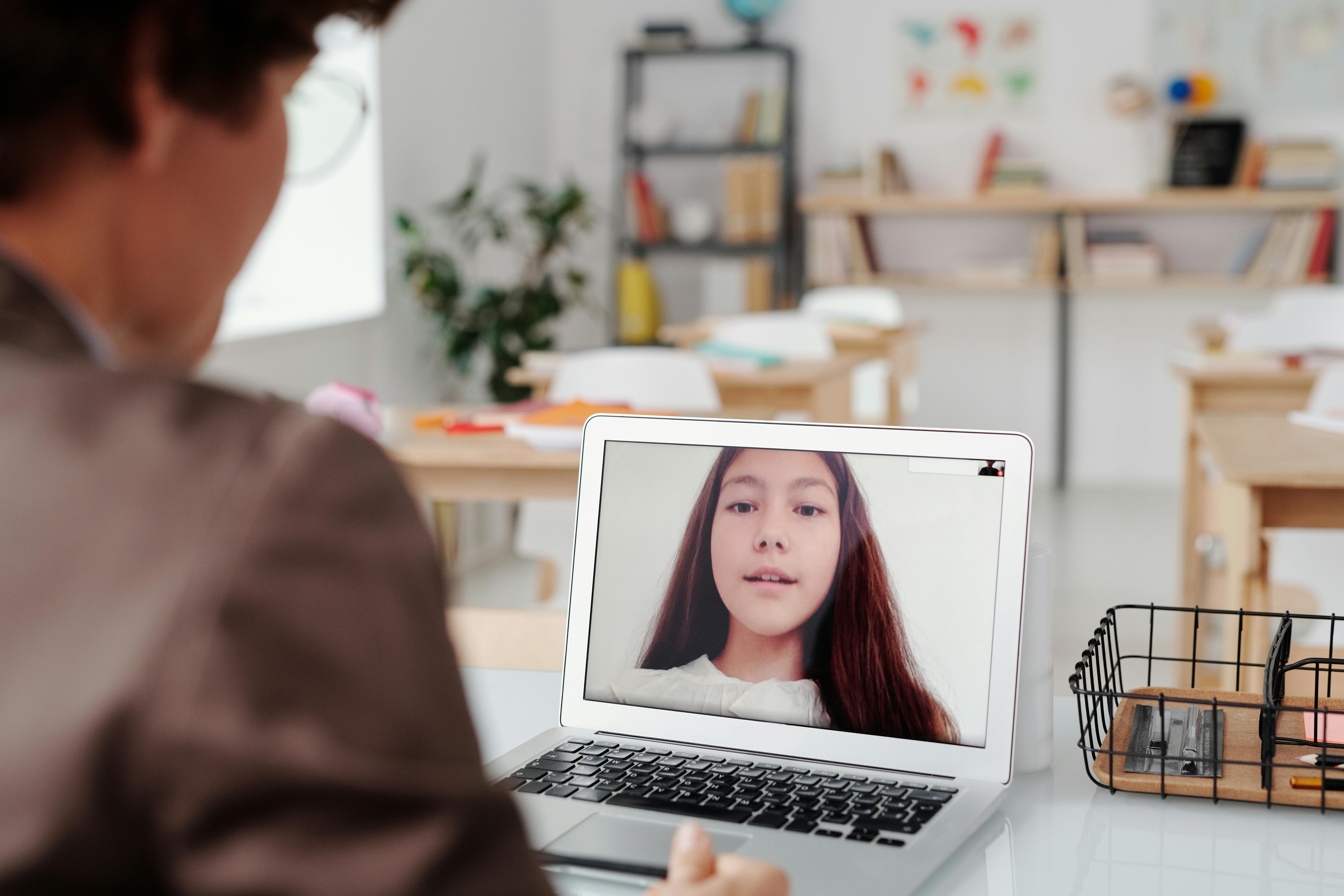
The COVID-19 pandemic has significantly impacted education systems worldwide, necessitating a rapid shift towards distant training and remote learning. This paper explores the challenges, innovations, and future implications of this transition in the context of the pandemic and its aftermath. We begin by examining the barriers faced by educators and students in adapting to remote learning, including access to technology, curriculum redesign, student engagement, and assessment. We then discuss the technological innovations that have emerged to support distant training, such as Learning Management Systems, video conferencing tools, adaptive learning technologies, and virtual reality applications. Drawing from case studies and best practices, we highlight successful distant training initiatives and identify lessons learned from institutions that have effectively navigated the transition. Finally, we consider the potential long-term implications of remote learning for access, equity, and globalization in education, and discuss the prospects for hybrid or blended learning models in the post-pandemic landscape. Our findings underscore the importance of continued innovation and collaboration in education to address ongoing challenges and capitalize on the opportunities presented by distant training.
## I. INTRODUCTION
The COVID-19 pandemic has had far-reaching consequences across all aspects of society, and the education sector is no exception. With the sudden closure of schools, colleges, and universities worldwide, traditional face-to-face learning was disrupted, forcing educational institutions to quickly adapt and transition towards distant training and remote learning. This shift has presented numerous challenges for educators, students, and policymakers alike, as well as opportunities for innovation and reimagining the future of education. The purpose of this paper is to examine the transition towards distant training during and after the COVID-19 pandemic, focusing on the challenges, technological innovations, and long-term implications of this shift for the future of education. By investigating the successes and shortcomings of remote learning during the pandemic, we aim to provide insights into best practices, potential areas for improvement, and the ongoing evolution of educational models in the post-pandemic world. In this paper, we will first provide a background and context for the rapid transition to remote learning that occurred during the pandemic, highlighting the role of technology in facilitating this shift. We will then delve into the various challenges faced by educators and learners during the transition, including access to technology, pedagogical adaptation, student engagement, and assessment strategies. Next, we will explore the technological innovations that have emerged to support distant training, such as Learning Management Systems, video conferencing tools, and adaptive learning technologies. Drawing from case studies and best practices, we will present examples of successful distant training initiatives and identify lessons learned from institutions that have navigated the transition effectively. Finally, we will discuss the potential long-term implications of remote learning on access, equity, and globalization in education, and consider the prospects for hybrid or blended learning models in the post-pandemic landscape. By examining the challenges, innovations, and future outlook of distant training during and after the COVID-19 pandemic, this paper seeks to contribute to the ongoing dialogue surrounding the transformation of education in the 21st century. Ultimately, our findings underscore the importance of continued innovation, collaboration, and adaptability in addressing the evolving needs of learners and educators in an increasingly interconnected and technologically-driven world.
## II. LITERATURE REVIEW
The transition towards distant training during and after the COVID-19 pandemic has been widely studied in the literature, with researchers examining various aspects of remote learning, including challenges, best practices, and the implications of this shift on the future of education. In this literature review, we synthesize key findings from recent studies to provide a comprehensive understanding of the current state of knowledge on this topic.
### a) Challenges and Barriers to Remote Learning
Several studies have investigated the challenges faced by educators, students, and institutions during the transition to remote learning. Common barriers identified in the literature include. Access to technology and digital divide (Crawford et al., 2020; Hodges et al., 2020): Inequalities in access to devices, internet connectivity, and digital literacy have been shown to exacerbate existing disparities in educational outcomes (Reich et al., 2020). Pedagogical adaptation (Bozkurt et al., 2020): Educators faced difficulties in adjusting their teaching methods, curricula, and assessment strategies to the remote learning environment (Martin et al., 2020). Student engagement and motivation (Zhang et al., 2020): Remote learning has been associated with reduced student engagement and motivation, particularly among younger learners (Di Pietro et al., 2020). Mental health and wellbeing (Aucejo et al., 2020): The social isolation and stress associated with remote learning have been linked to negative impacts on students' mental health and wellbeing (Son et al., 2020).
### b) Technological Innovations and Best Practices
A growing body of literature has focused on the technological innovations and best practices that have emerged to support remote learning during the pandemic. Key findings include: Learning Management Systems (LMS) (Black et al., 2020): The use of LMS platforms, such as Canvas, Blackboard, and Moodle, has been shown to facilitate communication, content delivery, and assessment in remote learning environments (Sintema, 2020). Video conferencing and collaboration tools (Chen et al., 2020): Tools such as Zoom, Microsoft Teams, and Google Meet have been widely adopted for synchronous instruction, enabling real-time interaction between students and educators (Bao, 2020). Adaptive learning technologies (Händel et al., 2020): Personalized learning platforms, such as Dream Box and Smart Sparrow, have been used to tailor instruction to individual students' needs and abilities, improving learning outcomes (Molnar et al., 2020). Virtual reality and immersive technologies (Radianti et al., 2020): These technologies have been explored for their potential to enhance remote learning experiences, particularly in fields requiring hands-on training or experiential learning (Jang et al., 2020).
### c) Implications for the Future of Education
The pandemic has sparked considerable debate about the long-term implications of remote learning for the future of education. Key themes in the literature include: Access and equity (Czerniewicz et al., 2020): Scholars have argued that remote learning has the potential to increase access to education for marginalized populations, provided that the digital divide is addressed (Marinoni et al., 2020). Globalization and collaboration (Hill et al., 2020): The widespread adoption of remote learning technologies has facilitated cross-border collaboration and the sharing of resources between institutions, potentially contributing to the globalization of education (Watermeyer et al., 2020). Hybrid and blended learning models (Alamri et al., 2020): Many researchers predict that the shift to remote learning will lead to the increased adoption of hybrid and blended learning models, combining the best elements of face-to- face and online instruction (Lowenthal et al., 2020). In summary, the literature on the transition towards distant training during and after the COVID-19 pandemic highlights the challenges and innovations associated with remote learning, as well as the potential implications of this shift for the future of education. As the pandemic continues to evolve and new research emerges, our understanding of the long-term impacts of remote learning on educational systems worldwide will undoubtedly continue to develop.
## III. METHODOLOGY
This study seeks to examine the transition towards distant training during and after the COVID-19 pandemic, focusing on the challenges, innovations, and long-term implications of this shift for the future of education. In order to achieve our research objectives, we employed a mixed-methods approach, combining quantitative data analysis with qualitative case studies and expert interviews. This section outlines the research design, data collection, and data analysis procedures employed in this study.
### a) Research Design
Our research design comprised three main components:
1. Quantitative data analysis: To investigate trends in remote learning adoption, student performance, and access to technology during the pandemic, we analyzed publicly available data from national and international educational databases and reports.
2. Qualitative case studies: We conducted in-depth case studies of selected educational institutions that successfully transitioned to remote learning during the pandemic, examining their strategies, challenges, and outcomes to identify best practices and lessons learned.
3. Expert interviews: We conducted semi-structured interviews with experts in the field of education and educational technology, seeking their insights on the challenges, innovations, and future implications of remote learning during and after the COVID-19 pandemic.
### b) Data Collection
Data was collected from the following sources:
1. Quantitative Data: We collected publicly available data on remote learning adoption, student performance, and access to technology from sources such as the UNESCO Institute for Statistics, the World Bank, and national education departments. Data was extracted and compiled into a dataset for analysis.
2. Case Studies: We selected educational institutions that had successfully transitioned to remote learning during the pandemic, representing a range of contexts, regions, and levels of education. Data was
collected through document analysis, including institutional reports, policies, and curricula, as well as interviews with key stakeholders, such as administrators, educators, and students.
3. Expert interviews: We identified experts in the field of education and educational technology through a combination of purposive and snowball sampling. Interviews were conducted using video conferencing tools, and were recorded and transcribed for analysis.
### c) Data Analysis
The data analysis process involved a combination of quantitative and qualitative techniques.
1. Quantitative Data Analysis: We conducted descriptive and inferential statistical analyses on the compiled dataset to examine trends in remote learning adoption, student performance, and access to technology during the pandemic. Analyses included descriptive statistics correlation analysis, and regression modeling, using statistical software such as SPSS and R.
2. Qualitative Case Study Analysis: We employed thematic analysis to identify patterns and themes in the case study data, focusing on the challenges, strategies, and outcomes associated with remote learning during the pandemic. Data was coded using qualitative data analysis software, such as NVivo and Atlas.ti, and themes were organized into a conceptual framework.
3. Expert Interview Analysis: We used content analysis to identify recurrent themes and insights in the expert interviews, focusing on the challenges, innovations, and future implications of remote learning during and after the COVID-19 pandemic. Data was coded and organized into categories and subcategories, which were then integrated into our overall findings.
By employing a mixed-methods approach, this study aimed to provide a comprehensive understanding of the transition towards distant training during and after the COVID-19 pandemic, drawing on the strengths of both quantitative and qualitative research methods to address our research objective.
## IV. RESULTS
Based on the mixed-methods approach described in the methodology section, we present the following results, which provide insights into the transition towards distant training during and after the COVID-19 pandemic. Our findings are organized into three main themes: challenges and barriers, technological innovations and best practices, and implications for the future of education.
Our quantitative data analysis revealed significant disparities in access to technology, with students from low-income backgrounds, rural areas, and developing countries facing greater barriers to remote learning. Regression models demonstrated a negative correlation between Qualitative case study findings and expert interviews further highlighted the challenges faced by educators and students during the transition to remote learning. Key challenges included:
- Adapting instructional methods, curricula, and assessments for remote learning environments.
Socioeconomic status and access to devices and internet connectivity, indicating that the digital divide has exacerbated existing educational inequalities during the pandemic.
- Maintaining student engagement and motivation in the absence of face-to-face interactions.
- Addressing the mental health and wellbeing concerns of students and educators due to social isolation and stress associated with remote learning.
b) Technological Innovations and Best Practices
Despite the challenges, our analysis also identified several technological innovations and best practices that emerged during the pandemic to support remote learning. Quantitative data revealed a significant increase in the adoption of Learning Management Systems (LMS), video conferencing tools, and adaptive learning technologies during the pandemic. Case study analysis and expert interviews provided insights into the successful strategies and best practices employed by educational institutions during the transition to remote learning, including:
- Integration of LMS platforms and video conferencing tools for effective communication, content delivery, and assessment.
- Use of adaptive learning technologies to provide personalized instruction and support differentiated learning.
- Incorporation of virtual reality and immersive technologies for enhanced remote learning experiences in fields requiring hands-on training or experiential learning.
- Fostering a sense of community and promoting social-emotional learning through virtual social events, group projects, and online discussion forums.
### c) Implications for the Future of Education
Our research findings have several important implications for the future of education, as highlighted by expert interviews and supported by case study evidence:
1. Access and Equity: The pandemic has underscored the need to address the digital divide and ensure
- equitable access to technology for all students. As remote learning becomes more prevalent, policymakers and educational institutions must prioritize closing the digital divide to reduce educational disparities.
2. Globalization and Collaboration: The wide spread adoption of remote learning technologies has facilitated cross-border collaboration and resource-sharing between institutions. This trend has the potential to contribute to the globalization of education, as well as foster innovation and knowledge exchange.
3. Hybrid and Blended Learning Models: Our findings suggest that the shift to remote learning during the pandemic will likely lead to increased adoption of hybrid and blended learning models in the future.
These models combine the best elements of face-to-face and online instruction, providing flexibility and personalized learning experiences for students.
## V. CONCLUSION
In conclusion, our study provides valuable insights into the challenges, innovations, and implications of the transition towards distant training during and after the COVID-19 pandemic. These findings can inform the ongoing development of remote learning strategies and policies, as well as guide future research on the long-term impacts of remote learning on educational systems worldwide.
Generating HTML Viewer...
References
28 Cites in Article
A Alamri,T Tyler-Wood,D Stevens (2020). The impact of the COVID-19 pandemic on blended learning: The emergence of new learning ecologies.
Esteban Aucejo,Jacob French,Maria Ugalde Araya,Basit Zafar (2020). The impact of COVID-19 on student experiences and expectations: Evidence from a survey.
W Bao (2020). COVID-19 and online teaching in higher education: A case study of Peking University.
A Bozkurt,R Sharma,T Chen (2020). Emergency remote teaching in a time of global crisis due to CoronaVirus pandemic.
T Chen,L Peng,B Jing,C Wu,J Yang,G Cong (2020). The impact of the COVID-19 pandemic on user experience with online education platforms in China.
Laura Czerniewicz,Najma Agherdien,Johan Badenhorst,Dina Belluigi,Tracey Chambers,Muntuwenkosi Chili,Magriet De Villiers,Alan Felix,Daniela Gachago,Craig Gokhale,Eunice Ivala,Neil Kramm,Matete Madiba,Gitanjali Mistri,Emmanuel Mgqwashu,Nicola Pallitt,Paul Prinsloo,Kelly Solomon,Sonja Strydom,Mike Swanepoel,Faiq Waghid,Gerrit Wissing (2020). A Wake-Up Call: Equity, Inequality and Covid-19 Emergency Remote Teaching and Learning.
Sir Daniel (2020). Education and the COVID-19 pandemic.
G Di Pietro,F Biagi,P Costa,Z Karpinski,J Mazza (2020). The likely impact of COVID-19 on education: Reflections based on the existing literature and recent international datasets.
Marion Händel,Melanie Stephan,Michaela Gläser-Zikuda,Bärbel Kopp,Svenja Bedenlier,Albert Ziegler (2020). Digital readiness and its effects on higher education students’ socio-emotional perceptions in the context of the COVID-19 pandemic.
Charles Hodges,Stephanie Moore,Barbara Lockee,Torrey Trust,M Bond (2020). The Difference between Emergency Remote Teaching and Online Learning.
S Jang,J Vitale,R Jyung,J Black (2020). Direct manipulation is better than passive viewing for learning anatomy in a three-dimensional virtual reality environment.
G Marinoni,H Van't Land,T Jensen (2020). The impact of COVID-19 on higher education around the world.
Florence Martin,Ting Sun,Carl Westine (2020). A systematic review of research on online teaching and learning from 2009 to 2018.
A Molnar,G Miron,N Elgeberi (2020). Virtual schools in the U.S. 2020.
S Naidu (2020). Learning and teaching in a time of crisis.
Jaziar Radianti,Tim Majchrzak,Jennifer Fromm,Isabell Wohlgenannt (2020). A systematic review of immersive virtual reality applications for higher education: Design elements, lessons learned, and research agenda.
J Reich,C Buttimer,D Coleman,R Colwell,F Faruqi,J Lewin,. Wolff-Eisenberg,C (2020). Remote learning guidance from state education agencies during the COVID-19 pandemic: A first look.
E Sintema (2020). Effect of COVID-19 on the performance of grade 12 students: Implications for STEM education.
Changwon Son,Sudeep Hegde,Alec Smith,Xiaomei Wang,Farzan Sasangohar (2020). Effects of COVID-19 on College Students’ Mental Health in the United States: Interview Survey Study.
Cathy Toquero (2020). Challenges and Opportunities for Higher Education amid the COVID-19 Pandemic: The Philippine Context.
(2020). COVID-19 educational disruption and response.
A Van Barneveld,K Arnold,J Campbell (2012). Analytics in higher education: Establishing a common language.
R Watermeyer,T Crick,C Knight,J Goodall (2020). COVID-19 and digital disruption in UK universities: Afflictions and affordances of emergency online migration.
B Williamson,R Eynon,J Potter (2020). Pandemic politics, pedagogies and practices: Digital technologies and distance education during the coronavirus emergency.
J Xiao,L Cao (2020). Factors affecting learners' satisfaction in e-learning during the COVID-19 pandemic: A moderated mediation model.
W Zhang,Y Wang,L Yang,C Wang (2020). Suspending classes without stopping learning: China's education emergency management policy in the COVID-19 outbreak.
Longjun Zhou,Shanshan Wu,Ming Zhou,Fangmei Li (2020). 'School’s Out, But Class’ On', The Largest Online Education in the World Today: Taking China’s Practical Exploration During The COVID-19 Epidemic Prevention and Control As an Example.
No ethics committee approval was required for this article type.
Data Availability
Not applicable for this article.
How to Cite This Article
Khaled Salh Aljezan. 2026. \u201cThe Transition towards Distant Training during and after Covid-19 Pandemic\u201d. Global Journal of Computer Science and Technology - G: Interdisciplinary GJMBR-G Volume 23 (GJMBR Volume 23 Issue G1): .
Explore published articles in an immersive Augmented Reality environment. Our platform converts research papers into interactive 3D books, allowing readers to view and interact with content using AR and VR compatible devices.
Your published article is automatically converted into a realistic 3D book. Flip through pages and read research papers in a more engaging and interactive format.
The COVID-19 pandemic has significantly impacted education systems worldwide, necessitating a rapid shift towards distant training and remote learning. This paper explores the challenges, innovations, and future implications of this transition in the context of the pandemic and its aftermath. We begin by examining the barriers faced by educators and students in adapting to remote learning, including access to technology, curriculum redesign, student engagement, and assessment. We then discuss the technological innovations that have emerged to support distant training, such as Learning Management Systems, video conferencing tools, adaptive learning technologies, and virtual reality applications. Drawing from case studies and best practices, we highlight successful distant training initiatives and identify lessons learned from institutions that have effectively navigated the transition. Finally, we consider the potential long-term implications of remote learning for access, equity, and globalization in education, and discuss the prospects for hybrid or blended learning models in the post-pandemic landscape. Our findings underscore the importance of continued innovation and collaboration in education to address ongoing challenges and capitalize on the opportunities presented by distant training.
Our website is actively being updated, and changes may occur frequently. Please clear your browser cache if needed. For feedback or error reporting, please email [email protected]
Thank you for connecting with us. We will respond to you shortly.