I. INTRODUCTION
a) Geographical isolation of the Australian continent
Separation of Gondwanaland from the Pangea super-continent during the mid- Jurassic period resulted in the Australian land-mass becoming isolated in the Southern Ocean. This geographic isolation is reflected in the present day by the biodiversity and uniqueness of Australia's flowering plants, shrubs and trees. Many of these are unique to Australia although occasional related species have also been recorded in S. Africa, S. America and Hawaii. Remnant vegetation resembling that seen in
Gondwanaland remains in pockets of rainforest in the Blue Mountains, New South Wales and Tasmanian wilderness.
In the last few million years the Australian continent and its variable climate and geological activity moulded the continent into climatic regions that are arid and dry in its central regions, high-rainfall in tropical regions of the north and sub-tropical temperate easterly and southern regions[1]. This Australian climatic diversity is reflected in the incredible range of its native flora.
The demands of the extreme climatic conditions that prevailed in Australia over this evolutionary period was an important selection determinant resulting in the unique spread of flowering plants evident today and these evolved a bio diverse range of chemical compounds through natural selection processes that equipped them for survival in the harsh climatic conditions that prevailed and these continue to be important functional entities of plants in present day Australia. Australia is one of 17 mega diverse countries in the world and has a wealth of unique plant species[2].
b) The
It has been estimated that the Australian native flora accounts for of the world's total plant species with the total number of vascularised plant species estimated to be 25,000, and is greater in number than all plant species in the countries of Europe combined[3]. After World War II a systematic survey of the Australian flora for plants of chemical and pharmaceutical interest uncovered a large number of plants and compounds of interest. Large numbers of pharmaceutical compounds including 500 alkaloids were discovered in Australian plants from 1949 to 1969, of these were identified as new compounds[4]. The majority of these have yet to be examined for their chemical composition or potential biological activities[5]. It is quite clear from the diverse unique morphologies displayed by Australian native plants that they contain a veritable Pandora's box of genetic information which will undoubtedly be useful to plant breeders in the future as reference genetic information that may be useful in the development of new plant traits in prospective plant breeding programs.
c) Flora of Australia (http://www.environment.gov.au/science/abrs)
d) The chemical biodiversity present in native Australian plants
A similar chemical platform to Flora of Australia [http://www.ausflora.org.au] to systematically identify and characterise the pharmacological compounds present in individual Australian native plant species would be an invaluable resource and would greatly simplify the characterisation of compounds of potential pharmaceutical application in Biomedicine. It should be noted that historical evidence shows approximately 25% of all current prescription drugs and 75% of all anticancer drugs were originally developed from plant compounds. From the early 1940s until the late 1970s CSIRO (Commonwealth Scientific and Industrial Organisation) was involved in a major screening program of Australian native plants, searching for medically active chemicals. A major target was alkaloids, but triterpenes, diterpenes, phytoecdysteroids, flavanoids and phenolics were also identified.
II. PLANT PHYTOCHEMICALS
Plants contain a biodiverse range of chemical compounds (phytochemicals) that convey important survival properties. The unique bioactive properties of these compounds may be useful in alternative strategies to conventional medications and may represent a platform for new drug discovery. Australia's geographic isolation, and harsh environmental climatic conditions led to the evolution of a large range of unique and distinct flora with adaptations not seen elsewhere in the world. In response to the unique environmental conditions that native Australian plants had to contend with they evolved some unique survival adaptations and unique phytochemicals that ensured the survival of the plants that inhabited Terra Australis. The Amazon region in S. America is often lauded as an important source of plant and genetic biodiversity of global significance however the unique collection of native plant species in Australia should also be recognized as a resource of equal importance.
The knowledge of Aboriginal First Nation communities gleaned over 40,000 years of observation, clinical interpretation, experimentation and trial and error in the medicinal use of Australian Native Plants that led to anecdotal evidence of numerous antiseptics, analgesics, sedatives, astringents, antipyretics, hypnotics, expectorants, muscle relaxants and mood-altering drugs has come full circle. Current day analytical chemical investigations and pre-clinical studies have led to the confirmation of the wealth of health promoting properties present in Australian native plants. Current medicinal practice however dictates that the active molecules should be isolated and fully characterized in order to gain medical certification in order that they be used in the clinic. This task is daunting given the diversity of compounds present in Australian native plants but based on pre-clinical investigations is warranted.
a) Genomics provide clues as to the existence of chalcones in plants
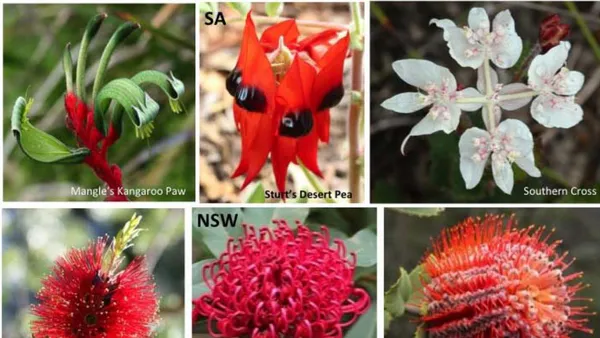
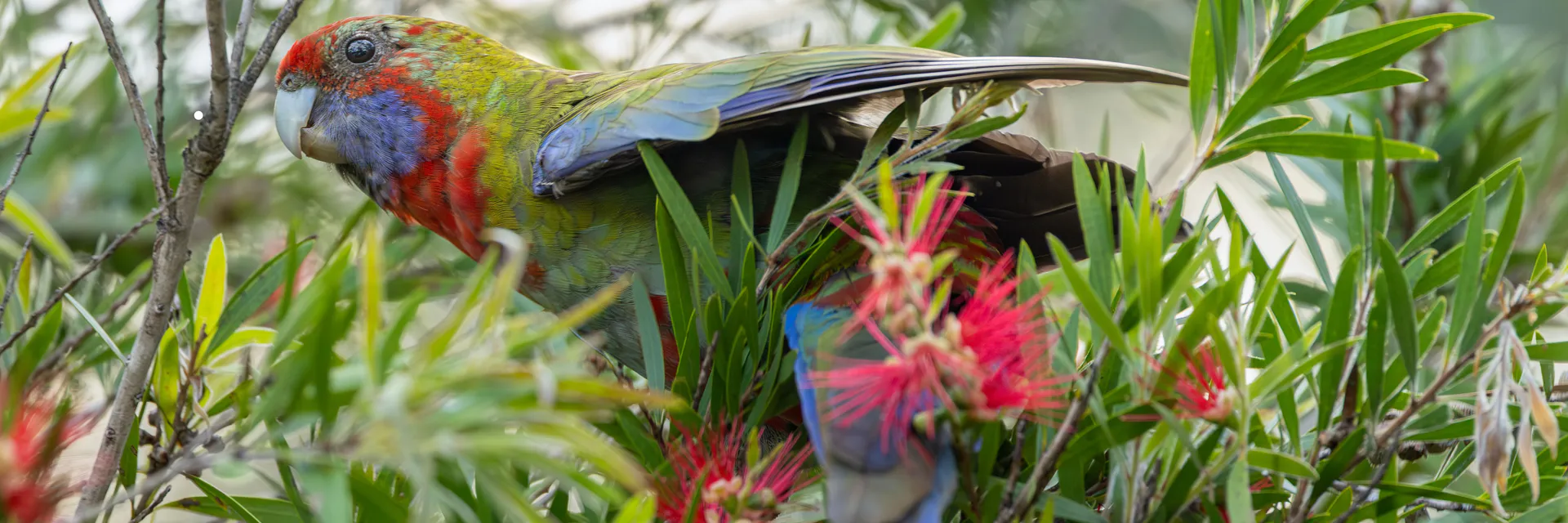
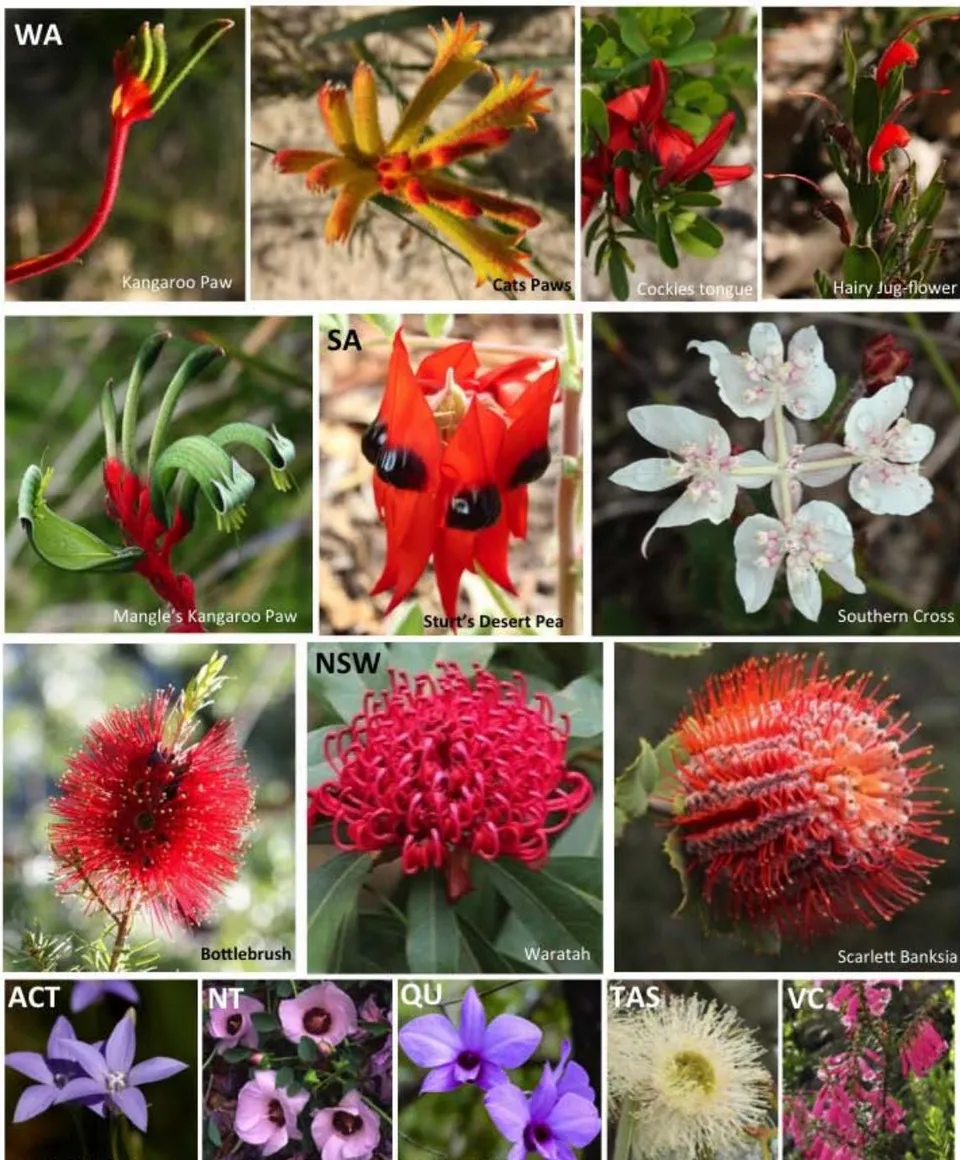
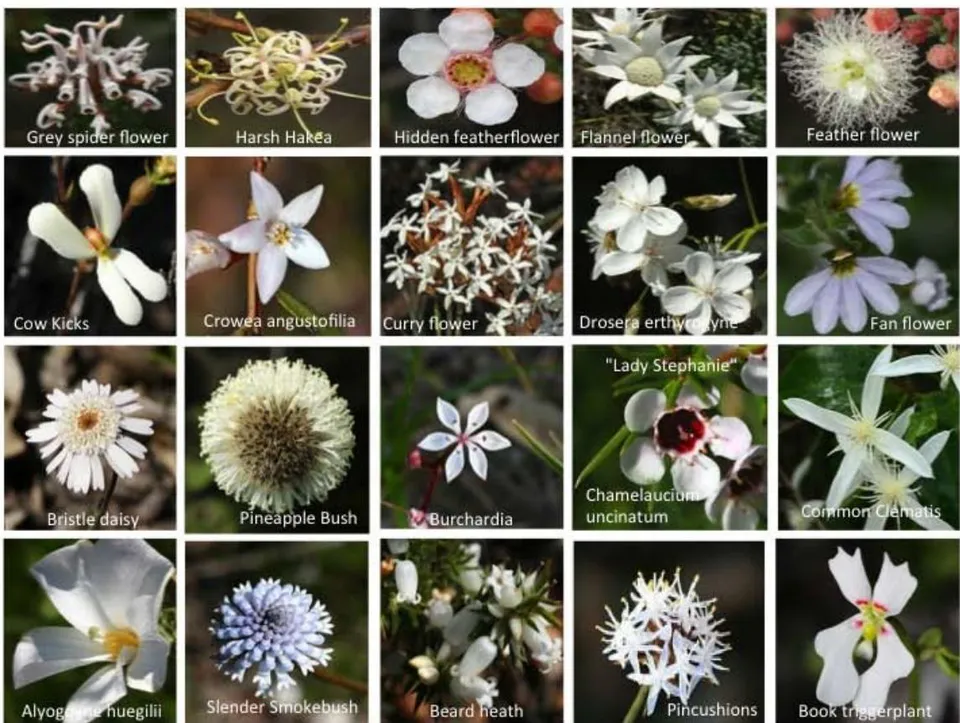
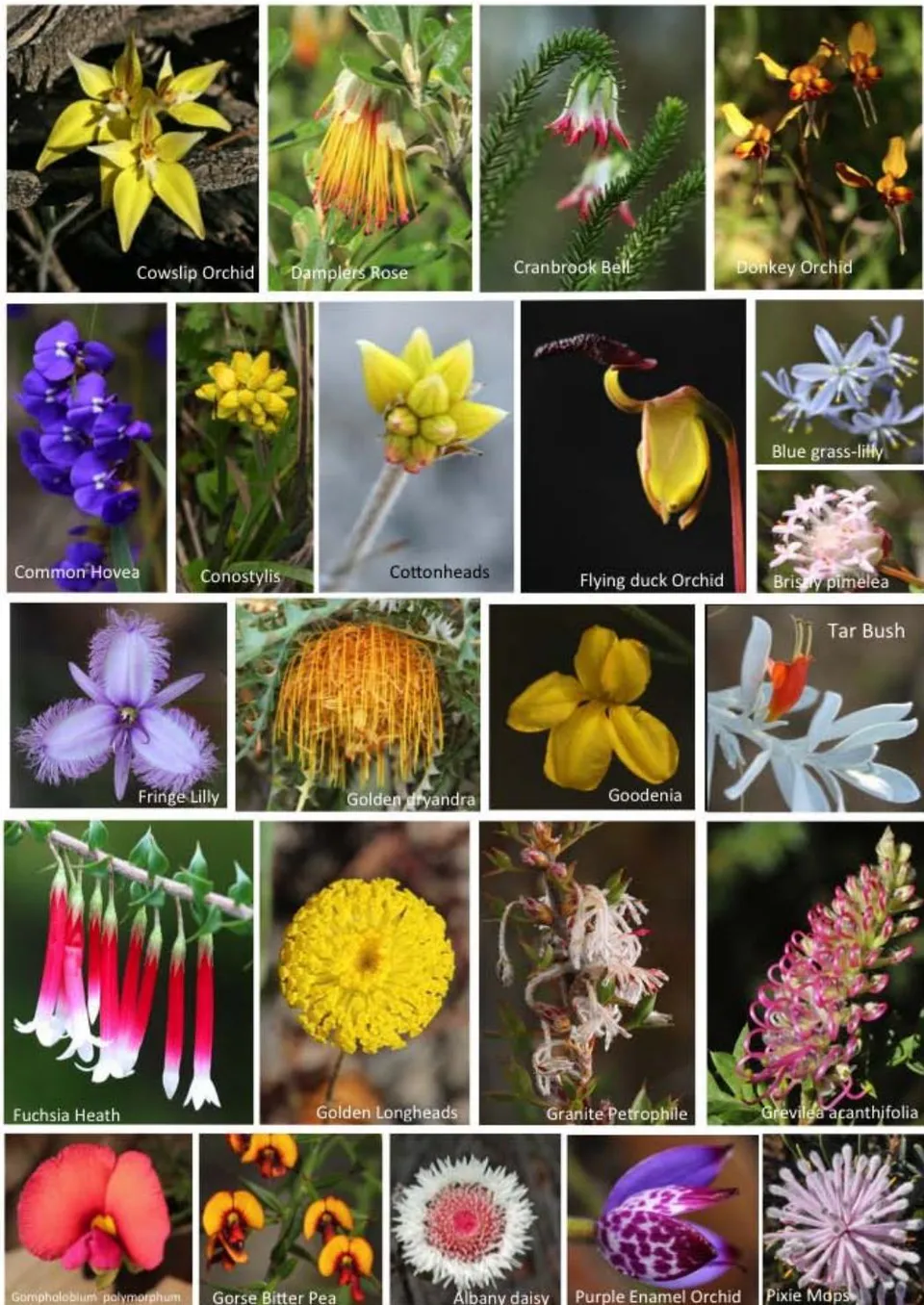
The colour of a flower is predetermined by the plants genome which encodes for the production of certain chemicals. Red, purple, blue and pink colors are produced by anthocyanin pigments which are members of the flavonoid chemical family[6]. Yellow or white coloured flower regions are due to the presence of chalcone an intermediate chemical in the biosynthesis of the anthocyanin pigment family. The dominant green colour of plantstems is due to chlorophyll which has light absorbing properties essential for the conversion of atmospheric to plant carbohydrate and essential for planet Earths survival. The vivid coloration of many unique native Australian flowers is evidence of their anthocyanin pigmentation and their unique structural features (Fig 3, 5). However, many Australian flowers lacksuch pigmentation and occur as white flower heads and inflorescences due to the prominence of chalcone and absence of anthocyanin pigments (Fig 4). Chalcone synthasecatalyzes the first committed and key regulatory step in flavonoid biosynthesis. Thus genetic silencing of the chalcone synthase gene results in an absence of colour in flower heads. Fig 4 shows this effect is widespread in Australian native flowers. While formal analyses reported to identify chalcone levels in native Australian plants is limited the presence of chalcone can nevertheless be deduced from the presence of these non-coloured flower varieties.
Post-transcriptional gene silencing (PTGS) is a mechanism whereby gene silencing is mediated and may be open to epigenetic regulation[7]. PTGS exploits cellular mechanisms using transcripts that have sequence similarity to cellular double-stranded RNA (dsRNA) that undergo degradation in-situ. PTGS is a process that is closely related to RNA-mediated viral resistance and is a protective anti-viral feature that evolved in plants. Gene silencing and the cellular machinery that undertakes this process is a natural antiviral protective mechanism in plants. In PTGS, small interfering RNA (siRNA) of 21-23 nucleotide residues in size act as homolous guides to trigger the systemic degradation of transcripts that are homologous to the si RNAs. PTGS was first discovered in transgenic petunias harbouring chalcone synthase genes. This process has been exploited to target degradation of specific gene transcripts to develop desirable features in crop plants. This has been achieved by the introduction of DNA constructs encoding dsRNA, anti-sense RNA, or by using co-suppression constructs producing si RNAs directed against the transcript of interest. A greater understanding of this gene silencing mechanism has led to the development of strategies for the silencing of deleterious genes and the induction of desirable plant traits in a precise and controlled way ushering in a new era in plant genetic manipulation. Such an approach has been utilised by Japanese plant breeders in the production of pure white chrysanthemum flower heads.
b) Plant breeding to prepare pure-white flower varieties
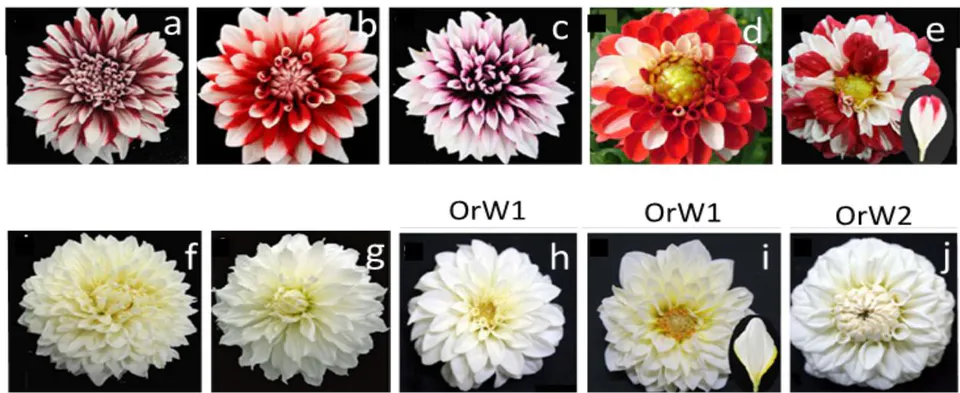
Pure white flowers hold special significance in the Japanese Psyche. Plant breeders have attempted to produce pure white colored Dahliahs in Japan for over 100 years with over 50,000 hybrids so far produced. However none of these cultivars had a pure-white coloration with the closest to white being an ivory coloration (Fig 1). Japanese flower breeders have striven for over 100 years to produce pure white flower cultivars. A white flower holds special aesthetic significance in Japanese society and invokes powerful emotions. White flowers are used in symbolic ceremonial events of high importance and are described as "Hanakotoba". White Chrysanthemums hold special significance in Japan and have appeared on the Japanese Imperial Family's crest for generations. White chrysanthemums depict purity, grief, and truth, and are traditionally used for funerals. White plum blossoms are considered to depict elegance and loyalty. The Sakura (cherry blossom), is the Japanese national flower, and has a brief flowering season. Sakura viewing parties (hanami) are popular in the spring time. White cherry blossoms symbolise "accomplishment" and "beauty of heart". The white rose is an aesthetic of innocence, devotion and silence while white Dahlia symbolises pureness, innocence and focussed behavior. The presence of a diverse range of pure white Australian native flowers encompassing the entire flower head is significant considering that flower breeders have found this very difficult to replicate.
c) Medicinal uses for Australian native plants
Many of Australia's plants are unique and were used by its First Nation peoples for many generations not only as a food resource but also for medicinal purposes. The Aboriginal communities of Australia are one of the oldest civilisations recorded, it is estimated they have lived in Australia for at least 60,000 years. Unfortunately the Traditional Aboriginal peoples of Australia have no tradition of recording medicinal plant use information in a written form but such informationis passed down the generations in myths, traditional symbolic paintings and legendary story telling by elders. Thus the information available now on Australian native plants is incomplete and their medicinal properties are often known only from anecdotal observations. Moreover, information that has been recorded in print is somewhat fragmented and not readily accessible being recorded in government agency, statutory authority and institutional reports and writings put together by aboriginal communities. Some publications have made in-roads into this knowledge gap and some recent publications and on-line platforms [The Flora of Australia (http://www.environment.gov.au/science/abrs)] have made significant inroads into the coverage of Australian native plant polydisperity. The wealth of medicinal compounds in native Australian plants is indisputable and an incredible resource which needs to be preserved and better understood for future generations. The development of analytical techniques to characterize pharmaceutical compounds from native plants will also aid in the plants taxonomic identification and in the elucidation of the functional properties of these compounds. Based on accumulated anecdotal evidence many of these will undoubtedlyprove to be of application in Biomedicine [30-32]. Such studies need to be conducted on pure phytochemical components isolated from Australian native plants in order to establish their credentials in biomedicine on a firm scientific basis and to obtain certification from safety agencies that will allow their use in the clinic.
III. THE ANCIENT PRACTICE OF THE USE OF PLANTS FOR MEDICINAL PURPOSES
Ancient Chinese herbal remedies are undergoing a resurgence with several research groups striving to demystify the properties of Chinese herbal compounds and Traditional Chinese health practices . This is important in order to avoid deaths from complications when traditional medicines are consumed along with conventional Western medicines. Cases have already been recorded of inadvertent deaths in chronic low back pain patients co-administered traditional Chinese medications in conjunction with conventional Western medications. The current epidemic of over-use of opiate medications in the USA indicates a cautious approach is advisable in the co-administration of traditional Chinese medications with conventional Western medicines
a) Modern evidence of the mechanism of therapeutic acupuncture and traditional chinese medicines
In a historical study on "The Meridians" by Li Shizhen in the Ming dynasty, the internal organs were considered to be regulated by meridians which represented a "life-threatening, cure-all disease pivot point" as proposed by the inner canon of Yellow Emperor Lingshu[37, 38]. Acupuncture points in the human body are distributed along the fourteen meridians. It has been proposed that acupuncture points are regions of communication with resident pluripotent stem cell niches[39, 40]. Acupuncture and traditional Chinese medicines have been proposed to activate these stem cell niches[41]and it is the subsequent release of programmed pluripotent stem cells that migrate to sites of tissue damage that provides healing properties [42]. A recent study suggests that some fluorescent dyes can visualize the pericardium meridian [43].
IV. HISTORICAL PERSPECTIVES ON AUSTRALIAN NATIVE PLANTS
When Europeans first settled in Australia from 1788 onwards local First Nation Communities aided them with knowledge of many native Australian food plants and also aided in their medicinal applications. This was essential for the survival of the settler communities since farming practices at this time were primitive and not properly adapted to Australian conditions thus yields were low. Furthermore, the uncertainty of re-supply of food and other essential commodities by the First Fleet was also an important consideration. The medicinal plants that were available in these early days of the settlement of Australia were recorded by the curator of The Technological Museum of New South Wales Mr JH Maiden in the form of a manuscript entitled The Useful Native Plants of Australia in 1889[25]. This 696 page document extensively documented all known native Australian plants and their uses and also included a 30 page listing of their common and botanical names. While information on individual native plants was often sketchy, this document is nevertheless an extremely important and invaluable historical document which is one of the earliest English records of the biodiversity and usefulness of Australian Native Plants. While a number of publications have appeared sincethen, on Australian Native Plants these mainly document anecdotal evidence of the usefulness of these plants with little in depth scientific analysis [3, 9-11, 14, 16, 17, 19, 21, 23-26, 29]. Two major key presentations should also be noted since they represent significant contributions to the fabric of Australian Ethnobotanical Biomedical History. In 1988 Dr Ella Stack, the first and former lady Mayor of Darwin delivered the third Eric Johnston lecture entitled Aboriginal Pharmacopoeia[44]. This prestigious occasional lecture series was named after Commodore Eric Johnston, The Northern Territories ex administrator and was an initiative of The Northern Territory Government. This lecture was published by The Northern Territory Library Service and was also televised by the Australian Broadcasting Corporation, and video tapes of this occasion are held in their historical archive. In 2004, Major General John Pearn former Surgeon General, Australian Defence Force, Prof of Paediatrics and Child Health, Royal Childrens Hospital, Brisbane was invited to address the Linnean Society in Piccadilly, London, UK and he delivered a presentation entitled Medical Ethnobotany of Australia Past and Present[27]. In this presentation he showed how 40,000 years of observation, clinical interpretation, experimentation and trial and error in the use of Australian Native Plants by the Aboriginal peoples had allowed the identification of numerous antiseptics, analgesics, sedatives, astringents, antipyretics, hypnotics, expectorants, muscle relaxants, carminative anti-flatulent and mood-alteringdrugs. Aboriginal peoples used drugs and medicinal compounds obtained from leaves, bark, roots, and the flowers of various native plants in the form of infusions, decoctions and maceration poltices or in emulsifications with kangaroo or emu fat for topical applications as ointments or creams. Incidentally, Emu oil itself has powerful anti-inflammatory and anti-oxidant compounds which undoubtedly contributed to the efficacy of such preparations so it is not simply an inert carrier for the bioactive plant components being administered. Emu oil is high in omega-3, omega 6, and omega-9 fatty acids which help reduce inflammation and it has useful trans-dermal transfer properties for bioactive substances this is a particularly beneficial trait in the treatment of conditions such as swollen joints or the repair of cutaneous wounds. Emu oil also has known pain relief properties and accelerates healing responses of wounds[45, 46]. Furthermore, Emu oil also contains a protein related to cyclosporine-A, a cyclic 11 amino acid fungal peptide used as an immunosuppressant medication in heart transplant patients. Unfortunately long-term use of cyclosporine-A leads to inevitable tumour development and the demise of the patient[47, 48]. The emu-oil equivalent to cyclosporine-A is a magnitude more active raising the possibility that if used in heart recipients this may not lead to the inevitable development of tumours.
Due to a declining interest in the 1980's by young Aboriginals in their traditional medical practices Government sources considered that there was a danger that knowledge of these compounds might disappear. A jointly funded initiative by the Federal and Northern Territory Governments was therefore begun in 1984 as part of a Bicentennial Commemorative Program to record botanically all known medicinal native Australian plants in Central Australia and the Northern Territory, how they were harvested and how they should best be used medicinally. Vouchers for all documented plants are held in the Northern Territory Herbarium at Alice Springs and at the Darwin Herbarium. An initiative of the Northern Territory Government in 2003 "Desert Knowledge Australia, thriving Desert Knowledge Economics" www.desertknowledge.com.au was also made. Desert Knowledge Australia (DKA) is a statutory authority of the Northern Territory Government established in 2003 by an Act of Parliament to "encourage and facilitate learning, research and sustainable economic and social development relating to deserts and arid lands". DKA is located in Alice Springs and promotes all aspects of desert culture and knowledge generation and dissemination. A similar institution, the Australian Institute of Aboriginal and Torres Straight Islander Studies (AIATSIS) [http://aiatsis.gov.au/publications/australian-aboriginalstudies-journal]islocated in Canberra, Australian Capital Territory and holds extensive information on indigenous Australian plants and their beneficial uses as food items and in medical applications in their collections catalogue which can be consulted on site. Despite these initiatives Australian native plants remain relatively poorly studied and despite their massive potential it is surprising that more research is not being undertaken.
Traditional Australian Aboriginal knowledge of plants as therapeutics is disappearing as the Aboriginal culture merges into main-stream society in Australia and the passing of oral traditions between each generation diminishes . Given the diverse and unique nature of the Australian flora and inadequate maintenance of the traditional knowledge base on these plants, there is a very real need to document the traditional usage of Australian native and indigenous plants before this knowledge is permanently lost. Australian native plants have a long history of being used for a wide variety of uses including food, clothing, shelter, tools, weapons, and as medicines. Before modern medicine, ancient civilizations afflicted with illnesses and diseases were reliant on a wealth of therapeutic agents which were discovered in the plant kingdom. Knowledge of these medicinal preparations and any dangerous side effects they may have was passed down through the generations by oral tradition and was sometimes recorded in herbal literature. This information generated by the First Nation peoples in Australia certainly rivals other historical medical information databases written down in more conventional texts and tablets. The earliest recorded plant medications can be traced back 6000 years to Sumerian clay tablets (4000 BC) which detail 1000 medicinal plants and plant remedies . These cuneiform clay tablets also provide evidence Sumerian physicians were aware of the symptoms of Stroke (chronic apoplexy) and document procedures for its treatment . Greco-Roman physicians became aware of this condition centuries later however debated whether the source of the condition was the brain or the heart. The Greek physician Galen considered the brain to be the source of this condition . Neurotrophic properties known in some Aboriginal medications would probably have been of benefit in the treatment of stroke. The Pun-tsao, a Chinese record of thousands of herbal cures assembled by Shen-nung, a legendary Chinese emperor dates to 2500 BC. The Hippocratic Corpus (a collection of medical texts of herbal remedies) by Greek physician Hippocrates was recorded in the late fifth century BC and the Roman De Materia Medica by Dioscorides, identifies 600+ medicinal plant species . It is estimated that Aboriginal peoples in Australia were aware of many thousands of plants which they used for medicinal purposes for at least 30,000 years, with knowledge of these passed down orally rather than being recorded in a written text.
V. PLANT PHYTOCHEMICALS REPRESENT A DIVERSE FUNCTIONAL GROUP OF MOLECULES
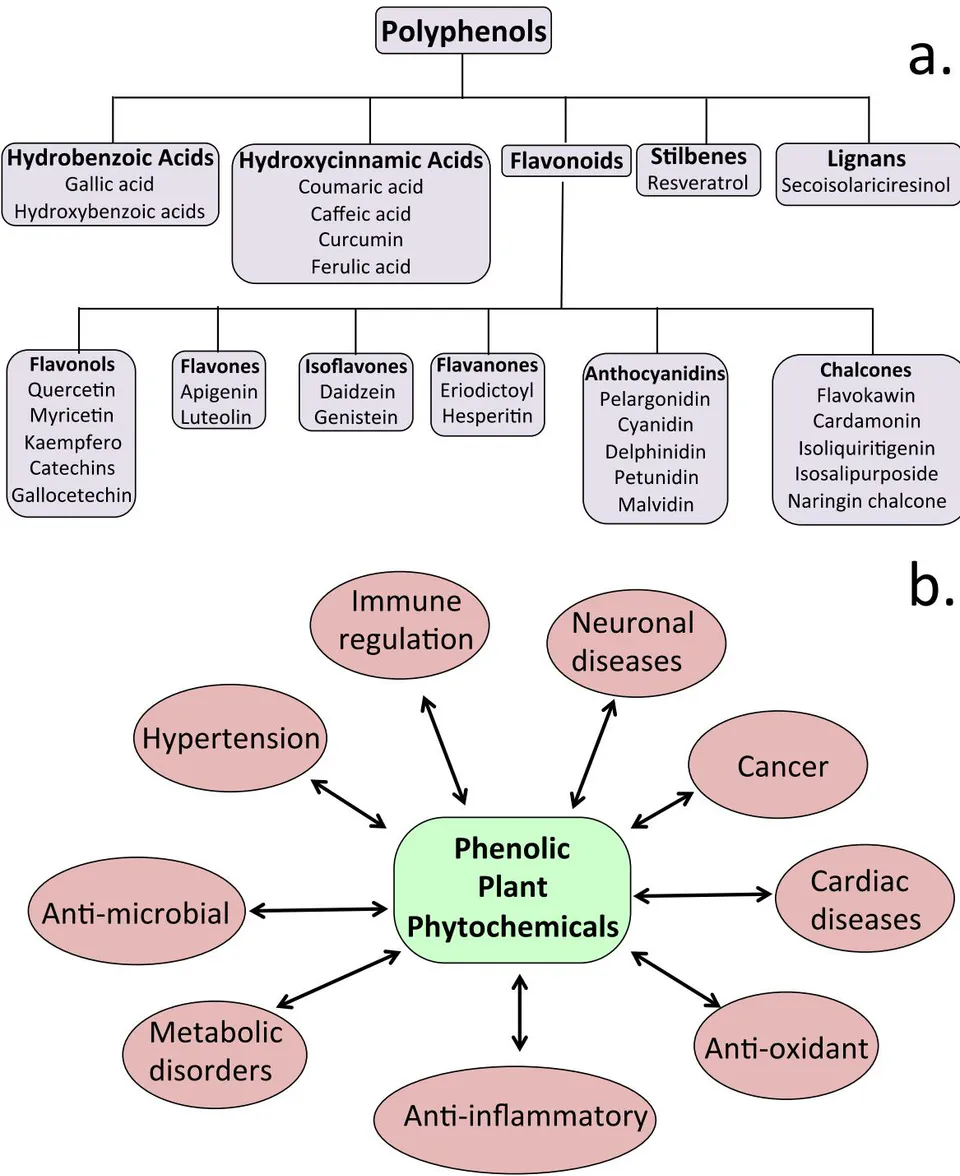
Plant phenolic phytochemicals are widely distributed in all plant parts and many of these have beneficial anti-oxidant, anti-inflammatory and antimicrobial profiles that combat infection when used in man and also convey protective properties to plants preventing them from being consumed by plant pests. Figure 5 shows how plant phenolics have been categorized and the widespread areas in Biomedicine where these compounds have found application. The plant phytochemicals have been sub-classified into hydrobenzoic acids, hydroxycinnamic acids, stilbenes, lignans and flavonoids. This latter group has been subcategorized into flavonoids, flavones, isoflavones, flavanones, anthocyanidins and chalcones (Fig 2a). Chalcones are a particularly versatile group of phytochemicals. Polyphenolic phytochemicals have been utilized in a very diverse range of biomedical applications (Fig 2b).
a) Australian native plants contain bioactive compounds of interest in biomedicine
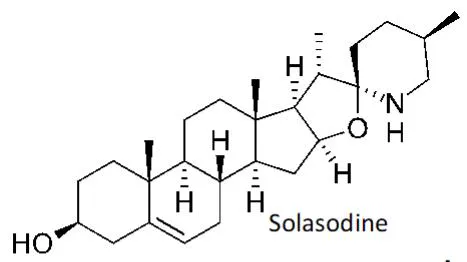
Some particularly outstanding examples of Australian native plants and the uses of chemical compounds they contain are noteworthy. Aboriginal peoples used the kangaroo apple Solanumlaciniatum and Solanum-aviculare in poltices that were applied to joint swellings. This plant contains the steroid solasodine which is a precursor for the production of other steroids such as those used in the contraceptive pill. Solasodine displays diuretic, anticancer, antifungal, cardiotonic, antispermatogenic, antiandrogenic, immunomodulatory, antipyretic and various effects on the central nervous system. While this plant is native to Australasia it has been widely exported to Russia and Eastern Europe where plantations were established and used for steroid production and represented a cost effective alternative to the synthesis of steroid intermediates[44].
b) Australian plants contain a diverse range of alkaloids of medicinal potential
After World War II a systematic survey of the Australian flora for plants of chemical and pharmaceutical interest uncovered a large number of compounds of interest. A total of 500 alkaloids were identified and 200 of these were novel compounds. In 1963 The Australian Institute of Aboriginal Studies was set up to promote the recording of the medicinal uses of native Australian plants and several texts on these have appeared[2, 10, 16, 21, 52-66].
Australia is one of 17 megadiverse countries in the world and has a wealth of unique plant species [2]. Although a systematic survey of Australian native plants for chalcone compounds has yet to be undertaken, the presence of chalcones in Australian native plants was noted in a recent review of the PubMed, SciFinder, Web of Knowledge, Scopus, and Science Direct databases for medicinal compounds in Australian plants and shrubs [67]. A number of compounds of potential medicinal interest were identified that are unique to Australian plants. One class of these compounds are the terpenes which are fragrant highly aromatic unsaturated hydrocarbons found in essential plant oils. These have found application in fragrances, aromatherapy, cosmetics and house-hold cleaning products. Terpenes are of the general formula and are classified by the number of carbon atoms they have into monoterpenes , sesquiterpenes and diterpenes . The monoterpene Terpinen-4-ol, the main bioactive component of tea-tree oil has a range of beneficial biological properties [68]. Terpinen-4-ol is useful in the treatment of a range of dermatological disorders [69-72] and has also found application in cosmeceuticals[73]. Terpinen-4-ol also induces a significant dose-dependent growth inhibition of colorectal, pancreatic, prostate and gastric cancer cells in-vitro [74], has anti-microbial activity [75, 76] and has been used to treat protozoan and helminthic infections [77] and oralcandidosis in cancer patients [77].
c) Some Australian condiment herbs have medicinal properties
Tasmanian pepper leaf (Tasmannialanceolata, Winteracea), anise myrtle (Syzygiumanisatum, Myrtaceae) and lemon myrtle (Backhousia, Myrtaceae) are unique polyphenolic Australian native herbal condiments that display cytoprotective, anti-oxidant and anti-cancer properties significantly reducing the growth of colon, stomach, bladder and liver cancer cells in-vitro [78]. Extracts of these herbs induced apoptosis in promyelocytic leukaemia (HL-60) and colon adenocarcinoma (HT-29) cells indicating they had beneficial therapeutic properties in the treatment of these tumours.
d) Specific chemical compounds of interest in Australian native plants
Figure 6 shows examples of a few bioactive compounds that have been identified in some native Australian plants. The leaves and fruits of the kangaroo apple (Solanum laciniatum) contain the steroid alkaloid solasodine which binds to oestrogen receptors and has contraceptive properties. Solasodine is a chemical precursor that can be converted to progesterone which suppresses ovulation by inhibiting production of follicle stimulating hormone and luteinizing hormone. The Kangaroo Apple was used by native Australian Aboriginal people for centuries, as a food item, it is rich in vitamin C, and medicinally as an antibacterial and anti-fungal agent and a source of anti-inflammatory and antioxidants that were applied in the treatment of swollen joints. This plant was exported to Russia and Eastern block countries in the 1960s and 1970s where it was grown in plantations and the processed plant material used for the production of steroids, alkaloids, and contraceptive compounds for biomedical applications. Solasodine also has anti-cancer properties[79-81].
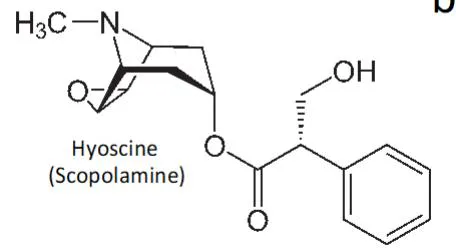
The corkwood tree Duboisiamyoporoides contains the psycho-active drugs hyoscyamine (daturine) and hyascine (scopolamine)[82, 83]. Aborigines traditionally used corkwood infusions to aid in fish capture by drugging waterholes to paralyse the fish to simplify their collection. A thriving industry was established in Northern Queensland based on the corkwood tree during World War II[84]. Scopolamine was widely used to counter sea-sickness during the D-day landings of World War II. Hyoscyamine provides symptomatic relief of lower abdominal muscle spasms, bladder disorders, peptic ulcers, irritable bowel syndrome, bladder disorders, diverticulitis, pancreatitis, colic, and interstitial cystitis and is also used in the control of neuropathic pain and chronic intractable pain in resistant, untreatable, incurable diseases[85-87].
Lactucavirosais, a wild "lettuce" found in Australia that contains two noteworthy bio-active compounds, lactucopicrin and lactucin. These are sesquiterpene lactones that bind to opioid receptors and produce pain relief during painful menstruation, joint and muscle pain, and they also act as anti-malarials[88]and have anti-tumor properties [88, 89] and promote neuritogenesis and neurotrophic effects in the CNS/PNS [90].
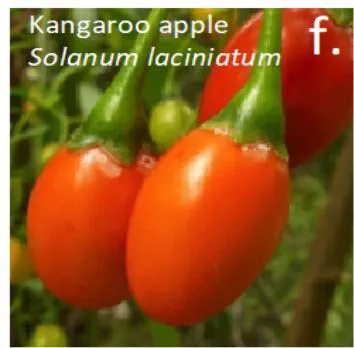
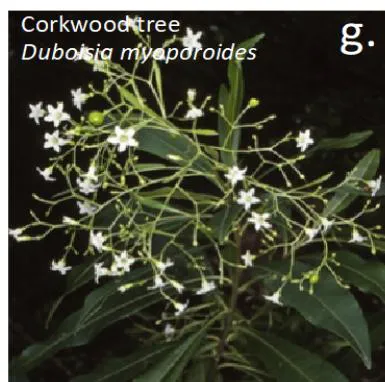
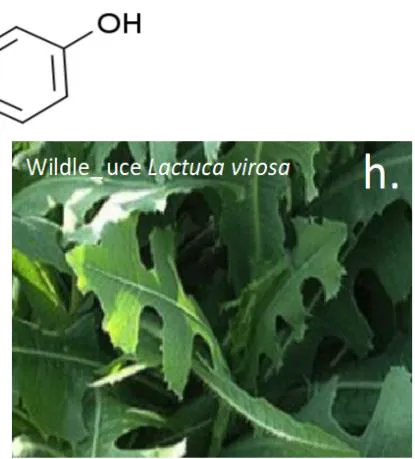
Table 1 lists a number of selected bioactive compounds which have been identified in Australian native plants. Clearly these are of vast potential in prospective therapeutic medical applications. However it should be noted that these entries only represent a relatively small selection of all compounds that are present in Australian native plants. The definitive list of all bioactive compounds in Australian native plants and their scientific characterization has yet to be undertaken although several studies have documented examples of a range of bioactive compounds . There is a clear need to undertake this systematically, it should be noted that approximately 25% of all current prescription drugs and 75% of all anti-cancer drugs were developed from plant compounds, Australian Native Plants offer a vast potential .
| Compound | Application and Comments |
| Aesculetin | Removal of venous congestion, treatment of varicose veins |
| Allantoin | Moisturising properties, Cosmetics applications |
| Anthocyanin | Anti-inflammatory, anti-oxidant, anti-obesity properties |
| Atropine | Reverses pesticide induced nerve dysfunction, produced by corkwood native shrub Duboisiamyoporoides |
| Catechin | Vasodilatory, blood pressure regulation. Found in lemon myrtle, wild lime, kakadu plum. |
| Meteloidine | Cocaine-like alkaloid of Erythroxylum australe (cocaine bush) N. Australia |
| Chalcone | Intermediate in anthocyanine and isoflavone production, derivatives have antibacterial, anti-cancer, anti-inflammatory, anti-diabetic, anti-oxidant, anti-microbial, anti-viral properties. Targets Microtubule, NFkB, RTK and EGFR signaling |
| Colchicine | Alternative non-steroidal anti-inflammatory drug for the treatment of gout |
| Curcumin | anti helminthic properties |
| Digitalin, Digitoxin Digoxin | Treatment of cardiac arhythmias and regulation of blood pressure. Produced by native Australian foxglove |
| Emetine | An anti-protozoal drug that induces vomiting |
| Ephedrine | cough expectorant stimulant, produced by Ephedracea gymnosperm shrubs |
| Glycyrrhizin | sucrose/glucose substitute obtained from native liquorice Glycyrrhiza glabra |
| Hydrastine | haemostatic drug intermediate |
| Kainic acid | CNS stimulant, induces seizures and epilepsy in experimental animals |
| Lactucopicrin and Lactucin | Sesquiterpene lactones that bind to opioid receptors and produce pain relief during painful menstruation, joint and muscle pain, and they also act as anti-malarials. Found in Lactucavirosa, a wild Australian lettuce |
| Lovostatin | Cholesterol lowering drug, Member of statin family |
| Quinine | Anti-malarial of Quinine Tree (Native Quince/Bitterbark) Alstonia-constricta |
| Picrotoxin | Interacts with the inhibitory neurotransmitter GABA, acts as a stimulant and convulsant impacting the CNS, causing seizures and respiratory paralysis if used in high enough doses. |
| Pseudoephedrene | Amphetamine stimulant, decongestant. Ephedra desert shrub contains pseudoephedrine |
| Physostigmine | Highly toxic reversible inhibitor of cholinesterase, glaucoma treatment |
| Resveratrol | polyphenolic anti-oxidant, a phytoalexin - antibacterial, anti-fungal drug |
| Salicin | anti-inflammatory related to aspirin found in Salixsp trees and shrubs |
| Scopolamine | treats sea-sickness, pain-killing anaesthetic, soothes post operative neausea |
| Solasodine | Present in Solanumlaciniatum and Solanumaviculare. Solasidinehas diuretic, anticancer, antifungal, cardiotonic, contraceptive, antispermatogenic, immunomodulatory, antipyretic properties and various effects on the CNS |
| Stevioside | Sucrose/glucose substitute sweetener suitable for diabetics |
| Strychnine | Asphyxiant poison |
| Tetrahydropalmatine | analgesic, suggested as less addictive alternative to benzodiazepine/opiates. |
| Theophylline | treatment of COPD and asthma, phosphodiesterase inhibiting drug |
| Xanthotoxin | treatment of acne, vitilago, and psoriasis. Produced by wild parsnip, angelica seeds, bullwort, parsley |
e) The chalcones are widely distributed in many native Australian plants
We can deduce from the widespread occurrence of pure-white native Australian flower forms that chalcones are also present in Australian Native Plants where they evolved to provide protection from the adverse, harsh environmental Australian climatic conditions. Chalcones also act as attractant molecules for pollinators and have strong fungitoxic, antimicrobial and anti-viral properties that protect plants from pathogenic organisms . Although chalcones and flavonoids play prominent functional roles in flowers they also have a widespread distribution in fruits, vegetables and many different plant tissues. Chalcones, and flavonoids have important roles to play in plant physiology and biochemistry in pollination processes , UV light protection and the protection of plants from insect and plant pathogens . Chalcones and flavonoids are members of the polyphenol superfamily of plant phytochemicals. Over 10,000 plant flavonoids have been detected and categorized into several subclasses, including flavonols, anthocyanins, flavanones, flavones, isoflavones and chalcones (Fig 1a). Chalcones in particular represent a privileged structure in medicinal chemistry and a versatile template that is widely used in drug discovery investigations. Chalcone is a common simple intermediate scaffold structure found in many naturally occurring plant compounds and biodiversechalcone derivatives have also been synthesized due to their ease of preparation. The chalcone family of compounds are widely distributed in the plant kingdom where they are both intermediates and end products in flavonoid biosynthesis. The flexible versatile structure of chalcones and its derivatives have provided a wide array of properties regulating many biological activities and the ability to target several cellular targets in particular regulatory pathways.
f) Chalcones counter the damaging features of oxidants during inflammatory conditions
Antioxidants prevent or slow damage to cells due to the generation of free radicals in tissues which damage cellular structure and function. Oxidative stress is a common feature of chronic diseases such as heart disease, stroke, cancer, arthritis, respiratory syndromes, and neurological disorders such as Parkinson's and Alzheimer's disease, and is a standard feature of inflammatory disorders. Chalcones have many anti-inflammatory and anti-oxidative properties which aid in tissue protection. The molecular target molecules the chalcones are interactive with are indicated in Table 2. Such interactions either inhibit the action of key molecules that lead to tissue degradation or downregulate their expression at the gene level. Some beneficial tissue promoting proteins are also up-regulated depending on tissue context and disease process.
VI. CHALCONE DERIVATIVES HAVE MULTIFUNCTIONAL PROPERTIES USEFUL IN MEDICINAL APPLICATIONS
Chalcones or analogues or derivatives of[E]1,3-diphenyl-2-propene-1-one, and represent an extremely diverse family of compounds. Chalcones have Anti-inflammatory, Anti-bacterial, Anti-tuberculosis, Anti-diabetic, Anti-oxidant, Anti-microbial, Anti-malarial, Antiviral properties and combat tumour development. A number of chalcones are licenced for clinical use [106].
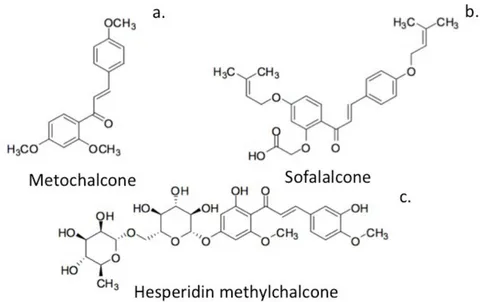
Chalcone has a widespread distribution in fruits and vegetables and in flowering plants. Chalcone is an intermediate compound in the biosynthesis of members of the anthocyanin family and has been proposed as a promising base molecule for the development of new molecules with specific biological therapeutic activities . Chalcone has therefore been derivatised into many anti-cancer agents which act in many different ways on tumor cells in a number of cancer types. Chalcone derivatives inhibit microtubule formation or destabilize these structures in tumor cells , promote apoptosis , inhibiting proliferation of tumour cells .
a) Anti-viral properties of plant phytochemicals against SARS-CoV-2 viral functions
A number of flavonoids have become of interest as anti-viral agents in the treatment of the infective phase or the replication of SARS-CoV-2. Advanced computational molecular docking methods have been developed to assess the molecular fit of prospective anti-viral agents and the measurement of free energy values which drive binding to defined regions of SARS-CoV-2. Thus potential anti-viral interactions with RNA dependent RNA polymerase, main protease and Spike glycoprotein have been evaluated with a view to determining the ability of these compounds to suppress COVID 19 infections. Several flavonoids and related indolechalcones are capable of combatting SARS-CoV-2 viral functions through interaction with RNA dependent RNA polymerase (rdrp), main protease (M ) and Spike (S) protein impacting on the function of SARS-CoV-2 activity and by implication may provide disease suppression. Out of 23 natural flavonoids and 25 synthetic indolechalcones, 30 compounds were capable of M deactivation potentially lowering the efficiency of M function. Furthermore, cyanidin displayed inhibitory activity against RNA polymerase and quercetin blocked interaction sites on the viral spike protein. Cyanidin is a pigmented anthocyanidin intermediate compound found in many red berries grapes, bilberry, blackberry, blueberry, cherry, cranberry, elderberry, hawthorn, loganberry, and raspberry. Quercetin is a polyphenolic pigment flavonoid found in fruit and vegetables which displays neuroprotective anti-oxidant activity [99, 145, 146].
Further studies are thus warranted with these plant phytochemicals to fully determine their potential as SARS-CoV-2 anti-viral agents . Flavonoid glycosides and their putative human metabolites can play a key role as inhibitors of the SARS-CoV-2 3CLpro and RNA-dependent RNA polymerase RdRp enzymes impeding viral replication . Certain flavonoids exhibit angiotensin-converting enzyme (ACE2) inhibitory activity and have crucial roles to play in the regulation of arterial blood pressure. Interaction of these flavonoids with ACE2 may also impede the binding of SARS-CoV-2 spike protein and is in line with the anti-viral properties of these compounds [149]. The interaction of flavonoids with Mpro, Spike receptor binding domain (Spike-RBD), RNA - dependent RNA polymerase (RdRp or Nsp12), non-structural protein 15 (Nsp15) and the host ACE-2 spike-RBD binding domain have been examined using advanced computation molecular docking techniques. These en-silicoSARS-CoV-2 binding studies indicated that tribuloside, legalon and isosilybin had anti-viral anti-infective properties, warranting further evaluation to determine how effective they are in the inhibition of SARS-CoV-2 infectivity [150]. A range of chalcone derivatives have been evaluated using molecular docking methods to assess the effectiveness of these re-purposed compounds on the prevention of the infectivity and replication of SARS-CoV-2 [151-155].
VII. CONCLUDING REMARKS
Unique plant lineages in Australia can be traced back to their origins in the super-continent of Gondwanaland[156], these represent part of the ancient evolutionary records of the pre-history of the Australian continent[157]. The origins of some key plant species have even been traced back to the Gondwanaland super-massif prior to its break-up and some of these have been identified in the present day Australian flora. The rice genus (Oryza) originated about 130 million years ago in Gondwanaland withsub-species subsequently becoming established in the land-masses that arose from Gondwanaland's break-up. This plant was the basis of all rice varieties, a staple food of a significant proportion of the worlds population and as such is an invaluable source of original genetic information when creating back-crosses in the production of new rice cultivars [158]. This is but one example of the importance of the gene pool resident in native Australian plants. The plants of the Amazon basin are often extolled as an important source of genetic biodiversity of global significance for good reason. However, the genetic code resident in Australian flora should also be recognized for its unique qualities and be recognized to be of global significance. Australian native plants are a significant genetic resource that needs to be preserved, this also emphasizes the sustainable exploitation of plant biodiversity in the development of new medicinal products. The chemical compounds which evolved in Australian plants to facilitate plant survival under the often harsh climatic conditions that prevailed at the time led to an impressive collection of chemical compounds of significant chemical diversity. Many of these compounds have yet to be identified and characterized but nevertheless represent an invaluable Pharmacologic resource in need of full categorization and characterization. It should be remembered that many medicinal compounds have been identified from plant materials. These compounds in Australian plants are a considerable resource with many of these compounds liable to have beneficial properties of application in Biomedicine. This is built on anecdotal evidence accumulated on the medicinal uses of Australian native plants overmany generations of First Nation Aboriginal Communities. Their contributions gleaned from 40,000 years of the use of native medicinal plants should be duly acknowledged and the Aboriginal communities should continue to be involved in the development of native plant species as a biomedical resource.
ACKNOWLEDGEMENTS
This study was funded by The Melrose Personal Fund, Sydney. Philip R. Bouchard is acknowledged for his Australian Wild Flower images which were used extensively in this publication. He is a keen Australian Wildflower photographer and has a superlative portfolio accessible on https://www.flickr.com/photos/pbouchard/albums/72157625428384315
Financial Disclosures
The author has received consultancy fees from Biopharm, Pty Ltd, and Sylvan Pharmaceuticals, Bondi, NSW, Australia.
Conflicts
The author has no conflict disclosures to make
Author contributions
This review was written in entirety by J. Melrose