

I. INTRODUCTION
Wuhan is located where the Yangtze and Han rivers converge. This low-lying city, the capital of Hubei province, has always been prone to floods. The average elevation of the urban area varies slightly from 20 to 26 m and is lower than the average river water level of the Yangtze River Valley. Wuhan's low-lying geography made it hard for storm water to be discharged into the Yangtze when water levels in the river were high. Wuhan is known as "Sponge City", absorbing excessive rainfall through soil infiltration and retaining it in underground tunnels and storage tanks, only discharging it into the river once water levels there are low enough (WU et al., 2019).
Wuhan is located inland of central China. The city is undergoing a major construction and development stage. Moreover, the industrial structure of Wuhan, as a heavily industrialized city, means that great energy consumption is necessary for economic development (LI, 2019).
Wuhan is surrounded by hundreds of lakes, with the Yangtze River passing through the city with the Three Gorges Dam further upriver. Therefore, Wuhan is a good place for migratory birds to stay during the winter season.
Wuhan produces the highest emissions due to heavy industries. Therefore, the ozone hole area in Wuhan is high enough not to absorb the ultraviolet radiation, leading to the strong mutation of infectious viruses. The Wuhan coronaviruses is a zoonotic disease, meaning it spread to people from animals. It originated in Huanan Seafood Wholesale Market, where 7 working people died of pneumonia while thousands of people died as a result of human to human transmission. The outbreak was linked primarily to stallholders who worked at the Market (WOODWARD, 2020).
The Wuhan coronavirus outbreak started in November of 2019 and has continued till March of 2020, which was close to the period of the epidemic curve of highly pathogenic avian influenza (HPAI) from November to April as confirmed in data from the World Organization for Animal Health (2017) (KIM, 2018). Symptoms include sore throats, headaches, and fevers, as well as pneumonia-like breathing difficulties.
The purpose of the present study is to show the transmission and the prevention of Wuhan Coronavirus Disease 2019 (COVID-19) during the minimum sunspot number period.
Parameters of carbon dioxide emissions, ozone hole area, sunspot number, harmful algal blooms, Asian dust, porpoise, cetacean morbillivirus, agricultural water purification, Yangtze River, the Three Gorges Dam and migratory bird, were studied to see their effects on the outbreak of COVID-19.
II. EXPERIMENT
a) UV Radiation of Indoor Air, Drinking Water and Confirmed Patient
i. Indoor Air
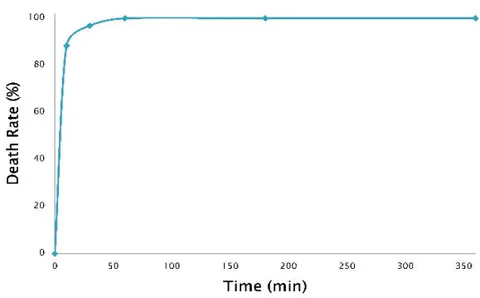
Ultraviolet (UV) radiation was effective in the prevention of the avian influenza virus (KIM, 2018). At the moment, there is no Wuhan coronavirus in New Zealand, Norway, Iceland and Chile, where UV radiation is so strong that it causes skin cancer (KIM, 2018). In the present experiment, UV radiation in air indoors was created by six lamps of 50W artificial UV. Fig. 1 showed the UV chamber layout in Fig 1-A while Fig. 1-B showed the time curve of viral death efficiency (%). Within 50 minutes the viral death rate reached almost 100% for the avian virus
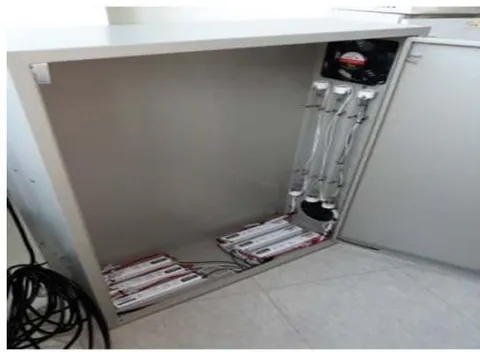
A) UV chamber with six lamps of 50W for indoor air application,
b) Time curve of viral death efficiency (%)
b) Drinking Water
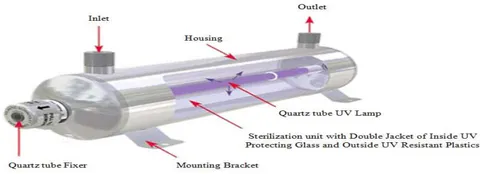
Sterilization of drinking water was undertaken by UV sterilization apparatus (Fig. 2). Serial experiments showed that no microorganism colonies were observed below 60 L/min while the recycle loop showed better efficiency of sterilization than that of common one.
Recycle loop allowed the longer duration of UV radiation for enhancement of inactivation efficiency of microorganisms in linear water flow. It was therefore recommended that a recycle loop below 60 L/min was used for efficient sterilization of drinking water.
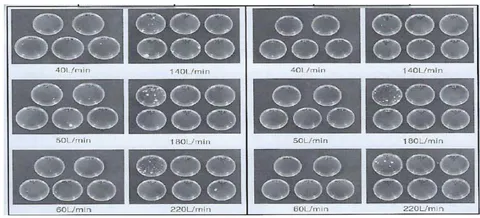
B): Microorganisms in culture dishes for samples with various flow rates in the UV sterilization apparatus. The results showed that a flow rate below 60 L/min was required to kill microorganisms in drinking water with UV sterilization apparatus.
c) Confirmed Patient
Blood of the confirmed people was also circulated in the UV sterilization apparatus to see that a flow rate below 60 L/min was good enough to sterilize the infected blood. Therefore, the blood recirculation with UV sterilization apparatus may not only enhance the recovery of the confirmed people from the Wuhan coronavirus but also allow not to be infected again to the coronavirus due to the sterilization of the residual Wuhan coronavirus in the blood stream of the confirmed patient with dialyzer.
d) Asian Dust
Wuhan is the capital of Hubei province with a land area of 8,494 km and a population of more than 10 million. It is a major transport hub with dozens of railways, roads, and expressways passing through the city and connecting to major cities in China and currently is in a boom of construction. It has been estimated that the emissions from industrial activities accounted for 34% of secondary particulate matter, 57% of primary dust, and 45% of total SO emissions in Wuhan (QUEROL et al., 2006). The seasonal patterns of air pollution in Wuhan exhibited strong seasonal distributions with the highest value in winter.
As one of the highest industrial developmental areas in China, Wuhan, has inevitably experienced severe haze induced by the air pollutants (PM2.5, PM10, , , , and CO) in recent years (WANG et al., 2017).
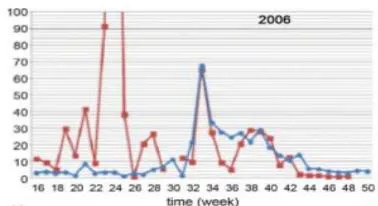
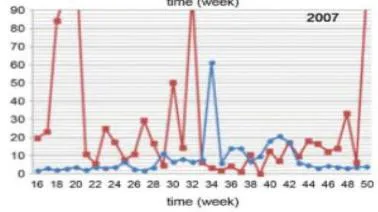
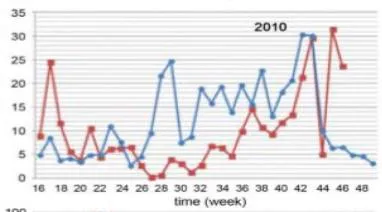
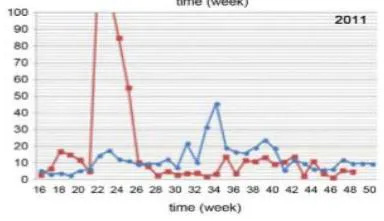
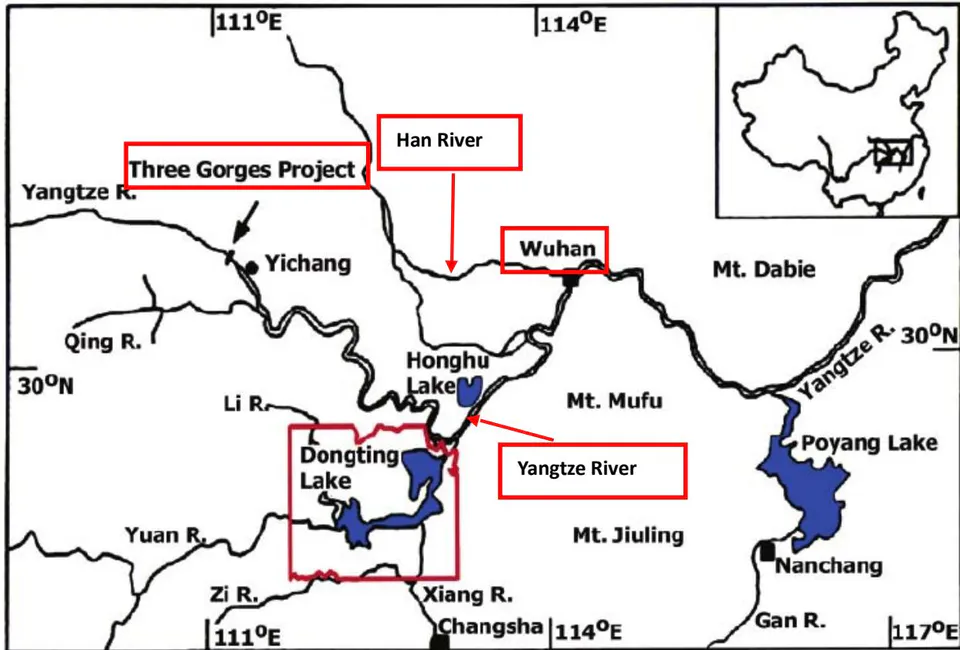
The harmful algal blooms (HABs) in Yangtze River, Han River, Dongting Lake, Poyang Lake, Honghu Lake and the Three Gorges Dam (Fig. 6) could have deteriorated the water quality in Wuhan for the recent outbreak of Wuhan coronavirus.
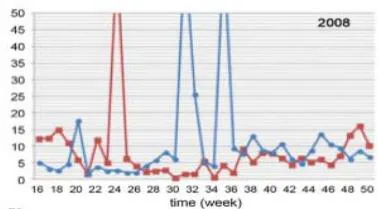
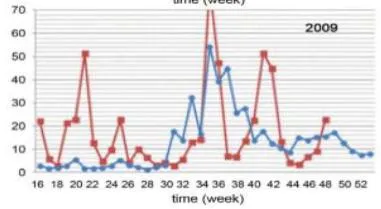
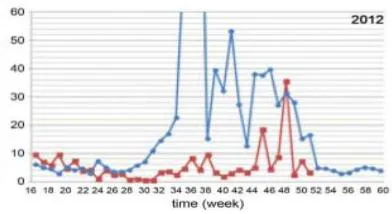
In order to examine the effect of Asian dust on the freshwater, samples of the Asian dust were collected at Anmyon Island (36°34'3"N, 126°19'45.6"E) near Seoul in South Korea by air pollution monitoring equipment (Tisch Environmental Inc.). Fig. 3 shows the weekly distribution of iron (Fe) concentration in the Asian dust (red color) and chlorophyll-a in Daechung Lake (blue color) in South Korea from January 2006 to December 2012. Iron concentration was measured by ICP at Korean Basic Science Support Center while chlorophyll-a was determined by the standard process test for water contamination. It was observed that the concentration of chlorophyll-a reached the peak value after Fe supply via Asian dust with a lag time of 11 days. It turned out that Asian dusts enhanced the outbreak of HAB.
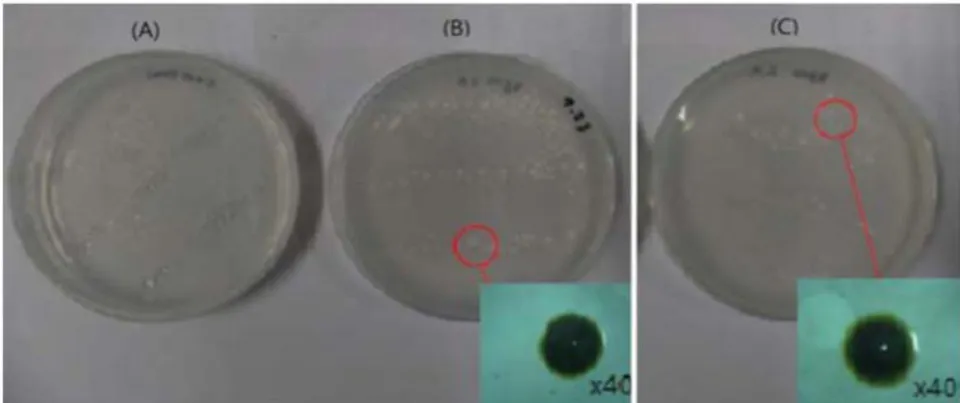
40 times magnification colonies showed the sample with Asian dust, which were in accordance with the result showing the presence of Antinobacteria, Bacilli, Sphingobacteria in Asian dust (YAMAGUCHI et al., 2012). It was therefore important to prevent the Asian dust from being deposited on the surface of freshwater in the purification plant for the drinking water for Wuhan citizens.
e) Prevention of Harmful Algal Blooms
Harmful Algal Blooms (HAB) were analyzed to prevent the outbreak of HAB in freshwater. Parameters inducing HAB were sunlight, Aeolian dust, environmental factors (current, pH, dissolved oxygen, food web, turbulence, growth phase), enzyme, iron, nutrients (carbon, nitrogen, phosphorus, sulfur, silicon, minerals) while the critical growth parameter for the outbreak of HAB was iron (Fe). HAB development was halted in freshwater due to the sulfur compounds ( , sulfates) inducing the deficiency of the dissolved Fe in the water. The atomic ratio of N/P is commonly known to be 16/1 in fresh water for HAB. Therefore, phosphorus can be a relatively limiting factor in freshwater. HAB could be prevented by control of growth parameters such as pH, temperature, sunlight, turbulence, nitrogen, phosphorus, iron, and sulfur compounds prior to reaching the early exponential phase of algal growth (KIM, 2018)
Most casualties of the Wuhan coronavirus were observed around Wuhan city, Hubei province, China. There can be a few reasons as follows:
The Initial outbreak occurred at the Huanan Seafood Wholesale Market located in downtown Wuhan. 2) Wuhan is surrounded by 164 lakes which are located between the Yangtze River (9m depth) and Han River. Wuhan has an elevation of 30m during floods. Wuhan is known as "Sponge City", storing water underground during floods. 3) The Three Gorges Dam (175 m) on the Yangtze River reserves most of the water in Hubei province, as shown in Fig. 5 (LIAN et al., 2014). 4) Many migratory birds, dolphins and porpoises live in Dongting Lake, Poyang Lake and Honghu Lake. 5) Water around the Han River and Yangtze River are used for rice irrigation, which releases the nutrients of nitrogen and phosphate (MAO, 2001). 6) Asian dusts from Taklamakan and Gobi Deserts carry the iron enriched nutrients to the water.
Therefore, the water in Wuhan was contaminated by HAB. In fact, an excess level of ammonia- nitrogen has been found in drinking water supplies of more than 300,000 people in Wuhan (CHINA.ORG.CN, 2014).

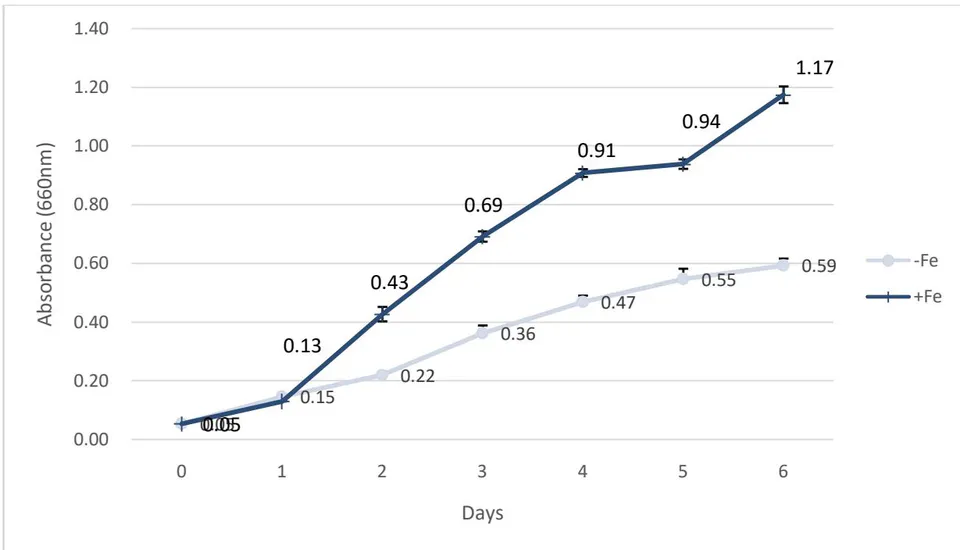
It was evident that the shortage of iron (Fe) in the algal culture reduced the growth of algae, as shown in Fig. 6. It was important to remove the iron from the agricultural water by aeration so that is oxidized to
to be sedimented and filtered to prevent Harmful Algal Blooms (HAB) in the Wuhan and Yangtze Rivers (Fig. 7).
HAB removes oxygen from the water, killing fish and other aquatic life, which then decay and release toxins. Smelling foul, the water cannot be consumed by human and animals (CHINA DAILY, 2018).
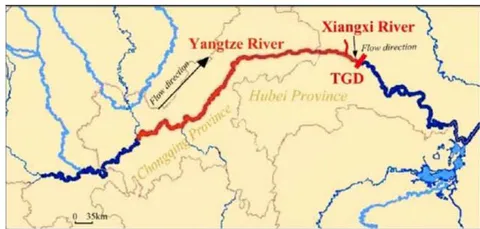
The location of the Three Gorges Dam (TGD) is in the center of Hubei province and the Yangtze River and Han River converge in Wuhan, as shown in Fig. 7. Since the first impoundment of the TGD in 2003, HAB has occurred frequently in the near-dam tributaries (LIAN et al., 2014).
It was proposed that the Wuhan coronavirus was caused by the polluted Yangtze, Han Rivers and the TGD with frequent outbreaks of HAB.
In order to protect the water quality from HAB, the Three Gorges Dam flushes the bottom of the Yangtze River. Several water mills are working on the surfaces of Dongting Lake and others to improve the water supply and drainage in Wuhan. It is necessary to infill the low land to be dried and quarantine the wetland to prevent the spread of the coronavirus. In addition, the bottom of the Yangtze River should be desilted for easy drainage from Wuhan to the Yangtze River.
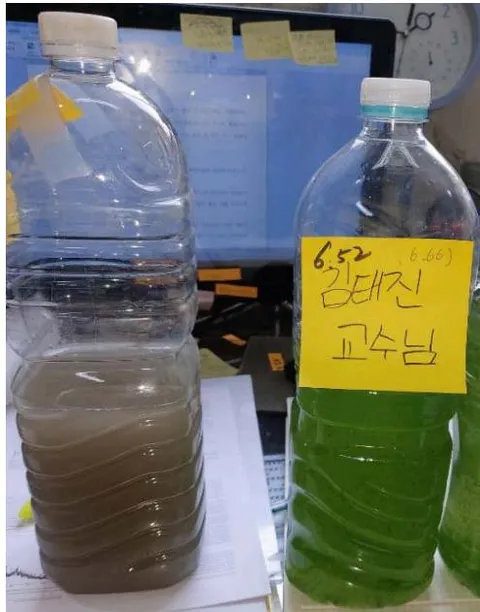
Since Dongting Lake is connected with the Yangtze River and located in the upstream of Wuhan, the water quality of Dongting Lake is important to Wuhan. HAB could be prevented in freshwater by sulfur compounds ( , sulfates) inducing the deficiency of the dissolved Fe in the water. It was clear that bubbling inhibited the growth of HAB (Fig. 8).
Since the Wuhan coronavirus was mainly caused by HAB in the Yangtze and Han Rivers, the bubbling of from Biogas is a simple and cheap method to prevent water pollution in Wuhan. Hubei province has the highest irrigated rice production in China (9,123kg ha as of 1998) (MAO, 2001). Water pollution in rice irrigation was mainly caused by nitrogenous and phosphorus fertilizers. Furthermore, the Asian dust provides the iron (4 ~ 6 wt%). Therefore, the water pollution should be prevented by reducing nitrate, phosphate and iron in the rice irrigation water before its release to the Yangtze River. Nitrogen can be removed by denitrification biotechnologies (BEDNAREK et al., 2014). Phosphorus can be also removed by integrated buffer zones (ZAK et al., 2018). Iron can be chiefly oxidized through bubbling air by water mills. After oxidation, insoluble iron hydroxide particles sediment to the bottom of the reservoir to be filtered. bubbling can be also used to sediment the iron in the agricultural irrigation water. The HAB in Wuhan and Hubei can be thus prevented by filtration of key nutrients such as nitrogen, phosphorus and iron.
III. RESULTS
a) Porpoise
The Indo-Pacific finless porpoise (Neophocaena Phocaenoides), or finless porpoise has been found around the Korean peninsula in the Yellow and East Seas, although a freshwater population is found around Jiuduansha near Shanghai at the mouth of China's Yangtze River (Fig. 9).
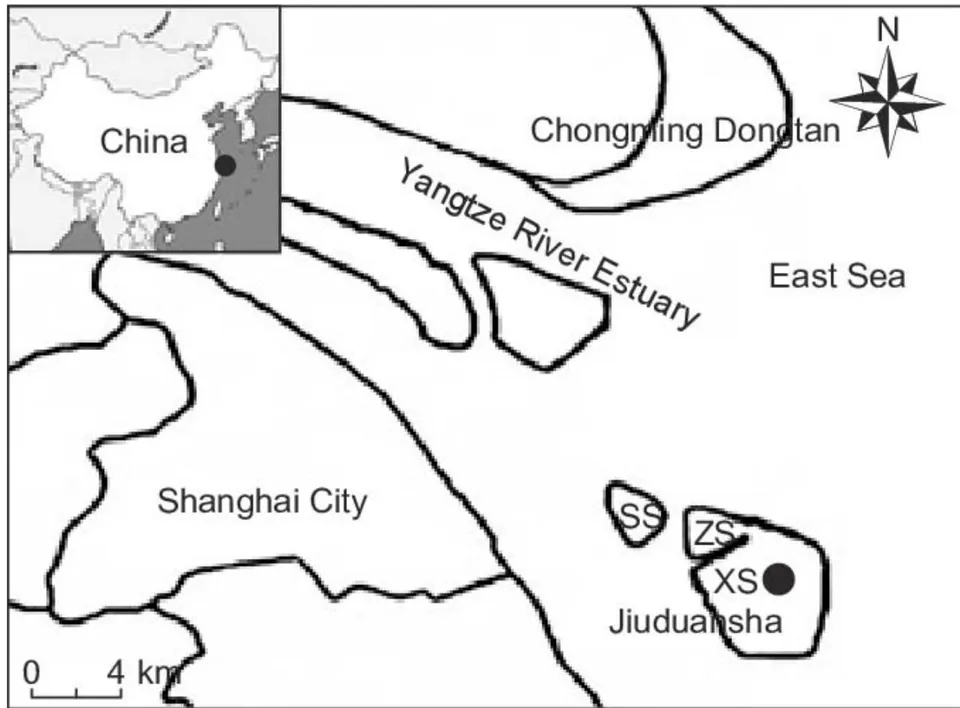
The finless porpoise lives in the coastal waters of Asia, especially around Japan, Korea, China, Indonesia, Malaysia, India, and Bangladesh. The porpoises stay in shallow waters, up to 50 m deep, close to the shore, in waters with soft or sandy sea-beds, or in estuaries and mangrove swamps. In exceptional cases, they have been encountered as far as 135 km offshore in the East China and Yellow Seas, albeit still in shallow water. Finless porpoises can grow to as much as 2.27 m in length and can weigh up to 72 kg.
The existence of three distinct populations is widely accepted for the finless porpoise (Neophocaena Phocaenoides) in Chinese waters: The Yellow Sea, Yangtze River and South China Sea populations (LI et al., 2011).
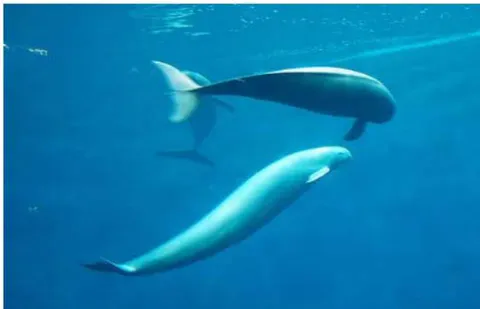
Dongting Lake as the largest freshwater lake in China (ZHAO et al., 2005) is a very important habitat and wintering site on the migration route of East Asia's migrating birds. Each year nearly two million waterfowls come here for winter and share the waters with local birds, likely resulting in cross-infection between wild birds and domestic fowl.
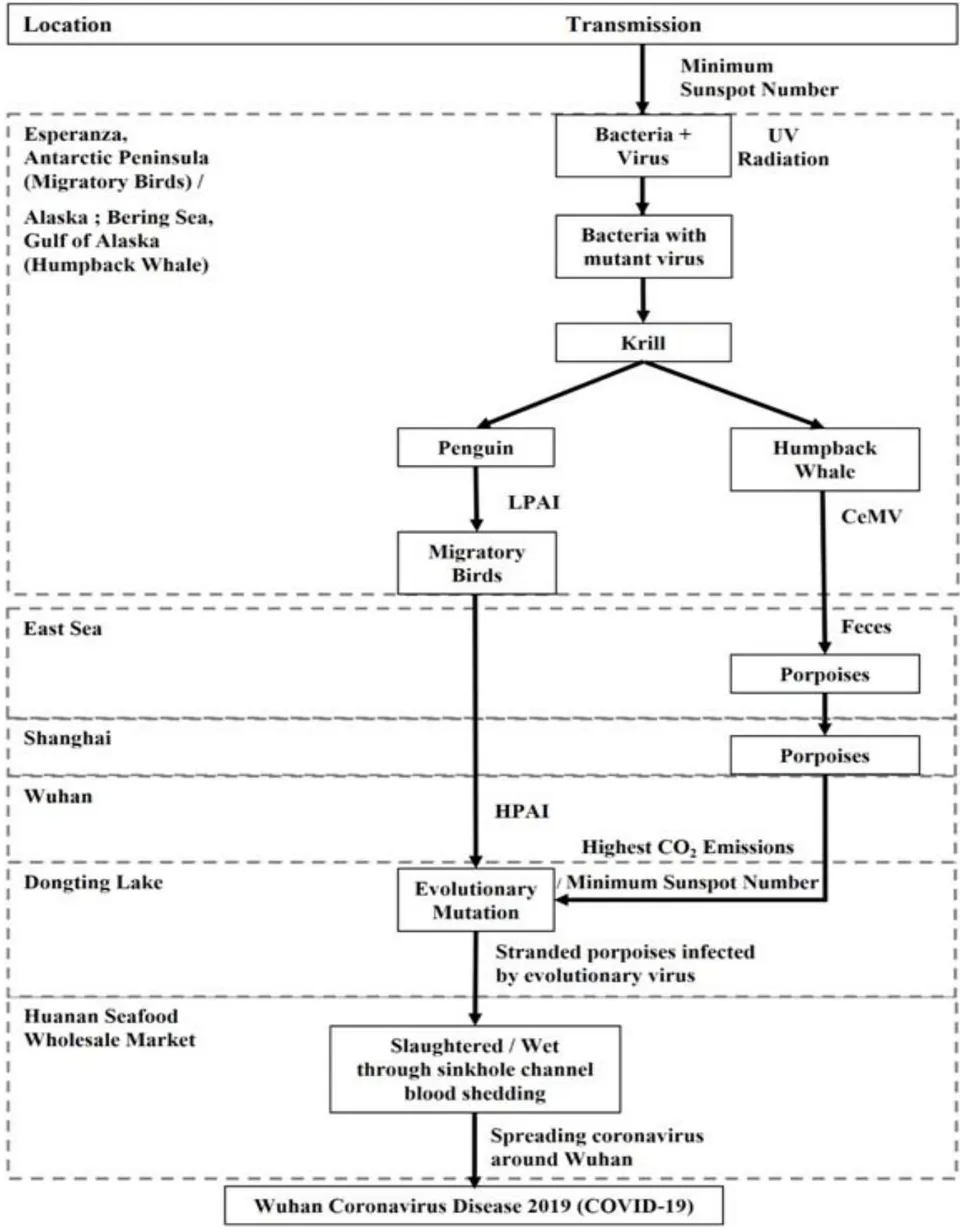
Porpoises swim along the Yangtze River to Dongting Lake. It is therefore possible that porpoises may carry both cetacean morbillivirus (CeMV) and avian influenza virus (AIV) at the Dongting Lake to induce an evolutionary virus such as Wuhan coronavirus disease 2019 (COVID-19) during the minimum sunspot number, as illustrated stepwise in Fig. 21.
b) Respiratory System
The respiratory and circulatory systems combine to provide an efficient delivery system that carries oxygen to and removes carbon dioxide from human body tissues. This transportation involves four separate processes; 1) breathing, which is the movement of air into and out of the lungs, 2) gas exchange by pulmonary diffusion, which is the exchange of oxygen and carbon dioxide between the lungs and the blood, 3) transport of oxygen and carbon dioxide through the blood, and 4) capillary gas exchange, which is the exchange of oxygen and carbon dioxide between the capillary blood and the metabolically active tissues. Gas exchange in the lungs serves to replenish the blood's oxygen supply, which is depleted at the tissue level, where it is used for oxidative energy production, and the removal of carbon dioxide which is the result of ATP production (WILMORE, 2004).
A typical pair of human lungs contain about 300 million alveoli, producing of surface area. The diameter of an alveolus is between 200 and .
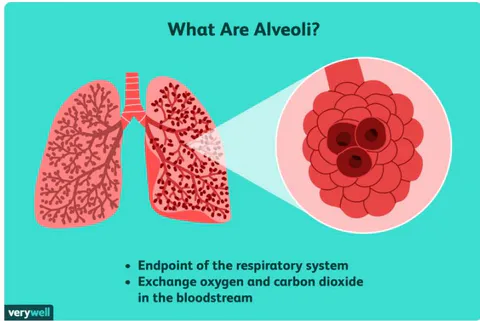
Alveoli are an important part of the respiratory system (Fig. 11) whose function it is to exchange oxygen and carbon dioxide molecules to and from the bloodstream. There tiny, balloon-shaped air sacs sit at the very end of the respiratory tree and are arranged in cluster throughout the lungs. Pneumonia is an inflammatory condition of the lung parenchyma, which and be caused by both viruses and bacteria. Pneumonia is an infection that inflames the alveoli in one or both lungs and can result in the air sacs filling with pus (ELDRIDGE, 2019).
Alveoli with surface area for the human have the air sac filled with pus during pneumonia. The buoyancy force of the CeMV infected whale is lacking air in the sac. The infected whale is thus afloat to be moved to the beach by the current until stranding death of pneumonia, inducing shortage of oxygen in the blood stream for heart attack.
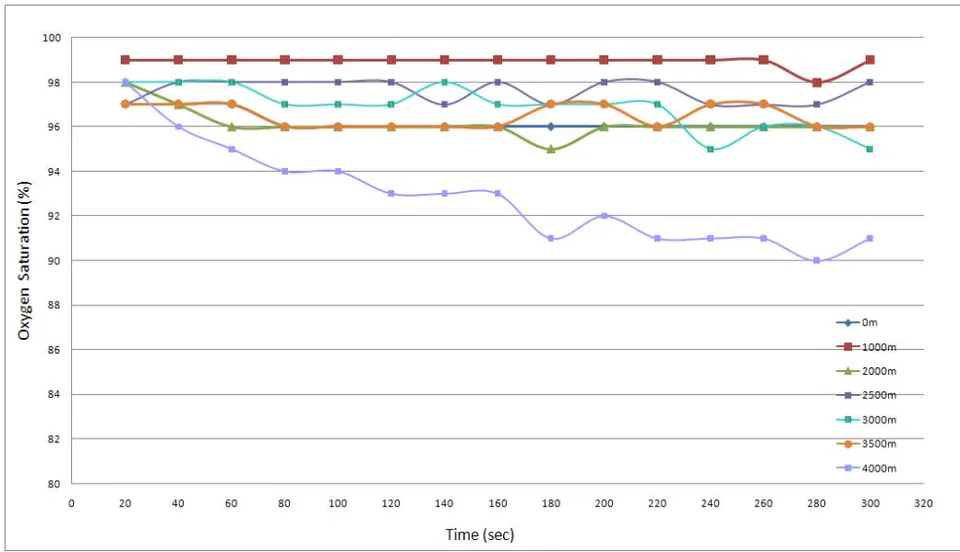
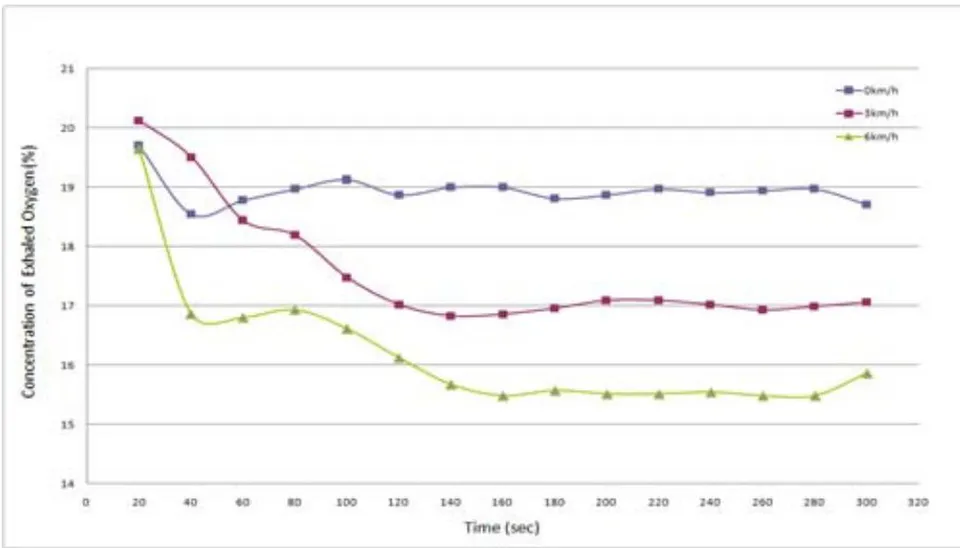
Measurements of the real time blood saturation of oxygen, exhaled and concentrations before and after 3 minutes of exercise. The running machine ST-3000 from Gee Hoo Industrial, Taiwan was used for the experiment. Fig. 12 showed the overall set up from the oxygen supply system to the measurement system through the test subject on the running machine.
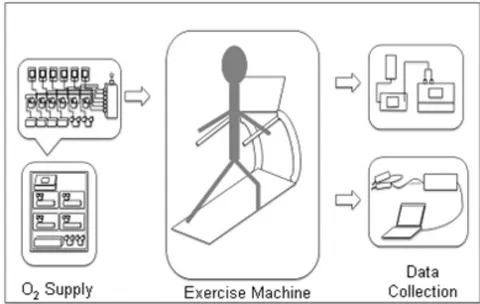
Fig. 13 implied that the oxygen saturation (%) decreased sharply, whose case could be equivalent to the degree of the confirmed patient infected by the coronavirus. At high altitude of 4,000 m there was less amount of oxygen. Since oxygen saturation (%) was rapidly decreased with increase of altitude, it was expected that there would be the stepwise decrease of oxygen saturation (%) for the confirmed patient infected by the coronavirus until death of pneumonia, if not cured.
c) Cetacean Morbillivirus
Remdesivir and chloroquine effectively inhibited the novel coronavirus (2019-nCoV) in vitro, (WANG et al., 2020) in The Wuhan Institute of Virology.
Cetacean morbillivirus (CeMV) is a virus that infects dolphins, porpoises and whales (BARRETT, 1999). Humans, dogs, cats, cattle, seals and cetacean serve as natural hosts of morbillivirus (RIMA et al., 2019). Symptoms of infection are often a severe combination of pneumonia, encephalitis and damage to the immune system, which greatly impair the cetacean's ability to swim and stay afloat unassisted (STONE et al.,
2011). Large groups of gregarious species were found to be the likely reservoirs and sources of CeMV infections in susceptible species in the Atlantic and Pacific Oceans (VAN BRESSEM et all., 2014).
Human blood test for the presence of a non-segmented, single-stranded RNA genome of negative polarity (BARRETT, 1999) for Wuhan coronavirus, may allow the initial screening of the confirmed case by means of blood kit, although the final confirmation can be decided by CT film for pulmonary calcification. Such a simple screening may facilitate to separate the infected patient from the healthy ones for less numbers of death and confirmed people along with fast recovery due to the short duration of the infection by Wuhan coronavirus. The recovered patient can be stayed in the chamber of UV radiation lamp at 254 nm while wearing sunglass, not to be re-infected by the Wuhan coronavirus. RNA Viruses showed the coronavirus in cetaceans for species of bottlenose dolphin and beluga whale (LEGER et al., 2018).
Unusual mortality event linked to CeMV has caused the death in stranded dolphins (GROCH et al, 2018), porpoises and whales (WVEC, 2017 and GROCH et al., 2018). Since the humpback whale is 666 times heavier (40,000kg) than the human (60kg), the impact of CeMV in the evolutionary mutated form of the Wuhan coronavirus to people can be very critical.
As the event of an unusual Mortality Event (UME), there have been humpback whales stranded in the Atlantic Coast (NARK, 2019) and gray whales (OFFICE OF PROTECTED RESOURCES, 2020) strandings in the West Coast (as of February 8, 2020).
Since Cetacean Morbillivirus (CeMV) induced the Wuhan coronavirus in China, the West Coast and the Atlantic Coast of the USA can be open to the danger of the Wuhan coronavirus, as occurred recently in the states of Oregon and Washington with 6 deaths by the Wuhan coronavirus.
There are a few common features between Cetacean Morbillivirus (CeMV) and Wuhan coronavirus as follows;
1) Same symptoms of pneumonia.
The Wuhan coronavirus originated at the Wuhan Seafood Wholesale Market, while cetacean morbillivirus (CeMV) has been found in dolphins, porpoises, and whales.
Wuhan city produces the highest level of emissions in the world. The resulting thin ozone layer and excessive UV radiation provide ideal conditions for the worst viral mutation.
Water pollution in Wuhan and Hubei caused by agricultural irrigation and industrial pollutants in the Yangtze and Han rivers and the Three Gorges Dam.
The Wuhan coronavirus has been named by the Coronavirus Disease 2019 (COVID-19). The event of whale deaths has been declared an "Unusual Mortality Event" while World Health Organization declared the outbreak of COVID-19 as a "public health emergency of international concern".
d) Vaccine Development
A Wuhan coronavirus vaccine can be developed by culturing blood from CeMV infected porpoises in the Yangtze River or Dongting Lake, along with bloods from the Wuhan coronavirus confirmed patient. CeMV were inoculated and incubated at C (WENDY et al., 2018). The virus inactivated at a temperature between 60 and C (WHO, 2011) could be used as vaccines for the Wuhan coronavirus.
Porpoises and humpback whales infected by CeMV can be initially tested for its efficacy of curing the CeMV. At the same time migratory birds infected by LPAI/HPAI can be examined together. Finally, the developed vaccines can be injected to the confirmed patient to examine the efficacy of curing the Wuhan coronavirus. This work of vaccine development can be followed by the teams in NIH and CDC in the United States.
Measles is spread person-to-person through the air. Measles can cause pneumonia, seizures, brain damage and even death (vaccine information. org/measles).
Since human is the host of morbillivirus, MMR Vaccine (Measles, Mumps and Rubella Vaccine) can be applicable to the confirmed patient for curing the Wuhan coronavirus.
Cetacean morbillivirus (CeMV) and Measles morbillivirus (MeV) are belong to morbillivirus. Porpoises, dolphins and whales are infected by CeMV. Stranded porpoises might cause the Wuhan coronavirus in Huanan Seafood Wholesale Market for wet meat with infected blood into the sinkhole after bloodshed. Such a blood might spread around the whole city of Wuhan through the underground sinkholes with infected CeMV. The strongest UV radiation under the conditions of the highest emissions, the worst polluted waters from 4,000 industries and highest productivity agricultural farming and the period of the minimum sunspot number in 2019 to 2020, could create an evolutionary virus from the animal of porpoises to humans. Since measles morbillivirus (MeV) are hosted by humans, it can be possible that MMR Vaccine can be a good candidate to cure the Wuhan coronavirus presumably initiated from CeMV.
Existing MMR Vaccine can be applicable to curing the Wuhan coronavirus, since the morbillivirus is common genus of CeMV for porpoises and measles morbillivirus for human.
e) Emissions
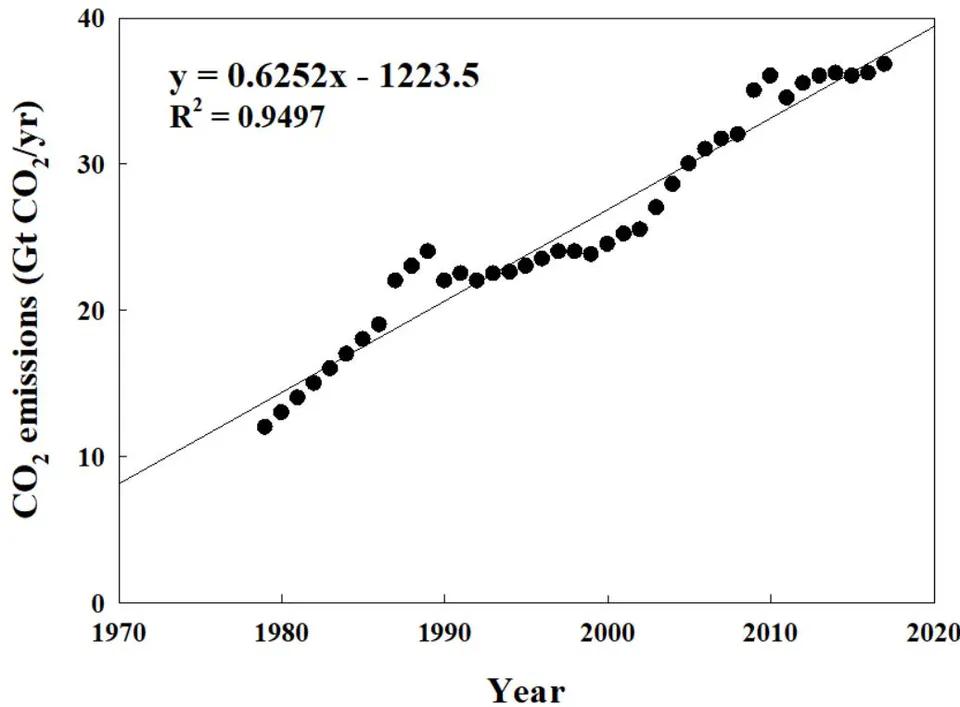
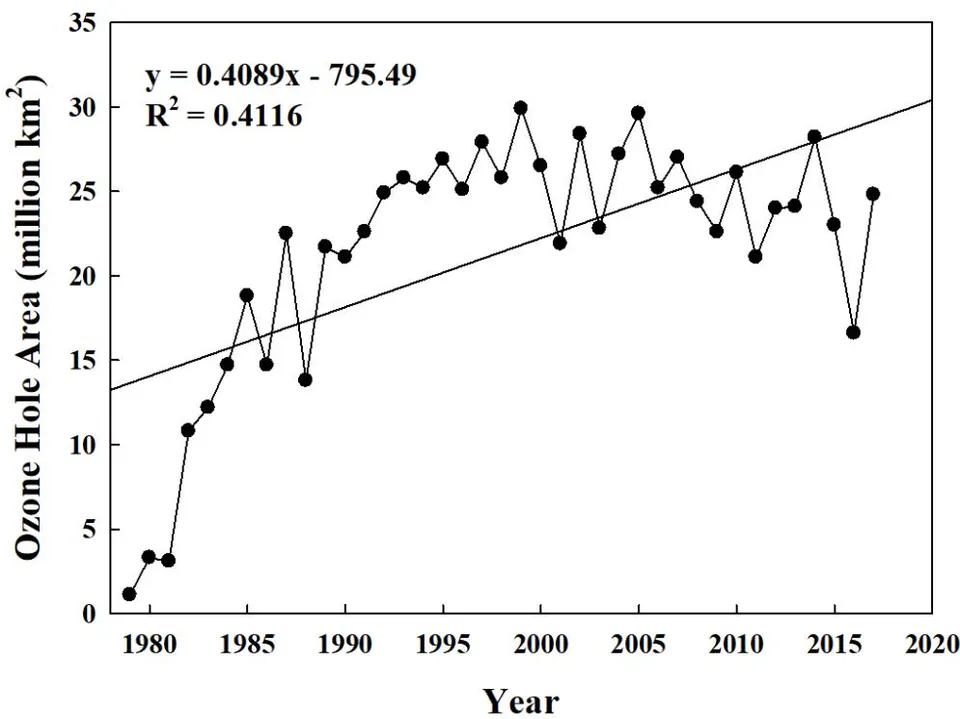
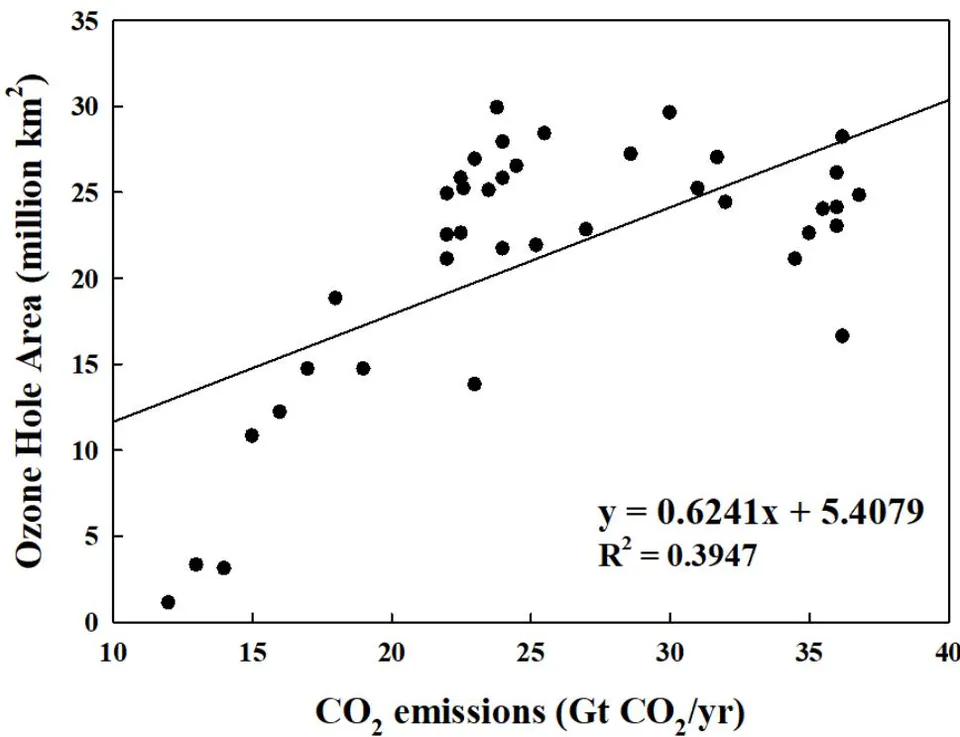
It is evident that global emissions increase continuously over the years ( ), as shown in Fig. 15. emissions induced the increase of the ozone hole area ( ) (Fig. 16) with a linear relationship ( ) (Fig. 17). The ozone is known to absorb the solar UV radiation to decrease the UVB (NIH, 1989). emissions were proportional to the ozone hole area and thus emissions leads to powerful UVB radiation on the Earth.
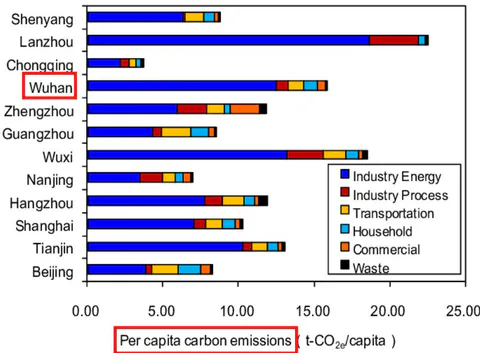
China is the greatest producer of emissions in the world. Fig. 18 shows the carbon emission characteristics of 12 major Chinese cities from 2004 to 2008 (WANG et al., 2012).
Wuhan has the highest emissions in the world resulting in a large ozone hole area.
Wuhan showed emission leading to the highest level in heating and industrial fuel use among 12 Chinese cities in the study.
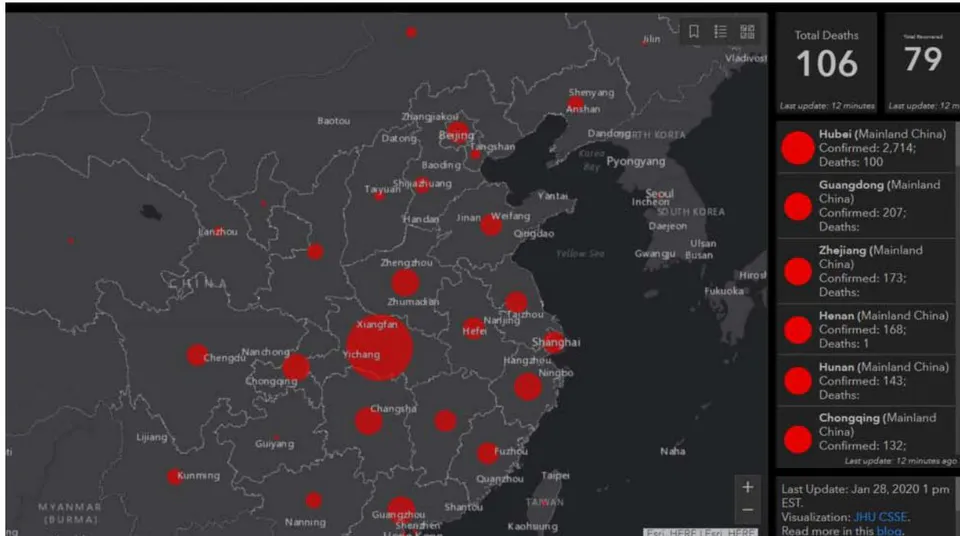
The spread of the Wuhan coronavirus around China is shown in Fig. 19; data available from John's Hopkins University (Feb. 2020). All the 12 Chinese cities with excessive emissions in Fig. 18 were superimposed in the recent map of the Wuhan coronavirus distribution in Fig. 19. Therefore, it could be proposed that the Wuhan coronavirus was induced by the highest emissions in China, during the minimum sunspot number period, causing the strongest UV radiation leading to the worst mutation of the virus. Since Wuhan seemed to be the initiator of the Wuhan coronavirus due to the contaminated water and infected air by Asian dust and air pollutions in Wuhan (WANG et al., 2017), there were many casualties specifically in
Wuhan and Hubei; an area with large bodies of polluted water in the Yangtze River, Han River and the Three Gorges Dam. The outbreak spread from Wuhan to most industrialized cities with high emissions and polluted water during the minimum sunspot number from 2019 to 2020.
It is imperative to reduce emissions by replacement of fossil fuel combustion plants with nuclear power plants. Polluted waters from 4,000 factories of the highest in China along the Three Gorges Dam, Yangtze River and Han River should be purified not only for the present Wuhan coronavirus but also for the coming diseases in 2030 to 2032 considering 11 years cycle of the sunspot number.
f) Sunspot Number
Solar flare (sunspots) with an 11-year cycle alter the amount of UVR (ultraviolet radiation) reaching the Earth. Solar flares increase ozone concentration in the stratosphere (above 50km) thereby reducing the amount of surface UVB. When solar flares are inactive and minimal, there is a decrease in the ozone concentration, allowing increased UVB to penetrate to the Earth's surface (NIH, 1989).
A significant viral mutation is therefore expected in the periods of the minimum sunspot number in a location with the highest emissions, which is the case with the Wuhan coronavirus from 2019 to the present day in China.
2019- 2020 falls within the period of the minimum sunspot number showing significant linearities with the La Nina Index ( ) (KIM, 2020), HPAI outbreak ( ) (KIM, 2018), record low temperatures in Chicago ( ) (KIM, 2019), and humpback whale strandings ( ) (KIM, 2018). Since the standard deviation of the sunspot number is 14 months or 1.1 years (KIM, 2018), there can be excessive UV radiation in the Poles during coming years between 2030 to 2032. These factors may have led to the mutation and spread of the new dangerous disease near at the Dongting Lake with millions of migratory birds in China during coming years between 2030 to 2032.
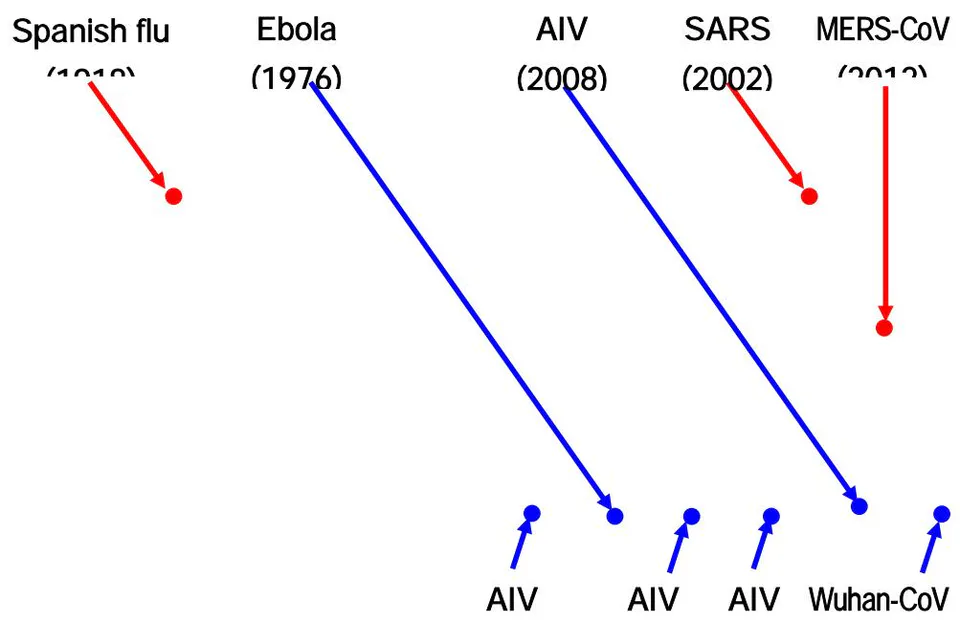
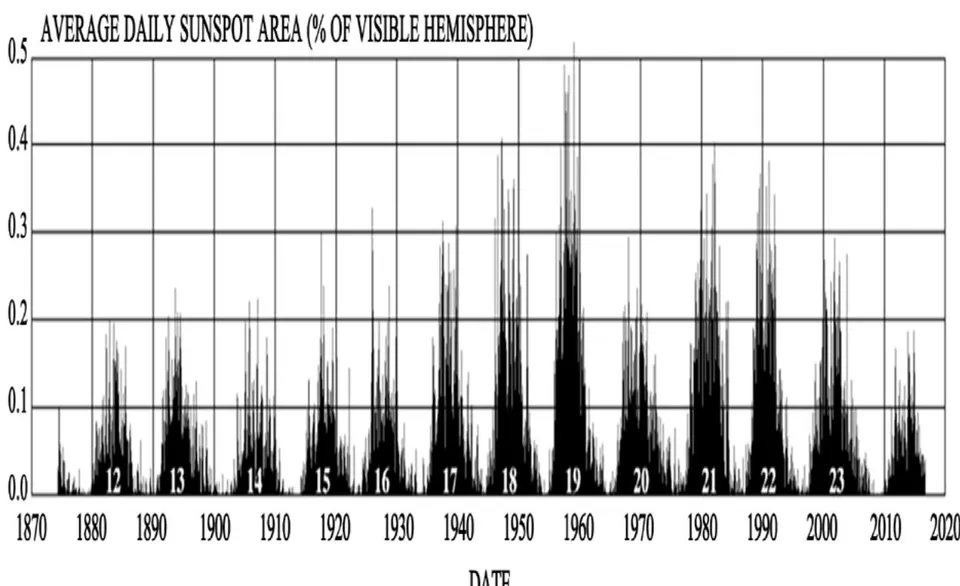
The 1918 Spanish flu, 2002 SARS and 2012 MERS-CoV occurred in the period of the maximum sunspot number in areas with high emissions, causing excessive UV radiation, resulting in extensive casualties. In addition, AIV, Ebola, Wuhan-COVID-19, all originated and spread from locations with high emissions during the minimum sunspot number period.
The extent of UVB radiation is stronger in the period of the minimum sunspot number than that of the maximum sunspot number due to a decrease in the ozone concentration (NIH, 1989) for the excessive viral mutation along with extensive casualties.
There have been 2,978 deaths and 86,914 confirmed cases of the Wuhan coronavirus in 64 countries as of March 1, 2020. In contrast, SARS caused 775 deaths and MERS caused 858 deaths with 2,494 confirmed cases. The present Wuhan coronavirus is more dangerous than the others.
The highest emissions in Wuhan during the minimum sunspot number could induce the strongest UV radiation for easy production of the mutant virus. Deteriorated air quality by the highest emissions as well as poor water quality by polluted Yangtze and Han Rivers from the Three Gorges Dam with HAB and pollutants from 4,000 factories could be major causes of Wuhan coronavirus.
Another dangerous outbreak is expected at Dongting Lake with millions of migratory birds in China, during years between 2030 and 2032 due to 11 years cycle of the sunspot number.
g) Transmission
Fig. 21 postulates that the Wuhan Coronavirus Disease 2019 (COVID-19) came the evolutionary virus originated from the Antarctic through migratory birds (KIM, 2018) and humpback whales from Alaska (KIM, 2018). Humpback whales infected by cetacean morbillivirus (CeMV) migrated to the East Sea. In addition, migratory birds infected by low pathogenic avian influenza (LPAI) flew to Dongting Lake (Fig. 7).
Porpoises could be infected by CeMV from the feces of humpback whales in the East Sea. Porpoises swam along the Yangtze River to reach Dongting Lake, where evolutionary mutation could have occurred between migratory birds, humpback whales and then porpoises. Porpoises could have been stranded and then died of pneumonia due to infection by CeMV and evolutionary avian virus. Such dead porpoises could have been moved to the Huanan Seafood Wholesale Market in Wuhan, the starting point of the outbreak, for wet meat by several stallholders. Since catching porpoises is prohibited by law, they might wash out the infected blood leading to the spread of the coronavirus, resulting in deaths caused by pneumonia.
Blood washed out from infected porpoises with evolutionary CeMV could have spread via underground streams which connect the sinkholes located in and around the Huanan Seafood Wholesale Market in Wuhan. This could explain why there was a sudden outbreak in Wuhan with such a high mortality rate.
A heavily industrialized city such as Wuhan must be careful of excessive emissions and polluted water quality in the period of the minimum sunspot number causing the outbreak of a serious disease like the Wuhan coronavirus. SARS in 2002-2003 in Guangdong in China and MERS in 2012-2014 in Saudi Arabia could have been caused by excessive emissions even in the maximum sunspot number. Since emissions enhance UV radiation at a specific location, any serious disease can originate and spread.
In the case of Wuhan, water polluted by agricultural irrigation and industrial chemicals flows downstream from the Three Gorges Dam, Han River and Yangtze River (LIAN, 2014). In addition, Wuhan is prone to flooding with a lower elevation than the Yangtze River making conditions even more conducive to the spread of a deadly virus.
h) Prevention
Several treatments are recommended to stop the propagation of the Wuhan coronavirus as follows:
— Physical method; Aerosol filtration by face mask, Relative humidity ( ) by humidifier, Temperature ( ) by heater.
Since Asian dusts carry bacteria, aerosol filtration is necessary to prevent the outbreak of viral diseases. Effective sanitization is important in viral epizootic outbreaks to avoid further spread of the pathogen. The surface temperature should be kept above C for at least 7.6h or greater than C to ensure sufficient inactivation of HPAIV (ELVING et al., 2012). It is recommended to use the air cleaner, humidifier and heater for indoor air quality without the viral infection. High relative humidity ( ) led to loss of infections influenza virus from simulated coughs (NOTI et al., 2013).
— Biological method; Lactobacillus, Leuconostoc, Weissella from Korean Kimchi is the new superfood due to its high probiotics, vitamin A and B for enhancement of poultry immunity. Yogurt may boost the immune system.
— Chemical method; , pH, Water should be spread to disinfect the floor, with caustic lime being added later to induce a chemical reaction for heat (200°C) and pH (11~12).
— Photochemical method; UV radiation in indoor air, drinking water and blood circulation of the confirmed patient.
The contaminated waters can be sterilized by physical methods (UV radiation, boiling) and chemical methods (ozone treatment, CaO treatment for high pH (11-12) and high temperature (200°C) during the chemical reaction with water) (KIM, 2018)
If drinking water frequently, the coronavirus in the inhaled air is dissolved in the stomach for steriliza -tion by stomach acid, instead of pathway to the lung alveoil leading to calcification and ultimately pneumonia.
Since UVR (ultraviolet radiation) exposure is strong in Wuhan City due to excessive emissions, polluted water and the minimum sunspot, minimizing UVR using proper clothing, appropriate application of physical and/or chemical sunscreens, behavior modification, and awareness of photosensitizing medications are recommended.
IV. CONCLUSION
Transmission of the Wuhan coronavirus could have been initiated in the Antarctic. Avian Influenza Virus (AIV) and Cetacean Morbillivirus (CeMV) mutated under excessive UV radiation while being carried by migratory birds and humpback whales, respectively, in the period of the minimum sunspot number from 2019 to 2020.
Porpoises infected by Cetacean Morbillivirus (CeMV) from the feces of humpback whales in the East Sea swam along the Yangtze River to Dongting Lake. There are many migratory birds and waterfowl that could have transmitted the evolutionary new virus to porpoises. Cetacean mammals such as dolphins, porpoises and whales died of pneumonia due to CeMV and were stranded on the beach. Infected and stranded porpoises could then have been moved to Huanan Seafood Wholesale Market in Wuhan. The stallholders could have been infected by inhaling the blood from infected porpoise treatment for wet meat. Direct infection of Wuhan coronavirus (COVID-19) could have been transmitted to the stallholders resulting in 7 deaths caused by pneumonia. Indirect infection from infected blood could have spread around the Wuhan area through the sinkholes and underground waterways originating at the wet Market. As a result, all the sinkholes in the city of Wuhan must be disinfected immediately.
Wuhan is known as "sponge city" and thus a water purification scheme has to be developed. Wuhan is below the Yangtze River during flooding. The case of the Netherlands can be referenced to handle the water irrigation. As for the Three Gorges Dam, its water level can be lowered to have enough water in the downstream area including Wuhan while the bottom of the Yangtze River should be desilted from the present 9m to 15m for clean water and uninfected Wuhan. Agricultural water in Hubei province, which has the highest rice productivity in China, should have nitrogen, phosphorus and iron removed to prevent the harmful algal blooms (HAB) resulting in clean water quality in Wuhan.
The high concentration of carbon dioxide should be decreased by closing fossil fuel power plants and increasing nuclear power plants. The simple sterilization by ultraviolet 254nm is recommended in air, water and confirmed patient to make a quick recovery from the Wuhan coronavirus disaster. Several treatments are recommended to stop the propagation of the Wuhan coronavirus as follows: physical method (face mask, humidifier, heater), biological method (Korean kimchi and yogurt), chemical method ( , pH by acetic acid, caustic lime, frequent water drinking for dissolution of the coronavirus and its disinfection at the stomach instead of its infection to the respiratory system) and photochemical method (UV radiation in indoor air, drinking water and blood circulation from the confirmed patient with dialyzer).
A Wuhan coronavirus vaccine can be developed by culturing blood from CeMV infected porpoises in the Yangtze River or the Dongting Lake, along with Wuhan coronavirus confirmed human blood. Existing MMR Vaccine can be applied to cure the confirmed patient.
It is evident that global emissions increase continuously over the years ( ). emissions induced the increase of the ozone hole area ( ) with a linear relationship ( ). The ozone is known to absorb the solar UV radiation to decrease the UVB. emissions were proportional to the ozone hole area and thus emissions induce strong UVB radiation on the Earth.
It can be concluded that the Wuhan coronavirus was caused by the highest emissions and polluted water during the period of the minimum sunspot number, providing the strongest UV radiation causing the worst mutation of the Wuhan coronavirus. The virus was caused by contaminated water and infected air, meaning there were many casualties specifically in the industrial and agricultural areas of Wuhan and Hubei.
UVB radiation is stronger during the minimum sunspot number period than that of the maximum sunspot number due to a decrease in the ozone concentration.
The Wuhan coronavirus has caused 2,978 deaths and there have been 86,914 confirmed cases in 64 countries as of March 1, 2020. In contrast, SARS resulted in 775 deaths while MERS caused 858 deaths with, 2,494 confirmed cases. The present Wuhan coronavirus is more dangerous than the others. Another dangerous outbreak is expected at Dongting Lake with millions of migratory birds in China, during years between 2030 and 2032 due to 11 years cycle of the sunspot number.
The highest emissions in Wuhan, as well as the spread of polluted floodwater from the Yangtze River, Han River and the Three Gorges Dam during the minimum sunspot number could have resulted in strong UV radiation creating perfect conditions for viral mutation in Wuhan and Hubei province. Overall, deteriorating air quality and high emissions as well as the polluted water could be the major reasons for the outbreak of the Wuhan coronavirus.
ACKNOWLEDGMENT
The author expresses sincere gratitude to the University of Suwon and G-Land of South Korea for their financial supports. Editing work undertaken by Professor Jonathan Wright is also greatly appreciated. Typing work undertaken by Kyunghoon Min is also greatly appreciated.