## I. INTRODUCTION
The cow, also referred to as the mother of all, is the most significant animal in the entire Veda. The essential products obtain from cows include milk, ghee, curd, urine, and fertilizer. Panchagawya[^1], which consists of these five components, is administered to the mother after childbirth. Cow is a mobile pharmacy. It is the drug industry's luck. There are many ailments which curable or incurable, manage with the cow urine now a days in India and abroad also. These things are well portrayed in sacred scriptures of Ancient science[^2] i.e Atharva Veda, Charak Samhita, Sushrut Samhita Vaggabhatt, Raj Nighuntu, Bhavprakash. Indian culture holds cows in the highest regard. Thirty three divine entities in total accompanied the cow. The cow provides us much while taking remarkably little from us. Indian people have thusly proved that the cow has an undeniable place in Indian life and economics with the help of intense passion and devotion.[^3] With the help of the product from the cow, peoples can acquire wealth, religion, reproduction, and salvation. Due to an ancient
Indian custom, Indian ranchers were once referred to as lords or the providers of grains. Cow controls all aspect of our lives. There is indication anyone If see lord Shiva and the dark cow together, It may be counteract the unfavourable effects of the planets in our natal horoscope. A dark cow is tied in the Shiva sanctuary.4 When notice the cow's lower legs, people take precautions against sudden passing. Parikrama, (going around the cow), is the same as visiting all of the holy places. The cow is the principal animal that emits a substantial amount of oxygen. Ghee derived from cow milk is used in havans and conciliatory flames because it can produce one tonne of oxygen, when one scoop of pure ghee is sprinkled on the burning cow excrement cakes (fuel). There may not be a better way to get rid of contaminants.1,3 Urine, which is one of the most important cow excretory products and one of the most effective medicines for various ailments. Cow urine contains all the important components needed to maintain a healthy balance of Vata, Pitta and Kapha.5 Because of its importance in medicine, cow urine is also known as the water of life or Amrita Because of its preventive and curative properties.
### a) Gir
India's Gir milk cattle are a well-known breed endemic to the Kathiawar gir hills and woods, which are located in the Gujarat districts of Jamnagar, Bhavnagar, Rajkot, and Amreli. The gir animals are renowned for their ability to withstand stressful situations and their resilience to a number of tropical illnesses. Animals from successful breeding grounds have been transferred into Brazil, Mexico, the United States, and Venezuela. The state of Gujarat produces a substantial amount of milk thanks to its livestock. Gir cattle are mostly raised by the tribes of Bharwade, Maldharis, Ahirs, and Charans. In quest of grass, they wander from one location to another with their cattle. In Gujarat state, the gir animals are also housed at several Goshalas (Goshala is also ought but we have to maintain a single spelling).[^6]
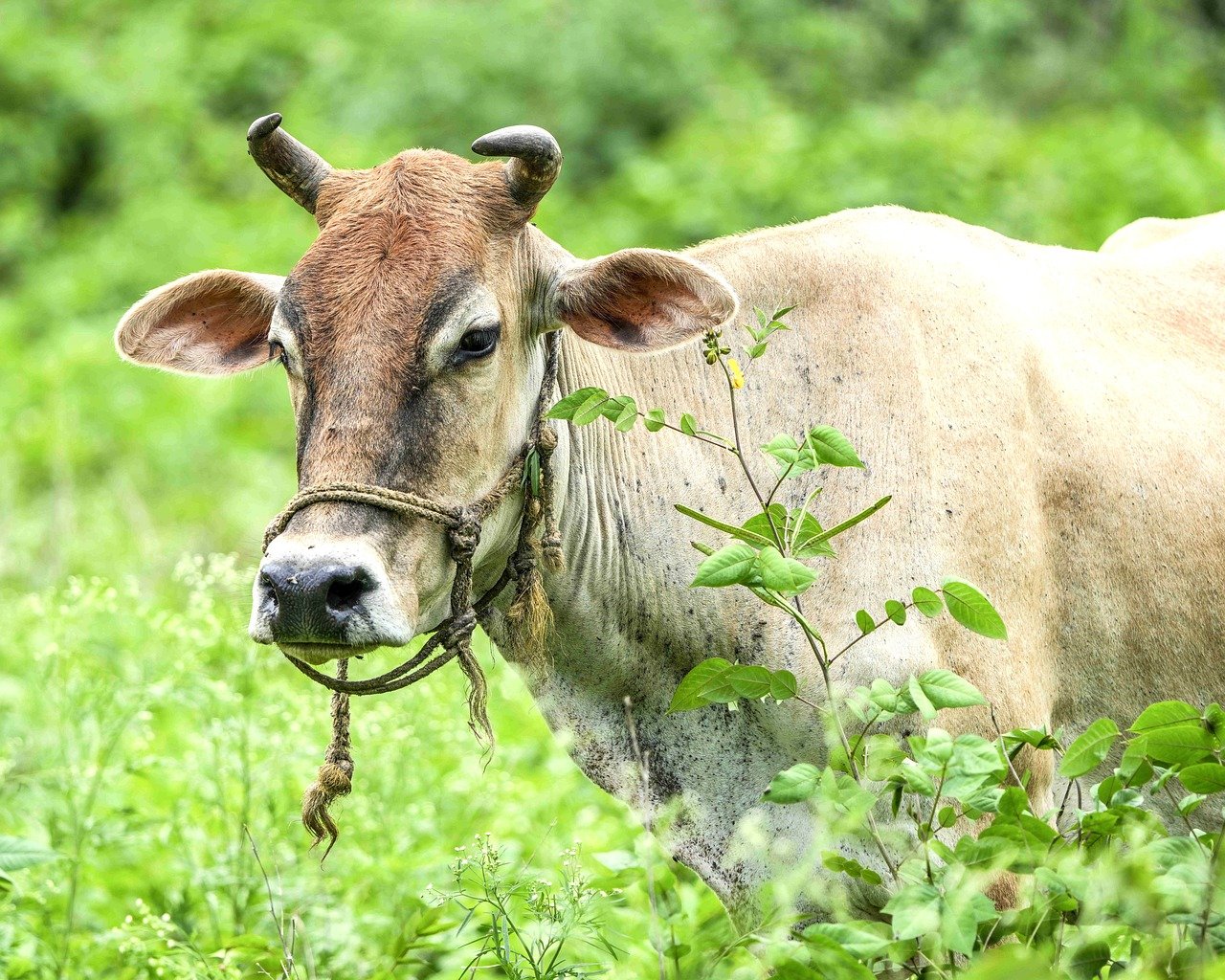
Gir animals may have coats that are entirely crimson, almost black and white, or any shade of red. The majority of animals have black skin, while others have brown skin. Convex and wide like a bone shield, the forehead is conspicuous. The animal seems messy as a result of the overhanging eyes, which make them appear to be half closed. Ears have a notch at the tip, are long and pendulous, and are folded like a leaf. Horns have a curved shape and bend back at the end.[7]
At the base, they face backwards and downwards and rise slightly upwards and forwards. The body is well proportioned, the tail is long and whip-like, the hooves are black and medium in size, the hair is short and shiny, the skin is soft and malleable, the hipbones are prominent, and the teat tips are spherical in cows. For successful conception, heifers need fewer artificial inseminations than cows. 52.49 months was the age of first calving recorded in Gircows.
### b) Haryana
A well-known dual-purpose breed from northern India, Haryana, was raised largely for its bullock products. Large portions of the Haryana districts of Gurgaon, Jind, Hisar, and Rohtak are included in its breeding tract.[8]
These animals are also raised in the Rajasthan districts of Jodhpur, Alwar, Loharu, and Bharatpur. In western Uttar Pradesh's Meerut, Bulandshahar, and Aligarh, these breeds are also widely distributed. On the Indo-Gangetic plains, this breed is one of the most prevalent. According to some sources, the Rohtak district's Jhajjar, Beri, and Jahajgarh pockets were home to a large population of purebred Haryana. Animals in Haryana are either white or light grey in colour.[9] Between the fore and rear parts of bulls, the colour is rather black or dark grey. Having dark skin. Haryana cattle have wellbalanced, compact bodies. Their long, thin faces, flat foreheads, and well-defined bony prominences at the poll's centre are distinguishing features. They possess little horns. Usually, the muzzle is black. Large, noticeable eyes are present. Animals often have dark eyelashes. They seem elegant due to the high head carriage. Cows have a medium-sized hump, while males have a huge hump. The feet are tiny, firm, and well-shaped, and the legs are somewhat lengthy and thin. Small beneath, roomy, and extending far forward, the sheath has a strong milk vein. Teats are medium in size and well-developed in proportion. Tail is narrow, tapered, and somewhat short. A black switch is located right below the hocks. A coat colour other than white or grey and a white switch of tail are regarded from the standpoint of breed registration as a clear departure from the normal characteristics. Male and female adults typically weigh 499 and $325\mathrm{kg}$, respectively. The average age at first calving is 1,567 days, however the range is 1,067 to 1,809 days. The range of milk output is 692 to $1754\mathrm{kg}$, with an average of $997\mathrm{kg}$. Lactation lasts from 238 to 338 days, or roughly 272 days. Average service time is 232 days, dry period is 255 days, and clawing interval is 483 days. These values range from 126 to 305 days, respectively (range 415 to 561 days)[7,8]
Recently, cow urine was patented (U.S. Patent Nos. 6896907 and 6,410,059) for its therapeutic benefits, notably for the prevention and treatment of malignancies and the control of bacterial infection. If left to soak for days in gomutra, several toxins may be refined and cleansed. For instance, after soaking in cow urine for 12 hours., There are many methods of intoxication of medicinal plants with cow urine are available in Ancient Ayurveda likeDhatura (Dhaturametel) seeds (with the shell peeled off) are regarded as being cleaned. Aconite (Aconitum napellus), Guggul (Comnipheramukul), loha (Iron), and bBalataka (Semecarpusanacardium) may all be purified and detoxified using cow pee. Silver can also be purified and detoxified using cow urine. Rifampicin, the first-line antibiotic used to treat TB, has bio-enhancer activity in cow urine that may increase its effectiveness against Gram-positive bacteria by up to 11 times and against Escherichia coli by up to 7 times. Antibiotics including Rifampicin, Tetracycline, and Ampicillin are better able to pass both natural and artificial membranes thanks to cow urine distillate. The increase in transportation ranges from around two to seven times[^10]
## II. LITERATURE REVIEW
In recent decades, aquaculture has had the greatest rate of development among all food production technologies, and further expansion in aquaculture output is anticipated. Aquaculture is a novel method of utilising eco-systems that also generates economic opportunities, and there is strong evidence that it has negative environmental externalities. Improved governance may be the best strategy to handle negative externalities, but it is often challenging since the majority of aquaculture output occurs in underdeveloped nations with weak management capabilities.[11]
Hu w et al (2007) $^{12}$ The adoption of trade methods to lessen environmental consequences is highly motivated by the fact that a significant portion of aquaculture produce is traded. Aquaculture's diversity of species, production techniques, and governance structures make it unlikely that broad trade policies will succeed in achieving environmental goals. However, there is a genuine danger that trade policies would have little or no environmental effect but instead will diminish economic opportunities, create new equity issues, and have an adverse impact on public health
Shaw SL et al (2007) $^{13}$ Salah Probiotics' impact on Tilapia nilotica's survival, growth, and resistance to infection was examined. (Oreochromis niloticus). The results demonstrated the possibility of employing probiotics to improve Oreochromis niloticus immunological and health condition as well as its illness resistance, hence enhancing growth performance.
Ahuja A et al. (2012) $^{14}$ Streptococcus faecium, Lactobacillus acidophilus, and Saccharomyces cerevisiae were investigated by as potential growth boosters for Nile tilapia (Oreochromis niloticus). On Nile tilapia development performance, they examined the impacts of three different probiotics, two bacteria, and one yeast. Three diets were created with the ideal amount of protein (40%) for tilapia fry: one with a 0.1% bacterial supplement of Streptococcus faecium and Lactobacillus acidophilus, another with a 0.1% yeast supplement of Saccharomyces cerevisae, and a third diet that was left unsupplemented.
Levamisole enhanced growth in common carp larvae without having any negative effects on survival or development, claim KekudaPT (2010) $^{15}$.
Kekuda PT (2010)[^15] investigated the use of immunostimulants in fish larval aquaculture. The usage of immunostimulants as dietary supplements, according to their claims, may strengthen an animal's natural defences and increase its resistance to diseases at times of high stress, such as during grading, reproduction, transfer, and vaccination.
Tyagi PK (2013) $^{16}$ With the use of herbal feed components, enhanced the immunity of Indian major carp C. catla. The test group's haemagglutination antibody titres, total serum proteins, serum globulins, and spleen and kidney RNA/DNA ratio were marginally higher than those of the control group. These findings support the notion that A. aspera improves Catla's immunity.
Sarsar et al. (2013) $^{17}$ in the serum of the juveniles of three major carp species in India, assessed non-specific parameters including superoxide production, haemegglutination (HA), haemolysin (HLY), and bacterial agglutination titres, myeloperoxidase (MPO), and lysozyme activities, as well as alternative complement levels (C. mrigala, C. catla and L. rohita).
Shah CP et al. (2011) $^{18}$ investigated the results of consuming A. aspera seed and administering A. hydrophila vaccination to L. rohita. The test group had higher levels of superoxide anion generation, lysozyme, alkaline phosphatase, SGOT, SGPT, and albumin: globulin (A/G) ratio compared to the control group. These findings suggest that A. aspera boosts L. rohita's immunity and enhances its resistance to infection.
Sathasivam A (2010) $^{19}$ investigated the immunoprotective impact of microbial levan on L. rohita juveniles challenged with A. hydrophila, undertook a 60-day feeding experiment. The results showed that as levan supplementation was increased, the total leucocyte count, erythrocyte count, serum lysozyme activity, respiratory burst activity (NBT assay), and relative survival percentage trended upward, whereas lower levan supplemented groups displayed higher albumin/globulin ratios.
The dietary dosages of turmeric that improve immune response and disease resistance against the opportunistic pathogen A. hydrophila in L. rohita fingerlings were examined by Vats S et al. (2012) $^{20}$. The study revealed $100\%$ and $89\%$ survivability in the group of fish fed with 5.0 and $1.0\mathrm{g}$ of turmeric per kg of feed and indicated that this dosage offered the best defence against pathogen challenge.
Yadavet. al. (2008) $^{21}$ investigated the impact of dietary fatty acid content on the fatty acid profile of the liver and muscle in young Synechogobius hasta. These dietary lipids were crucial for increasing energy, vital fatty acids, and fat-soluble vitamins, as well as for improving the quality of the meat.
### a) Scope of Cow urine
Nowadays, cow farming is a significant source of revenue and a business that helps landless and disadvantaged farmers to generate cash from shared resources and land $^{22}$. In Myanmar, traditional medical practitioners of the Buddhist culture continue to treat a variety of illnesses using cow urine treatment, with good outcomes. $^{23}$ The traditions followed have origins that go back more than 2500 years to the Buddhist period. In a clay pot containing cow urine, they ferment the fruits of Phyllanthus emblica, Phyllanthus simplex, and Terminalia chebula. They then drink it every morning $^{24,25}$. Cow urine may be used to treat eczema, burns, hepatitis, jaundice, immunological diseases, dysentery, malignancies, and diabetes, according to Raja K(2011) $^{24}$.
The idea that this substance may also make it easier for tumour cells to spread to distant organs through the angiogenic pathway is supported by the possibility that Follistain is involved in tumour angiogenesis. Emerging data supports this theory and indicates that FLS, at least in certain tumours, seems to promote the metastatic process.[25]
### b) Cow Urine in Ayurveda
1. Panchgavya Chikitsa, is an Ayurveda therapy that relies on cow-derived products (Raja K).[^26] Urine was employed as a vehicle for the administration of medical herbs utilising seldom used, priceless medicinal plants, according to the Chinese pharmacological dictionary Shang Han Lun (Yadav S et al)[^21]. An ancient Ayurvedic idea known as "cow pee treatment" focuses on utilising the components of cow urine to cure a variety of bodily conditions. Cow urine is referred as in Ayurveda as Madhya, and the word hridya denotes that it protects the heart and brain from harm brought on by mental stress.
2. The name "Panchgavya" refers to five principal compounds derived from cows, including milk (Gaudugdh), dung (Gaumaya), urine (Gaumutra), butter oil (Ghee), and curd (Gaudahi). These five items may be used alone or in combination with other plants for therapeutic purposes and have medicinal effects against a variety of illnesses. Cowpathy or Panchgavya therapy are terms used to describe this kind of treatment. It has been characterised as a very effective material or secretion of animal origin with many medicinal
benefits in the Sushrita Samhita, Charaka Samhita, and Ashtanga Sangraha.[27,28]
According to Maheshwari AK et al (2004) $^{29}$, cow urine is very beneficial for urological disorders because it gives the body some of the most fundamental vitamins and minerals. Additionally, cow urine therapy is beneficial for conditions like cancer, diabetes, AIDS, asthma, psoriasis, eczema, blood pressure, heart disease, piles, asthma, esnophilia, cough, phlegm, varicose veins, diarrhoea, cholesterol, chest pain.
### c) Composition of Cow urine
Most compounds found in extracellular fluid are often also found in urine, which is generated to maintain the consistency of the extracellular fluids' makeup (Tatiraju DM, 2013) $^{30}$. Urine is primarily composed of water, minerals, urine cast, and other bodily waste products. $95\%$ of cow pee is water, $2.5\%$ is urea, $2.5\%$ is minerals, 24 kinds of salts, $2.5\%$ is hormones, and $2.5\%$ is enzymes. According to an analysis of cow urine, it contains a variety of nutrients, including calcium salts, iron, silicon, silicon dioxide, chlorine, magnesium, citric acid, succinic acid, potassium, ammonia, nitrogen, sulphur, phosphate, sodium, manganese, carbolic acid, uric acid, amino acids, lactose, enzymes, creatinine, hormones, and gold acids. Copper has the ability to both cure and counteract ailments. Amino acids and cytokines may help to improve the immune system. Only Gomutra possesses all the chemical characteristics, potentials, and components necessary to reverse all the negative effects and imbalances in the body. $^{30}$
The daily quantity of urine output varies depending on the nutrition, job, weather, water intake, season, and other variables. The ratio of dissolved substance to water affects the specific gravity of urine. The specific gravity will be decreased as the volume increases. Cattle typically generate 17 to $45 \mathrm{ml} / \mathrm{kg}$ body weight of urine each day with a mean specific gravity of 1.030 to 1.045. (Chawla PC et al, 2010) $^{31}$. While there were few heavy metals present, copper, mercury, nickel, and zinc concentrations were 10-500 times greater than those found in precipitation and surface waters.
### d) Therapeutic uses of Cow Urine
Cows' urine, milk ghee, curd, and dung all have therapeutic characteristics and are used alone or in conjunction with other herbs to treat a variety of illnesses, including as cancer, AIDS, and diabetes. This alternative therapy is known as cowpathy.[32] Many elements essential to the correct operation of the cardiovascular system may be found in cow pee. As a vasodilator, kallikrein lowers the risk of hypertension. The enzyme urokinase functions as a fibrinolytic agent; ammonia preserves the blood corpuscles' structural integrity. Blood is cleaned up by components of nitrogen, sulphur, salt, and calcium, while iron and erythropoietin stimulating factor keep hemoglobin levels stable. Poornima G et al. (2012) $^{32}$ used CdCl2 to cause hepatotoxicity in mice and administered "kamdhenu ark" to one group and Zn and "kamdhenu ark" to another group for up to 60 days. Compared to the CdCl2 treated group, the treated mice showed hepatocytes with typical cellular characteristics and conspicuous nuclei. These findings imply that "kamdhenu ark" works as a bioenhancer of Zn and has antagonistic effects against cadmium-induced liver damage. Serum levels of the marker enzymes serum glutamate oxaloacetate transaminase (SGOT), serum glutamate pyruvate transaminase (SGPT), alkaline phosphatase, and acid phosphatase that were elevated during carbon tetrachloride-induced hepatotoxicity were significantly decreased when bramhighrita, an Ayurveda formulation from the panchagavya class, was An istopathological analysis of the liver from several groups of people corroborated it. Kumar A et al. (2004) $^{33}$ investigated the antidiabetic effectiveness of a herbal remedy made from Gymnema sylvestre, Momordica charantia, Eugenia jambolana, Aegle marmelos, Cinnamomum tamala, Aloe barbadensis, and Trigonella foenumgraecum in alloxan-induced diabetic rats. They came to the conclusion that compared to herbal treatments created with water; those manufactured with cow pee considerably reduce blood sugar levels. Moreover, fresh cow pee has an anti-diabetic effect. $^{34}$
## III. METHODS AND MATERIALS
### a) Proximate composition of feed
All of the metrics, including crude protein, crude fat, ash content, nitrogen-free extract, and moisture content, were greater in the samples treated with Gir cow urine, as shown in tables. T3 (HF) has greater crude fiber.
### b) Selection of cow breeds
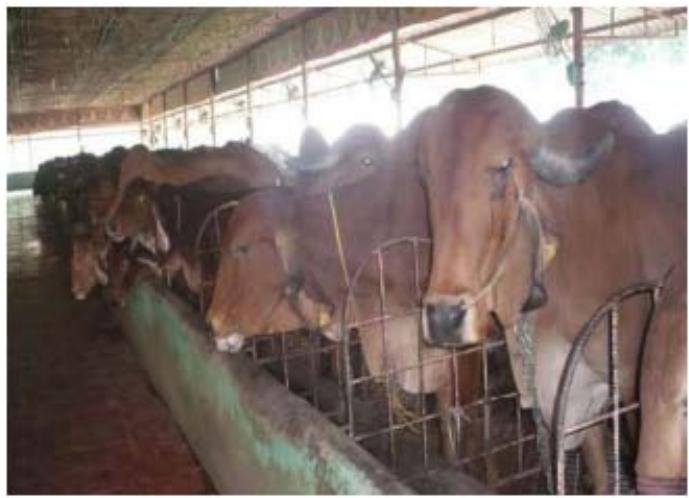
Fig. 1: Gir (Bosindicus)
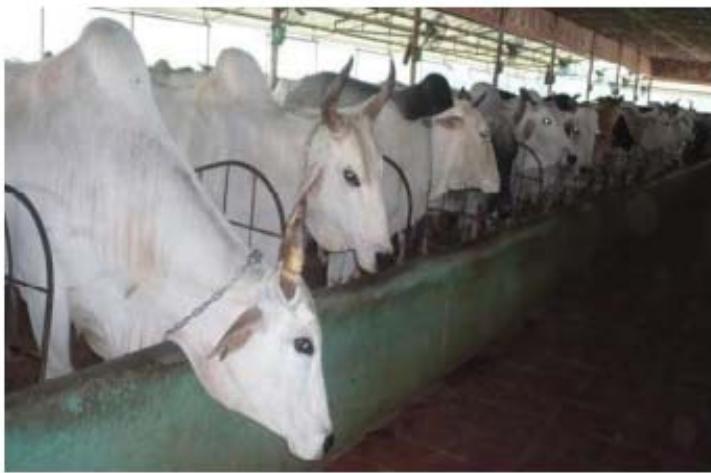
Fig. 2: Haryana (Bosindicus)
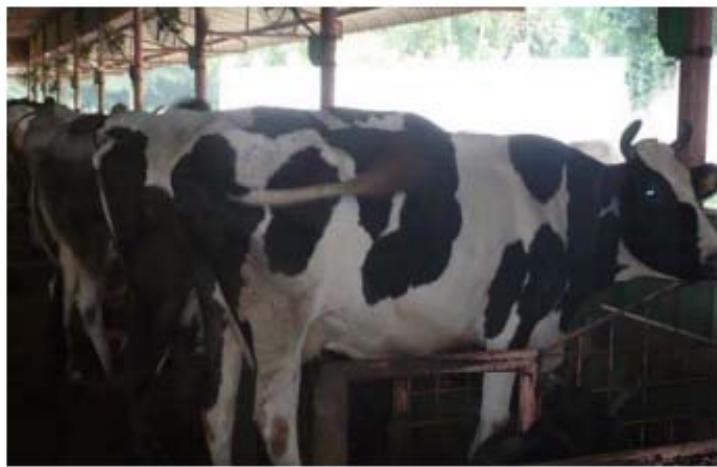 Fig. 3: HF cross breed (Bostaurus)
### c) Cow urine collection
The faces of six disease-free cows were chosen for collection. The first urine sample was taken from
Goshala, Sri Vittal Rukminni Samsthan, Govindhapuram near Kumbakonam in the early morning (4.00 to 5.00 hrs.) from Gir, Haryana, and HF cross-bred cattle (Tag
Nos. 0206, 0177, 0184, 0468, 0133, 0201), as well as livestock from Gir and Haryana. The urine was collected, and sterile, airtight containers were used to transfer it to the lab. These animals were kept in a shed that was well aired and provided with individual feeding and watering. Ad libitum access to fresh water for drinking and food was provided. Every day, around $2\mathrm{kg}$ of the available green food was given to the animals.
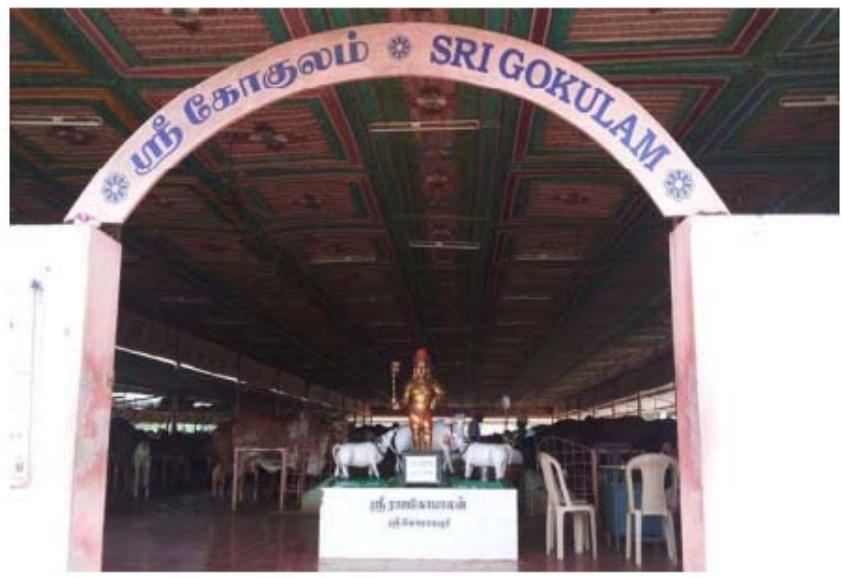
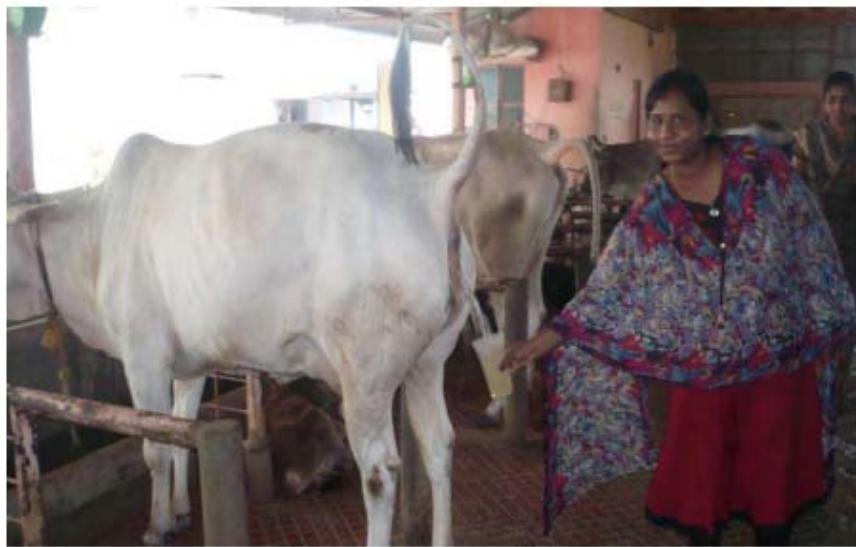
Fig. 4: Cow urine samples collected from Goshala of Sri Vittal Rukmini Samasthan
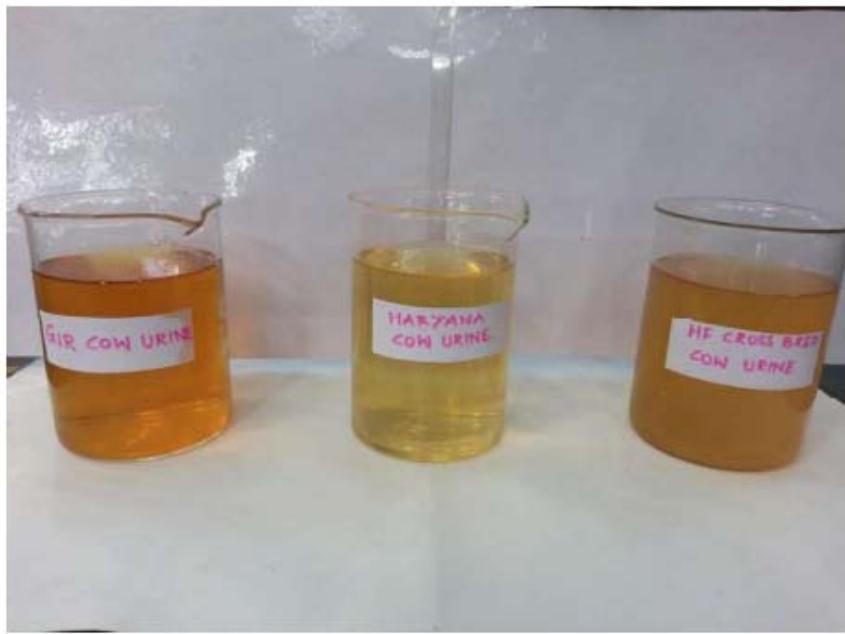 Fig. 6: Different breeds of Cow Urine
## IV. RESULTS AND DISCUSSION
a) Effect of cow urine on Growth Parameters in Labeo rohita
- The effect of cow urine on growth parameters on 10th day from the day of cow urine treatment
Table 1 lists a number of variables, including fish growth, growth rate,% increase in body weight, growth rate, etc., for fish treated with cow urine of various breeds and untreated controls. In T1 (0.28 g), which was treated with Gir cow urine, the growth was seen to be greater as compared to the treatments. The T3 cell line that has received HF treatment showed the least growth, 0.13 g. The trend is the same for all other metrics.
- The effect of cow urine on growth parameters on 20th day from the day of cow urine treatment
- Table 2 shows how cow urine affected the development parameters on the twentieth day. T3 saw the least increase (0.20 g), whereas T1 experienced the most growth spike (0.4875 g). Compared to the growth rate on the 10th day, each group's growth rate fell.
- The effect of cow urine on growth parameters on 30th day from the day of cow urine treatment
The effects of several growth parameters, such as fish weight growth, growth rate, and $\%$ increase in body weight, are shown in Table 3. Control had the least growth augmentation of $0.212\mathrm{g}$. T1 had the highest weight rise, which was $0.498\mathrm{g}$. T1 had the highest weight percentage $(72.9\%)$ and control had the lowest $(33.5\%)$.
Table 1: Development characteristics of rohu fingerlings on day 10 of the experiment when cow urine was added to the water
<table><tr><td rowspan="2">Parameters</td><td colspan="4">10thday</td></tr><tr><td>C</td><td>T1</td><td>T2</td><td>T3</td></tr><tr><td>Initial weight(g)</td><td>1.23</td><td>1.35</td><td>1.36</td><td>1.65</td></tr><tr><td>Final weight (g)</td><td>1.45</td><td>1.68</td><td>1.25</td><td>1.45</td></tr><tr><td>Growth(g)</td><td>1.2545</td><td>1.253456</td><td>1.2365</td><td>1.145245</td></tr><tr><td>Growth rate(g/day)</td><td>1.0212</td><td>1.254</td><td>1.0265</td><td>1.005</td></tr><tr><td>Percentage increase body weight</td><td>35.5</td><td>42.56</td><td>23.56</td><td>18.5</td></tr><tr><td>Average growth rate(g/day)</td><td>1.235</td><td>1.456</td><td>1.254</td><td>1.789</td></tr><tr><td>Survival rate (%)</td><td>82</td><td>85</td><td>88</td><td>83</td></tr></table>
Table 2: Development characteristics of rohu fingerlings throughout the 20 days of the experiment when cow urine was added to the water
<table><tr><td rowspan="2">Parameters</td><td colspan="4">20thday</td></tr><tr><td>C</td><td>T1</td><td>T2</td><td>T3</td></tr><tr><td>Initial weight(g)</td><td>1.23</td><td>1.35</td><td>1.36</td><td>1.65</td></tr><tr><td>Final weight (g)</td><td>1.45</td><td>1.68</td><td>1.25</td><td>1.45</td></tr><tr><td>Growth(g)</td><td>1.2545</td><td>1.253456</td><td>1.2365</td><td>1.145245</td></tr><tr><td>Growth rate(g/day)</td><td>1.0212</td><td>1.254</td><td>1.0265</td><td>1.005</td></tr><tr><td>Percentage increase body weight</td><td>35.2</td><td>75.6</td><td>38.2</td><td>33.6</td></tr><tr><td>Average growth rate(g/day)</td><td>1.234</td><td>1.025</td><td>1.456</td><td>1.123</td></tr><tr><td>Survival rate (%)</td><td>80</td><td>86</td><td>81</td><td>85</td></tr></table>
Table 3: Development characteristics of rohu fingerlings on day 30 of the experiment when cow urine was added to the water
<table><tr><td rowspan="2">Parameters</td><td colspan="4">30thday</td></tr><tr><td>C</td><td>T1</td><td>T2</td><td>T3</td></tr><tr><td>Initial weight(g)</td><td>1.23</td><td>1.35</td><td>1.36</td><td>1.65</td></tr><tr><td>Final weight (g)</td><td>1.45</td><td>1.68</td><td>1.25</td><td>1.45</td></tr><tr><td>Growth(g)</td><td>1.2545</td><td>1.253456</td><td>1.2365</td><td>1.145245</td></tr><tr><td>Growth rate(g/day)</td><td>1.0212</td><td>1.254</td><td>1.0265</td><td>1.005</td></tr><tr><td>Percentage increase body weight</td><td>63.2</td><td>56.2</td><td>45.2</td><td>78.5</td></tr><tr><td>Average growth rate(g/day)</td><td>1.234</td><td>1.025</td><td>1.456</td><td>1.123</td></tr><tr><td>Survival rate (%)</td><td>75</td><td>85</td><td>90</td><td>83</td></tr></table>
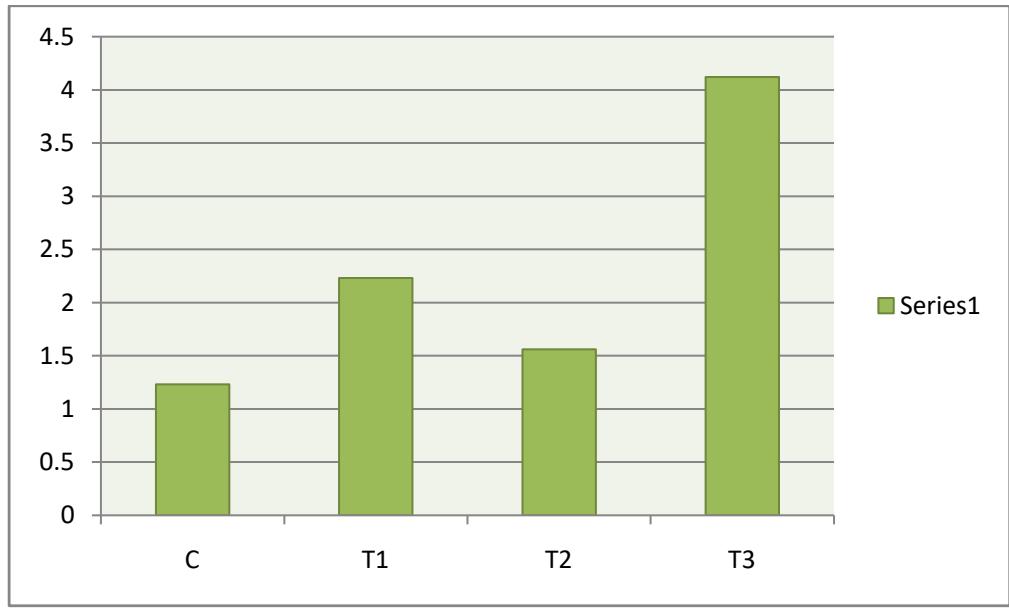
Fig. 1: The impact of cow urine as a water addition on labeo rohita development.
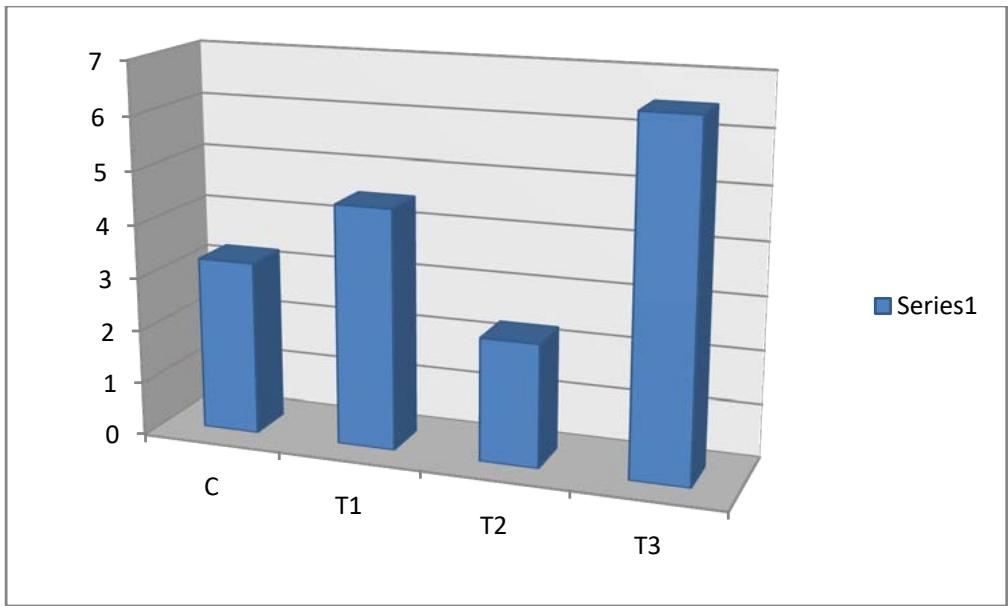 Fig. 5: Collection of Cow Urine
Fig. 2: The impact of cow urine as a water supplement on labeo rohita growth rate.
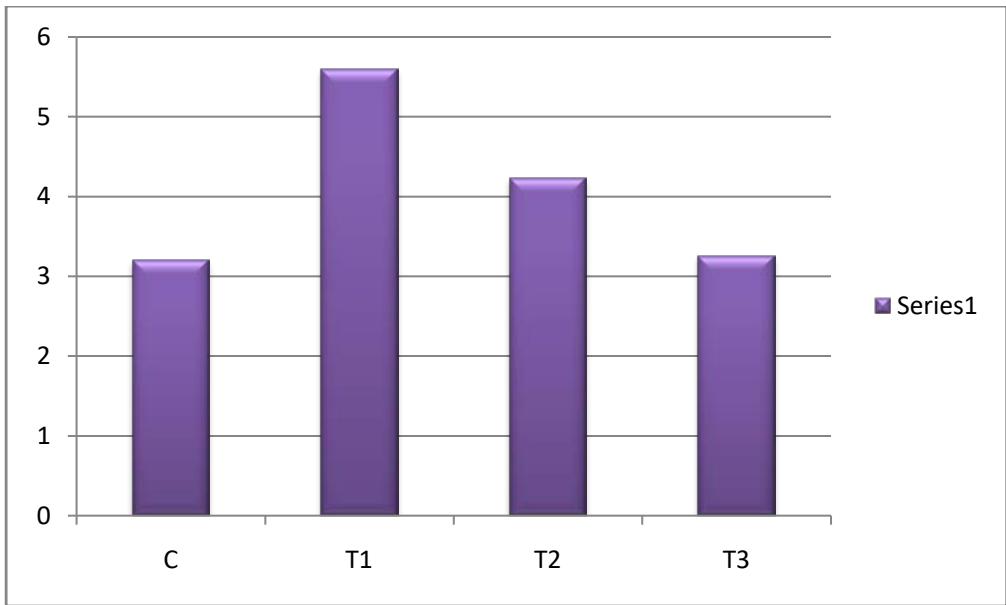 Fig. 3: The impact of cow pee as a water addition on Labeo Rohita's% rise in body weight
### b) Discussion
- The effect of cow urine on food utilization parameters on 10th day from the day of cow urine treatment
Table 1 demonstrates that, when compared to other treated groups, fish given cow urine of Gir (T1) directly administered in water had the highest feeding rate (3.53 mg/g/day), food absorption (26.69 mg), absorption rate (2.51 mg/g/day), absorption efficiency (70.98%), gross conversion efficiency (54.81%), and net conservation efficiency (77.22%). The HF cow urine treated groups (T3) showed the lowest results, which were nonetheless greater than the findings of the control group $(68.58\%)$.
- The effect of cow urine on food utilization parameters on 20th day from the day of cow urine treatment
Feeding rate (1.77 mg/g/day), food absorbed (35.72 g), absorption rate (1.77 mg/g/day), absorption efficiency (69.04%), gross conversion efficiency (94.22%), and net conservation efficiency (93.93%) are some of the food usage metrics., which received Gir cow urine treatment, was greater in T1 (Table 2). The HF cow urine treated groups (T3) had a minimum performance of $65.65\%$, which is less than the control group.
- The effect of cow urine on food utilization parameters on 30th day from the day of cow urine treatment
Table 3 shows the effects of different breeds of cow urine on the food consumption indicators. As compared to other treatment groups, cow urine from Gir (T1) administered directly into water increased the maximal feeding rate (1.18 mg/g/day), absorption rate (1.39 mg/g/day), absorption efficiency (68.72%), gross conversion efficiency (96.09%), and net conservation efficiency (84.42%). The minimum values across the treatment groups and when compared to the control was noted for the same parameters as in T3. Results of the 30th day for food consumption parameters affected by the addition of cow pee to the water
## V. CONCLUSION
Cow urine is a natural and universal treatment that replenishes the body's deficiencies in all of the beneficial components since it includes all of these elements. There are 24 different kinds of salts in cow pee, and medications derived from it may treat even the most fatal illnesses. The majority of medications are created by distilling urine and collecting the vapors, often known as distillate or Go-Ark. It was discovered that cow urine improved the effectiveness of many herbal remedies as a larvicide and pest control antibiotic, antifungal, and anticancer agent. Moreover, plant preparations and cow urine have been shown to have synergistic larvicidal, antibacterial, and anti-diabetic effects. Even though research on various plants has demonstrated their bioactivity, including their antibacterial, anti-inflammatory, and antiviral effects, immunomodulatory activity, and cow urine has shown to exhibit a similar effect on various animals, including man, the combination of both is still largely unreported in detail. One of cow urine's numerous qualities is bio enhancing.
The goal of the current study was to examine the potential immunomodulatory, growth-promoting, and protective effects of various preparations of cow urine extract of Ocimum sanctum on Orechromis mossambicus, with particular emphasis on non-specific and specific immunity, as well as the functional immunity of this species in terms of disease resistance against the common fish pathogen Aeromonas hydrophila. Positive controls were kept in place to see whether cow urine or O. sanctum alone had a fantastic impact comparable to the combo treatments. If this is the case, there is no need to combine the processes since they take more time, work, and money. Knowing this, DCU/FCU and/or DOS/impact FOS's on other groups was preserved. For dosage fixing of further investigations, the impact of different doses of cow urine extracts of Ocimum sanctum preparations (distilled, DCOS, or ferment, FCOS) on growth parameters was considered.
[^1]: Corresponding Author $\alpha$: Department of Clinical Research & Healthcare Management, Indus University, via Shilaj, Rancharda, Ahmedabad-382115, Gujarat, India. e-mail:
[email protected]